 Complete Gardening
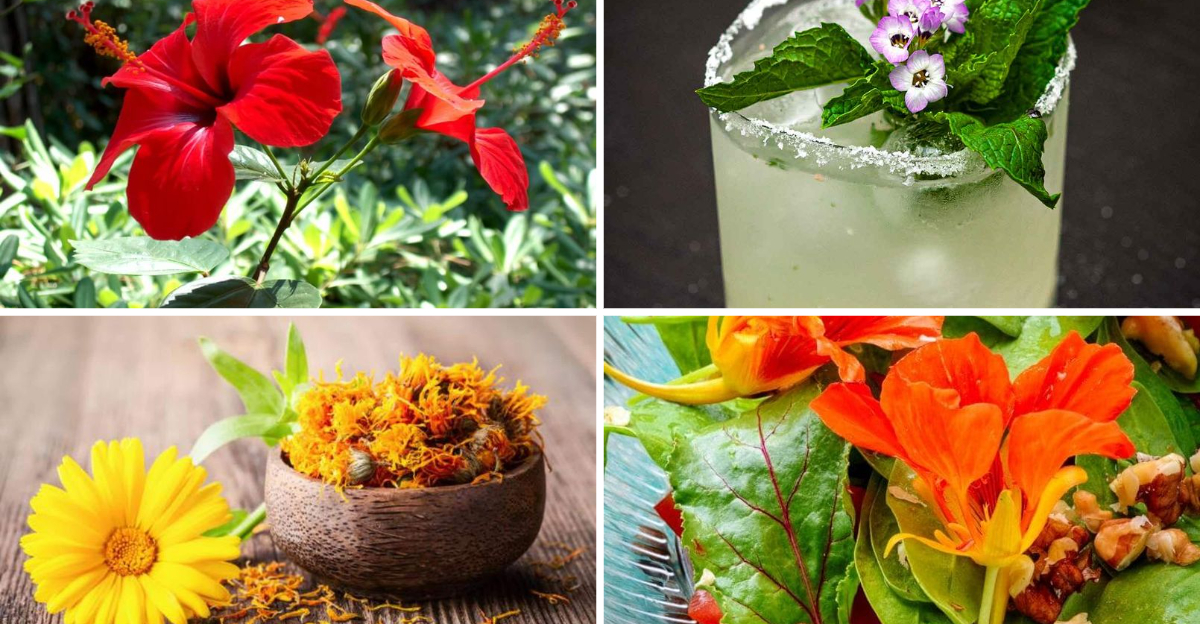
Exploring the world of edible flowers and herbs can transform any dish into a visual masterpiece. These natural wonders not only enhance the aesthetic appeal of your meals but also add unique flavors and aromas that can elevate your culinary creations. Whether you’re garnishing a delicate dessert or adding a touch of color to a savory dish, edible flowers and herbs offer endless possibilities for creativity in the kitchen. In this article, we’ll delve into 20 exquisite options that will make your dishes shine.
1. Nasturtium
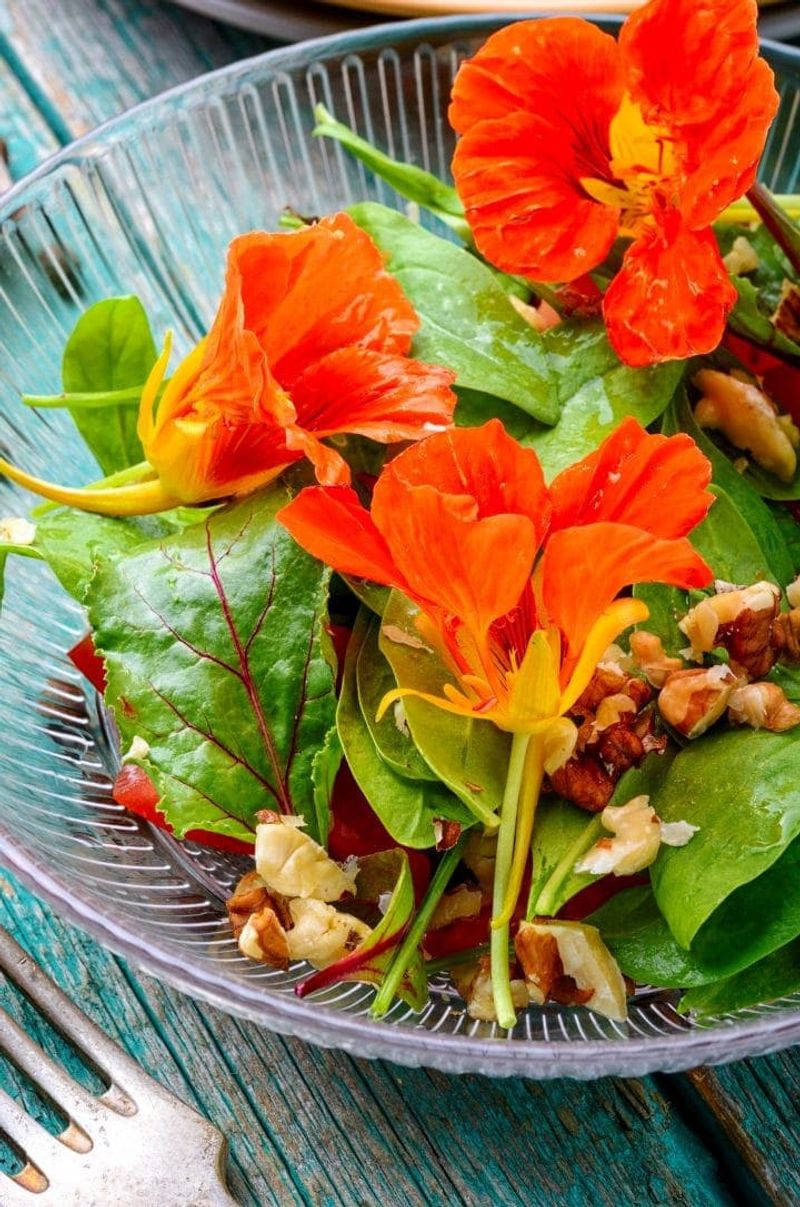
Nasturtiums are known for their bright, peppery taste and are as beautiful as they are flavorful. These trailing flowers, often found in shades of orange, yellow, and red, can transform a simple salad into a vibrant feast for the eyes. Their slightly spicy flavor adds a delightful kick, making them a versatile addition to various dishes. With a history as rich as its color palette, the nasturtium was once a staple in Incan cuisine. Have you ever wondered how a flower could taste so much like a radish? Nasturtiums are the answer!
2. Borage
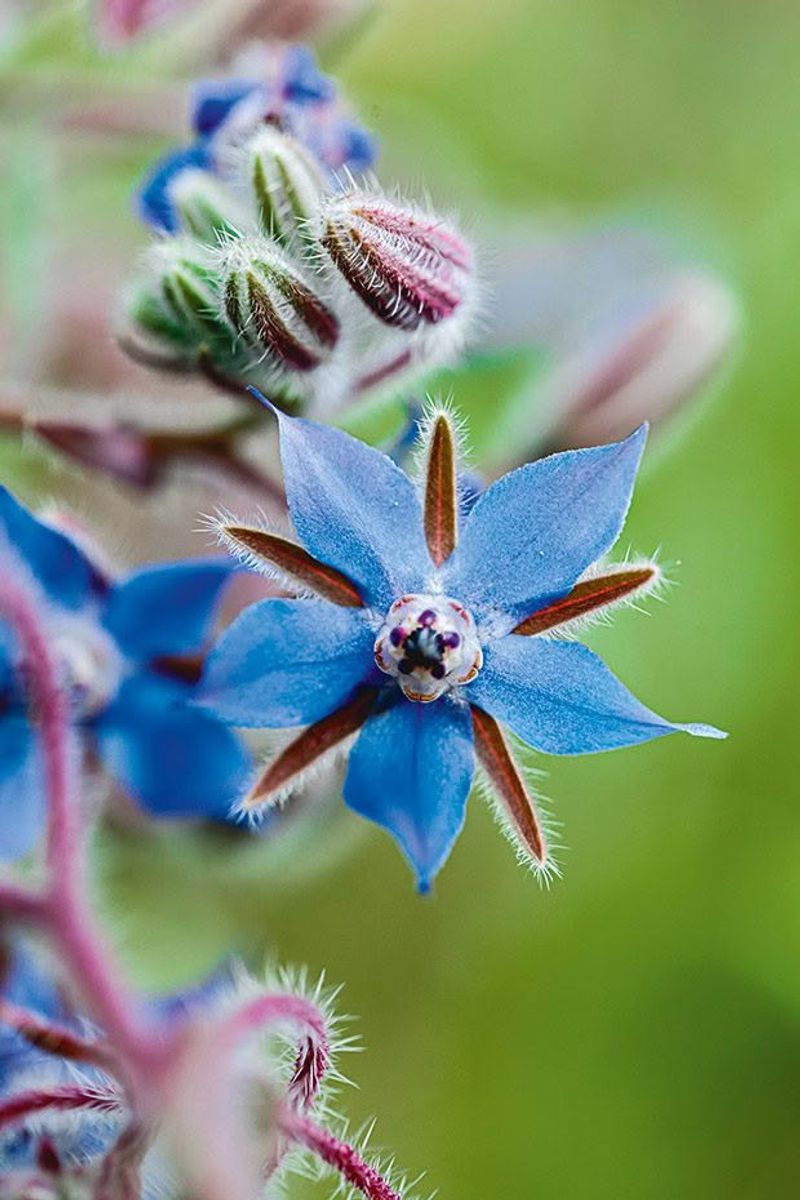
Borage, with its star-shaped blue flowers, adds a touch of whimsy to any dish. The flowers have a mild cucumber flavor, making them a refreshing addition to summer cocktails or salads. Historically, borage was believed to bring courage to those who consumed it, a notion that has persisted through the ages. These charming flowers and their fuzzy leaves are often used to decorate desserts, providing both beauty and a subtle taste enhancement. Ever tried a flower that tastes like cucumber? Borage might be your new favorite garnish!
3. Viola
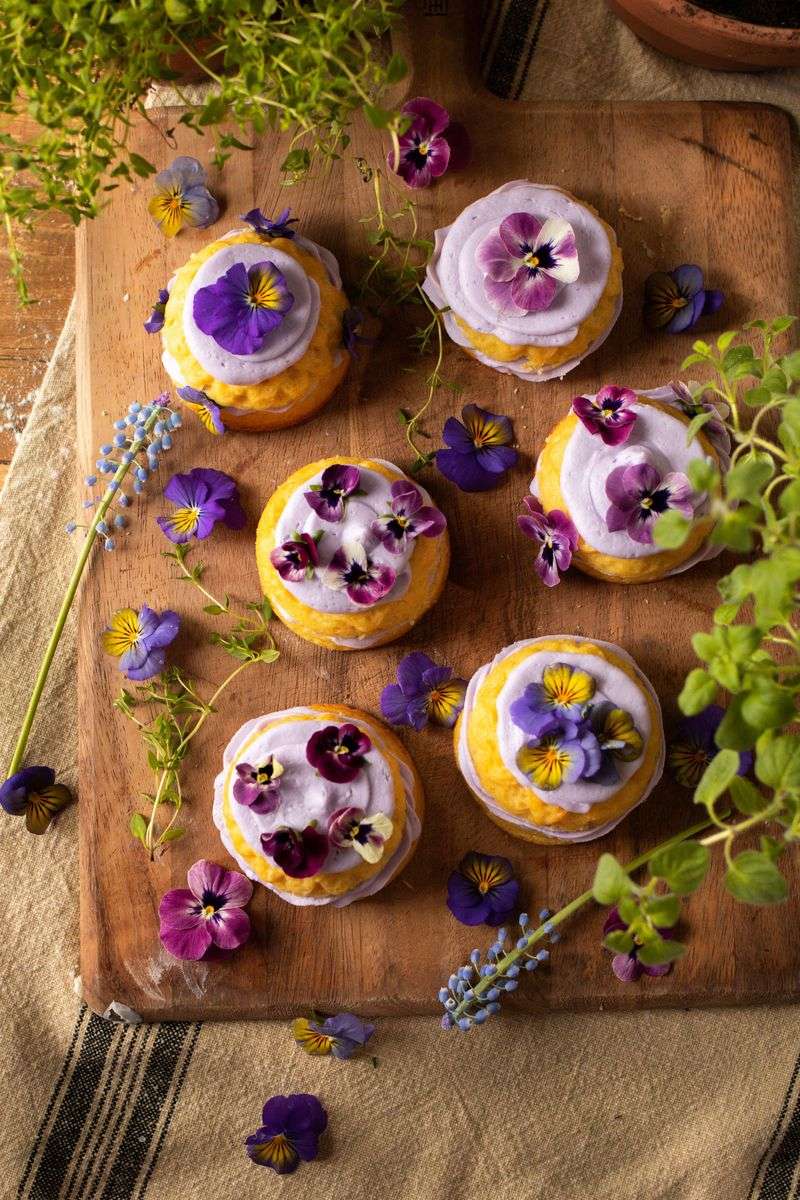
Violas, often mistaken for pansies, are delicate blossoms that offer a sweet, perfumed flavor. Available in a plethora of colors, violas are perfect for adorning cakes and pastries. These flowers have a storied past, symbolizing love and remembrance in various cultures. Their gentle fragrance and tender petals make them a favorite among bakers and chefs alike. Can a flower be both a visual and sensory delight? Violas answer that question with a resounding yes, captivating both eyes and taste buds.
4. Chive Blossoms
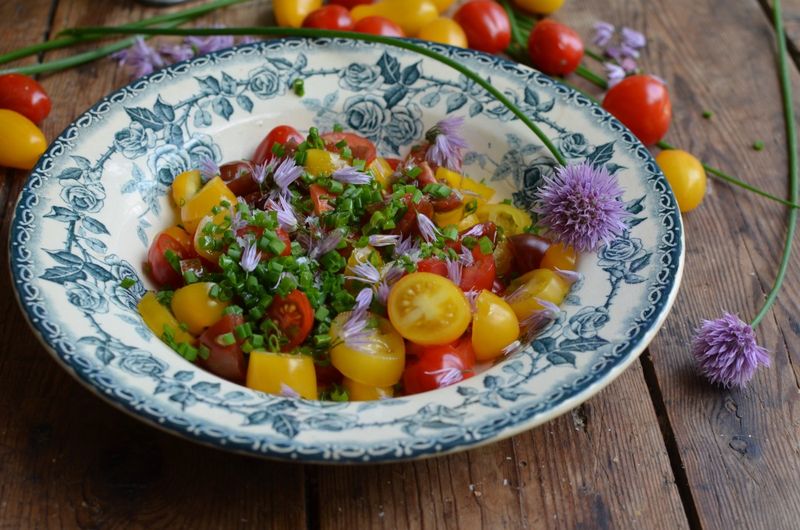
Chive blossoms, with their vibrant purple hue, offer a subtle onion flavor that pairs well with savory dishes. These edible flowers make an excellent garnish for soups, salads, and even scrambled eggs. Not only do they add color and texture, but they also infuse a mild aromatic essence. Chive blossoms have been used in culinary traditions for centuries, known for their ability to enhance flavors without overpowering. How can a small flower pack such a flavorful punch? The secret lies within its delicate petals.
5. Calendula
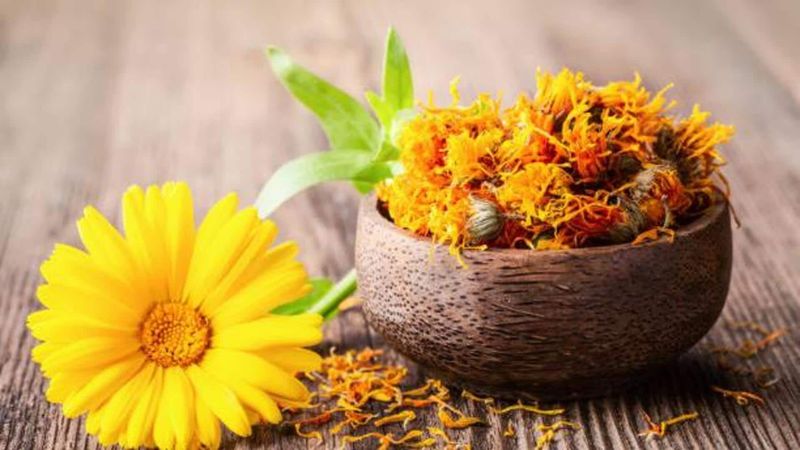
Calendula petals, often referred to as “poor man’s saffron,” are a vibrant addition to any dish. With a slightly bitter and peppery taste, these bright orange flowers can be used to add color to soups, stews, and rice dishes. Historically, calendula was prized for its medicinal properties and was even used in ancient dyeing processes. Why settle for bland when your meals can be as colorful as a garden in full bloom? Calendula provides a burst of sunshine on your plate.
6. Lavender
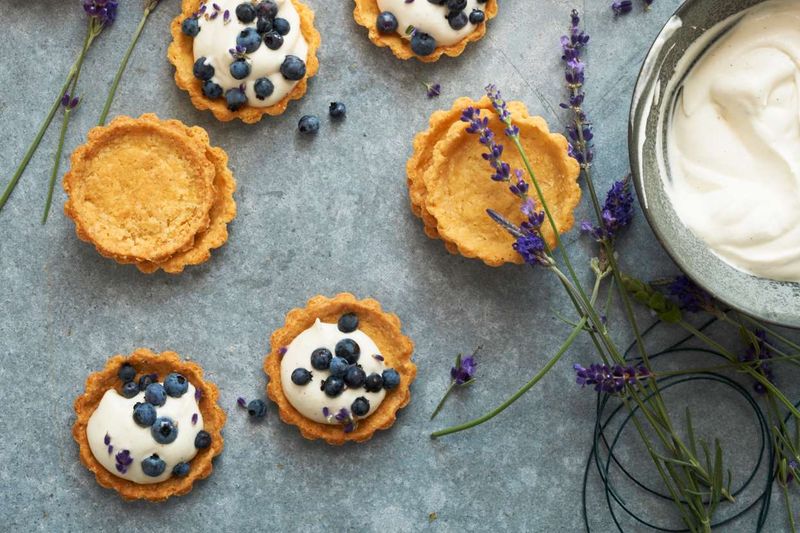
Lavender, with its unmistakable fragrance, is a favorite among culinary enthusiasts. This herb adds a floral note to both sweet and savory dishes, from cookies and cakes to lamb and chicken. Lavender’s calming scent is often associated with relaxation, but its culinary uses are just as impressive. A touch of lavender can transform a simple dish into a gourmet experience. Ever considered how a flower can provide such depth of flavor? Lavender is your answer, elevating any meal with its aromatic charm.
7. Rosemary Flowers
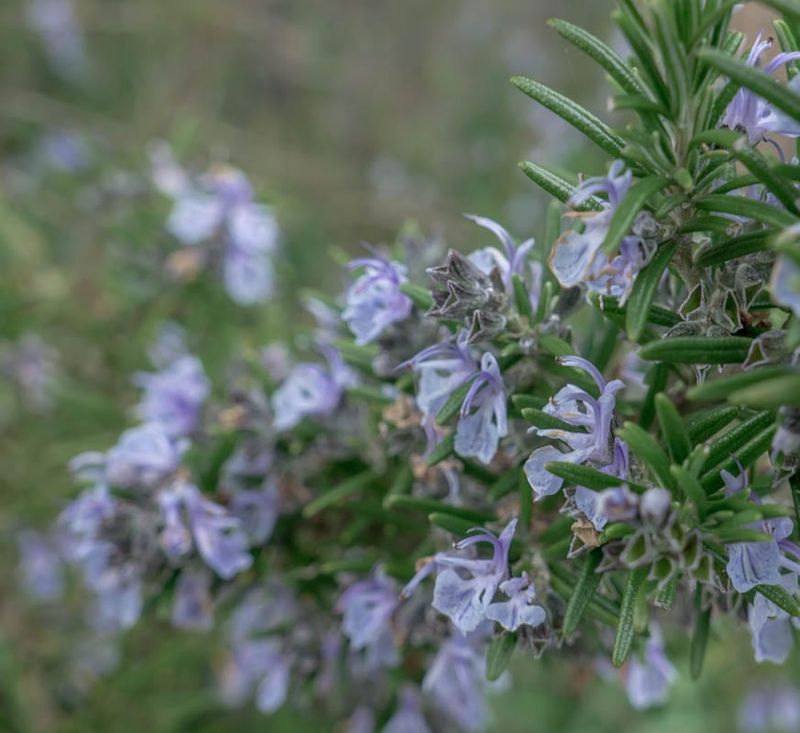
Rosemary flowers, though less known than the herb’s leaves, offer a milder flavor that complements a variety of dishes. These tiny lavender-blue blossoms are perfect for garnishing roasted meats or infusing oils and vinegars. Rosemary has a long history of culinary and medicinal use, symbolizing remembrance and fidelity. The flowers’ subtle pine-like flavor adds a unique twist to traditional recipes. Have you ever tasted the delicate side of rosemary? Its blossoms hold a world of flavor waiting to be explored.
8. Hibiscus
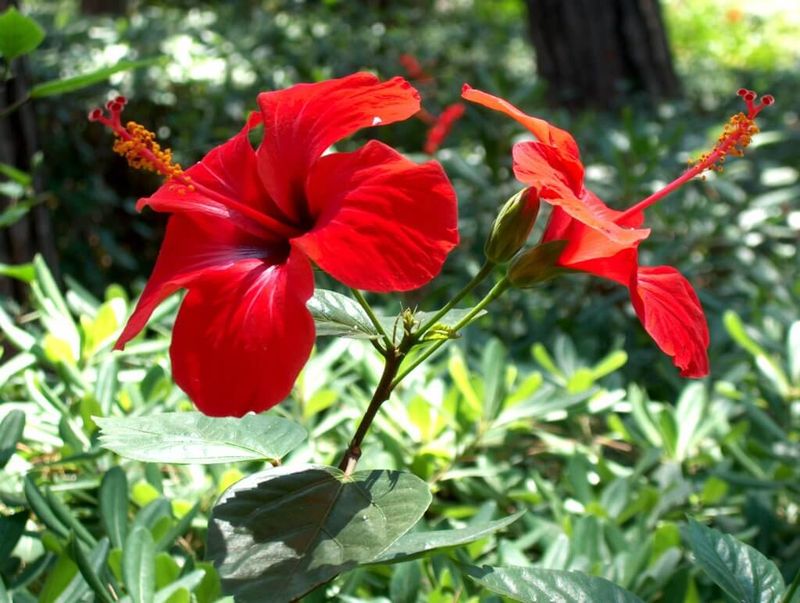
Hibiscus flowers are more than just a tropical delight; they bring a tart, cranberry-like flavor to the table. These large, showy blossoms are often used to make refreshing beverages and can be a striking garnish for fruit salads and desserts. Hibiscus has been cherished in various cultures for its vibrant color and health benefits. Imagine sipping a drink that mirrors the sunset’s hues; that’s the magic of hibiscus. Its bold color and flavor make it an unforgettable addition to any culinary creation.
9. Mint Flowers
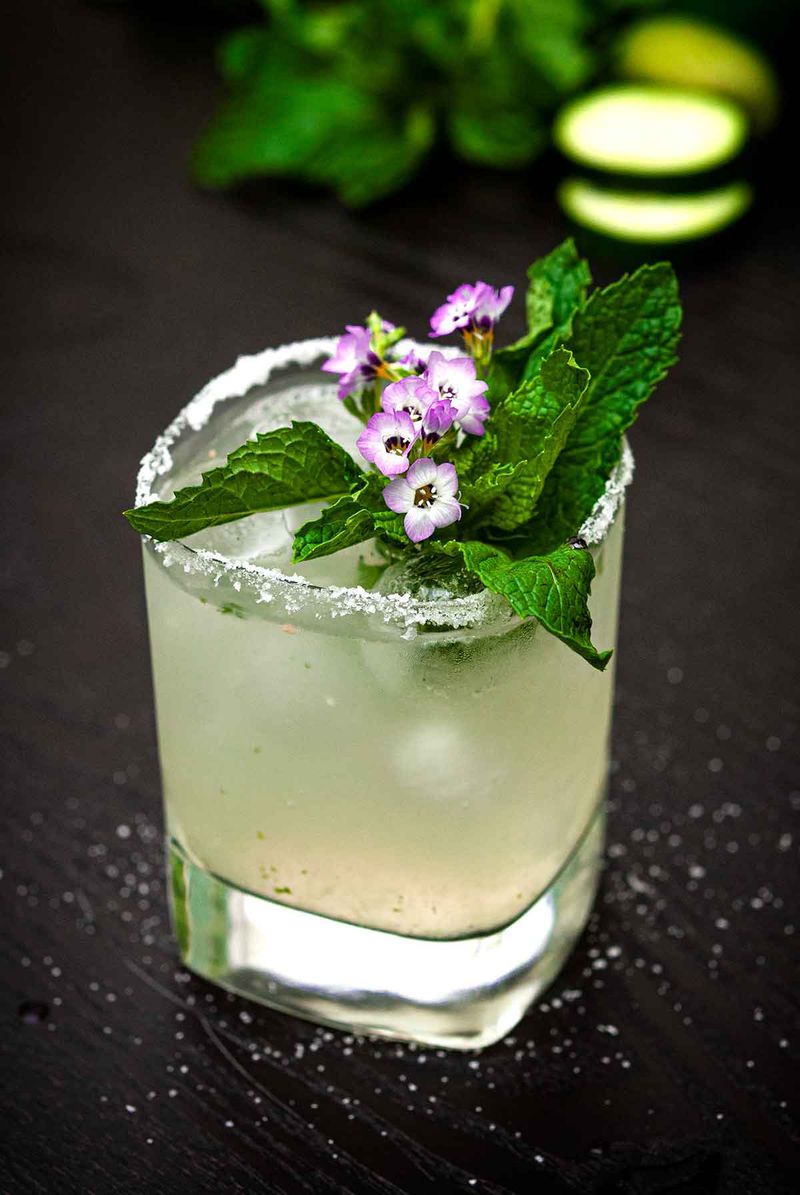
Mint flowers offer a subtle peppermint flavor that enhances both sweet and savory dishes. These dainty blossoms are perfect for garnishing cocktails, desserts, and salads. The cool, refreshing taste of mint has been valued for centuries, both as a culinary herb and a natural remedy. Mint flowers add a delicate touch to any dish, elevating its presentation and flavor profile. Have you ever experienced the freshness of mint in bloom? These flowers bring an invigorating twist to your culinary creations.
10. Dill Flowers
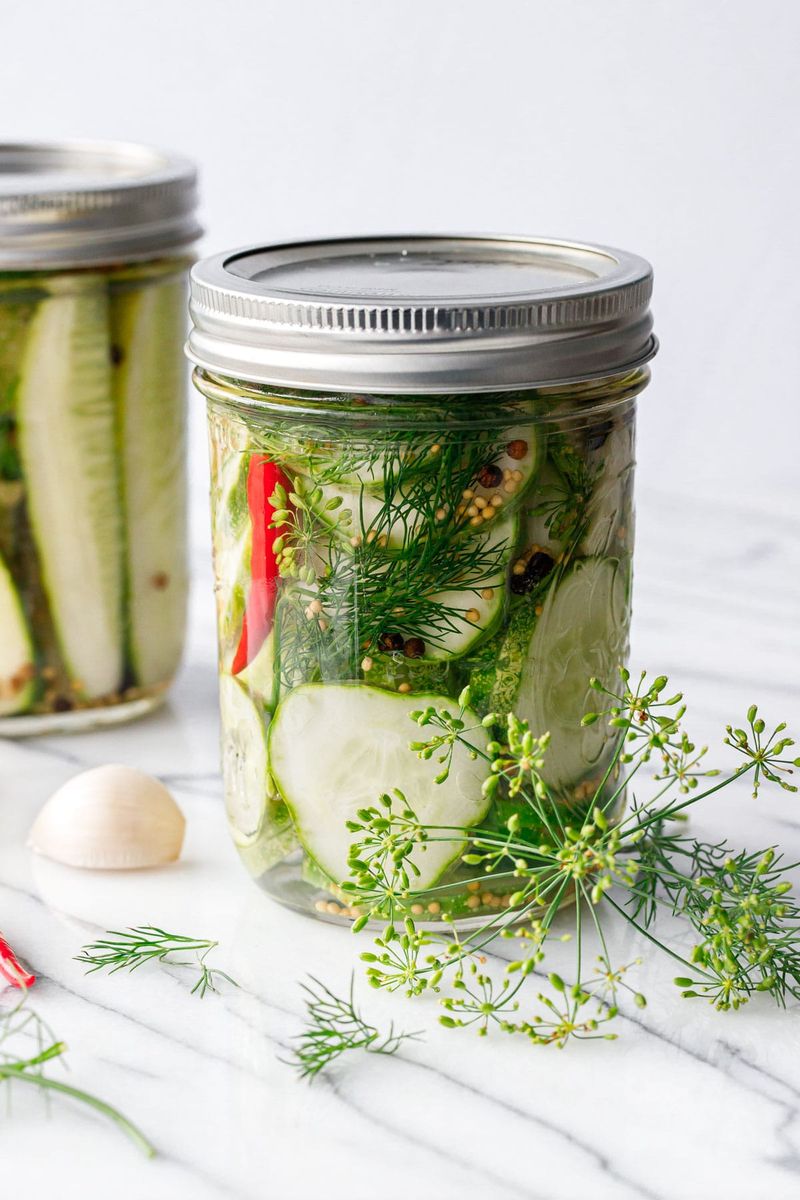
Dill flowers provide a delicate, tangy flavor reminiscent of fresh dill herb. These yellow umbels are commonly used to flavor pickles, but they also make a beautiful garnish for fish dishes and salads. Dill has a storied history, once used by ancient civilizations for its aromatic seeds. The flowers add a burst of visual interest and a unique taste to any dish. Ever wondered how a flower could capture the essence of a summer’s day? Dill flowers do just that, bringing brightness and flavor.
11. Sage Flowers
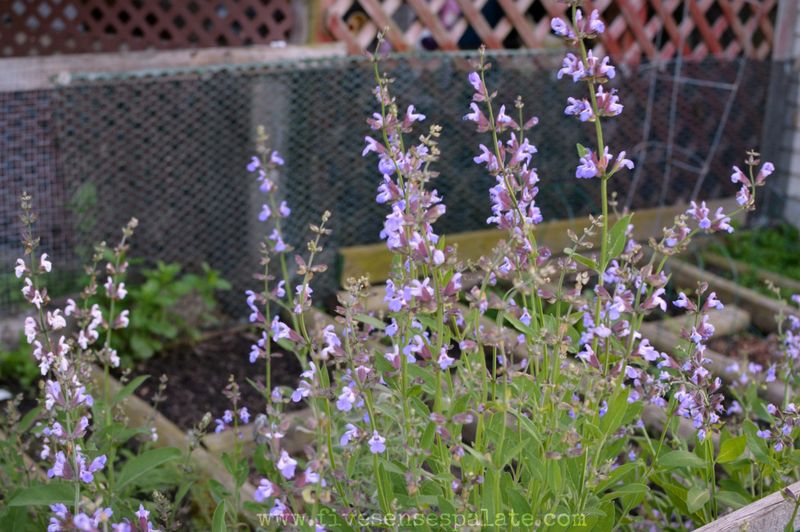
Sage flowers, with their soft purple hue, carry a milder version of the herb’s savory, slightly peppery flavor. They make exquisite garnishes for meats and poultry, offering both beauty and taste. Sage has been revered for its culinary and medicinal properties since ancient times. The flowers’ gentle flavor and aesthetic appeal can transform a simple dish into a visual masterpiece. Have you discovered the understated elegance of sage blossoms? They offer a fresh perspective on a timeless herb.
12. Thyme Flowers
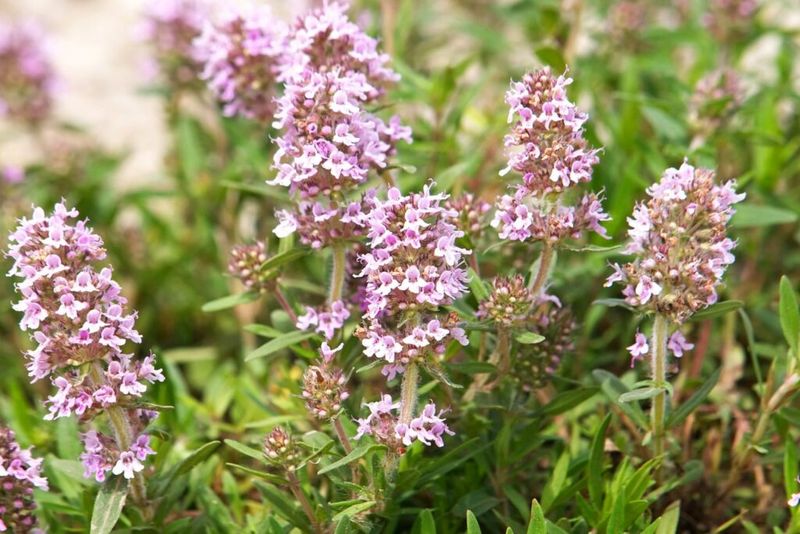
Thyme flowers, though small, are packed with flavor. These delicate blooms have a subtle, herbal taste that complements a range of dishes, from meats and stews to salads and breads. Thyme has been cherished in culinary traditions worldwide, known for its versatility and ability to enhance flavors. The flowers provide a visual and aromatic boost to any meal. Ever tasted a flower that embodies the essence of a classic herb? Thyme flowers do just that, offering a fresh twist on a beloved favorite.
13. Fennel Flowers
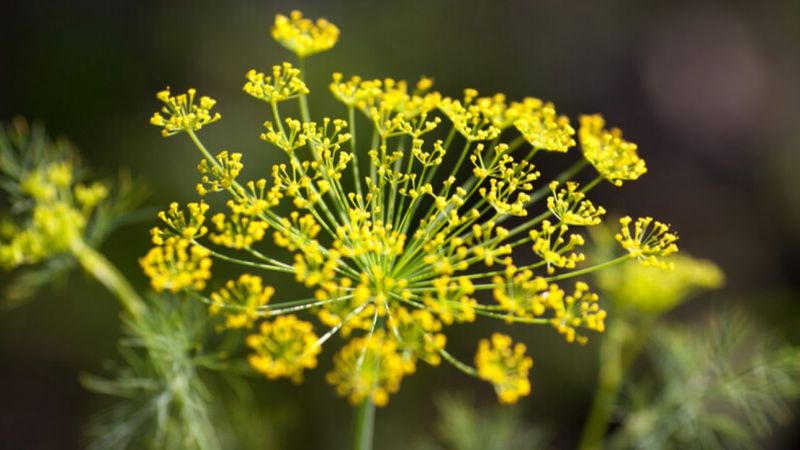
Fennel flowers, with their delicate yellow umbels, offer a sweet, licorice-like flavor that complements both sweet and savory dishes. These blossoms are often used to garnish fish dishes or add a touch of elegance to desserts. Fennel has a rich history, once revered by ancient societies for its aromatic seeds and medicinal properties. The flowers’ unique flavor and appearance make them a standout addition to any dish. Have you ever experienced the gentle allure of fennel in bloom? These flowers captivate the senses.
14. Marigold
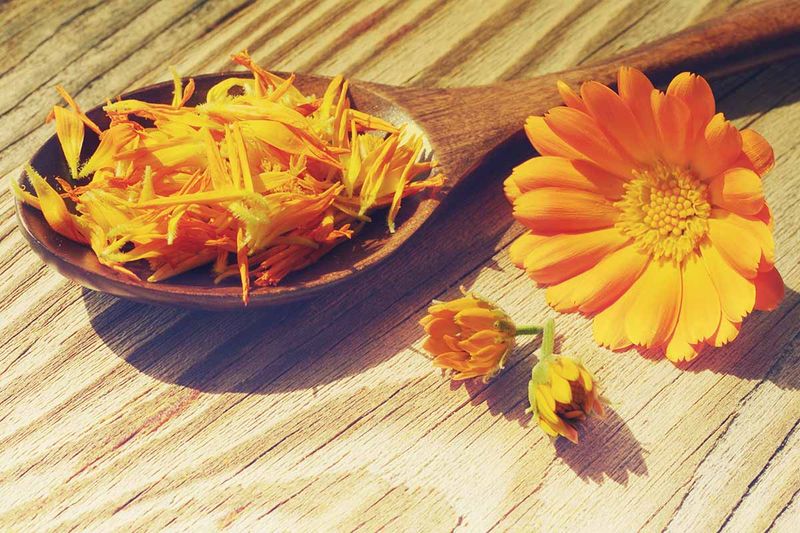
Marigold petals, often used for their vibrant color, have a tangy, citrus-like flavor that enlivens salads, rice, and desserts. Known as the “herb of the sun,” marigolds have been cherished for their beauty and versatility. These flowers have been used in culinary traditions around the world, from ancient Aztec rituals to modern kitchens. Why not brighten up your plate with a burst of sunshine? Marigold petals offer a delightful way to add both color and flavor to your meals.
15. Purple Basil Flowers
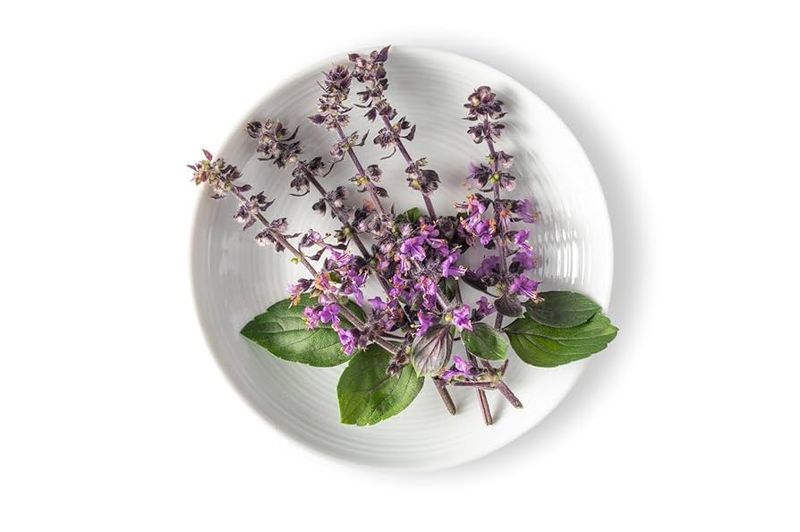
Purple basil flowers, with their deep violet hue, offer a sweet, clove-like flavor that enhances both visual appeal and taste. These blossoms are perfect for garnishing salads, cocktails, and desserts. Basil has been a staple in culinary traditions, prized for its aromatic leaves and versatile flavor. The flowers add a unique twist, providing a hint of sweetness and spice. Have you ever encountered a flower that encapsulates the essence of an herb? Purple basil flowers do just that, elevating any dish.
16. Chamomile
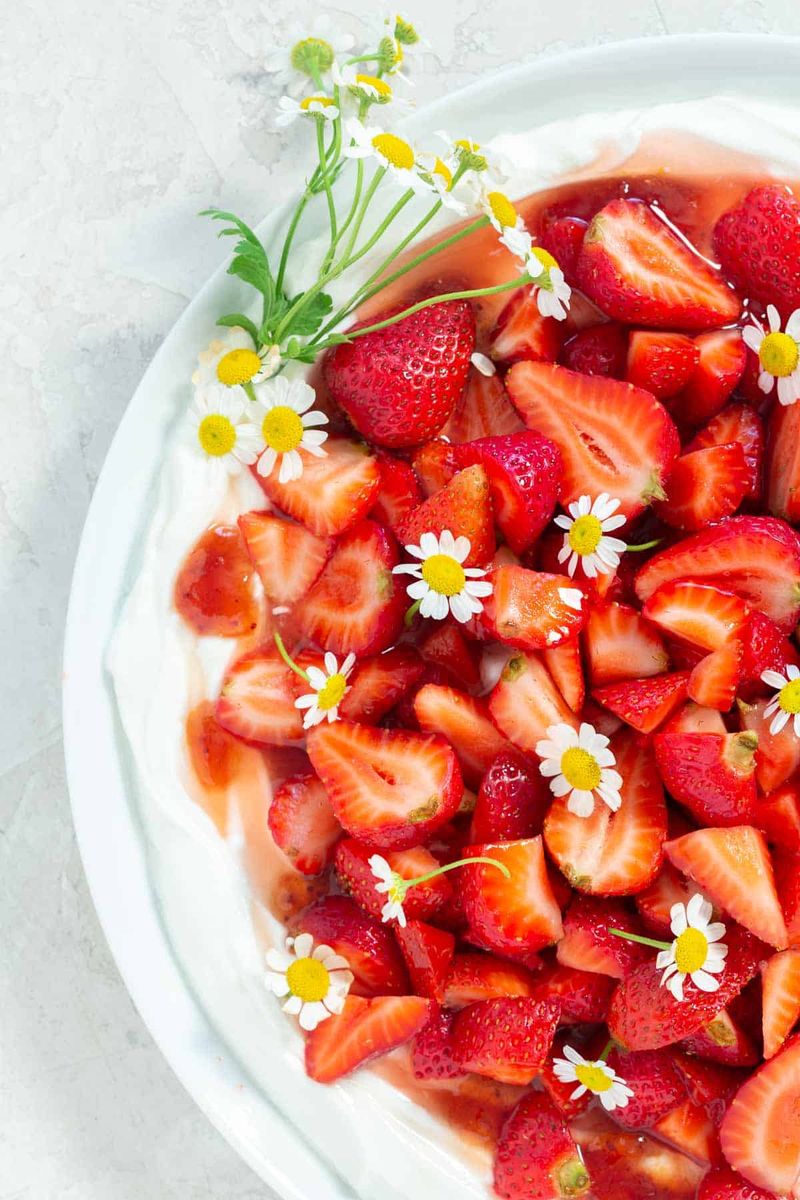
Chamomile flowers are known for their calming properties and delicate apple-like flavor. These dainty blossoms are often used to garnish desserts, teas, and salads. Chamomile has been cherished for centuries, both as a soothing herbal remedy and a delightful culinary addition. The flowers’ gentle flavor and charming appearance make them a favorite among chefs and home cooks alike. Have you ever tasted tranquility in bloom? Chamomile flowers offer a serene escape, both on the plate and in the cup.
17. Lemon Verbena
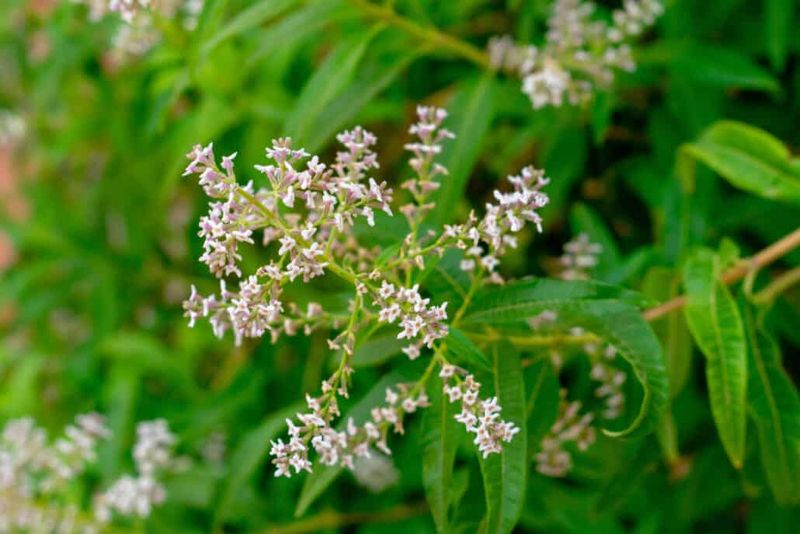
Lemon verbena flowers, with their bright citrus aroma, bring a refreshing note to both sweet and savory dishes. These small, white blossoms are often used to garnish desserts, teas, and cocktails. Lemon verbena has long been valued for its vibrant scent and culinary versatility. The flowers add a touch of elegance and flavor, transforming any dish into a sensory delight. Ever wondered how a flower could capture the essence of sunshine? Lemon verbena flowers do just that, infusing meals with brightness.
18. Pineapple Sage Flowers
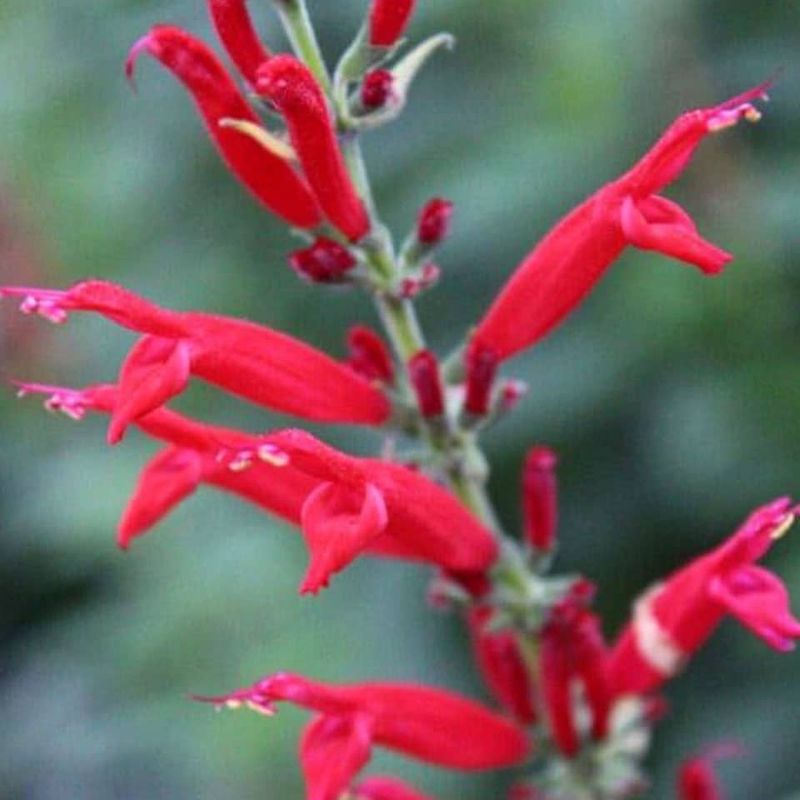
Pineapple sage flowers, with their vibrant red blossoms, offer a sweet, fruity flavor that is reminiscent of tropical fruit. These flowers are perfect for garnishing fruit salads, desserts, and cocktails. Pineapple sage is known for its aromatic leaves and striking appearance, making it a favorite in gardens and kitchens alike. Imagine tasting a flower that transports your senses to a tropical paradise; that’s the allure of pineapple sage. Its sweet flavor and vibrant color make it a standout addition to any dish.
19. Sweet Alyssum
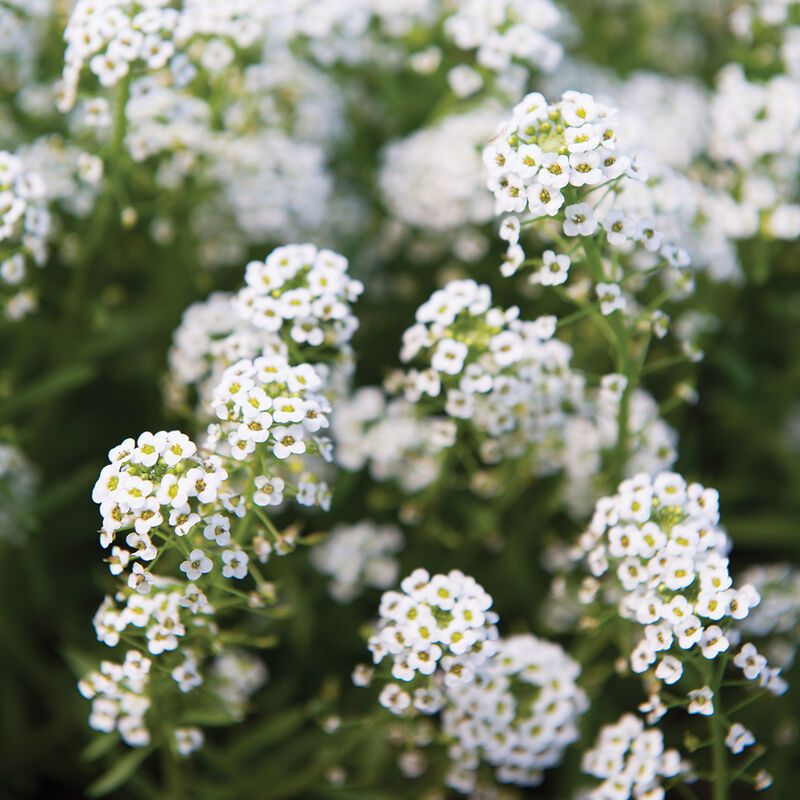
Sweet alyssum flowers, with their delicate white blooms, offer a subtle honey-like flavor that enhances both sweet and savory dishes. These petite flowers are often used to garnish salads, pastries, and cheese plates. Sweet alyssum has been a beloved garden plant, known for its fragrance and charm. The flowers’ gentle sweetness and visual appeal add a touch of elegance to any culinary creation. Ever encountered a flower that whispers sweetness? Sweet alyssum does just that, bringing a gentle allure to your dishes.
20. Bee Balm
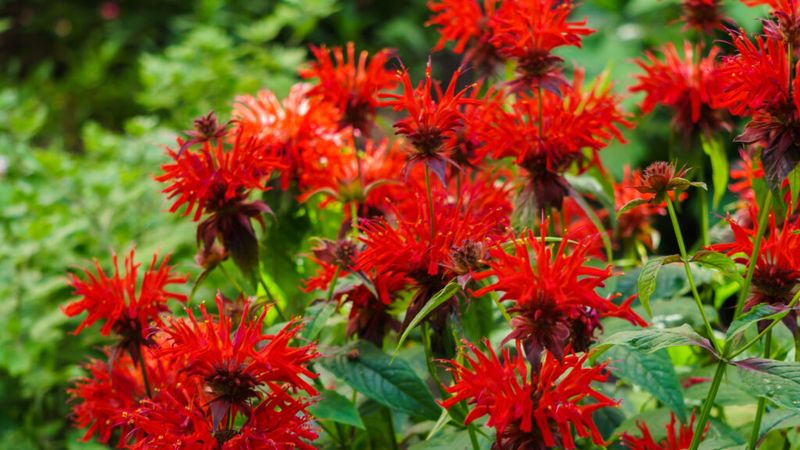
Bee balm flowers, with their vibrant colors, offer a spicy, minty flavor that enlivens a variety of dishes. These blossoms are often used to garnish teas, salads, and desserts. Bee balm has a rich history, once used by Native Americans for its medicinal properties and culinary uses. The flowers’ bold flavor and striking appearance make them a favorite among chefs seeking to add a touch of flair to their creations. Have you ever tasted the spirited zest of bee balm? It’s like a burst of energy on your plate.