 Complete Gardening
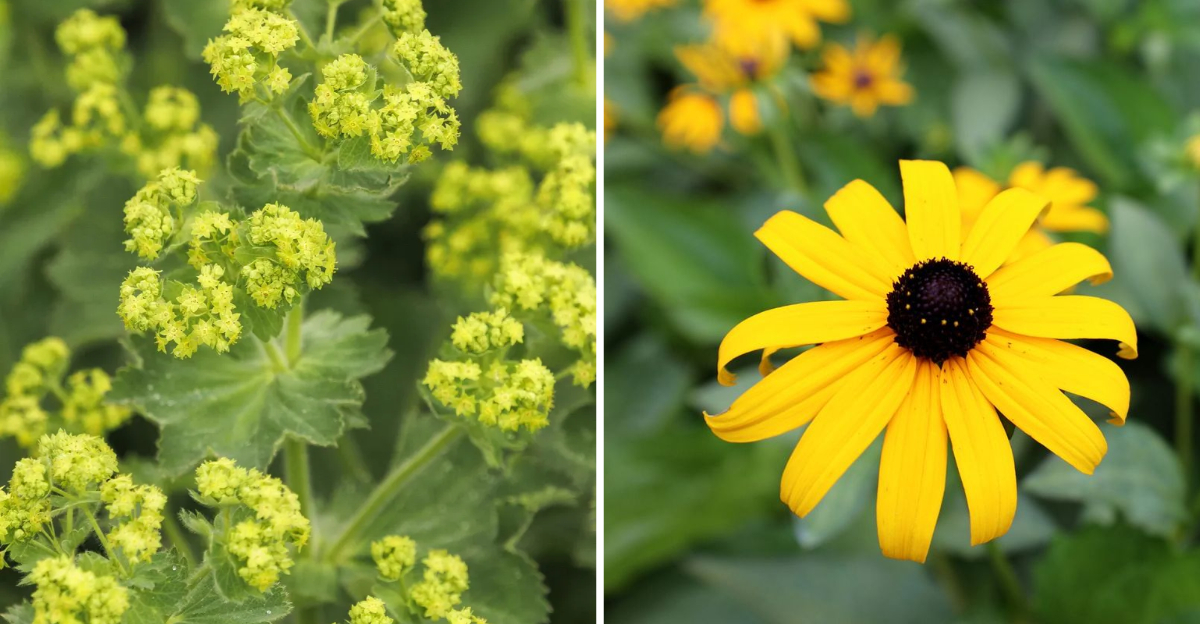
Perennials are a gardener’s delight, providing color and life year after year without the need for replanting. Unlike some aggressive varieties, these 20 fast-spreading perennials bring beauty without overwhelming your outdoor space. Each of these plants offers unique attributes that make them ideal for different garden settings, from sunny borders to shaded nooks. Discover how these perennials can enhance your garden’s aesthetic and ecological value without becoming a burden. Their moderate growth and charming appearances make them a perfect fit for gardens of all sizes.
1. Daylilies
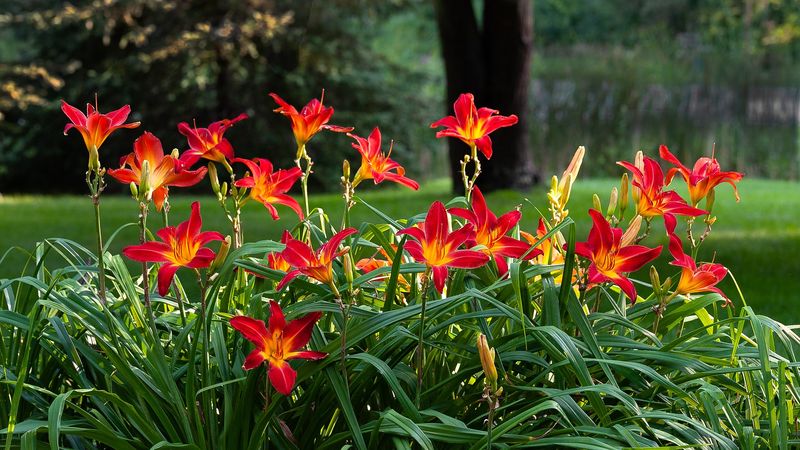
Daylilies are like the dependable friends of your garden, always there to brighten your day. With their vibrant blooms in a spectrum of colors, these perennials adapt well to various soil types.
Their moderate growth ensures they won’t take over your garden, making them ideal companions for other plants. Daylilies thrive in sunny locations and require minimal care.
A fun fact: each flower lasts only one day, but the plant keeps producing more. Perfect for adding a splash of color without a long-term commitment.
2. Black-eyed Susan
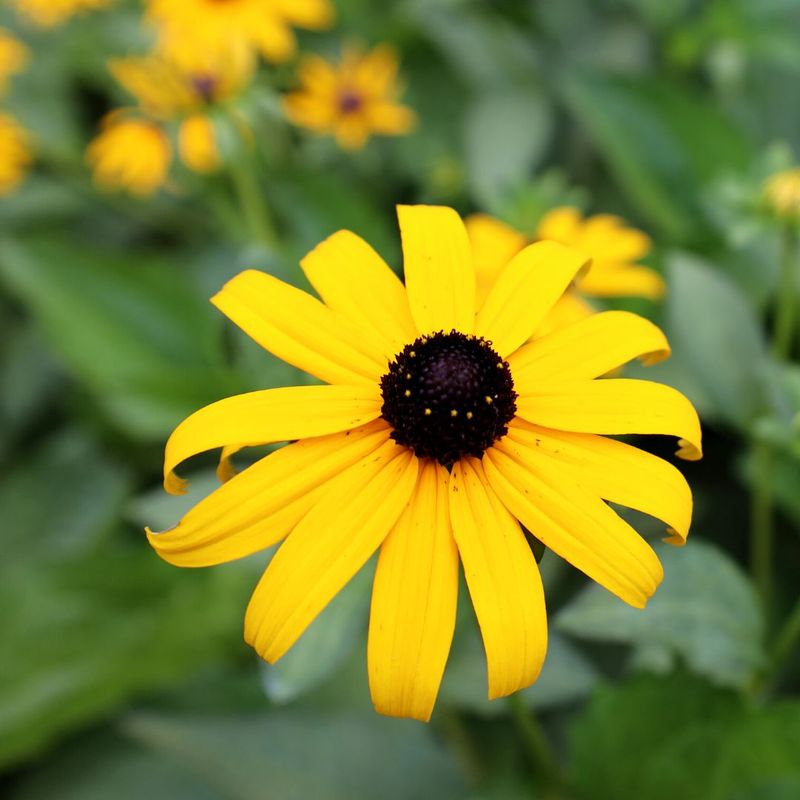
With their cheerful yellow petals and dark centers, Black-eyed Susans are like little sunshines scattered throughout your garden.
They spread moderately, ensuring a lively display without overwhelming other plants. These perennials are drought-tolerant and attract pollinators, enhancing your garden’s ecosystem.
Did you know these beauties symbolize encouragement and motivation? Their resilient nature makes them a gardener’s favorite, adding brightness and life to any landscape. Whether in a meadow or a border, they never fail to delight.
3. Catmint
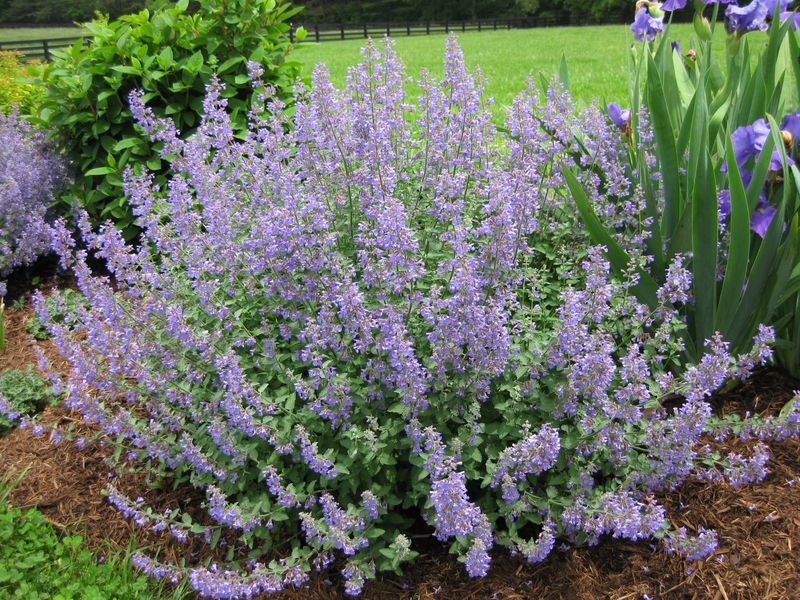
Catmint is the plant version of a gentle balm, soothing and attracting with its lavender-blue flowers.
Its aromatic foliage not only pleases the senses but also deters pests. This perennial spreads at a steady pace, filling garden spaces without becoming invasive.
Catmint thrives in well-drained soil and full sun, providing a long blooming season. Interesting tidbit: it’s beloved by cats, often causing them to roll and frolic among its leaves. A delightful addition to any sunny garden bed.
4. Salvia
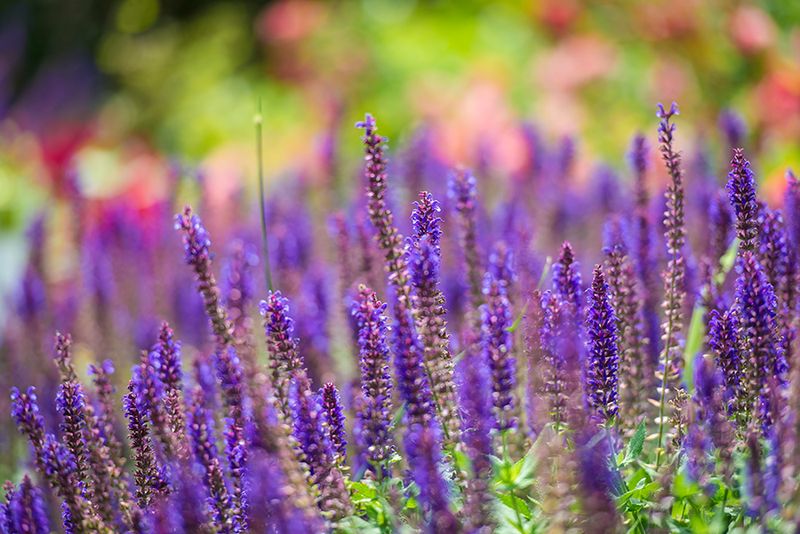
Salvia stands out with its striking spikes of blue, purple, or red flowers, offering both beauty and function.
This perennial is a magnet for hummingbirds and butterflies, promoting biodiversity in your garden. Its controlled spread ensures it complements rather than overwhelms other plants.
Salvia prefers sunny spots and well-drained soil, making it a versatile choice for various landscapes. With its vivid colors and graceful form, it’s a staple in many perennial gardens. A true visual and ecological asset.
5. Hosta
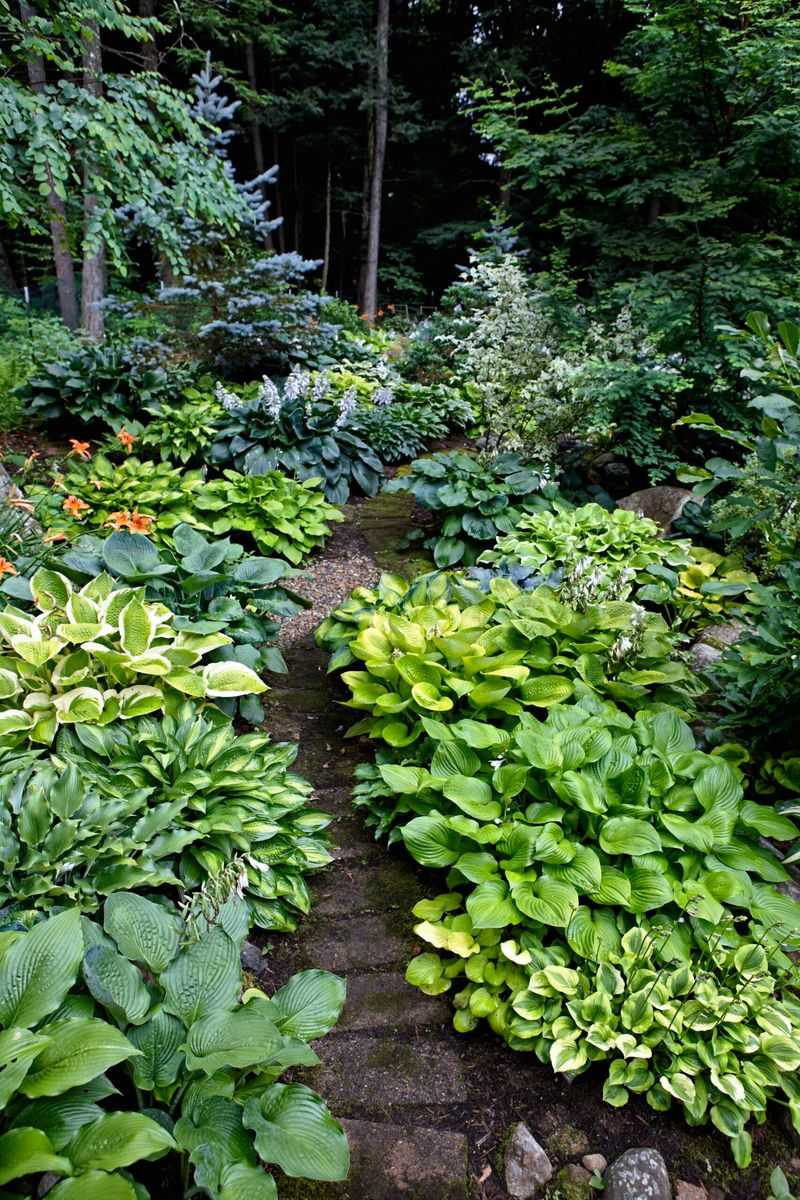
Hostas, with their lush foliage, bring a soothing touch to shady areas in your garden. Known for their diverse leaf shapes and colors, hostas are a favorite among gardeners seeking visual interest.
Their moderate spread fills spaces without crowding out other plants, ideal for shaded borders and under trees. An interesting tidbit: hostas are named after the Austrian botanist Nicholas Thomas Host.
Their ability to thrive in low-light conditions makes them indispensable in creating tranquil, shaded garden retreats.
6. Coral Bells
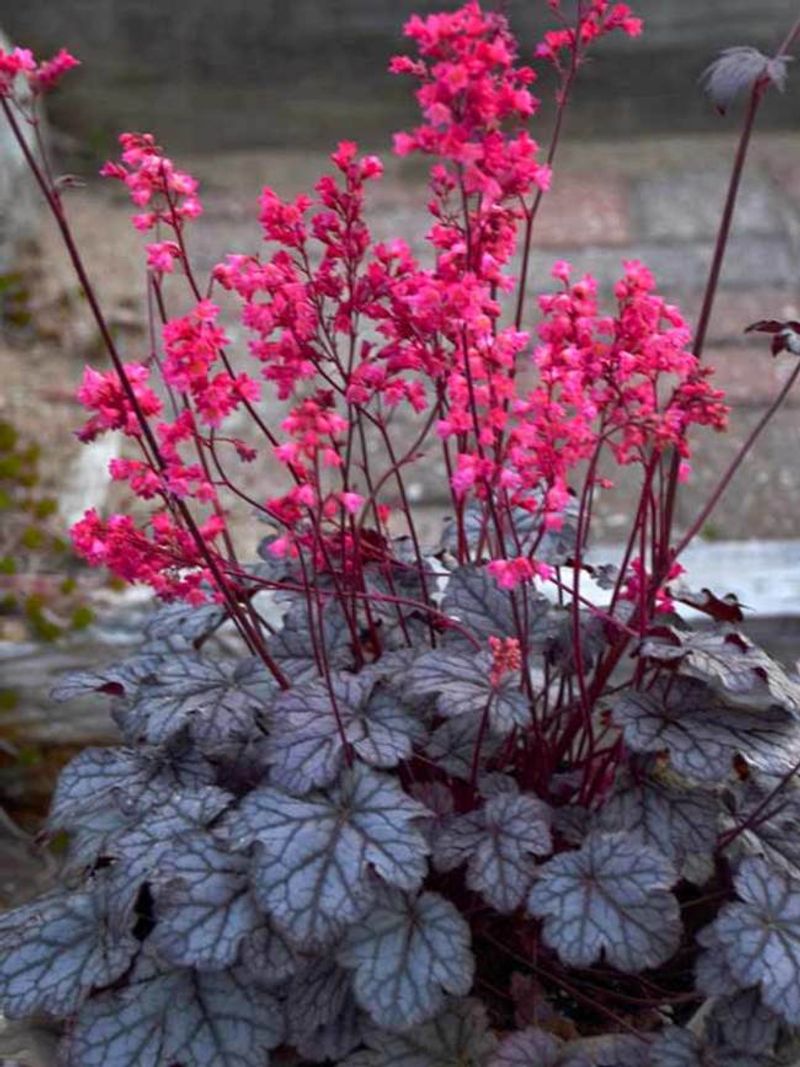
Coral Bells add a splash of color with their vibrant leaves and dainty flower spikes. Perfect for borders and shady spots, these perennials offer year-round interest.
Their moderate growth doesn’t overshadow other plants, making them versatile companions in mixed plantings. Coral Bells are also known for their resistance to pests, adding to their appeal.
A quirky fact: their name comes from the small, bell-shaped flowers. They are a testament to understated beauty, blending seamlessly into any garden palette.
7. Lady’s Mantle
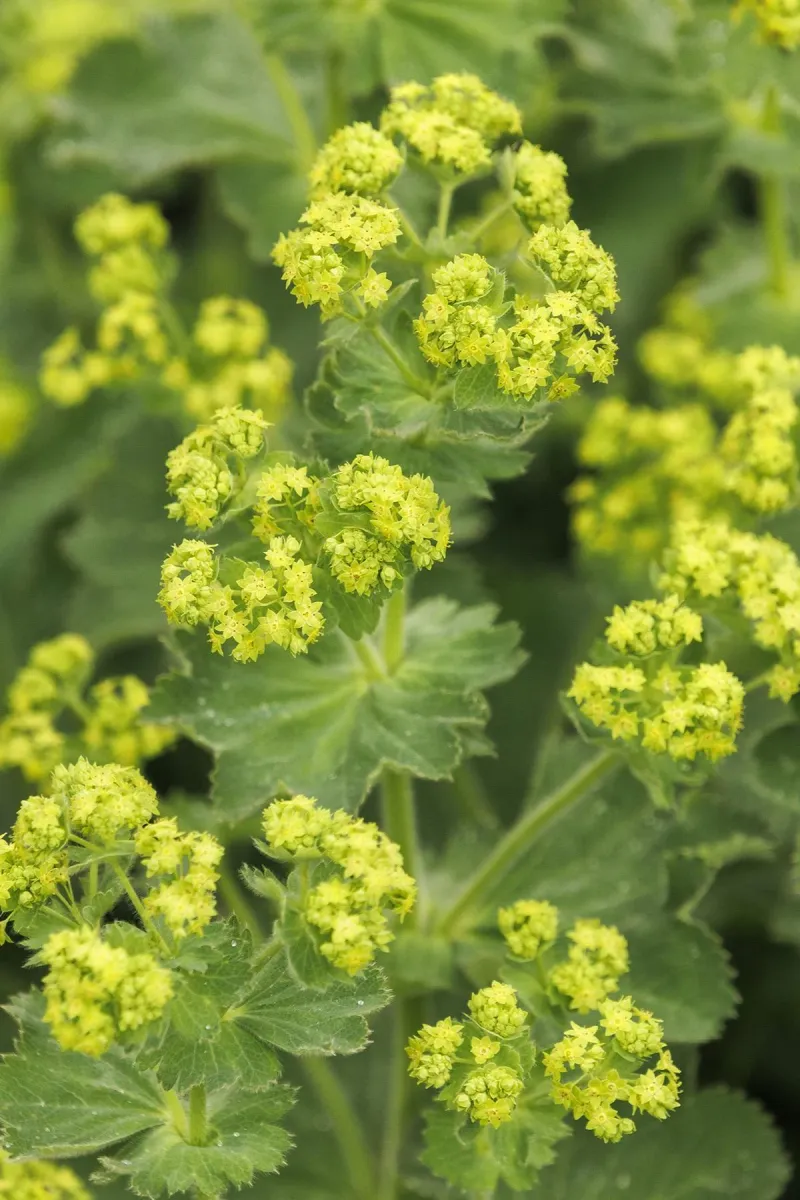
Lady’s Mantle, with its soft, scalloped leaves, is like a gentle whisper on a breezy day.
This perennial spreads at a leisurely pace, providing a lush ground cover without becoming invasive. Its chartreuse flowers add a subtle pop of color, perfect for shaded or sunny borders.
The leaves are known for catching raindrops, adding a touch of magic to your garden. Did you know it’s been used in herbal medicine for centuries? Lady’s Mantle is both practical and charming.
8. Lungwort
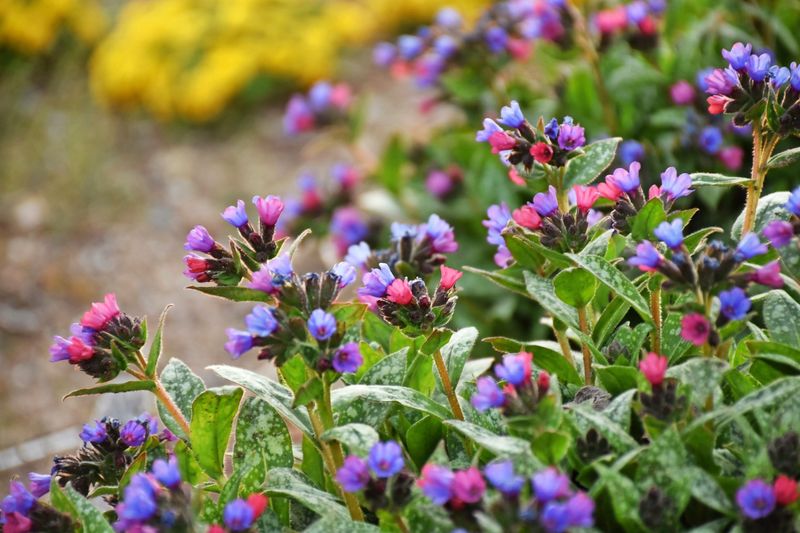
Lungwort might have a quirky name, but its beauty is undeniable. With spotted leaves and delicate blue-pink flowers, it brings charm to any garden.
Thriving in shady areas, lungwort spreads moderately, ensuring it plays well with others. This perennial is not just a pretty face; it’s also deer-resistant and works as a ground cover.
Fun fact: its name comes from the plant’s historical use in treating lung diseases. A resilient addition to shaded spots, lungwort offers both form and function.
9. Creeping Jenny
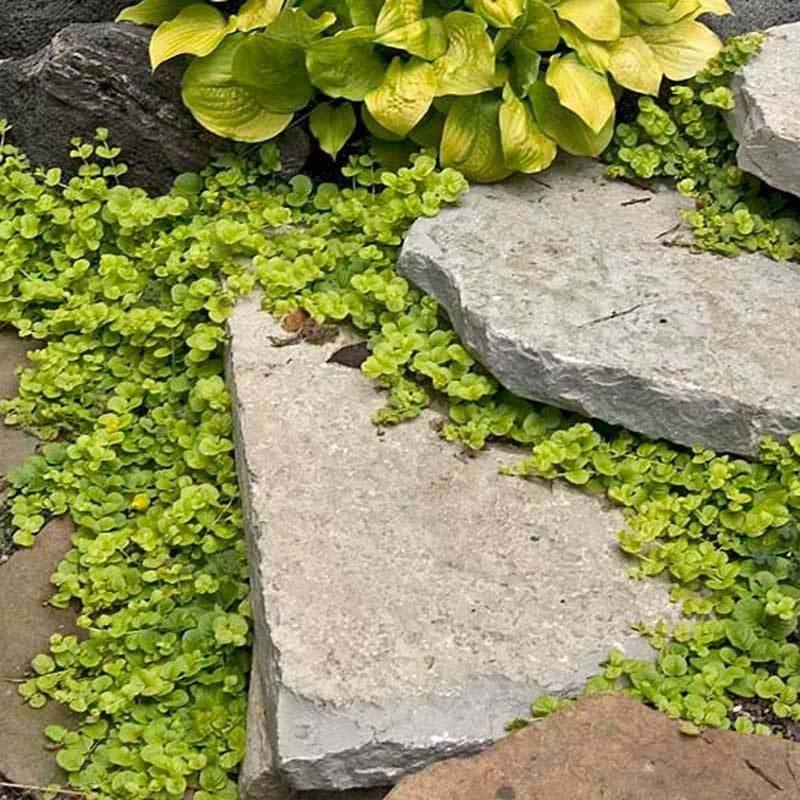
Creeping Jenny, with its bright chartreuse leaves, is a cheerful addition to any garden. This perennial spreads quickly but not aggressively, making it a perfect ground cover.
It’s ideal for filling gaps between stones or cascading over walls, bringing a lush, verdant look. Creeping Jenny thrives in both sun and partial shade, adapting to various garden settings.
An interesting fact: it’s also known as Moneywort, believed to bring good fortune. This vibrant plant adds a touch of whimsy to your garden landscape.
10. Hardy Geranium
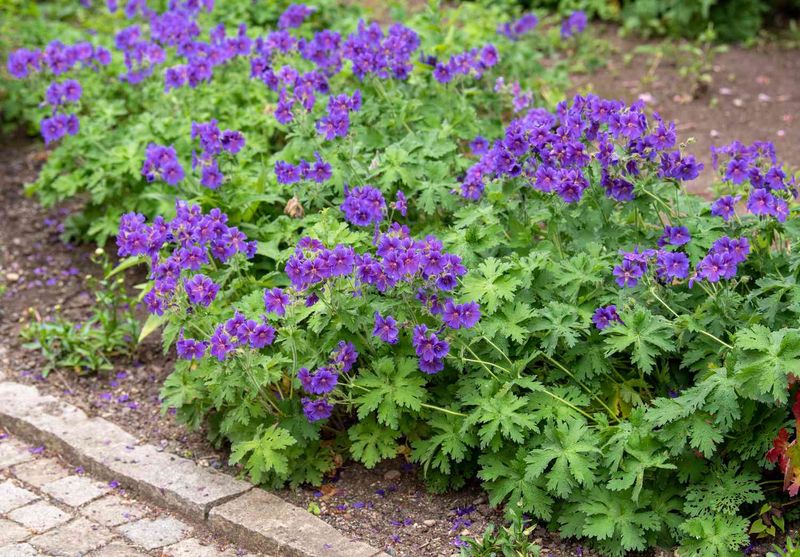
Hardy Geraniums, often called cranesbills, are like the reliable storytellers of a garden, with their charming flowers and resilient nature.
These perennials spread gently, providing a colorful ground cover without overshadowing other plants. Their blooms range from pink to purple, adding diversity to any garden palette.
Hardy Geraniums are adaptable, thriving in sun or shade and various soil conditions. An intriguing tidbit: they’re named for their seed pods that resemble a crane’s bill. A must-have for any perennial garden.
11. Japanese Anemone
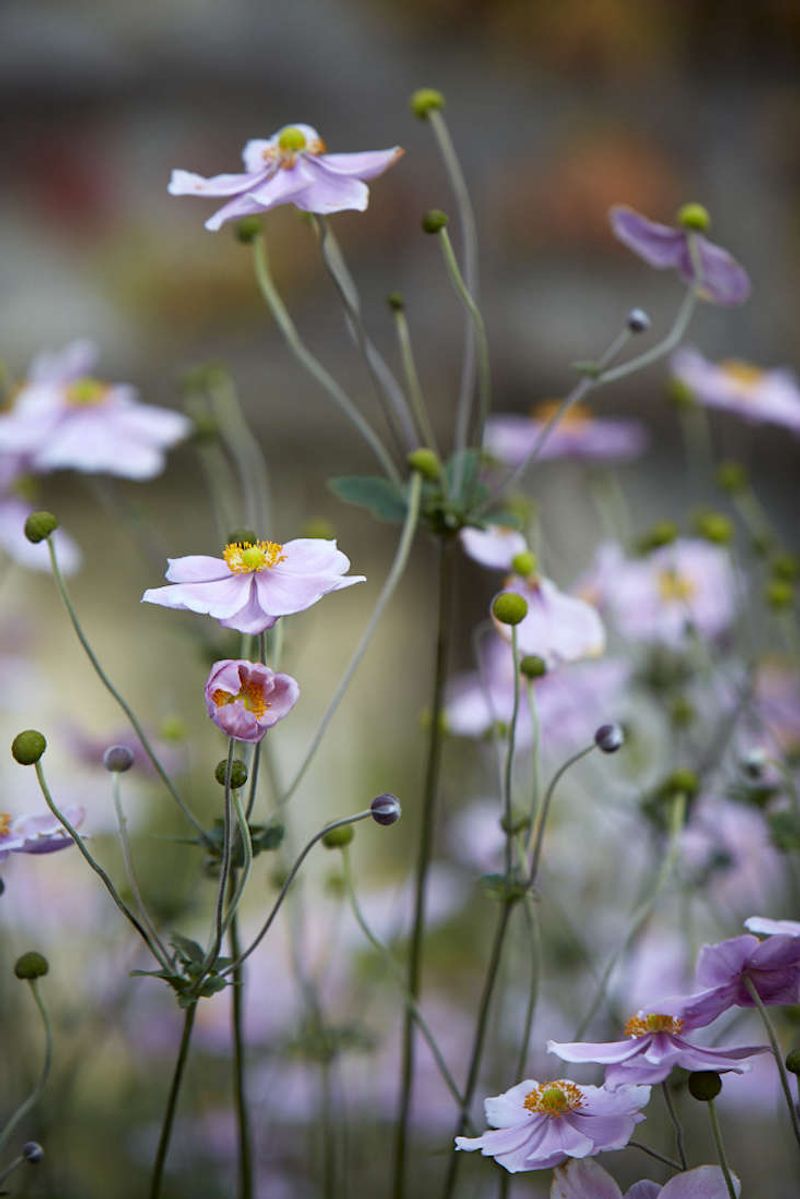
Japanese Anemones bring a touch of elegance with their long stems and delicate blooms. These perennials are perfect for late summer and fall interest, adding height and grace to your garden.
Their moderate spread ensures they blend harmoniously with other plants. Japanese Anemones thrive in partial shade, making them ideal for woodland gardens.
Did you know they symbolize anticipation and are often used in autumn floral arrangements? Their beauty and elegant form add a sophisticated touch to any outdoor space.
12. Bee Balm
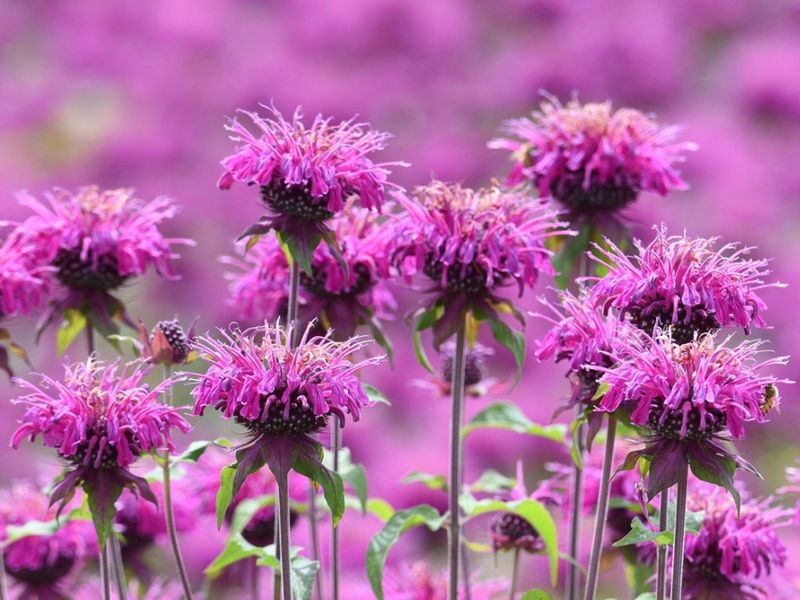
Bee Balm, with its striking red and pink blooms, is a haven for pollinators. This perennial spreads at a controlled pace, making it a great choice for attracting wildlife without overwhelming your garden.
Bee Balm thrives in full sun and well-drained soil, providing a burst of color throughout the summer. It’s also known for its aromatic leaves, often used in teas and potpourri.
A fun fact: Bee Balm is considered a symbol of protection. It’s an essential addition for those looking to create a vibrant, eco-friendly garden.
13. Sedum
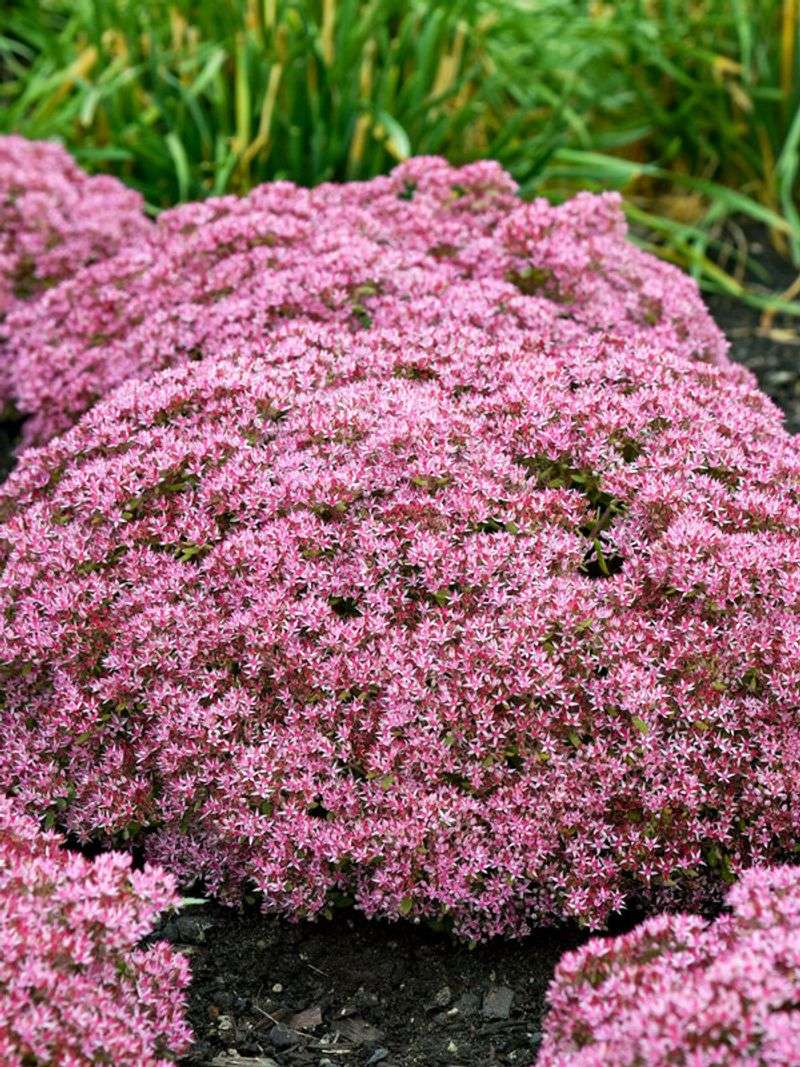
Sedum, with its succulent leaves and star-shaped flowers, is a versatile choice for any garden. These perennials spread slowly, making them ideal for rock gardens and borders.
Sedum thrives in sunny, dry conditions, requiring minimal care. Their varied colors and textures add dimension to any landscape. An interesting tidbit: they are often called ‘stonecrops’ due to their ability to thrive on rocky ground.
Sedum is perfect for those seeking a hardy yet visually appealing plant that won’t take over your space.
14. Yarrow
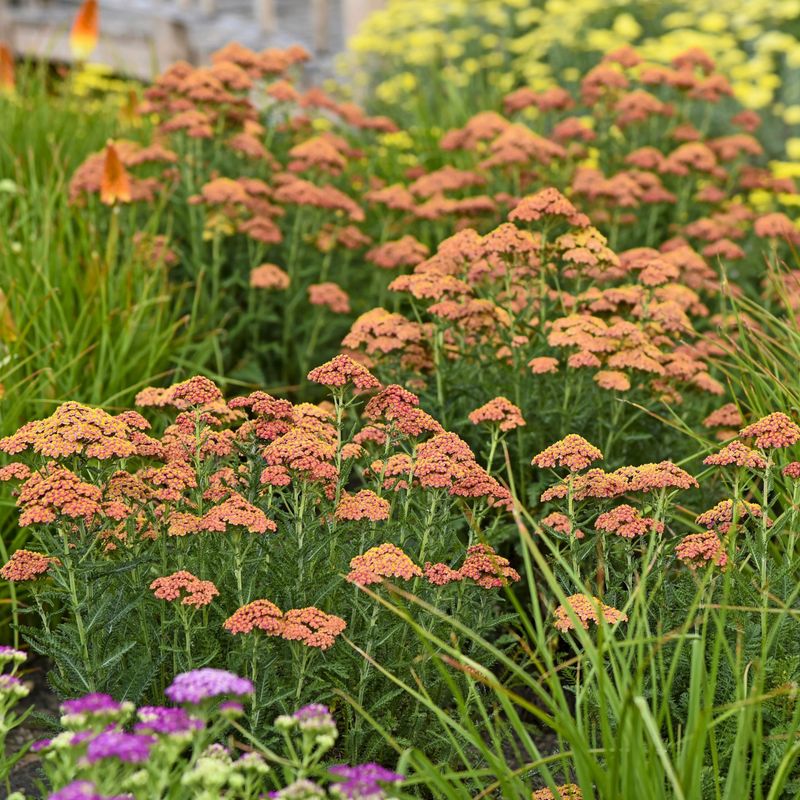
Yarrow is a gardener’s dream, with its flat clusters of flowers and feathery foliage. This perennial spreads at a controlled rate, providing a natural meadow-like look without becoming invasive.
Yarrow is drought-resistant and attracts beneficial insects, enhancing your garden’s health. Fun fact: it was used in ancient times for medicinal purposes, earning the nickname ‘soldier’s woundwort.’
Its ability to thrive in poor soil makes yarrow a resilient addition to any garden, offering both aesthetic and ecological benefits.
15. Bergenia
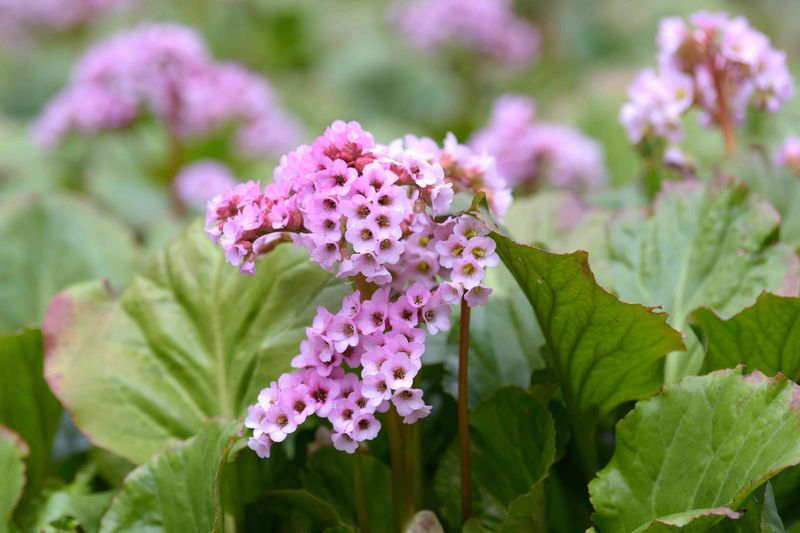
Bergenia, with its large, glossy leaves, is a robust perennial that adds structure to your garden. Its bright pink flowers bloom in early spring, providing early color when few others do.
Bergenia spreads slowly, ensuring it complements rather than competes with surrounding plants. It’s highly adaptable, thriving in both sun and shade.
Did you know it’s also known as ‘pigsqueak’ because of the sound its leaves make when rubbed together? Bergenia is both a practical and whimsical choice for any gardener.
16. Coreopsis
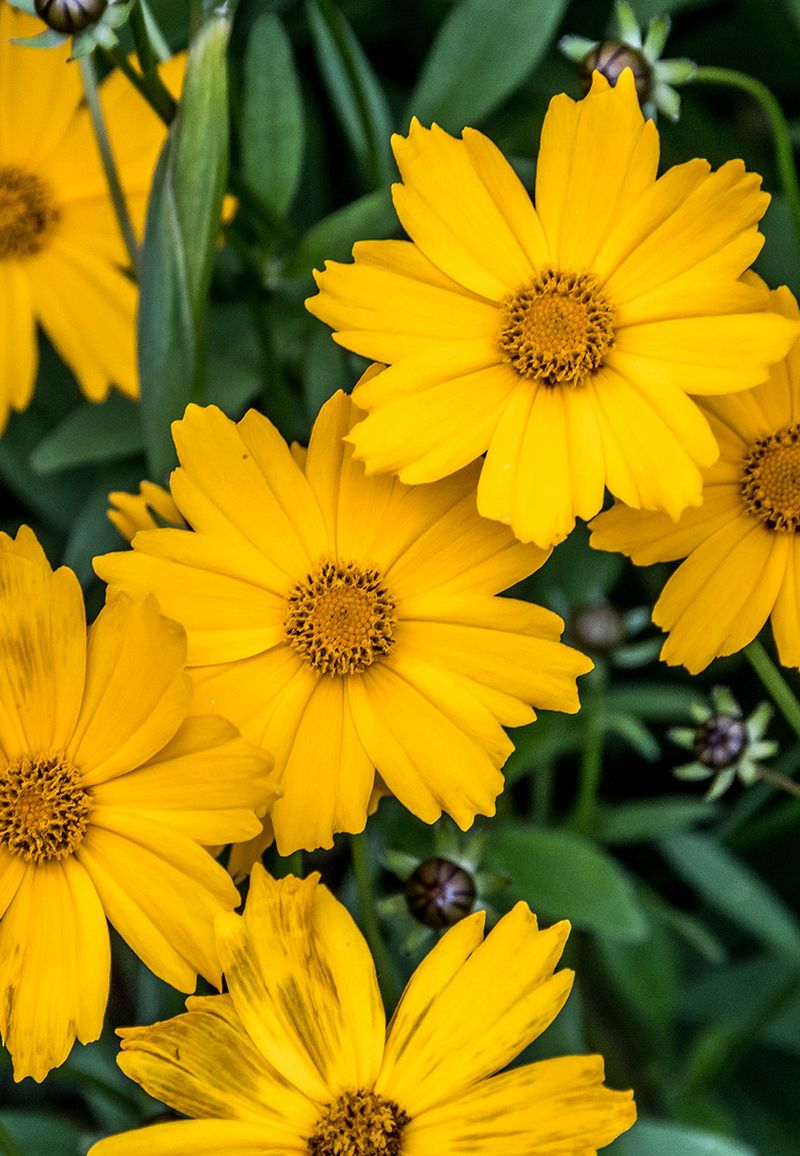
Coreopsis, often referred to as ‘tickseed,’ is a burst of sunshine in any garden. With its bright yellow flowers, it brings cheer and vitality to your outdoor space.
These perennials spread at a modest pace, ensuring a lively display without crowding out other plants. Coreopsis thrives in full sun and well-drained soil, making it a low-maintenance choice.
An interesting tidbit: coreopsis is the state wildflower of Florida. Its long blooming period and vibrant color make it a favorite among gardeners seeking a sunny, carefree garden.
17. Liriope
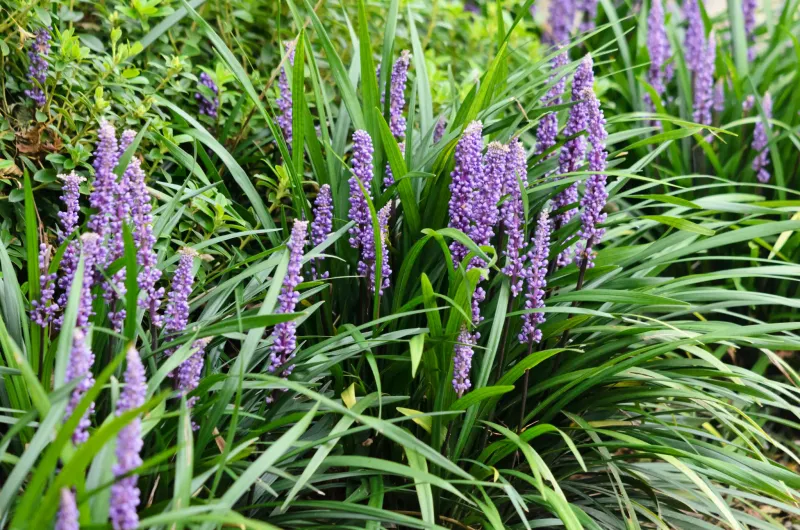
Liriope, often mistaken for ornamental grass, brings elegance with its grass-like foliage and purple flower spikes.
This perennial spreads steadily, providing a lush ground cover without overwhelming its companions. Liriope thrives in both sun and shade, adaptable to various garden settings.
Its ability to withstand drought and resist pests adds to its appeal. A quirky fact: liriope is named after the Greek nymph Liriope, mother of Narcissus. This plant is perfect for adding texture and color to your garden’s foundation.
18. Dianthus
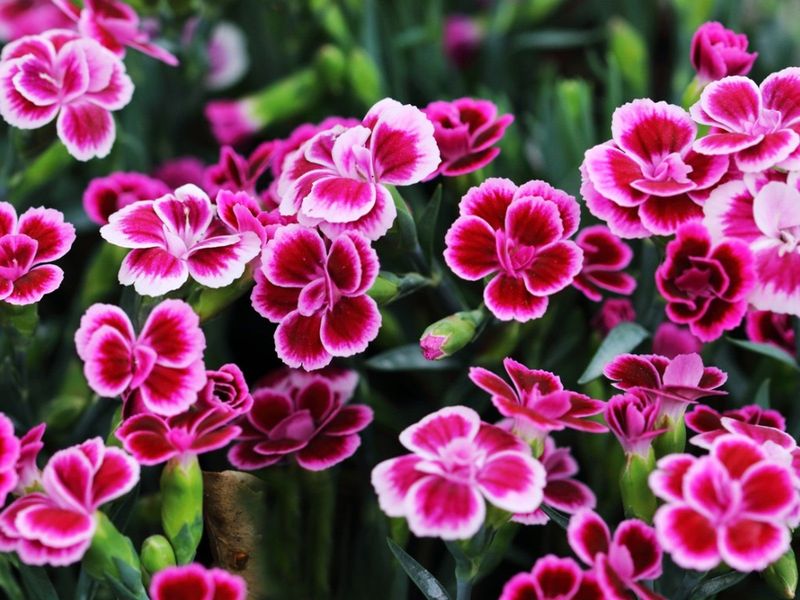
Dianthus, with its sweetly scented flowers, is like a whisper of nostalgia in the garden. These perennials spread gently, adding color and fragrance without dominating.
Dianthus thrives in sunny spots with well-drained soil, offering a long blooming period. Their pink and white blooms evoke a classic, cottage garden feel.
Did you know dianthus is often called ‘pinks’ due to the frilled edges of its petals? It’s a delightful choice for gardeners looking to add a touch of romance and history to their landscapes.
19. Brunnera
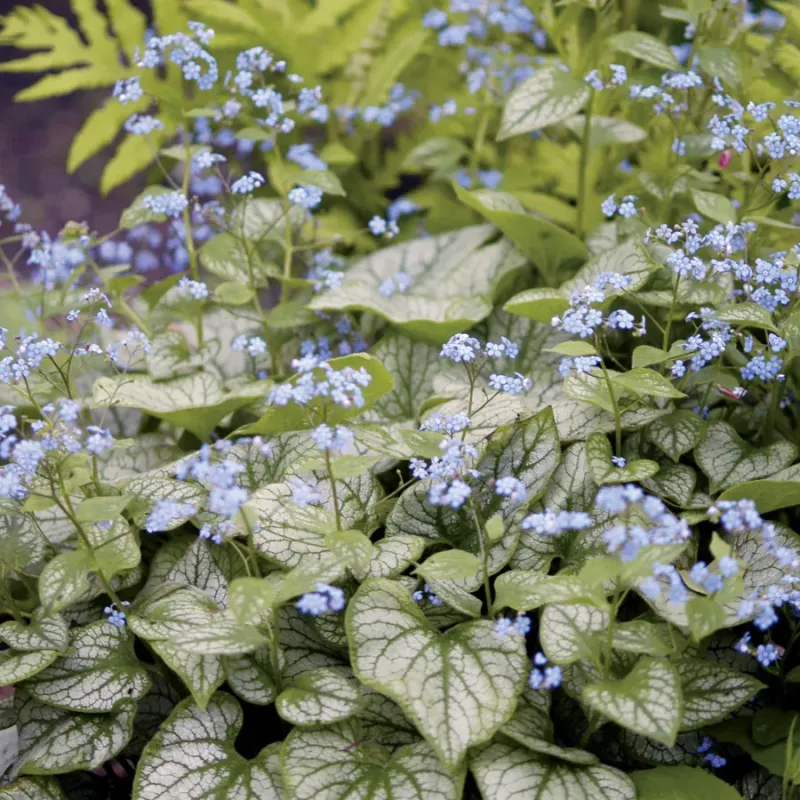
Brunnera is like the hidden gem of shady gardens, with its heart-shaped leaves and delicate blue flowers.
These perennials spread slowly, making them perfect for ground cover in shaded areas. Brunnera thrives in moist, well-drained soil and adds a touch of elegance to any garden setting.
An interesting fact: brunnera is also known as ‘Siberian bugloss,’ reflecting its cold hardiness. This plant is a charming choice for those looking to enhance the dappled beauty of woodland gardens.