 Complete Gardening
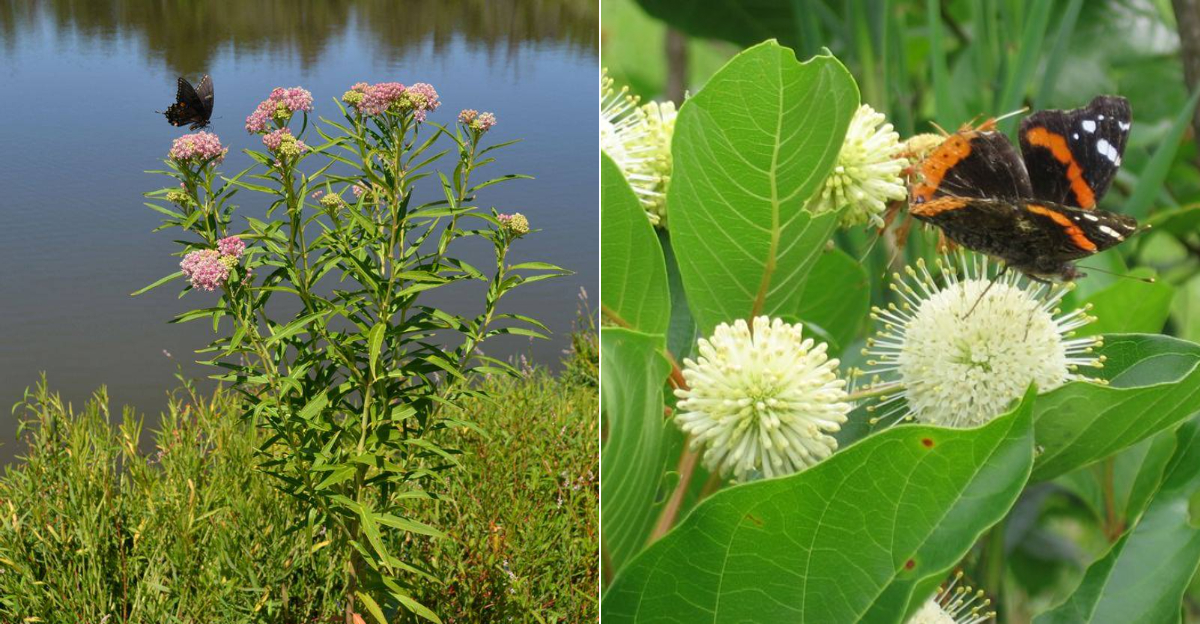
Discover the resilient nature of flood-resistant plants that thrive in wet and soggy conditions. These plants not only survive in challenging environments but also offer unique beauty and benefits to your garden. From vegetables that provide food to ornamental plants that add color and trees that provide shade, explore the diverse options available for waterlogged areas.
1. Taro (Colocasia)
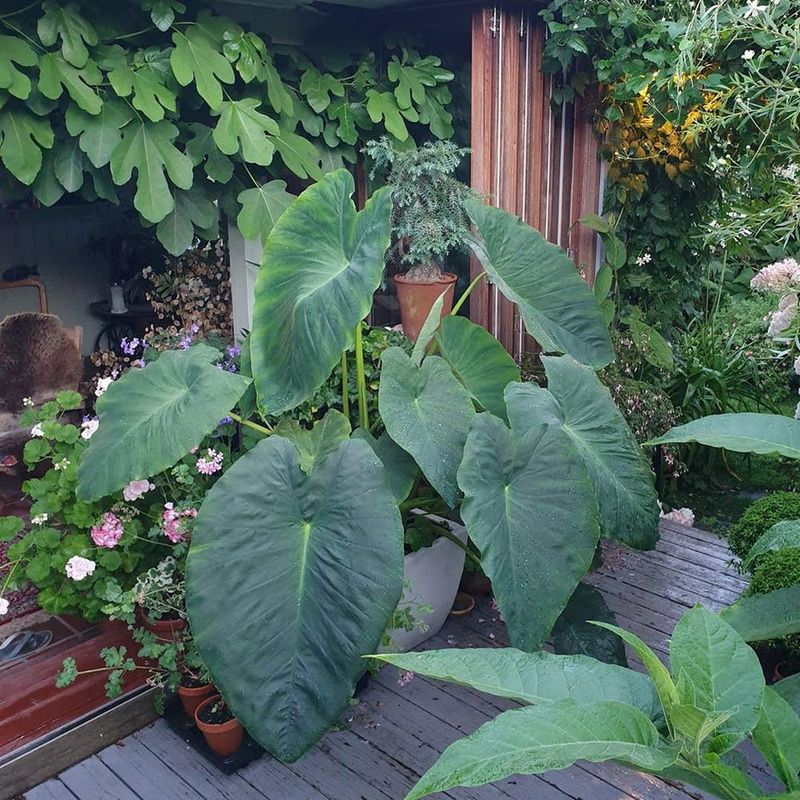
Meet Taro, a plant that finds its happiness in standing water. With its heart-shaped leaves that seem to reach for the sky, Taro is not just a visual delight but a culinary treasure. Its edible leaves and tubers have been a staple in many tropical cuisines. Two paragraphs in total.
If you’re looking for a plant that can handle the wettest parts of your garden, Taro is an excellent choice. It doesn’t just survive in waterlogged conditions; it truly thrives, providing both beauty and functionality. Whether you enjoy them in a stew or admire their lush appearance, Taro is a winner.
2. Watercress
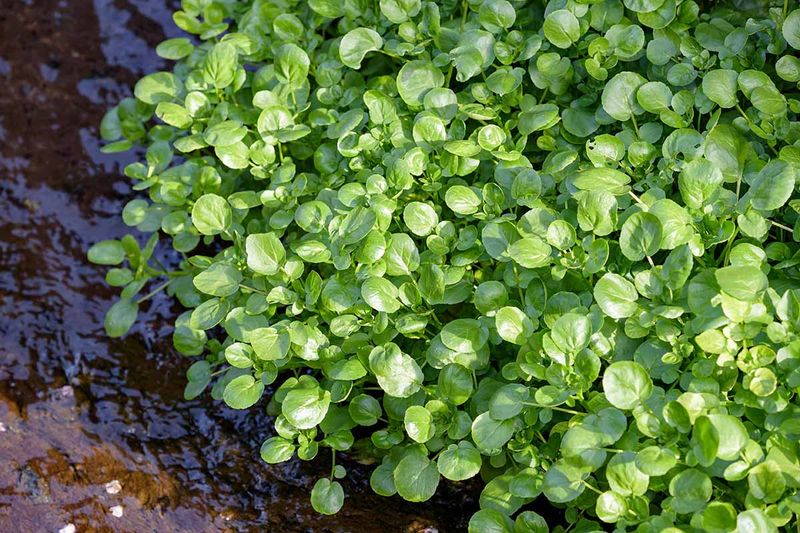
Known for its peppery leaves, this plant is a powerhouse of nutrients. Its vibrant green leaves are not only a pleasant sight but also a delicious addition to salads.
Watercress thrives in aquatic environments, making it perfect for gardens with access to running water. Its nutritional profile is impressive, packed with vitamins and minerals that are beneficial for health. As it grows by the water, it brings a sense of freshness and vitality to any garden setting.
3. Rice
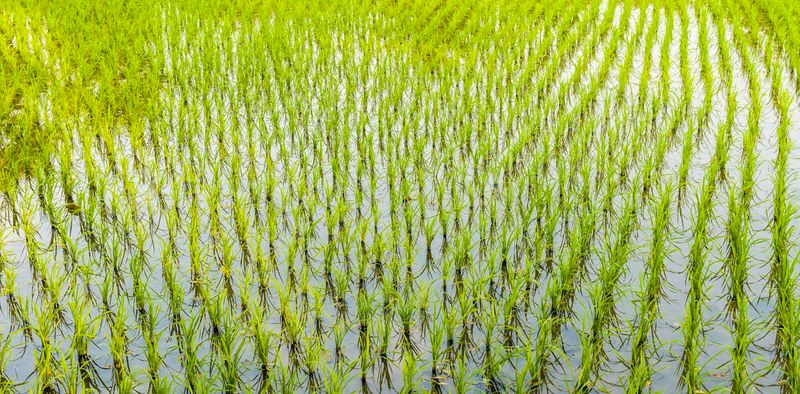
Rice is synonymous with flooded fields and is a staple food for millions around the world. This plant’s adaptability is remarkable, allowing it to grow in both traditional paddies and upland varieties suitable for gardens.
The sight of rice plants swaying in the wind is both calming and inspiring. Rice cultivation in wet conditions reflects its resilience and contribution to global sustenance. Whether you’re looking to cultivate rice for consumption or simply enjoy its beauty, this plant is a symbol of life and abundance.
4. Mint
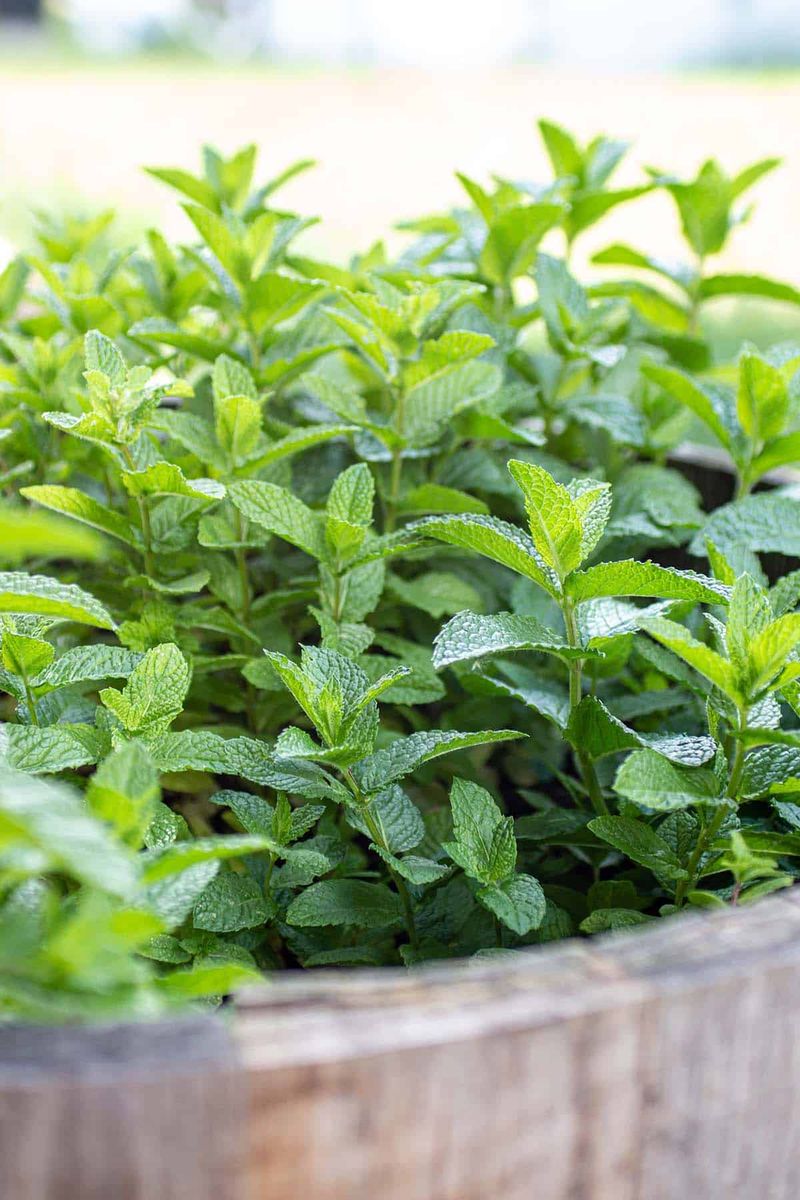
Mint’s aggressive nature in damp soil makes it both a gardener’s friend and challenge. Its refreshing aroma and culinary versatility are well-known, but its ability to spread rapidly requires careful management.
Despite its vigorous growth, Mint is a beloved addition to gardens for its aromatic leaves used in teas, desserts, and more. To control its spread, gardeners often opt for container planting. The sight and smell of Mint in a garden bring a touch of freshness and a hint of challenge to those cultivating it.
5. Celery
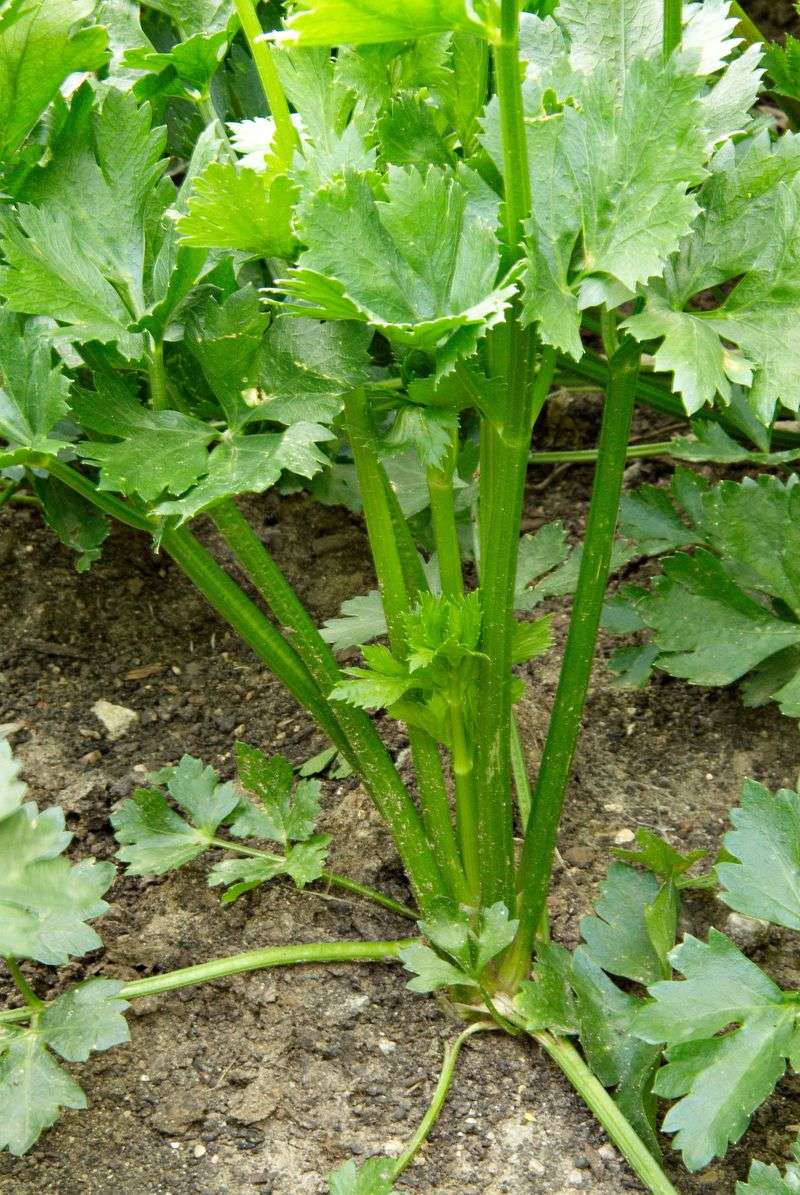
Celery’s preference for consistently moist soil makes it an ideal candidate for wet gardens. Known for its crisp stalks and subtle flavor, Celery is a kitchen staple, found in salads, soups, and snacks.
The sight of Celery in a garden, with its vibrant green leaves and firm stalks, is both inviting and rewarding. Its growth in moist conditions highlights its adaptability and provides a continuous harvest for culinary uses. Celery brings both practicality and flavor to any wetland garden.
6. Cattails (Typha)
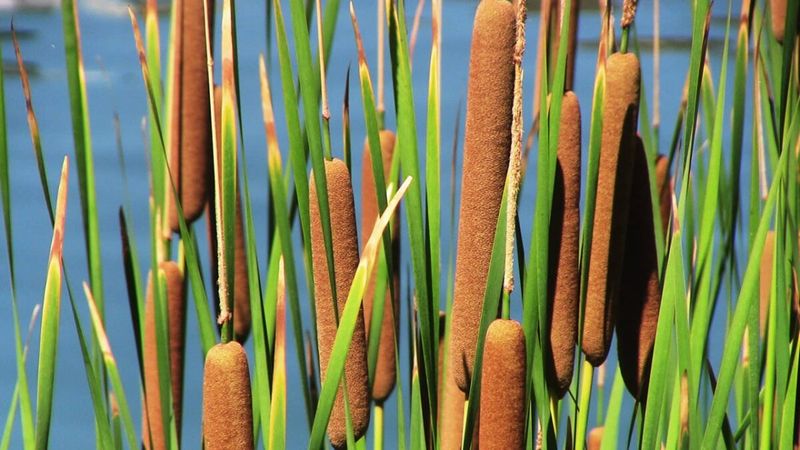
Cattails are iconic symbols of wetlands, gracing the edges of ponds and streams with their distinct cylindrical flower spikes. These plants are not only beautiful but also versatile, with edible shoots that have been used in traditional cooking.
Growing in wet and soggy areas, Cattails offer both ecological benefits and visual appeal. Their presence in a garden can transform a waterlogged area into a thriving ecosystem. With their height and unique appearance, Cattails add a touch of wilderness and functionality to any landscape.
7. Swamp Milkweed (Asclepias incarnata)
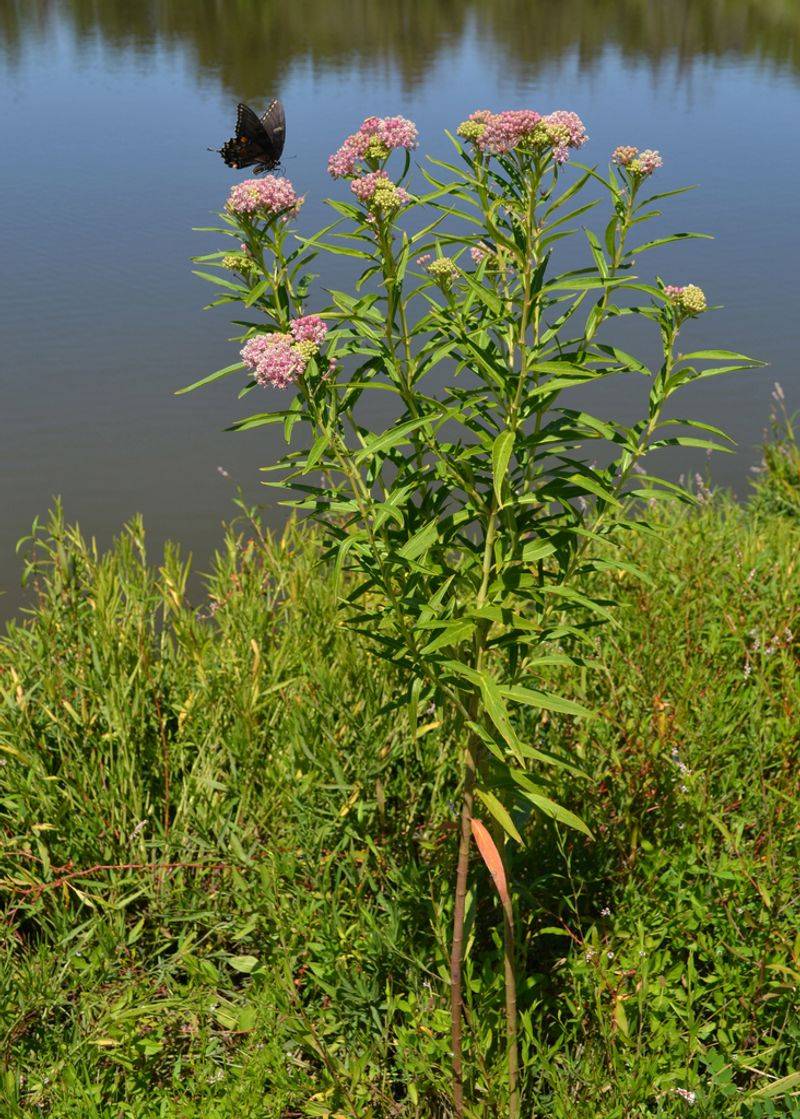
Swamp Milkweed is a magnet for Monarch butterflies, offering beauty and ecological value. With its pink blooms that brighten any soggy area, this plant is more than just ornamental; it’s a vital part of the ecosystem.
Growing in marshy conditions, Swamp Milkweed supports pollinators and adds color to wet gardens. Its delicate flowers and slender leaves create a serene and inviting atmosphere. Whether attracting butterflies or enhancing garden aesthetics, Swamp Milkweed is a delightful choice for moist landscapes.
8. Yellow Flag Iris (Iris pseudacorus)
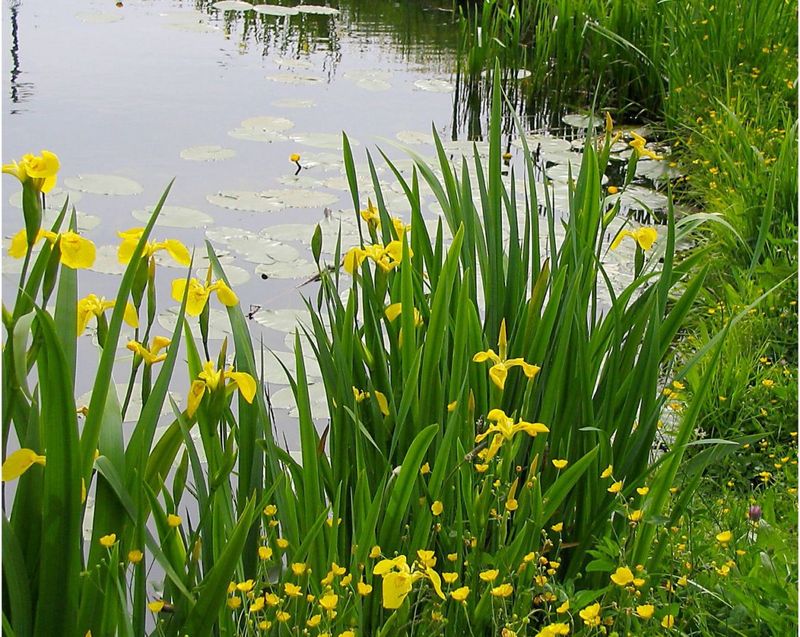
Yellow Flag Iris stands out with its brilliant blooms, offering a burst of color to boggy areas. Known for thriving in wet conditions, this plant’s vibrant yellow petals are a sight to behold.
Ideal for adding visual interest to waterlogged spaces, Yellow Flag Iris brings both beauty and resilience. Its ability to flourish in marshy environments makes it a popular choice for gardeners looking to enhance their landscape with color and elegance. This plant’s striking appearance adds a cheerful note to any garden.
9. Joe-Pye Weed (Eutrochium)
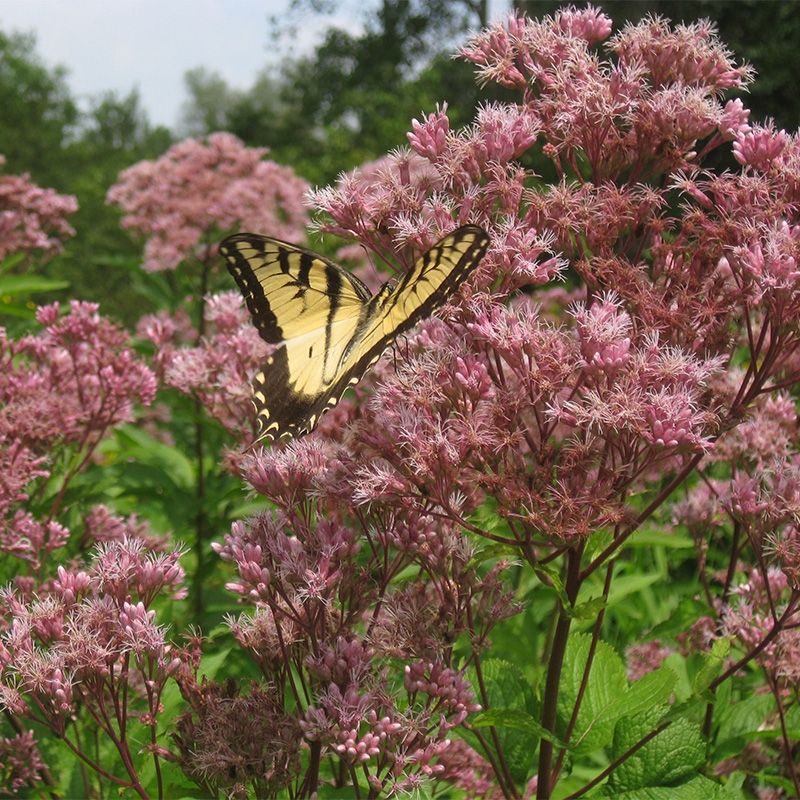
Joe-Pye Weed is a towering presence in any garden, known for its pale pink flowers that attract pollinators. Thriving in damp meadows, this perennial adds height and texture to soggy landscapes.
The sight of Joe-Pye Weed swaying in the breeze is both graceful and impactful. Its role in supporting pollinators highlights its ecological contribution, while its aesthetic appeal enhances garden design. This plant’s combination of beauty and utility makes it a valuable addition to any wetland garden.
10. Cardinal Flower (Lobelia cardinalis)
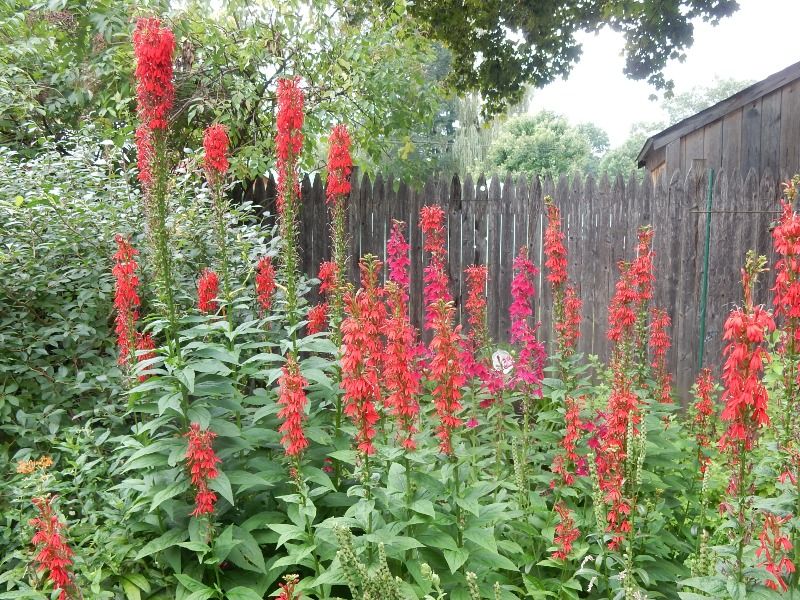
Cardinal Flower captivates with its vivid red blooms, a striking addition to any moist garden. Known for its love of moisture, this plant thrives in wet conditions, adding a splash of color to waterlogged areas.
The intense red of the Cardinal Flower is both eye-catching and energizing. Its presence in a garden not only enhances visual appeal but also supports pollinators. With its bold appearance and adaptability to wet environments, Cardinal Flower is a standout choice for gardeners seeking vibrancy and life.
11. Willow (Salix spp.)
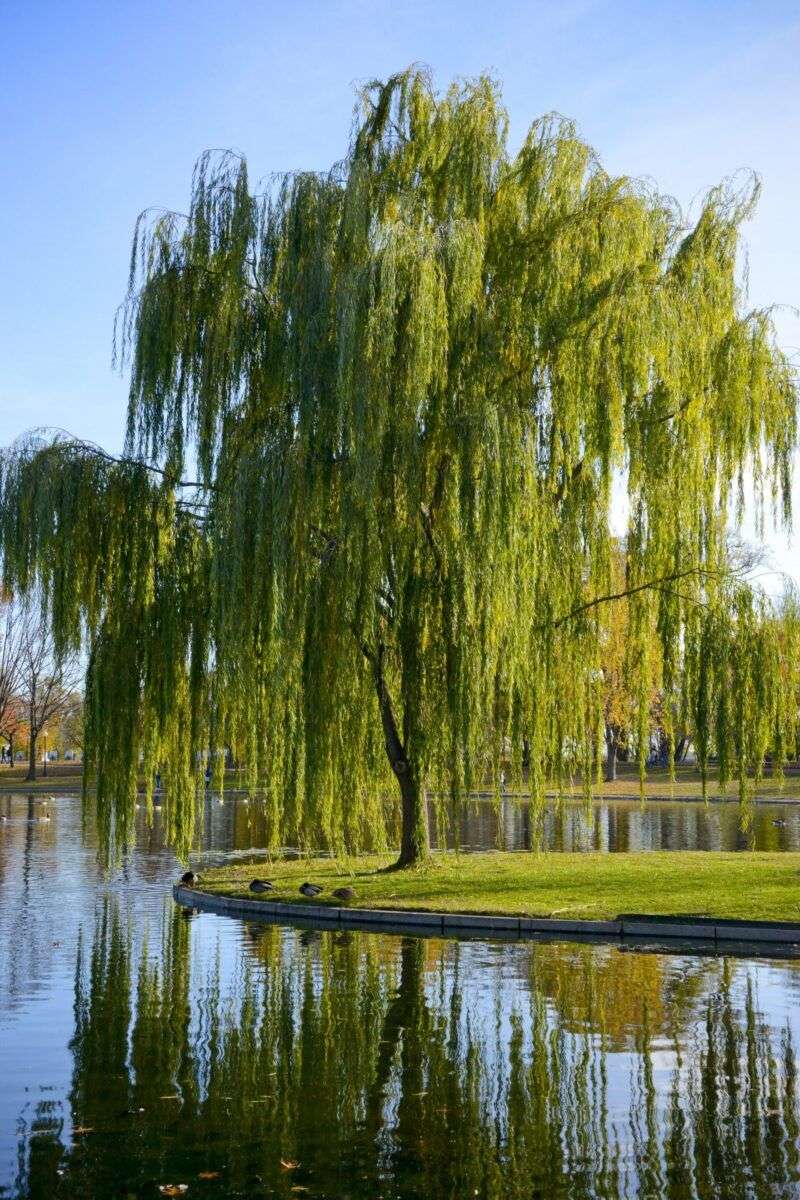
Willow trees are synonymous with elegance and resilience, often found near water where their roots can soak up moisture. Known for their graceful branches and ability to control erosion, Willows are both practical and beautiful.
These trees offer a sense of tranquility and natural beauty, making them a cherished addition to waterlogged areas. Their role in stabilizing riverbanks and providing habitat for wildlife underscores their ecological importance. Willows bring a timeless beauty and functionality to any landscape.
12. Bald Cypress (Taxodium distichum)
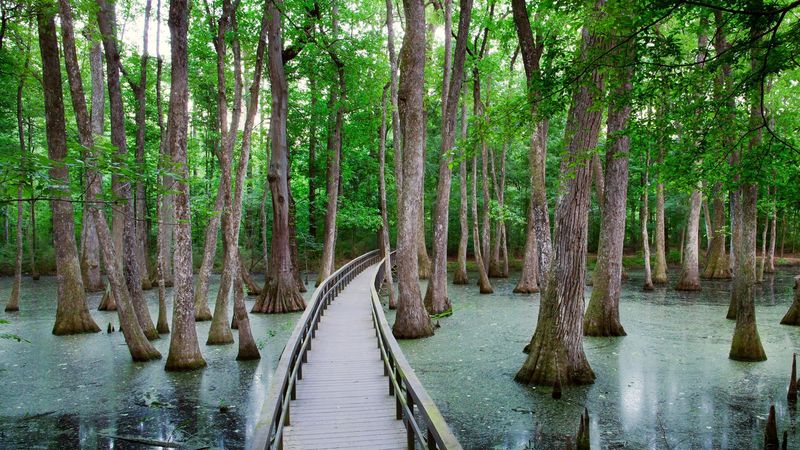
The Bald Cypress is a unique tree, thriving in swampy conditions with a grandeur all its own. Known for its stunning fall foliage and distinctive trunk, this tree captivates with its beauty and adaptability.
Growing tall in waterlogged areas, the Bald Cypress provides both shade and visual interest. Its ability to flourish in such environments highlights its resilience and ecological value. Whether admired for its appearance or appreciated for its environmental contributions, the Bald Cypress is an exceptional choice for wet landscapes.
13. Red Maple (Acer rubrum)
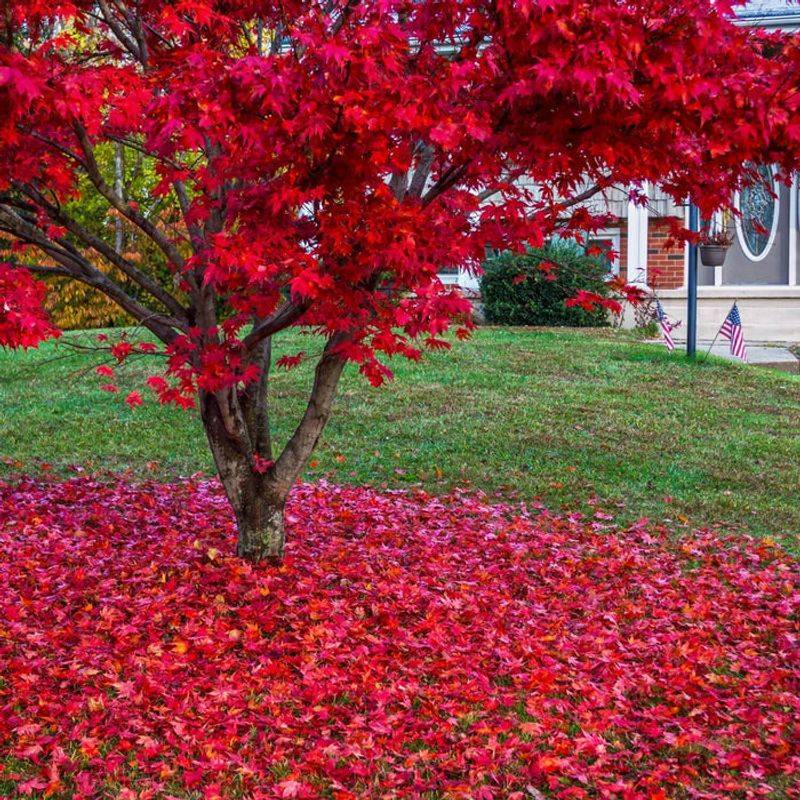
Red Maple is a fast-growing tree that tolerates wet roots with ease. Known for its vibrant autumn foliage, this tree is a sight to behold in any landscape, adding color and shade.
Growing in waterlogged conditions, Red Maple offers both beauty and practicality. Its rapid growth and adaptability make it a popular choice for gardeners looking to add shade and visual appeal. The fiery colors of its leaves in fall provide a stunning display, making Red Maple a desirable addition to wet gardens.
14. Buttonbush (Cephalanthus occidentalis)
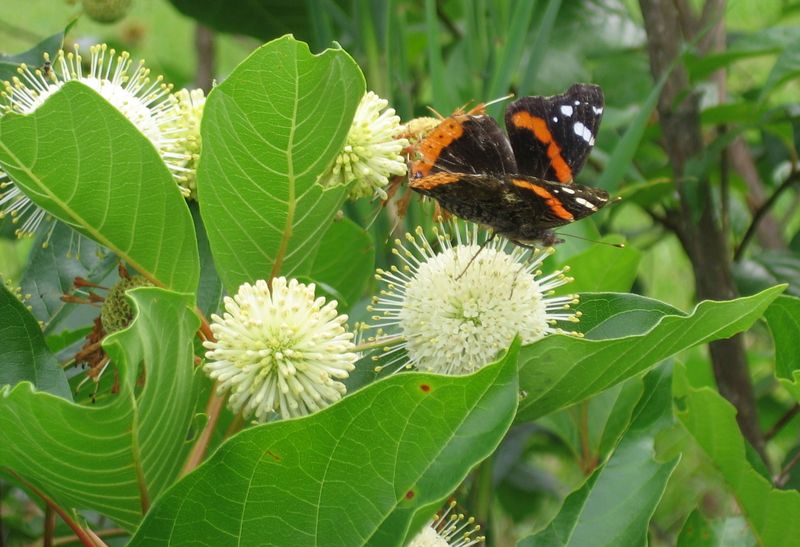
Buttonbush is a wildlife favorite, known for its unique spherical flowers that add texture and intrigue to any garden. Thriving near water, this shrub supports pollinators and adds ecological value.
The distinctive appearance of Buttonbush flowers makes it a standout in wet landscapes. Its role in attracting wildlife and enhancing biodiversity highlights its environmental importance. Buttonbush combines aesthetic appeal with ecological benefits, making it a versatile choice for soggy areas.
15. River Birch (Betula nigra)
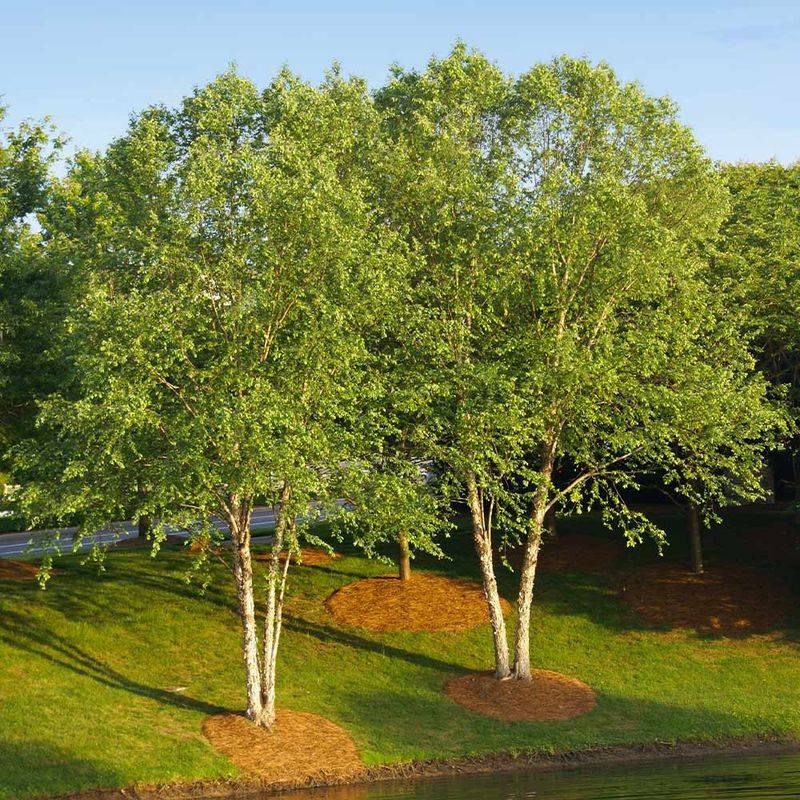
River Birch is celebrated for its peeling bark, adding visual interest to riverbanks and wet areas. Known for thriving near water, this tree provides shade and helps control erosion.
The sight of River Birch by a water source is both calming and picturesque. Its adaptability to wet conditions and striking bark make it a favorite among gardeners. River Birch offers both beauty and practicality, enhancing any landscape with its unique characteristics and ecological contributions.
16. Venus Flytrap (Dionaea muscipula)
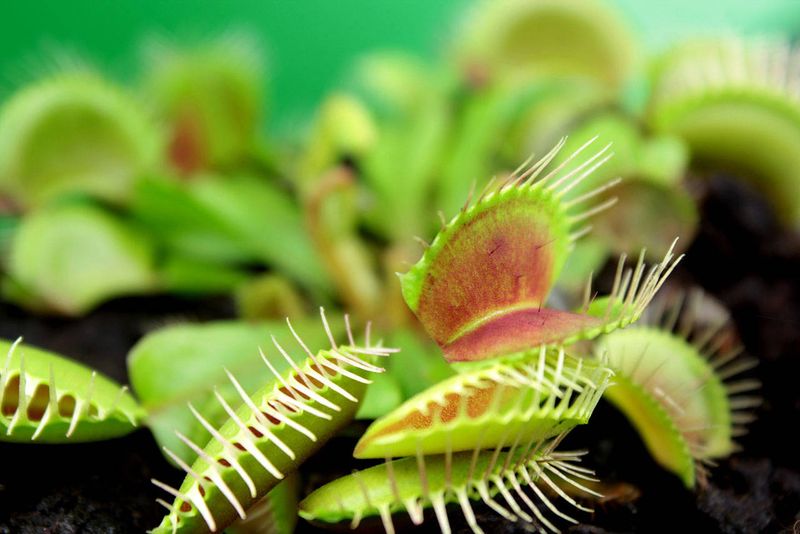
The Venus Flytrap is a fascinating plant, known for its insect-catching abilities and need for acidic, wet soil. This carnivorous plant adds a touch of the exotic to any bog garden.
With its unique traps and captivating appearance, the Venus Flytrap is a curiosity in the plant world. Growing in soggy conditions, it offers both visual intrigue and ecological benefits by controlling insect populations. The Venus Flytrap’s distinctive features make it a captivating addition to moist landscapes.
17. Pitcher Plant (Sarracenia)
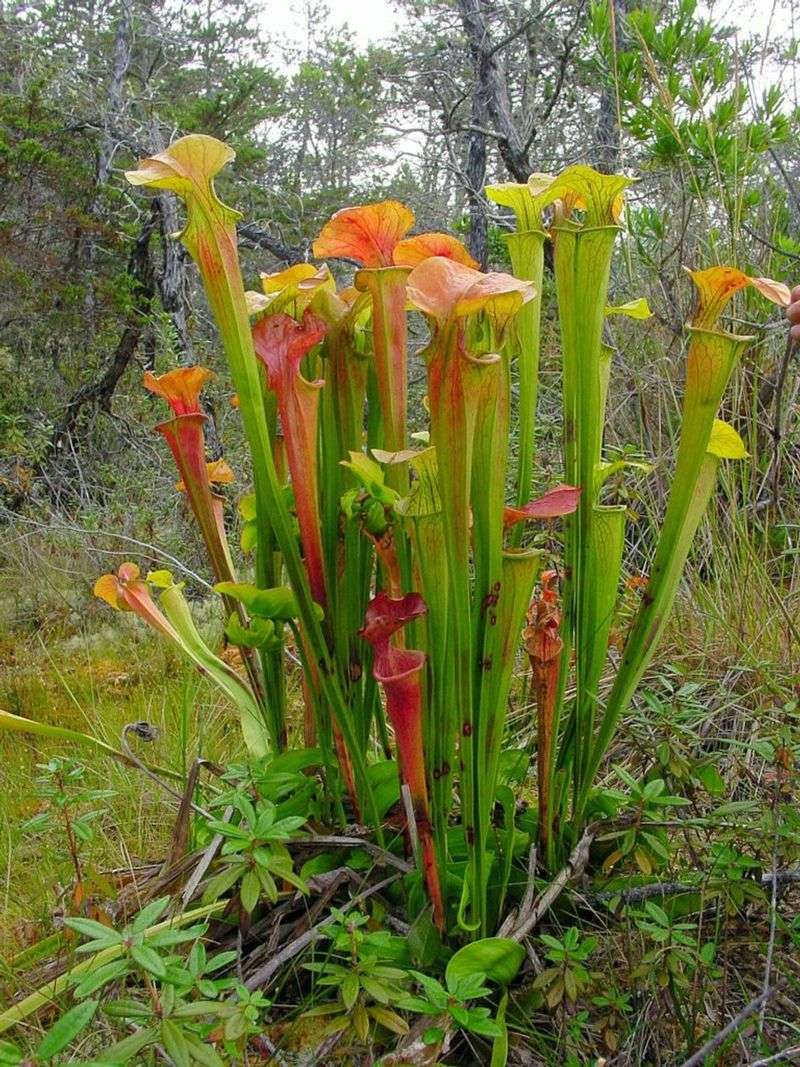
Pitcher Plants are nature’s marvels, with water-filled tubes that trap insects. These carnivorous plants thrive in wetlands, offering a unique combination of beauty and ecological function.
Their tubular leaves and vibrant appearance make Pitcher Plants a striking addition to any garden. By growing in boggy areas, they contribute to insect control and add a touch of the exotic. Pitcher Plants’ intriguing structure and role in the ecosystem make them a fascinating choice for gardeners seeking something different.
18. Lotus (Nelumbo nucifera)
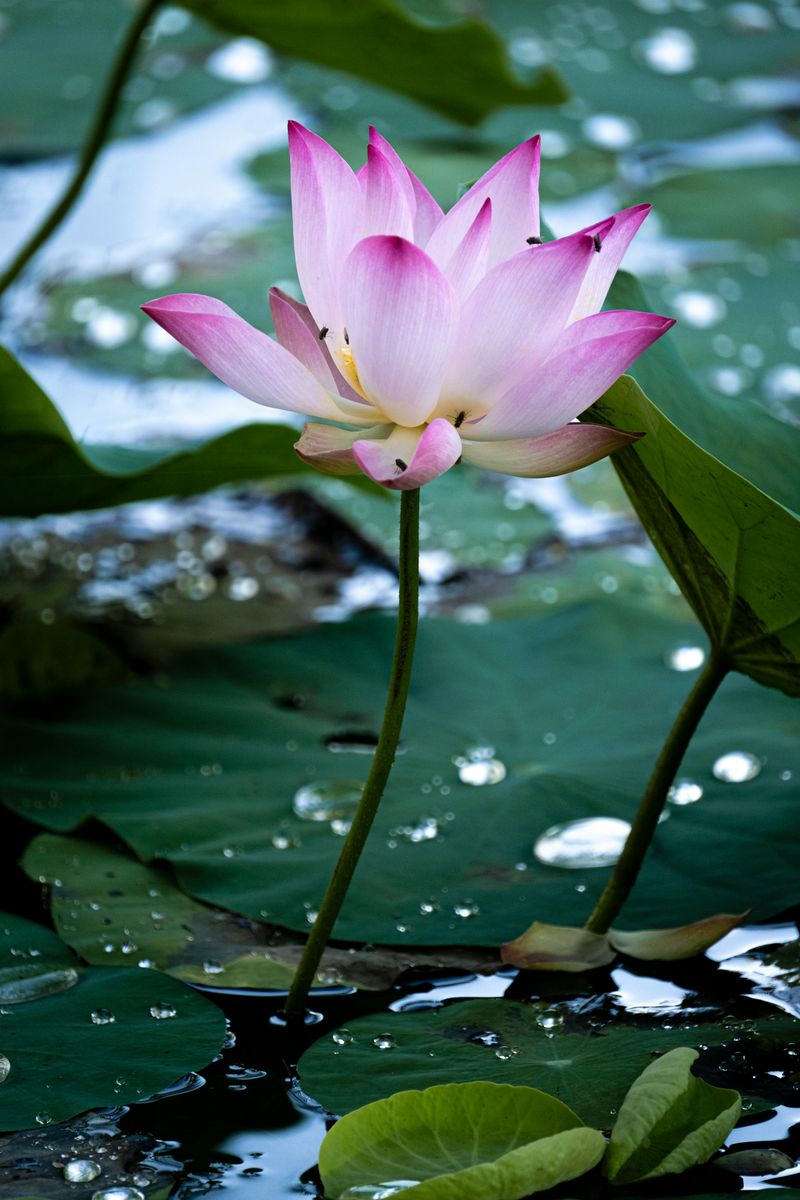
The Lotus is a symbol of purity and beauty, thriving in shallow ponds with its breathtaking flowers. Known for its sacred status and edible seeds, the Lotus is both ornamental and practical.
Growing in waterlogged conditions, the Lotus adds elegance and tranquility to aquatic gardens. Its large leaves and stunning blooms create a serene atmosphere, attracting admirers and pollinators alike. The Lotus’s combination of beauty and cultural significance makes it a cherished addition to any water garden.
19. Duckweed (Lemna minor)
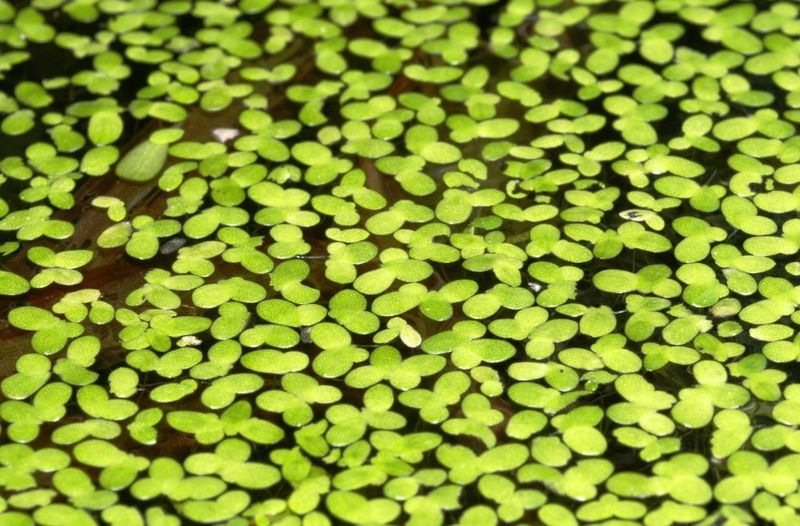
Duckweed is a tiny powerhouse, floating on water surfaces and providing food for fish. Its ability to cover ponds with a green carpet is both beautiful and functional, supporting aquatic life.
The sight of Duckweed on a pond is one of serenity and simplicity. Its rapid growth and contribution to the ecosystem make it a valuable plant for water gardens. Duckweed’s role in providing habitat and nourishment highlights its ecological importance, making it a superb choice for aquatic environments.
20. Horsetail (Equisetum hyemale)
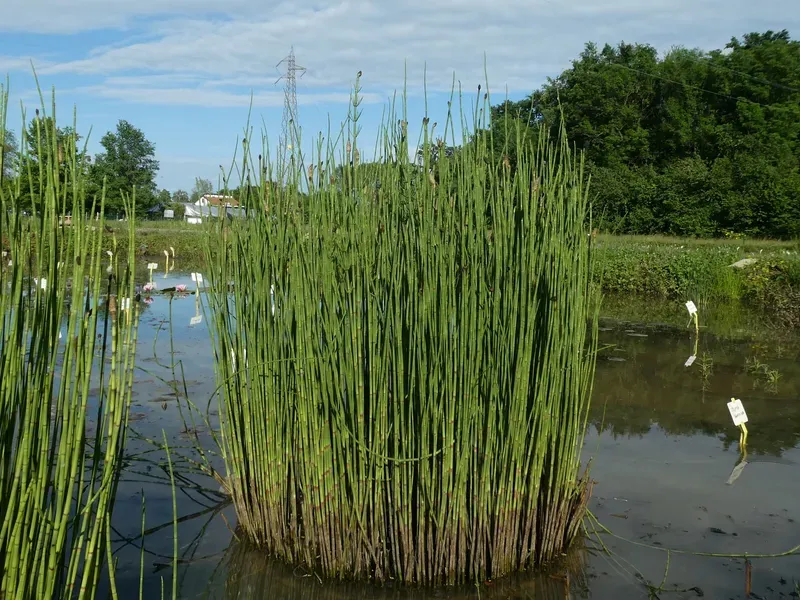
Horsetail is an ancient plant with a bamboo-like appearance, thriving in wetlands and adding a touch of the prehistoric to gardens. Known for its unique structure, Horsetail is both ornamental and practical.
Growing in soggy conditions, Horsetail provides both visual interest and erosion control. Its distinctive stems and historical significance make it a conversation starter in any garden. Horsetail’s ability to thrive in waterlogged areas and its striking appearance make it a valuable addition to wet landscapes.