 Complete Gardening

Gardening in areas with deer can be frustrating when these graceful but hungry animals treat your flower beds like an all-you-can-eat buffet. Fortunately, there are beautiful blooms that deer typically avoid due to their strong scents, fuzzy textures, or bitter tastes. Adding these deer-resistant flowers to your garden can help protect your hard work while still creating a stunning landscape that thrives season after season.
1. Lavender
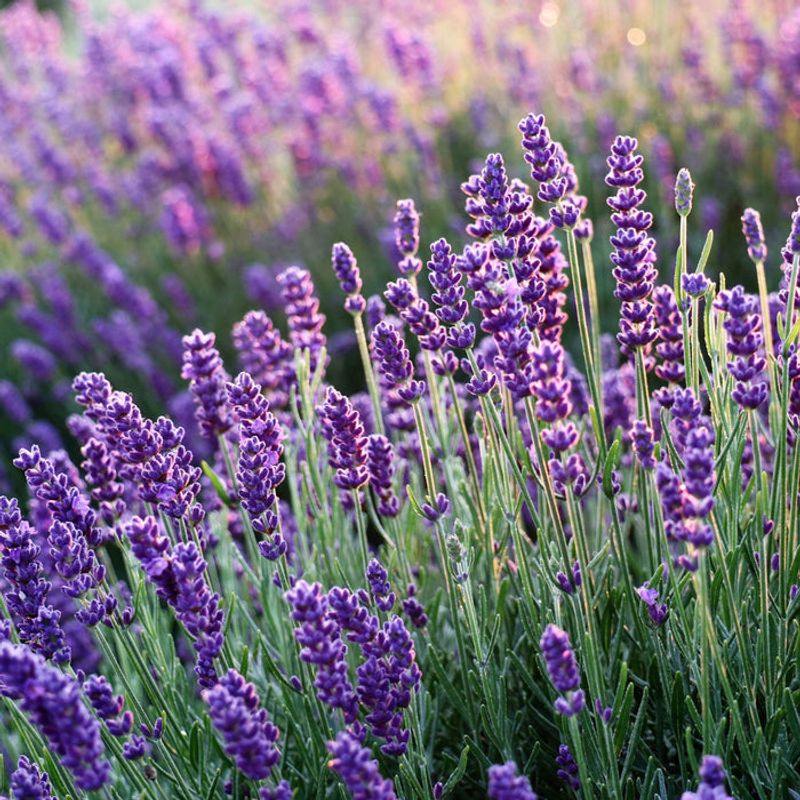
Deer steer clear of lavender’s intense fragrance that humans find so appealing. The strong aromatic oils in its silvery-green foliage and purple blooms act as a natural repellent.
Lavender thrives in sunny, dry conditions with well-drained soil. Beyond keeping deer away, it attracts beneficial pollinators like bees and butterflies to your garden. A bonus: you can harvest the flowers for sachets, cooking, or homemade soaps.
2. Foxglove

Tall, dramatic foxglove produces tubular blooms that deer avoid because of their toxic properties. The plant contains cardiac glycosides that are poisonous if consumed, keeping hungry deer at bay.
Foxglove prefers partial shade and moist, well-drained soil. The bell-shaped flowers come in shades of purple, pink, white, and yellow, creating vertical interest in garden borders. Remember that all parts are toxic to humans and pets too, so place accordingly.
3. Russian Sage

Russian sage’s aromatic silver-gray foliage and lavender-blue flower spikes remain untouched by deer. The strong scent and slightly fuzzy texture make this perennial an excellent deer-resistant choice.
Drought-tolerant and heat-loving, Russian sage thrives in poor soils where many other plants struggle. Its airy, cloud-like appearance adds wonderful texture to gardens from midsummer through fall. Plant it in full sun for best flowering and strongest deer resistance.
4. Daffodils
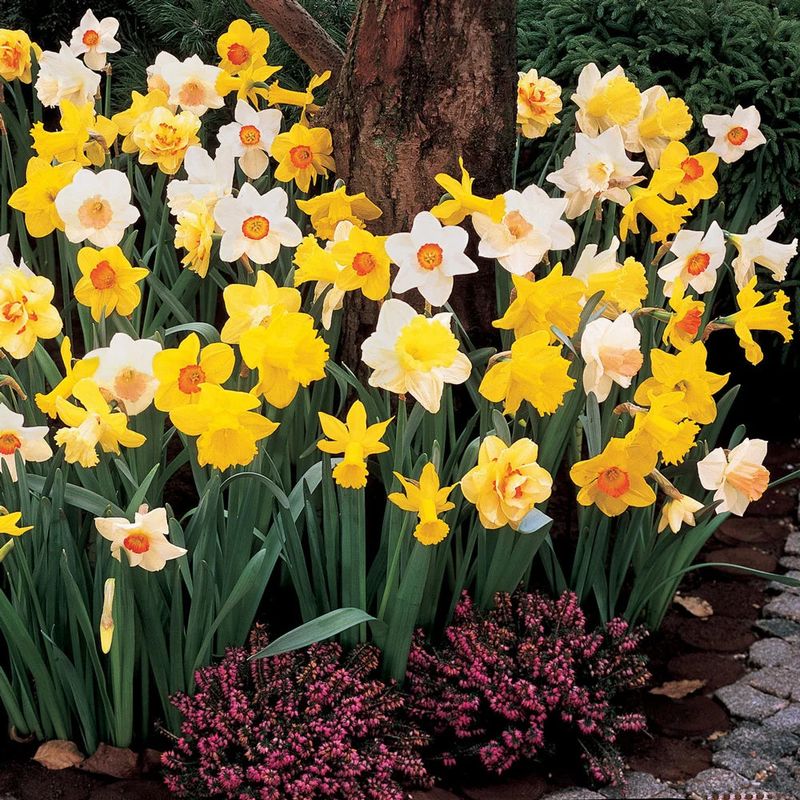
Cheerful harbingers of spring, daffodils contain lycorine, a bitter alkaloid that deer find extremely unpalatable. Their toxic nature ensures these bright yellow, white, or orange blooms remain undisturbed.
Plant daffodil bulbs in fall for spring flowers that multiply year after year. They naturalize easily in meadows, woodlands, and formal gardens alike. As a bonus, their early bloom time provides essential nectar for awakening pollinators when few other flowers are available.
5. Yarrow
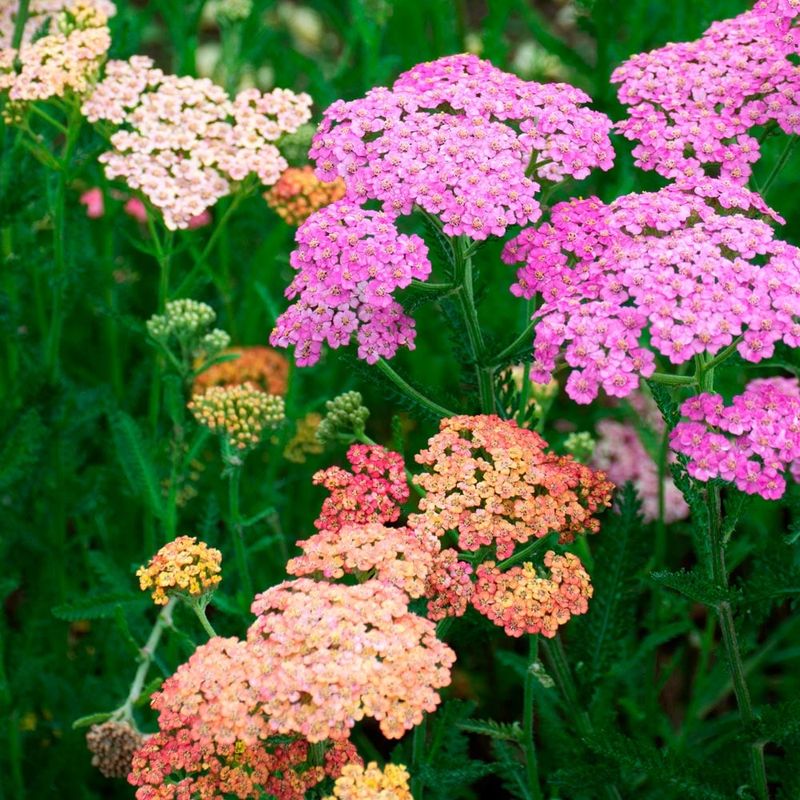
Yarrow’s feathery, aromatic foliage and flat-topped flower clusters naturally repel deer while attracting beneficial insects. The strong scent and bitter taste keep browsing animals away from these hardy perennials.
Available in shades from white to yellow, pink, and red, yarrow thrives in hot, dry conditions once established. Native varieties support local pollinators and add carefree color to meadow gardens. Cut the flowers for long-lasting arrangements or dry them for everlasting bouquets.
6. Bleeding Heart

Bleeding heart’s unique heart-shaped blooms hanging from arching stems might charm gardeners, but deer find them unappetizing. The plant contains alkaloids that taste bitter and can cause digestive upset if eaten.
Thriving in shade gardens, bleeding heart adds springtime drama with its distinctive pink or white flowers. After blooming, the plant often goes dormant in summer heat, so pair it with later-emerging perennials. Its woodland nature makes it perfect for naturalistic garden settings.
7. Peony
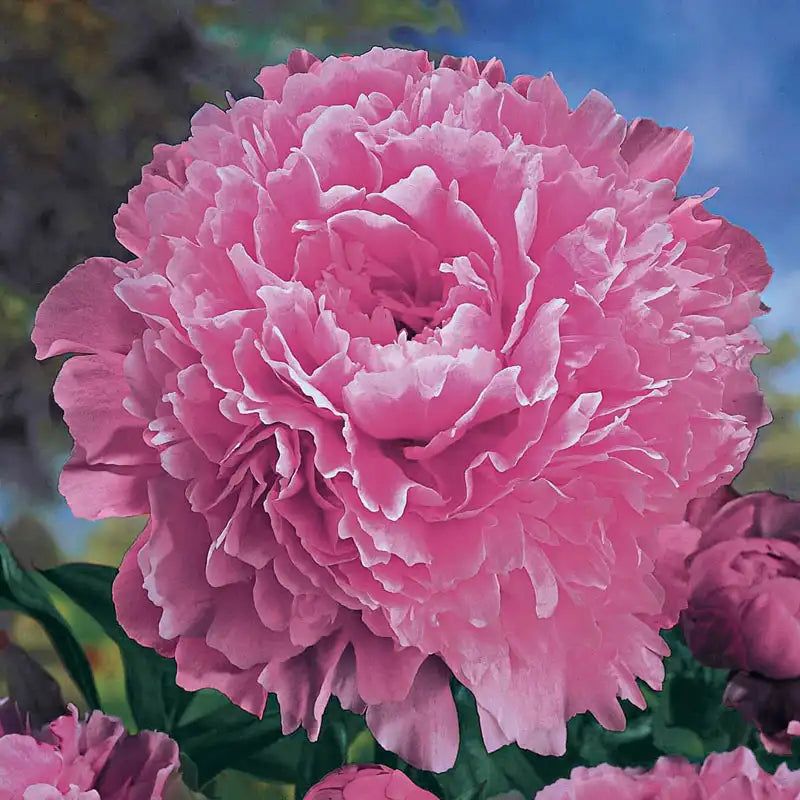
Lush, fragrant peonies with their spectacular blooms typically remain untouched by deer. While not completely deer-proof, their slightly bitter foliage and strong scent usually discourage browsing.
These long-lived perennials can thrive for decades with minimal care, producing gorgeous flowers in late spring. Plant peonies in full sun with good air circulation to prevent disease. The ants you might notice on peony buds are harmless – they’re just enjoying the sweet nectar while helping the flowers open.
8. Iris

Iris plants contain compounds that make them taste terrible to deer. Their sword-like foliage and distinctive blooms remain safe from browsing in most gardens.
Available in nearly every color of the rainbow, irises offer options for almost any garden situation. Bearded varieties thrive in sunny, well-drained spots, while Japanese and Siberian irises tolerate wetter conditions. Many irises are also fragrant, adding another sensory dimension to deer-resistant plantings.
9. Catmint
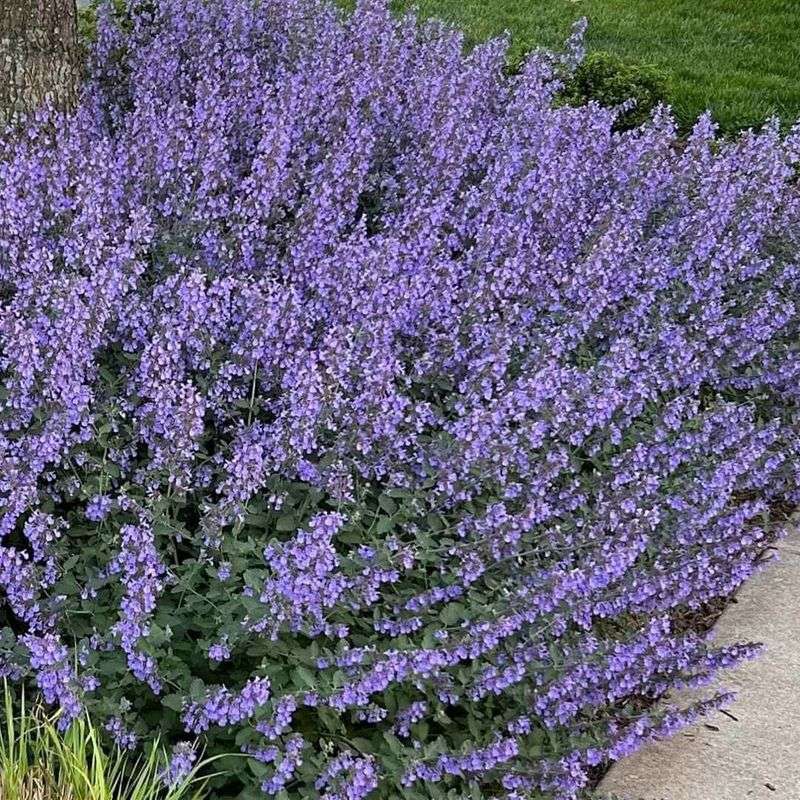
Catmint’s aromatic foliage and lavender-blue flower spikes repel deer while attracting beneficial pollinators. The minty, pungent scent that cats find irresistible thankfully keeps deer at a distance.
Low-maintenance and drought-tolerant once established, catmint forms attractive mounds that bloom for months. Trim it back after the first flush of flowers for a repeat performance later in the season. Its soft, gray-green foliage adds texture to garden borders even when not in bloom.
10. Alliums
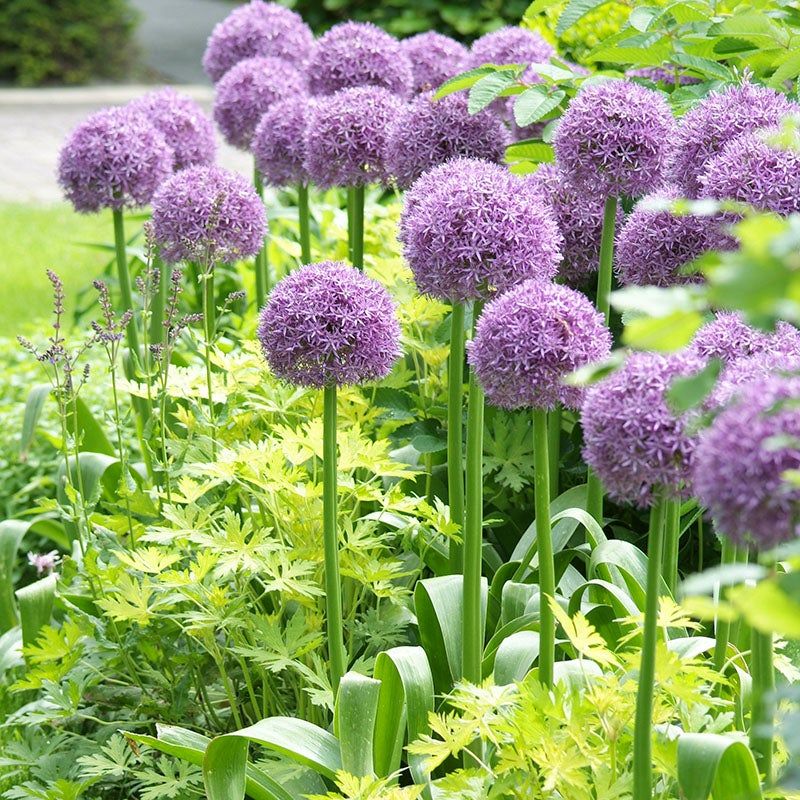
Ornamental alliums, relatives of onions and garlic, produce spectacular globe-shaped flower heads that deer avoid due to their strong scent. The sulfur compounds that give alliums their distinctive smell act as natural deer deterrents.
Available in sizes from tiny 1-inch blooms to massive 10-inch spheres, alliums add architectural interest to gardens. Plant the bulbs in fall for spring and early summer flowers. Their seedheads remain decorative long after blooming, extending their garden value.
11. Lamb’s Ear
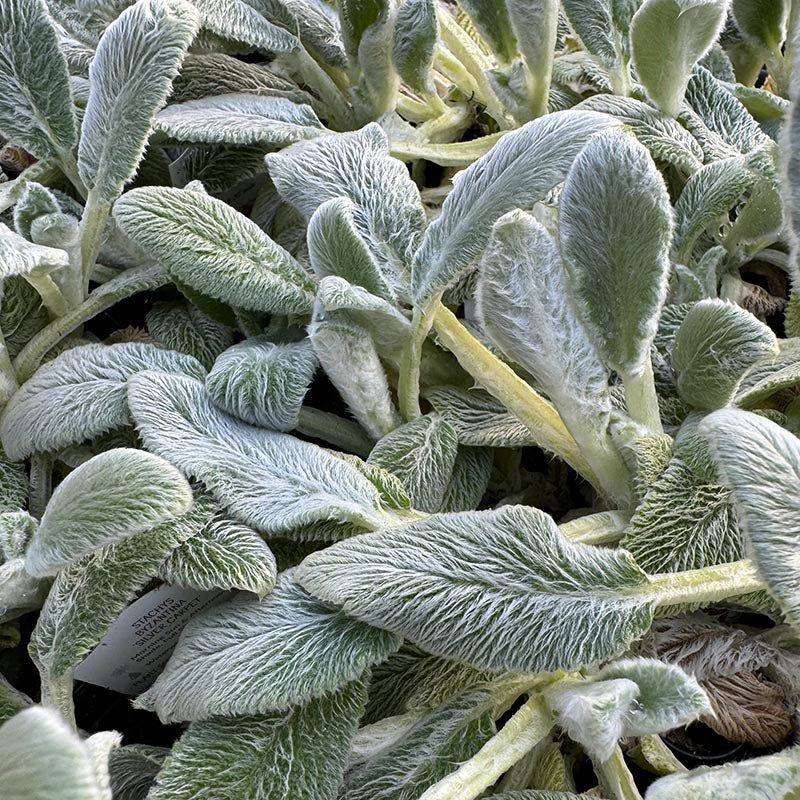
Lamb’s ear features soft, fuzzy, silver-gray leaves that deer typically avoid due to their texture. The velvety foliage that humans find so touchable actually discourages deer browsing.
This drought-tolerant ground cover spreads gradually to form attractive mats of foliage. Some varieties produce tall purple flower spikes that attract bees. Lamb’s ear thrives in poor soil as long as drainage is good, making it perfect for challenging garden spots where other plants struggle.
12. Salvia
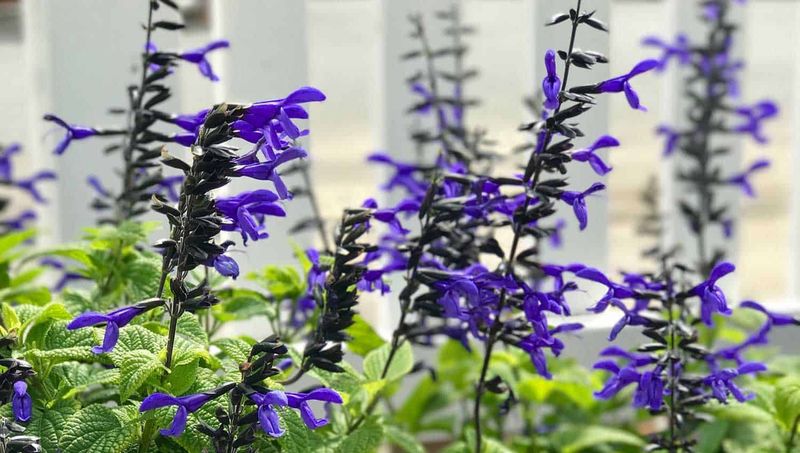
Salvia’s aromatic foliage contains oils that smell wonderful to us but repel deer effectively. The strong scent combined with slightly fuzzy leaves keeps these beautiful bloomers safe from browsing.
With varieties ranging from 18 inches to 5 feet tall, salvias offer options for any garden spot. Most produce spikes of tubular flowers in shades of blue, purple, red, or white that attract hummingbirds and butterflies. Drought-tolerant and long-blooming, salvias provide reliable color with minimal maintenance.
13. Bee Balm

Bee balm’s minty, aromatic foliage naturally deters deer while its vibrant flowers attract beneficial pollinators. Native to North America, this perennial combines wildlife value with deer resistance.
The shaggy, colorful blooms in red, pink, purple, or white appear in midsummer, bringing color when many spring flowers have faded. Bee balm spreads by underground runners, so give it room or plant it where this tendency is welcome. Provide good air circulation to prevent powdery mildew.
14. Snapdragons
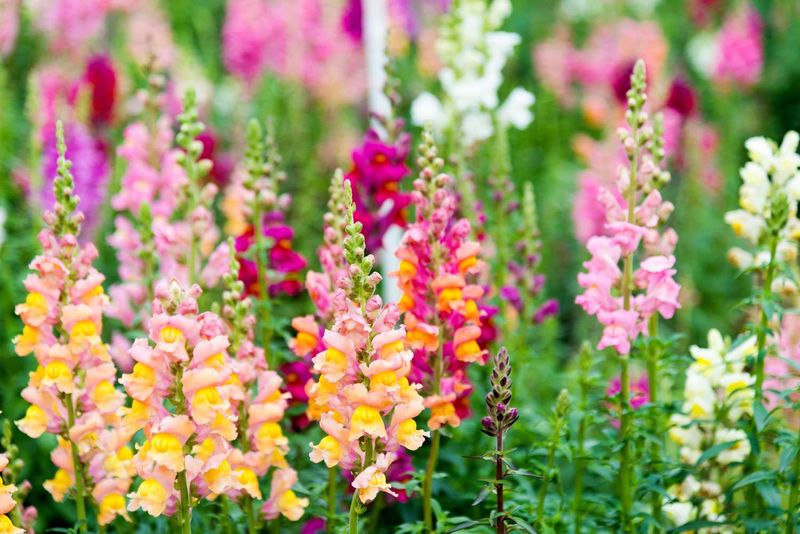
Snapdragons produce spikes of dragon-mouth flowers that deer typically leave alone. Their slightly bitter taste and unusual texture make them unappealing to browsing animals.
Available in nearly every color except true blue, snapdragons add vertical interest to gardens from spring through fall in many climates. Children love to gently squeeze the sides to make the “dragons” open their mouths. In mild winter areas, snapdragons often survive as short-lived perennials.
15. Columbine
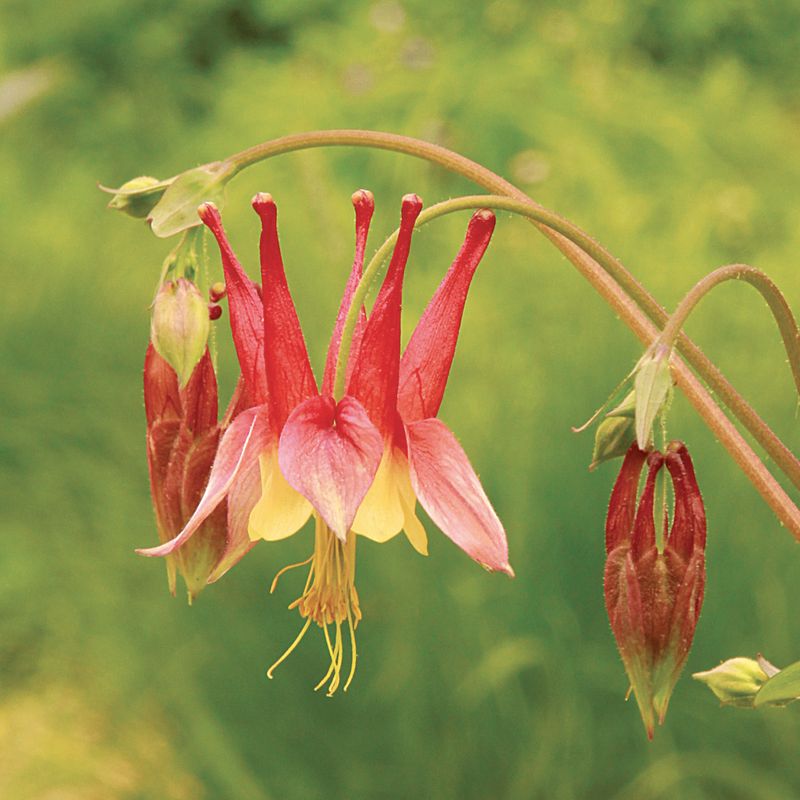
Columbine’s delicate, spurred flowers belie their deer resistance. These charming native perennials contain alkaloids that taste bitter, keeping deer from munching their distinctive blooms and foliage.
Dancing above lacy blue-green foliage, columbine flowers appear in spring in shades of blue, purple, pink, yellow, red, and white. They self-seed readily, creating natural drifts in woodland gardens. Hummingbirds love their nectar-rich blooms, making columbines valuable wildlife plants.
16. Coreopsis
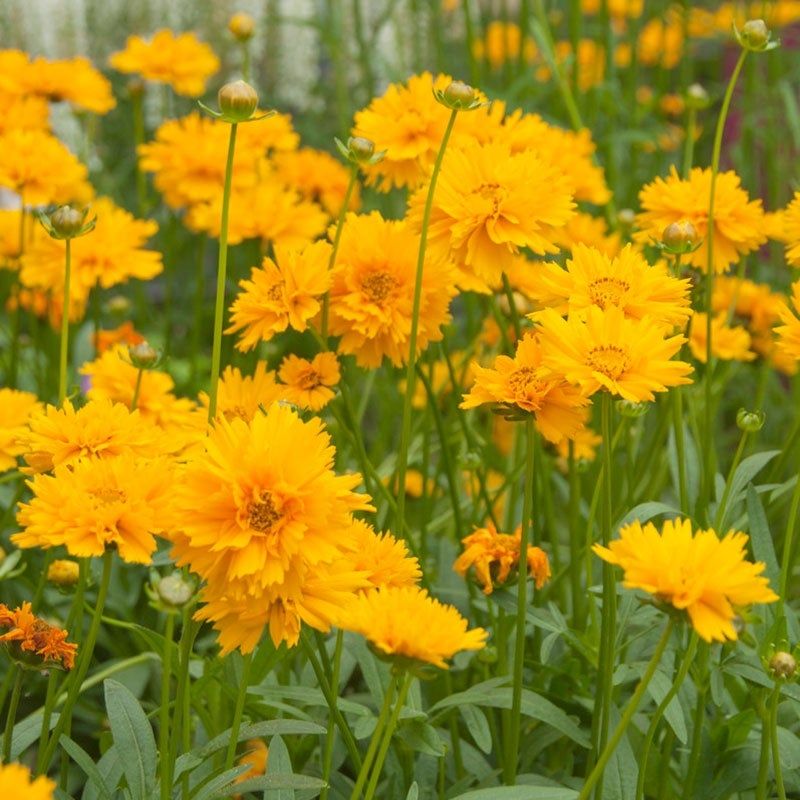
Coreopsis produces masses of daisy-like flowers that brighten gardens while remaining untouched by deer. The slightly bitter foliage deters browsing, allowing these cheerful bloomers to thrive even in deer country.
Also called tickseed, coreopsis varieties offer flowers in sunny yellows, oranges, pinks, and reds. Many bloom continuously from early summer until frost if deadheaded regularly. Drought-tolerant and low-maintenance, these native perennials attract butterflies and provide seeds for birds.
17. Lantana
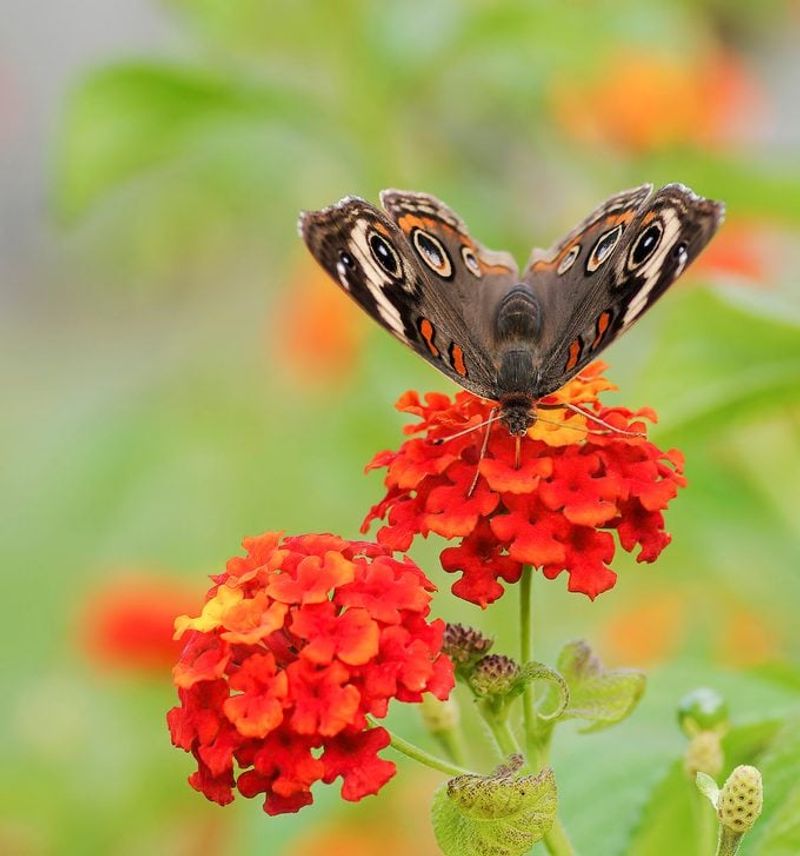
Lantana’s strongly aromatic foliage gives off a citrusy scent that deer find offensive. The rough, slightly prickly texture of the leaves provides additional protection against browsing.
Clusters of tiny, tubular flowers in combinations of yellow, orange, red, pink, or purple attract butterflies by the dozens. In warm climates, lantana grows as a woody perennial, while northern gardeners enjoy it as a summer annual. Heat and drought tolerance make lantana perfect for hot, sunny spots.
18. Poppies

Poppies contain alkaloids that give them a bitter taste deer avoid. Whether annual or perennial varieties, these vibrant flowers remain safe from browsing animals.
From the giant blooms of oriental poppies to the delicate cups of Iceland poppies, these flowers add ephemeral beauty to gardens. The distinctive seed pods that follow the flowers provide architectural interest. Poppies generally prefer not to be transplanted, so sow seeds directly where you want them to grow.
19. Dianthus
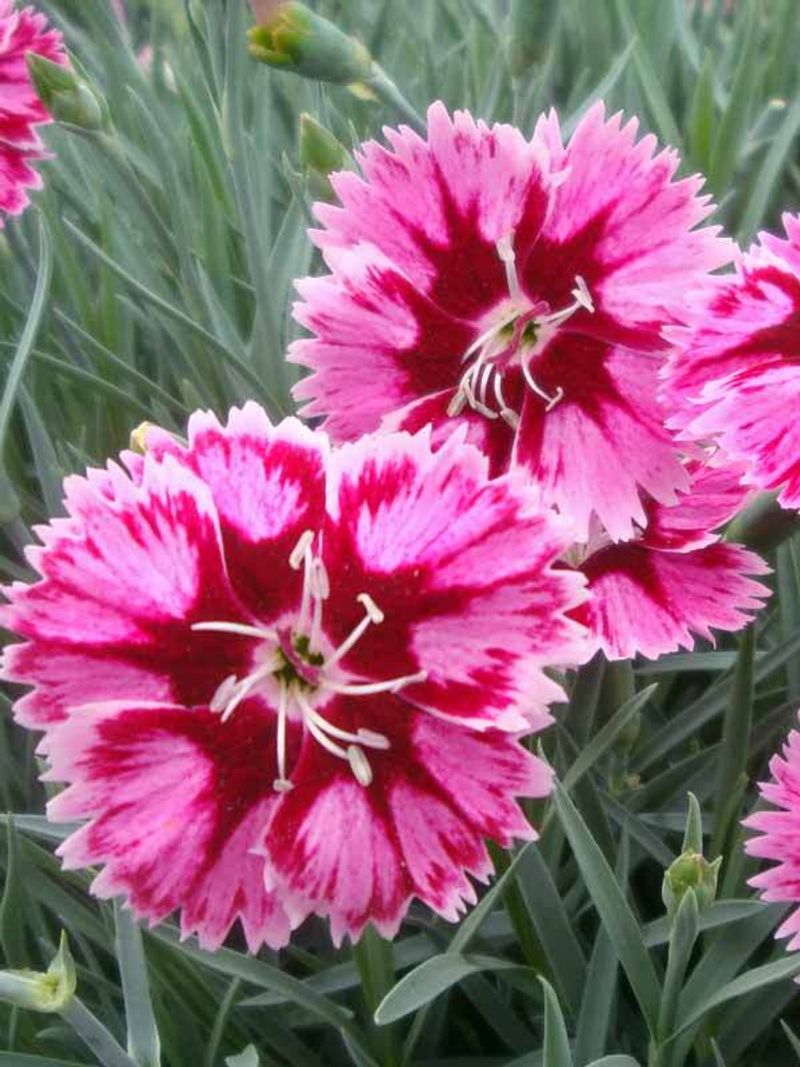
Dianthus plants, including pinks and carnations, contain bitter-tasting compounds that deer avoid. Their spicy, clove-like scent that humans find so appealing actually helps protect them from browsing animals.
Low-growing varieties form tidy mounds covered with fringed flowers in shades of pink, red, and white, often with contrasting centers. Many are strongly fragrant, especially in warm sunshine. Plant dianthus where you can enjoy their sweet perfume, perhaps along a walkway or near a seating area.
20. Astilbe
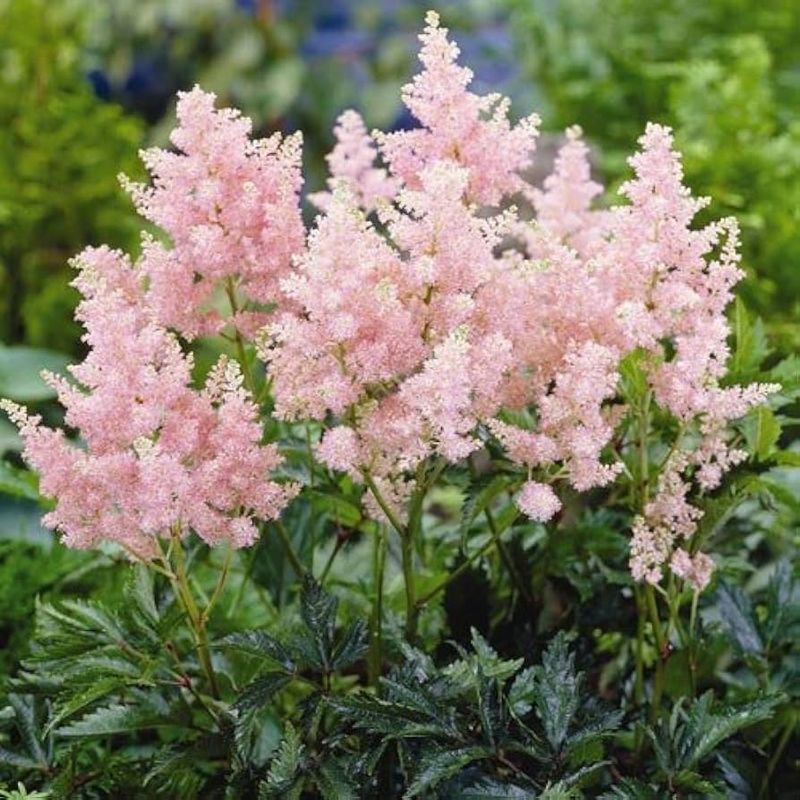
Astilbe’s feathery plumes add color to shade gardens while staying safe from deer damage. The slightly fuzzy texture of their flowers and foliage helps deter browsing animals.
These shade-lovers produce fluffy flower spikes in shades of white, pink, red, and lavender above fern-like foliage. Unlike many shade plants that only offer spring blooms, astilbes flower in summer when color is often lacking in shady spots. They prefer consistently moist soil, making them perfect for areas that stay damp.