 Complete Gardening
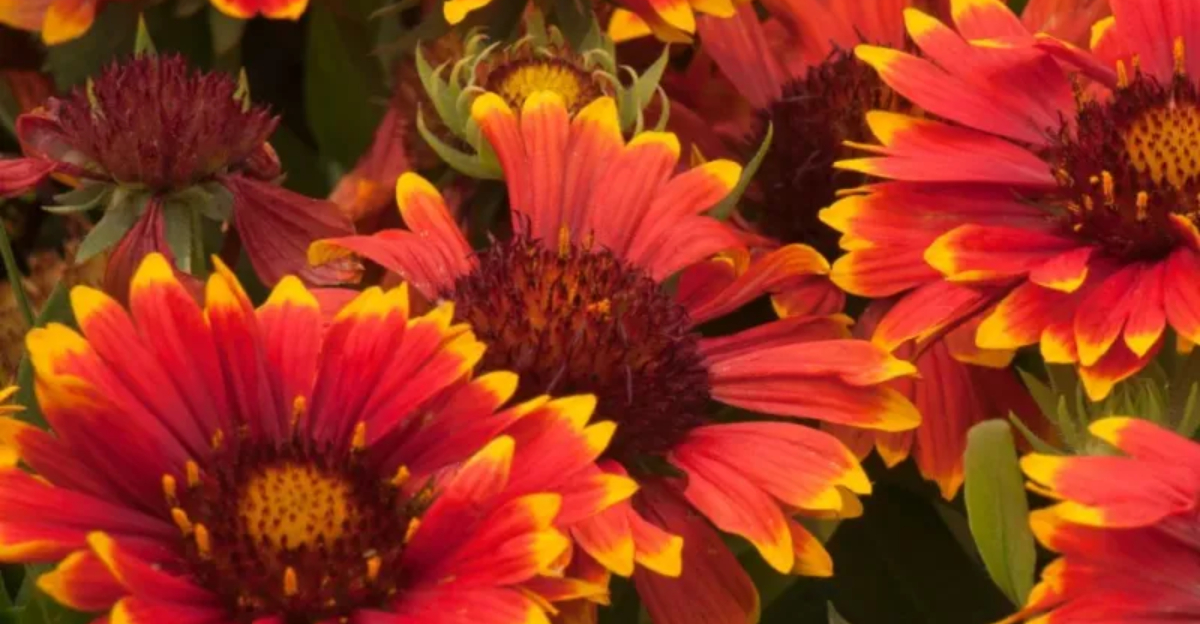
Flowers have an incredible ability to adapt to their environment, and some species have evolved to thrive even when their only source of hydration is rainwater. These remarkable plants show resilience and beauty, requiring minimal intervention from gardeners. Discover twenty stunning flowers that can flourish with just the nourishment provided by rain, adding vibrant colors and life to any garden or landscape.
1. Lavender
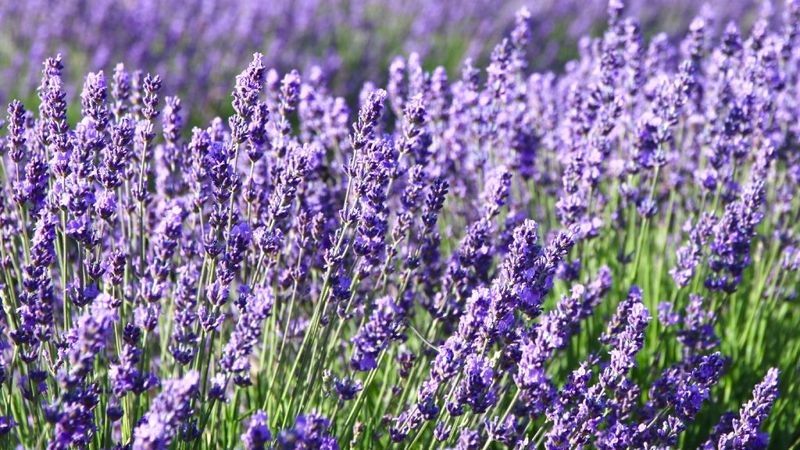
Lavender, often recognized for its calming scent, thrives naturally in rocky terrains. Known for its resilience, this aromatic plant requires little more than rain to flourish. Its ability to withstand drought conditions makes it ideal for gardens with limited water.
The vibrant purple blooms not only beautify spaces but also attract pollinators, making it an eco-friendly choice. Historically, lavender has been used for medicinal purposes and continues to be a popular choice for essential oils.
Whether used in culinary dishes or sachets, lavender’s versatility is unmatched. Its presence lends a sense of tranquility to any setting.
2. California Poppy
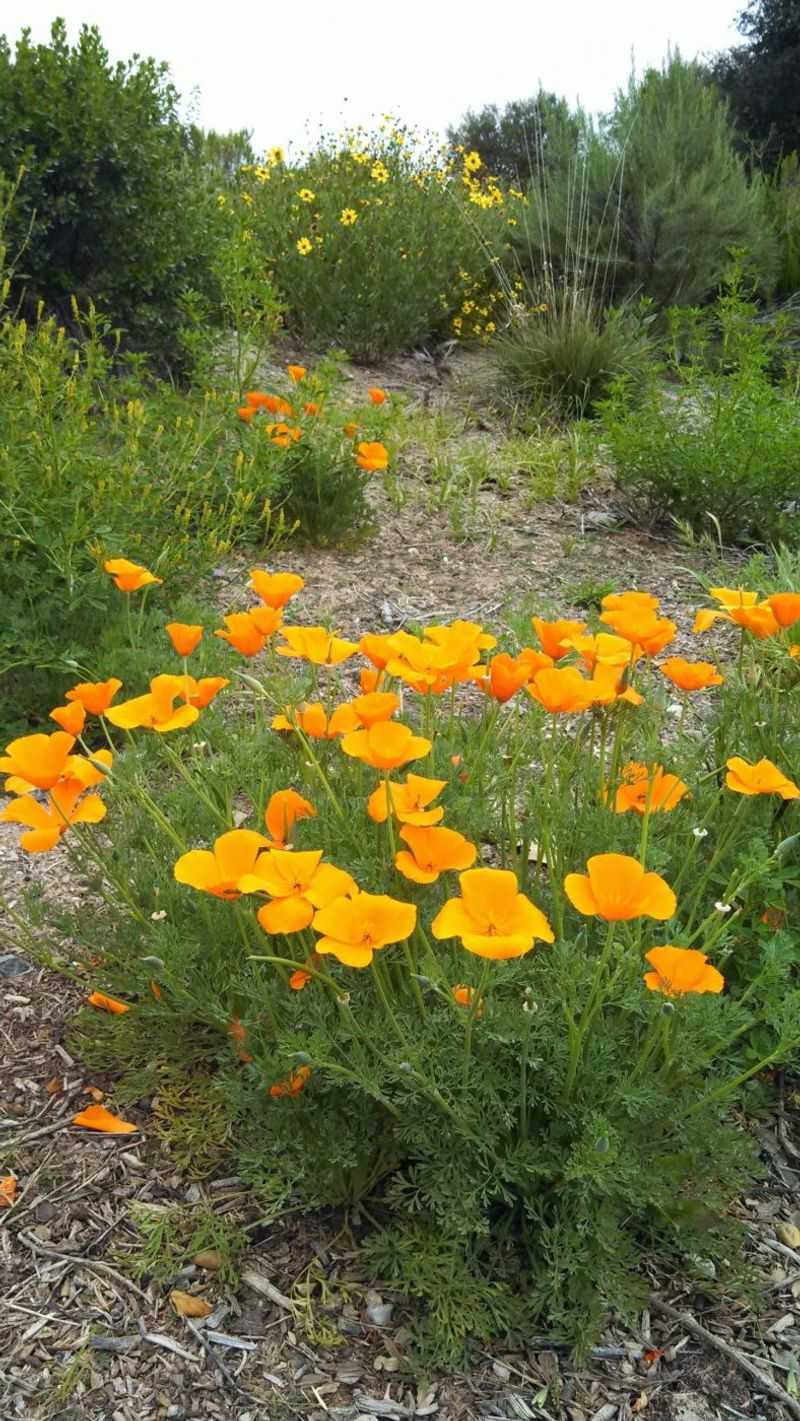
California Poppy, the state flower of California, bursts with bright orange hues, offering a spectacle in arid gardens. Renowned for its drought tolerance, this poppy requires minimal care besides natural rainfall.
Its vibrant petals open under sunlight and close at night, creating a dynamic display. Native to the western United States and Mexico, the poppy has cultural significance and is celebrated annually on California Poppy Day.
Beyond its beauty, the poppy has been used historically for its sedative properties. Its cheerful appearance is sure to brighten any landscape.
3. Eastern Red Columbine
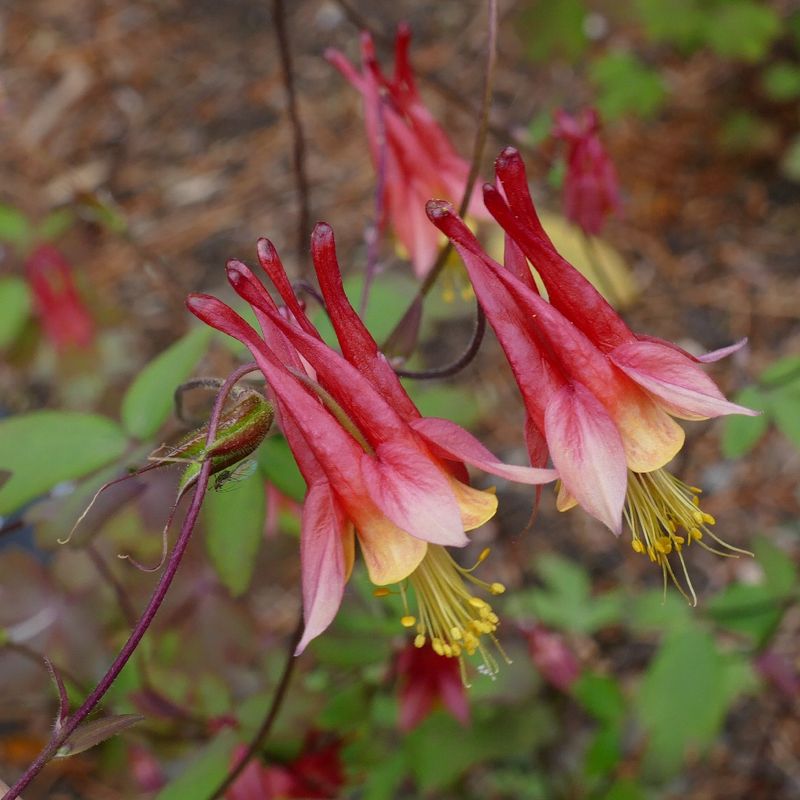
Eastern Red Columbine is a delicate wildflower known for its striking red and yellow blooms that hang like bells. A favorite among hummingbirds, this plant flourishes in shaded areas with just the moisture from rain.
Its whimsical appearance adds charm to woodland gardens. Native to North America, it can be found in rocky, well-drained soils. Columbine has a rich history in folklore, symbolizing love and wisdom.
Despite its gentle look, it is surprisingly hardy, enduring various climates and conditions with grace.
4. Black-Eyed Susan
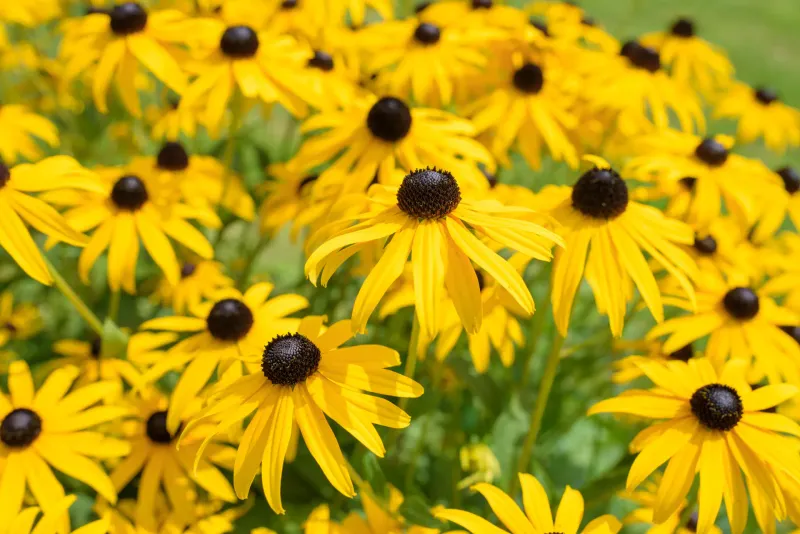
Black-Eyed Susan, a staple of wildflower meadows, flaunts bold yellow petals surrounding a dark central cone. Its cheerful demeanor brightens landscapes and supports local ecosystems by attracting pollinators.
This resilient flower thrives on the simplicity of rainwater and is often seen in fields and along roadsides. Native to North America, Black-Eyed Susan has become a symbol of encouragement and motivation.
Its ability to grow in poor soil makes it a gardener’s ally in low-maintenance gardens, showcasing nature’s tenacity.
5. Yarrow
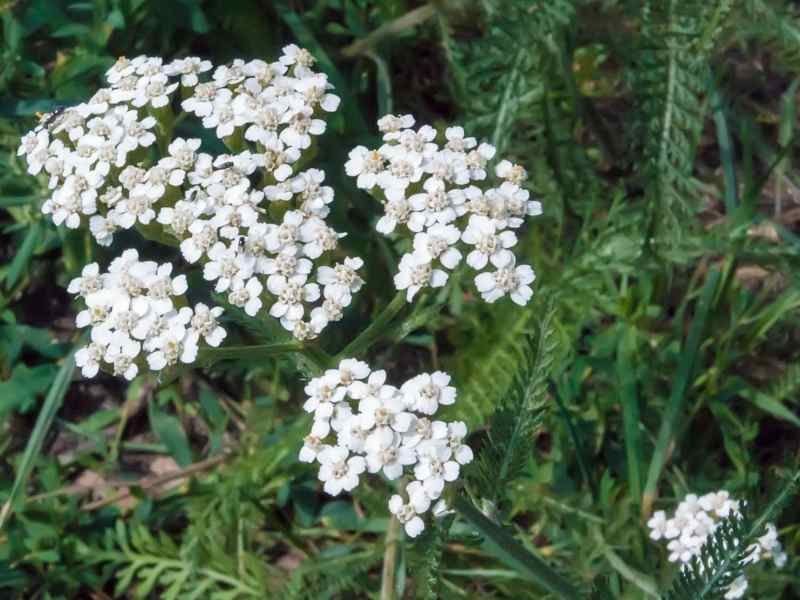
Yarrow is a hardy perennial known for its feathery leaves and clustered white flowers. It’s celebrated for its medicinal uses and thrives in dry conditions with just rainwater.
The plant’s history dates back to ancient times, believed to have been used by Achilles to treat soldiers’ wounds. Yarrow adapts well to various soil types, making it a versatile addition to any garden.
Its long-lasting blooms provide continuous color, while its drought resistance makes it a sustainable choice for eco-conscious gardeners.
6. Coreopsis
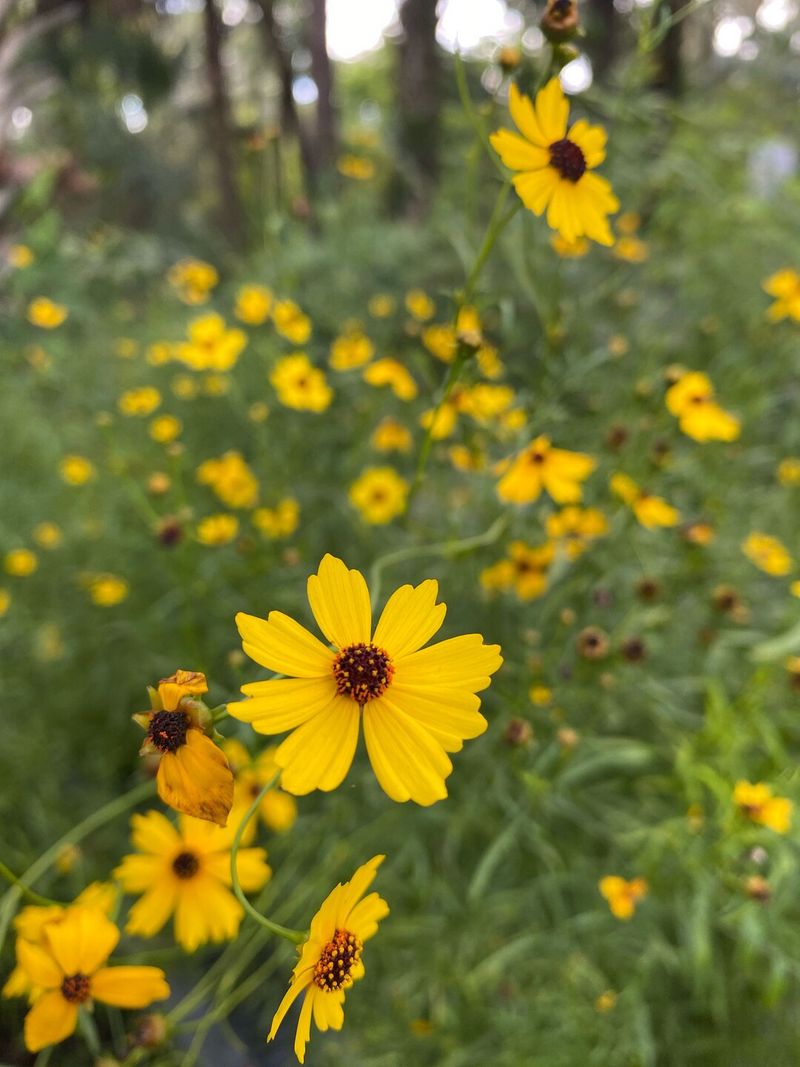
Coreopsis, often referred to as tickseed, is beloved for its cheerful yellow flowers that dance in the breeze. This sun-loving plant requires minimal care, thriving on just rainwater in well-drained soil.
Native to North America, Coreopsis serves as a food source for butterflies, enhancing the biodiversity of any garden. Its long blooming period ensures color throughout the growing season.
With historical uses in traditional medicine, Coreopsis remains a favorite for those seeking low-maintenance beauty. Its effortless charm makes it a garden staple.
7. Coneflower
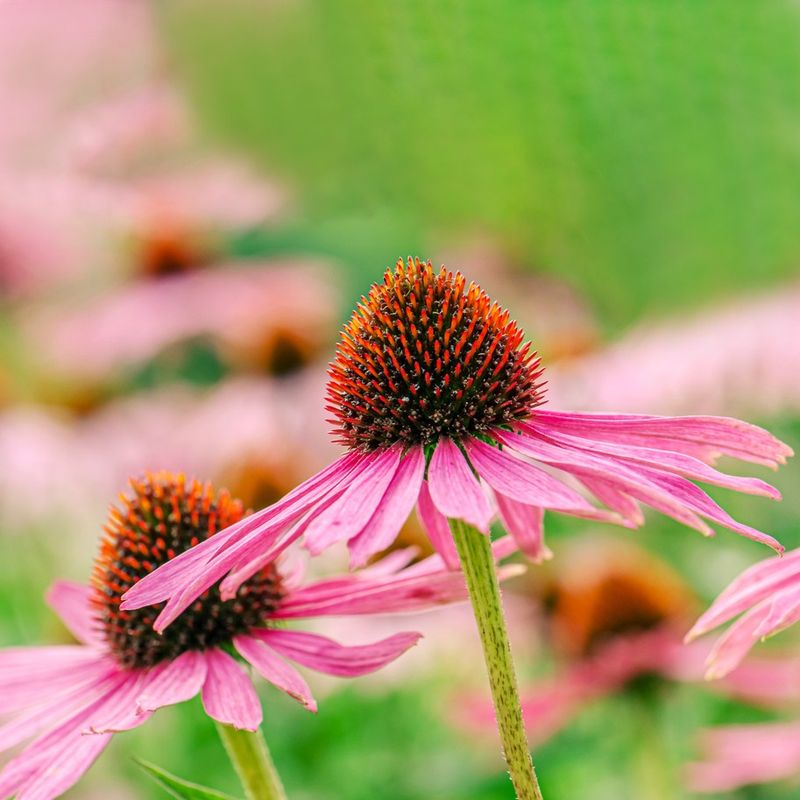
Coneflowers, with their distinctive spiky centers and drooping petals, are a favorite among gardeners. These hardy plants are known for their drought resistance, thriving with just natural rainfall.
Their bold pink and purple blooms attract bees and butterflies, contributing to pollinator health. Native to North America, coneflowers have been used traditionally for their immune-boosting properties.
Their robust nature and striking appearance make them an excellent choice for adding texture and color to any landscape.
8. Cosmos
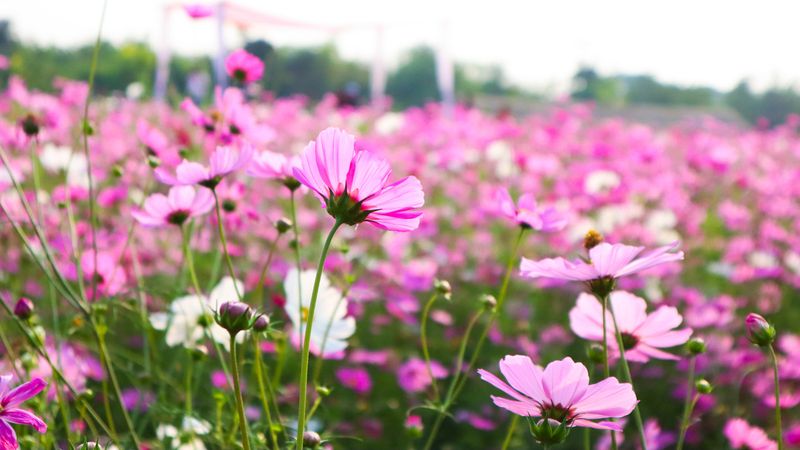
Cosmos offers a whimsical touch to any garden with its dainty petals and fern-like foliage. Known for growing in poor soil conditions, it thrives on just rainwater, making it a gardener’s delight.
These annuals are easy to grow from seed, providing a burst of color throughout the summer. With roots in Mexico, cosmos has spread worldwide due to its charming appearance.
A favorite for cutting gardens, cosmos adds elegance and simplicity to floral arrangements, highlighting nature’s effortless beauty.
9. Gaillardia
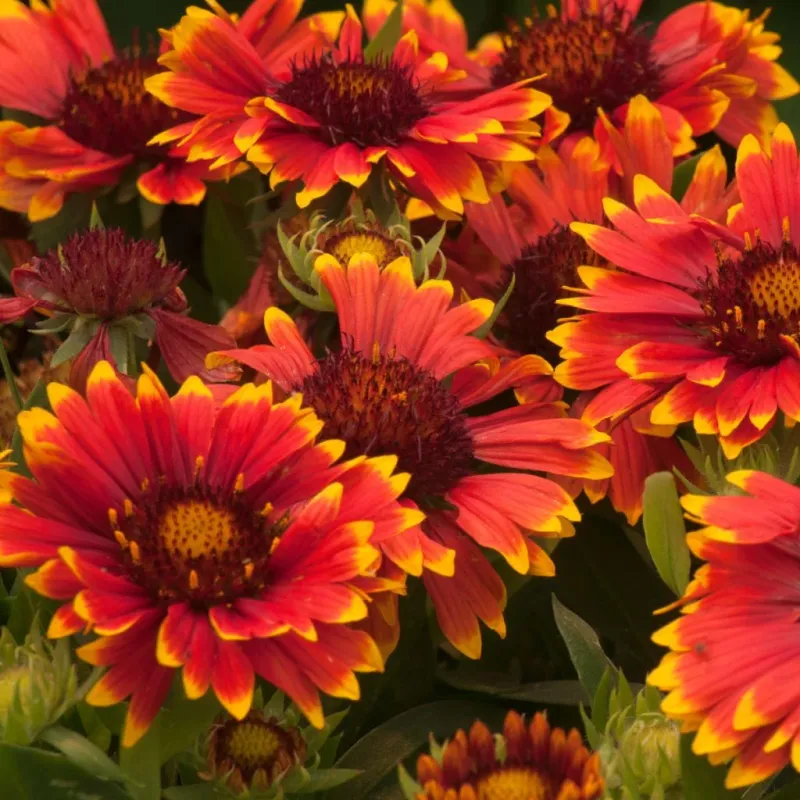
Gaillardia, or blanket flower, is renowned for its vibrant colors resembling a sunset. These striking blooms require minimal care, thriving with just rainfall.
Native to North and South America, Gaillardia is drought-tolerant and attracts pollinators like bees and butterflies. Its long-lasting flowers make it a favorite for continuous garden color.
The plant’s name honors French botanist Gaillard de Charentonneau, reflecting its rich history in botanical exploration. Its bold hues create a warm, inviting garden atmosphere.
10. Daylily
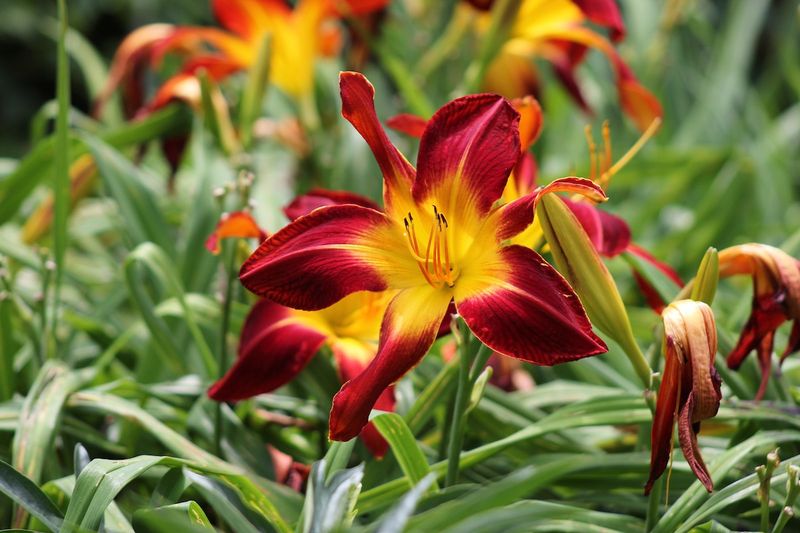
Daylilies are celebrated for their vibrant, trumpet-shaped flowers that bloom profusely throughout the summer. These perennial favorites thrive in a variety of conditions, relying solely on rain to flourish.
Their adaptability makes them ideal for both novice and experienced gardeners. Originating from Asia, daylilies have become a beloved staple in gardens worldwide.
Each flower lasts just a day, but their continuous blooming ensures a colorful display. Their natural resilience and beauty create a stunning floral tapestry.
11. Sedum
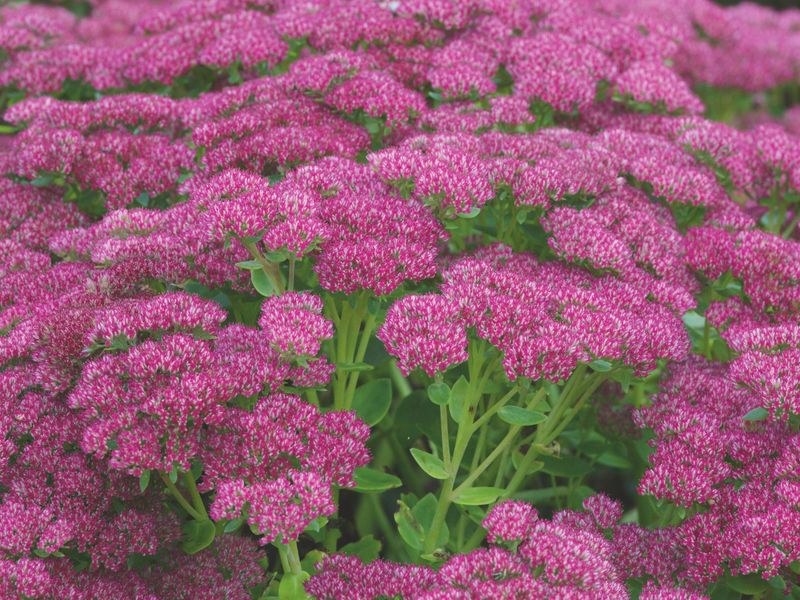
Sedum, also known as stonecrop, is a succulent that thrives in rocky soils and requires minimal water, often flourishing with just rain. Its fleshy leaves store moisture, ensuring survival in drought.
This versatile plant comes in various shapes and colors, adding texture to garden landscapes. Sedum is often used in green roofs and rock gardens for its low-maintenance nature.
With origins tracing back to Europe and Asia, it’s beloved for its ability to adapt to extreme conditions, embodying nature’s ingenuity.
12. Blanket Flower
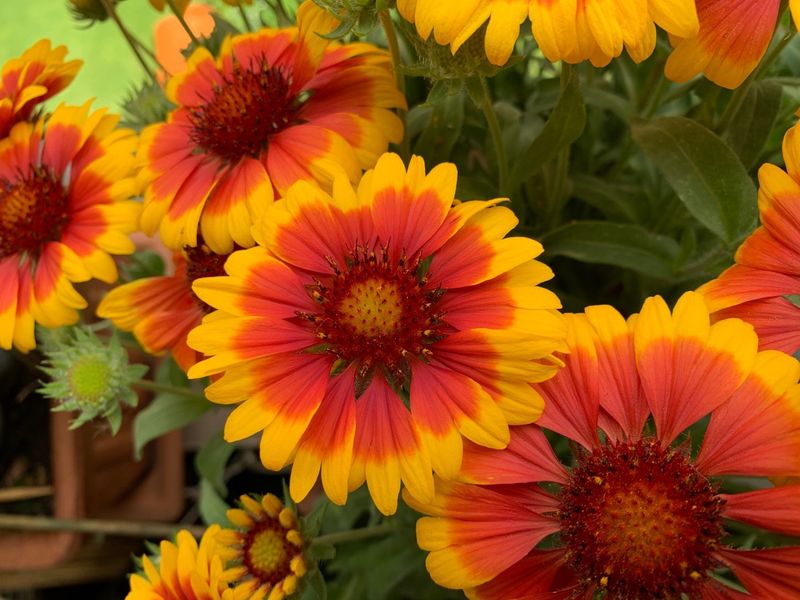
Blanket Flower, or Gaillardia, dazzles with its sunburst patterns of red and yellow blooms. These hardy flowers thrive on rainfall, making them ideal for low-maintenance gardens.
Native to the Americas, their colorful petals attract a variety of pollinators, supporting local ecosystems. Known for their long blooming season, they provide continuous color and beauty.
Their resilience in poor soils and drought conditions makes them a gardener’s ally. Blanket flowers add a splash of warmth and vibrancy to any setting.
13. Verbena
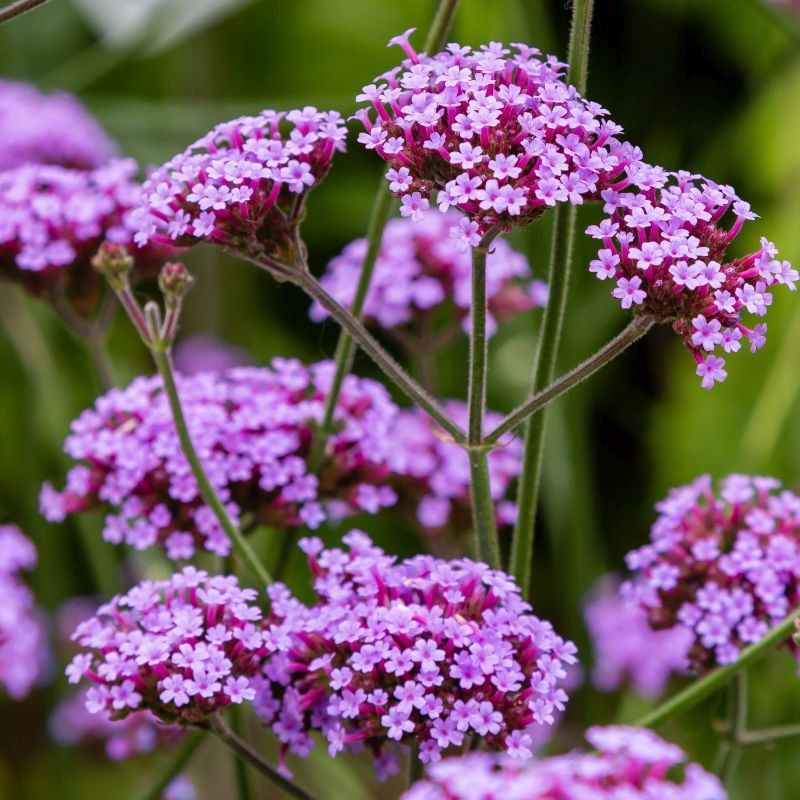
Verbena captivates with clusters of small, vibrant flowers in shades of purple and pink. Known for its drought tolerance, it thrives in sunny locations with minimal water requirements.
These perennial favorites are prized for their long flowering season, providing color from spring to fall. Native to the Americas and Europe, verbena has historical significance in herbal medicine.
Its beauty and resilience make it a popular choice for hanging baskets and borders, enhancing garden aesthetics with ease.
14. Russian Sage
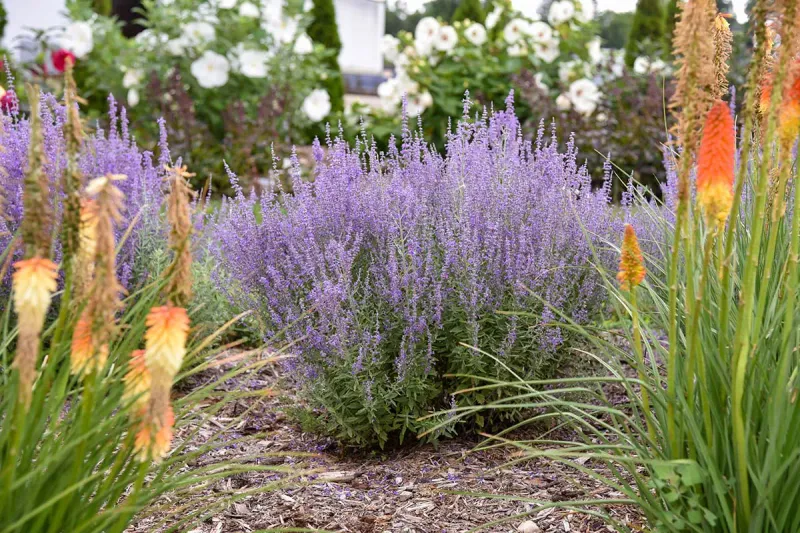
Russian Sage offers a unique combination of silvery foliage and lavender-blue flowers. Known for its drought resistance, it thrives with just the rainfall, adding a touch of elegance to dry landscapes.
Native to Central Asia, it is celebrated for its aromatic leaves and pollinator-friendly blooms. Its tall, airy stems create a sense of movement and grace in any garden.
Russian Sage’s ability to withstand harsh conditions makes it a valuable addition for sustainable gardening, providing beauty with minimal effort.
15. Salvia
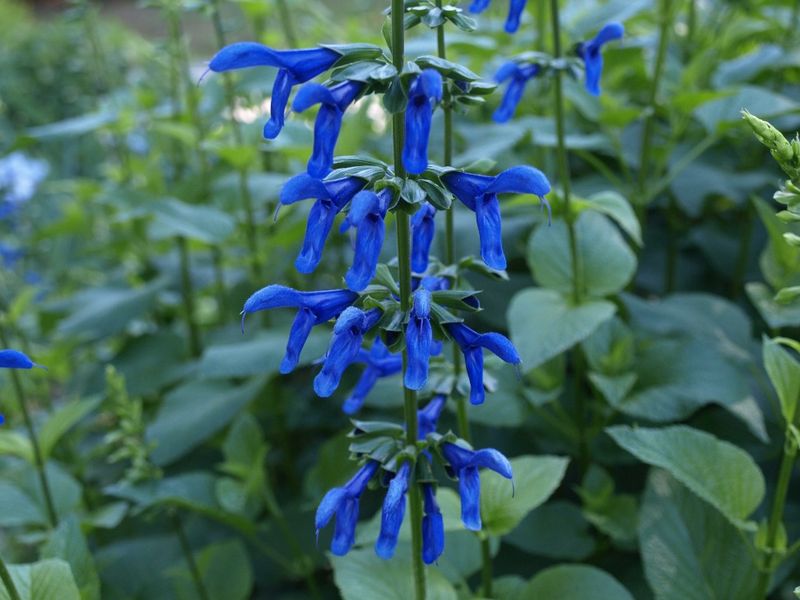
Salvia, with its tall spikes of vibrant blue and red flowers, brings a bold statement to gardens. These hardy plants thrive on minimal water, relying on rainfall for their needs.
Belonging to the mint family, Salvia is known for attracting hummingbirds and bees, enhancing garden biodiversity. Native to various regions, it has been used historically for its medicinal properties.
With its aromatic foliage and striking appearance, Salvia offers both beauty and ecological benefits, making it a gardener’s favorite.
16. Thyme
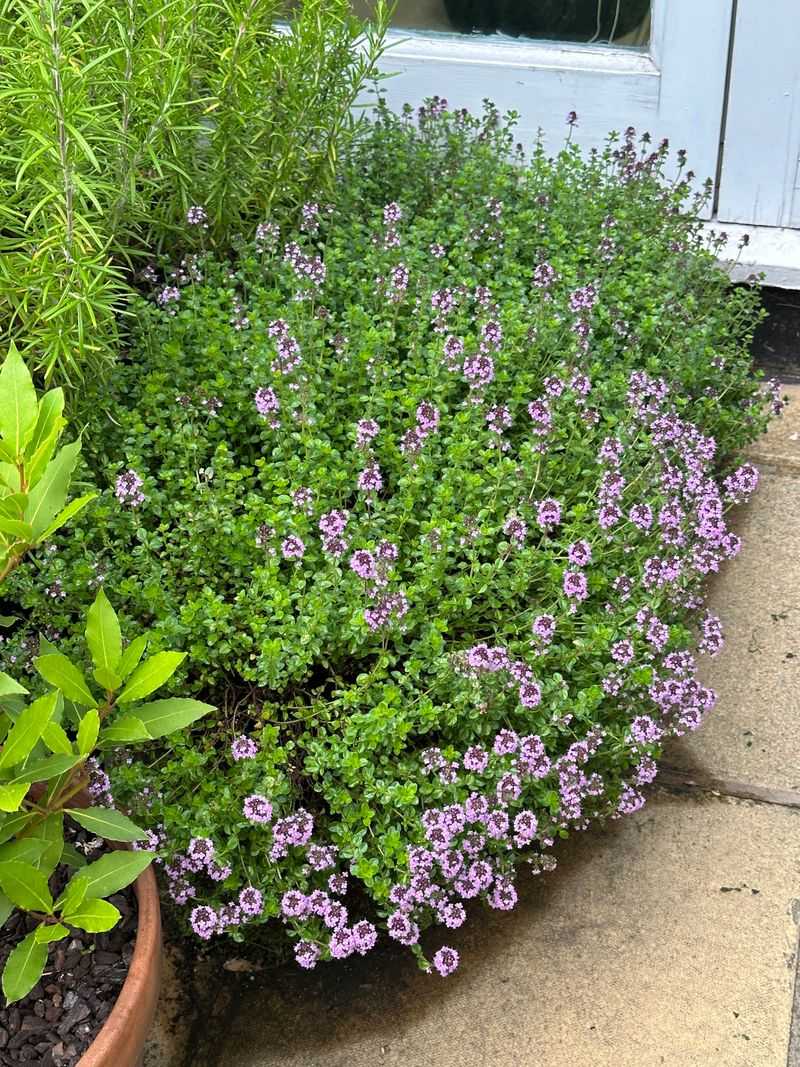
Thyme, an herb with culinary and medicinal uses, thrives in dry, rocky soils with just the nourishment from rain. Its tiny purple flowers add a delicate touch to herb gardens.
Known for its aromatic leaves, thyme is a staple in culinary arts, enhancing flavors with its earthy essence. Native to the Mediterranean, it has a rich history in various cultures.
Thyme’s resilience and versatility make it a practical and beautiful addition to gardens, offering both aesthetic and practical benefits.
17. Ice Plant
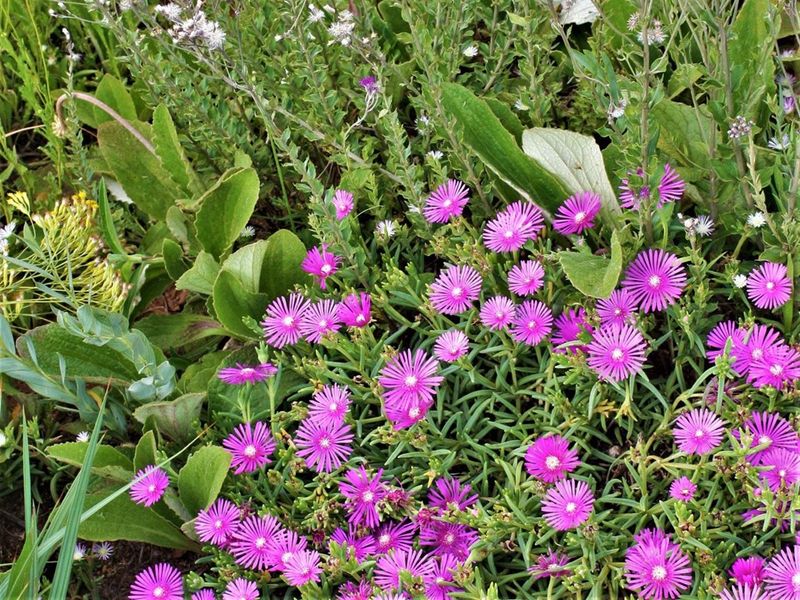
Ice Plant is renowned for its vivid, daisy-like blooms and succulent leaves. Thriving in sandy, well-drained soils, it requires minimal water beyond natural rainfall.
These hardy perennials are perfect for coastal gardens, adding a splash of color with their purple and pink flowers. Native to South Africa, Ice Plant has adapted well to various climates.
Its unique ability to store water in its leaves makes it ideal for arid landscapes, embodying nature’s resourcefulness.
18. Portulaca
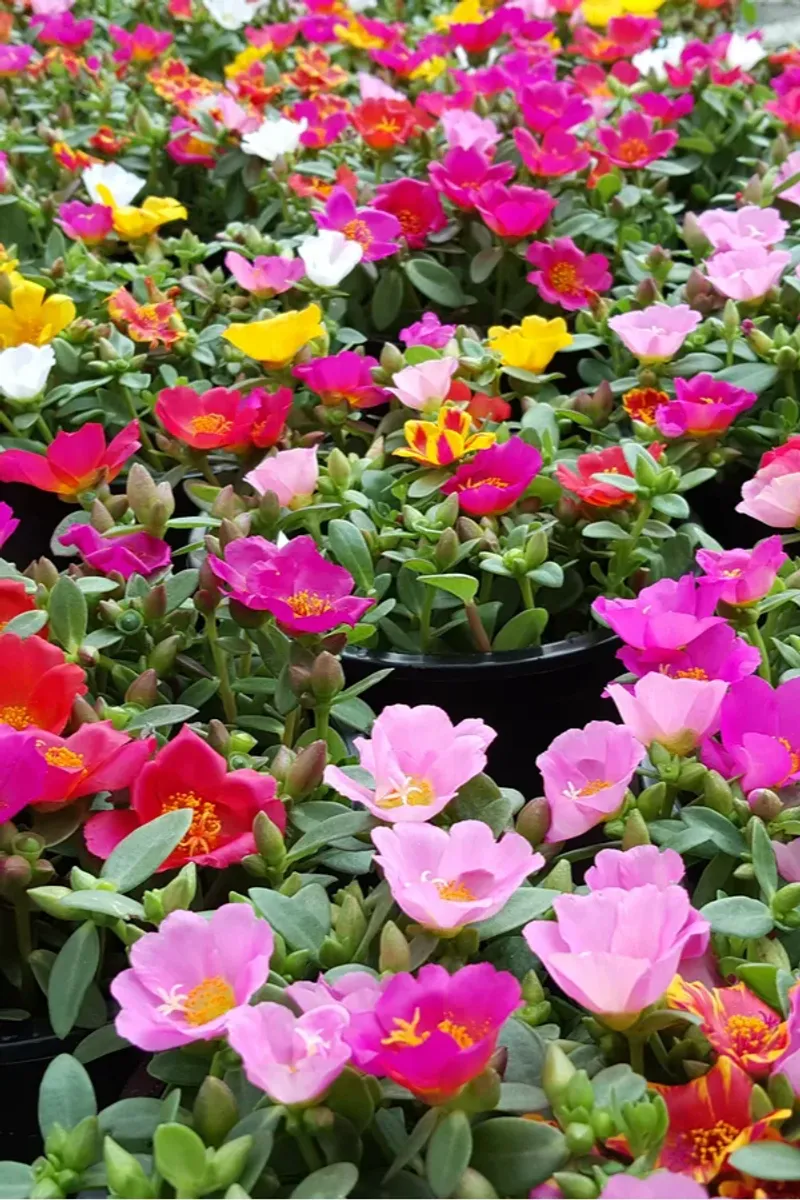
Portulaca, or Moss Rose, is a drought-tolerant succulent known for its bright, cheerful blooms. These low-growing plants thrive on rainwater, making them ideal for hot, dry climates.
With origins in South America, Portulaca is celebrated for its ability to spread quickly, filling gardens with vibrant colors. Its flowers open with the sun, adding dynamic beauty to landscapes.
Beyond its visual appeal, Portulaca is easy to grow, requiring little maintenance. It’s perfect for gardeners seeking vibrant, hassle-free color.
19. Gazania
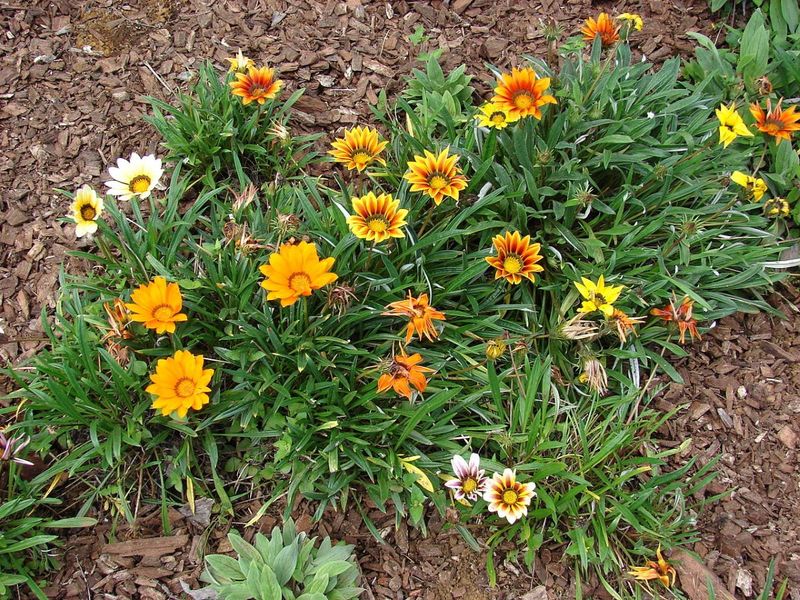
Gazania, also known as Treasure Flower, captivates with its vivid patterns of orange and yellow blooms. These sun-loving plants thrive on minimal water, flourishing on just rainfall.
Native to South Africa, Gazania is renowned for its ability to withstand hot, dry conditions, making it a favorite for xeriscaping. Its vibrant flowers open during the day, offering consistent color.
With its striking appearance and low water needs, Gazania adds a touch of the exotic to any garden landscape.
20. Prairie Coneflower
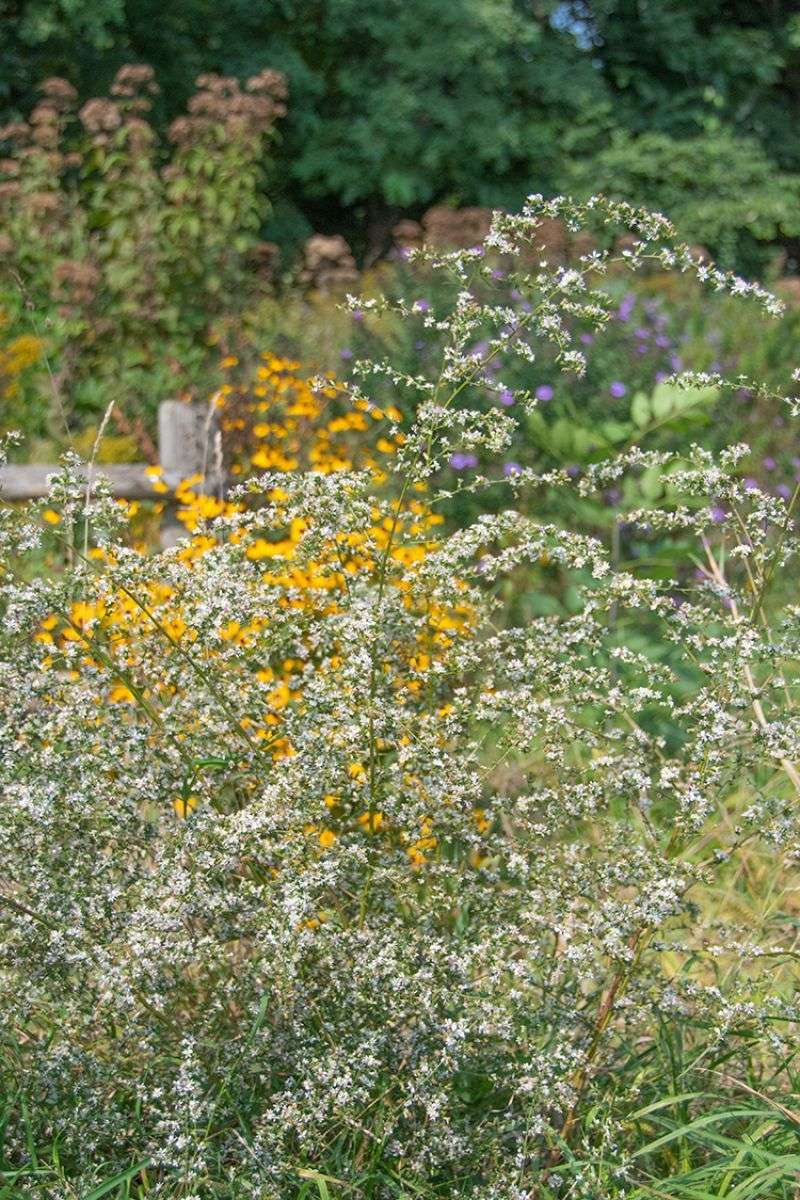
The Prairie Coneflower stands tall with its striking yellow petals and distinct green center. Native to North America, this flower is a beloved choice for those dedicated to low-water gardening.
Planted in sunny meadows, it attracts a plethora of pollinators, including bees and butterflies, adding life to any garden. Each petal unfurls gracefully, resembling the rays of the sun.
Fun fact: This resilient flower is also known as the “Mexican Hat” due to its sombrero-like shape. Its ability to thrive on rainwater alone makes it a sustainable and stunning addition to any garden.