 Complete Gardening
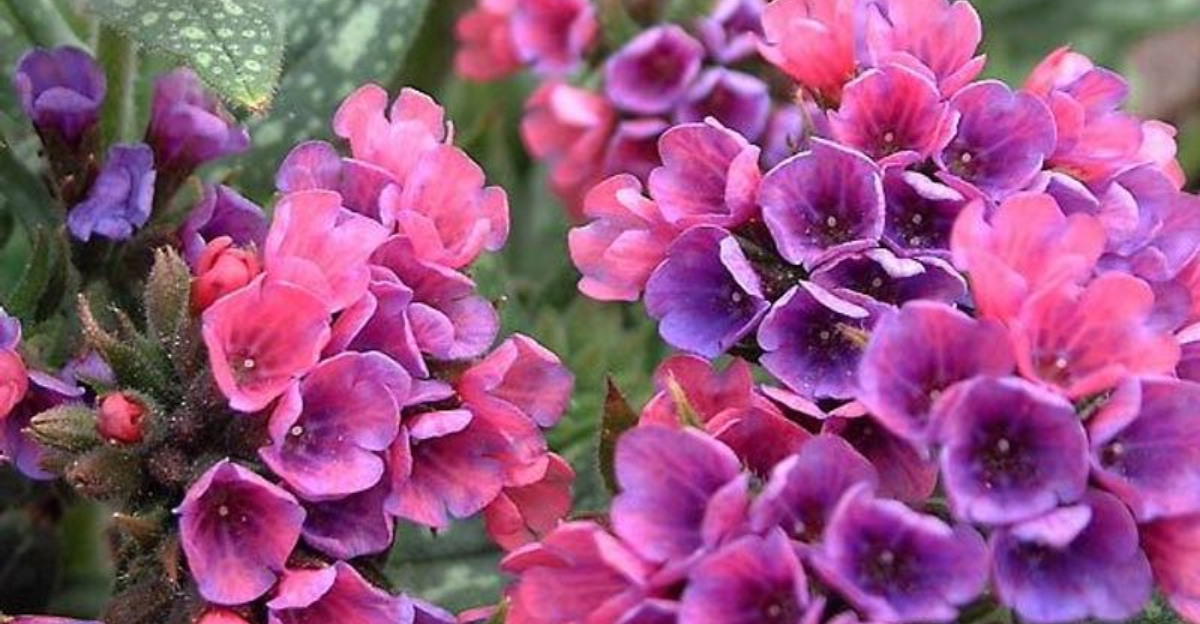
Discover the enchanting world of flowers that thrive in the shade. These blossoms bring vibrancy and life to the dimmest corners of your garden. From subtle hues to bold colors, these 21 flowers will captivate your imagination and transform shaded areas into flourishing havens.
1. Astilbe
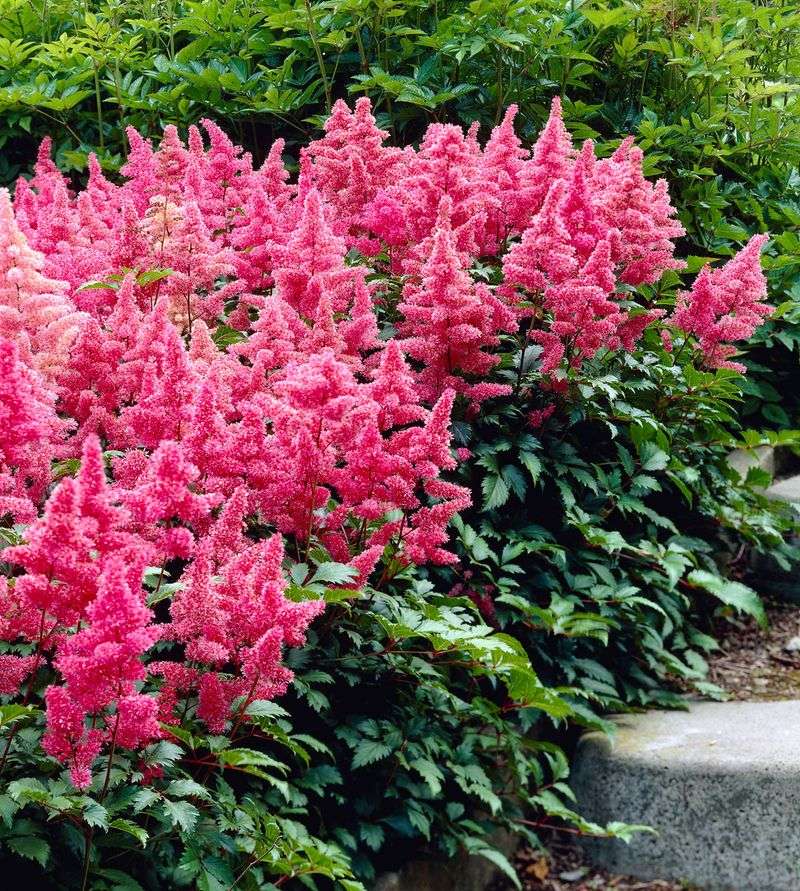
Astilbes are often hailed for their feathery plumes and shade-loving nature. Imagine a plant that dances with the breeze, its blossoms resembling soft clouds. These flowers offer a tapestry of pinks, reds, and whites, adding a gentle elegance to any garden.
Native to the woodlands of Asia and North America, they thrive in moist, shaded environments. Astilbes are not just about beauty; they are a symbol of patience and tranquility. Their delicate appearance belies a robust constitution, making them a gardener’s delight.
Fun fact: Astilbes are deer-resistant, which means they can flourish undisturbed, adding to their charm and resilience.
2. Bleeding Heart
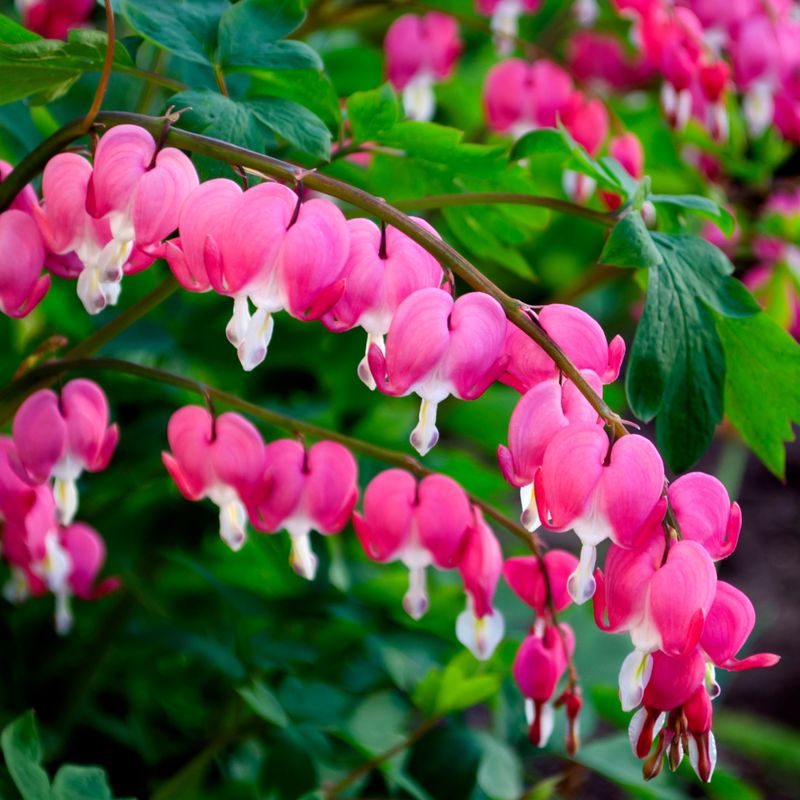
Bleeding Hearts captivate with their heart-shaped blossoms that appear to drip with sentiment. Picture a cascade of pink and white hearts hanging gracefully from arching stems. This flower brings a touch of romance to shaded gardens.
Originating from Asia and North America, Bleeding Hearts thrive in cool, moist environments. Their enchanting blooms make them a favorite among shade gardeners. Despite their fragile appearance, they are hardy perennials that return year after year.
Did you know? These flowers are often associated with love and compassion, making them a meaningful addition to any shade garden.
3. Hosta
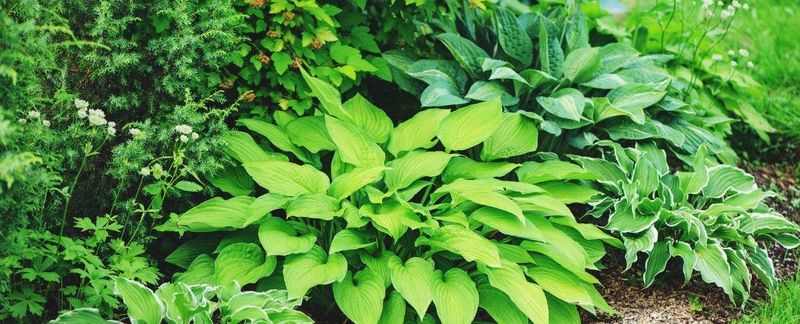
Hostas are the unsung heroes of shaded gardens. Known for their lush foliage and variety, they offer a spectrum of greens, blues, and variegated patterns. Imagine a plant that provides texture and form, creating a serene backdrop for other blooms.
While primarily grown for their leaves, Hostas do produce delicate blooms on tall stalks. They thrive in moist, shaded areas and are easy to care for, making them popular among gardeners.
Fun fact: Hostas are sometimes called “Plantain Lilies,” a nod to their lily-like flowers. They’re also a favorite snack for deer, so plan accordingly!
4. Toad Lily
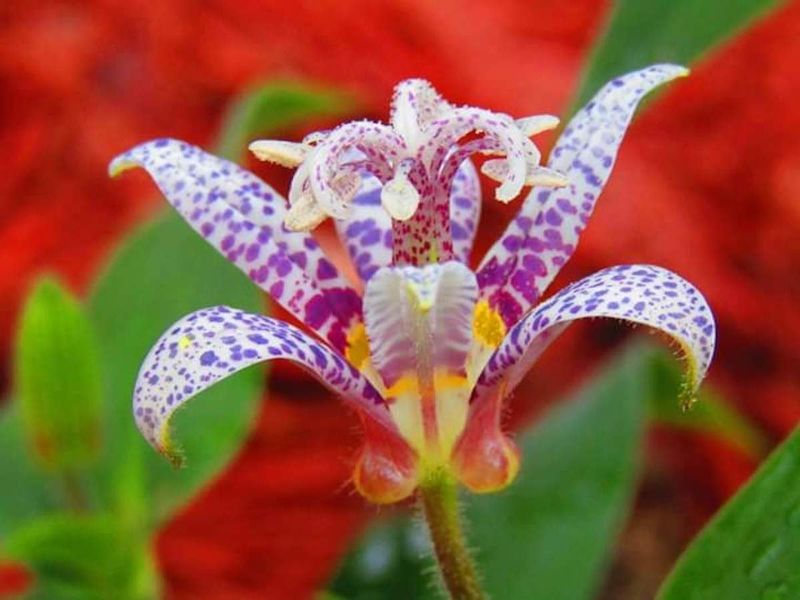
Toad Lilies bring an exotic touch to any shaded garden with their intricate, speckled blooms. Their name might not suggest beauty, but these flowers are a testament to nature’s artistry, with petals that resemble delicate, spotted fabric.
Native to Asia, Toad Lilies bloom in late summer to fall, offering color when many other plants have finished. They thrive in dappled shade and moist soil.
A quirky fact: Toad Lilies are named for the spots on their petals, reminiscent of a toad’s skin. Despite the name, they are nothing short of enchanting.
5. Lungwort
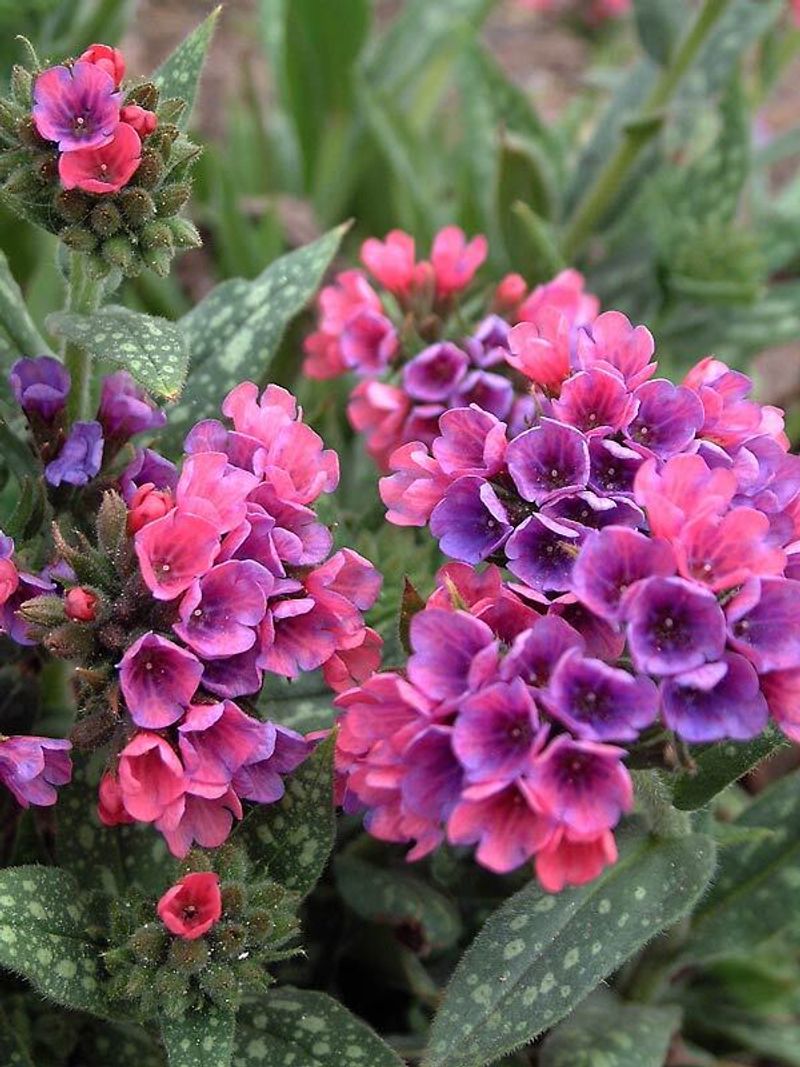
Lungwort may have an unusual name, but its beauty is undeniable. These flowers are known for their stunning transition of colors, often starting pink and maturing to blue. Their speckled leaves add another layer of interest.
A native of Europe, Lungwort thrives in shaded, moist conditions. It’s often one of the first perennials to bloom, signaling the arrival of spring.
Did you know? Lungwort was named for its historical use in treating lung ailments. Its scientific name, Pulmonaria, stems from ‘pulmo,’ meaning lung in Latin. Despite its medicinal past, today it’s celebrated for its ornamental appeal.
6. Japanese Anemone
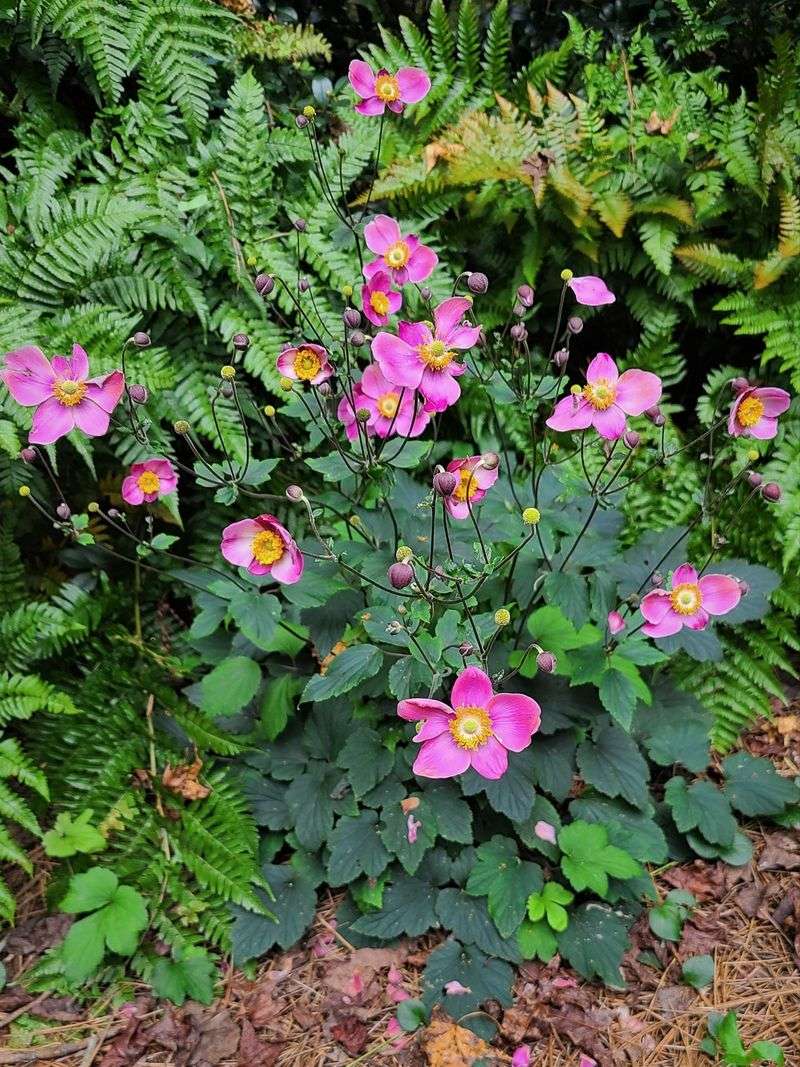
Japanese Anemones bring a touch of elegance to shaded gardens with their tall, graceful stems and delicate blooms. Think of them as the ballerinas of the garden, swaying gently in the breeze.
These plants are native to China but were introduced to Japan centuries ago. They thrive in part shade and are known for their late summer blooms, providing color when few others do.
Interesting tidbit: Despite their name, Japanese Anemones are not native to Japan. They were so named because they were popularized in Japanese gardens before spreading worldwide.
7. Ferns
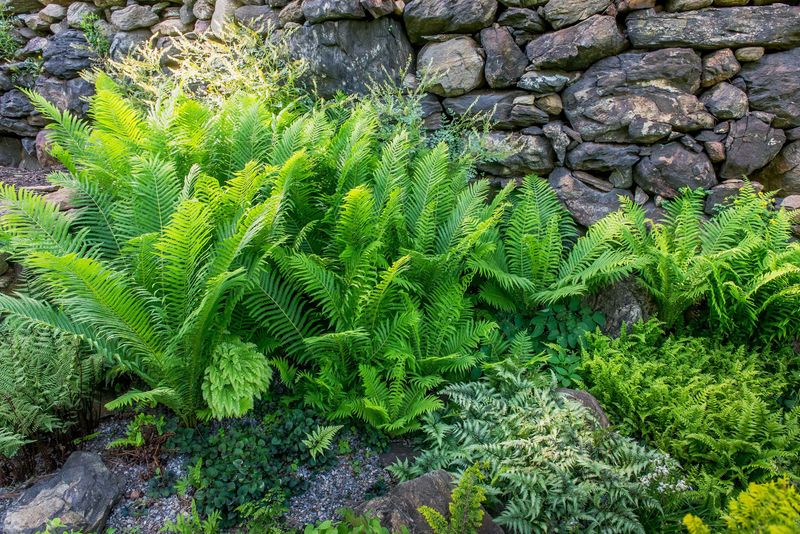
When considering shade plants, ferns are often the first that come to mind. Their elegant fronds bring texture and movement to any garden, creating a peaceful, woodland feel.
Ferns are ancient plants, with a lineage dating back millions of years. They thrive in shaded, moist environments and are incredibly resilient.
Did you know? Some ferns can purify the air, making them a great choice for improving garden biodiversity. Their diverse varieties range from delicate maidenhair ferns to robust ostrich ferns, each adding its own charm to the shaded garden.
8. Coral Bells
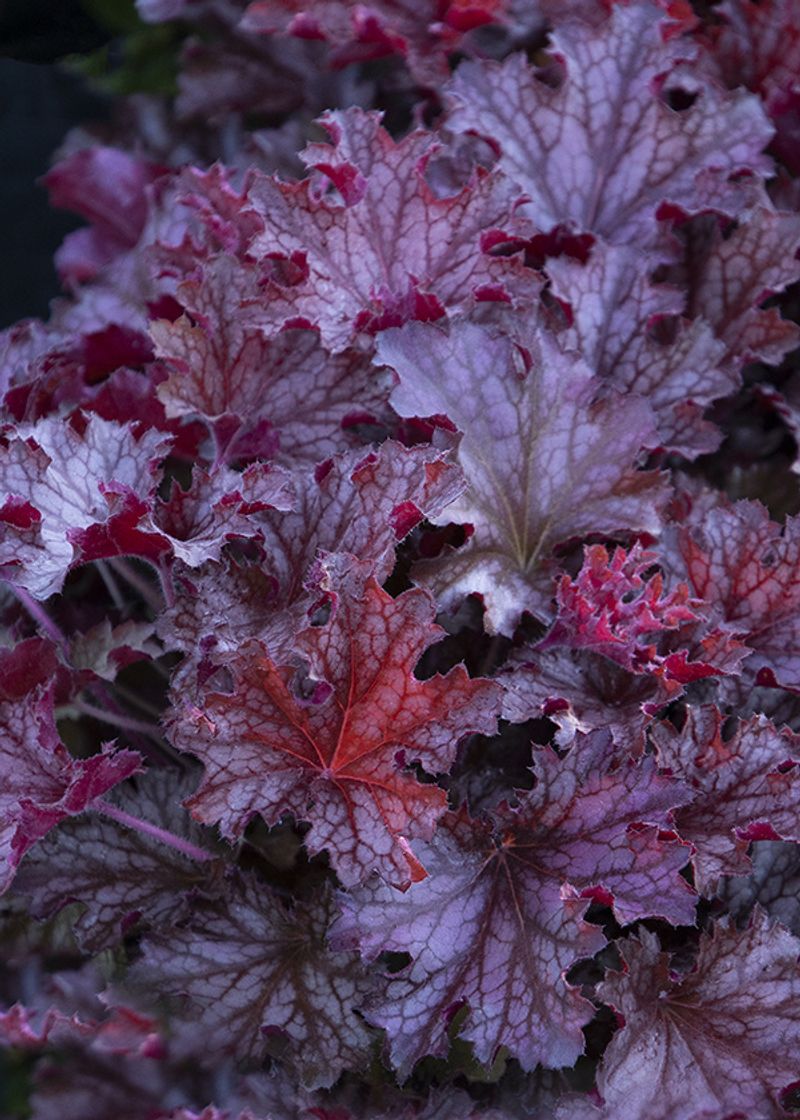
Coral Bells, or Heuchera, are known for their vibrant foliage. Picture a display of rich burgundy, green, and even silver leaves that add a splash of color to shaded areas.
These plants are native to North America and thrive in part to full shade, making them ideal for woodland gardens. Their delicate bell-shaped flowers attract pollinators, adding life to the garden.
Fun fact: Coral Bells were named for their bright, coral-colored flowers, though their foliage is often the star of the show. They provide year-round interest, with evergreen leaves in many regions.
9. Foamflower
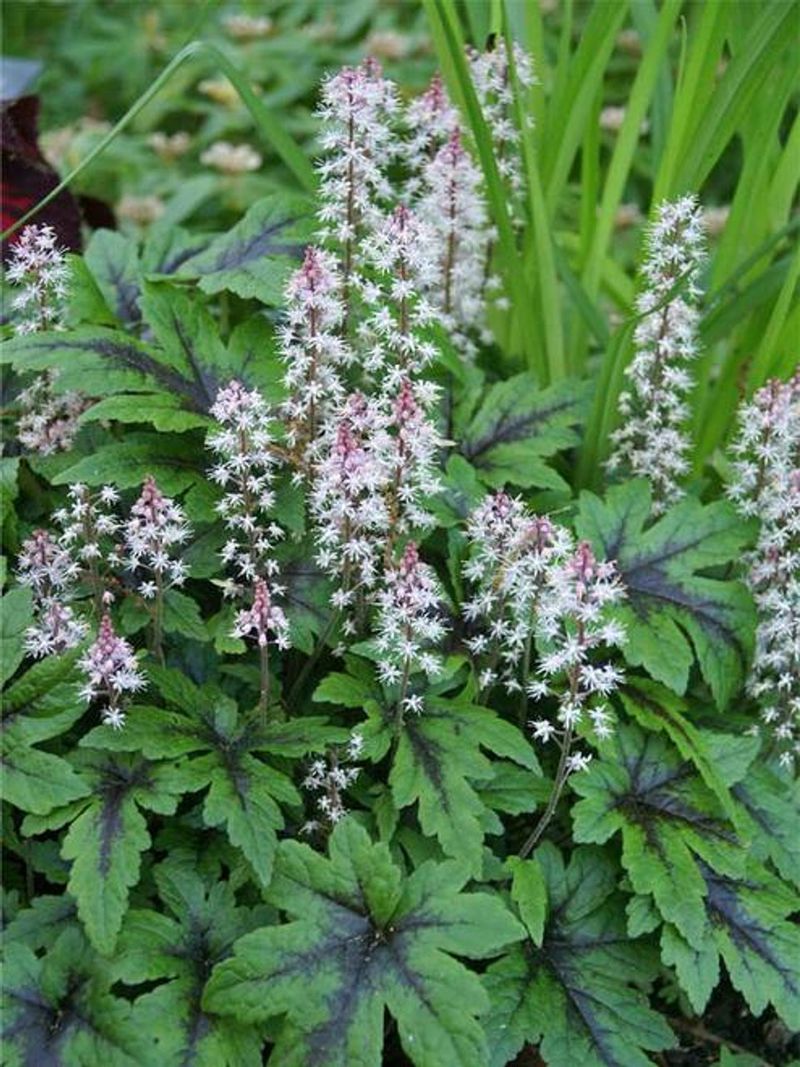
Foamflowers are like the delicate lace of the garden, with airy spikes of white and pink blossoms that seem to float above the foliage. They bring a sense of lightness and whimsy to shaded areas.
Native to North America, Foamflowers prefer moist, well-drained soils and partial to full shade. Their foliage is equally charming, often sporting unique patterns and colors.
Did you know? The name “Foamflower” comes from the frothy appearance of their blooms, which resemble sea foam. They are closely related to Coral Bells and share similar growing conditions and charm.
10. Bergenia
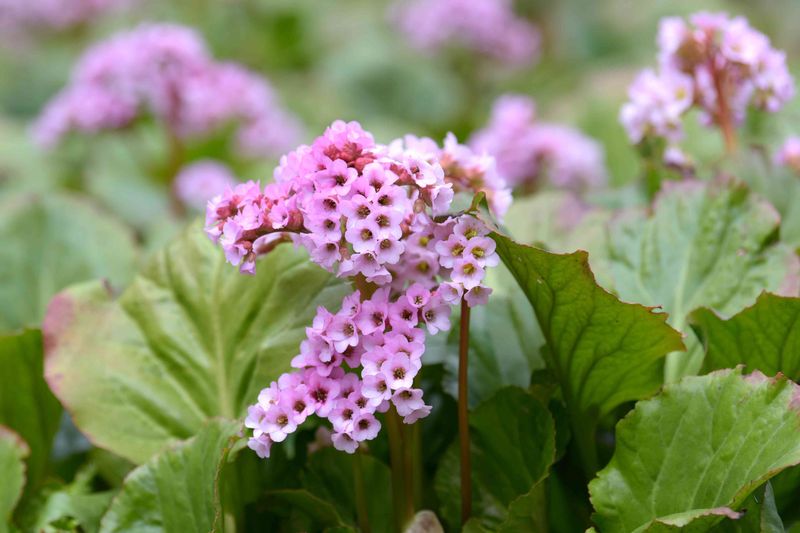
Bergenia, often called “Pig Squeak” for the sound its leaves make when rubbed, is a hardy perennial that thrives in shade. Its large, glossy leaves provide a lush backdrop for clusters of pink flowers.
Originating from Central Asia, Bergenia is well-suited to a variety of garden settings. It thrives in partial to full shade and is easy to care for.
Fun fact: Bergenia is not only ornamental but also used in traditional medicine in some cultures. Its leaves turn a striking red or bronze in the fall, adding seasonal interest to the garden.
11. Lamium
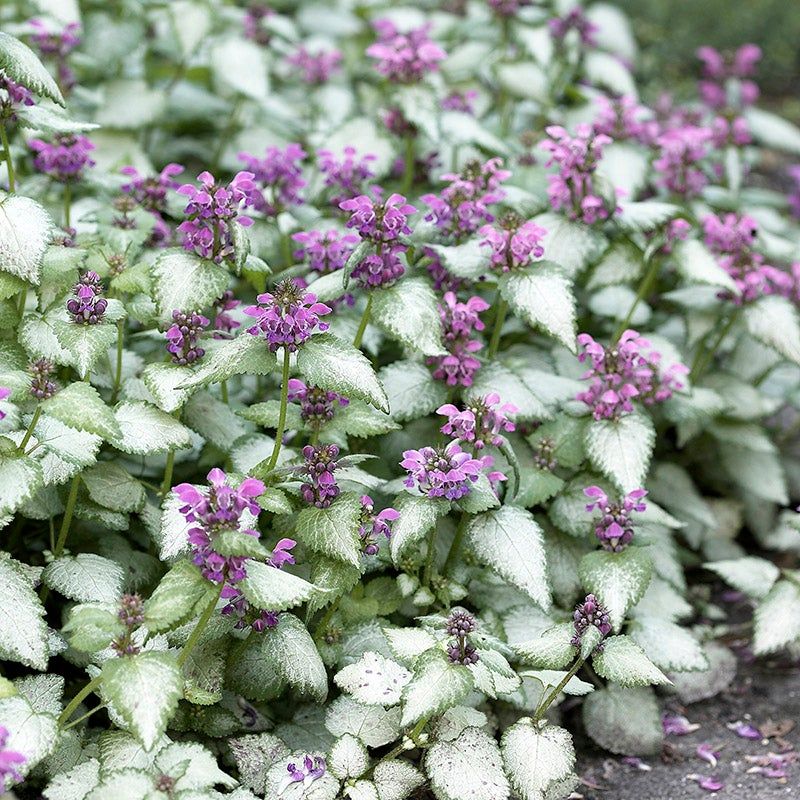
Lamiums are renowned for their unique variegated leaves and charming blooms. Picture a carpet of silver and green leaves, dotted with clusters of soft pink or purple flowers.
These ground-covering plants are native to Europe and Western Asia and thrive in shaded areas. They’re perfect for adding texture and color to garden beds or borders.
Did you know? Lamium is also known as “Dead Nettle,” although it is unrelated to true nettles and doesn’t sting. Its resilient nature makes it a popular choice for gardeners looking to fill shaded spaces with beauty and ease.
12. Brunnera
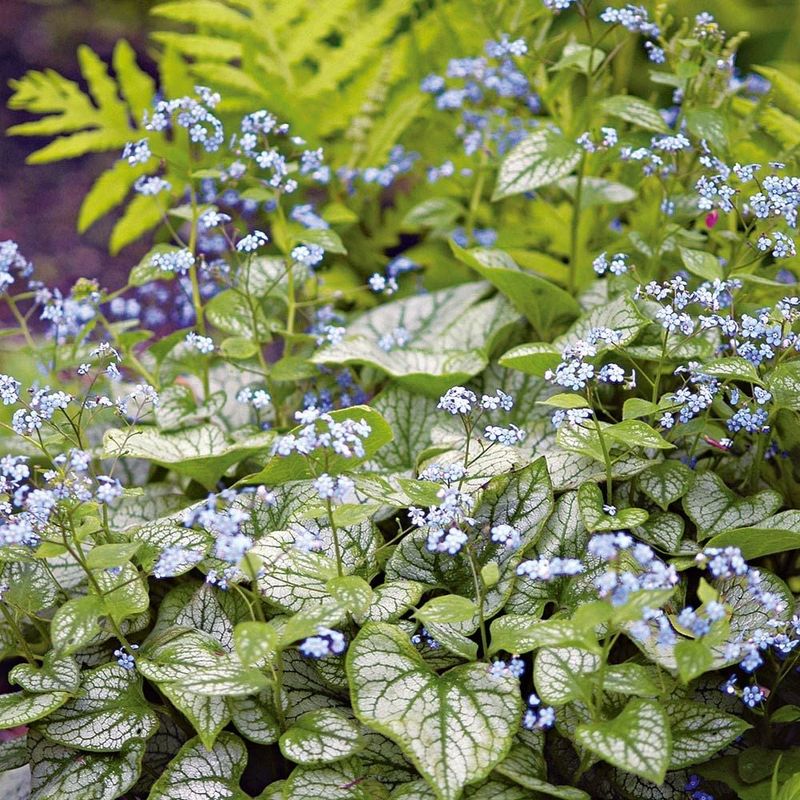
Brunnera, often referred to as “Siberian Bugloss,” is a shade garden gem. Its heart-shaped leaves and sky-blue flowers create a picturesque scene reminiscent of a woodland fairy tale.
Native to Eastern Europe and Siberia, Brunnera thrives in cool, shaded environments. Its blooms appear in early spring, offering a burst of color.
Fun fact: Brunnera’s flowers resemble those of Forget-me-nots, but its larger leaves and heartier constitution make it a distinctive choice for shaded gardens. Its leaves often have a silvery sheen, adding to its allure.
13. Liriope
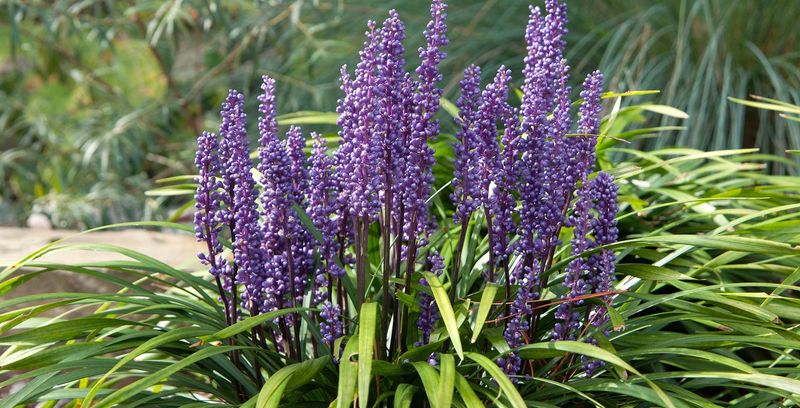
Liriope, sometimes called “Lilyturf,” is celebrated for its grass-like leaves and striking purple flower spikes. Imagine a plant that offers structure and elegance to shaded borders and pathways.
Native to East Asia, Liriope is a versatile ground cover that thrives in part shade. It’s known for its adaptability and low-maintenance nature.
Did you know? Liriope is often used in landscaping for its ability to prevent soil erosion while adding aesthetic appeal. Its flowers eventually give way to small, black berries, providing interest throughout the seasons.
14. Hellebore
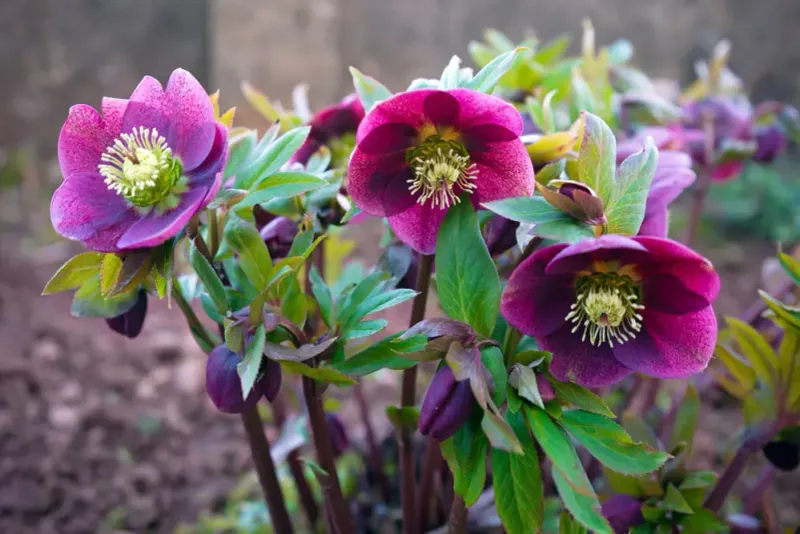
Hellebores, often called “Lenten Roses,” are known for their early-blooming habit and exquisite flowers. Picture a garden awakening in late winter, with nodding blooms in soft shades of white, pink, and purple.
Native to Europe and Asia, Hellebores thrive in shaded, well-drained soils. Their evergreen foliage adds year-round interest.
Fun fact: Hellebores have a rich history, being used in ancient times for medicinal purposes. Today, they’re cherished for their beauty and resilience, often blooming when little else does, heralding the arrival of spring.
15. Solomon’s Seal
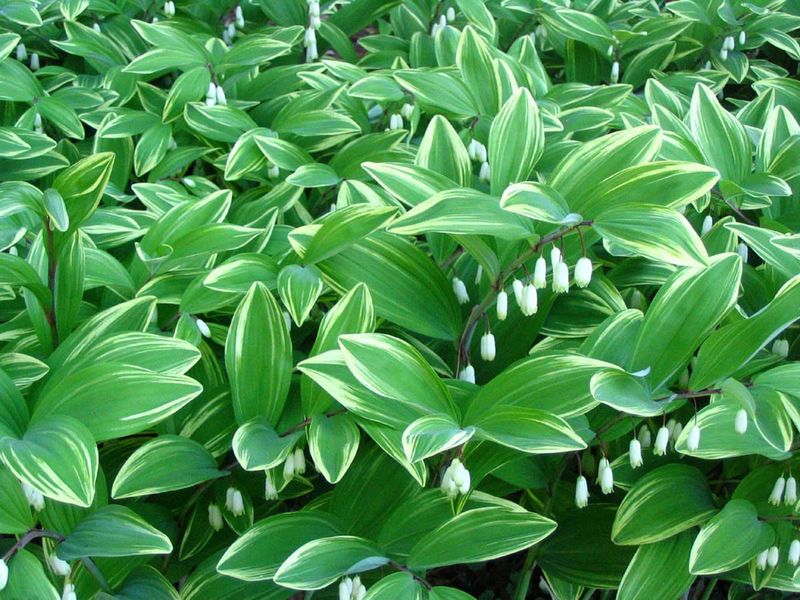
Solomon’s Seal is a graceful perennial known for its arching stems and dangling, bell-shaped flowers. Imagine a plant that adds elegance and movement to any shaded garden.
Native to North America, Solomon’s Seal thrives in moist, shaded areas and is appreciated for its adaptability. Its leaves turn a lovely yellow in fall, adding seasonal interest.
Did you know? The plant is named for the scars on its rhizomes, which resemble the ancient seal of King Solomon. It’s a favorite among woodland gardeners for its understated beauty and resilience.
16. Epimedium
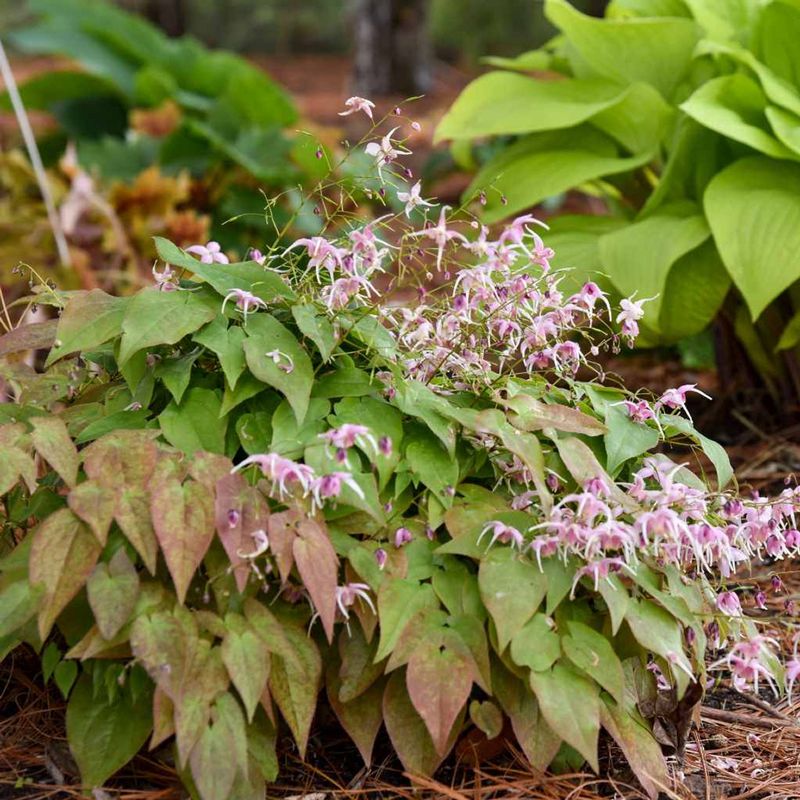
Epimedium, often called “Barrenwort,” is a charming addition to any shaded garden. Its heart-shaped leaves and dainty, spurred flowers create a delicate yet vibrant display.
Native to China and Japan, Epimedium thrives in dry, shaded areas, making it ideal for underplanting trees and shrubs. Its foliage is often evergreen, providing year-round interest.
Fun fact: Epimedium is sometimes known as “Fairy Wings” due to the ethereal appearance of its flowers. It’s also been used in traditional medicine for centuries, adding to its allure and mystique.
17. Sweet Woodruff
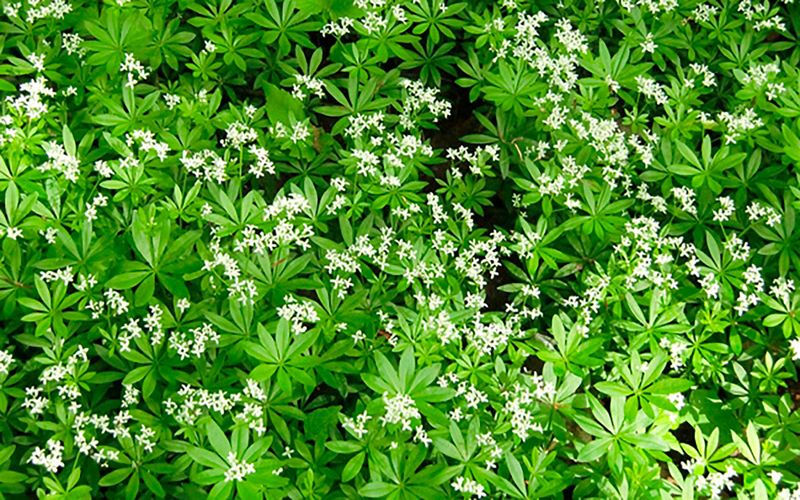
Sweet Woodruff is a delightful ground cover that brings a touch of magic to shaded areas. Picture a carpet of whorled leaves, dotted with clusters of tiny white flowers.
Native to Europe, Sweet Woodruff thrives in moist, shaded conditions and is often used as a natural air freshener due to its sweet scent.
Did you know? Historically, Sweet Woodruff was used to stuff mattresses and pillows, thanks to its pleasant aroma. Today, it’s prized for its easy-growing nature and ability to create enchanting, fragrant woodland gardens.
18. Bishop’s Hat
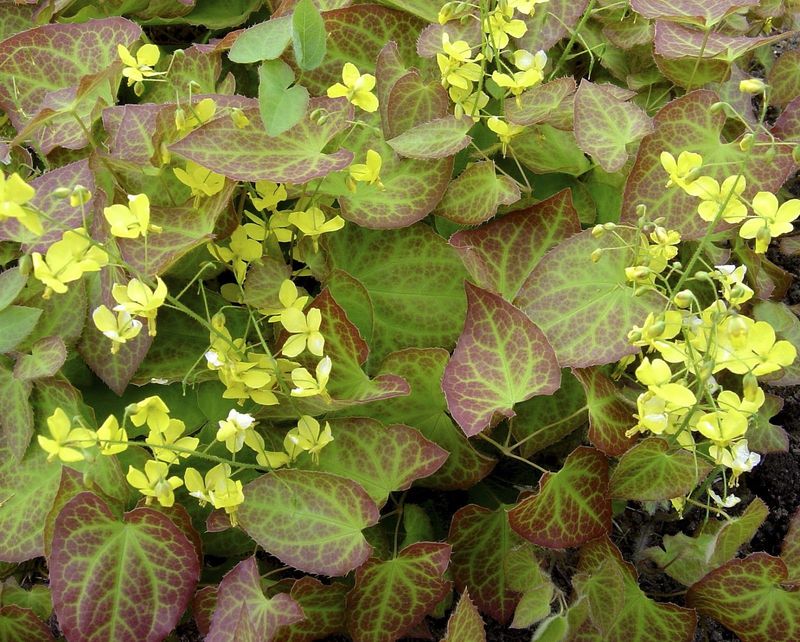
Bishop’s Hat, also known as Epimedium, is a captivating choice for shaded gardens. With its heart-shaped leaves and delicate yellow flowers, it creates a whimsical, fairy-tale atmosphere.
Originating from Asia, Bishop’s Hat thrives in dry, shaded conditions, making it perfect for underplanting. Its foliage often turns red or bronze in fall, adding seasonal interest.
Fun fact: Its name is derived from the shape of its flowers, which resemble a bishop’s hat or mitre. It’s a popular choice for those looking to add texture and charm to shaded areas.
19. Caladium
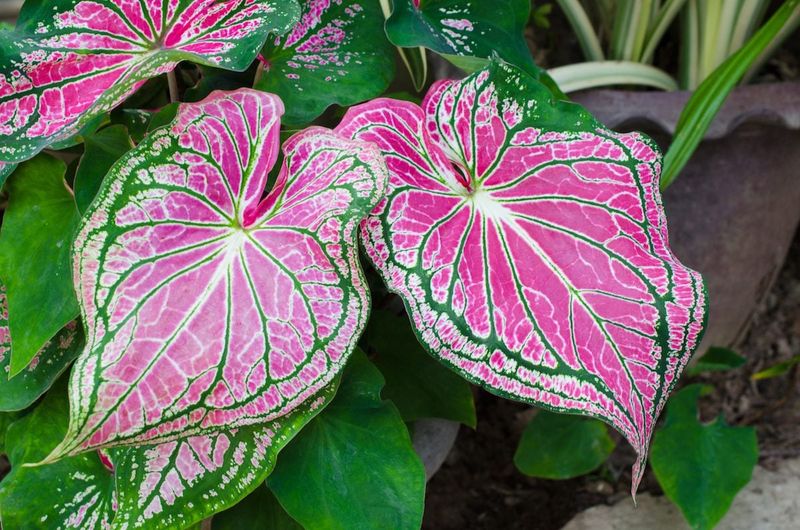
Caladiums are known for their show-stopping foliage, which brings a riot of color to shaded gardens. Imagine heart-shaped leaves in vibrant hues of red, pink, and white.
Native to South America, Caladiums thrive in warm, shaded environments. Their bold patterns and colors make them a popular choice for gardeners looking to make a statement.
Did you know? Caladiums are often called “Angel Wings” due to the shape of their leaves. They’re perfect for containers or garden beds, adding a splash of color without the need for flowers.
20. Ajuga
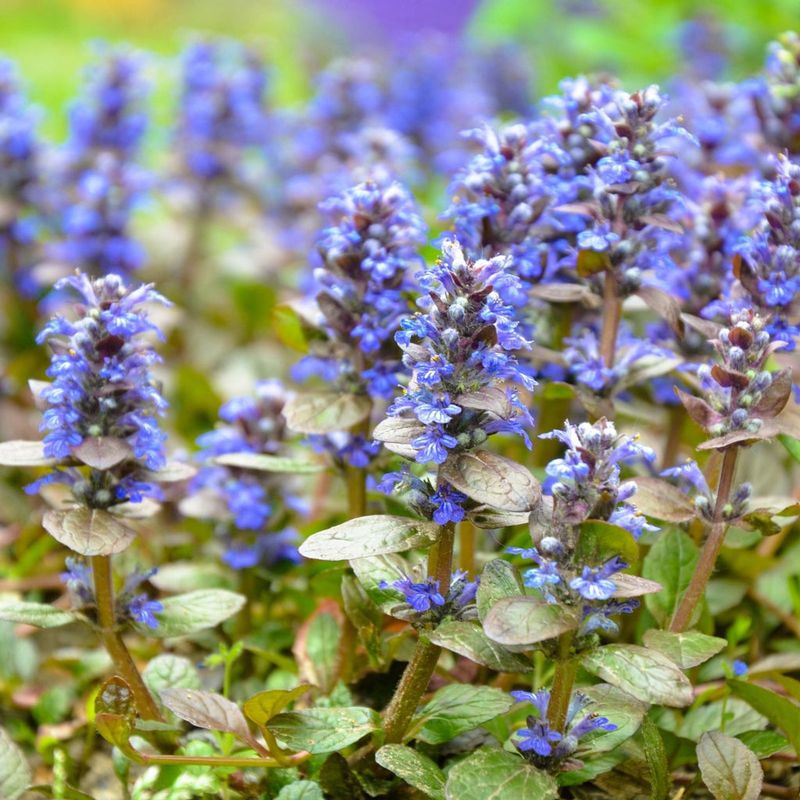
Ajuga, or “Bugleweed,” is a versatile ground cover that thrives in shaded gardens. Picture a carpet of glossy leaves, interspersed with spikes of blue flowers.
This plant is native to Europe and Asia and is known for its ability to quickly fill in garden spaces. It’s ideal for areas where grass struggles to grow.
Did you know? Ajuga is not only decorative but also beneficial for suppressing weeds. Its dense growth habit helps prevent unwanted plants from taking root, making it a practical choice for gardeners.