 Complete Gardening
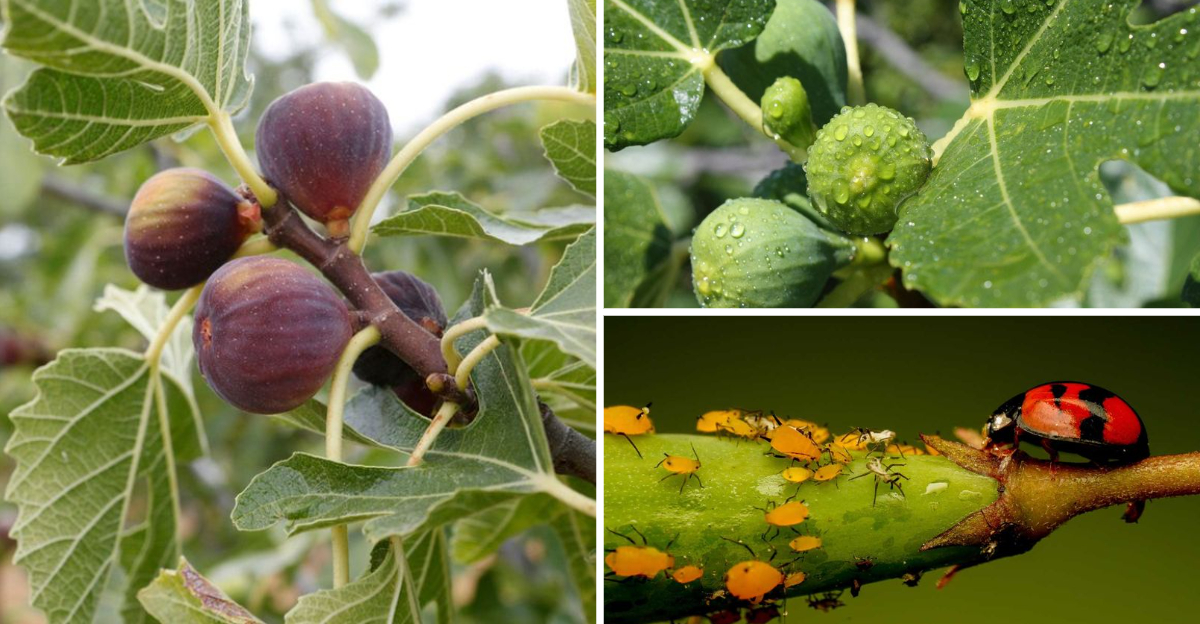
Figs are a delicious and versatile fruit that flourishes in warmer climates, but with the right care, they can be grown in a variety of environments. From selecting the right variety to ensuring proper soil conditions, each step in the fig-growing process is crucial. These 20 tips will guide you on your journey to cultivating large, succulent figs that are perfect for snacking, cooking, or baking.
1. Select the Right Variety
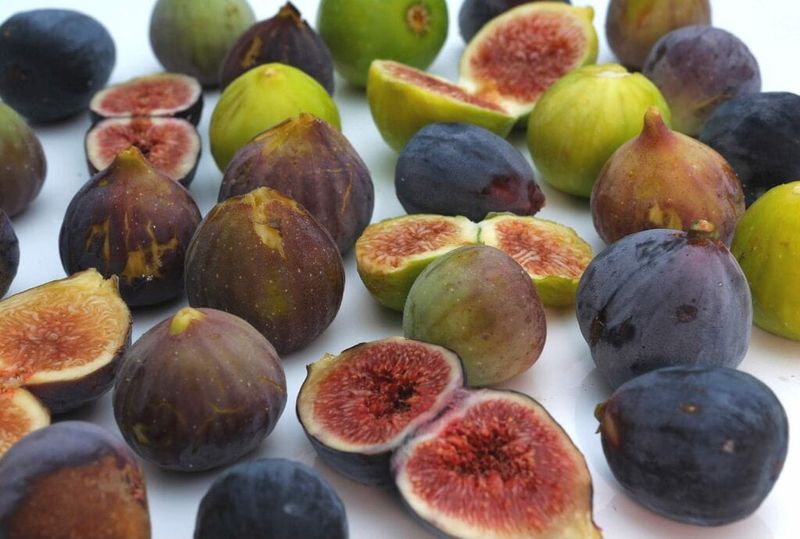
Choosing the right fig variety is the first step to success. Consider your climate and decide whether a self-pollinating type or one that needs a partner is best. Brown Turkey or Black Mission figs are versatile and grow well in many areas. In contrast, Desert King is suited for cooler regions.
Before planting, research the specific needs of your chosen variety. This knowledge will guide you through the growing process. A fun fact: figs aren’t actually fruits; they are inverted flowers!
This surprising detail adds a unique twist to the gardening experience.
2. Optimal Planting Time
Timing is everything when planting figs. Spring is the ideal season to plant new fig trees, as the ground has warmed and the risk of frost has passed. Planting in early spring gives your tree ample time to establish roots before the heat of summer.
Ensure that the tree receives at least eight hours of sunlight daily for optimal growth. A quirky fact for you: in Ancient Rome, figs symbolized prosperity and fertility, showcasing their historical significance.
Watch your figs thrive as they soak up the sun’s nourishing rays throughout the growing season.
3. Soil Preparation

Healthy figs start with the right soil. Figs thrive in well-draining soil enriched with organic matter. Before planting, test your soil’s pH; figs prefer a slightly acidic to neutral range, around 6.0 to 6.5.
Incorporate plenty of compost or well-rotted manure to boost nutrients. This preparation supports vigorous growth. Did you know? Ancient Egyptians revered figs and believed them to be a gift from the gods.
Creating fertile soil is essential for your figs’ success, ensuring that each tree bears plentiful, luscious fruit.
4. Planting Technique
Planting a fig tree requires a strategic approach. Dig a hole twice as wide and just as deep as the root ball. This allows the roots to spread easily. Position the tree at the same depth it was growing in its nursery pot.
Fill the hole with soil, and gently firm it around the base. Water thoroughly to eliminate air pockets. Here’s a quirky tidbit: in some cultures, fig sap is used in traditional medicine.
Proper planting ensures a stable foundation for your tree, promoting healthy growth and abundant fig production.
5. Watering Schedule
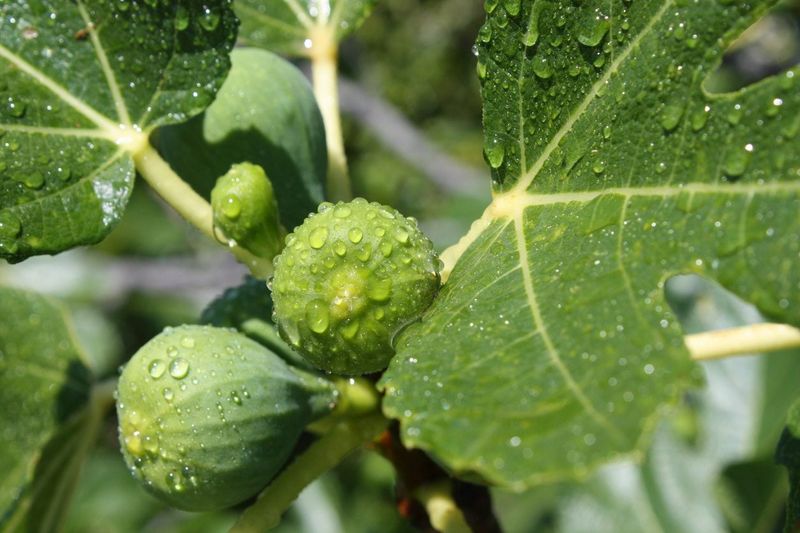
Establishing a proper watering routine is vital. Newly planted fig trees need consistent moisture to establish roots. Water deeply once a week, allowing the soil to dry slightly between waterings.
During dry spells, increase frequency to prevent stress. Mature trees are drought tolerant but will benefit from occasional deep watering. An interesting fact: figs can store water in their fleshy stems, making them resilient to dry conditions.
Adhering to a thoughtful watering schedule helps figs develop juicy, flavorful fruit throughout the season.
6. Fertilizing Needs
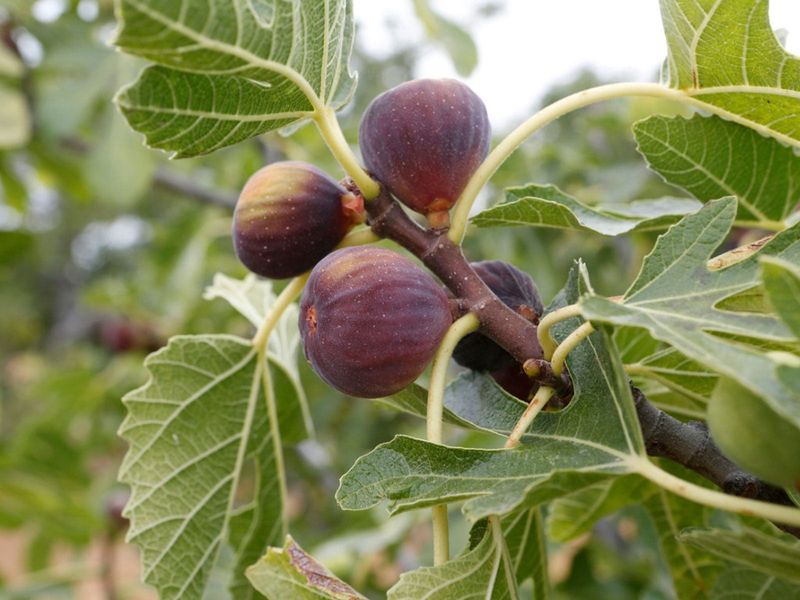
Fertilization is key to healthy fig trees. Apply a balanced, slow-release fertilizer in early spring as growth begins. Choose an organic option to enrich the soil naturally. Avoid excessive nitrogen, leading to lush foliage but poor fruiting.
Supplement with potassium-rich feeds for improved fruit development. Did you know? In the past, figs were considered sacred and were often planted in temple gardens.
Boosting nutrients ensures your fig trees produce an abundance of large, delicious figs.
7. Pruning Techniques
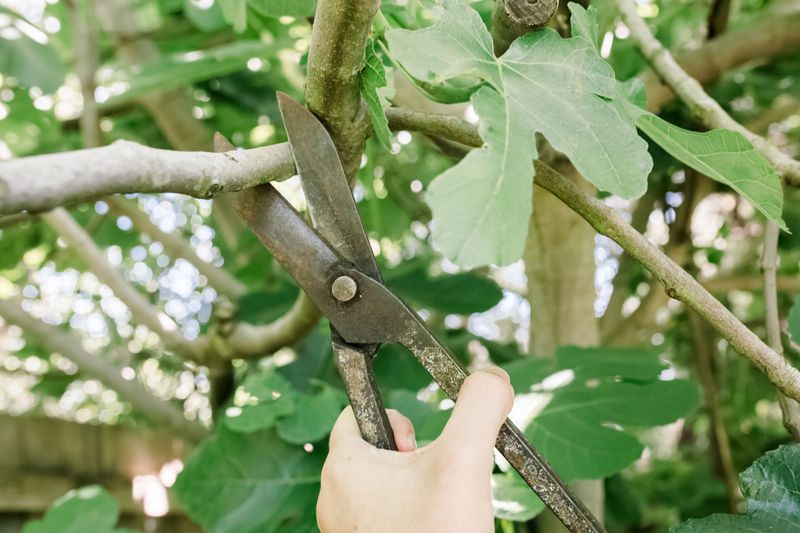
Pruning fig trees is essential for shape and productivity. Winter is the perfect time to prune when trees are dormant. Remove dead or crossing branches, allowing sunlight to penetrate the canopy.
Shape the tree to maintain a manageable size, facilitating harvest. A fun fact: fig wood was traditionally used to make coffins in Egypt due to its durability.
Pruning encourages new growth and helps control disease, ensuring your trees remain healthy and fruitful year after year.
8. Pest Management
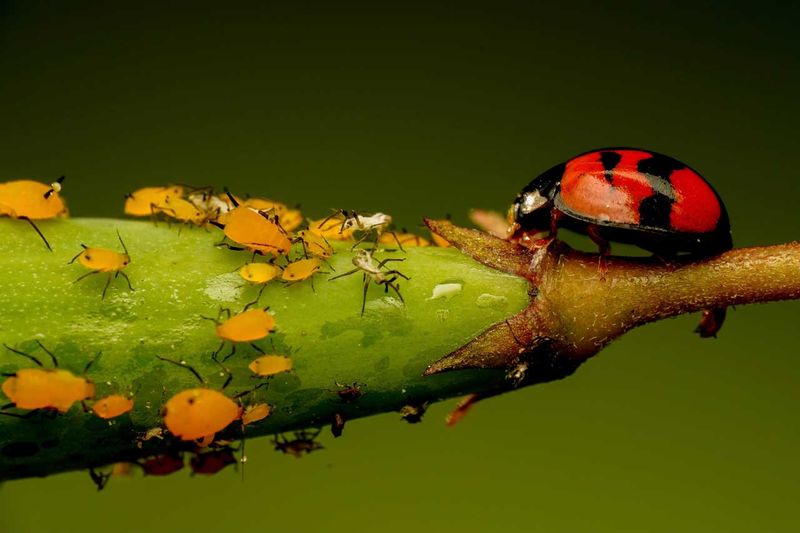
Protecting fig trees from pests is crucial for a healthy harvest. Common pests include aphids, scale insects, and spider mites. Regularly inspect leaves for signs of infestation, such as discoloration or webbing.
Encourage beneficial insects like ladybugs to naturally control pest populations. An intriguing fact: figs rely on a specific type of wasp for pollination, showcasing their unique ecological relationship.
Maintaining vigilance and using organic pest control methods ensure your fig trees remain robust and productive.
9. Mulching Benefits
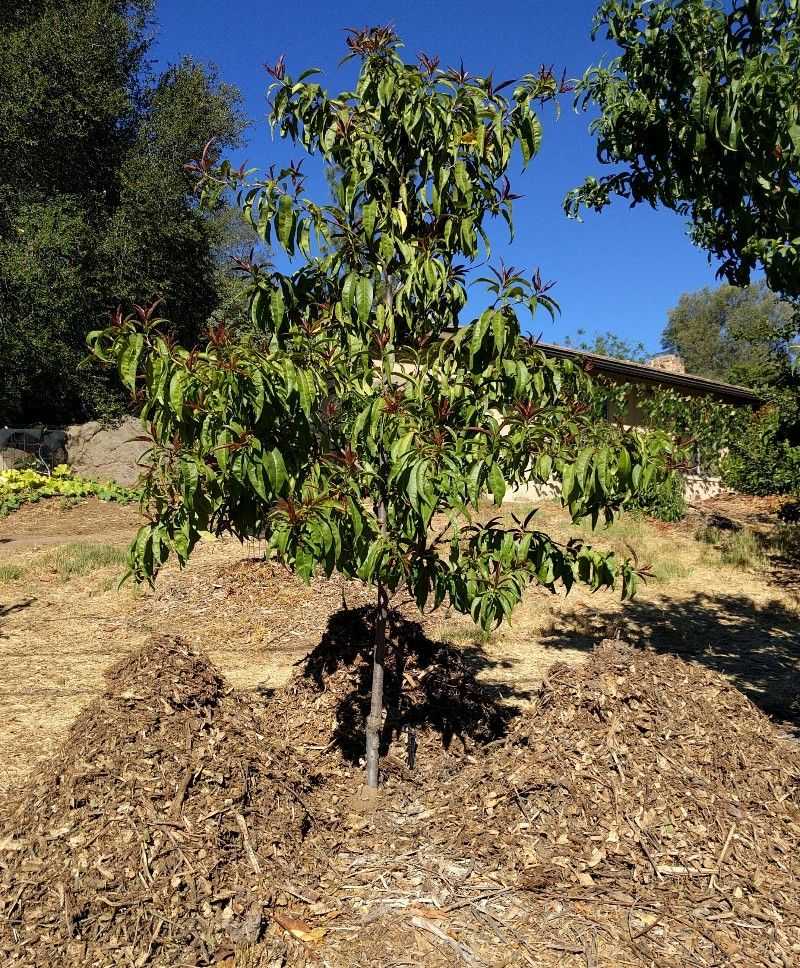
Mulching offers numerous benefits for fig trees. Apply a thick layer of organic mulch, such as straw or wood chips, around the tree’s base, keeping it away from the trunk. This helps conserve moisture, suppress weeds, and regulate soil temperature.
Replenish mulch annually to maintain its effectiveness. A quirky tidbit: figs have been cultivated for over 11,000 years, making them one of the oldest domesticated crops.
By mulching, you provide a stable environment that encourages vigorous growth and fruit production.
10. Temperature Considerations
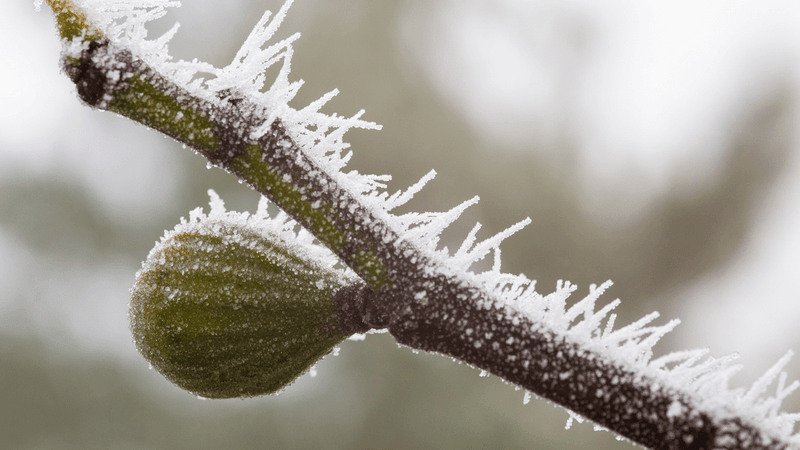
Understanding temperature needs is vital for fig trees. They thrive in warm climates and can tolerate mild frosts. In cooler areas, choose cold-hardy varieties or provide winter protection.
Wrapping trunks or using frost blankets can safeguard against damage. Interestingly, figs are part of the mulberry family, revealing their diverse botanical background.
By catering to their temperature preferences, you ensure a thriving fig tree capable of producing juicy, delicious fruit even in less-than-ideal conditions.
11. Pollination Process
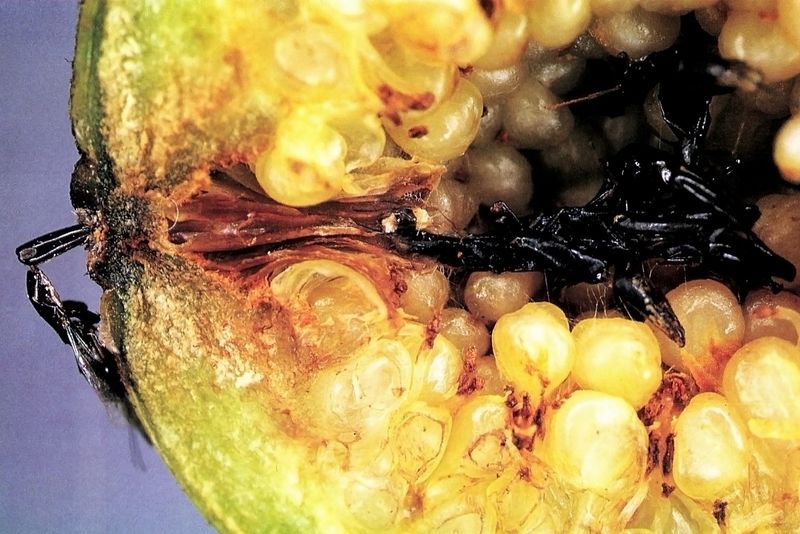
Pollination is a fascinating aspect of fig cultivation. While some varieties are self-pollinating, others require the help of the fig wasp. This tiny insect enters the fruit to complete its life cycle, enabling fertilization.
Research your variety’s pollination needs to ensure successful fruiting. A fun fact: the fig and wasp relationship is a classic example of mutualism in nature, where both species benefit.
Understanding and supporting the pollination process leads to an abundant harvest of flavorful figs.
12. Spacing and Layout
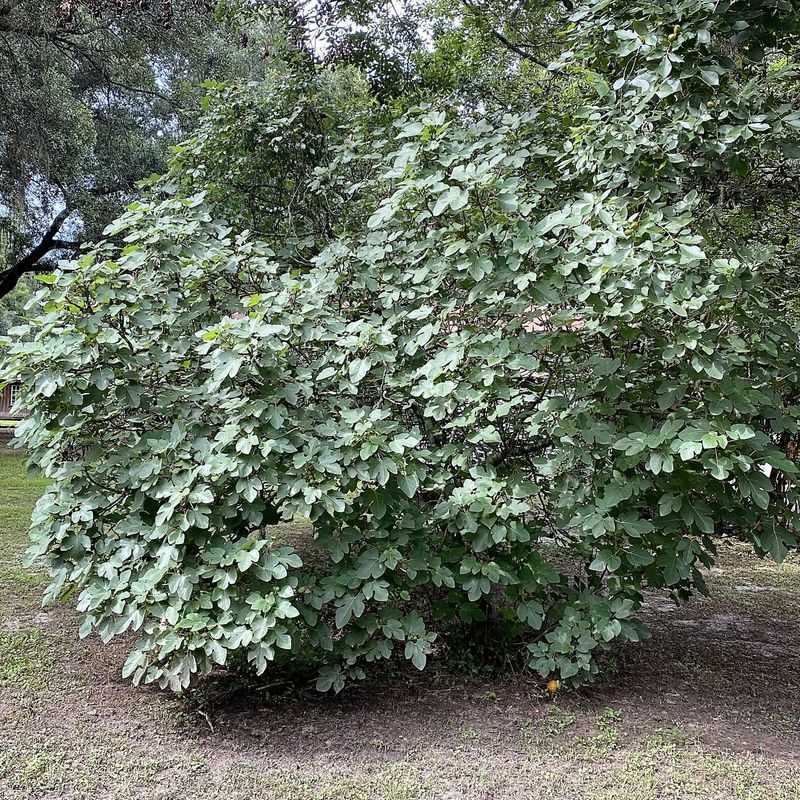
Proper spacing is crucial for fig tree health. Allow at least 15 feet between trees to accommodate their wide spread and ensure adequate air circulation. This spacing reduces the risk of disease and encourages strong, healthy growth.
Plan your orchard layout to make maintenance and harvesting easy. Did you know? The ancient Greeks used fig leaves as primitive umbrellas, demonstrating their resourcefulness.
Thoughtful spacing creates an environment where fig trees can thrive, producing an abundance of delicious fruit.
13. Training and Support
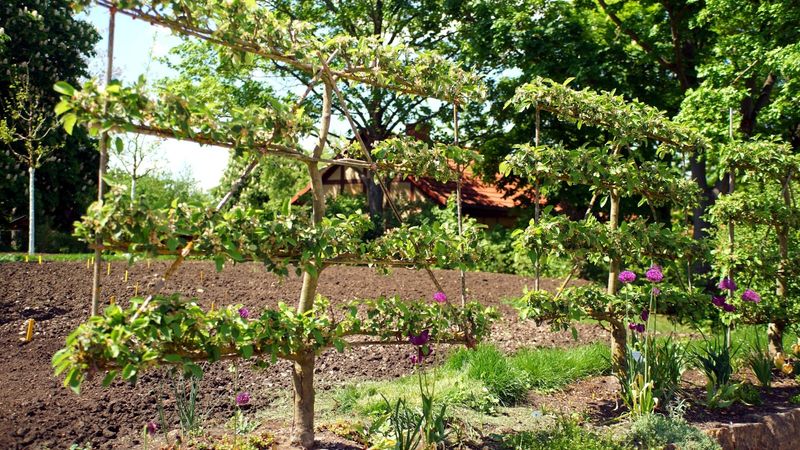
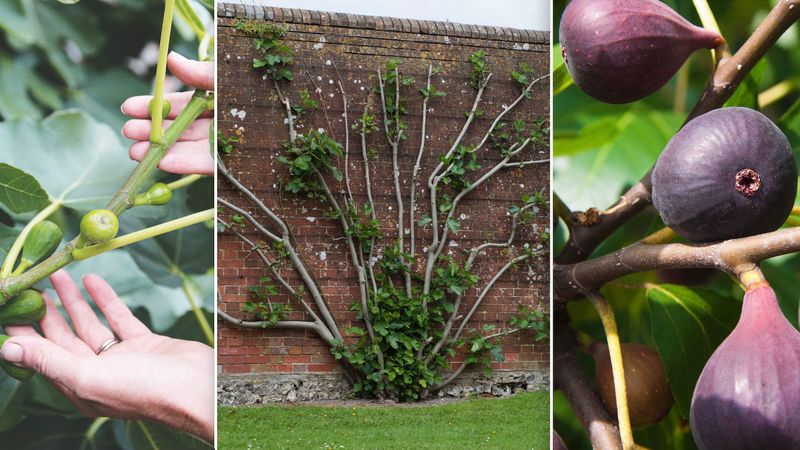
Training fig trees enhances their structure and productivity. Use a trellis or support system to guide young branches, promoting an open canopy. This setup allows sunlight to penetrate, improving fruit quality.
Regularly check ties to avoid constriction as branches grow. A quirky fact: fig leaves were used as the first form of clothing, according to ancient myths.
Training ensures a strong, well-formed tree capable of producing large, juicy figs season after season.
14. Disease Prevention
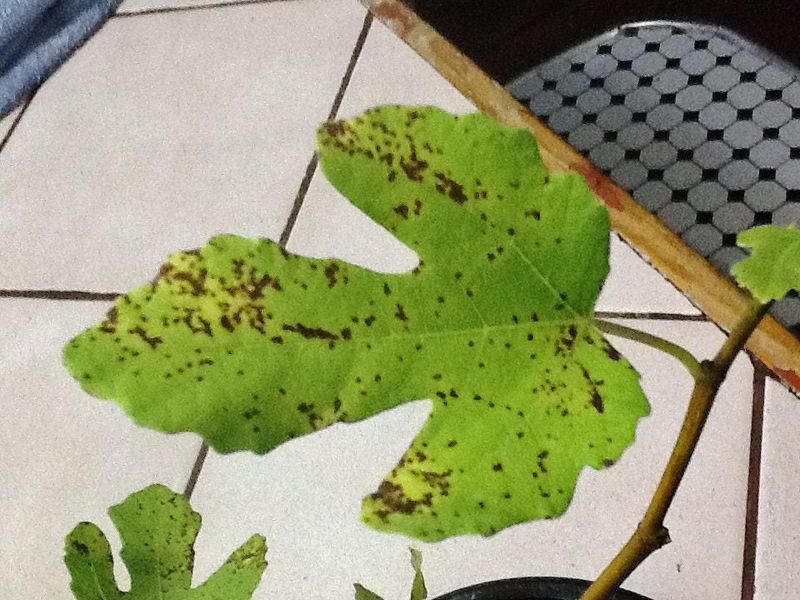
Preventing disease is key to healthy fig trees. Common issues include leaf spot and root rot. Inspect trees regularly and remove affected areas promptly. Ensure proper drainage to avoid waterlogged roots.
Applying copper-based fungicides can offer protection. Did you know? Figs have been used in traditional medicine to treat various ailments, showcasing their versatility.
By staying vigilant and employing preventive measures, your trees remain robust, yielding plentiful, delicious figs.
15. Harvesting Tips
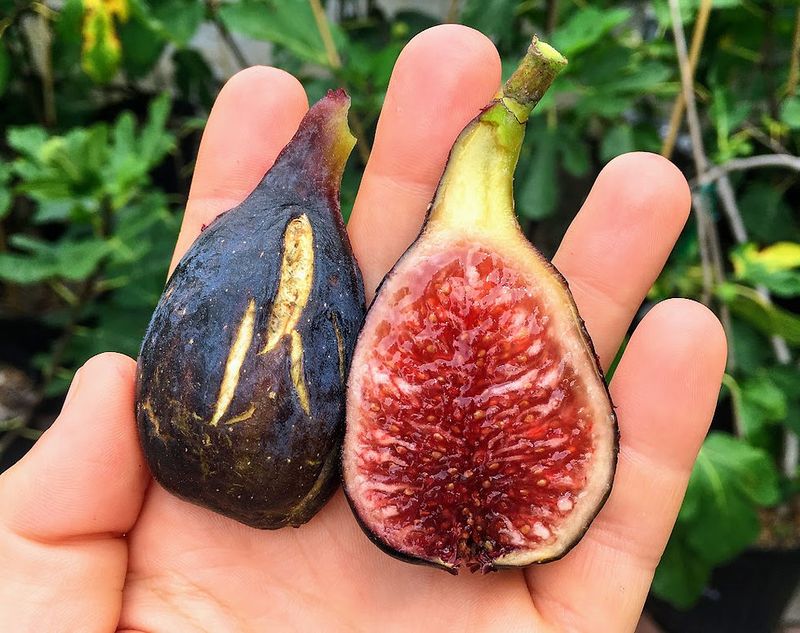
Harvesting figs requires a gentle touch. Pick figs when they are fully colored and slightly soft to the touch. They do not ripen off the tree, so timing is crucial.
Use scissors or pruners to avoid damaging the branches. A fun fact: figs were Cleopatra’s favorite fruit, highlighting their timeless appeal.
By harvesting at the right moment, you enjoy the full flavor and juiciness that figs are famous for, making each bite a delight.
16. Storing Fresh Figs
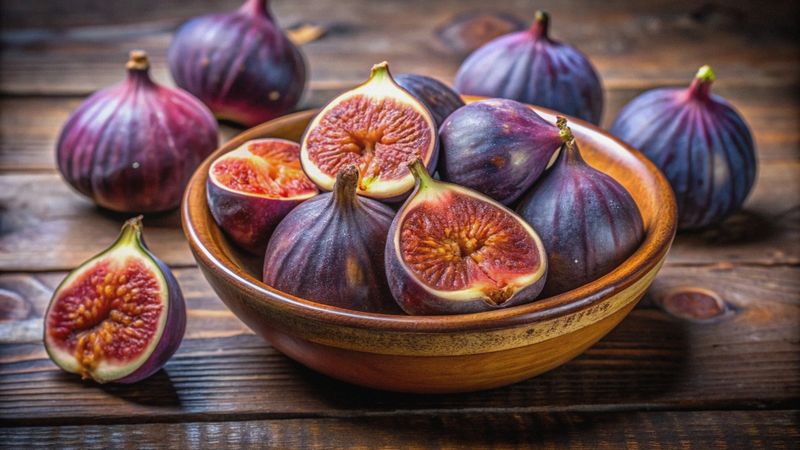
Storing fresh figs properly preserves their quality. Keep them in the refrigerator for up to a week, placing them in a single layer to prevent bruising. For longer storage, consider freezing or drying.
Frozen figs can be used in smoothies, while dried figs make a nutritious snack. An intriguing tidbit: fig seeds have been found in Neolithic sites, showing their ancient origins.
Proper storage techniques ensure you enjoy figs’ delectable taste well beyond harvest time.
17. Container Gardening
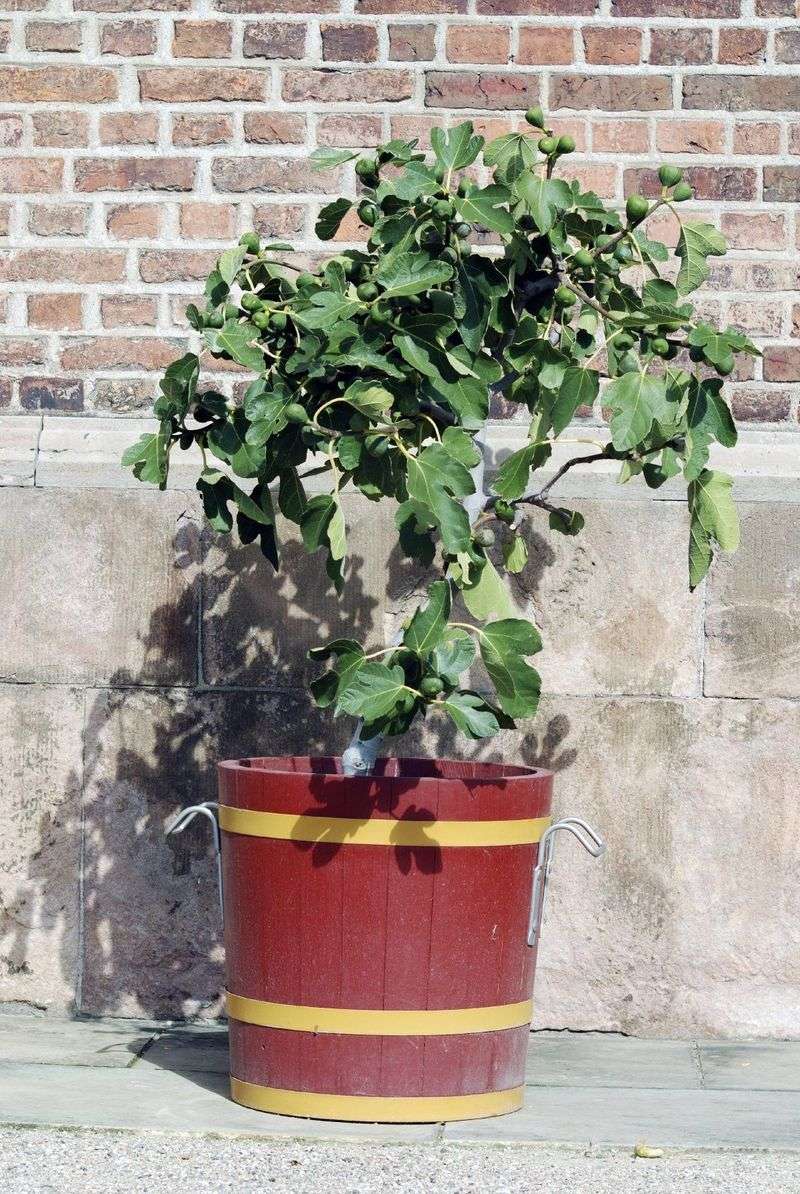
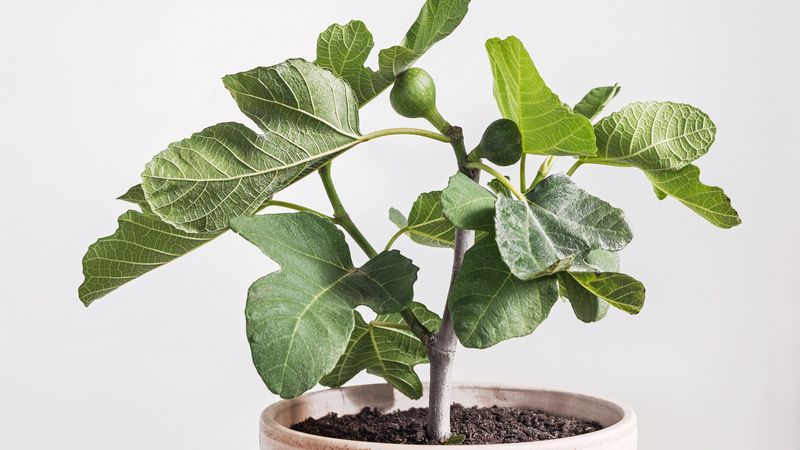
Growing figs in containers is ideal for limited spaces. Choose a large pot with good drainage, and fill it with well-draining soil. Prune roots and branches annually to encourage healthy growth.
Place the container in a sunny spot, and water regularly to keep soil evenly moist. Did you know? Container gardening allows figs to be grown in urban environments, making them accessible to more people.
By following these steps, you can enjoy the satisfaction of home-grown figs, even in small spaces.
18. Winter Care
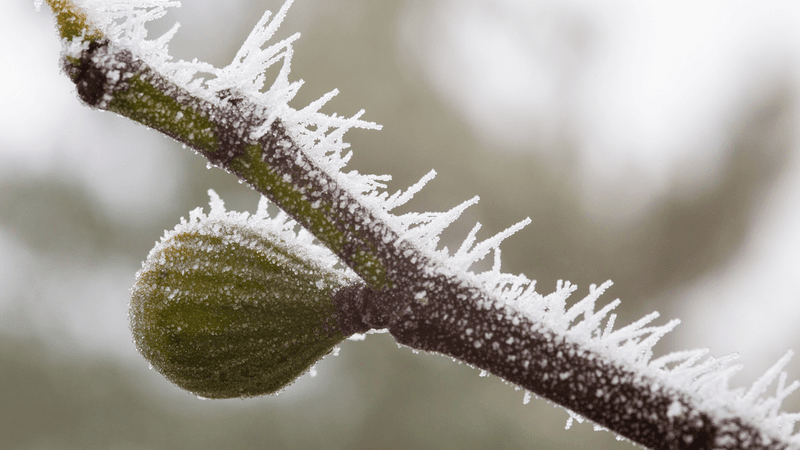
Proper winter care ensures fig tree survival in colder climates. In late fall, mulch heavily around the base to insulate roots. For added protection, wrap the tree in burlap or move potted figs indoors.
Avoid excessive watering during dormancy, as this can lead to root rot. An interesting fact: figs have a long history in religious symbolism, often representing abundance.
With thoughtful winter preparation, your fig trees emerge strong and ready to produce another bountiful harvest in spring.
19. Companion Planting
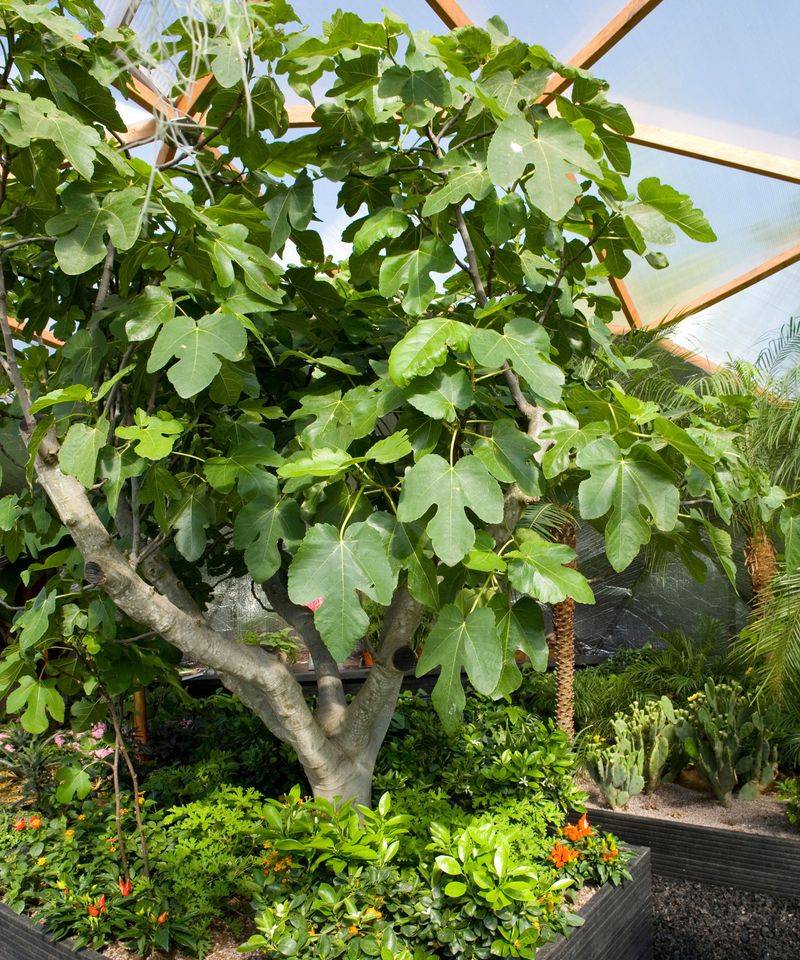
Companion planting enhances fig tree health and productivity. Plant herbs like basil and oregano nearby to deter pests and attract beneficial insects. Nitrogen-fixing plants, such as clover, enrich the soil.
Carefully select companions that won’t compete for resources. Did you know? Ancient Roman gardens often combined figs with other plants for mutual benefits.
By integrating companion plants, you create a balanced ecosystem that supports vibrant fig growth and yields a delicious harvest.
20. Reflective Mulching
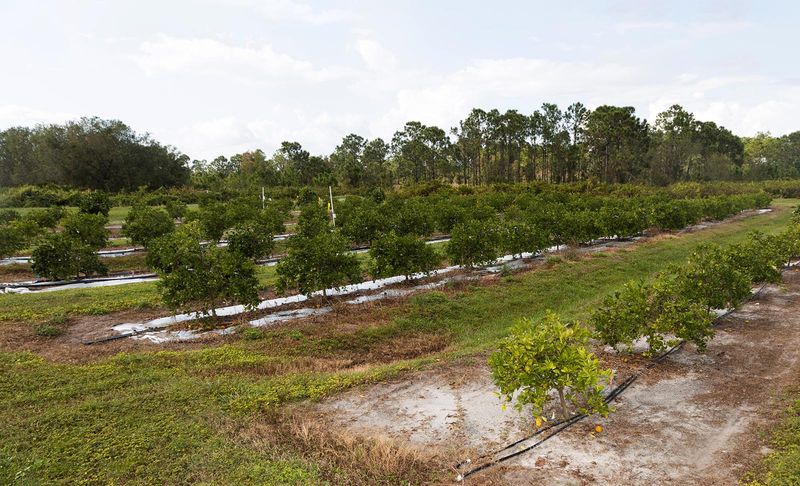
Imagine boosting your fig tree’s growth with a simple trick: reflective mulching. By placing reflective materials around the base of the tree, you can increase sunlight exposure. This technique enhances photosynthesis, leading to larger, juicier figs.
Reflective mulching also helps regulate soil temperature and moisture levels, creating an optimal environment for growth. As a bonus, it deters pests and diseases by reflecting light into shaded areas where they thrive.
Consider using silver-colored mulches or even old CDs to achieve this effect. Not only is it effective, but it adds an artistic touch to your garden. Did you know? Reflective mulching is a popular technique in vineyards to enhance grape quality.