 Complete Gardening
Summer brings warmth and sunshine, the perfect conditions for certain vegetables that not only withstand but thrive in full sun and heat. Whether you’re a seasoned gardener or a novice, growing these heat-loving plants can lead to a bountiful harvest. Each vegetable listed here has unique characteristics that make them suitable for hot climates, ensuring that your garden remains productive during the hottest months of the year. Explore these 20 sun-loving vegetables and discover tips, varieties, and interesting facts to make the most of your summer garden.
1. Okra
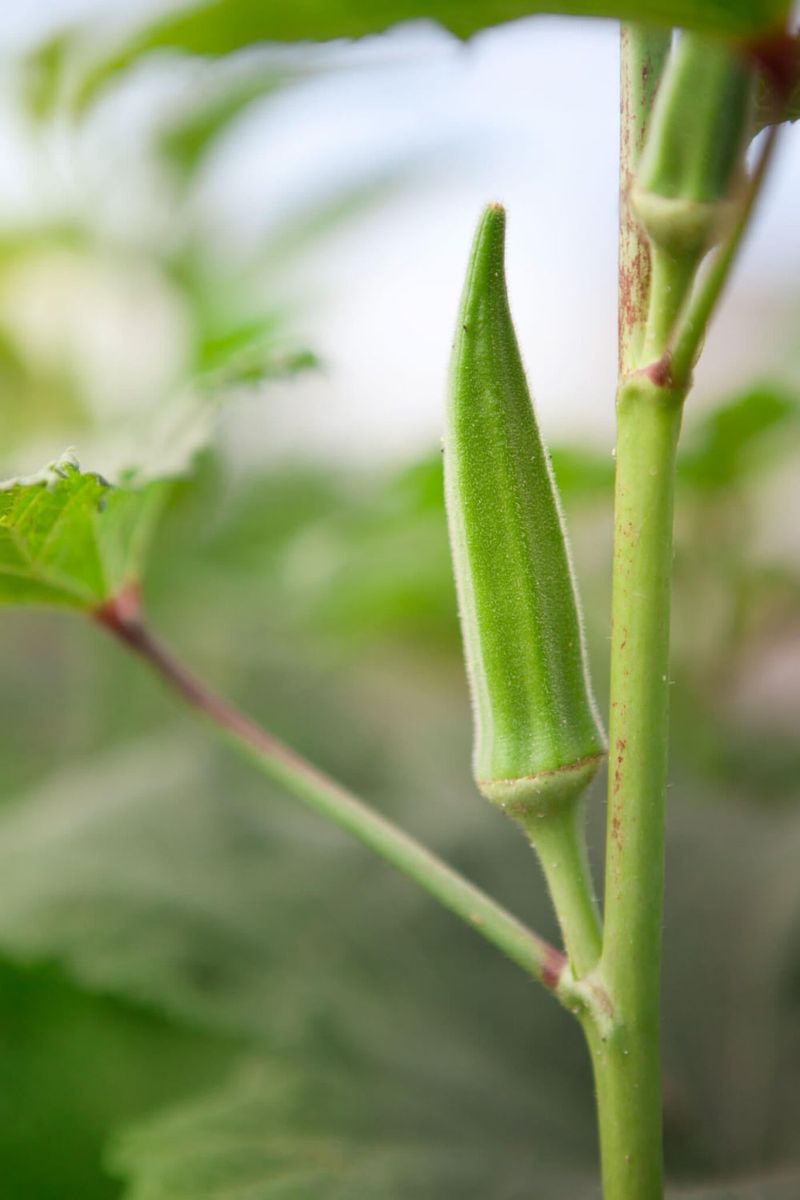
Preferring temperatures above 90°F (32°C), okra thrives when others falter, producing continuous pods. It’s vital to pick them young, around 3-4 inches, to maintain tenderness. Historically, okra has roots in Africa and found its way into Southern cuisine. This resilient plant is perfect for stews and can even be fried for a tasty crunch. With minimal care, okra rewards gardeners with bountiful produce, making it indispensable in any sun-drenched garden.
2. Sweet Potatoes
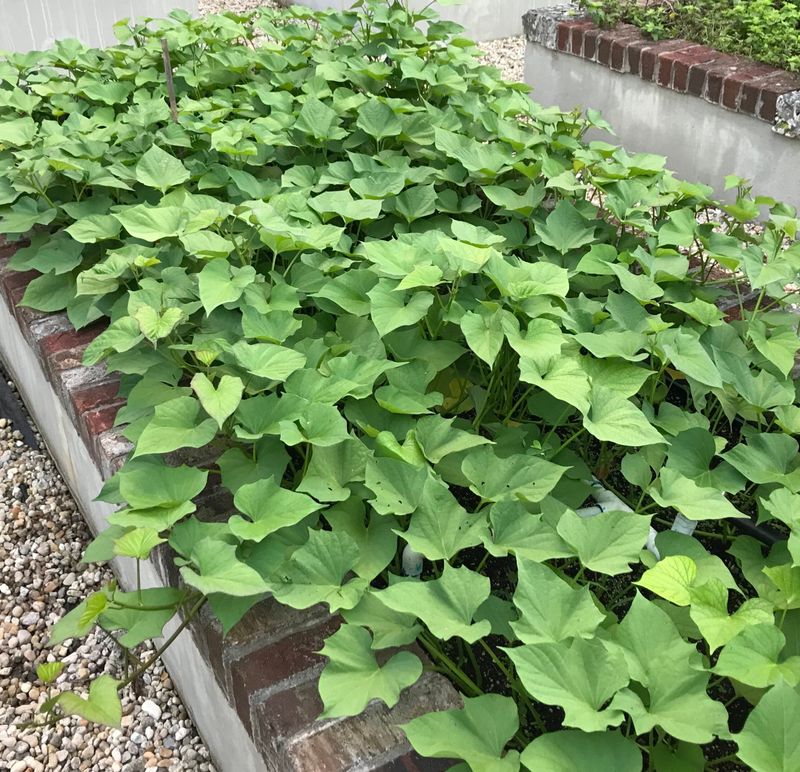
Sweet potatoes, with their sprawling vines, embrace the summer heat with grace. These tubers are not only heat-resistant but thrive in poor, sandy soil, making them ideal for less fertile areas. Plant slips, not seeds, after the soil warms. Sweet potatoes have a rich history, originating from Central America and spreading worldwide, celebrated for their versatility. Bake, mash, or fry them to enjoy their natural sweetness. Their ability to flourish under harsh conditions makes them a favorite in sunlit gardens everywhere.
3. Eggplant
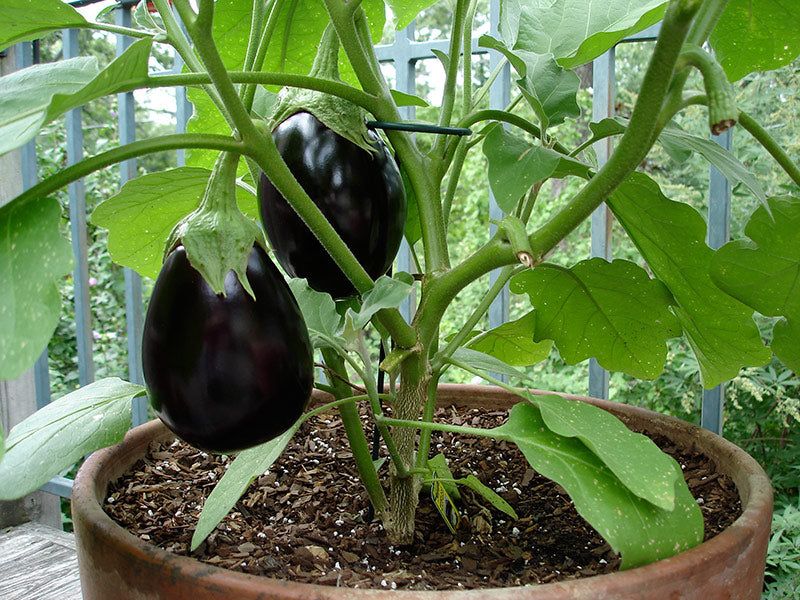
Mediterranean-born, eggplants bask in the sun’s glow, thriving in heat and humidity. Known for their glossy, purple skin, varieties like ‘Black Beauty’ and ‘Ichiban’ offer diverse flavors and textures. Eggplants are culinary chameleons, absorbing flavors in dishes like ratatouille and eggplant parmesan. Historically, they were once believed to cause insanity in Italy. This myth couldn’t be further from the truth, as they are nutritious powerhouses. Grow eggplants for their beauty and culinary versatility, and watch them flourish in sunny spots.
4. Peppers (Bell, Jalapeño, Cayenne)
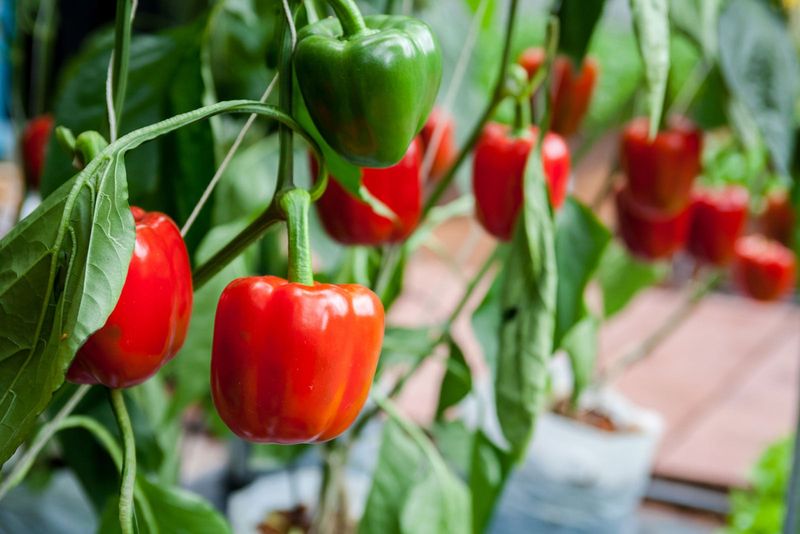
The hotter the weather, the spicier the peppers become. Whether it’s bell, jalapeño, or cayenne, peppers love basking in full sun. Mulching is crucial to retain moisture during extreme heat, ensuring consistent growth. Did you know? Peppers originated from the Americas and quickly became a staple in global cuisines. Their vibrant colors and flavors add zest to any dish, from salsas to stir-fries. Peppers’ ability to adapt to hot climates makes them a must-have for summer gardens.
5. Armenian Cucumbers
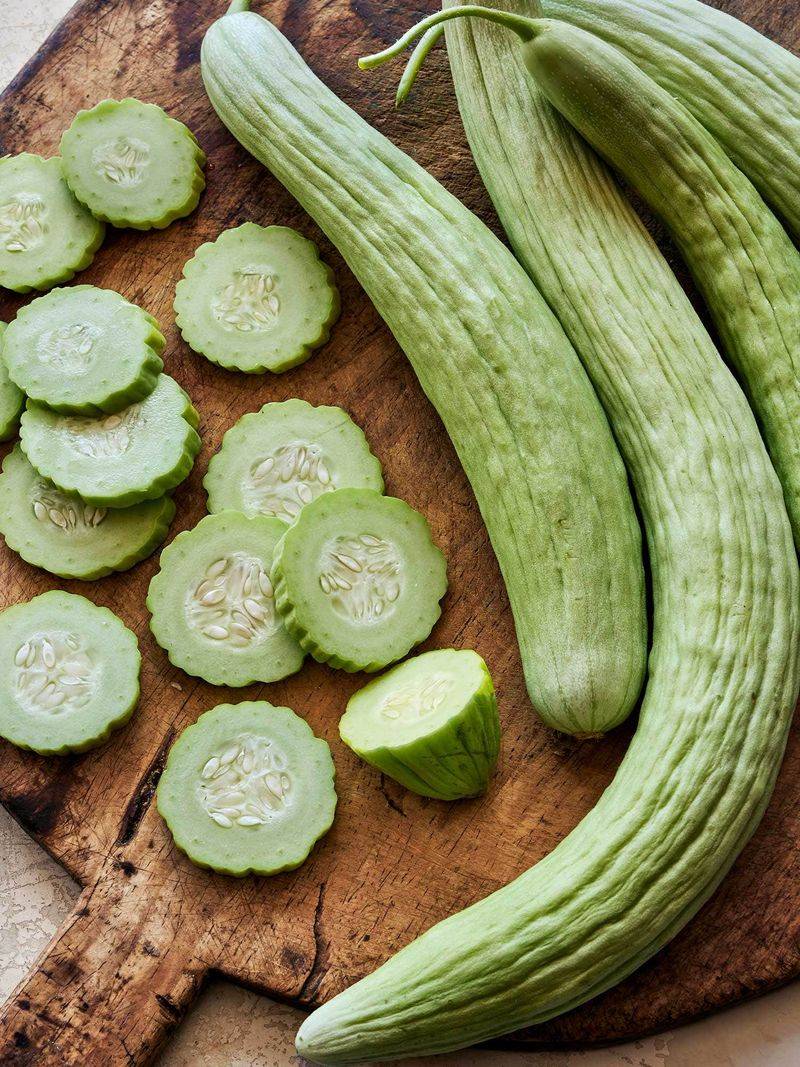
Armenian cucumbers defy the heat, resisting wilting even when temperatures soar. Unlike regular cucumbers, these have a mild, slightly sweet taste and are burpless. Perfect for salads and pickling, they add a refreshing crunch. Originating from Armenia, they’re technically a melon but consumed as a cucumber. Grow them on a trellis to save space and keep them straight. These cucumbers are a testament to adaptability, flourishing in hot weather where others might falter, making them a valuable addition to sun-drenched gardens.
6. Yardlong Beans (Asparagus Beans)
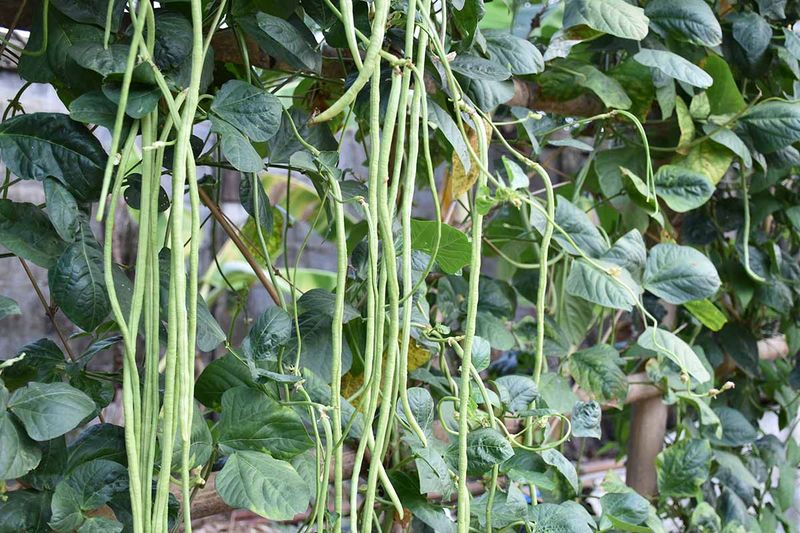
Imagine beans longer than your forearm, swaying elegantly in the summer breeze. Yardlong beans, or asparagus beans, are more heat-tolerant than common green beans, offering a nutty flavor that’s unique. Their vigorous vines can grow pods up to 3 feet, making them a striking garden feature. Originating in Southeast Asia, these beans are a staple in many Asian cuisines. Their ability to thrive in intense heat makes them perfect for adventurous gardeners seeking something different.
7. Malabar Spinach
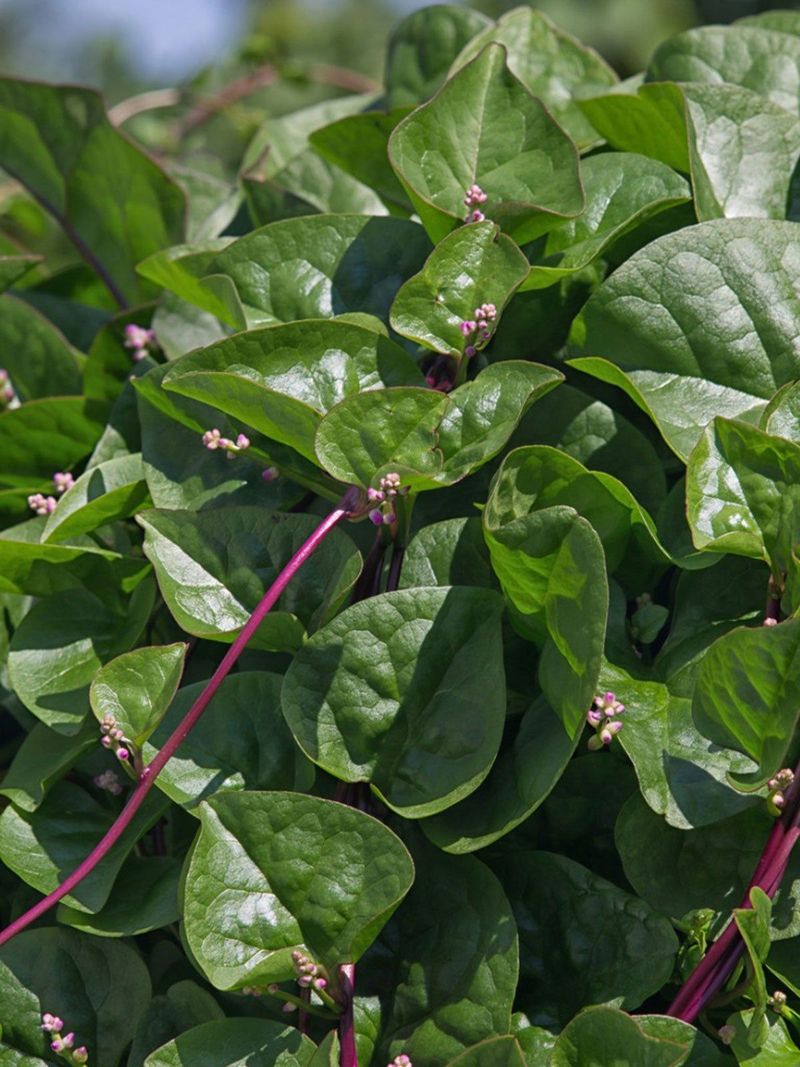
Malabar spinach isn’t your typical spinach; it’s a heat-loving leafy green that thrives in summer’s embrace. Its thick, glossy leaves are perfect additions to stir-fries, salads, or cooked as greens. Unlike traditional spinach, Malabar spinach comes from tropical Asia, where it grows vigorously in hot, humid climates. Its unique texture and mild flavor make it a versatile ingredient. This plant’s resilience in sunny, warm conditions makes it an excellent choice for gardeners looking to add some greenery to their summer plots.
8. Luffa (Loofah) Gourds
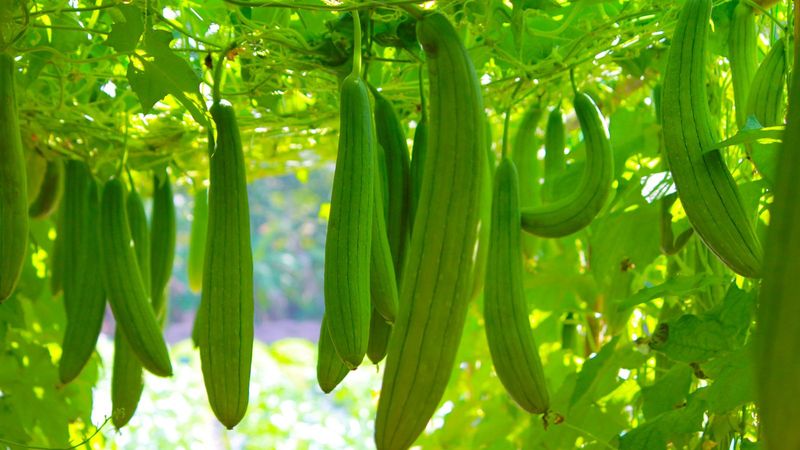
Luffa gourds grow like weeds in hot, humid climates, offering dual purposes. Young luffas are edible and can be cooked like zucchini, while mature ones transform into natural sponges. Originating from Asia, they’ve been cultivated for centuries for both food and utility. Their vines can cover large areas, providing shade and interest in the garden. Luffas’ adaptability to warmth and humidity makes them an intriguing addition to gardens, promising both culinary and practical rewards.
9. Cherry Tomatoes
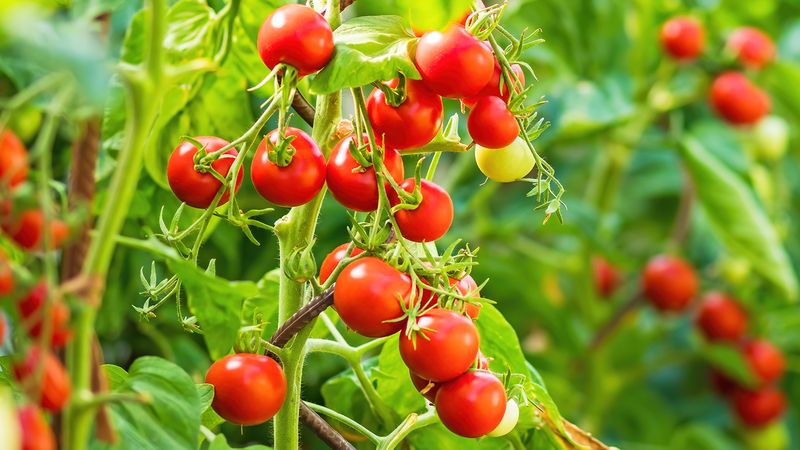
Cherry tomatoes burst with flavor and color, thriving when larger tomatoes might struggle. More heat-resistant, they offer sweet, juicy bites perfect for salads and snacking. Varieties like ‘Sun Gold’ and ‘Sweet 100’ are particularly celebrated. Did you know? Tomatoes were once thought poisonous in Europe. Thankfully, this belief was debunked, and now they’re a global favorite. Their ability to produce abundantly in hot conditions makes cherry tomatoes a garden staple, guaranteeing a fruitful summer harvest.
10. Southern Peas (Cowpeas, Black-Eyed Peas)
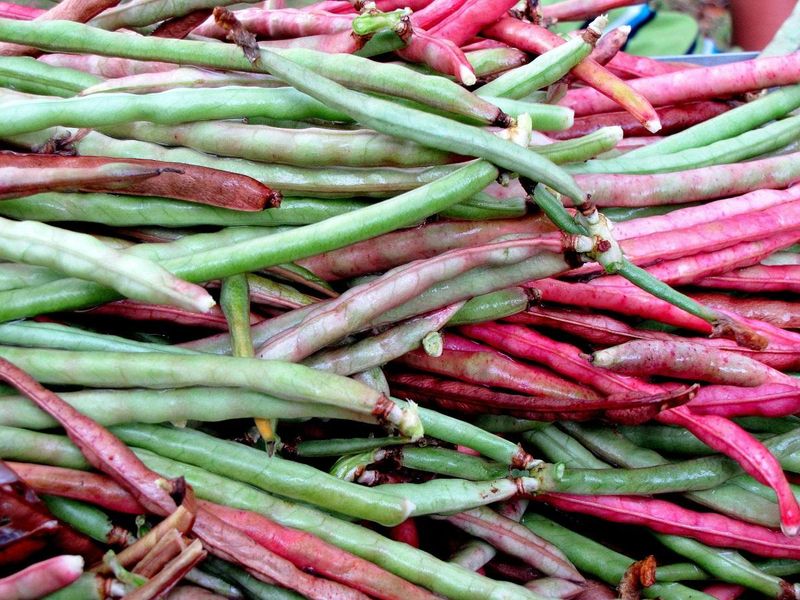
Southern peas, including cowpeas and black-eyed peas, are champions of drought, fixing nitrogen in the soil as they grow. This dual benefit of food and soil amendment makes them invaluable in sustainable gardening. Originating in Africa, they’ve been embraced in Southern U.S. cuisine, especially in dishes like Hoppin’ John. Varieties such as ‘Purple Hull’ and ‘Crowder’ offer diverse flavors. With minimal water needs, they’re ideal for dry, sunny gardens, providing both nourishment and soil enhancement.
11. Chayote Squash
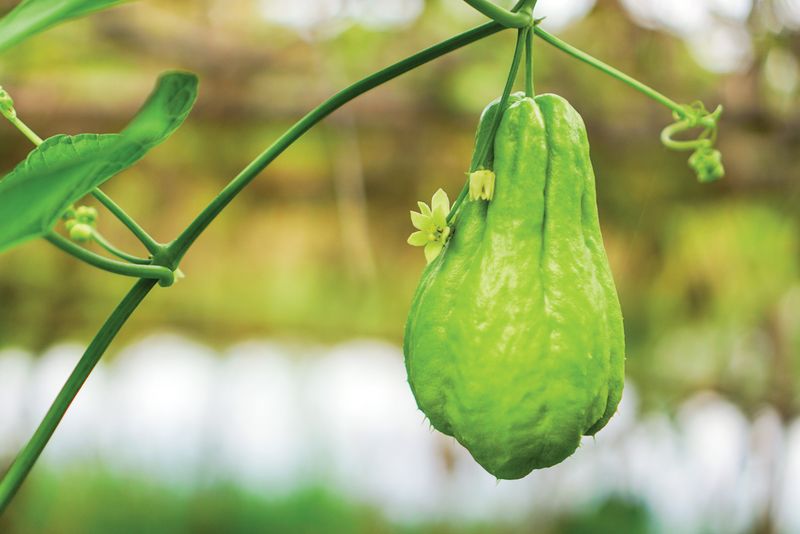
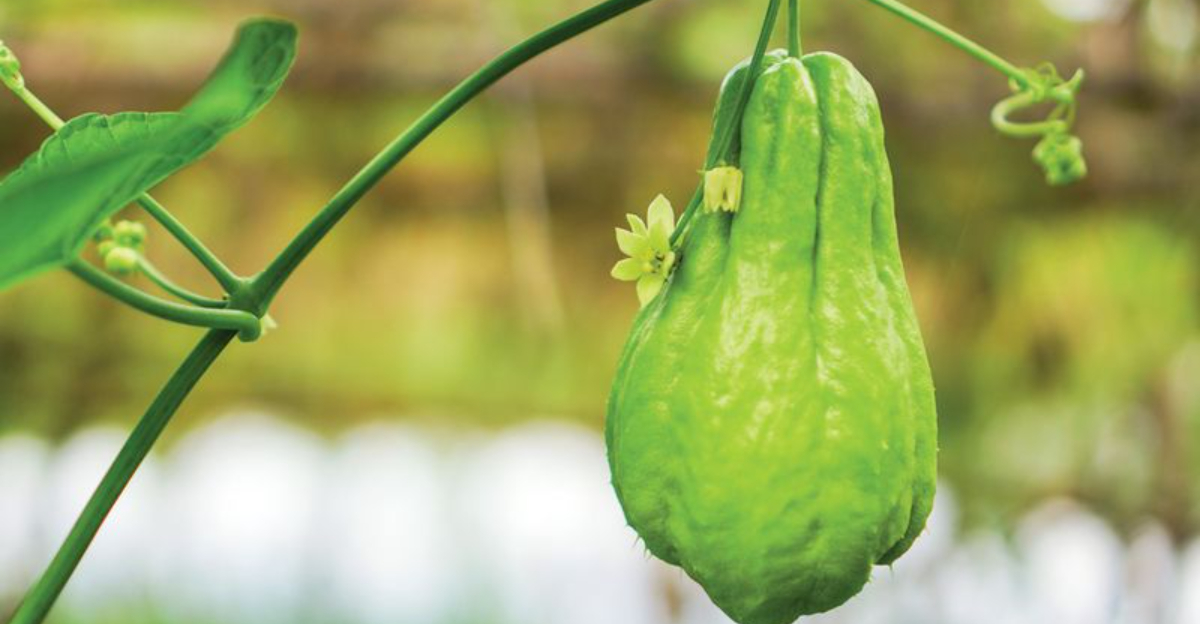
Chayote squash, with its unique pear-like shape, thrives in tropical heat, growing as a perennial in warmer zones. Enjoy it raw in salads or cooked like zucchini; its mild flavor complements many dishes. Originating from Central America, it has spread globally due to its adaptability and ease of growth. In warm climates, it covers arbors and trellises with its vigorous vines, providing shade and produce. Chayote’s tolerance for hot weather makes it a standout in any sun-drenched garden.
12. Seminole Pumpkin
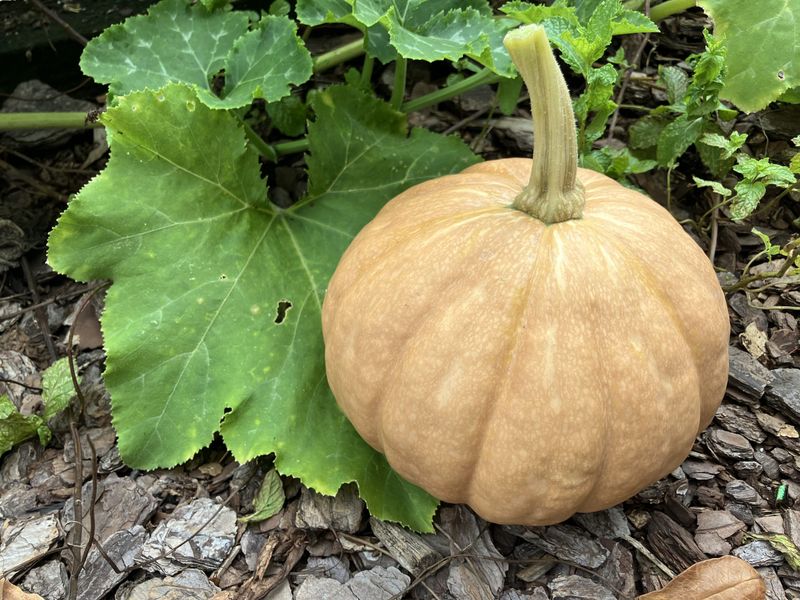
Seminole pumpkins are a testament to resilience, thriving in drought conditions with aggressive vining habits. Their sweet, nutty flavor is similar to butternut squash, making them a versatile culinary option. Historically grown by the Seminole Indians in Florida, these pumpkins have adapted to hot, humid environments. They can cover large garden spaces, providing both shade and produce. Their ability to withstand harsh conditions makes them ideal for gardeners in search of a low-maintenance, high-yield plant.
13. Hot Weather Lettuce (Jericho, Summertime)
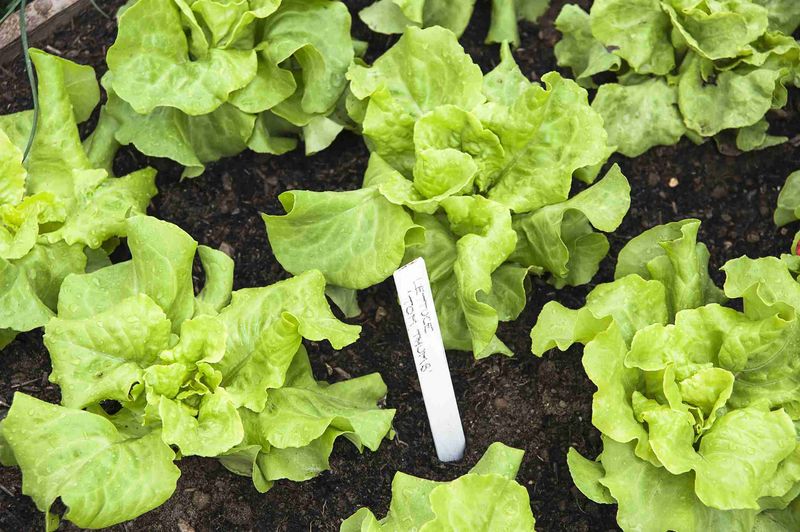
For those craving fresh greens in summer, hot weather lettuce varieties like ‘Jericho’ and ‘Summertime’ are bolt-resistant, ensuring they remain sweet and crisp. These lettuces can handle heat without turning bitter, growing best with a bit of afternoon shade if temperatures exceed 90°F (32°C). Originating from places with harsh climates, these varieties have been bred specifically for endurance. Their persistence in hot conditions allows gardeners to enjoy salads even in peak summer, offering fresh produce when it’s needed most.
14. Amaranth (Leaf & Grain)
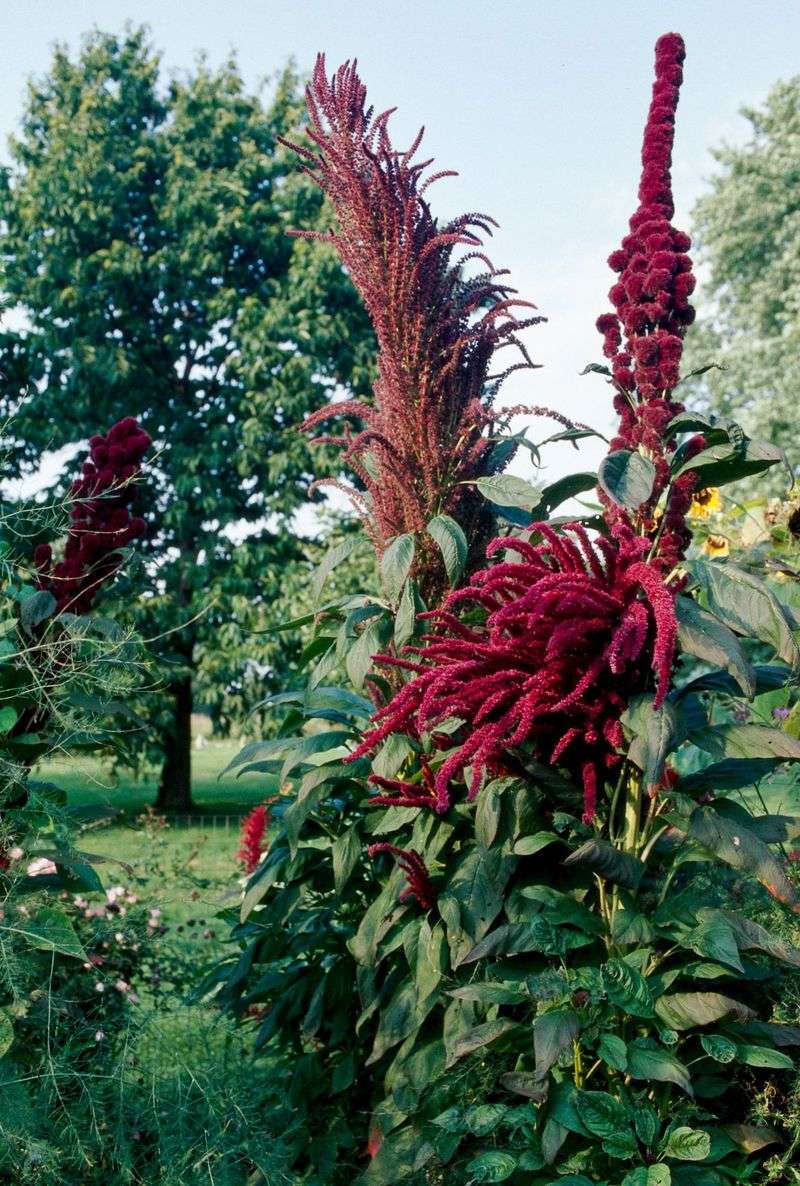
Amaranth, both a leafy green and a pseudo-grain, is celebrated for its nutrient density and drought resistance. Its leaves are cooked like spinach, while its seeds provide a quinoa-like grain. With roots in ancient civilizations like the Aztecs, amaranth has been a staple for thousands of years due to its adaptability. Its vibrant leaves and striking flower heads add beauty to gardens, while its ability to grow in tough conditions ensures a reliable harvest. Cultivate amaranth for both its nutritional and aesthetic appeal.
15. Tepary Beans
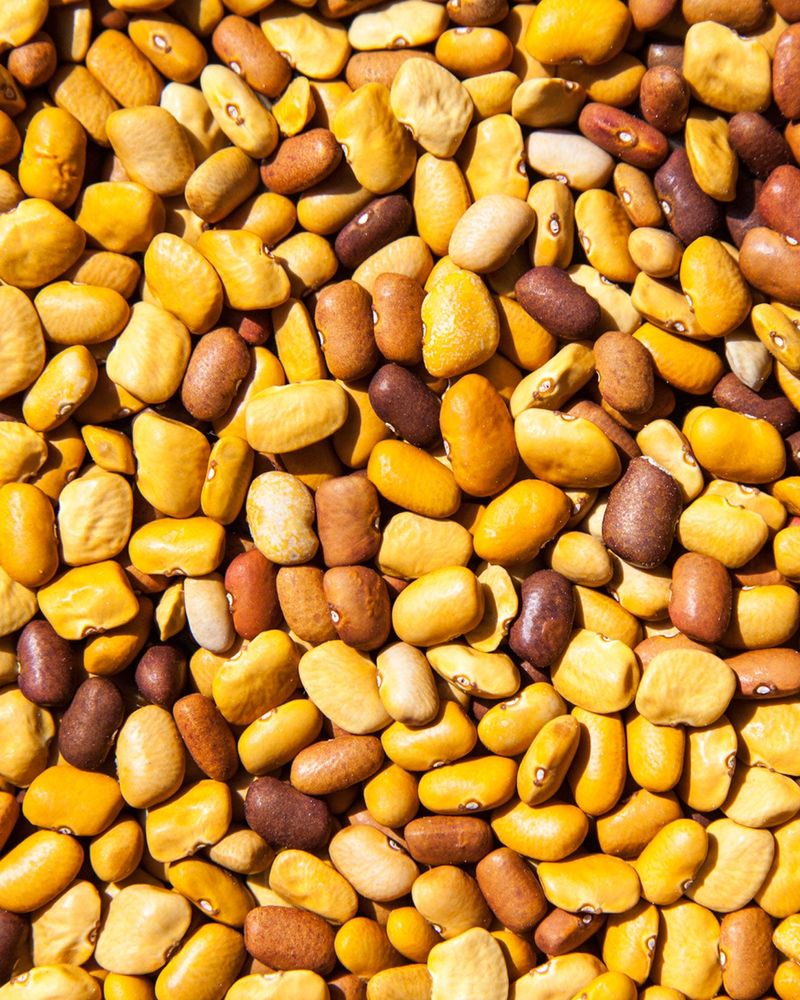
Native to the deserts of the American Southwest, tepary beans are masters of survival, enduring both extreme heat and drought. With a nutty flavor, they’re perfect for soups and stews. Historically, they were a vital crop for Native American tribes, valued for their hardiness and nutritional content. These beans showcase adaptability, proving that even in the harshest climates, food can thrive. Their resilience makes them an excellent choice for gardeners facing water restrictions and intense sun.
16. Molokhia (Egyptian Spinach)
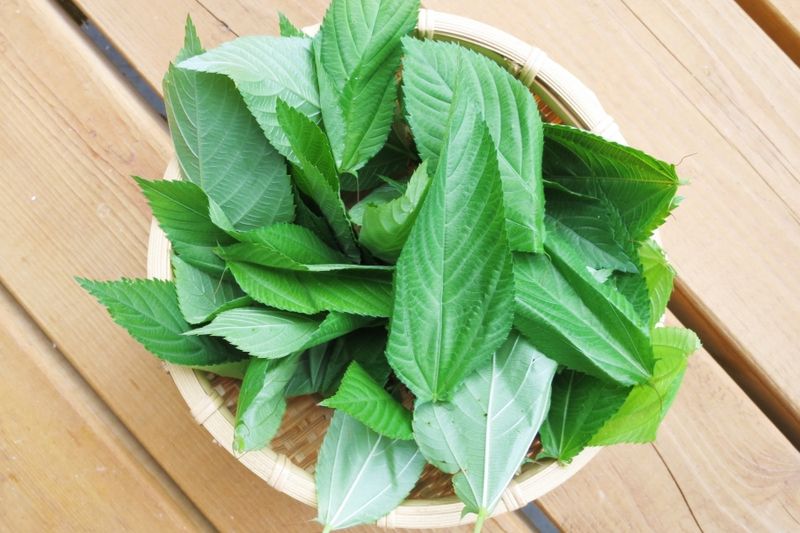
Molokhia, or Egyptian spinach, is a superfood green beloved in the Middle East and North Africa. Thriving in temperatures over 100°F (38°C+), it offers a slimy texture when cooked, similar to okra. This ancient plant has a rich history, once a favorite of Egyptian royalty. Its leaves are packed with nutrients, making it a staple in traditional soups and stews. For gardeners in hot climates, molokhia promises a continuous supply of greens, enriching diets with its unique flavor and health benefits.
17. Cassava (Yuca)
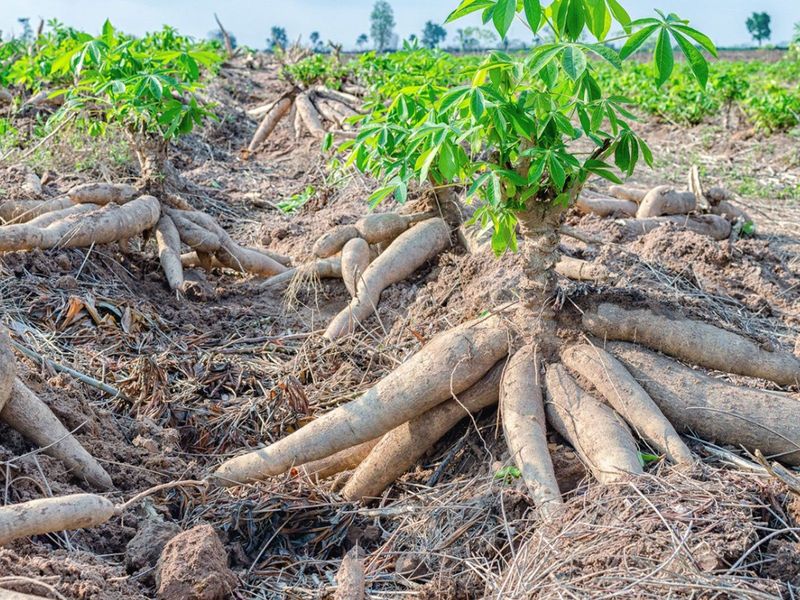
Cassava, or yuca, is a tropical staple that thrives where others fail, growing in poor, dry soils with ease. Although raw cassava is toxic, cooking neutralizes these compounds, making it a versatile ingredient in many dishes. Originating from South America, it’s been a crucial food source globally. Its starchy roots are used for everything from fries to flour. For gardeners in hot, dry regions, cassava offers a high-yield, low-maintenance option, providing sustenance even in challenging conditions.
18. Ginger & Turmeric
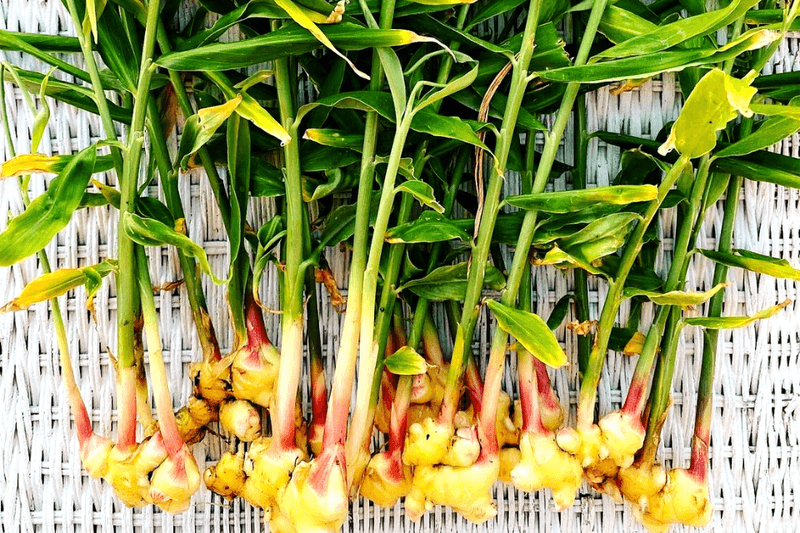
In the world of spices, ginger and turmeric shine brightest under humid, hot conditions. These rhizomes prefer partial shade if temperatures exceed 95°F, but their robust nature allows them to thrive nonetheless. Both plants have storied histories, used in traditional medicines and cuisines across Asia. Harvesting involves digging up the rhizomes after 8-10 months, revealing their vibrant colors. Their heat tolerance and culinary significance make them valuable additions to gardens, offering both flavor and health benefits.
19. Watermelon
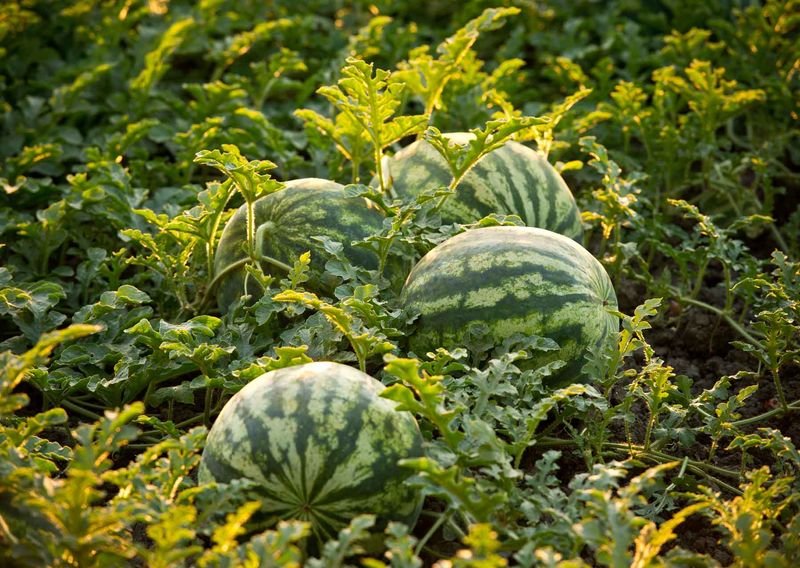
Watermelons are synonymous with summer, their sweet, juicy flesh best enjoyed when temperatures soar. Varieties like ‘Charleston Gray’ and ‘Crimson Sweet’ are particularly suited for heat, needing consistent water to reach their full potential. With origins in Africa, watermelons have been cherished for centuries as refreshing treats. Their sprawling vines require space but reward gardeners with abundant, hydrating fruits. Planting watermelons ensures a taste of summer’s essence, capturing the season’s warmth in every bite.
20. Hot Peppers (Habanero, Ghost, Scorpion)
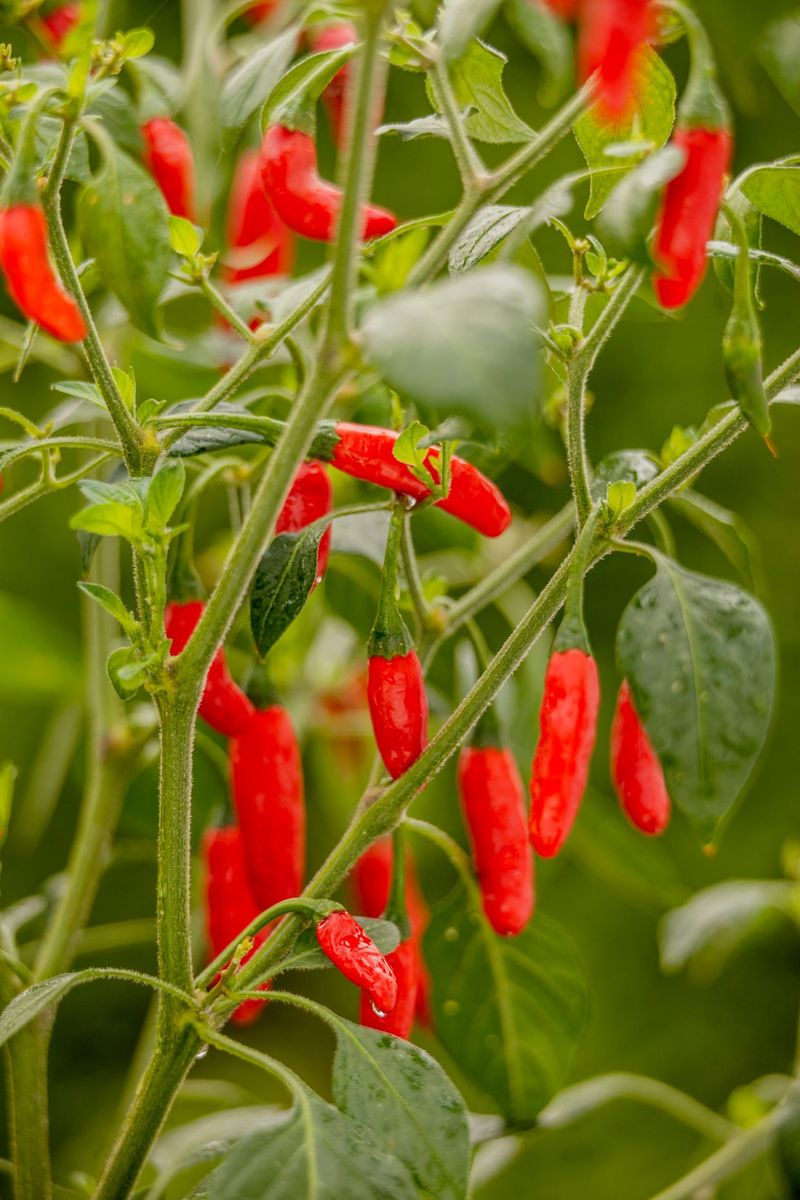
Dare to taste the heat? Hot peppers like habanero, ghost, and scorpion thrive in scorching weather. The hotter the conditions, the spicier they become. Originating from tropical regions, these peppers are renowned for their fiery kick. Stressing the plants slightly by withholding some water can increase capsaicin levels, adding to their intensity. For spice enthusiasts, growing these peppers offers both a challenge and a reward, providing a fiery addition to any culinary endeavor.