 Complete Gardening
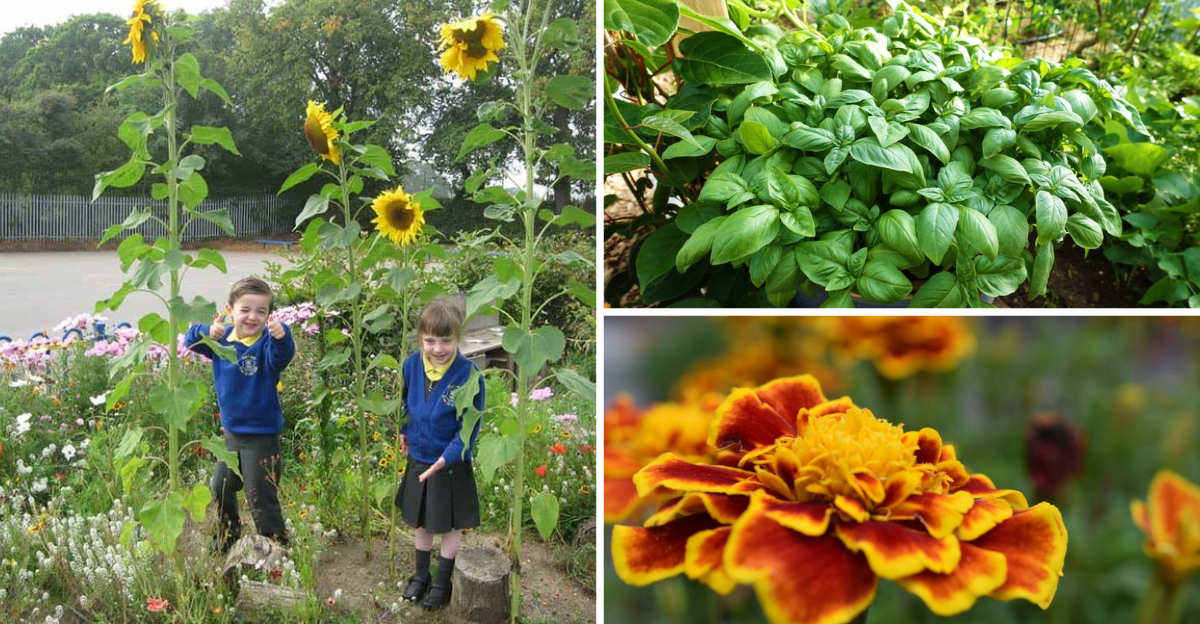
Creating a playground garden with kid-friendly plants not only enhances the beauty of the area but also provides a safe and engaging space for children to explore and learn about nature. These plants are selected for their non-toxic properties, resilience, and sensory appeal, making them ideal companions for young explorers. Whether it’s the vibrant colors of flowers or the soothing textures of leaves, each plant offers a unique experience that encourages curiosity and outdoor fun. Let’s dive into a world of playful greenery that’s perfect for little hands and curious minds.
1. Sunflower
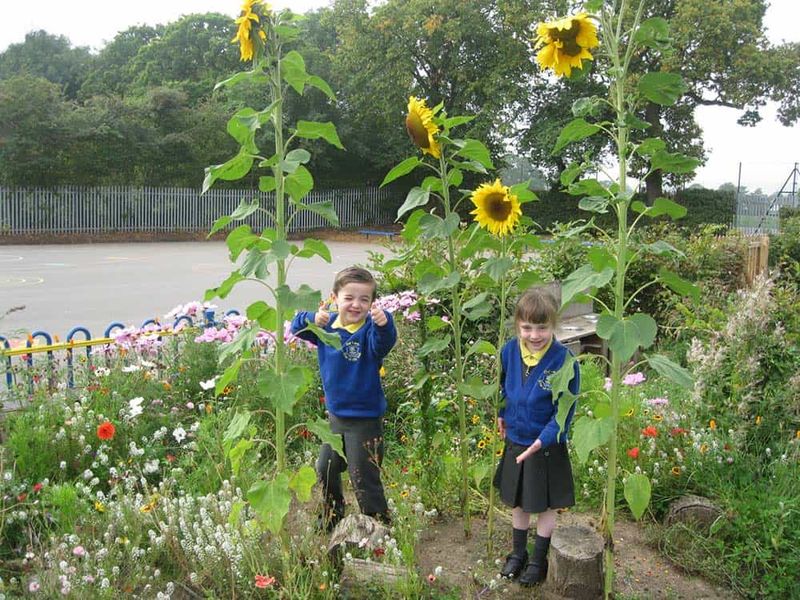
Sunflowers stand tall like cheerful guardians in a playground garden. Their bright, yellow faces seem to follow the sun, captivating young minds with their sunny disposition. Children love watching them grow from tiny seeds into towering plants that can reach impressive heights.
These flowers are not only visually appealing but also safe for children to touch and explore. The seeds can be harvested and roasted, offering a fun and tasty snack.
Did you know? Sunflowers have been known to grow as tall as 12 feet, making them a natural wonder for kids to marvel at.
2. Lavender
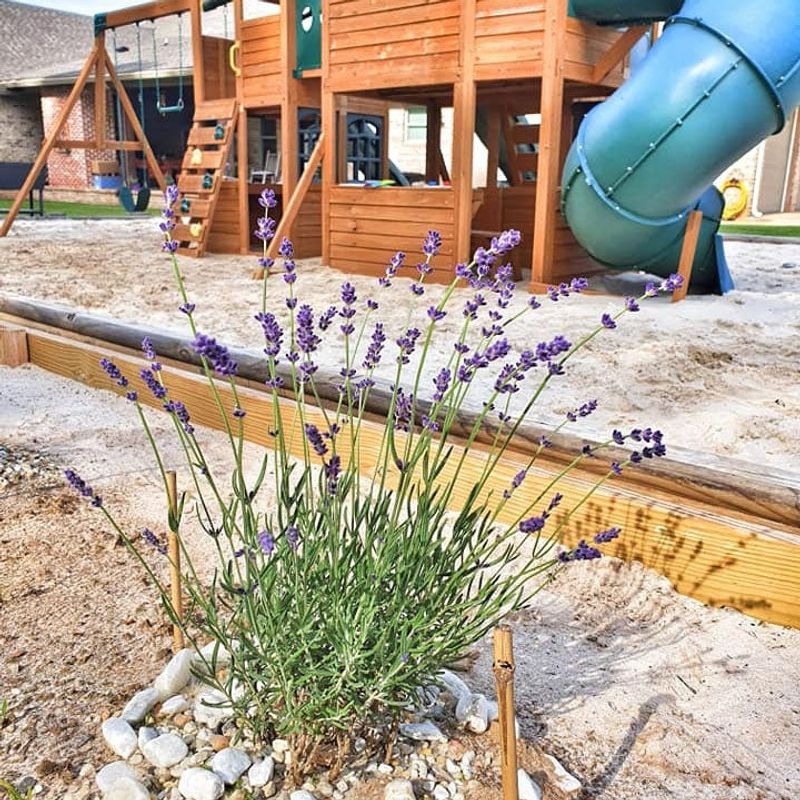
The soothing scent of lavender is like a calming embrace for the senses. Its delicate purple flowers and silvery foliage add a touch of elegance to any playground setting. Children enjoy the soft, velvety texture of its leaves and the calming aroma that fills the air.
Lavender is known for its ability to attract butterflies, turning the garden into a lively dance of colors. It’s perfect for children who are fascinated by these gentle creatures.
Fun fact: Lavender has been used for centuries in aromatherapy to promote relaxation and calmness.
3. Marigold
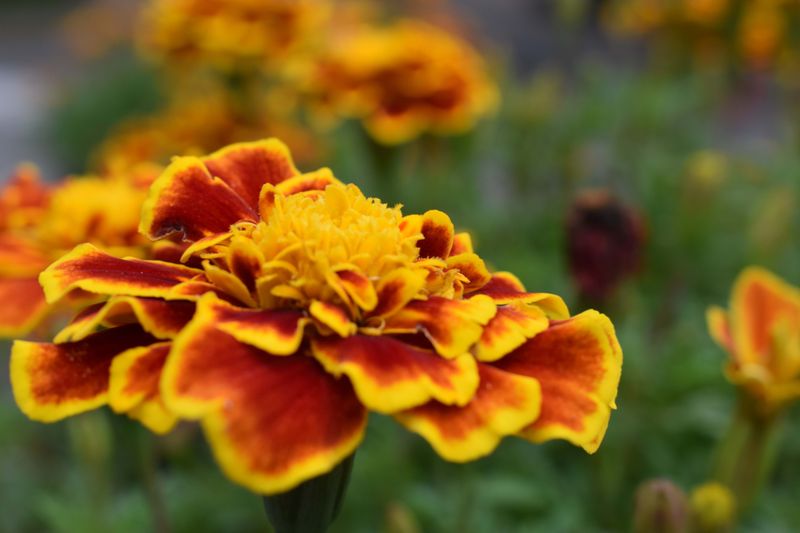
With its vibrant hues of orange and yellow, the marigold adds a splash of color that delights the eyes of young adventurers. Known for its hardy nature, this flower can withstand playful handling.
Marigolds are often planted in vegetable gardens because they help deter pests. This makes them an excellent companion plant for those little gardeners eager to learn about nature’s balance.
Did you know? Marigolds have a rich history in various cultures and are often used in celebrations for their symbolism of passion and creativity.
4. Snapdragon
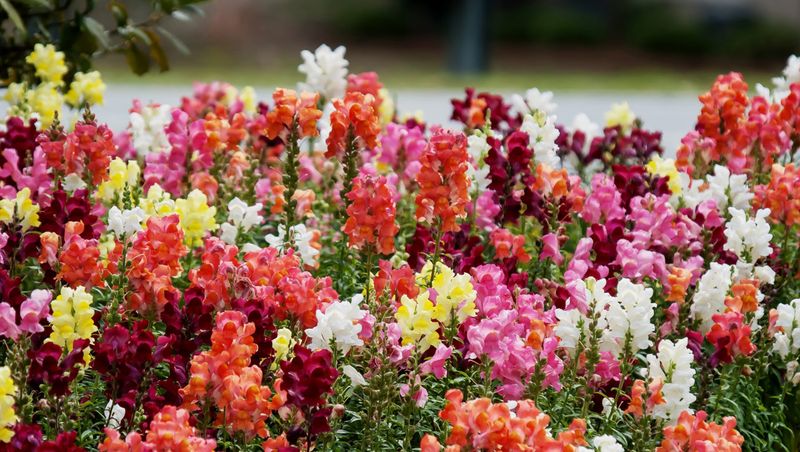
Snapdragons, with their whimsical dragon-shaped blooms, capture the imagination of children. These playful flowers come in a variety of colors, offering endless fascination. When gently squeezed, the blooms open and close like tiny dragon mouths.
Children enjoy this interaction, which brings a touch of magic to the garden. Snapdragon plants are also hardy and can thrive in various conditions, making them perfect for a robust playground environment.
Fun fact: The name “snapdragon” comes from the flower’s resemblance to a dragon’s mouth, complete with snapping jaws!
5. Zinnia
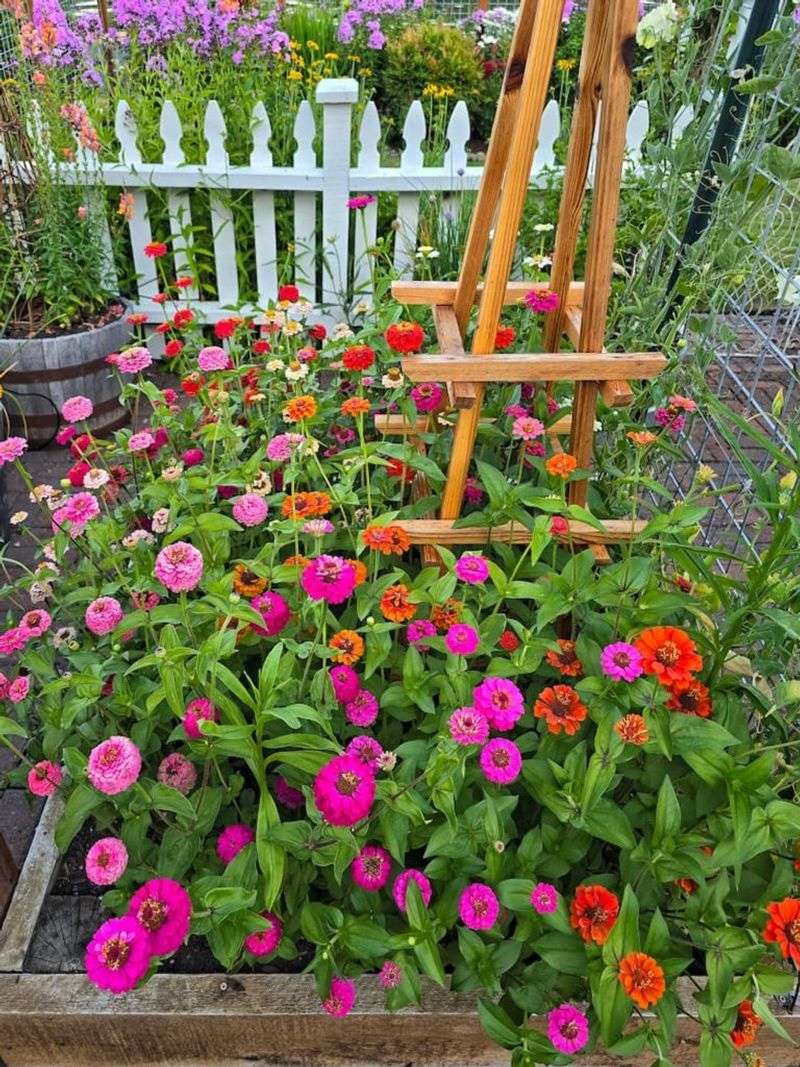
Zinnias are the confetti of the playground garden, bursting with a rainbow of colors. Their vibrant blooms are a feast for the eyes and are easy for children to grow, often blooming just weeks after sowing.
Kids can pick these flowers to create colorful bouquets or use them in art projects. Zinnias are also a favorite among butterflies, inviting these winged wonders to join in the garden fun.
Did you know? Zinnias symbolize lasting friendship and remembrance, making them a heartwarming addition to any child-friendly garden.
6. Nasturtium
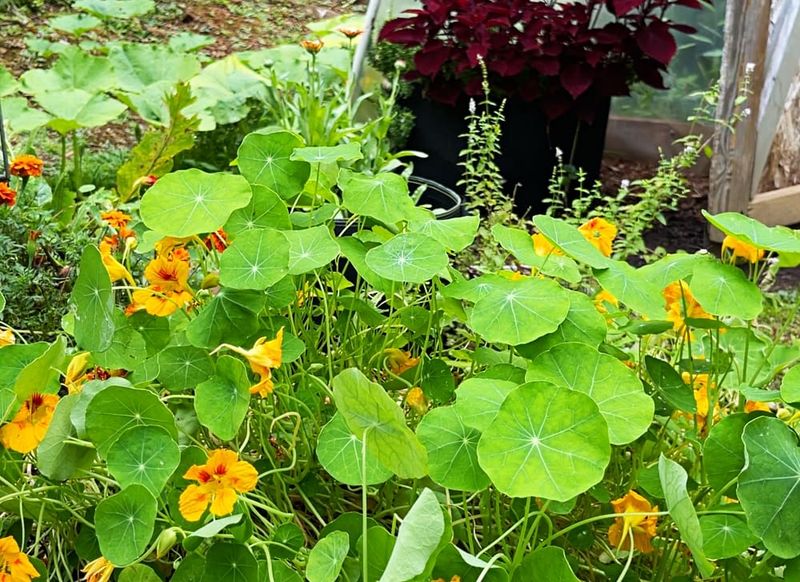
Nasturtiums bring a touch of whimsy with their round leaves and bright flowers. These plants are easy to grow and often used in edible gardens because of their peppery-tasting leaves and blossoms.
Children delight in picking and tasting these spicy treats, making gardening a sensory experience. Nasturtiums also attract beneficial insects, teaching young gardeners about ecosystem balance.
Fun fact: Nasturtium flowers were once popular among explorers for their high vitamin C content, preventing scurvy during long voyages.
7. Mint
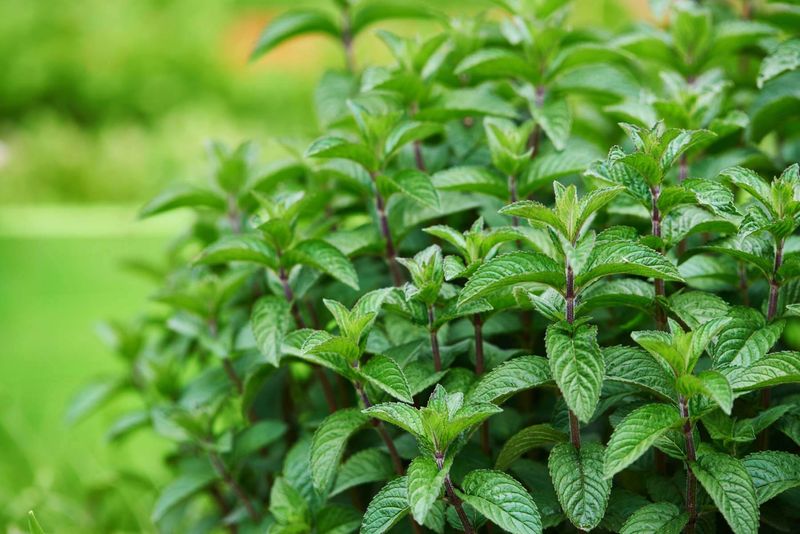
Mint leaves release a refreshing fragrance that’s invigorating and delightful. Children enjoy crushing the leaves in their hands to release the minty aroma, engaging their sense of smell and touch.
This hardy herb grows quickly and abundantly, making it perfect for little gardeners eager to see swift results. Mint also attracts pollinators, adding another layer of interaction with the natural world.
Did you know? Mint has been used throughout history for its cooling properties, and it’s often found in teas and culinary dishes.
8. Basil
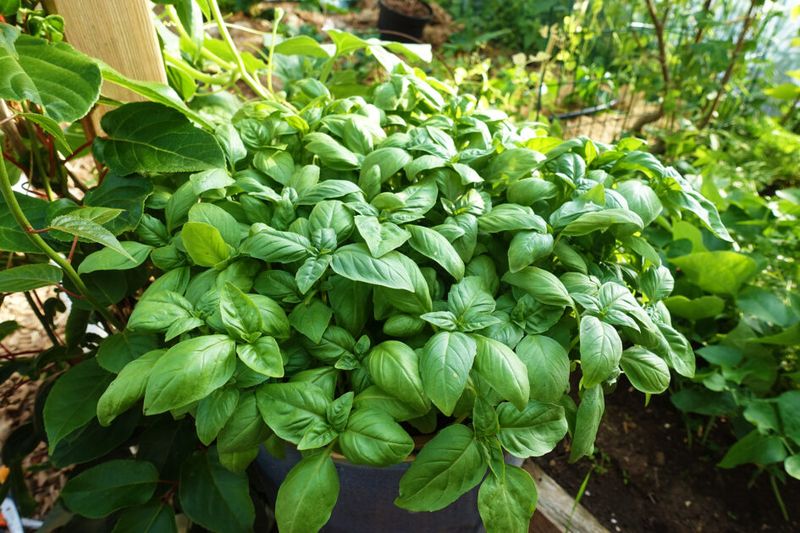
Basil’s aromatic leaves are an invitation to explore the world of scents. Children enjoy the distinct fragrance and the opportunity to taste fresh herbs straight from the garden.
It’s a versatile plant that adds a culinary twist to the playground, as kids can use it in homemade pizza or pasta sauces. Basil grows well in sunny spots and is easy to care for, making it a great choice for young gardeners.
Fun fact: In ancient times, basil was considered a symbol of love and good wishes.
9. Cherry Tomato
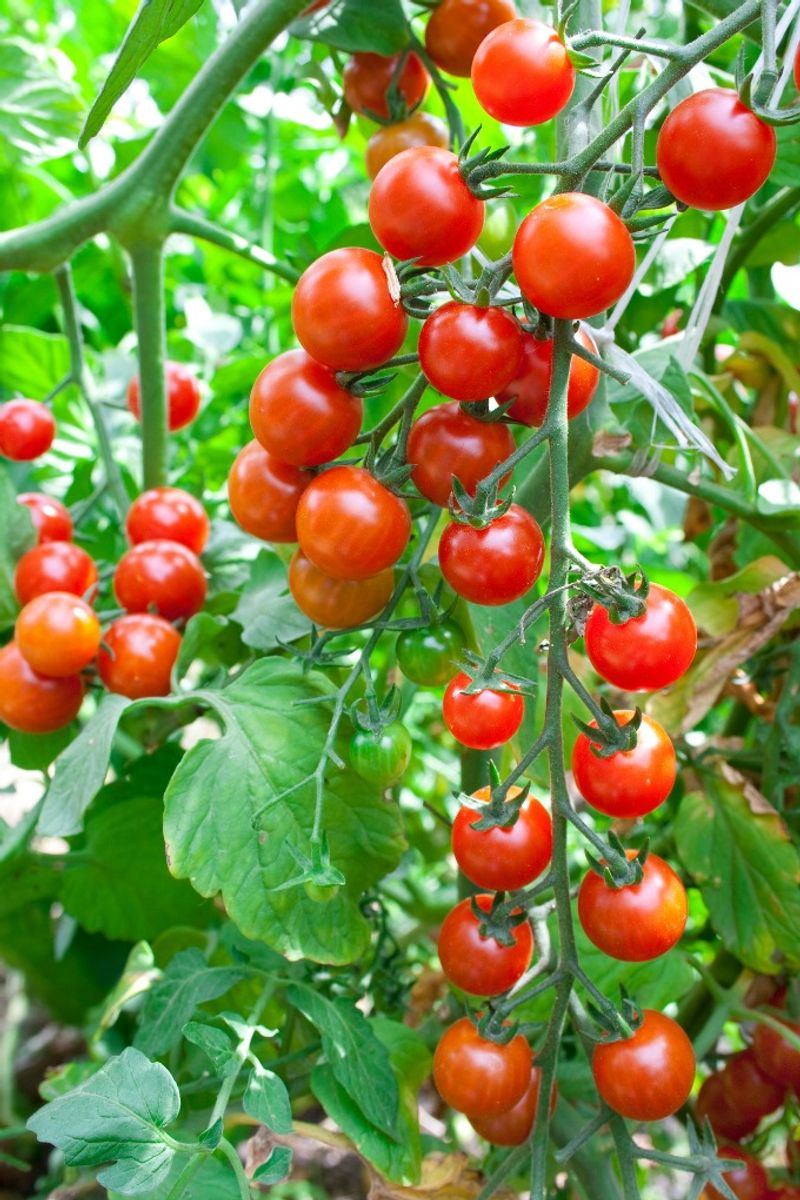
Cherry tomatoes are nature’s candy, bursting with flavor in every bite. These small, red gems are easy for little hands to pick and enjoy. The thrill of harvesting their own snacks encourages children to engage with plant life.
Tomato plants thrive in sunny playgrounds, adding a splash of color and taste. They’re a fantastic introduction to growing food, teaching kids where their meals come from.
Did you know? Cherry tomatoes were originally cultivated by the Aztecs and have been loved worldwide for their sweet taste and versatility.
10. Strawberry
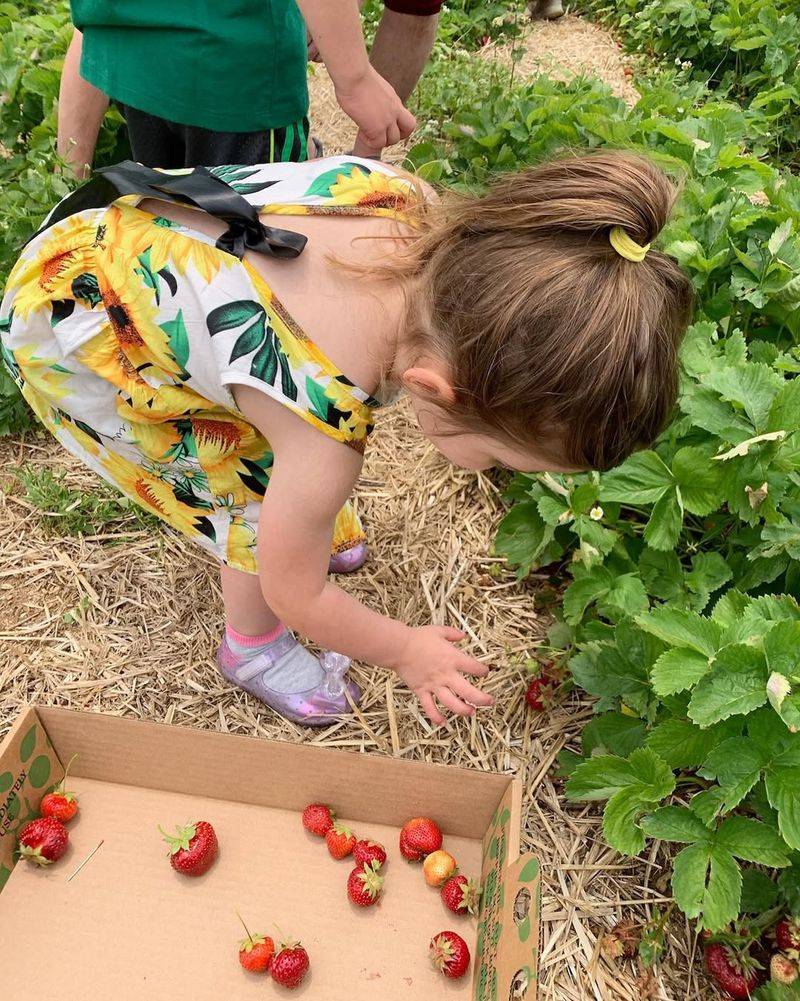
Strawberries offer a delicious treat that kids adore. The bright red berries are the perfect size for small hands, and their sweet taste is a delightful reward for young gardeners.
These plants are easy to grow and can be planted in pots or directly in the ground, making them versatile for playground gardens. Children enjoy watching the berries form and ripen, eager for the moment they can harvest their juicy snacks.
Fun fact: Strawberries are the only fruit with seeds on the outside, and each berry has about 200 seeds!
11. Pumpkin
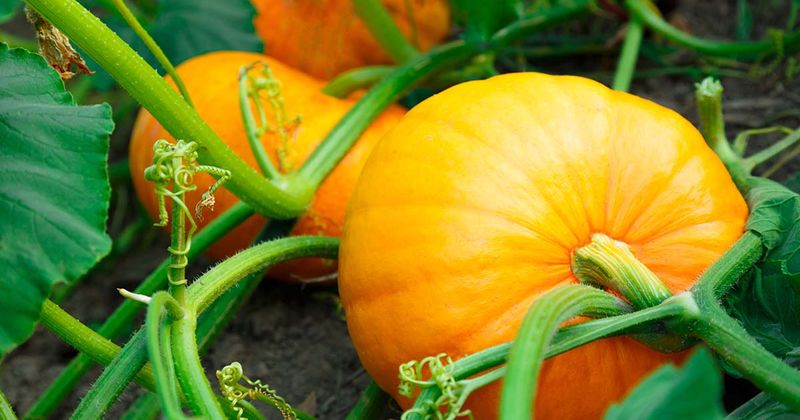
Pumpkins transform a playground garden into a land of enchantment. These large, orange fruits are a marvel as they grow, captivating children’s imaginations. Kids can watch pumpkins develop from tiny shoots to massive gourds.
The excitement of carving pumpkins during autumn adds a seasonal twist to the garden. Pumpkins are perfect for teaching patience, as they take time to mature and require care.
Did you know? Pumpkins are native to North America and were once used by Native Americans for food and medicinal purposes.
12. Lettuce
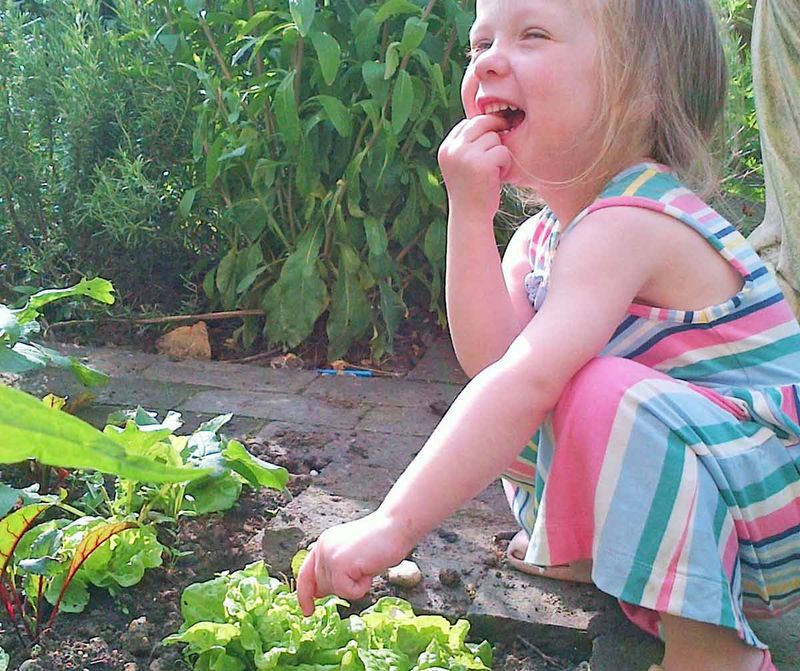
Lettuce offers a crisp and refreshing addition to the playground garden. Children enjoy picking the tender leaves, which can be used in salads or sandwiches. Its quick growth makes it a rewarding plant for young gardeners.
Lettuce is easy to grow in various conditions, allowing kids to experiment with gardening techniques. It’s a great way to introduce children to healthy eating habits and the concept of growing their own food.
Fun fact: Lettuce was first cultivated by the ancient Egyptians, who prized it for its nutritious leaves.
13. Carrot
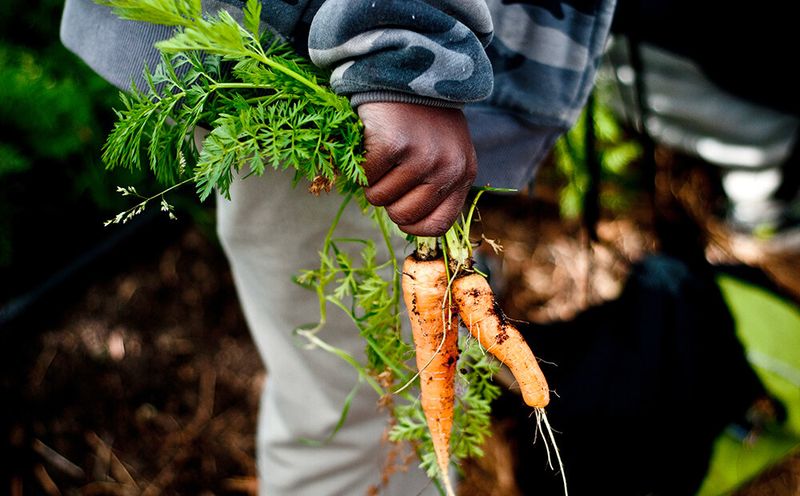
Carrots provide a root vegetable surprise beneath the soil. Kids love the anticipation of pulling up these orange treasures, discovering the hidden gems below. Their sweet taste is an added bonus.
Growing carrots teaches patience and the rewards of nurturing plants over time. The vibrant green tops add a touch of color to the garden, making it visually appealing.
Did you know? Carrots were originally purple, and the orange variety was developed in the Netherlands in honor of the House of Orange.
14. Peas

Peas are like nature’s candy, nestled inside their green pods. Children delight in popping open the pods to discover the sweet peas hidden inside. These plants are easy to grow and climb, adding vertical interest to the playground garden.
Peas are a great way to teach kids about plant life cycles and the importance of legumes in enriching soil. They also provide a tasty and nutritious snack straight from the vine.
Fun fact: Peas have been cultivated for thousands of years and were a staple food in ancient Egypt and Greece.
15. Radish
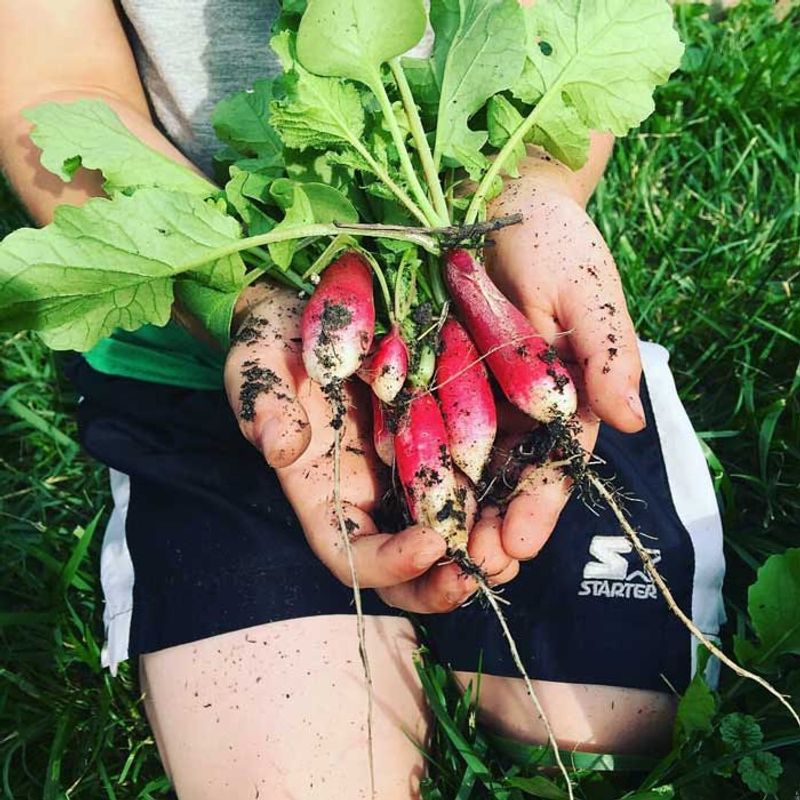
Radishes add a peppery twist to the playground garden. These root vegetables grow quickly, offering a speedy reward for eager young gardeners. Kids enjoy pulling the bright red radishes from the soil, revealing their crunchy bounty.
Radishes are perfect for teaching about plant growth and the benefits of root vegetables. They’re also a colorful addition to salads and snacks.
Did you know? Radishes were one of the first cultivated crops and have been grown by humans for thousands of years, dating back to ancient civilizations.
16. Cucumber
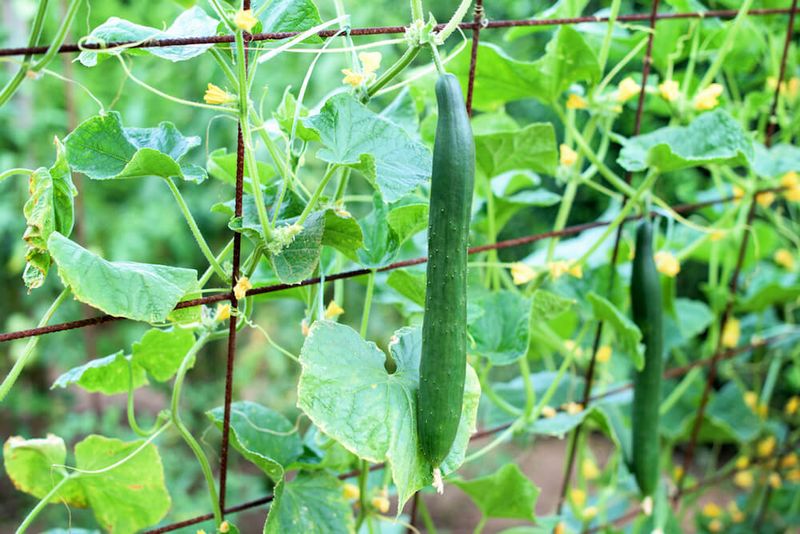
Cucumbers bring a cool, refreshing touch to the playground garden. Their crisp texture and hydrating properties make them a favorite among kids, especially during warm weather.
These vining plants can be grown on trellises, creating a fun, leafy hideaway for children to explore. Cucumbers are easy to care for and provide an abundant harvest, teaching kids about the joys of gardening.
Fun fact: Cucumbers are made up of 95% water, making them an excellent hydrating snack for hot days.
17. Sweet Corn
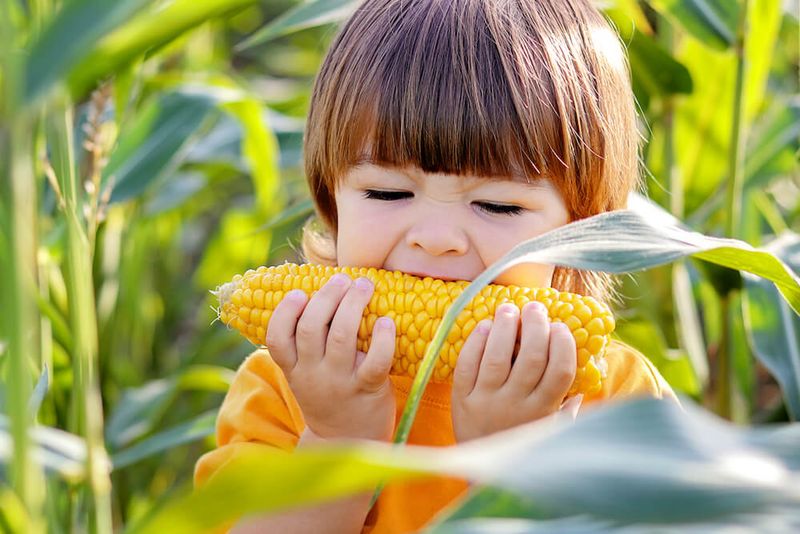
Sweet corn stands tall in the playground garden, offering a taste of summer with every bite. Children eagerly watch as the cobs develop, enjoying the anticipation of harvesting their own corn.
Growing corn teaches patience and the benefits of teamwork, as it requires pollination from neighboring plants to thrive. The rustling leaves add a soothing sound to the garden, enhancing the sensory experience.
Did you know? Corn was first domesticated by indigenous peoples in southern Mexico over 10,000 years ago.
18. Sunflower
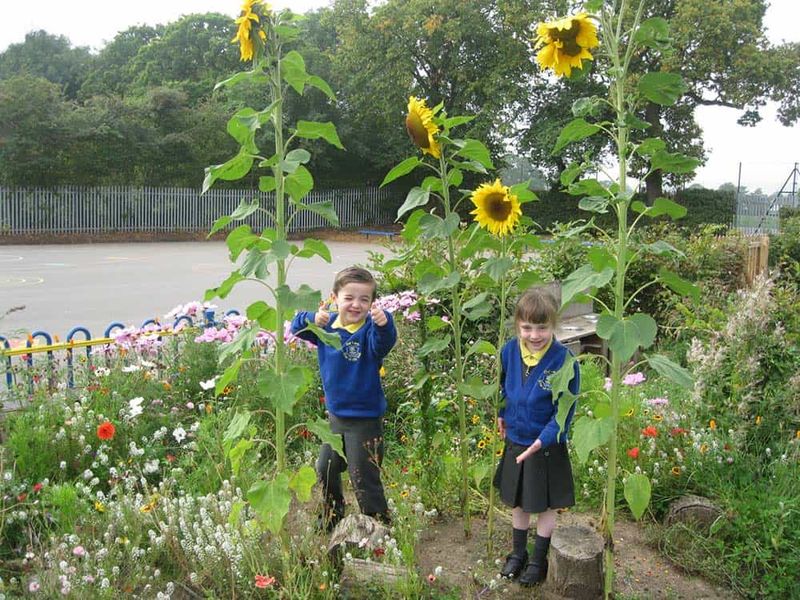
Sunflowers stand tall like cheerful guardians in a playground garden. Their bright, yellow faces seem to follow the sun, captivating young minds with their sunny disposition. Children love watching them grow from tiny seeds into towering plants that can reach impressive heights.
These flowers are not only visually appealing but also safe for children to touch and explore. The seeds can be harvested and roasted, offering a fun and tasty snack.
Did you know? Sunflowers have been known to grow as tall as 12 feet, making them a natural wonder for kids to marvel at.
19. Lavender
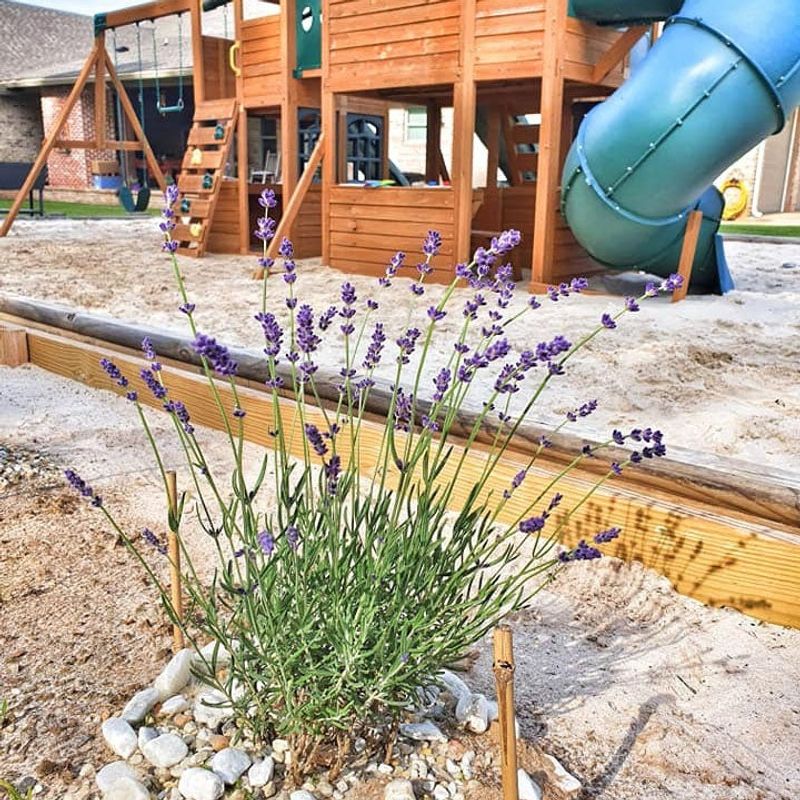
The soothing scent of lavender is like a calming embrace for the senses. Its delicate purple flowers and silvery foliage add a touch of elegance to any playground setting. Children enjoy the soft, velvety texture of its leaves and the calming aroma that fills the air.
Lavender is known for its ability to attract butterflies, turning the garden into a lively dance of colors. It’s perfect for children who are fascinated by these gentle creatures.
Fun fact: Lavender has been used for centuries in aromatherapy to promote relaxation and calmness.
20. Marigold
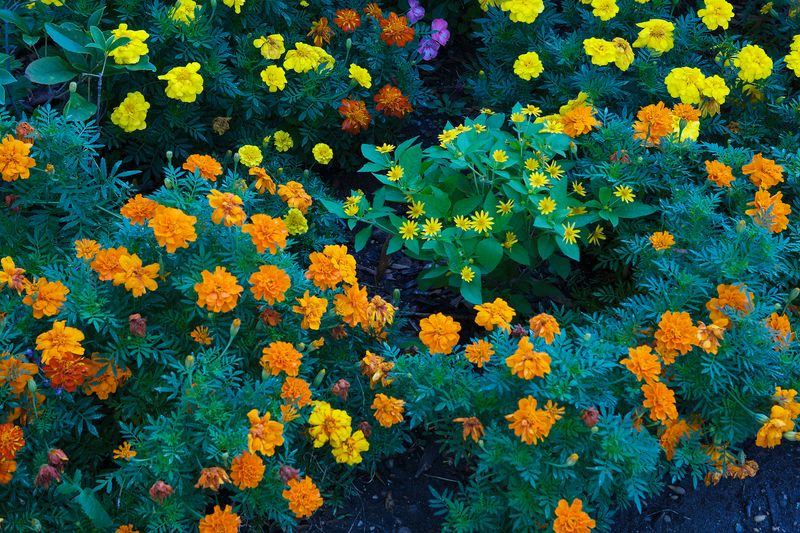
With its vibrant hues of orange and yellow, the marigold adds a splash of color that delights the eyes of young adventurers. Known for its hardy nature, this flower can withstand playful handling.
Marigolds are often planted in vegetable gardens because they help deter pests. This makes them an excellent companion plant for those little gardeners eager to learn about nature’s balance.
Did you know? Marigolds have a rich history in various cultures and are often used in celebrations for their symbolism of passion and creativity.