 Complete Gardening

Houseplants bring life and color to our homes, but keeping them thriving can sometimes be a challenge. From understanding their water needs to ensuring they get the right light, there’s a lot to consider. Here are 20 essential hacks to elevate your plant care game, ensuring your leafy companions stay lush and healthy.
1. Check Soil Moisture Before Watering
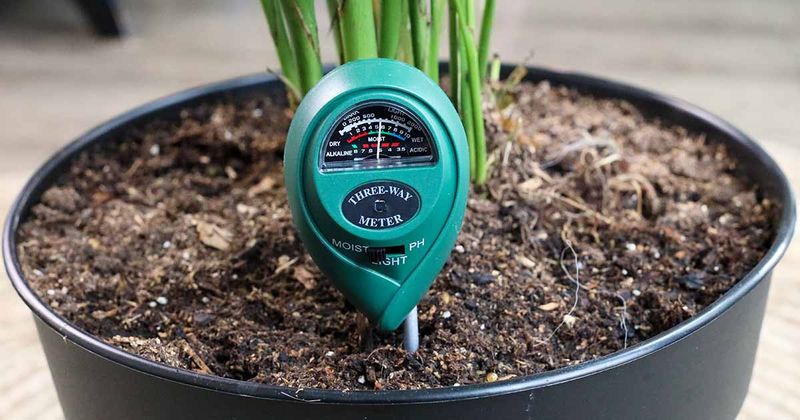
Before you reach for that watering can, take a moment to assess your plant’s soil moisture. Overwatering is a common mistake that leads to plant distress. Use a moisture meter or simply insert your finger an inch into the soil. If it feels dry, it’s time to water. If it’s still damp, hold off. By understanding your plant’s water needs, you’re ensuring its roots can breathe and thrive. This simple habit prevents root rot and keeps your plant happy. Consistently checking soil moisture can save you from many a plant woe.
2. Use Well‑Draining Mixes
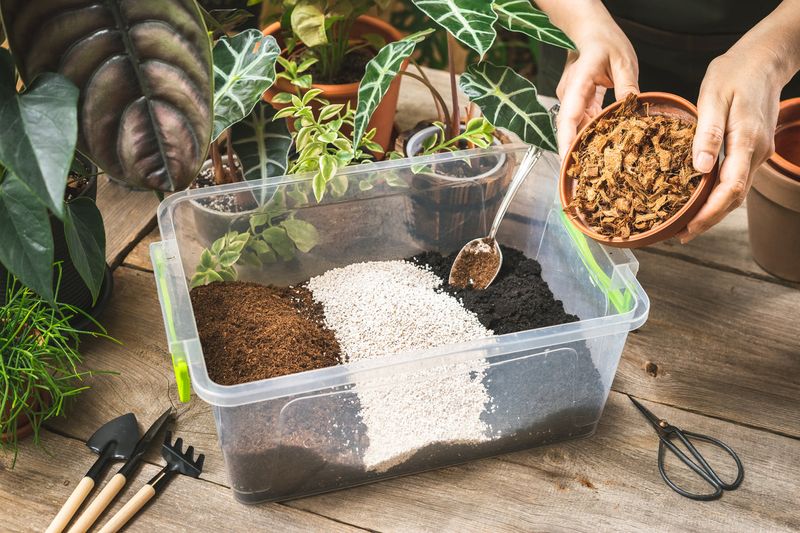
Using the right soil mix can make a world of difference for your houseplants. Well-draining mixes, like those incorporating perlite or orchid bark, allow excess water to escape, protecting roots from rot. When roots sit in waterlogged soil, they suffocate and rot, leading to wilting leaves. A well-aerated mix provides the perfect balance of moisture retention and drainage, allowing plants to access the water they need without drowning. Think of it as creating a cozy, breathable environment for your plant’s roots to thrive and flourish.
3. Self‑Water with Pebble Trays

Elevate your plant care strategy with pebble trays! Simply place your plant’s pot on a tray filled with pebbles and water. This not only adds humidity to the air but also allows roots to absorb moisture as needed. It’s a passive watering system that’s especially beneficial for those who forget to water regularly. The evaporating water creates a mini-humidity zone, which many houseplants love. Plus, it adds a decorative touch to your plant display. This hack is a win-win for both aesthetics and plant health.
4. Rotate Regularly

Plants naturally grow towards the light, which can lead to uneven growth if they’re not rotated. By giving your plant a quarter-turn every week, you ensure that all sides receive equal light. This simple habit promotes a well-balanced, aesthetically pleasing plant. It also helps prevent lopsided growth, which can make plants topple over. Regular rotation is especially important for plants in low-light areas, as it maximizes their exposure to available light. Keep your plant looking its best with this easy, mindful practice.
5. Wipe Leaves Clean
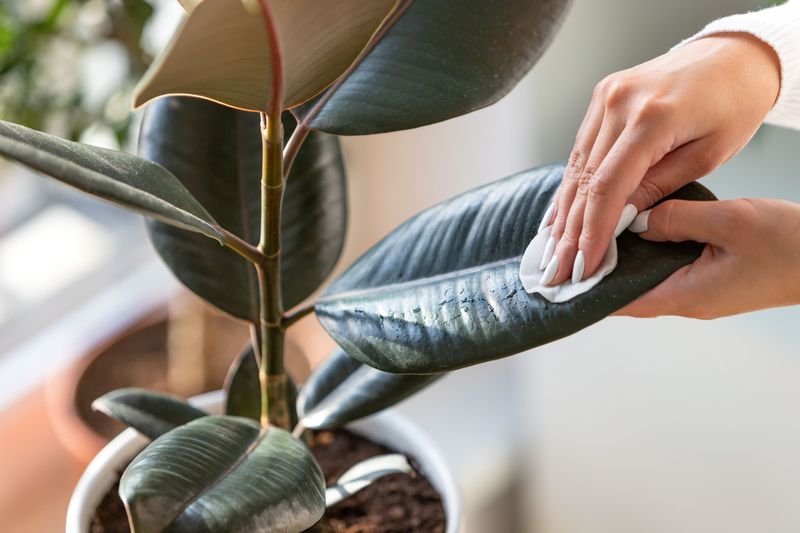
Dusty leaves can hinder a plant’s ability to photosynthesize effectively. Gently wiping your plant’s leaves with a damp cloth not only keeps them clean but also boosts their ability to absorb light. It’s also an excellent opportunity to inspect for pests or signs of disease. Clean leaves breathe better and look more vibrant. Plus, it’s a great way to bond with your plant, giving it some much-needed TLC. Regular cleaning keeps your plant healthy and allows you to catch potential issues early.
6. Mist Mindfully
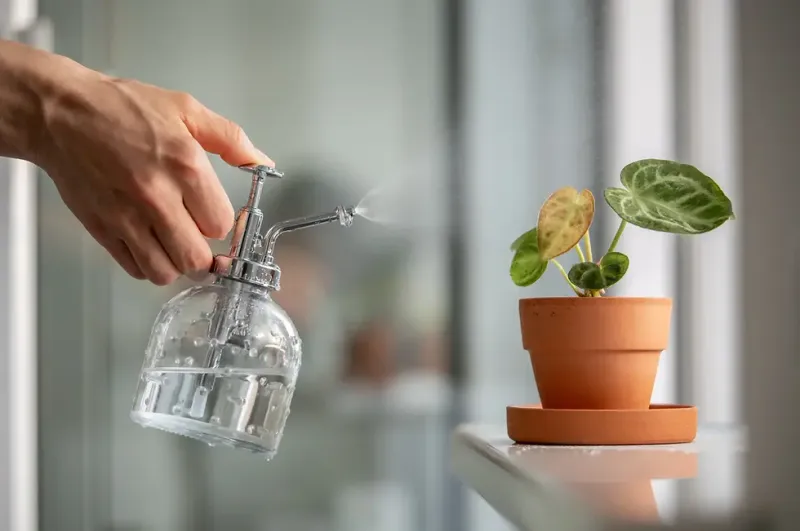
Misting can be a beneficial practice for plants that thrive in high humidity, such as ferns and tropical species. However, it’s crucial to mist in the morning, allowing time for leaves to dry before nightfall. This prevents fungal diseases caused by prolonged moisture. Not all plants appreciate misting, so it’s important to know your plant’s specific needs. Misting can mimic the natural environment of rainforests, providing a refreshing moisture boost. Done right, it enhances your plant’s health and vitality.
7. Group for Humidity
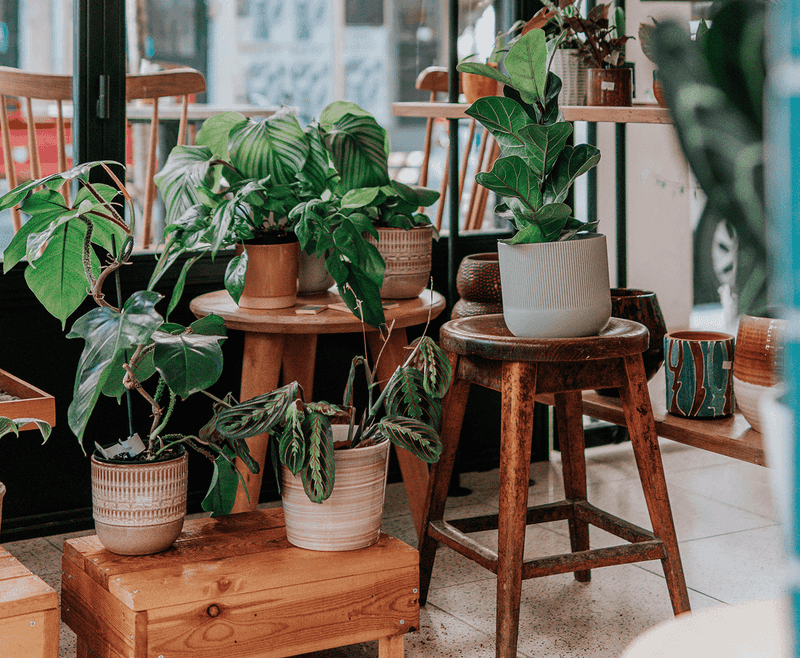
Creating a micro-humidity zone by grouping moisture-loving plants together can significantly benefit them. Plants naturally release moisture through transpiration, and when grouped, they create a humid environment that mimics their native habitats. This setup is not only functional but also visually appealing, turning your plant corner into a lush oasis. By clustering plants that have similar water and light needs, you ensure they’re all thriving together. This hack is an easy way to boost humidity without any extra equipment.
8. Use Warm Water
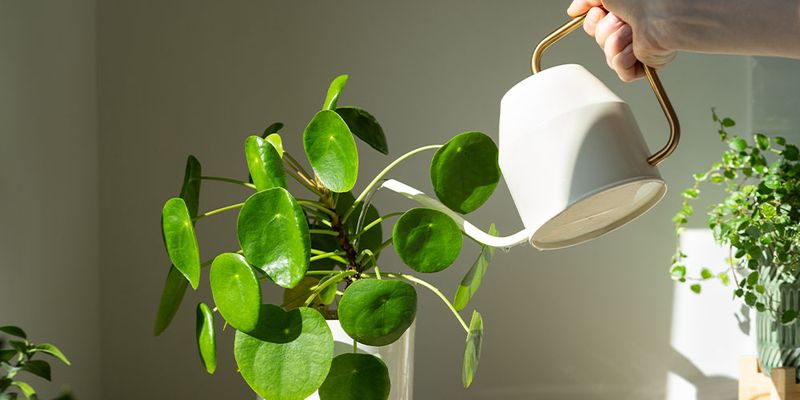
Cold water can shock a plant’s roots, especially during the winter months. Using water that’s at room temperature is gentler and more akin to a plant’s natural environment. It ensures that roots can absorb moisture without stress. This small adjustment in watering routine can prevent root shock and promote overall plant health. As plants are sensitive to temperature changes, consistency in watering temperature can make a big difference. It’s a simple hack that ensures your plants are comfortable and thriving.
9. Propagate Fallen Leaves
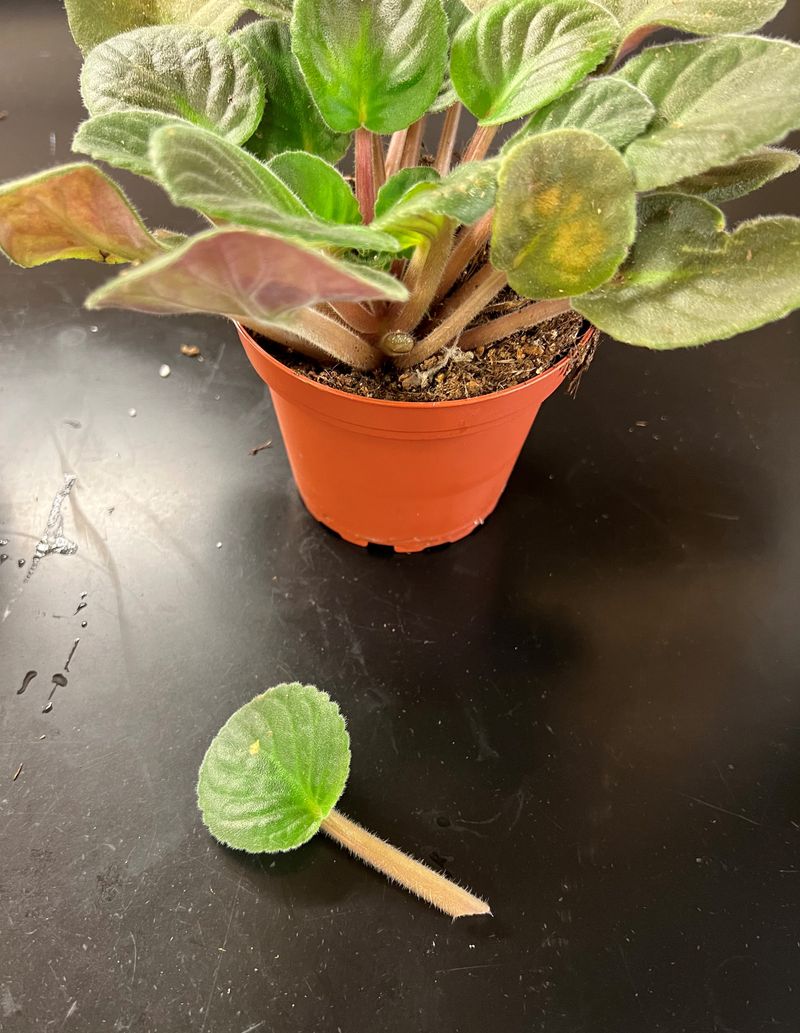
Don’t discard those fallen leaves just yet! Many plants, especially succulents and begonias, can be propagated from leaves that have dropped. Place these leaves on a moist substrate and watch them develop roots over time. It’s a rewarding way to multiply your plant collection without spending extra money. Propagation is also a fun and educational process that can engage both children and adults. Watching new growth emerge from a single leaf is truly fascinating and a testament to nature’s resilience.
10. Check for Pests Early
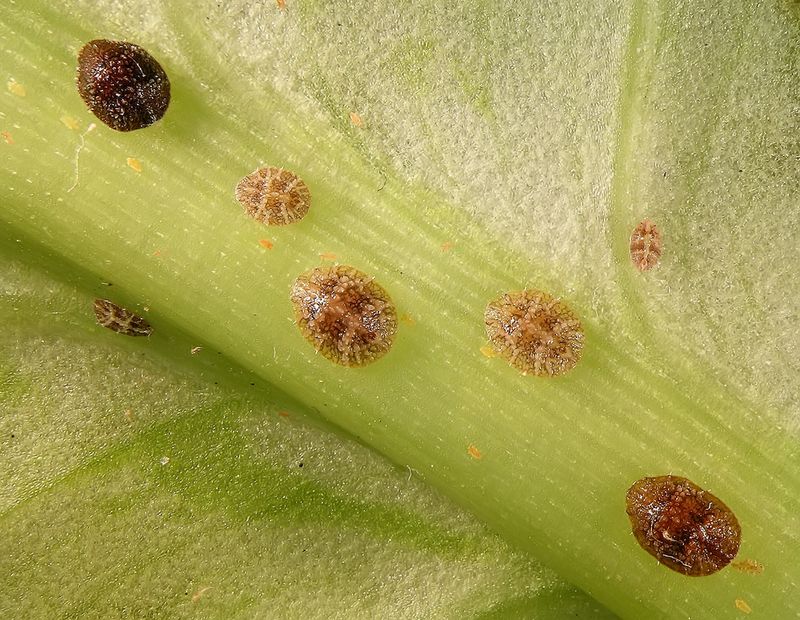
When bringing a new plant home, it’s crucial to quarantine it for a week or two to check for pests. This simple precaution can save your entire collection from an infestation. Look for signs of insects, such as webbing or sticky residue, which can indicate problems like spider mites or aphids. Early detection allows for swift action, preventing pests from spreading to other plants. Regularly inspecting your plants also keeps you attuned to their health and needs. Protect your green friends with this vigilant practice.
11. Bottom‑Water Heavy Drinkers
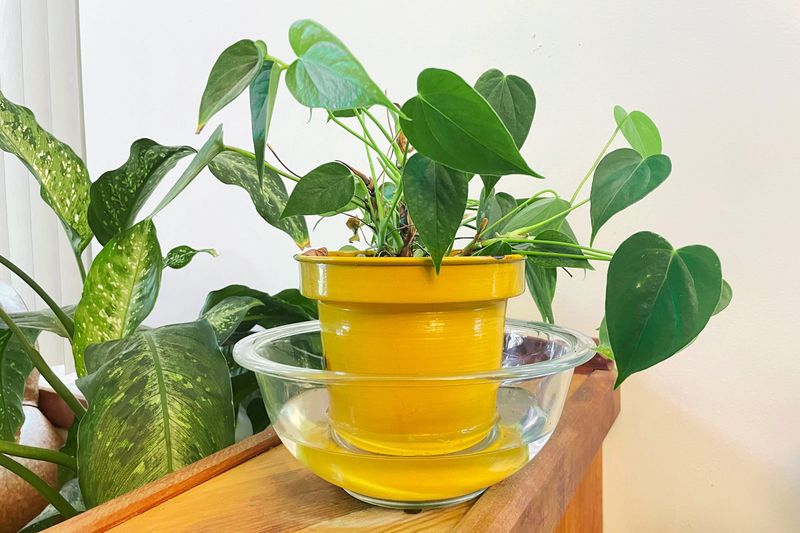
For plants that require more hydration, bottom watering is an effective technique. By placing the pot in a shallow dish of water, the roots can absorb moisture directly. This method ensures even hydration and prevents surface soil from becoming too compacted. It’s especially useful for large plants or those in terracotta pots, which can dry out quickly. Bottom watering also helps avoid overwatering, as excess water drains away naturally. This technique keeps your thirsty plants well-hydrated and thriving.
12. Feed Sparingly

Feeding your plants the right amount of nutrients is crucial for their growth. Use half-strength fertilizer during their active growing season to avoid overfeeding. It’s important not to feed them when they’re dormant, as they don’t require as many nutrients. Over-fertilizing can lead to salt buildup in the soil, affecting root health. By feeding sparingly, you provide your plants with just what they need to thrive without overwhelming them. This balanced approach promotes strong and healthy growth.
13. Prune Yellow Leaves Immediately
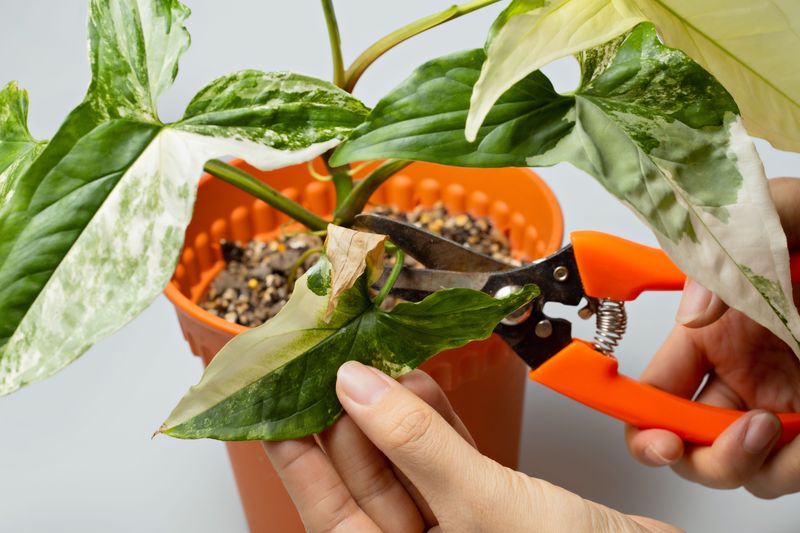
Yellow leaves can be a sign of stress in plants. Promptly removing them redirects the plant’s energy to healthier areas, encouraging new growth. Pruning also improves airflow around the plant, reducing the risk of disease. It’s essential to cut the leaf at its base to prevent leaving an open wound on the plant. Regular pruning keeps your plant looking tidy and vibrant. By addressing yellow leaves promptly, you maintain a lush and thriving indoor garden.
14. Use Light‑Reflecting Mulch
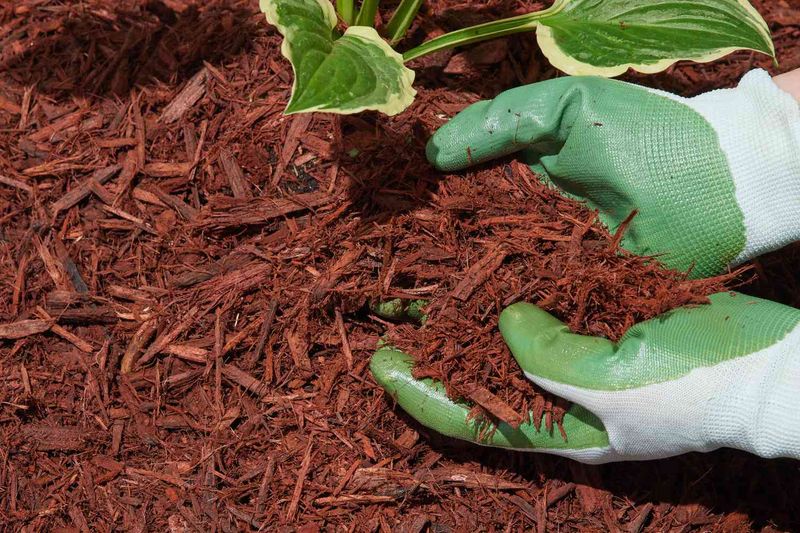
Enhance your plant’s light exposure by adding light-reflecting mulch, such as white pebbles or sand, to the soil surface. This simple addition bounces extra light back up to the lower leaves, maximizing photosynthesis. It not only benefits your plant’s growth but also adds a decorative touch to your pots. The reflected light helps plants in low-light areas get the most from their environment. With this hack, you can boost your plant’s light intake without additional equipment.
15. Switch Pots When Root‑Bound

When you notice roots circling the edge of a pot, it’s time for an upgrade. Repotting into a slightly larger container allows roots to spread and access more nutrients. It promotes healthy growth and prevents the plant from becoming root-bound, which can stunt its development. Fresh soil also provides a renewed source of nutrients. Transplanting can be a rejuvenating process for both plant and owner, offering a fresh start. Remember to handle roots gently to minimize stress.
16. Monitor Room Temperature

Temperature plays a crucial role in plant health, particularly for tropical species. Keeping your plants in a room that’s consistently above 60°F (16°C) helps them thrive. Avoid placing them near drafts, heat vents, or air conditioners, as sudden temperature changes can stress them. Observing your plant’s temperature needs ensures a stable environment where they can flourish. It’s an often-overlooked aspect of plant care that has a significant impact on growth and vitality.
17. DIY Humidity Dome
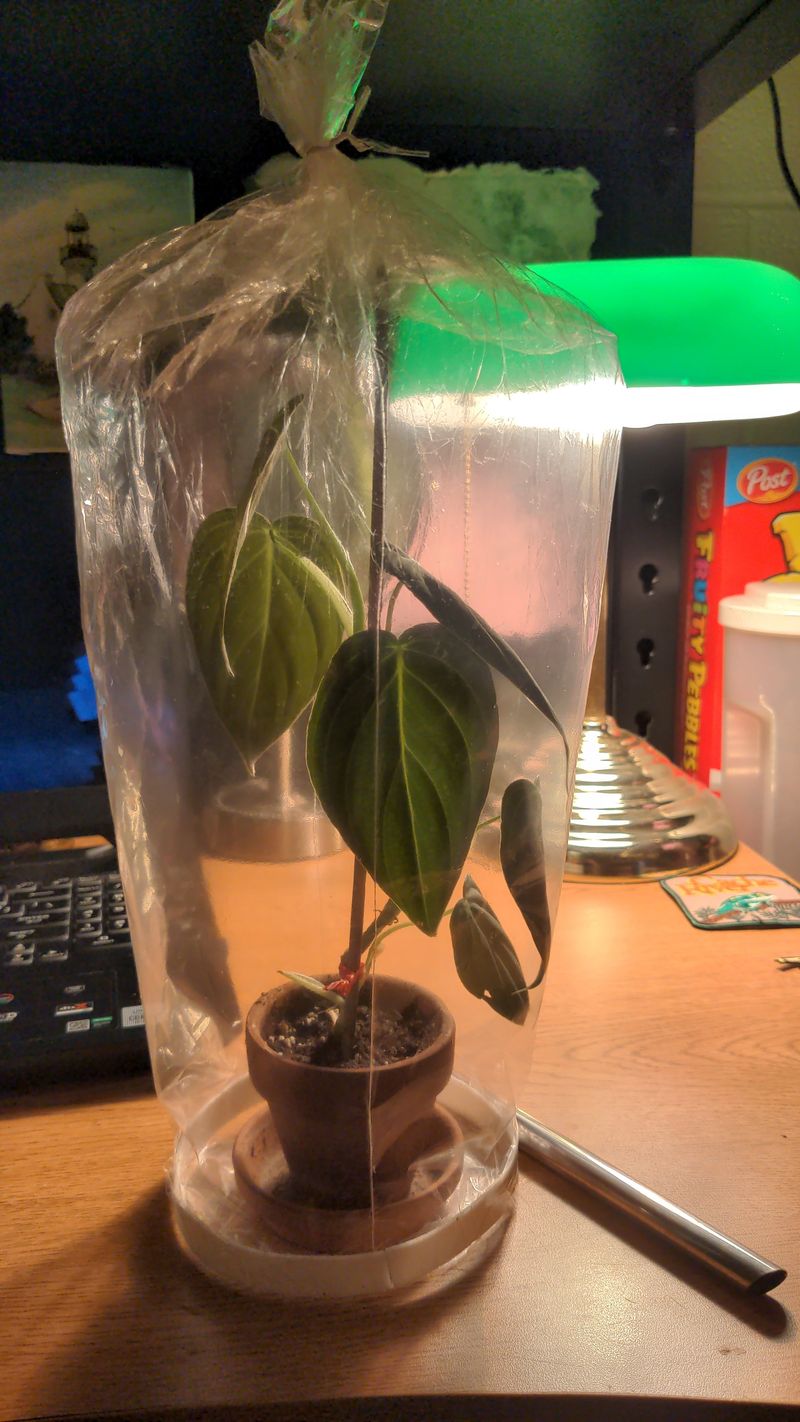
Create a nursery-style humidity environment for your plants with a DIY humidity dome. Covering small pots with a clear plastic bag traps moisture and keeps humidity levels high, ideal for delicate plants or those recovering from repotting. Ensure the bag is vented to allow for air circulation. This simple setup mimics the high-humidity conditions of a greenhouse, promoting robust growth. It’s a cost-effective way to provide extra care when your plants need it most, especially during dry seasons.
18. Use Grow Lights on a Timer
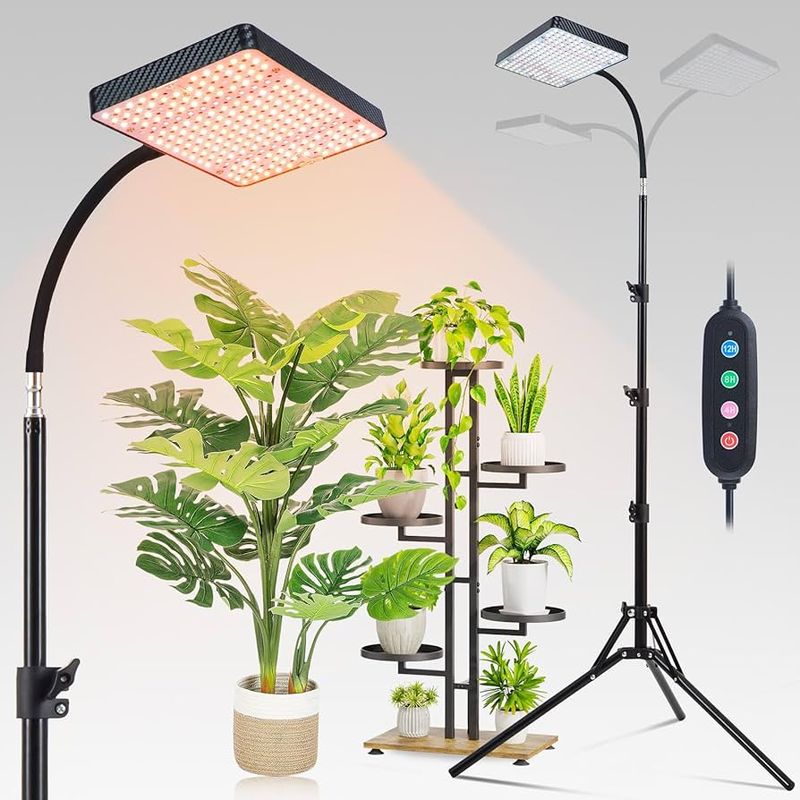
In darker months, grow lights can be a lifeline for your indoor plants. Setting them on a timer ensures your plants receive a consistent 12-14 hours of light daily, mimicking natural daylight cycles. This consistency supports healthy photosynthesis and growth, especially in rooms lacking natural light. Grow lights offer flexibility, allowing you to cultivate plants in any part of your home. They are an investment in your plant’s wellbeing, ensuring they remain vibrant year-round.
19. Clean Pots During Repotting
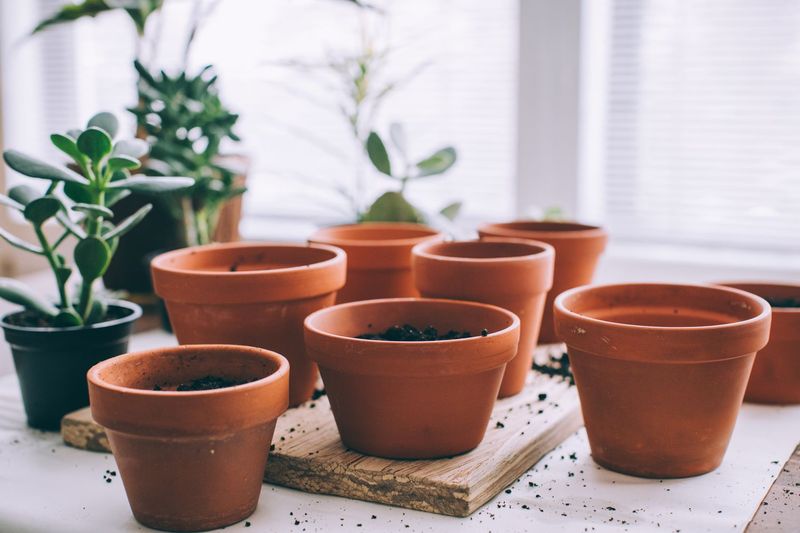
When it’s time to repot, don’t forget the pots themselves! Cleaning containers with a diluted bleach solution prevents soil-borne diseases from transferring to fresh soil. It’s a small step that can make a big difference in your plant’s health. Ensuring your pots are free from pathogens before introducing new plants safeguards against potential issues. This thorough cleaning process promotes a healthy start for your plants, reducing the risk of disease. It’s a simple practice that pays off in healthier, happier plants.
20. Label New Varieties Immediately
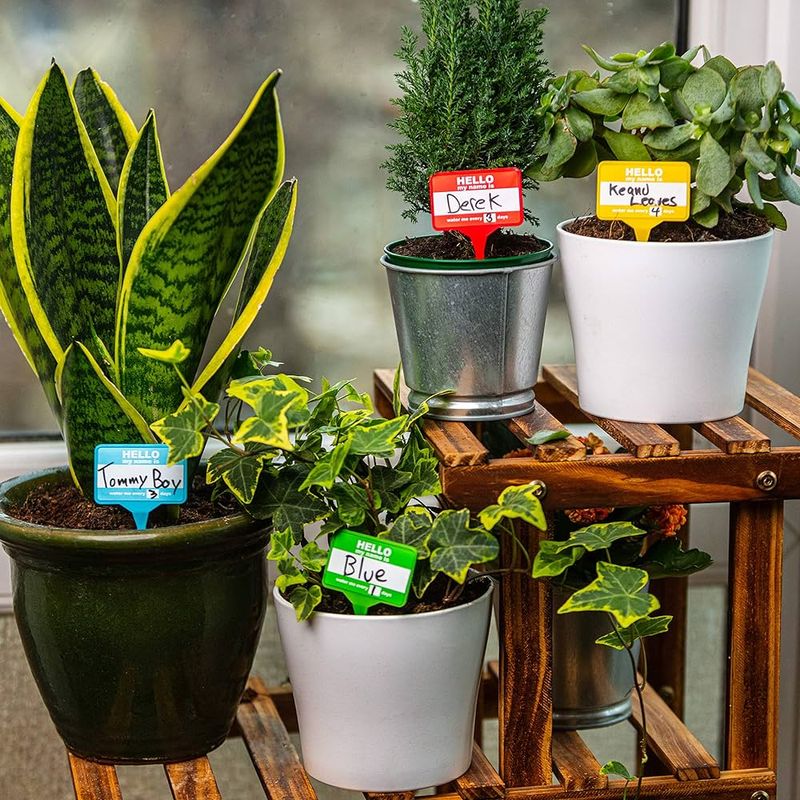
Adding new plant varieties to your collection can be exciting, but don’t forget to label them immediately. Keeping track of your plants’ names and specific care instructions prevents confusion later on. Labeling helps you remember watering schedules, light preferences, and other care details, ensuring each plant receives optimal care. It’s a straightforward practice that enhances your plant parenting skills. Good organization can save you time and stress, allowing you to enjoy your green companions to the fullest.