 Complete Gardening
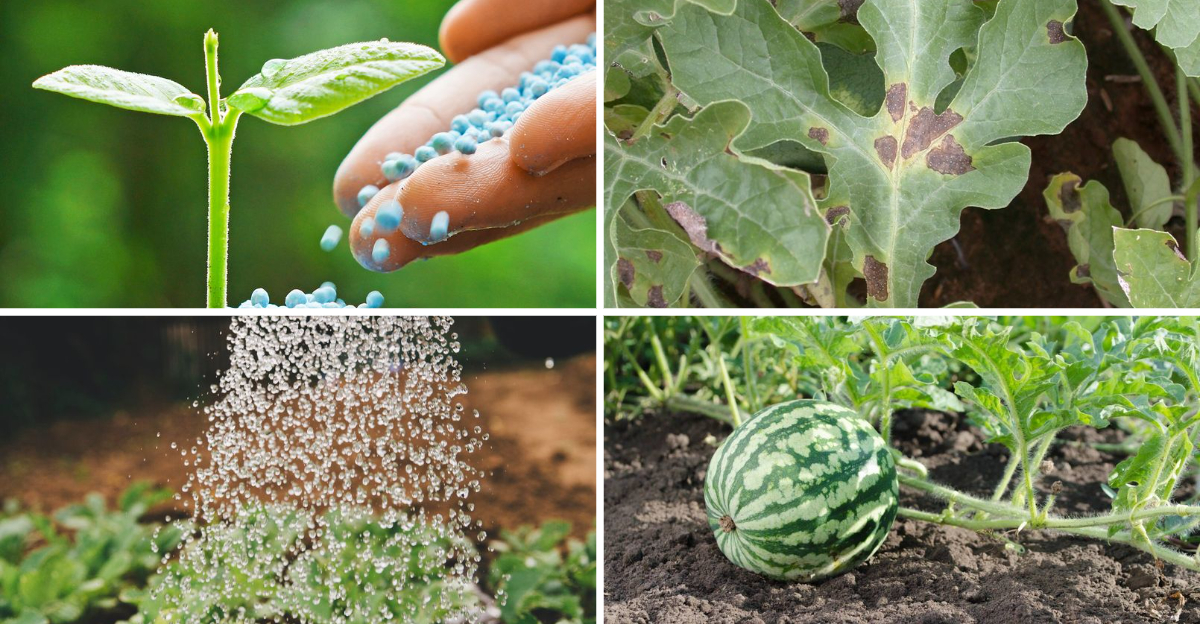
Growing melons can be a rewarding endeavor, but there are common pitfalls that can hinder your success. Whether you’re a seasoned gardener or a beginner, knowing what to avoid is crucial. In this guide, we’ll explore 20 mistakes to steer clear of, ensuring your melon-growing journey is fruitful and enjoyable.
1. Overwatering Your Melon Plants
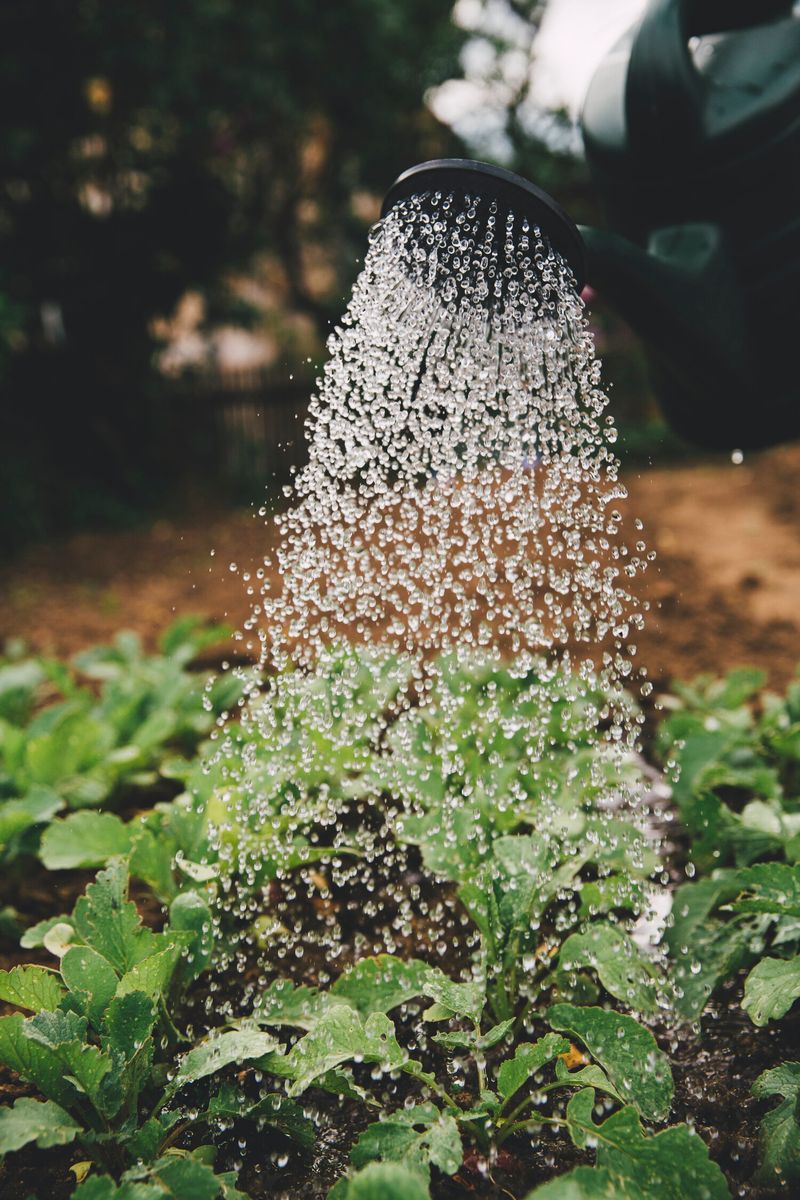
Imagine a lush garden with melons thriving under the sun. Now picture your excitement turning to dismay as overwatering causes the roots to rot. Water management is crucial; too much can drown your plants.
There should be a balance. The soil needs to be moist, not soggy. Overwatering can lead to diseases, negatively affecting melon quality.
Proper drainage and soil checks can prevent this mistake from happening. Remember, a little water goes a long way in nurturing healthy roots.
2. Ignoring Proper Sunlight Needs
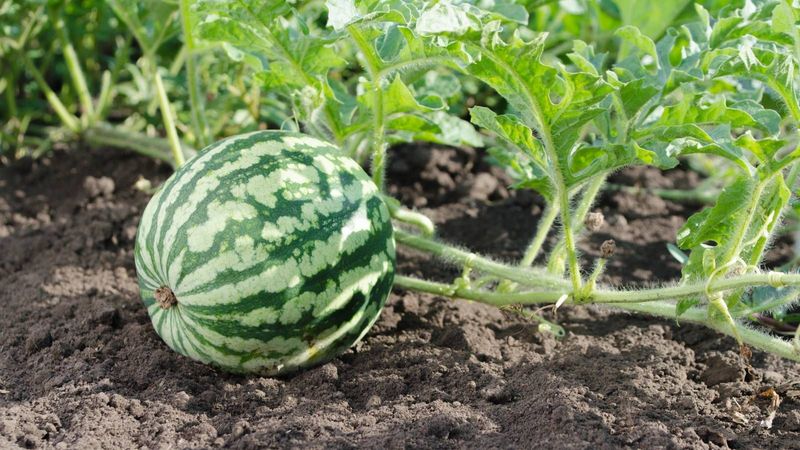
Melons basking under full sunshine will flourish, producing sweet and juicy fruits. Failing to provide enough sunlight can stunt their growth.
Position your plants where they receive ample sunlight, ideally 8-10 hours a day. Without this, melons may grow weak and yield poorly.
Consider the sun’s path in your garden. Avoid placing melons in the shadow of taller plants or structures. This common oversight can be easily rectified by planning your garden layout carefully.
3. Planting Melons Too Close Together
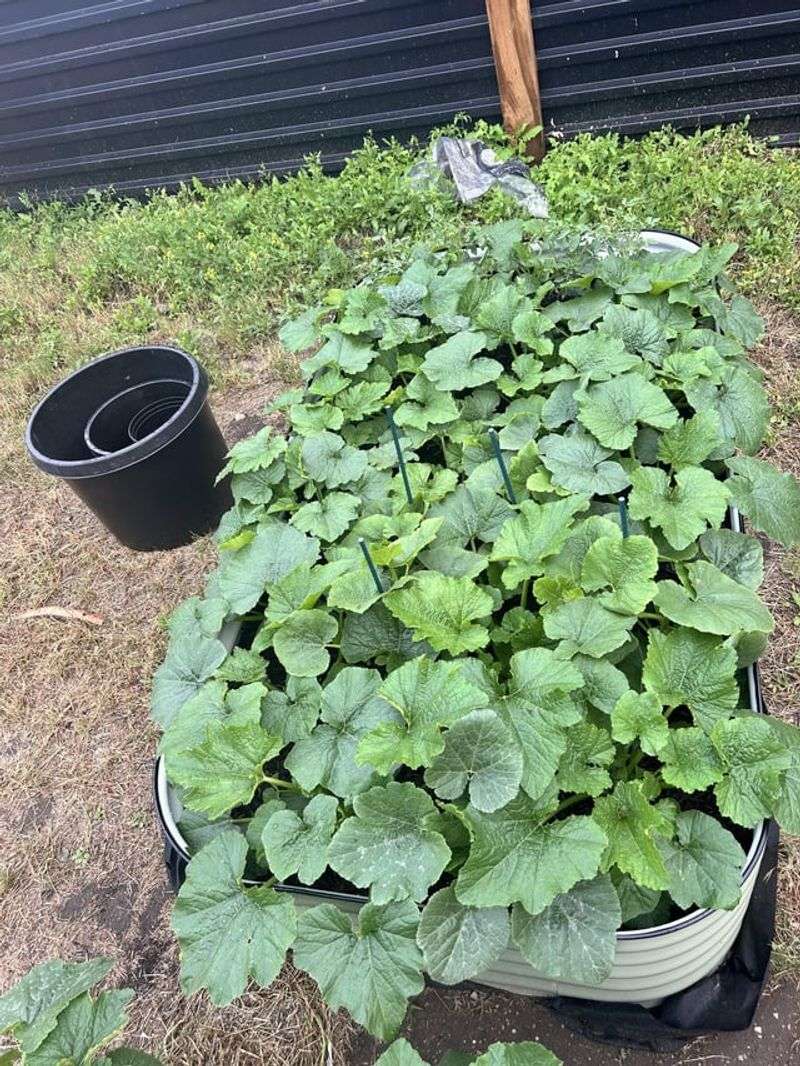
Crowded spaces can spell disaster for melons. When planted too closely, they compete for resources, leading to reduced fruit size and quality.
Spacing is vital; it allows for proper air circulation and sunlight penetration. This can also reduce disease risk.
Ensure you’re following recommended spacing guidelines for the melon variety. This simple adjustment can lead to healthier plants and bountiful harvests.
4. Neglecting Soil Preparation
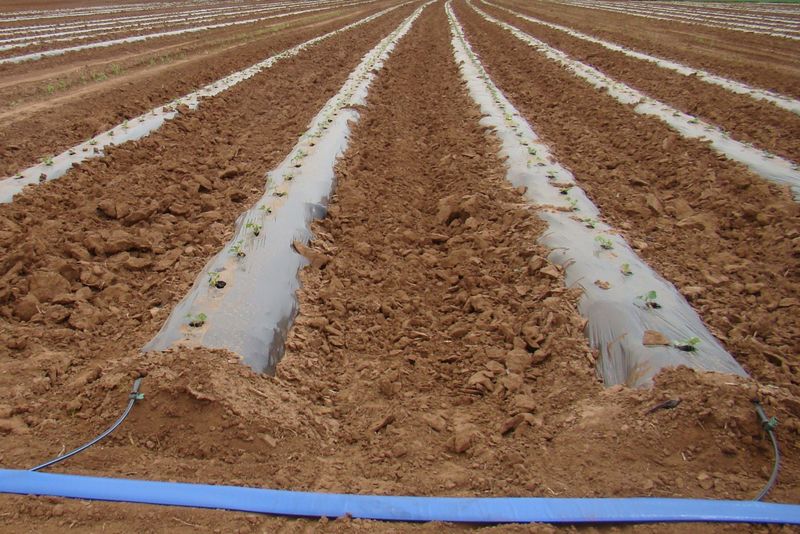
The foundation of a healthy melon plant is rich, well-prepared soil. Skipping soil preparation can lead to nutrient deficiencies and poor plant growth.
Invest time in enriching the soil with organic matter like compost. Test it to ensure the correct pH level for melons.
Proper preparation means healthier plants and sweeter fruits. It’s a step that sets the stage for successful growth.
5. Choosing the Wrong Melon Variety

Not all melons are created equal. Choosing the wrong variety for your climate can result in a disappointing harvest.
Research varieties that thrive in your local conditions. Some melons prefer hot climates, while others do better in cooler ones.
Make an informed choice to match your environment. This ensures your melons will grow robustly and taste delicious.
6. Ignoring Pest Control
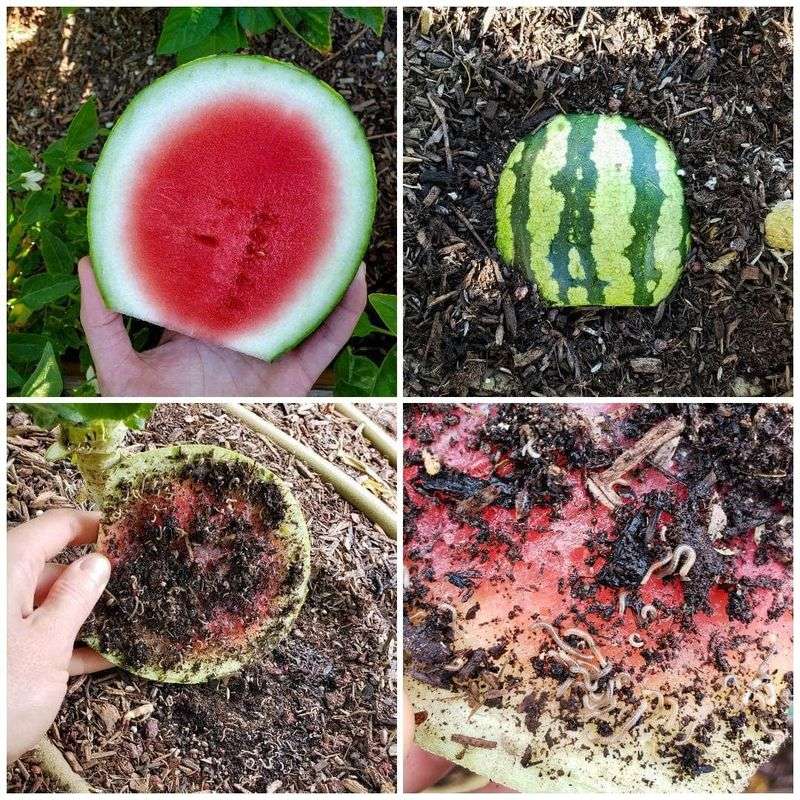
Pests can wreak havoc on melon plants, causing significant damage if left unchecked. Ignoring pest control can lead to reduced yields and poor fruit quality.
Regular inspection and early intervention are key. Utilize natural predators or organic treatments to manage pests.
By staying vigilant, you can protect your plants from these unwelcome invaders and enjoy a healthy harvest.
7. Using Poor Quality Seeds
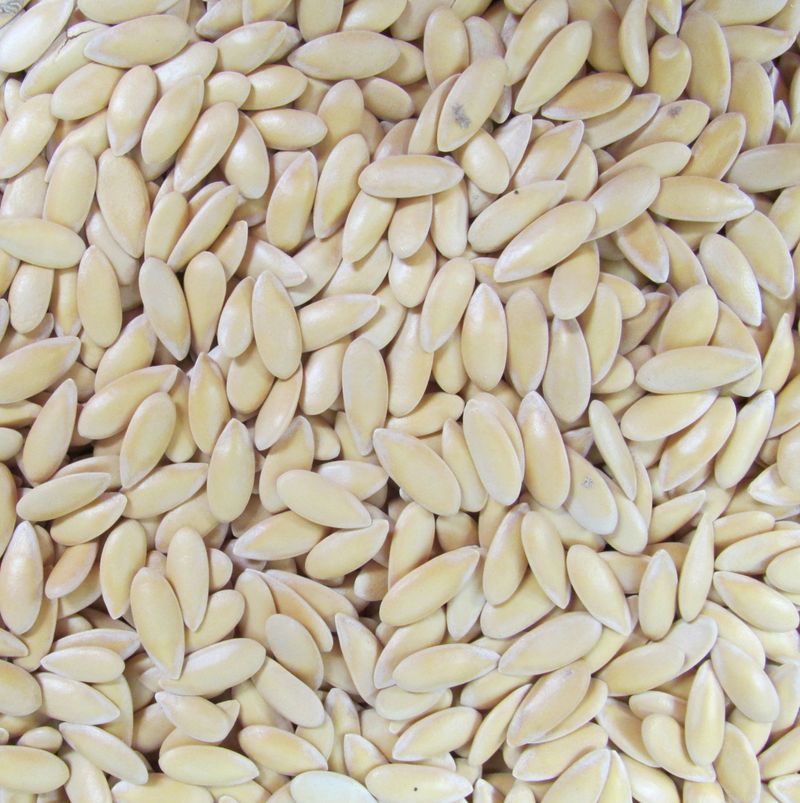
Starting with poor quality seeds can doom your melon-growing efforts from the start. Low-quality seeds may lead to weak plants and unsatisfactory fruits.
Invest in high-quality seeds from reputable sources. This will increase your chances of growing vigorous, disease-resistant plants.
The initial investment in quality seeds pays off in the long run with bountiful and flavorful melons.
8. Over-Fertilizing Your Plants
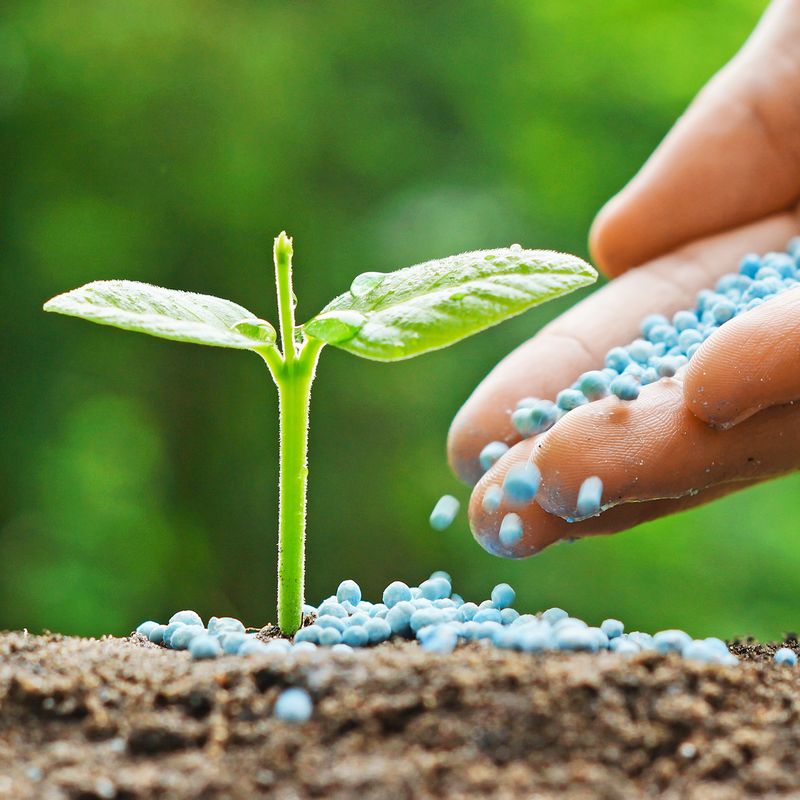
Fertilizer is essential, but overdoing it can harm your melon plants. Excessive fertilization can lead to nutrient imbalances and plant stress.
Follow recommended guidelines and avoid piling on fertilizers. Excess nutrients can inhibit proper growth, resulting in poor fruit quality.
Moderation is key. The right balance fosters healthy development and better-tasting melons.
9. Ignoring Disease Prevention
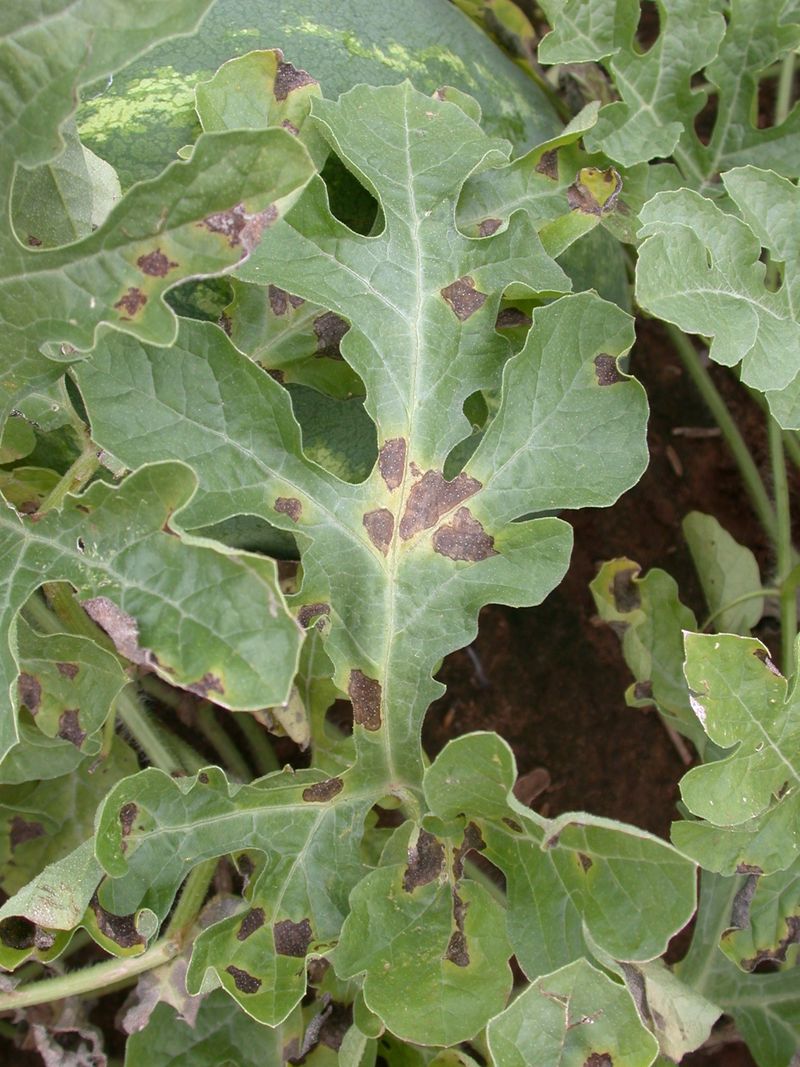
Diseases can spread rapidly among melon plants if preventive measures are ignored. This can lead to poor yields or even plant death.
Focus on disease-resistant varieties and practice crop rotation. Regularly inspect plants for early signs of disease.
Proactive management keeps plants healthy and productive, ensuring a successful melon-growing season.
10. Not Supporting Melon Vines
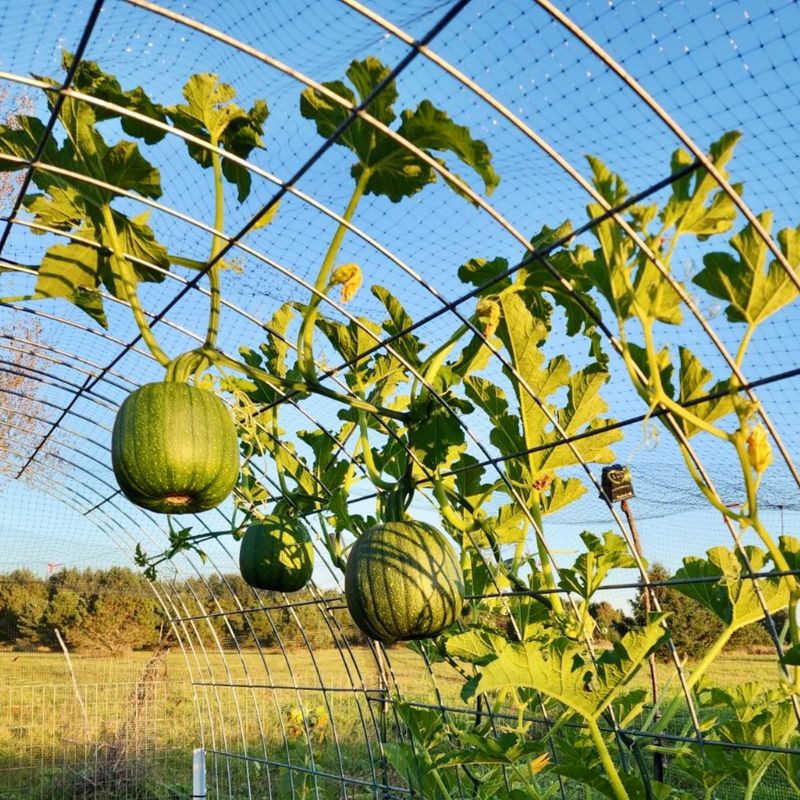
Melon vines need support to grow optimally. Without it, they can become tangled, leading to reduced fruit quality and increased disease susceptibility.
Use trellises or stakes to support the vines. This elevates the fruits, improving air circulation and exposure to sunlight.
Supporting vines helps in maintaining plant health and maximizing fruit production.
11. Harvesting Too Early or Late
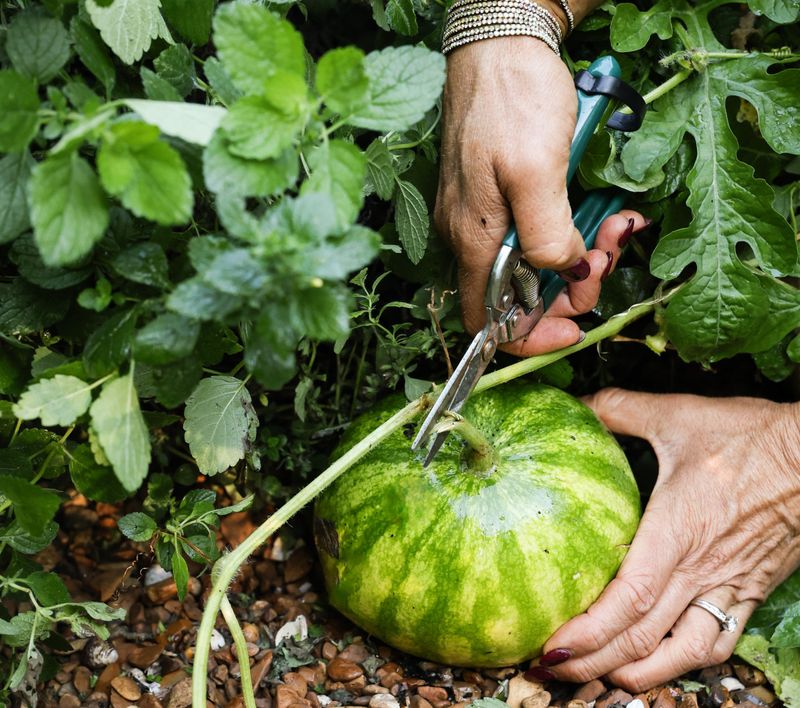
Timing is everything when it comes to harvesting melons. Picking them too early or too late can affect their taste and texture.
Learn to recognize signs of ripeness, such as a sweet aroma and slight softness at the blossom end.
Perfectly timed harvesting ensures you enjoy melons at their peak flavor and juiciness.
12. Neglecting Regular Weeding
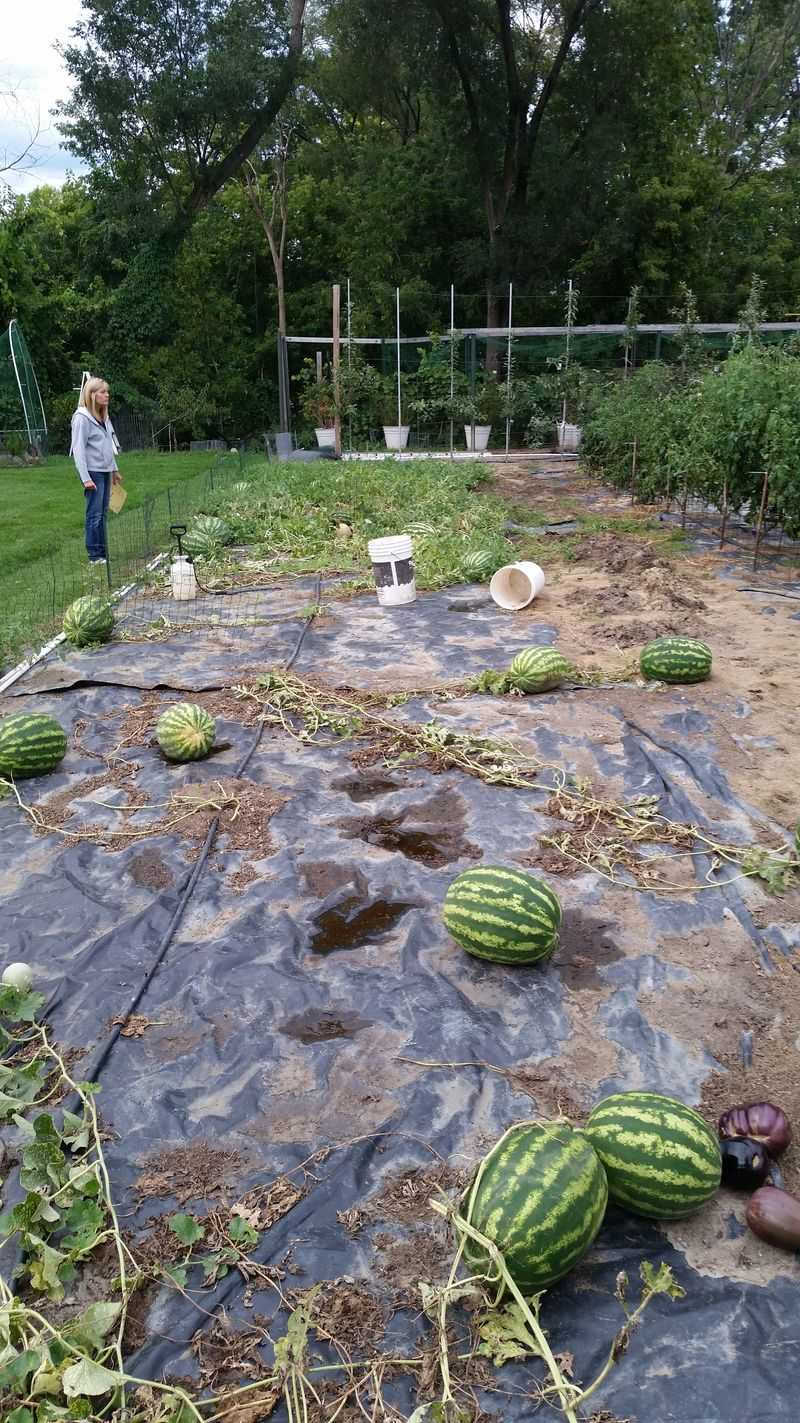
Weeds compete with melon plants for nutrients and water. Neglecting regular weeding can stifle melon growth and reduce yields.
Incorporate frequent weeding into your gardening routine. This allows melons to access the resources they need to thrive.
A weed-free garden fosters healthier plants and more abundant fruit production.
13. Improper Melon Storage
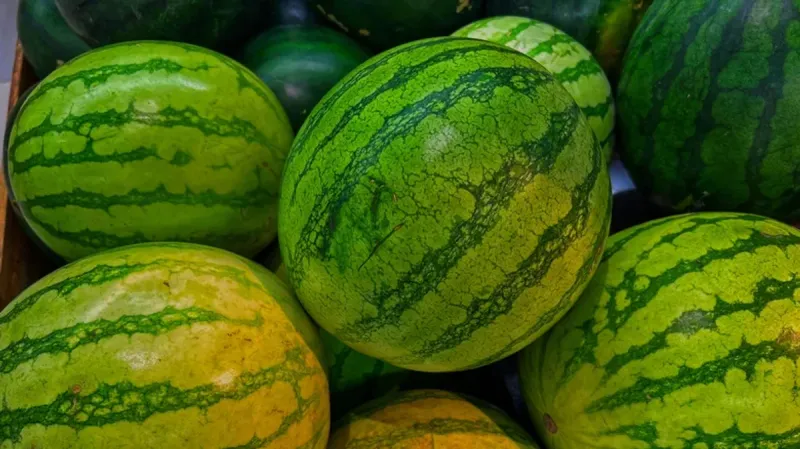
Proper storage is crucial once melons are harvested. Improper storage can lead to spoilage and flavor loss.
Store melons in a cool, dry place with good ventilation. Avoid stacking them to prevent bruising.
By following storage best practices, you preserve the melons’ quality and extend their shelf life.
14. Not Monitoring Weather Conditions
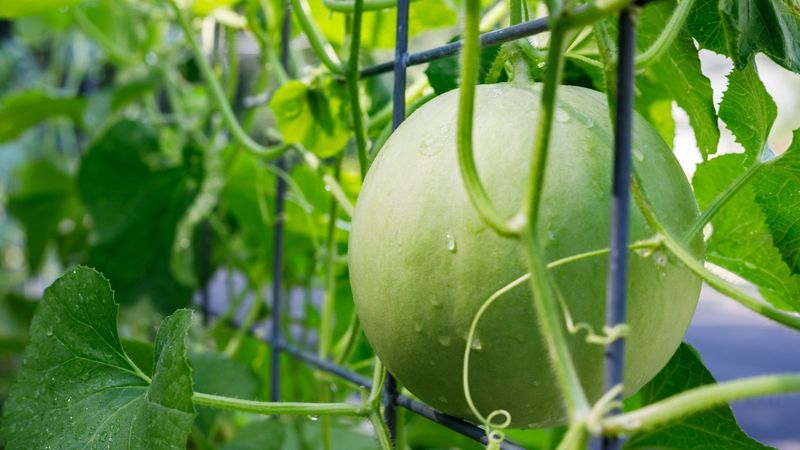
Weather conditions greatly affect melon cultivation. Not monitoring weather can lead to unexpected issues such as frost damage or heat stress.
Stay informed on forecasts and adapt your gardening practices accordingly. Protective measures may be needed during extreme weather.
Being weather-aware helps in preparing for challenges and maintaining healthy plants.
15. Failing to Rotate Crops
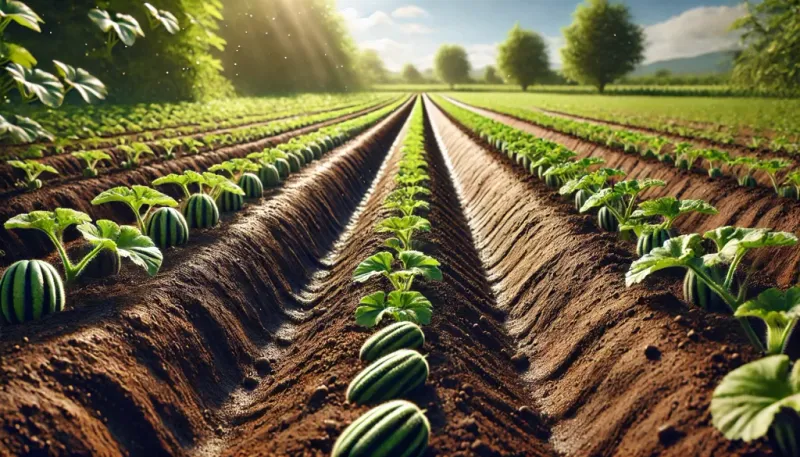
Crop rotation is vital to prevent soil depletion and disease build-up. Failing to rotate crops can lead to poorer yields over time.
Change planting locations each season to maintain soil health. This reduces pest and disease risks.
A well-rotated garden promotes better growth and more fruitful harvests.
16. Inconsistent Watering Schedule
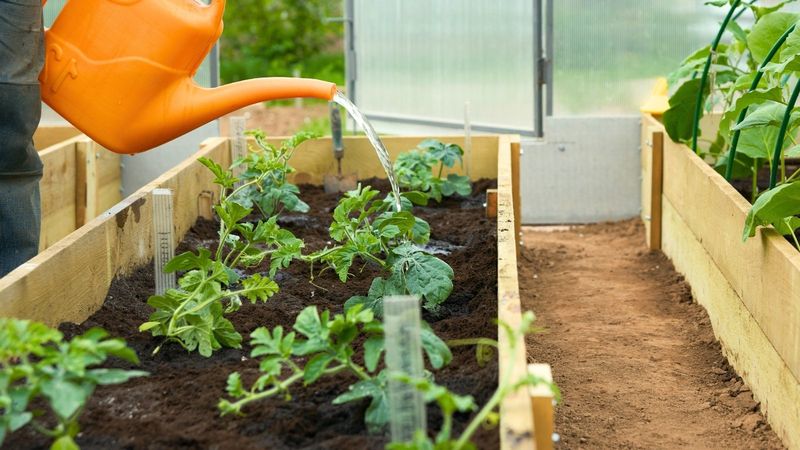
Inconsistency in watering schedules can stress melon plants, impacting their growth and fruit development.
Set a regular watering routine, adjusting as needed for weather conditions. Consistent moisture is key.
This consistency ensures robust plants and delicious melons come harvest time.
17. Ignoring Soil pH Levels
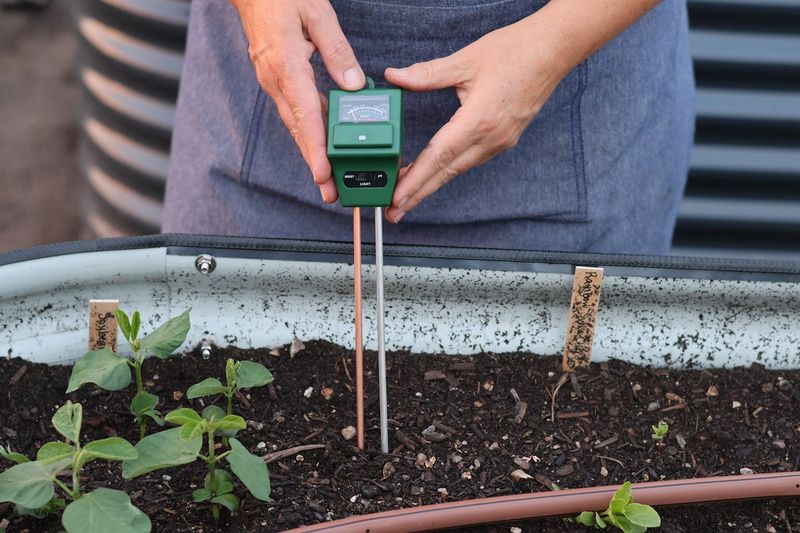
Soil pH directly influences nutrient availability to melon plants. Ignoring pH levels can hinder plant growth and fruit quality.
Test and adjust soil pH to optimal levels for melon cultivation, typically between 6.0 and 6.8.
Managing pH levels ensures your melons grow healthily and produce sweet, flavorful fruits.
18. Relying Solely on Chemical Pesticides
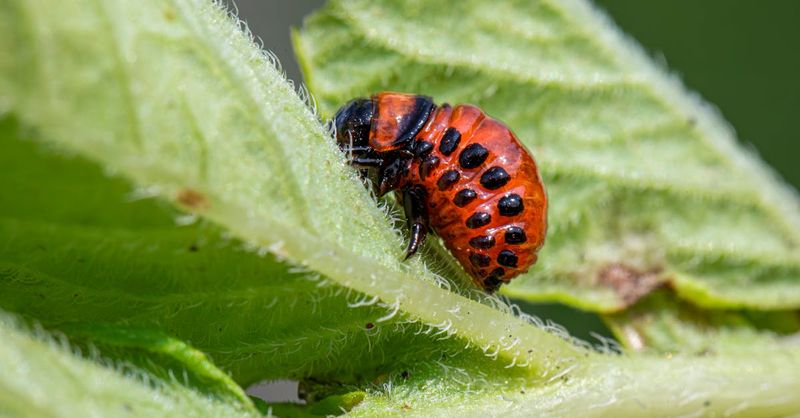
Over-reliance on chemical pesticides can harm beneficial insects and the environment. Exploring alternative pest control methods is important.
Incorporate natural solutions such as neem oil or companion planting. Balance chemical use with eco-friendly practices.
Sustainable pest management leads to healthier plants and a safer ecosystem.
19. Neglecting Mulching Practices
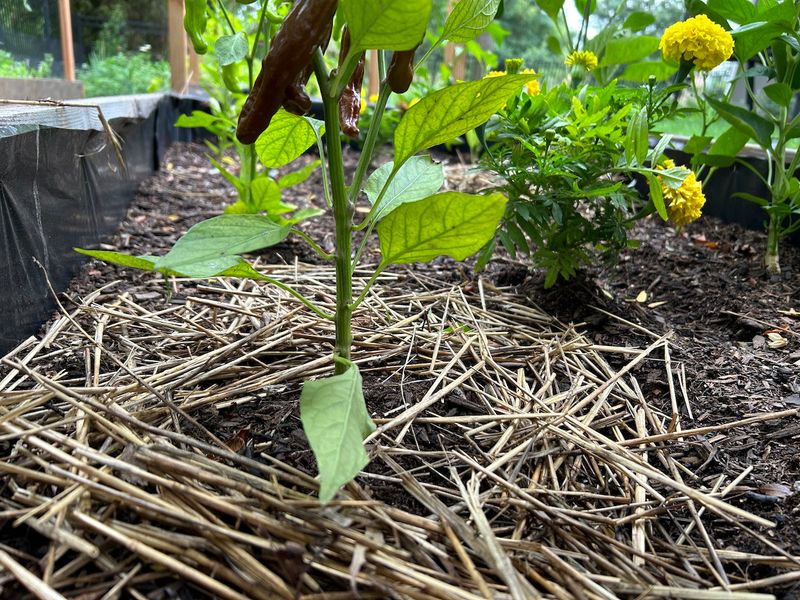
Mulching is often overlooked, yet it offers significant benefits for melon growth. Neglecting it can lead to moisture loss and weed proliferation.
Apply organic mulch to conserve soil moisture and suppress weeds. This creates a favorable environment for melons.
Consistent mulching supports healthy plant development and boosts yields.
20. Not Pruning Melon Vines
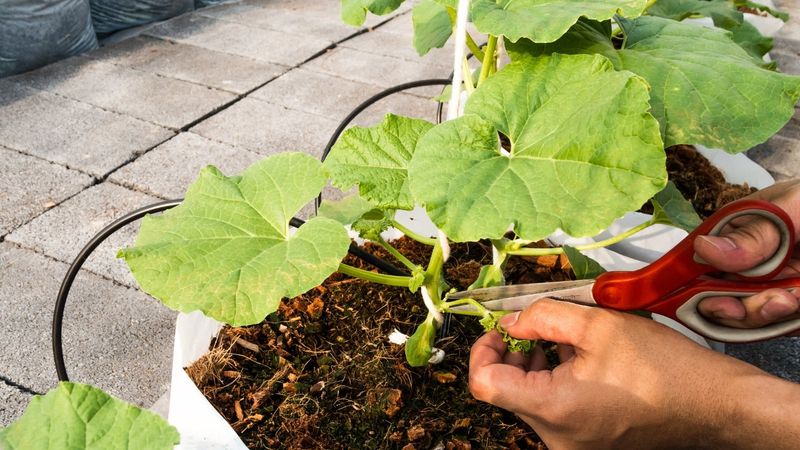
Pruning melon vines can enhance air circulation and sunlight exposure. Neglecting this practice can result in tangled growth and poor fruit production.
Regular pruning directs energy towards fruit development, improving quality and yield.
Implementing pruning techniques ensures your melon plants are productive and manageable.