 Complete Gardening
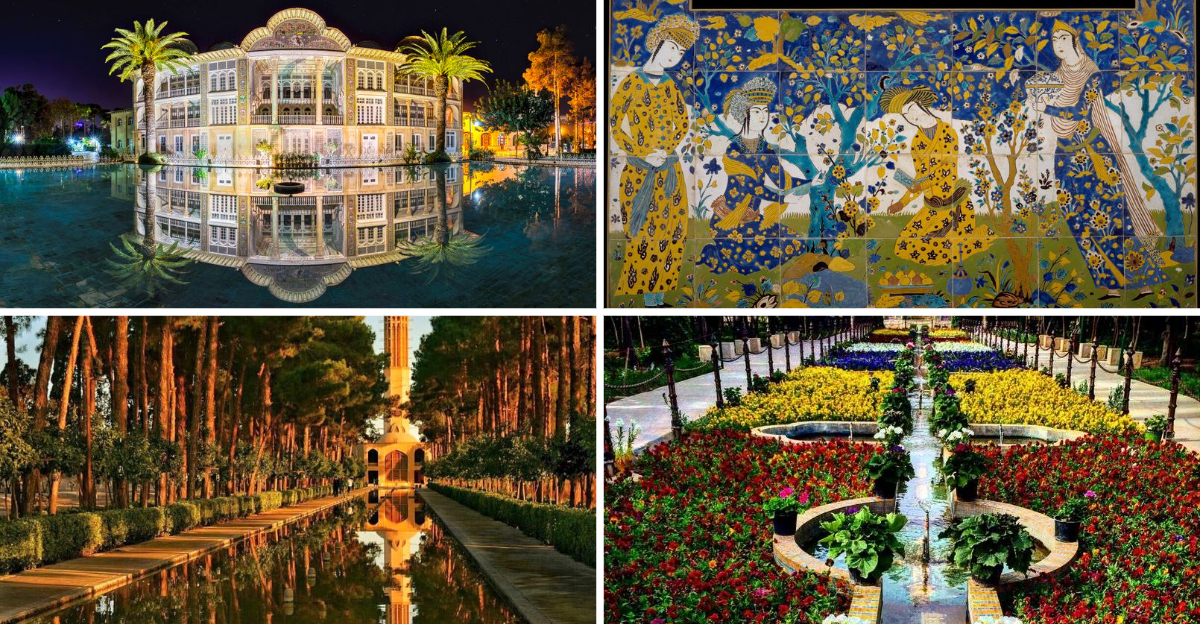
Persian gardens have enchanted visitors for centuries with their exquisite design and profound symbolism. These gardens are not just places of beauty, but reflections of a rich cultural heritage that intertwines nature with architecture. Through their unique blend of art and environment, Persian gardens offer a glimpse into the heart of a civilization that valued harmony, peace, and the divine order of nature.
1. The Origins of Persian Gardens
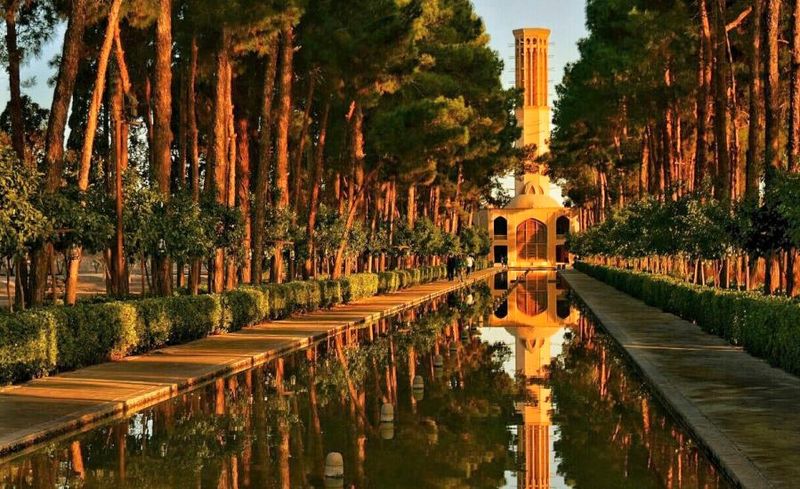
In ancient Persia, gardens were more than just land filled with plants; they were a symbol of paradise on Earth. Known as “pairidaeza,” meaning walled enclosure, these gardens offered tranquility in the harsh desert climate. The gardens featured geometrical layouts, often with four sections divided by water channels.
This design reflected the Zoroastrian concept of creating order in chaos, a fundamental tenet of Persian culture. They also served practical purposes, providing shade and sustenance. Over time, the concept evolved, influencing garden designs across the globe, from the Alhambra in Spain to the Mughal gardens of India.
2. Symbolism in Design
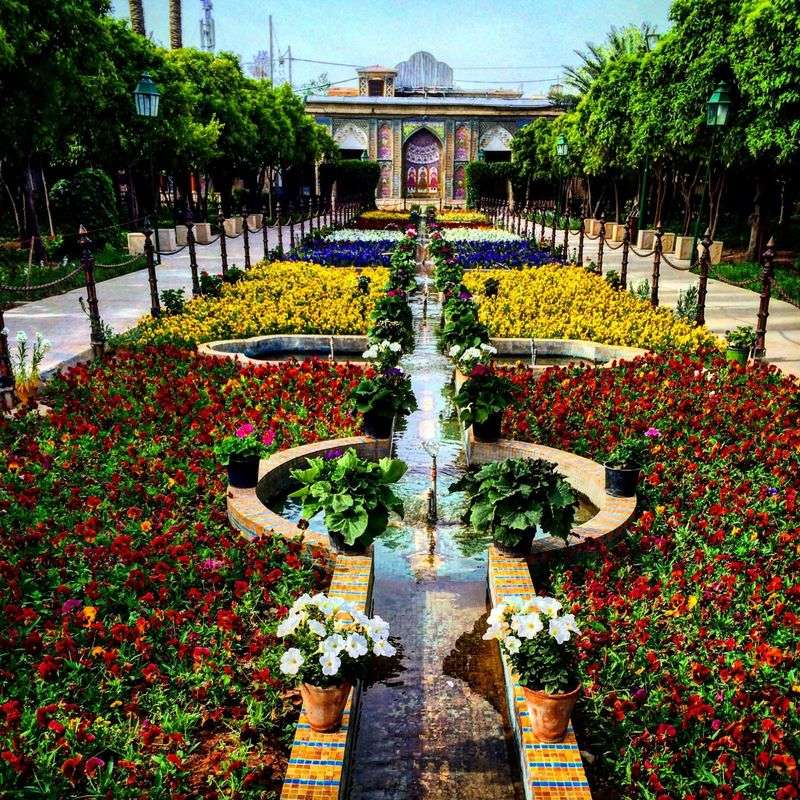
Persian gardens are rich in symbolism, each element meticulously chosen to reflect deeper meanings. The fourfold garden layout, or “Chahar Bagh,” symbolizes the Zoroastrian elements of sky, earth, water, and plants. Water, an essential feature, symbolizes life and purity, often seen in reflective pools and flowing channels.
The choice of plants, like cypress trees for eternity and fruit trees for abundance, adds layers of meaning. This symbolic language extends to the garden’s overall symmetry, representing balance and harmony. These gardens serve as a microcosm of the universe, intended to evoke spiritual and physical tranquility.
3. Gardens of Pasargadae
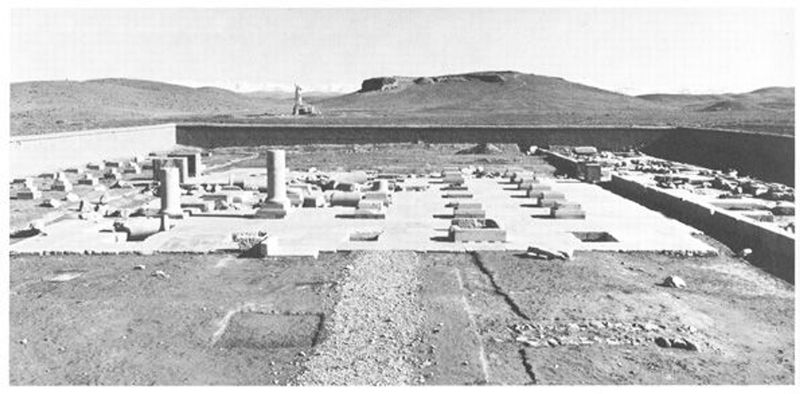
Pasargadae, the capital of Cyrus the Great, houses one of the earliest examples of a Persian garden. These gardens are part of a UNESCO World Heritage site, illustrating the grandeur of the Achaemenid Empire. The layout reflects the sophisticated planning and engineering of the time, showcasing a harmonious blend of natural and man-made elements.
With its innovative use of terraces and water management systems, Pasargadae set a precedent for future Persian gardens. The site’s archaeological remains offer insights into the early Persian approach to landscaping, emphasizing both aesthetic pleasure and functional design.
4. Influence of Islamic Architecture
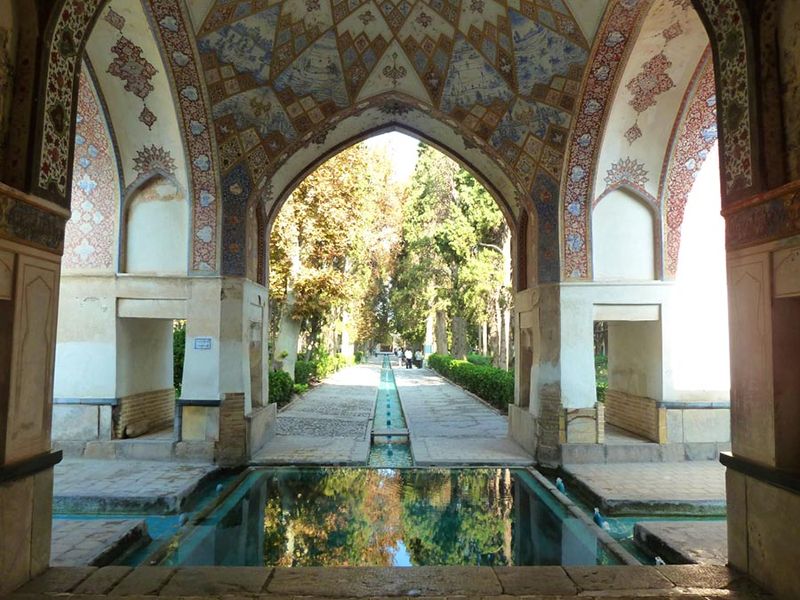
With the advent of Islam, Persian gardens incorporated new architectural elements. Islamic influence brought intricate tile work, arches, and domes, enhancing their visual appeal. The Quranic paradise, described as gardens with rivers flowing beneath, aligned seamlessly with the existing garden symbolism.
This integration of Islamic art and architecture created spaces that inspired meditation and reflection. Persian gardens became a fusion of cultural and religious ideals, reflecting both earthly delights and spiritual aspirations. The blend of Persian and Islamic elements can be seen in famous sites such as the Alhambra in Spain and the Taj Mahal’s gardens.
5. The Role of Water
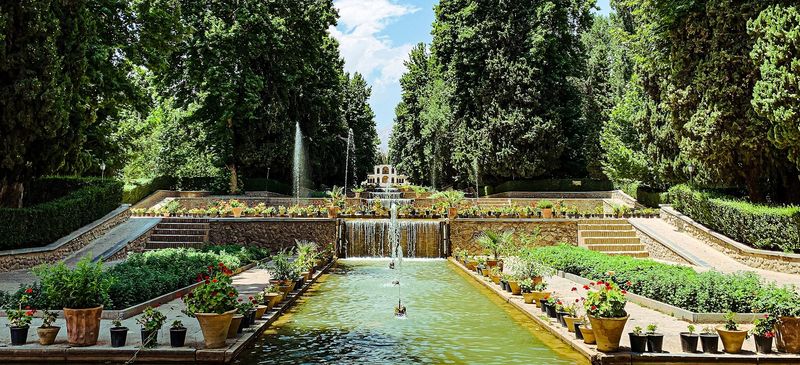
Water is the lifeblood of Persian gardens, transforming arid landscapes into lush sanctuaries. Ingenious irrigation techniques, such as qanats, were developed to transport water over long distances. These underground channels tapped into mountain aquifers, providing a reliable source of water for gardens and agriculture.
In the garden itself, water channels and reflective pools were strategically placed to enhance aesthetic pleasure and create microclimates. The sound and sight of flowing water offered a sensory experience, fostering peace and contemplation. Water’s role in Persian gardens showcases the Persian mastery of resource management and environmental harmony.
6. Gardens of the Safavid Era
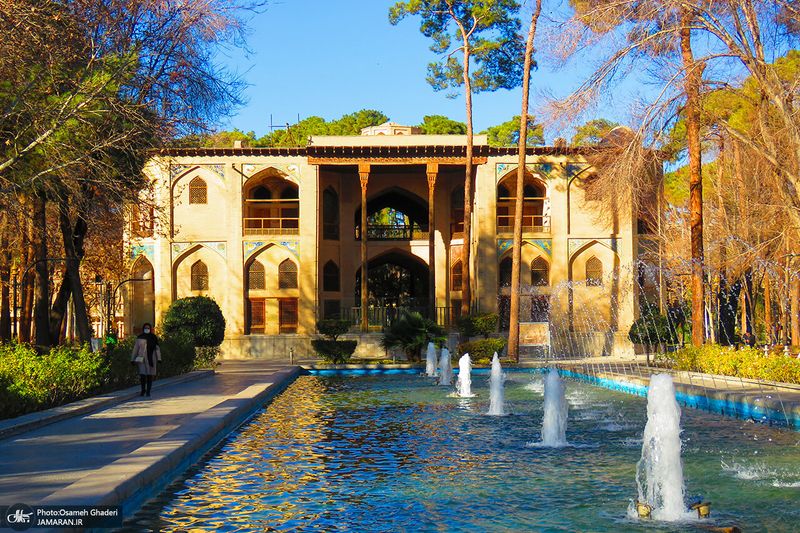
During the Safavid dynasty, Persian gardens reached new heights of beauty and complexity. The Safavids transformed gardens into grandiose displays of wealth and power, featuring elaborate floral arrangements and architectural innovations. Gardens like the Chehel Sotoun in Isfahan exemplify this era’s exquisite taste and artistry.
These gardens served as venues for royal gatherings and diplomatic meetings, reflecting the empire’s sophistication. The integration of art and nature was paramount, with gardens designed to delight the senses and promote leisure. The Safavid era cemented the Persian garden’s reputation as a symbol of cultural refinement and opulence.
7. Cultural Exchange and Influence
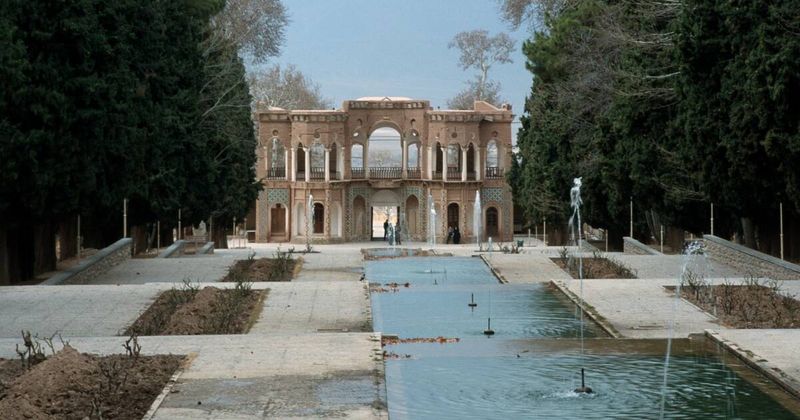
Persian gardens have long been a source of inspiration beyond Iran’s borders. Their design principles influenced a wide array of landscapes, from the Mughal gardens of India to the Renaissance gardens of Europe. This cultural exchange spread Persian garden aesthetics and techniques across continents.
The synthesis of Persian and local elements created unique garden styles, adapting to different climates and cultural contexts. The spread of Persian garden design underscores the historical significance and aesthetic appeal of these landscapes, demonstrating the universality of their beauty and symbolism. They continue to inspire modern landscape architecture worldwide.
8. Gardens of Shiraz
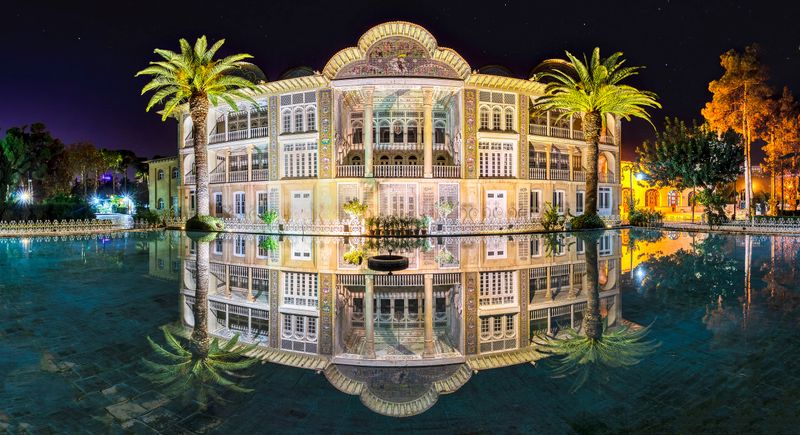
Shiraz, known as the city of poets, is home to some of Iran’s most enchanting gardens. These gardens, like the Eram Garden, are celebrated for their lush greenery, vibrant flowers, and historic architecture. They embody the Persian ideal of paradise on Earth, blending natural beauty with artistic expression.
The gardens of Shiraz have inspired poets and artists for centuries, becoming a vital part of the city’s cultural heritage. Each garden offers a unique atmosphere, inviting visitors to experience the tranquility and elegance that define Persian horticulture. Shiraz’s gardens remain a testament to Iran’s rich garden tradition.
9. Gardens as Literary and Artistic Muse
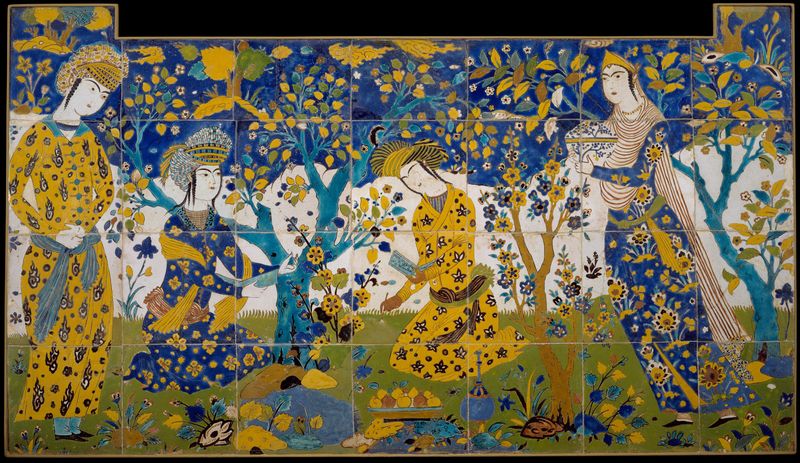
For centuries, Persian gardens have served as a muse for poets and artists. The serene landscapes and symbolic elements inspired works by renowned poets like Hafez and Saadi. These gardens are often depicted as allegories in poetry, embodying themes of love, spirituality, and the passage of time.
Artists, too, found inspiration in the harmonious design and vibrant colors of Persian gardens. Paintings and miniatures often feature these lush landscapes, capturing their beauty and mystique. The gardens’ influence extends beyond horticulture, embedding themselves deeply in the cultural and artistic heritage of Persia.
10. Modern Revitalization Efforts
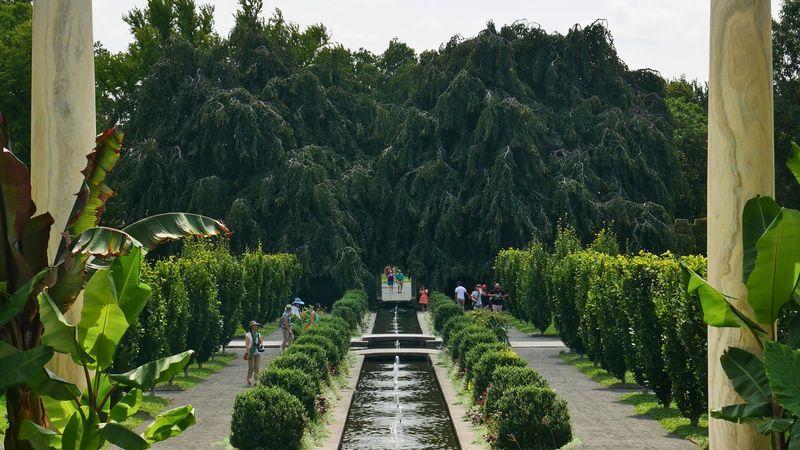
Efforts to restore and preserve Persian gardens have gained momentum in recent years. Modern revitalization projects focus on maintaining the original design while adapting to contemporary environmental challenges. This involves restoring water systems, replanting native species, and preserving historic structures.
Such projects aim to revitalize these gardens as cultural landmarks and tourist attractions, ensuring their legacy for future generations. The renewed interest in Persian gardens highlights their enduring appeal and historical significance, fostering appreciation for the artistry and ingenuity that define these spaces. Preservation efforts continue to safeguard their beauty and cultural value.
11. Chahar Bagh Design
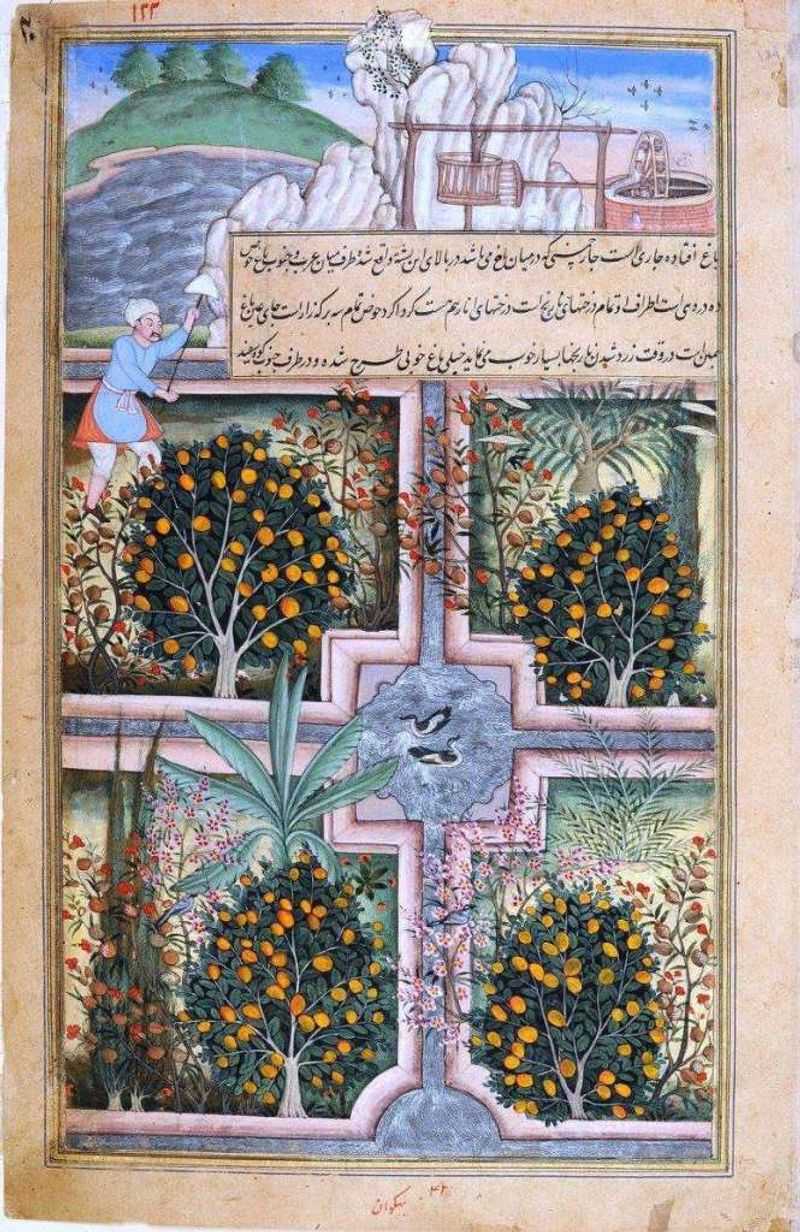
The Chahar Bagh, or four-garden design, epitomizes Persian garden symmetry. This layout divides the space into four quadrants, each representing one of the Zoroastrian elements: earth, water, air, and fire. Historically, the design aimed to create a microcosm of paradise on earth, offering spiritual solace and visual harmony.
Such gardens were often enclosed by walls, providing a private sanctuary away from the outside world. While the basic structure remains consistent, each Chahar Bagh is unique in its planting and ornamentation, reflecting the individuality of its creator.
Did you know? The concept influenced garden designs from India to Spain.
12. Gardens of Babylon Influence
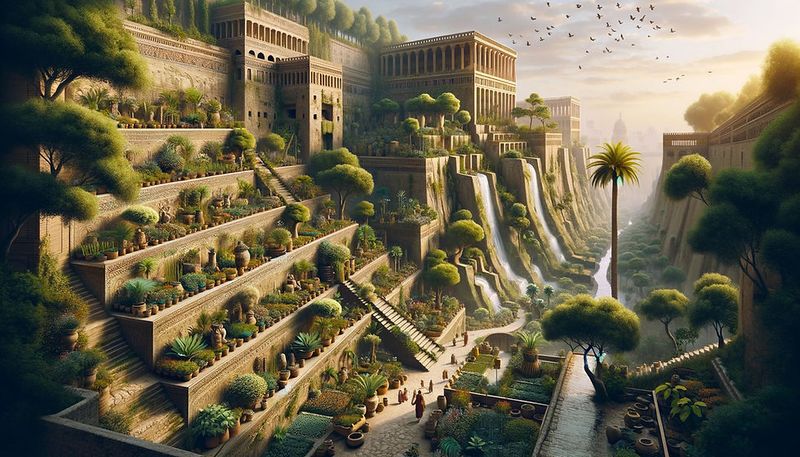
The legendary Hanging Gardens of Babylon are said to have inspired Persian garden aesthetics. Although their existence is debated, these gardens purportedly featured tiered terraces filled with diverse flora. Persian adaptations took these elements and integrated them into their own garden designs, emphasizing vertical layers and plant diversity.
This influence is visible in the terraces and layered plantings of Persian gardens, creating a sense of depth and abundance. The mythical gardens of Babylon provided a blueprint for combining architecture with nature in imaginative ways.
Fascinatingly, their influence extends to modern terraced gardens worldwide.
13. Persian Garden Carpets
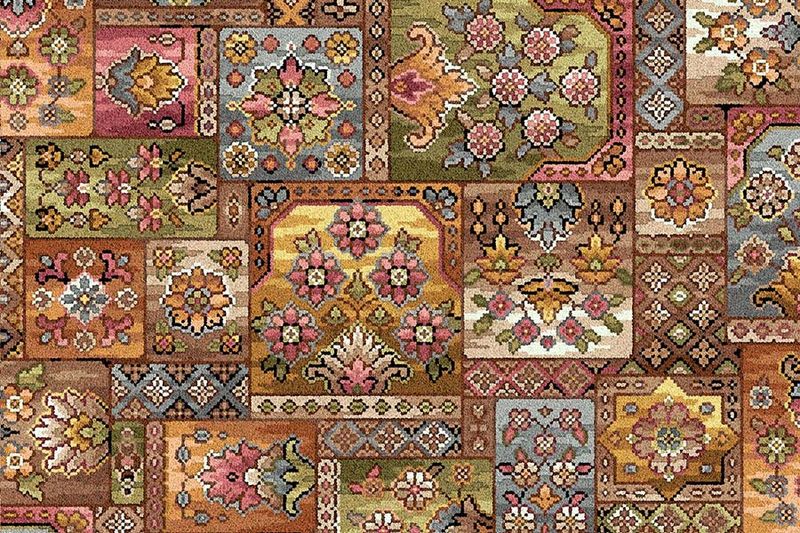
Persian carpets often depict garden themes, bringing the essence of these landscapes indoors. These carpets showcase intricate floral patterns, water motifs, and even miniaturized versions of the Chahar Bagh layout. Historically, they served as portable gardens, offering a visual and tactile connection to nature.
The artistry in these carpets mirrors the precision and creativity found in garden design. By incorporating garden elements into textiles, Persians ensured the presence of nature in all aspects of life.
Did you know? Some carpets were so detailed they took years to complete, becoming treasured heirlooms.
14. Gardens of Kerman
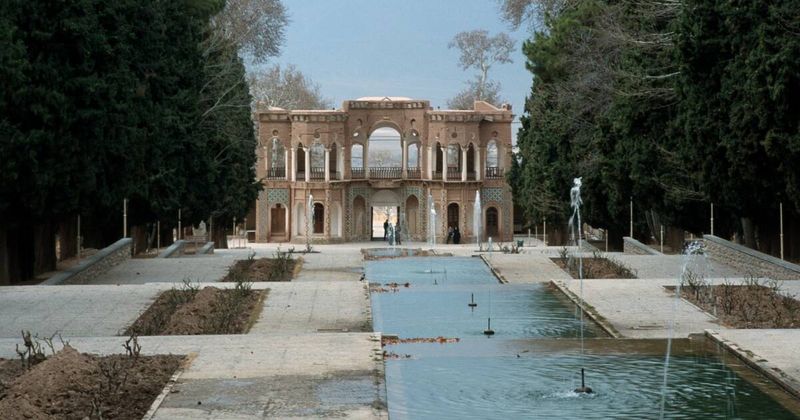
Located in a region known for its challenging climate, the gardens of Kerman exhibit human ingenuity in harnessing water and creating lush landscapes. These gardens feature tall cypress trees and intricate water channels, reflecting the sophisticated irrigation techniques employed.
The cypress tree, often used in Kerman gardens, symbolizes resilience and eternal life, standing tall against the arid backdrop. Such gardens became centers of social and cultural gatherings, providing respite from the harsh environment.
Interestingly, Kerman’s gardens are a testament to sustainable gardening practices long before they became a global focus.
15. Gardens of the Qajar Dynasty
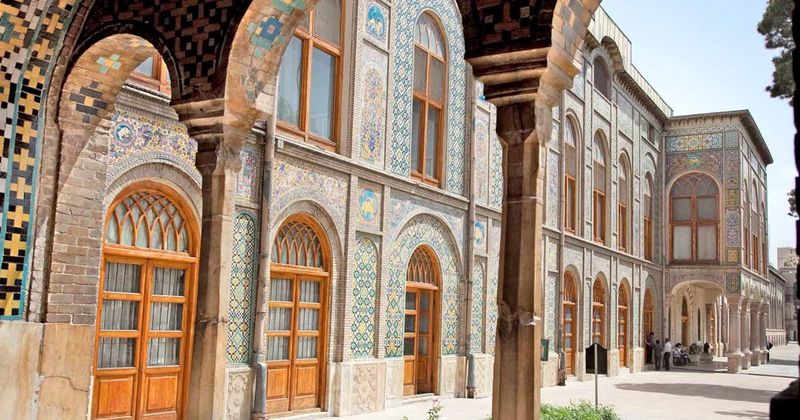
During the Qajar Dynasty, Persian gardens underwent a transformation, reflecting the era’s architectural and artistic shifts. These gardens integrated European influences, seen in the ornate pavilions and decorative tiles that adorned them. The blend of Persian and European styles created a unique aesthetic that symbolized cultural exchange.
The gardens became a canvas for showcasing wealth and power, with meticulously maintained landscapes and luxurious structures. Guests were often entertained in lavish garden settings, highlighting the importance of gardens in social life.
The Qajar period gardens still inspire contemporary design with their eclectic beauty.
16. Gardens of Isfahan
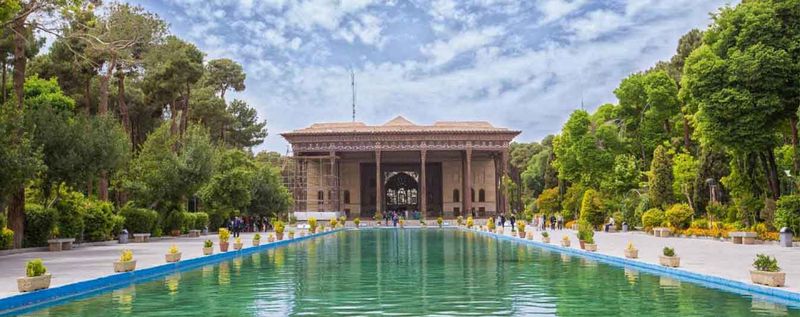
Isfahan, known for its architectural grandeur, is home to some of the most iconic Persian gardens. These gardens are meticulously planned, featuring an array of plants that thrive in the city’s distinct climate. Bridges and pavilions are common features, offering scenic views over the garden spaces.
The gardens of Isfahan have influenced urban planning, integrating green spaces into cityscapes. Their layout combines functionality with aesthetics, ensuring they remain vibrant all year round.
Did you know? Isfahan’s gardens played a pivotal role in the city’s title as “Half the World” due to their unparalleled beauty.
17. Gardens of Kashan
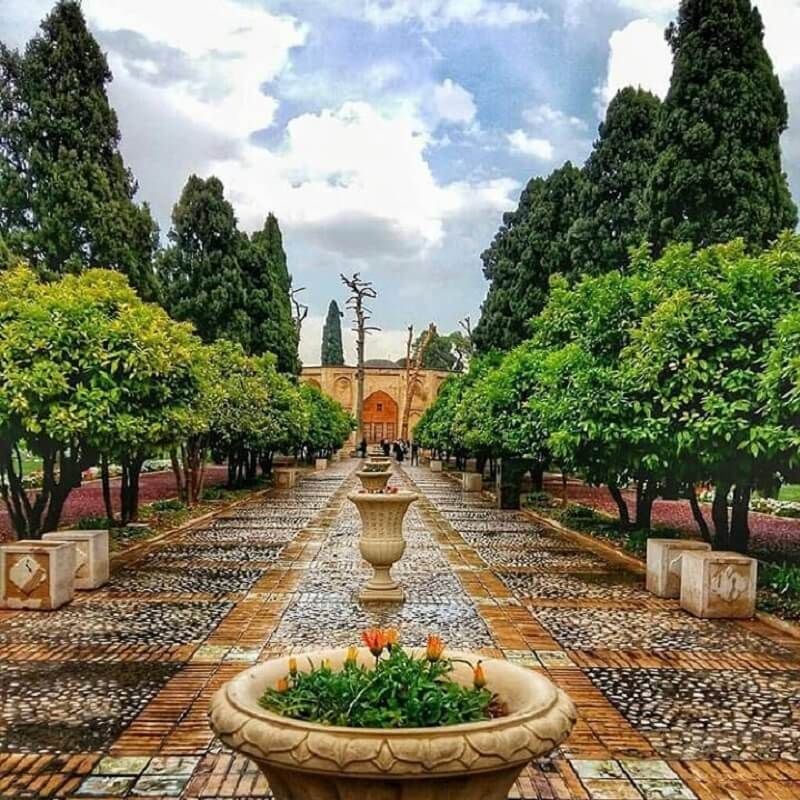
Kashan, renowned for its rose gardens, presents a distinct style within Persian garden traditions. These gardens are celebrated for their abundant blooms and fragrant air, often featuring roses which are symbolic in Persian culture. The use of water features enhances the sensory experience, adding sound and reflection to the visual feast.
The gardens of Kashan serve as a tribute to the delicate balance between nature and architecture. They are meticulously designed to create harmony and tranquility.
Intriguingly, Kashan’s gardens continue to inspire aromatic garden designs worldwide, showcasing the enduring appeal of Persian horticulture.
18. The Sassanian Era Gardens
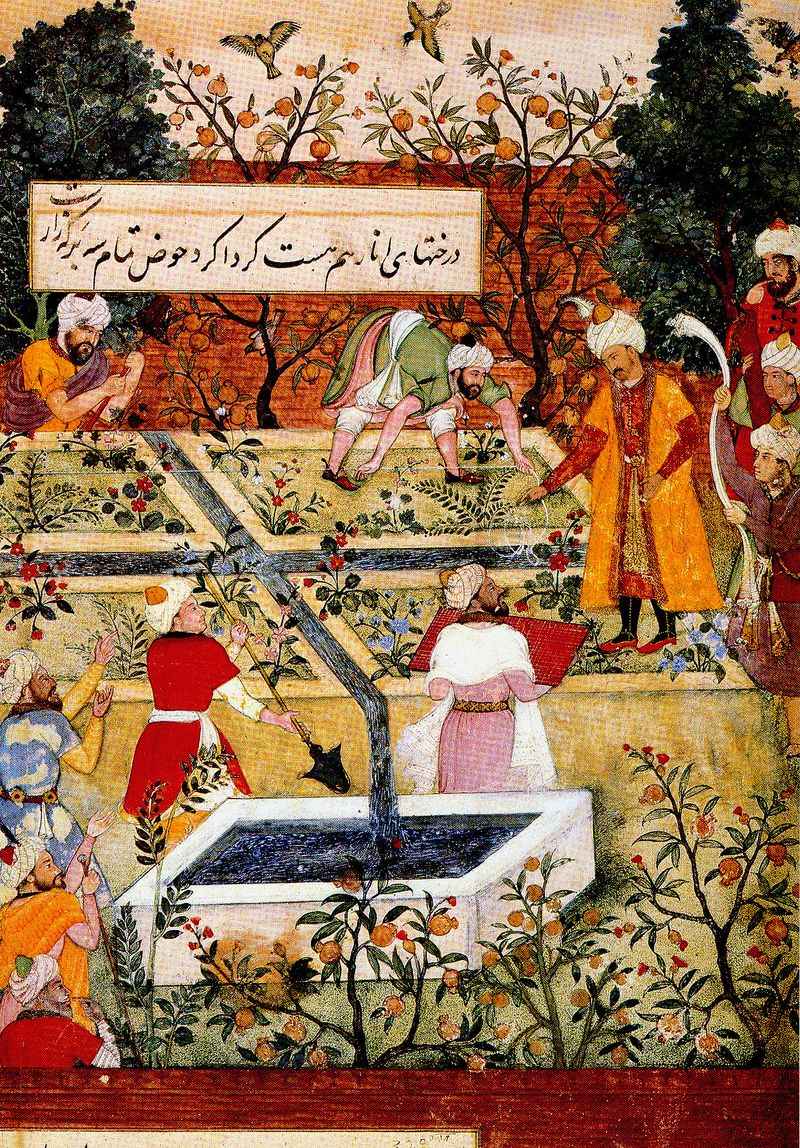
The Sassanian era marks a significant period in the evolution of Persian gardens. During this time, gardens were integral to royal complexes and often featured grandiose designs with stone structures and lush plantings. These gardens represented power and prosperity, serving as a backdrop for royal ceremonies and leisure.
The advancements in irrigation during this era allowed for the cultivation of diverse plant species, contributing to the rich biodiversity of these gardens.
Remarkably, the Sassanian gardens laid the groundwork for future Persian garden designs, influencing both Islamic and European garden traditions.
19. Gardens of Mashhad
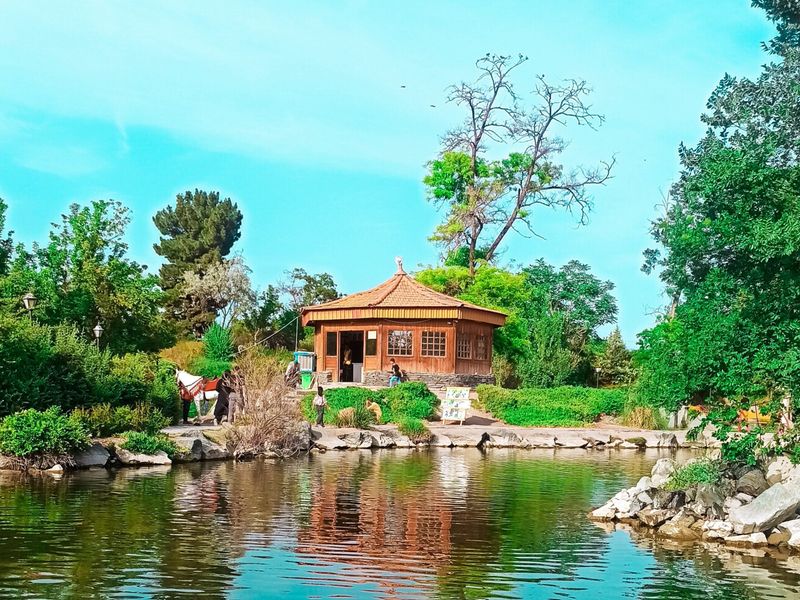
Mashhad, a city known for its religious significance, incorporates Persian garden elements into its urban landscape. These gardens seamlessly blend traditional Persian design with modern art, creating spaces that are both reflective and innovative. Sculptures and installations add a contemporary twist to the age-old garden layouts.
The gardens serve as communal spaces for relaxation and reflection, highlighting the continued relevance of Persian garden principles.
Did you know? Mashhad’s gardens are often linked to local festivals, where floral displays and art exhibitions draw in residents and tourists alike, celebrating cultural heritage.
20. Gardens of the Pahlavi Era
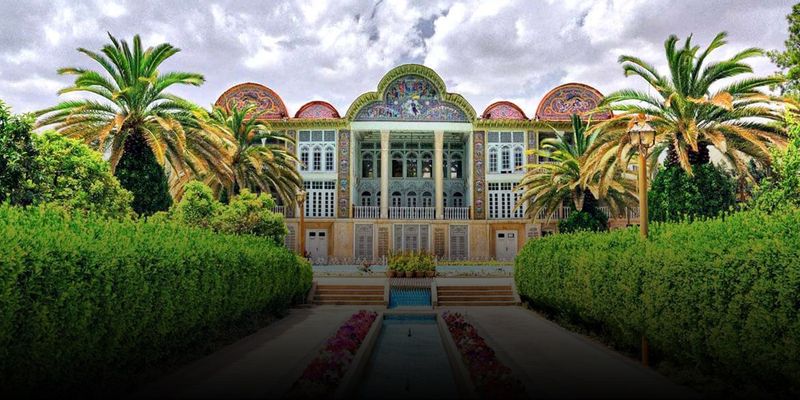
The Pahlavi era brought modernization to Persian gardens, incorporating new materials and geometric precision. These gardens often featured marble elements and expansive lawns, reflecting the era’s fascination with grandeur and order. The designs maintained the traditional Chahar Bagh layout while integrating contemporary aesthetics.
During this time, gardens became symbols of progress and innovation, reflecting Iran’s aspirations on the global stage. They were spaces for public gatherings and showcased the nation’s cultural identity.
Interestingly, Pahlavi era gardens continue to influence modern landscape architecture, blending tradition with modernity.