 Complete Gardening
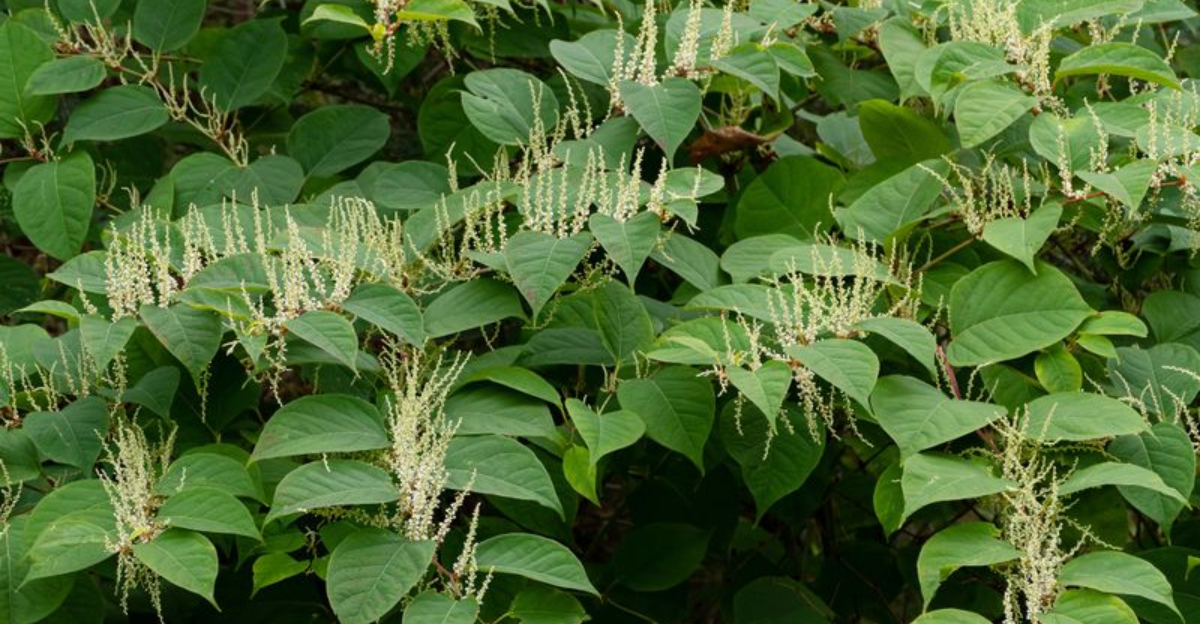
Gardening can be a delightful pursuit, but choosing the wrong perennials may lead to endless frustration. Some plants, though beautiful, can be more trouble than they’re worth in your yard. Here, we explore 20 perennials to avoid planting and suggest 13 wonderful alternatives that will flourish with less hassle. Discover which blooms will truly enhance your garden’s beauty without becoming an invasive burden.
1. Bishop’s Weed
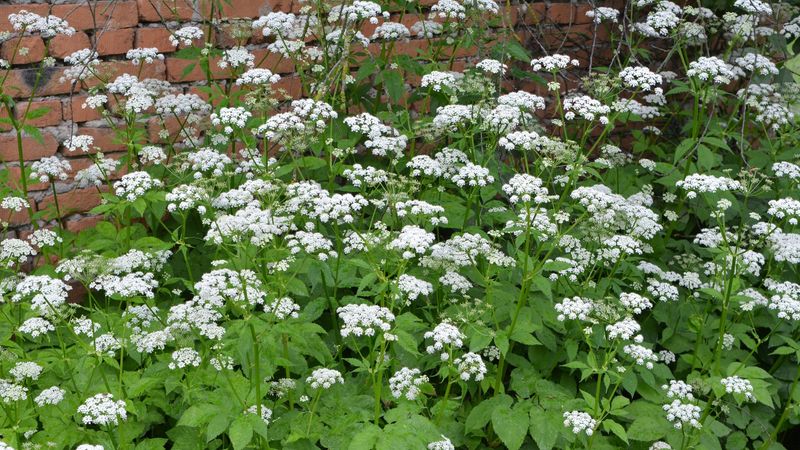
Bishop’s Weed is a notorious garden invader. Its rapid growth and spreading nature can quickly make it a menace. Though its delicate white flowers are charming, the plant’s aggressive roots outcompete neighboring flora. Gardeners often find themselves in a constant battle to contain it.
For those seeking an alternative, consider planting Astilbe. This plant offers similar feathery blooms without the invasive tendencies. Its vibrant colors and graceful appearance make it a delightful addition to shaded areas. With proper care, Astilbe blooms beautifully, bringing a splash of elegance to your garden.
2. English Ivy

English Ivy, while aesthetically pleasing, poses a significant problem for homeowners. Its fast-growing vines can choke trees and damage structures. Once established, it becomes challenging to control, often requiring extensive effort to remove.
Instead, consider using Clematis for your vertical green needs. Clematis offers stunning flowers and a less aggressive growth pattern. With various colors and forms, it adds visual interest to any garden space. Enjoy the beauty of Clematis without the relentless spread that English Ivy brings.
3. Periwinkle
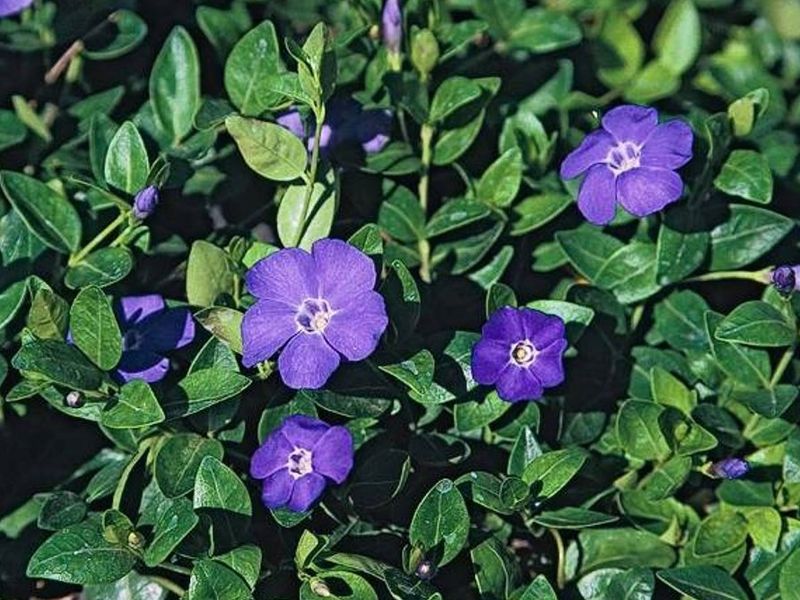
Periwinkle may charm with its dainty blue flowers, but its vigorous growth habit often leads to problems. Its tendency to spread can smother other plants, making it difficult to manage in confined spaces.
Opt for the more manageable Geranium as an alternative. Hardy Geraniums provide lovely blooms with less invasive behavior. These plants are easy to care for and ideal for adding color without overwhelming your garden. Embrace Geraniums for a harmonious garden experience.
4. Lily of the Valley
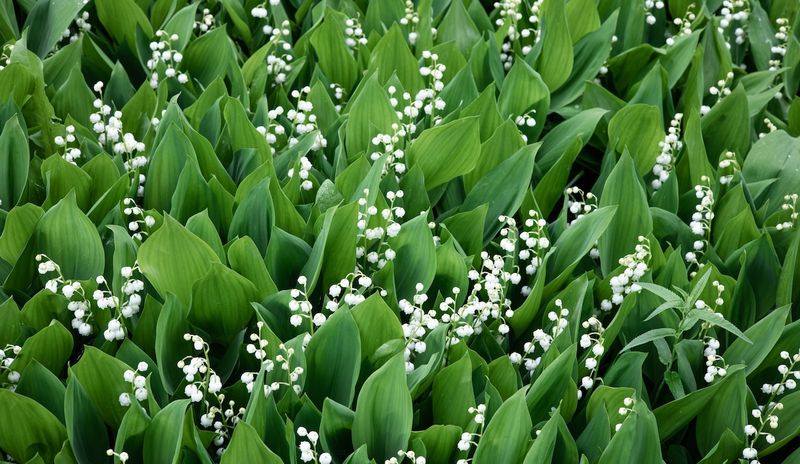
Lily of the Valley’s sweet fragrance belies its invasive nature. This perennial spreads rapidly through underground rhizomes, often overtaking garden areas. Its dense growth can crowd out more delicate plants.
Consider planting Snowdrops instead. These early bloomers offer a similar charm with their nodding white flowers. Snowdrops are less aggressive and provide a gentle touch to woodland gardens. Enjoy their subtle beauty without worrying about their spread.
5. Japanese Knotweed
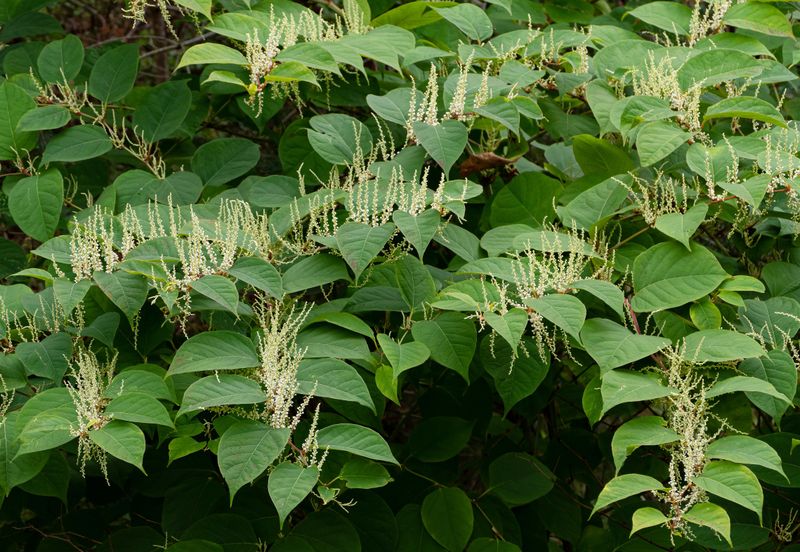
Japanese Knotweed is a formidable adversary for any gardener. Its robust nature and rapid growth allow it to dominate landscapes, damaging structures and ecosystems. Controlling this plant requires persistent effort and vigilance.
Replace it with the elegant Joe-Pye Weed, which attracts pollinators and provides beautiful, towering blooms. Joe-Pye Weed’s manageable growth makes it a smart choice for large garden spaces. Delight in its floral display without the aggressive takeover.
6. Purple Loosestrife
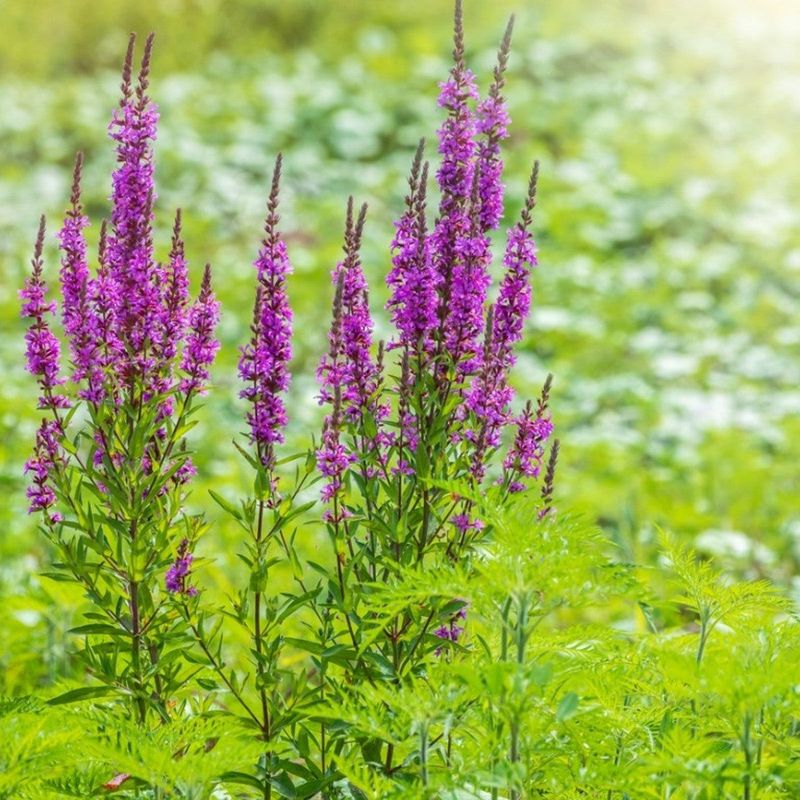
Purple Loosestrife is known for its striking purple flowers, but it poses a severe threat to wetlands. Its invasive nature allows it to outcompete native species, leading to significant ecological disruptions.
For a safer choice, consider planting Liatris. Known for its vibrant purple spikes, Liatris offers similar visual appeal without harming local habitats. Its upright growth and butterfly-attracting flowers make it a garden favorite.
7. Mint
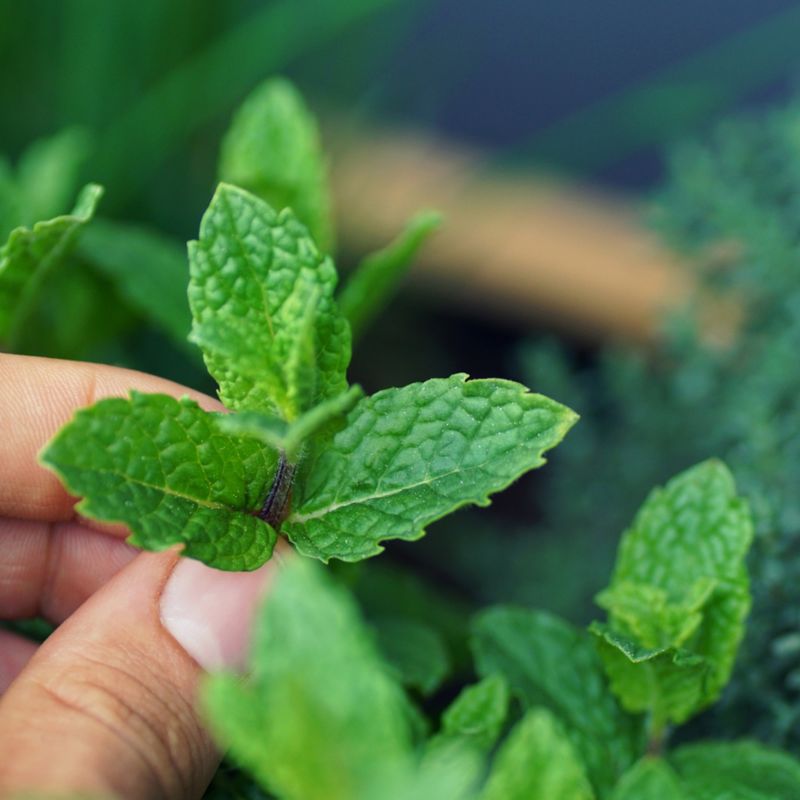
Mint’s refreshing aroma makes it tempting to grow, yet its rampant spread can quickly become overwhelming. This herb’s invasive roots make it a challenge to control, often requiring separation from other plants.
Try growing Lemon Balm instead. Offering a similar scent with a more restrained growth pattern, Lemon Balm provides a delightful culinary and aromatic experience. Cultivate it in containers for best results, allowing you to enjoy its fragrance without worry.
8. Yellow Archangel
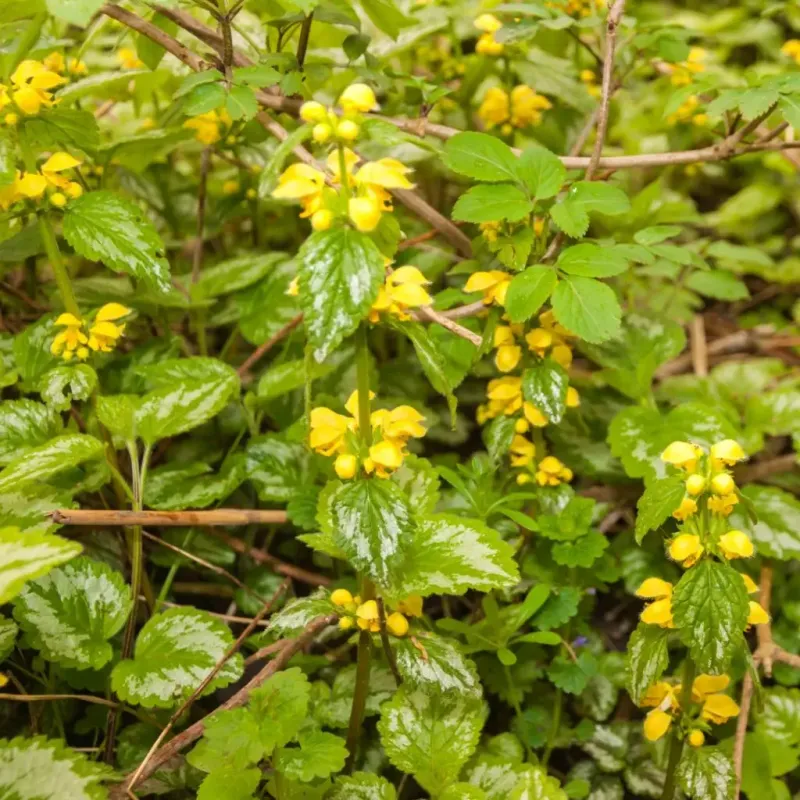
Yellow Archangel, with its attractive yellow blooms and variegated foliage, can be deceptively charming. However, it quickly becomes a problem, spreading aggressively in shaded garden areas.
Replace it with the less invasive Lamium. Lamium offers similar variegated leaves and delightful flowers without the rampant spread. It’s perfect for ground cover in shaded spaces, providing beauty and ease of maintenance.
9. Houttuynia
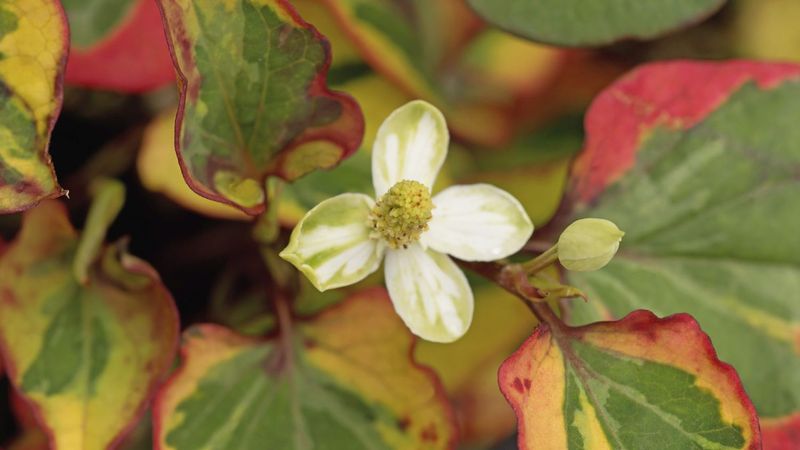
Houttuynia stands out with its colorful foliage, yet its aggressive growth can overrun a garden. Known for spreading through rhizomes, it often requires significant effort to control.
Switch to Heuchera for a vibrant alternative. Heuchera offers stunning foliage in a range of colors without the invasive tendencies. It thrives in various conditions, providing a dazzling display that complements garden beds beautifully.
10. Goutweed
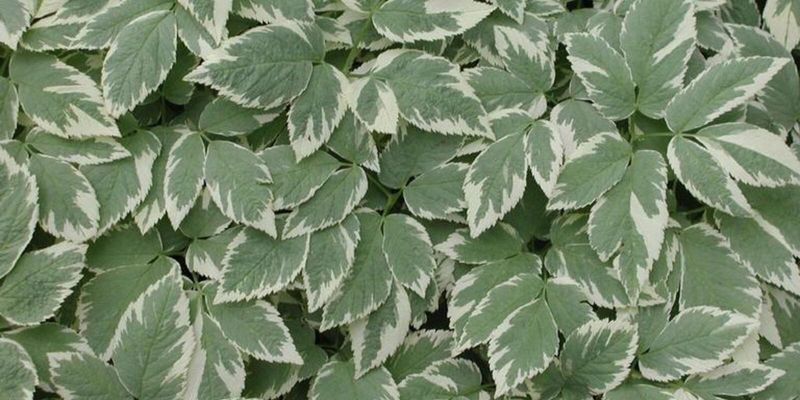
Goutweed’s lush appearance may lure gardeners in, but its invasive nature quickly becomes apparent. Spreading through underground rhizomes, it often chokes out other plants, making control difficult.
Opt for planting Bergenia instead. Known for its bold leaves and bright flowers, Bergenia offers beauty without the aggressive growth. It thrives in shady spots, adding color and texture to garden beds.
11. Creeping Jenny
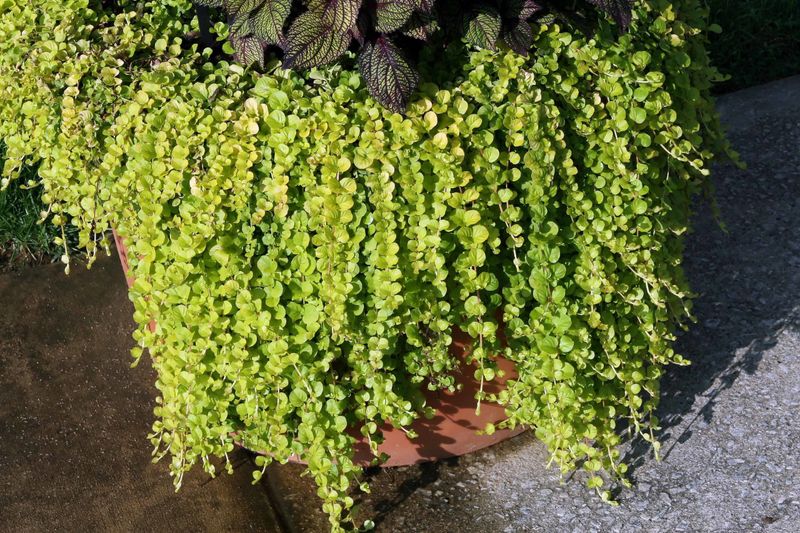
Creeping Jenny captivates with its trailing foliage and cheerful color, yet its invasive nature can lead to headaches for gardeners. Its rapid spread overtakes other plants, requiring regular maintenance to manage.
Instead, consider planting Lysimachia ‘Firecracker’. This variety offers similar cascading beauty without aggressive tendencies. Its dark foliage and yellow flowers create stunning contrasts in garden displays.
12. Russian Sage
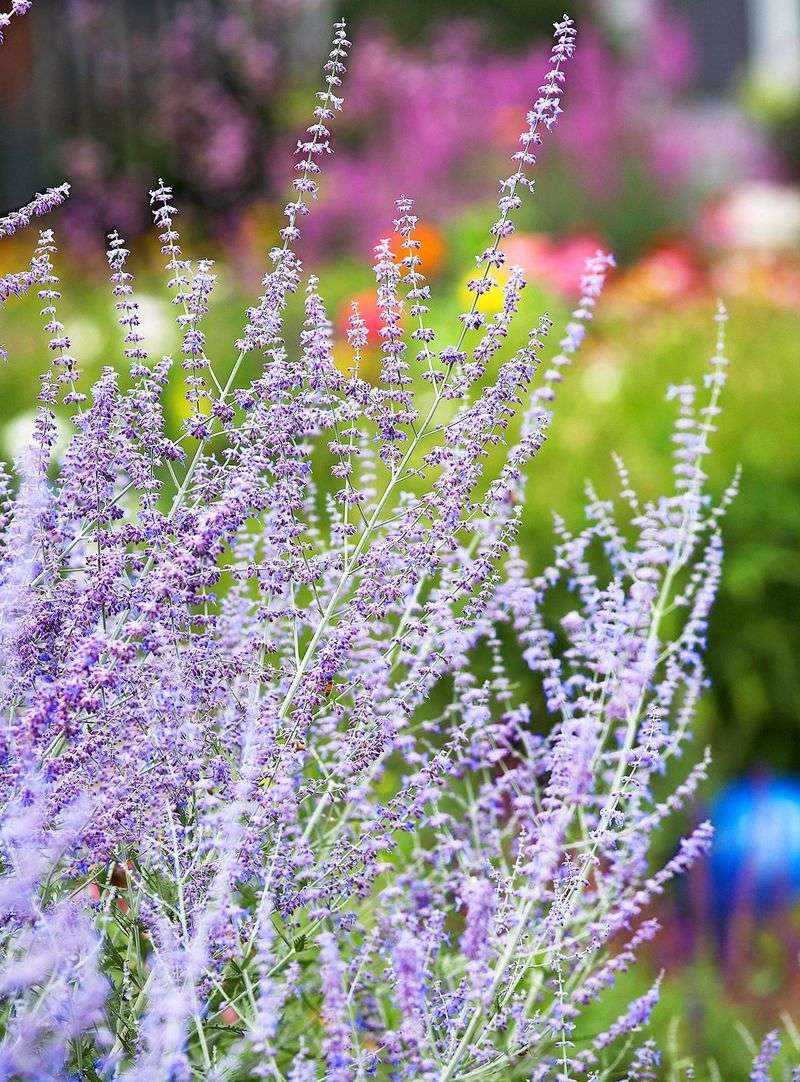
Russian Sage’s wispy stems and purple blooms offer undeniable charm, but its tendency to spread can create challenges. In some climates, it becomes invasive, requiring careful management.
Choose Salvia as a more controlled alternative. Salvia provides similar floral beauty with a more restrained growth habit. Its vibrant blooms attract pollinators and add long-lasting color to sunny garden spaces.
13. Tansy
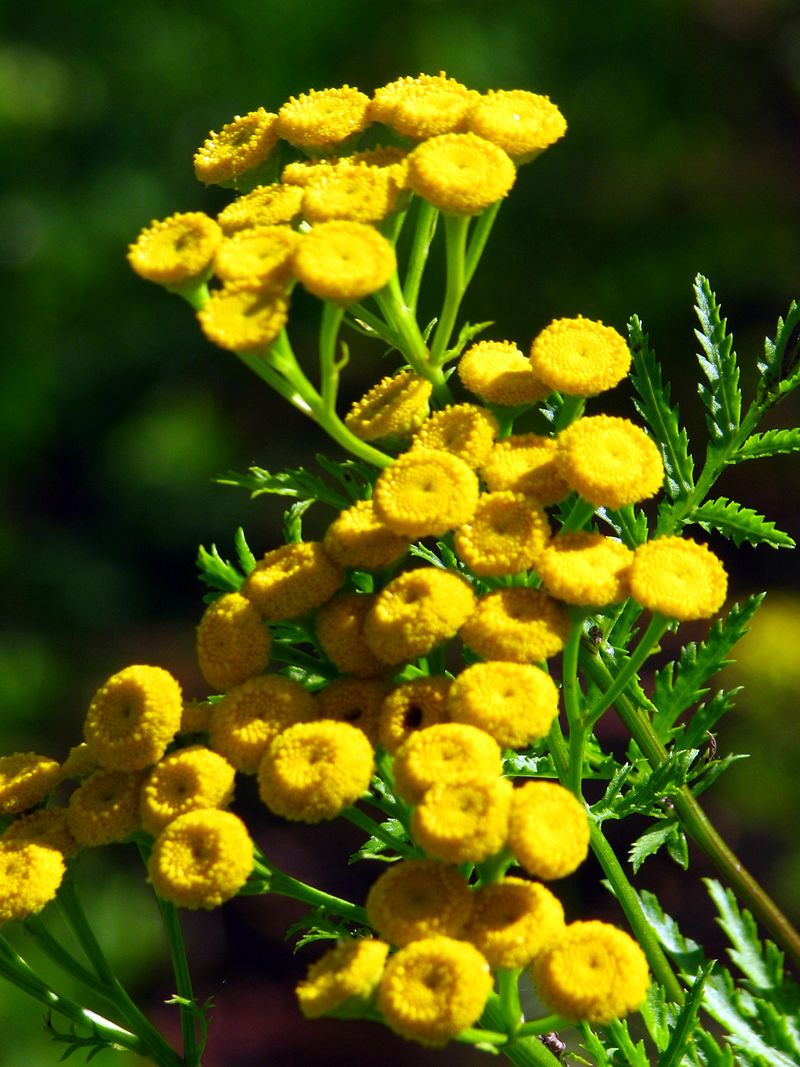
Tansy’s cheerful yellow flowers belie its aggressive nature. Known to spread rapidly, it can disrupt garden ecosystems and is often difficult to eradicate once established.
Consider planting Yarrow instead. Yarrow offers similar sunny blooms and attracts beneficial insects. With its controlled growth, it fits well into perennial borders, providing beauty and utility without the invasive spread.
14. Obedient Plant
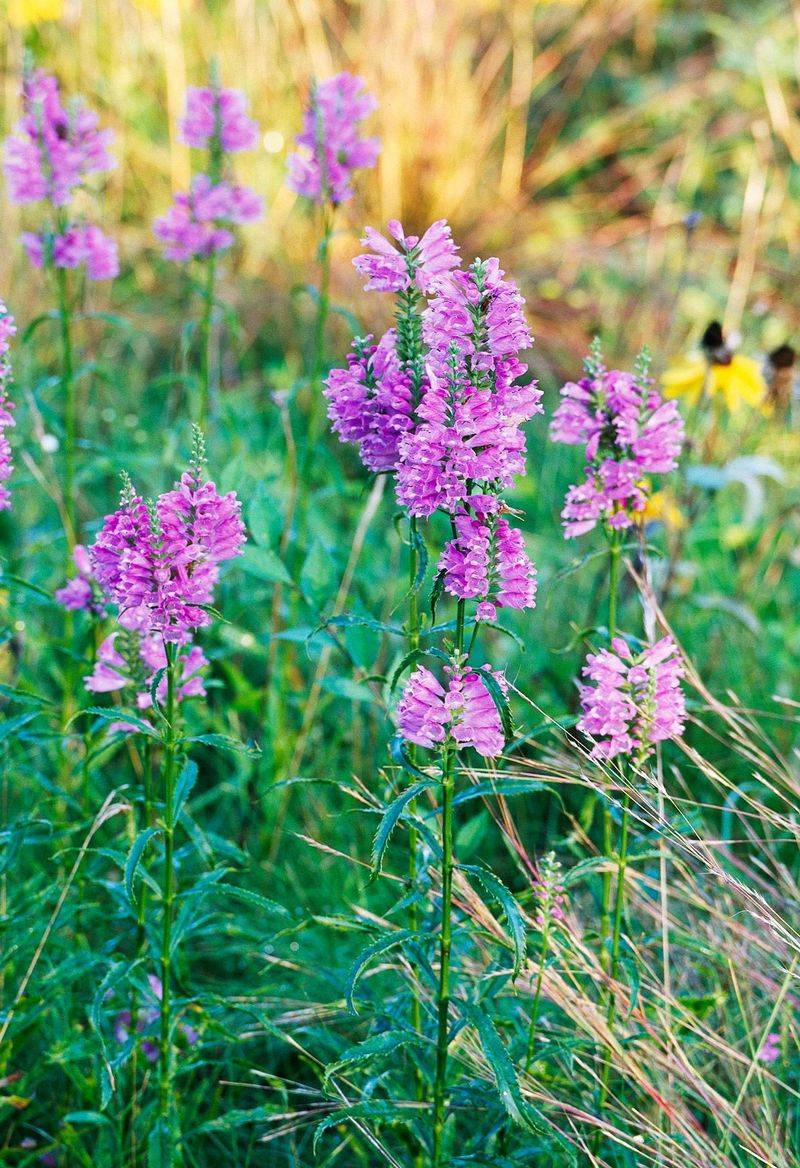
The Obedient Plant’s name is ironic, as its spreading nature often defies control. Its rapid growth can overtake garden areas, requiring persistent effort to manage.
Switch to Veronica for a more manageable option. Veronica offers lovely spikes of flowers and a more restrained growth pattern. Its versatility makes it a great choice for mixed borders, adding elegance without overrunning the garden.
15. Chameleon Plant
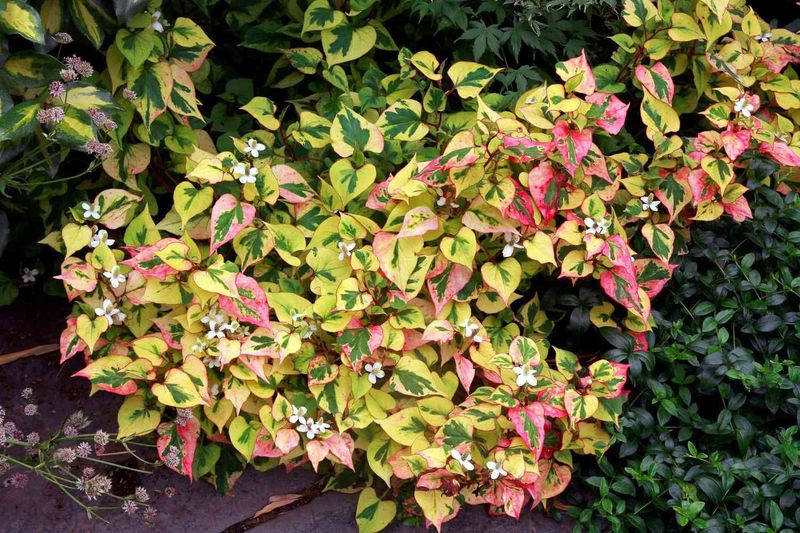
Chameleon Plant’s vibrant leaves may seem appealing, but its aggressive growth can become a gardener’s nightmare. It spreads rapidly, often requiring extensive measures for control.
Replace it with the more tame Ajuga. Known for its colorful foliage and blue flower spikes, Ajuga provides beauty without the rampant spread. It’s ideal for ground cover, adding interest to shaded areas of the garden.
16. Butterfly Bush
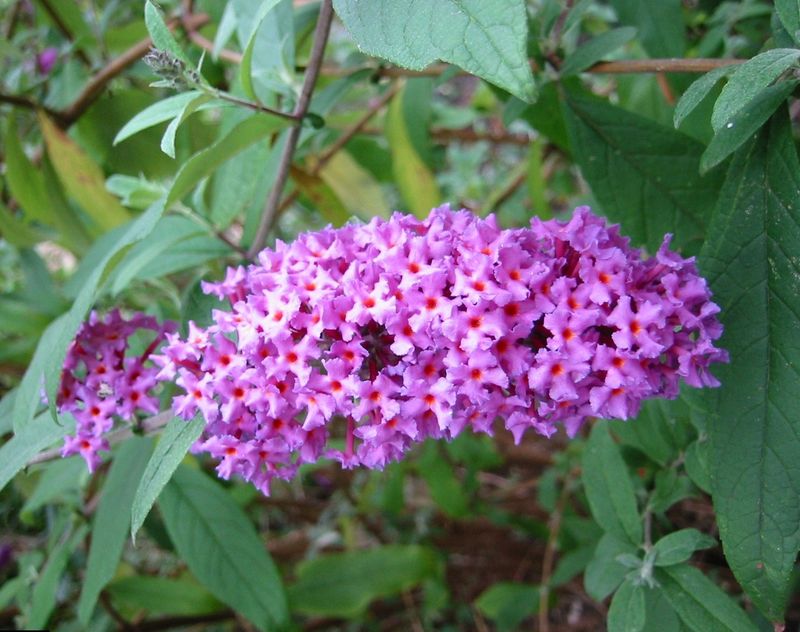
Butterfly Bush attracts fluttering visitors with its fragrant blooms but can become invasive in some regions. Its prolific seed production leads to unwanted spread, impacting native plant populations.
Consider planting native alternatives like Buttonbush. Buttonbush offers similar benefits for pollinators without the invasive risk. Its spherical flower clusters add unique charm and support local wildlife.
17. Crown Vetch
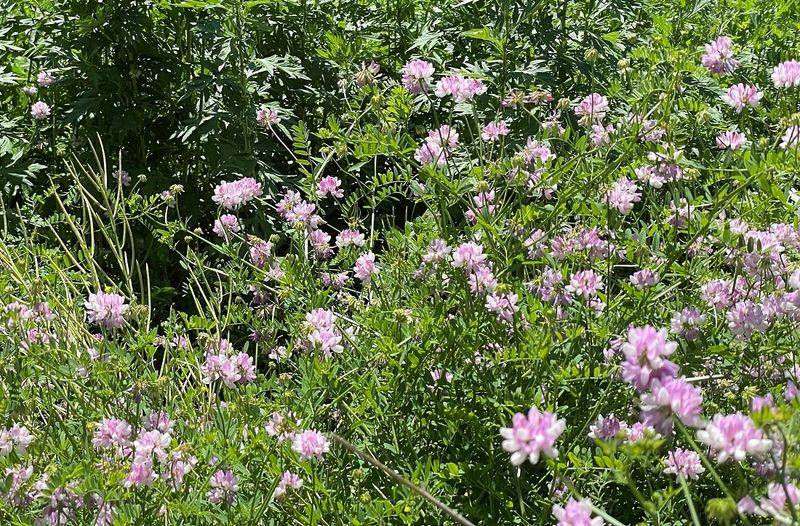
Crown Vetch may appear charming with its delicate blooms, yet it poses a significant invasive threat. Its spreading nature can overwhelm landscapes, making it a concern for natural habitats.
Plant native ground covers like Prairie Smoke instead. Prairie Smoke offers unique blooms and supports local ecosystems. Its controlled growth makes it a valuable addition to garden spaces.
18. Bamboo

Bamboo’s exotic appeal is undeniable, yet its rapid spread often turns problematic. Once established, it can be incredibly challenging to contain, leading to potential damage to property and ecosystems.
Opt for Clumping Bamboo varieties for a more contained growth. These types provide the same visual appeal without the invasive tendencies. Enjoy the elegance of Bamboo without the worry of uncontrolled spread.
19. Vinca
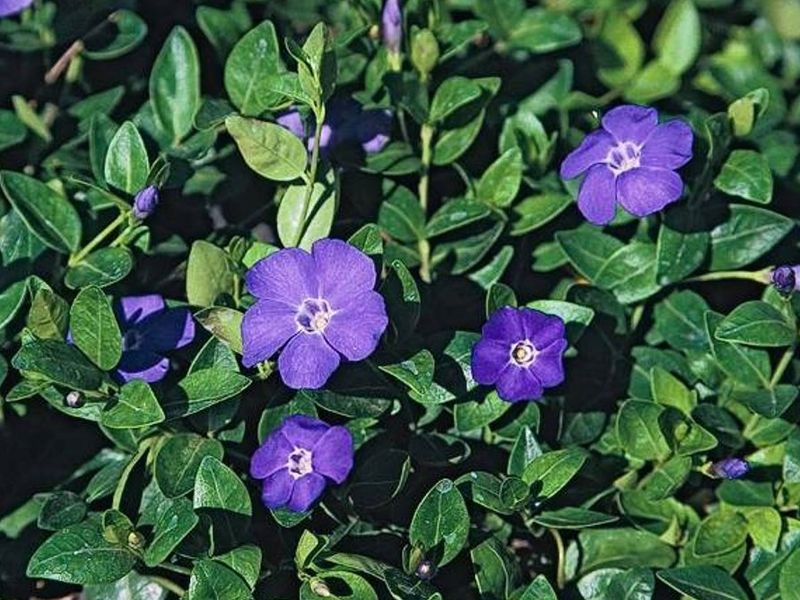
Vinca’s glossy foliage and vibrant flowers make it alluring, yet its invasive growth can quickly cause issues. Its sprawling nature often overtakes garden areas, requiring diligent management.
Instead, try planting Lungwort. With its spotted leaves and charming flowers, Lungwort provides beauty without the aggressive spread. It’s excellent for shaded areas, adding color and texture to garden spaces.
20. Chinese Lantern

Chinese Lantern captivates with its unique seed pods, but its spreading habit becomes problematic. It can quickly take over garden areas, necessitating ongoing control.
Choose Physalis ‘Pineapple Ground Cherry’ as an alternative. This plant offers similar ornamental appeal with edible fruit and less aggressive growth. It adds a touch of whimsy to gardens without overwhelming neighboring plants.
21. Astilbe
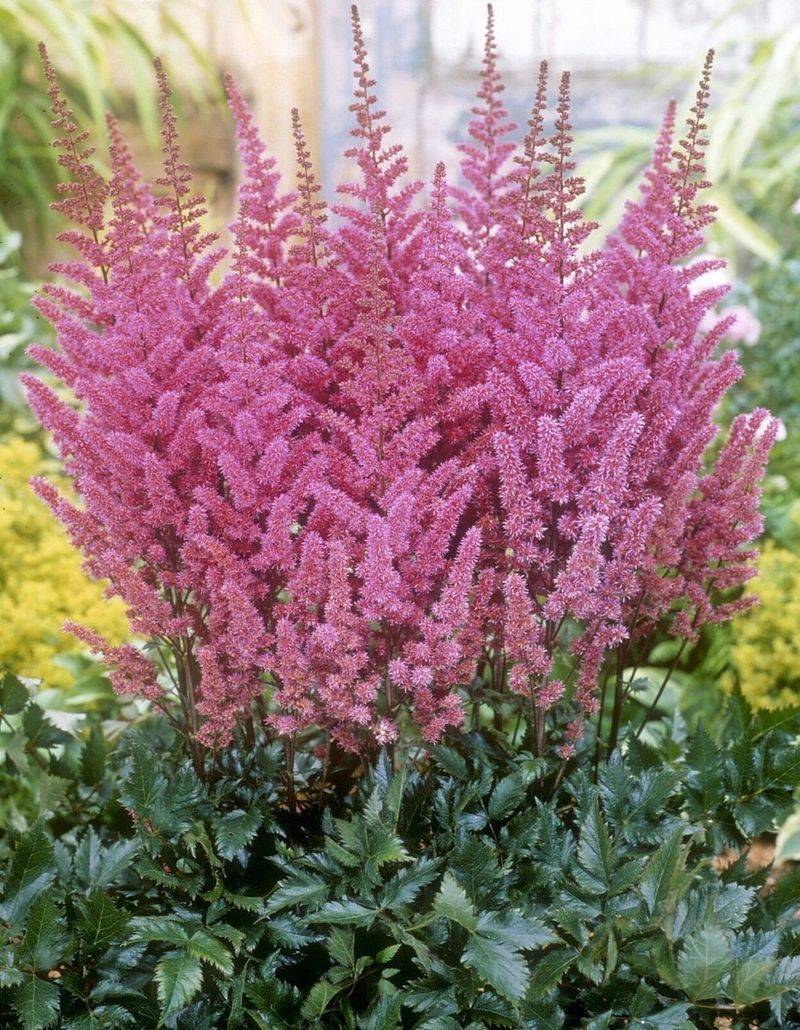
Astilbe, with its feathery plumes, may seem harmless, but its rapid spread can become a concern in some gardens. In damp conditions, it can outcompete more delicate species.
Try planting Goat’s Beard for a similar look without the invasive growth. Goat’s Beard offers tall, graceful blooms and thrives in moist environments, adding elegance to garden designs.
22. Euphorbia
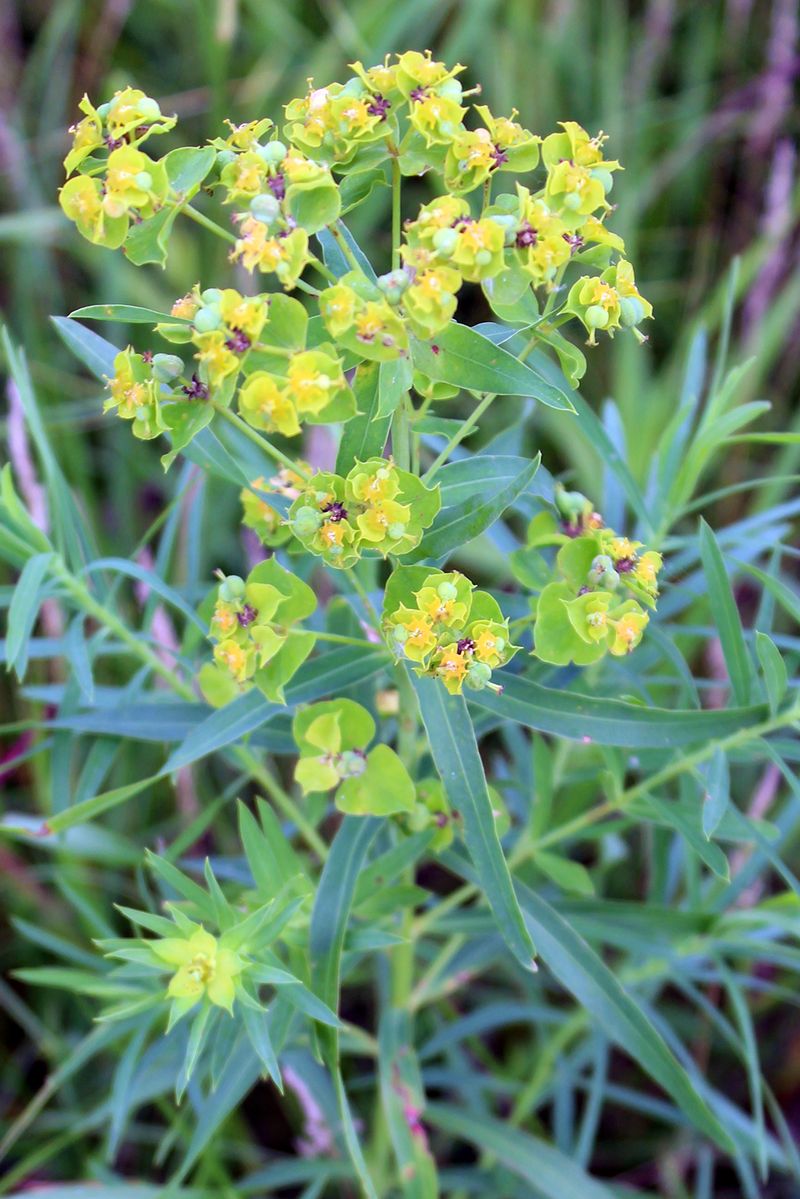
Euphorbia’s striking appearance and unique flowers make it a garden favorite, yet some varieties can spread aggressively. Its milky sap also poses a risk to skin and eyes.
Consider Sedum as a safer alternative. Sedum provides similar texture and color without the invasive growth or irritant sap. It’s perfect for rock gardens, offering beauty and resilience.
23. Daylily
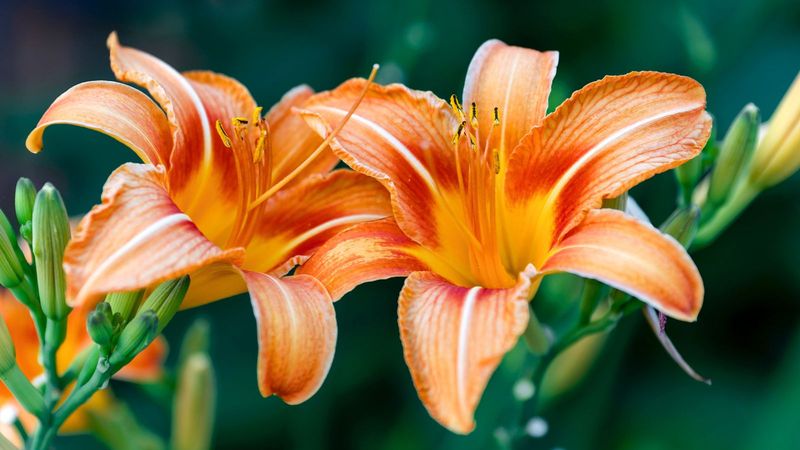
Daylilies, with their bright flowers, often charm gardeners, yet some varieties spread rapidly through tuberous roots. This growth habit can lead to challenges in garden management.
Opt for planting Hemerocallis ‘Stella de Oro,’ a more restrained daylily variety. It offers consistent blooms and compact growth, making it suitable for controlled garden spaces.
24. Bee Balm
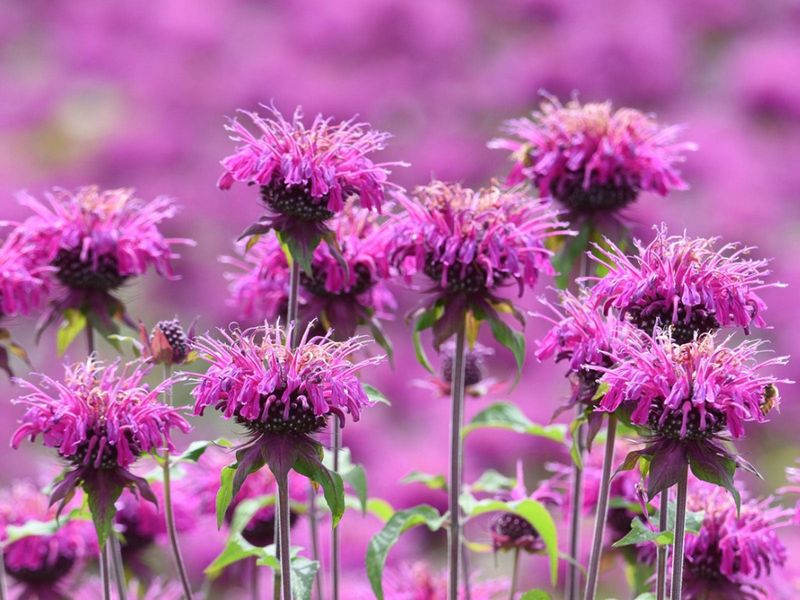
Bee Balm draws pollinators with its vivid flowers but can become invasive if not carefully managed. Its spreading roots often require division and regular maintenance.
Instead, consider Allium for its pollinator-attracting qualities without the invasive spread. Allium’s spherical blooms add whimsy and structure to garden designs, providing a delightful visual and ecological addition.
25. Ostrich Fern

Ostrich Fern’s lush fronds bring a woodland feel to gardens, yet their vigorous spread can cause problems. In ideal conditions, they quickly overtake garden beds.
Replace them with Japanese Painted Ferns, which offer similar beauty with more controlled growth. Their colorful fronds add a touch of elegance and are less likely to overwhelm garden spaces.
26. Sweet Woodruff
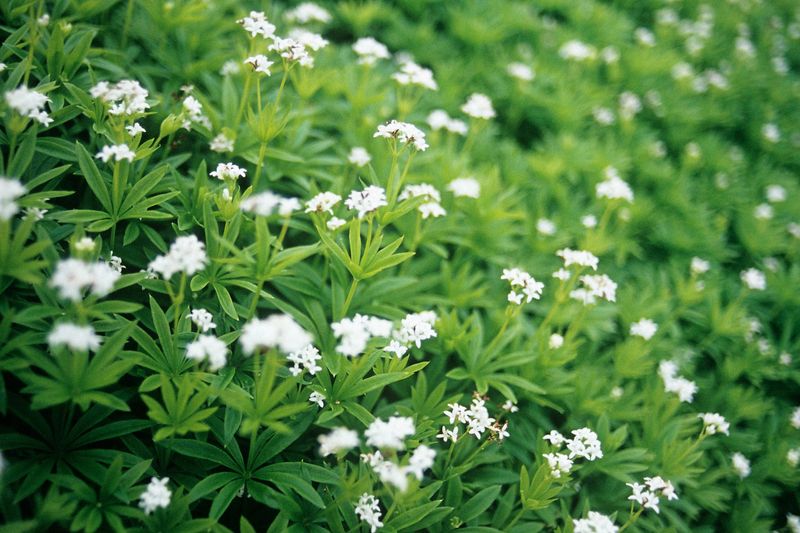
Sweet Woodruff offers a sweet aroma and delicate flowers, yet its rapid spread can become a concern. In shady gardens, it often dominates, requiring regular control efforts.
Try planting Wild Ginger as an alternative. Wild Ginger provides similar ground cover without the rampant growth, adding charm and fragrance to shaded garden areas.
27. Creeping Charlie
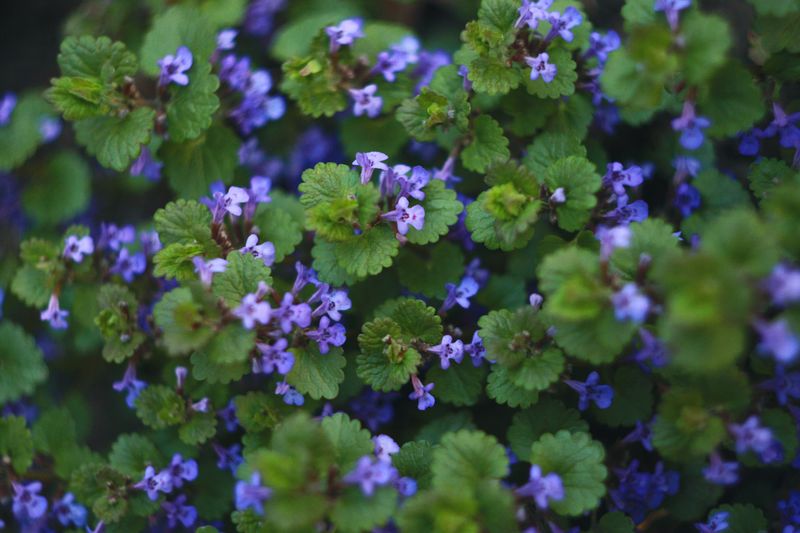
Creeping Charlie’s tenacity is unmatched, making it a garden nuisance. Its rapid spread through creeping stems overwhelms lawns and garden beds alike.
Consider planting Ajuga for ground cover instead. Ajuga’s colorful foliage and flower spikes offer similar benefits without the aggressive behavior. It’s perfect for adding interest and texture to garden spaces.
28. Fennel
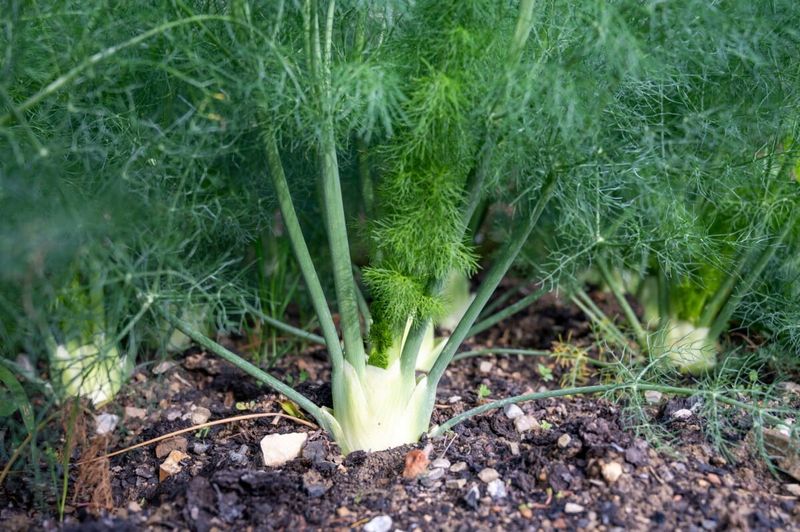
Fennel’s aromatic fronds and culinary uses draw gardeners in, but its invasive nature often surprises. Once established, it can spread rapidly, competing with other plants.
Choose Dill as a more manageable alternative. Dill provides similar culinary benefits and charming yellow flowers without the aggressive spread. It’s ideal for herb gardens and pollinator-friendly landscapes.
29. Bishop’s Goutweed
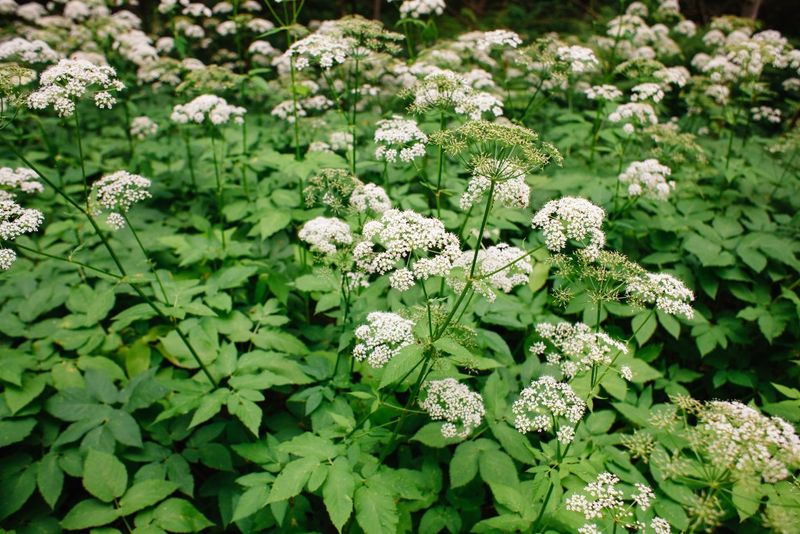
Bishop’s Goutweed, also known as Snow-on-the-Mountain, is a notorious spreader. Its rapid growth can quickly overrun garden beds, making it a difficult plant to control.
Opt for planting Lamium, which offers similar variegation without the rampant spread. Lamium is perfect for shaded areas, bringing beauty and ease of maintenance to your garden.
30. Yellow Flag Iris
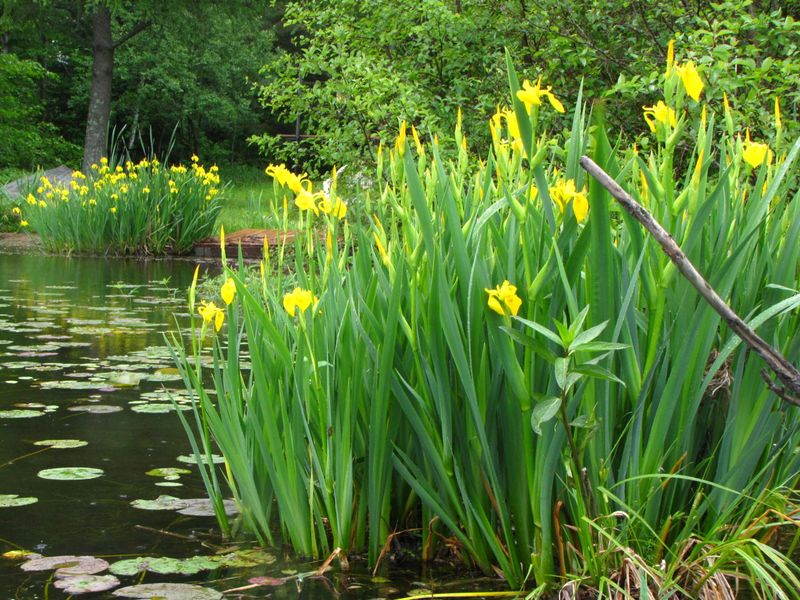
Yellow Flag Iris captivates with its bold blooms but can pose significant ecological issues. Its prolific growth in wetlands outcompetes native species, requiring active management.
Choose Blue Flag Iris for its similar beauty without the invasive risks. Blue Flag adds elegance to water gardens and supports local wildlife, providing a harmonious alternative.
31. Spurge
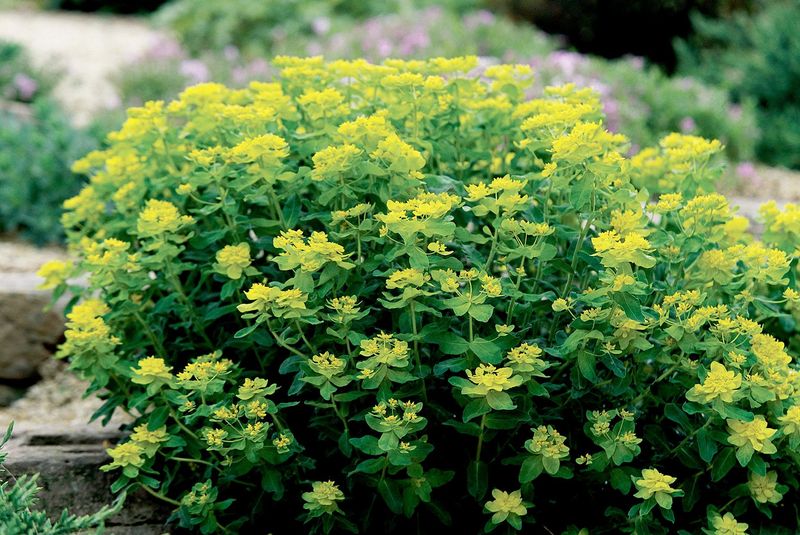
Spurge’s vibrant foliage and unique flowers make it visually appealing, yet its aggressive growth can become a concern. Its tendency to spread requires careful control measures.
Try planting Euphorbia ‘Ascot Rainbow’ for a more contained growth habit. This variety provides the same aesthetic charm without the aggressive spread, enhancing garden spaces with its stunning colors.
32. Wild Garlic
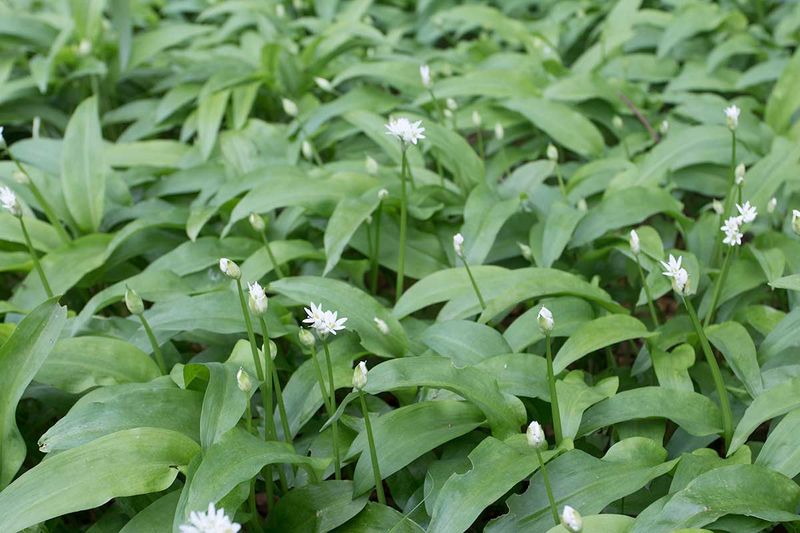
Wild garlic might sound like a delightful addition to your yard, yet it can become a gardener’s nightmare. Its rapid growth and spreading nature mean it can quickly take over flowerbeds.
While it may add a unique flavor to your culinary dishes, wild garlic often outcompetes more delicate plants. Its underground bulbs make it challenging to remove entirely, leading to perpetual garden battles.
If you’re looking for a flavorful alternative, consider planting chives. Unlike wild garlic, chives have a more restrained growth pattern and can be easily controlled within garden borders.
33. Lesser Celandine
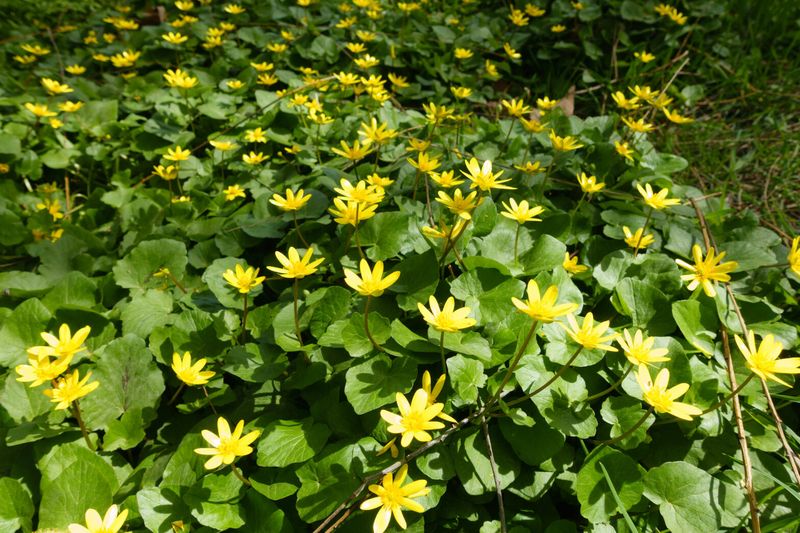
With its cheerful yellow flowers, lesser celandine might seem like a charming choice for any garden. However, it’s a botanical bully, rapidly spreading and choking out native species.
This perennial emerges in early spring and quickly forms dense mats that can be difficult to remove. Its invasive nature can disrupt local ecosystems and overshadow other early bloomers.
For a safer option, try planting marsh marigold. This native plant provides similar bright blooms without the aggressive takeover, supporting a more balanced garden environment.