 Complete Gardening
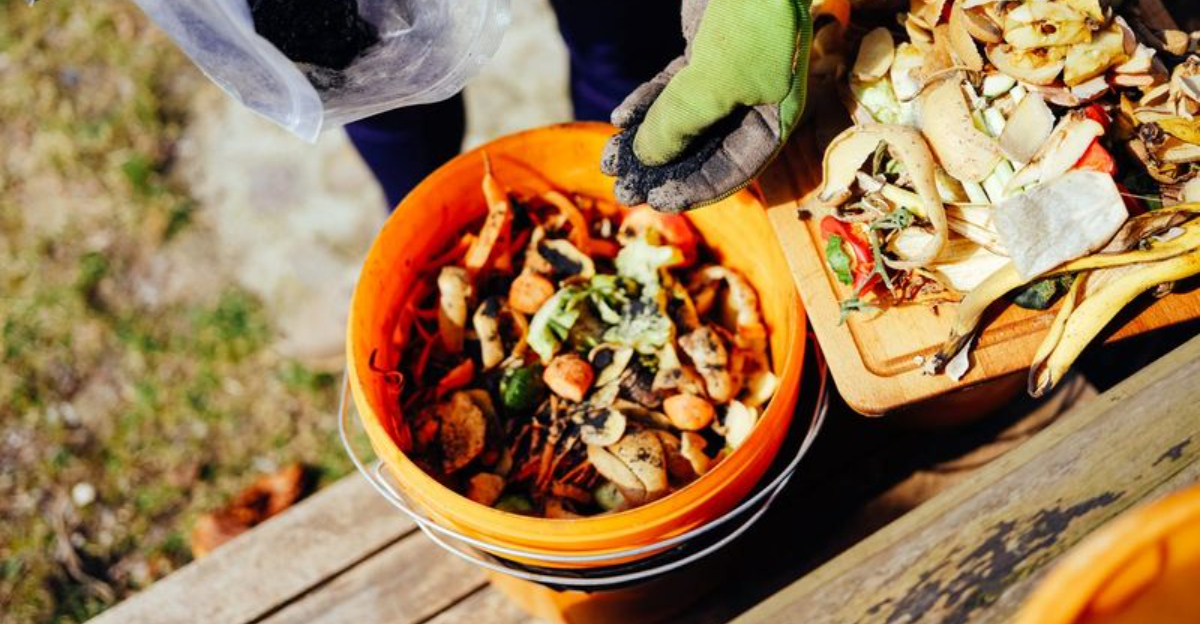
Explore the innovative plant care methods that are transforming gardens in 2025. From advanced technologies and improved natural practices to eco-friendly solutions, these techniques help gardeners cultivate healthier, more sustainable environments.
Discover how these 20 methods are quietly revolutionizing the way we nurture our plants.
1. No-Dig Gardening
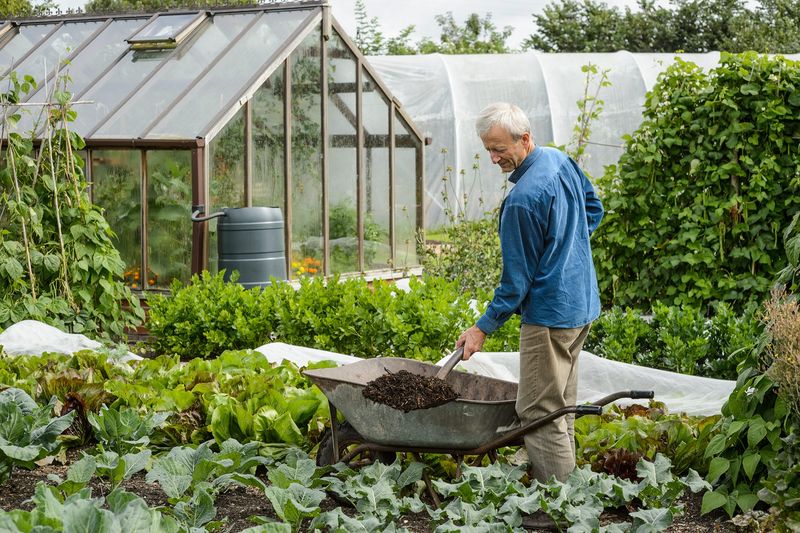
Imagine tending to your garden without the exhausting task of digging. No-Dig Gardening is revolutionizing how gardeners cultivate their plots. By layering organic matter on the soil’s surface, this method enriches soil health while minimizing labor. It preserves the natural soil structure and encourages beneficial microorganisms to thrive. As a bonus, it significantly reduces weeds, allowing plants to flourish unimpeded. This sustainable approach not only conserves energy but also aligns with eco-friendly principles. Many gardeners are embracing this method, finding it both efficient and rewarding. It’s a win-win situation for you and your plants.
2. Compost Tea Feeding
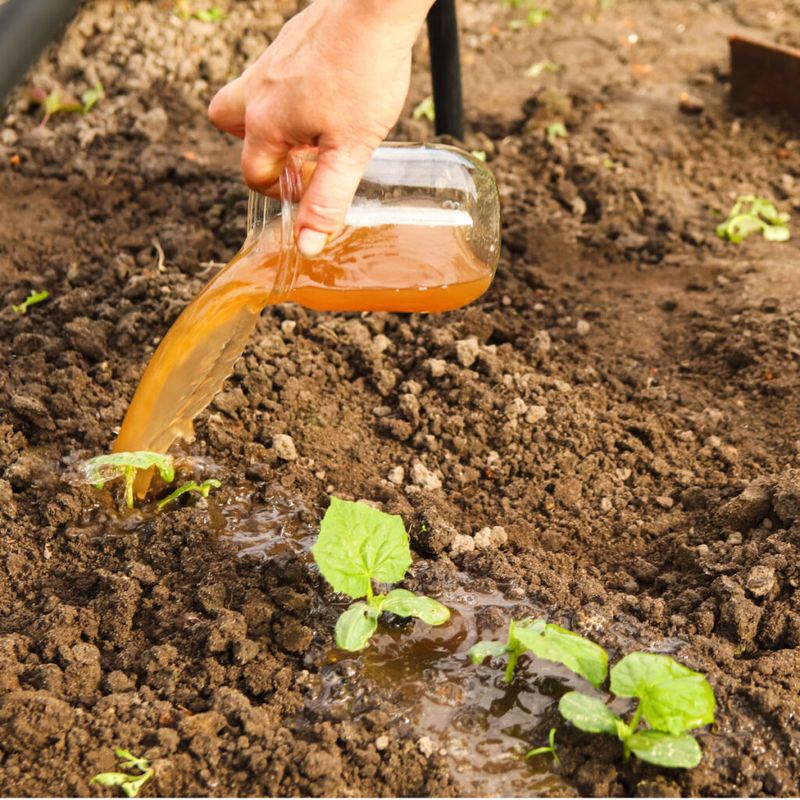
Brewing a potent mix for your plants might sound unusual, but Compost Tea Feeding is making waves. This liquid fertilizer, derived from steeped compost, is teeming with nutrients and beneficial microbes. Applying it to plants enhances their growth and resilience against pests. It’s like a health tonic for your garden! The brewing process is straightforward and can be done with simple tools. Gardeners appreciate the immediate impact on plant health and the eco-friendly nature of this method. As more discover its benefits, compost tea is becoming a staple in garden care.
3. Self-Watering Systems
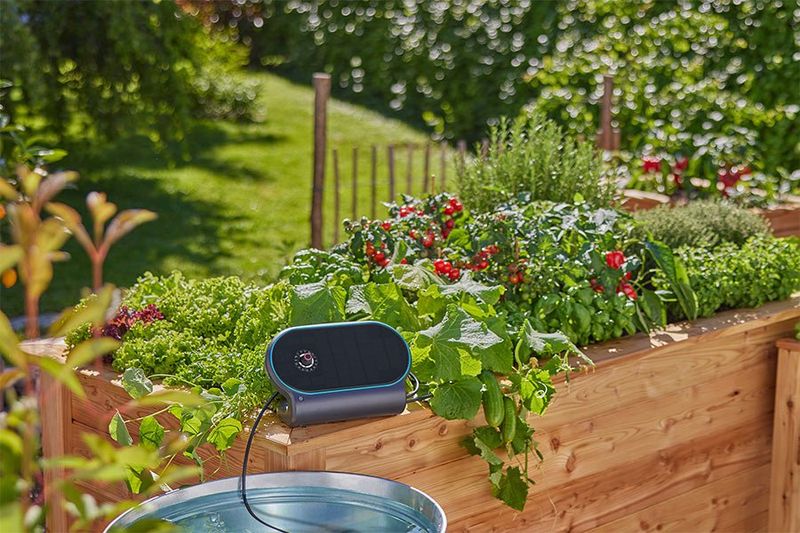
In the hustle and bustle of daily life, watering plants can be a challenge. Enter Self-Watering Systems, a game-changer for busy gardeners. These systems automate the watering process, ensuring plants receive consistent moisture without overdoing it. By using capillary action, they draw water as needed, promoting healthy root growth. Such technology reduces water waste and is perfect for those who travel frequently. Home gardeners and professionals alike are finding relief in these systems’ reliability and efficiency. The convenience they bring is hard to overstate.
4. Companion Planting 2.0
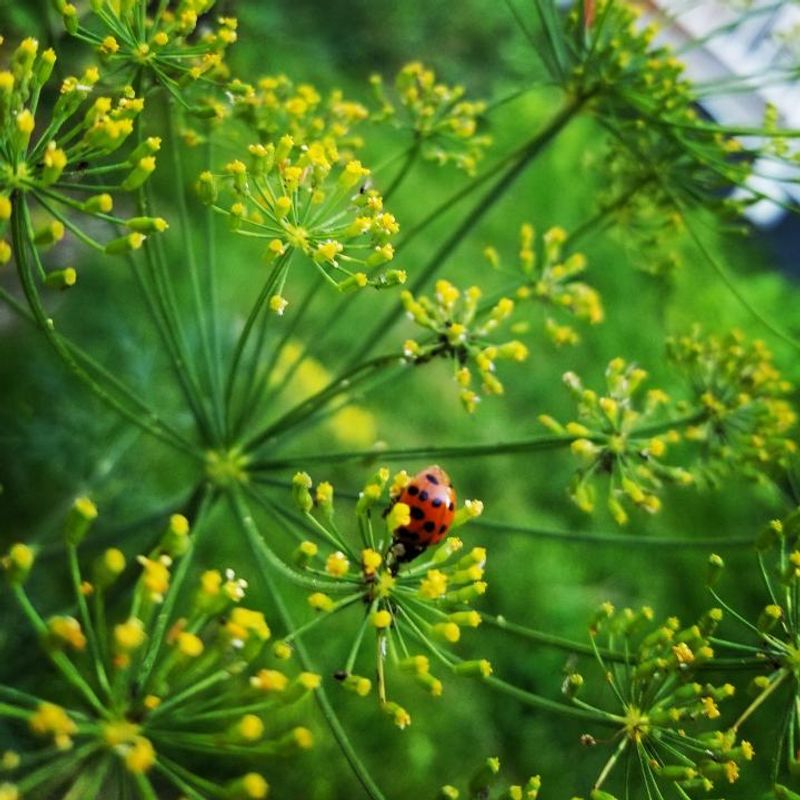
Think of your garden as a community where plants help each other thrive. Companion Planting 2.0 takes this concept further by using advanced pairings for soil and pest benefits. By understanding plant interactions more deeply, gardeners can create symbiotic relationships that enhance growth and deter pests. This method promotes biodiversity, leading to a more balanced ecosystem. It’s like a natural defense system, reducing the need for chemical interventions. As gardens become more interconnected, this method continues to gain traction among eco-conscious gardeners.
5. Mycorrhizal Inoculation
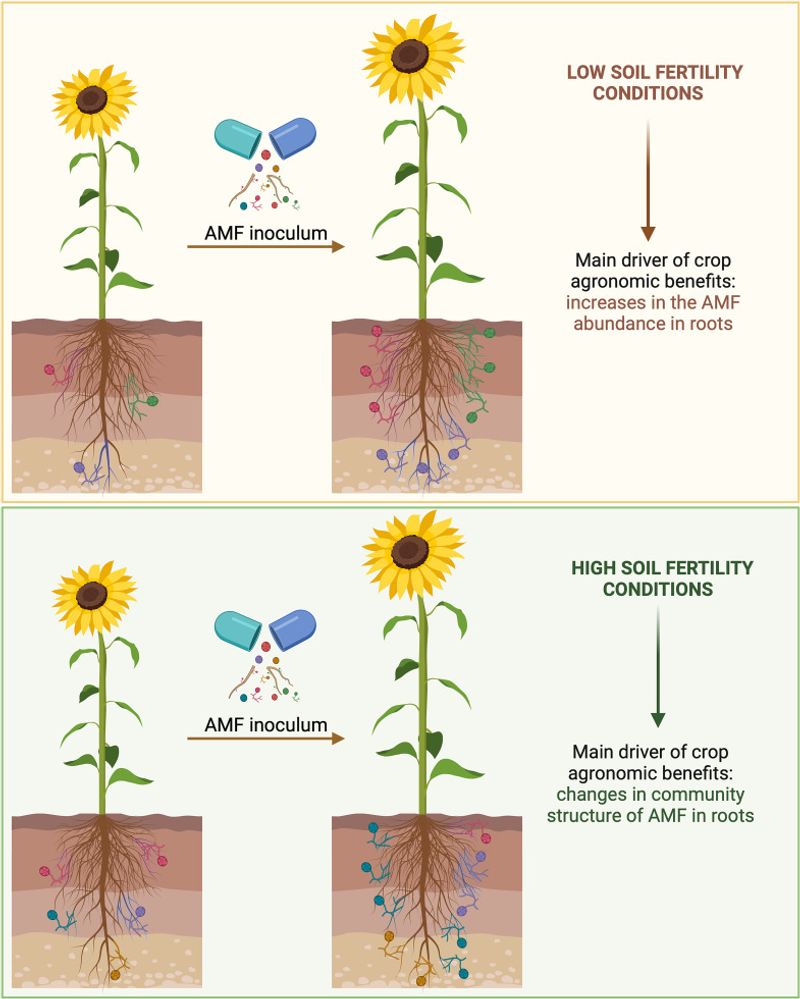
Delve into the underground network that boosts plant vitality. Mycorrhizal Inoculation introduces beneficial fungi to plant roots, enhancing nutrient uptake and water absorption. This symbiotic relationship supports plant health and resilience, especially in poor soil conditions. As plants flourish, they contribute to a richer soil environment. Gardeners appreciate the natural boost this method provides, reducing reliance on synthetic fertilizers. It’s a fascinating glimpse into plant-fungal partnerships, with visible benefits above and beneath the soil. This ancient technique is becoming a modern favorite.
6. Fermented Plant Juice (FPJ) Fertilizing
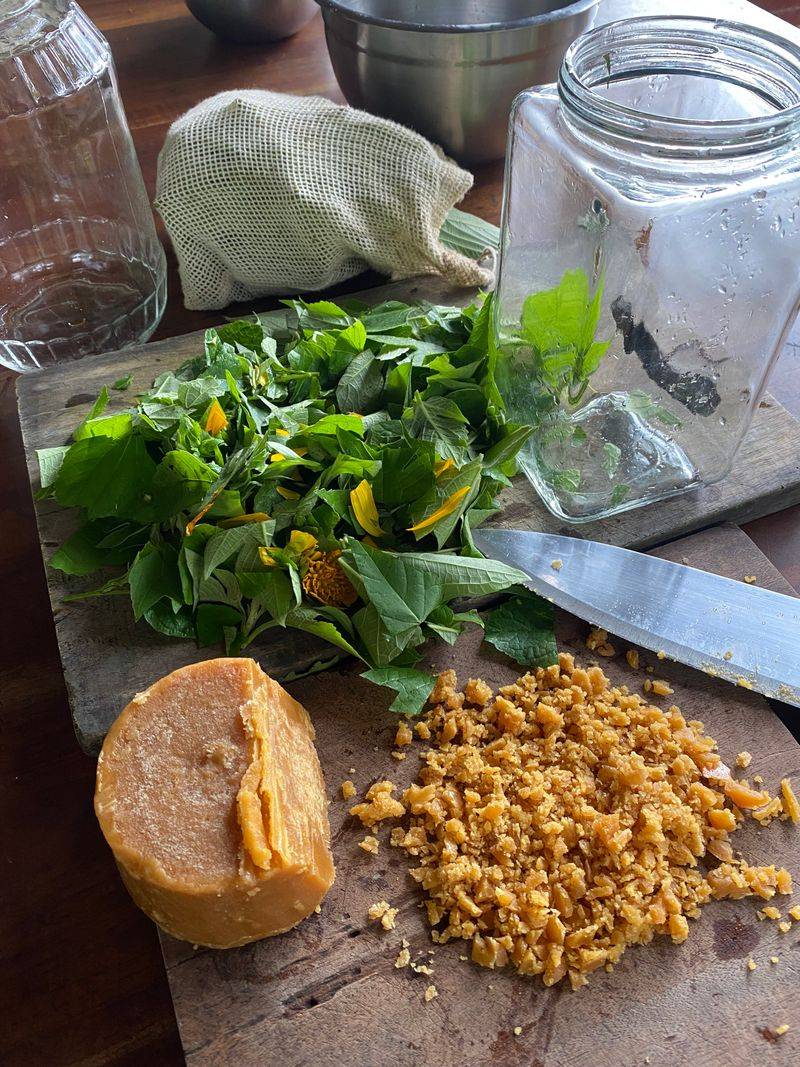
Unlock the power of fermentation in your garden with FPJ Fertilizing. Fermented Plant Juice, made from fresh plant materials, is rich in nutrients and growth-promoting compounds. This method boosts plant growth naturally, improving yield and health. Easy to make at home, FPJ requires minimal ingredients and effort. Its use aligns with sustainable principles, reducing dependency on chemical fertilizers. Gardeners notice more robust plants and vibrant blooms with regular FPJ application. This method symbolizes a return to natural wisdom, integrating traditional practices with modern gardening needs.
7. Deep Mulching
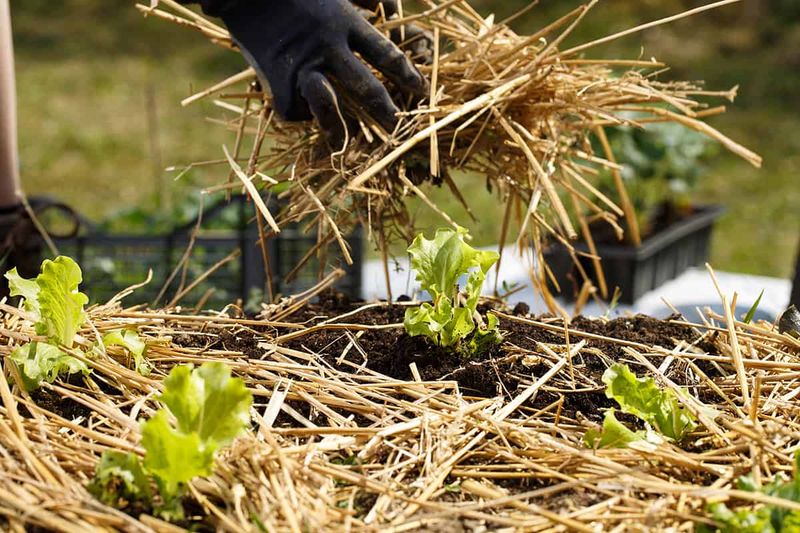
Bury your garden woes with Deep Mulching, a method that provides multiple benefits. By adding a thick layer of organic material over soil, gardeners can protect plant roots, retain moisture, and suppress weeds. The decomposition of mulch enriches the soil, creating a vibrant environment for growth. It’s an efficient way to mimic nature’s processes, enhancing soil health without chemicals. As a result, plants become more resilient and productive. Gardeners find this method both practical and rewarding, offering peace of mind and healthier crops.
8. Smart Sensor-Based Watering
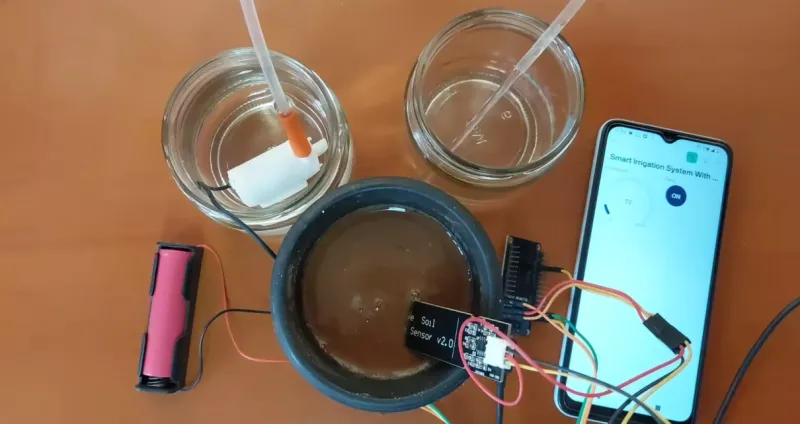
Welcome to the future of gardening with Smart Sensor-Based Watering. This cutting-edge technology uses sensors to monitor soil moisture, adjusting water supply as needed. It ensures plants receive optimal hydration while minimizing waste. This precision watering method caters to individual plant needs, supporting healthy growth and conserving resources. Ideal for tech-savvy gardeners, it offers convenience and sustainability. As climate concerns grow, this technology is becoming a pivotal tool in water management. It’s a smart solution for maintaining vibrant gardens with minimal effort.
9. Soil Blocking for Seed Starting
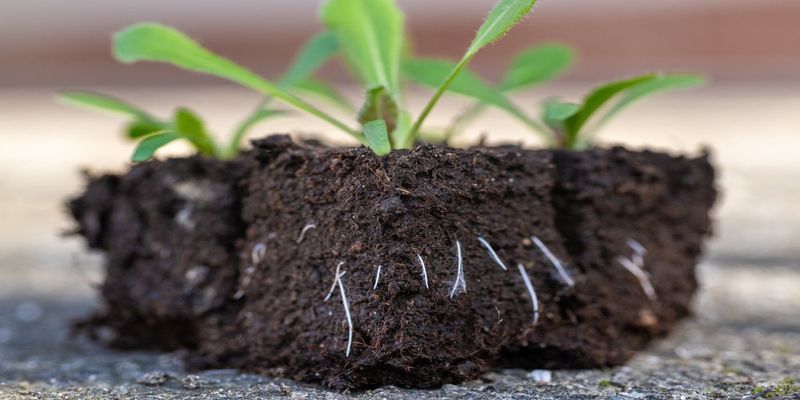
Say goodbye to plastic pots with Soil Blocking, an eco-friendly seed starting method. By compressing soil into blocks, gardeners can start seeds without containers. This technique promotes air pruning of roots, leading to healthier, more robust plants. It’s a sustainable alternative that reduces plastic waste. The uniformity of soil blocks ensures even growth conditions for all seedlings. Gardeners appreciate the simplicity and effectiveness of this method, which aligns with a zero-waste lifestyle. As awareness of plastic pollution rises, soil blocking is gaining widespread popularity.
10. Regenerative Gardening Practices
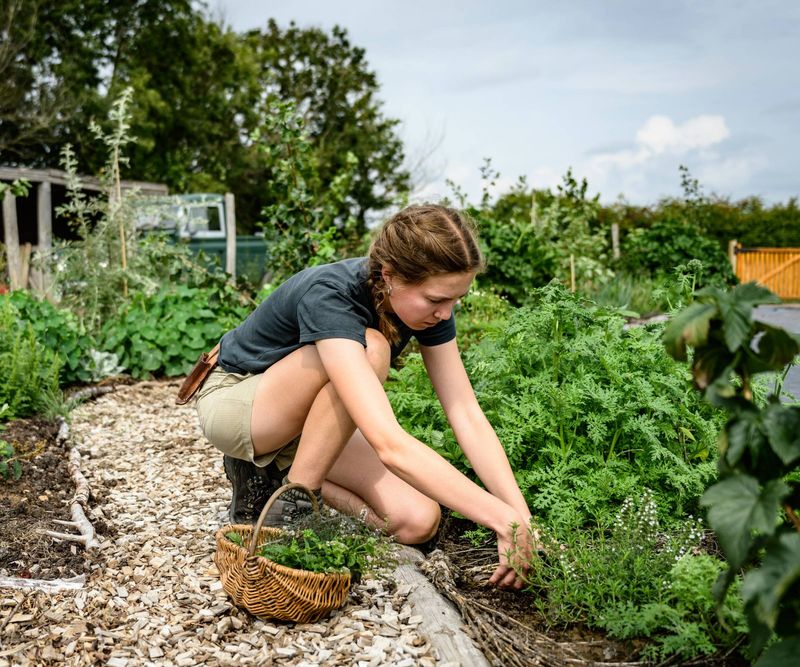
Embrace a holistic approach to gardening with Regenerative Practices. These methods focus on restoring soil health and biodiversity, creating resilient ecosystems. Techniques like cover cropping, composting, and crop rotation enhance soil fertility and structure. By working with nature, gardeners can reduce chemical inputs and support long-term sustainability. The positive impact on soil health extends to plant vigor and productivity. This approach is not just about growing plants; it’s about cultivating a thriving garden ecosystem. As environmental awareness grows, regenerative practices are setting a new standard in gardening.
11. Vermiculture (Worm Farming)
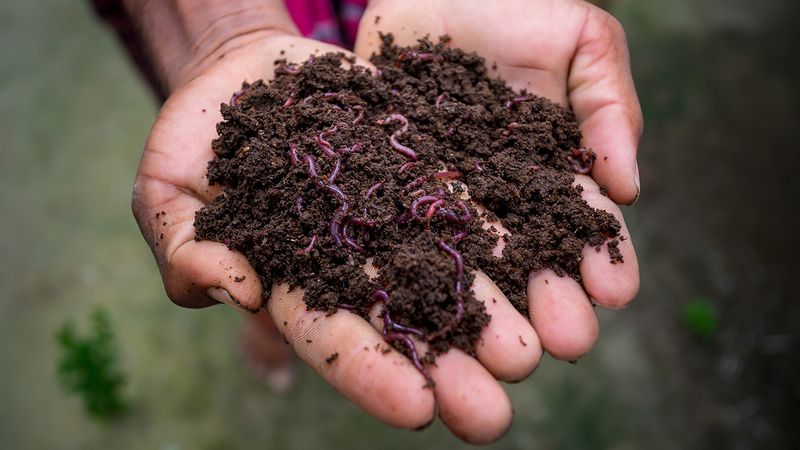
Harness the power of worms with Vermiculture, a sustainable method for enriching soil. By composting organic waste with worms, gardeners produce nutrient-rich vermicompost. This natural fertilizer enhances soil structure and promotes plant health. It’s an efficient way to recycle kitchen scraps while fostering a balanced ecosystem. Worm farming is easy to start and maintain, making it accessible for gardeners of all levels. The tangible results in plant growth and soil vitality are hard to ignore. As a bonus, it reduces household waste, aligning with eco-friendly practices.
12. Living Mulch Cover Crops
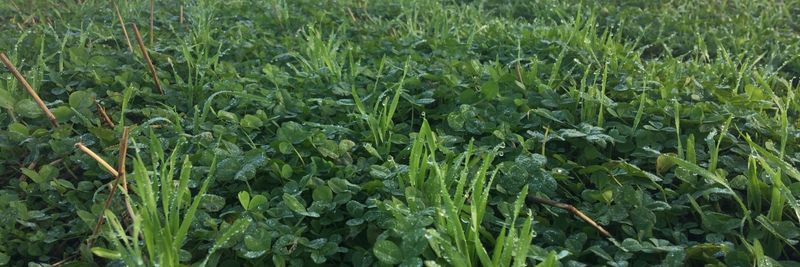
Revitalize your garden with Living Mulch Cover Crops, a dynamic approach to soil health. By planting cover crops alongside primary plants, gardeners can suppress weeds, retain moisture, and enhance soil fertility. These green companions protect soil from erosion and provide organic matter as they decompose. It’s a method that mimics nature’s systems, supporting biodiversity and resilience. The symbiotic relationship between cover crops and primary plants leads to a more balanced garden ecosystem. As gardeners seek sustainable solutions, living mulch is becoming an invaluable tool.
13. Greywater Recycling for Irrigation
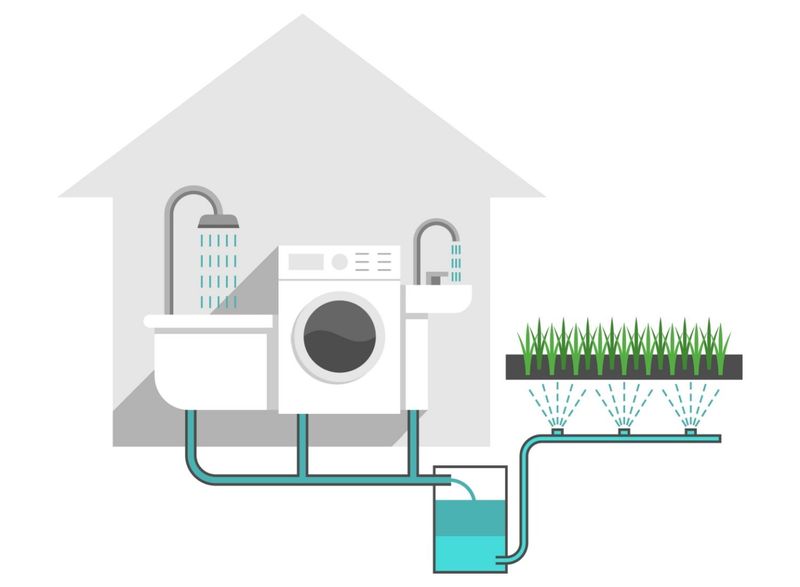
Turn everyday waste into a garden resource with Greywater Recycling. This method repurposes household water, such as from sinks and showers, for garden irrigation. It conserves water and reduces utility costs, making it an eco-friendly choice. Gardeners can contribute to water conservation efforts while maintaining lush, hydrated plants. Greywater systems are designed to ensure safety, preventing contamination while benefiting plant growth. As water scarcity becomes a global issue, this method offers a practical solution to sustainable gardening. It’s a smart way to maximize resources.
14. Biological Pest Control (Beneficial Insects)
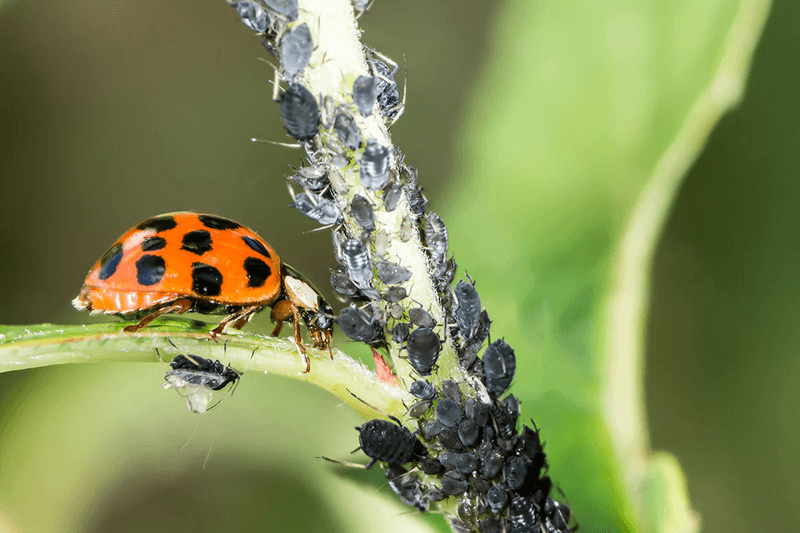
Nature provides its own pest management through Biological Pest Control. By introducing beneficial insects like ladybugs and predatory wasps, gardeners can naturally reduce pest populations. This method minimizes reliance on chemical pesticides, promoting a healthier garden environment. Beneficial insects target specific pests, maintaining ecological balance. The use of nature’s allies leads to more sustainable pest management, enhancing garden vitality. As awareness of chemical impacts grows, many are turning to this natural solution. It’s a harmonious approach, where nature works in concert with the gardener.
15. Slow-Release Organic Pellets
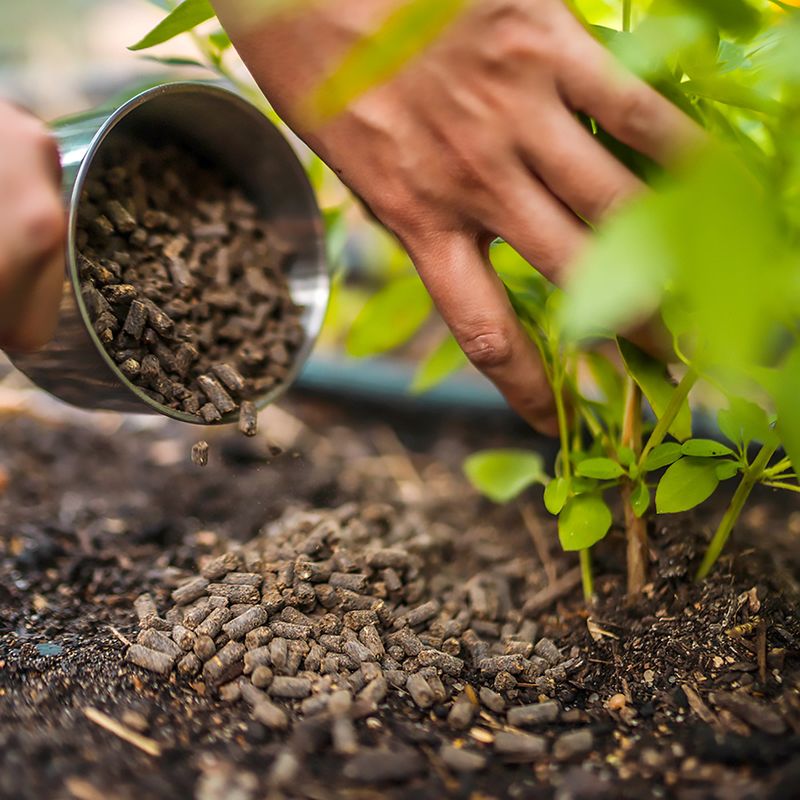
For a steady supply of nutrients, consider Slow-Release Organic Pellets. These pellets gradually release essential nutrients into the soil, supporting plant growth over time. The slow-release mechanism ensures consistent feeding, reducing the need for frequent applications. Gardeners appreciate the convenience and effectiveness of this method, which promotes healthier plants with less effort. The organic nature of the pellets aligns with sustainable gardening practices, minimizing environmental impact. As more gardeners seek efficient solutions, slow-release pellets are becoming a popular choice for maintaining lush gardens.
16. Moon Phase Planting
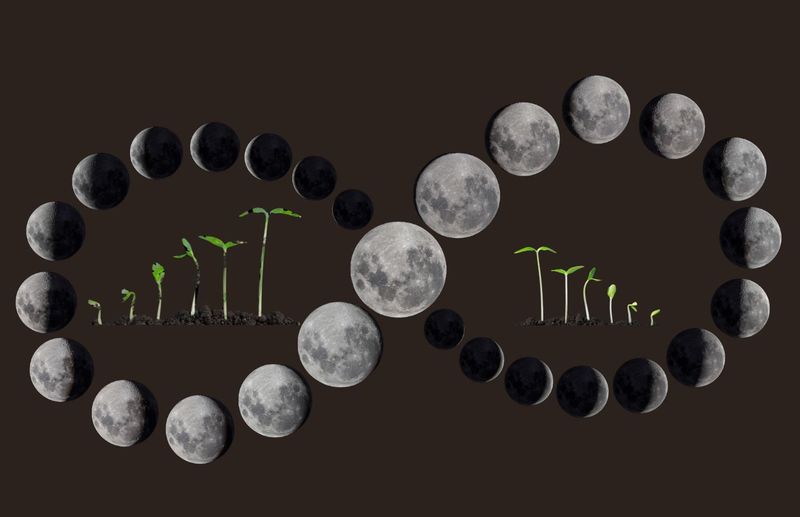
Tap into the lunar cycle with Moon Phase Planting, an ancient practice gaining modern interest. This method involves timing planting activities based on the moon’s phases, believed to influence plant growth. Gardeners use the waxing and waning moon to optimize planting schedules, enhancing germination and yield. While scientific evidence is debated, many swear by its efficacy, finding a deeper connection with nature. The timing aligns with natural rhythms, creating a holistic approach to cultivation. As curiosity about traditional methods grows, moon phase planting is seeing a resurgence.
17. Foliar Feeding with Seaweed Extracts
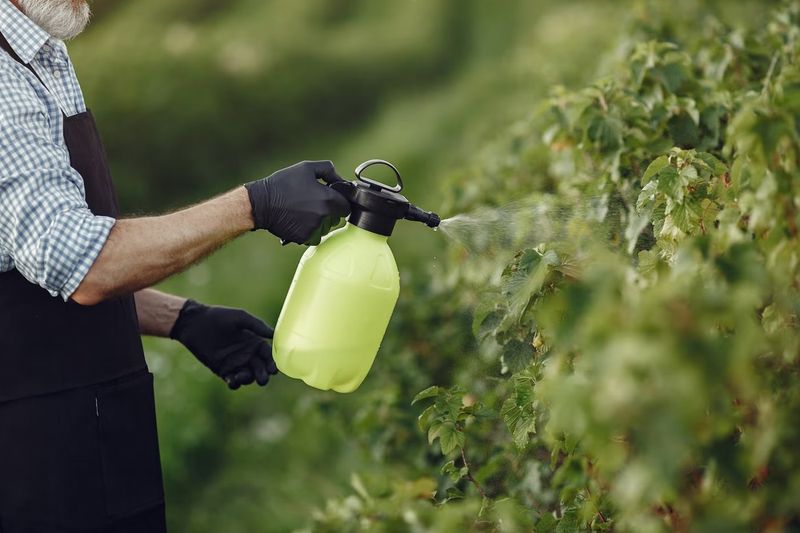
Boost plant nutrition directly with Foliar Feeding using Seaweed Extracts. This method involves applying liquid seaweed directly to plant leaves, allowing for rapid nutrient absorption. The extracts provide a rich source of trace minerals and growth hormones, enhancing plant vitality and resistance to stress. Gardeners appreciate the immediate impact on plant health and productivity. It’s an efficient way to supplement soil nutrition, especially during critical growth phases. As gardeners seek natural alternatives, seaweed foliar feeding is gaining popularity for its effectiveness and eco-friendliness.
18. Thermal Composting
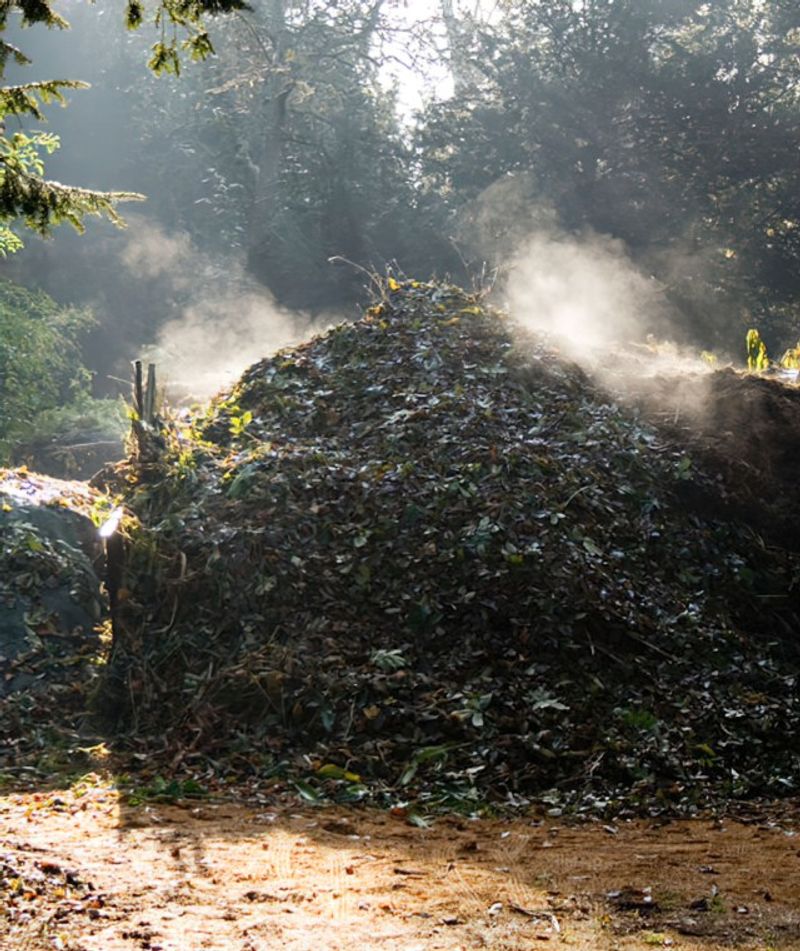
Speed up decomposition with Thermal Composting, a method that harnesses heat for rapid compost creation. By maintaining high temperatures, this technique breaks down organic matter quickly, producing rich compost in a fraction of the usual time. The heat also eliminates pathogens and weed seeds, ensuring a safe, beneficial end product. Gardeners enjoy the efficiency and quality of the compost produced, which boosts soil health and plant growth. It’s a dynamic approach to recycling organic waste, aligning with sustainable practices. As interest in composting rises, thermal methods are gaining traction.
19. Microclimate Mapping
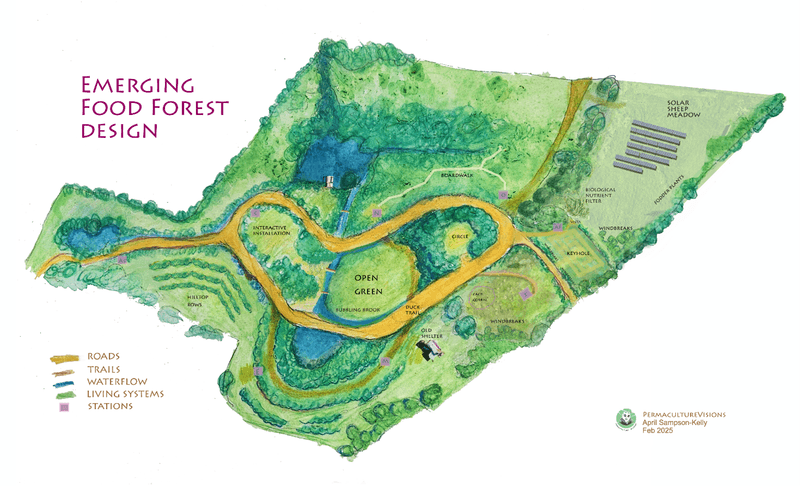
Uncover hidden potential with Microclimate Mapping, a technique that analyzes varying conditions within a garden. By identifying microclimates, gardeners can optimize plant placement for better growth. Factors like sunlight, wind, and moisture levels create unique environments that influence plant health. This method allows for tailored gardening strategies, improving yields and resilience. The use of technology enhances precision in mapping, offering insights into garden dynamics. As gardeners seek to maximize their space’s potential, microclimate mapping is becoming an essential tool. It transforms garden planning into a strategic endeavor.
20. DIY Bokashi Composting
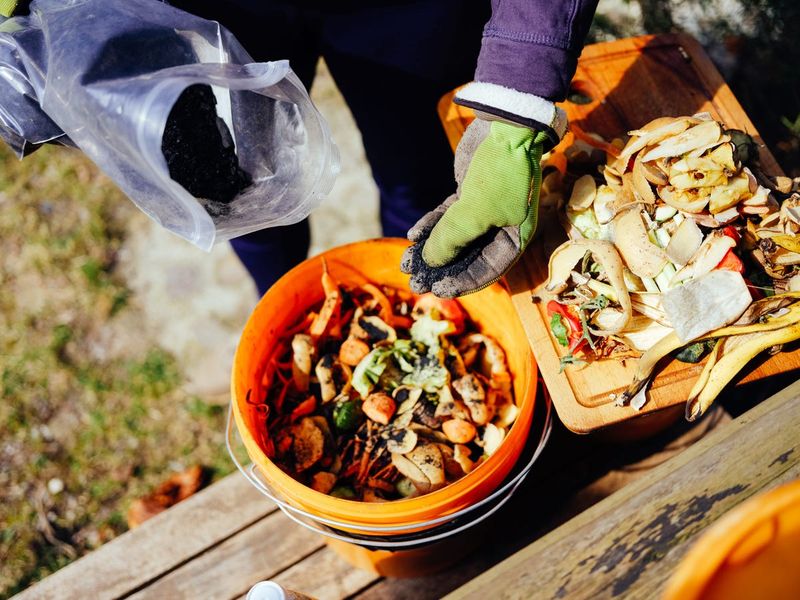
Transform kitchen waste into garden gold with DIY Bokashi Composting. This anaerobic method uses bran inoculated with microbes to ferment organic waste. Unlike traditional composting, Bokashi handles diverse materials, including meat and dairy. The process is quick and odorless, producing rich compost for soil enhancement. Gardeners find it a convenient way to recycle household waste, contributing to sustainability. As urban gardening grows, Bokashi offers an adaptable solution for limited spaces. The method reflects a modern twist on composting, blending efficiency with eco-consciousness.