 Complete Gardening
Explore the fascinating world of plants that transform dramatically with the changing seasons. These plants not only showcase the beauty of nature but also adapt to their environment in unique ways.
From vibrant color changes to dynamic growth patterns, discover how these plants captivate and surprise throughout the year.
1. Hydrangea
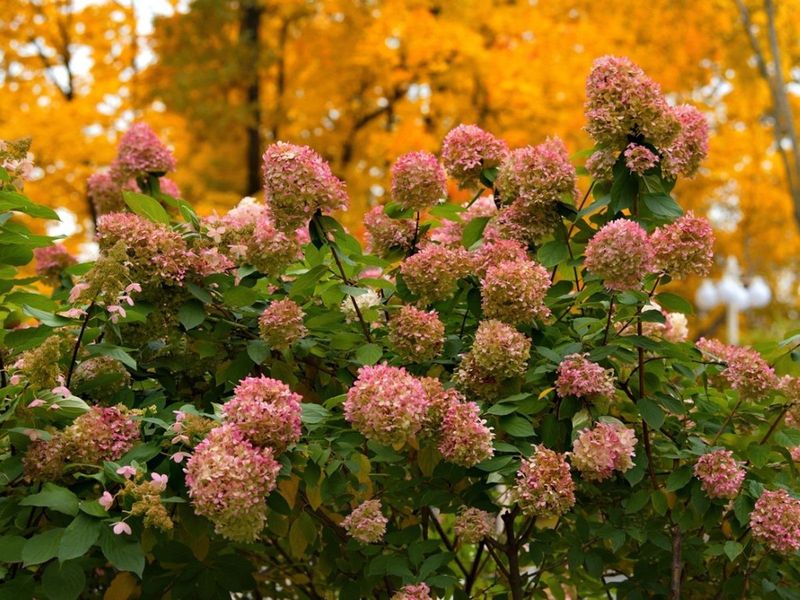
Hydrangeas are known for their dramatic transformation in color and size throughout the seasons. In spring and summer, these shrubs burst into a riot of colors, ranging from blues and pinks to purples, depending on soil pH. Their large, round flower heads are a highlight in any garden. As autumn approaches, the blooms may fade to a gentle brown, adding a different kind of charm. In winter, hydrangeas rest, their leaves falling away to expose intriguing bare branches. This seasonal dance of change makes them a perennial favorite among gardeners.
2. Maple Tree (Acer spp.)
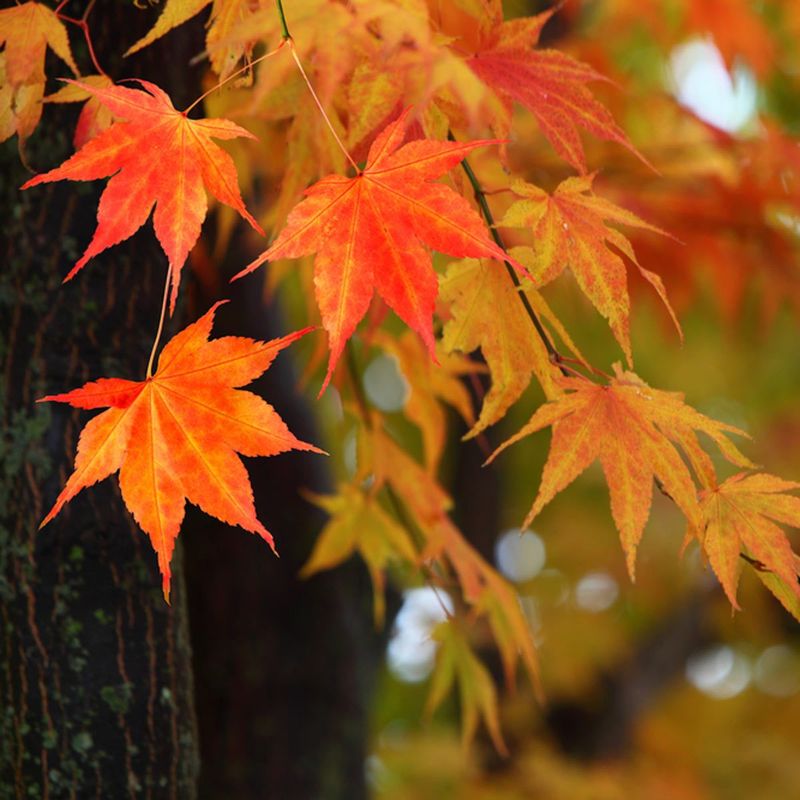
Maple trees are synonymous with the breathtaking colors of fall. As the seasons shift from summer to autumn, these trees undergo a spectacular transformation. Their leaves turn vibrant shades of red, orange, and yellow, painting entire landscapes in warm hues. This color change is due to the breakdown of chlorophyll, revealing pigments like carotenoids and anthocyanins. Besides their autumnal beauty, maples provide shady canopies in summer and are a crucial part of ecosystems, supporting wildlife. In winter, their bare branches create a stark yet elegant silhouette.
3. Hosta
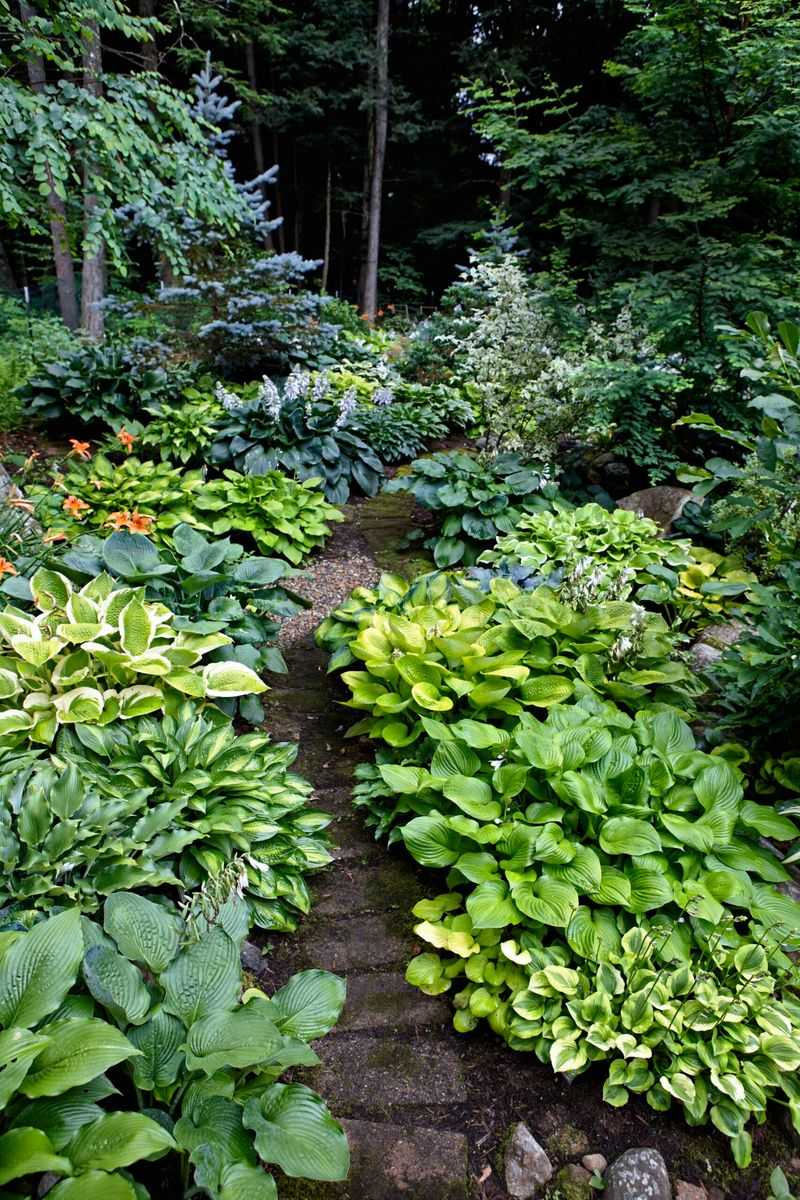
Hostas are shade-loving perennials that change with each season. In spring, they emerge with fresh, curled leaves, gradually unfurling into lush mounds of greenery. Their foliage varies in color, including greens, blues, and variegated patterns, adding texture to gardens. Summer brings delicate, lily-like flowers on tall stems, attracting pollinators. With autumn, hostas slowly retreat, their leaves turning yellow before dying back completely in preparation for winter. This seasonal cycle ensures a dynamic presence in any shaded garden setting.
4. Japanese Maple
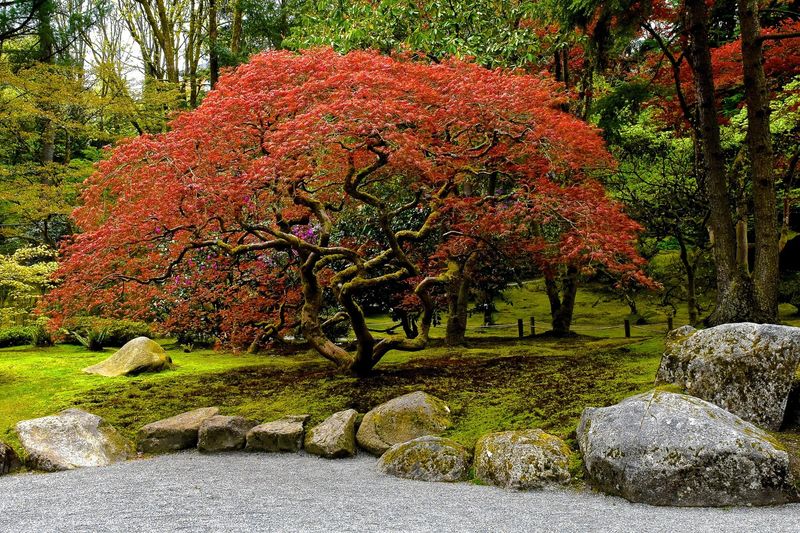
Japanese maples are quintessential for their exquisite seasonal changes. In spring, they awake with delicate, bright green leaves that create an ethereal canopy. As months progress, these leaves transform, adopting fiery hues of red, orange, and purple during autumn. This metamorphosis offers a vivid display that captures the essence of each season. Beyond their visual appeal, Japanese maples are cherished in landscapes for their graceful architecture and cultural significance, often symbolizing peace and beauty.
5. Coral Bells (Heuchera)
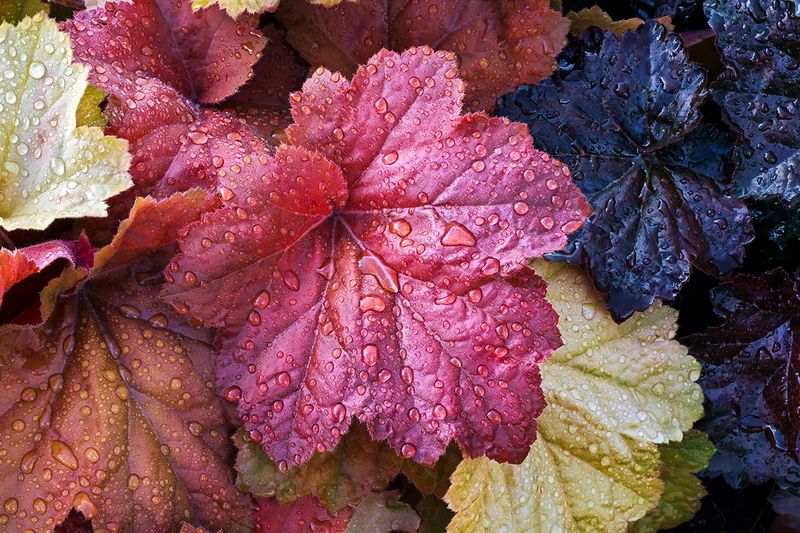
Coral Bells are known for their striking foliage that evolves through the seasons. These perennials boast leaves in various shades, from deep burgundy to vivid greens, often with intricate patterns. Spring and summer see them adorned with slender stalks of tiny, bell-shaped flowers, adding a touch of elegance. As temperatures drop, the foliage may intensify in color, creating a beautiful contrast against the garden’s winter palette. This dynamic plant adds interest and texture to garden landscapes year-round.
6. Bleeding Heart (Dicentra spectabilis)

Bleeding hearts enchant with their romantic, heart-shaped flowers that bloom in spring. Emerging from the ground in early spring, their delicate pink and white blossoms dangle elegantly from arching stems, capturing the heart of every gardener. By mid-summer, as temperatures rise, they naturally recede, allowing other plants to take their place. This ephemeral beauty is a hallmark of woodland gardens, where they often reside, offering a fleeting yet unforgettable display each year.
7. Ferns (Various types)
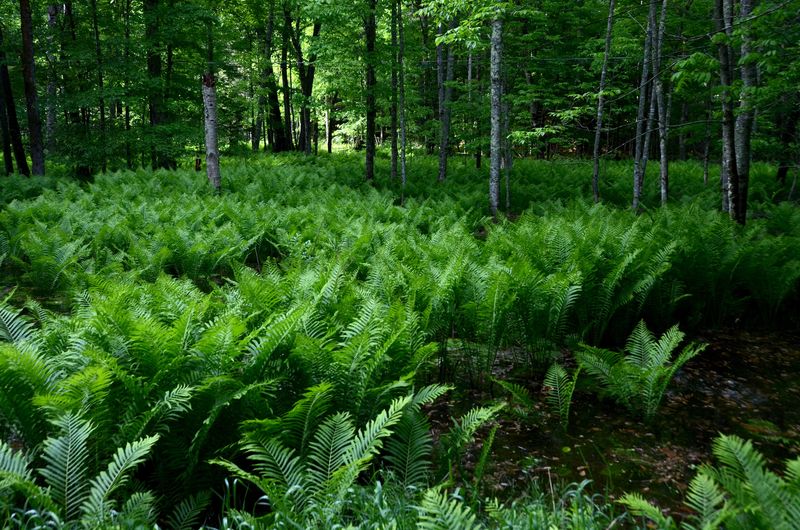
Ferns are ancient plants that offer dynamic changes throughout the seasons. In spring, their fronds unfurl in a captivating spiral, a process known as “fiddleheads.” As summer progresses, they create dense, green tapestries that thrive in shaded areas. Come autumn, many ferns undergo a color transformation, with fronds turning golden brown. By winter, they may die back, only to repeat the cycle anew. This annual rhythm makes ferns a beloved component of woodland gardens and natural landscapes.
8. Witch Hazel
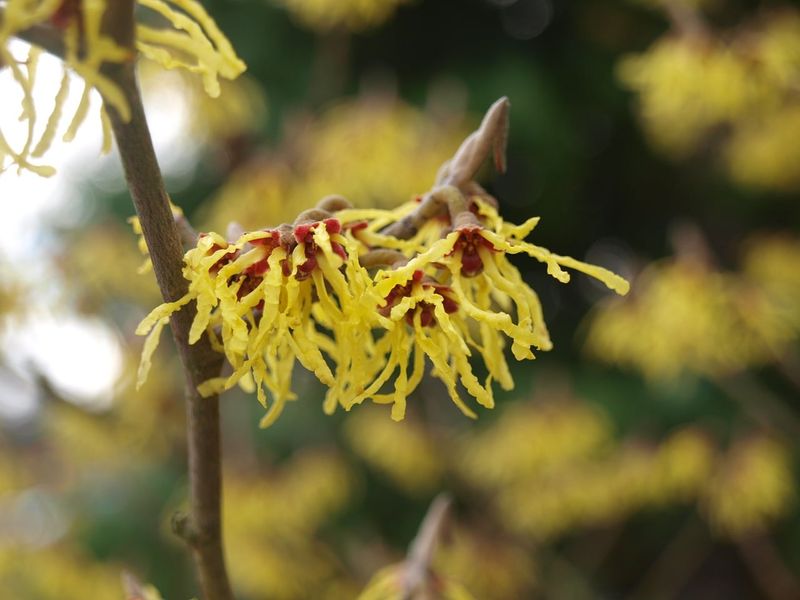
Witch hazel brings unexpected cheer to the garden during the bleakest months. This shrub blooms in late winter, displaying clusters of fragrant, spidery yellow flowers on bare branches. Unlike many plants, its blooming period defies the typical growing season, providing a splash of color when little else is awake. As spring arrives, witch hazel’s foliage emerges, offering lush greenery throughout summer. In fall, its leaves turn a brilliant yellow, adding another layer of interest before shedding for winter.
9. Virginia Creeper

Virginia creeper is a vigorous vine celebrated for its dramatic autumn transformation. Throughout spring and summer, it covers walls and fences with lush green leaves, providing a verdant backdrop. As autumn approaches, these leaves undergo a spectacular color shift, turning fiery shades of red and orange, making it a standout in any landscape. This rapid growth and seasonal color change make it a popular choice for gardeners looking to add vertical interest to their spaces.
10. Smoke Tree (Cotinus)
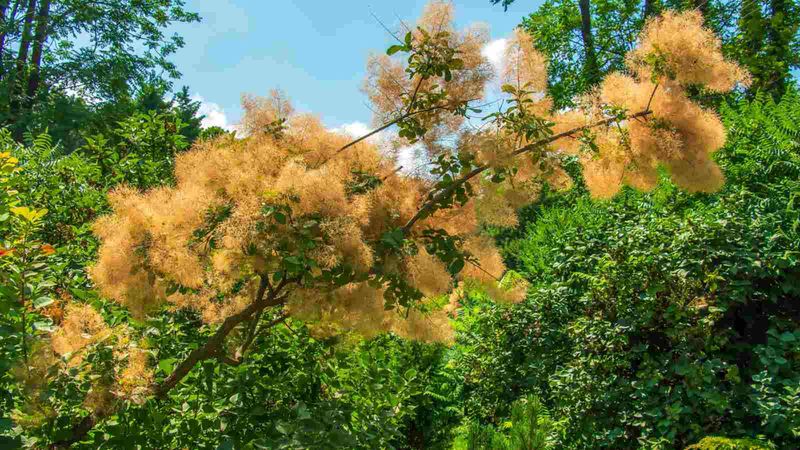
The smoke tree, aptly named for its stunning, smoke-like plumes, undergoes a fascinating transformation. In late spring to early summer, it produces airy, pinkish-purple flower clusters that resemble puffs of smoke, creating a mystical effect. The foliage, often deep purple or green, provides a striking contrast, enhancing the tree’s allure. As autumn arrives, the leaves transition to fiery shades of orange and red, ensuring the smoke tree remains a focal point throughout the growing season.
11. Peony
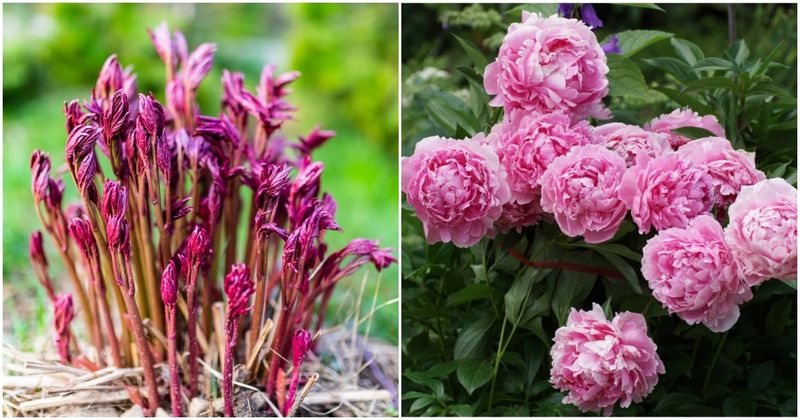
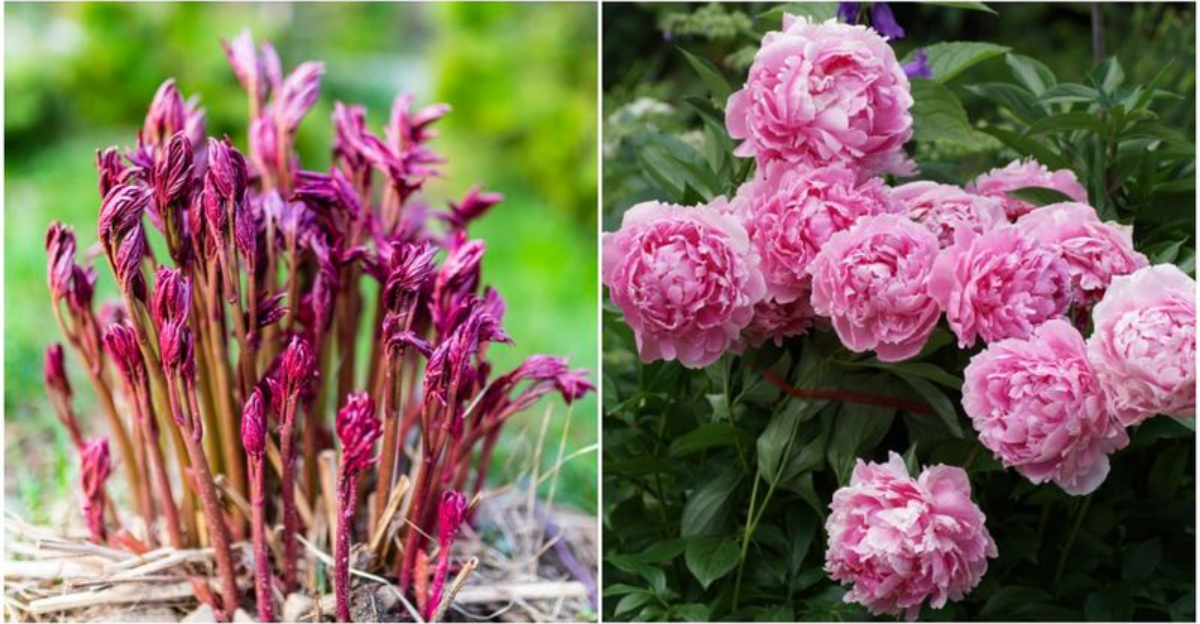
Peonies captivate with their lush, fragrant blooms that mark the arrival of spring. Emerging from the ground as reddish shoots, they quickly grow into robust bushes adorned with large, ruffled flowers in shades of pink, white, and red. These blooms are short-lived but leave a lasting impression. As summer progresses, peonies’ foliage remains a vibrant green, providing structure to garden beds. In autumn, the leaves may turn a golden hue before dying back, awaiting the cycle to begin anew.
12. Dogwood Tree

Dogwood trees are cherished for their stunning seasonal displays. In spring, they burst into bloom with delicate white or pink flowers, creating a spectacle that heralds the season’s arrival. These blossoms give way to bright green foliage in summer, providing a lush canopy. In autumn, the leaves turn brilliant shades of red and purple, adding to their year-round appeal. Beyond their beauty, dogwoods offer ecological benefits, supporting a variety of wildlife, making them a garden favorite.
13. Autumn Crocus (Colchicum autumnale)
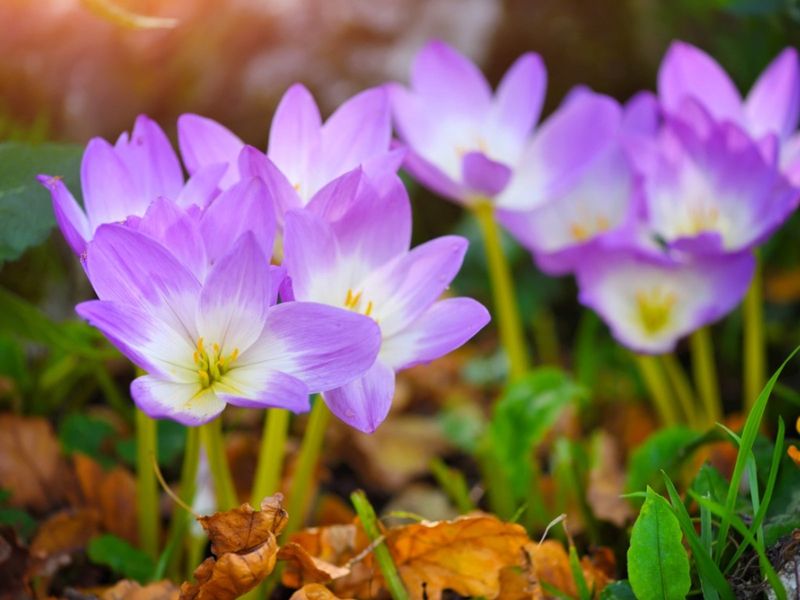
The autumn crocus defies typical flowering times, bringing color when most are fading. Blooming in late summer to early fall, they produce vibrant purple or pink flowers directly from the ground, resembling spring crocuses. This surprise bloom provides a charming contrast to autumn’s usual palette. After flowering, their foliage emerges in spring, storing energy for the next cycle. This unusual timing and striking appearance make the autumn crocus a delightful addition to gardens seeking late-season interest.
14. Solomon’s Seal (Polygonatum)
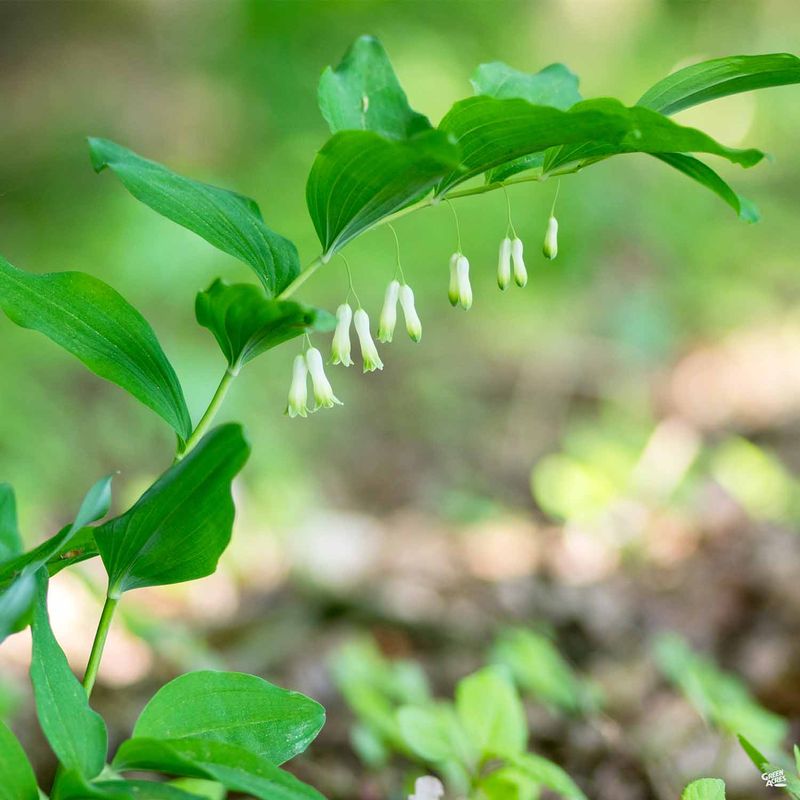
Solomon’s Seal enchants with its graceful arching stems and dangling tubular flowers. In spring, it emerges with lush green foliage, forming elegant clumps. Its white, bell-shaped flowers hang delicately beneath the leaves, offering a subtle beauty that adds depth to shaded gardens. As autumn approaches, the foliage turns a lovely yellow, marking the end of its seasonal show. This woodland perennial is prized for its refined appearance and adaptability, thriving in a variety of garden settings.
15. Red Twig Dogwood

Red twig dogwood is renowned for its striking winter presence. During the growing season, it features green leaves and white flowers, but it’s in winter that it truly shines. As the leaves fall, vibrant red stems are revealed, providing a bold contrast against snowy landscapes. This vivid display adds color and structure to gardens when most other plants are dormant. The red twig dogwood is often used in landscape design for its year-round interest and adaptability.
16. Lungwort (Pulmonaria)
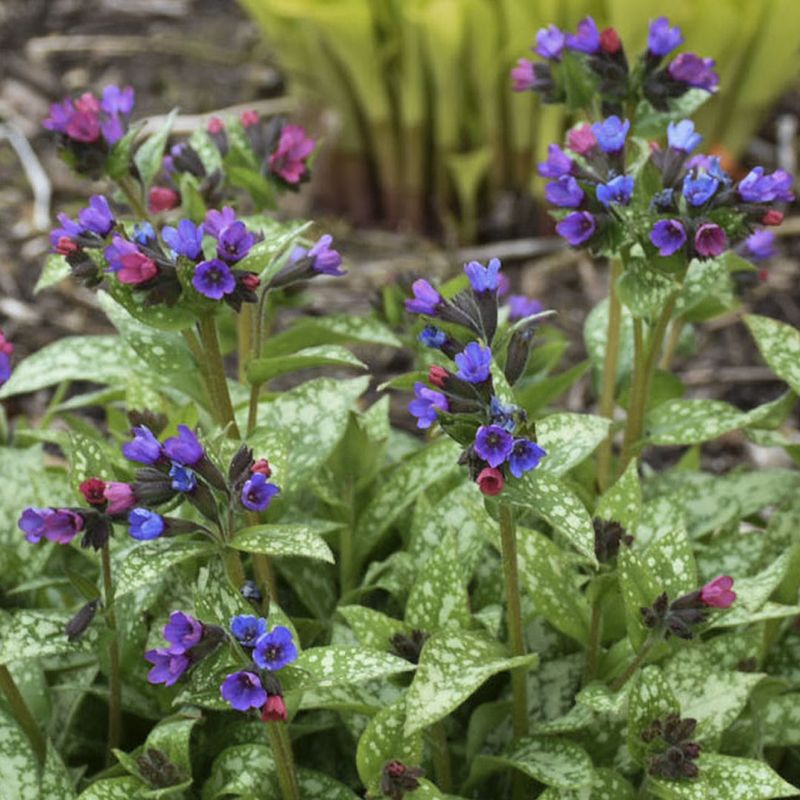
Lungwort offers a unique display with its spotted leaves and spring flowers. In early spring, clusters of pink and blue flowers emerge, often on the same plant, creating a charming mix of colors. These fade as summer approaches, leaving behind attractive, speckled foliage that persists through the growing season. This perennial thrives in shaded areas, adding texture and color where many plants struggle. Lungwort’s seasonal transformation and distinctive appearance make it a valuable addition to any garden.
17. Globe Thistle (Echinops)

Globe thistles are known for their distinctive, spiky blue flowers that appear in summer. These globe-shaped blooms stand out against the plant’s silvery-green foliage, creating a striking visual contrast. As autumn approaches, the flowers fade, leaving behind architectural seed heads that persist into winter, adding interest to the garden even in dormancy. This perennial is drought-tolerant and attracts pollinators, making it a practical choice for diverse garden settings.
18. Ninebark (Physocarpus)

Ninebark is a versatile shrub famed for its dynamic seasonal changes. In spring, it unfurls with clusters of white or pink flowers, contrasting beautifully with its dark, often burgundy foliage. As summer progresses, the flowers give way to red seed capsules, adding another layer of interest. In autumn, the leaves may take on a red or orange hue before falling. Its exfoliating bark, revealed in winter, provides textural beauty, making ninebark a valuable plant for year-round appeal.
19. Brunnera (False Forget-Me-Not)
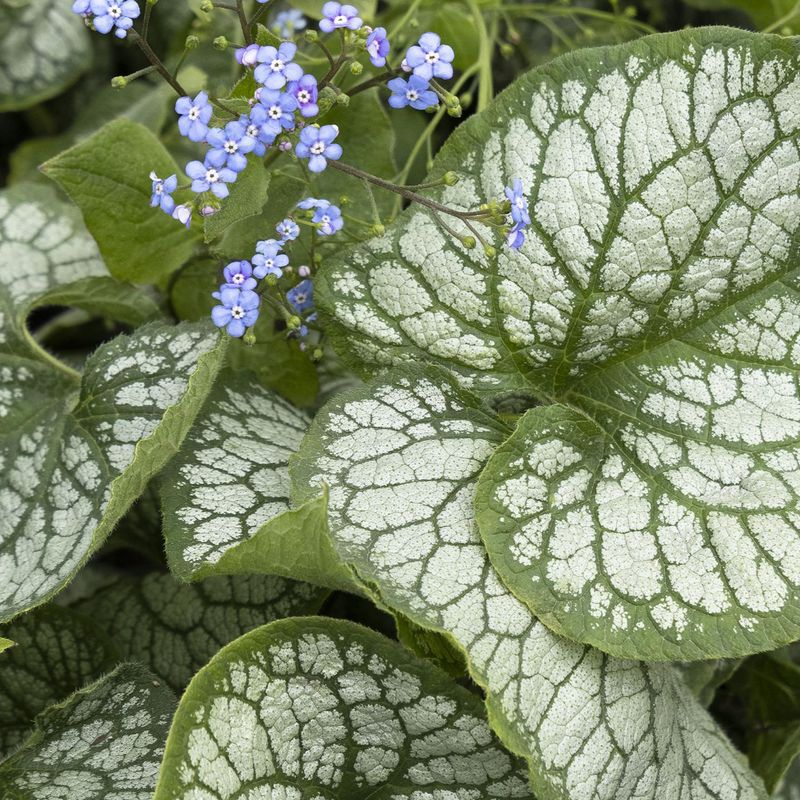
Brunnera, often called “False Forget-Me-Not,” delights with its delicate blue flowers and robust foliage. In spring, sprays of tiny, sky-blue flowers appear, reminiscent of true forget-me-nots. These are accompanied by large, heart-shaped leaves, often with silver variegation, adding texture and color. As the season progresses, the flowers fade, but the foliage persists, providing a lush backdrop in shaded gardens. This perennial’s adaptability and long-lasting appeal make it a garden favorite.
20. Toad Lily (Tricyrtis)
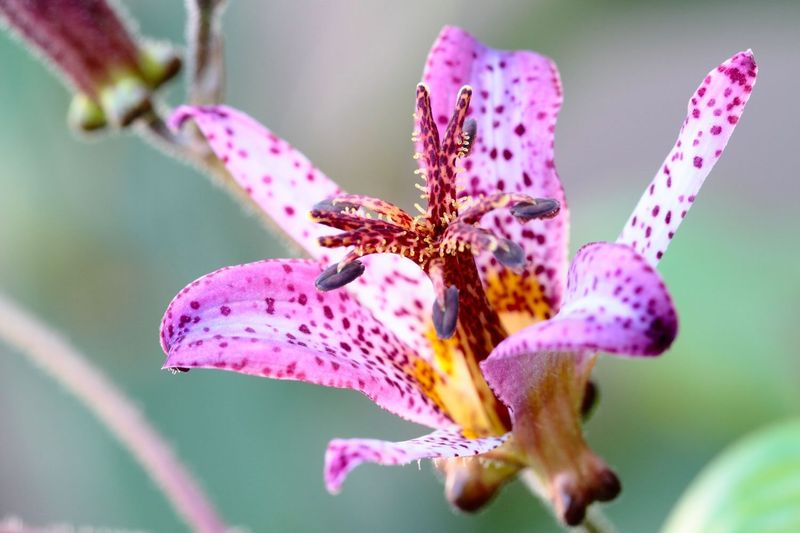
Toad lilies captivate with their exotic, orchid-like flowers appearing in the fall. These spotted blooms, often in shades of purple and white, are a late-season treasure in shaded gardens. Emerging in spring with lush green foliage, they grow steadily throughout the year, culminating in their unique autumn display. This perennial thrives in woodland settings, offering a touch of the exotic to late-season gardens. Toad lilies’ unusual flowers and adaptability make them a standout choice for gardeners seeking variety.