 Complete Gardening
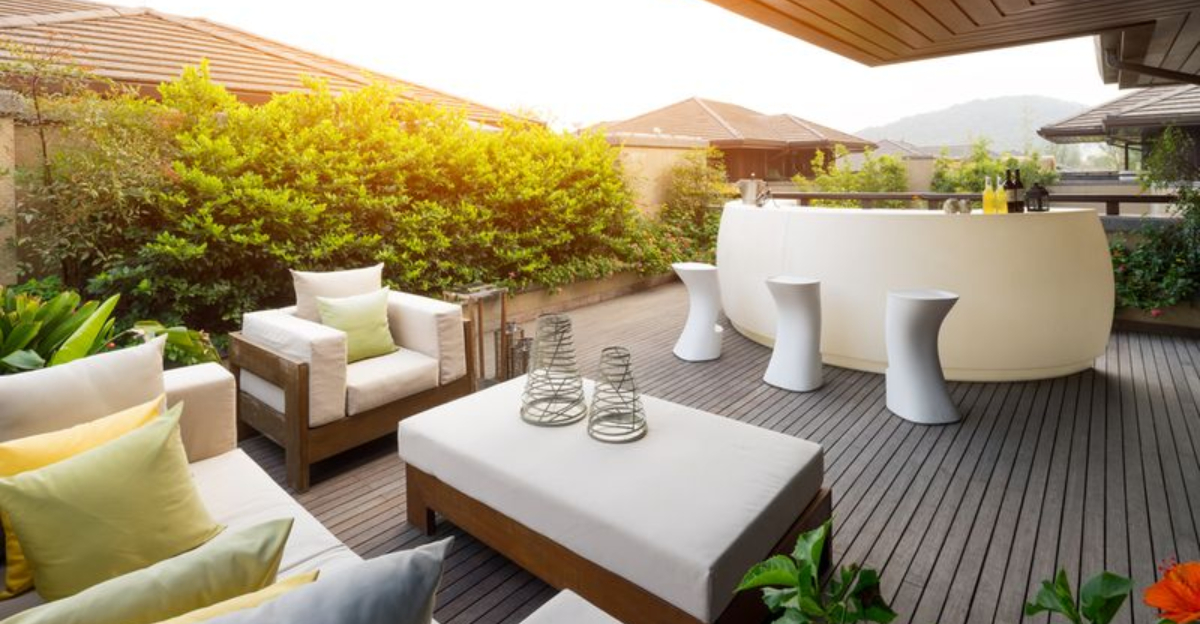
Transforming your garden into a professionally designed space doesn’t require a full overhaul. With these quick fixes, you can elevate your outdoor area’s appeal and functionality without extensive effort. Whether you want to create a serene retreat or a vibrant entertaining area, these tips will help you achieve a polished look.
1. Colorful Garden Borders
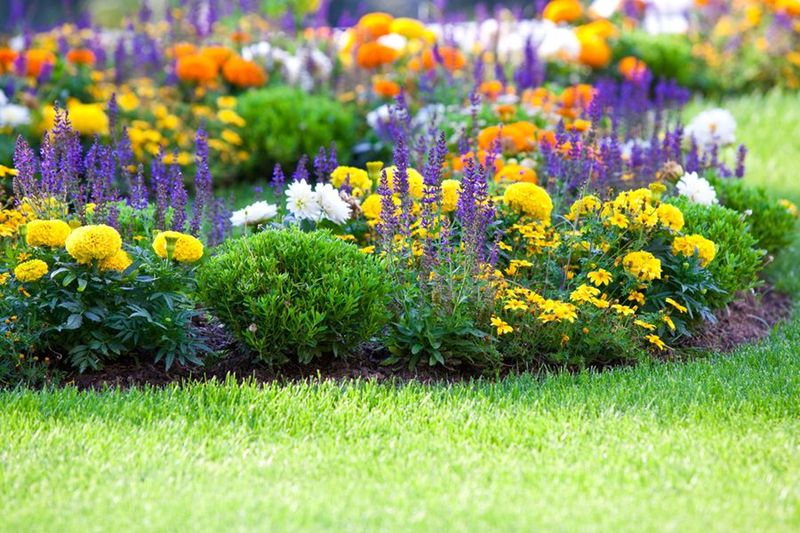
Imagine walking into a garden where every flower bed sings with color. Brighten up your garden by adding vibrant flower borders. Mix and match perennials and annuals for a dynamic look. This pop of color draws the eye and creates focal points in your garden.
Consider using flowers that bloom at different times to maintain year-round interest. This approach not only enhances the visual appeal but also supports biodiversity as it attracts various pollinators.
Use creative edging materials like stones or recycled bricks to define the borders, adding a clean, professional touch.
2. Elegant Garden Lighting
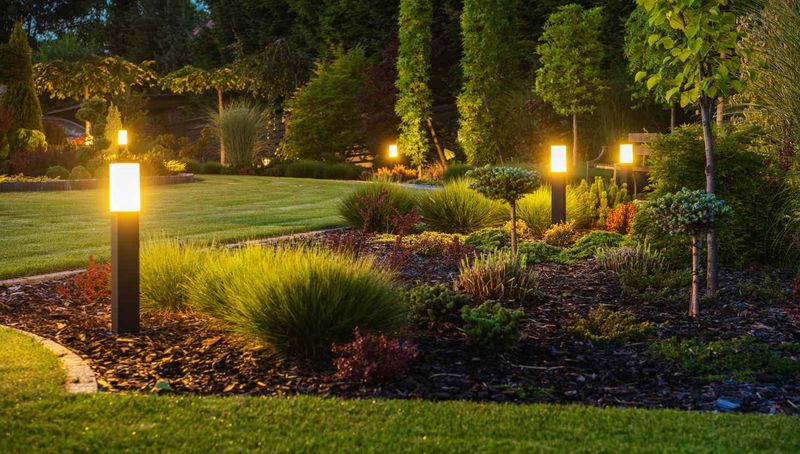
As the sun sets, your garden can transform into a magical retreat with the right lighting. Incorporate elegant garden lighting to highlight pathways and key features. Solar-powered LED lights offer an eco-friendly and cost-effective option.
String lights can add a whimsical touch, while lanterns bring a classic elegance. The strategic placement of lights can also ensure safety and extend the usability of the garden into the night.
Experiment with different light intensities and colors to create a mood that suits your evening gatherings or quiet reflections.
3. Vertical Gardens
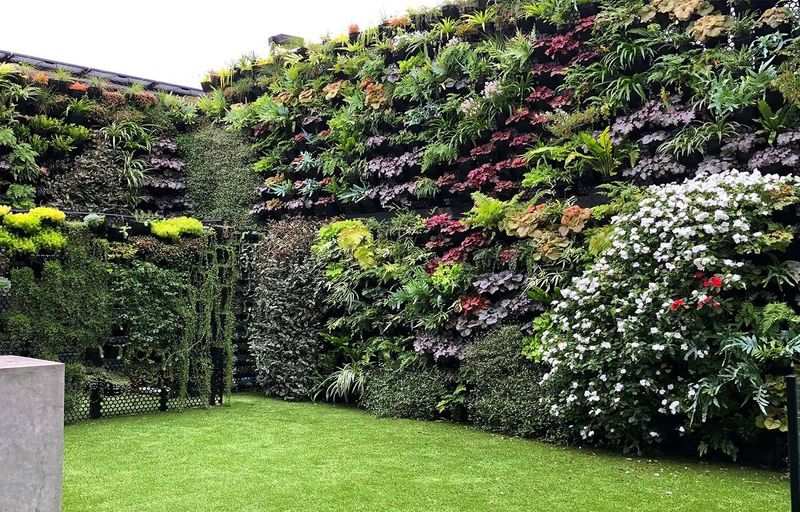
Faced with limited space? Vertical gardens are your solution. This innovative approach not only maximizes space but adds a lush, green element to any area. Install planters or pocket systems on walls or fences.
Choose a variety of plants, including herbs, flowers, and succulents, to create texture and interest. Vertical gardens are also excellent for urban settings where ground space is limited.
They make a bold statement and can serve as a natural privacy screen, enhancing both aesthetics and functionality.
4. Chic Outdoor Furniture
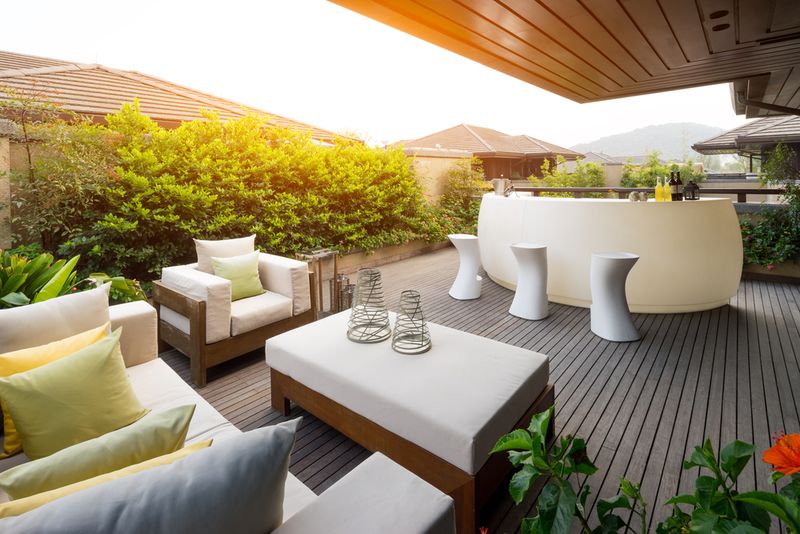
Your choice of outdoor furniture can redefine your garden’s vibe. Opt for chic, weather-resistant pieces that blend comfort with style. Teak, rattan, and wrought iron are popular choices for durability.
Incorporate cushions in patterns that complement your garden’s color scheme. This invites guests to linger, making your garden a welcoming retreat.
Don’t forget to add a stylish table; it serves as a focal point and gathering spot for outdoor dining or casual chats over coffee.
5. Artistic Garden Sculptures
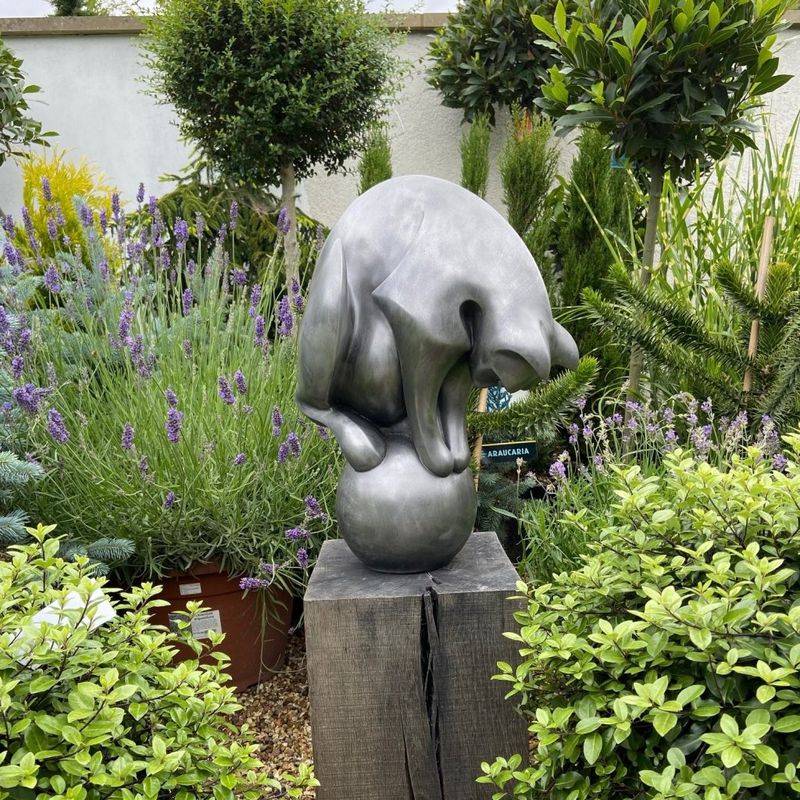
Introduce an artistic flair with garden sculptures. These pieces can serve as eye-catching focal points or subtle accents, depending on your style. Opt for modern or classic sculptures that resonate with your garden’s theme.
Materials like metal, stone, or recycled materials offer a variety of textures. Carefully placed sculptures can guide the flow of your garden, enhancing its design and intrigue.
Combine with strategic plantings to create a harmonious balance between art and nature.
6. Water Features
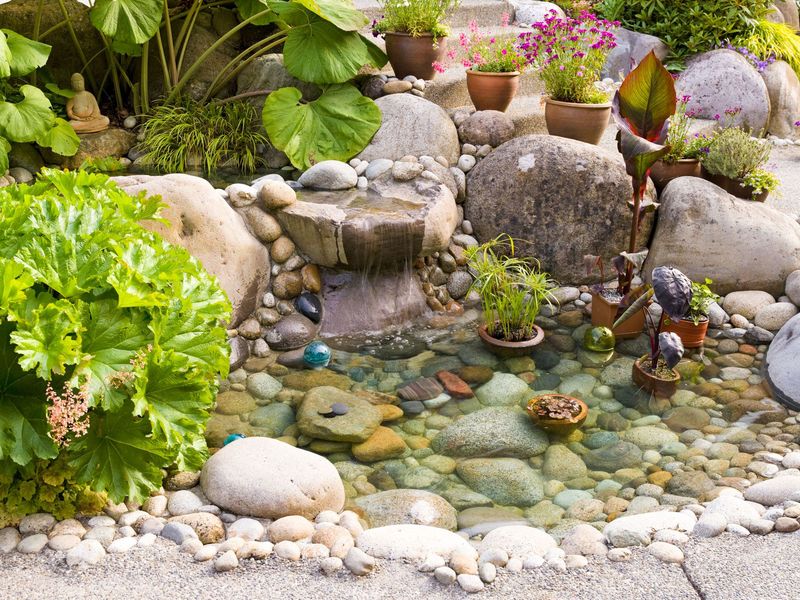
Nothing soothes the soul like the gentle sound of water. Introduce a water feature to bring tranquility to your garden. A small fountain or a pond can serve as a serene centerpiece.
Consider the placement carefully to ensure it complements the surrounding landscape. Water features not only attract birds and other wildlife but also help create a micro-habitat.
Choose designs that suit your garden’s size and style, ensuring they blend seamlessly with the environment.
7. Creative Pathways
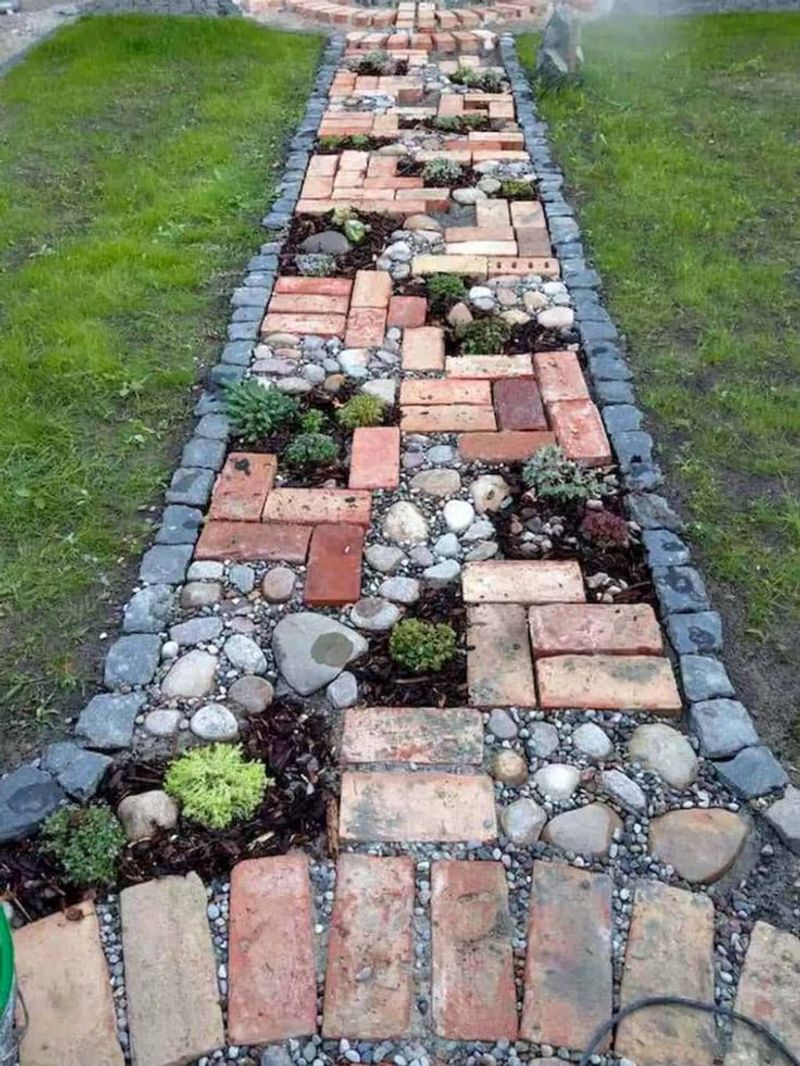
Guide visitors through your garden with creative pathways. Stone, gravel, or wood-chip paths can add structure and movement to your space. They lead the eye and invite exploration.
Consider curving pathways to add a sense of mystery and discovery. Different materials can evoke different moods—stone for elegance, wood chips for rustic charm.
Pathways also help define different areas of the garden, making it feel larger and more organized.
8. Raised Beds
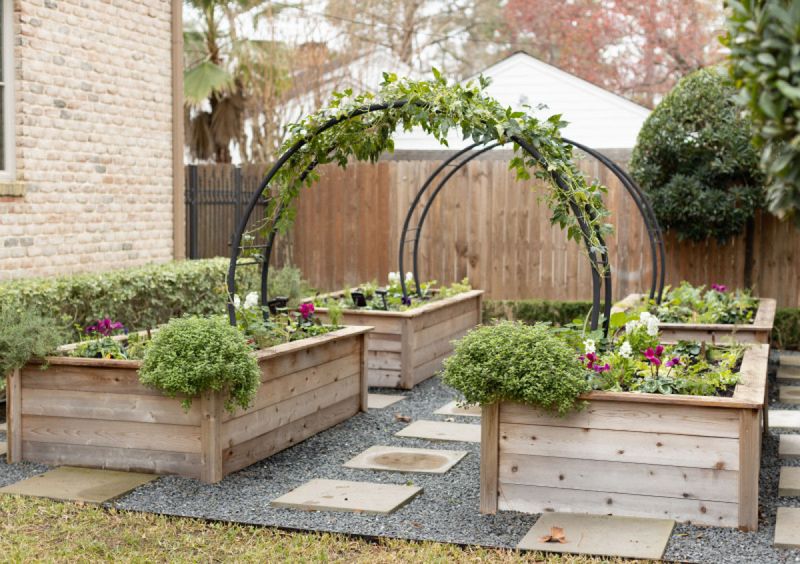
Raised beds elevate your planting game, literally. These structures can improve plant drainage and soil quality, resulting in healthier plants. They’re ideal for growing vegetables, herbs, or flowers.
Construct raised beds from wood, stone, or metal, and customize the height to suit your needs. This accessibility makes gardening easier for everyone, regardless of physical ability.
Raised beds also help keep weeds at bay and define your garden areas, offering a neat and organized look.
9. Stylish Garden Fencing
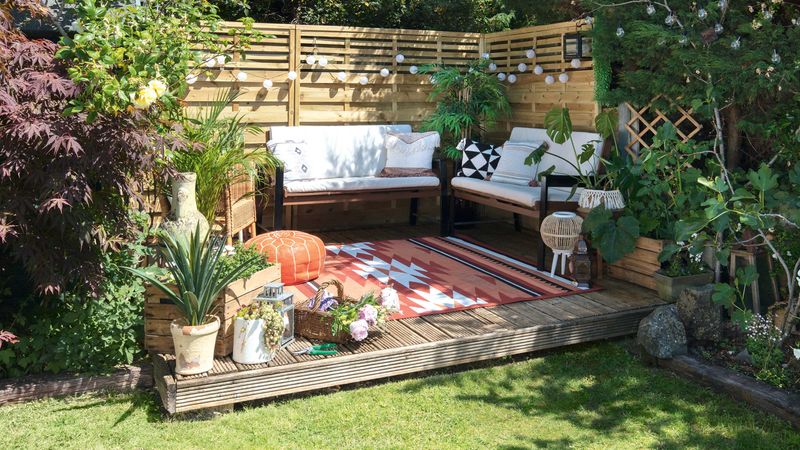
A stylish fence can frame your garden beautifully. Go beyond the traditional picket fence—explore options like lattice, bamboo, or even metal for a modern twist.
A fence not only provides privacy and security but also serves as a backdrop for plants and flowers. Consider painting or staining the fence to complement your garden’s color palette.
Decorative elements like hanging planters or lights can further enhance the visual appeal, making the fence a feature in its own right.
10. Edible Landscaping
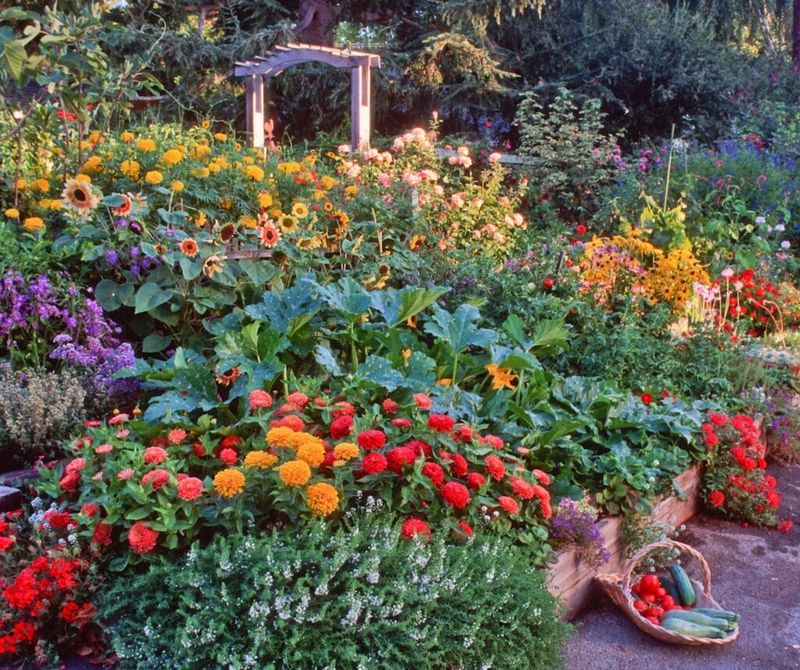
Blend beauty and utility with edible landscaping. Incorporate herbs, vegetables, and fruit-bearing plants into your garden for a lush, productive oasis.
This approach allows you to enjoy fresh produce while maintaining an aesthetically pleasing landscape. Use companion planting techniques to maximize space and enhance plant growth.
Edible plants can be integrated into existing beds, borders, or even containers, offering versatility and practicality.
11. Garden Trellises
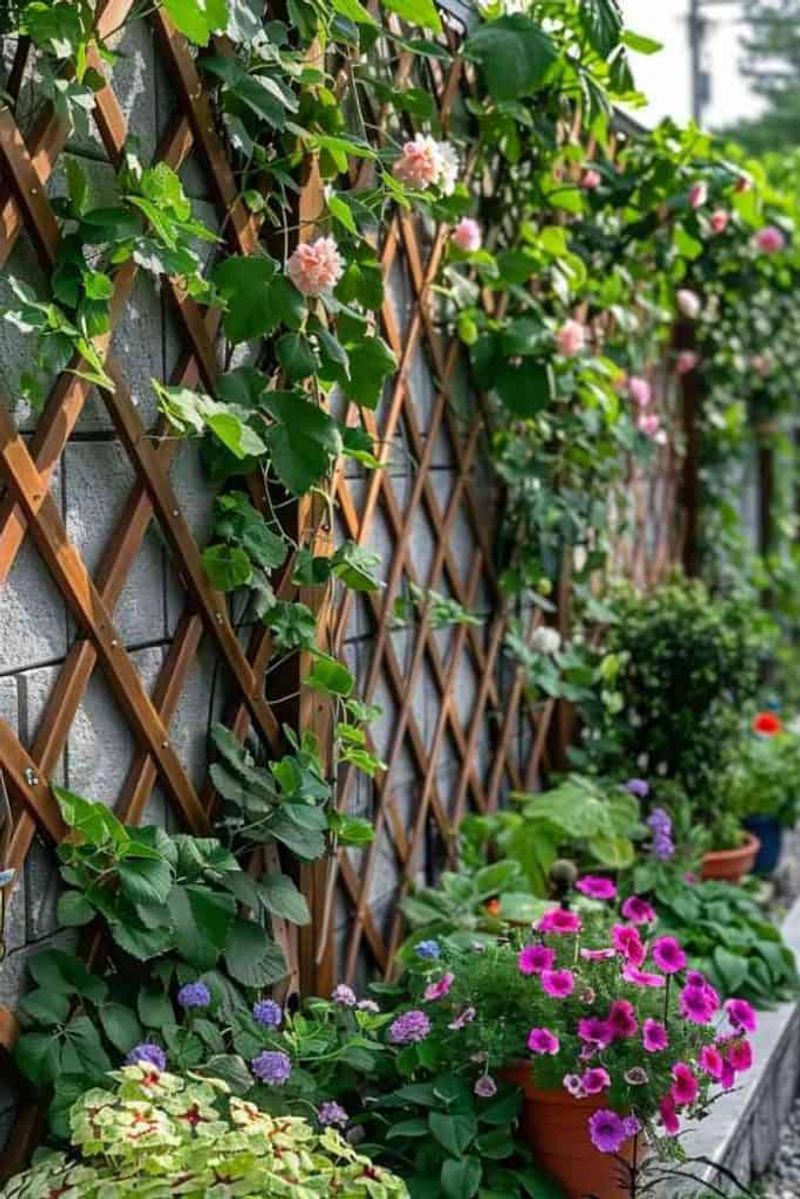
Garden trellises are functional art pieces that support climbing plants. Install them against walls or as standalone structures to add vertical interest.
Choose materials like wood or metal to complement your garden style. Climbing roses, clematis, and ivy are popular choices to adorn trellises.
This addition not only enhances visual appeal but also provides shade and can act as a privacy screen, creating cozy garden nooks.
12. Compost Corner
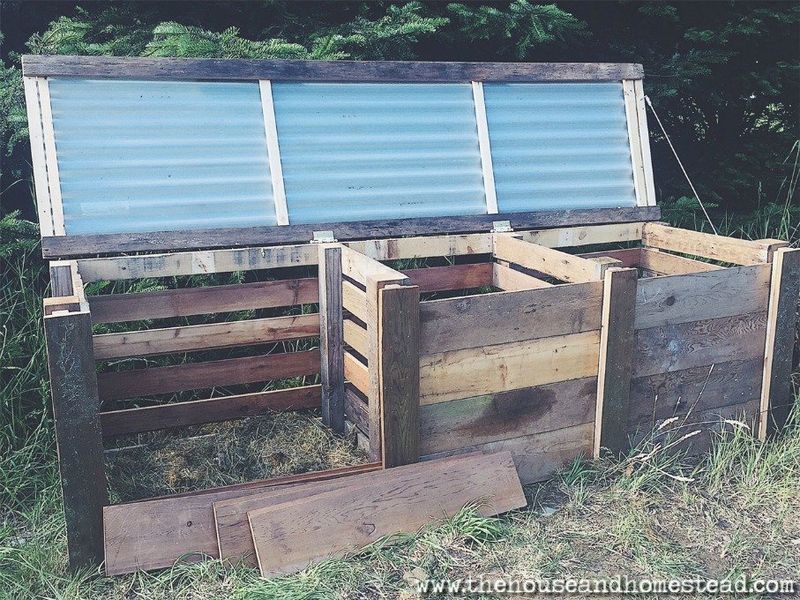
Make your garden eco-friendly by adding a compost corner. Composting reduces waste and enriches the soil, promoting vigorous plant growth.
Set up a dedicated area with bins to manage compost effectively. You can choose from traditional bins or more modern tumblers.
Educate your family about composting benefits, turning waste into a resourceful practice that supports a sustainable lifestyle.
13. Whimsical Garden Decor
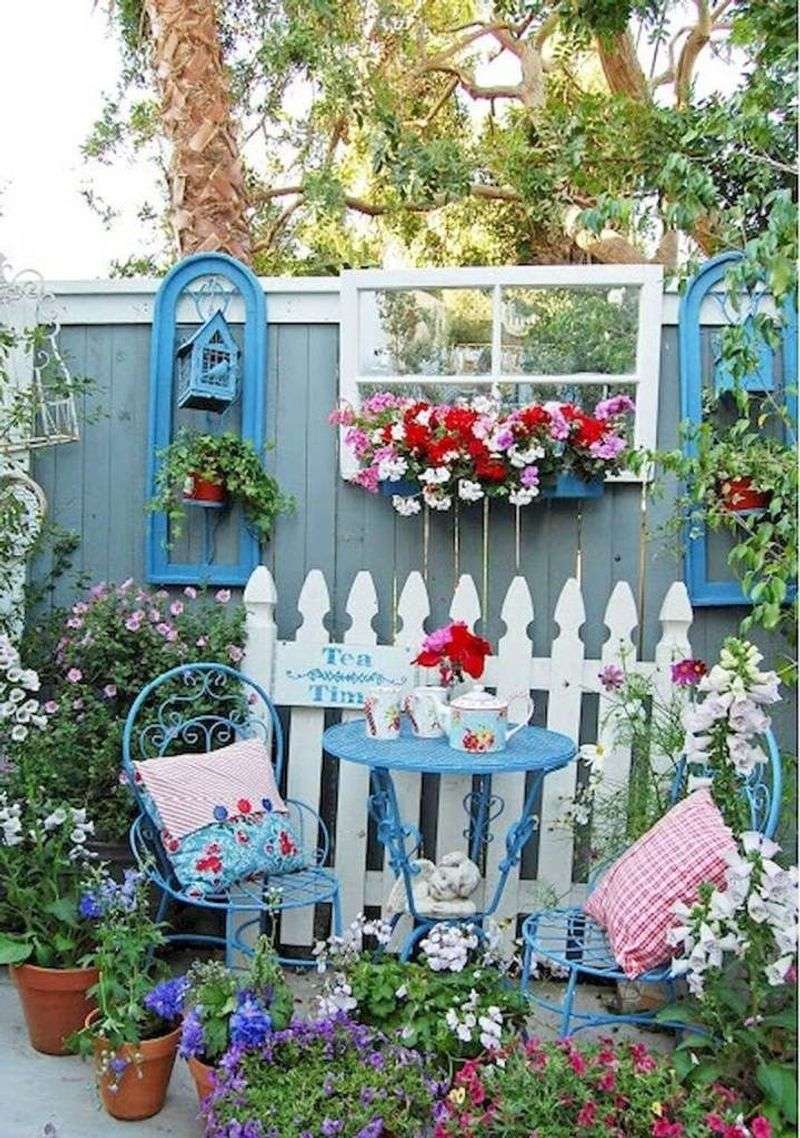
Add a touch of whimsy to your garden with playful decorations. Fairy houses, gnomes, and wind chimes can bring a sense of wonder and magic to the space.
Choose items that resonate with your personal style and blend harmoniously with the garden. These touches invite curiosity and delight, making your garden a conversation starter.
Integrate these elements subtly to avoid cluttering the space, ensuring they complement rather than overpower the natural beauty.
14. Natural Mulch
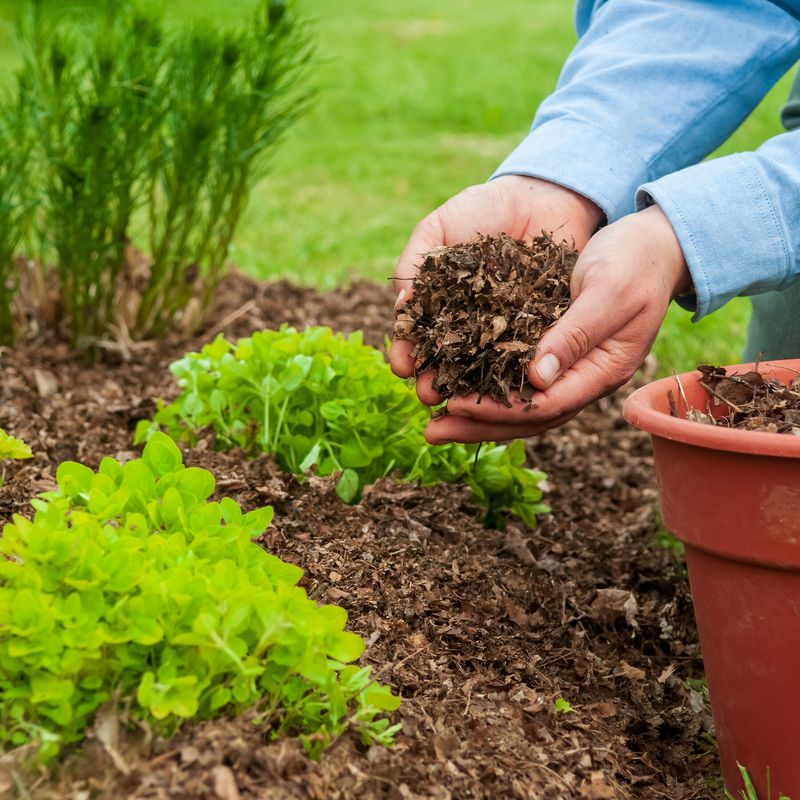
Mulch is a gardener’s best friend, providing a polished finish to beds while improving plant health. Use natural materials like wood chips or bark.
Mulch helps retain soil moisture, suppress weeds, and enhance soil fertility. It also adds visual contrast, making plant colors pop against the rich browns.
Replenish mulch annually to maintain its benefits and keep your garden looking fresh and tidy.
15. Seasonal Planting
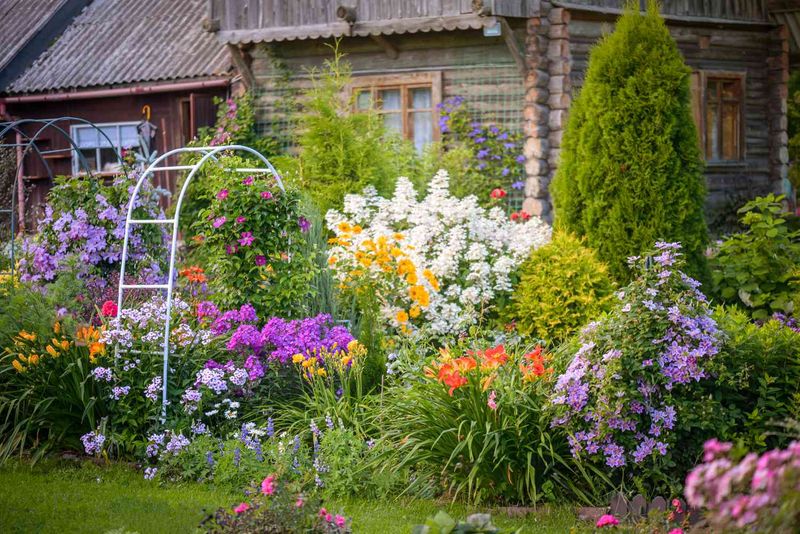
Synchronize your garden with nature through seasonal planting. Choose plants that thrive in each season to keep your garden vibrant year-round.
Mix perennials for consistent beauty and annuals for a seasonal splash of color. Consider planting in layers, from groundcover to tall accents, for depth and dimension.
This strategic approach ensures that there’s always something new to enjoy, making your garden a dynamic living painting.
16. Outdoor Art Installations

Infuse creativity with outdoor art installations. These pieces can express personal style and add unique character to your garden.
Select artworks that resonate with your aesthetic—be it modern abstracts, rustic creations, or classical pieces. Position them to create focal points or to guide the eye through the garden.
Art installations can transform your garden into an outdoor gallery, sparking imagination and conversation among visitors.
17. Eco-Friendly Irrigation

Water wisely with eco-friendly irrigation systems. Drip irrigation and rainwater harvesting can conserve water while keeping plants healthy.
Automated systems can be programmed to water at optimal times, reducing waste. This approach supports sustainability and is especially beneficial in drought-prone areas.
Efficient irrigation not only saves resources but also improves garden health, helping plants thrive in various conditions.
18. Functional Garden Sheds
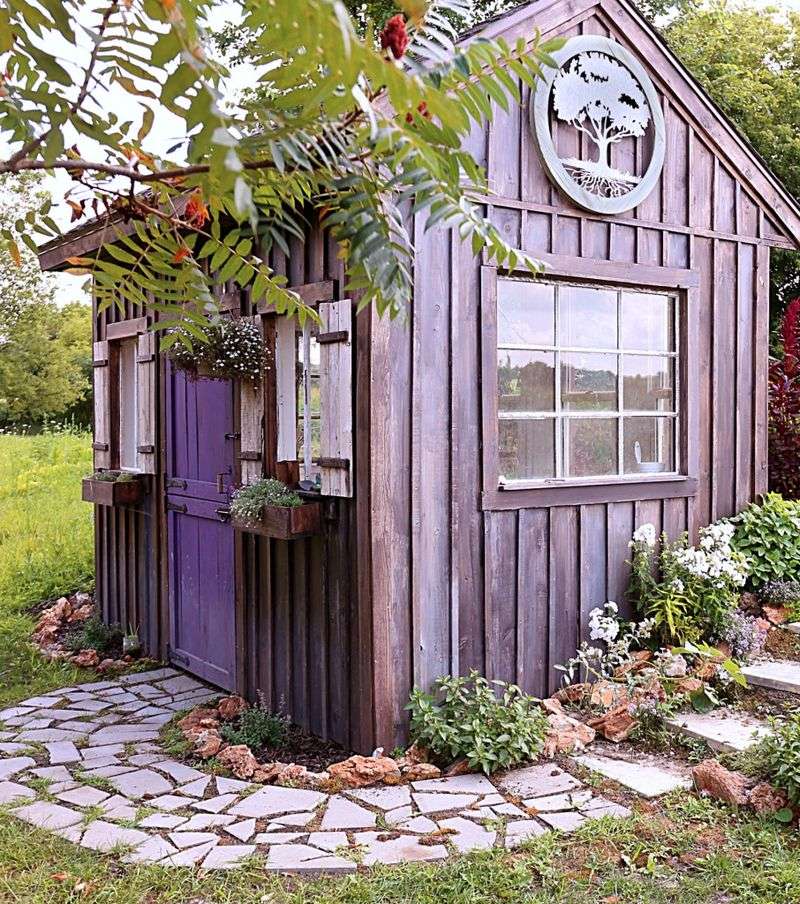
A garden shed is more than storage; it’s an extension of your garden’s aesthetic. Choose a design that complements your landscape, from rustic wood to sleek metal.
Use it to store tools, potting materials, and seasonal decor. A well-organized shed saves time and keeps your garden tidy.
Add personal touches like window boxes or a fresh coat of paint to integrate it seamlessly into the surrounding environment.
19. Garden Seating Nooks
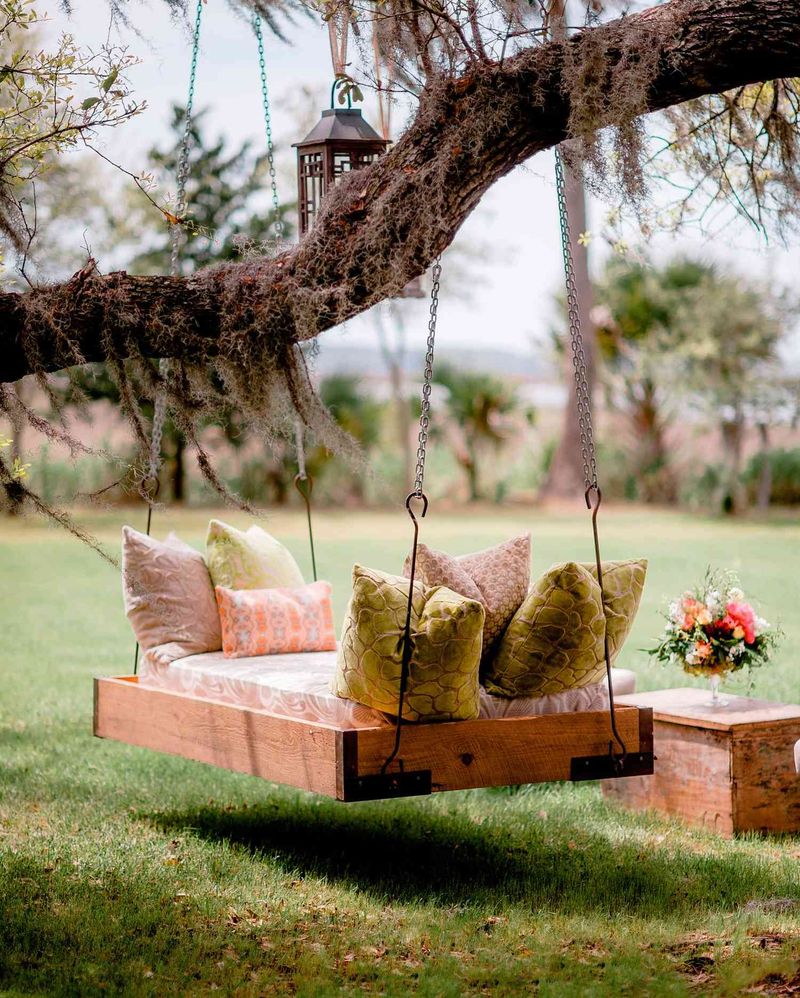
Create intimate seating nooks for relaxation. Use benches, hammocks, or swing chairs placed strategically among plants to offer cozy retreats.
These nooks encourage enjoying your garden from different perspectives and can serve as personal hideaways.
Complement seating with soft textiles and cushions to enhance comfort, making these spots perfect for reading or meditating.
20. Wildlife-Friendly Features
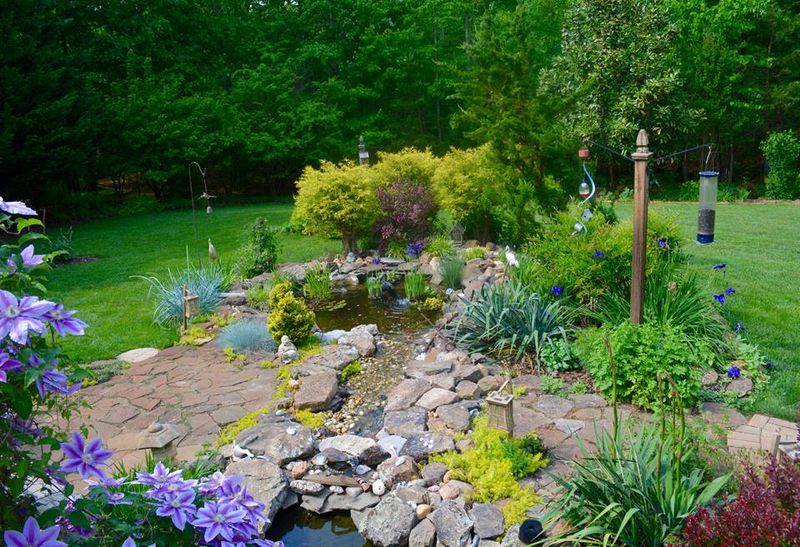
Invite nature into your garden with wildlife-friendly features. Bird feeders, birdbaths, and bee hotels create habitats that attract various species.
Choose plants that provide food and shelter, contributing to biodiversity. This approach not only supports the ecosystem but enriches your garden experience through dynamic sights and sounds.
Wildlife-friendly gardens foster a connection with nature, offering a sanctuary for both humans and creatures alike.