 Complete Gardening
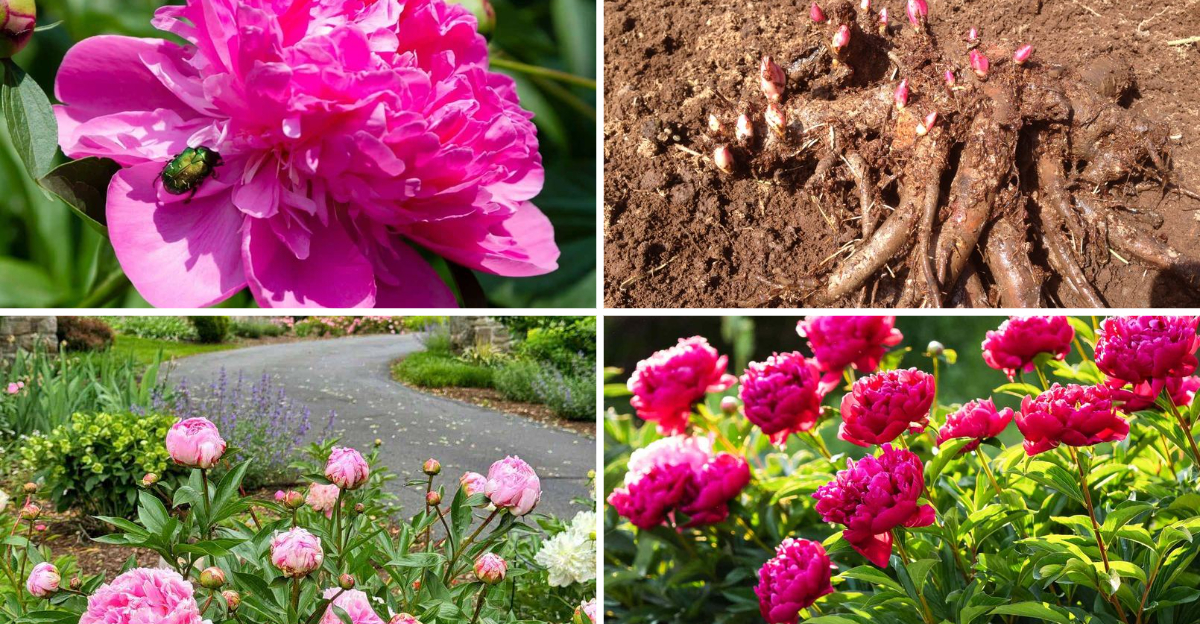
Peonies are a beloved flower known for their lush blooms and delightful fragrance. However, many gardeners face challenges in getting their peonies to bloom. Whether you’re a seasoned gardener or a curious beginner, understanding the reasons behind these blooming issues can help you cultivate healthier and more vibrant peonies. Below, we explore 20 potential factors that could be hindering your peonies from reaching their full blooming potential.
1. Incorrect Planting Depth
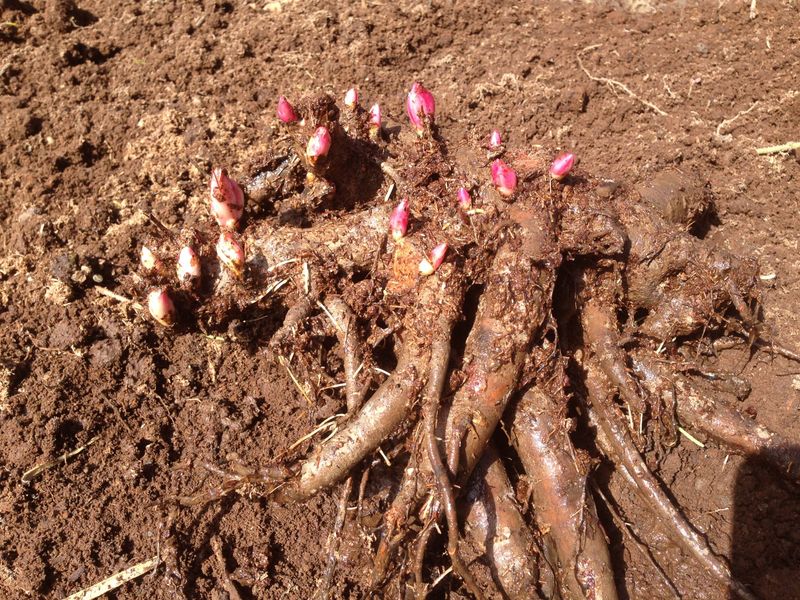
Planting peonies too deeply can prevent them from blooming. When the buds are buried under more than 2 inches of soil, they struggle to rise and open. Plant them just below the surface for optimal bloom. Remember, peonies prefer a shallow burial, akin to a gentle hug from the earth.
2. Insufficient Sunlight
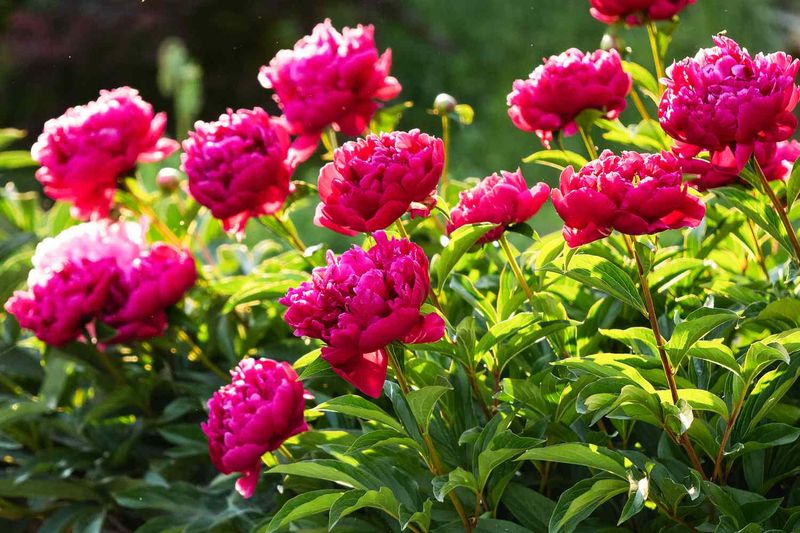
Peonies crave sunlight. Without at least six hours of direct sunlight, their blooms may remain shy and elusive. Consider moving them to a sunnier spot in your garden. A sunlit dance each day keeps their spirits high and their blooms aplenty.
3. Poor Soil Quality
Rich, well-drained soil is the peony’s best friend. Heavy clay or sandy soil can stunt growth and prevent blooming. Amend soil with organic matter to create a nourishing environment. Think of it as a gourmet meal for your plant’s roots.
4. Overcrowded Roots
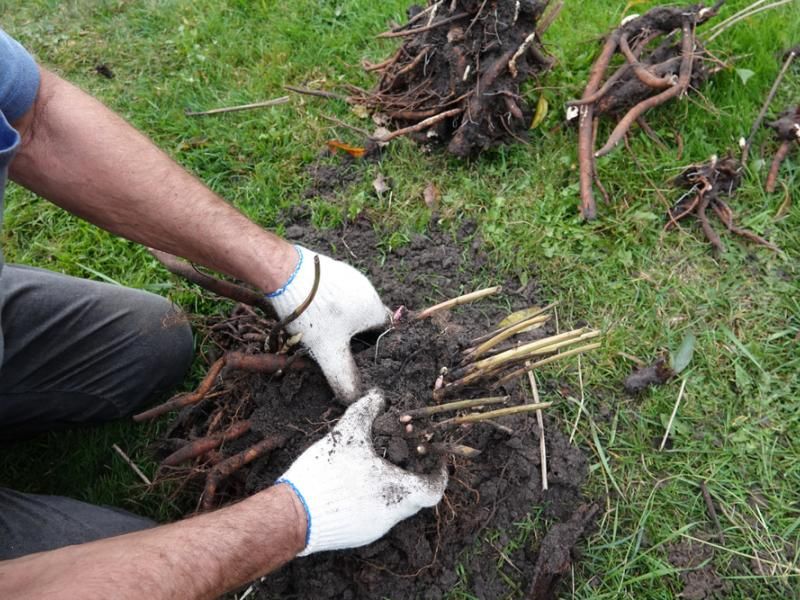
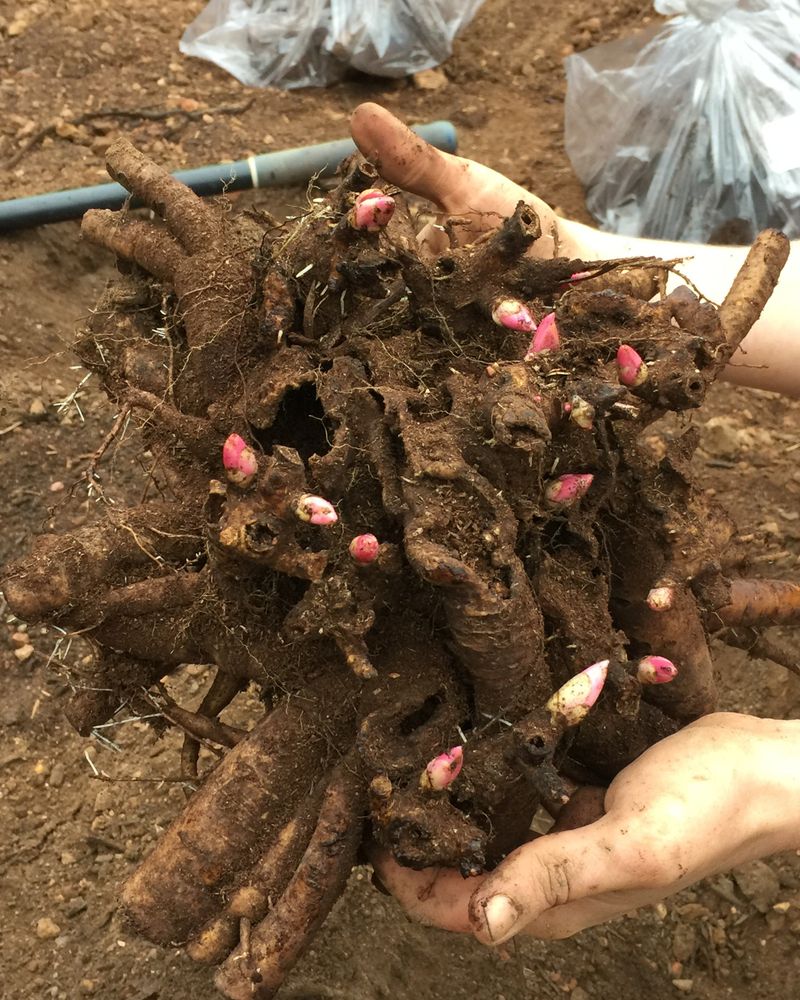
When peonies become root-bound, they struggle to bloom. Divide crowded clumps every few years to give them space to thrive. Consider it a peony’s need for personal space, a chance to stretch out and breathe.
5. Excessive Fertilizer Use
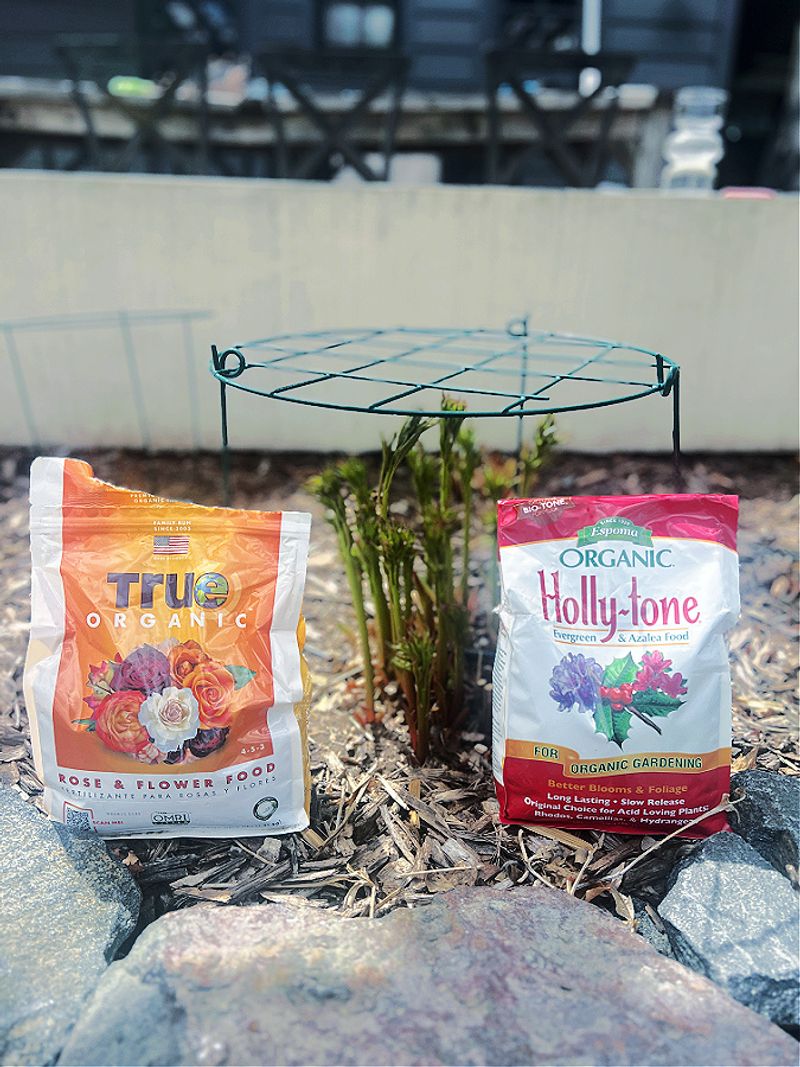
While fertilizing can boost growth, excessive use leads to lush foliage but sparse blooms. A balanced approach to feeding ensures healthy and vibrant flowers. Imagine feeding your peonies a balanced diet, not a feast.
6. Improper Watering
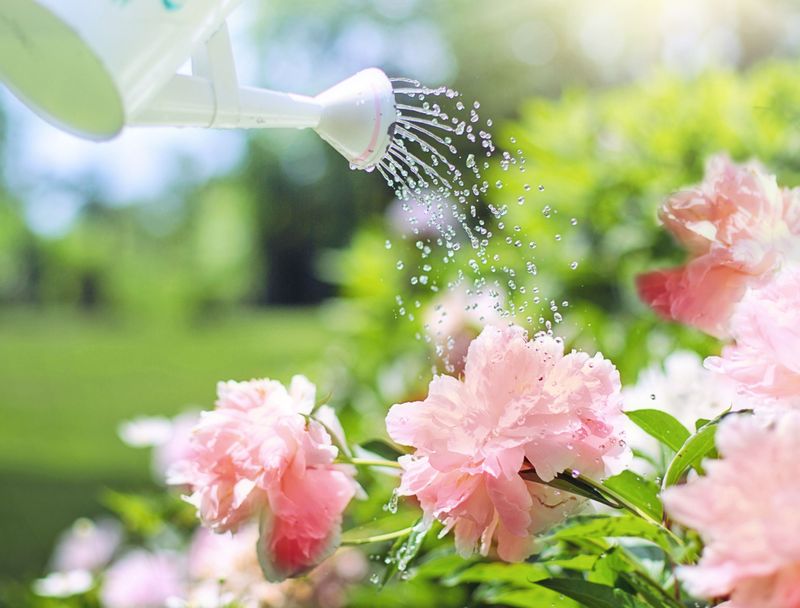
Watering peonies requires finesse. Overwatering or underwatering can lead to stress and lack of blooms. Consistent, moderate watering keeps them happy and hydrated. Picture a refreshing drink, not a deluge or drought.
7. Old Peony Roots
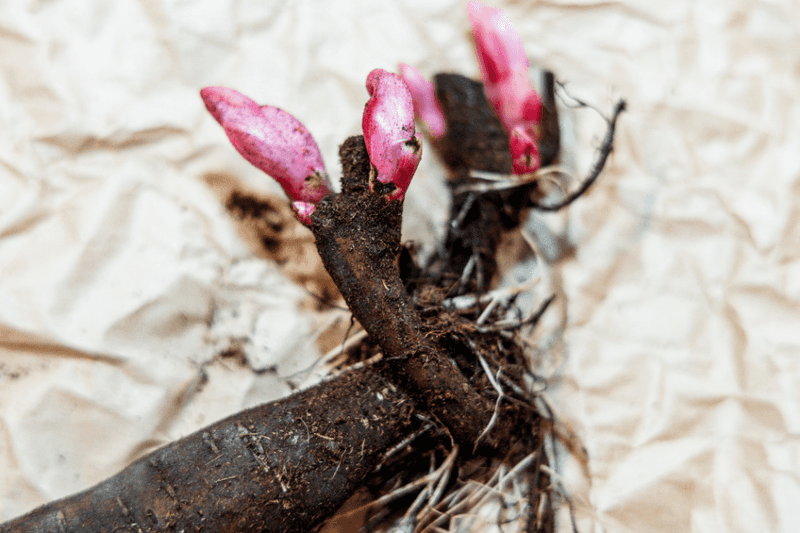
Old and tired roots might lose their blooming vigor over time. Rejuvenate them by dividing and replanting. It’s like giving your peonies a fresh start, a new lease on life in the garden.
8. Disease Infestation

Diseases like powdery mildew can rob peonies of their bloom potential. Regular monitoring and treatment keep them healthy. Think of it as a doctor’s visit to ensure their well-being and blooming health.
9. Pest Problems
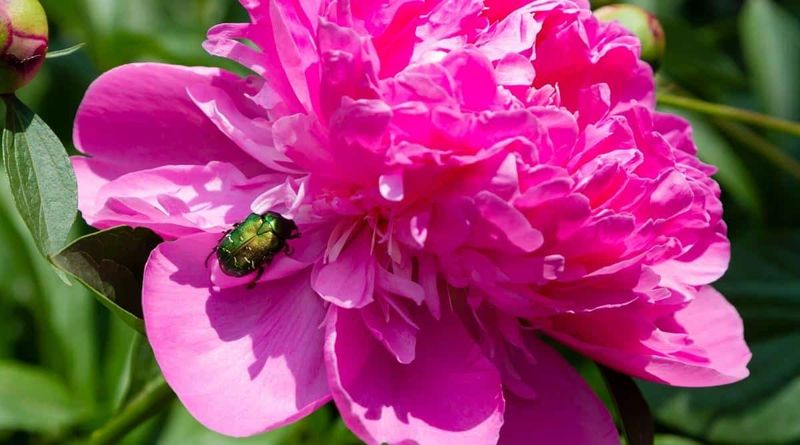
Although ants are common on peonies, other pests can disrupt blooming. Control measures may be needed to safeguard your flowers. It’s a peony’s personal bodyguard service against unwanted visitors.
10. Improper Pruning
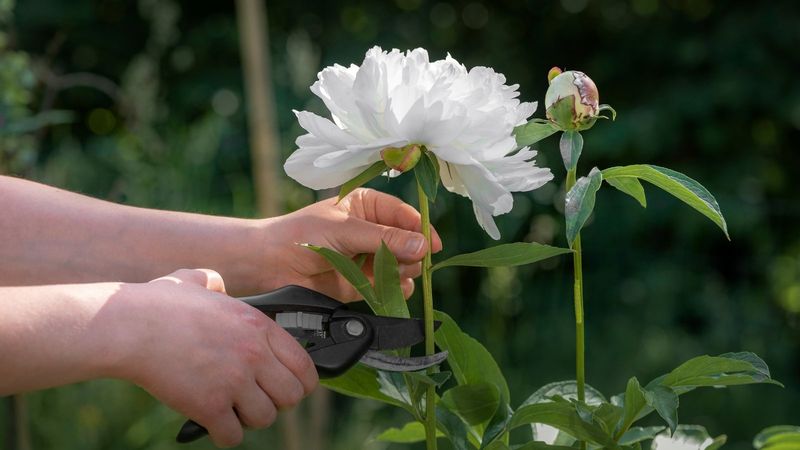
Pruning peonies at the wrong time or incorrectly can hinder blooms. Always prune after flowering ends, and remove dead stems. Consider this a strategic haircut, allowing for future growth and bloom.
11. Young Peony Plants
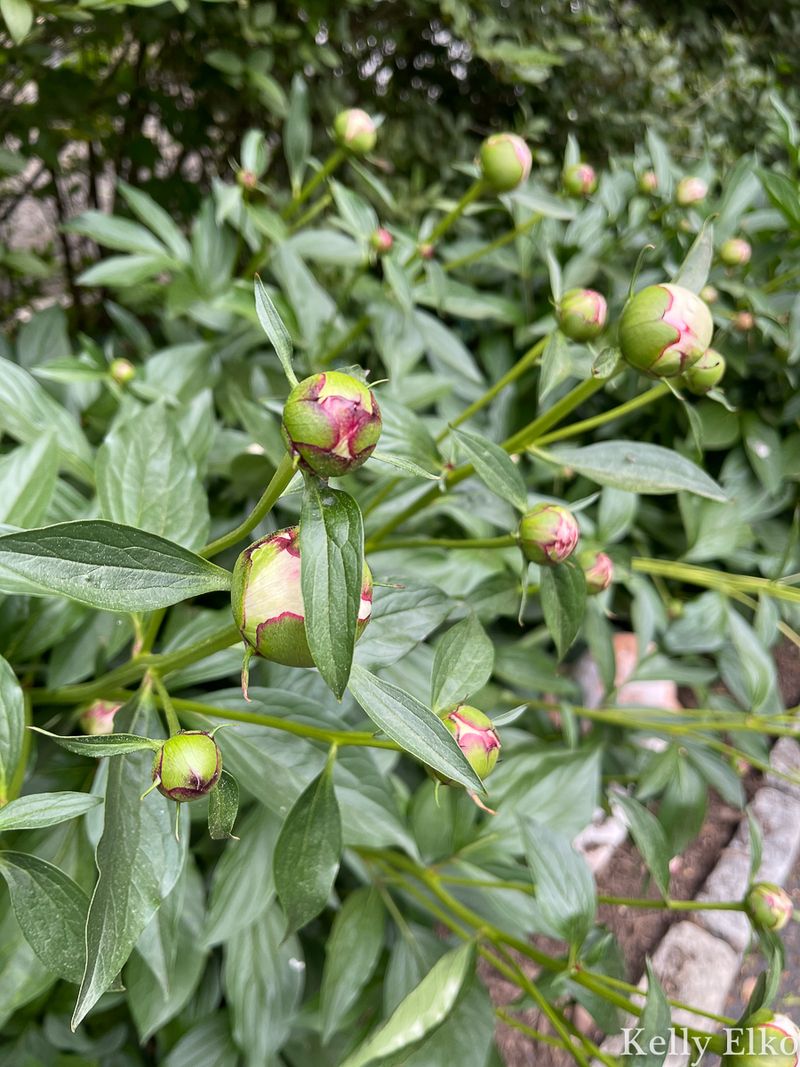
Young peonies may not bloom fully until established, usually after 3-5 years. Patience is key. Think of it as a young musician still learning their craft before performing.
12. Late Frost Damage
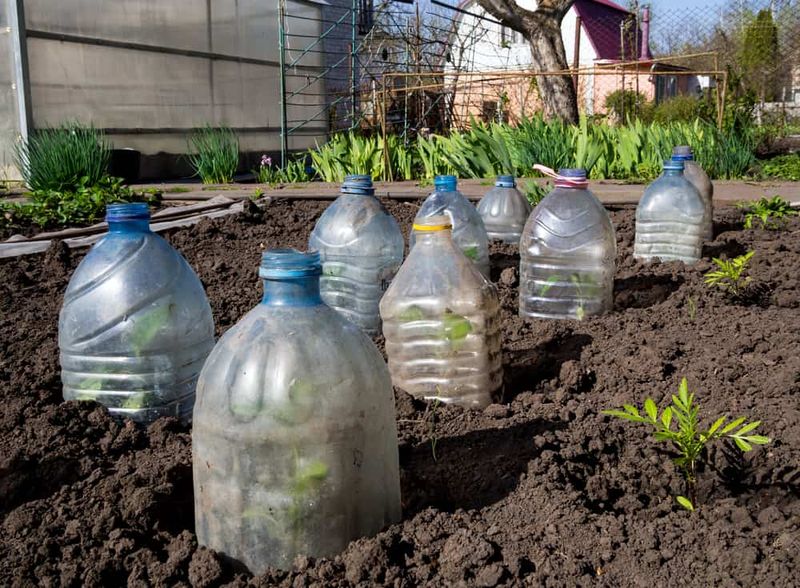
Late spring frosts can damage buds, preventing blooming. Protecting peonies from unexpected frosts can preserve their bloom cycle. Imagine shielding them from a surprise winter bite.
13. Unfavorable Weather Conditions
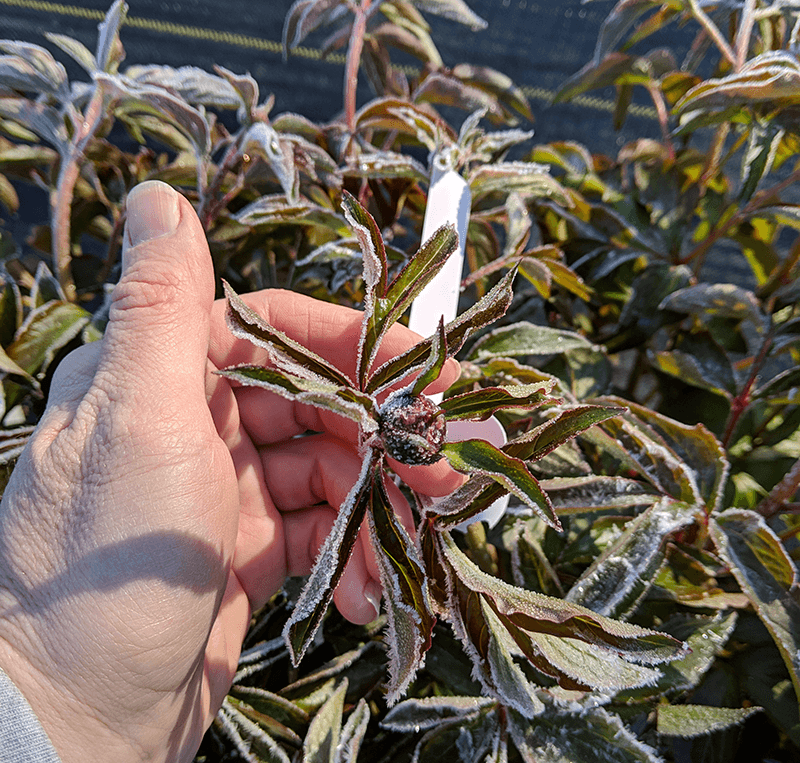
Peonies are sensitive to weather extremes. Excessive rain or drought can affect their blooming. Creating a balanced environment is crucial. It’s like crafting the perfect climate for a delicate dance.
14. Incompatible Companion Plants

Competing plants can steal nutrients and light, affecting peony blooms. Ensure they have compatible neighbors. It’s about fostering harmonious garden relationships.
15. Lack of Winter Chill
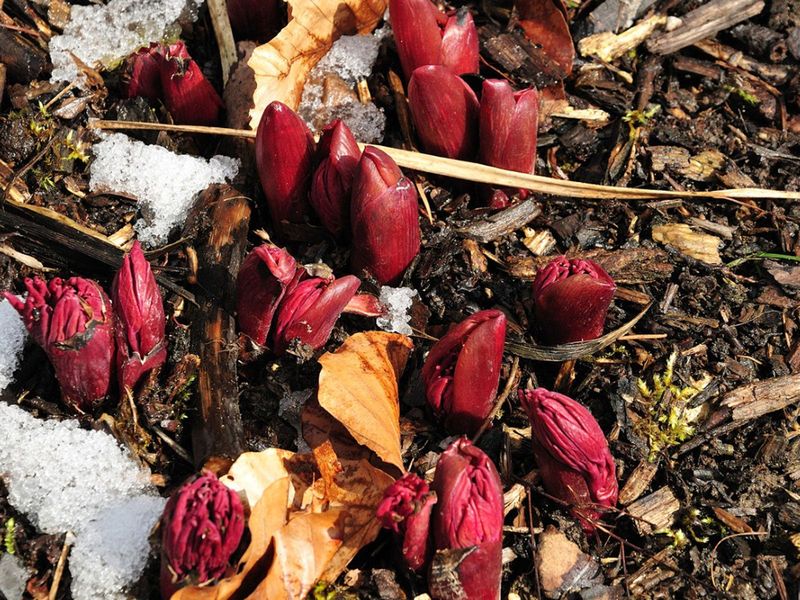
Peonies need a winter chill to bloom. In warmer climates, this can be challenging. Think of it as a necessary cold hug to awaken their blooms.
16. Transplant Shock

Transplanting can shock peonies, causing delayed blooms. Allow them time to adjust and recover. It’s akin to settling into a new home, finding comfort in new surroundings.
17. Poor Air Circulation

Stagnant air can lead to disease and poor blooms. Ensure proper spacing and air flow. Picture a gentle breeze keeping your garden healthy and vibrant.
18. Nutrient Deficiency
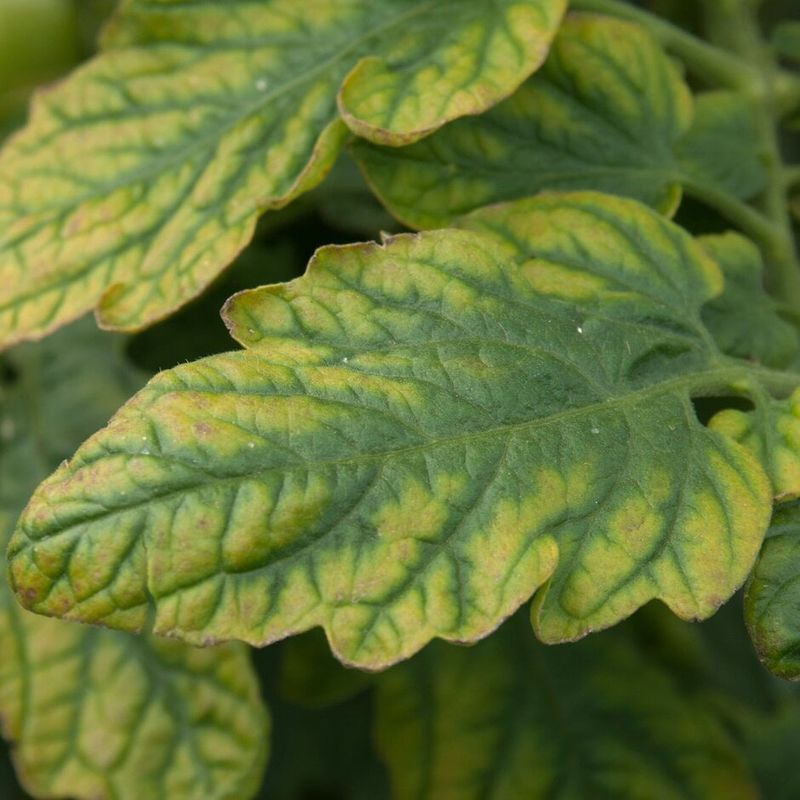
Lack of essential nutrients can weaken peonies, affecting blooms. Regular soil testing and amendments can address this. It’s like checking the pantry for missing ingredients in a recipe.
19. Improper Deadheading
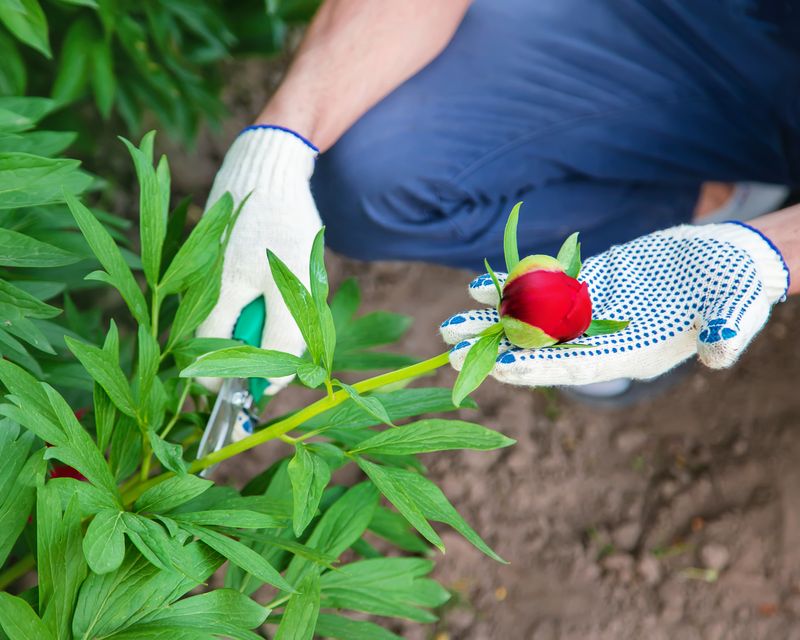
Failure to deadhead peonies can divert energy from new blooms. Removing spent flowers encourages more blossoms. Visualize clearing space for fresh, vibrant experiences.
20. Competition with Weeds
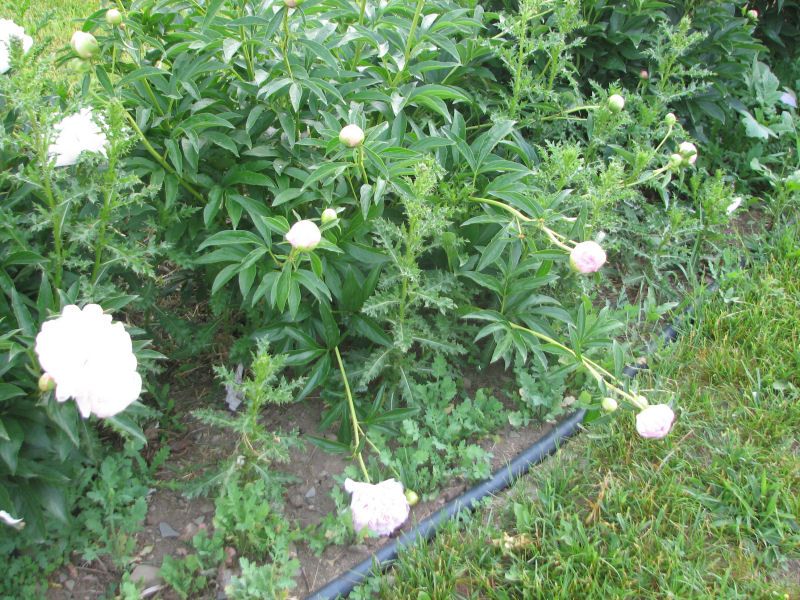
Weeds can siphon nutrients and water, hindering peony blooms. Regular weeding keeps them thriving. Consider it a battle for resources, where your peonies emerge victorious.