 Complete Gardening
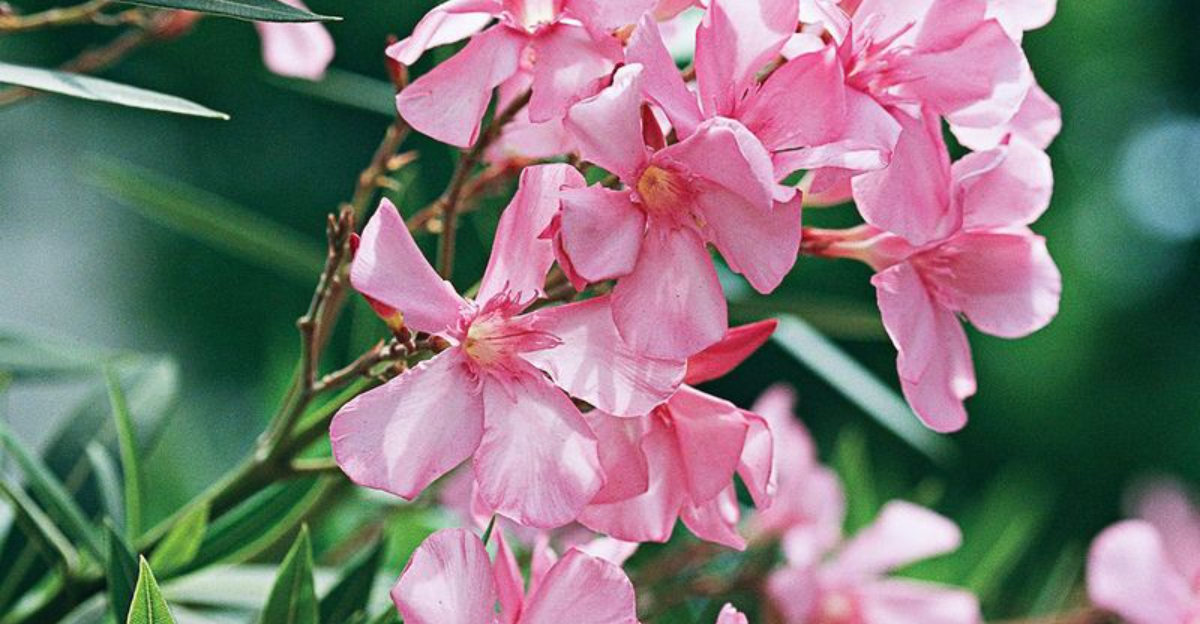
Explore a diverse selection of 20 shrubs perfectly suited for sunny locations. Each of these plants offers unique beauty, resilience, and charm, making them ideal for enhancing sun-drenched gardens.
1. Butterfly Bush (Buddleia davidii)
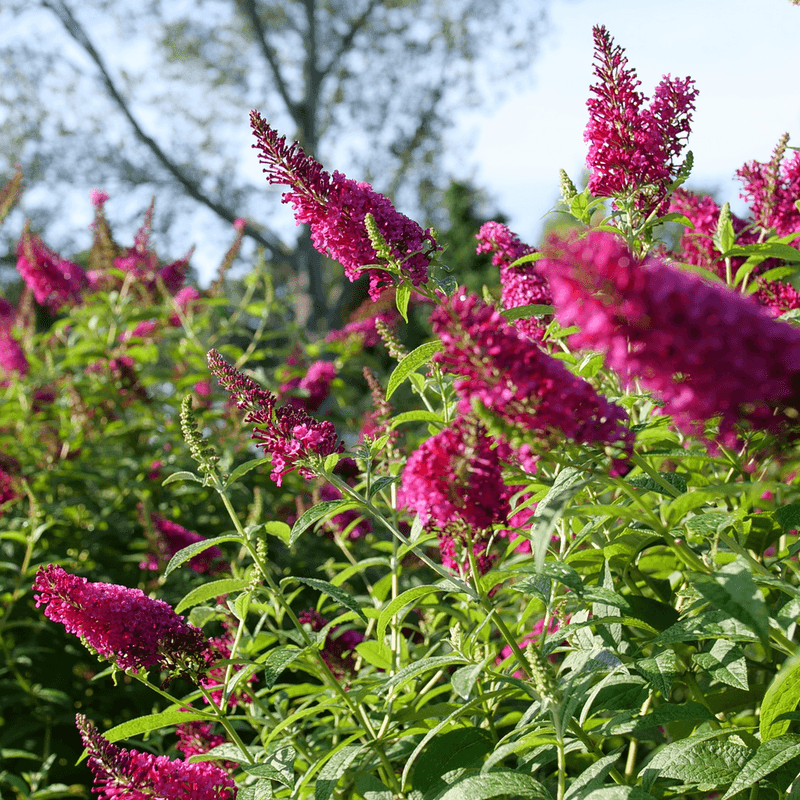
Butterfly Bush is a favorite for those seeking to attract vibrant winged visitors. Its rapid growth and large, fragrant blossoms are a beacon for butterflies and hummingbirds alike. This shrub’s resilience is showcased in its ability to thrive even in drought conditions, once established.
Its ability to withstand various climates and minimal care requirements make it a gardener’s dream. For those who cherish the beauty of wildlife, this shrub is an unmissable addition.
Did you know? Its nickname, “Summer Lilac,” nods to its long blooming season. This makes it a perennial favorite among those who appreciate continuous color in their gardens.
2. Rose of Sharon (Hibiscus syriacus)
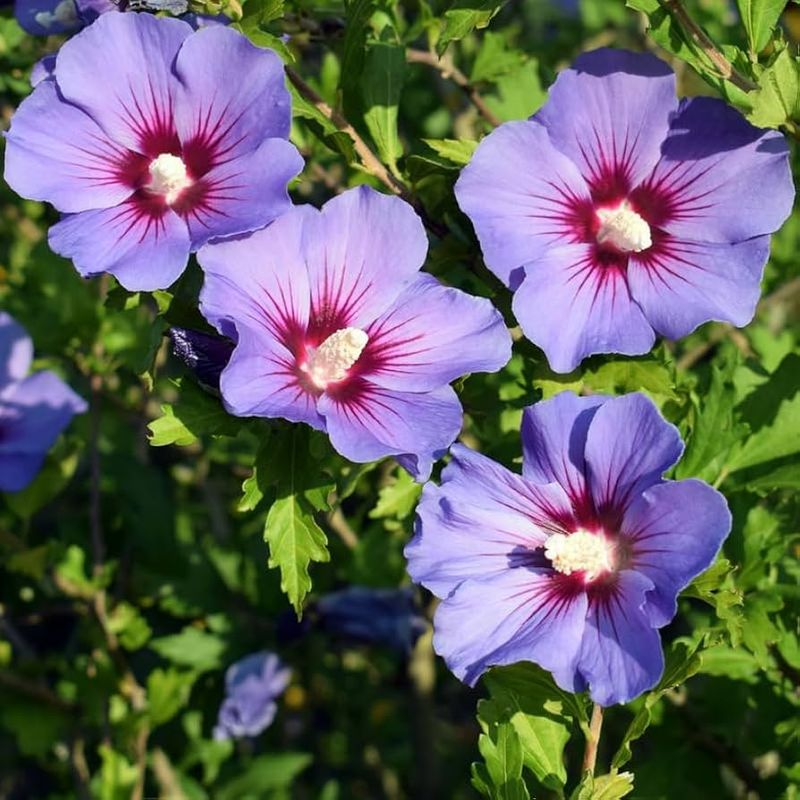
The Rose of Sharon stands as a testament to resilience and beauty. Its late-summer blooms bring a splash of color when many other flowers have faded. This heat and drought-resistant shrub requires minimal care while offering maximum impact.
With its sturdy nature, this plant thrives in full sun, making it a perfect choice for bright landscapes. The Rose of Sharon’s flowers, reminiscent of tropical hibiscus, add an exotic touch to gardens.
Originating from Asia, it has been cherished for centuries, symbolizing delicate beauty and strength. A must-have for those who appreciate enduring elegance in their garden.
3. Russian Sage (Perovskia atriplicifolia)
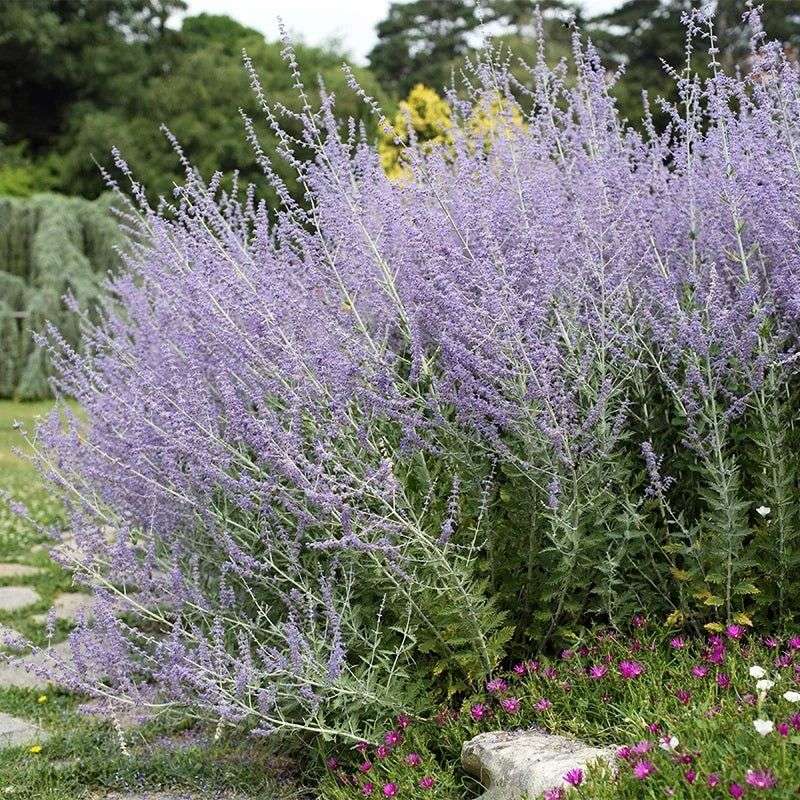
Russian Sage enchants with its aromatic, silvery foliage that complements its striking lavender-blue flowers. This deer-resistant plant is a versatile choice for sun-drenched areas, known for its hardiness and ability to thrive in poor soil.
Russian Sage is not just a plant, but an experience. Its drought tolerance adds to its appeal, making it a wise choice for low-maintenance gardening.
Did you know? Despite its name, Russian Sage is native to Central Asia, infusing gardens with a touch of the exotic.
4. Crape Myrtle (Lagerstroemia)
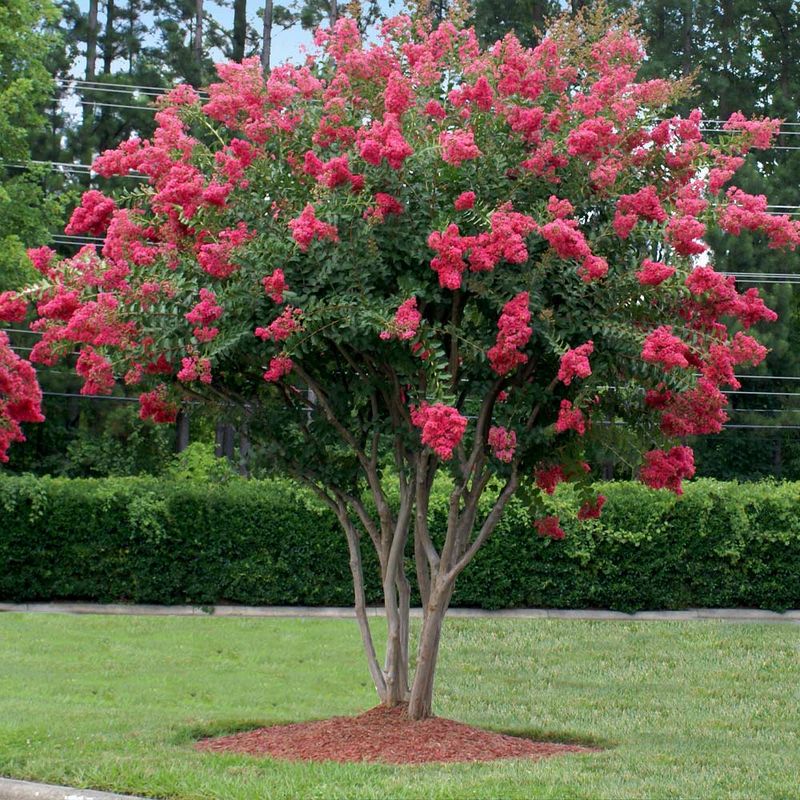
Crape Myrtle dazzles with its long blooming season, offering a stunning display of colors from summer to fall. Known for its heat-loving nature, this versatile plant can be grown as either a shrub or a tree, adapting to various landscape needs.
Its bark, which exfoliates to reveal a smooth, multicolored surface, adds winter interest to gardens. In full sun, the Crape Myrtle thrives, making it a staple in Southern gardens.
Fun fact: In the language of flowers, Crape Myrtle symbolizes eloquence, reflecting its graceful presence. A true testament to beauty and adaptability, this shrub is a beloved choice for many.
5. Potentilla (Dasiphora fruticosa)
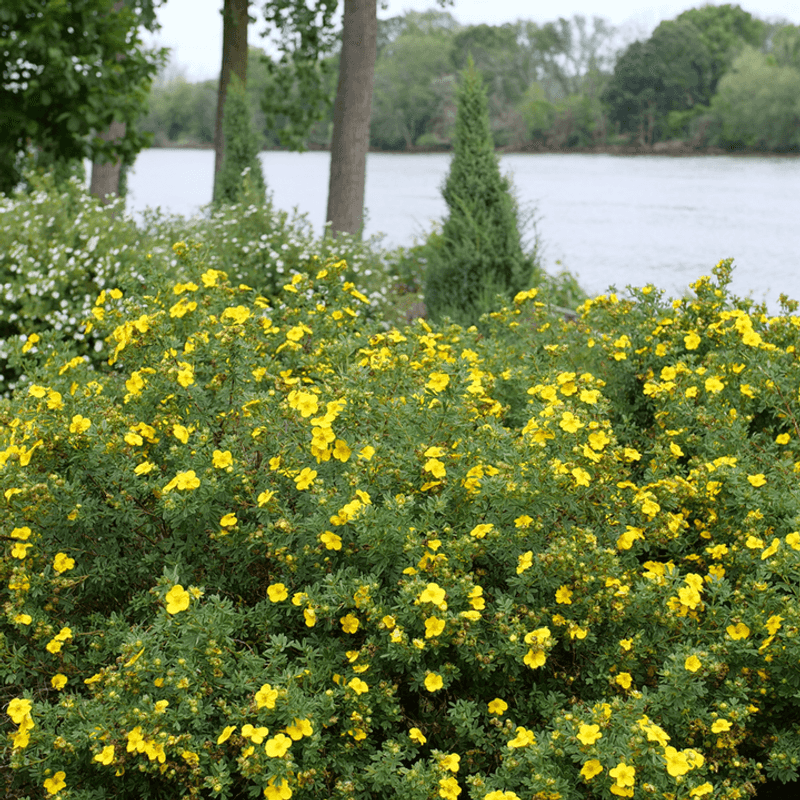
Potentilla, with its cheerful yellow, white, or pink flowers, brings a splash of color to any garden. This tough, cold-hardy shrub is known for its ability to thrive in full sun and withstand harsh conditions.
Its low-growing nature makes it ideal for borders and rock gardens, providing continuous interest throughout the growing season. Potentilla’s resilience and minimal care requirements make it a favorite among gardeners seeking beauty with ease.
A lesser-known fact: Potentilla has historically been used in traditional medicine for its supposed healing properties. Its bright blooms are not just a feast for the eyes but a nod to its rich past.
6. Barberry (Berberis thunbergii)
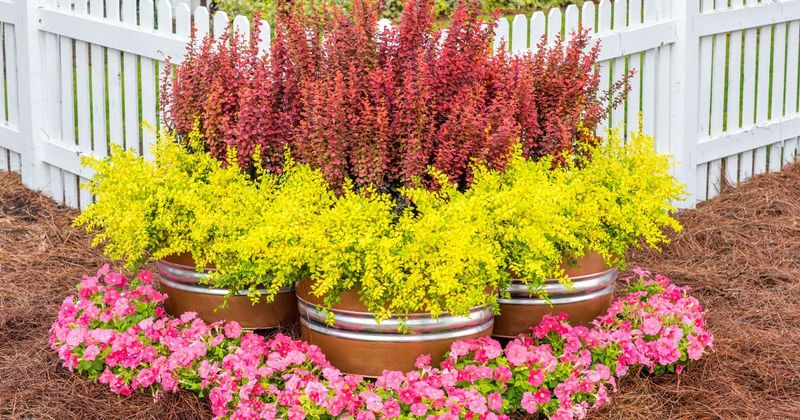
Barberry stands out with its colorful foliage, ranging from deep reds to golden yellows, making a striking statement in any garden. This deer-resistant plant is valued for its tough nature and ability to thrive in full sun.
However, gardeners should be aware of its invasive tendencies in some regions. Its thorny branches add an extra layer of security, ideal for hedges or borders.
Historically, Barberry has been used for its medicinal properties, showcasing its multifunctional nature. For those seeking vibrant color and low maintenance, Barberry is an excellent choice, though location considerations are necessary.
7. Spirea (Spiraea japonica)
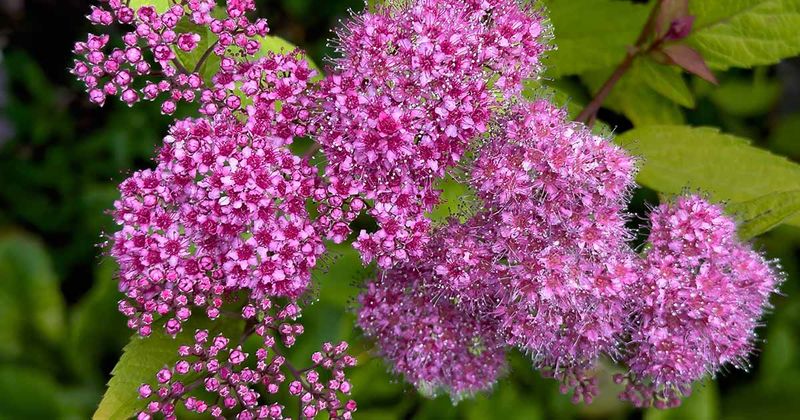
Spirea brings a touch of elegance with its delicate clusters of pink or white flowers, making it a popular choice for borders. This low-maintenance shrub thrives in full sun, offering beauty with minimal effort.
Its versatility makes it suitable for various landscape designs, from formal gardens to casual settings. The ease with which it grows endears it to gardeners of all skill levels.
Historically, Spirea’s flexible branches were used to make wreaths in ancient European celebrations, symbolizing celebration and festivity. This shrub continues to bring joy with its vibrant blooms and graceful presence.
8. Juniper (Juniperus)
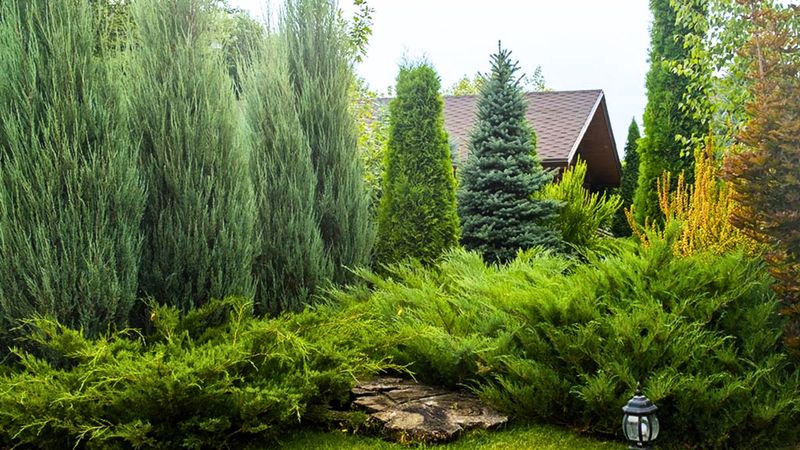
Juniper is a versatile evergreen known for its drought tolerance and suitability for hedges. Its needle-like foliage and berry-like cones provide year-round interest, making it a favorite for various garden styles.
Whether grown as a ground cover or a towering shrub, Juniper adapts easily to sunny conditions. Its ability to thrive in poor soils adds to its appeal for challenging landscapes.
Fun fact: Juniper berries, though not true berries, have been used in culinary and traditional medicine practices. This multifunctional shrub offers both aesthetic beauty and practical uses, a true garden ally.
9. Lilac (Syringa vulgaris)
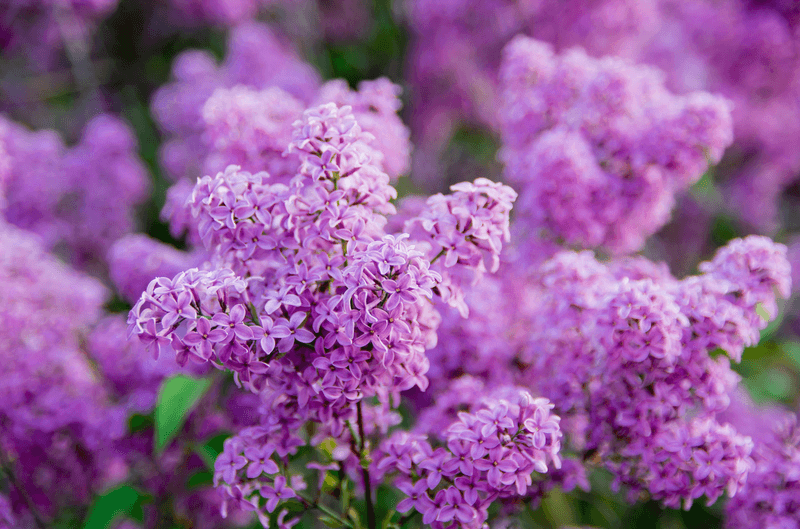
Lilac is cherished for its fragrant spring blooms, heralding the arrival of warmer weather. Its showy flowers and sweet scent make it a beloved addition to sunny gardens, where it thrives best.
This shrub’s preference for well-drained soil highlights the importance of site selection for optimal growth. Lilac’s ability to create privacy screens or accent garden borders adds to its versatility.
A touch of nostalgia: Lilac blooms have inspired poets and painters alike with their fleeting beauty and enchanting fragrance. For those who value sensory experiences in their gardens, Lilac is an unparalleled choice.
10. Boxwood (Buxus)
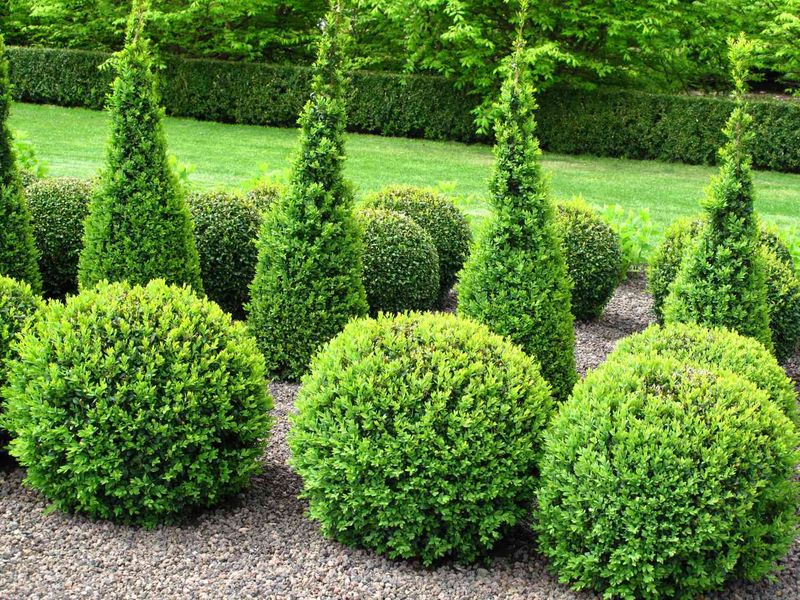
Boxwood’s classic appeal lies in its dense, evergreen foliage that takes well to pruning, making it ideal for hedges and topiaries. This sun-loving shrub is a staple in formal gardens, offering structure and elegance.
Its slow growth rate ensures long-lasting beauty with minimal maintenance. Boxwood’s adaptability to different pruning styles allows for creativity in landscape design.
Did you know? Boxwood has been used since ancient Roman times for garden design and decoration, underscoring its timeless appeal. For those seeking a touch of classic beauty, Boxwood is an enduring choice in sunlit gardens.
11. Bluebeard (Caryopteris)
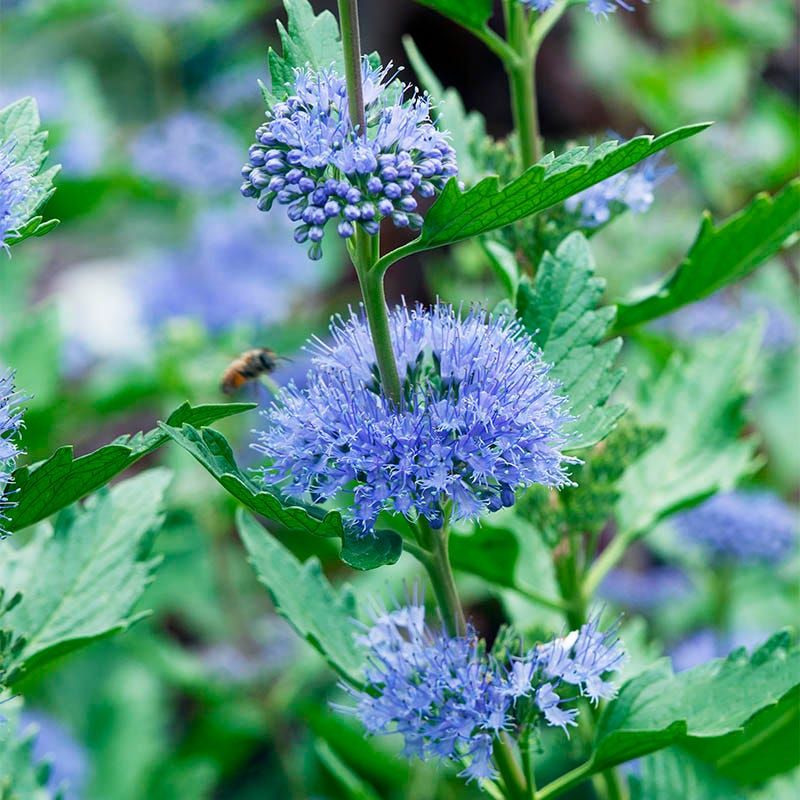
Bluebeard captivates with its late summer display of vivid blue flowers, attracting pollinators like bees and butterflies. This shrub’s compact size and aromatic foliage make it a delightful addition to sunny borders.
Thriving in full sun, Bluebeard requires minimal care and rewards gardeners with its extended bloom period. Its ability to thrive in poor soil conditions adds to its appeal for low-maintenance landscapes.
Fun fact: Also known as “Blue Spirea,” this shrub is not related to true spireas but shares their easygoing nature. For those seeking vibrant color late in the season, Bluebeard is a standout choice.
12. Dwarf Fountain Grass (Pennisetum alopecuroides)
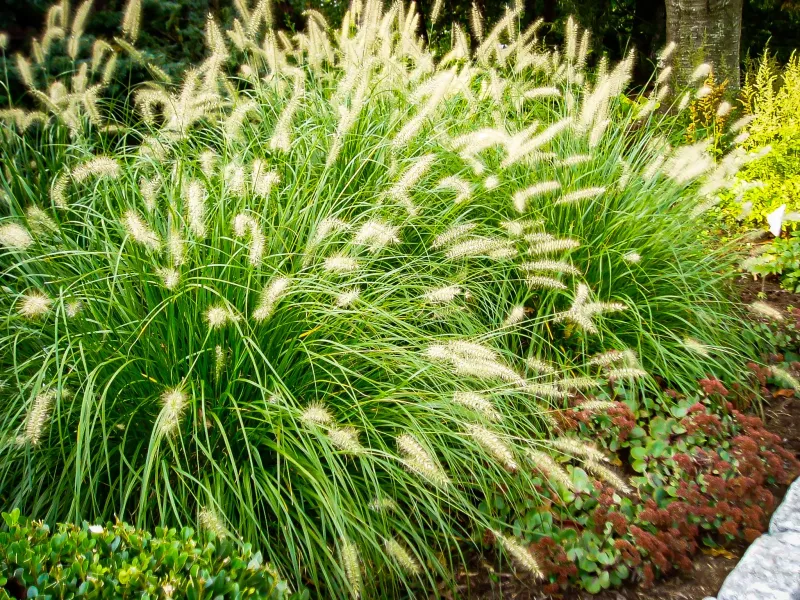
Dwarf Fountain Grass adds texture and movement to gardens with its gracefully arching plumes and fine foliage. This ornamental grass thrives in full sun, offering visual interest throughout the growing season.
Its compact size makes it suitable for smaller spaces, while its drought tolerance ensures reliability in various climates. As a non-invasive species, it complements other plants without overpowering them.
Did you know? Dwarf Fountain Grass is often used in urban landscapes for its ability to soften hard edges and provide a naturalistic feel. For gardeners seeking dynamic beauty, this grass is an ideal choice.
13. Viburnum (Viburnum spp.)
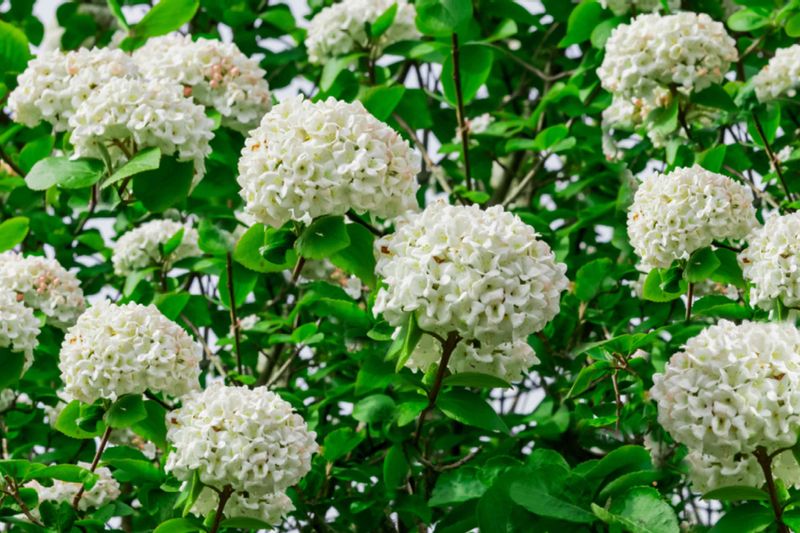
Viburnum is a versatile shrub, with varieties that offer either beautiful flowers or vibrant berries. Its adaptability to sunny conditions makes it a favored choice for diverse landscapes.
Whether used as a specimen plant or in mixed borders, Viburnum adds interest throughout the year. Its fragrant blooms in spring are a precursor to the showy berries that follow, attracting wildlife.
Fun fact: In folklore, Viburnum was believed to offer protection against evil spirits, making it a cherished plant in traditional gardens. For those seeking a mix of form and function, Viburnum is an excellent option.
14. Cotoneaster (Cotoneaster)
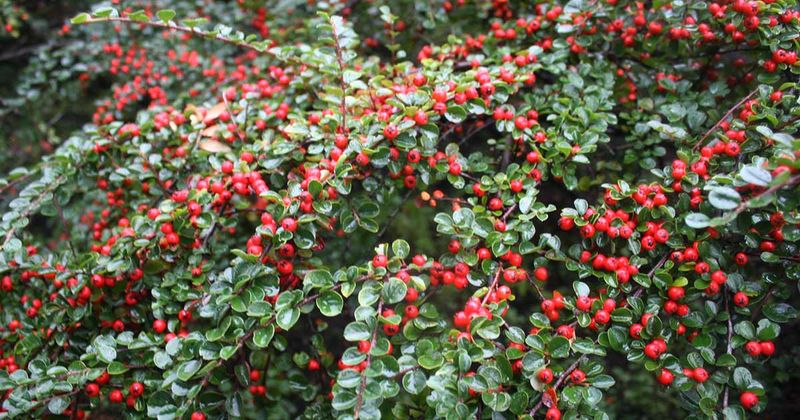
Cotoneaster offers versatility with forms ranging from groundcovers to upright shrubs. Its dense foliage and bright red berries provide interest throughout the year, thriving in sunny locations.
This shrub’s low maintenance and resilience make it suitable for various garden designs, from formal settings to wild landscapes. Cotoneaster’s ability to tolerate poor soils and harsh conditions adds to its appeal.
A quirky fact: The name “Cotoneaster” comes from Latin “cotoneum,” meaning quince, and “aster,” meaning resembling, describing its fruit. For those seeking vibrant color and adaptability, Cotoneaster is a wise choice.
15. Ninebark (Physocarpus opulifolius)
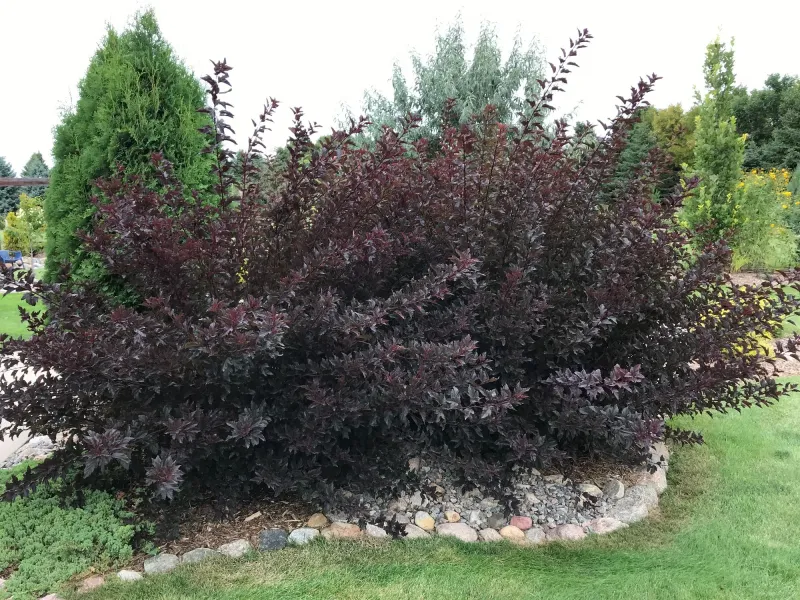
Ninebark captivates with its colorful foliage ranging from purple to gold, and its distinctive peeling bark adds winter interest. This hardy shrub thrives in full sun, offering multi-seasonal beauty.
Whether used as a stand-alone specimen or in mass plantings, Ninebark’s adaptability to various soil types makes it a reliable choice. Its ability to withstand harsh conditions and resist pests adds to its allure.
Did you know? The name “Ninebark” refers to the multiple layers of exfoliating bark, providing a unique visual appeal. For gardeners seeking texture and color, Ninebark is an excellent addition.
16. Lavender (Lavandula)
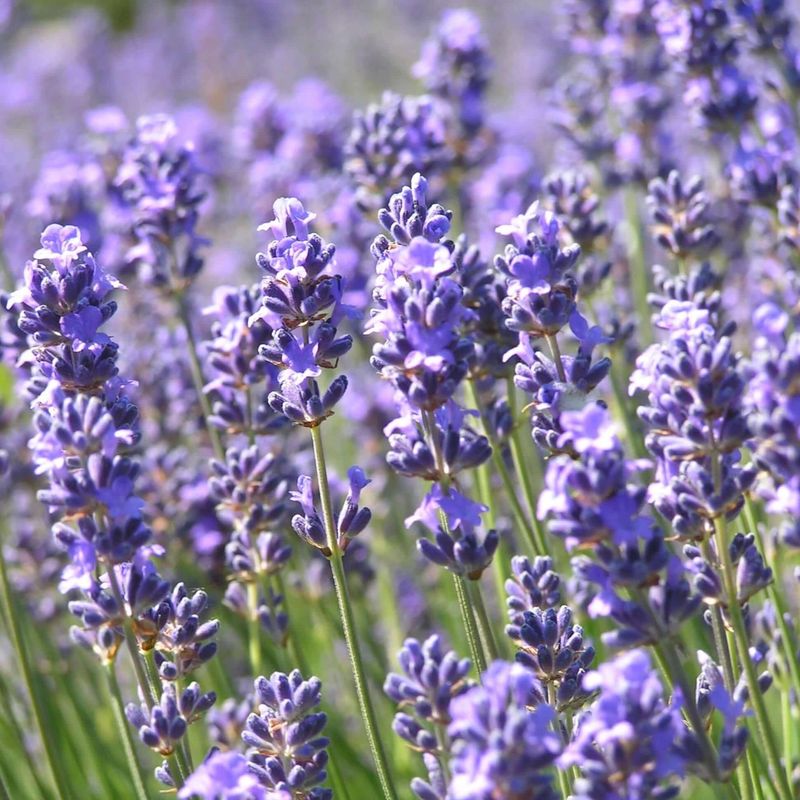
Lavender is celebrated for its fragrant blooms and silvery foliage, bringing a touch of the Mediterranean to sunny gardens. This drought-tolerant shrub thrives in well-drained soil, making it ideal for hot, dry conditions.
Beyond its visual appeal, Lavender is valued for its calming scent and use in aromatherapy. Its ability to attract pollinators adds ecological benefits to its beauty.
Did you know? Lavender has been used since ancient times for its healing properties and as a natural insect repellent. For those seeking a sensory garden experience, Lavender is a timeless choice.
17. Rosemary (Salvia rosmarinus)
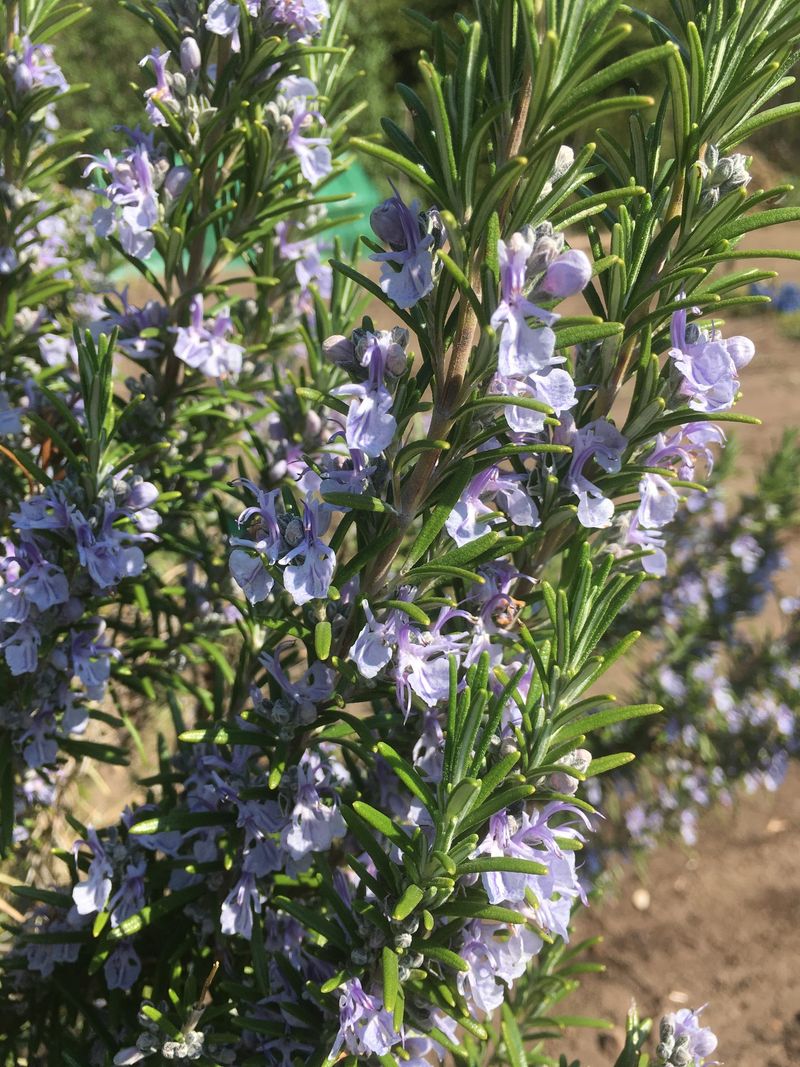
Rosemary thrives in hot, dry conditions, offering aromatic foliage that enhances both gardens and culinary dishes. This evergreen shrub’s adaptability to full sun and poor soils makes it a versatile choice for herb gardens.
Its needle-like leaves and pale blue flowers bring a touch of elegance and functionality to landscapes. Rosemary’s ability to thrive with minimal care adds to its appeal.
Fun fact: Rosemary is associated with memory enhancement and has been used in rituals and culinary traditions for centuries. For those who appreciate practical beauty, Rosemary is a delightful addition to any sunny garden.
18. Yucca (Yucca filamentosa)
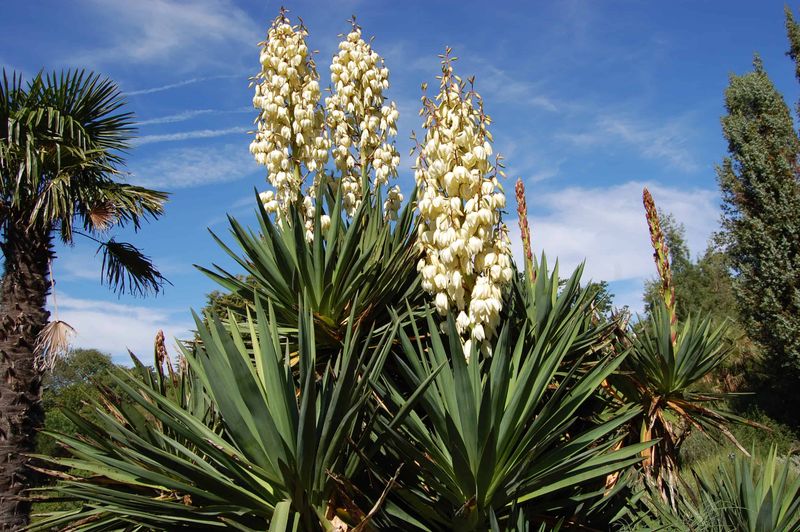
Yucca stands as a dramatic architectural plant with its sword-like leaves and tall flower spikes. This drought-proof shrub thrives in full sun, adding a bold statement to landscapes.
Its ability to withstand harsh conditions makes it a reliable choice for xeriscaping and dry gardens. Yucca’s striking form and resilience offer both visual and practical benefits.
Did you know? Yucca flowers are edible and have been used in traditional Native American cuisine. For those seeking a bold, low-maintenance plant, Yucca is an exceptional choice, embodying both form and function.
19. Oleander (Nerium oleander)
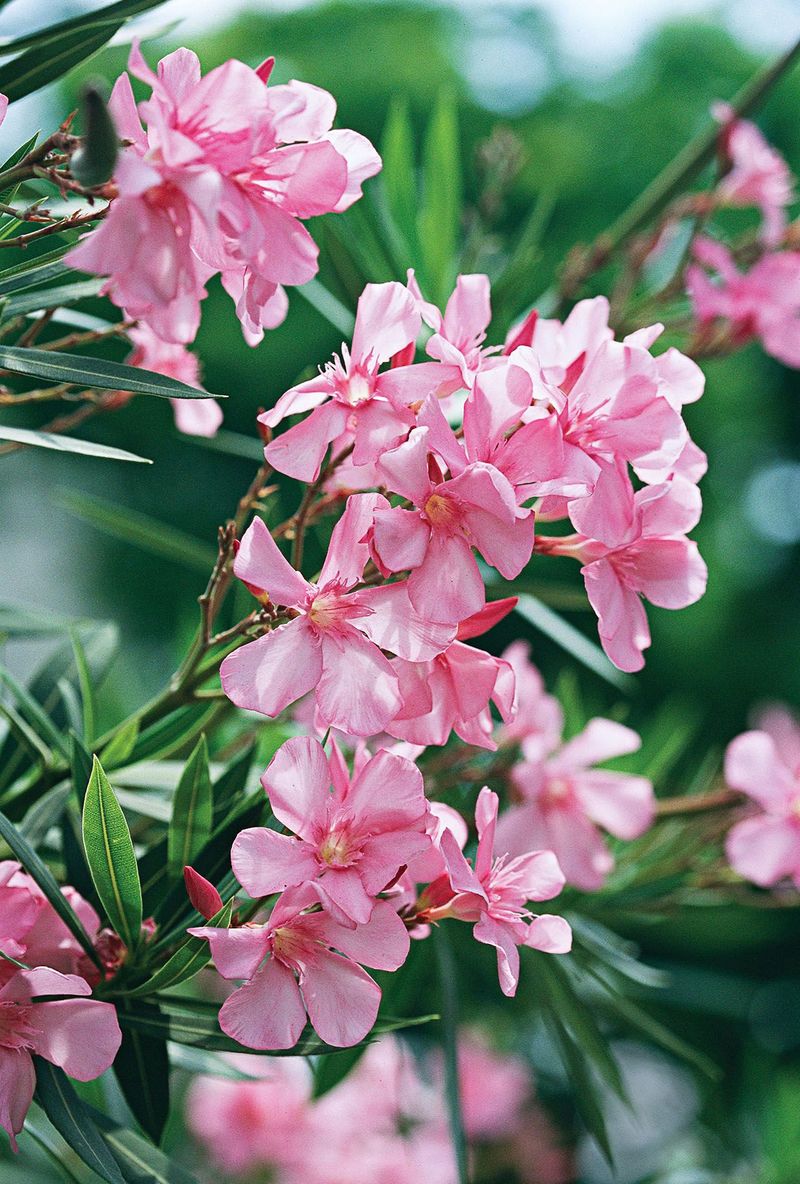
Oleander is renowned for its lush foliage and vibrant blooms, thriving in heat and full sun. This salt-tolerant shrub is perfect for coastal gardens, adding color and resilience.
However, caution is advised as all parts of Oleander are toxic if ingested. Despite this, its ability to flourish in challenging conditions makes it a popular ornamental choice.
A historical tidbit: Oleander has been used in Mediterranean landscapes since ancient times, valued for its resilience and beauty. For those seeking a striking, sun-loving plant, Oleander offers unmatched vibrancy.
20. Texas Sage (Leucophyllum frutescens)
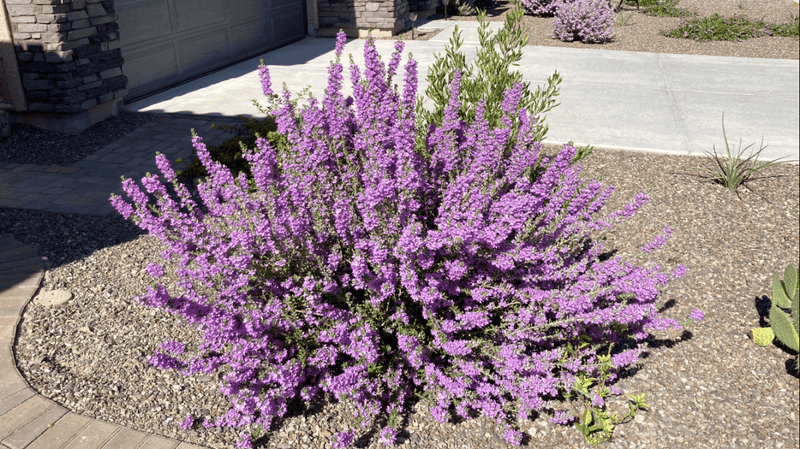
Texas Sage, with its silver foliage and purple blooms, is a standout in arid landscapes. Its extreme drought tolerance makes it an ideal choice for sun-drenched gardens, requiring little water to thrive.
This shrub’s natural ability to bloom after rain events adds dynamic color to dry areas. Texas Sage’s low maintenance needs make it a valuable asset for sustainable gardening.
Fun fact: Also known as “Barometer Bush,” its flowering often signals incoming rain. For those in search of a resilient and colorful addition, Texas Sage offers both beauty and functionality.