 Complete Gardening
Gardens are beautiful sanctuaries, offering a peaceful retreat and a bounty of nature’s gifts. However, lurking within these green havens are garden pests that can wreak havoc and destroy months of hard work. Here is a detailed insight into 20 garden pests you should never ignore, and how to combat them effectively.
1. Aphids
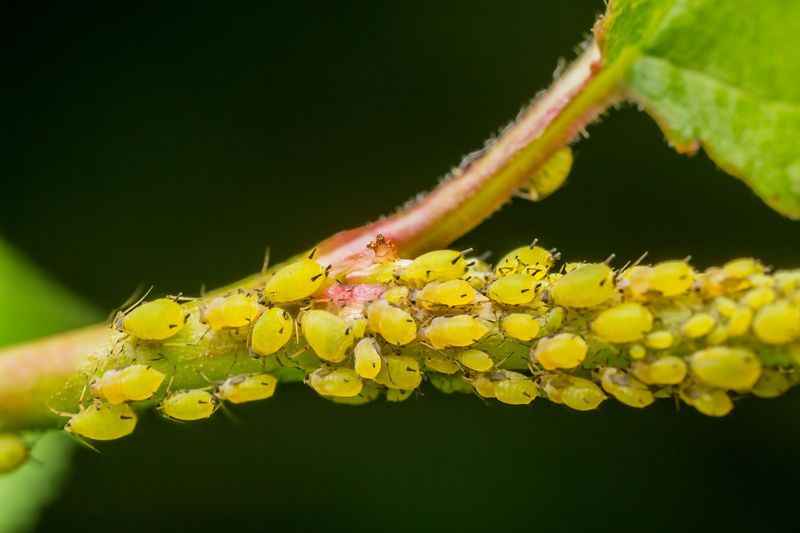
Aphids, often seen as tiny green dots on plants, have a notorious reputation for destroying gardens. These sap-sucking insects cause leaves to curl and transmit viruses. You might notice a sticky residue known as honeydew left behind, which attracts ants and leads to black sooty mold.
Combat these pests by blasting them with water, encouraging natural predators like ladybugs, or using neem oil as a spray. Their ability to reproduce rapidly means timely intervention is crucial.
Aphids are not just a nuisance but a serious threat to the health of your garden.
2. Tomato Hornworms
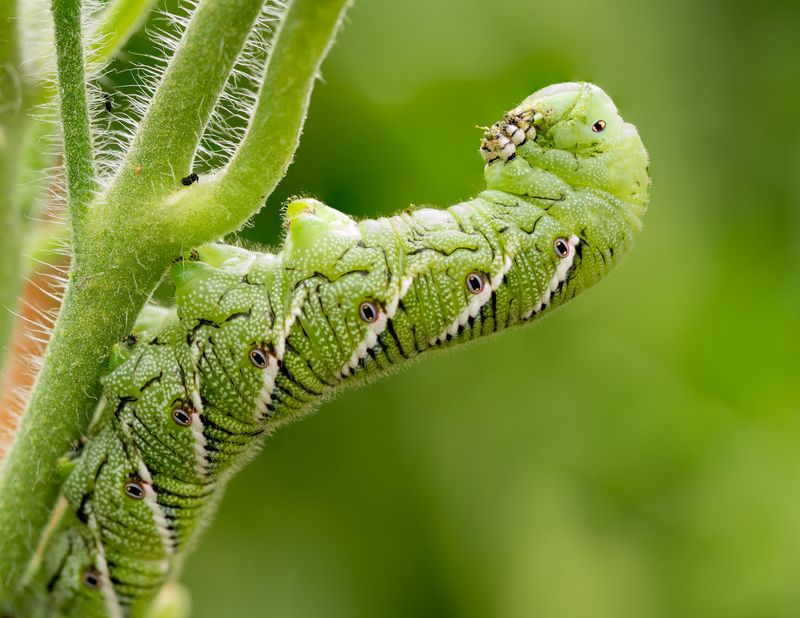
Imagine checking your tomato plants only to find them stripped bare overnight. Meet the tomato hornworm, a sizable green caterpillar that can decimate your beloved tomato, pepper, and eggplant leaves in no time. Their presence is often signaled by chewed leaves and green droppings.
Handpicking these pests or using BT (Bacillus thuringiensis) can save your plants.
Though their voracious appetite is alarming, a vigilant eye can prevent them from ruining your harvest.
3. Squash Bugs
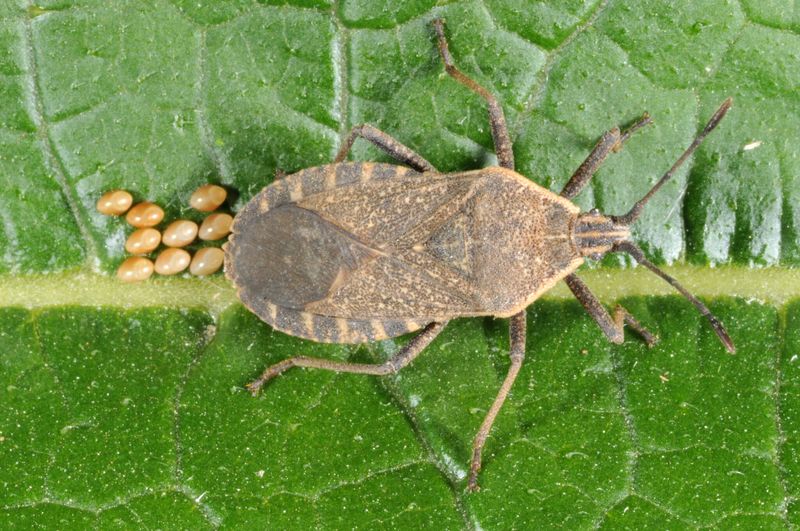
Squash bugs are uninvited guests that can spell doom for squash, zucchini, and pumpkin plants. These insects inject toxins that lead to yellow or brown spots on leaves, followed by wilting.
Their eggs, appearing as bronze clusters on the underside of leaves, are a telltale sign. Removing these eggs and spraying insecticidal soap can help control their population.
Squash bugs are sneaky and persistent, making early detection and management key to safeguarding your plants.
4. Japanese Beetles
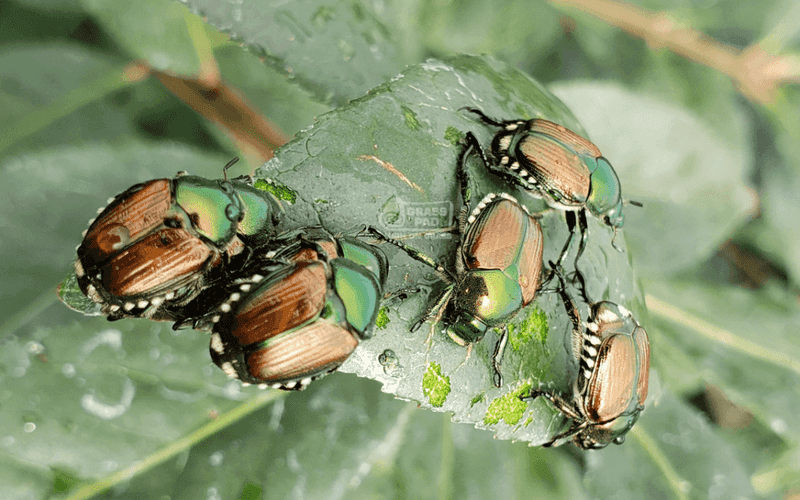
Japanese beetles, with their iridescent green bodies, are both beautiful and destructive. These pests gather in groups, skeletonizing leaves of plants like roses, grapes, and beans.
Their shiny appearance contrasts with the damage they inflict. To battle these beetles, knock them into soapy water or use milky spore to target grubs.
While their metallic sheen may catch your eye, it’s their hunger that poses a real threat to your garden’s lushness.
5. Spider Mites
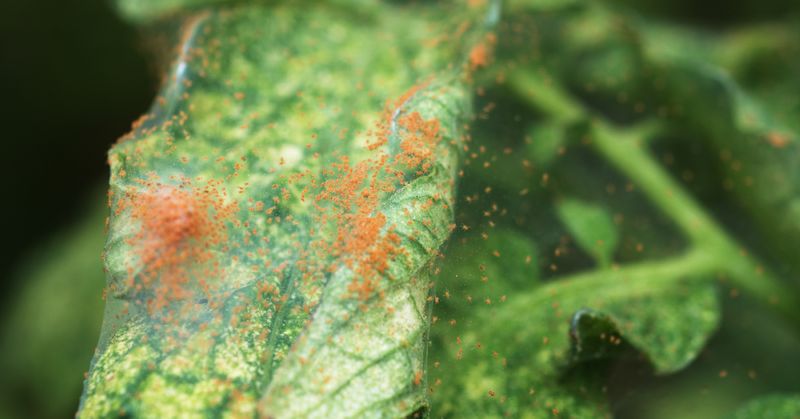
Spider mites, though almost invisible, can cause significant damage by sucking plant juices. This results in yellow speckling and webbing on leaves, a sign that often goes unnoticed until too late.
Fine silk threads indicate their presence. Increase humidity and spray affected areas with water and neem oil to deter them.
Spider mites are a silent threat, underscoring the importance of regular plant inspections.
6. Cabbage Worms
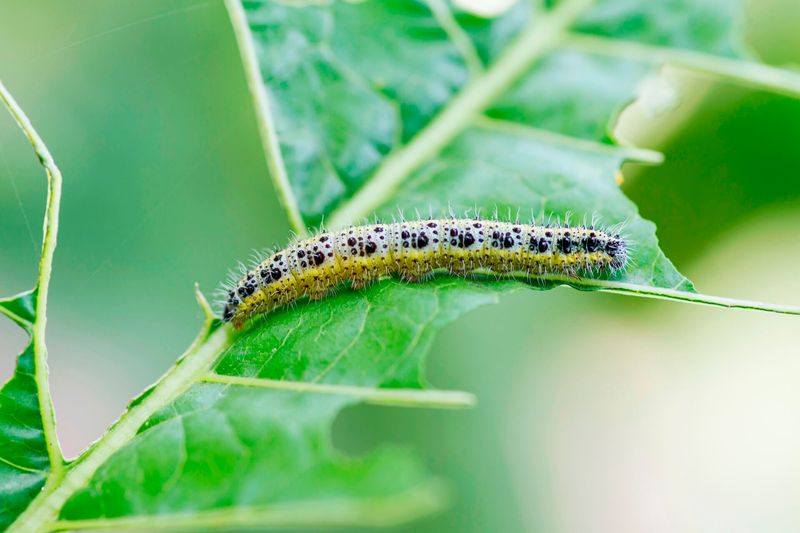
Cabbage worms, the larvae of white butterflies, are a common menace to cabbage, broccoli, and kale. These green worms chew through leaves, leaving noticeable holes that can hinder plant growth.
Covering plants with row covers and applying BT (Bacillus thuringiensis) are effective control measures.
Cabbage worms may seem harmless, but their impact on vegetables is anything but trivial.
7. Slugs & Snails
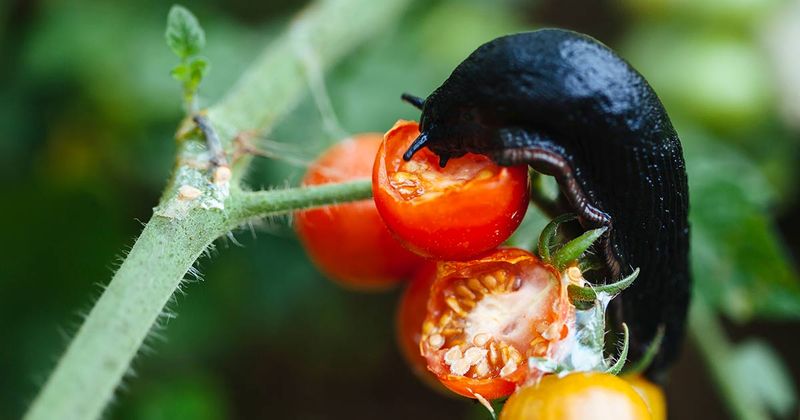
Slugs and snails are nocturnal feeders that can leave a trail of destruction in their wake. These creatures chew irregular holes in leaves, particularly favoring hostas and lettuce.
Their silvery slime trails and nighttime activity make them easy to identify. Employ beer traps, copper tape, and diatomaceous earth to keep them at bay.
While they might appear slow and harmless, their appetite is anything but sluggish.
8. Whiteflies
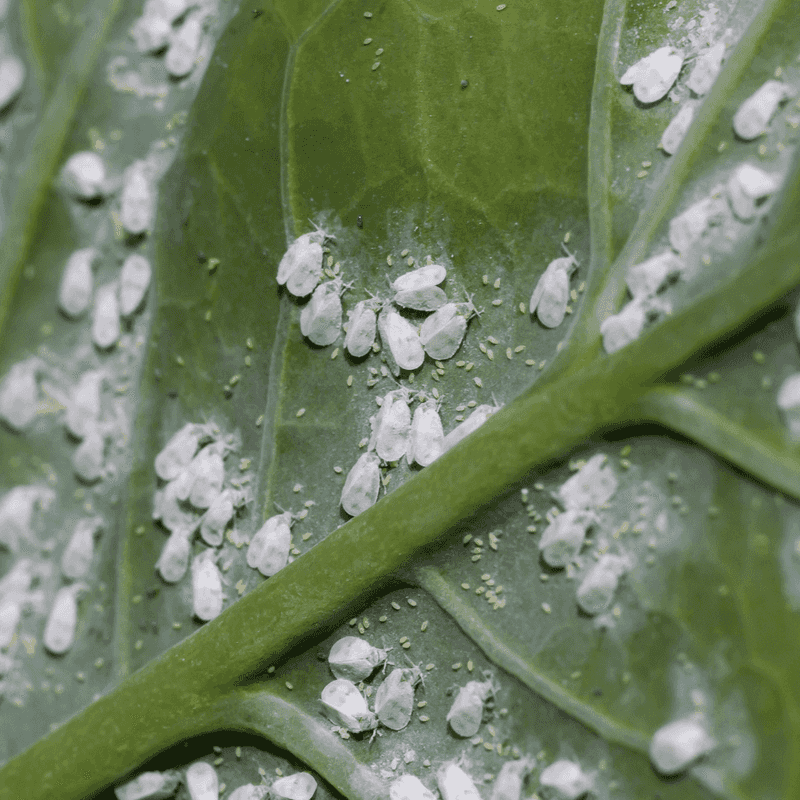
Whiteflies, tiny insects that create a cloud when disturbed, are sap-sucking pests that can spread disease. Their feeding results in leaf yellowing, weakening the plant over time.
Yellow sticky traps and insecticidal soap can be effective in managing their numbers.
Though small, whiteflies can have a big impact on your garden’s health, making control measures essential.
9. Cutworms
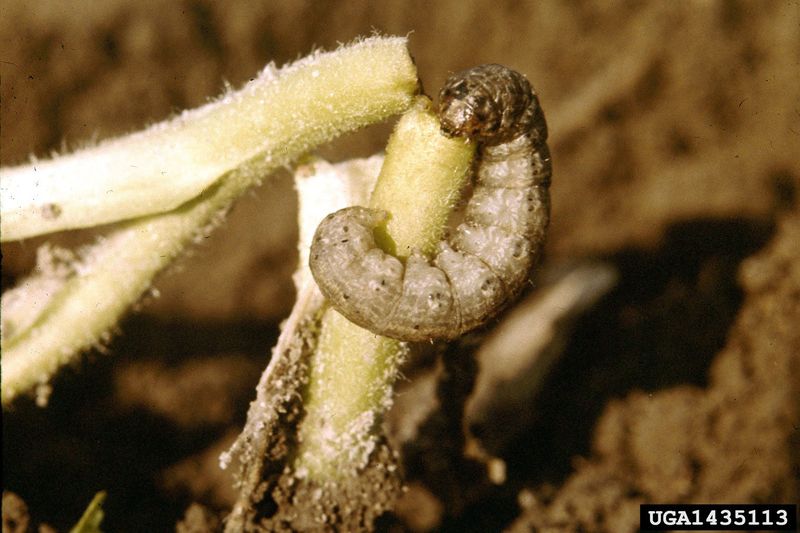
Cutworms are stealthy nocturnal pests that sever young seedlings at the base, causing them to topple overnight. These fat gray or brown larvae hide in the soil during the day.
Using cardboard collars around plant stems can protect against these ground-dwelling invaders.
Despite their name, cutworms are more than just a nuisance; they are a formidable foe for any budding gardener.
10. Colorado Potato Beetles
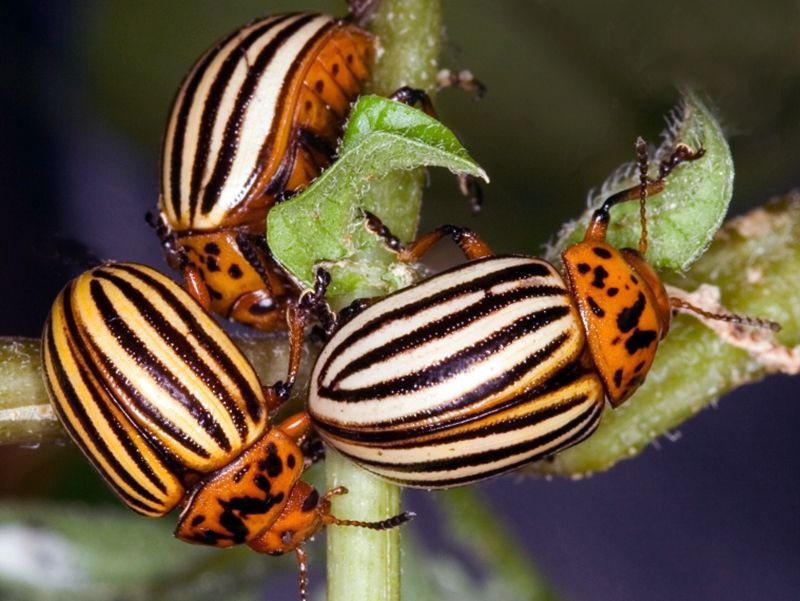
Colorado potato beetles are striking in appearance with their striped yellow and orange shells. However, their beauty is deceiving as they defoliate potato, eggplant, and tomato plants rapidly.
Handpicking these beetles and applying spinosad spray can control their spread.
These beetles are a reminder that appearances can be deceiving; vigilance is key to keeping them at bay.
11. Leaf Miners
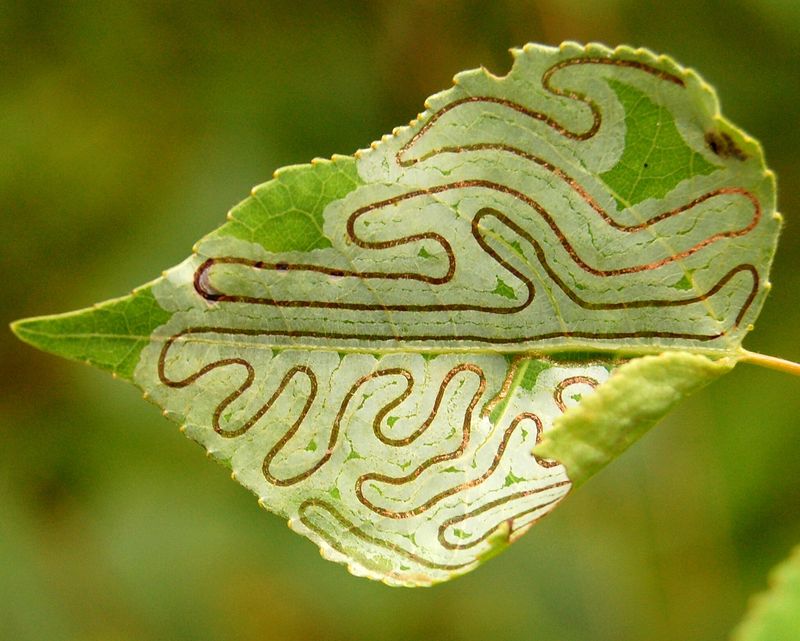
Leaf miners, though tiny, leave noticeable trails as they burrow within leaves. These discolored, squiggly lines are more than just an eyesore, as they weaken the plant and affect photosynthesis.
Removing affected leaves and introducing parasitic wasps are effective methods to combat them.
Leaf miners may be discreet, but their impact on your garden’s vitality is significant.
12. Thrips
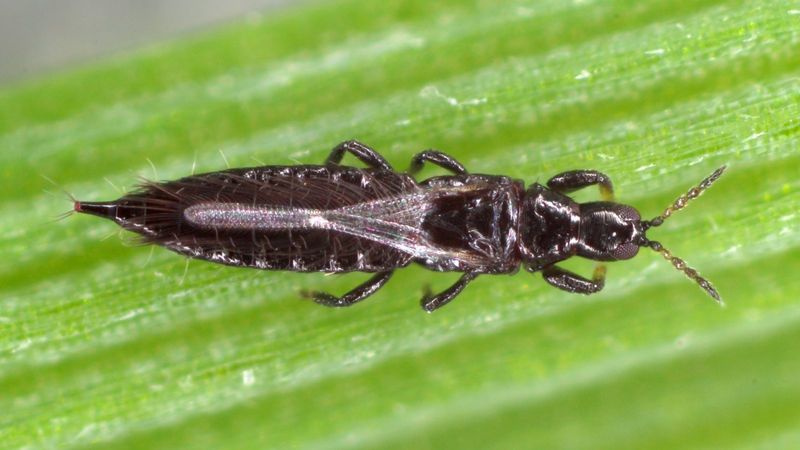
Thrips are tiny insects that scar flowers and leaves, leaving behind silver streaks and black specks. They are also vectors for the tomato spotted wilt virus, posing a dual threat to plants.
Blue sticky traps and neem oil applications are useful in controlling their spread.
Though minute in size, thrips pack a punch, making them a pest that should not be overlooked.
13. Mealybugs
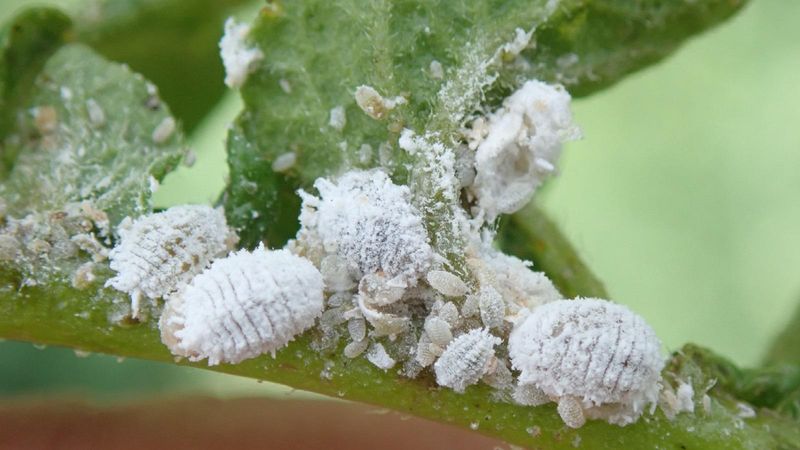
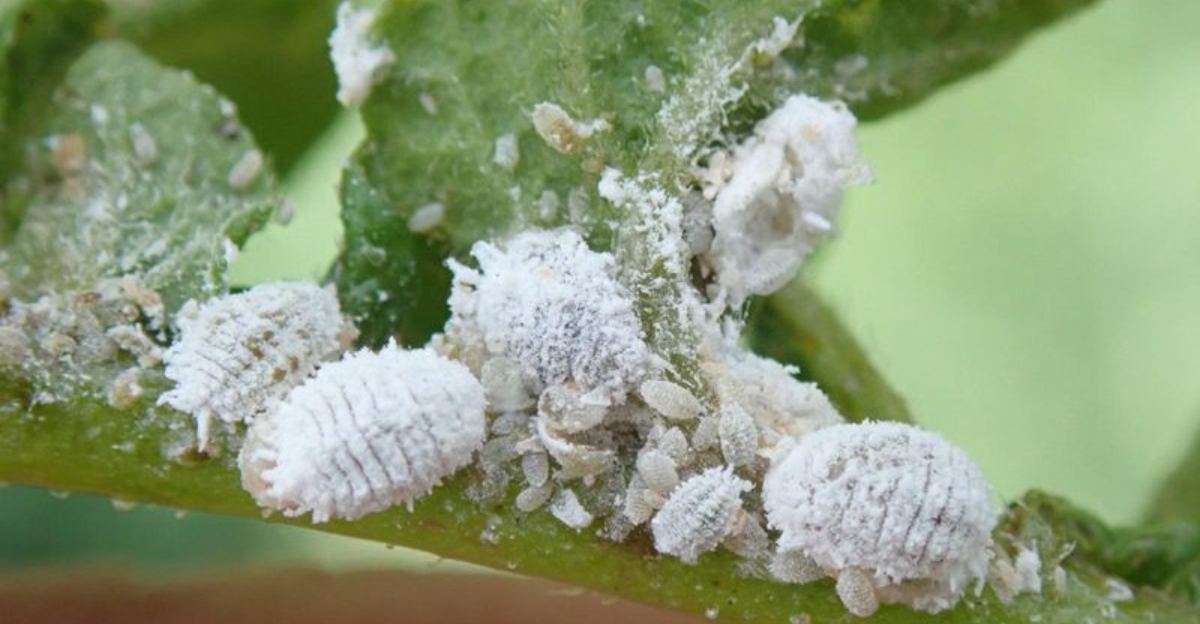
Mealybugs, with their white, cottony appearance, are sap-sucking pests that affect houseplants and citrus trees. They leave behind sticky honeydew, leading to ant infestations.
Dabbing with rubbing alcohol and using insecticidal soap can effectively control them.
While they may look like harmless cotton balls, mealybugs are a persistent problem requiring swift action.
14. Cucumber Beetles
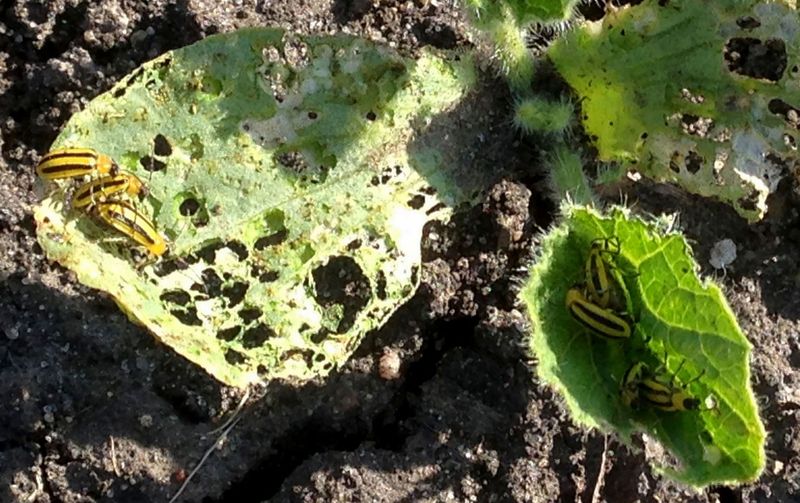
Cucumber beetles, with their striking yellow and black stripes, are notorious for spreading bacterial wilt and chewing holes in leaves. These pests target cucumbers and melons, jeopardizing your harvest.
Employing row covers and kaolin clay spray can deter them.
Their striking patterns might catch your eye, but cucumber beetles are more than just a pretty sight.
15. Scale Insects
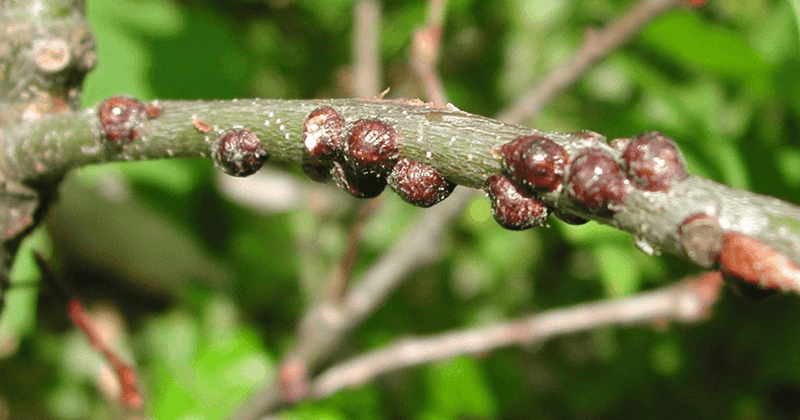
Scale insects are stealthy sap-suckers that appear as armored bumps on stems and leaves. Their damage leads to yellowing foliage, weakening the plant.
Scraping them off and applying horticultural oil can help manage their numbers.
Though they may seem small and insignificant, scale insects are a serious threat to plant health.
16. Earwigs
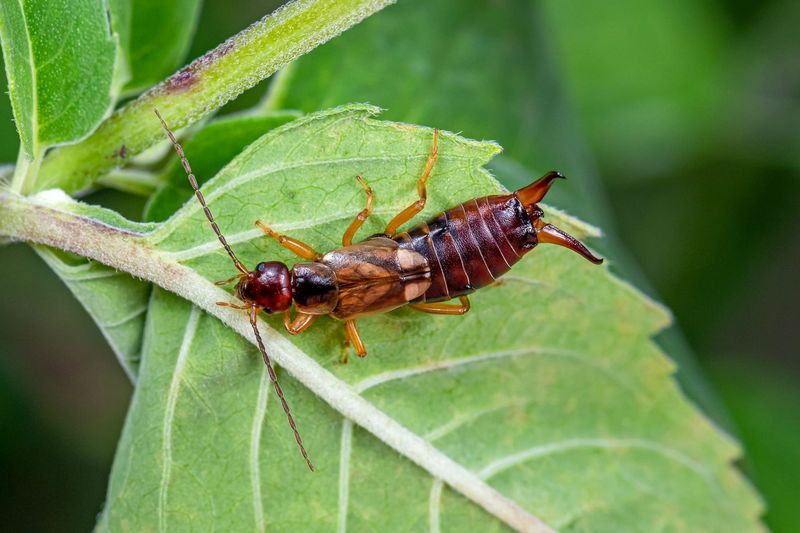
Earwigs, with their pincers and elongated bodies, may look menacing but are primarily nocturnal feeders. They chew flowers, seedlings, and soft fruits, leaving ragged edges.
Using rolled newspaper traps and diatomaceous earth can control their population.
Though often misunderstood, earwigs can be a gardener’s nemesis if left unchecked.
17. Flea Beetles
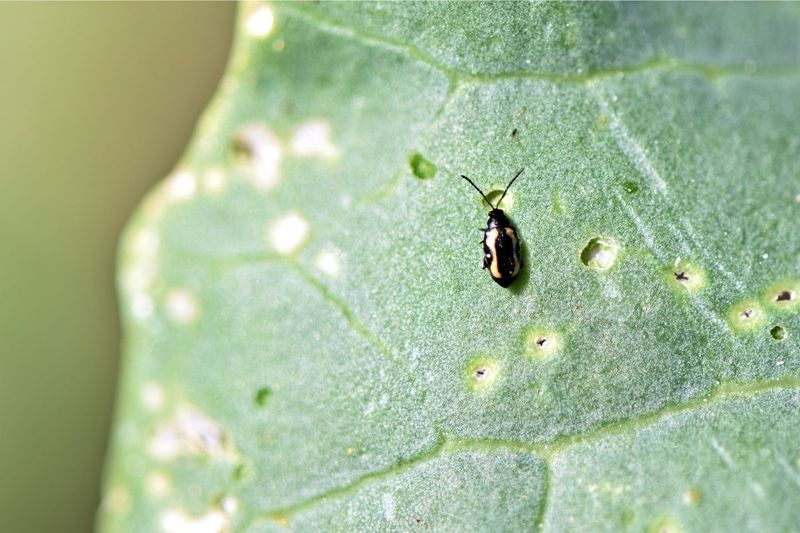
Flea beetles, despite their size, pack a punch with their ability to create pin-sized holes in plants like eggplant, radish, and kale. These tiny jumping beetles are a common sight in gardens.
Floating row covers and spinosad spray can help keep them in check.
Don’t let their size fool you; flea beetles are a formidable pest that requires attention.
18. Vine Borers
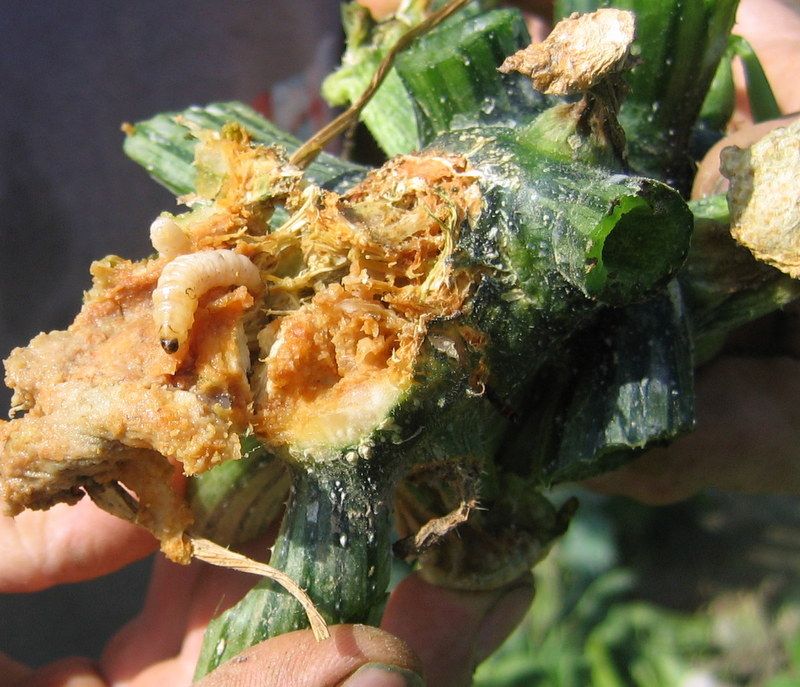
Vine borers are a gardener’s nightmare, especially for those growing squash and pumpkins. Their larvae burrow into stems, leaving sawdust-like frass and causing sudden plant wilting.
Slitting stems to remove larvae and wrapping them with aluminum foil can protect your plants.
Despite their stealthy approach, vine borers can quickly devastate your garden if not handled promptly.
19. Ants
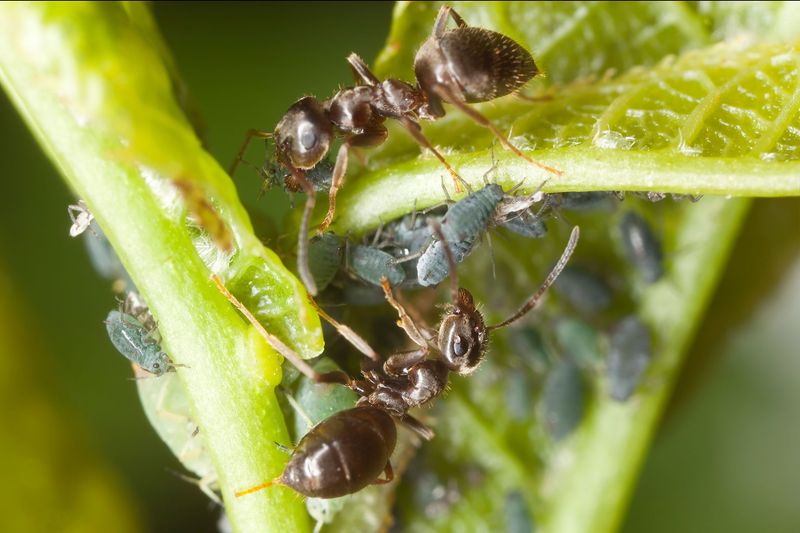
Ants may seem harmless, but they can farm aphids and scale, leading to bigger pest problems. They disturb roots and build nests in pots, often going unnoticed.
Diatomaceous earth, cinnamon, and borax traps are effective deterrents.
While ants are industrious, their gardening habits can lead to major headaches for plant lovers.
20. Fungus Gnats
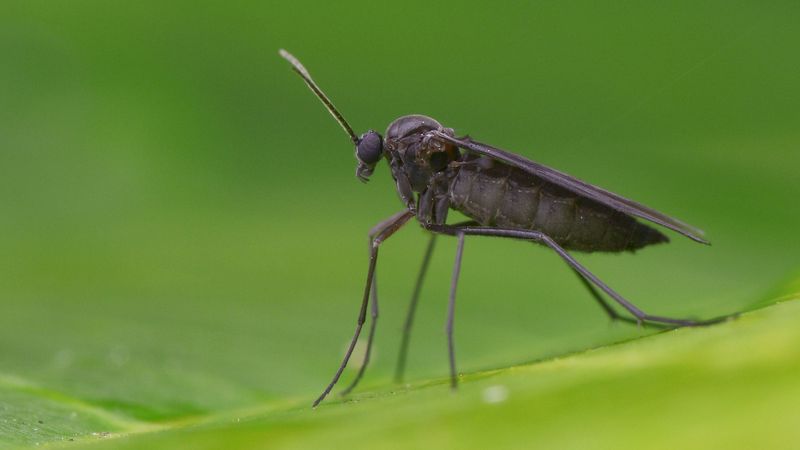
Hovering silently over your potted plants, Fungus Gnats are more than just a nuisance. These tiny flies lay their eggs in the damp soil, and their larvae feed on the organic material and roots. The result? Yellowing leaves and poor plant development.
While adult gnats are harmless, their larvae can cause severe damage to seedlings and young plants. They thrive in overly watered or poorly drained soils, making it crucial to manage your watering habits.
A quirky fact: Fungus Gnats are often mistaken for fruit flies, but their love for moisture sets them apart. They are the bane of many indoor gardeners, especially during the rainy season.