 Complete Gardening
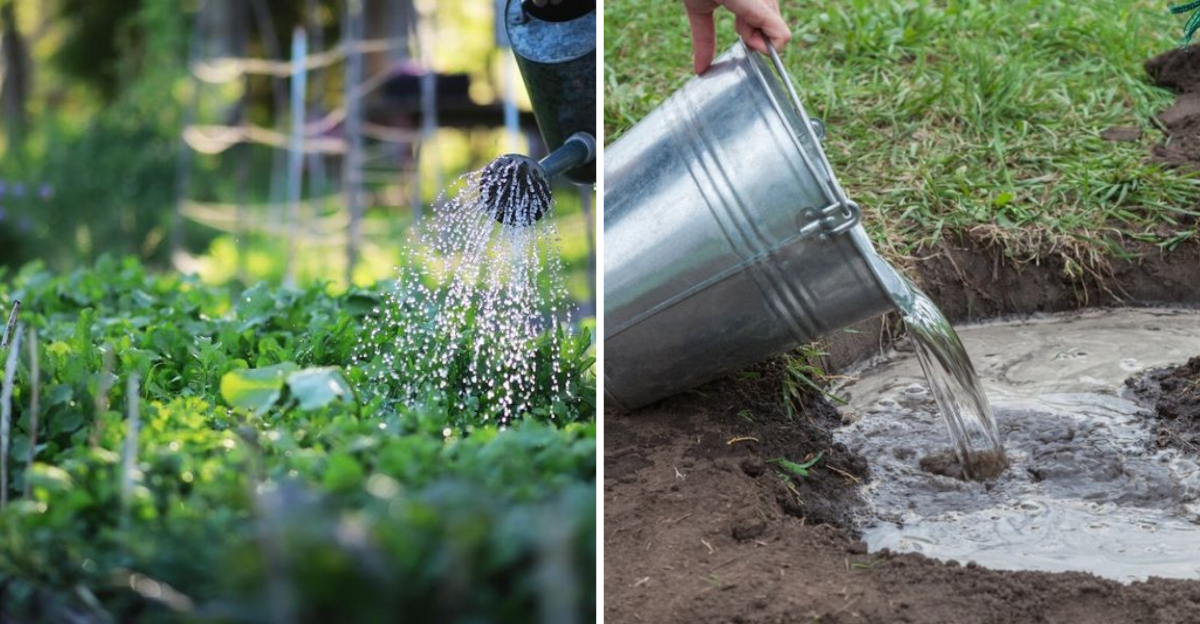
Watering your garden can seem straightforward, but there’s a true art in doing it effectively. Whether you’re a seasoned gardener or a newcomer, these insightful tips will help you nurture your plants with precision and care. From understanding your soil type to choosing the right time of day, each aspect of watering plays a vital role in the health and growth of your garden. Dive into these practical pointers, and watch your garden flourish with life and vibrancy.
1. Understand Your Soil Type
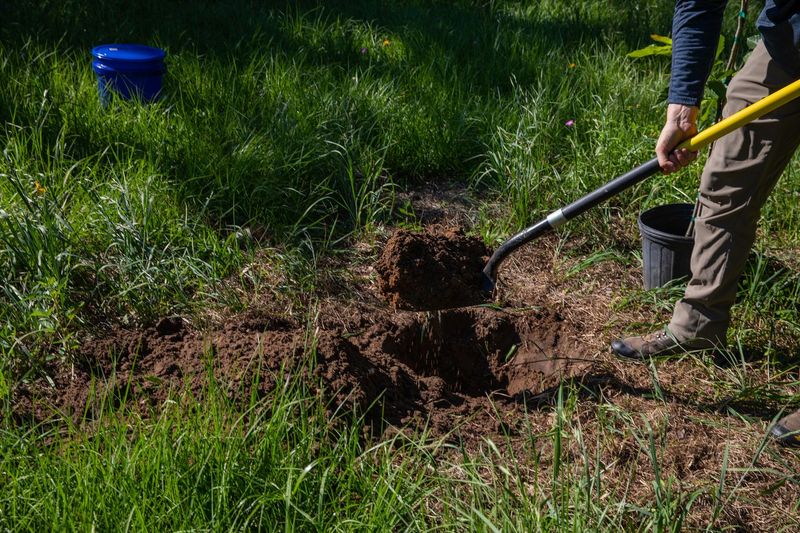
The foundation of efficient watering lies in knowing your soil. Different soil types – sand, clay, and loam – absorb and retain water differently. Sand drains quickly, while clay holds water longer, and loam offers a balanced mix. Understanding your soil helps you determine watering frequency and amount. Consider conducting a simple soil test to know its composition.
By recognizing your soil’s characteristics, you can tailor your watering schedule accordingly. This knowledge leads to healthier plants that thrive in optimal conditions. A well-informed gardener is better equipped to make smart watering decisions.
2. Water at the Right Time
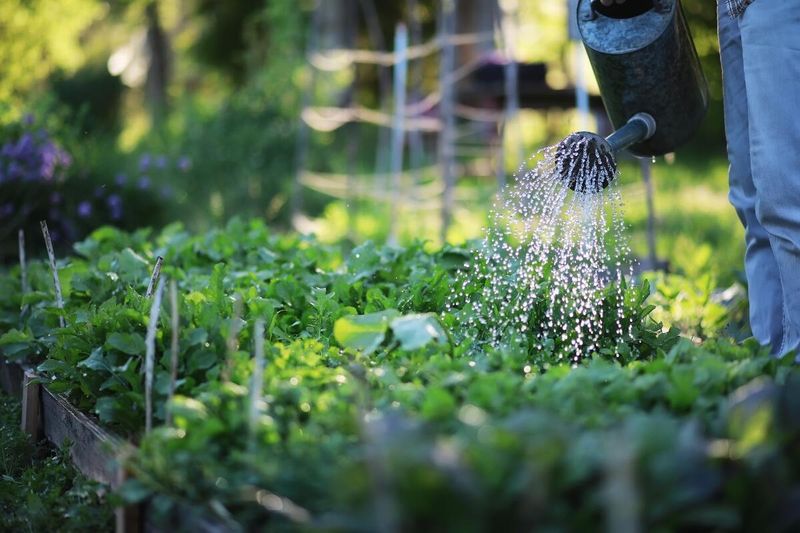
Timing is crucial when it comes to watering. Early morning is the best time to water your garden, as the temperature is cooler and the sun is low. This allows plants to absorb moisture before the heat evaporates it. Watering in the evening can lead to fungal diseases as the water sits overnight.
Adapting your routine to the time of day can make a significant difference in plant health. By choosing the right moment, you’ll save water and ensure your plants get the hydration they need without wasting resources.
3. Use Mulch to Retain Moisture
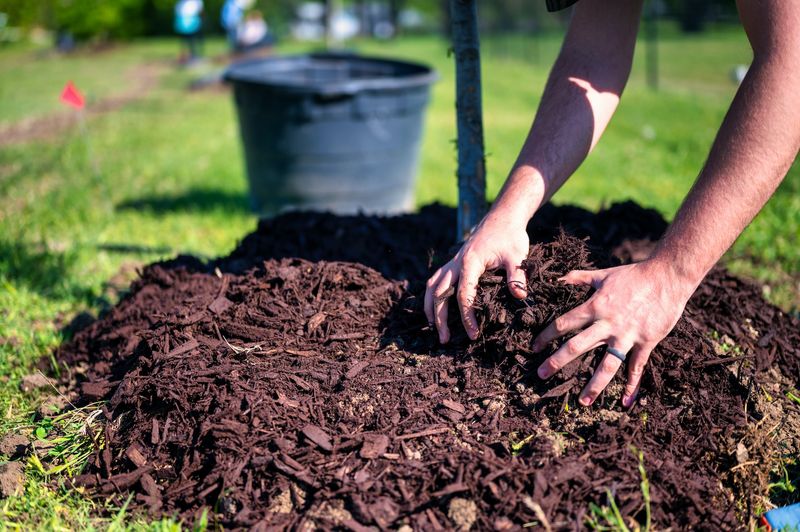
Mulch is a gardener’s best friend when it comes to moisture retention. By spreading a layer of organic mulch around your plants, you help keep the soil cool and prevent water evaporation. Mulch also suppresses weeds, which compete for water, and gradually enriches the soil as it decomposes.
This simple addition to your garden not only conserves water but also improves overall soil health. It’s an eco-friendly way to maintain a thriving garden. Mulch comes in various types, such as wood chips or straw, each offering unique benefits.
4. Choose the Right Tools
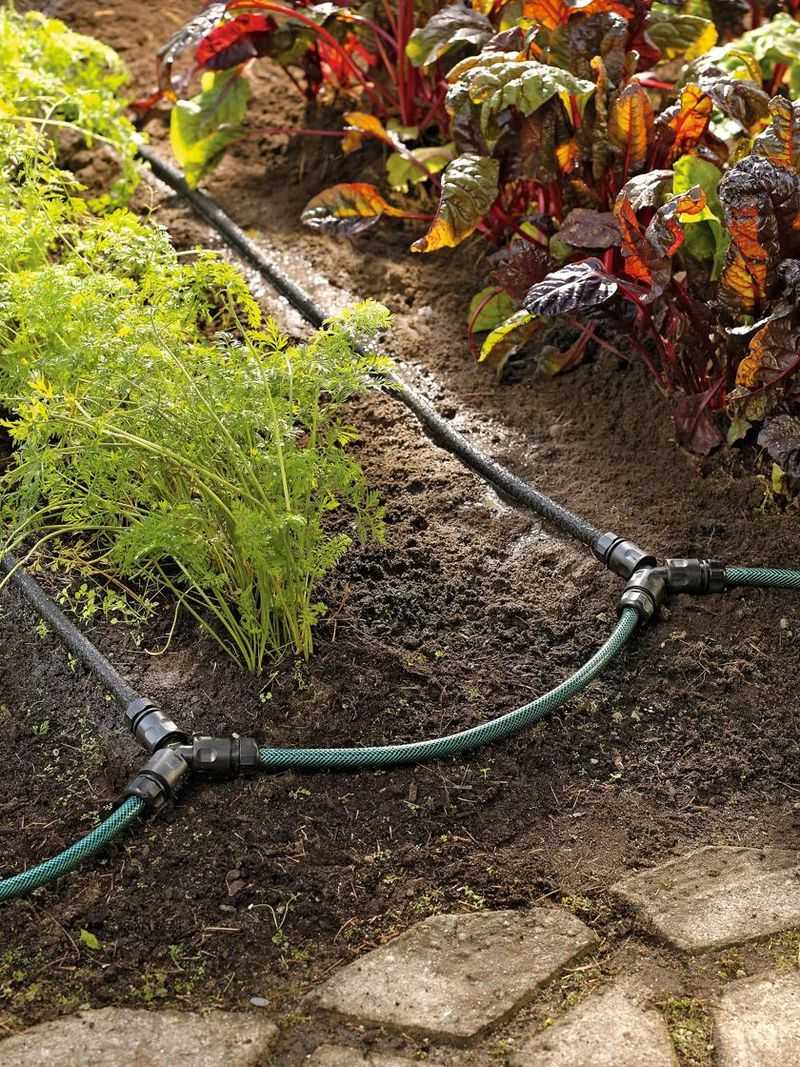
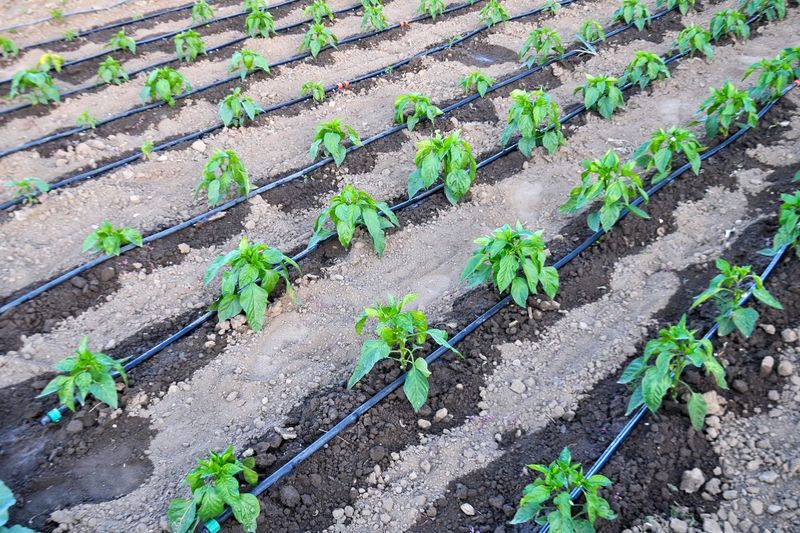
Equipping yourself with the right tools makes watering more efficient. From hoses with adjustable nozzles to drip irrigation systems, each tool offers unique advantages. Drip systems, for example, deliver water directly to the plant base, minimizing waste.
The right choice of tool can transform your watering routine, saving time and resources. Evaluate your garden’s specific needs to select tools that provide adequate coverage and control. The right equipment can turn a mundane task into an enjoyable experience, promoting a healthier garden.
5. Watch for Signs of Overwatering
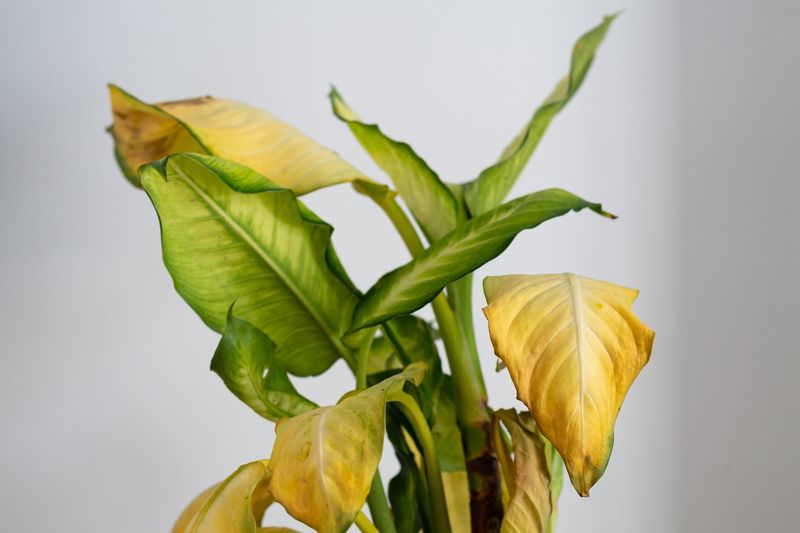
Overwatering can be as detrimental as underwatering. Keep an eye out for yellowing leaves, wilting, or root rot, which all signal excess moisture. Plants need a balance between water and air in the soil; too much water can suffocate roots.
By observing your plants closely, you can adjust your watering habits to prevent damage. Each plant has different water needs, so pay attention to individual requirements. Monitoring your garden helps maintain an environment where plants can thrive.
6. Consider Plant Position
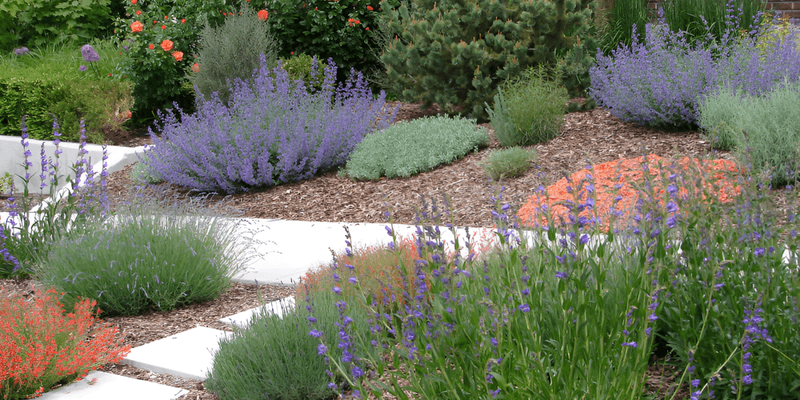
Where you place your plants affects how much water they need. Plants in full sun require more frequent watering than those in shaded areas. By strategically positioning plants, you can reduce water usage and ensure each receives the appropriate amount.
Understanding the microclimates within your garden allows you to create zones that cater to different watering needs. This thoughtful arrangement leads to a more efficient watering routine and a harmonious garden layout.
7. Adopt a Deep Watering Technique
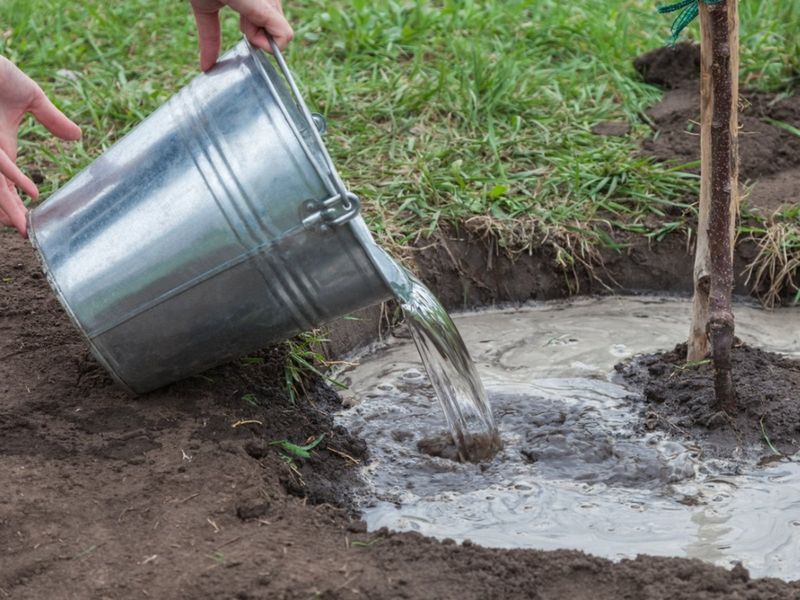
Deep watering encourages roots to grow deeper into the soil, making plants more resilient to drought. Instead of frequent shallow watering, soak the soil thoroughly to ensure water reaches the root zone. This technique promotes healthier and stronger plants.
By allowing the soil to dry slightly between waterings, you foster a robust root system. Deep watering is particularly beneficial for trees and shrubs, which need stable moisture levels for optimal growth.
8. Collect Rainwater
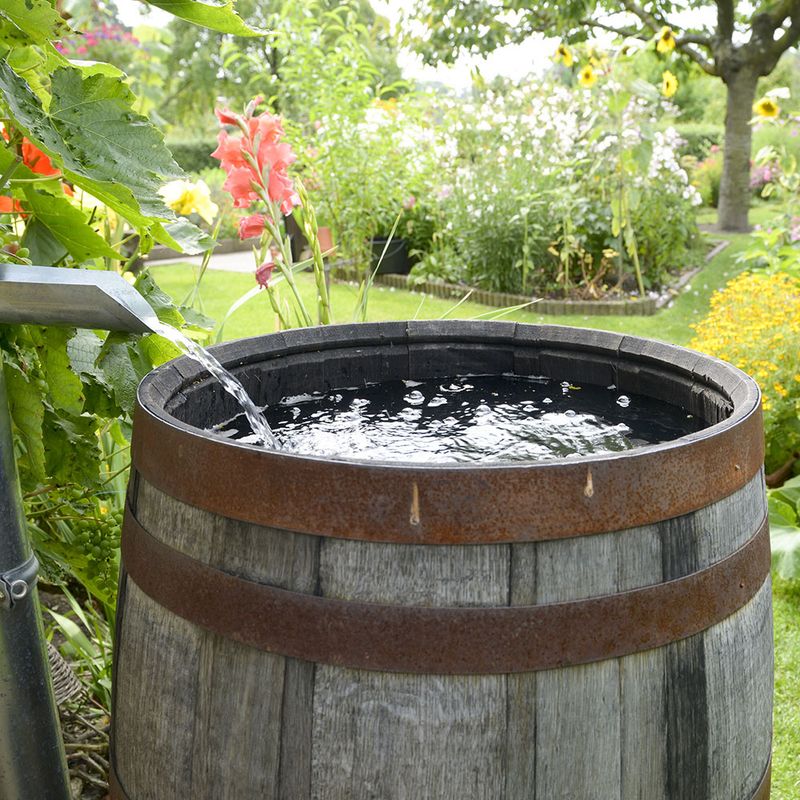
Embrace sustainability by collecting rainwater for your garden. Installing a rain barrel is an eco-friendly way to gather water that would otherwise run off. It’s free of chemicals and ideal for plants.
Using rainwater reduces your dependency on municipal water sources, saving money and resources. It’s a simple yet effective way to nurture your garden while being environmentally conscious. Consider setting up a system that suits your space and needs.
9. Be Mindful of Weather Conditions
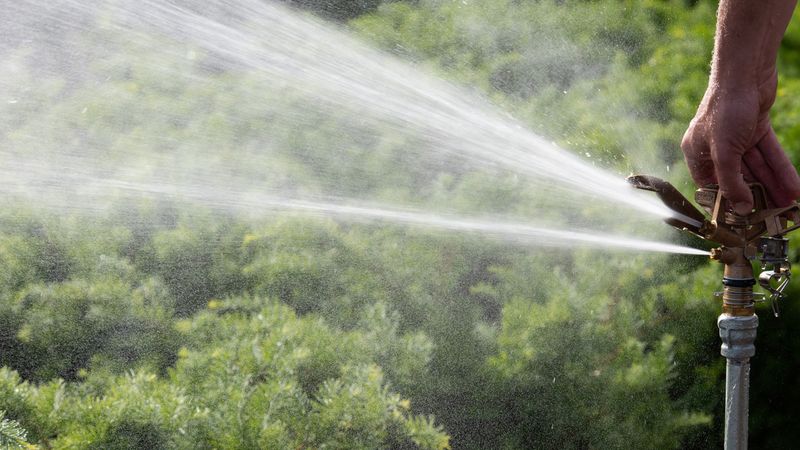
Weather plays a crucial role in watering. Adjust your schedule based on rainfall, humidity, and temperature. If rain is forecasted, you can skip watering, conserving water and preventing over-saturation.
By staying attuned to weather patterns, you align your watering efforts with nature’s rhythm. This awareness leads to a more efficient garden that thrives in harmony with its environment. Use technology like weather apps to stay informed.
10. Group Plants with Similar Needs
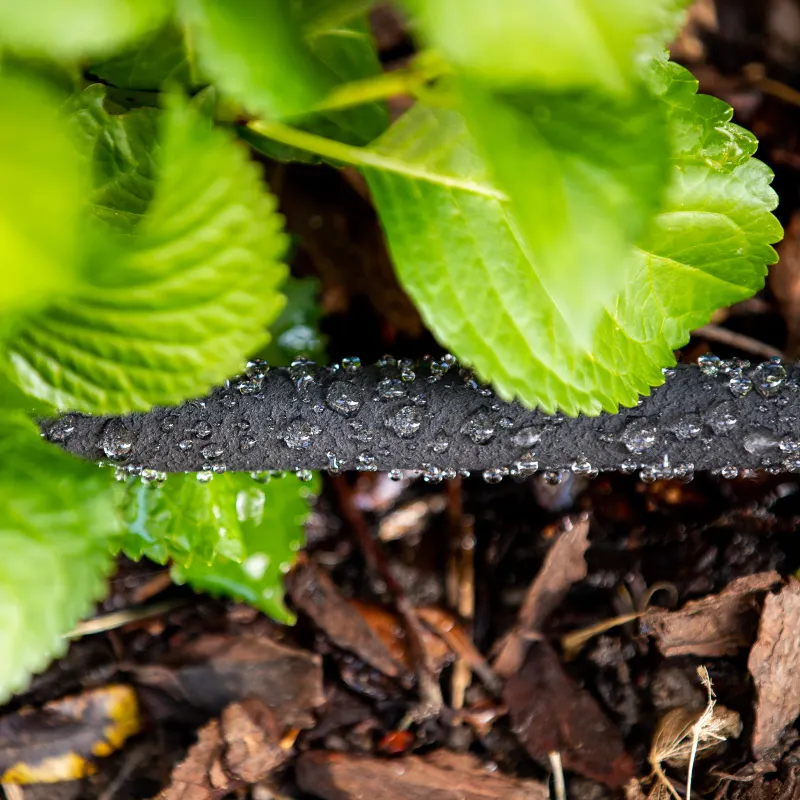
Creating plant groups based on their water needs simplifies your gardening routine. By placing plants with similar requirements together, you can water them more efficiently without over or under-watering.
This method reduces waste and allows for targeted watering, promoting healthier plant growth. It also makes it easier to manage your garden’s layout. Consider researching plant needs to optimize your garden’s arrangement, ensuring each group receives the care it requires.
11. Implement Drip Irrigation
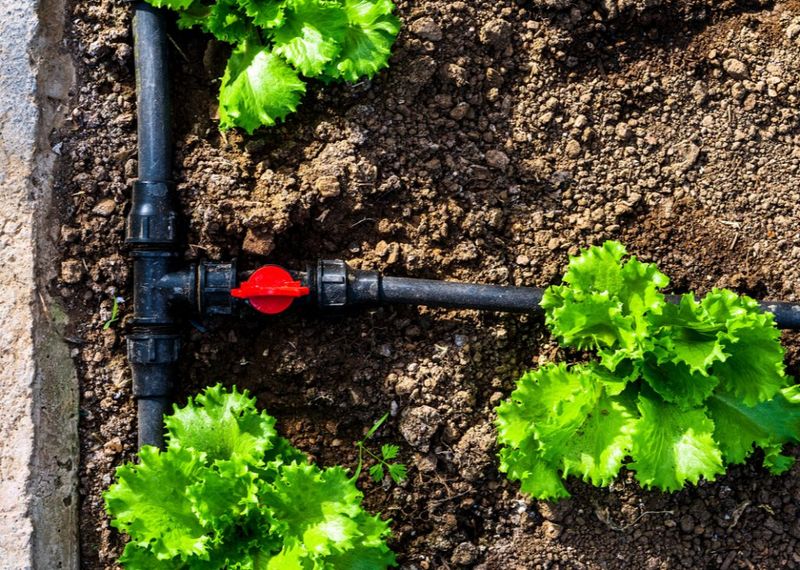
Drip irrigation is a water-saving technique that delivers moisture directly to the plant roots. This system reduces evaporation and runoff, making it a highly efficient way to water your garden.
By choosing drip irrigation, you ensure each plant receives the right amount of water without waste. It’s ideal for gardens with diverse plant species, as it can be customized to meet varying needs. This method promotes conservation while keeping your garden lush and vibrant.
12. Monitor Soil Moisture
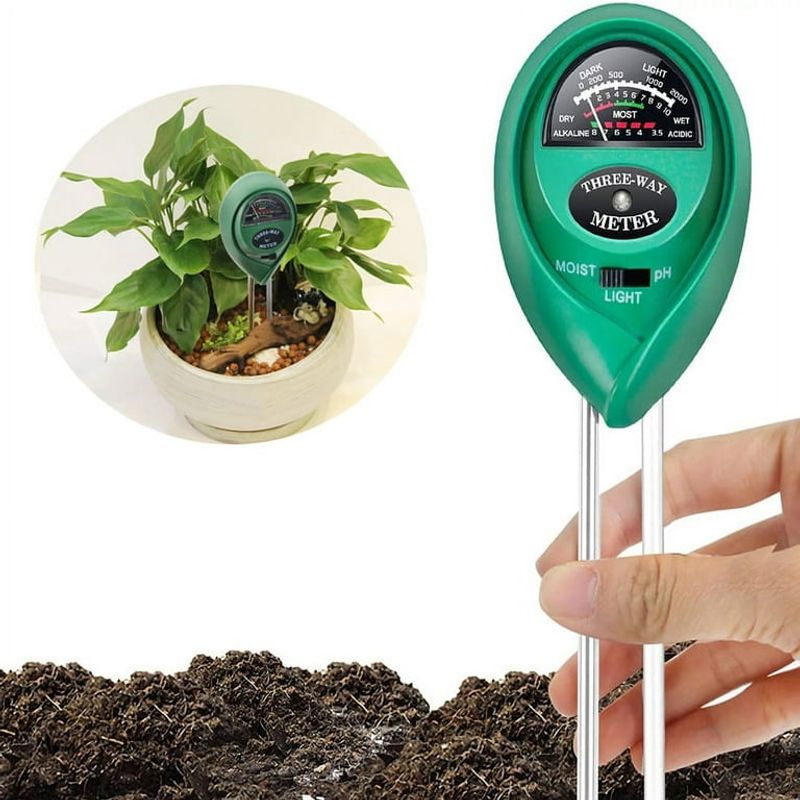
Keeping track of soil moisture levels prevents over or under-watering. Tools like moisture meters provide accurate readings, helping you determine when your garden needs watering.
By understanding soil moisture, you can make informed decisions about your watering schedule. This practice leads to healthier plants and a more efficient garden. Investing in a moisture meter is a small step with significant benefits, ensuring your watering efforts are precise and effective.
13. Use Self-Watering Planters
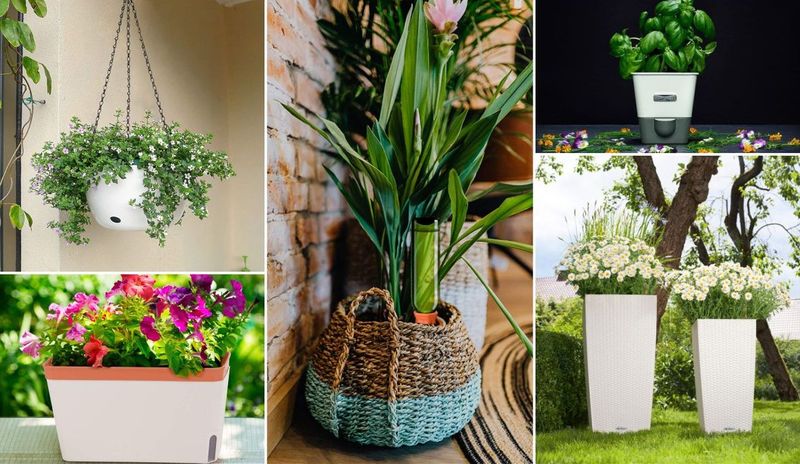
Self-watering planters are a convenient solution for maintaining consistent moisture levels. These planters feature a reservoir that supplies water to the soil as needed, reducing the frequency of manual watering.
Ideal for busy gardeners or those with limited mobility, self-watering planters offer a hassle-free way to keep plants hydrated. They are particularly useful for container plants, providing a steady supply of moisture without risk of overwatering. This innovation simplifies gardening while promoting healthy growth.
14. Watch for Seasonal Changes
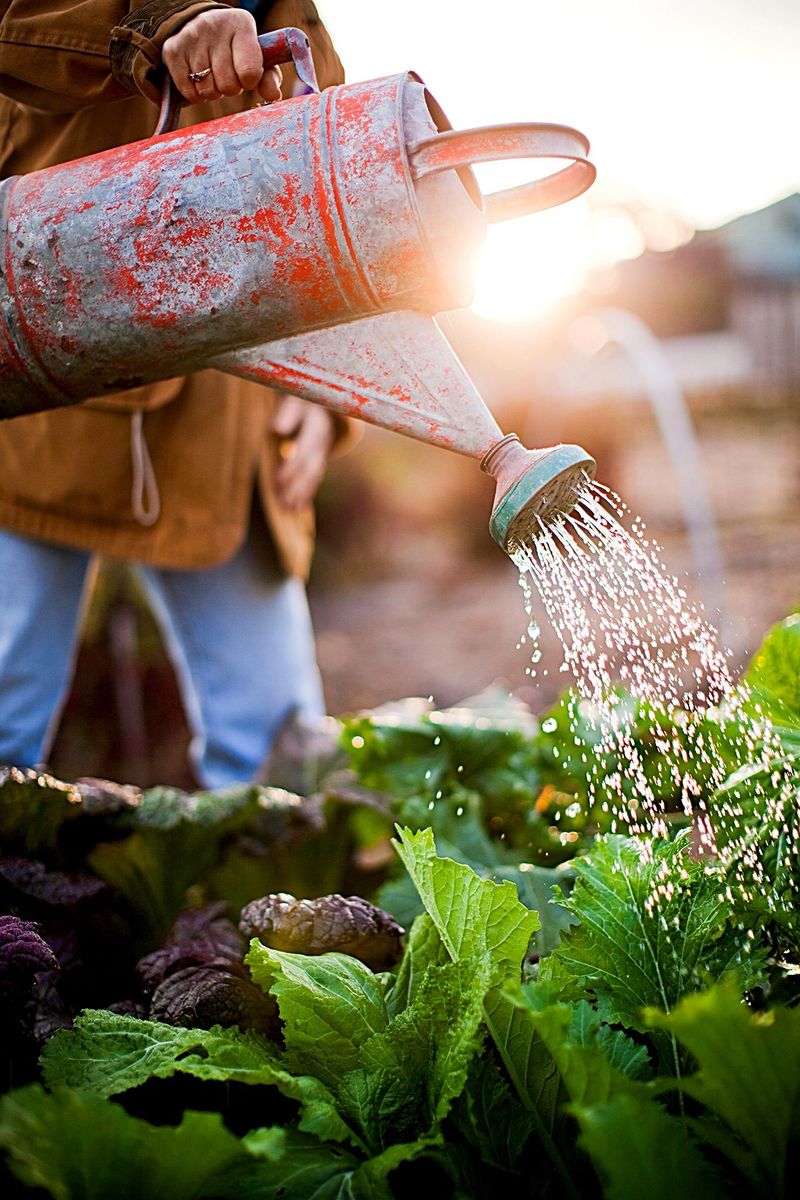
As seasons change, so do your garden’s water needs. Plants require different amounts of water during growth, flowering, and dormancy periods. Adjusting your watering schedule to align with these changes is essential for plant health.
By staying observant and flexible, you cater to your garden’s evolving needs. This adaptability not only conserves water but also ensures that each plant thrives in its respective season. Seasonal awareness is a cornerstone of effective garden management.
15. Practice Efficient Lawn Watering
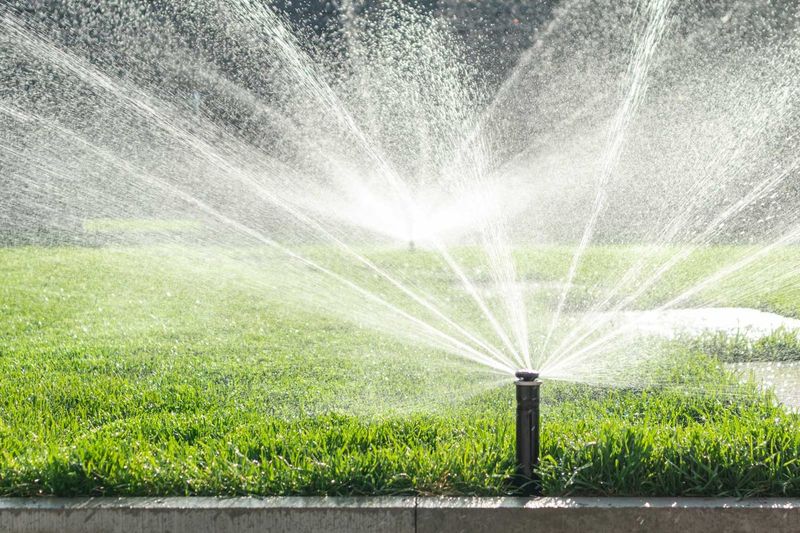
Lawns require a tailored watering approach to remain lush and green. Water deeply but infrequently, allowing the grass to develop deep roots. Aim for early morning or late afternoon watering to minimize evaporation.
Efficient lawn watering reduces waste and promotes healthy growth. It’s essential to adjust your strategy based on weather conditions and lawn type. An efficient approach keeps your lawn vibrant while conserving water, ensuring a beautiful and sustainable landscape.
16. Be Cautious with Container Plants
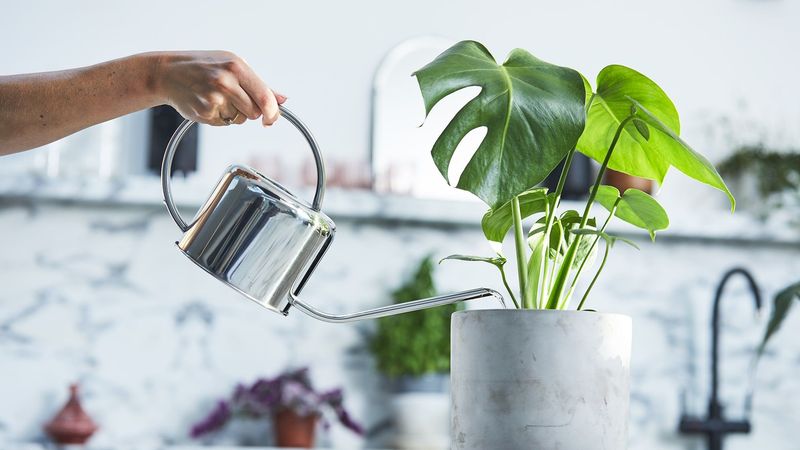
Container plants have unique watering needs due to limited soil volume. They often require more frequent watering, especially in hot weather. Ensure pots have drainage holes to prevent waterlogging.
Regularly check the soil moisture to avoid over or under-watering. Tailoring your approach to each pot’s requirements ensures thriving container plants. This attention to detail maintains the overall beauty and health of your garden, even in confined spaces.
17. Consider Plant Maturity
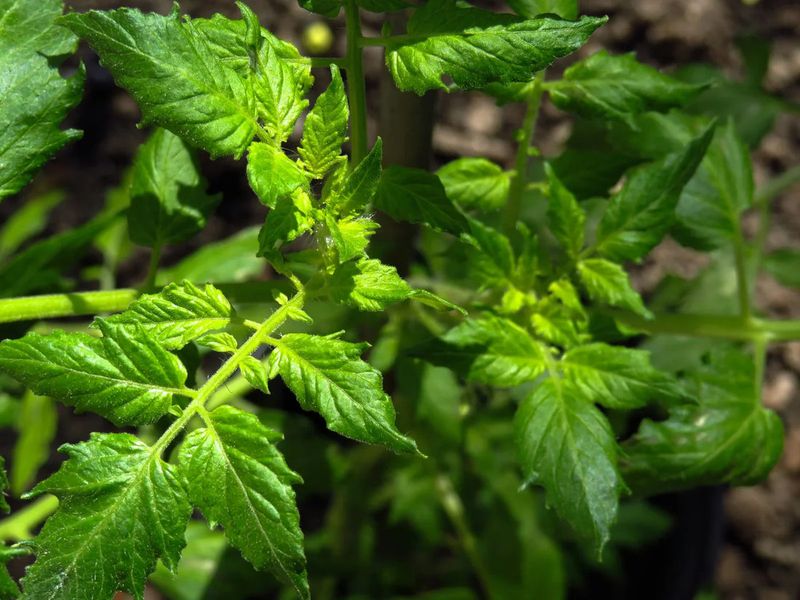
Young plants often need more water than mature ones as they establish themselves. Understanding the growth stage of each plant helps you allocate water wisely. Over time, mature plants develop deeper roots, requiring less frequent watering.
By recognizing these developmental differences, you provide the right care at each stage. This mindful approach supports healthy growth and a balanced garden ecosystem. Monitoring plant maturity allows for more precise and effective watering practices.
18. Embrace Native Plants
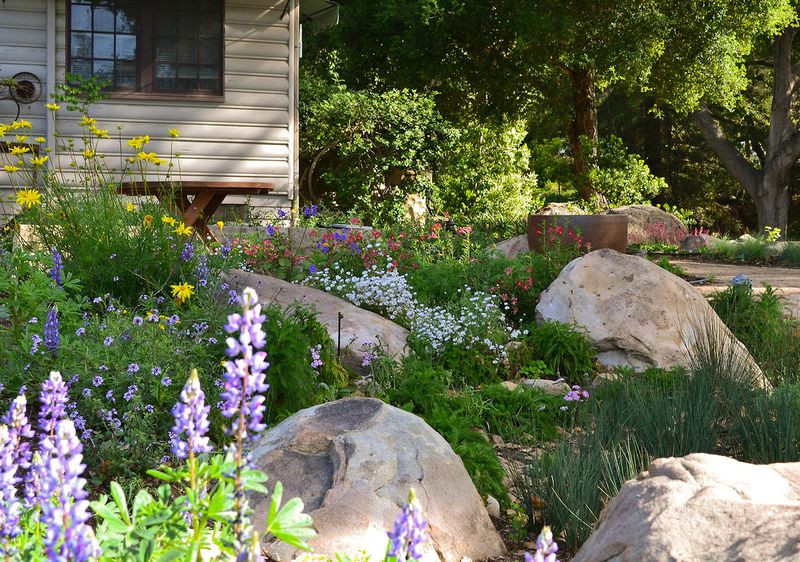
Native plants are adapted to local climate conditions and typically require less water. Incorporating them into your garden reduces dependency on supplementary watering. They’re also more resistant to local pests and diseases.
Choosing native plants not only conserves water but also supports local biodiversity. This eco-friendly choice enriches your garden while aligning with natural ecosystems. Researching suitable native species can transform your garden into a sustainable haven.
19. Practice Spot Watering
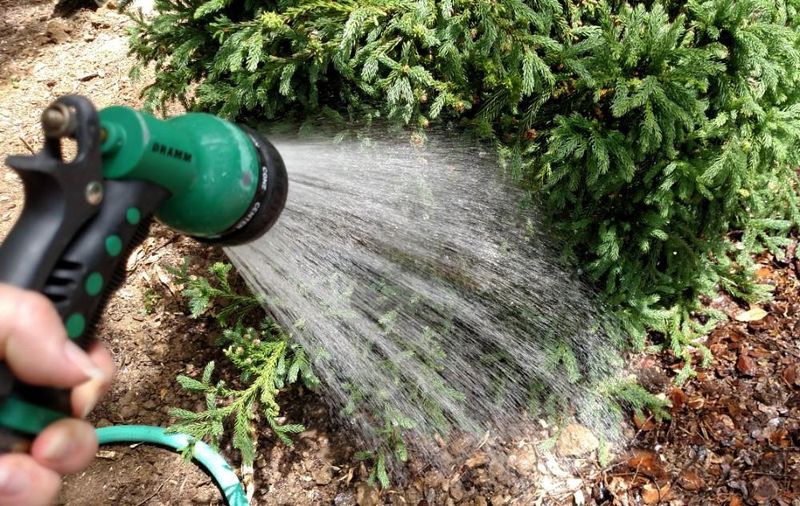
Spot watering targets specific plants that need extra attention, ensuring they receive the right amount of water. This approach is ideal for plants with unique requirements or those showing signs of stress.
By focusing on individual needs, you avoid waste and promote healthier growth. Spot watering is particularly useful in diverse gardens where plants have varying needs. It’s a thoughtful way to care for your plants, enhancing their overall well-being.
20. Stay Informed and Experiment
Gardening is a continuous learning experience. Stay curious and open to new methods and technologies. Experiment with different watering techniques to discover what works best for your garden.
By keeping informed and testing new ideas, you can optimize your watering practices. This adaptability leads to a more vibrant and flourishing garden. Engaging with community resources and fellow gardeners can also provide valuable insights.