 Complete Gardening
In the world of gardening, there’s a vast array of unusual and exotic fruits and vegetables that many have yet to explore. From fractal-patterned vegetables to fruits that taste like dessert, these unique plants not only offer delightful flavors but also add an intriguing visual appeal to any garden. Whether you’re a seasoned gardener or a curious beginner, these 20 selections provide a fascinating journey into the less-trodden paths of horticulture. Discover the charm and benefits of growing these diverse specimens that promise to enrich your garden and palate.
1. Romanesco Broccoli
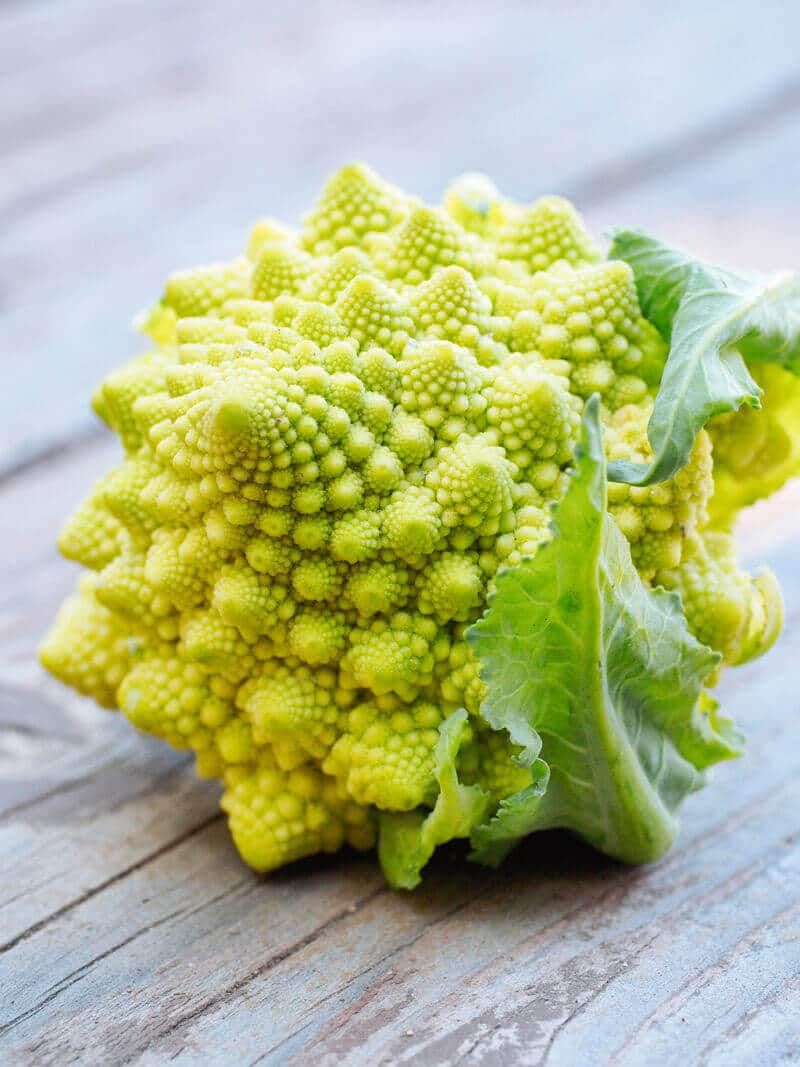
Romanesco Broccoli captivates with its mesmerizing fractal spirals, resembling alien art. Its lime-green hue and unique pattern make it a standout in any garden. The flavor offers a pleasant nuttiness and sweetness, similar to a blend of broccoli and cauliflower. This vegetable grows similarly to regular broccoli, thriving in cool climates.
Romanesco is not just a visual treat; its taste is mild and delightful, making it versatile in the kitchen. Some say its appearance alone is worth the effort of cultivation. An excellent choice for those looking to grow something truly unique.
Fun Fact: The Romanesco’s fractal geometry is a natural marvel, often studied in mathematical contexts. Its precise spirals follow the Fibonacci sequence.
2. Purple Sweet Potatoes
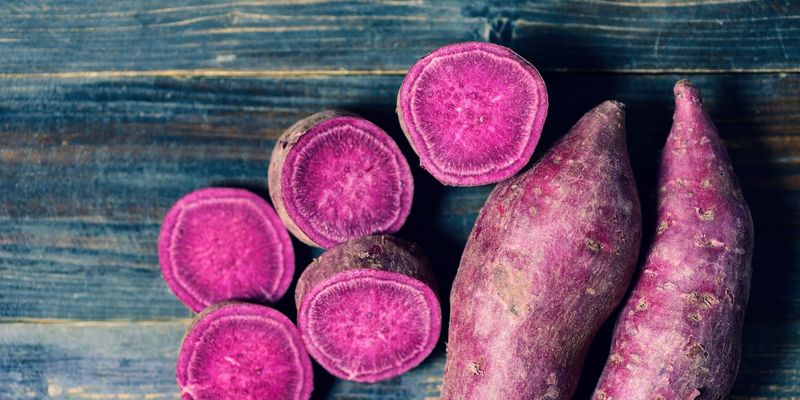
Purple Sweet Potatoes charm with their vivid violet flesh, packed with antioxidants. Unlike regular sweet potatoes, these tubers offer a unique splash of color and nutrition. They are well-suited for warm climates and grow beautifully in containers, making them accessible to urban gardeners.
The flavor of Purple Sweet Potatoes is subtly sweet and earthy, perfect for a variety of culinary creations. Their striking color remains vibrant even after cooking, adding visual appeal to dishes. Native to Central and South America, these potatoes were cultivated by ancient civilizations.
Growing Purple Sweet Potatoes can enhance both your diet and garden aesthetics, offering a tasty, nutritious alternative to common tubers.
3. Black Radishes
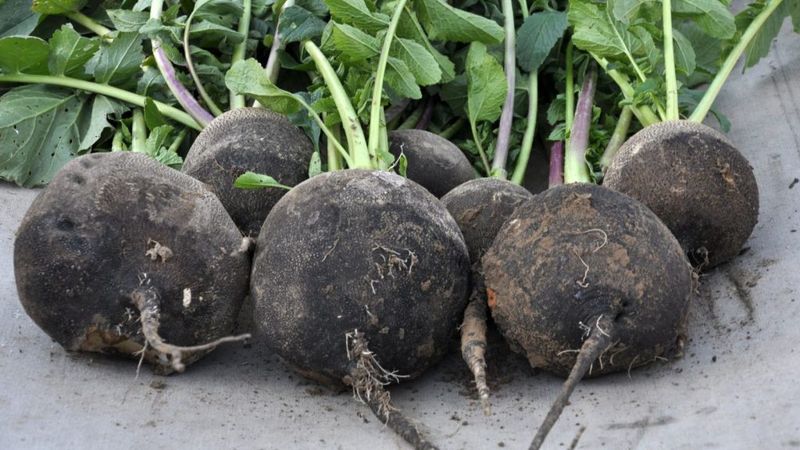
Black Radishes stand out with their bold, spicy flavor and jet-black exterior. Unlike common radishes, these hardy roots are perfect for winter harvests and thrive in cooler climates. Their robust nature makes them a fantastic addition to any vegetable patch.
Inside, the flesh is crisp and white, adding a peppery kick to salads and dishes. Historically, black radishes have been used for their health benefits in various cuisines. They are easy to grow and can be planted in succession for continual harvests.
A versatile root, black radishes are ideal for those seeking a striking and flavorful addition to their garden and meals.
4. Celtuce (Stem Lettuce)
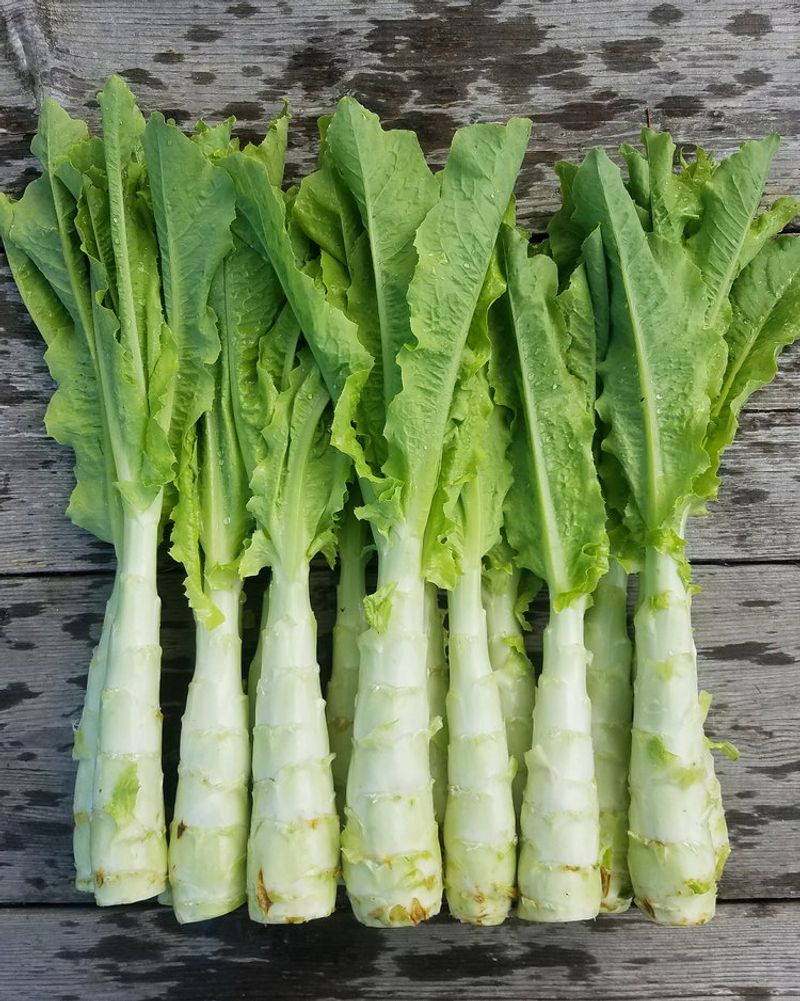
Celtuce, or Stem Lettuce, offers a delightful twist on traditional greens. This vegetable, popular in Chinese cuisine, features crispy stems perfect for stir-fries and tender leaves for salads. Its unique texture and mild flavor make it a versatile addition to any dish.
Celtuce grows easily and is a great crop for both novice and experienced gardeners. Its tall, sturdy stems stand proudly in the garden, ready to be harvested when thick and firm. The plant thrives in cool weather conditions.
Did you know? Celtuce was first cultivated in China over a thousand years ago, where it remains a culinary staple.
5. Oca (Oxalis Tuberosa)
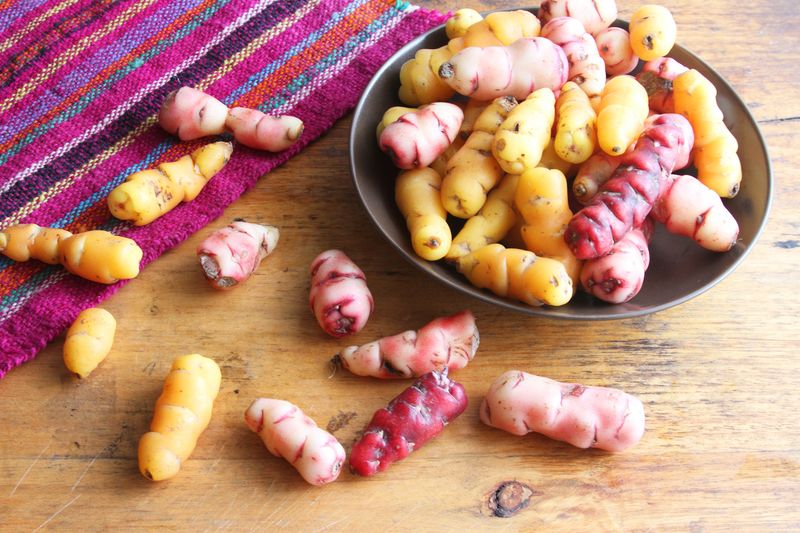
Oca, or Oxalis Tuberosa, introduces a splash of color and tanginess to the garden. Originating from the Andes, these tubers are akin to lemony potatoes, offering a unique blend of flavors. Oca comes in various hues, from yellows to reds, adding visual interest to dishes.
The plant is easy to grow in cooler climates and requires similar conditions to potatoes. Its tangy taste is perfect for roasting or salads, providing a zesty twist to meals. Oca also thrives in altitudes where other crops may struggle.
Historically, Oca has been an essential staple for Andean cultures, cherished for its resilience and flavor.
6. Sunchokes (Jerusalem Artichokes)
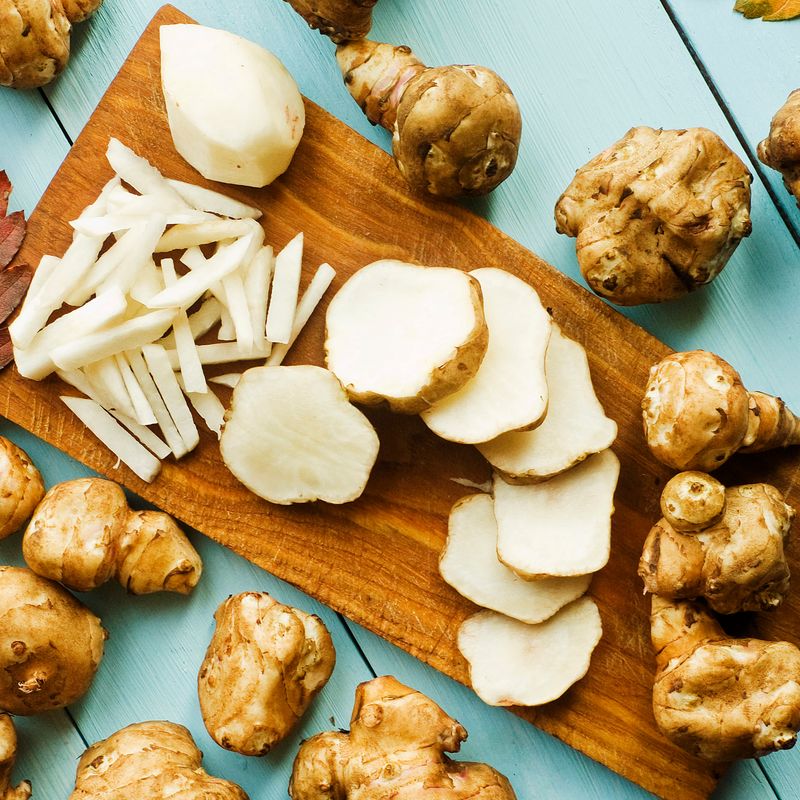
Sunchokes, also known as Jerusalem Artichokes, are a gardener’s delight with their nutty, crunchy tubers. These plants grow vigorously, often compared to weeds, flourishing in various soil types. Sunchokes are perfect for those seeking a low-maintenance crop.
Their flavor is sweet and nutty, making them a versatile ingredient in both raw and cooked forms. However, gardeners should be mindful of their spreading nature, as they can quickly overtake an area. Sunchokes offer a delightful alternative to traditional root vegetables.
Fun Fact: Despite their name, Jerusalem Artichokes have no relation to artichokes or the city of Jerusalem. Their name is a linguistic twist from the Italian word “girasole,” meaning sunflower.
7. Yacon (Peruvian Ground Apple)
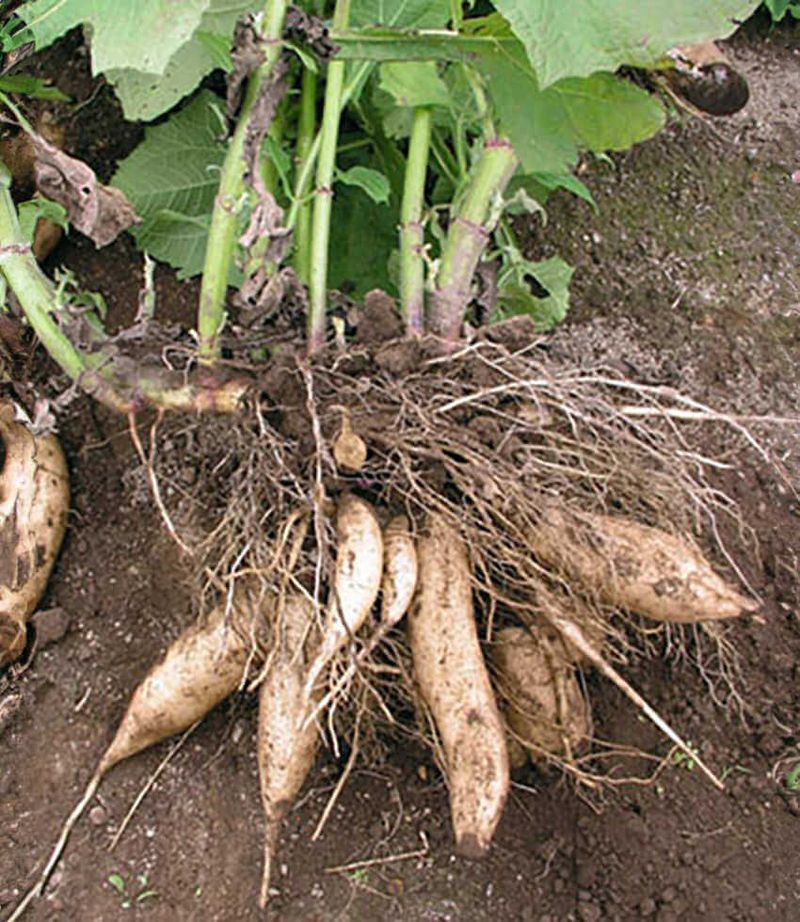
Yacon, or Peruvian Ground Apple, offers gardeners a sweet, crunchy root reminiscent of jicama and apple. Harvested after frost for maximum sweetness, Yacon’s flavor is refreshing and mildly sweet, ideal for both raw and cooked applications.
The plant features tall, sunflower-like blooms and thrives in well-drained soil. Yacon is an excellent choice for those interested in unique, healthful crops. Its crisp texture and subtle flavor make it a delightful snack or salad addition.
Did you know? Yacon has been cultivated in the Andes for centuries as a food source and natural sweetener.
8. Malabar Spinach
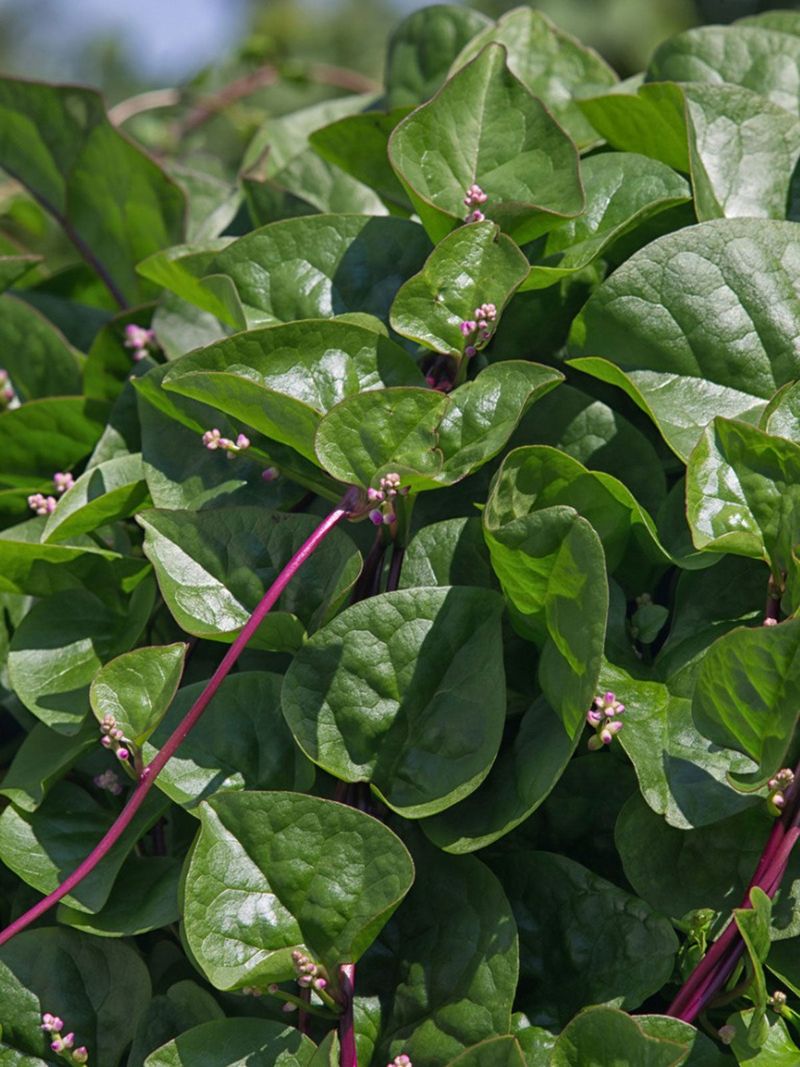
Malabar Spinach offers a vibrant alternative to traditional spinach, flourishing in heat where regular spinach withers. This tropical vine thrives in summer, boasting lush, glossy leaves and vibrant purple berries. Its mild, slightly peppery flavor is perfect for stir-fries and salads.
While not a true spinach, Malabar Spinach provides similar nutritional benefits. The plant is both ornamental and edible, making it an attractive addition to gardens. It climbs beautifully, creating a striking vertical element.
Fun Fact: Malabar Spinach is native to the Indian subcontinent and Southeast Asia, where it is a staple in many dishes.
9. Rat-Tail Radish
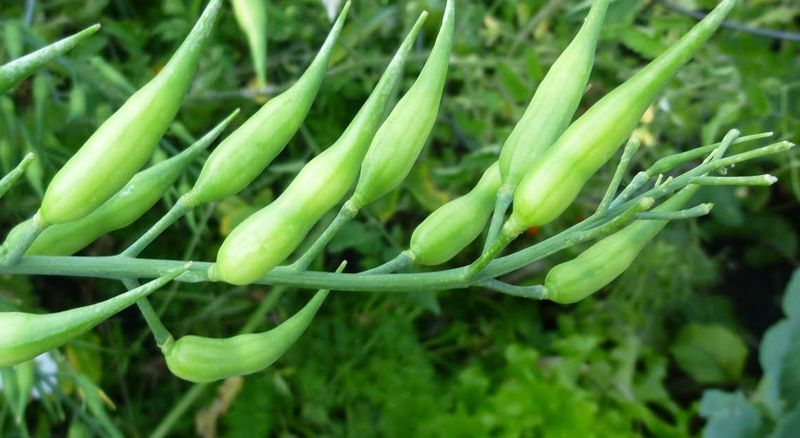
Rat-Tail Radish introduces an unconventional twist to the radish family. Unlike traditional radishes grown for their roots, this variety is cultivated for its spicy, edible seed pods. The plant is prolific, offering a fresh, zesty flavor perfect for salads and garnishes.
These slender pods can be harvested throughout the summer, making them a continuous source of culinary inspiration. Rat-Tail Radishes are easy to grow, thriving in a variety of soil types.
Fun Fact: The Rat-Tail Radish hails from Southeast Asia, where it has been a staple crop for generations, celebrated for its unique taste and texture.
10. Water Spinach (Kangkong)
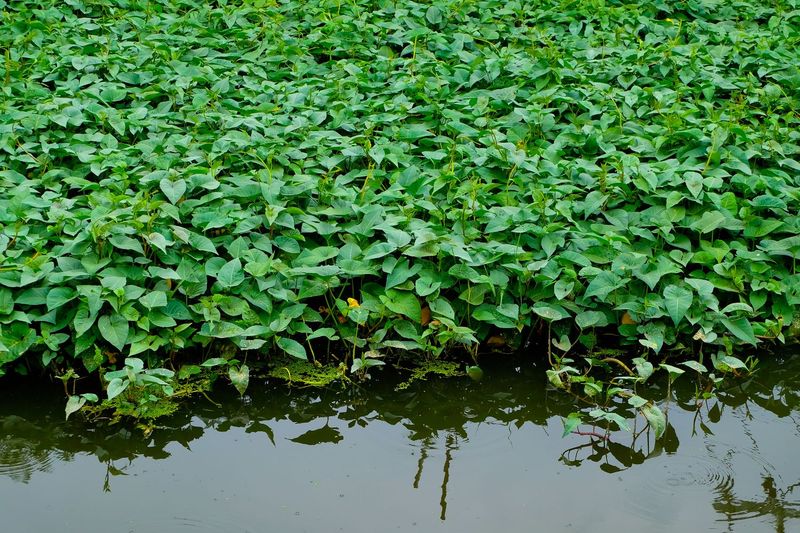
Water Spinach, known as Kangkong, is a fast-growing aquatic green popular in Asian cuisine. Its tender leaves and hollow stems boast a mild flavor, perfect for stir-fries and soups. Water Spinach thrives in wet soil, making it ideal for gardens near ponds or water features.
The plant grows rapidly, ensuring a continuous supply of fresh greens throughout the warm months. Gardeners appreciate its resilience and versatility in the kitchen.
Did you know? Water Spinach is often referred to as “morning glory” in Southeast Asia due to its lush, rapid growth and delicate blooms reminiscent of the flower.
11. Pepino Melon
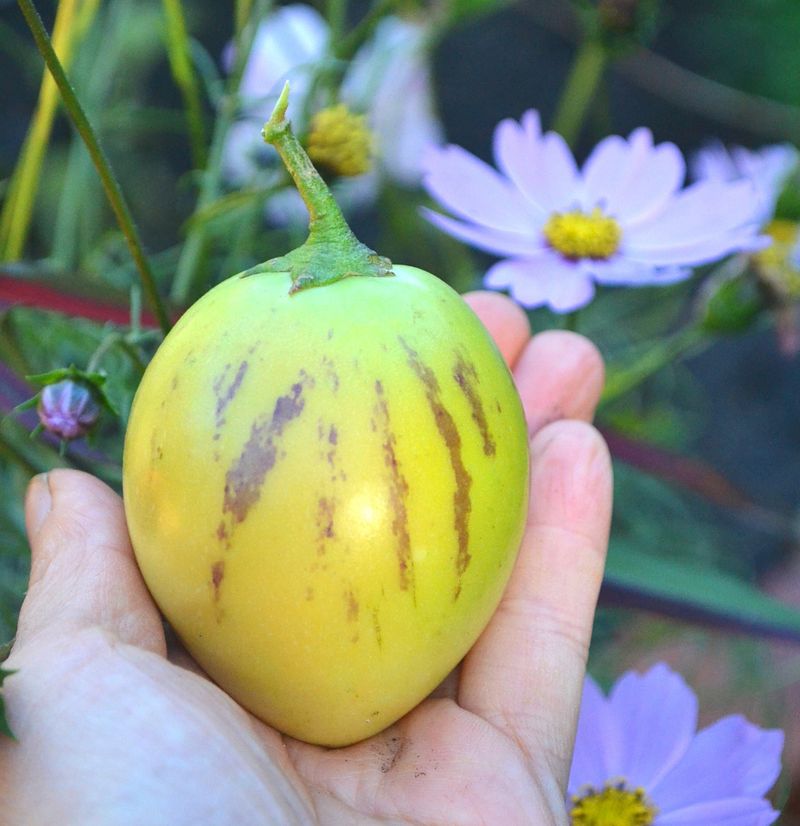
Pepino Melon enchants with its sweet, cucumber-melon flavor and striking appearance. This exotic fruit grows similarly to a tomato plant, making it accessible for gardeners familiar with solanaceous crops. Pepino Melons are drought-tolerant and thrive in warm climates.
Their pale yellow skin with purple streaks adds a splash of color to gardens and dishes alike. The flavor is refreshing and subtly sweet, perfect for fresh eating or in salads.
Fun Fact: Despite its name and appearance, the Pepino Melon is not a true melon but belongs to the nightshade family, alongside tomatoes and eggplants.
12. Ground Cherries (Cape Gooseberries)
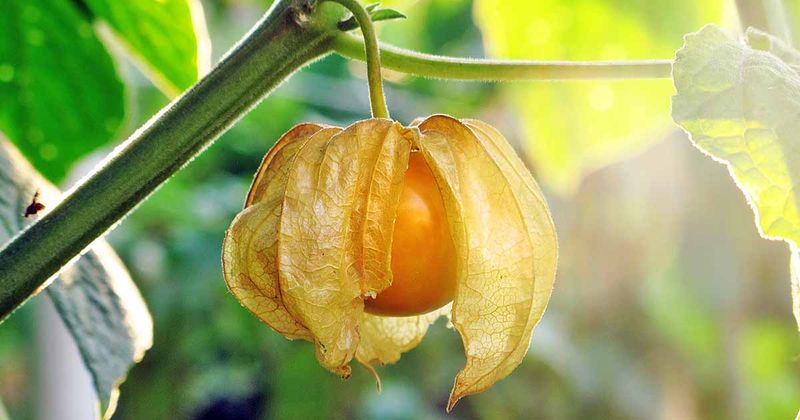
Ground Cherries, or Cape Gooseberries, bring a tropical twist to temperate gardens. These small, sweet berries are encased in delicate papery husks, resembling tiny lanterns. The flavor is a delightful blend of sweet and tart, often compared to pineapple or mango.
Ground Cherries are self-seeding and can spread easily, providing an abundance of fruit. They thrive in sunny spots and are relatively low-maintenance, making them ideal for both novice and experienced gardeners.
Did you know? Ground Cherries have been cultivated in South America for centuries and were a favorite of the Incan Empire.
13. Miracle Fruit
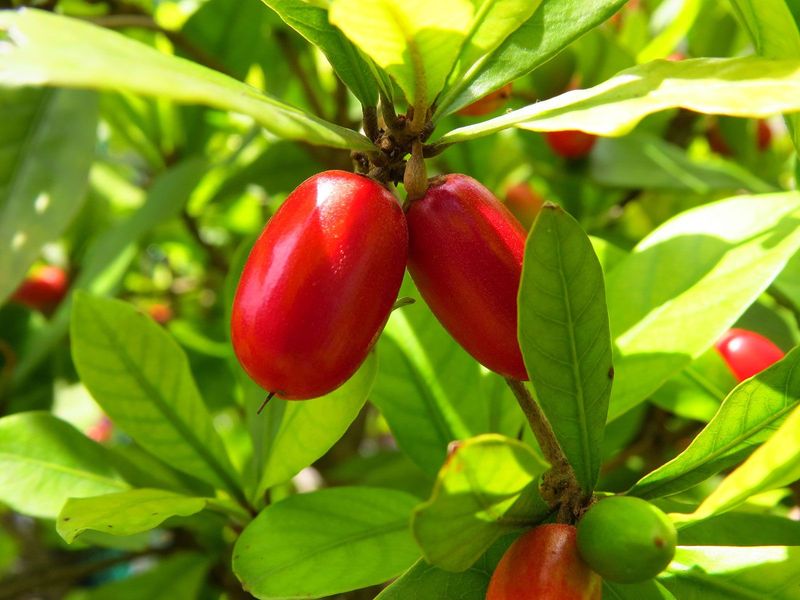
Miracle Fruit captivates with its unique ability to make sour foods taste sweet. This small berry, native to West Africa, can be grown indoors in colder climates. The plant’s glossy green leaves and vibrant red berries add a touch of the tropics to any home.
When consumed, the berry alters taste perception, turning tart flavors like lemon into candy-like sweetness. It’s a fun and quirky addition to culinary experiments.
Fun Fact: Miracle Fruit has been used for centuries in West Africa to enhance the flavor of sour foods during meals.
14. Pawpaw
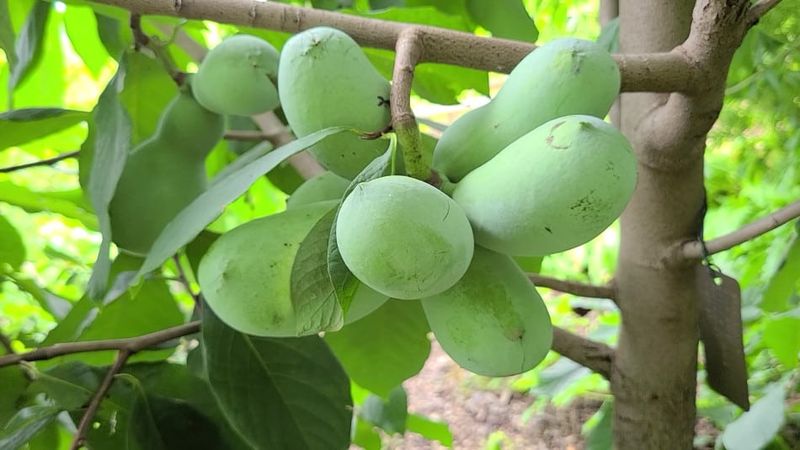
Pawpaw, North America’s largest native fruit, offers a custard-like texture and tropical flavor. Often likened to a blend of banana and mango, this fruit is a hidden gem in shaded gardens. Pawpaw trees thrive in woodland settings, preferring dappled sunlight.
The fruit’s creamy texture and unique taste make it a delicious addition to desserts and smoothies. Despite its exotic flavor, the Pawpaw is incredibly resilient, surviving cold winters with ease.
Did you know? The Pawpaw was a favorite fruit of Thomas Jefferson, who grew them at Monticello.
15. Loquat
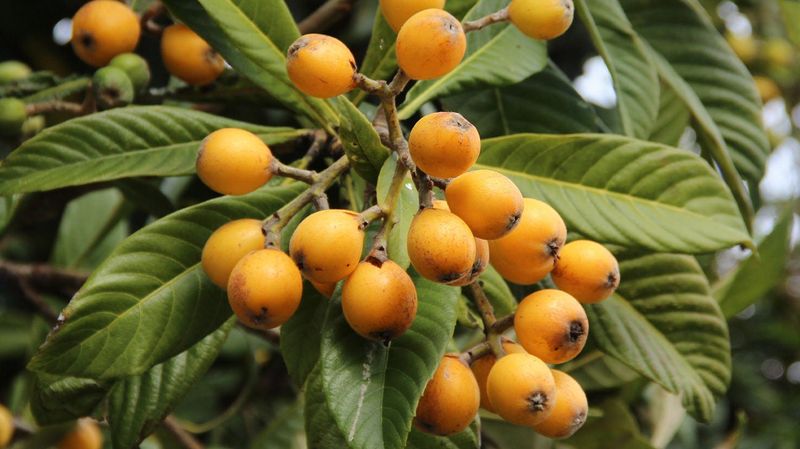
Loquat trees enchant with their lush foliage and sweet-tart fruits, reminiscent of apricots. These drought-tolerant trees thrive in warm, Mediterranean-like climates and are prized for their ornamental beauty and delicious fruit.
Loquats are typically harvested in early spring, offering a bright, juicy addition to fruit salads and desserts. Their unique flavor is both sweet and tangy, a refreshing treat for the senses.
Fun Fact: Loquats have been cultivated in China for over a thousand years and were introduced to the Mediterranean region in the 19th century.
16. Jujube (Chinese Date)
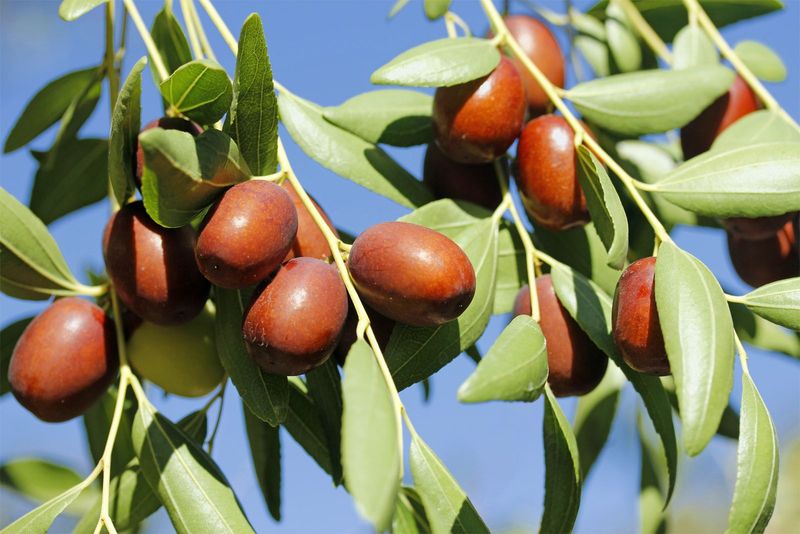
Jujube, also known as Chinese Date, is a hardy tree that produces crisp, apple-like fruits. These fruits dry into sweet, chewy dates, offering a unique addition to gardens and kitchens. Jujube trees are pest-resistant and thrive in a variety of climates.
The fresh fruits are crunchy and mildly sweet, perfect for snacking or drying. As a dried fruit, Jujubes are often used in traditional Asian desserts and teas.
Did you know? Jujubes have been cultivated in China for over 4,000 years and are revered for their medicinal properties as well as their delicious taste.
17. Feijoa (Pineapple Guava)
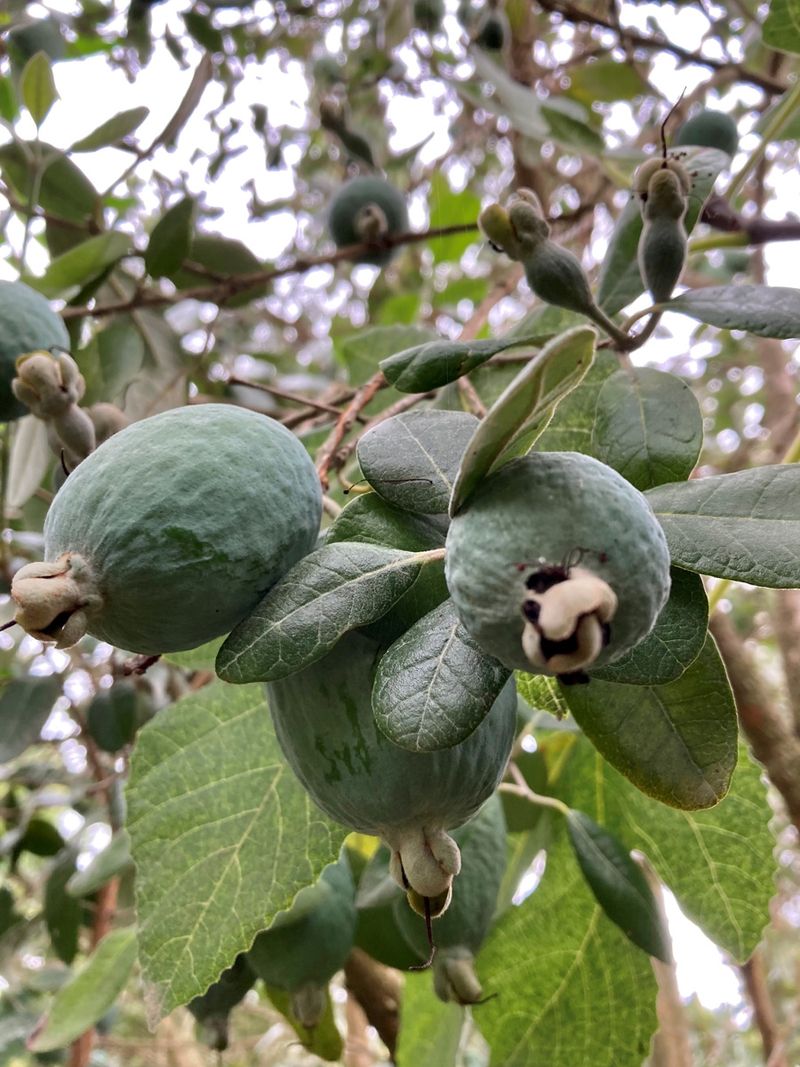
Feijoa, or Pineapple Guava, delights with its tropical-flavored fruits and edible flowers. This evergreen shrub is perfect for hedges, offering both ornamental beauty and tasty rewards. The fruit’s flavor is a tangy mix of pineapple, guava, and mint.
Feijoa thrives in mild climates and is drought-resistant once established. The flowers, with their striking red stamens, are a visual feast, attracting pollinators to the garden.
Fun Fact: Feijoa is native to South America and is named after João da Silva Feijó, a Brazilian botanist who contributed to its discovery and classification.
18. Chayote Squash
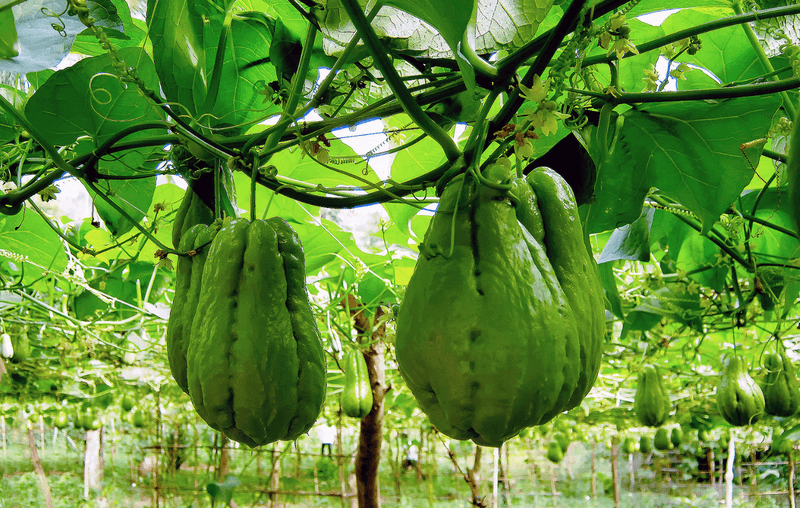
Chayote Squash is a prolific producer, with each vine yielding hundreds of mild, pear-shaped fruits. This versatile squash is a staple in Latin American cuisine, appreciated for its subtle flavor and crisp texture.
Chayote can be grown as a perennial in warm climates, where it adds both ornamental and culinary value to gardens. The plant’s vigorous growth and climbing habit make it ideal for trellises, creating a lush, green canopy.
Did you know? Chayote is also known as “vegetable pear” and has been cultivated since pre-Columbian times in Mesoamerica.
19. Buddha’s Hand Citron
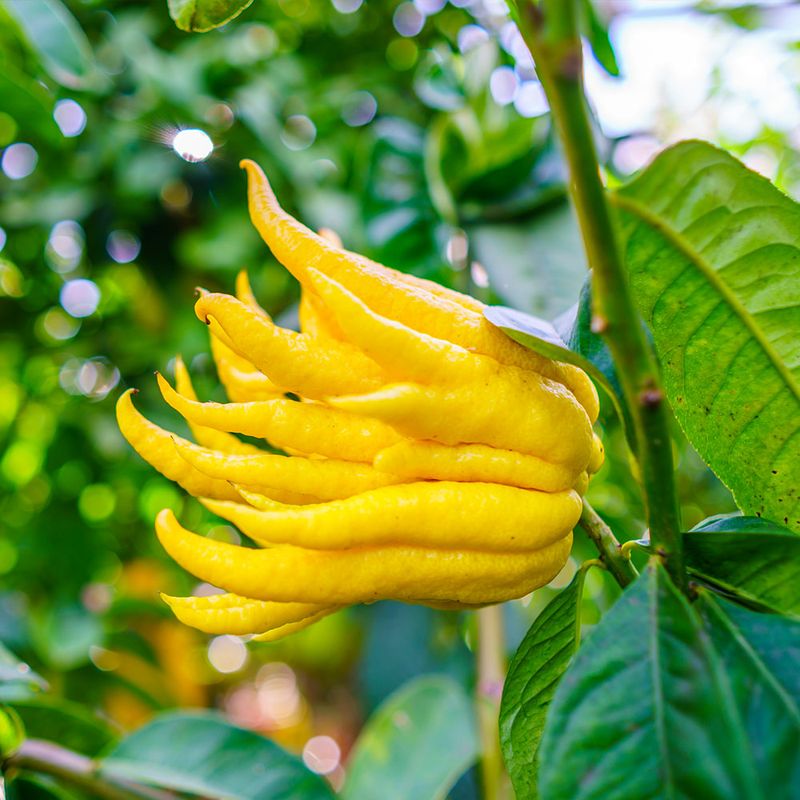
Buddha’s Hand Citron is a masterpiece of nature with its striking, finger-like fruits. Known for its intense fragrance, this citrus is more ornamental than edible, often used for zest and as a natural room freshener.
The fruit’s bright yellow color and unique shape make it a stunning addition to gardens. Buddha’s Hand thrives in warm climates and can be grown in containers, adding an exotic touch to patios.
Fun Fact: In Buddhist culture, this citron is a symbol of happiness, longevity, and good fortune, often used in temple offerings.
20. Black Sapote
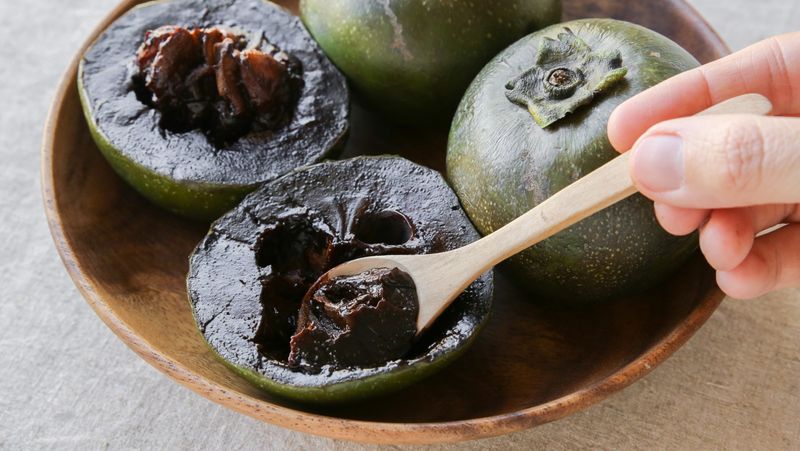
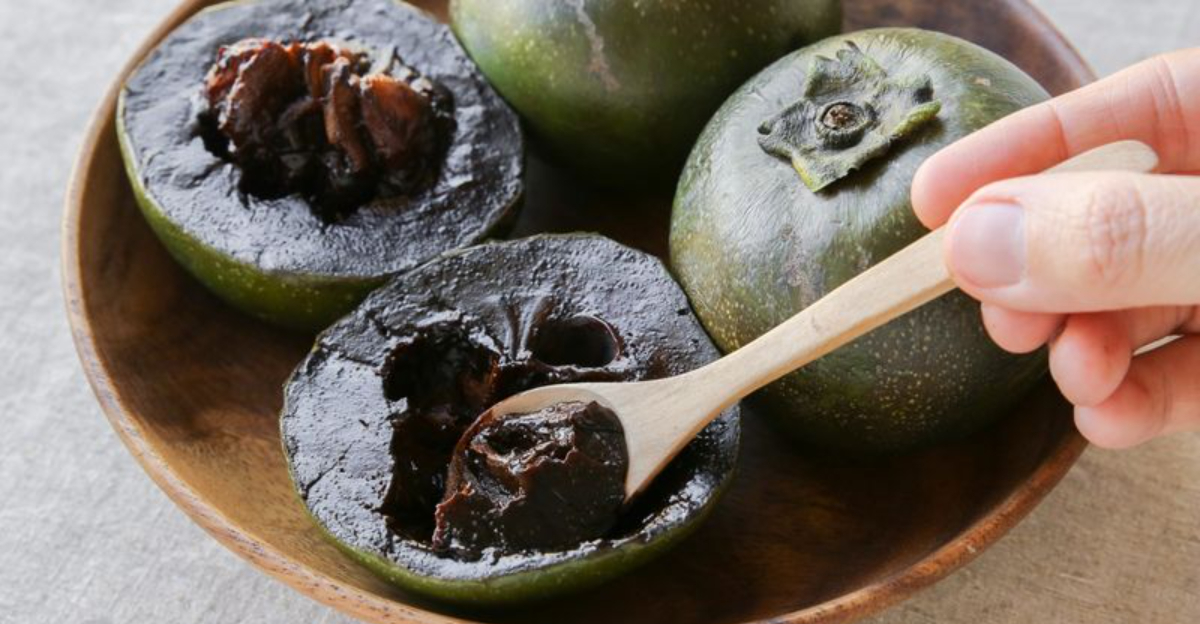
Black Sapote, often dubbed the “chocolate pudding fruit,” offers a delectable dessert-like flavor. When ripe, its soft, dark brown flesh resembles chocolate pudding, providing a guilt-free treat for sweet lovers.
This tropical fruit thrives in warm, humid climates and can be grown in containers for those in cooler regions. Black Sapote is a unique addition to any fruit collection, offering both novelty and flavor.
Did you know? Black Sapote is native to Mexico and Central America, where it has been enjoyed for centuries as a natural dessert alternative.