 Complete Gardening
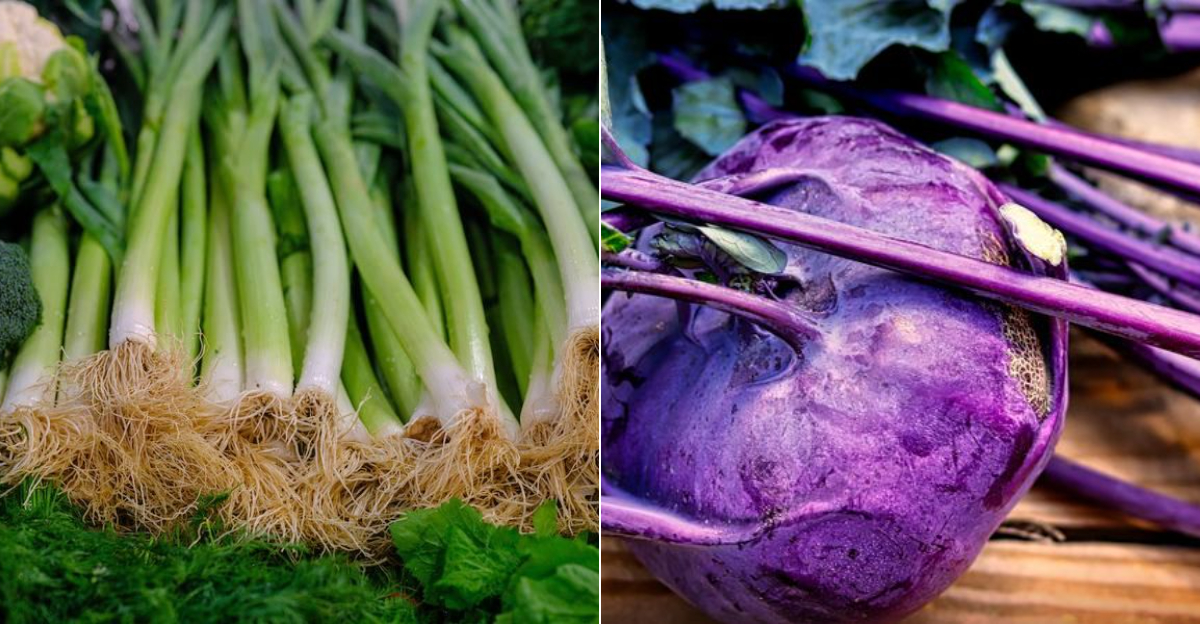
Explore the hidden health benefits of 20 vegetables that often go unnoticed. These vegetables are not only delicious but also packed with nutrients that can enhance your well-being. From boosting immunity to supporting heart health, these vegetables offer more than meets the eye. Discover how incorporating them into your diet can contribute to a healthier lifestyle.
1. Cabbage
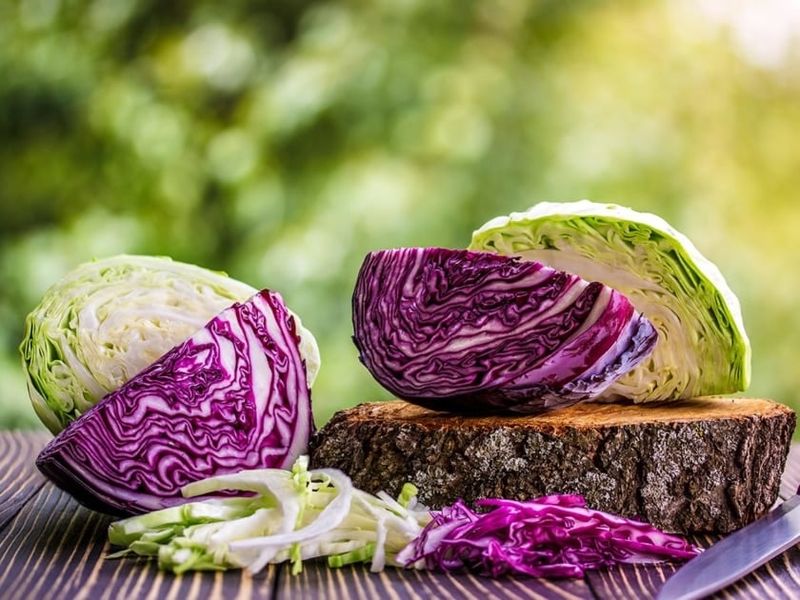
Cabbage, often underestimated, is a powerhouse of nutrition. Despite its humble appearance, it is incredibly high in vitamin C, which is essential for immune function. Fiber content in cabbage aids digestion, while sulforaphane, a compound found in cabbage, has cancer-fighting properties. Furthermore, when fermented as sauerkraut, cabbage becomes a probiotic-rich food, promoting gut health. Its versatility in dishes, from raw salads to cooked stews, makes it an excellent addition to any meal. Fun fact: the ancient Romans used cabbage leaves to cure hangovers!
2. Beets
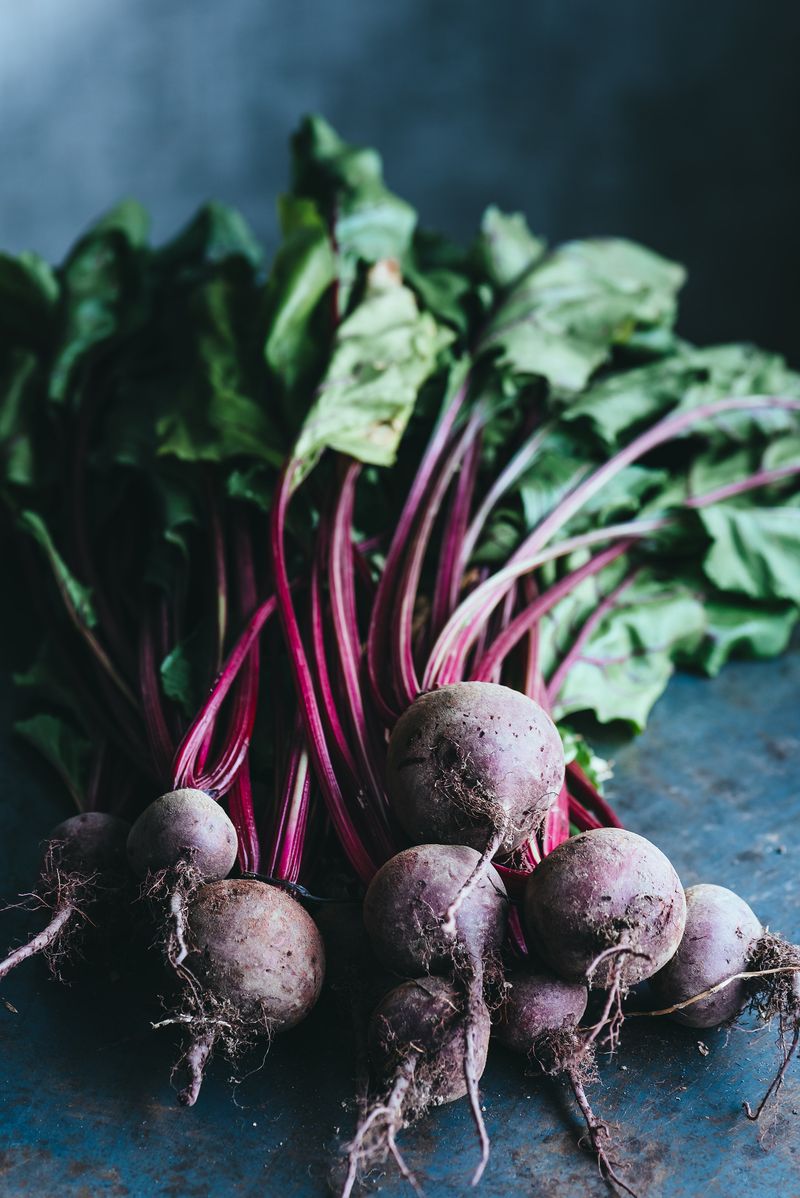
Beets, with their earthy flavor, are rich in nitrates, which boost blood flow and enhance athletic performance. The vibrant color of beets comes from betalains, known for their anti-inflammatory properties. Additionally, beets are a good source of folate, crucial for DNA synthesis and repair. Often overlooked, the greens are even more nutrient-dense than the roots, offering a wealth of vitamins and minerals. Whether roasted, juiced, or added to salads, beets provide a myriad of health benefits. Interestingly, in the 19th century, beets were used as a source of sugar.
3. Parsnips
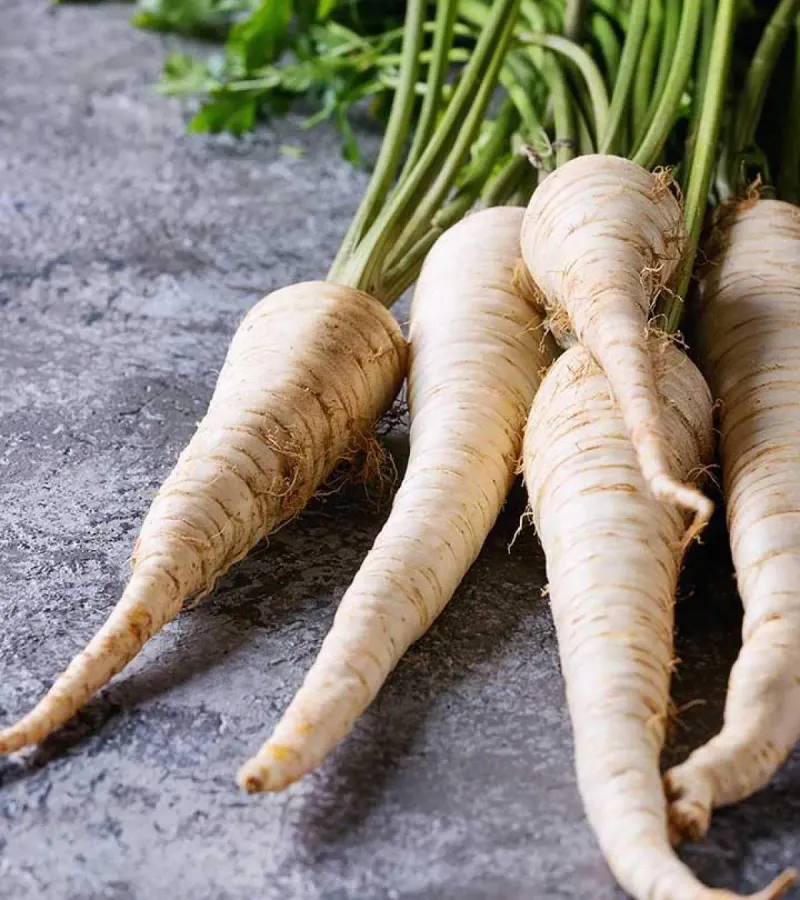
Parsnips, resembling pale carrots, boast a sweet, nutty flavor and are rich in fiber, contributing to digestive health. High in potassium, they play a role in maintaining healthy blood pressure levels. Surprisingly, parsnips contain more vitamin C than carrots, supporting immune function. Their versatility shines in various dishes, from soups to roasted sides. In culinary history, parsnips were used as a sweetener before the introduction of sugar in Europe. Their unique taste and nutritional profile make parsnips a delightful addition to any meal.
4. Okra
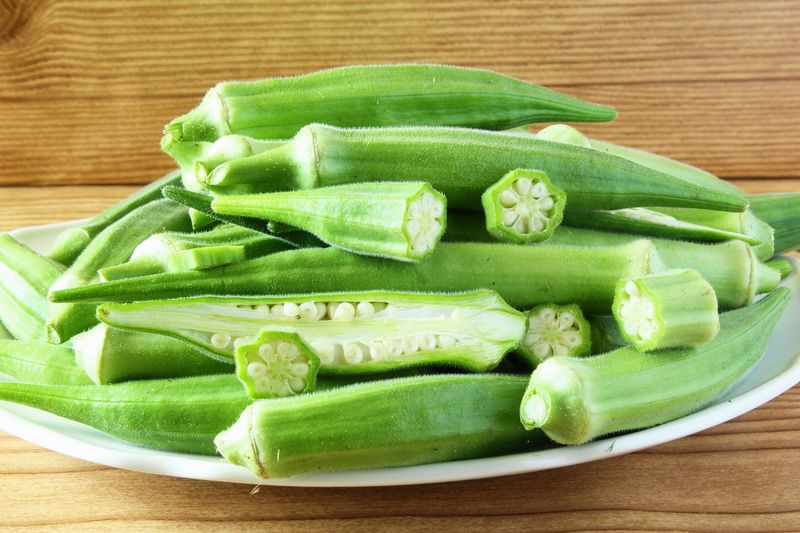
Okra, with its distinctive texture, is a great source of soluble fiber, aiding in cholesterol management. Rich in vitamin K, it supports bone health. The mucilage, or slime, often debated in texture, is actually gut-friendly, promoting a healthy digestive tract. Whether fried, pickled, or added to stews, okra’s unique flavor and nutritional benefits are undeniable. Historically, okra seeds were used as a coffee substitute during the Civil War. Its health-promoting qualities make it a staple in many cuisines worldwide.
5. Kohlrabi

Kohlrabi, a lesser-known member of the cabbage family, is surprisingly high in vitamin C, surpassing even oranges. Glucosinolates in kohlrabi have cancer-fighting properties, making it a noteworthy vegetable for health enthusiasts. Whether enjoyed raw for its crunchy texture or roasted for a sweeter taste, kohlrabi offers both flavor and nutrition. Historically, kohlrabi was a staple in ancient Roman kitchens, prized for its versatility. Its unique appearance and health benefits make kohlrabi a fascinating addition to any diet.
6. Swiss Chard

Swiss chard, with its colorful stems, is packed with vitamin K, magnesium, and antioxidants like syringic acid, known to help lower blood sugar levels. The rainbow-hued stems are not just visually appealing; they’re edible and nutritious too. Whether sautéed or added to soups, Swiss chard offers a burst of flavor and health benefits. In ancient Greece, Swiss chard was used for medicinal purposes, highlighting its longstanding reputation as a healthful vegetable. Its striking appearance and nutritional value make it a favorite among home cooks.
7. Rutabaga

Rutabaga, often mistaken for turnips, is a cross between turnips and cabbage. It’s high in vitamin C and zinc, essential for a robust immune system. Rutabaga’s unique flavor lends itself well as a low-carb potato substitute. Historically, during World War I, rutabaga was a vital food source due to its storage longevity. Its versatility makes it suitable for mashing, roasting, or adding to stews. The blend of sweet and savory in rutabaga, coupled with its nutritional benefits, makes it a culinary gem.
8. Celery Root (Celeriac)
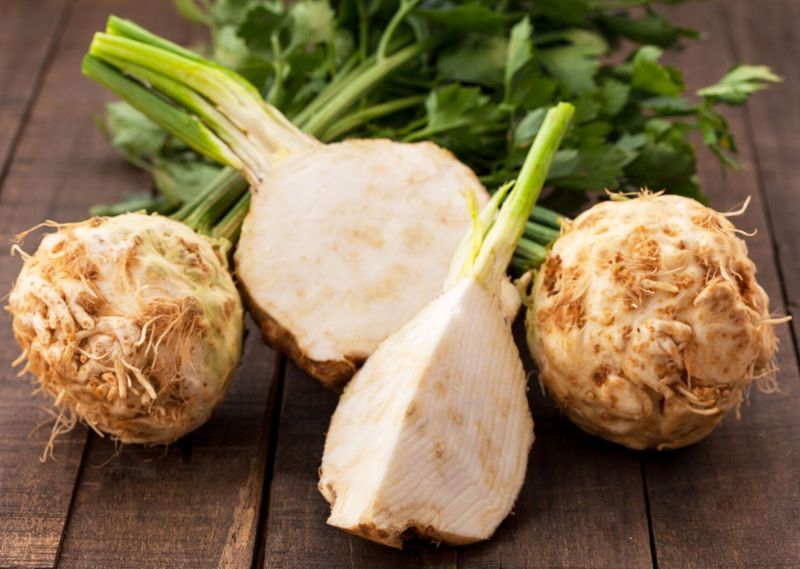
Celery root, or celeriac, may not win beauty contests, but it’s packed with vitamin K and phosphorus, crucial for bone health. The prebiotic fiber in celeriac promotes a healthy gut microbiome. Its flavor, a delightful mix of celery and parsley, enhances soups and stews wonderfully. Historically, celeriac has been used in European cuisine for centuries, celebrated for its subtle taste and health benefits. Whether mashed, roasted, or pureed, celery root adds a nutritious twist to meals.
9. Watercress

Watercress, often overlooked, ranks #1 on the CDC’s nutrient density list. It contains more iron than spinach and is rich in phenylethyl isothiocyanate (PEITC), an anti-cancer compound. Its peppery flavor adds a kick to salads and sandwiches, making it a flavorful powerhouse. The ancient Greeks and Romans consumed watercress for its health benefits, considering it a staple for soldiers. Today, it remains a symbol of vitality and health, deserving a spot in everyday meals.
10. Jicama

Jicama, with its crisp texture, is low in calories yet high in vitamin C and inulin, a prebiotic fiber that supports gut health. Resembling a cross between an apple and a potato, its subtly sweet flavor makes it a refreshing snack. Jicama is often enjoyed raw in salads or sprinkled with chili powder for a spicy twist. Native to Mexico, jicama has been a staple in traditional diets for centuries, celebrated for its hydrating and health-boosting qualities.
11. Daikon Radish
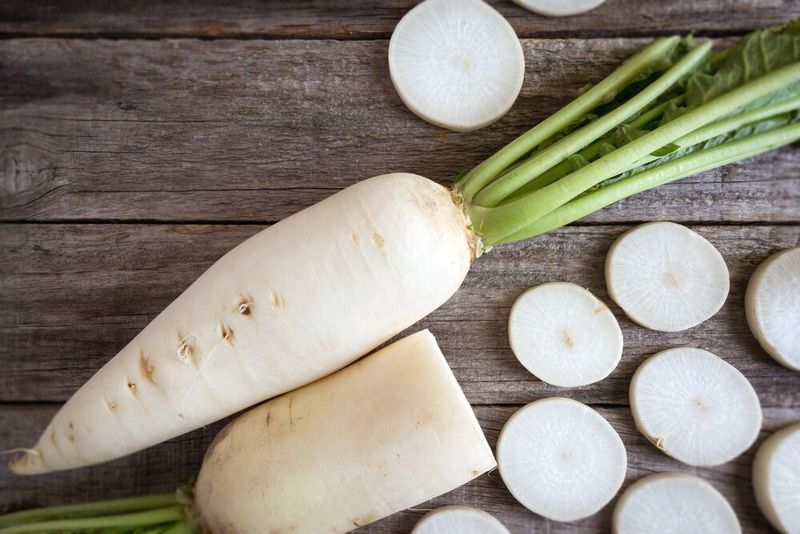
Daikon radish, with its mild flavor, aids digestion through its enzyme-rich composition. It detoxifies the liver and is a good source of vitamin C, supporting immune health. Widely used in Asian cuisine, daikon adds a refreshing crunch to dishes. In Japan, daikon is often pickled or grated as a condiment, showcasing its versatility. Its health contributions and unique taste make it a valuable addition to any diet, offering both culinary and nutritional benefits.
12. Endive

Endive, with its unique bitterness, is high in kaempferol, supporting heart health. It’s also a good source of folate, beneficial for cell function and tissue growth. The bitter compounds in endive stimulate digestion, making it a popular choice in salads and appetizers. Historically, endive was cultivated by Egyptians for its medicinal properties, highlighting its ancient significance. Its crisp texture and health benefits make endive a sophisticated choice for modern meals.
13. Fennel
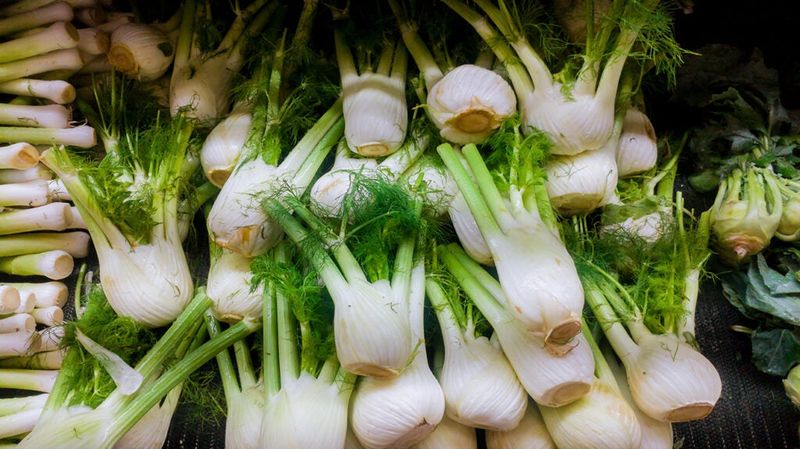
Fennel, with its aromatic flavor, contains anethole, an anti-inflammatory compound. It’s known for alleviating bloating and digestive discomfort. The entire fennel plant is edible, from bulb to fronds to seeds, offering versatility in the kitchen. In ancient Rome, fennel was used for its supposed aphrodisiac properties. Today, its unique taste and health benefits make fennel a favorite in culinary traditions worldwide, providing a fresh, aromatic addition to dishes.
14. Turnips
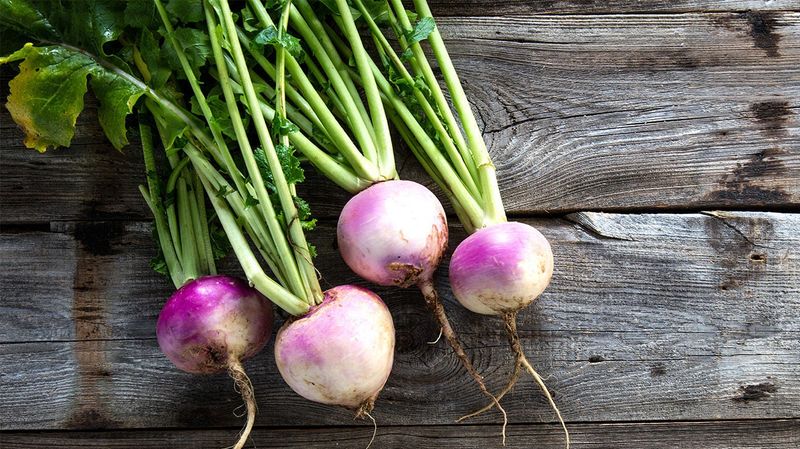
Turnips, often underappreciated, are high in glucosinolates, compounds with cancer-fighting potential. Rich in fiber, turnips support digestive health. The greens, often discarded, are edible and packed with calcium, adding nutritional value. Historically, turnips were a staple food in Europe during the Middle Ages, valued for their hardiness and versatility. Whether roasted, mashed, or added to stews, turnips provide a subtle, peppery flavor and a host of health benefits.
15. Leeks
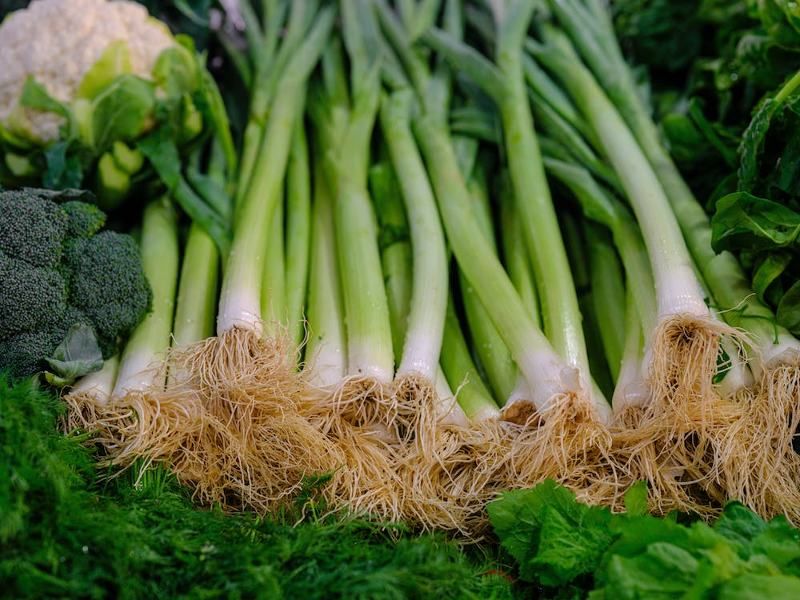
Leeks, reminiscent of mild onions, are rich in allicin, boosting immunity and promoting heart health. Vitamin A in leeks supports eye health and immune function. Adding depth to soups without overpowering them, leeks are a versatile ingredient. In Scotland, leeks are a traditional ingredient in cock-a-leekie soup. Their gentle flavor and health-promoting qualities make leeks a beloved choice for cooks seeking both taste and nutrition.
16. Romanesco
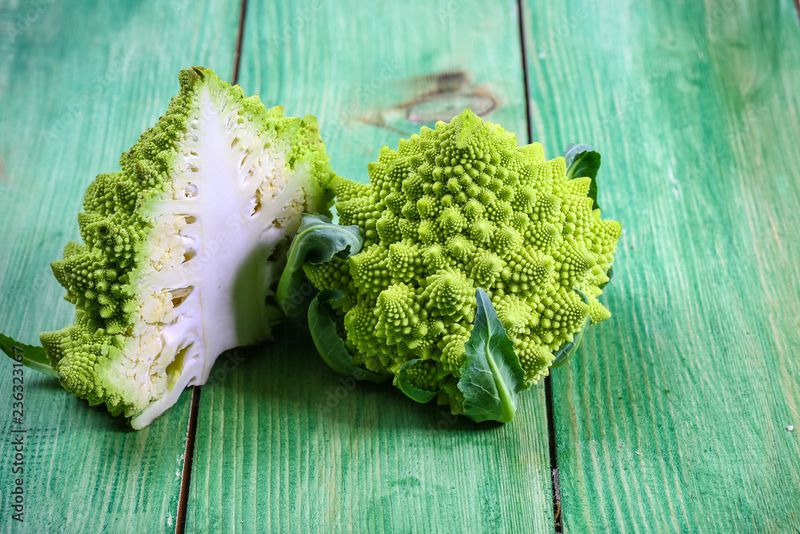
Romanesco, a visually striking vegetable, is a broccoli-cousin with more vitamin C and fiber than cauliflower. Its unique fractal shape not only looks intriguing but also offers eye-healthy carotenoids. When cooked, romanesco retains its vibrant color and provides a nutty flavor. Historically, romanesco was cultivated in Italy, where it remains a culinary delight. Its appearance and nutritional profile make romanesco an exciting choice for adventurous cooks.
17. Bok Choy

Bok choy, a staple in Asian cuisine, is loaded with calcium and vitamin A, essential for bone and eye health. Rich in antioxidants like quercetin, bok choy supports overall wellness. Its quick cooking time makes it a convenient choice for stir-fries and soups. Historically, bok choy has been cultivated in China for thousands of years, treasured for its healthful properties. Its mild flavor and crisp texture add a refreshing touch to any dish.
18. Sunchokes (Jerusalem Artichokes)
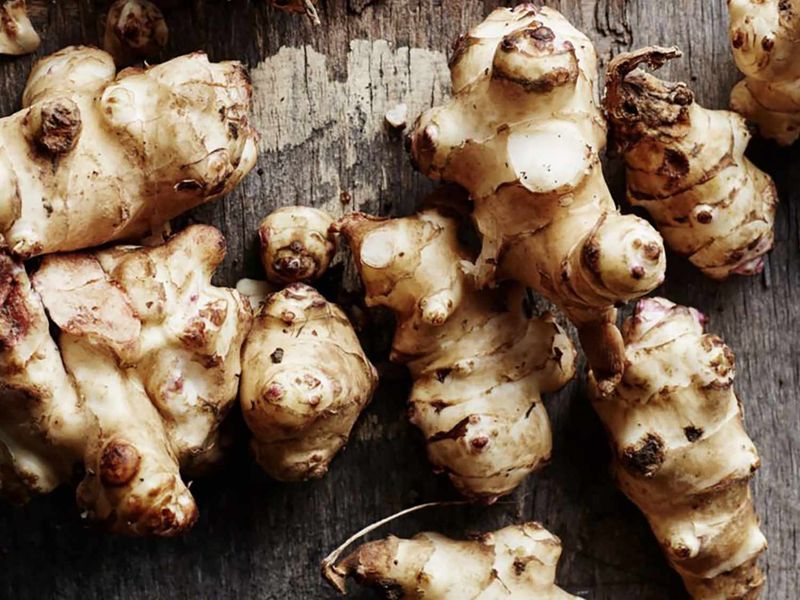
Sunchokes, also known as Jerusalem artichokes, are a top source of inulin, a prebiotic fostering healthy gut bacteria. Their sweet, nutty flavor comes to life when roasted. Despite the name, sunchokes are native to North America, with a history of cultivation by Native Americans. Their unique taste and health benefits make them a versatile ingredient, perfect for adding a nutritional boost to meals.
19. Dandelion Greens

Dandelion greens, more iron-rich than spinach, detoxify the liver and act as a natural diuretic. Often foraged freely, they offer a sustainable source of nutrition. With a slightly bitter flavor, they are well-suited to salads and sautés. Historically, dandelions have been used in traditional medicine for their healing properties. Their resilience and health benefits make them a valuable addition to a balanced diet.
20. Cassava (Yuca)
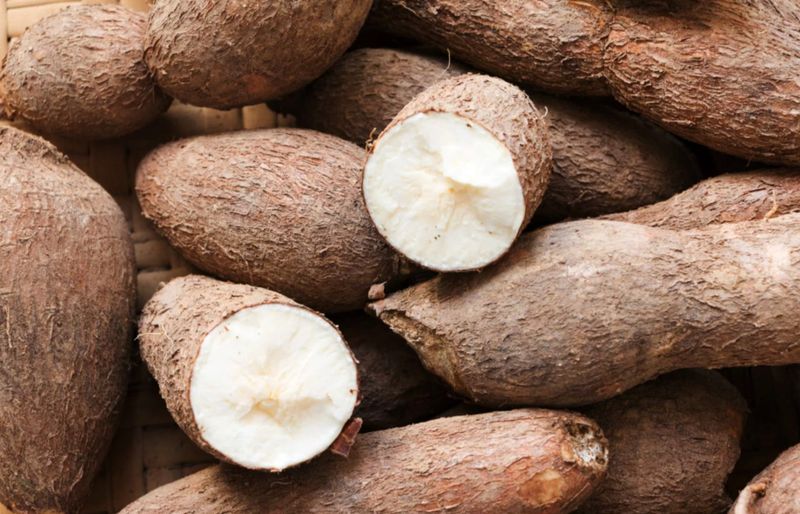
Cassava, or yuca, is a resilient crop packed with resistant starch, beneficial for gut health. As a gluten-free flour alternative, it must be cooked properly to eliminate toxins. Native to South America, cassava has been a staple in indigenous diets for centuries. Its versatility in cooking, from flatbreads to stews, highlights its global culinary importance. Cassava’s unique nutritional profile makes it a staple in many cultures worldwide.