 Complete Gardening
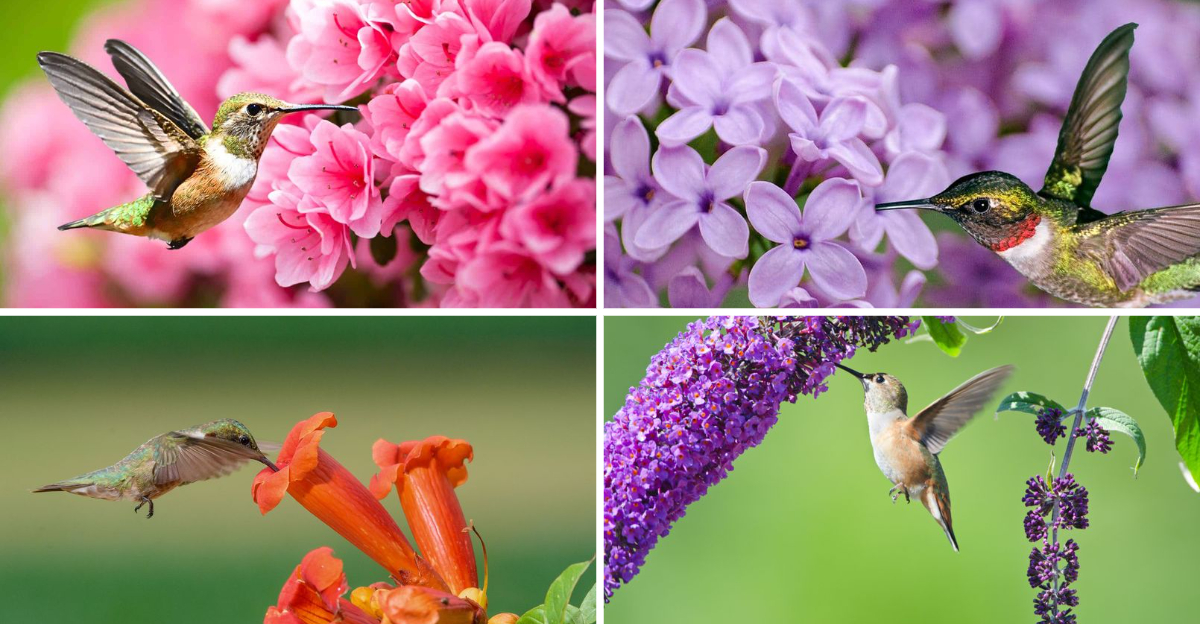
Flowering shrubs are more than just a garden’s aesthetic delight. These versatile plants, with their vibrant blossoms, are the secret to creating a hummingbird sanctuary. The nectar-rich flowers are irresistible to these tiny birds, encouraging them to linger longer. If you’re seeking to attract these jeweled visitors, consider these 21 flowering shrubs, each uniquely capable of transforming your garden into a hummingbird haven.
1. Butterfly Bush
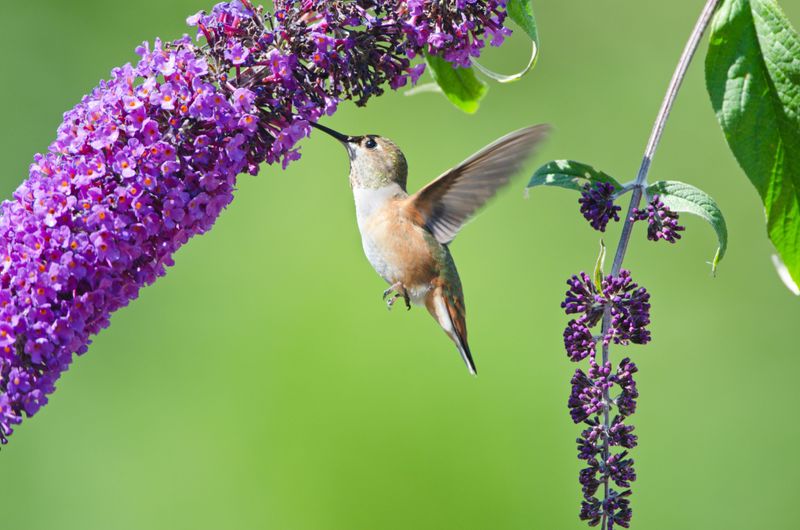
Known for its enchanting charm, the butterfly bush is a favorite among gardeners aiming to attract hummingbirds. Its vibrant purples and pinks are like magnets for these tiny creatures. With clusters of sweet-smelling flowers, the shrub offers abundant nectar.
Hummingbirds, as well as butterflies, find its blooms irresistible, ensuring that your garden becomes a lively spectacle. As an added bonus, this shrub is low maintenance, thriving in sunny locations.
Did you know? Despite its name, the butterfly bush doesn’t actually belong to the butterfly family but to the genus Buddleja.
2. Hibiscus
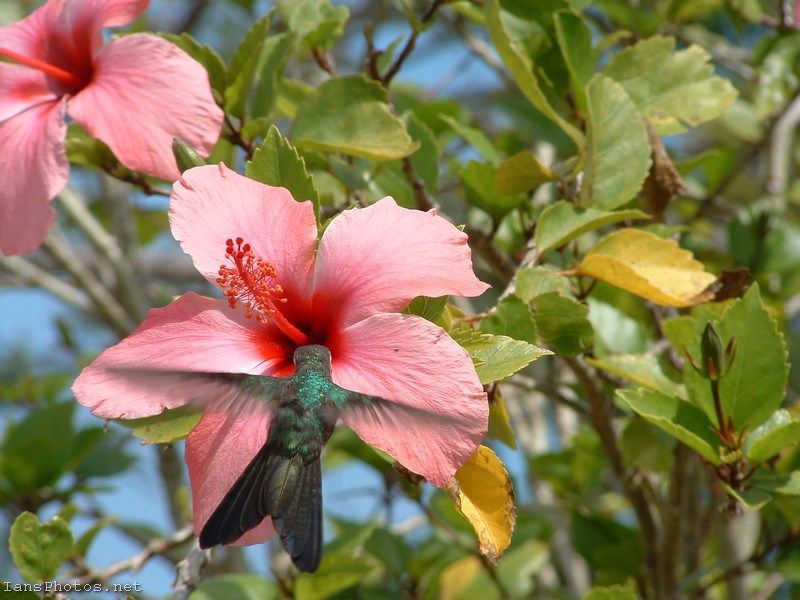
With its bold and striking appearance, the hibiscus is a tropical delight. Its large, vivid flowers capture the attention of both humans and hummingbirds alike.
Known for its rich nectar, the hibiscus serves as a delightful treat for these birds, encouraging them to linger. The variety of colors, from reds to oranges, adds an exotic flair to any garden.
Interestingly, hibiscus tea is a popular drink worldwide, cherished for its tart flavor and vibrant color, yet its allure for hummingbirds lies solely in the garden.
3. Weigela
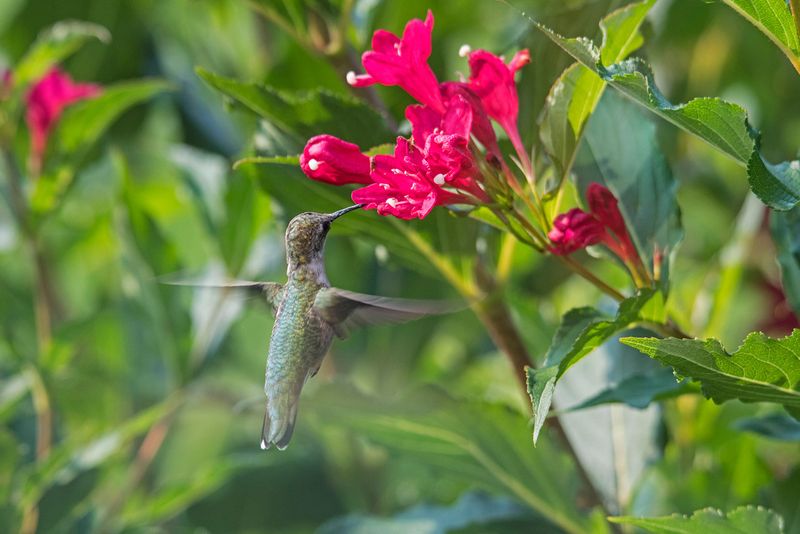
Weigela, with its trumpet-shaped pink flowers, is an irresistible invitation for hummingbirds. This shrub’s charm is not just in its sweet nectar but also in its ability to bloom profusely throughout the growing season.
Its green foliage provides a striking contrast to the vivid blossoms, making it a visual treat for any garden. Easy to care for, weigela thrives in a variety of climates and soils.
Fun fact: Weigela originates from East Asia and has been a garden favorite since the mid-19th century due to its beauty and resilience.
4. Red Hot Poker
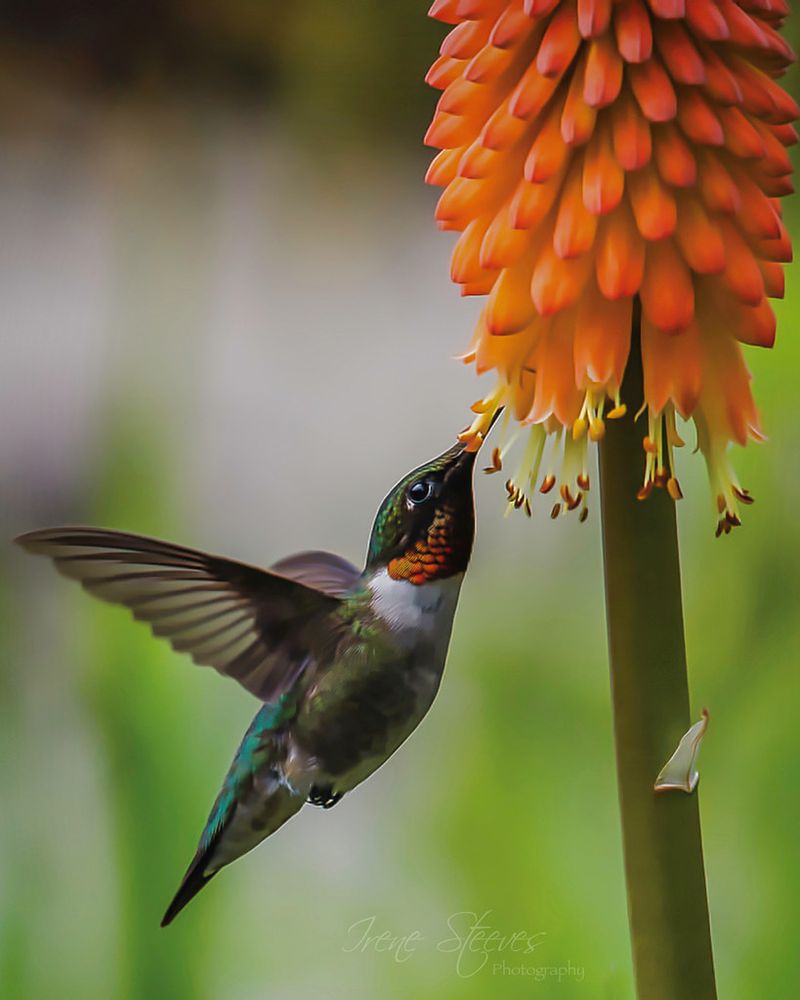
The red hot poker is a garden standout with its tall, fiery spires that seem to set the garden ablaze. Its vibrant colors are a beacon for hummingbirds, offering them copious nectar.
These flowers, also known as torch lilies, provide a dramatic vertical element to any landscape. Hardy and drought-resistant, they offer both beauty and practicality.
Interestingly, despite their exotic appearance, red hot pokers are quite adaptable and can thrive in various climates, making them a versatile choice for hummingbird enthusiasts.
5. Azalea
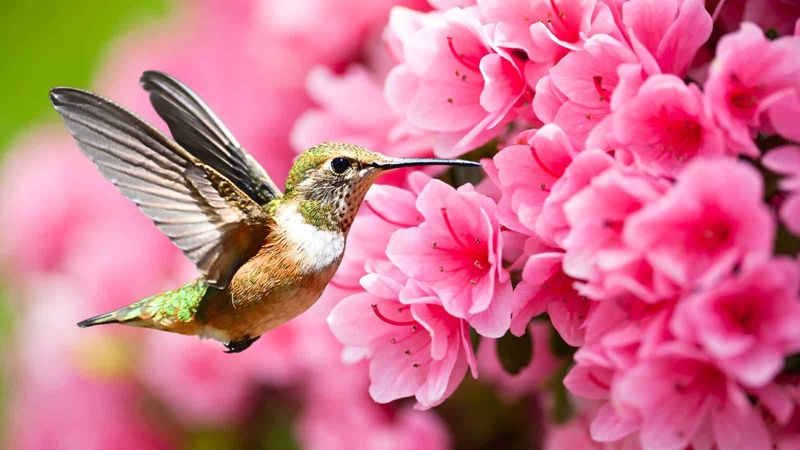
Azaleas are renowned for their breathtaking blooms that can transform any garden into a vibrant wonderland. Their flowers, bursting with color, offer a sweet nectar that hummingbirds find irresistible.
This shrub’s lush foliage and abundant flowers create an enchanting landscape. Azaleas thrive under trees and in shaded areas, adding depth and dimension to gardens.
Did you know? Azaleas are a symbol of femininity and are often used in traditional ceremonies in Asia where they are native, adding cultural allure to their natural beauty.
6. Salvia
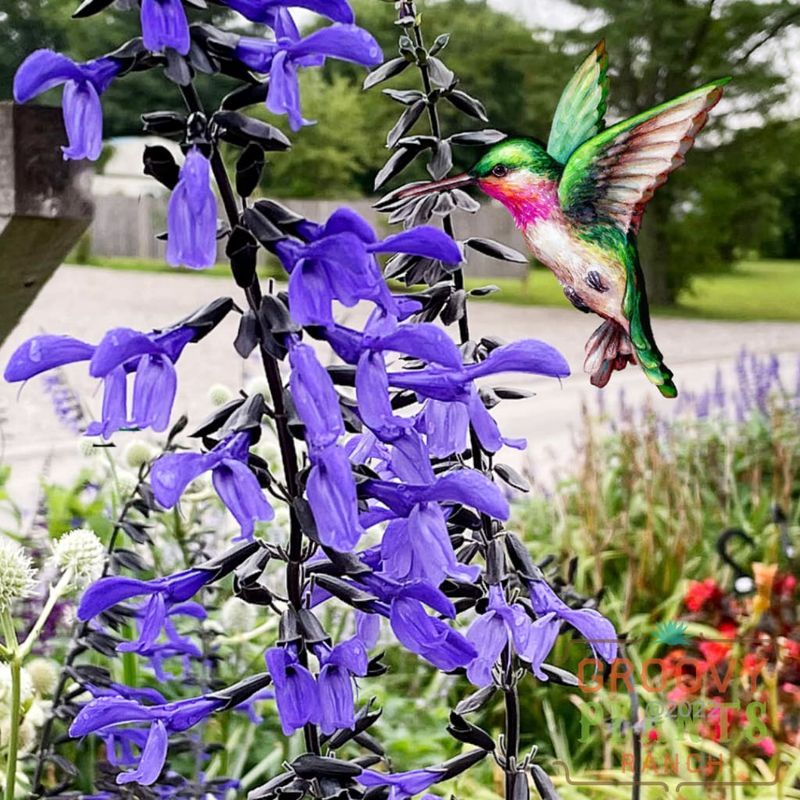
Salvia, with its slender spikes of flowers, offers a feast for the eyes and a buffet for hummingbirds. Its rich blues and purples are not only visually stunning but also rich in nectar.
Known for its aromatic foliage, salvia adds fragrance to its beauty, creating a multi-sensory experience in the garden. This hardy plant is a favorite for its resilience and long blooming season.
Interestingly, salvia belongs to the mint family, offering a subtle hint of familiar fragrance as you walk through your garden.
7. Fuchsia
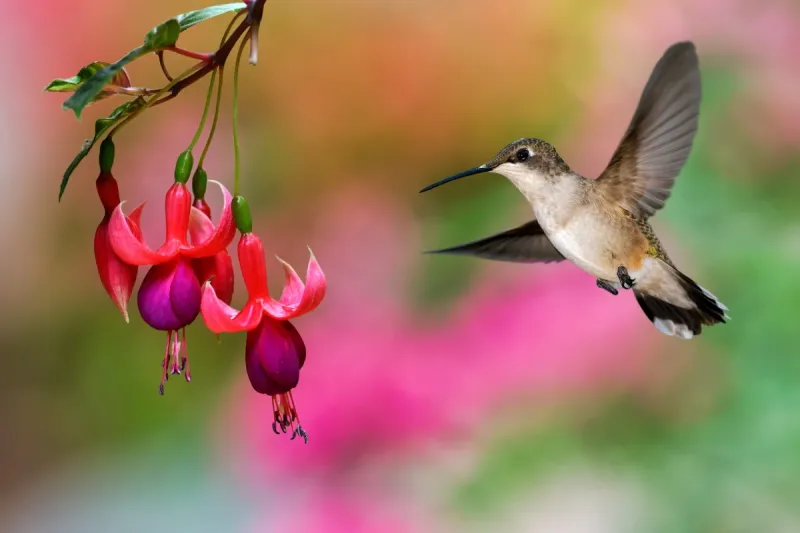
Fuchsia’s pendulous blossoms are a delight for both the eyes and hummingbirds. With their vibrant pink and purple hues, these flowers hang like jewels, filled with nectar.
Their unique shape and color make them a focal point in any garden, drawing in hummingbirds with ease. Fuchsias thrive in cooler climates, adding a touch of elegance where tropical flowers may not flourish.
Did you know? The name ‘fuchsia’ is derived from the 16th-century German botanist Leonhart Fuchs, honoring his contributions to the world of plants.
8. Trumpet Vine
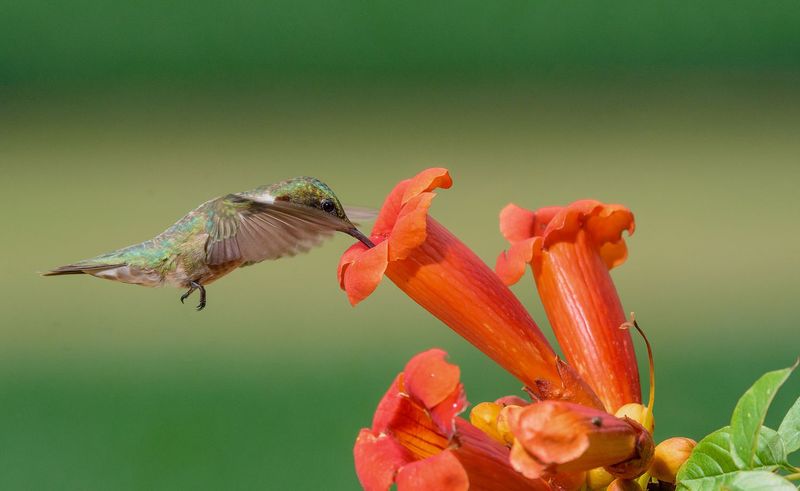
The trumpet vine, with its tubular orange flowers, offers a vibrant display and a nectar feast for hummingbirds. Its climbing nature allows it to cover trellises and walls, creating living art in any garden.
These flowers are a favorite of hummingbirds, their shape perfectly tailored to the birds’ slender beaks. The vine’s lush foliage adds to its appeal, providing habitat as well as beauty.
Fun fact: Trumpet vines are native to North America and are also known as ‘cow itch vine’ due to the skin irritation they can cause if touched.
9. Lilac
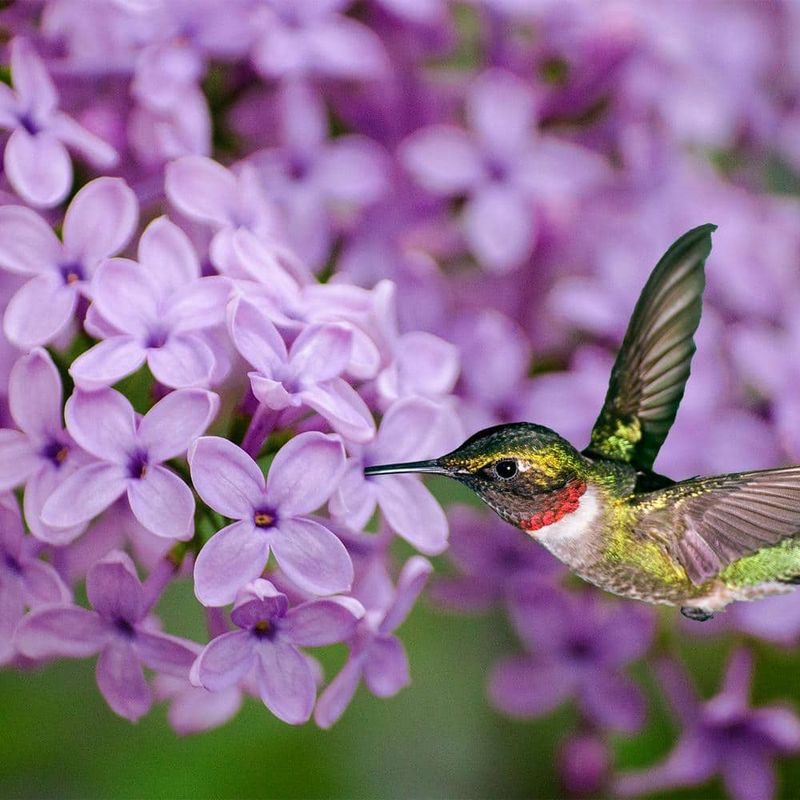
The sweet scent of the lilac is as captivating as its lavender-hued blooms. This shrub not only attracts hummingbirds with its nectar but also fills the air with a delightful fragrance.
Lilacs are a symbol of spring, their blossoms heralding the season’s arrival with bursts of color. With minimal care requirements, they are a favorite among gardeners who seek beauty and ease.
Fun fact: In the language of flowers, lilacs symbolize youthful innocence, making them a charming addition to any garden setting.
10. Crape Myrtle
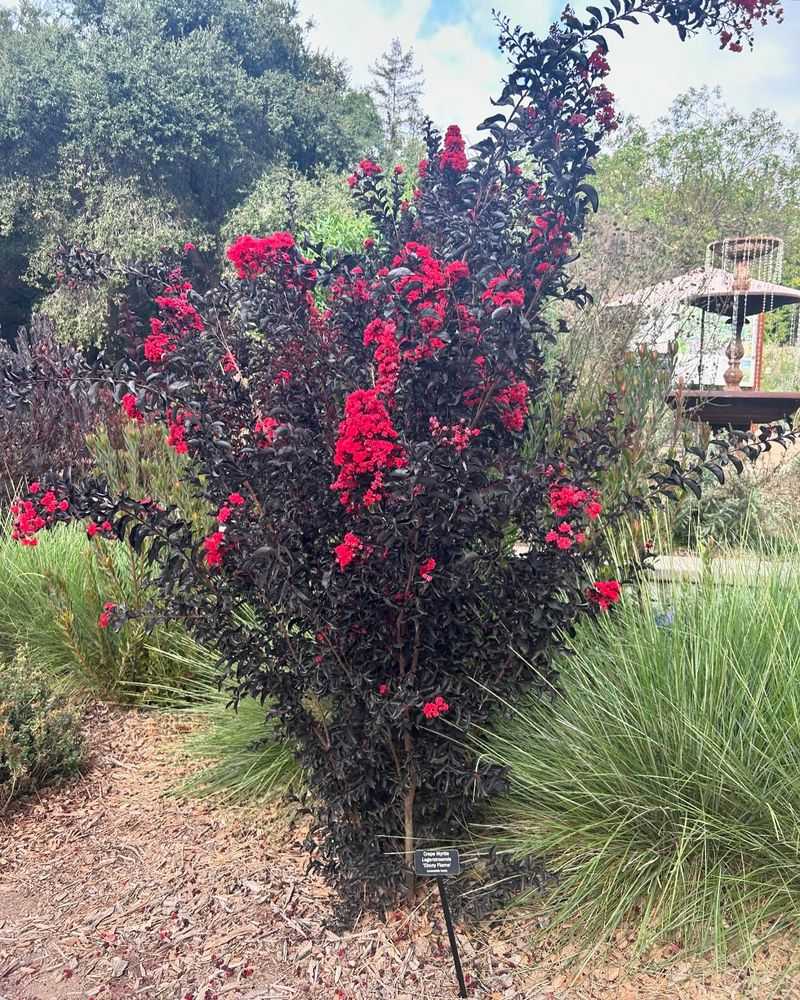
Crape myrtles are celebrated for their long-lasting blooms and vibrant colors. Their magenta flowers attract hummingbirds, offering rich nectar throughout the summer.
This shrub’s smooth, peeling bark adds a touch of elegance to its visual appeal, making it a year-round garden star. Tolerant of heat and drought, crape myrtles thrive in challenging climates.
Did you know? Crape myrtles are often called ‘the lilacs of the South’ due to their popularity and similar blooming patterns in southern gardens.
11. Abelia
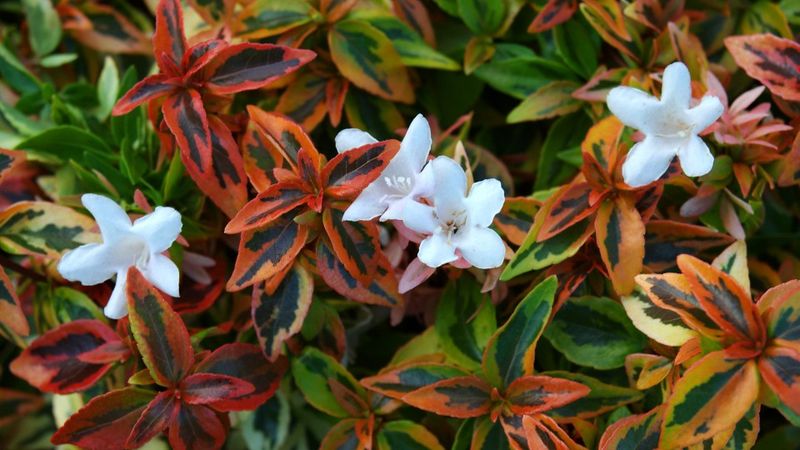
Abelia, with its delicate clusters of white and pink flowers, is a fragrant delight. Its blooms are a preferred choice for hummingbirds, providing both nectar and beauty.
This shrub’s evergreen foliage ensures it remains attractive throughout the year, making it a staple in many gardens. Its adaptability to different soils and climates is another reason for its popularity.
Fun fact: Abelia was named in honor of Dr. Clarke Abel, a British physician and naturalist who introduced the plant to Europe in the early 19th century.
12. Hydrangea
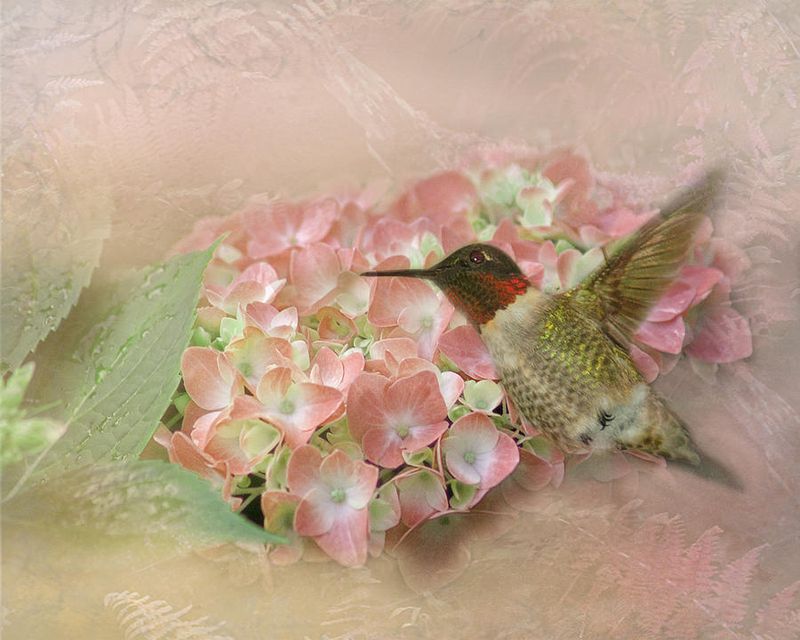
Hydrangeas are known for their voluminous flower clusters and vibrant colors. These shrubs attract hummingbirds with their sweet nectar, adding a lively touch to any garden.
With flowers that can change color based on soil pH, hydrangeas offer a dynamic visual experience. Their large, lush blooms make them a showstopper in any landscape.
Did you know? Hydrangeas are native to Asia and the Americas, and their name comes from the Greek words for water (‘hydro’) and jar (‘angeion’), reflecting their water-loving nature.
13. Bee Balm
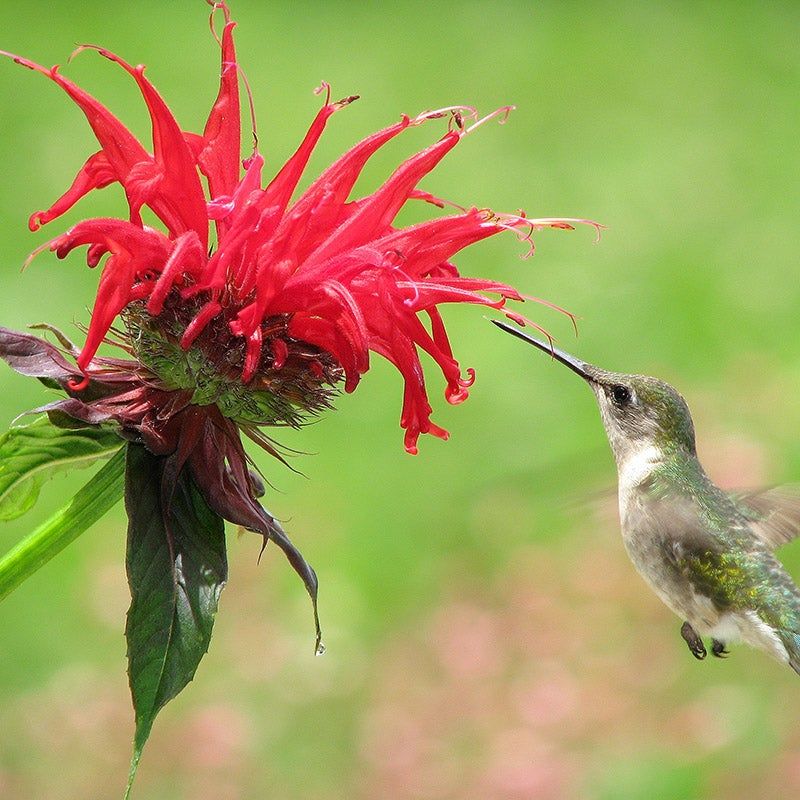
Bee balm, with its fiery red and pink blooms, is a garden favorite for attracting pollinators. Hummingbirds flock to its vibrant flowers, drawn by the rich nectar they offer.
This plant adds a splash of color and a touch of wild beauty, reminiscent of meadows in full bloom. Bee balm is also known for its medicinal properties, used in teas and natural remedies.
Interestingly, bee balm is part of the mint family, giving it a unique fragrance that enhances its appeal to both humans and birds alike.
14. Forsythia

Forsythia is one of the first shrubs to bloom in spring, offering a splash of yellow that heralds the season’s arrival. Its bright blossoms provide early nectar for hummingbirds, making it a garden favorite.
The cheerful yellow flowers are not only visually appealing but also signal the end of winter’s dormancy. Forsythia’s hardiness and ease of care make it a popular choice for gardeners seeking early spring color.
Did you know? Forsythia is named after Scottish botanist William Forsyth, a founding member of the Royal Horticultural Society.
15. Rose of Sharon
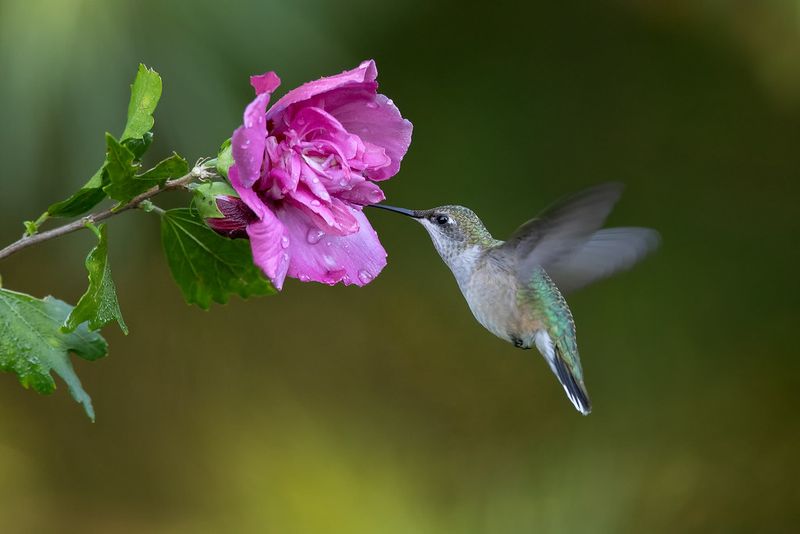
The Rose of Sharon, with its large, showy blooms, is a perennial favorite for attracting hummingbirds. Its flowers, often white or pink, provide ample nectar and beauty.
This shrub’s ability to thrive in various conditions makes it a versatile choice for any garden. Its blooms offer a tropical flair, adding a touch of the exotic to temperate regions.
Interestingly, despite its name, the Rose of Sharon is not a rose but a member of the hibiscus family. Its resilience and charm have made it a garden staple worldwide.
16. Elderberry
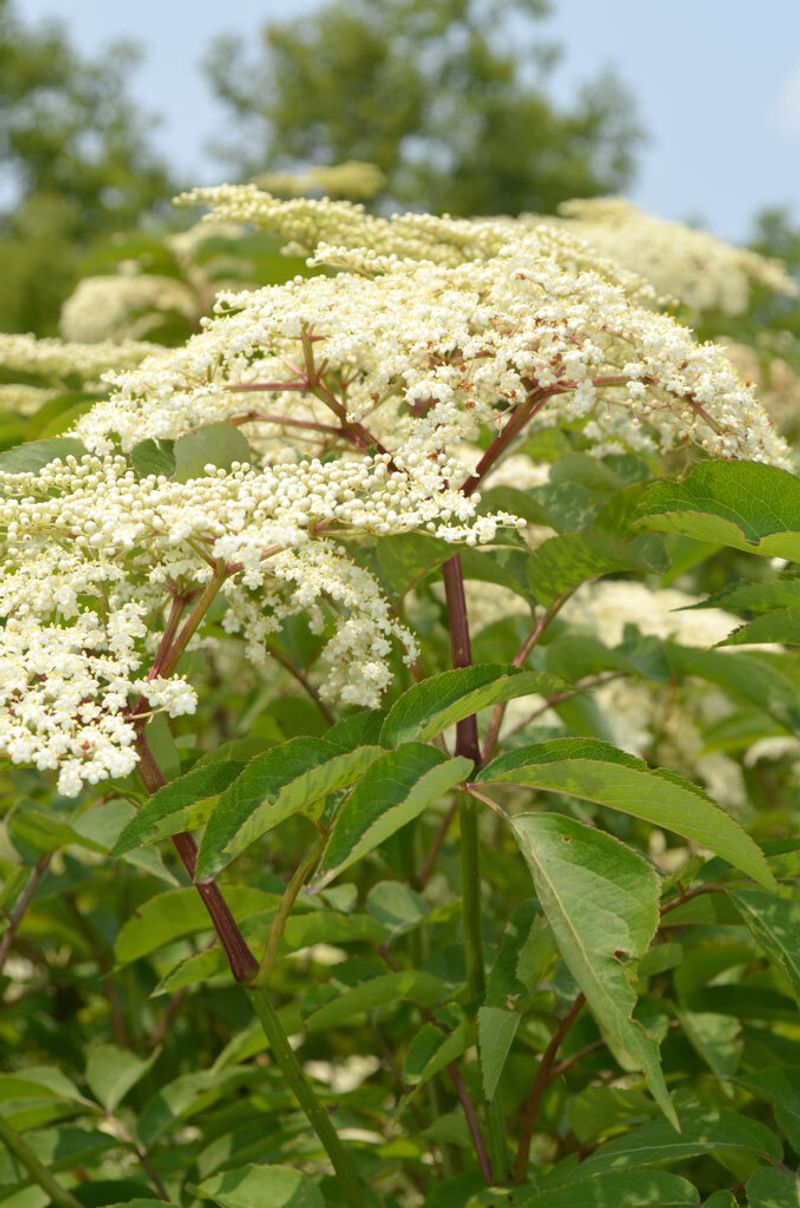
Elderberries offer delicate clusters of white flowers that are a treat for the eyes and a draw for hummingbirds. These tiny blossoms provide nectar, while the shrub’s fruit attracts other wildlife.
Known for its medicinal properties, elderberry is often used in syrups and teas. Its ornamental value, combined with its health benefits, makes it a valuable addition to gardens.
Did you know? Elderberries have been used in traditional medicine for centuries, believed to boost the immune system and reduce inflammation.
17. Spiraea
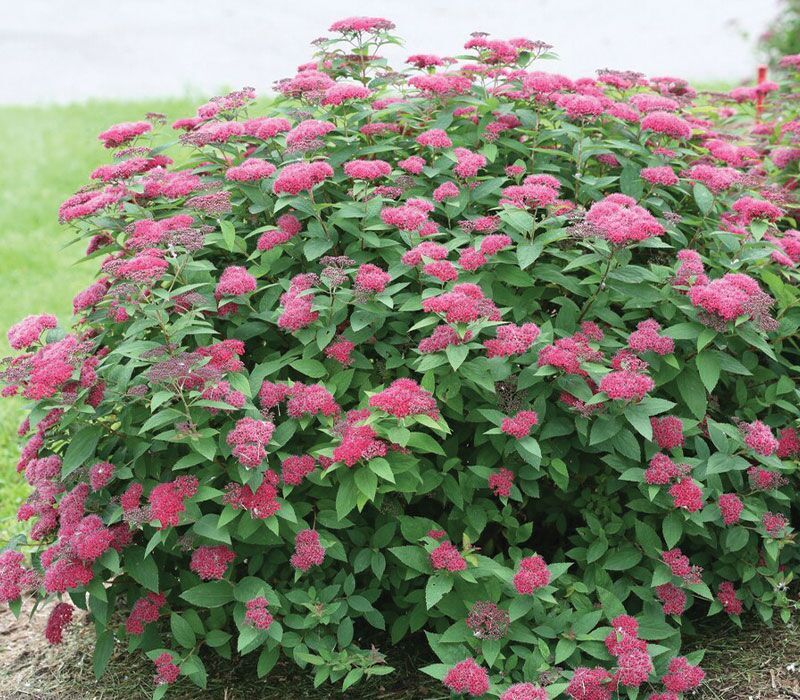
Spiraea, with its clusters of tiny blossoms, creates a soft, romantic feel in any garden. These delicate flowers are a favorite of hummingbirds, offering sweet nectar.
The shrub’s graceful arching branches and lush foliage add texture and depth to landscapes. Spiraea is low-maintenance, making it ideal for gardeners seeking beauty with minimal effort.
Fun fact: Spiraea derives its name from the Greek word ‘speira,’ meaning ‘wreath,’ reflecting its traditional use in making garlands and wreaths due to its abundant blooms.
18. Rhododendron

Rhododendrons are known for their spectacular floral displays. Their large, vibrant blooms provide nectar that hummingbirds can’t resist.
These shrubs thrive in shady areas, making them perfect for woodland gardens. Their evergreen leaves offer year-round beauty, enhancing garden landscapes.
Did you know? Rhododendrons are toxic if ingested, a fact that contrasts sharply with their beauty. They are celebrated in many cultures, symbolizing caution and danger due to their alluring yet poisonous nature.
19. Honeysuckle
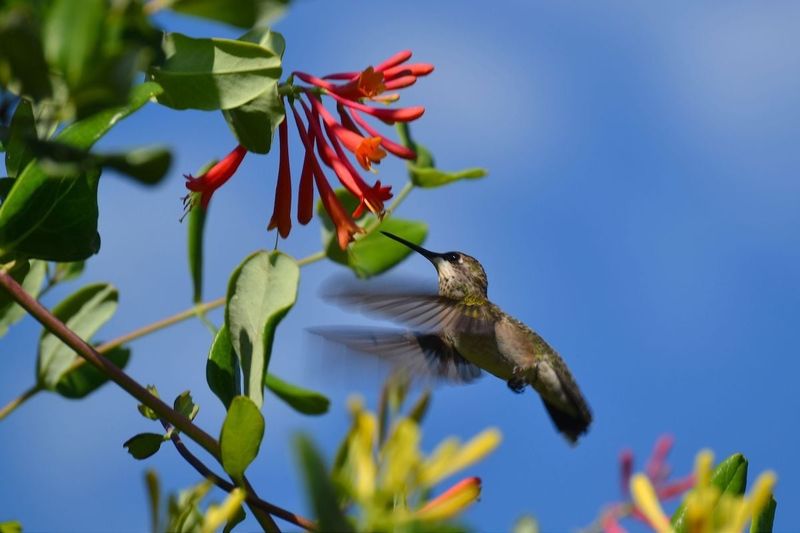
Honeysuckle’s fragrant blossoms are a delight for both humans and hummingbirds. Its tubular flowers, rich in nectar, are perfectly suited to the birds’ feeding habits.
The vine’s rapid growth and lush foliage make it ideal for covering arbors and trellises, creating natural garden screens. Honeysuckle’s sweet scent is an added bonus, filling gardens with a pleasant aroma.
Fun fact: Honeysuckle’s name reflects its sweet nectar, traditionally ‘sucked’ from the flowers by children, a nostalgic memory for many.
20. Buddleia
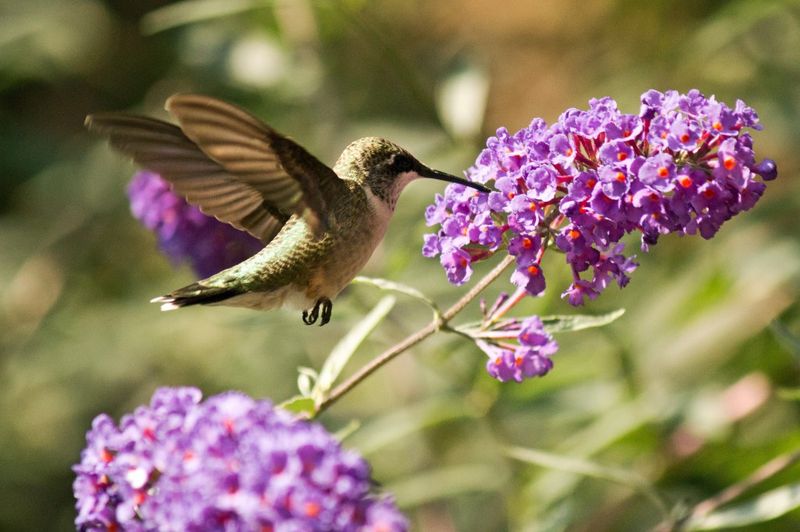
Buddleia, commonly known as the butterfly bush, offers a profusion of colorful panicles that attract hummingbirds. Its blooms, rich in nectar, ensure your garden is a hub of activity.
These shrubs are celebrated for their long blooming season and ease of care. Their vibrant flowers add a splash of color, enhancing garden aesthetics.
Did you know? Buddleia is named after Reverend Adam Buddle, an English botanist, acknowledging his contributions to horticulture. Its popularity endures, making it a staple in pollinator-friendly gardens.
21. Camellia
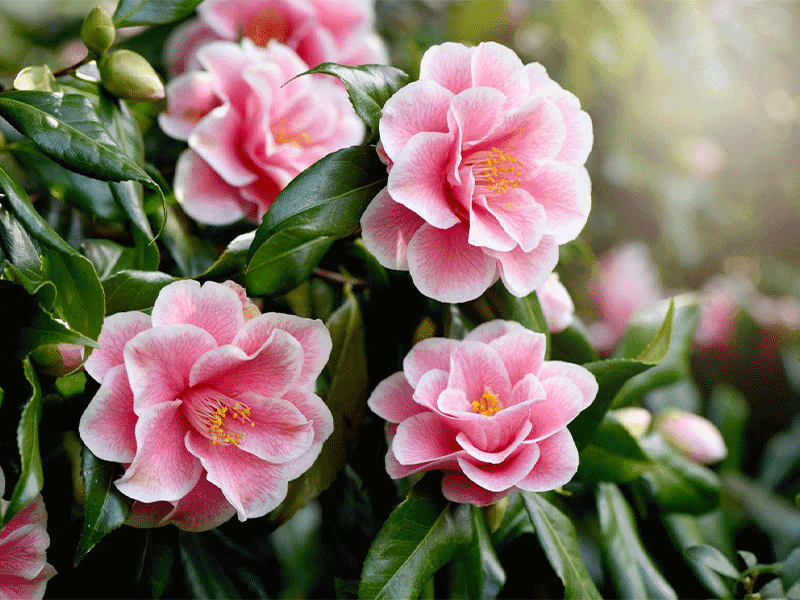
Camellias are cherished for their exquisite blooms and glossy green leaves. Their flowers provide nectar that attracts hummingbirds, adding a lively element to gardens.
These shrubs are particularly popular in Asian gardens, where they are often celebrated in cultural ceremonies. Camellias thrive in shaded areas, offering beauty where other plants may struggle.
Fun fact: Camellias are related to the tea plant, and their seeds are used to produce tea oil, a culinary staple in some cultures, linking beauty and utility.