 Complete Gardening
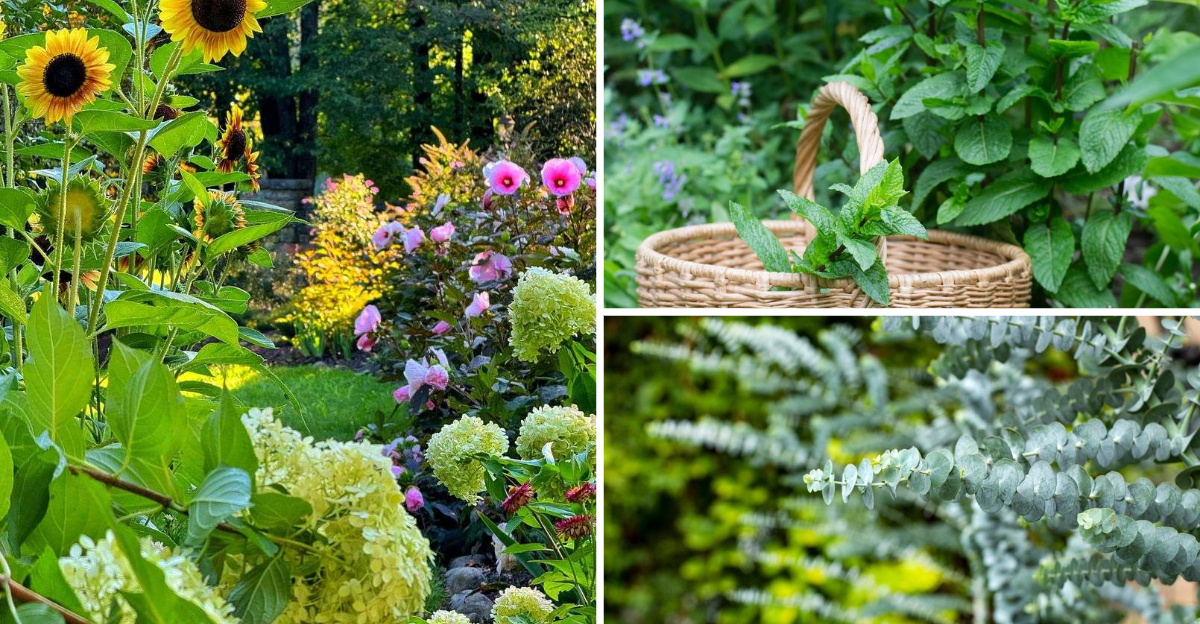
Hydrangeas, with their lush blooms and vibrant colors, are a stunning addition to any garden. However, to maintain their beauty and health, it’s essential to be mindful of what grows around them. Certain plants, though lovely in their own right, can compete with hydrangeas for nutrients, water, or space, leading to less than ideal conditions for both. This blog post explores fifteen plants that you should avoid planting near your hydrangeas to ensure that your garden thrives. By understanding these plant interactions, gardeners can create a harmonious and flourishing environment.
1. Sunflowers
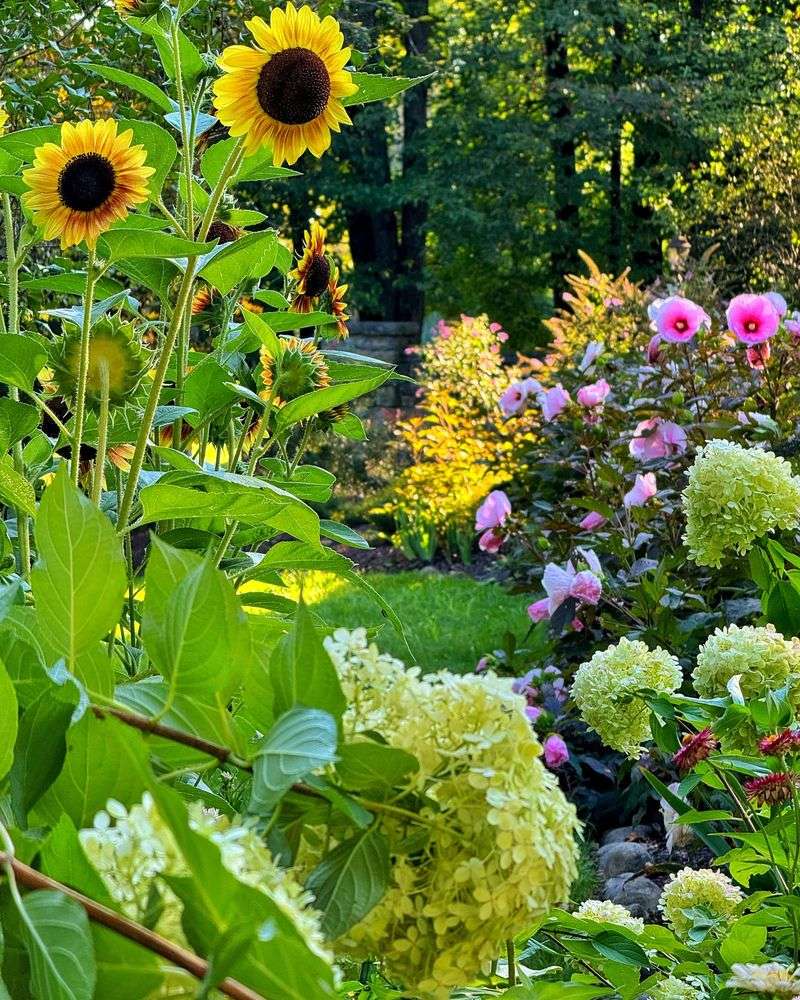
Sunflowers are known for their towering stature and sunny disposition, making them a favorite in many gardens. Unfortunately, their towering height can overshadow hydrangeas, blocking much-needed sunlight. Additionally, sunflowers are heavy feeders, absorbing a significant amount of nutrients from the soil. This competition can deprive hydrangeas of vital resources, leading to less vibrant blooms.
Gardeners should also note that sunflowers can alter the pH of the soil, potentially disrupting the acidic environment hydrangeas prefer. Therefore, while sunflowers bring cheer, they may not be the best companions for your hydrangeas’ delicate needs.
2. Mint
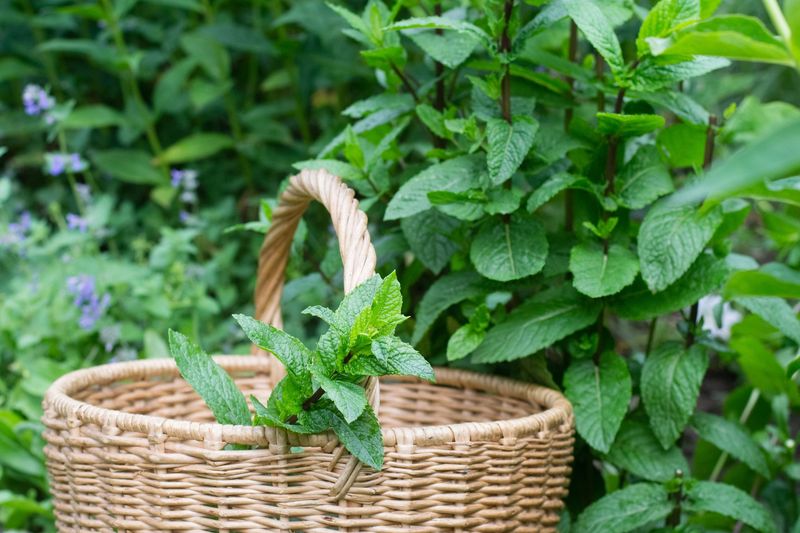
Mint, with its refreshing fragrance and lush green leaves, is a beloved herb in many gardens. However, its aggressive growth habit can quickly become invasive, spreading through underground rhizomes. This relentless expansion can encroach upon hydrangeas, competing for space and nutrients.
Moreover, mint’s fast-growing nature can overtake garden areas, leaving little room for hydrangeas to flourish. While mint is perfect for herbal teas and culinary delights, it requires careful management to prevent it from becoming a garden bully, especially near more delicate plants like hydrangeas.
3. Eucalyptus
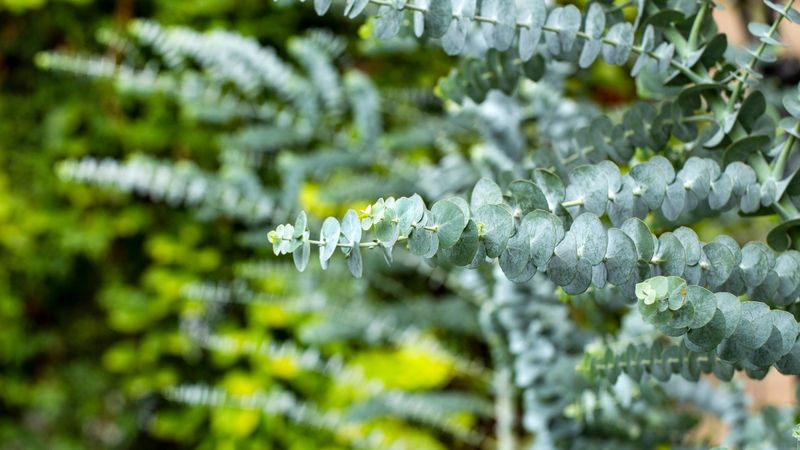
Eucalyptus trees, with their aromatic leaves and towering forms, are striking additions to landscapes. However, they release allelopathic chemicals that can inhibit the growth of other plants, including hydrangeas. These natural compounds can disrupt root development and nutrient uptake in neighboring plants.
In addition to chemical interference, eucalyptus roots spread extensively, creating competition for water and nutrients. This can lead to stunted growth in hydrangeas, affecting their floral displays. While eucalyptus trees are visually appealing, their presence can be detrimental to the health of hydrangeas.
4. Black Walnut
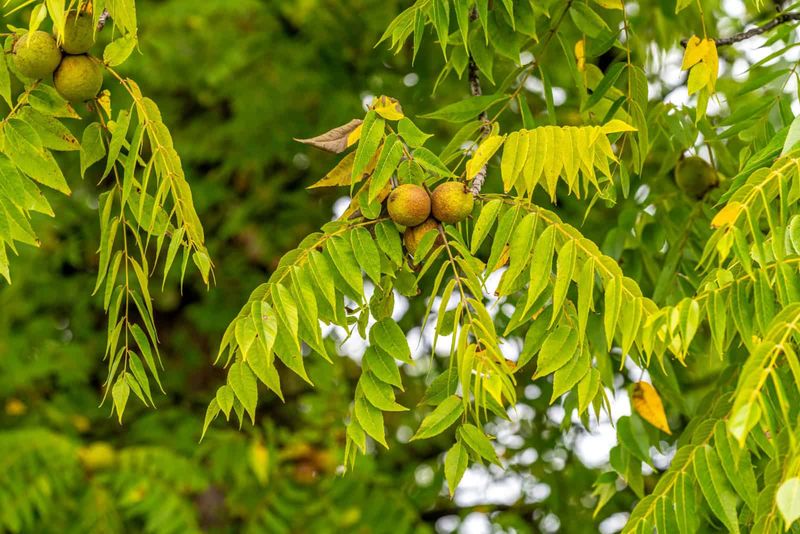
The black walnut tree, with its rich, dark wood and abundant nuts, is a majestic presence in any landscape. However, it produces a chemical called juglone, which is toxic to many plants, including hydrangeas. Juglone can hinder hydrangea growth, causing wilting and potentially leading to plant death.
Furthermore, the extensive root system of a black walnut tree competes with surrounding plants for resources. This can result in nutrient deficiencies for hydrangeas, affecting their overall health and bloom quality. Gardeners should avoid planting hydrangeas near these imposing trees.
5. Raspberry Bushes
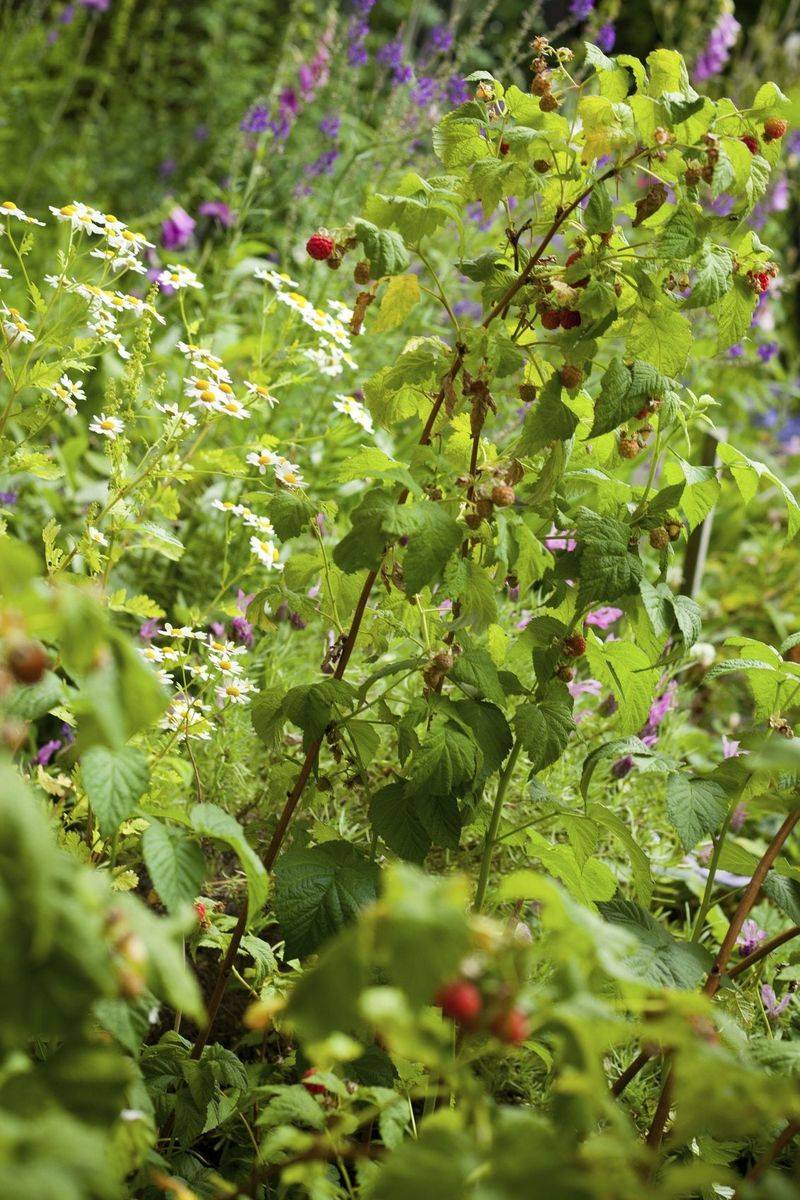
Raspberry bushes are cherished for their sweet, juicy fruits, but they can be problematic neighbors for hydrangeas. These bushes spread aggressively through suckering, which can encroach on the space needed by hydrangeas. The dense foliage of raspberry bushes also creates shade, limiting sunlight for nearby plants.
Beyond space concerns, raspberry bushes can harbor pests and diseases that may spread to hydrangeas. Their thorns can also make maintenance challenging. While raspberries are delightful, they require thoughtful placement in gardens to prevent overshadowing and competing with hydrangeas.
6. Bamboo
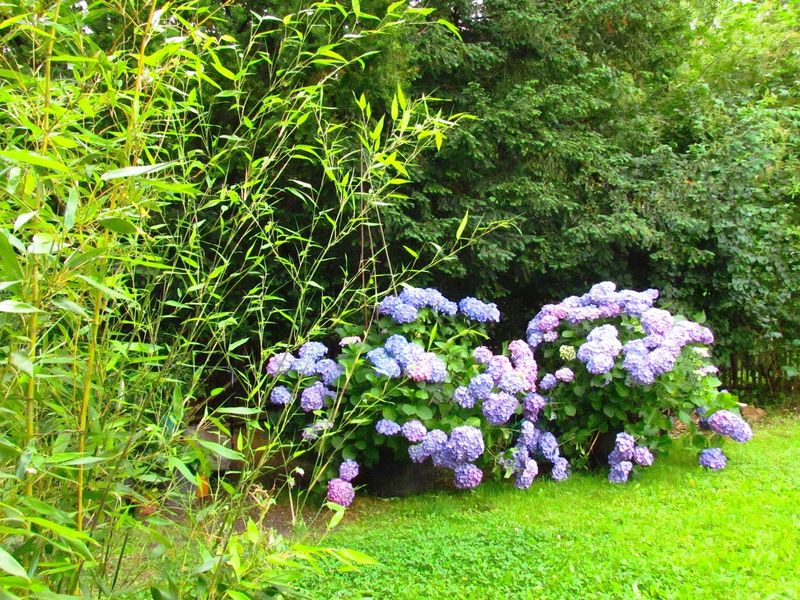
Bamboo is celebrated for its rapid growth and towering elegance, often used as a natural screen or windbreak. However, its aggressive spreading nature makes it a poor companion for hydrangeas. Through its extensive rhizome system, bamboo can quickly dominate a garden space, leaving little room for hydrangeas to thrive.
The competition for nutrients and water can also be fierce, as bamboo demands substantial resources to maintain its growth. Though bamboo adds an exotic touch to gardens, careful management is needed to prevent it from overwhelming more delicate plants like hydrangeas.
7. Holly Bushes
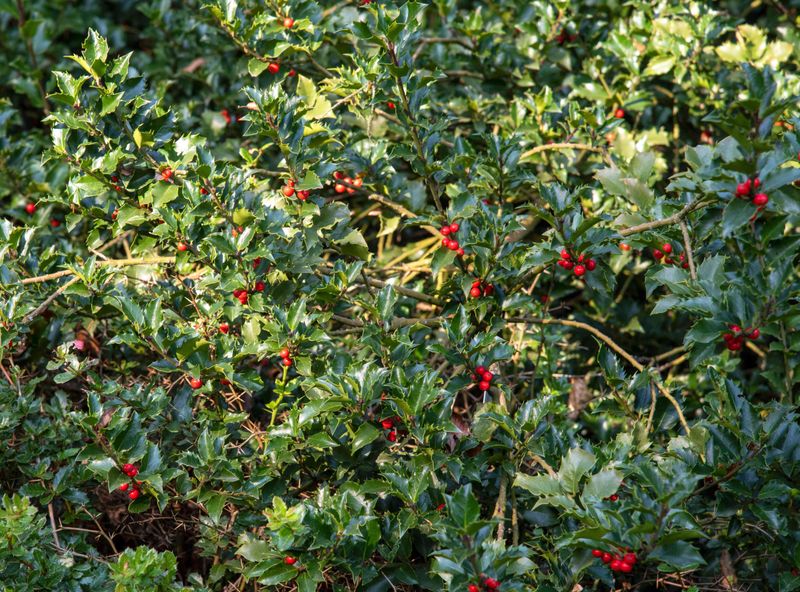
Holly bushes, with their glossy leaves and vibrant red berries, bring a touch of elegance to gardens. However, their dense growth habit and prickly foliage can overshadow and physically impede hydrangeas. The bushy form can cast unwanted shade, reducing the light available to hydrangeas.
Additionally, holly bushes have an extensive root system that competes aggressively for soil nutrients and moisture. This competition can lead to undernourished hydrangeas, affecting their bloom production. While holly bushes offer beauty and seasonal interest, they should be carefully positioned in relation to hydrangeas.
8. Ivy
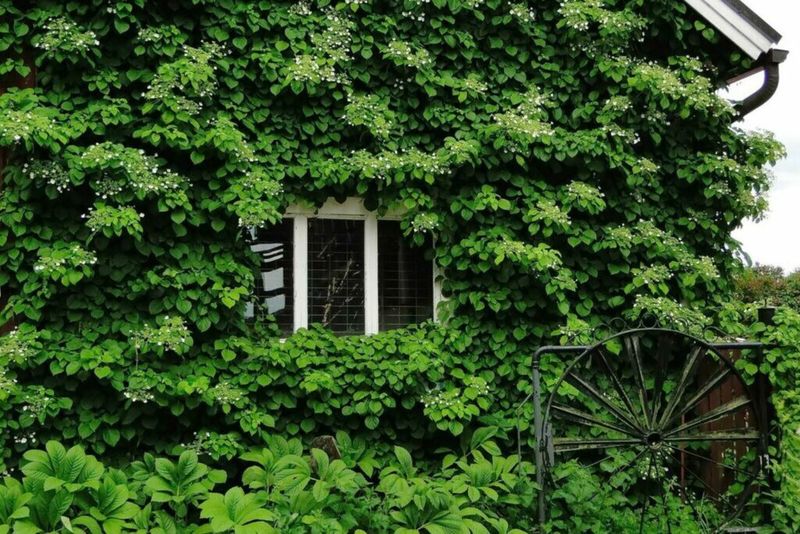
Ivy is admired for its ability to climb and cover surfaces, creating a lush, green tapestry. However, its invasive nature can spell trouble for hydrangeas. Ivy spreads rapidly, smothering plants under its dense foliage and competing for vital resources.
Its climbing habit can also physically damage hydrangeas by pulling on branches, leading to breakage. Furthermore, ivy can harbor pests and diseases that may affect nearby plants. While ivy can enhance the vertical space in gardens, it requires careful management to prevent it from overwhelming hydrangeas.
9. Wisteria
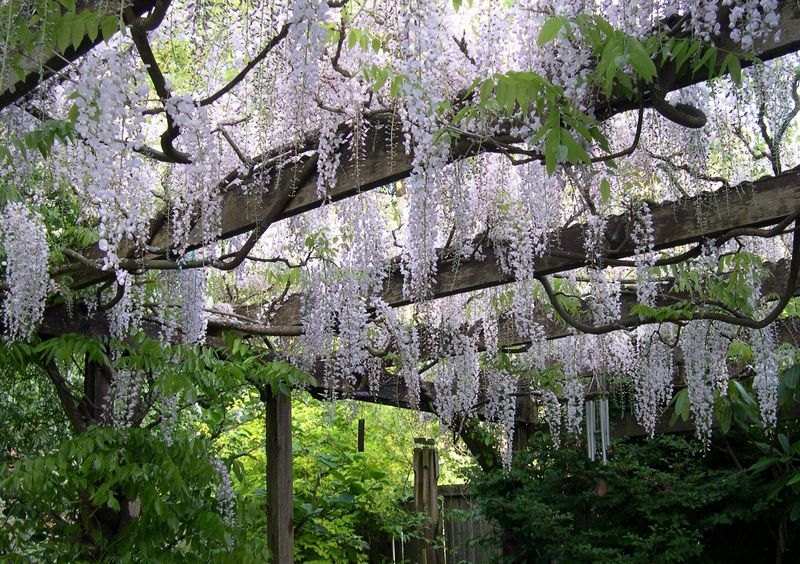
Wisteria is renowned for its breathtaking chains of fragrant, purple blossoms. Yet, this vigorous climber can be a challenging neighbor for hydrangeas. Its aggressive growth can quickly overtake garden structures, casting shade and taking up space that hydrangeas need.
The extensive root system of wisteria competes for soil nutrients, potentially starving hydrangeas. Additionally, its twining vines can entangle and damage hydrangea stems. While wisteria’s beauty is undeniable, gardeners should carefully consider its placement to avoid it overpowering more delicate plants like hydrangeas.
10. Japanese Knotweed
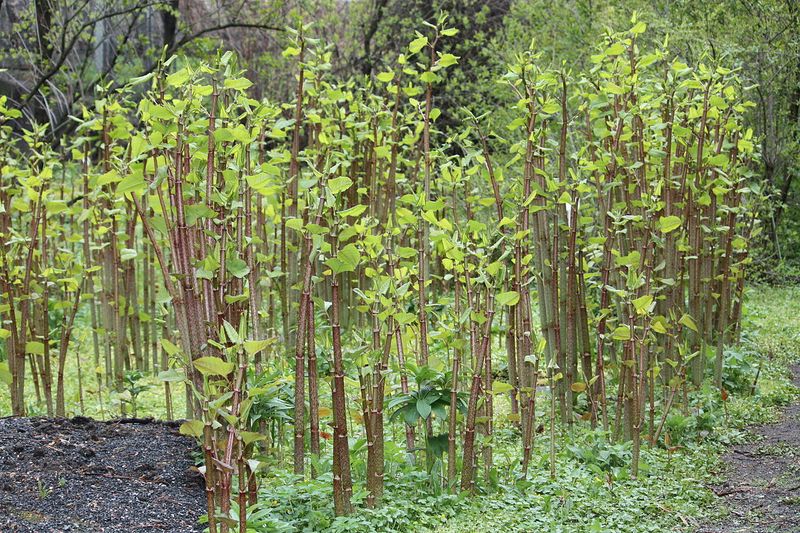
Japanese knotweed is infamous for its relentless growth and ability to conquer landscapes. Its rapid expansion can overwhelm gardens, leaving little room for hydrangeas. With its deep-rooted system, knotweed aggressively extracts soil nutrients, depriving hydrangeas of essential resources.
Moreover, its dense growth habit can shade and crowd out neighboring plants, leading to stunted growth in hydrangeas. The control of Japanese knotweed is notoriously challenging, and its presence near hydrangeas can spell disaster. While knotweed is tenacious, it requires vigilant management to prevent garden takeovers.
11. English Laurel
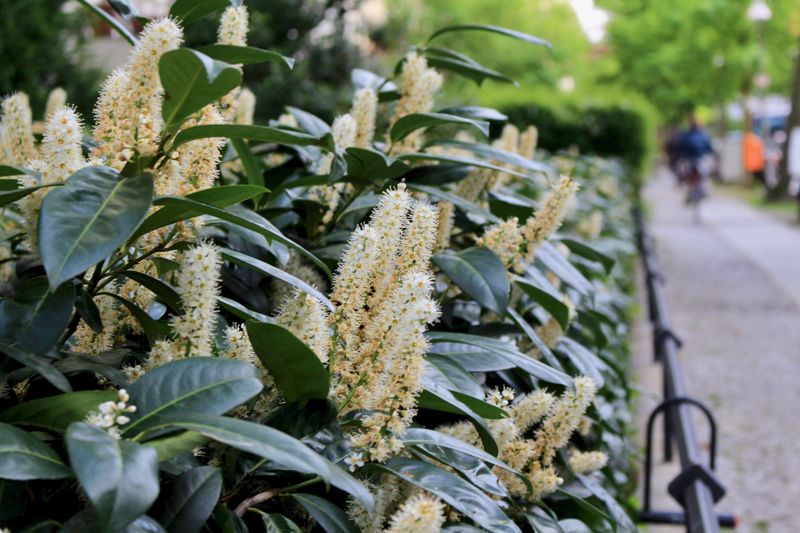
English laurel is prized for its ability to create lush, evergreen hedges. However, its dense foliage can cast significant shade, depriving hydrangeas of sunlight. The rapid growth of laurel can also encroach on the space of neighboring plants, leading to crowding.
Its extensive root system competes aggressively for water and nutrients, potentially leaving hydrangeas undernourished. While English laurel is effective for privacy and windbreaks, its aggressive nature requires careful placement in gardens to prevent it from overshadowing and outcompeting hydrangeas.
12. Hostas
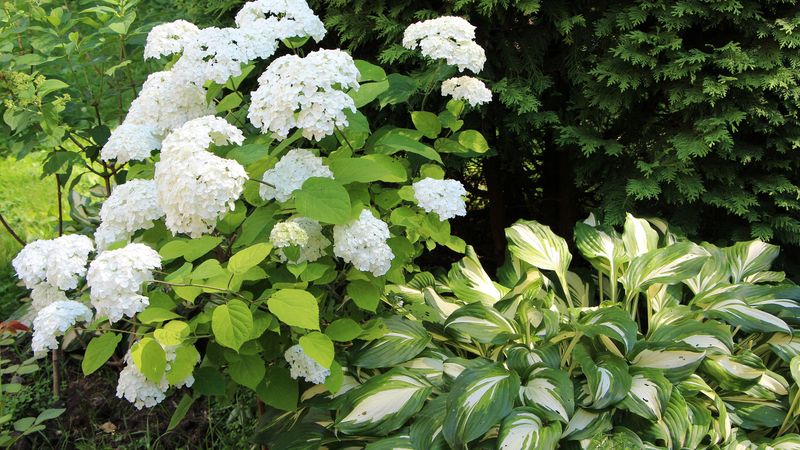
Hostas, with their broad, variegated leaves, add texture and color to shaded gardens. However, their preference for shaded conditions can lead to competition with hydrangeas for limited light. Hostas also demand significant moisture, potentially reducing water availability for nearby hydrangeas.
While hostas and hydrangeas can share similar environments, their proximity can lead to nutrient competition. Hostas are favored for their resilience and beauty, yet gardeners should be mindful of spacing to ensure both hostas and hydrangeas can flourish independently without undue competition.
13. Boxwood
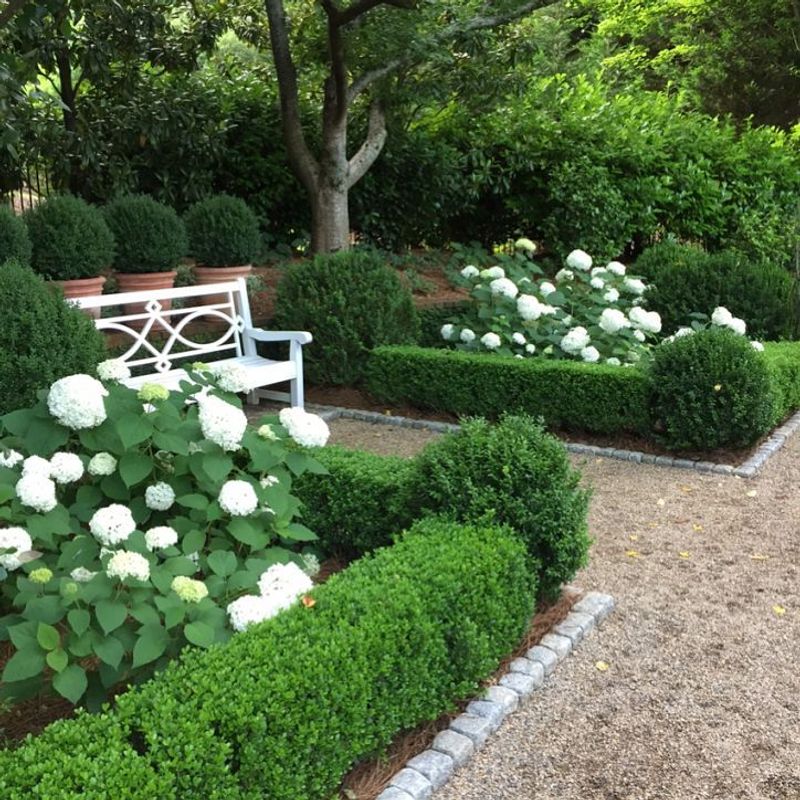
Boxwood, known for its formal appeal and versatility in landscaping, is a popular choice for hedges and borders. However, its dense growth can overshadow hydrangeas, depriving them of crucial sunlight. Boxwood’s shallow root system competes for moisture and nutrients, which can impact the growth of nearby hydrangeas.
The evergreen nature of boxwood provides year-round interest, but its presence requires careful spacing to prevent it from overpowering more fragile plants. While boxwoods offer structure and elegance, thoughtful placement ensures harmony in garden compositions alongside hydrangeas.
14. Pachysandra
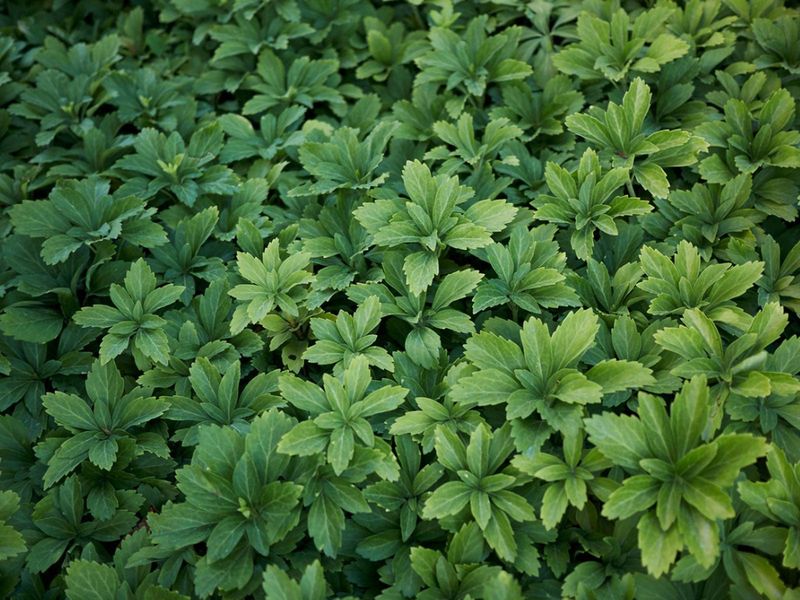
Pachysandra, a ground cover famed for its ability to thrive in shaded areas, can become an unintentional competitor for hydrangeas. Its dense growth habit covers the soil, limiting space for hydrangea roots. Pachysandra also competes for water, which may affect hydrangea health during dry spells.
While its lush greenery provides visual appeal, pachysandra’s invasive nature can crowd out neighboring plants. Careful consideration is needed when planting pachysandra near hydrangeas to maintain balanced growth and health in garden landscapes.
15. Creeping Charlie
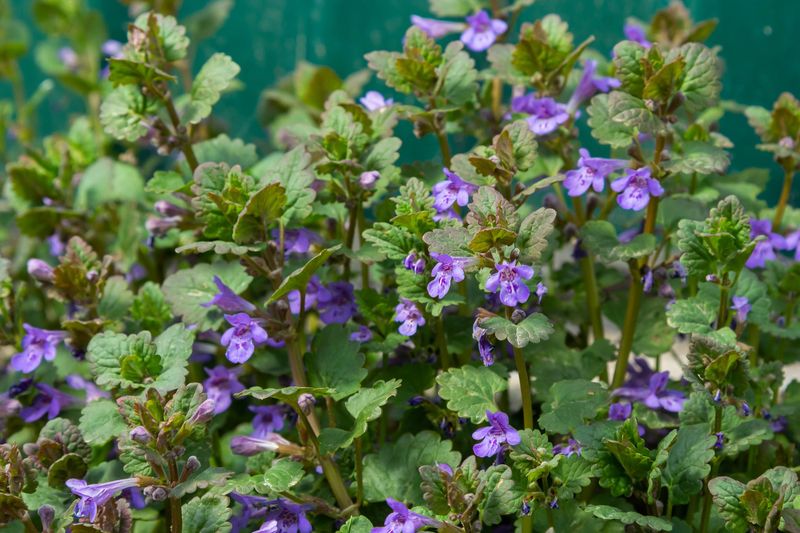
Creeping Charlie, with its trailing vines and charming purple flowers, can quickly overtake garden spaces. Its aggressive nature makes it a formidable competitor for hydrangeas, as it forms dense mats that can smother nearby plants. Creeping Charlie also competes for nutrients and moisture, impacting hydrangea vitality.
Gardeners must be vigilant in managing creeping Charlie, as its invasive tendencies can lead to unwanted garden takeovers. While its cascading vines add color and texture, careful control is necessary to prevent it from undermining the growth of delicate plants like hydrangeas.
16. English Yew
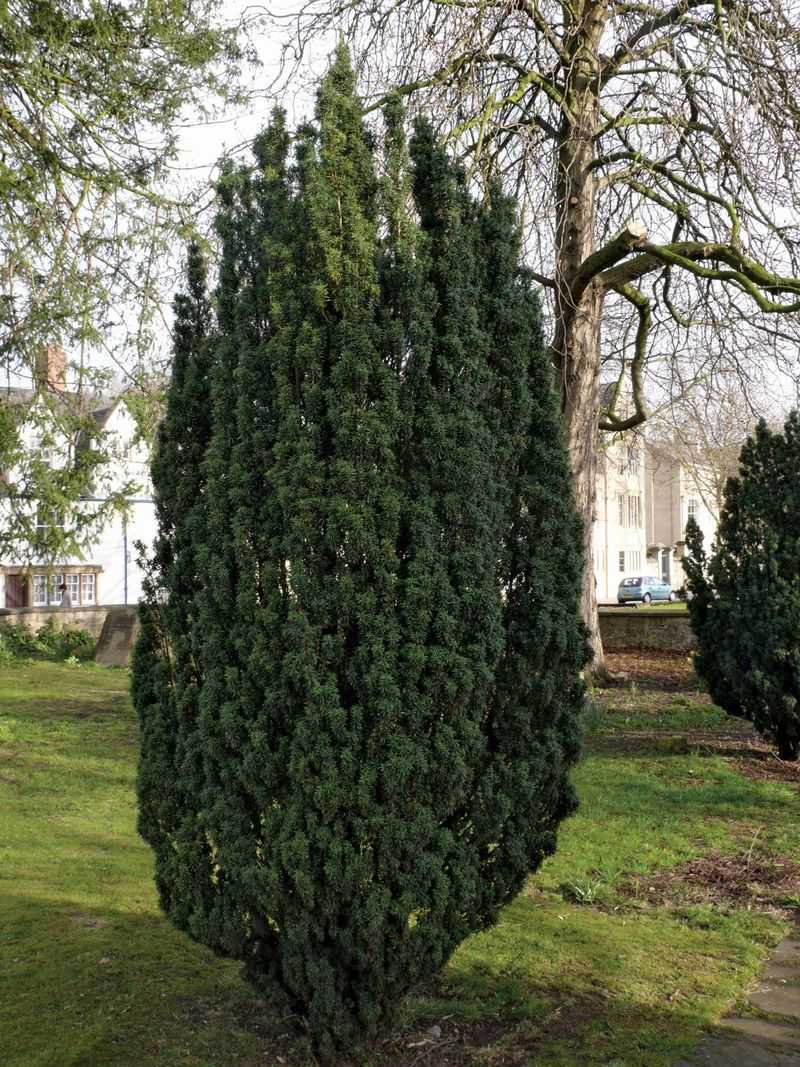
The dense, dark foliage of the English yew can be quite alluring. However, its roots tend to compete vigorously for nutrients, overshadowing nearby plants. This competition can starve hydrangeas of the essential resources they need to flourish.
Moreover, English yews can cast deep shadows, which may limit the sunlight reaching hydrangeas. With less light, your hydrangeas may struggle to bloom.
Consider planting English yews far from hydrangeas to prevent these issues, ensuring both plants thrive in their respective spaces. Keep your garden balanced and beautiful by choosing plant companions wisely.
17. Fennel
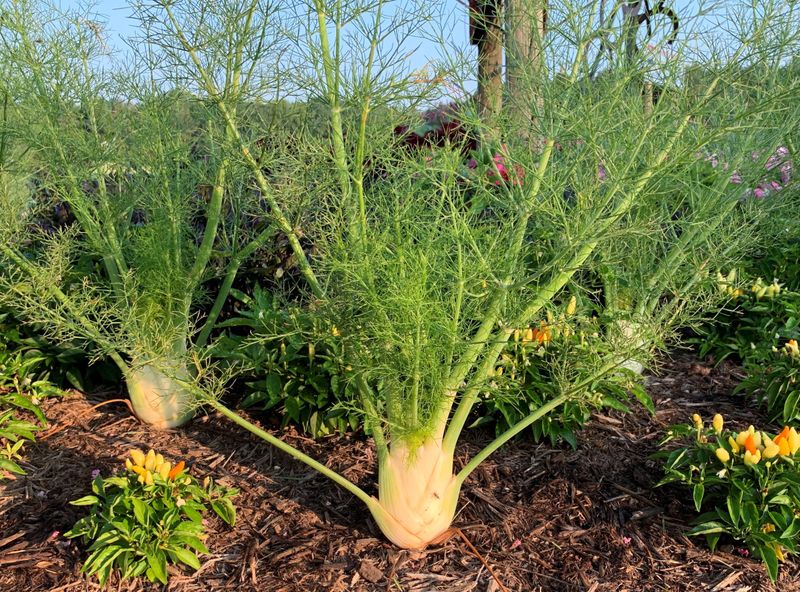
Fennel, known for its tall, feathery fronds, can be a stunning addition to any garden. However, it releases chemicals that inhibit the growth of nearby plants, including hydrangeas. This allelopathic effect can stunt the growth of hydrangeas, making them less vibrant.
Also, fennel’s height can overshadow hydrangeas, depriving them of sunlight. This lack of light can diminish their characteristic blooms.
For a thriving garden, consider planting fennel in a separate area. By doing so, you’ll preserve the beauty and health of your hydrangeas, allowing them to blossom fully.
18. Russian Sage
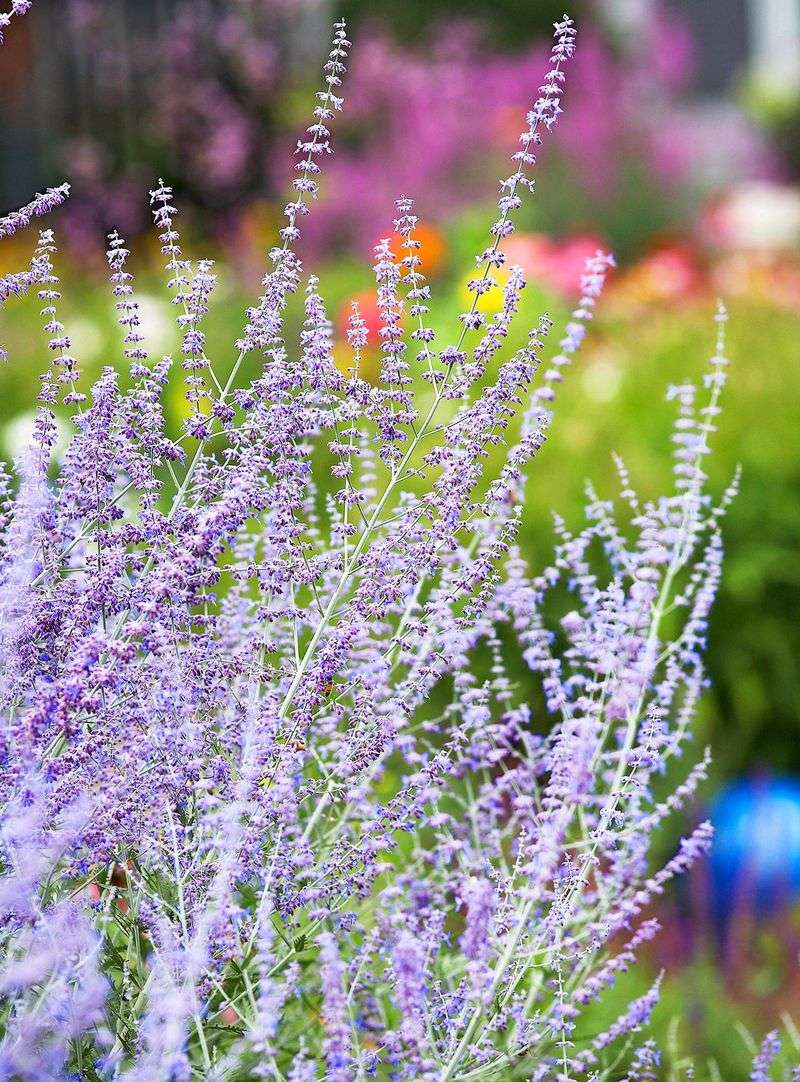
With striking purple blooms and silvery foliage, Russian sage is a favorite among gardeners. Yet, its expansive root system can monopolize resources, leaving little for neighboring hydrangeas.
Russian sage thrives in well-drained soil, often creating a dry environment unsuitable for hydrangeas, which prefer more moisture. This environmental mismatch can lead to wilting and reduced flowering.
Opt for positioning Russian sage away from hydrangeas to maintain moisture levels and resource availability in your garden, ensuring both plants can display their full splendor without interference.
19. Butterfly Bush
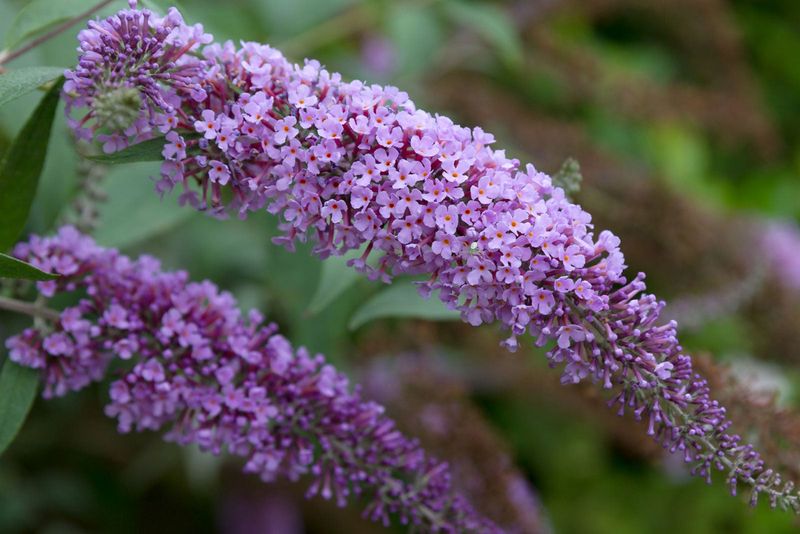
The butterfly bush, adored for attracting pollinators, might seem a delightful garden choice. However, it often grows rapidly, overshadowing nearby plants, including hydrangeas. This competitive growth can limit hydrangeas’ access to sunlight and nutrients.
Moreover, the dense foliage of butterfly bushes can create a microenvironment that’s too dry for hydrangeas, affecting their bloom.
By planting butterfly bushes at a distance, you can prevent these issues. This separation allows both plants to thrive, ensuring hydrangeas receive the light and moisture they need to flourish beautifully.
20. Liriope
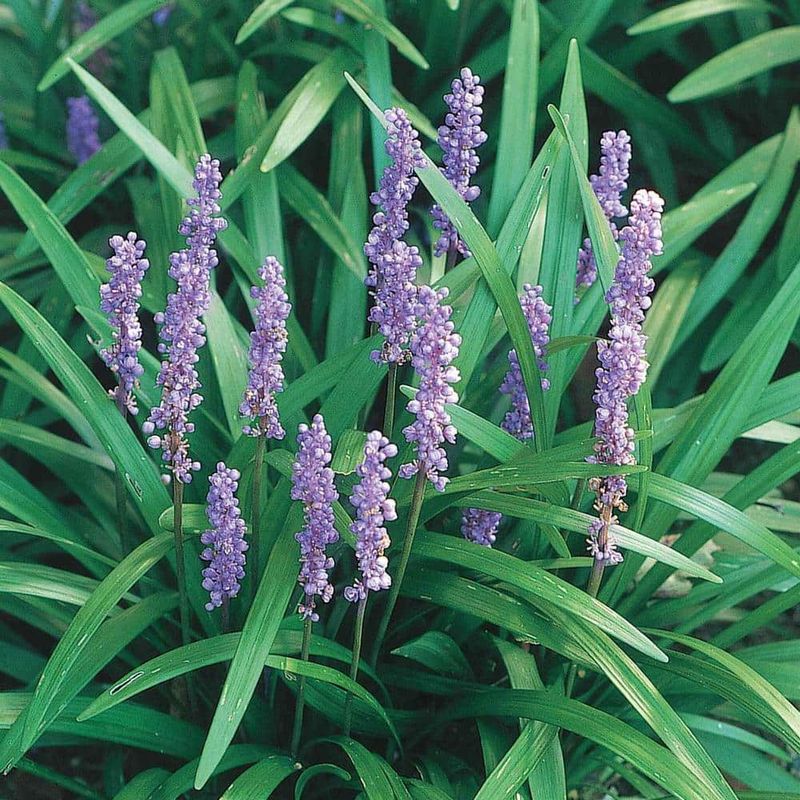
Liriope, with its lush leaves and charming flower spikes, is often used as ground cover. However, its aggressive spreading nature can overrun garden spaces, outcompeting hydrangeas for nutrients and water.
This ground cover also creates a dense canopy, reducing light penetration, which hydrangeas need for optimal growth and blooming.
To maintain a harmonious garden, plant liriope in a controlled manner, away from hydrangeas. This approach helps maintain adequate resource distribution, ensuring your hydrangeas remain healthy and are able to bloom to their fullest potential.
21. Garlic
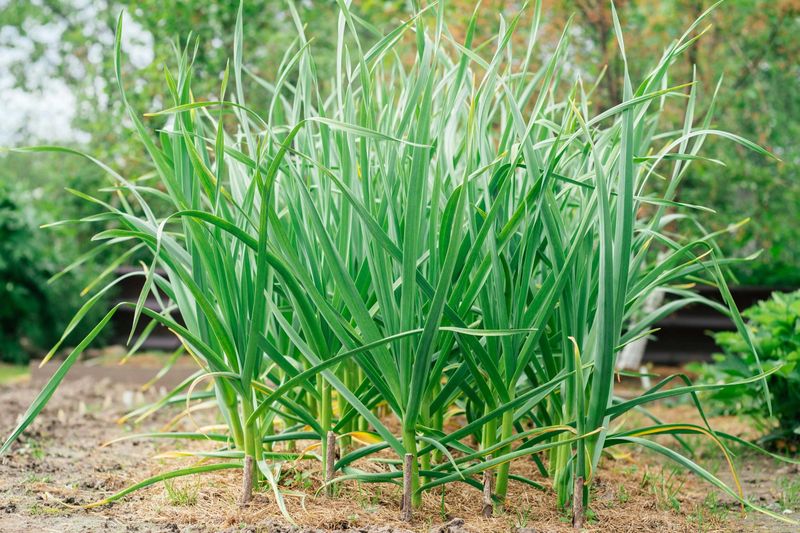
While garlic is prized for its culinary uses, it can be a troublesome neighbor for hydrangeas. Garlic releases sulfur compounds into the soil, altering its composition and potentially affecting hydrangea growth.
Additionally, garlic’s strong scent can deter insects beneficial to hydrangeas, impacting their health and bloom.
Plant garlic in dedicated areas away from hydrangeas to avoid soil disruption and maintain a garden ecosystem that supports all plant life effectively. This separation ensures hydrangeas can thrive, maintaining their beauty and vigor throughout the growing season.