 Complete Gardening
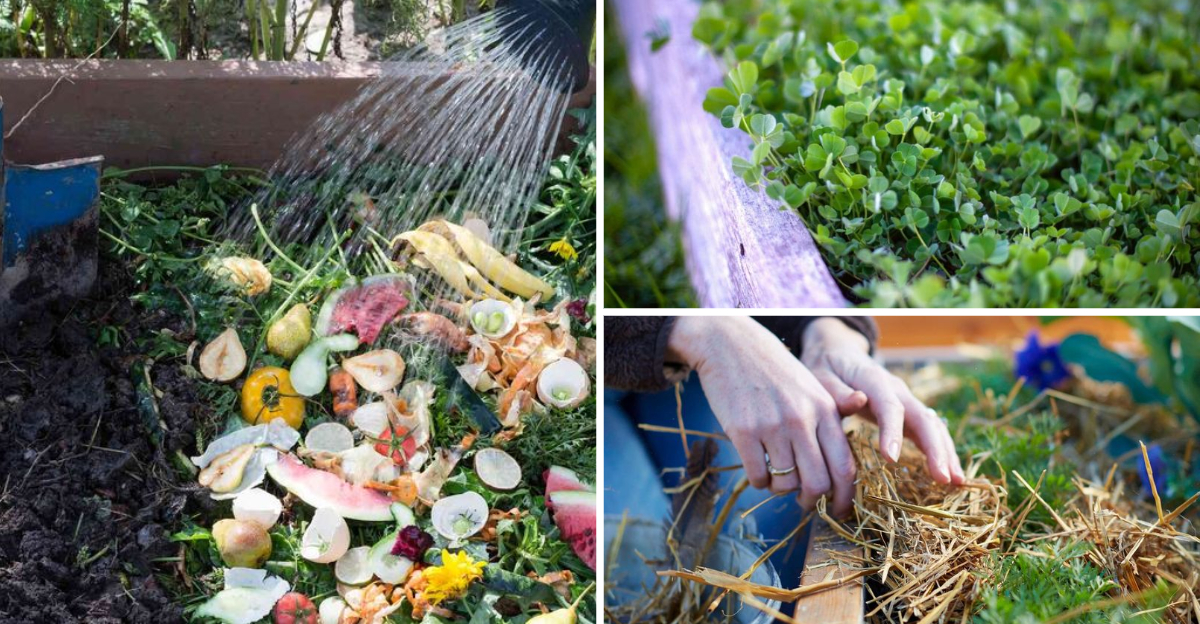
Enhancing soil quality is an essential task for every vegetable gardener. High-quality soil ensures that your plants receive the nutrients they need to grow strong and healthy. This guide provides practical methods to improve the soil, helping you cultivate a thriving vegetable garden. From natural amendments to innovative gardening techniques, explore these 21 strategies to enrich your soil.
1. Compost Addition
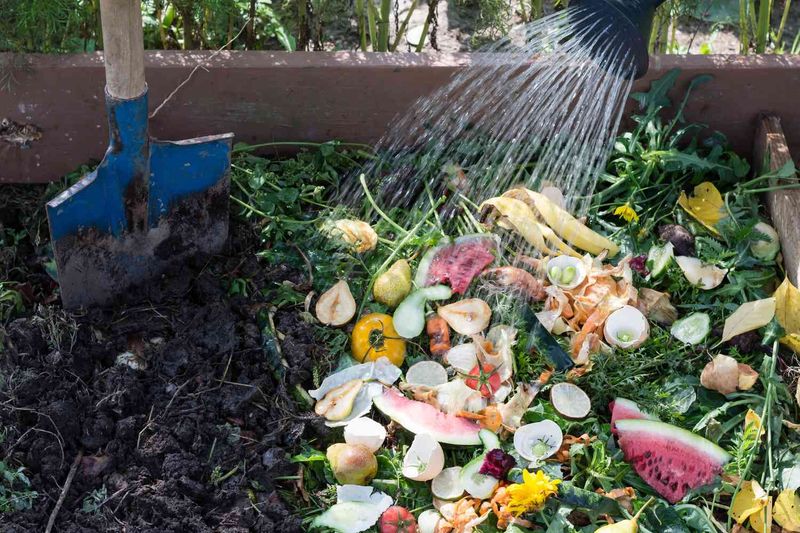
Composting is a fantastic way to recycle organic waste into nutrient-rich soil. By adding compost to your garden, you provide essential nutrients and improve soil structure. It introduces beneficial microorganisms that help break down organic matter, enhancing soil fertility.
The process of composting involves collecting kitchen scraps and garden waste. Over time, these decompose into a rich, dark material. Regularly turning your compost pile ensures it breaks down evenly.
Incorporating compost into your garden soil can lead to more vigorous plant growth and healthier vegetables.
2. Cover Cropping
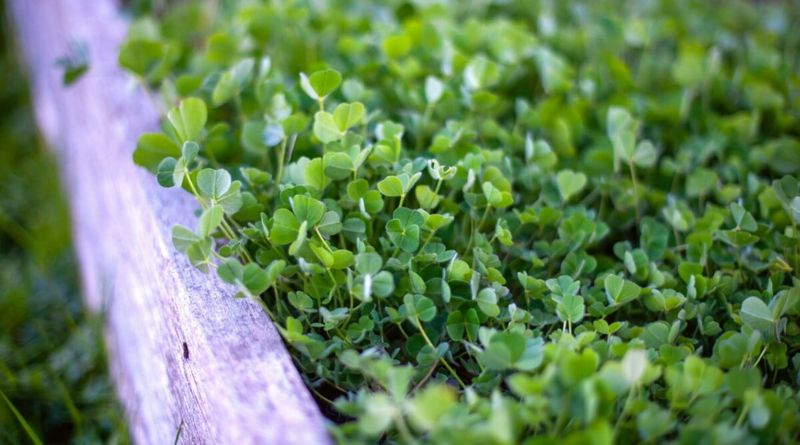
Cover cropping involves planting specific crops to cover the soil rather than for harvest. These crops, like clover or rye, add organic matter and nitrogen to the soil, improving its quality.
As they grow, cover crops protect the soil from erosion and suppress weeds. Once matured, they are tilled back into the soil, decomposing and enriching the earth.
Cover cropping is an age-old agricultural practice that rejuvenates soil, making it more fertile and ready for future plantings.
3. Mulching Techniques
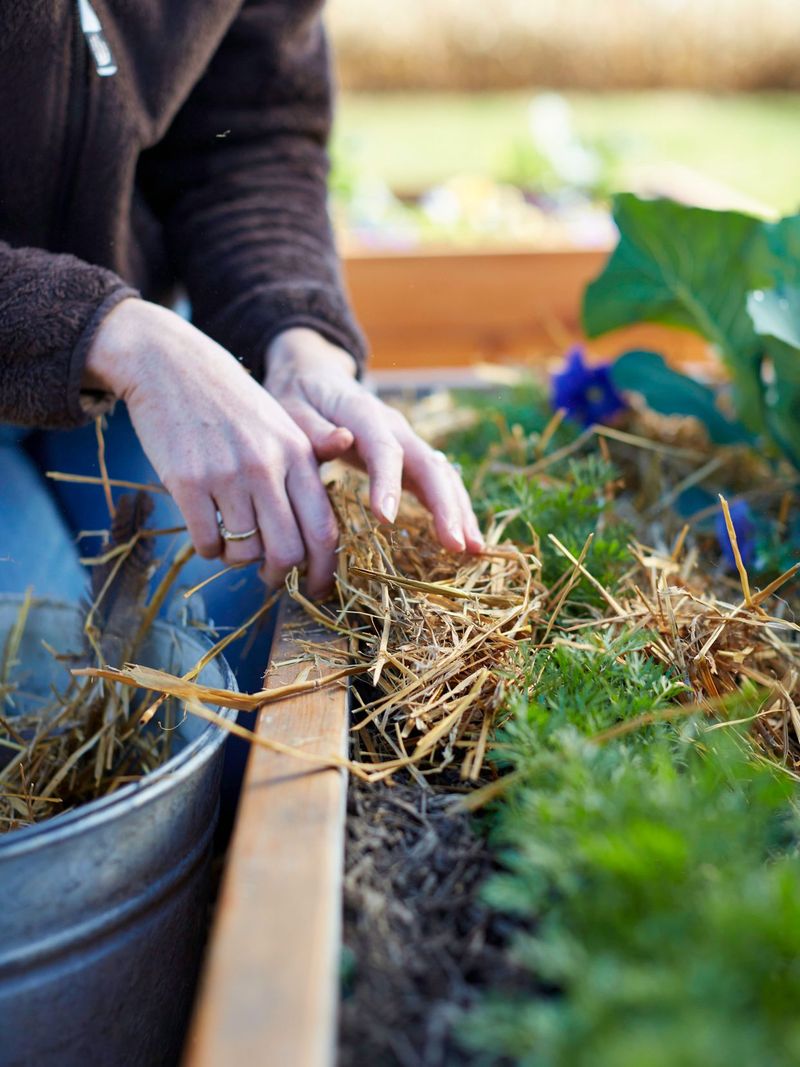
Mulching is an age-old technique that involves covering the soil surface with organic materials like straw or wood chips. This helps retain moisture and suppress weeds, creating a healthy environment for vegetables.
When applied correctly, mulch maintains even soil temperature and prevents erosion. It slowly decomposes, adding organic nutrients back into the soil.
Mulching not only enhances soil quality but also boosts plant health by reducing evaporation and improving water penetration.
4. Soil Testing
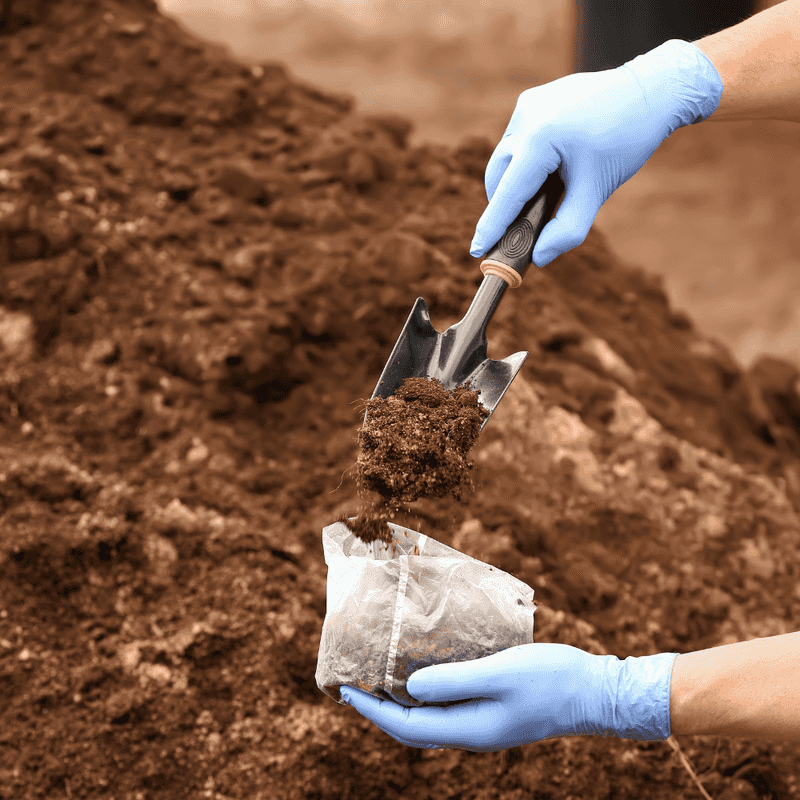
Soil testing is a crucial step in understanding your garden’s health. By analyzing soil pH and nutrient content, gardeners can make informed decisions on amendments.
Testing kits are readily available and provide insights into what your soil needs. Adjustments like lime for acidity or fertilizers for nutrients can be tailored based on results.
Regular soil testing ensures that your plants receive the right balance of nutrients, leading to healthier growth and higher yields.
5. Green Manure
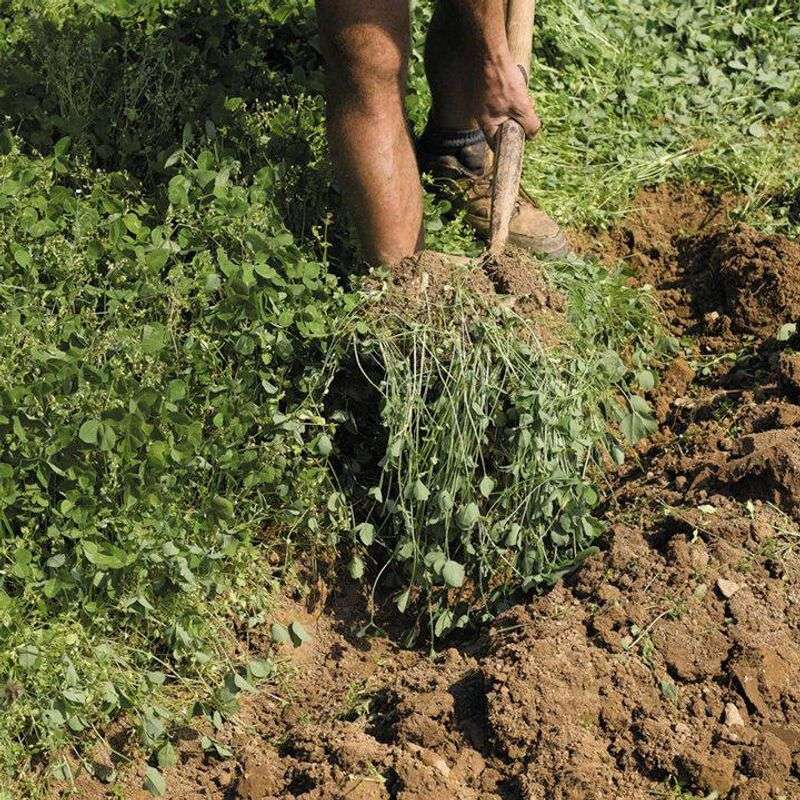
Green manure involves growing specific plants that are tilled into the soil to improve its fertility. Crops like alfalfa or clover are popular choices for this purpose.
These plants fix nitrogen in the soil, enhancing its richness. When they are incorporated into the soil, they decompose and add organic matter.
Green manure is an effective method to naturally boost soil fertility, ensuring a nutrient-rich environment for vegetables.
6. Rotational Planting
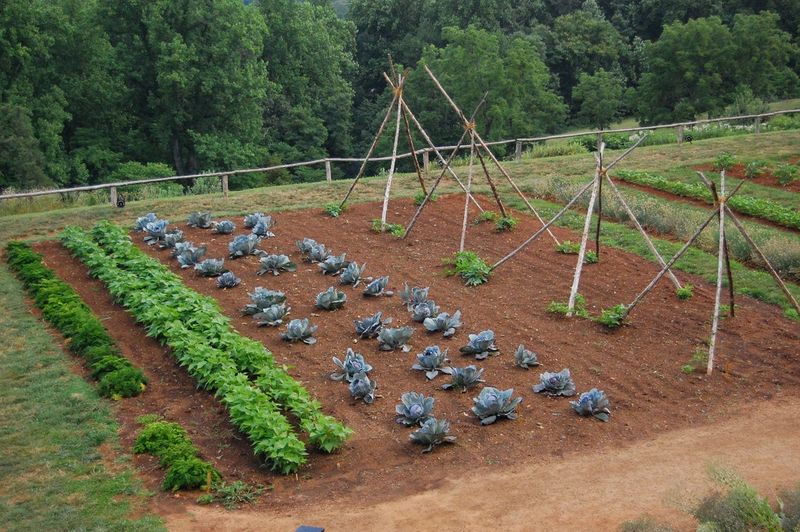
Rotational planting is a method where different types of vegetables are grown in different areas of the garden each season. This prevents soil depletion and reduces pest and disease risks.
By rotating crops, specific nutrient demands are balanced, avoiding excessive depletion of certain soil nutrients. This practice also disrupts pest and disease cycles.
Rotational planting is a sustainable gardening technique, promoting long-term soil health and increasing vegetable productivity.
7. Organic Fertilizers
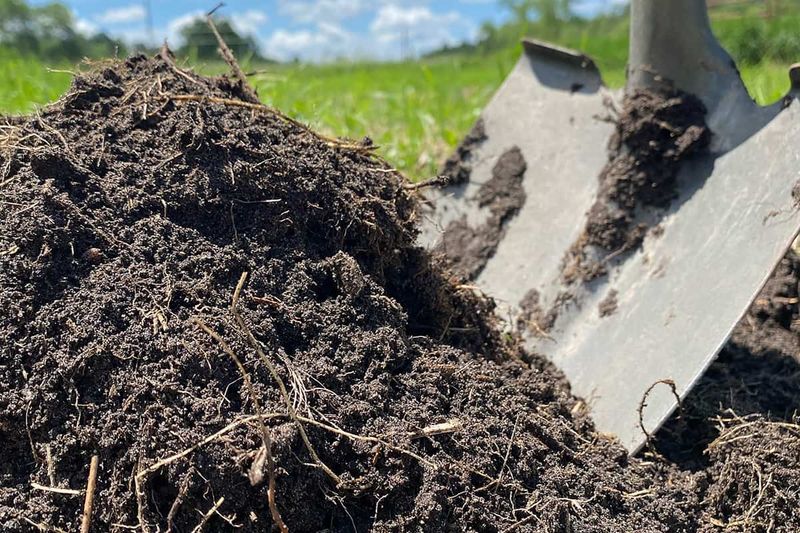
Organic fertilizers are essential for enriching garden soil without chemicals. They provide essential nutrients like nitrogen, phosphorus, and potassium.
Composed of natural materials such as bone meal or seaweed, organic fertilizers improve soil structure and microbial activity. They release nutrients slowly, providing a steady supply to plants.
Using organic fertilizers helps maintain soil health while supporting robust vegetable growth and productivity.
8. Earthworm Farming
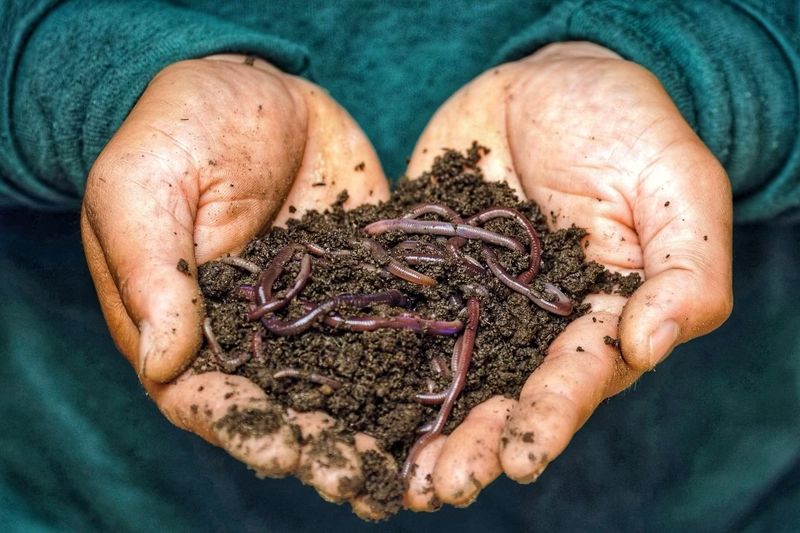
Earthworms play a crucial role in enhancing soil quality. They aerate the soil and break down organic matter, turning it into nutrient-rich compost through vermicomposting.
By farming earthworms, gardeners increase soil fertility and structure. The worms’ activity improves soil aeration and drainage, benefiting plant roots.
Earthworm farming is a natural way to boost soil health, creating an optimal environment for vegetable growth.
9. Biochar Utilization
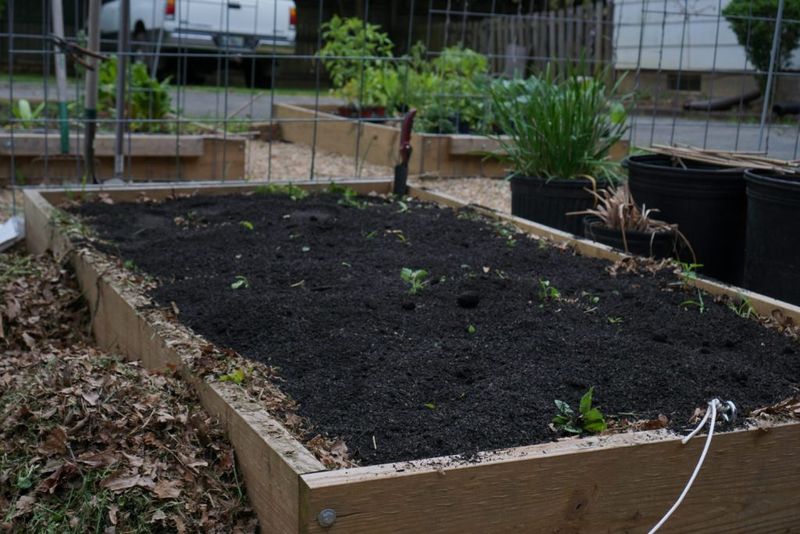
Biochar is a form of charcoal used in gardening to enhance soil quality. It improves soil structure, retains moisture, and boosts nutrient availability.
Made from plant material, biochar is carbon-rich and helps sequester carbon in the soil. Its porous nature enhances soil aeration and microbial activity.
Using biochar is an innovative method to sustainably enrich soil, supporting healthier vegetable gardens.
10. Drip Irrigation
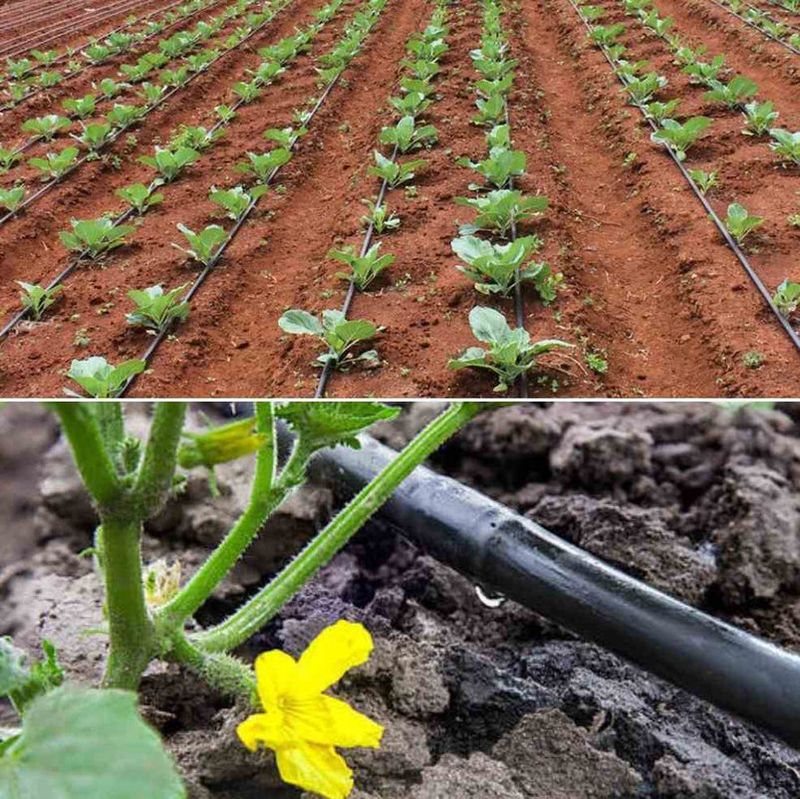
Drip irrigation is a water-efficient method that delivers water directly to plant roots. It minimizes evaporation and runoff, ensuring efficient use of water resources.
This system conserves water while maintaining consistent soil moisture levels, crucial for vegetable growth. Plants receive the right amount of water without oversaturation.
Drip irrigation not only enhances soil quality by preventing erosion but also promotes healthier and more productive vegetable gardens.
11. Crop Diversity
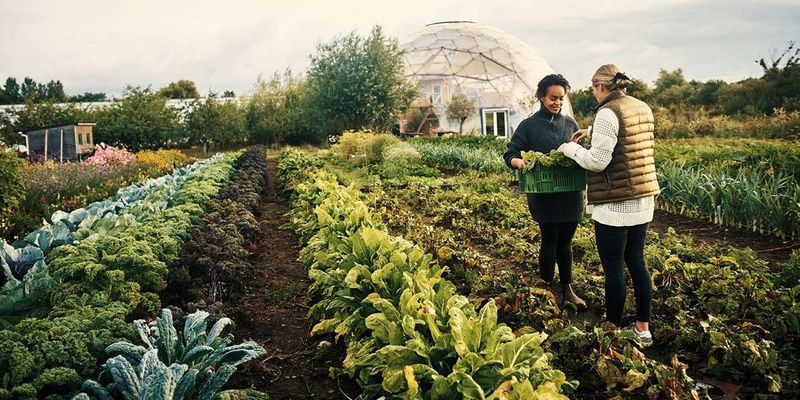
Planting a diverse range of crops enriches soil biodiversity and helps prevent pest and disease outbreaks. Each type of vegetable contributes differently to soil nutrients.
Diverse plantings support a balanced ecosystem, promoting beneficial insects and soil microbes. This diversity enhances the resilience of the garden against environmental stresses.
Crop diversity is an effective strategy to improve soil quality and ensure sustainable vegetable gardening.
12. pH Balancing
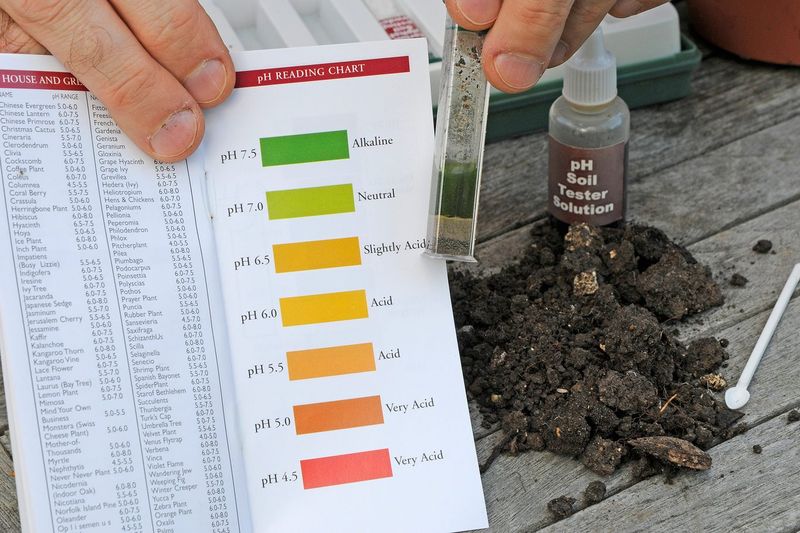
Balancing soil pH is vital for nutrient availability to plants. Too acidic or alkaline soils can limit nutrient uptake.
Lime can be added to raise pH, while sulfur can lower it. Regular monitoring and adjustments ensure optimal growing conditions.
Maintaining balanced soil pH leads to healthier plant growth and higher yields in your vegetable garden.
13. Raised Bed Gardening
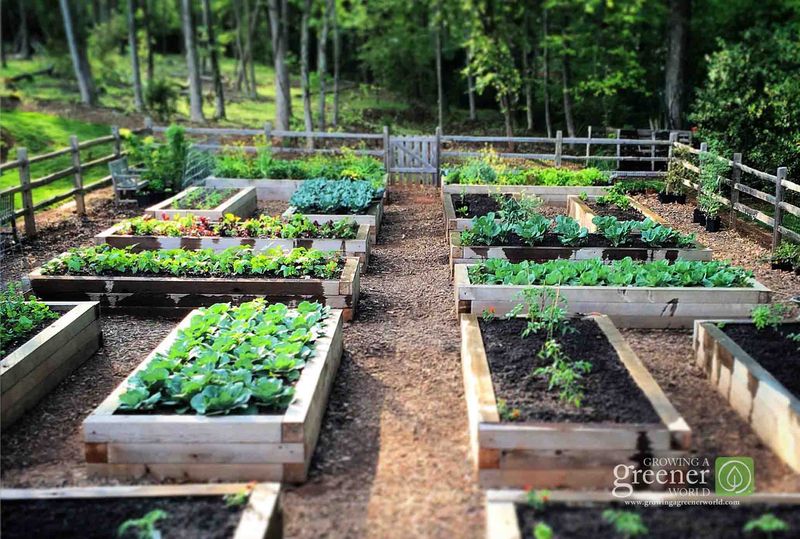
Raised bed gardening involves growing plants in soil beds elevated above ground level. This method improves drainage and soil quality by using custom soil mixes.
Raised beds warm up earlier in the season, extending the growing period. They are ideal for controlling soil conditions and reducing compaction.
This approach enhances soil quality and makes gardening more accessible, promoting healthy vegetable growth.
14. Manure Application
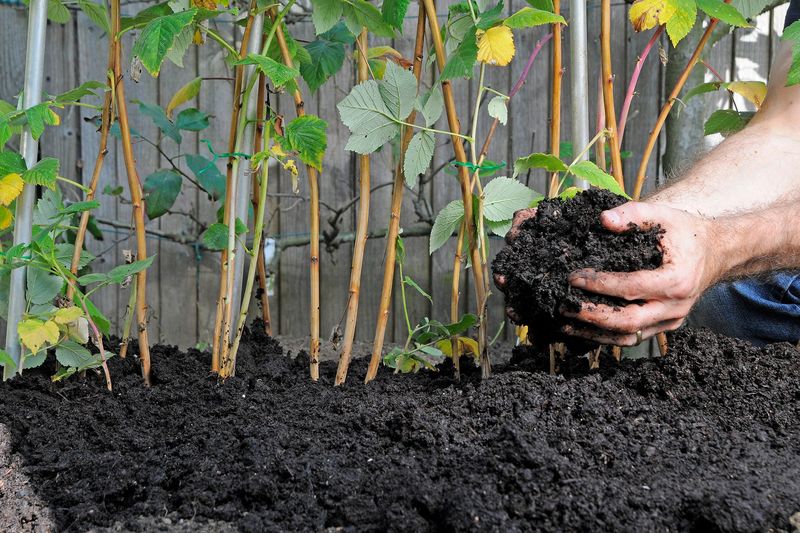
Applying well-composted manure is a time-tested method to enrich soil. It adds organic matter and essential nutrients like nitrogen and phosphorus.
Manure improves soil structure and water retention, creating an ideal environment for root growth. It also boosts microbial activity.
Using manure correctly enhances soil fertility, supporting robust vegetable production.
15. No-Till Gardening
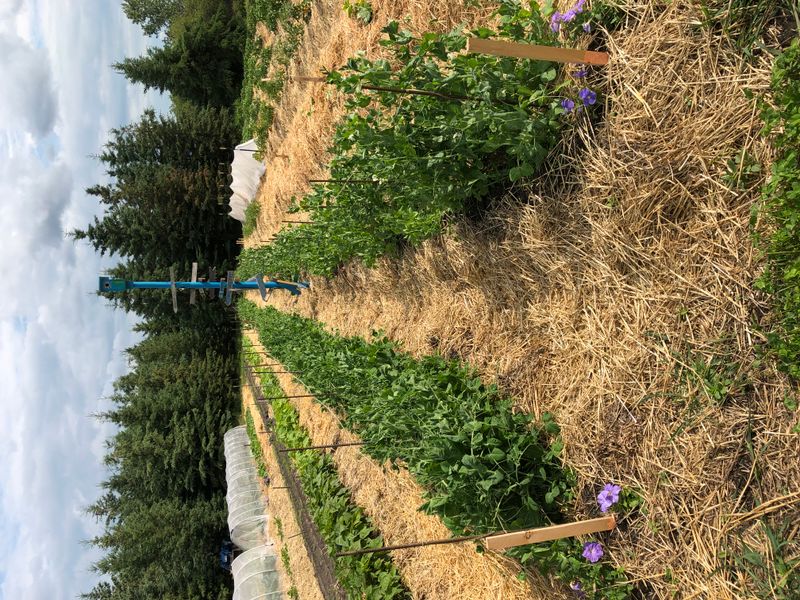
No-till gardening is an approach that minimizes soil disturbance, preserving soil structure and microbial life. It involves planting directly into undisturbed soil.
This method reduces soil erosion and compaction, fostering healthier root development. Organic matter is left on the surface, decomposing naturally.
No-till gardening enhances soil quality while promoting sustainable vegetable production.
16. Planting Windbreaks
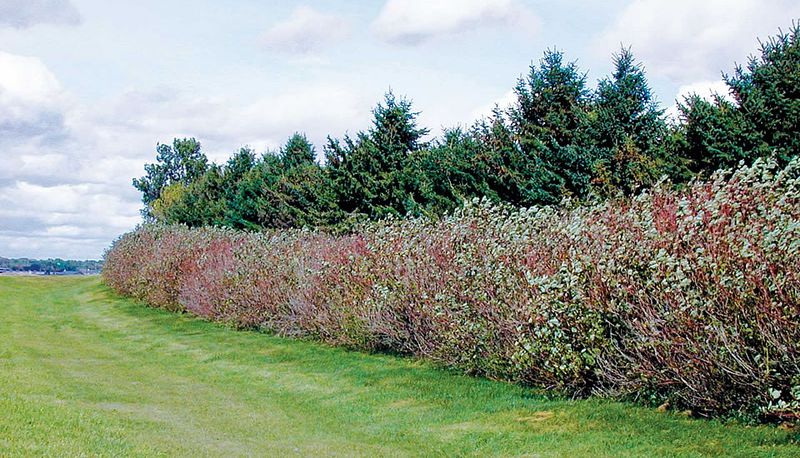
Windbreaks, such as hedges or rows of trees, protect garden soil from wind erosion. They create a microclimate that reduces wind speed and moisture loss.
By planting windbreaks, you safeguard delicate seedlings and improve soil moisture retention. This leads to healthier plant growth.
Windbreaks contribute to a more stable garden environment, supporting soil quality and vegetable productivity.
17. Water Management
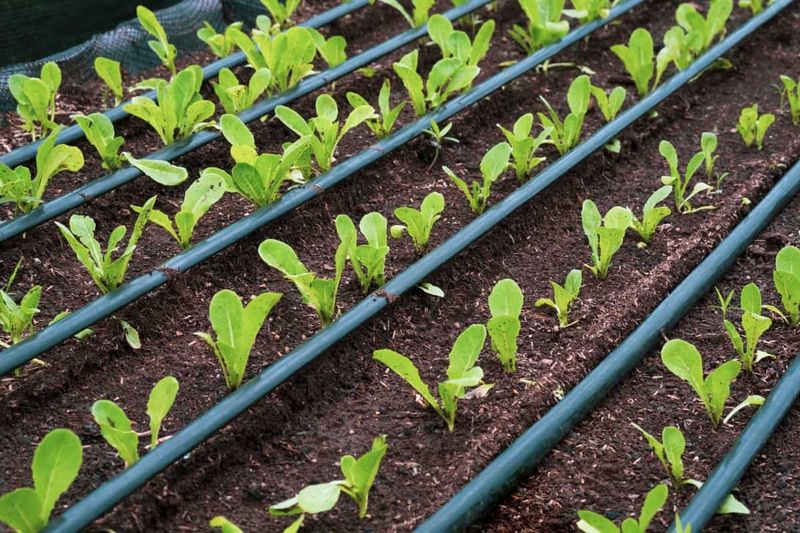
Effective water management is essential for maintaining soil quality. Overwatering can lead to nutrient leaching, while underwatering stresses plants.
By using tools like rain gauges and moisture sensors, gardeners can ensure optimal water levels. Mulching and drip irrigation further aid in efficient water use.
Proper water management supports robust vegetable growth and maintains soil health.
18. Mycorrhizal Fungi
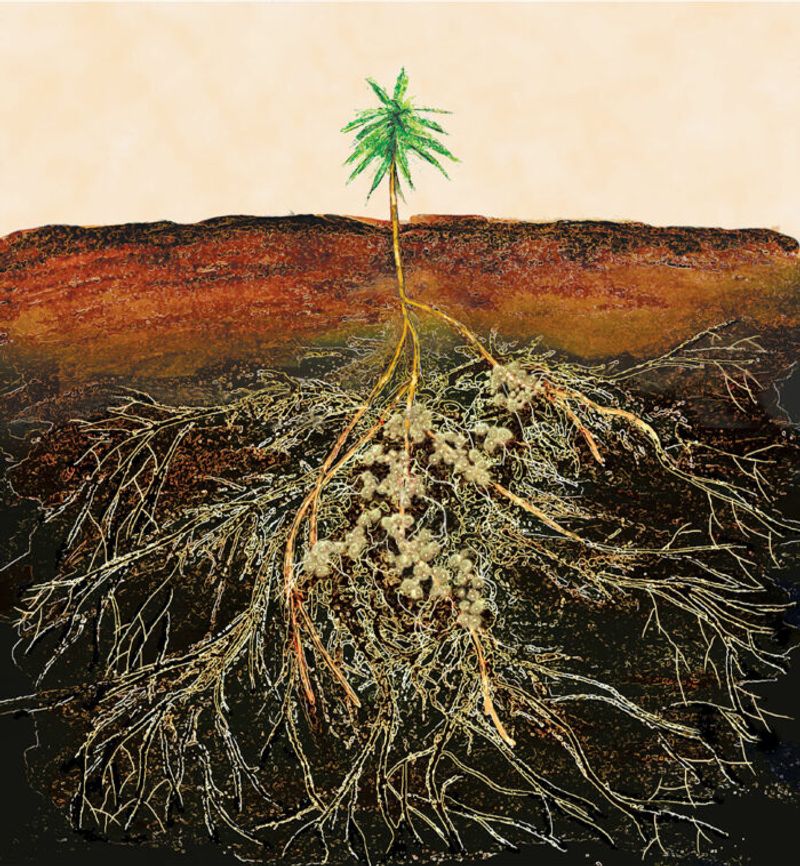
Mycorrhizal fungi form symbiotic relationships with plant roots, improving nutrient and water uptake. They extend the root system, enhancing soil fertility.
These fungi increase plant resilience to stress and improve soil structure. Inoculating soil with mycorrhizal fungi promotes vigorous vegetable growth.
Utilizing mycorrhizal fungi is a natural method to boost soil quality and support healthy gardens.
19. Soil Aeration
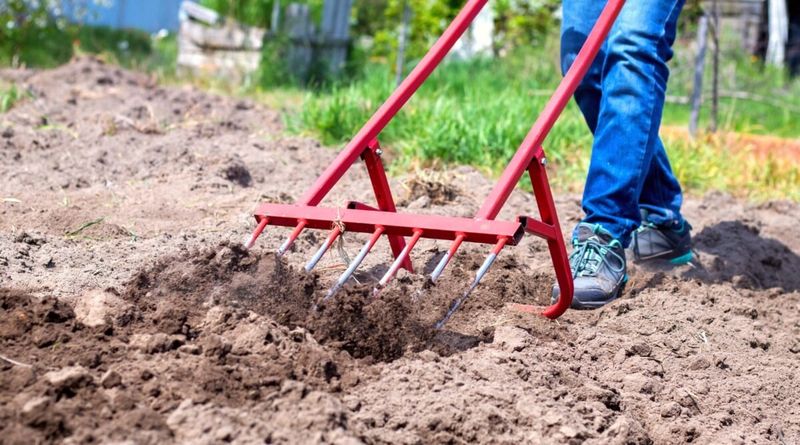
Soil aeration is a technique that involves perforating the soil to allow air, water, and nutrients to penetrate deeply. This process reduces soil compaction and promotes healthy root growth.
Aerated soil supports beneficial microorganisms and improves drainage. It creates an ideal environment for vegetable plants to thrive.
Regular aeration enhances soil quality, leading to more productive gardening.
20. Vermicomposting
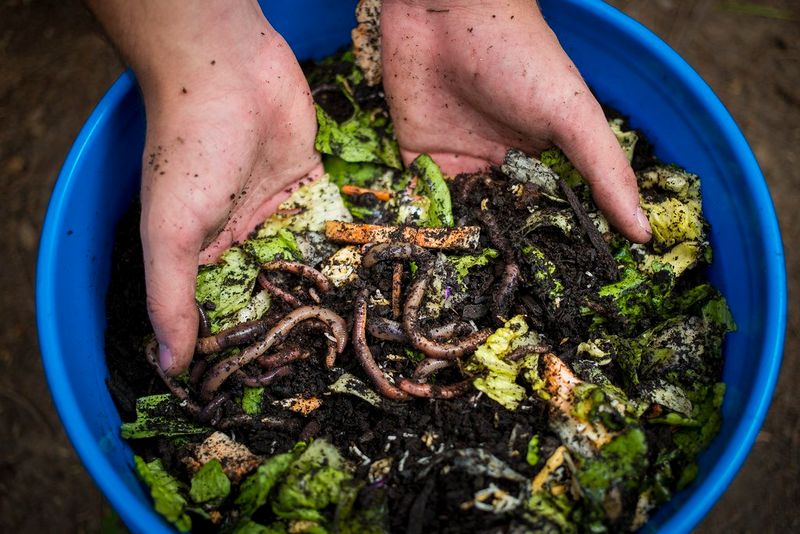
Vermicomposting uses earthworms to break down organic waste into rich compost. This method produces high-quality soil conditioner, full of essential nutrients.
The worms’ activity aerates the soil and improves its structure. Vermicompost is ideal for enriching garden soil and boosting plant vitality.
By vermicomposting, gardeners can recycle waste and enhance soil quality naturally.
21. Biodynamic Preparations
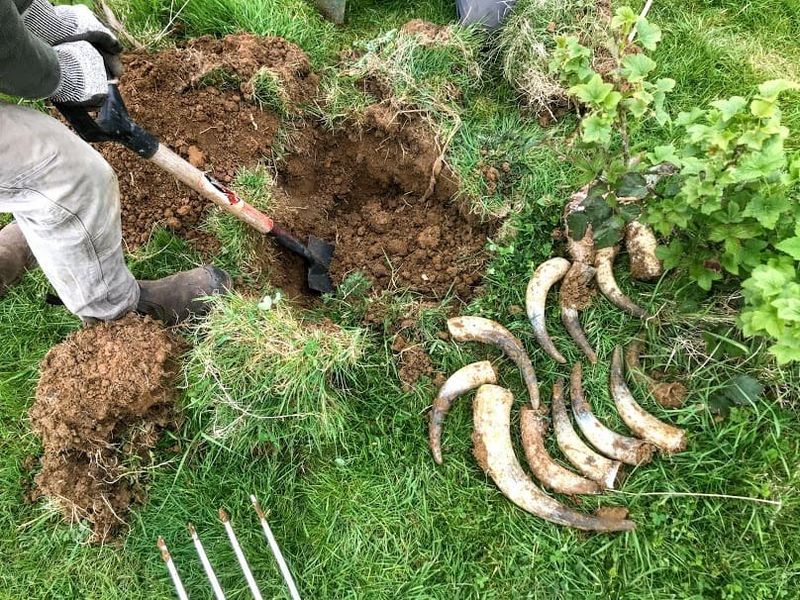
Biodynamic preparations involve using natural materials, like herbal extracts, to enhance soil health. This holistic approach considers the garden as a living ecosystem.
These preparations boost soil fertility and plant resilience by enhancing microbial life. They support balanced growth and vibrant vegetable gardens.
Biodynamic methods offer a unique way to cultivate soil quality, emphasizing harmony with nature.