 Complete Gardening
Discover the beauty and resilience of self-seeding flowers that will grace your garden year after year. These 21 extraordinary blooms have the natural ability to reseed themselves, ensuring a vibrant, low-maintenance floral display without the need for constant replanting. Whether you’re a seasoned gardener or just starting out, these flowers offer an easy and rewarding way to enhance your outdoor space.
1. Poppy
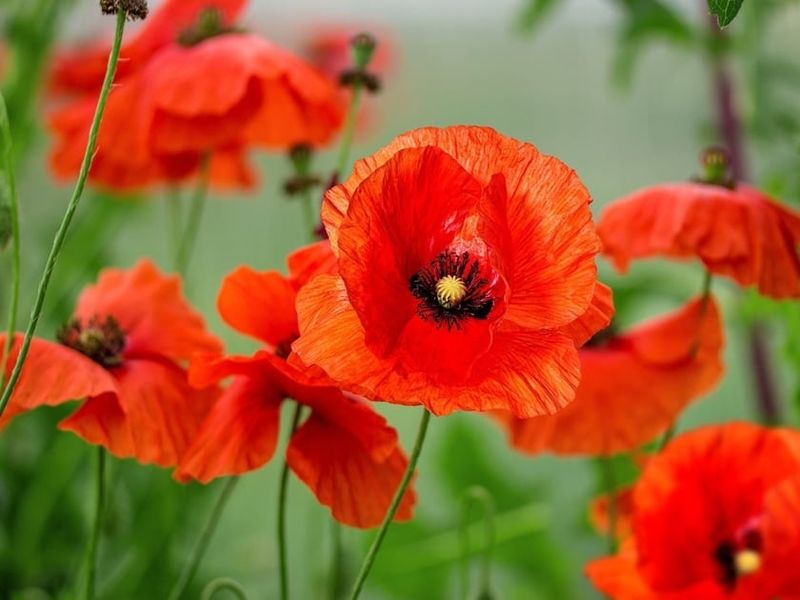
Poppies are iconic wildflowers, known for their striking red color and delicate petals. These flowers symbolize remembrance and peace, often seen in fields and gardens worldwide. Poppies are incredibly resilient, thriving in various climates and soil types. Their ability to self-seed means they can return year after year with minimal intervention. With a height that can reach 2-3 feet, they add a vertical element to garden arrangements. Their vibrant hue attracts pollinators, making them an ecological asset as well. Poppies prefer sunny spots and well-drained soil for optimal growth.
2. Calendula
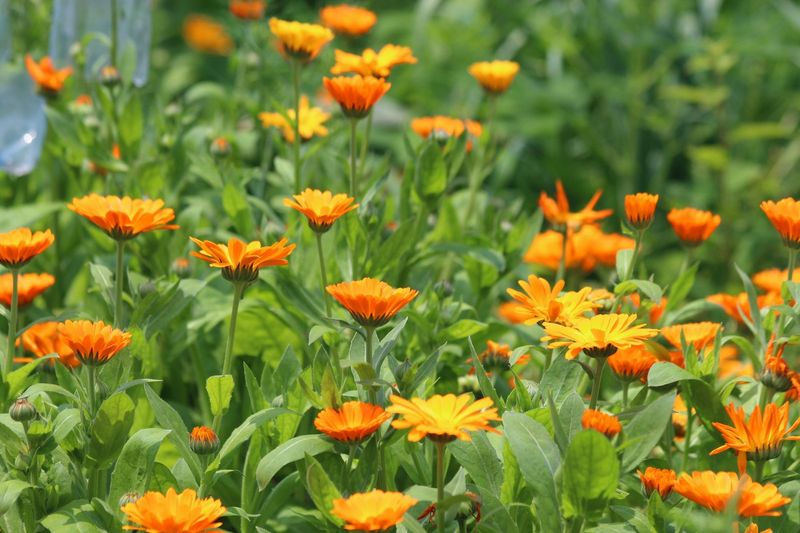
Calendula, often referred to as pot marigold, brings a burst of sunshine to any garden. With its bright orange or yellow blooms, it captures the essence of summer all year round. Known for its medicinal properties, calendula has been used historically for healing wounds and soothing inflammation. These hardy flowers thrive in most soil types and climates, making them a favorite among gardeners. Their self-seeding nature ensures a continuous display of flowers, often persisting even into the cooler months. Perfect for borders or pots, calendula adds a cheerful touch to any setting.
3. Nigella
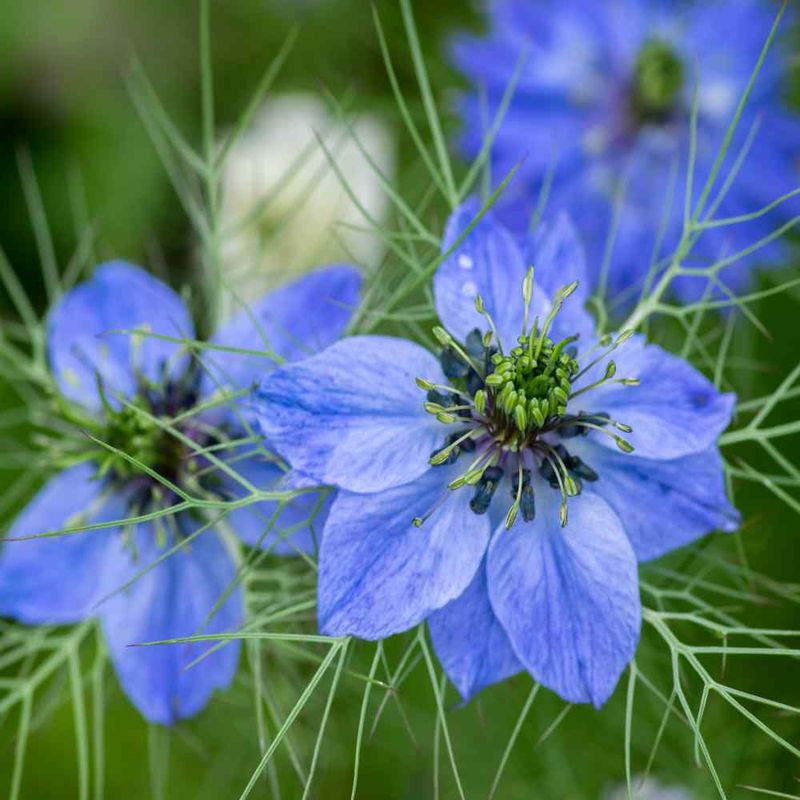
Nigella, or love-in-a-mist, is a delightful addition to any garden, known for its uniquely feathery foliage and charming blue flowers. This annual plant, native to southern Europe, effortlessly self-seeds, ensuring a recurring presence year after year. Its captivating appearance can often be found in cottage gardens, adding a touch of whimsy and romance. Nigella prefers well-drained soil and full sun but can tolerate partial shade. Beyond its ornamental appeal, the seeds are used in cooking and traditional medicine. Its ethereal beauty and practical uses make nigella a multifaceted garden gem.
4. Foxglove
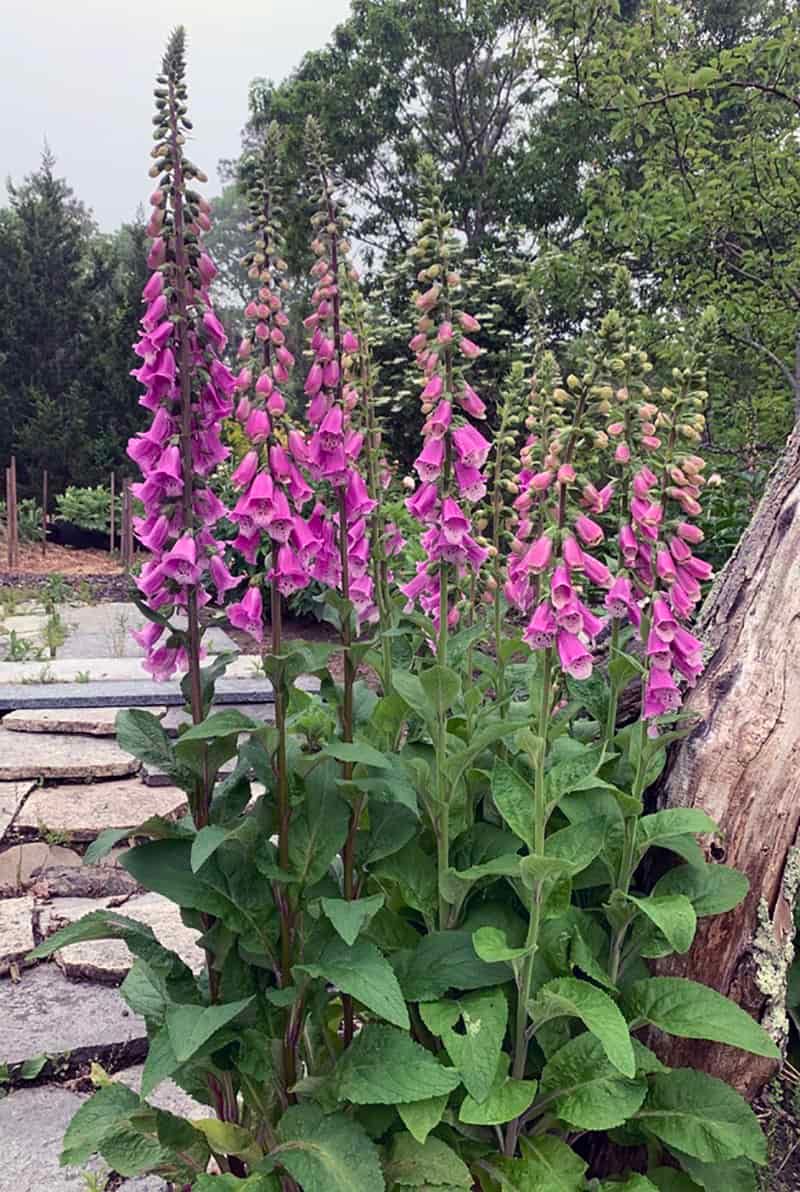
Foxgloves, with their towering spikes of tubular flowers, bring elegance and drama to any garden. Known for their shades of pink, purple, and white, these biennial plants are a favorite among pollinators like bees and hummingbirds. Foxgloves self-seed readily, allowing them to reappear in following seasons with little effort. They thrive in partial shade, making them ideal for woodland gardens. While beautiful, it’s important to note that foxgloves are toxic if ingested, so care should be taken in gardens frequented by pets or children. Their striking presence makes them a standout choice.
5. Larkspur
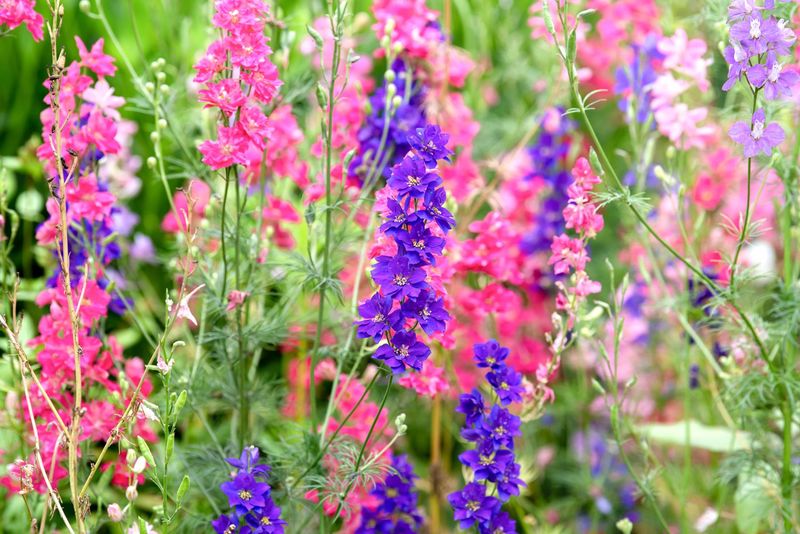
Larkspur, with its tall and graceful spikes, is a classic favorite among gardeners. Known for its rich hues of blue, purple, and pink, this annual flower adds vertical interest and depth to garden beds. Larkspur thrives in well-drained soil and full sun, making it ideal for borders or as a backdrop for shorter plants. Its self-seeding nature ensures a vibrant display year after year. Despite its delicate appearance, larkspur is surprisingly hardy, withstanding various weather conditions. Keep in mind, though, that all parts of the plant are toxic if ingested.
6. Forget-me-not
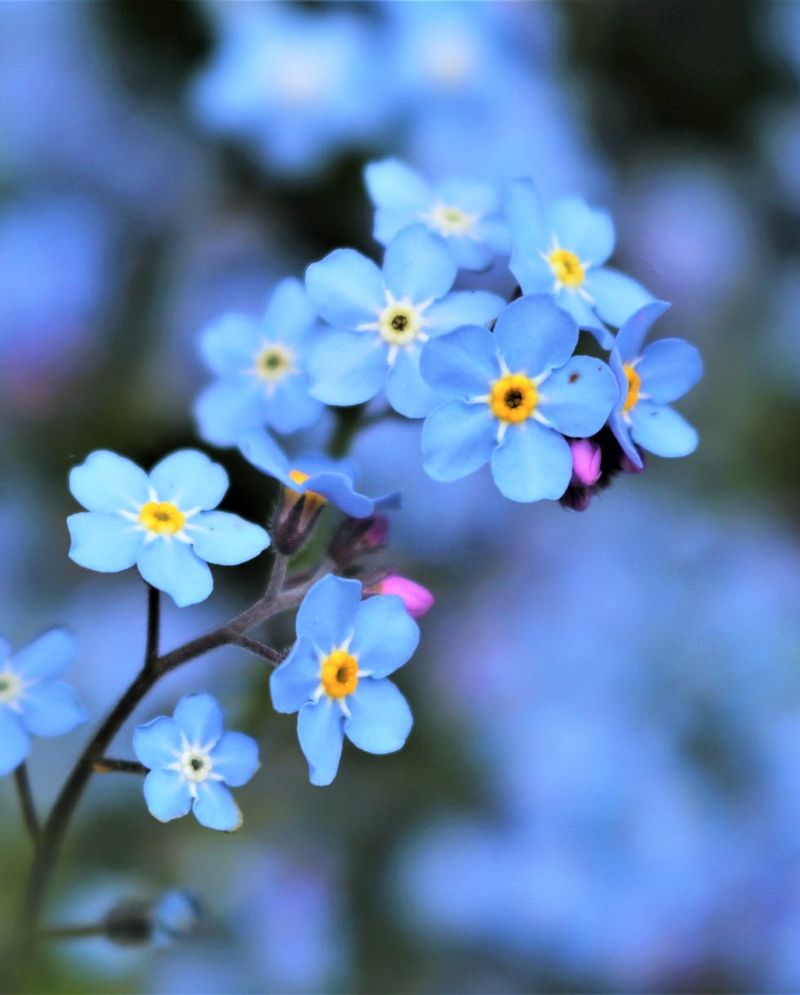
Forget-me-nots, with their dainty blue flowers, bring a sense of nostalgia and charm to gardens. These perennials are perfect for shady areas, often thriving in woodland settings. Forget-me-nots are known for their ability to spread naturally, creating a carpet of color that returns each year. They prefer moist soil and can tolerate some sun, but they truly shine in filtered light. Their name carries a sentimental touch, making them a beloved choice for memorial gardens. With minimal care, forget-me-nots provide a lasting impression in any garden space.
7. Hollyhock
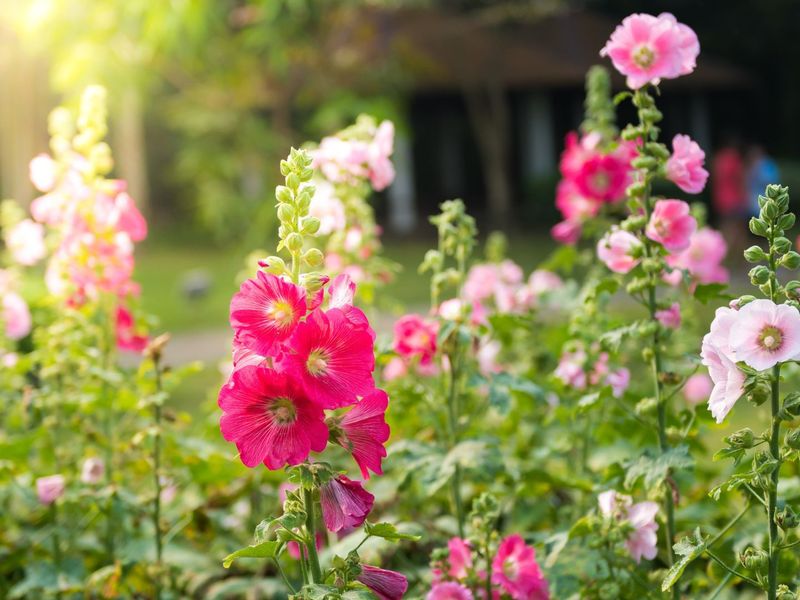
Hollyhocks are iconic cottage garden plants, known for their towering height and vibrant blooms. These biennials can reach up to 8 feet, providing a dramatic vertical element to any garden. Hollyhocks come in a range of colors, from soft pastels to bold reds and purples. Their self-seeding ability means they often return, creating a perennial-like presence in the garden. These flowers thrive in full sun and well-drained soil, making them ideal for sunny borders or along fences. Their old-fashioned charm makes hollyhocks a timeless garden favorite.
8. Columbine
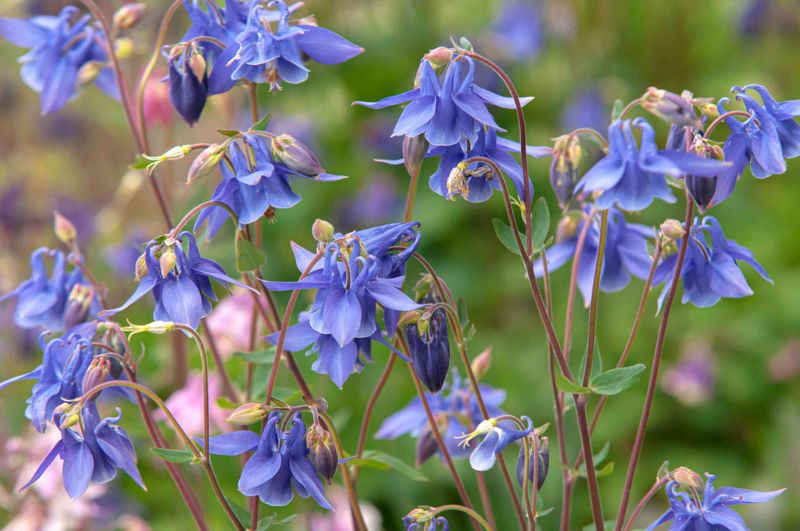
Columbines are enchanting flowers, admired for their unique spurred petals and delicate appearance. These perennials bloom in a variety of colors, including shades of blue, pink, and white. Columbines are perfect for woodland gardens, thriving in partial shade and well-drained soil. Their ability to self-seed ensures a recurring display of blooms with little maintenance required. Beyond their beauty, columbines have a rich history of medicinal use, though caution is advised as the plant can be toxic if ingested. Their whimsical blooms add a touch of magic to any garden setting.
9. Cornflower
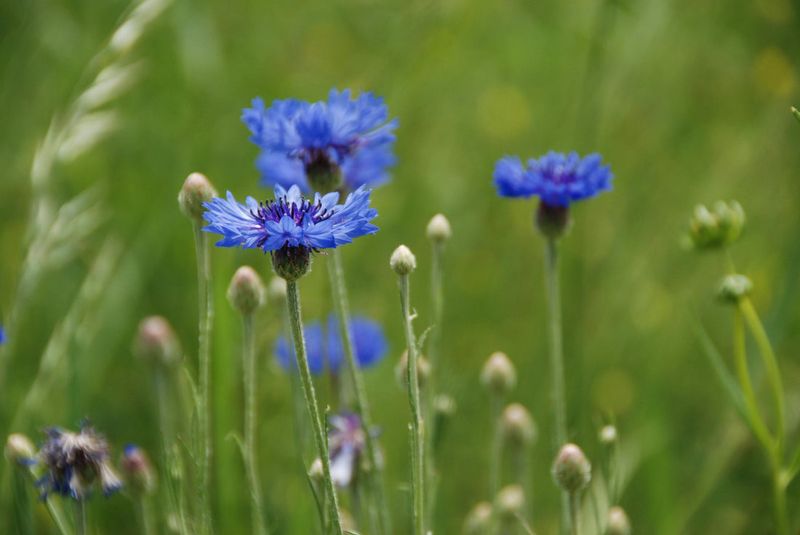
Cornflowers, also known as bachelor’s buttons, are beloved for their striking blue hue and easy-going nature. These annuals are a favorite among pollinators, attracting bees and butterflies to the garden. Cornflowers prefer full sun and well-drained soil, thriving even in less-than-ideal conditions. Their self-seeding habit means they often return, creating a meadow-like effect. With a height of up to 3 feet, they add a charming, wildflower touch to borders and beds. Historically, cornflowers have been used in traditional medicine and as a natural dye, adding to their allure.
10. Sweet William
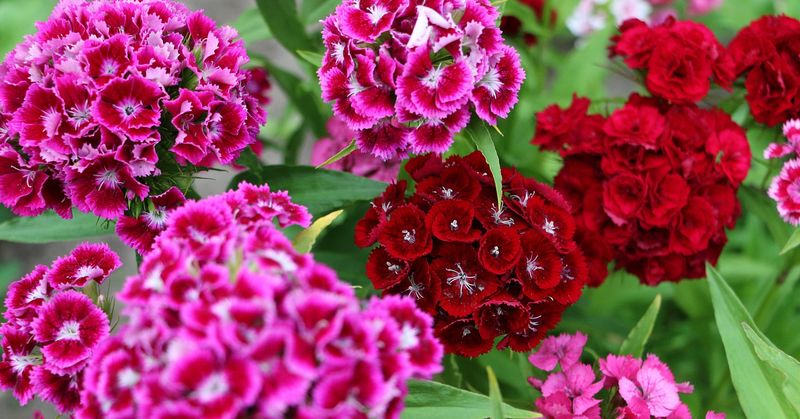
Sweet William, with its clusters of fragrant, vibrant blooms, is a standout in any garden. These biennials are known for their spicy-sweet scent and rich colors, ranging from red to pink and white. Sweet Williams thrive in well-drained soil and full sun, making them ideal for borders or containers. Their self-seeding nature ensures a reliable return each year, providing continuity in garden designs. Historically, these flowers have been associated with romantic love, often found in cottage gardens. Their captivating fragrance and bold appearance make Sweet William a garden favorite.
11. Verbena
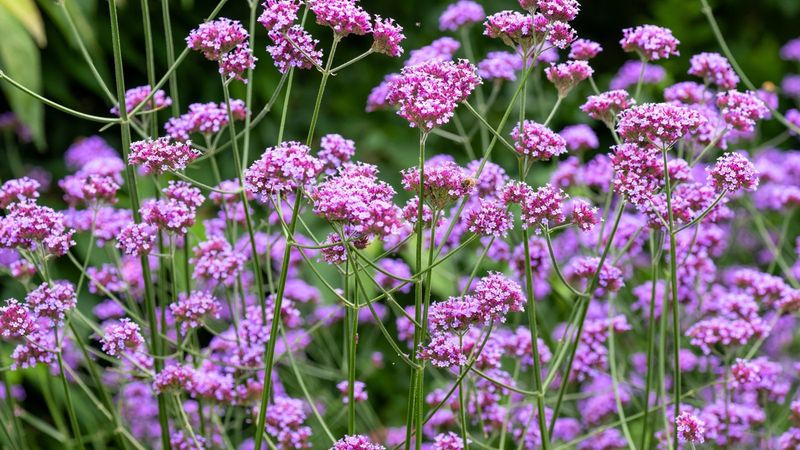
Verbena, with its long-lasting blooms and vibrant colors, is perfect for adding a splash of color to any garden. These perennials thrive in full sun and well-drained soil, often used in borders, containers, or hanging baskets. Verbena’s self-seeding habit means it can effortlessly return, ensuring a perennial-like presence. Known for attracting butterflies, verbena provides ecological benefits as well as visual appeal. Its drought-tolerant nature makes it suitable for various garden settings, from cottage to contemporary designs. Verbena’s versatility and resilience make it a must-have for gardeners seeking color and charm.
12. Cosmos
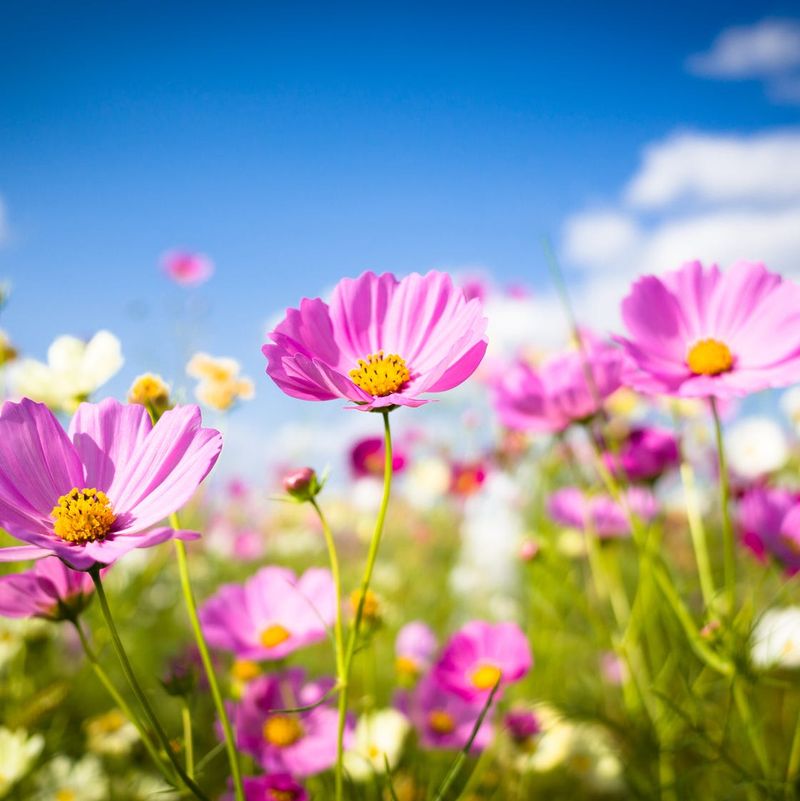
Cosmos, with their delicate, daisy-like flowers, bring a sense of lightness and movement to gardens. These annuals are known for their long blooming season and ability to thrive in poor soil conditions. Cosmos prefers full sun, reaching heights of 2-5 feet, making them perfect for borders or wildflower gardens. Their self-seeding habit ensures they return each year, providing a consistent splash of color. Beyond their ornamental appeal, cosmos attract beneficial insects, promoting a healthy garden ecosystem. Their effortless beauty and resilience make cosmos a delightful addition to any outdoor space.
13. Coreopsis
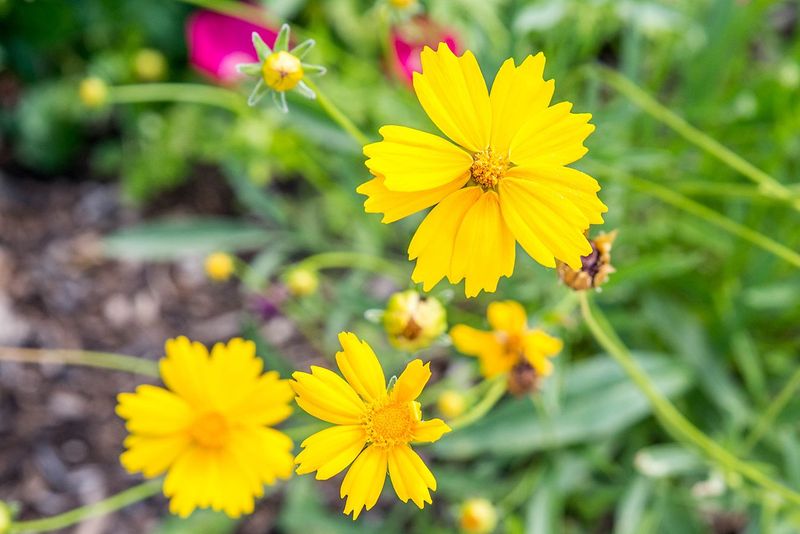
Coreopsis, often called tickseed, is cherished for its bright, cheerful blooms and easy-going demeanor. These hardy perennials thrive in full sun and well-drained soil, making them ideal for borders, rock gardens, or containers. Coreopsis’ self-seeding nature ensures a reliable return each year, providing continuity and color in garden designs. Their daisy-like flowers attract pollinators, supporting a healthy garden ecosystem. Known for their long blooming period, coreopsis adds vibrant color throughout the summer months. Their low-maintenance requirements and joyful appearance make them a must-have for any garden enthusiast.
14. Snapdragon
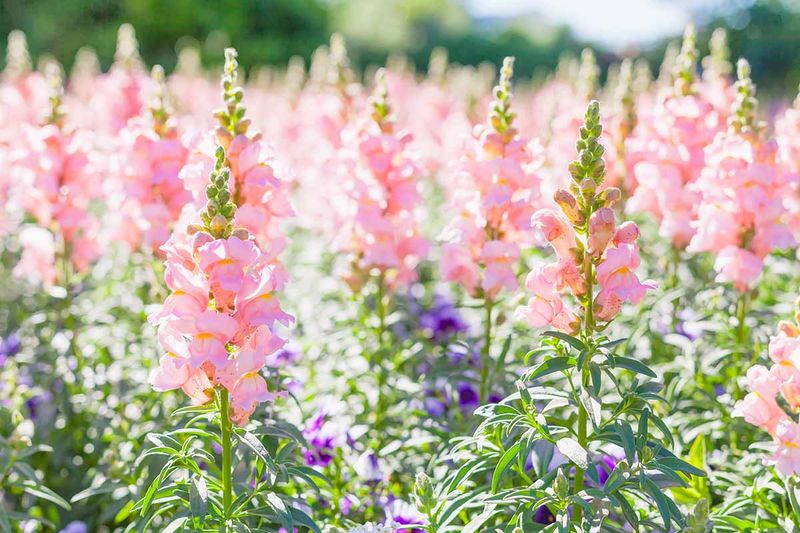
Snapdragons, with their vibrant hues and unique ‘dragon’ blooms, bring a playful element to gardens. These annuals are loved for their wide range of colors and ability to thrive in full sun and well-drained soil. Snapdragons’ self-seeding nature means they can return each year, adding continuity to garden designs. Their tall spikes make them perfect for borders or as a statement plant. Known for attracting pollinators, snapdragons support a healthy garden ecosystem. Their whimsical appearance and cheerful colors make snapdragons a favorite among gardeners seeking vibrant, easy-care plants.
15. Alyssum
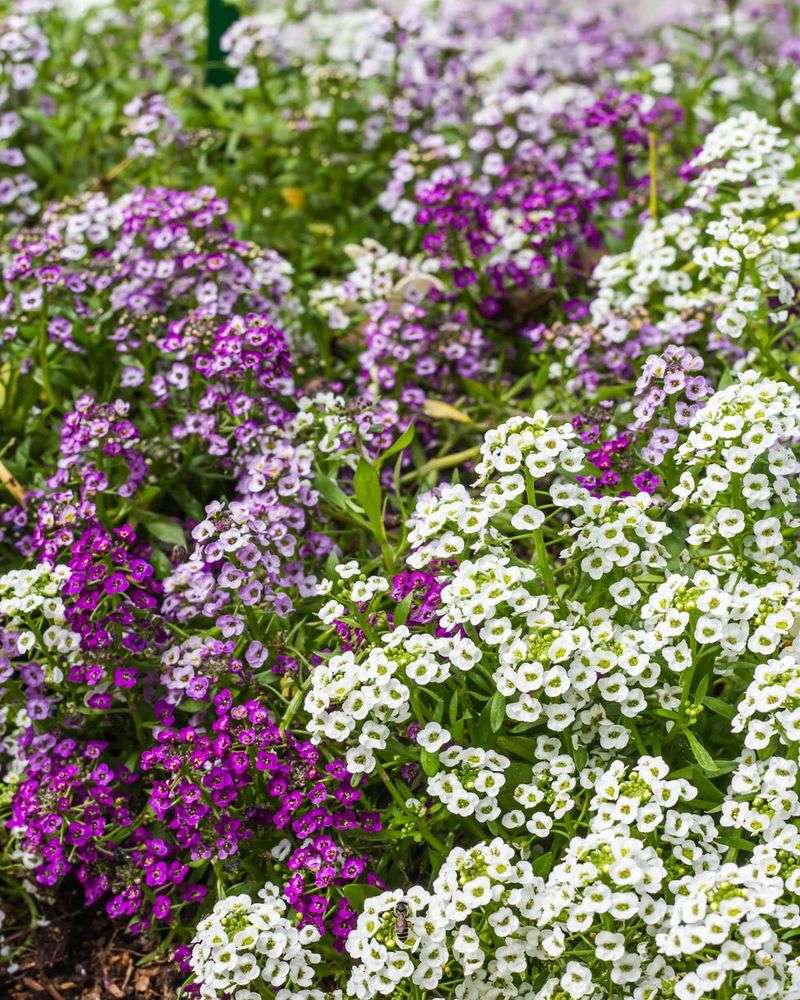
Alyssum, with its sweet fragrance and delicate blooms, is a charming addition to any garden. This low-growing annual is perfect for borders, rock gardens, or containers, thriving in full sun to partial shade. Alyssum’s self-seeding habit ensures it returns each year, creating a carpet of color and scent. Its tiny white or purple flowers attract pollinators, supporting a healthy garden ecosystem. Known for its easy-care nature, alyssum is a favorite among gardeners seeking a low-maintenance yet beautiful plant. Its fragrant blooms make alyssum a delightful choice for any outdoor space.
16. Borage
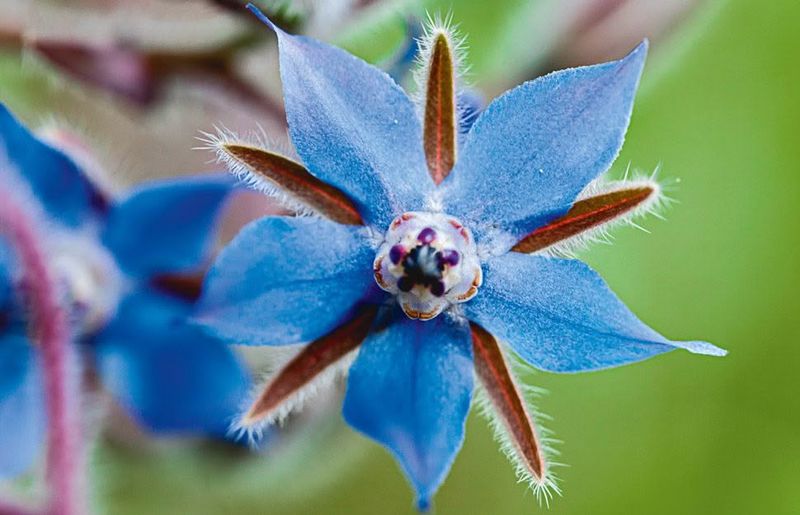
Borage, with its star-shaped blue flowers and fuzzy leaves, is a unique and versatile plant. Known for its edible flowers, borage adds a splash of color to salads and drinks. This annual thrives in full sun and well-drained soil, often used in herb gardens or as a companion plant. Borage’s self-seeding habit ensures it returns each year, providing continuity in garden designs. Its nectar-rich flowers attract pollinators, supporting a healthy garden ecosystem. Beyond its culinary uses, borage is valued for its medicinal properties, making it a multifaceted addition to any garden.
17. Evening Primrose
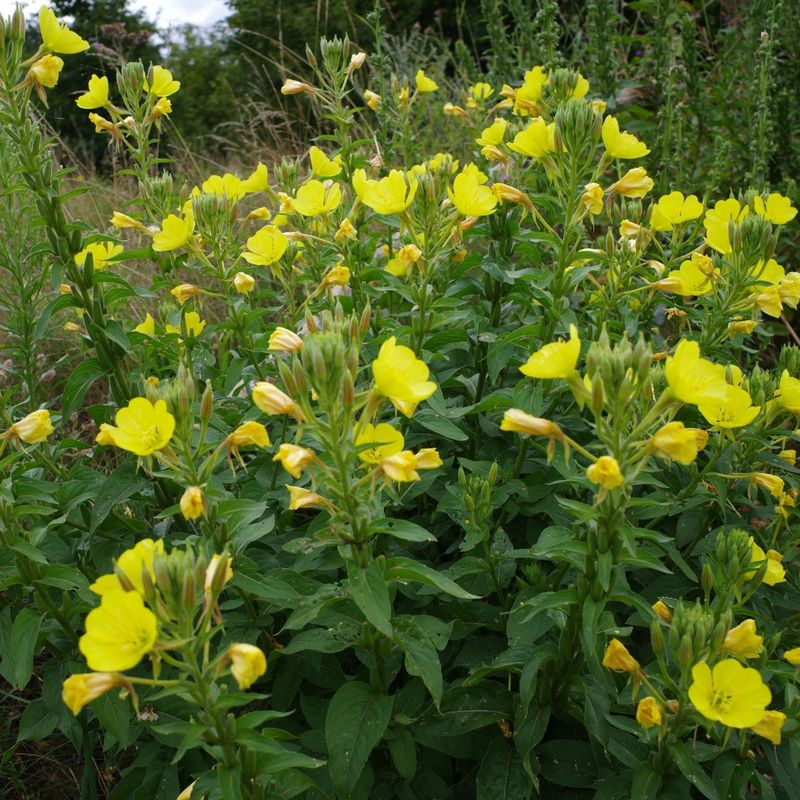
Evening primrose, known for its luminous yellow blooms, brings a touch of magic to gardens as it opens at dusk. This biennial thrives in full sun and well-drained soil, often found in wildflower gardens or naturalized settings. Evening primrose’s self-seeding nature ensures it returns, providing a consistent display of blooms. Known for its medicinal properties, evening primrose oil is used in traditional remedies. Its unique habit of blooming at night attracts nocturnal pollinators, supporting a diverse garden ecosystem. Evening primrose’s enchanting presence makes it a captivating choice for gardeners seeking something special.
18. Rudbeckia
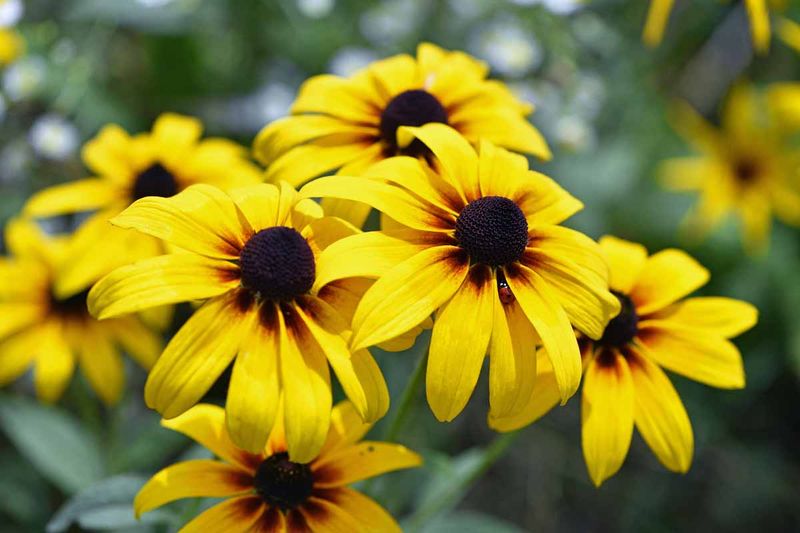
Rudbeckia, commonly known as black-eyed Susan, is a garden staple known for its bright yellow petals and contrasting dark centers. These hardy perennials thrive in full sun and well-drained soil, making them ideal for borders or wildflower gardens. Rudbeckia’s self-seeding nature ensures a reliable return each year, providing continuity and color in garden designs. Their daisy-like flowers attract pollinators, supporting a healthy garden ecosystem. Known for their long blooming period, rudbeckias add vibrant color throughout the summer months. Their resilience and cheerful appearance make them a must-have for any garden.
19. Love-Lies-Bleeding
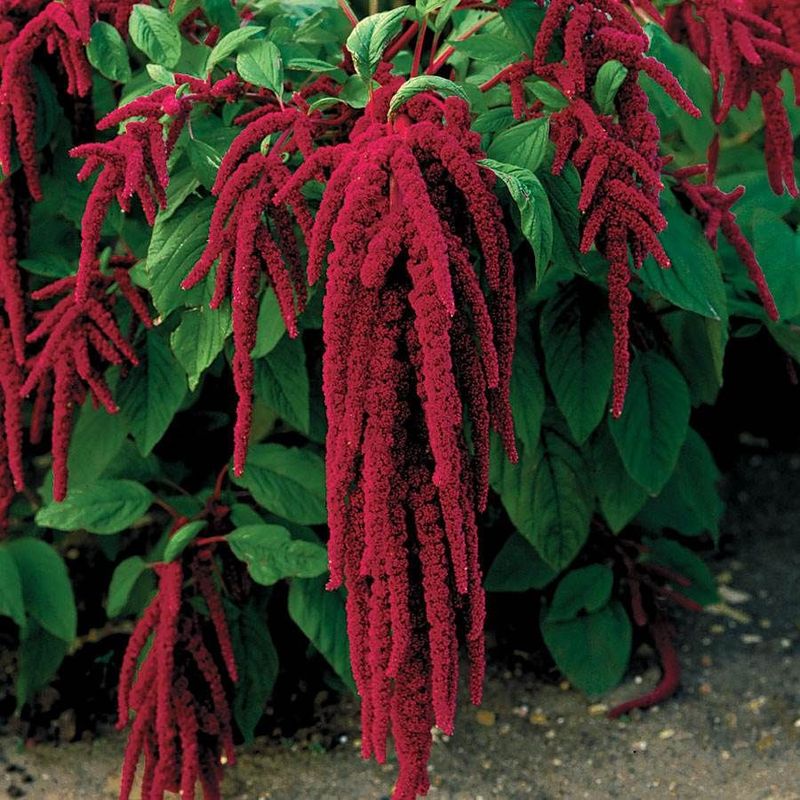
Love-lies-bleeding, with its dramatic, trailing blooms, adds a touch of theatrical flair to gardens. This annual is known for its long, red tassels that cascade from the plant, creating a striking visual effect. Love-lies-bleeding thrives in full sun and well-drained soil, often used as a focal point in borders or containers. Its self-seeding habit ensures it can return each year, providing consistency in garden designs. Beyond its ornamental appeal, the seeds are edible and used in various culinary applications. Love-lies-bleeding’s unique appearance and versatility make it a memorable garden addition.
20. Honesty
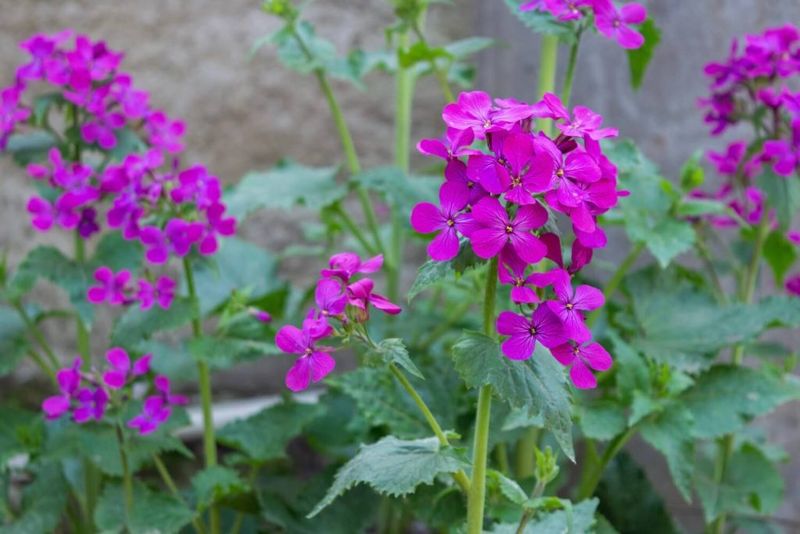
Honesty, also known as money plant, is cherished for its distinctive seed pods and delicate flowers. This biennial thrives in full sun to partial shade, often found in cottage gardens or naturalized settings. Honesty’s self-seeding habit ensures it returns each year, providing continuity in garden designs. Its purple flowers attract pollinators, supporting a healthy garden ecosystem. The unique, translucent seed pods are often used in dried arrangements, adding to their charm. Honesty’s combination of beauty and practicality makes it a valuable addition to any garden, offering visual interest across seasons.
21. California Poppy
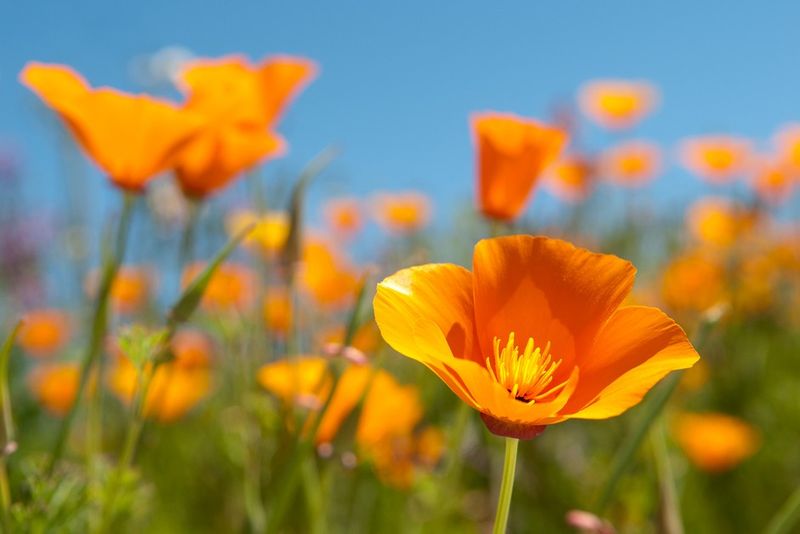
California Poppy, with its vivid orange blossoms, is a favorite among gardeners for good reason. This resilient flower thrives in a variety of climates, making it a versatile addition to any garden.
Its petals, delicate and silky, open each morning to greet the sun. As night falls, they close tightly, conserving moisture. This cycle continues throughout the blooming season.
A native to the Pacific coast, the California Poppy is not only visually stunning but also drought-tolerant, requiring minimal care. Its ability to self-seed ensures it will grace gardens year after year.