 Complete Gardening
Gardens thrive on variety, and the infusion of colors can transform any space into a vibrant retreat. With the right selection of shrubs, you can enjoy a burst of colors throughout the year. This guide introduces you to 21 remarkable shrubs, each bringing its unique charm to your garden every month. From vibrant blooms to lush foliage, each shrub offers something special. Let’s explore these botanical wonders that keep your garden lively and colorful all year round.
1. January: Winter Jasmine
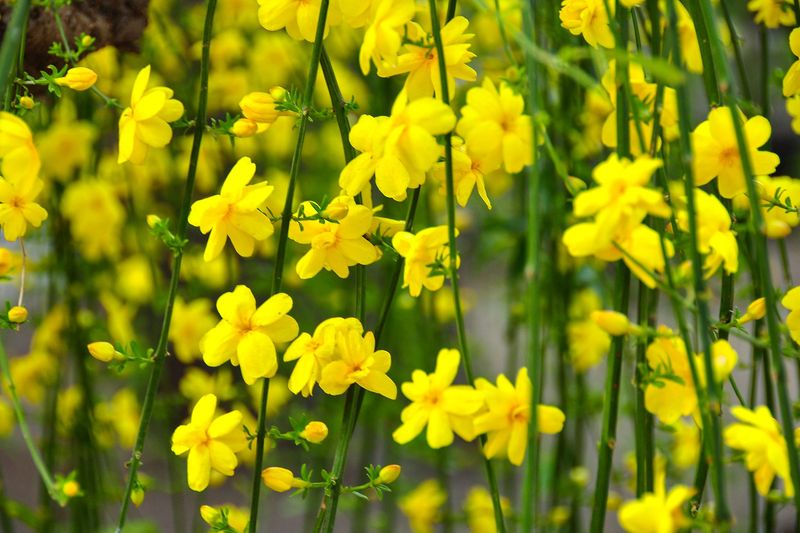
Winter Jasmine brings a bright start to the year with its cheerful yellow blooms. Unlike most plants, it flowers in the heart of winter, adding a splash of color to frosty gardens. Its arching branches create a cascading effect, making it perfect for walls or fences.
Originating from China, this hardy shrub thrives in well-drained soil and can tolerate a bit of neglect. It’s an ideal choice for those seeking low-maintenance beauty during the cold months. Winter Jasmine’s resilience makes it a favorite among gardeners looking for winter cheer.
2. February: Witch Hazel
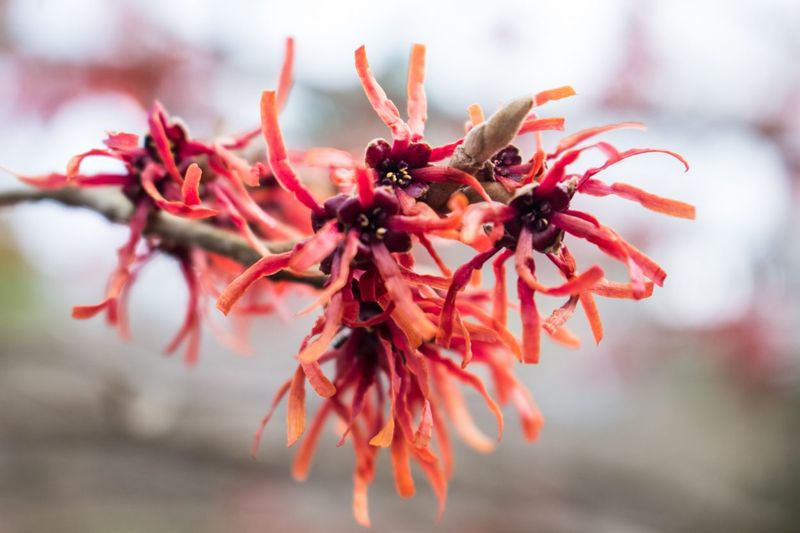
February’s chill is warmed by the fiery blooms of Witch Hazel. This shrub is renowned for its unique, crinkly petals that unfurl in shades of yellow, orange, and red. Its spicy fragrance fills the air, marking the transition from winter to spring.
Native to North America, Witch Hazel is not just a flowering marvel but also a medicinal powerhouse. Its extracts are popular in skincare for their soothing properties. Plant it in full sun or partial shade, and enjoy a colorful spectacle that defies the cold.
3. March: Forsythia
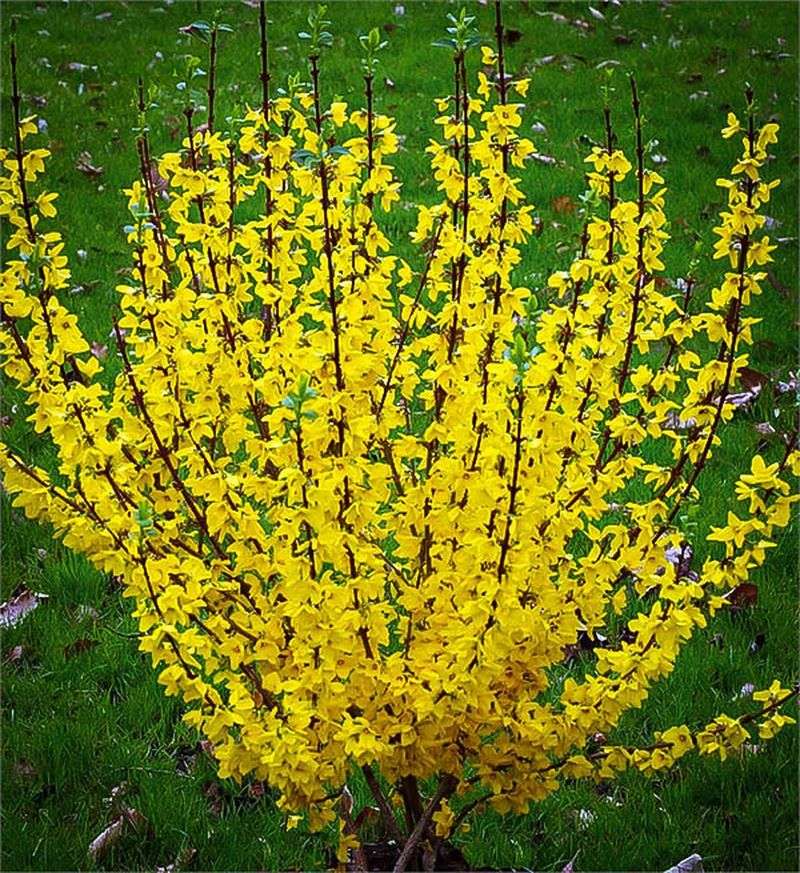
March arrives with the golden glow of Forsythia. This early bloomer is a harbinger of spring, covering its branches with vibrant yellow flowers. Its rapid growth makes it an excellent choice for hedges or standalone features.
Originating from East Asia, Forsythia prefers sunny spots and well-drained soil. It’s easy to care for, requiring minimal pruning. A fun fact: Forsythia’s flowering coincides with the opening of baseball season, symbolizing new beginnings. Its cheerful blossoms are sure to brighten any garden as winter fades away.
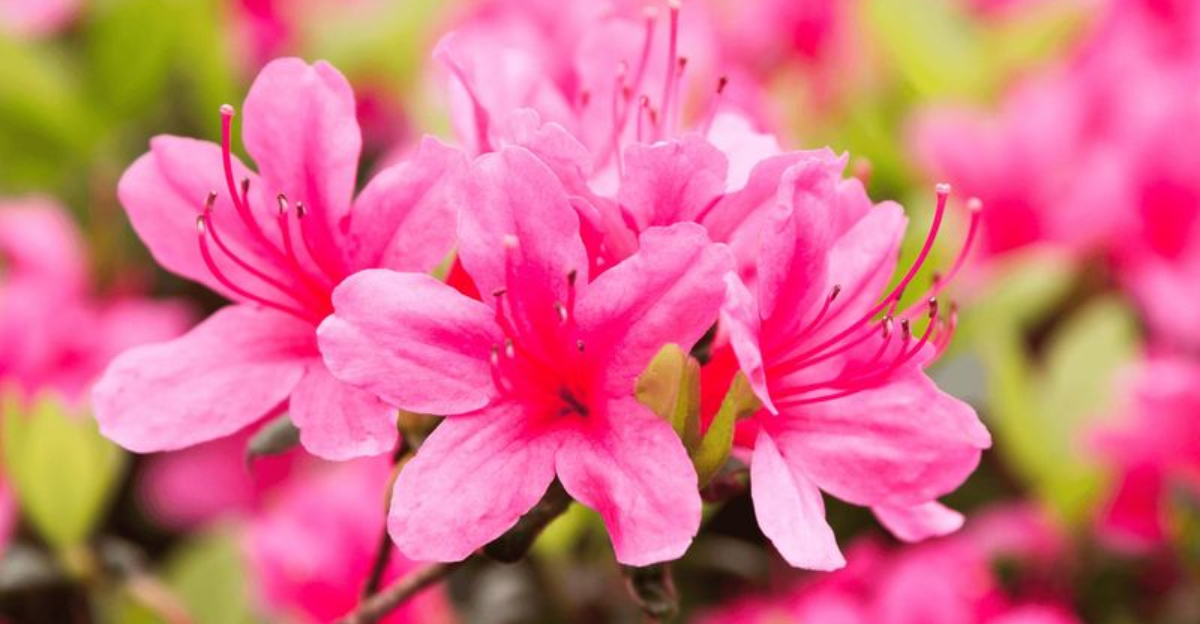
4. April: Azalea
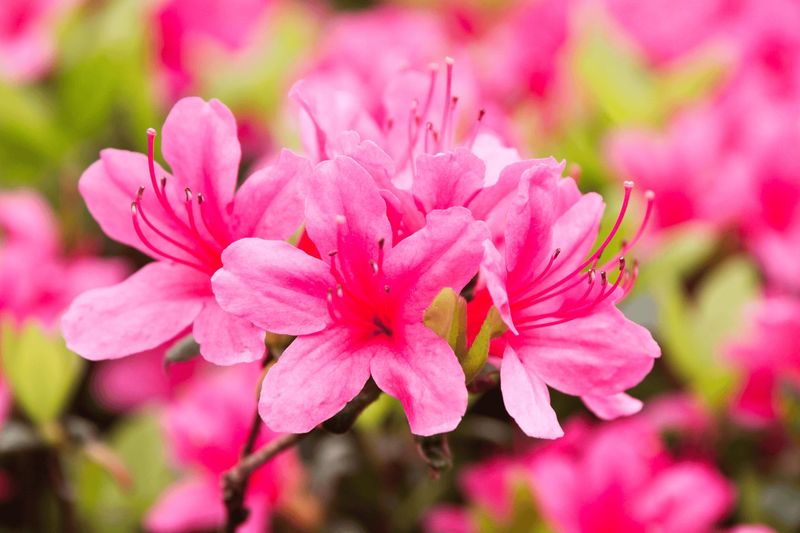
April showers bring Azalea flowers, painting gardens with shades of pink, red, and white. This shrub is a springtime favorite, known for its profusion of blooms and lush foliage. Azaleas thrive in acidic soil and partial shade.
Beloved by gardeners worldwide, these shrubs originate from Asia and North America. They require regular watering during dry spells to maintain their vibrant display. With proper care, Azaleas can transform any garden into a stunning floral paradise. Their enchanting beauty is perfect for celebrating the heart of spring.
5. May: Lilac
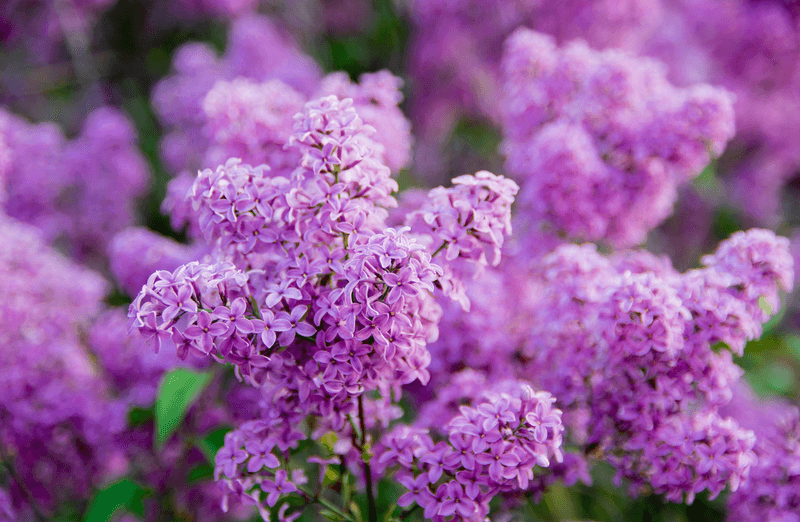
May gardens are graced by the intoxicating scent of Lilacs. These shrubs are cherished for their fragrant clusters of purple, white, or pink blossoms. Lilacs prefer full sun and well-drained soil, making them an ideal choice for sunny garden spots.
Originating from Europe and Asia, Lilacs have a rich history in both gardens and literature. They symbolize love and renewal, adding a romantic touch to any landscape. A fun fact: Lilacs can live for over a century, becoming a lasting addition to gardens for generations.
6. June: Hydrangea
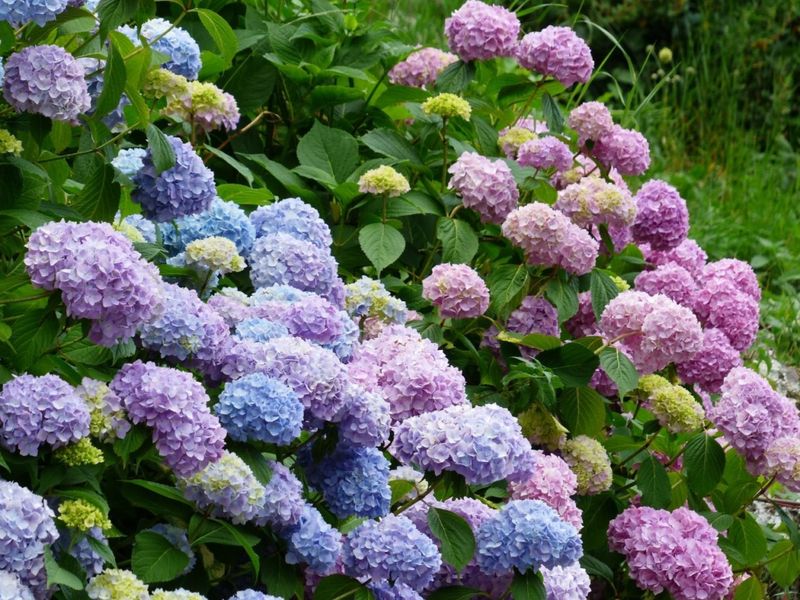
June is a month of transformation, with Hydrangeas taking center stage. Known for their large, round flower heads, these shrubs come in hues of pink, blue, and white. The color often changes based on soil pH, adding a unique twist to gardening.
Native to Asia and the Americas, Hydrangeas thrive in moist, well-drained soil with some shade. Their dramatic blooms are perfect for bouquets and garden displays. Whether lining a pathway or as a focal point, Hydrangeas offer versatility and beauty throughout the summer months.
7. July: Butterfly Bush
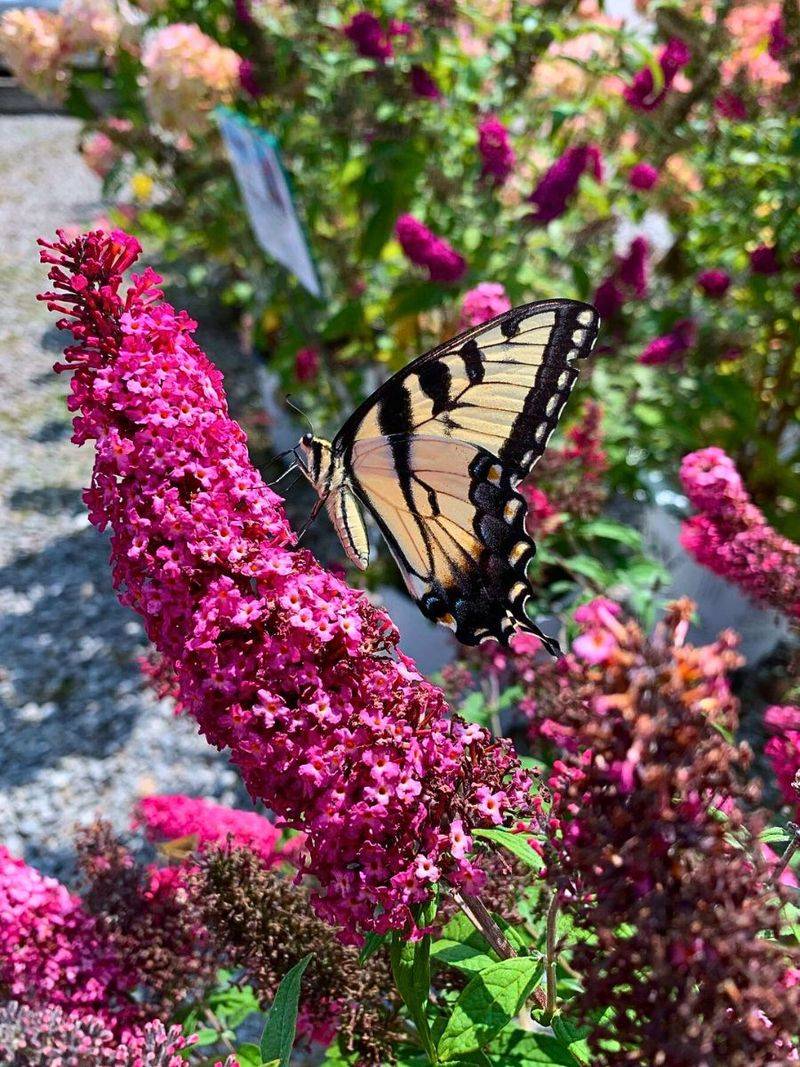
July gardens buzz with life, thanks to the Butterfly Bush. Its fragrant flowers, in shades of purple, pink, and white, attract a flurry of butterflies and bees. This shrub is a magnet for pollinators, enhancing garden biodiversity.
Native to China, the Butterfly Bush is easy to grow, thriving in full sun and well-drained soil. Its elongated flower spikes create vertical interest in any garden setting. With regular pruning, it can bloom continuously throughout the summer. Transform your garden into a lively haven with this captivating shrub.
8. August: Rose of Sharon
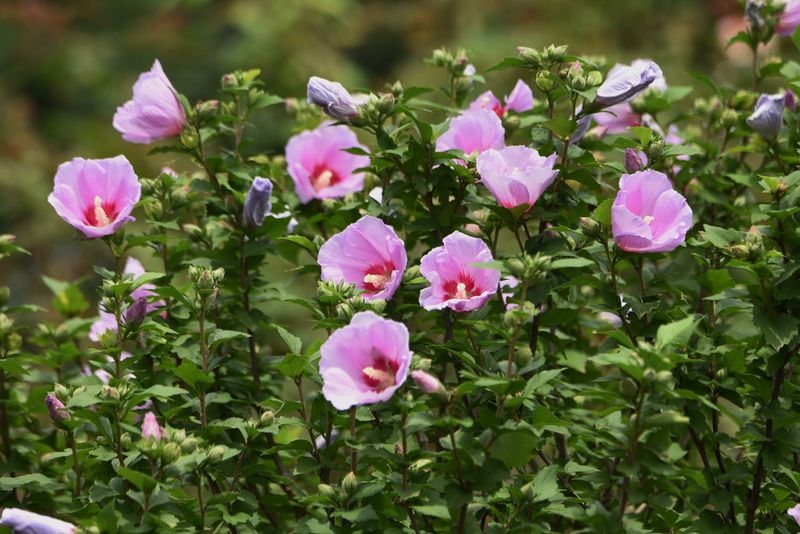
As summer peaks, the Rose of Sharon offers an exotic flair with its tropical-looking blooms. Resembling hibiscus flowers, they come in colors like pink, blue, and white, creating a lush, vibrant display.
Originating from Asia, this hardy shrub thrives in sunny locations and well-drained soil. It’s a low-maintenance choice, making it suitable for busy gardeners. A delightful fact: each flower lasts only for a day, but the shrub blooms prolifically throughout the season, ensuring continuous color in your garden.
9. September: Beautyberry
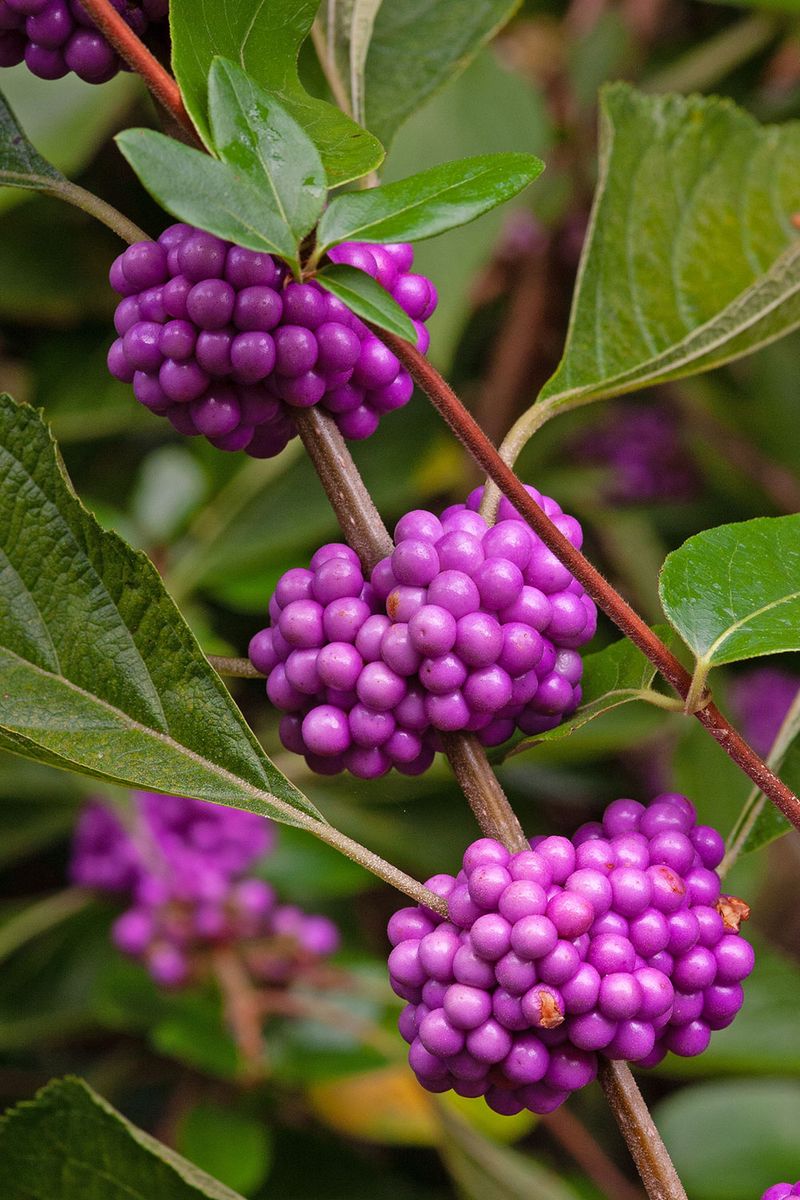
September’s gardens become a showcase for the brilliant Beautyberry. This shrub is famous for its clusters of iridescent purple berries, which stand out against its lush green foliage. It’s a true spectacle in early fall.
Native to North America and Asia, Beautyberry prefers well-drained soil and full sun to partial shade. The berries not only add visual interest but also attract birds. A quirky tidbit: the berries can be used to make jelly, offering both aesthetic and culinary appeal. Beautyberry is a stunning choice for any autumn landscape.
10. October: Burning Bush
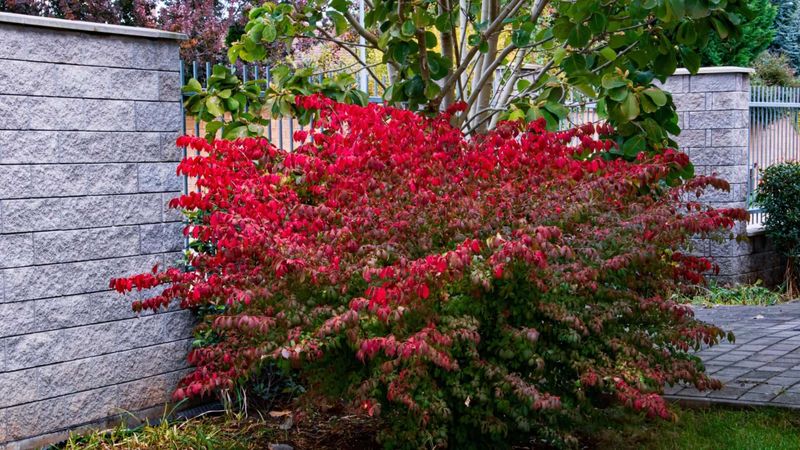
October gardens ignite with the fiery hues of the Burning Bush. Known for its striking red foliage in fall, this shrub adds a dramatic touch to any landscape. Its dense growth habit makes it ideal for hedges and borders.
Native to Asia, the Burning Bush thrives in full sun to partial shade and well-drained soil. It’s easy to maintain, often requiring minimal care once established. While its berries are inedible to humans, they provide food for birds. This shrub’s vibrant autumn display makes it a must-have for fall gardens.
11. November: Camellia
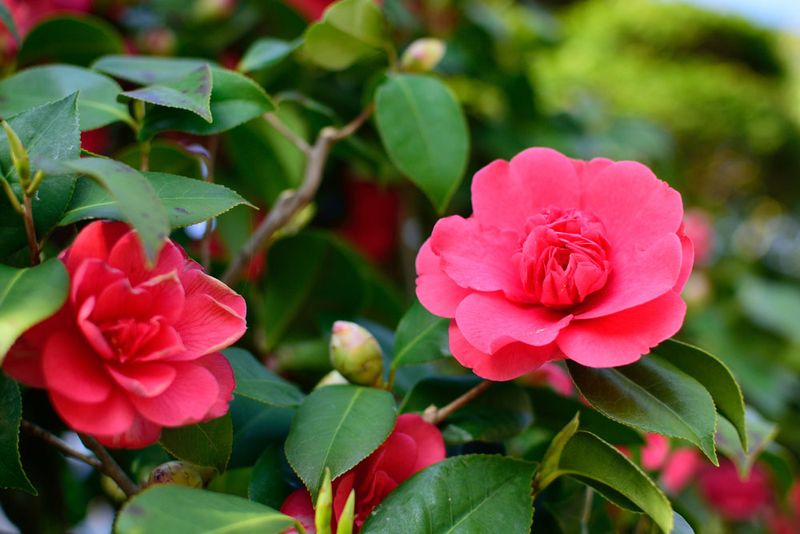
With a flair for elegance, Camellias brighten November gardens with their exquisite blooms. Known for their rose-like flowers, they offer shades of red, pink, and white, often blooming when little else does.
Camellias originated in Asia and thrive in acidic, well-drained soil. They prefer partial shade and are perfect for woodland gardens. A charming fact: Camellias have been cultivated for centuries, celebrated for their beauty and symbolism in tea culture. Their captivating presence adds grace to late autumn landscapes, ensuring your garden stays vibrant.
12. December: Holly
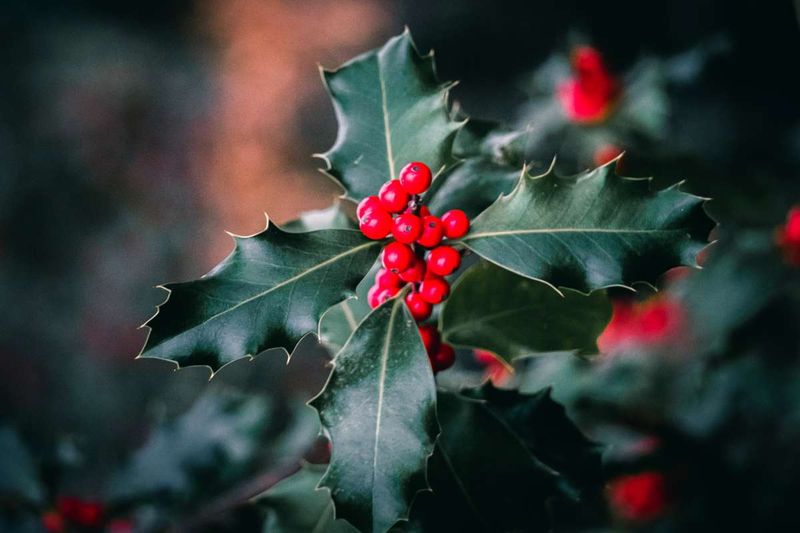
December’s chill is softened by the festive allure of Holly. This evergreen shrub is iconic for its glossy leaves and bright red berries, providing color and texture in winter gardens.
Holly has a rich history, often associated with winter celebrations and traditions. It thrives in well-drained soil and can tolerate shade, making it versatile for various garden settings. Its berries attract birds, adding life to the garden. A fun fact: Holly leaves were once used to ward off evil spirits, showcasing its cultural significance.
13. January: Winter Daphne
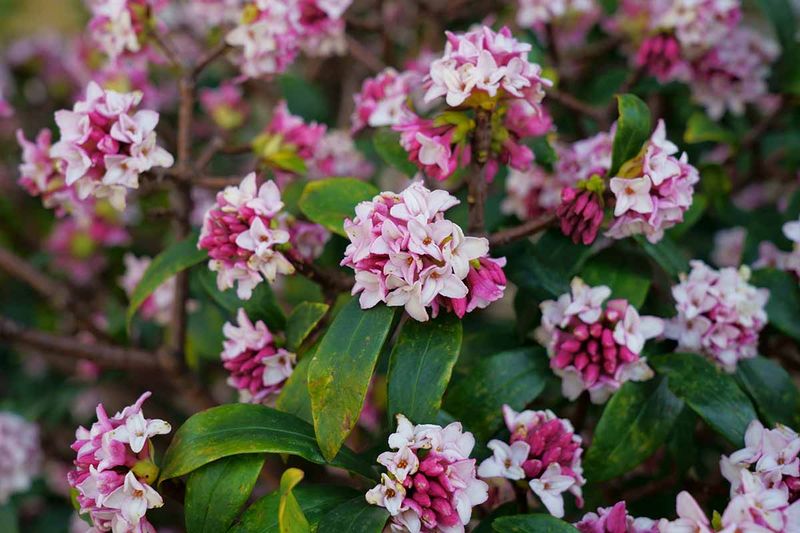
Winter Daphne enchants January gardens with its sweet fragrance and clusters of pink and white blooms. This shrub is a delightful surprise in the cold months, offering both beauty and aroma.
Native to East Asia, Winter Daphne prefers partial shade and well-drained soil. It’s known for its short blooming period but leaves a lasting impression with its captivating scent. Gardeners cherish it for its ability to thrive in challenging conditions. A curious fact: all parts of Winter Daphne are toxic, so it should be planted with care around children and pets.
14. February: Snowdrop Tree
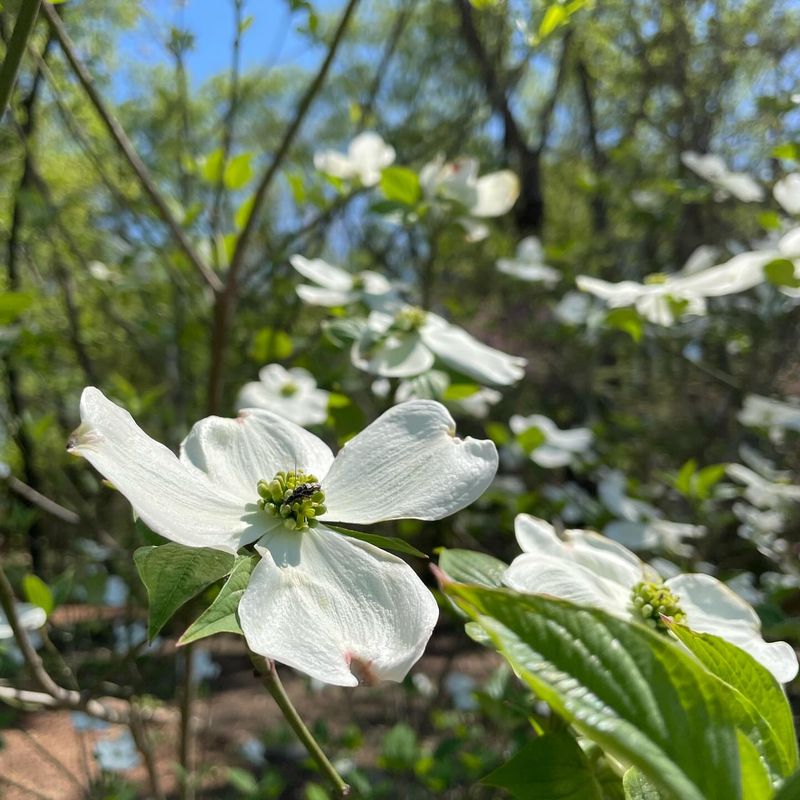
The Snowdrop Tree heralds February with delicate white flowers resembling snowdrops. These bell-shaped blooms dangle gracefully, offering a serene and understated elegance as winter wanes.
Native to the southeastern United States, this shrub prefers moist, well-drained soil and can tolerate both sun and partial shade. Its charming appearance isn’t its only draw; it’s relatively rare in cultivation, adding a touch of exclusivity to your garden. A fun tidbit: despite its name, it’s more closely related to the silver bell tree than actual snowdrops.
15. March: Camellia Japonica
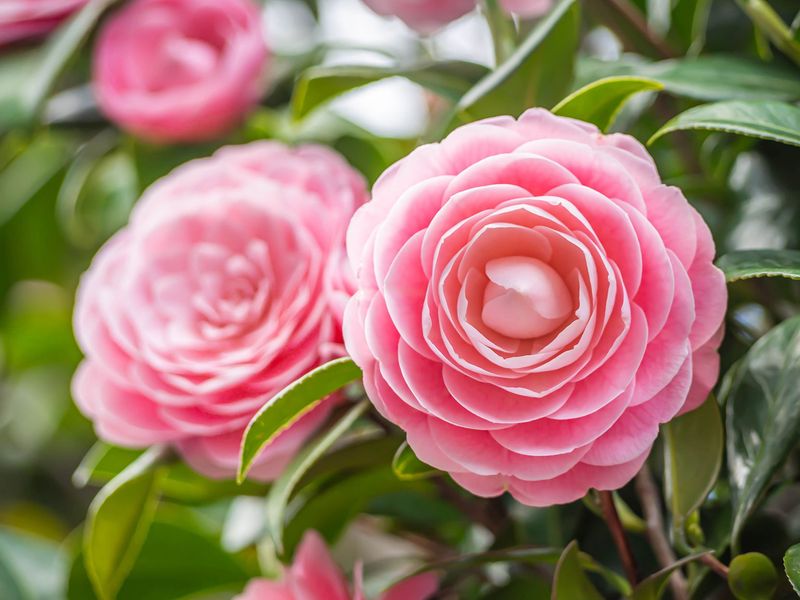
March welcomes the timeless beauty of Camellia Japonica. With its lush, glossy leaves and vibrant pink blooms, this shrub is a garden classic. Its flowers are often compared to roses, exuding elegance and charm.
Originating from Japan, Camellia Japonica thrives in acidic, well-drained soil and prefers partial shade. It’s a long-lived shrub, often passing through generations as a cherished heirloom. Did you know? Camellias are symbols of love and devotion in many cultures, making them a meaningful addition to any garden.
16. April: Japanese Pieris
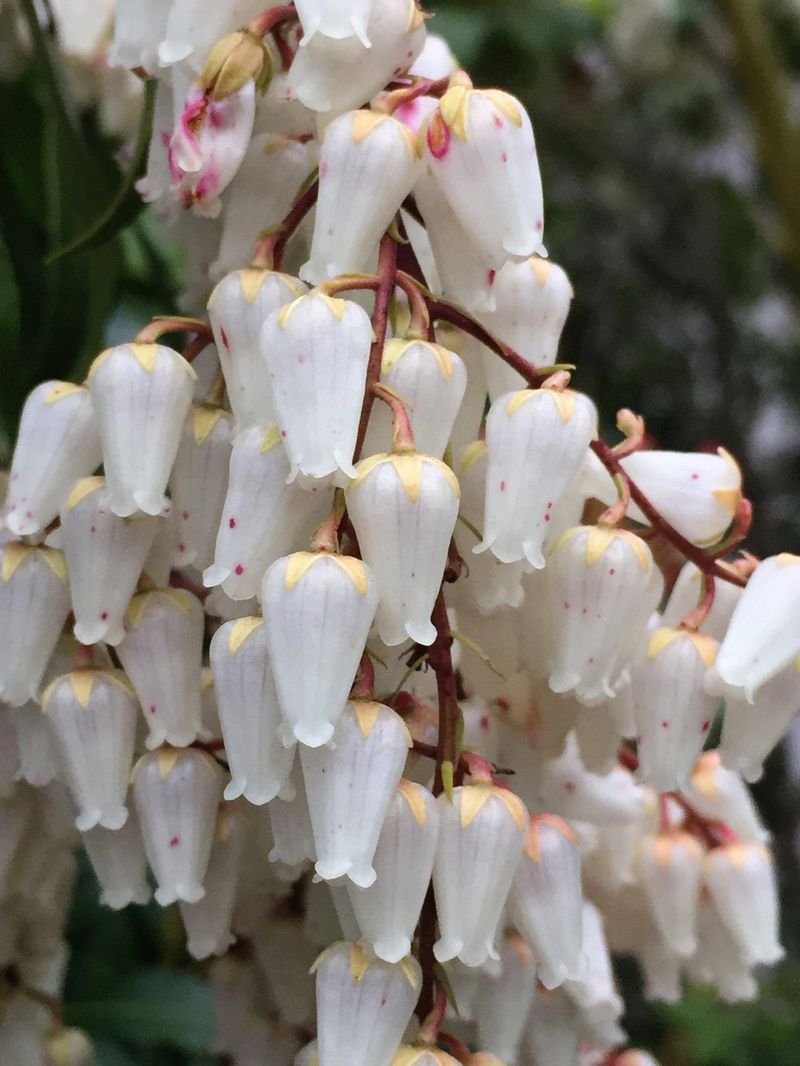
April’s showers are met with the cascading blooms of Japanese Pieris. This shrub is a spectacle of white, bell-shaped flowers that hang like delicate chains, transforming gardens into serene retreats.
Native to eastern Asia, Japanese Pieris prefers acidic, well-drained soil and partial shade. It’s known for its evergreen foliage and vibrant new growth that often appears in red or bronze hues. A captivating fact: Japanese Pieris is sometimes called “Lily of the Valley” shrub due to its flower shape, adding a whimsical touch to any garden.
17. May: Mountain Laurel
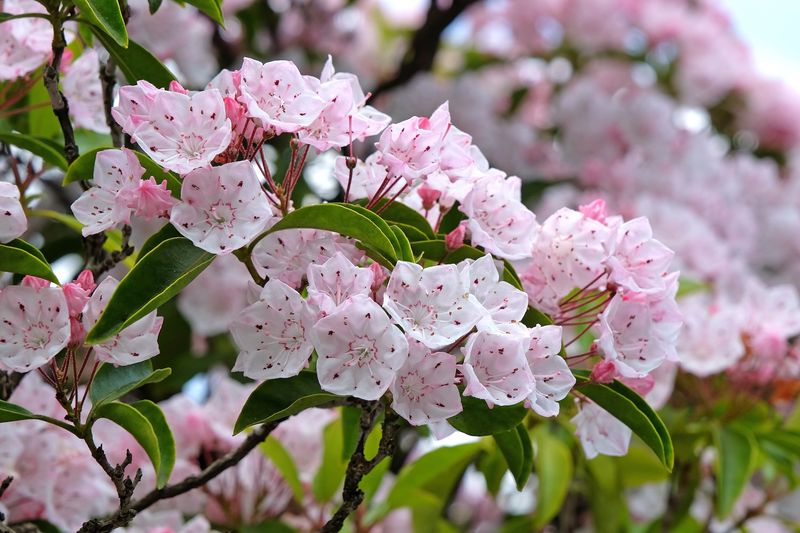
May gardens glow with the Mountain Laurel’s enchanting blooms. This shrub is admired for its intricate pink and white flowers, forming clusters that resemble delicate bouquets. Its evergreen leaves add year-round appeal.
Native to North America, Mountain Laurel thrives in acidic, well-drained soil and partial shade. It’s a slow-growing plant, often rewarding patient gardeners with stunning displays. An interesting fact: all parts of Mountain Laurel are toxic, yet it attracts numerous pollinators, ensuring a lively garden scene.
18. June: Mock Orange
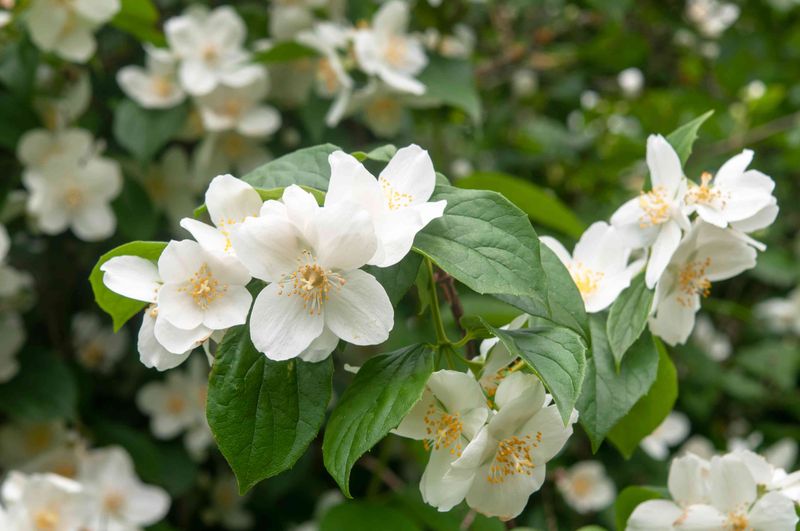
June’s air is filled with the sweet fragrance of the Mock Orange. Known for its white, citrus-scented flowers, this shrub is a sensory delight, reminiscent of orange blossoms.
Native to Europe and Asia, Mock Orange thrives in full sun and well-drained soil. Its vigorous growth makes it ideal for hedges or as a standalone feature. A charming tidbit: despite its name, Mock Orange is not related to actual orange trees. Its delightful scent and ease of care make it a garden favorite during summer.
19. July: Bluebeard
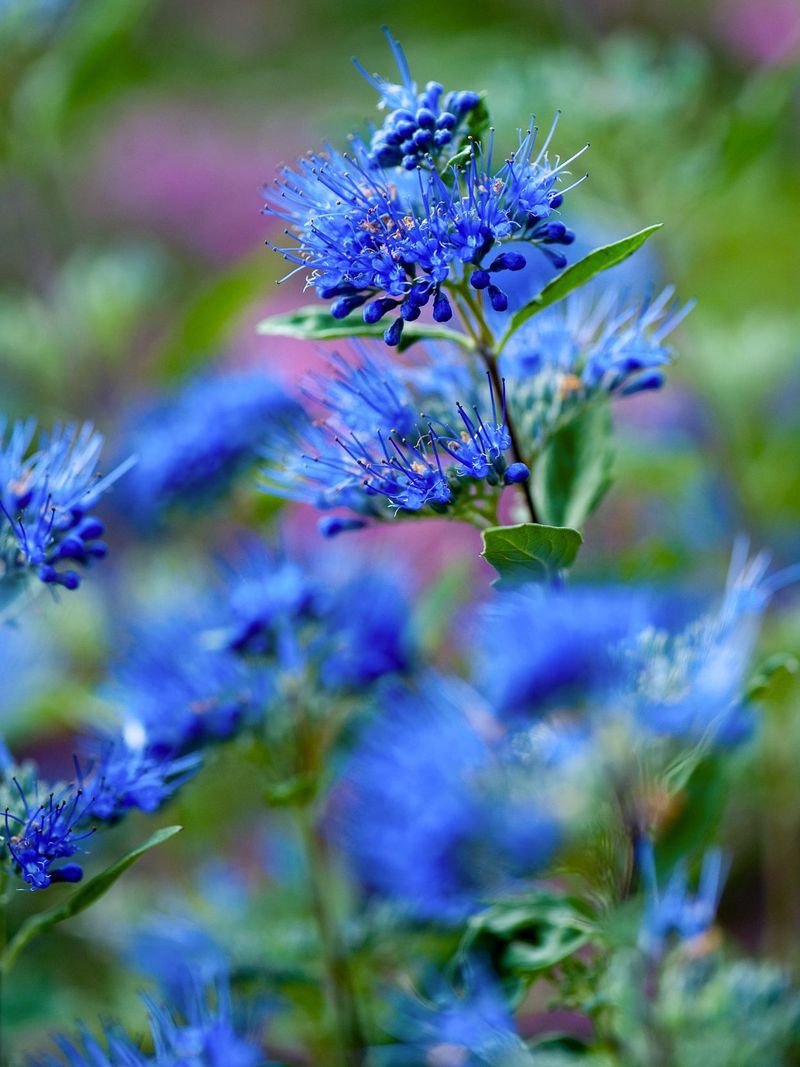
July’s sunlit gardens are enhanced by Bluebeard’s vibrant blue blooms. This shrub is a magnet for bees and butterflies, adding life and motion to your garden landscape.
Native to Asia, Bluebeard thrives in full sun and well-drained soil, making it perfect for sunny borders or rock gardens. Its aromatic foliage and late summer blooms provide color when many other plants have faded. A fun fact: Bluebeard is also known as “Caryopteris,” adding a touch of mystery and allure to its garden presence.
20. August: Russian Sage
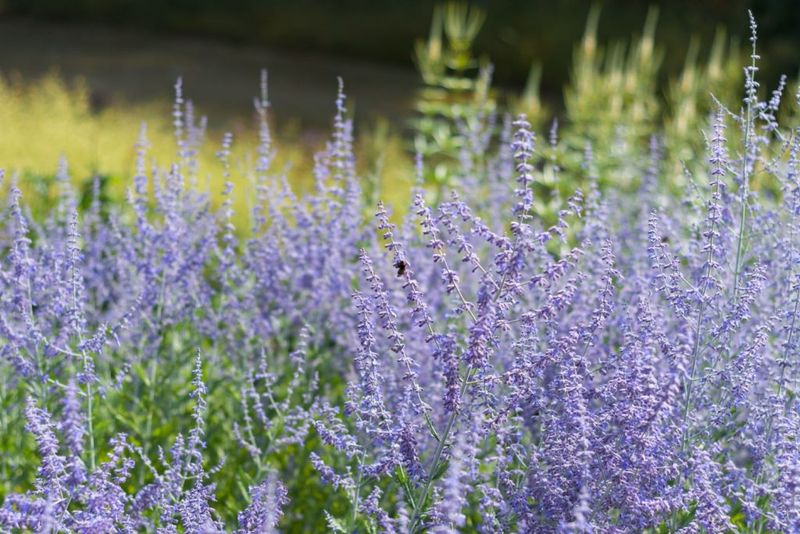
August gardens shimmer with the ethereal beauty of Russian Sage. Its lavender-blue flowers and silvery, aromatic foliage create a cloud-like effect, perfect for adding texture and color.
Native to central Asia, Russian Sage thrives in full sun and well-drained soil. It’s drought-tolerant, making it ideal for low-water landscapes. A quirky detail: despite its name, it’s not a true sage but shares a similar fragrance. Russian Sage’s airy blooms are a favorite among pollinators, ensuring a lively garden atmosphere.
21. Rainbow Fuchsia
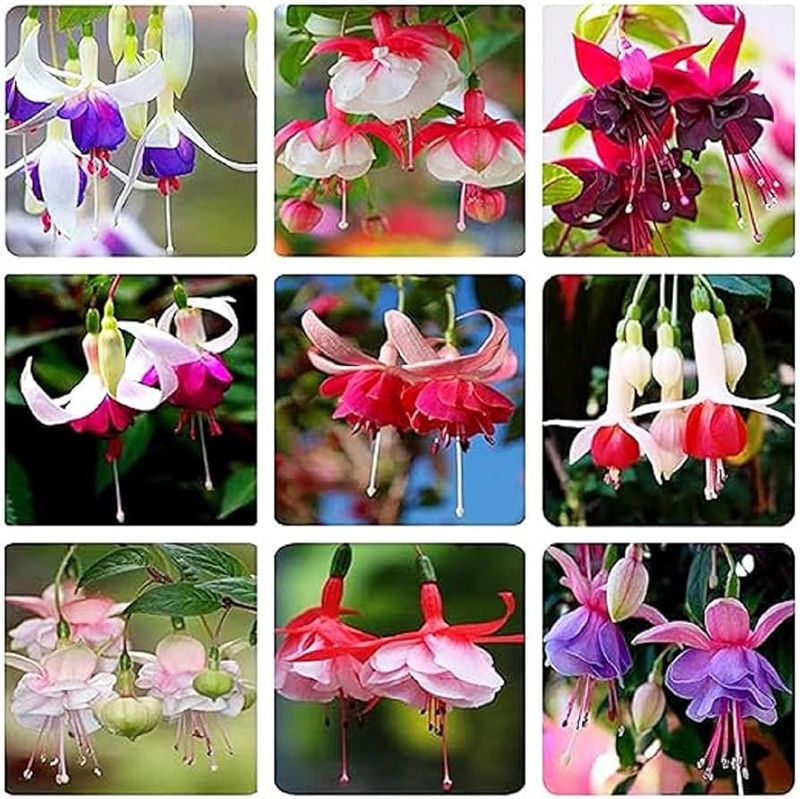
Rainbow Fuchsia, a true masterpiece in any garden, dazzles with its multicolored blooms. These vibrant blossoms range from pink to purple, and even orange, creating a visual feast. Known for its graceful drooping flowers, Rainbow Fuchsia invites butterflies and hummingbirds to play among its petals.
Perfect for shaded areas, this shrub thrives in mild climates and enjoys well-drained soil. Its long blooming season ensures continuous color, making it a gardener’s favorite.
Fun fact: Did you know Rainbow Fuchsia is often called the ‘ballerina plant’ due to its delicate, dancer-like flowers?