 Complete Gardening
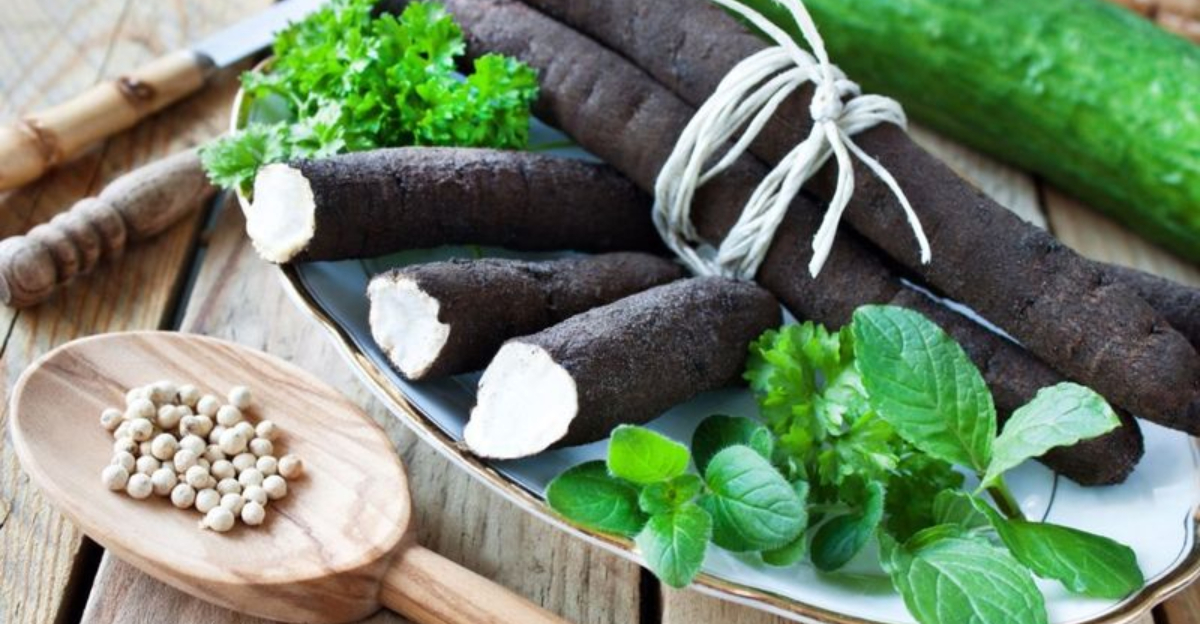
Root vegetables are an often overlooked treasure trove of nutrients and flavors. While potatoes and carrots are staples in many households, there exists a world of unusual root vegetables waiting to be explored. These unique roots not only add diversity to your diet but also offer distinctive tastes and textures. Trying these lesser-known vegetables can expand your culinary horizons and provide a refreshing twist to your meals.
1. Celeriac
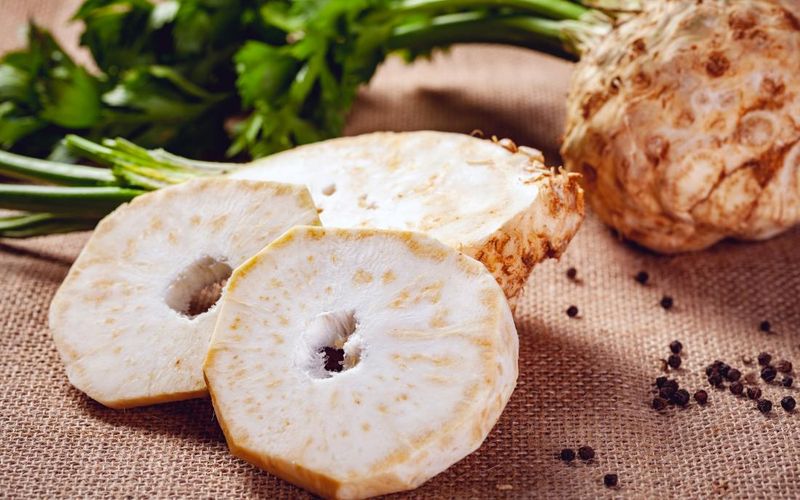
Often dubbed as the “ugly duckling” of the vegetable world, celeriac is a root vegetable with a distinctive, earthy flavor. Its rough, brown exterior may not be appealing, but its creamy white flesh is delightful. Celeriac is versatile, often used in soups, stews, and even raw in salads.
Did you know that celeriac is closely related to celery? Despite its unconventional appearance, it offers a mild, nutty taste that can complement a variety of dishes. A little preparation goes a long way with this vegetable, making it a hidden gem in the culinary world.
2. Salsify
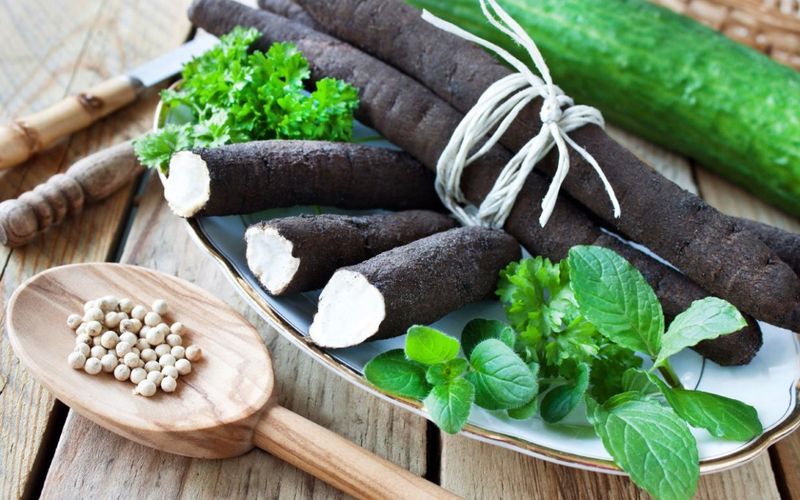
Salsify, sometimes referred to as the “oyster plant,” boasts a subtle, oyster-like flavor. This unique taste sets it apart in the realm of root vegetables. Salsify resembles a long, slender parsnip with a dark, tough skin that hides a creamy white interior.
This versatile root can be boiled, mashed, or roasted, making it a great addition to various dishes. Its mild taste pairs well with other vegetables and meats. Salsify is a delightful surprise for those willing to venture beyond the ordinary.
3. Oca
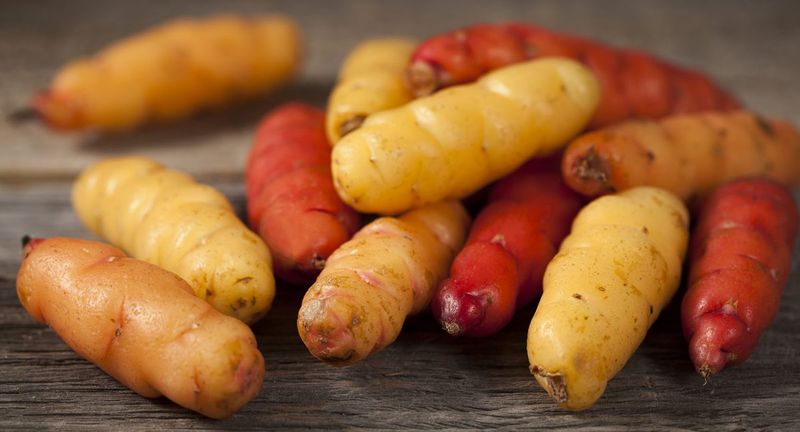
Oca, a vibrant root vegetable native to the Andes, is celebrated for its bright colors and tangy flavor. Resembling small, bumpy potatoes, oca comes in shades of red, yellow, and orange. It adds a splash of color and zest to any meal.
When cooked, oca becomes tender, with a slightly sweet and sour taste, ideal for roasting or boiling. This tuber is not only visually appealing but also a nutritious addition to the diet. Explore oca for a taste of South American cuisine in your kitchen.
4. Jerusalem Artichoke
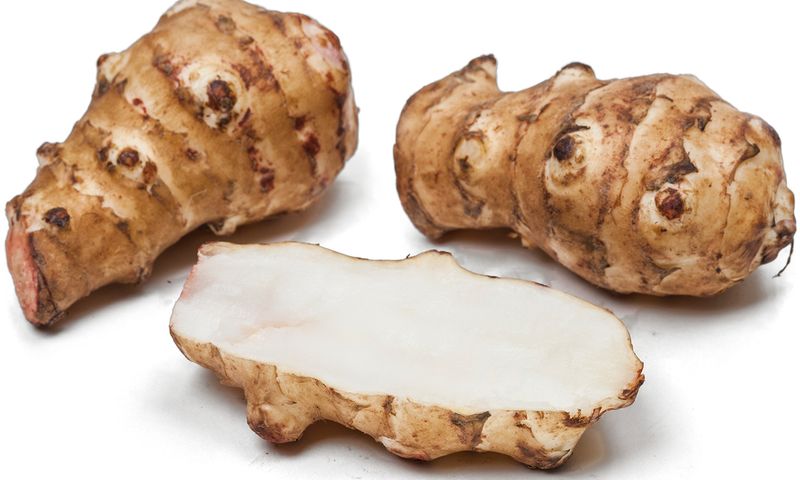
Jerusalem artichokes, also known as sunchokes, are tubers with a nutty flavor akin to artichokes. These knobby, brown roots are related to sunflowers, offering a unique taste experience.
Sunchokes can be eaten raw or cooked, providing versatility in the kitchen. Their crisp texture makes them a great addition to salads, while roasting brings out their natural sweetness. A delightful alternative to traditional root vegetables, Jerusalem artichokes are worth exploring for their distinct flavor profile.
5. Malanga
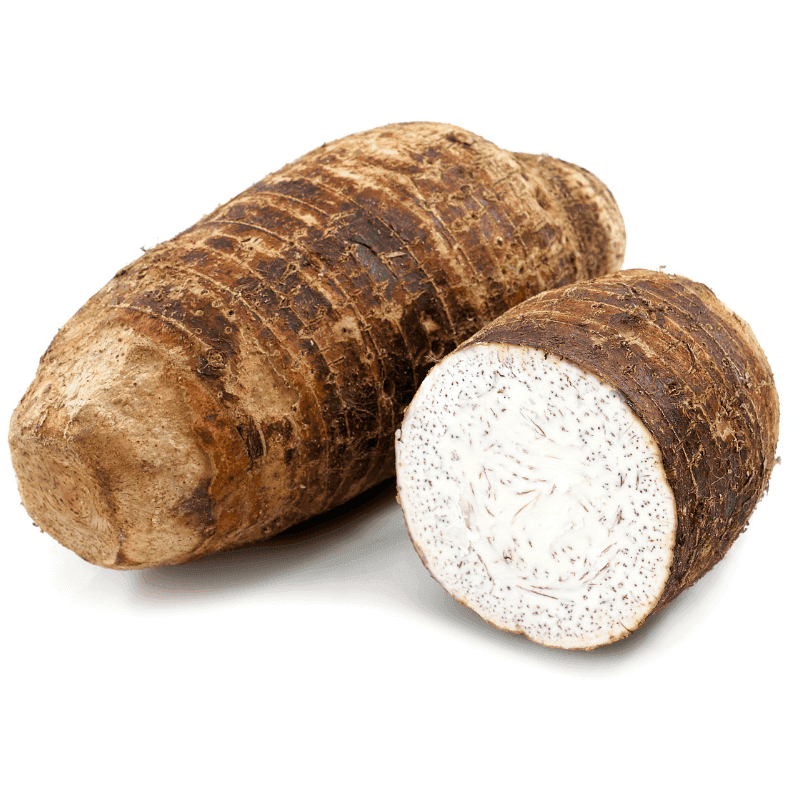
Malanga, a tropical root vegetable, is a starchy delight commonly used in Caribbean cuisine. Its nutty flavor and creamy texture make it a popular choice for soups, stews, and fritters.
This root’s skin is rough, hiding a fibrous, white interior that becomes tender when cooked. Malanga offers a comforting, hearty option for meals, providing a taste of the tropics. With its rich nutritional profile, including dietary fiber and essential minerals, malanga is a versatile and healthy ingredient.
6. Taro
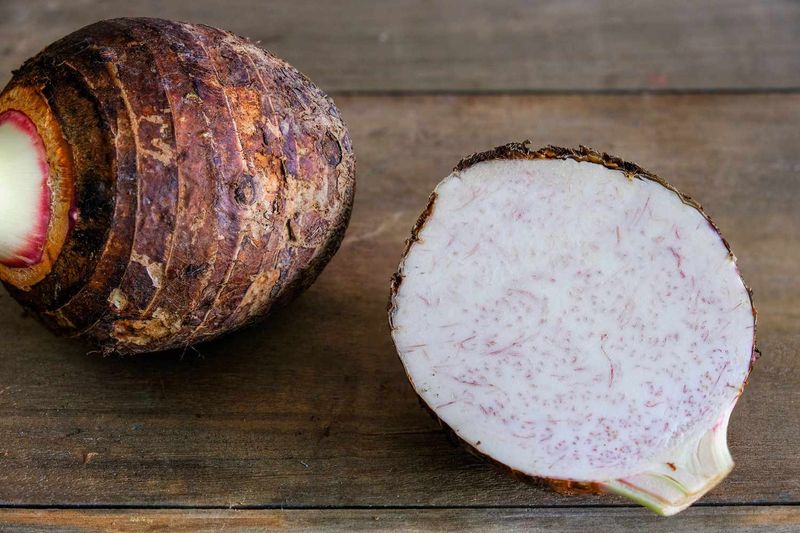
Taro, a staple in many Asian and Pacific Island cuisines, is a root vegetable with a mildly sweet flavor. Its brown, hairy exterior conceals a starchy, purple-speckled interior.
Taro is incredibly versatile, used in both savory and sweet dishes. It is often boiled, mashed, or fried, providing a unique texture and taste. Beyond its culinary uses, taro is celebrated for its nutritional benefits, boasting vitamins and minerals crucial for a balanced diet. Discover taro’s unique taste and cultural significance.
7. Yacon
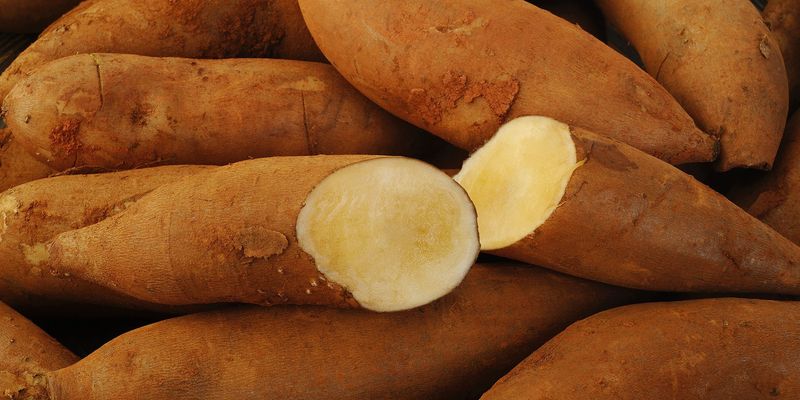
Yacon, known for its juicy, sweet flavor, is a root vegetable that resembles a potato. Unlike its starchy counterpart, yacon is primarily composed of water and natural sugars, offering a refreshing taste.
This root is often enjoyed raw, sliced into salads for a crisp, apple-like texture. Yacon syrup is a popular sweetener alternative, utilized by health enthusiasts. With its low-calorie count and prebiotic properties, yacon is both a tasty and healthful addition to the diet.
8. Sunchoke
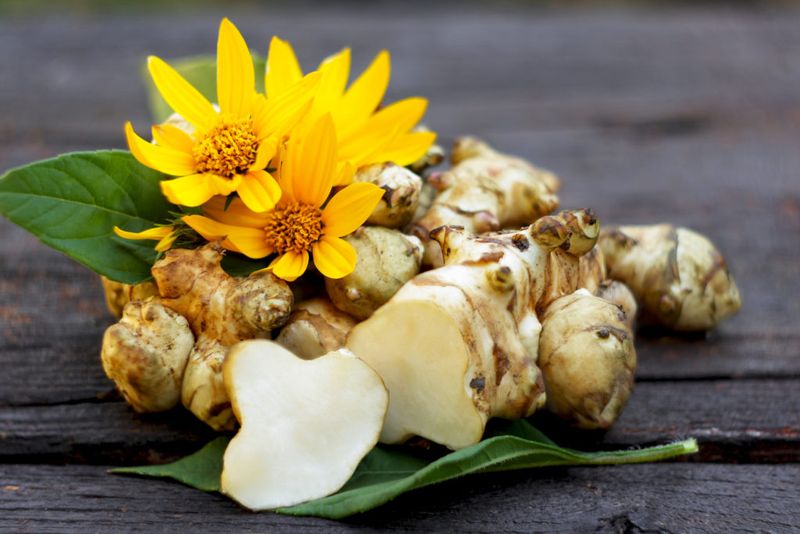
Sunchokes, also called Jerusalem artichokes, are small tubers with a nutty, artichoke-like flavor. Their knobby appearance might be deceiving, but their taste is a delightful surprise.
These tubers can be cooked in various ways: roasted, sautéed, or pureed. Their versatility and distinctive flavor make them a valuable ingredient in culinary creations. Sunchokes are also rich in inulin, a prebiotic that supports digestive health. Explore sunchokes for a nutritious and flavorful root vegetable option.
9. Burdock Root

Burdock root, a staple in Asian cuisine, is prized for its earthy, slightly sweet flavor. Its long, slender shape and rough skin hide a crunchy interior that can be eaten raw or cooked.
Commonly used in stir-fries, soups, and teas, burdock root offers a unique taste experience. It is also known for its medicinal properties, used in traditional medicine to support digestion and detoxification. Discover burdock root for its culinary versatility and health benefits.
10. Parsnip
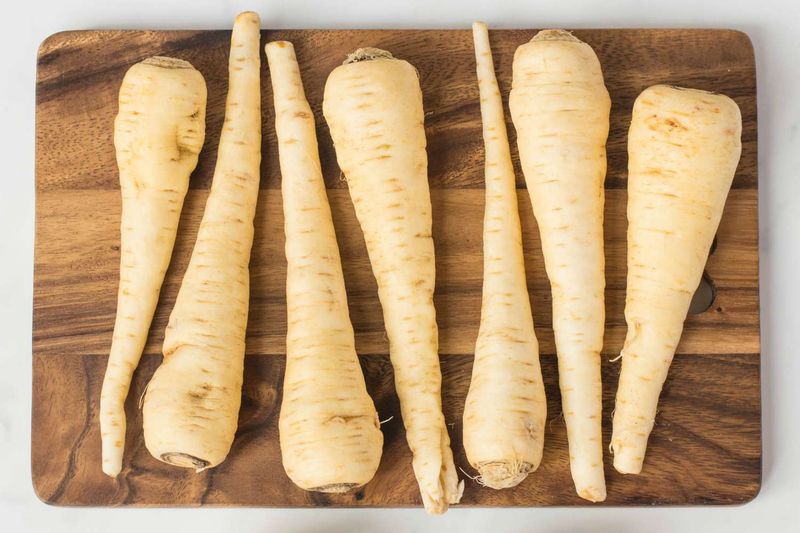
Parsnips, with their sweet, nutty flavor, are a cherished root vegetable in winter dishes. Resembling white carrots, they offer a creamy texture and rich taste profile.
Ideal for roasting, mashing, or adding to soups, parsnips add depth and warmth to recipes. Their natural sweetness intensifies with cooking, making them a favorite in comfort foods. Parsnips also provide essential nutrients like fiber and vitamins, contributing to a balanced diet with their delightful taste.
11. Cassava
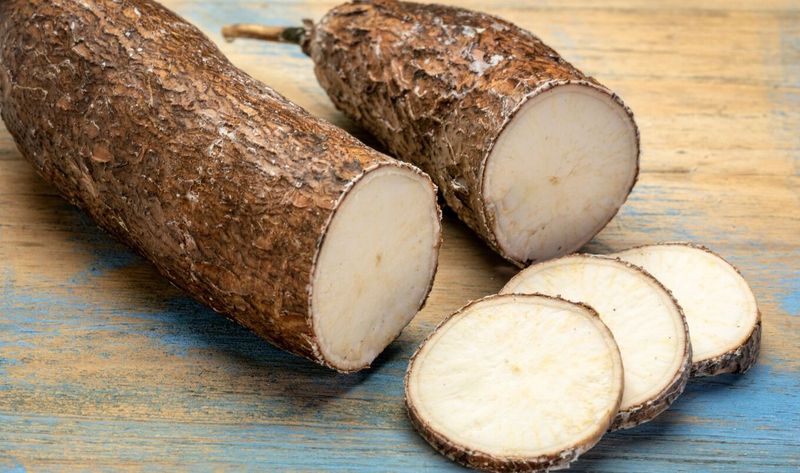
Cassava, a staple in many tropical regions, is a root vegetable known for its high carbohydrate content. Its thick, brown skin encases a white, starchy interior that is both versatile and filling.
Often used to make tapioca and cassava flour, this root is a key ingredient in numerous traditional dishes. Cassava must be properly cooked to remove toxins, unlocking its nutritional potential. Its versatility and role in food security make cassava a significant crop worldwide.
12. Lotus Root

Lotus root, a staple in Asian cuisine, is celebrated for its crunchy texture and mild, slightly sweet taste. Its distinctive appearance, marked by circular holes, adds visual appeal to dishes.
Used in stir-fries, soups, and salads, lotus root provides a satisfying crunch and absorbs flavors well. It is also lauded for its health benefits, containing vitamins and minerals that support overall wellness. Embrace lotus root for its unique texture and nutritional offerings.
13. Kohlrabi
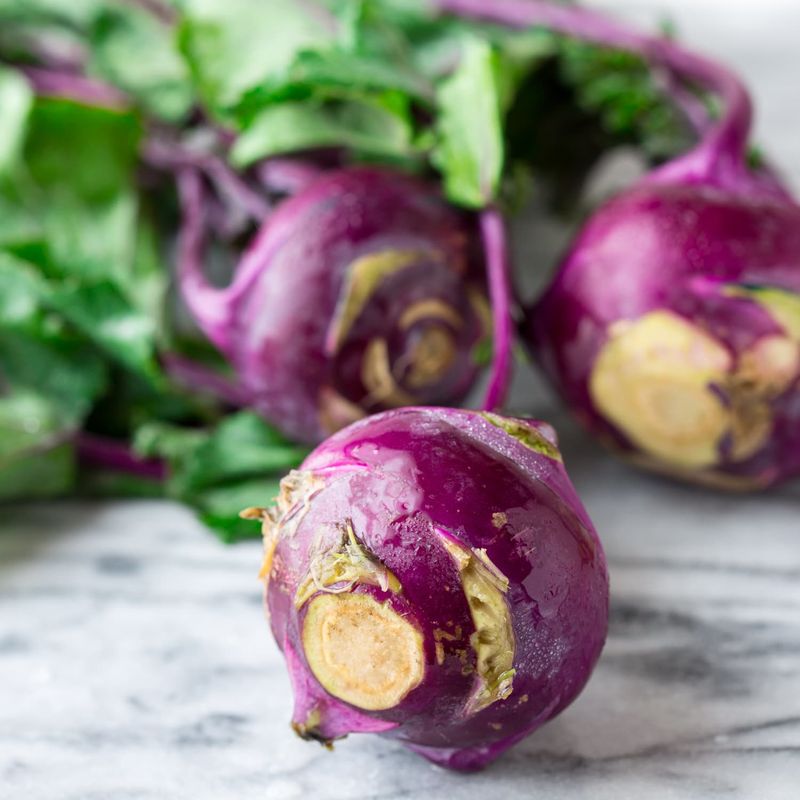
Kohlrabi, sometimes called the “German turnip,” is a root vegetable with a mild, sweet flavor. Its bulbous form, covered in green or purple skin, is both intriguing and versatile.
Kohlrabi can be eaten raw or cooked, adding a crisp texture to salads or a tender bite when roasted. Its subtle taste pairs well with a variety of dishes, making it a versatile ingredient. Explore kohlrabi for its delightful crunch and adaptability in the kitchen.
14. Yam

Yams, distinct from sweet potatoes, are tubers with a dry, starchy texture. Their rough, dark skin and orange or white flesh define their hearty nature.
Yams are a staple in African and Caribbean cuisines, offering a satisfying, earthy flavor. They are often boiled, roasted, or mashed, serving as a comforting side dish. Rich in carbohydrates and essential nutrients, yams provide energy and nourishment in each bite.
15. Rutabaga
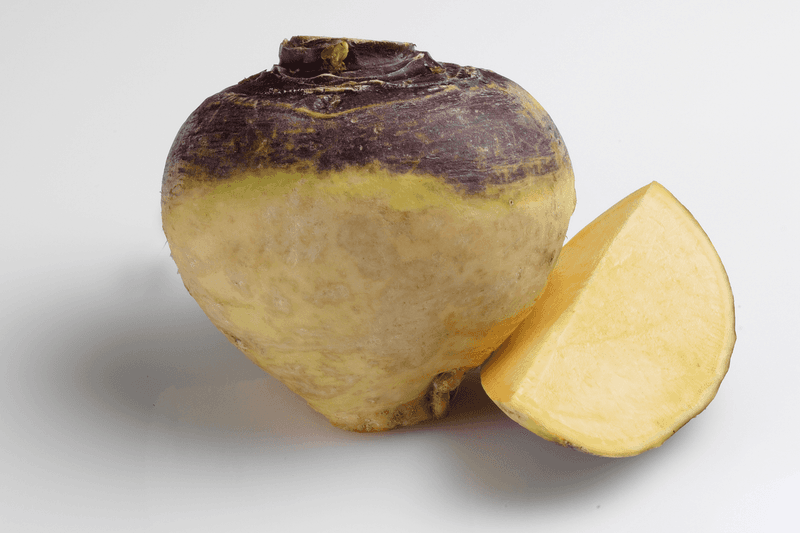
Rutabaga, a root vegetable with a sweet, earthy flavor, is a cross between a turnip and a cabbage. Its round shape and purple-tinged top make it a standout addition to meals.
This vegetable is versatile, suitable for roasting, mashing, or incorporating into soups. Its natural sweetness enhances the depth of flavors in dishes, making it a popular choice for comfort foods. Packed with vitamins and fibers, rutabaga is both a delicious and nutritious option.
16. Ulluco
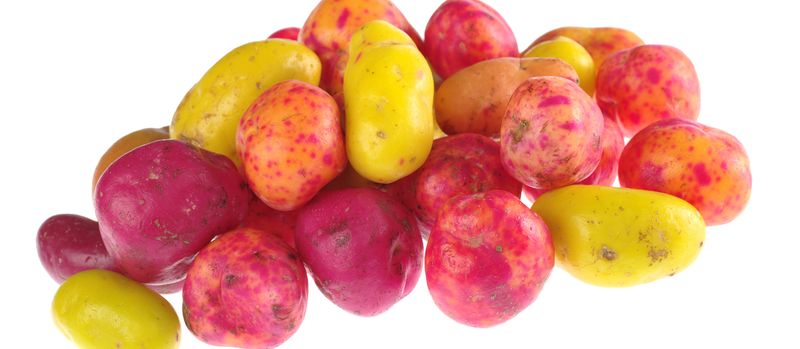
Ulluco, native to the Andes, is a root vegetable known for its vibrant colors and unique texture. These small, colorful tubers come in shades of pink, yellow, and green, adding a visual feast to your plate.
Their crisp texture and mild flavor make them suitable for salads and stews. Ulluco’s ability to retain its color and crunch even when cooked makes it a favorite in culinary creations. Discover ulluco for a splash of color and taste from South America.
17. Turmeric Root
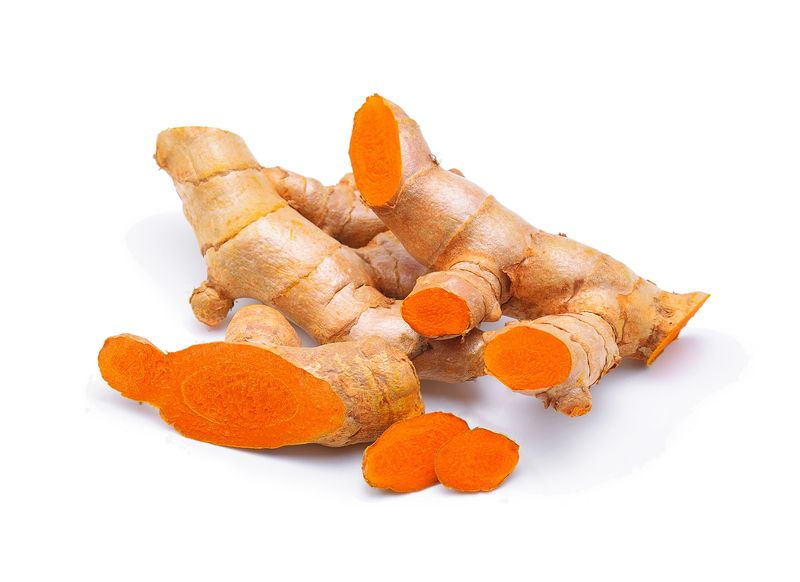
Turmeric root, a powerhouse of flavor and nutrition, is renowned for its vibrant orange color and earthy taste. Its papery skin conceals the bright interior that is synonymous with spice and health.
Often used in curries and teas, turmeric is celebrated for its anti-inflammatory properties. This root adds depth and warmth to dishes, offering both flavor and wellness benefits. Enhance your meals with turmeric root, a staple in traditional medicine and cuisine alike.
18. Daikon Radish
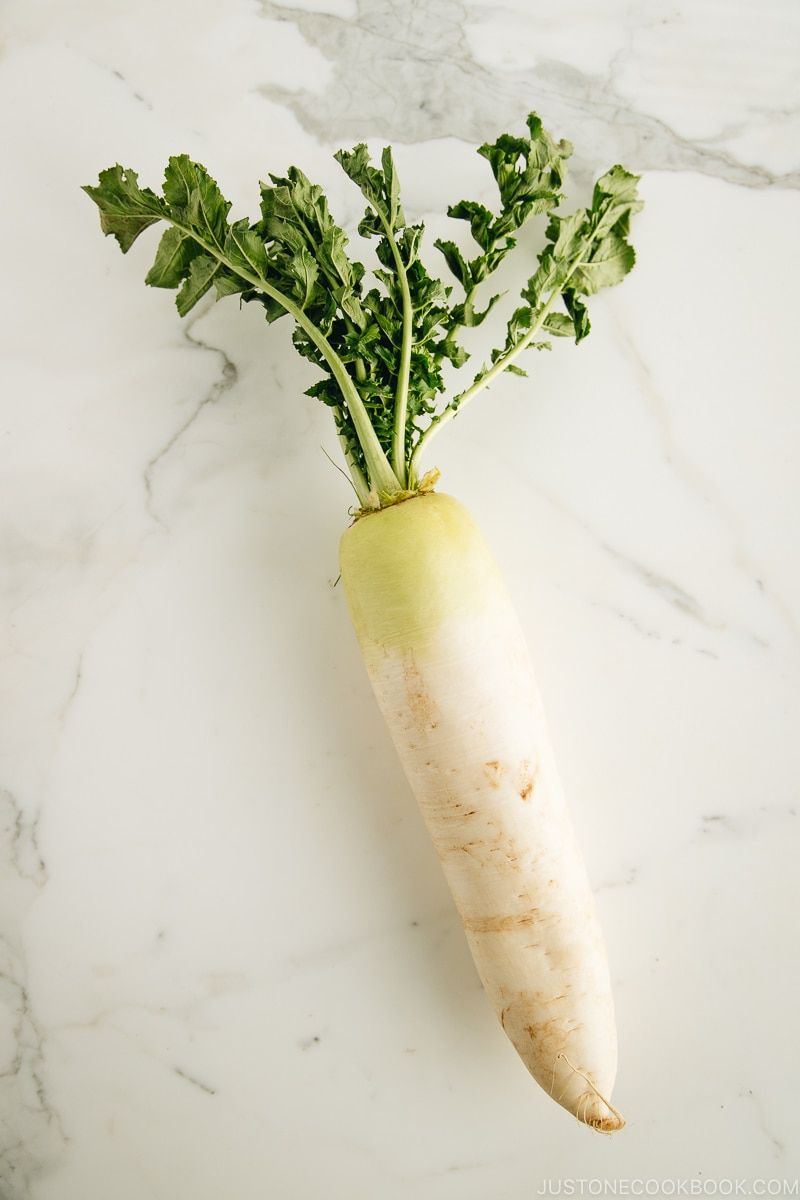
Daikon radish, a versatile root vegetable, is known for its crisp texture and mild flavor. Its smooth, white exterior and tall, green tops make it a staple in Asian cuisines.
This radish is often pickled, grated, or added to soups, offering a refreshing crunch. Daikon is low in calories and packed with nutrients, contributing to a balanced diet. Its ability to absorb flavors makes it a valuable addition to a variety of dishes.
19. Turnip
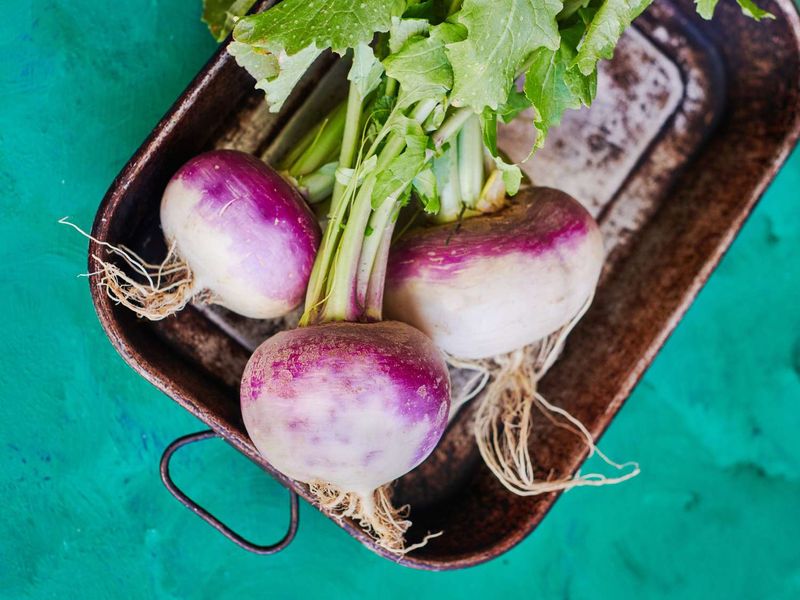
Turnips, with their slightly peppery flavor, are a classic root vegetable found in many traditional dishes. Their round shape and purple-tinged tops add character to meals.
Whether roasted, mashed, or added to stews, turnips provide a hearty, nutritious option. They are rich in vitamin C and offer a satisfying texture that complements other vegetables. Turnips are a timeless favorite, valued for their taste and versatility in the kitchen.
20. Beetroot
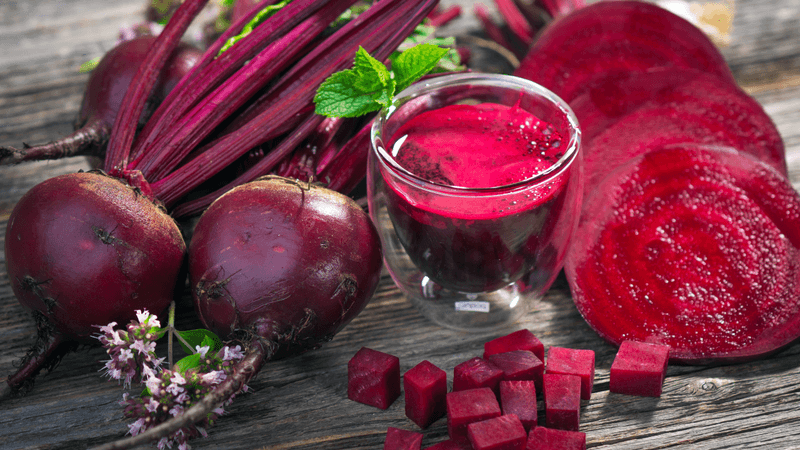
Beetroot, celebrated for its deep red hue and earthy sweetness, is a versatile root vegetable. Its vibrant color and flavor make it a standout ingredient in salads, soups, and juices.
Rich in antioxidants and fiber, beetroot supports heart health and adds a natural sweetness to dishes. Its versatility extends to both savory and sweet recipes, offering a burst of color and nutrients. Explore beetroot for a nutritious boost and delightful taste experience.
21. Sweet Potato

Sweet potatoes, cherished for their natural sweetness and vibrant color, are a staple in many kitchens. Their orange flesh and smooth skin make them a versatile and delicious root vegetable.
Packed with vitamins A and C, sweet potatoes provide essential nutrients while adding warmth and comfort to meals. Whether baked, mashed, or roasted, they offer a sweet and satisfying flavor. Sweet potatoes are a beloved choice for their taste and nutritional benefits.