 Complete Gardening
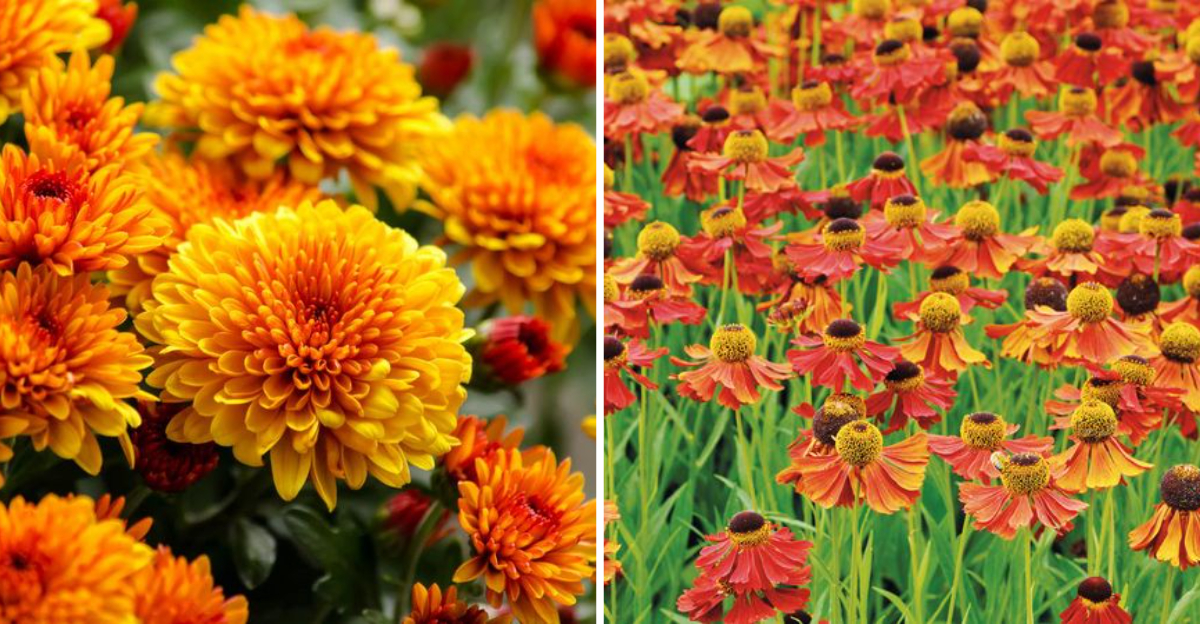
As the seasons shift and many flowers retreat from their summer splendor, there are some resilient blooms that continue to flourish, defying the onset of colder days. These flowers not only add color to gardens but also bring joy to those who cherish extended beauty in their landscapes. Here, we explore 22 flowers that persist in blooming even when others have faded. Each of these entries is a testament to nature’s enduring charm, offering vibrant hues and delightful aromas long after their counterparts have retreated.
1. Chrysanthemum
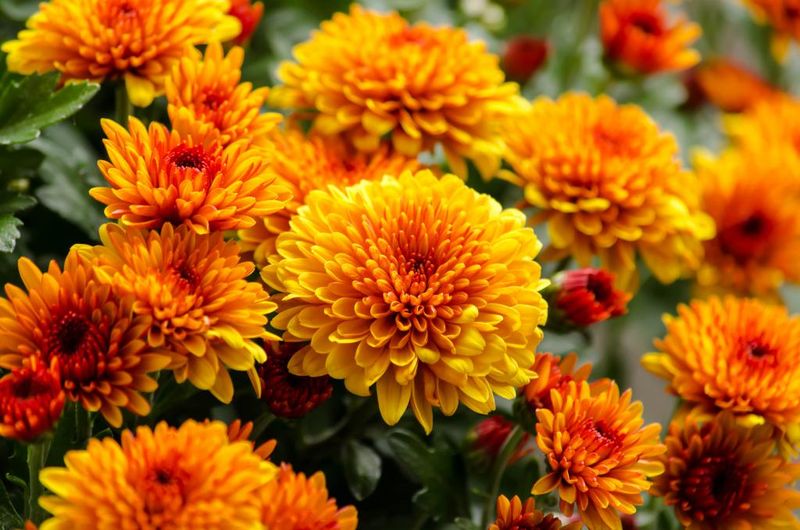
Chrysanthemums, often referred to as mums, are known for their late-season brilliance. Their petals unfurl in a symphony of colors, ranging from rich burgundy to sunlit gold. Originating from China, these flowers have been cultivated for over two millennia. The Victorians revered them as symbols of friendship and well-wishing. Each variety brings its own unique charm, making them ideal for autumn displays. Chrysanthemums thrive in well-drained soil and appreciate full sun. Their robust nature ensures they remain a garden staple, providing vibrant blooms when most others have retreated.
2. Aster
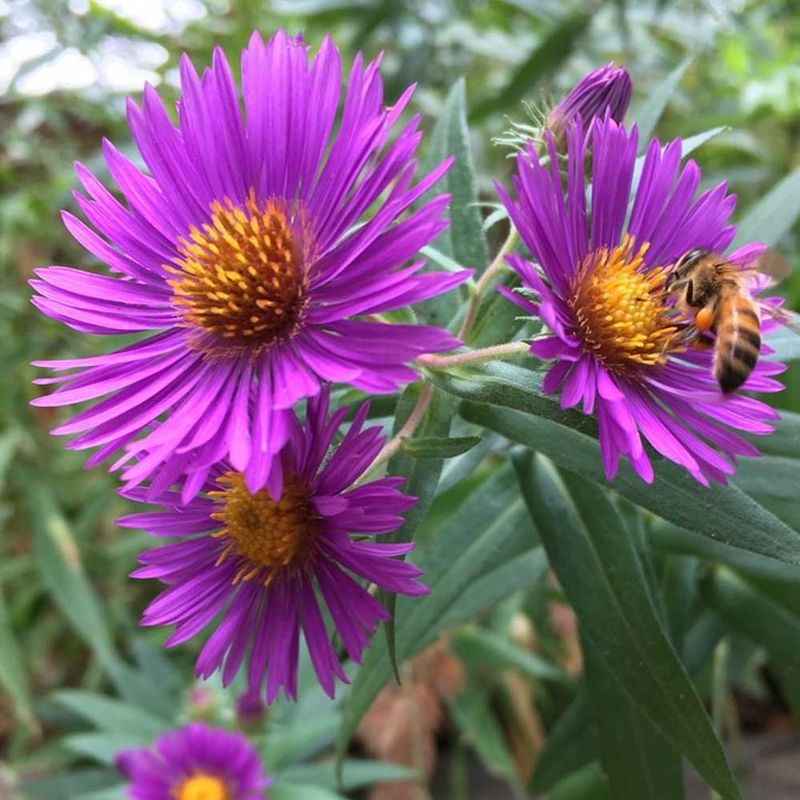
Asters are star-like flowers that dazzle with their array of colors and shapes. These hardy perennials provide a splash of color late in the growing season, with hues ranging from lilac to deep blue. A favorite among pollinators, asters attract bees and butterflies, offering a vital nectar source as fall approaches. Their resilience and adaptability make them a popular choice for gardeners seeking late-season blooms. Asters thrive in full sun and require minimal maintenance, often reblooming with a simple deadheading during the flowering period.
3. Sedum
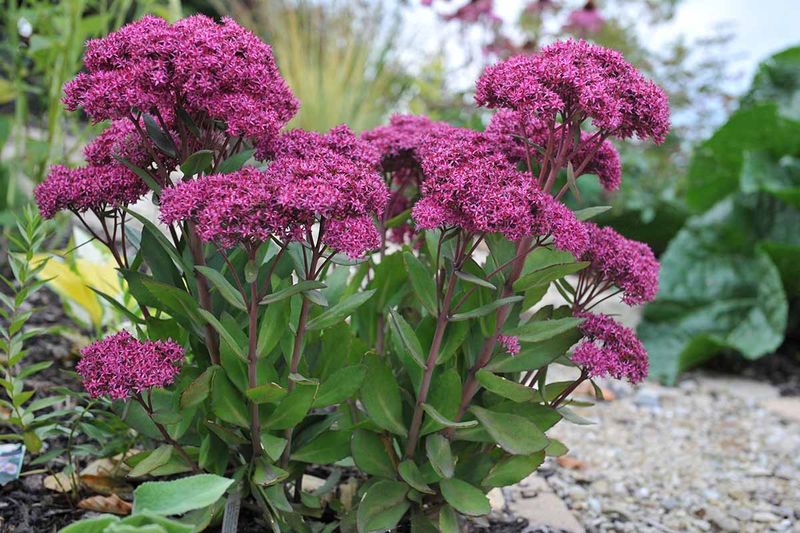
Sedum, often called stonecrop, is a succulent that brightens gardens with its fleshy leaves and star-shaped flowers. Known for their drought tolerance, these plants are perfect for rock gardens and dry landscapes. Sedums burst into color in late summer and continue well into fall, with flowers that attract pollinators like bees. Their unique ability to store water makes them resilient to changing weather conditions. Sedum’s versatility ensures it thrives in various settings, requiring little care while providing a splash of color through its long blooming season.
4. Japanese Anemone
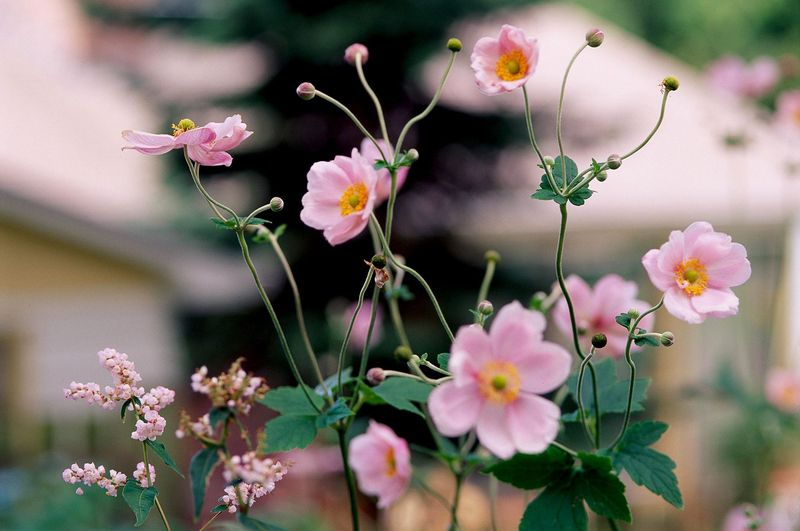
Japanese anemones are elegant perennials that grace gardens with their delicate beauty. Blooming in late summer and extending into autumn, their flowers resemble delicate butterflies fluttering among the foliage. Originating from Asia, they have become a favored choice for shady garden spots. Their tall, graceful stems and pastel-colored blooms add a touch of sophistication to any landscape. Despite their fragile appearance, Japanese anemones are remarkably hardy, thriving in well-drained soil and partial shade, making them a gardener’s delight for extended seasonal color.
5. Helenium
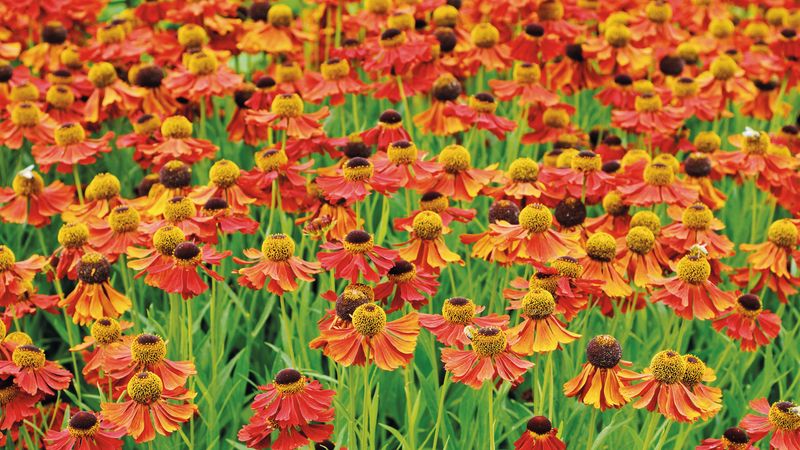
Helenium, commonly known as sneezeweed, bursts onto the scene with fiery hues of orange, yellow, and red. These daisy-like flowers bloom from midsummer into fall, bringing warmth to gardens as temperatures drop. Named after Helen of Troy, it was believed to have sprung from her tears. Helenium thrives in full sun and prefers moist, well-drained soil. Despite its name, it’s not responsible for sneezing, as its pollen is not wind-borne. Instead, it attracts a variety of pollinators, ensuring the garden remains vibrant and lively even as autumn progresses.
6. Coneflower (Echinacea)
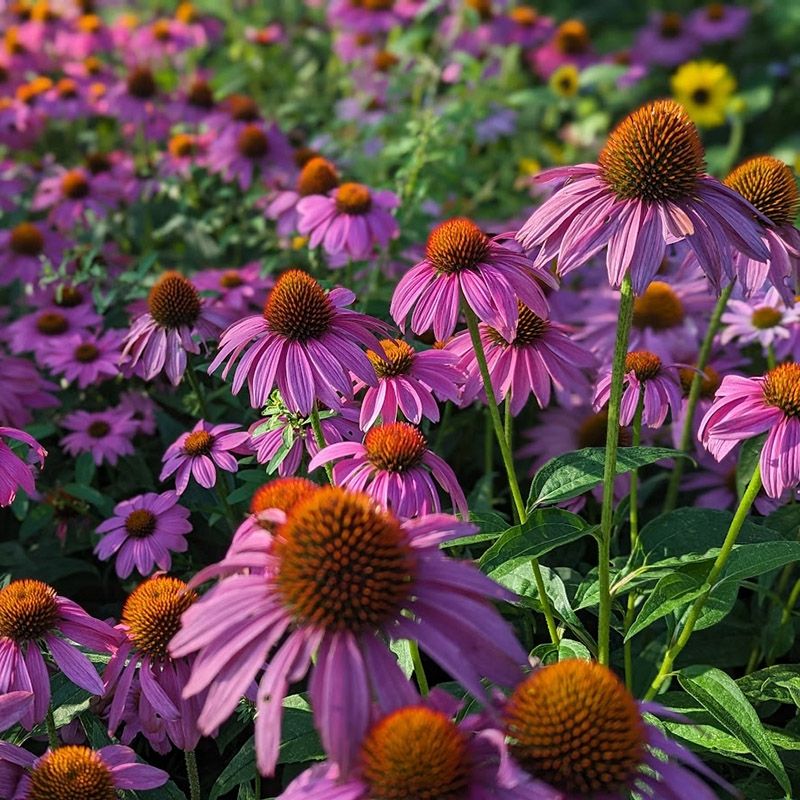
Coneflowers, or Echinacea, are robust perennials known for their striking daisy-like appearance. With petals that range from purple and pink to orange and white, they are a beloved garden staple. Aside from their visual appeal, coneflowers are renowned for their medicinal properties, particularly in boosting the immune system. These flowers attract butterflies and bees, enhancing biodiversity in gardens. They require minimal care, thriving in full sun and well-drained soil. Their long-lasting blooms ensure a vibrant display well into the fall, making them a gardener’s favorite.
7. Russian Sage
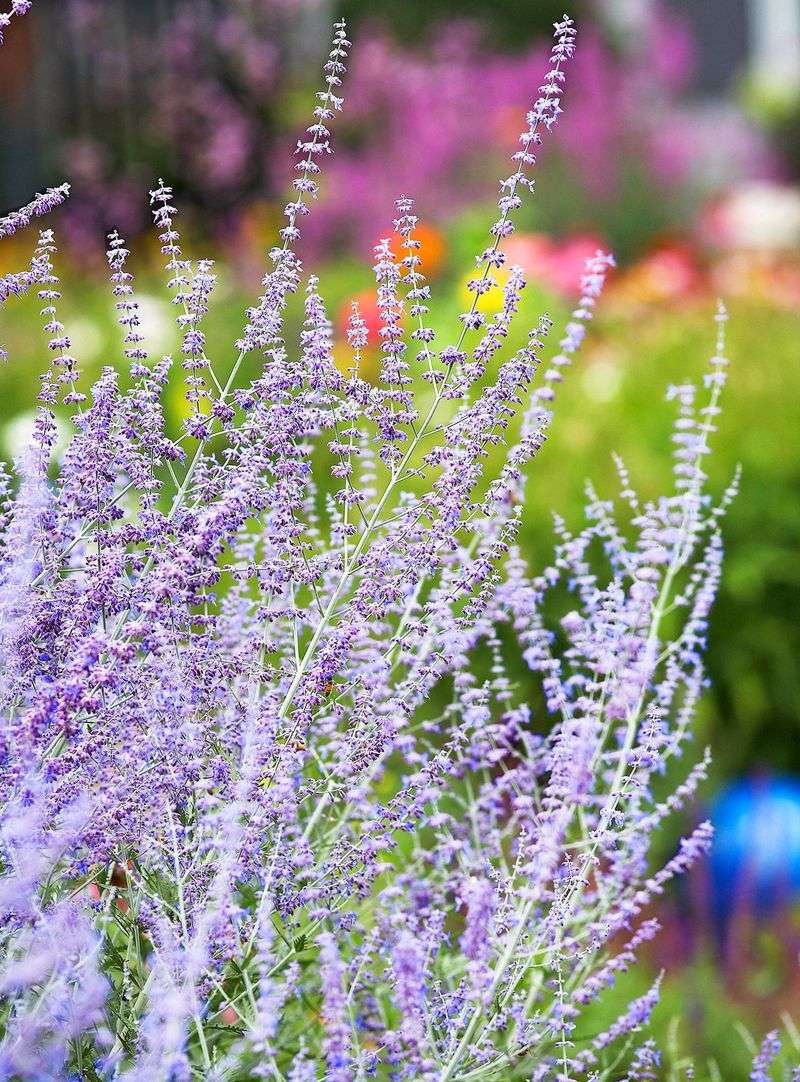
Russian sage is a perennial that brings a touch of elegance with its wispy spires of lavender-blue flowers. Blooming from midsummer to fall, it’s an excellent choice for adding height and texture to garden borders. This drought-tolerant plant thrives in full sun and well-drained soil, making it ideal for xeriscaping. Its aromatic foliage adds an additional sensory layer to gardens, reminiscent of a fresh herbal scent. Russian sage’s resilience and beauty ensure it remains a standout feature, even as the seasons change and other blooms fade away.
8. Verbena
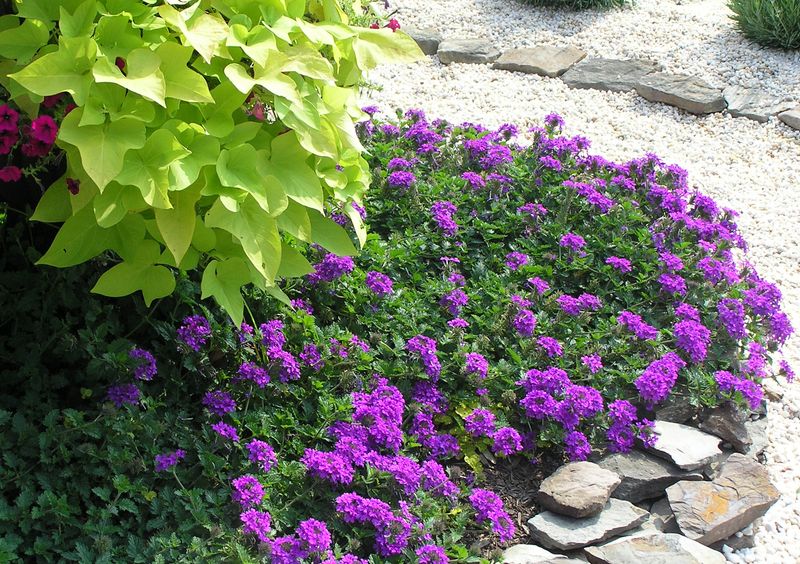
Verbena is a flowering plant that enchants with its clusters of small, vividly colored blooms. Known for its long blooming period, verbena remains a favorite among gardeners seeking continuous color. Its flowers attract hummingbirds and butterflies, adding motion and life to any garden. This versatile plant is perfect for hanging baskets and borders, thriving in full sun and well-drained soil. With minimal maintenance required, verbena’s resilience and beauty ensure it continues to captivate from spring through to the first frost.
9. Coreopsis
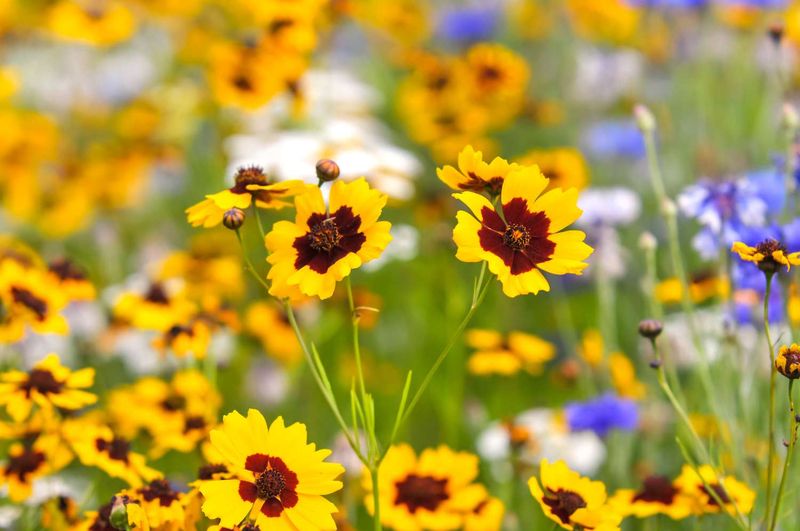
Coreopsis, often called tickseed, is celebrated for its cheerful blooms and easygoing nature. These sun-loving perennials brighten gardens with their daisy-like flowers, ranging from golden yellow to pink. Blooming from early summer into fall, coreopsis provides a consistent splash of color. Native to North America, they are well-adapted to various climates, thriving in full sun and well-drained soil. Their ability to attract pollinators like bees and butterflies makes them a valuable addition to any garden, ensuring vibrant displays even as cooler months approach.
10. Goldenrod
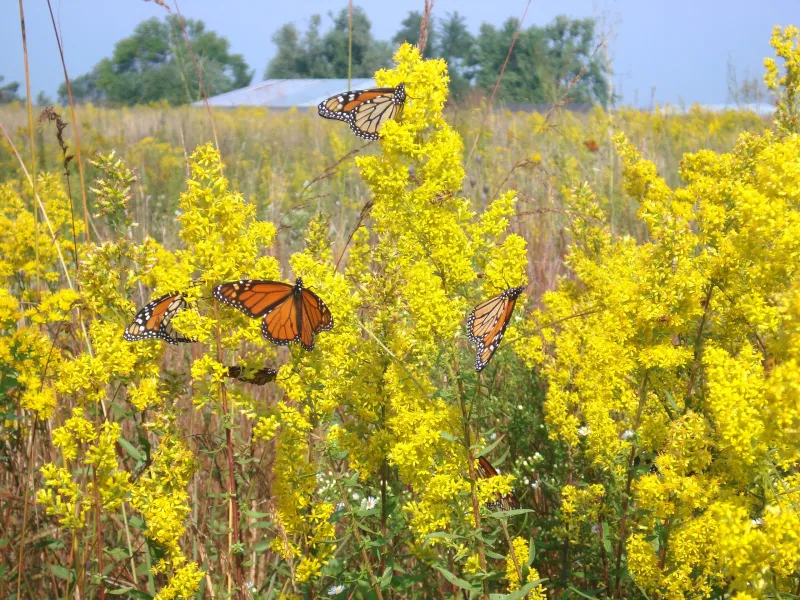
Goldenrod is often associated with autumn, lighting up fields and gardens with its bright yellow plumes. Contrary to popular belief, it doesn’t cause allergies; it’s wind-pollinated ragweed that’s the culprit. Goldenrod’s sunny disposition makes it a favorite for naturalized landscapes and garden borders. These tough perennials thrive in full sun and adapt to various soil types. Their blooms attract butterflies and beneficial insects, contributing to a healthy ecosystem. Goldenrod’s vibrant color and resilience ensure it remains a standout feature in the garden, even as summer fades.
11. Calendula
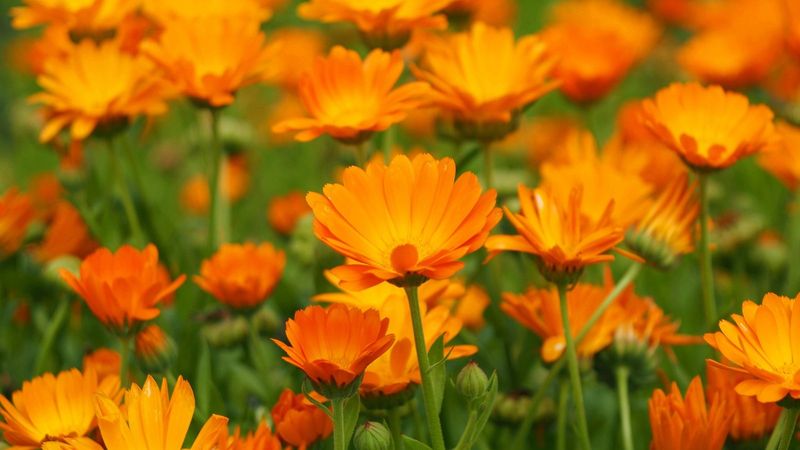
Calendula, commonly known as pot marigold, is a charming annual that delights with its bright, cheerful flowers. Blooming from early summer until frost, calendula’s orange and yellow blossoms add a warm glow to gardens. Known for its soothing properties, the petals are often used in herbal remedies and skincare products. This versatile plant thrives in full sun and well-drained soil, making it a popular choice for both flower beds and containers. Calendula’s resilience and vibrant color make it a treasured addition, providing joy throughout the growing season.
12. Dahlia
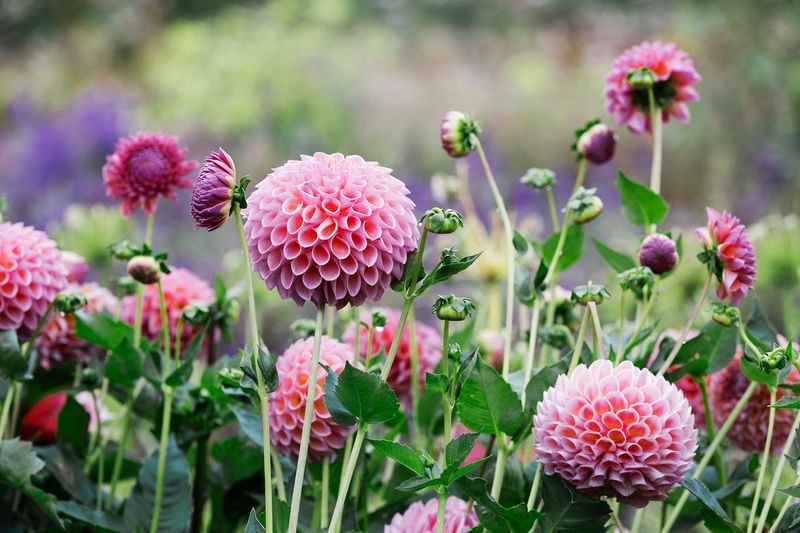
Dahlias are show-stoppers in any garden, celebrated for their dramatic blooms and variety of colors. These tuberous perennials bloom from midsummer through the first frost, offering a spectacular display. Originating from Mexico, dahlias have been cultivated extensively for their stunning flowers. Each variety presents a unique shape and color, from simple single blooms to intricate pompoms. They thrive in well-drained soil and full sun, requiring regular watering to maintain their lush appearance. Dahlias’ enduring beauty and diversity make them a beloved choice for gardeners worldwide.
13. Black-eyed Susan
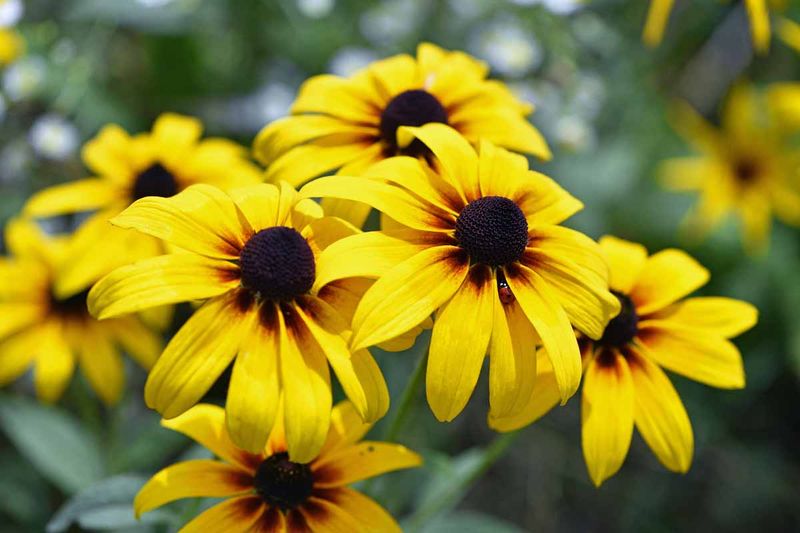
Black-eyed Susans are a North American native, known for their bright yellow petals and dark, conical centers. These hardy perennials bloom from mid-summer to fall, bringing a splash of sunshine to gardens and meadows. The cheerful flowers are easy to grow, thriving in full sun and well-drained soil. They are a favorite among butterflies and bees, contributing to a vibrant ecosystem. Black-eyed Susans’ resilience and ability to multiply make them a gardener’s favorite for creating bold, colorful displays that last through the season.
14. Salvia
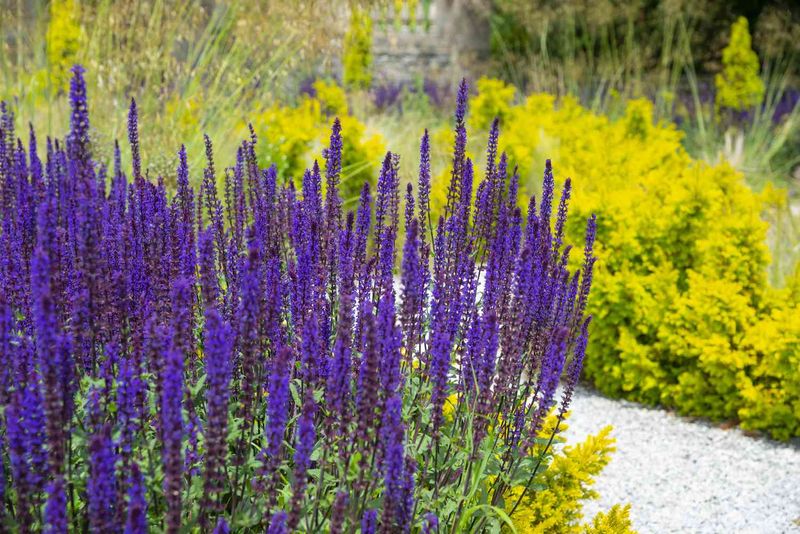
Salvia, or sage, offers a striking vertical element to landscapes with its vibrant spikes of blue, purple, or red flowers. Blooming from late spring to frost, salvia is beloved by pollinators, attracting bees, butterflies, and hummingbirds. This drought-tolerant perennial is easy to care for, performing best in well-drained soil and full sun. The aromatic foliage adds another dimension, releasing a pleasant scent when touched. Salvia’s long-lasting blooms and minimal maintenance make it a versatile choice for borders, containers, and cottage gardens seeking vibrant color.
15. Bee Balm
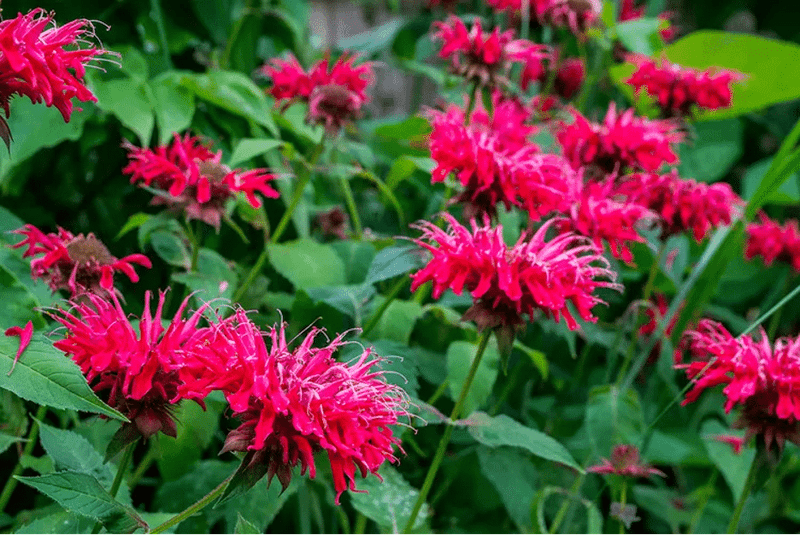
Bee balm, or Monarda, is a vibrant perennial that draws attention with its striking tubular flowers. Blooming from mid-summer to early fall, it’s a magnet for bees, butterflies, and hummingbirds. Its aromatic leaves, reminiscent of mint, add an herbal touch to gardens. Bee balm thrives in full sun and well-drained soil but appreciates some afternoon shade in hotter climates. The plant’s resilience and robust blooms make it a favorite for creating lively, pollinator-friendly gardens that continue to blossom even as the season progresses.
16. Gaillardia
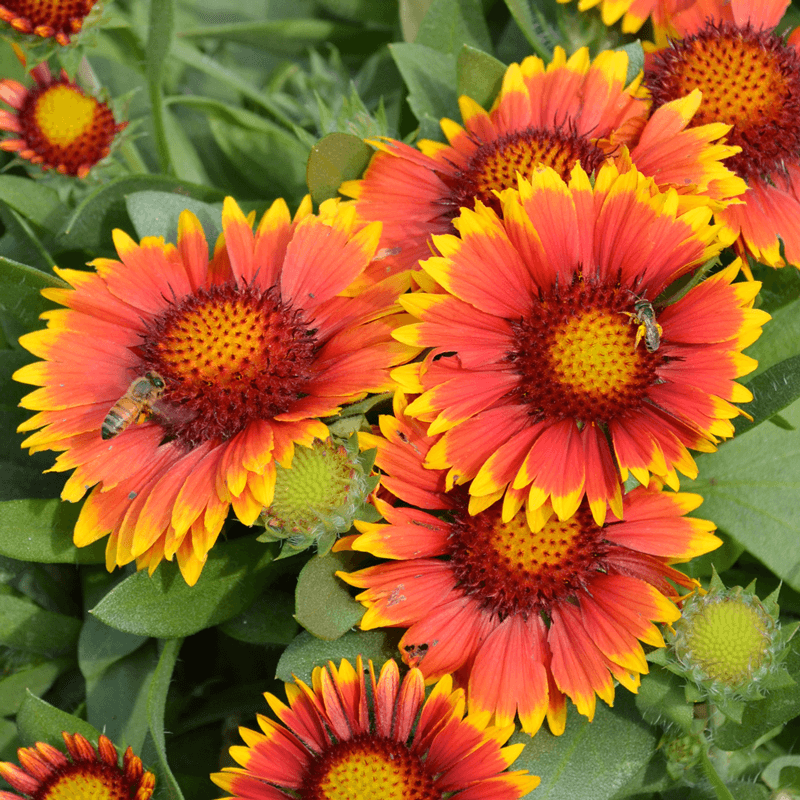
Gaillardia, commonly known as blanket flower, is renowned for its bright, bold blooms resembling sunbursts. These hardy perennials thrive in poor, sandy soils and full sun, making them ideal for challenging garden spots. Blooming from early summer to fall, Gaillardia’s vibrant red and yellow flowers attract pollinators such as bees and butterflies. Native to North America, they are drought-tolerant and require minimal care, ensuring a colorful display throughout the growing season. Gaillardia’s striking appearance and resilience make it a standout addition to any landscape.
17. Anise Hyssop
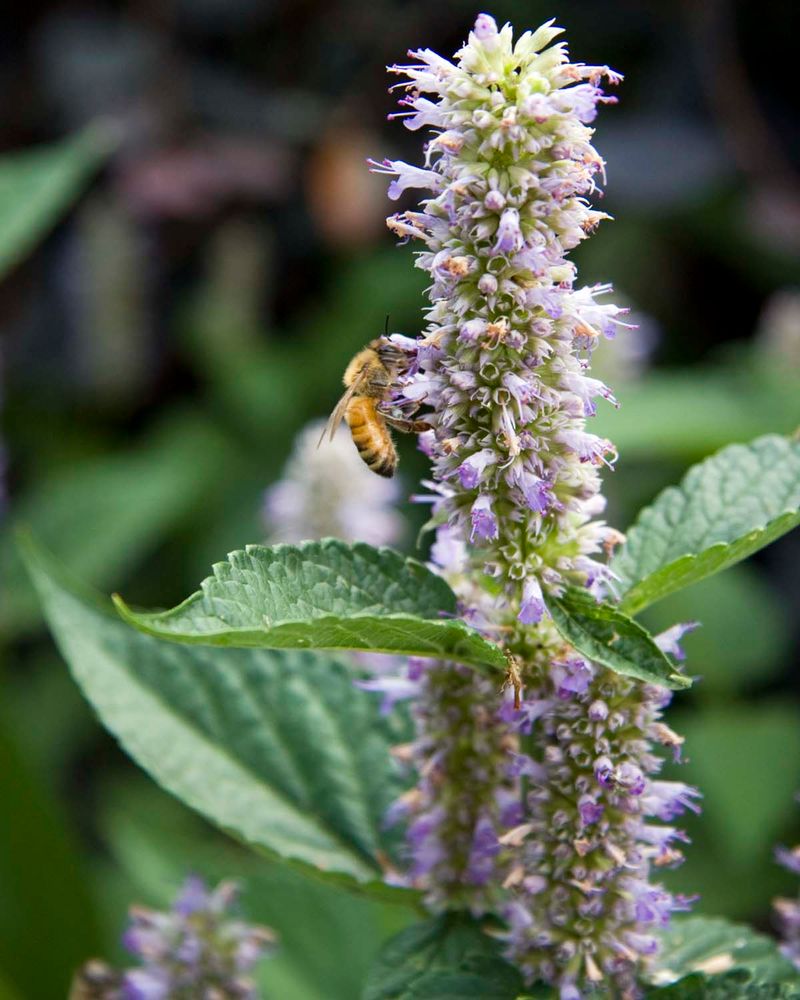
Anise hyssop is a delightful herbaceous perennial known for its aromatic leaves and lavender flower spikes. Blooming from mid-summer to early fall, it attracts a plethora of pollinators, including bees and butterflies. This plant thrives in well-drained soil and full sun, making it a low-maintenance option for herb gardens. Anise hyssop’s leaves can be used in teas and culinary dishes, adding a mild licorice flavor. Its combination of beauty, scent, and utility ensures it remains a beloved choice for gardeners seeking both ornamental and practical plants.
18. Rudbeckia
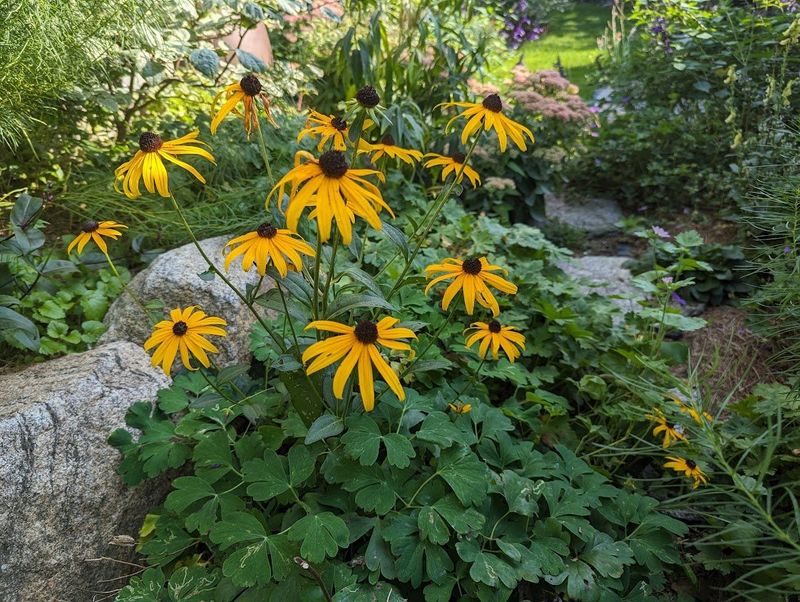
Rudbeckia, often confused with Black-eyed Susans, is a stunning perennial with daisy-like blooms. Its bright yellow petals and dark centers create a striking contrast, bringing vibrancy to gardens from midsummer to fall. These hardy plants thrive in full sun and adapt well to various soil types. Rudbeckia is a favorite among pollinators, making it a valuable addition to wildlife-friendly gardens. With its robust nature and long-lasting blooms, Rudbeckia ensures a lively and colorful landscape, even as other flowers begin to fade away.
19. Phlox
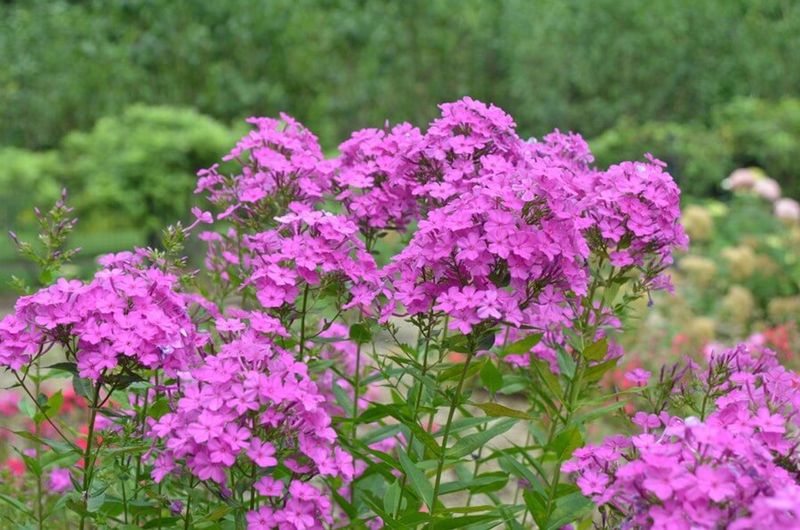
Phlox is a garden favorite, admired for its clusters of fragrant flowers that bloom from spring to fall. Available in a spectrum of colors, including pink, purple, and white, phlox offers versatility and charm to any landscape. These perennials thrive in well-drained soil and full to partial sun. Garden phlox, in particular, is known for its tall, sturdy stems and extended blooming period. Its sweet fragrance attracts pollinators, enhancing the garden’s appeal. Phlox’s vibrant colors and delightful scent make it a must-have for continuous seasonal beauty.
20. Sedum Autumn Joy
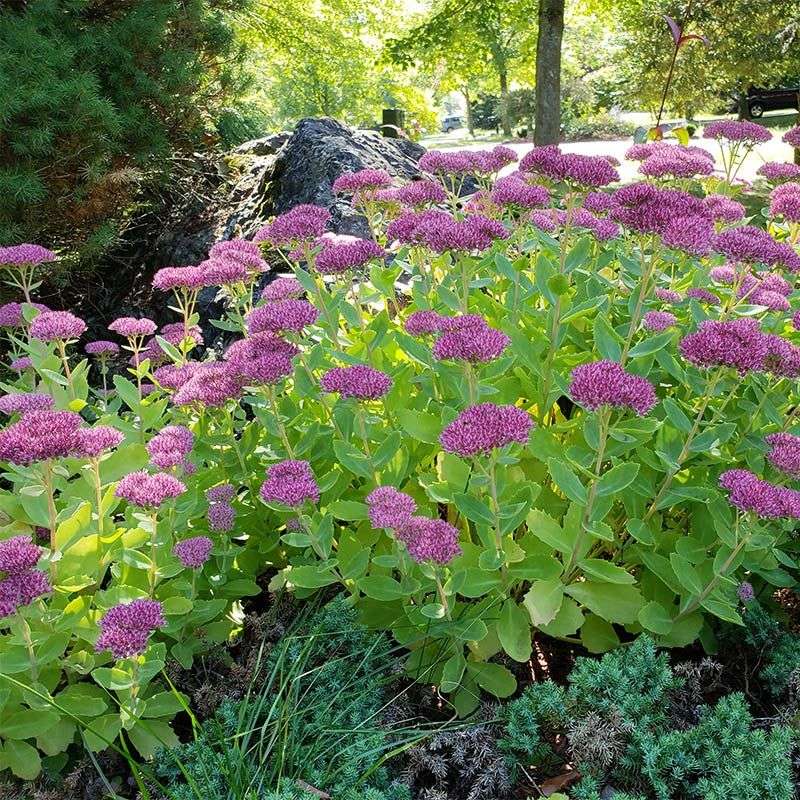
Sedum Autumn Joy is a standout perennial known for its fleshy leaves and clusters of pink flowers that mature to a rich copper in fall. This hardy succulent thrives in well-drained soil and full sun, making it ideal for rock gardens and borders. Blooming from late summer into autumn, its flowers attract bees and butterflies, contributing to a lively garden ecosystem. Sedum Autumn Joy’s resilience and changing hues ensure it remains a captivating feature in the landscape, long after many other blooms have disappeared.
21. Tithonia
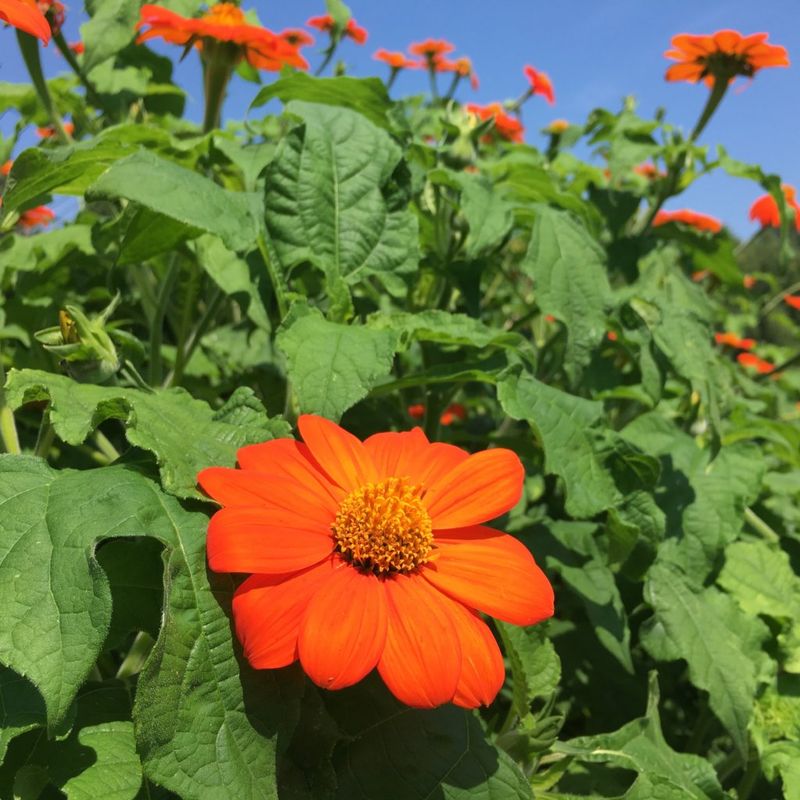
Tithonia, commonly known as Mexican sunflower, is a vibrant annual that delights with its fiery orange and red blooms. Blooming from midsummer to frost, Tithonia adds a tropical flair to gardens with its large, bold flowers. These sun-lovers thrive in well-drained soil and full sun, requiring minimal care once established. Tithonia’s tall stems provide excellent support for pollinators, attracting hummingbirds and butterflies. Their striking color and towering presence make them a dramatic addition to any garden, ensuring continuous beauty throughout the growing season.
22. Helenium ‘Mardi Gras’
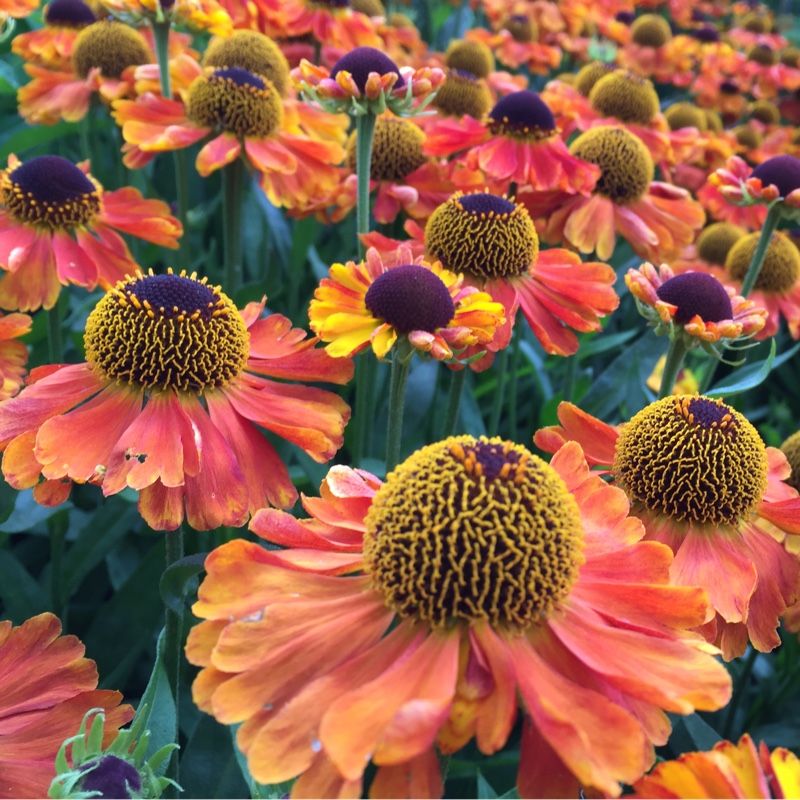
Helenium ‘Mardi Gras’ is a delightful burst of color as summer fades into autumn. With blazing red and yellow petals, this flower creates a festive atmosphere in the garden. Its upright stems support a profusion of blooms, attracting bees and butterflies.
Unlike many flowers that retreat as fall approaches, Helenium ‘Mardi Gras’ thrives, adding warmth and vibrancy. Its robust nature means it withstands the cool breezes of autumn with grace.
This plant’s name pays homage to the lively Mardi Gras festival, echoing its vivacious and cheerful character. It’s a garden party even in the crisp fall air.