 Complete Gardening
Discover the lush beauty of evergreen ground covers that require no mowing. These resilient plants spread effortlessly, offering year-round greenery. Perfect for those seeking a low-maintenance landscape, they provide aesthetic appeal and ecological benefits. Dive into our carefully curated list of 23 evergreen ground covers, each with its unique charm and characteristics. Transform your yard into a verdant haven with these versatile ground covers, ensuring a green, vibrant landscape all year long. Whether you have a shaded corner or a sun-drenched space, there’s a perfect ground cover waiting to enhance your garden.
1. Creeping Thyme
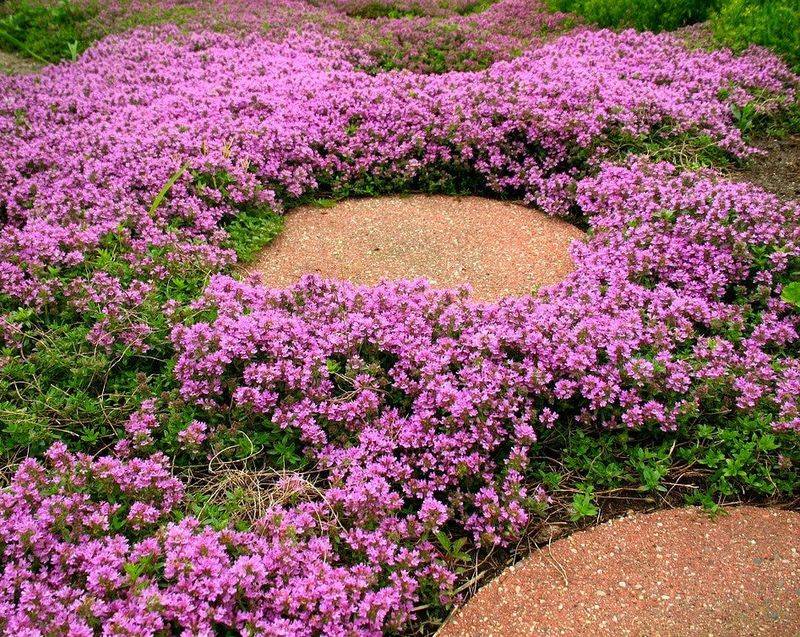
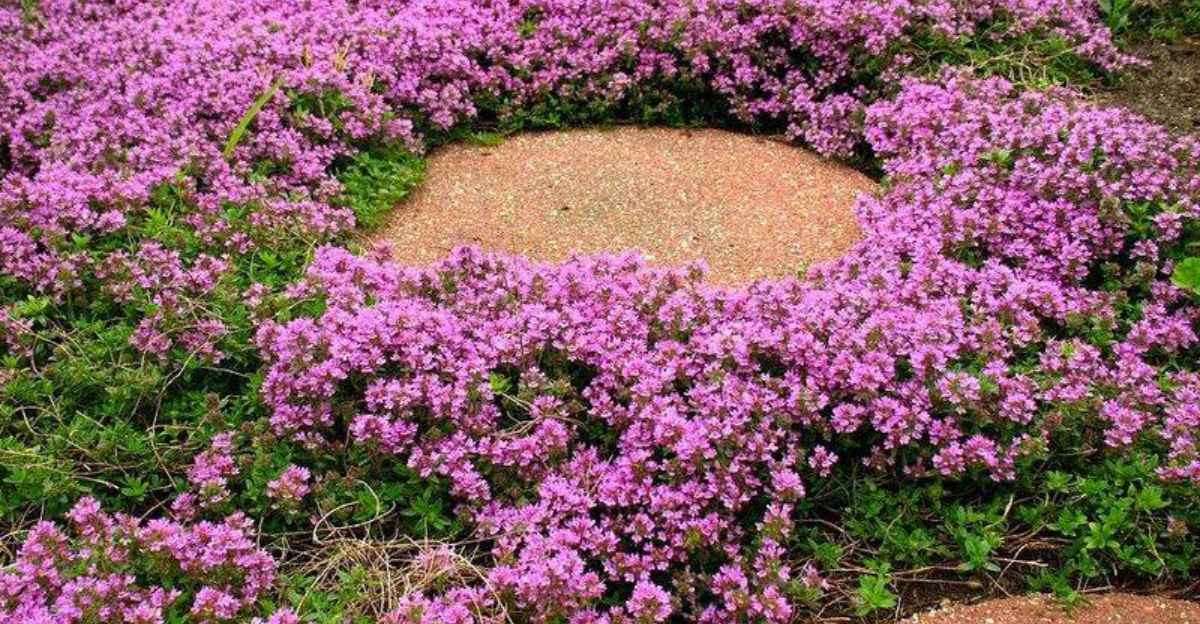
Creeping Thyme is a delightful herb that doubles as an evergreen ground cover. Its tiny, fragrant leaves and delicate purple flowers create a dense mat that thrives in sunny areas. Perfect for filling gaps between stepping stones or in rock gardens, Creeping Thyme is both aromatic and visually appealing. Its resilience to foot traffic makes it an excellent choice for pathways. This perennial herb not only beautifies your garden but also offers culinary uses. Imagine walking through your yard, the scent of thyme rising with every step.
2. English Ivy
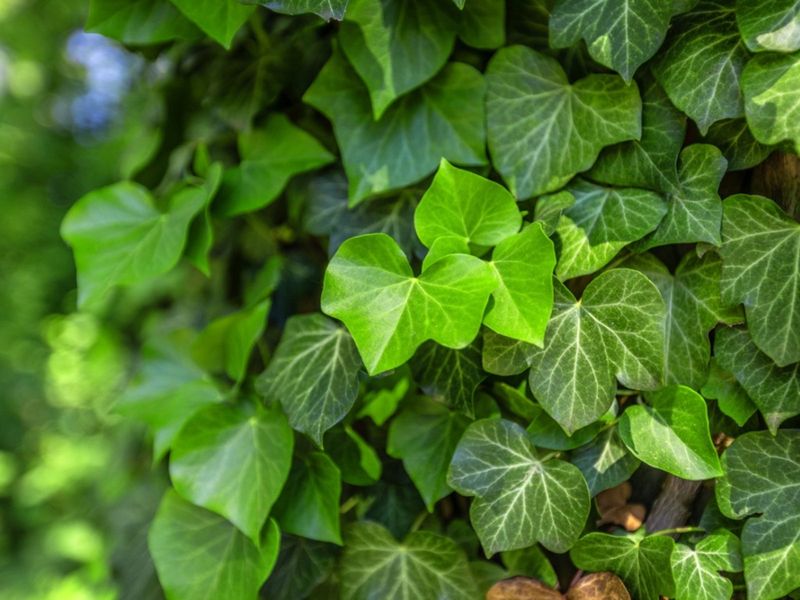
English Ivy is a classic evergreen ground cover known for its vigorous growth and ability to cover large areas. Its dark green, glossy leaves create a lush carpet that adds elegance to any landscape. English Ivy’s trailing vines can climb walls, fences, and trees, making it versatile for both horizontal and vertical gardening. It thrives in shaded areas, providing greenery where other plants struggle. Be mindful of its growth, as it can become invasive. Nevertheless, its classic beauty and adaptability make it a favorite among gardeners.
3. Irish Moss
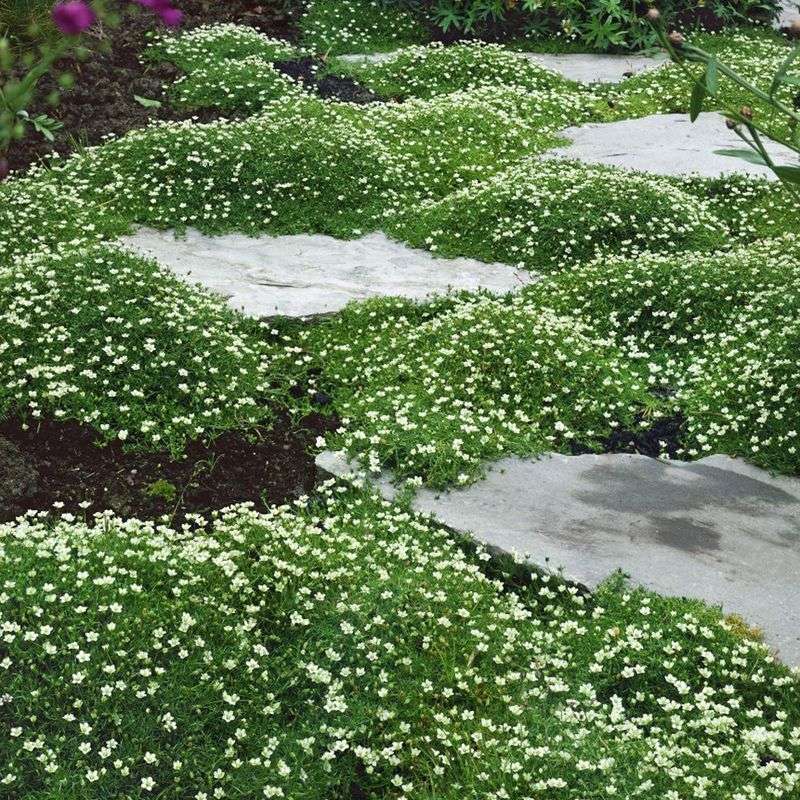
Irish Moss is a charming evergreen ground cover with cushiony green foliage. This moss-like plant forms a soft, dense carpet that is perfect for filling gaps between pavers. It thrives in moist, well-drained soils and prefers partial shade. In spring, tiny white flowers add a delicate touch to its vibrant green. Irish Moss is ideal for creating a lush, green look in shaded garden areas. Its low-growing nature and texture add a unique aesthetic to any garden. Enjoy a soft, green carpet that requires no mowing.
4. Ajuga Reptans
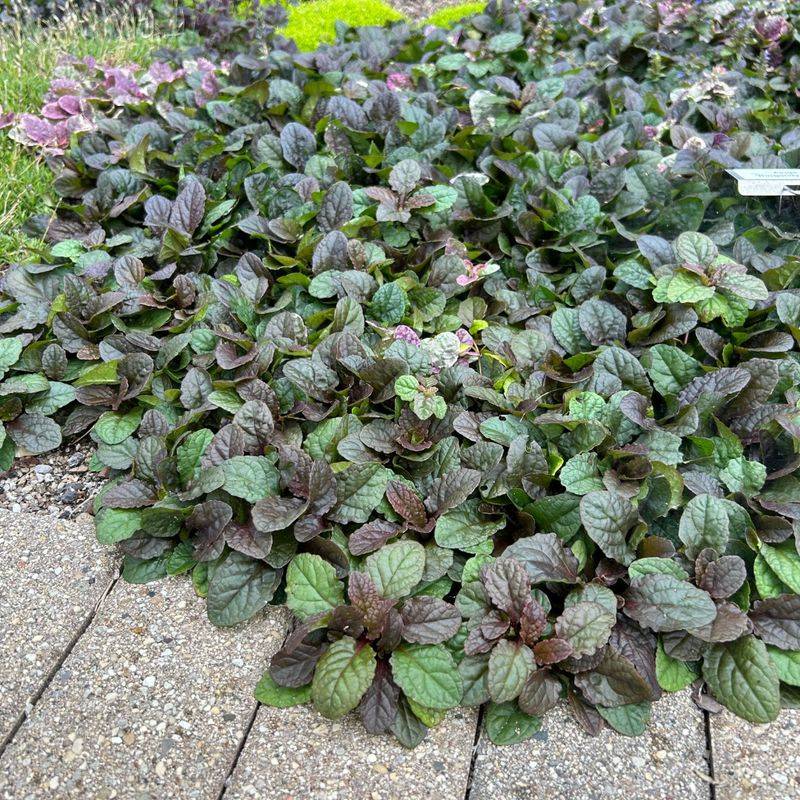
Ajuga Reptans, also known as Bugleweed, offers a stunning display of purple-blue flowers that captivate any onlooker. Its glossy, deep green leaves create a dense mat, ideal for suppressing weeds.
This hardy plant adapts well to different soil types and thrives in both sun and shade, making it versatile for various garden settings.
Ajuga’s quick-growing nature ensures your garden stays vibrant without much effort. Interesting tidbit: Ajuga is often used in herbal remedies for its supposed healing properties. It’s a fine choice for any garden enthusiast.
5. Pachysandra Terminalis
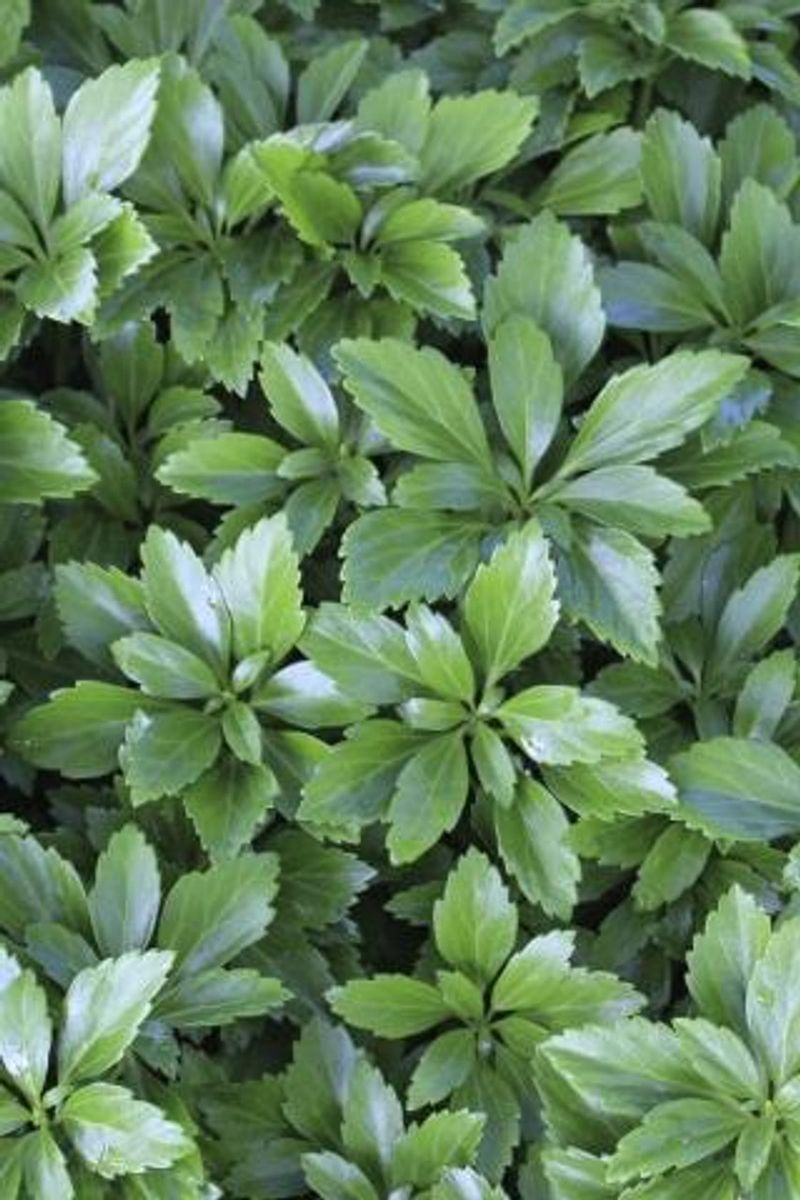
Pachysandra Terminalis, commonly referred to as Japanese Spurge, thrives in shaded areas where grass refuses to grow. Its dark green, serrated leaves maintain a rich hue year-round.
In spring, tiny white flowers add a subtle touch of elegance. Its low-growing nature makes it perfect for under shrubs and trees.
Pachysandra spreads slowly but steadily, creating a carpet-like appearance that’s both appealing and functional. Fun fact: Pachysandra is traditionally used in Japanese gardens for its serene qualities. A remarkable addition to shaded spaces!
6. Liriope Muscari
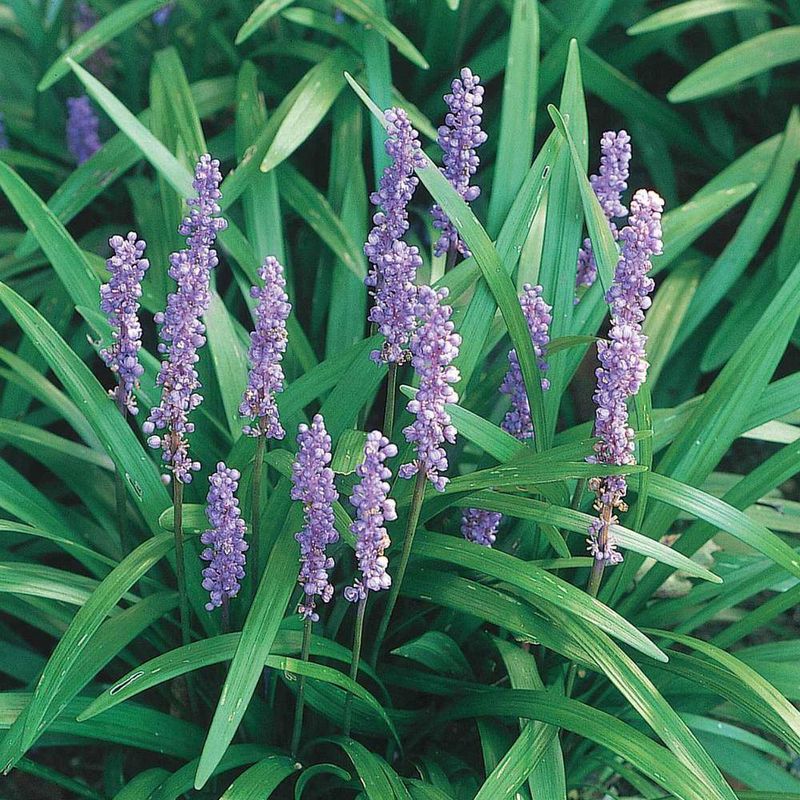
Liriope Muscari, or Lilyturf, brings a graceful touch to any landscape with its grass-like foliage and vibrant purple flower spikes. This evergreen ground cover flourishes in both sunny and shaded locations.
Its dense growth habit is perfect for preventing soil erosion. As a bonus, Liriope is drought-tolerant once established, requiring minimal watering.
An interesting note: Liriope is often used in traditional Chinese medicine. Its beauty and resilience make it an excellent choice for gardeners seeking both form and function.
7. Helleborus Orientalis
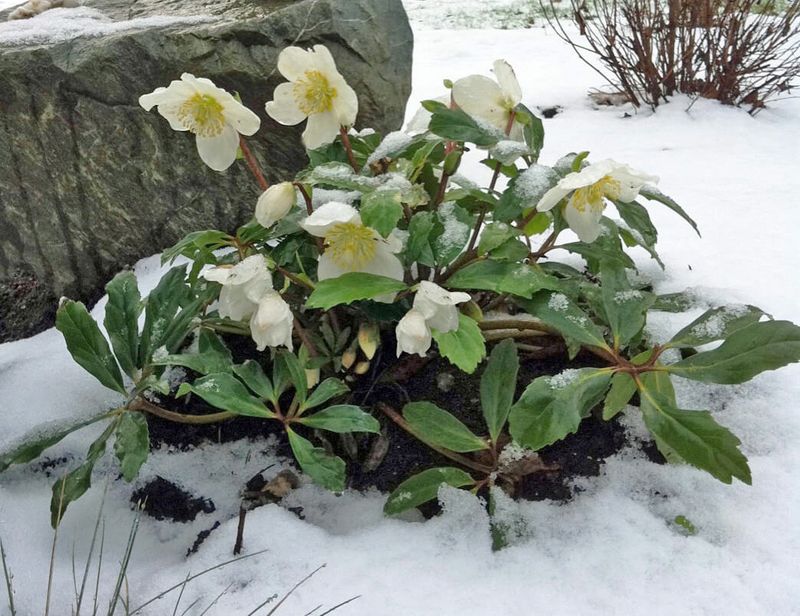
Helleborus Orientalis, or the Lenten Rose, surprises with its winter blooms, providing color when most plants lie dormant. Its large, leathery leaves remain green throughout the year.
This ground cover prefers shaded environments and enriches woodland gardens with its presence. The Lenten Rose is low maintenance, needing only occasional care.
Did you know? The Lenten Rose is named for its flowering period during Lent. Its enchanting blooms and evergreen foliage make it a gardener’s favorite for winter interest.
8. Vinca Minor
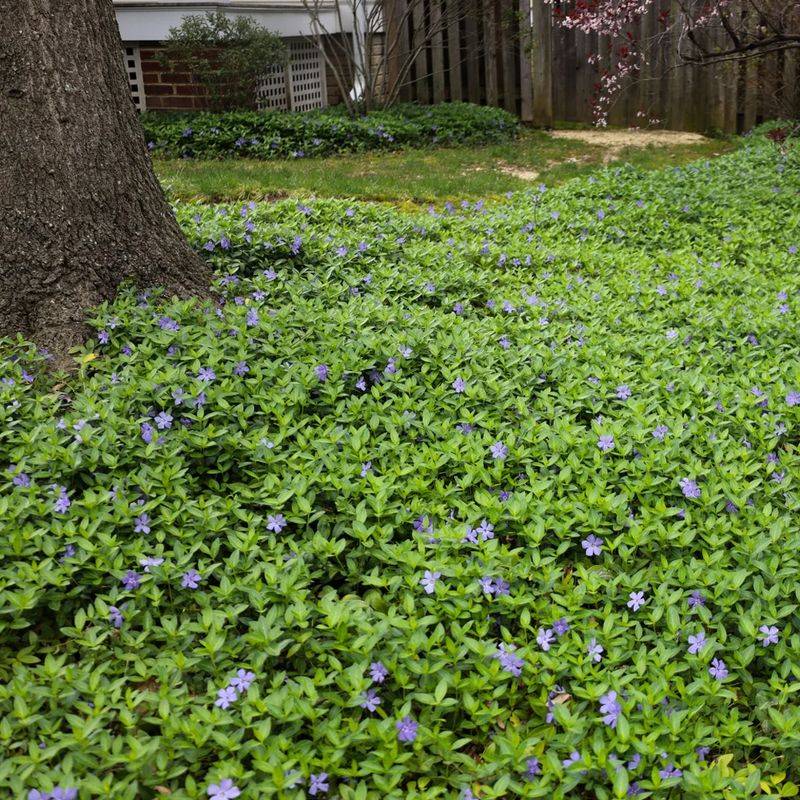
Vinca Minor, also known as Periwinkle, offers a year-round green carpet, punctuated by violet-blue flowers in spring. This low-growing plant is perfect for areas under trees where grass struggles to grow.
Its glossy leaves add a polished look to any garden. Vinca is incredibly hardy, thriving in various conditions, from full sun to deep shade.
An interesting aspect: Vinca has been used in traditional medicine for centuries. Its beauty and adaptability make it a staple in many gardens.
9. Heuchera
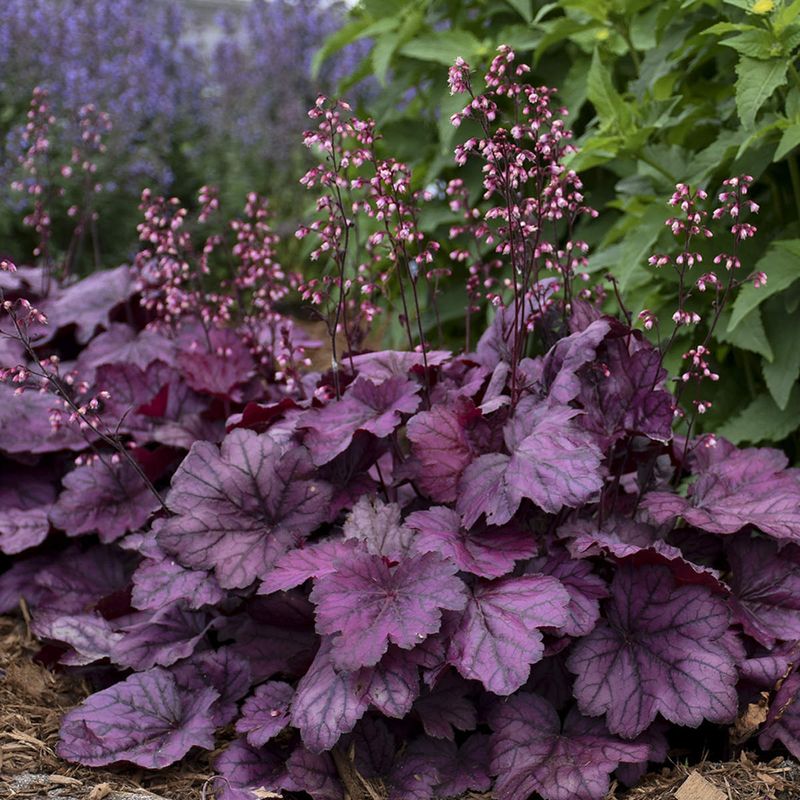
Heuchera, often called Coral Bells, captivates with its striking foliage in shades of purple, red, and green. These colors make it a standout choice for adding vibrancy to borders and beds.
Heuchera’s evergreen nature ensures that your garden remains colorful throughout the year. It thrives in shaded to partially sunny areas, requiring minimal maintenance.
Fun fact: Heuchera’s roots were traditionally used by Native Americans for medicinal purposes. It’s a perfect blend of beauty and history for your landscape.
10. Ferns (Various Species)
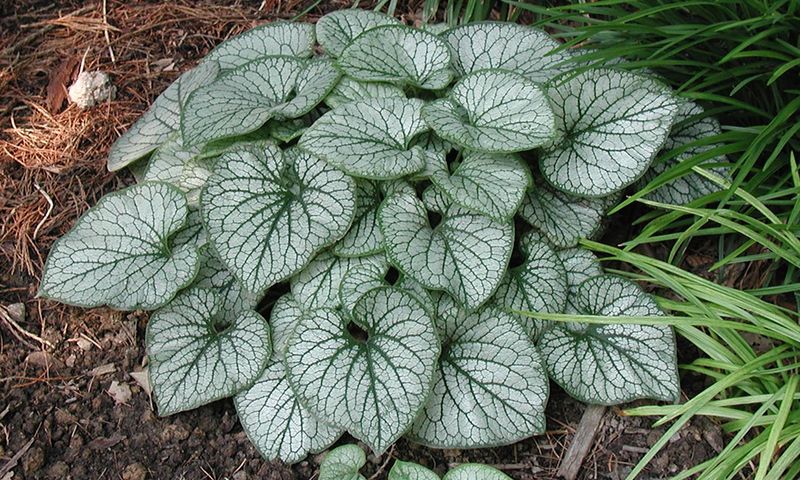
Ferns are synonymous with woodland charm, offering a delicate, feathery texture that enhances any shaded garden area. With numerous species available, ferns provide a rich palette of green hues.
These plants require minimal care, thriving in moist, shaded environments. Their lush foliage helps suppress weeds while adding an air of mystery and tranquility.
An interesting tidbit: Ferns are ancient plants, dating back millions of years. Their timeless appeal makes them a classic choice for garden lovers.
11. Sweet Woodruff
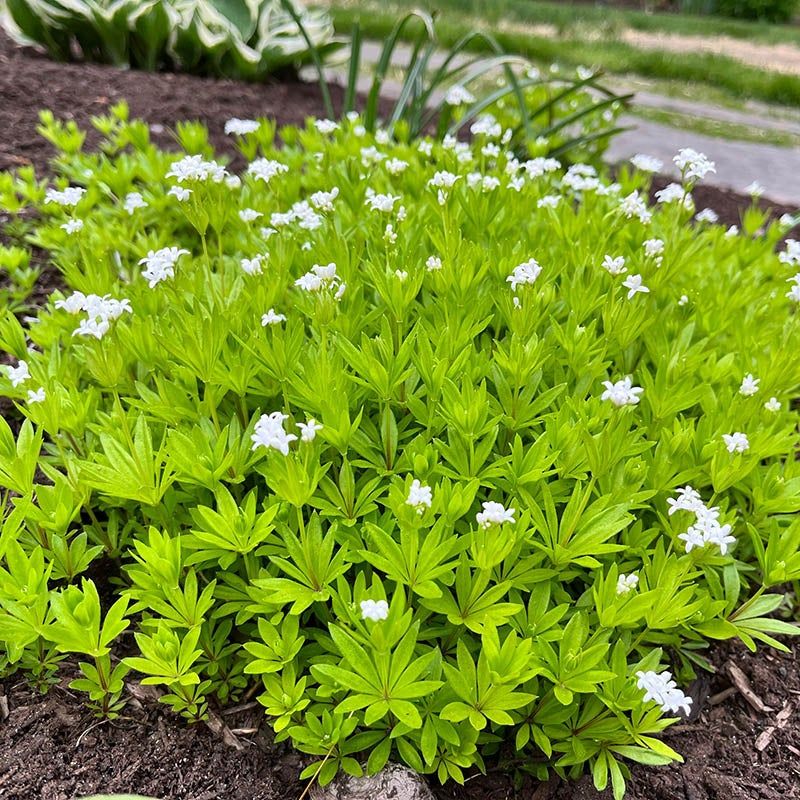
Sweet Woodruff, known for its whorls of light green leaves and dainty white flowers, adds a touch of elegance to shaded garden beds. This perennial ground cover releases a sweet fragrance, especially when its leaves are crushed.
It thrives in moist, shaded areas, spreading quickly to form a lush carpet. Sweet Woodruff is also deer-resistant, making it a practical choice for many gardeners.
Did you know? Sweet Woodruff was traditionally used to scent linens and clothes. It’s a charming addition to any garden looking for subtle elegance.
12. Mazus Reptans
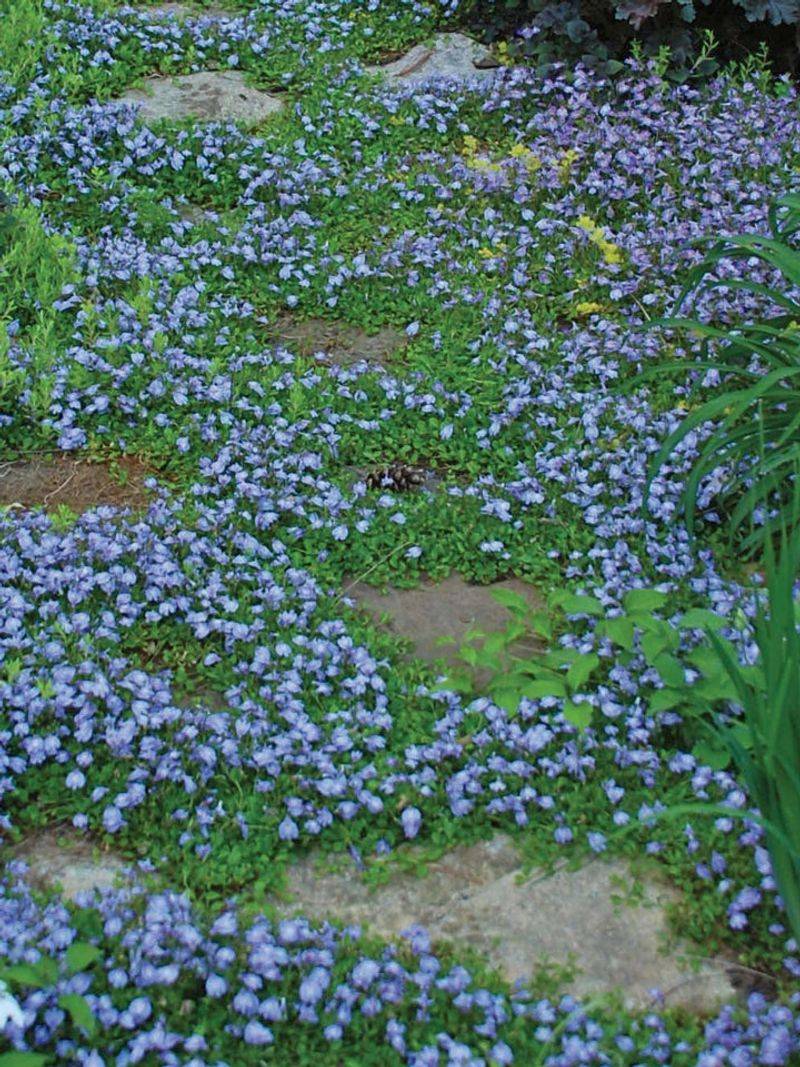
Mazus Reptans, or Creeping Mazus, delights with its swift growth and charming purple flowers. This low-growing plant forms a dense mat that withstands foot traffic, making it ideal for pathways.
Mazus thrives in sunny to partially shaded areas, requiring little care once established. Its lush green foliage remains vibrant throughout the seasons.
Fun fact: Mazus Reptans is native to the Himalayas, adding a touch of exotic flair to your garden. It’s perfect for those seeking resilient beauty.
13. Bergenia
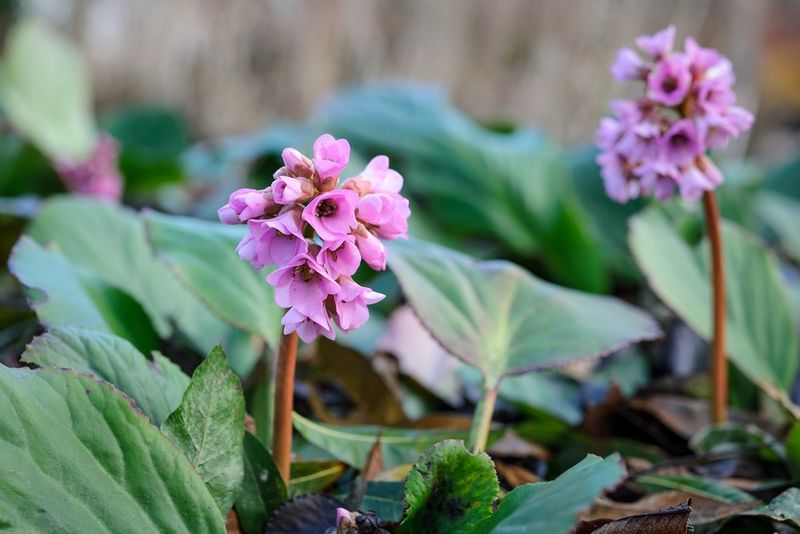
Bergenia, affectionately known as Elephant’s Ears, boasts large, glossy leaves that add structure to any garden. In spring, its clusters of pink flowers bring a burst of color.
This evergreen perennial is perfect for rock gardens and borders, thriving in both sun and shade. Bergenia requires minimal maintenance, standing up well to cold and drought.
Did you know? Bergenia leaves were used as a tea substitute in Siberia. Its unique foliage and hardiness make it a standout choice for creative gardening.
14. Lysimachia Nummularia
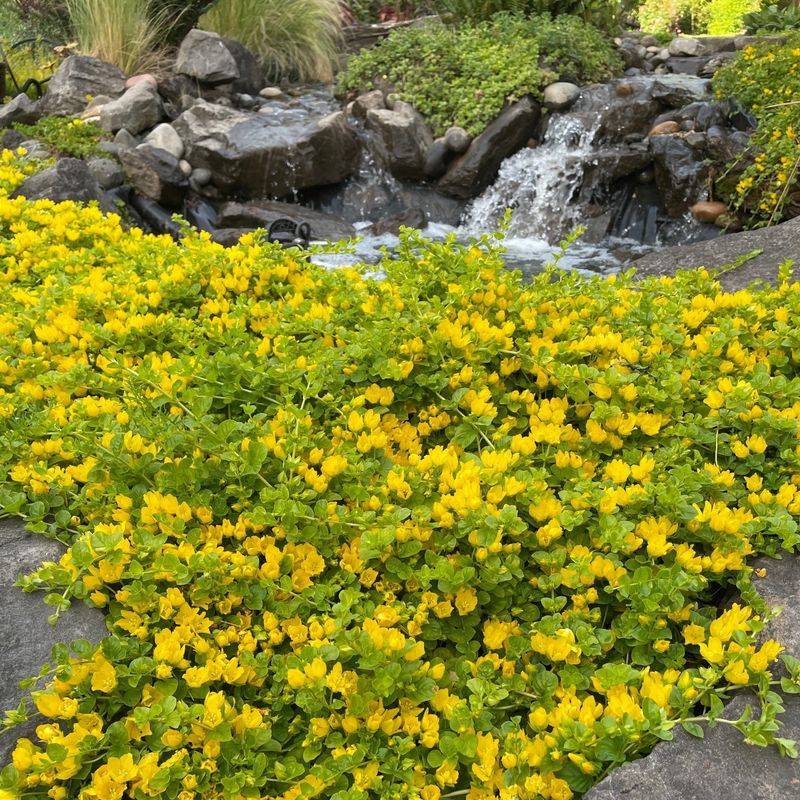
Lysimachia Nummularia, or Creeping Jenny, is a vigorous ground cover known for its trailing stems and round, bright green leaves. In summer, it produces cheerful yellow flowers.
This plant is ideal for softening the edges of ponds and pathways, thriving in both sunny and damp environments.
Interesting fact: Creeping Jenny is often used in hanging baskets for its cascading effect. Its vibrant foliage adds a splash of color and texture to any garden setting.
15. Hedera Helix
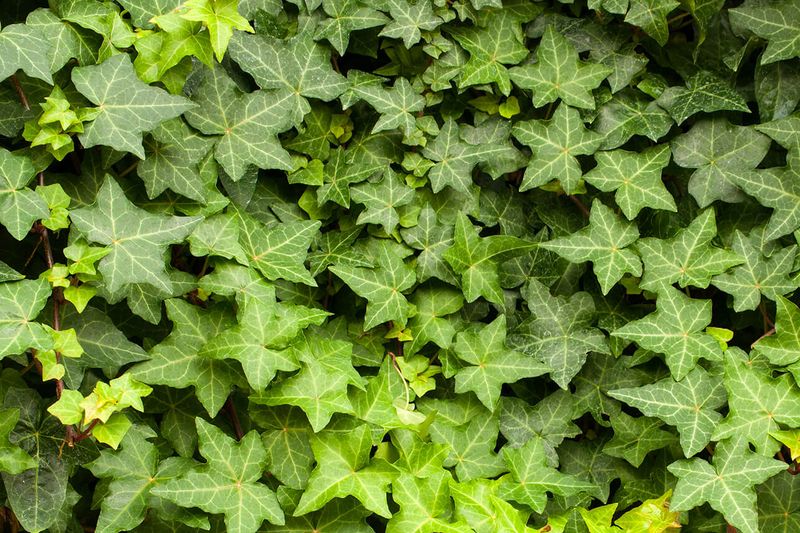
Hedera Helix, commonly known as English Ivy, is renowned for its ability to climb walls and cling to surfaces, creating a lush, green tapestry. Its glossy, lobed leaves provide year-round interest.
This versatile ground cover thrives in shaded areas but can also adapt to sunnier spots. It requires low maintenance, making it a favorite for difficult-to-grow areas.
Fun fact: English Ivy has a long history of use in heraldry and decorations. Its classic look brings timeless elegance to any landscape.
16. Lamium Maculatum
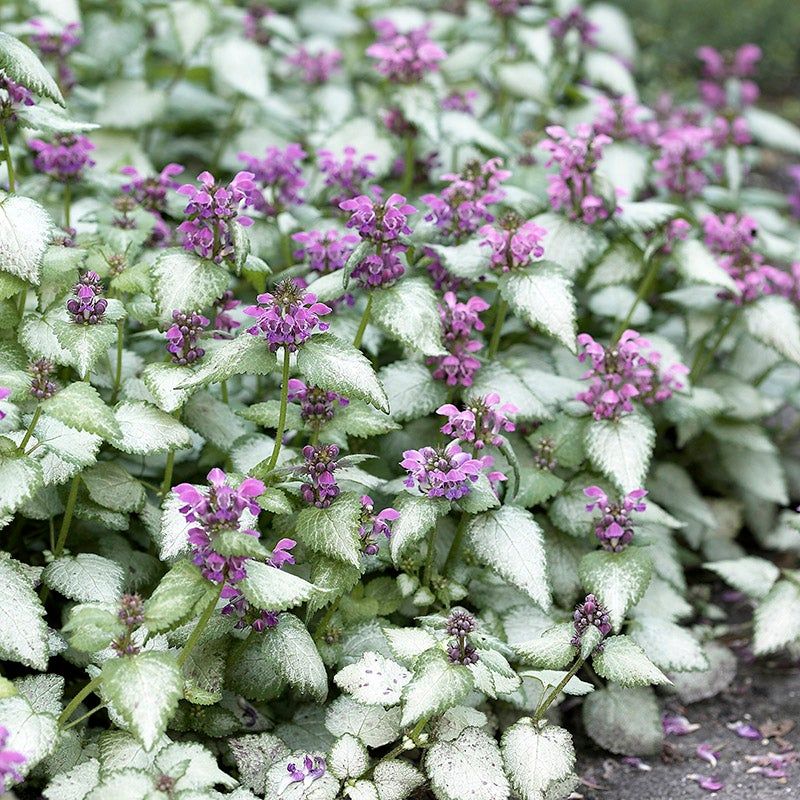
Lamium Maculatum, or Spotted Dead Nettle, captivates with its variegated foliage and charming pink flowers. This ground cover thrives in shaded areas, where its leaves shimmer with silver patterns.
The plant is perfect for adding light and texture to darker garden corners. Lamium requires minimal care, spreading steadily without being invasive.
Did you know? Despite its name, Spotted Dead Nettle is unrelated to nettles and doesn’t sting. Its decorative appearance makes it a beloved choice for gardeners.
17. Sedum Acre
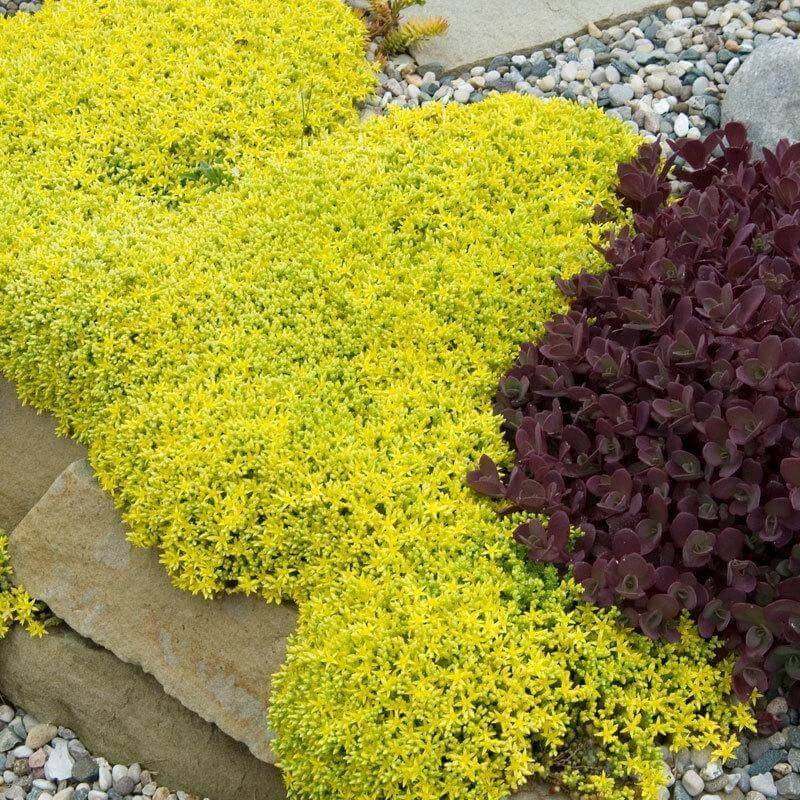
Sedum Acre, also known as Goldmoss Stonecrop, thrives in sunny, well-drained areas. Its low-growing, yellow-green foliage forms a dense mat, perfect for rock gardens.
In summer, it produces clusters of bright yellow flowers, adding a splash of color. Sedum Acre is drought-tolerant, requiring minimal watering once established.
Interesting tidbit: Sedum Acre was historically used to treat skin conditions due to its astringent properties. Its resilience and bright hues make it a gardener’s delight.
18. Carex Evergold
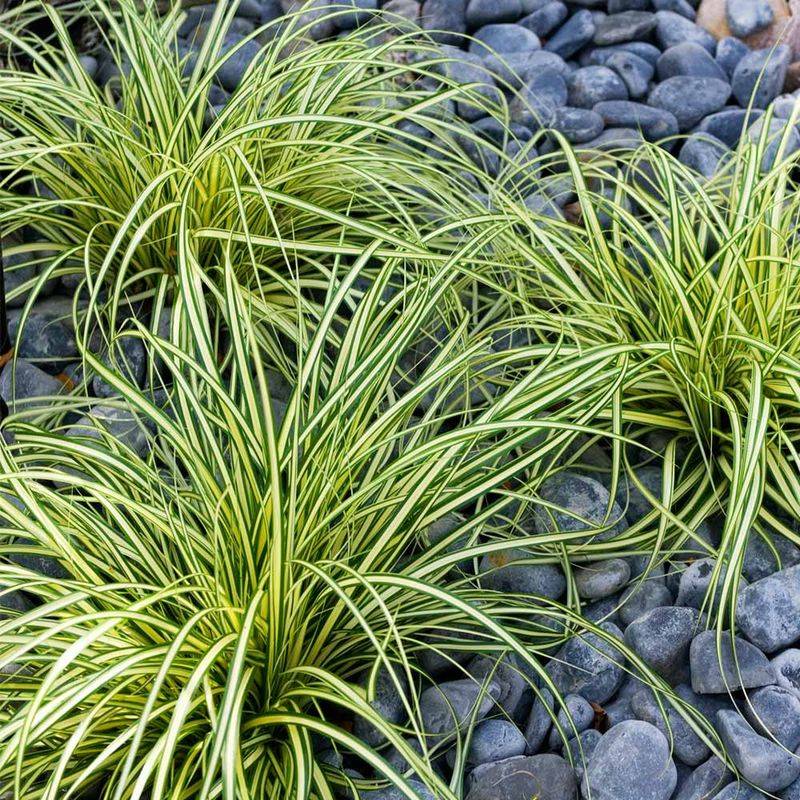
Carex Evergold, a striking ornamental grass, stands out with its arching, variegated leaves in shades of green and gold. This evergreen sedge is perfect for adding texture and color to garden beds.
It thrives in both sun and partial shade, requiring minimal maintenance. Carex Evergold is also deer-resistant, making it a practical choice for many landscapes.
Did you know? This sedge is native to Japan, where it’s often used in traditional gardens. Its graceful appearance adds elegance to any setting.
19. Epimedium
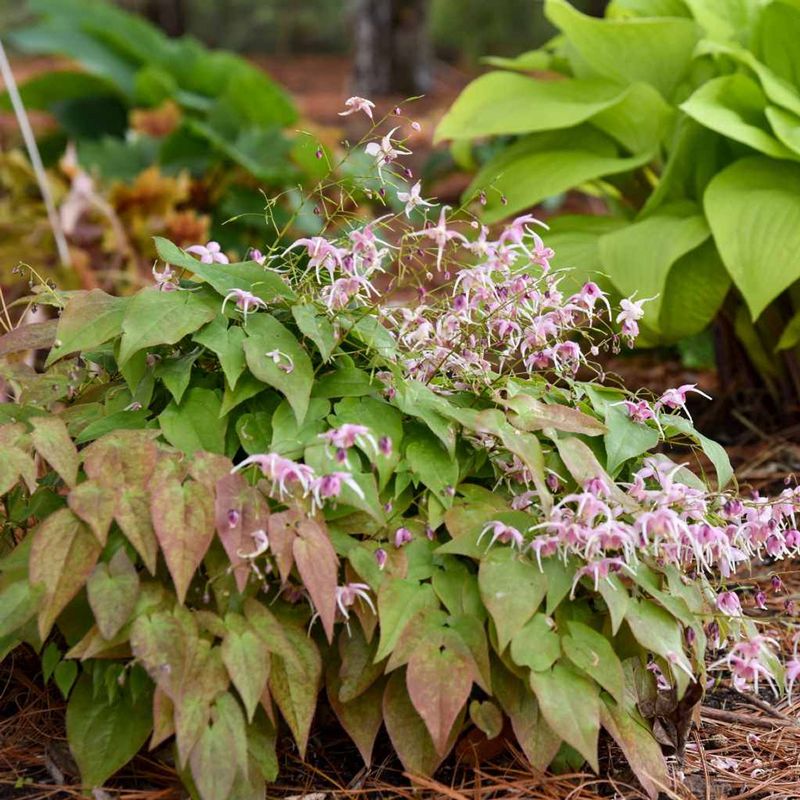
Epimedium, or Barrenwort, enchants with its heart-shaped leaves and delicate flowers that bloom in spring. This shade-loving ground cover is ideal for woodland gardens.
Its evergreen foliage remains attractive year-round, offering texture and color. Epimedium requires little care, making it a favorite for low-maintenance landscapes.
Fun fact: Epimedium has been used in traditional Chinese medicine for its supposed aphrodisiac properties. Its beauty and mystery make it a captivating choice for garden enthusiasts.
20. Lysimachia Punctata
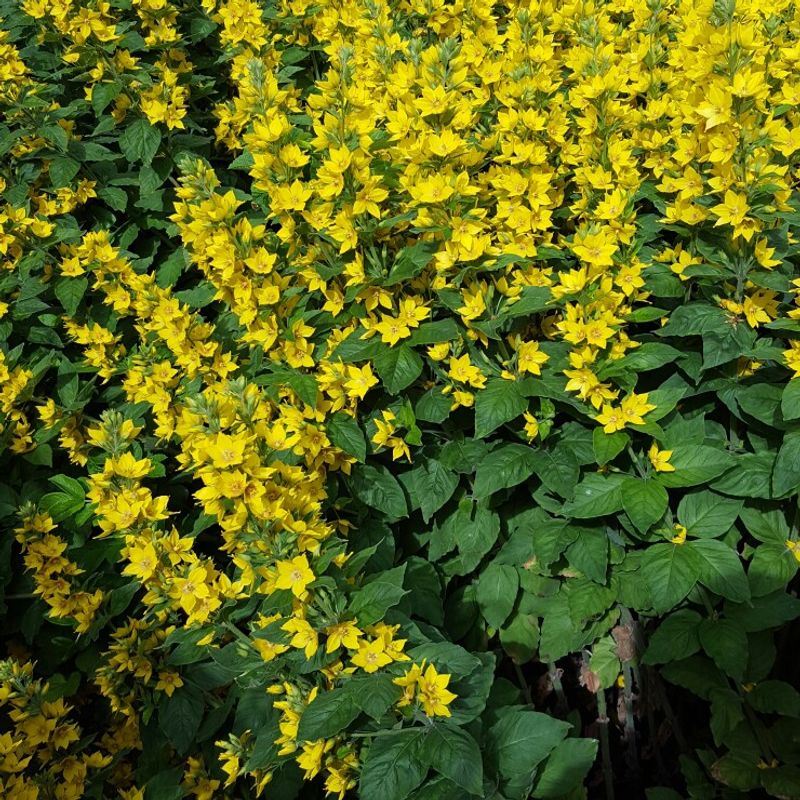
Lysimachia Punctata, known as Yellow Loosestrife, stands tall with its upright stems and bright yellow flowers. This robust ground cover flourishes in sunny to partially shaded areas.
It’s perfect for filling large areas with vibrant color, requiring minimal maintenance. Lysimachia Punctata is also used to control erosion on slopes.
Did you know? Its name comes from the Greek word ‘loosestrife,’ meaning the power to calm animals. Its sunny disposition adds cheer to any garden setting.
21. Thymus Serpyllum
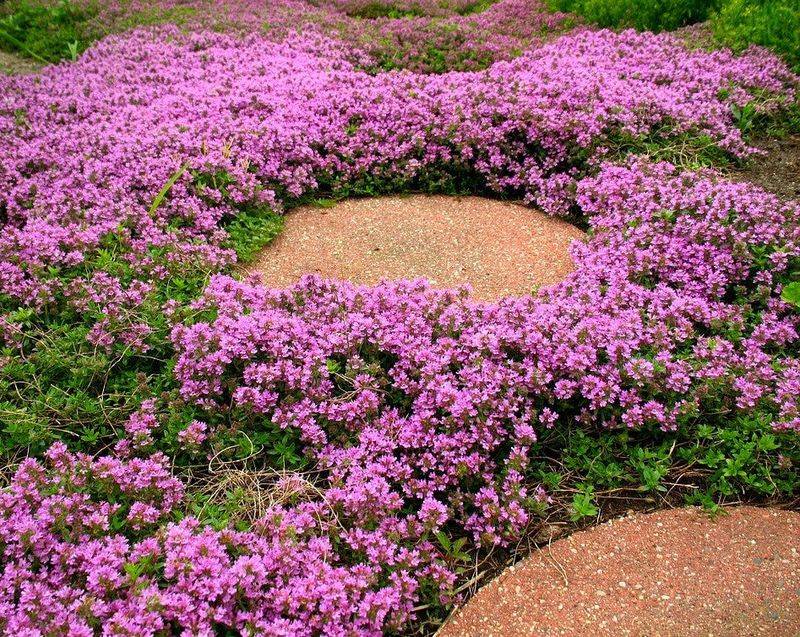
Thymus Serpyllum, or Wild Thyme, is a fragrant ground cover that delights with its tiny leaves and clusters of purple flowers. Ideal for sunny, well-drained areas, it adds aroma and charm to any space.
This hardy plant requires minimal care, making it perfect for rock gardens and herb patches. An interesting note: Thymus Serpyllum is often used in culinary dishes and herbal remedies.
Its captivating scent and resilience make it a beloved choice for gardeners seeking both beauty and utility.
22. Arctostaphylos Uva-ursi
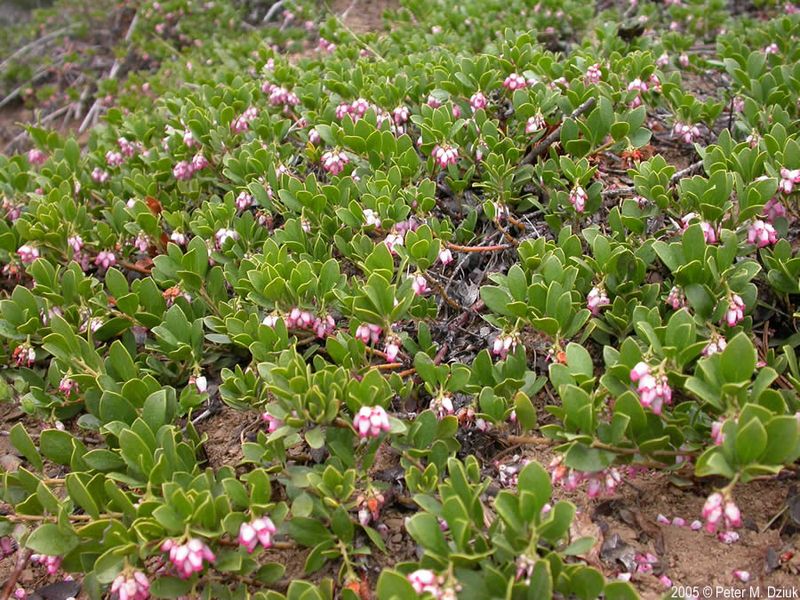
Arctostaphylos Uva-ursi, commonly known as Bearberry, thrives in rocky, well-drained soils. Its small, leathery leaves form a dense mat, perfect for erosion control.
In spring, it produces delicate pink flowers, followed by red berries that attract birds. Bearberry requires minimal care, making it ideal for naturalized areas.
Fun fact: Bearberry has been used in traditional herbal medicine for urinary tract health. Its rugged beauty and wildlife appeal make it a standout in any garden.
23. Galium Odoratum
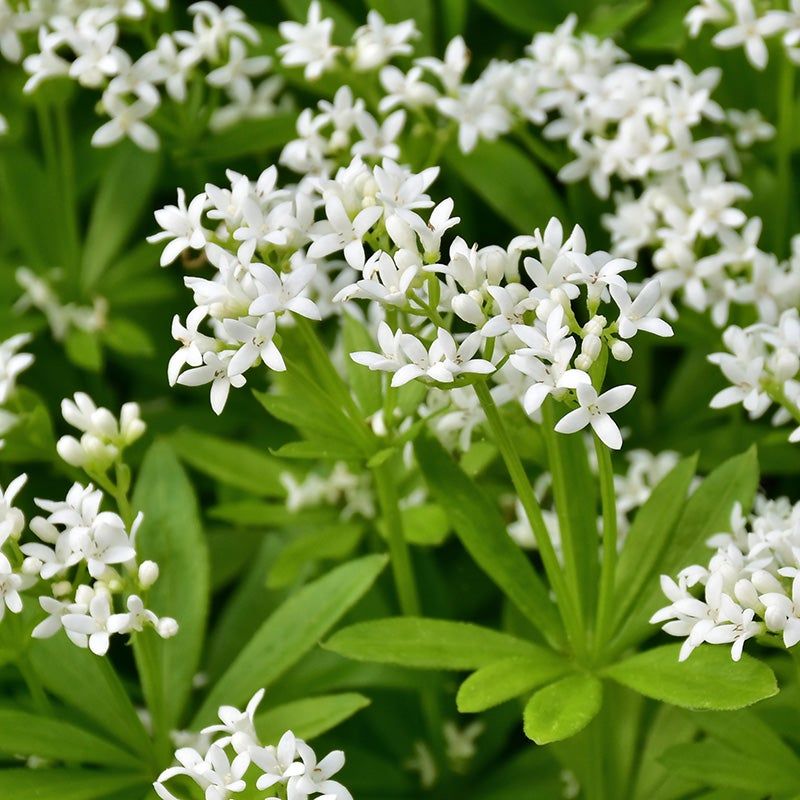
Galium Odoratum, or Sweet Woodruff, enchants with its whorled leaves and starry white flowers. This shade-loving ground cover releases a sweet fragrance, especially when its leaves are dried.
It’s ideal for woodland paths and shaded garden areas, spreading quickly to form a lush carpet. Sweet Woodruff is also deer-resistant, offering practical benefits.
Did you know? It was traditionally used to flavor May wine in Germany. Its charm and scent make it a delightful choice for any shaded garden.