 Complete Gardening
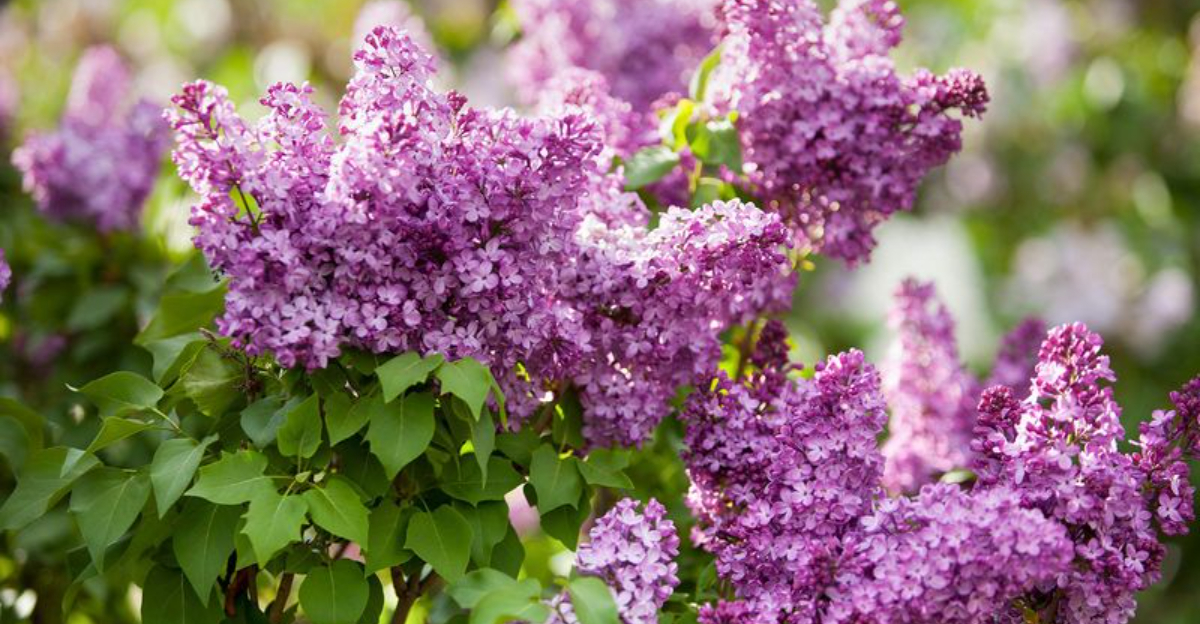
Pruning is an essential gardening task, but some shrubs need a gentle touch. Over-pruning can harm these plants, affecting their growth and blooming potential. Explore the world of garden care with our list of 23 shrubs that thrive with minimal pruning. Each shrub has a unique personality and specific needs that make them special. Discover why these shrubs deserve careful attention and how you can keep them thriving in your garden. This list will guide both novice and experienced gardeners to create a lush, vibrant garden without over-pruning.
1. Hydrangea
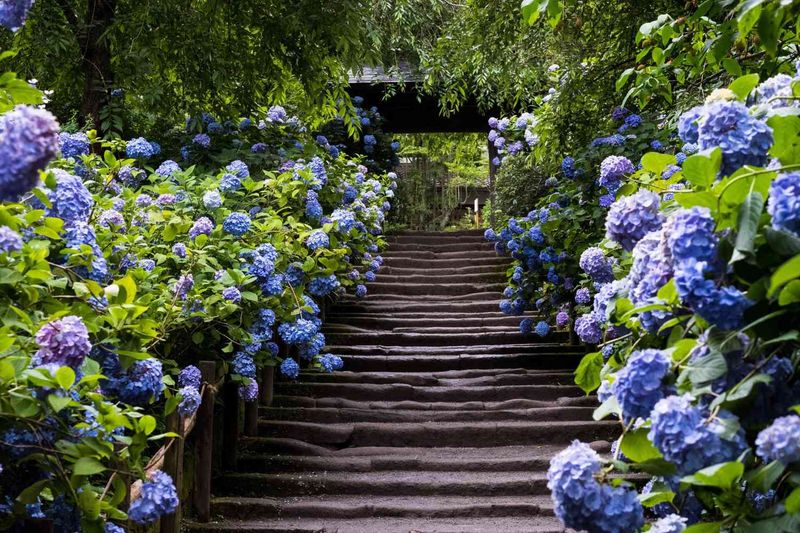
Hydrangeas are a gardener’s delight with their large, eye-catching blooms. These beauties prefer a light touch when it comes to pruning. Overdoing it can result in fewer flowers, which is surely not what you’d want when tending to this vibrant plant.
In late winter or early spring, gently trim any dead wood and allow the plant to maintain its natural shape. With varied colors, from deep blue to bright pink, hydrangeas offer a dazzling display that’s hard to beat.
They thrive best in well-drained soil and partial shade, adding a splash of color to any garden.
2. Rhododendron
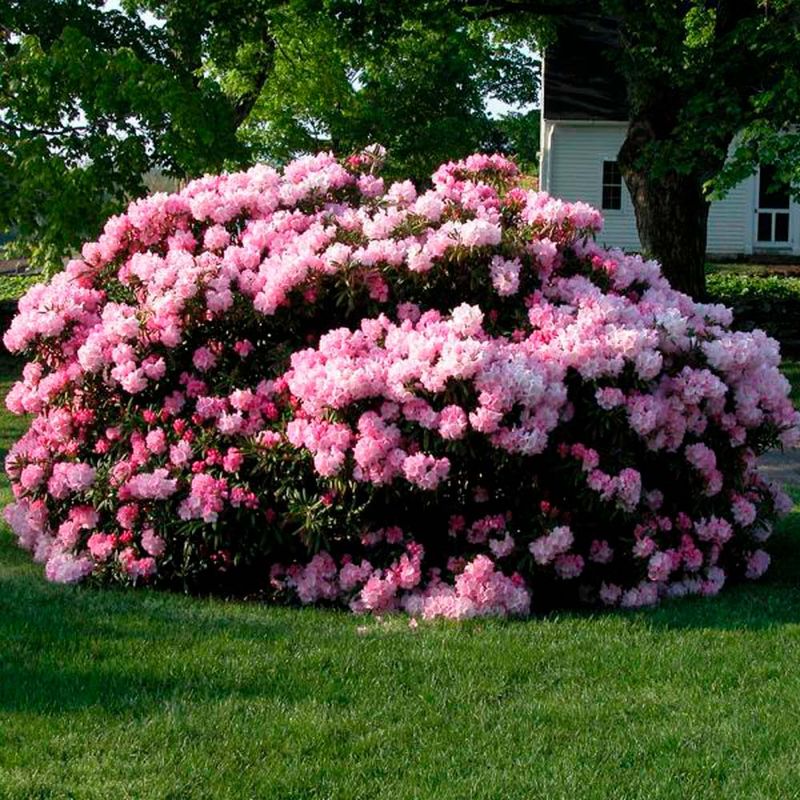
Rhododendrons are known for their stunning clusters of flowers, which add elegance to any landscape. These shrubs require careful pruning to ensure they continue to bloom beautifully.
Only remove spent flowers and dead wood to avoid disrupting their natural growth cycle. Pruning too much can result in fewer blooms next season.
Rhododendrons enjoy partial shade and acid-rich soil. With their bold colors and lush foliage, they make a striking statement in any garden, capturing attention and admiration from all who pass by.
3. Lilac
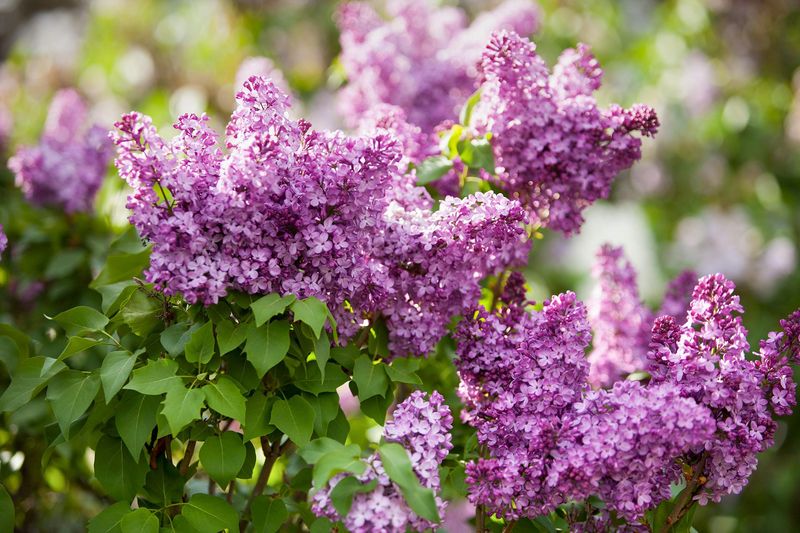
The lilac’s fragrant blooms are a springtime favorite, evoking nostalgia and charm. When it comes to pruning, less is more. Over-pruning can lead to fewer flowers and a less vibrant display of color.
Focus on removing dead or diseased branches immediately after they bloom. This allows the plant to channel its energy into next year’s blossoms.
Lilacs prefer full sun and well-drained soil. With their delightful fragrance and lovely colors, they are a prized addition to any garden, offering not just beauty but also a sweet scent.
4. Forsythia
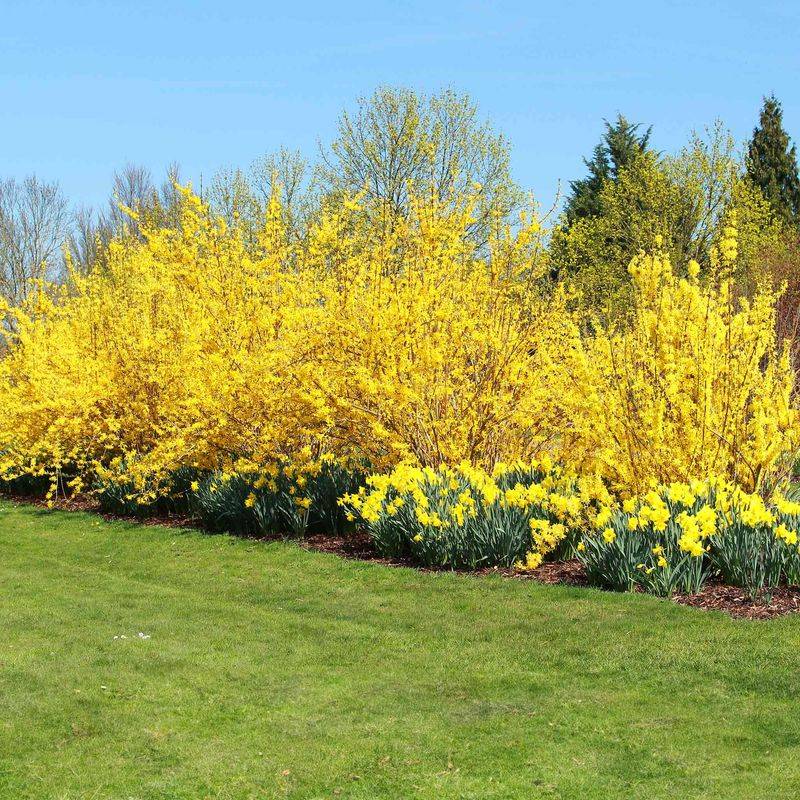
Forsythias bring a burst of sunshine to gardens with their yellow blooms. They signal the arrival of spring, but pruning them too much can dampen their vibrant spirit.
Trim them back right after they bloom to maintain their shape and encourage new growth. Avoid heavy pruning as it can reduce flowering in future seasons.
Forsythias thrive in full sun to partial shade and are fairly adaptable, making them a cheerful and easy addition to any garden. Their bright yellow flowers are a timeless spring favorite.
5. Azalea
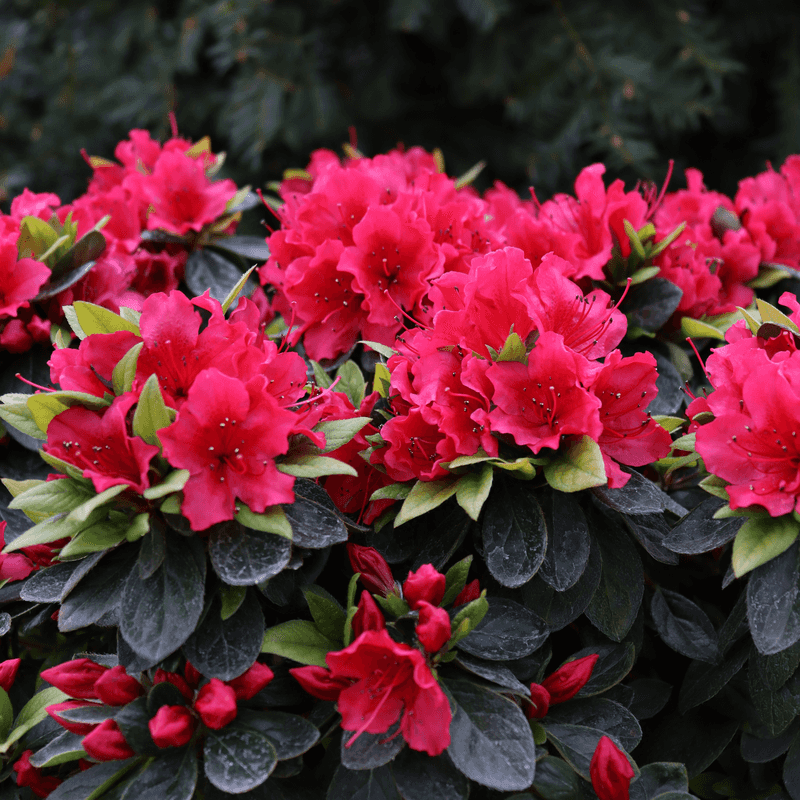
Azaleas, with their vibrant hues and delicate petals, are a highlight of any spring garden. Pruning them requires a gentle hand to maintain their blooming potential.
Focus on removing dead or damaged branches after they bloom. Avoid severe cuts, as this can hinder their ability to produce flowers in the future.
Azaleas thrive in well-drained, acidic soil and prefer partial shade. Their colorful display is unmatched, providing a lush and inviting atmosphere. Show them gentle care, and they’ll reward you with stunning seasonal color.
6. Camellia
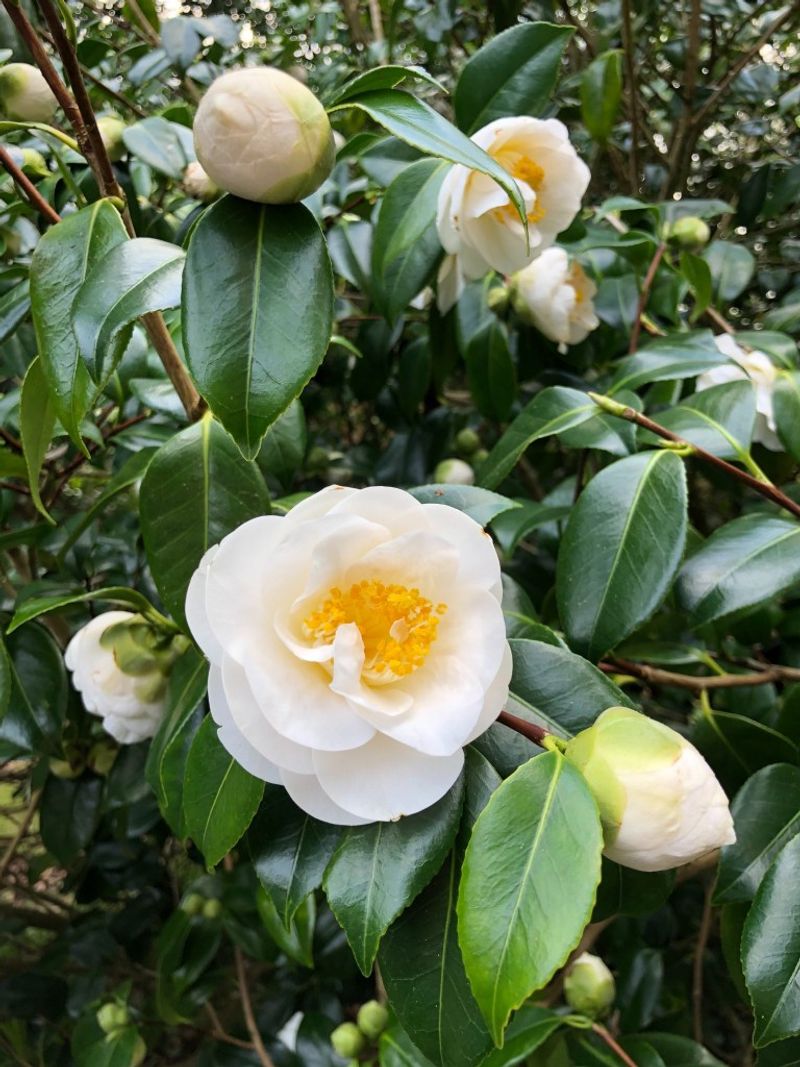
Camellias are elegant and timeless, with their glossy leaves and large, showy flowers. Pruning should be minimal to preserve their natural grace and blooming cycle.
Remove dead or weak wood and spent flowers to promote healthy growth. Over-pruning can lead to fewer blooms, so a gentle approach is best.
They thrive in well-drained, acidic soil and prefer partial shade. With their rich colors, camellias add sophistication to any garden. Allow them to flourish naturally for a spectacular floral display.
7. Witch Hazel
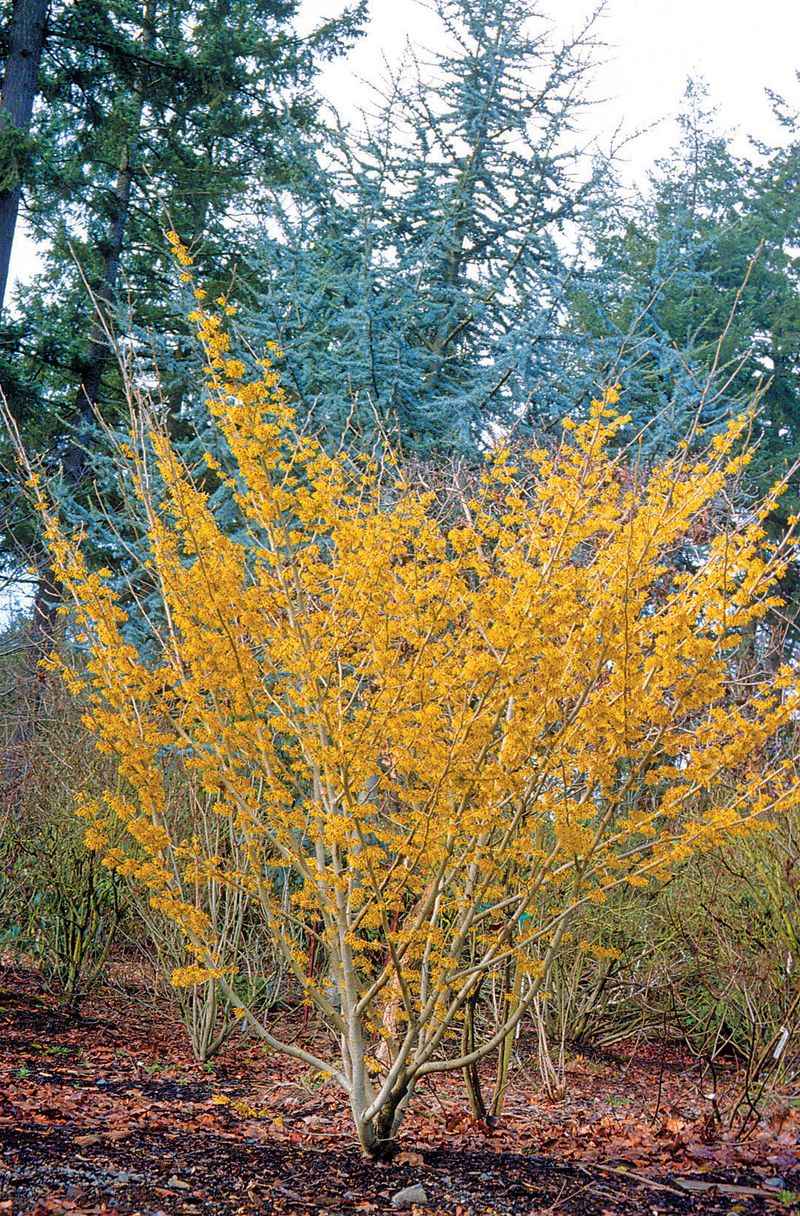
Witch hazel is unique with its spidery, fragrant blooms that add interest to winter gardens. Pruning should be conservative to maintain its natural form.
Focus on removing dead or crossing branches after flowering. This encourages healthy growth without compromising its distinct shape.
Witch hazel thrives in well-drained soil and full sun to partial shade. Its winter blooms provide a splash of color when most gardens are bare, making it a cherished addition for year-round interest.
8. Mock Orange
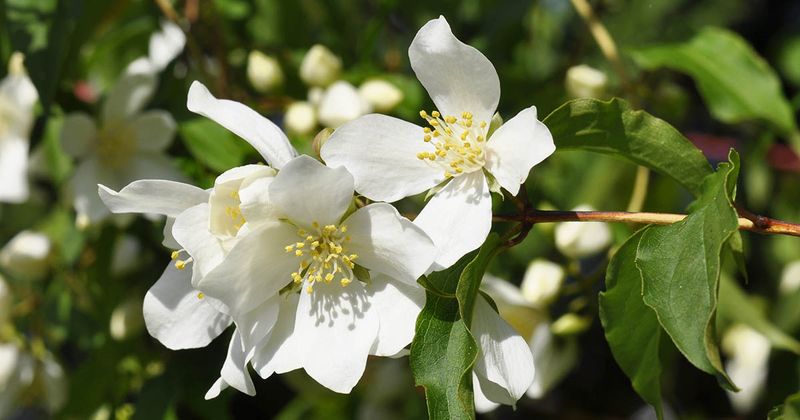
Mock orange is prized for its citrus-scented blooms that add a touch of romance to gardens. Pruning should be done sparingly to preserve its charming flowers.
Trim back any dead or damaged branches after blooming to maintain its shape. Avoid heavy pruning, as it can reduce flowering.
This shrub thrives in full sun to partial shade and well-drained soil. With its fragrant blossoms, mock orange is a delightful addition to any landscape, offering both beauty and a sweet scent that invites admiration.
9. Spirea
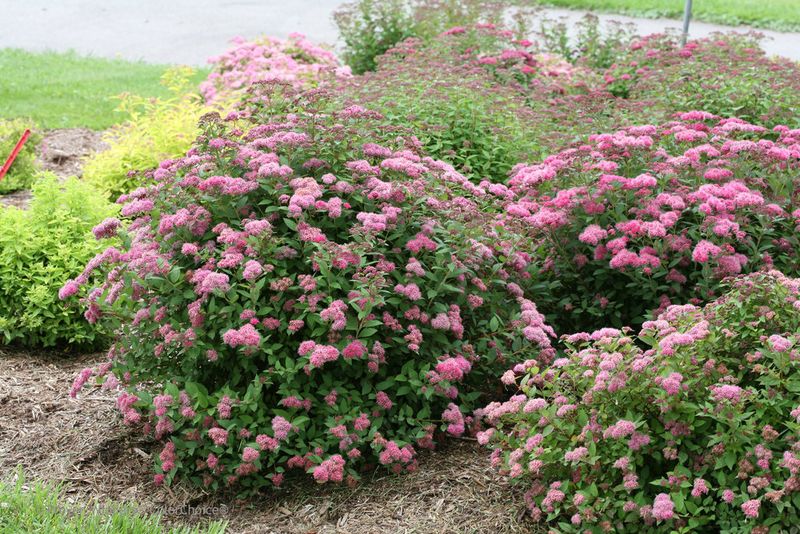
Spirea is known for its cascading blooms and delicate foliage, adding grace to any garden. Pruning should be minimal to keep its natural elegance intact.
Remove spent flowers and thin out old wood to encourage new growth. This ensures a fuller, more vibrant display without compromising its charm.
Spirea thrives in full sun and well-drained soil. With its soft, airy appearance, it creates a serene and inviting garden atmosphere, making it a favorite among gardeners seeking a touch of elegance.
10. Mountain Laurel
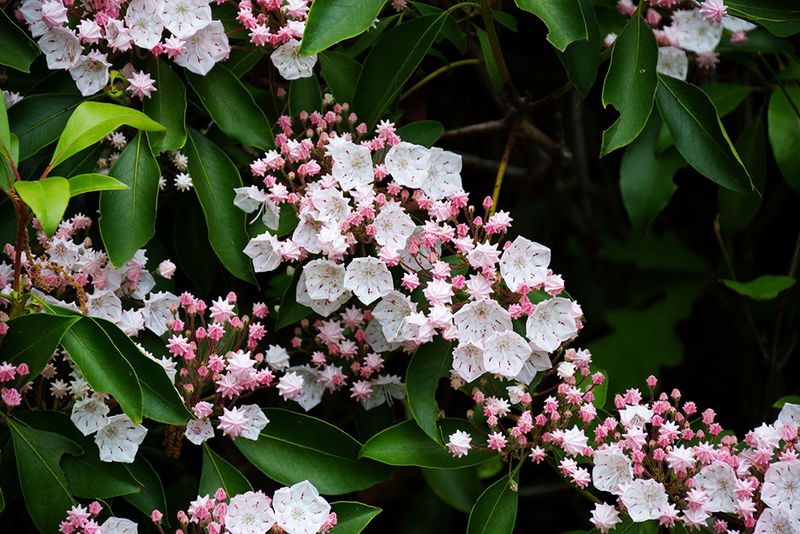
Mountain laurel is a standout with its lush, glossy leaves and intricate blooms. Pruning should be gentle to maintain its natural beauty and health.
Remove any dead or damaged branches after flowering, but avoid drastic cuts that can disrupt blooming.
This shrub prefers acidic, well-drained soil and partial shade. Its striking flowers and evergreen foliage make it a captivating addition to gardens, offering year-round interest with minimal care.
11. Butterfly Bush
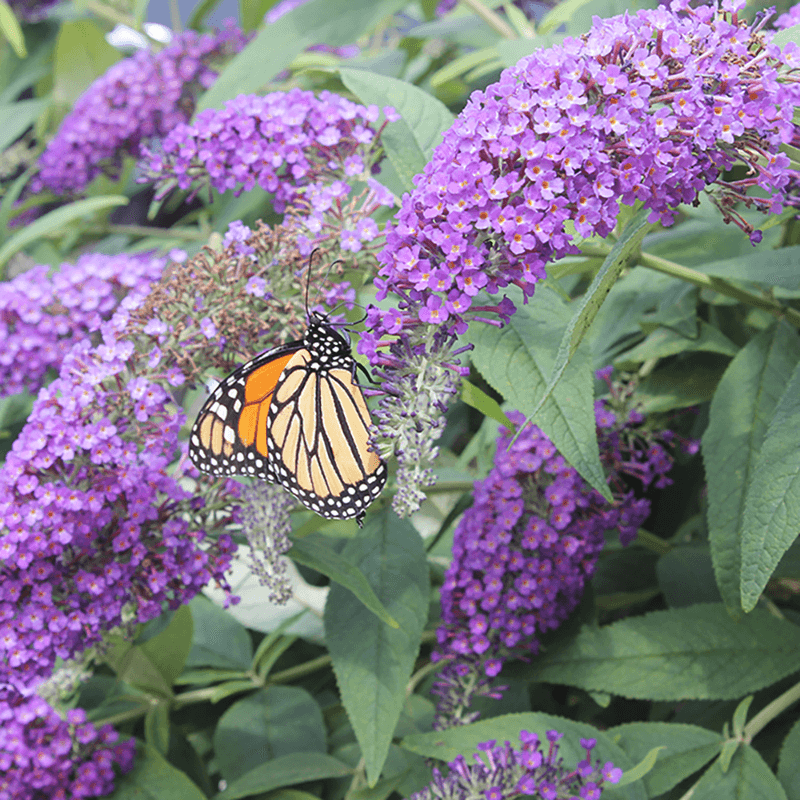
Butterfly bush is loved for its vibrant blooms that attract pollinators, adding life to any garden. Pruning should be moderate to ensure ongoing flowering.
Cut back old wood in late winter to encourage fresh growth and more blooms. Avoid over-pruning, as it can reduce its appeal to butterflies.
This shrub thrives in full sun and well-drained soil. With its bright colors and wildlife appeal, butterfly bush is a dynamic addition to gardens, creating a lively and colorful summer display.
12. Boxwood
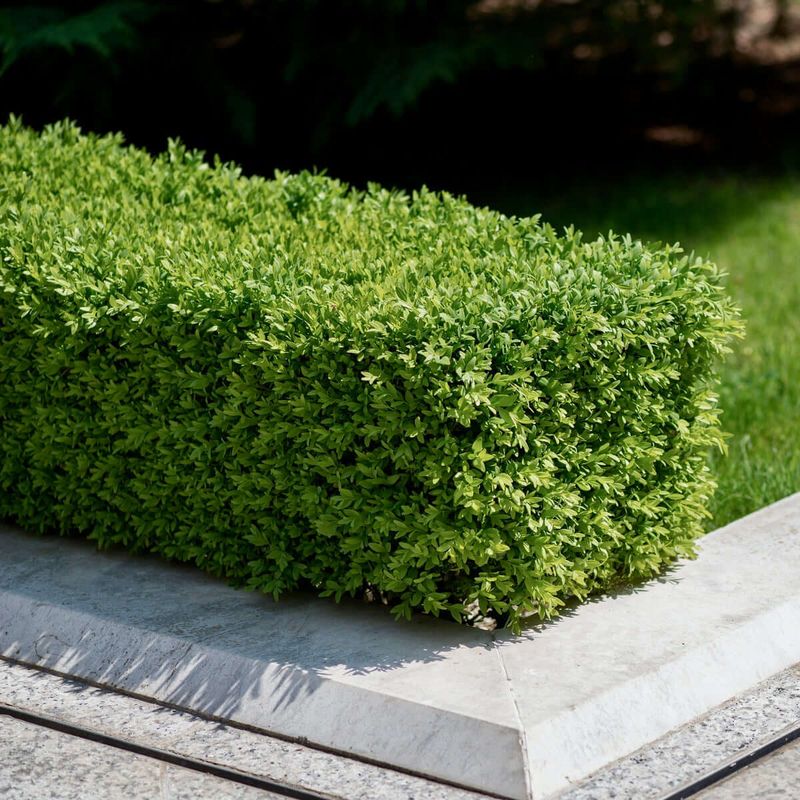
Boxwood is a classic choice for hedges and topiaries, valued for its dense, evergreen foliage. Pruning should be minimal to maintain its form and health.
Trim lightly to shape and remove any dead or damaged branches. Over-pruning can lead to sparse growth and an unsightly appearance.
Boxwood thrives in well-drained soil and full sun to partial shade. Its neat, compact structure makes it ideal for formal gardens, providing year-round greenery and a touch of elegance.
13. Gardenia
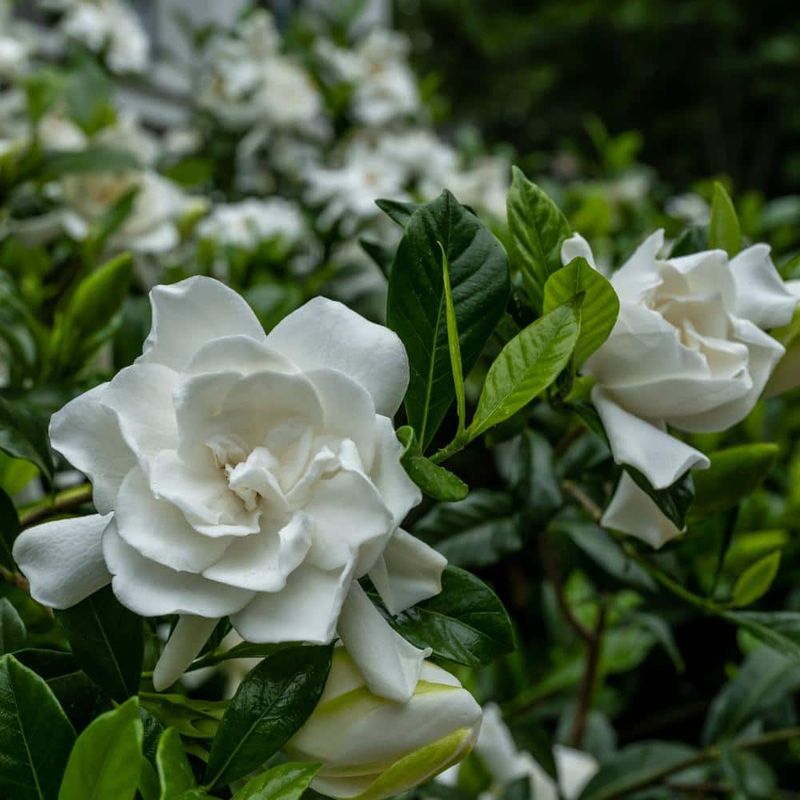
Gardenias are admired for their creamy, fragrant flowers and glossy foliage. Pruning requires a gentle approach to preserve their beauty.
Remove spent blooms and any dead or diseased branches to encourage healthy growth. Avoid heavy pruning, as it can reduce flowering.
These shrubs thrive in well-drained, acidic soil and partial shade. With their intoxicating scent and elegant flowers, gardenias bring a touch of classic beauty to any landscape.
14. Ninebark
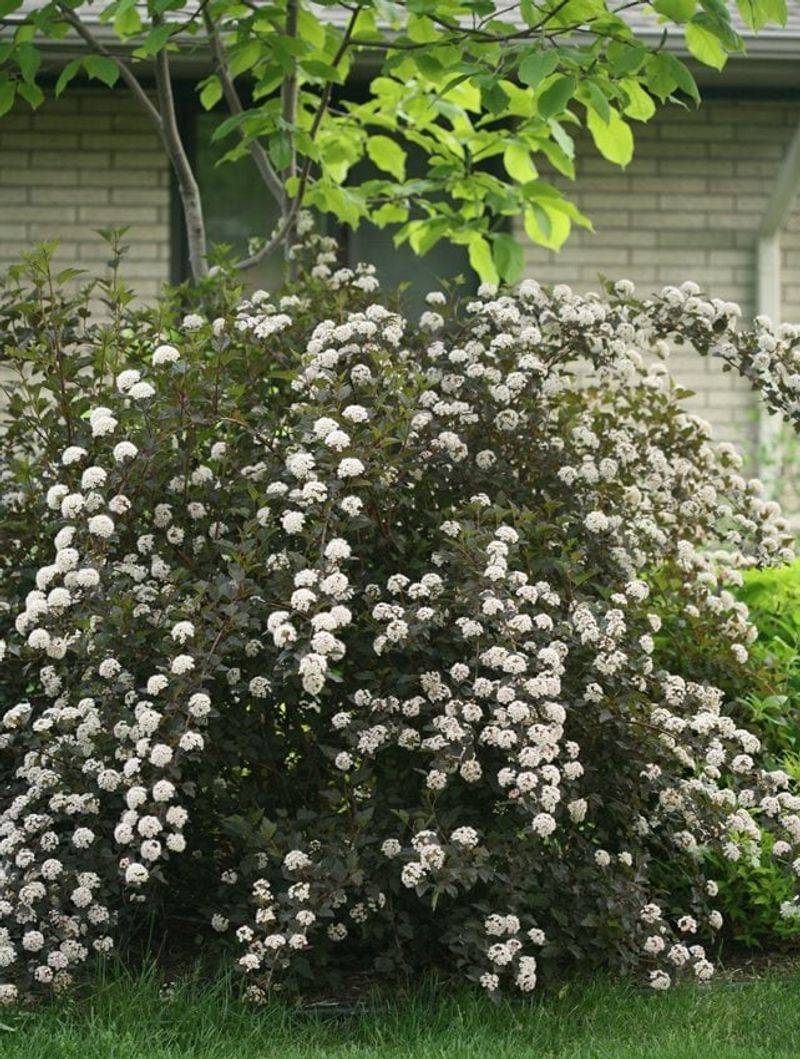
Ninebark is prized for its unique peeling bark and clusters of flowers. Minimal pruning is key to maintaining its distinctive character.
Remove dead or crossing branches to promote healthy growth. Avoid excessive cutting, as it can detract from its natural appeal.
This shrub thrives in full sun to partial shade and well-drained soil. Its unique features and vibrant foliage make it a standout in any garden, offering interest throughout the year.
15. Smoke Bush
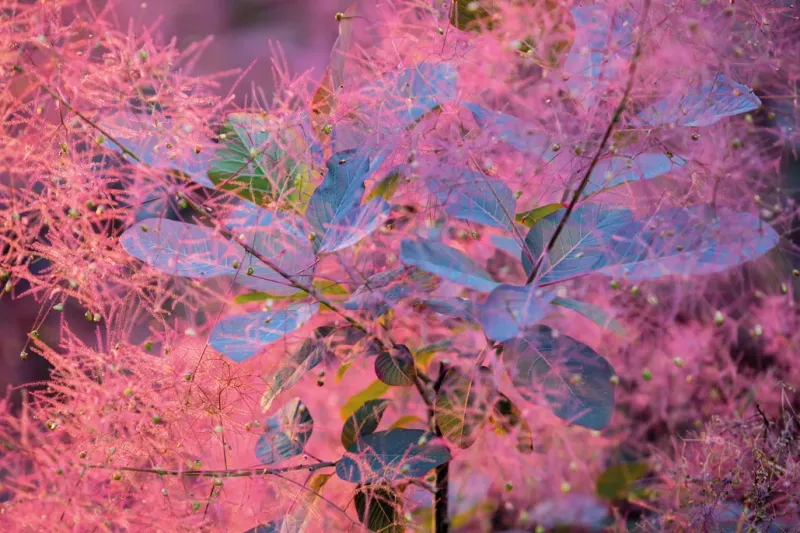
Smoke bush is known for its airy, smoke-like plumes and colorful foliage. Pruning should be gentle to preserve its graceful form.
Trim dead or damaged branches and thin out old wood to encourage fresh growth and vibrant colors. Avoid heavy pruning, as it can reduce flowering.
This shrub thrives in full sun and well-drained soil. With its unique appearance, smoke bush adds drama and intrigue to any garden setting, creating a visual spectacle with its vibrant hues.
16. Daphne
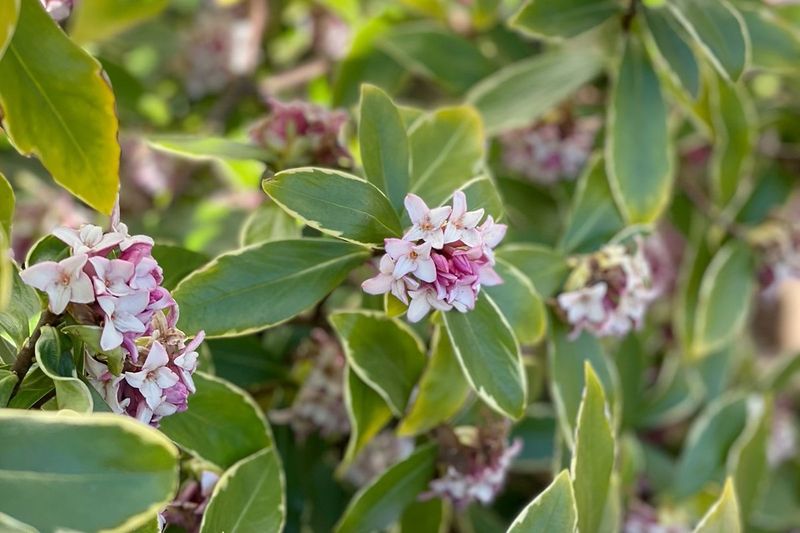
Daphne is cherished for its fragrant blooms and delicate beauty. Pruning should be minimal to keep its natural elegance intact.
Remove any dead or damaged branches and focus on maintaining its shape. Over-pruning can reduce its flowering potential.
This shrub prefers well-drained, slightly acidic soil and partial shade. Its sweet scent and charming flowers make it a delightful addition to any garden, offering a touch of romance and allure.
17. Elderberry
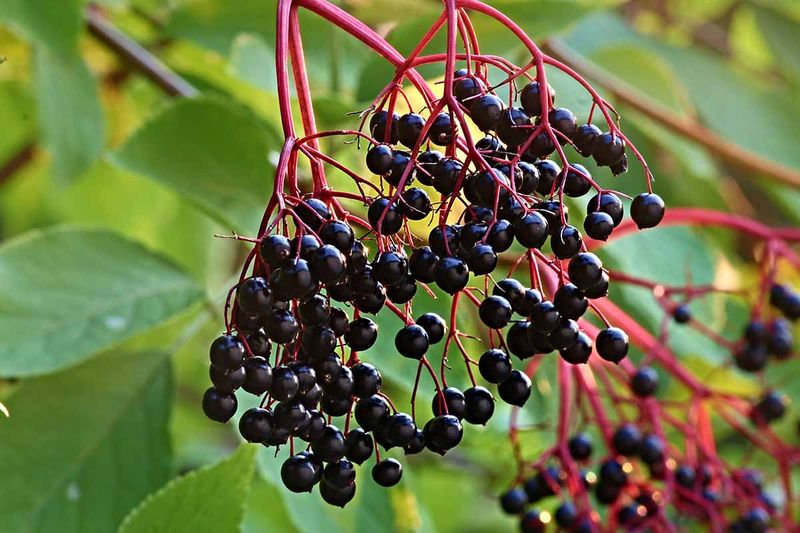
Elderberry is known for its clusters of flowers and vibrant berries. Pruning should be done with care to ensure continued fruit production.
Trim dead wood and thin out old branches to promote healthy growth and fruiting. Avoid heavy pruning, as it can reduce the yield.
This shrub thrives in full sun and well-drained soil. With its dual appeal of flowers and berries, elderberry adds both beauty and utility to gardens, making it a favorite among wildlife enthusiasts and gardeners alike.
18. Weigela
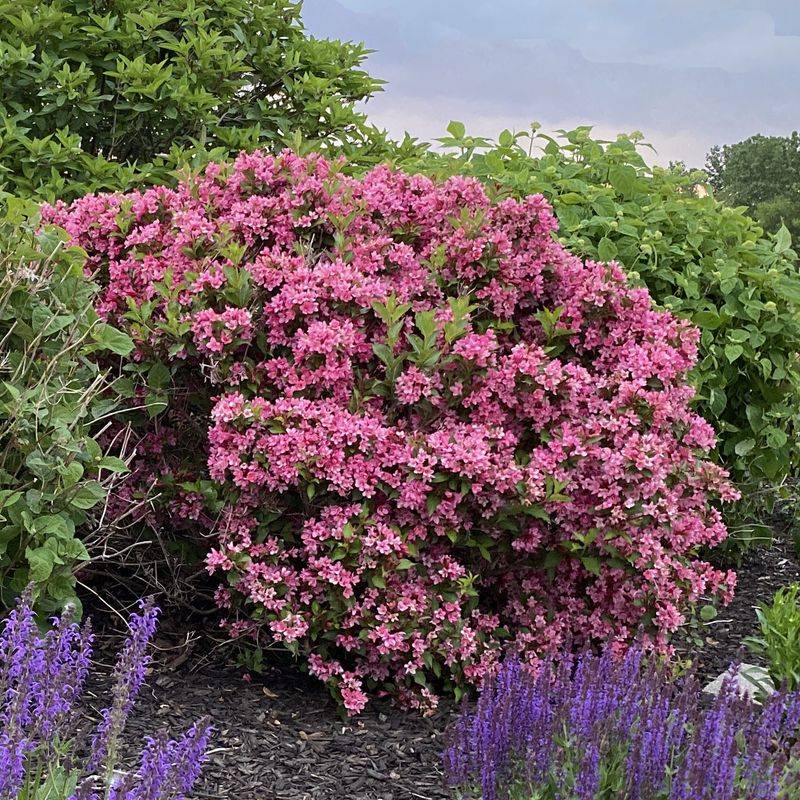
Weigela is favored for its vibrant blooms and graceful arching branches. Pruning should be light to maintain its natural beauty and flowering.
Remove any dead or damaged branches and trim back old wood after flowering to encourage new blossoms.
This shrub thrives in full sun and well-drained soil. With its showy colors and elegant form, weigela adds a touch of charm to gardens, creating a lively and inviting atmosphere for all to enjoy.
19. Heavenly Bamboo (Nandina)
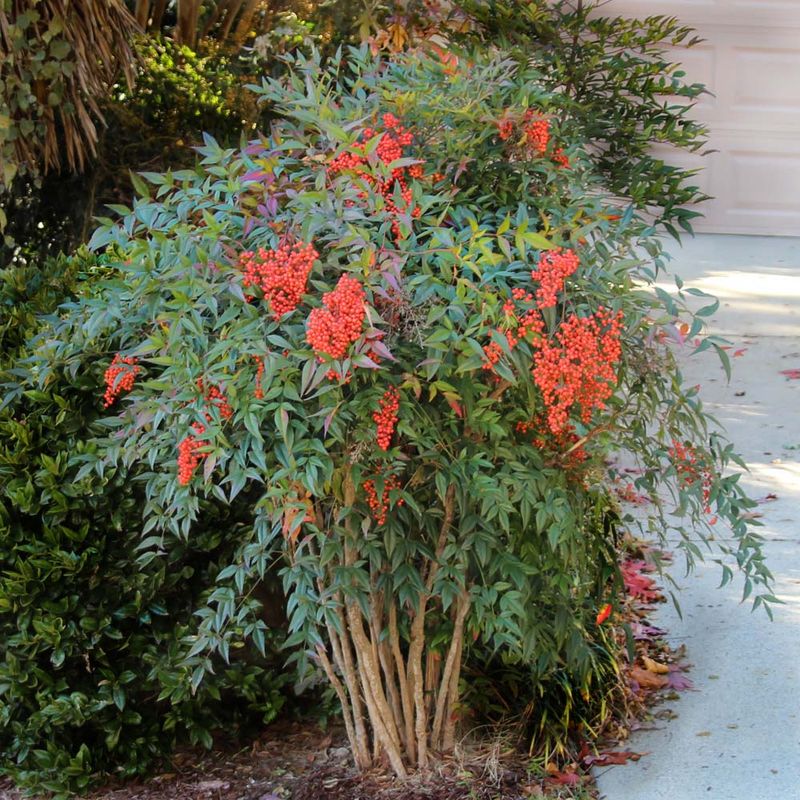
Heavenly bamboo, or nandina, is noted for its delicate foliage and vibrant red berries. Pruning should be minimal to preserve its natural grace.
Remove any dead or damaged branches and lightly trim to maintain its shape. Avoid heavy pruning, which can reduce its ornamental appeal.
This shrub thrives in well-drained soil and full sun to partial shade. Its unique appearance makes it an attractive addition to gardens, offering color and texture throughout the year.
20. Beautyberry
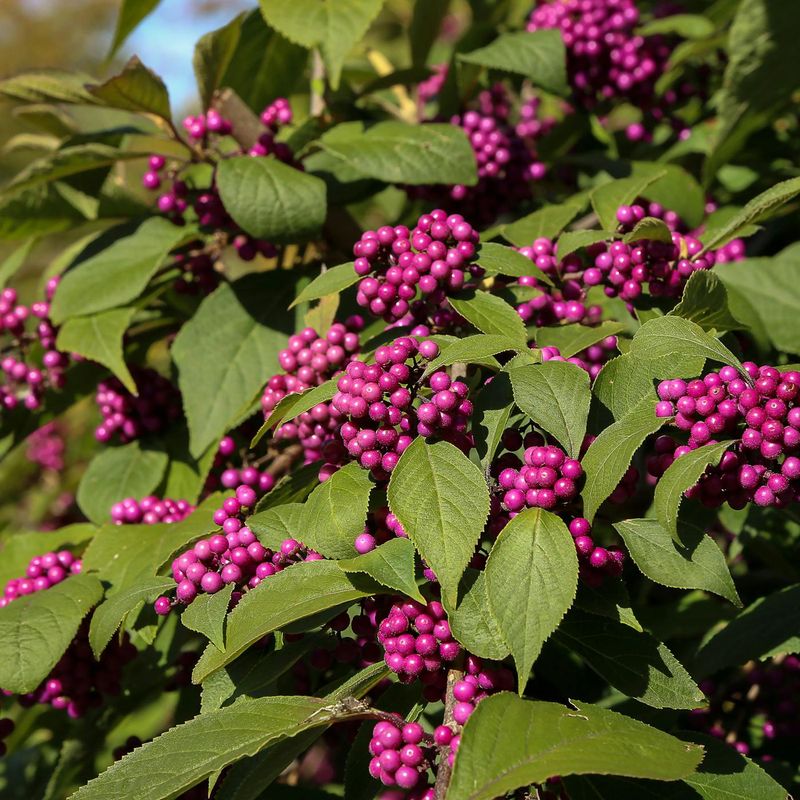
Beautyberry is celebrated for its striking purple berries that add a pop of color to gardens. Pruning should be done carefully to enhance its natural beauty.
Trim any dead or damaged branches and thin out old wood to encourage new growth. Avoid drastic cuts, as they can affect berry production.
This shrub thrives in well-drained soil and full sun to partial shade. With its bold berries and lush foliage, beautyberry provides autumn interest, creating a vibrant and colorful garden display.
21. Fothergilla
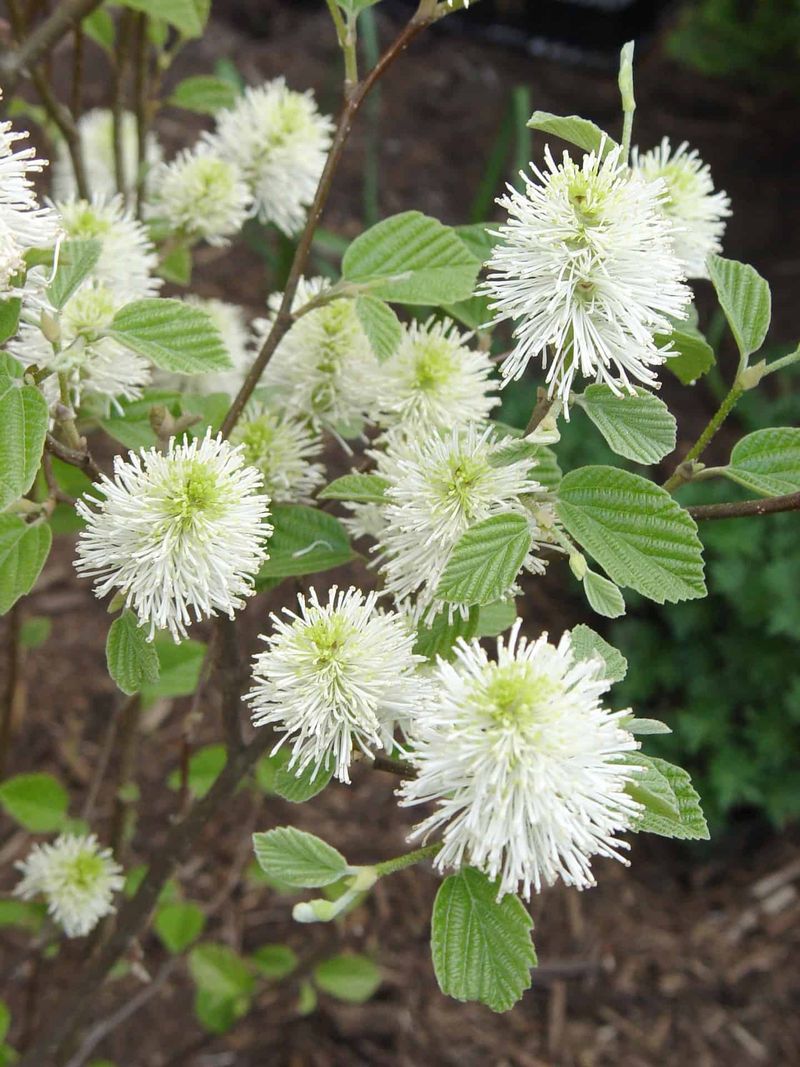
Fothergilla is known for its bottlebrush blooms and brilliant fall foliage. Pruning should be minimal to preserve its unique characteristics.
Remove dead or damaged wood and lightly shape the plant to promote healthy growth. Avoid heavy pruning, as it can reduce flowering.
This shrub thrives in well-drained, slightly acidic soil and full sun to partial shade. With its stunning seasonal changes, fothergilla adds dynamic beauty to gardens, offering interest from spring through fall.
22. Mountain Pepper
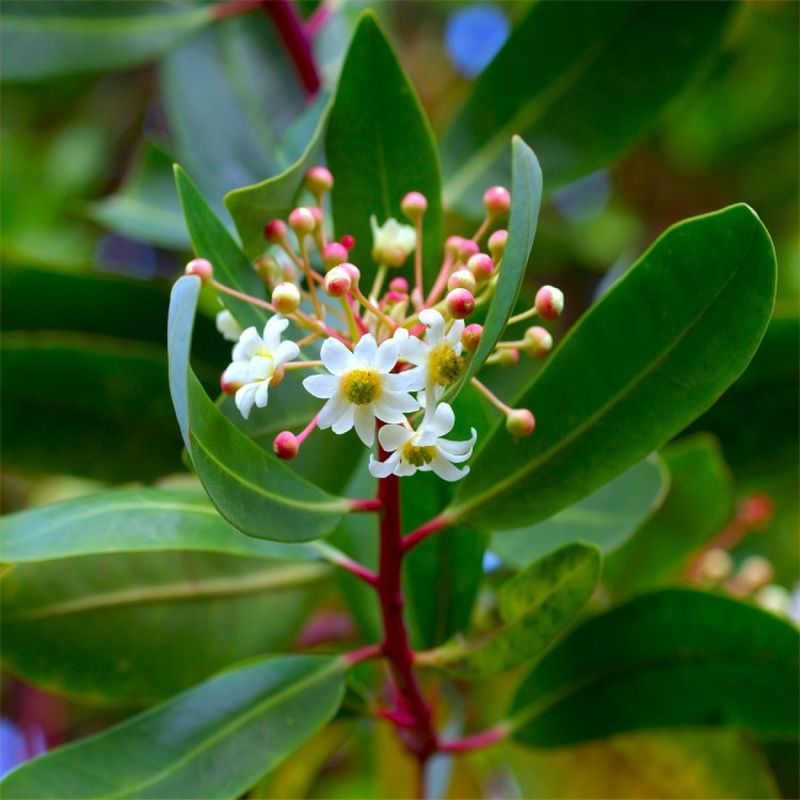
Mountain pepper is admired for its aromatic leaves and small white flowers. Pruning should be gentle to maintain its natural form and health.
Trim any dead or damaged branches and lightly shape the shrub to promote new growth. Avoid excessive pruning, which can reduce flowering.
This shrub thrives in well-drained, acidic soil and partial shade. Its unique flavors and ornamental appeal make it a versatile addition to gardens, providing both culinary use and visual interest.
23. Red Twig Dogwood
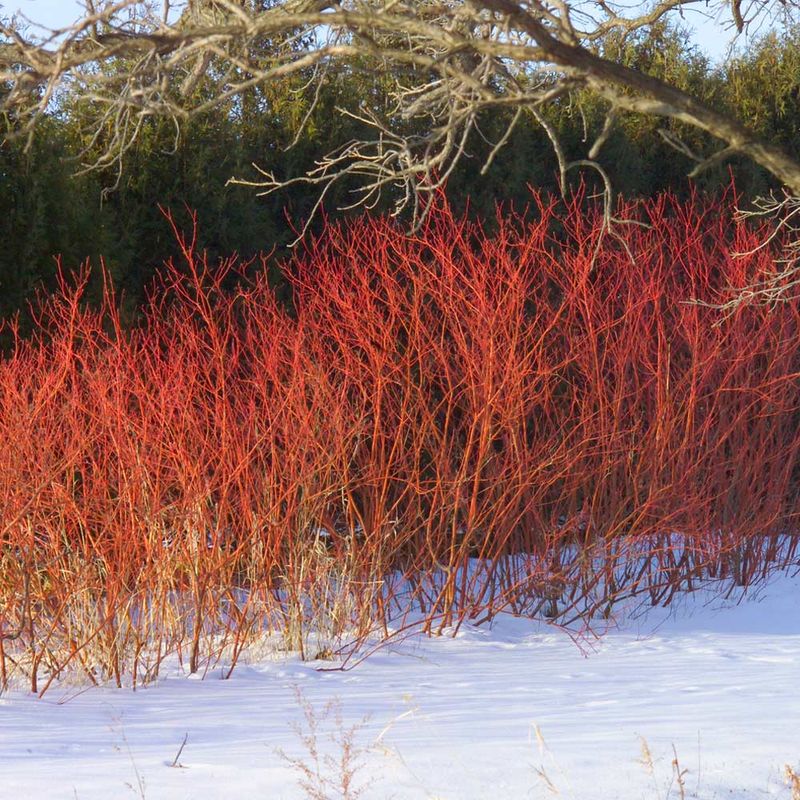
Red twig dogwood is striking with its bright red stems that stand out in the winter landscape. Pruning should be minimal to retain its bold appearance.
Remove any dead or damaged branches and focus on thinning out older stems to promote vibrant new growth.
This shrub thrives in well-drained soil and full sun to partial shade. Its colorful stems and seasonal interest make it a captivating choice for gardens, offering visual appeal even in the coldest months.