 Complete Gardening
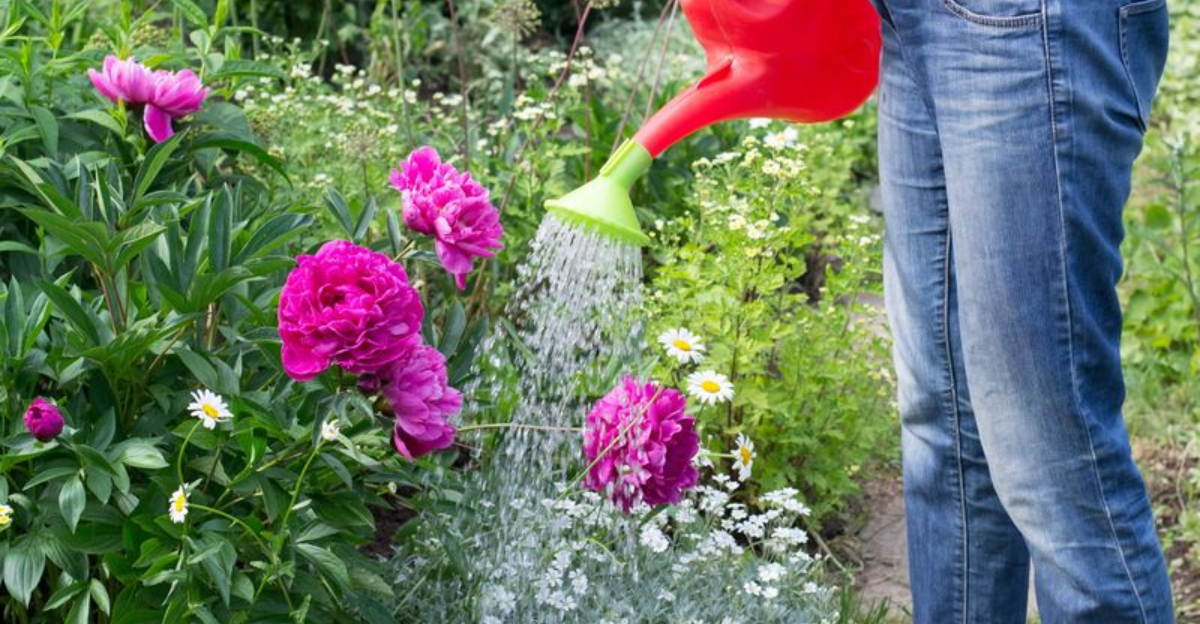
Peonies, with their lush blooms and intoxicating fragrance, are a favorite among gardeners. However, to enjoy their beauty for an extended period, it’s essential to follow certain care practices and avoid common pitfalls. This guide provides 23 invaluable tips to prolong the blooming period of your peonies, along with 6 critical mistakes to steer clear of. Each tip and trick is designed to enhance your gardening experience, ensuring your peonies remain the star of your garden for as long as possible.
1. Morning Sunlight

Sunshine is a peony’s best friend, but not just any light will do. Peonies crave the gentle rays of the morning sun to kickstart their day. Position your peony plants where the morning light can caress them, ensuring they get just the right amount of warmth without the harshness of midday heat.
2. Well-Drained Soil
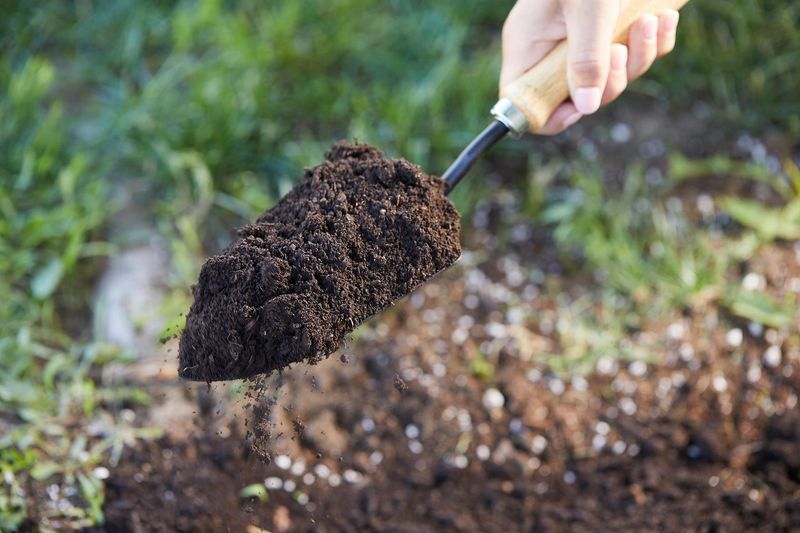
Peonies thrive in well-drained soil, where their roots can breathe and stay healthy. A mixture of loam and sand, with a touch of organic matter, creates the ideal environment for their growth. Avoid waterlogged areas, as excess moisture can lead to root rot, diminishing their blooming potential.
3. Proper Spacing
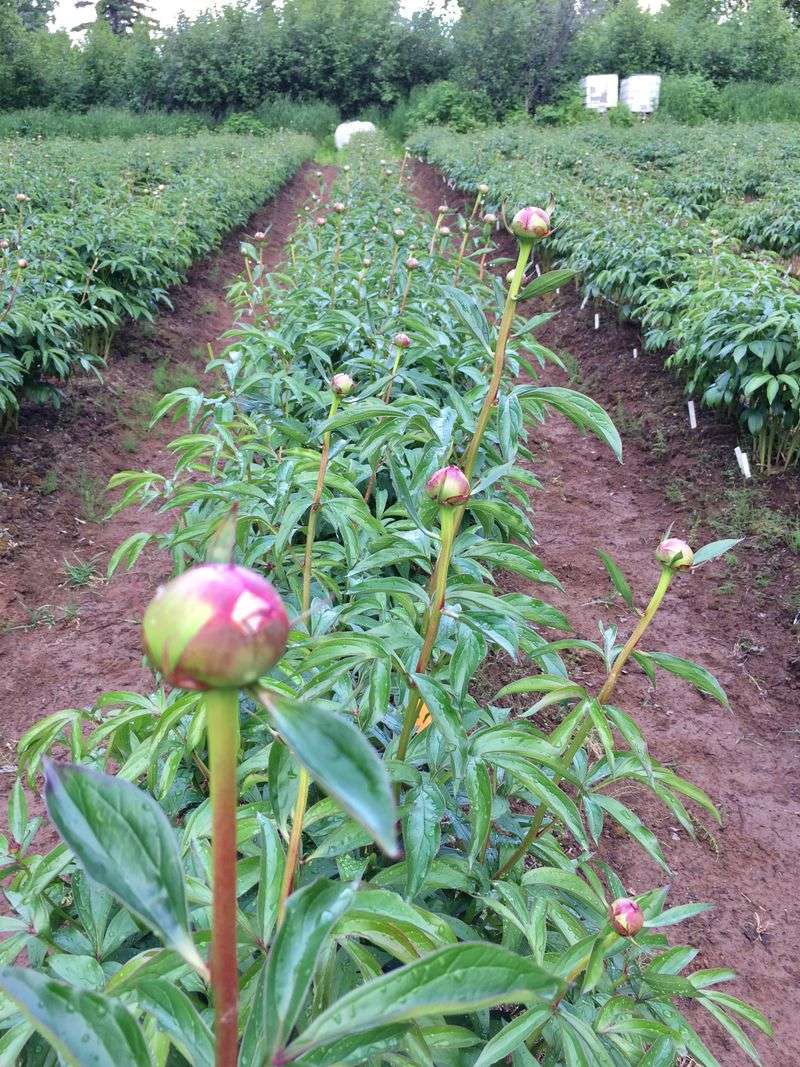
Peonies need room to breathe, quite literally! Ensuring proper spacing between plants allows air circulation, reducing the chances of fungal diseases. Ideally, space your peonies about 3-4 feet apart to give them ample space to grow and bloom without competition for nutrients.
4. Moderate Watering
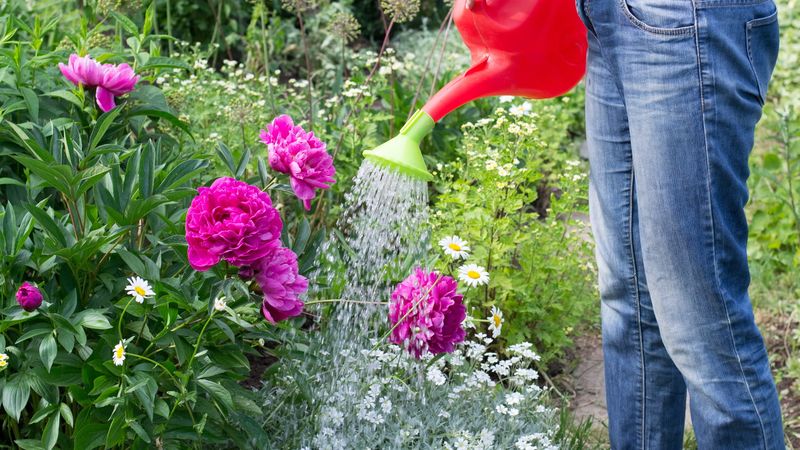
Watering wisely is key to peony care. Peonies prefer their soil to be moist but not soggy. Overwatering can be detrimental, leading to root diseases. Focus on a balance, watering deeply once a week rather than frequent shallow watering, to ensure they thrive without drowning their roots.
5. Mulch Magic
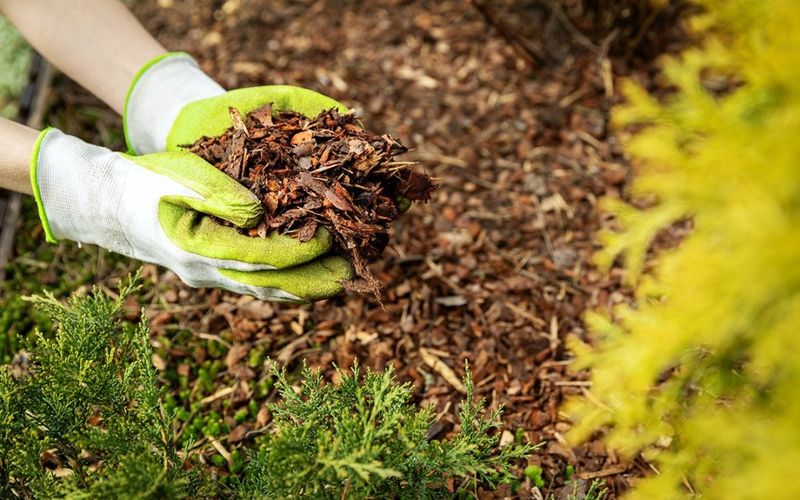
Mulching is a gardener’s magic trick for peonies. A protective layer of organic mulch helps retain moisture and keeps weeds at bay. It also regulates soil temperature, ensuring your peonies’ roots stay cool in summer and warm in winter, promoting healthy, prolonged blooming.
6. Fertilize Wisely

Feeding peonies with the right nutrients ensures robust blooms. Opt for a balanced fertilizer that’s rich in phosphorus, applied in early spring as shoots emerge. Avoid over-fertilizing, as this can lead to lush foliage but fewer flowers. A little goes a long way with peonies!
7. Deadheading Blooms
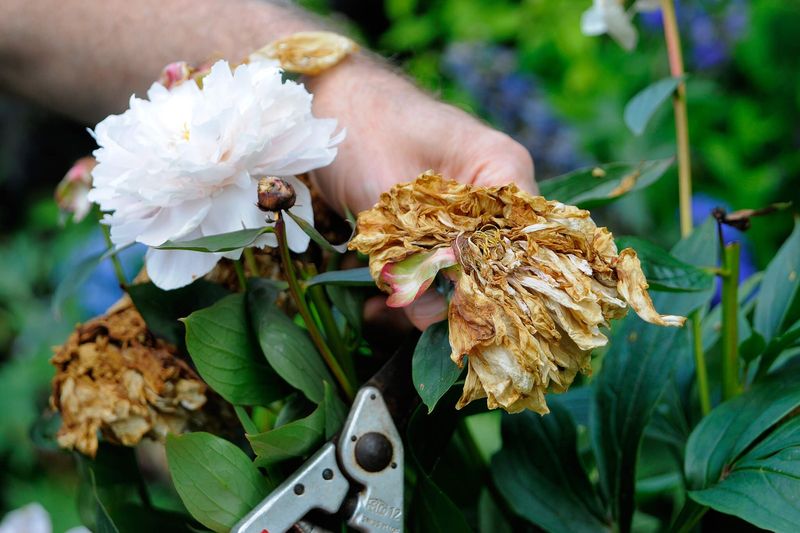
Deadheading is a simple yet essential task for extending bloom time. Removing spent blooms prevents peonies from putting energy into seed production, redirecting it towards new growth and more flowers. Keep your garden tidy and your peonies blooming by regularly deadheading.
8. Staking Support
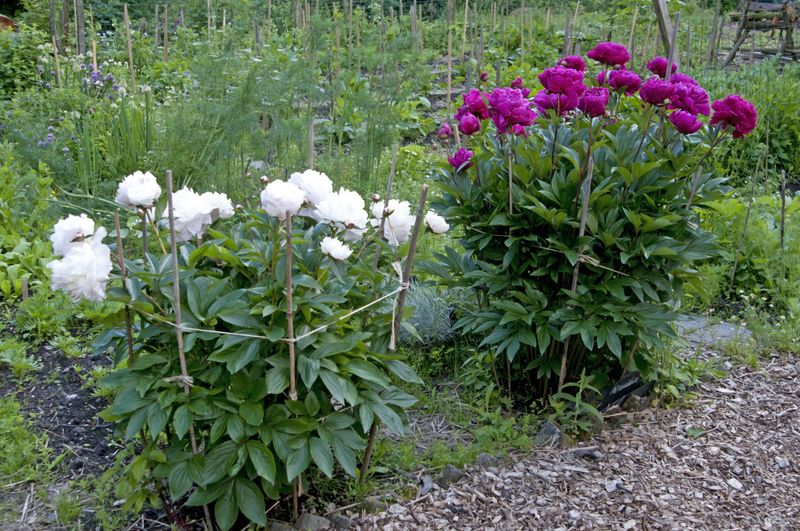
Heavy blooms can cause peonies to droop, so staking is vital. Use garden stakes or plant supports to uphold the flowers, especially after rain when they’re heaviest. This not only prevents breakage but also displays the blooms upright for all to admire.
9. Avoid Overcrowding
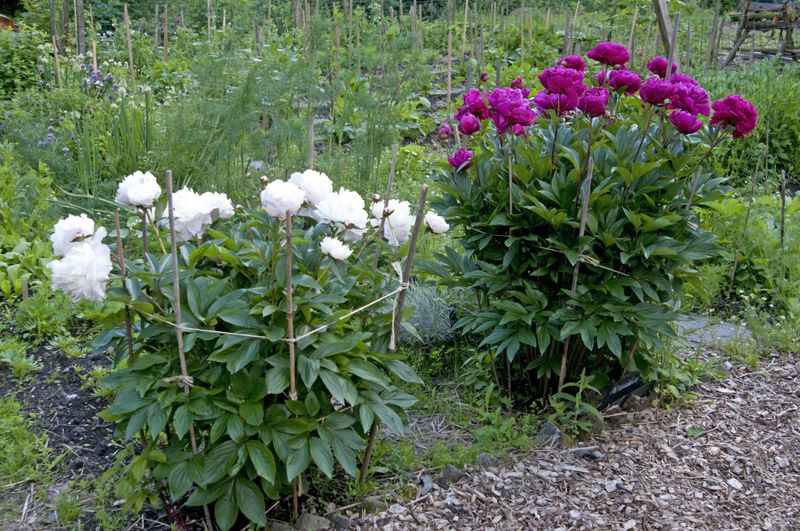
Overcrowding can stifle peonies, so regular thinning is necessary. By dividing and replanting every 3-4 years, you ensure each plant gets enough nutrients and space to flourish. This practice also reduces disease spread and rejuvenates the plant for robust blooming.
10. Pest Patrol
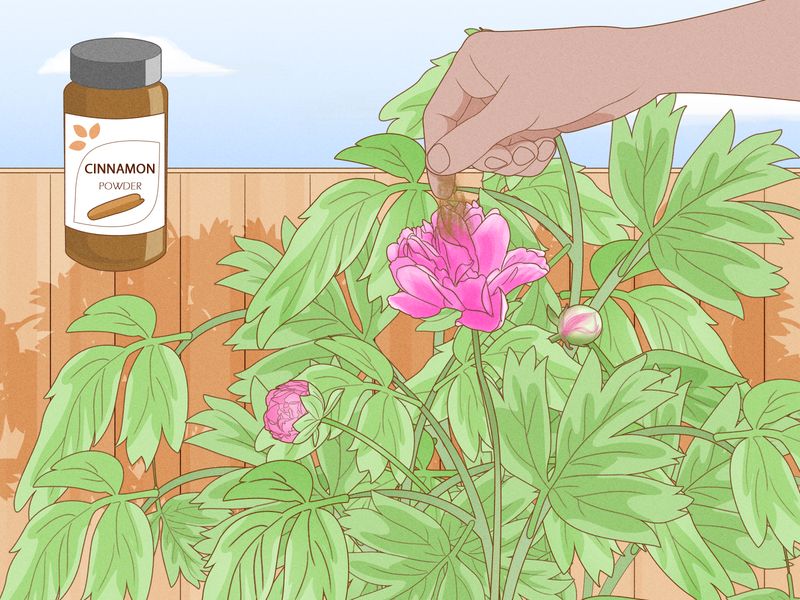
Guard your peonies against pests like aphids and slugs with regular checks. Natural repellents or companion planting can help keep these invaders at bay. Healthy peonies can fend off minor pest issues, but vigilance is key to maintaining their pristine condition.
11. Disease-Free Zone

Preventing diseases like botrytis is crucial for peony health. Regularly inspect your plants and remove any diseased leaves. Applying a natural fungicide can offer additional protection. Keeping your garden clean and your plants healthy ensures long-lasting blooms.
12. Fall Pruning
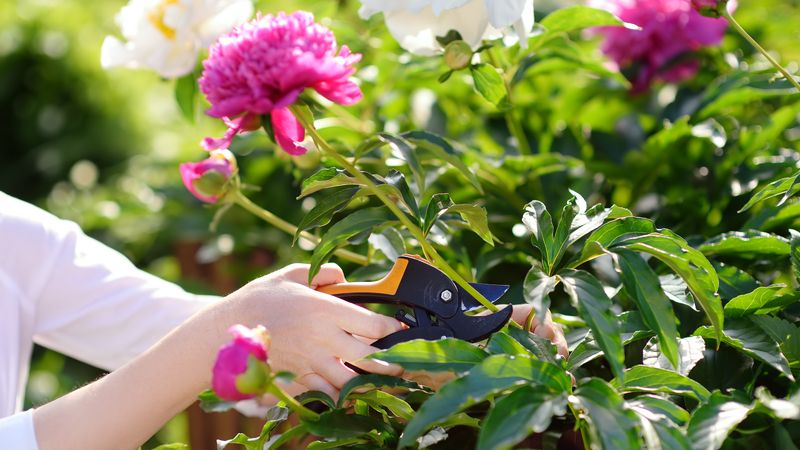
Pruning in the fall prepares peonies for a strong return in spring. Cut back stems to the ground and remove foliage to prevent disease overwintering. This simple act encourages vigorous growth and blooming when the seasons change, setting the stage for next year’s beauty.
13. Organic Matters
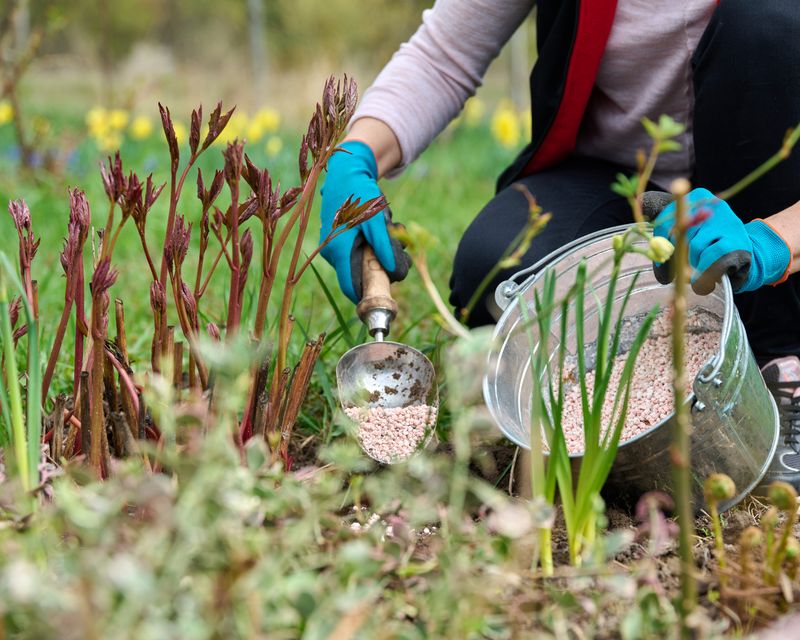
Incorporating organic matter into the soil boosts peony health. Compost or well-rotted manure enriches the soil, providing essential nutrients. This natural addition promotes robust blooms and improves soil structure, making it a cornerstone of peony care.
14. Avoid Wet Foliage
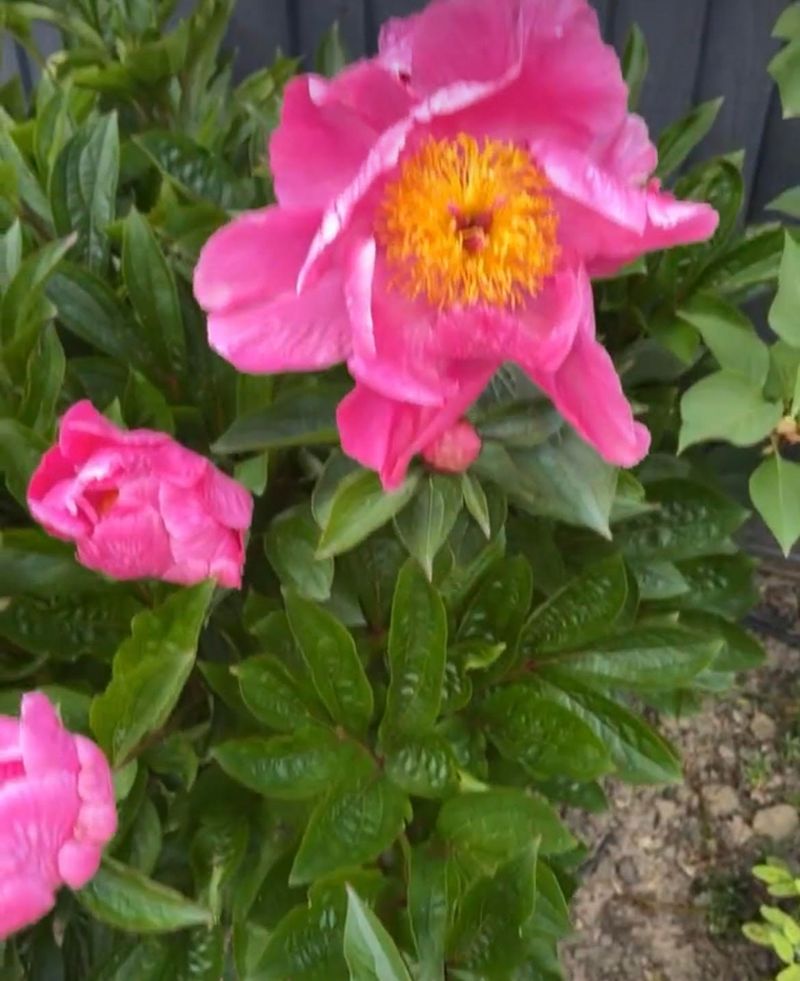
Wet foliage can lead to fungal issues, so water at the base to keep leaves dry. Morning is the best time, allowing excess moisture to evaporate. By maintaining dry foliage, you reduce disease risk, ensuring your peonies remain vibrant and disease-free.
15. Patience is Key
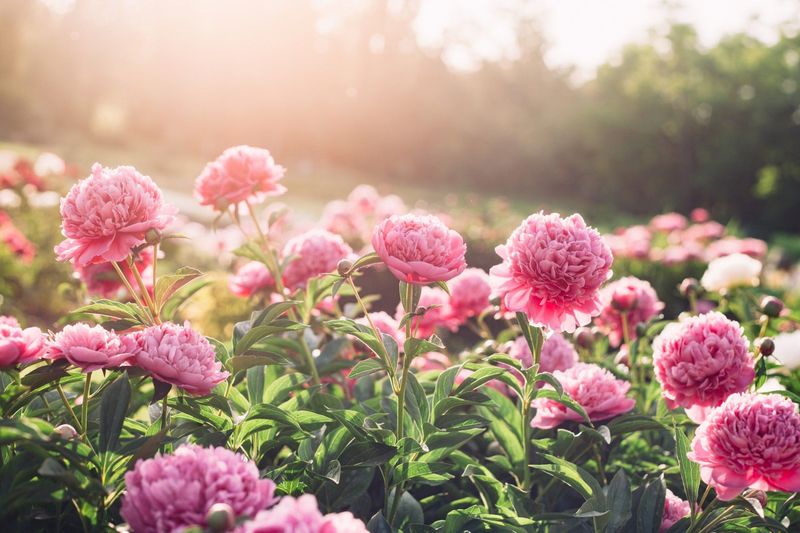
Peonies require patience, often taking several years to establish. While waiting might test your resolve, the reward is worth it. During this time, focus on proper care, and remember, peonies often do not bloom the first year. Your patience will pay off with stunning blooms.
16. Avoid Excessive Shade
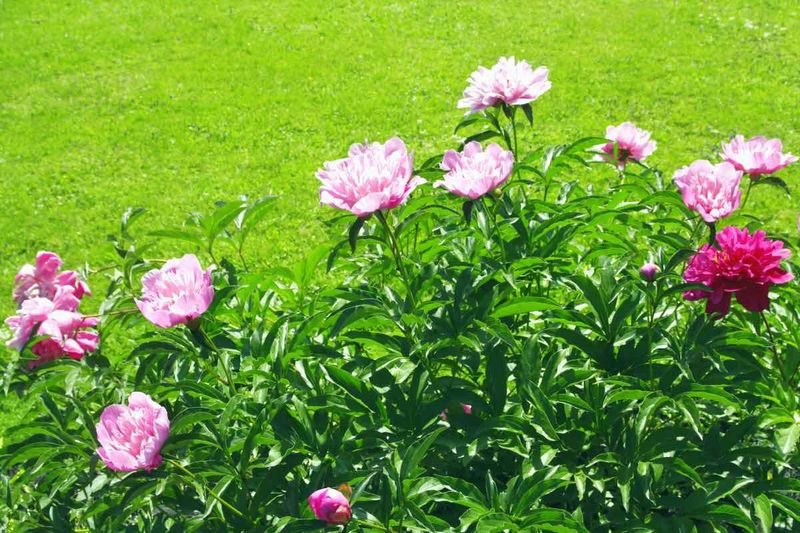
While some shade is fine, excessive shade hinders blooming. Ensure peonies are placed in a spot with adequate sunlight, avoiding large trees or structures that block light. The right balance of sun and shade leads to healthy growth and prolific blooms.
17. Protect from Frost
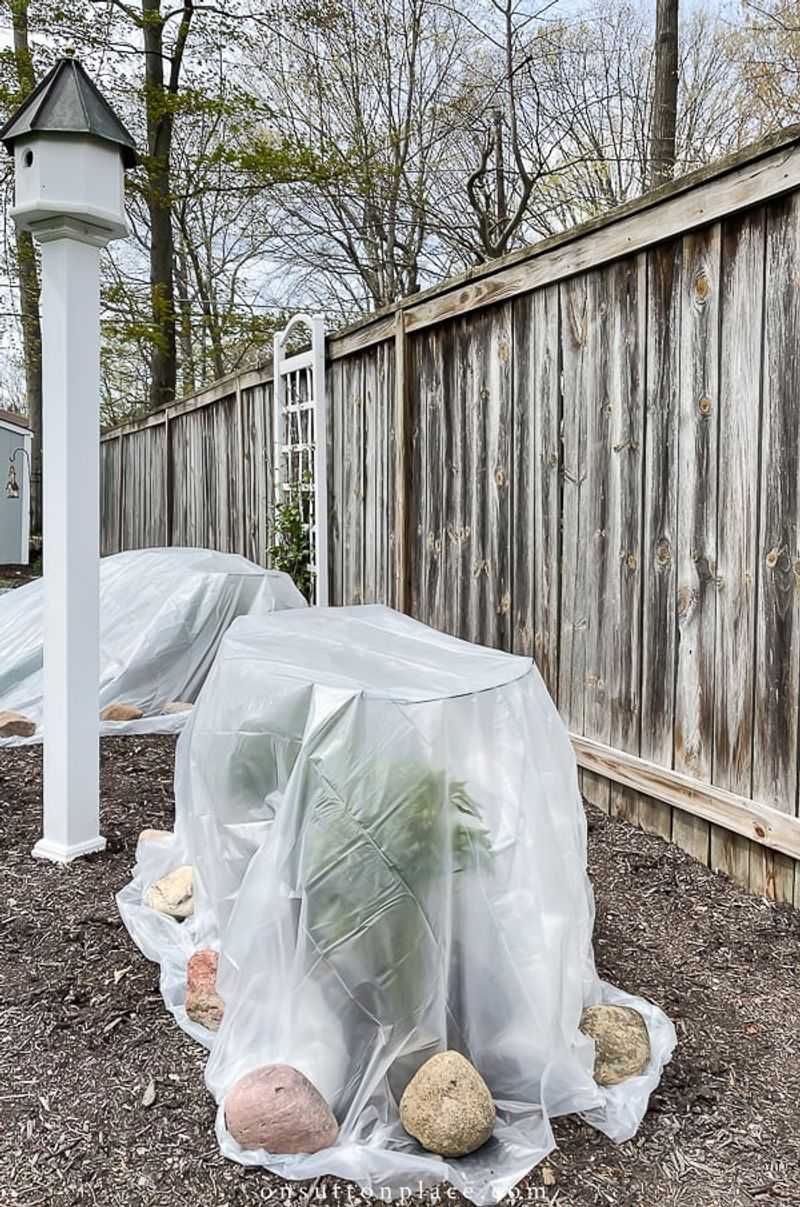
Frost can damage tender peony shoots, so protect them with frost blankets or cloches during cold spells. Early spring frost is particularly dangerous, as it can kill emerging shoots. Taking precautions ensures your peonies remain unscathed and ready to bloom.
18. Avoid Deep Planting
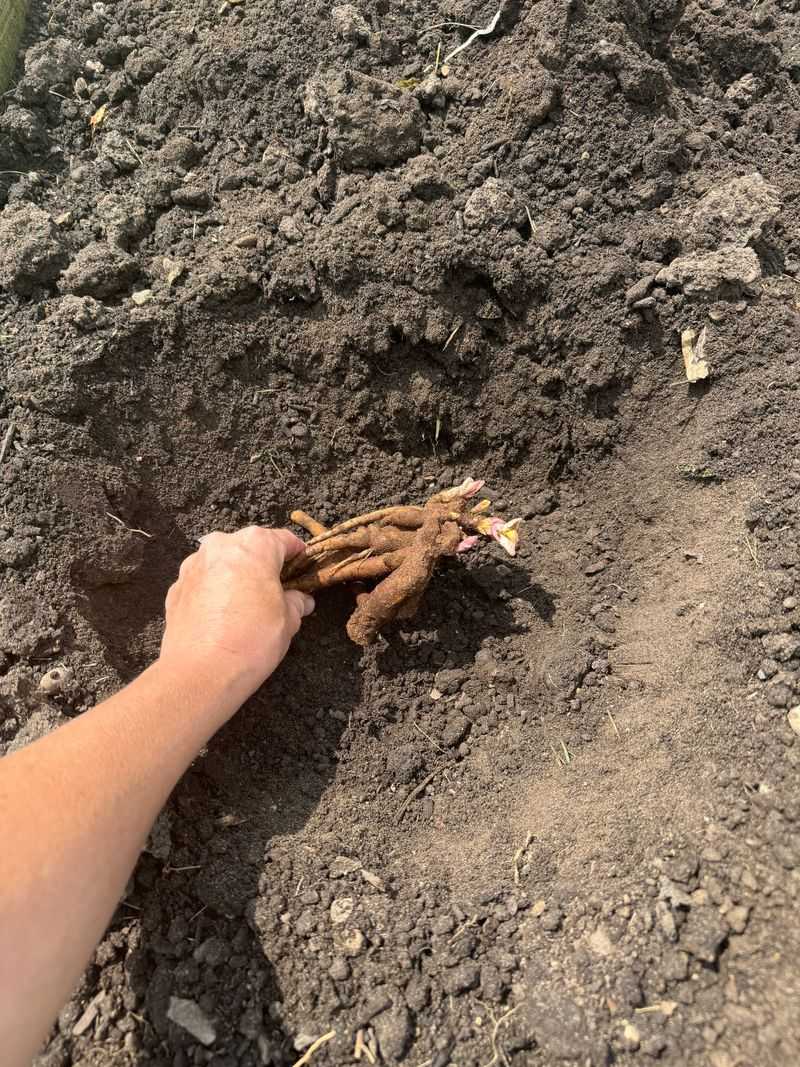
When planting peonies, depth matters. The crown should be no more than 2 inches below the soil surface. Planting too deep can prevent blooming. Ensuring the correct depth allows the plant to establish and thrive, leading to a beautiful display in your garden.
19. Regular Feeding
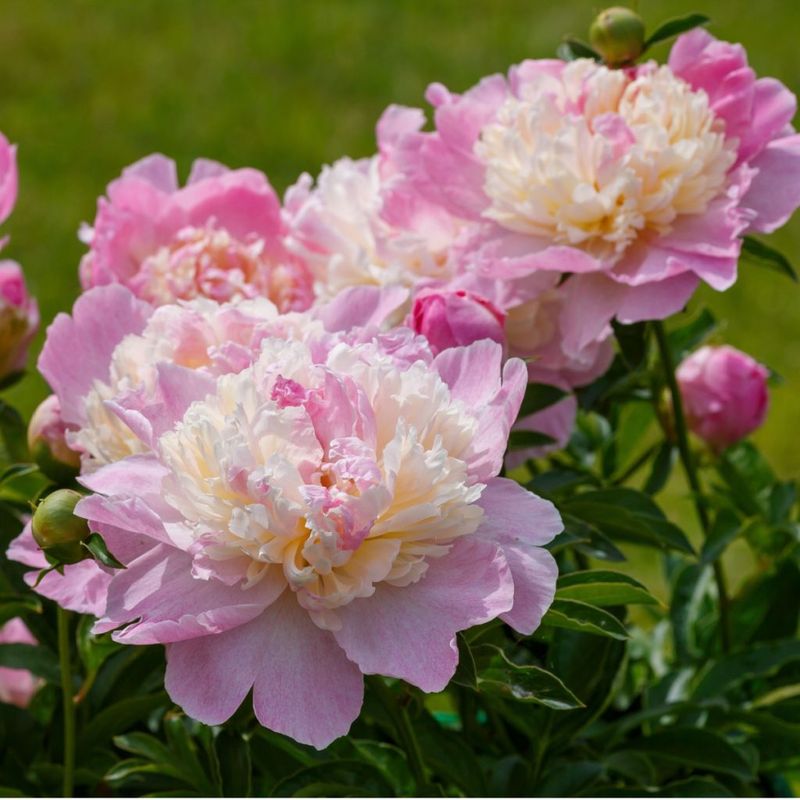
Regular feeding supports peony health, encouraging blooms. Use a slow-release fertilizer in early spring to provide steady nutrients. This practice ensures your peonies have the energy to support vibrant blooming throughout the season, keeping your garden lively.
20. Avoid Over-Fertilization
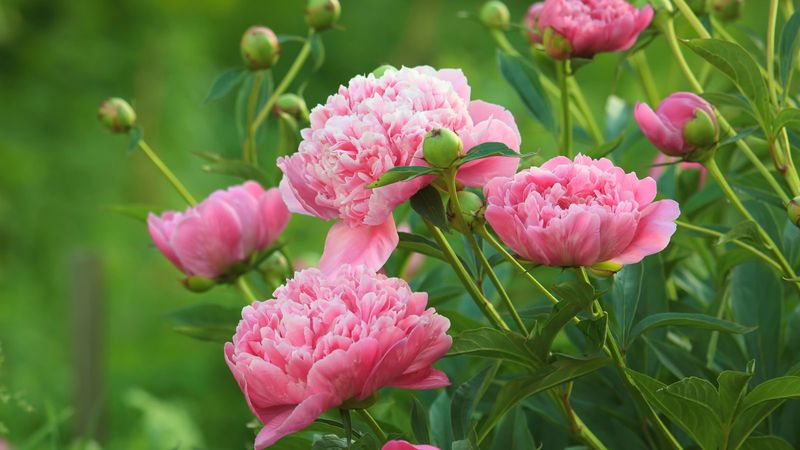
Over-fertilization leads to lush foliage with few flowers. Use a balanced fertilizer sparingly, focusing on phosphorus-rich options. This precision ensures robust blooming without overwhelming the plant, maintaining a healthy balance in your garden.
21. Avoid Disturbing Roots
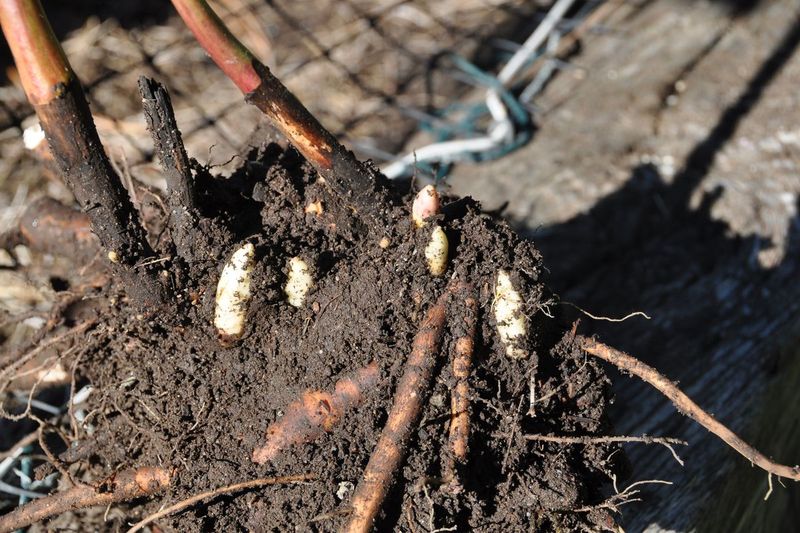
Peony roots are sensitive to disturbance, so take care when gardening nearby. Avoid digging too close or planting other plants that compete for nutrients. Allow peonies to establish a strong root system, supporting vigorous and prolonged blooming.
22. Seasonal Maintenance
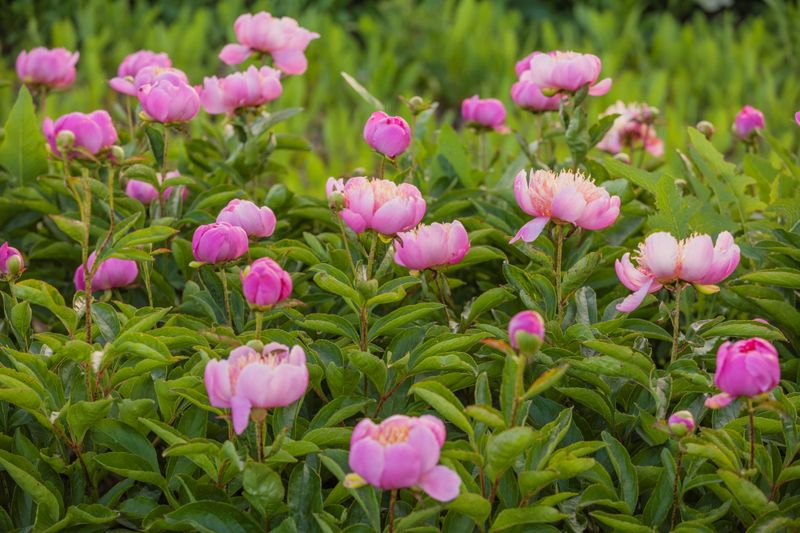
Regular maintenance tailored to the season enhances peony vitality. Prune in fall, mulch in winter, and fertilize in spring. Adjusting your care routine according to the season ensures peonies thrive, offering a spectacular display year after year.
23. Avoiding Wind Damage
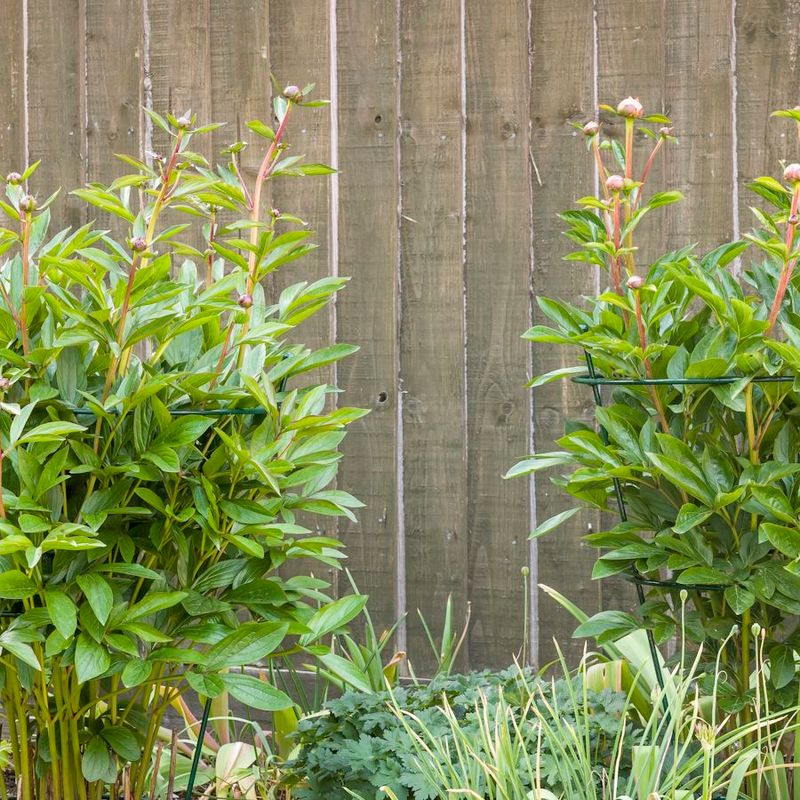
Wind can damage delicate peony blooms, so plant them in a sheltered area or use windbreaks. Protecting them from harsh winds ensures the flowers stay intact and upright, providing a breathtaking view without the risk of breakage or damage.
24. Avoid Pruning Too Early
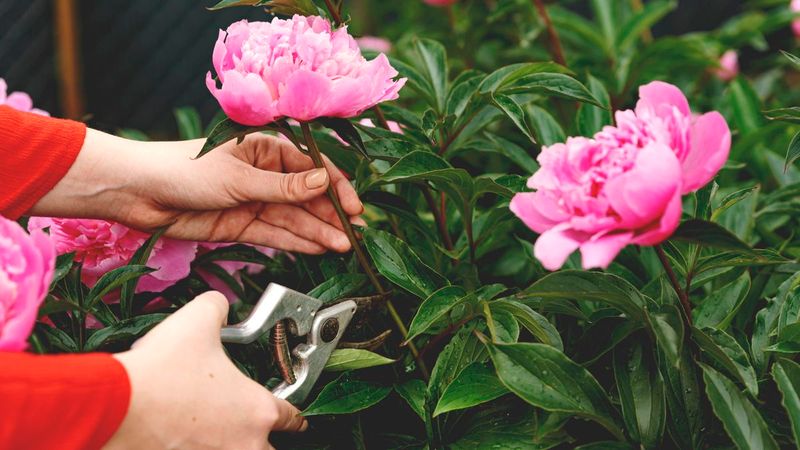
Pruning too early can cut short the peony’s growth cycle. Wait until fall, when the foliage has naturally died back, to prune. This timing allows the plant to store energy for next season’s blooms, maintaining their health and vigor.
25. Avoid Overwatering
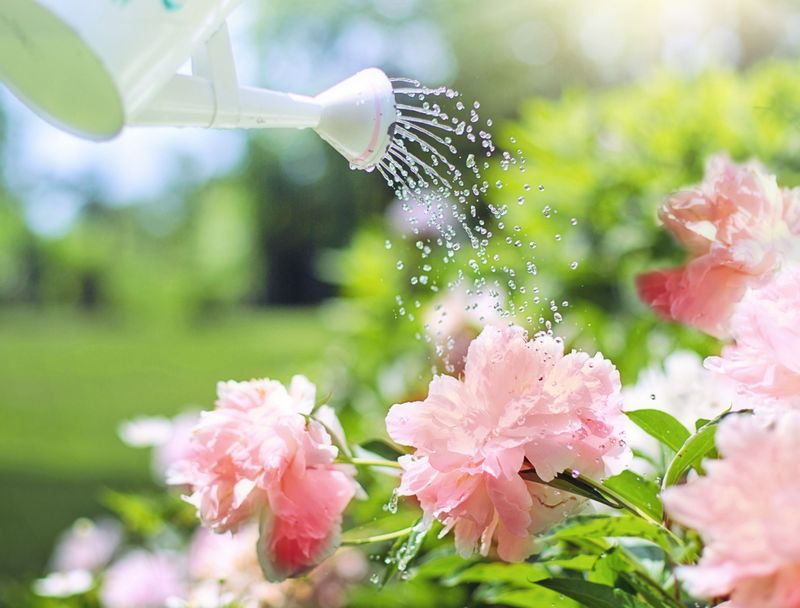
Overwatering is a common mistake in peony care. Check soil moisture before watering to ensure it’s necessary. Peonies prefer deep, infrequent watering, keeping the soil just moist enough. Avoiding excess water prevents root rot and encourages vibrant blooms.
26. Avoid Excessive Fertilizer

Using too much fertilizer can harm peonies, causing lush leaf growth but few flowers. Apply a phosphorus-rich fertilizer sparingly, keeping the balance for productive blooming. Over-fertilization can do more harm than good, so precision is crucial.
27. Avoid Ignoring Pests
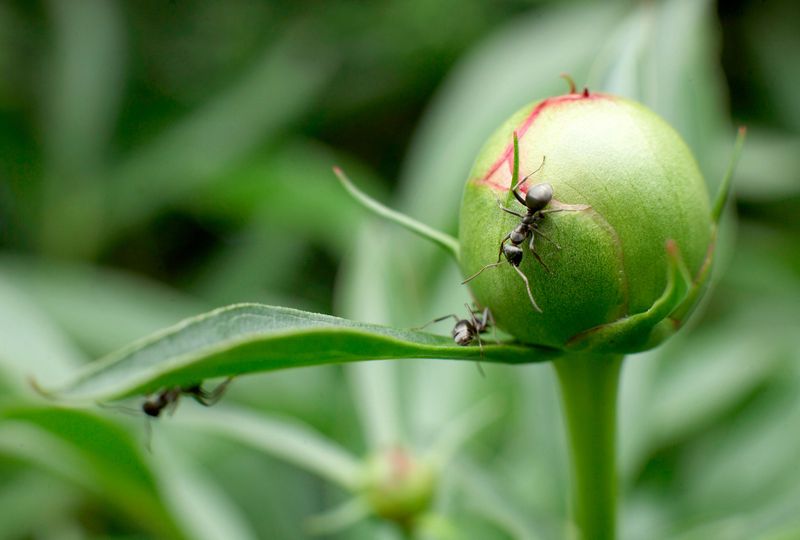
Ignoring pests can lead to deteriorating peony health. Regular inspections and prompt action against pests like aphids ensure robust plants. Use natural pest control methods to protect your garden, keeping peonies healthy and blooming beautifully.
28. Avoid Planting Too Deeply
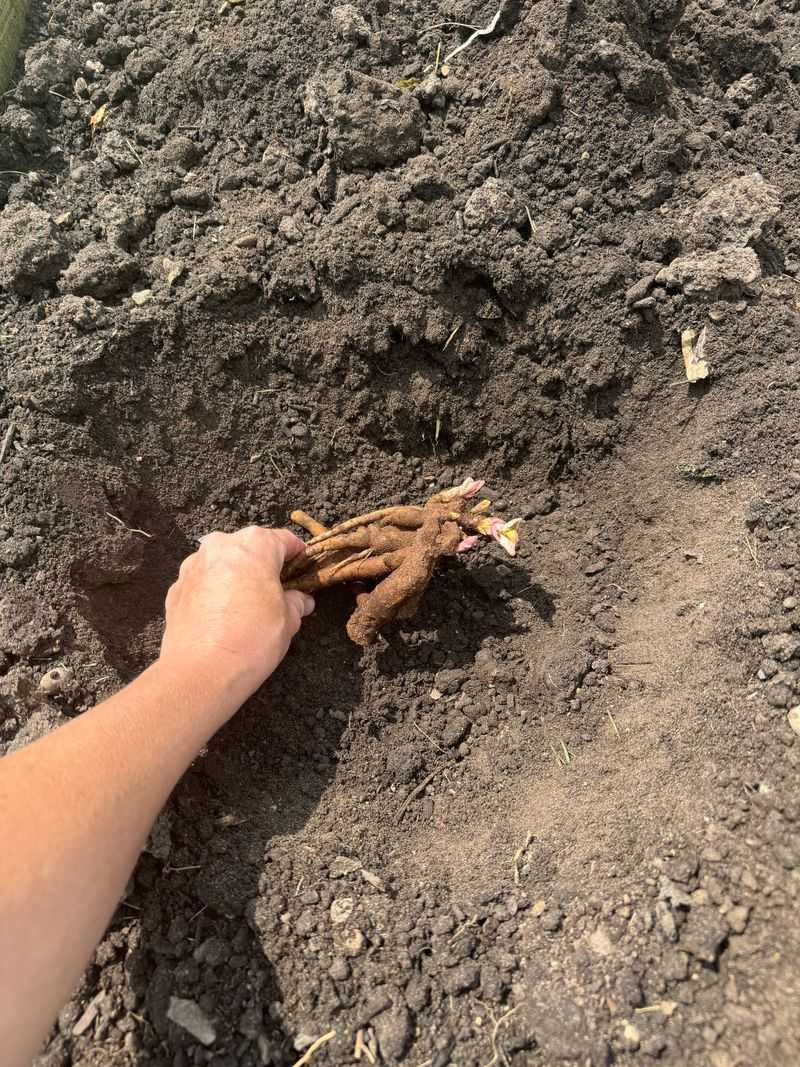
Planting peonies too deeply can hinder blooming. Ensure the crown is just below soil level for optimal growth. Correct planting depth is crucial for peonies to establish well and flourish, providing a stunning display of flowers in your garden.
29. Temperature Regulation with Burlap Wraps
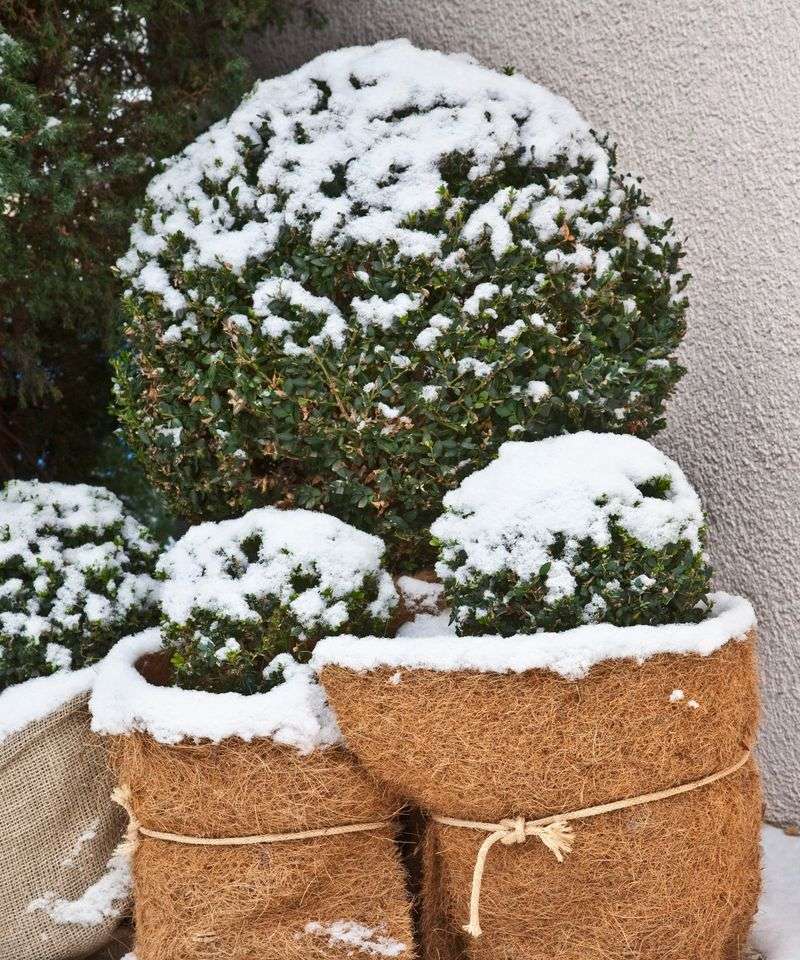
When frost threatens your garden, consider using burlap wraps to protect peonies from sudden temperature changes. This breathable fabric provides insulation without suffocating the plants. Begin wrapping when temperatures consistently drop, ensuring the soil retains heat. Wrapped peonies can withstand the chill, promoting healthier blooms in spring.
A gardener once claimed burlap saved his prized peonies from an unexpected frost. This simple act of care can extend blooming periods and enhance flower resilience. As winter’s grip tightens, a burlap hug is a reliable guardian.
Did you know? Burlap has been used for centuries as natural plant insulation!