 Complete Gardening
Discovering edible wild plants opens up an adventurous culinary experience. Beyond the supermarket aisles thrives a world of greenery that’s not just for show.
Let’s embark on a journey to explore twenty such plants that you probably walk past every day without realizing their edible potential.
From common weeds to exotic flora, each plant carries unique flavors and uses that can be both surprising and delightful. Here’s your guide to an unexpected bounty from nature.
1. Acorn
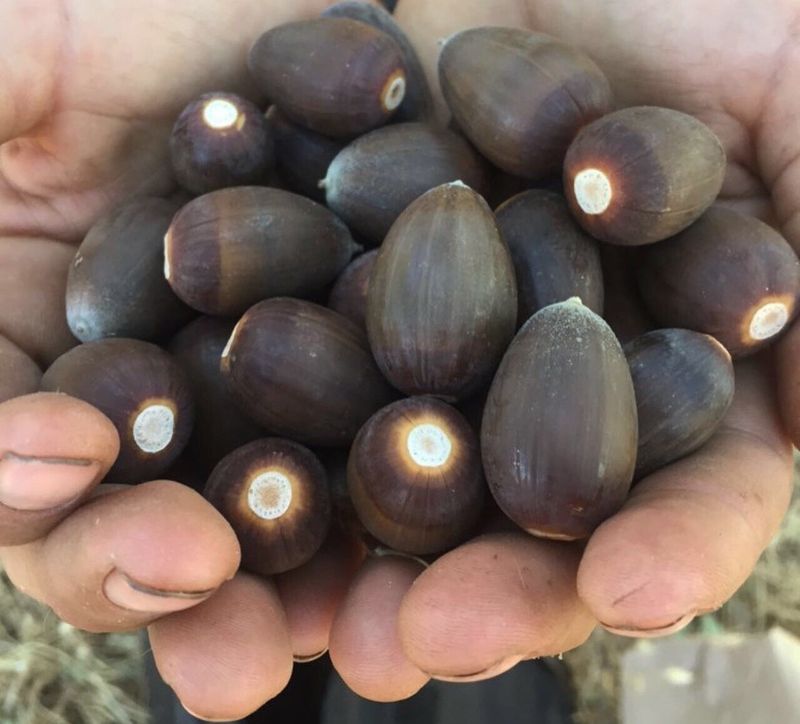
Who would have thought that those little nuts dropping from oak trees could be so versatile? Acorns are rich in nutrients, making them a staple food for Native Americans.
After proper preparation to remove tannins, acorns can be transformed into flour, adding a nutty flavor to baked goods. Whether you’re making pancakes or bread, this wild flour is a culinary delight.
With countless varieties available, each brings a unique taste, from sweet to bitter, inviting you to experiment in the kitchen.
2. Wild Mustard
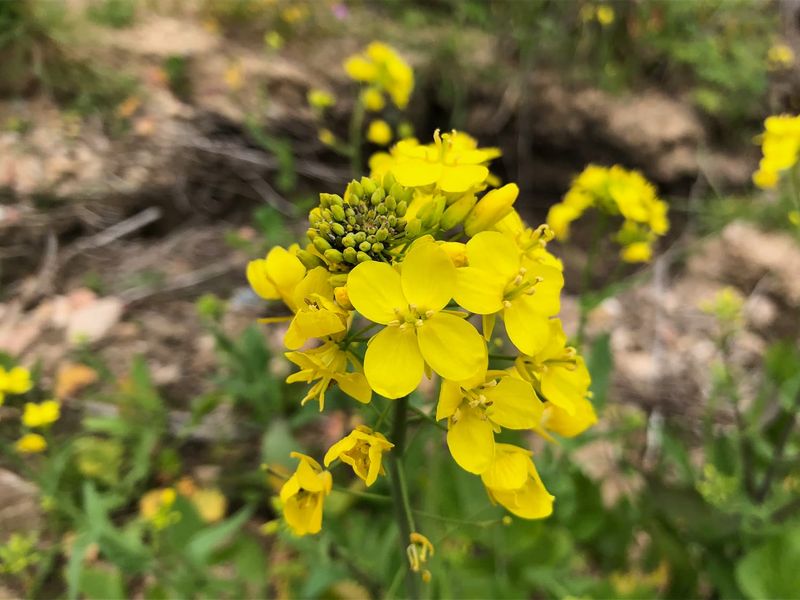
Amidst fields and roadsides, wild mustard stands tall with its bright yellow flowers waving in the breeze. This plant can be a delightful addition to your meals, with its peppery leaves offering a zing reminiscent of traditional mustard.
Both the leaves and seeds are edible, making it a versatile ingredient. Add it to your salad for a spicy kick, or grind the seeds to create your own homemade mustard.
Its ability to grow in various conditions makes it an accessible resource for foragers and adventure-seekers alike.
3. Sumac Berries
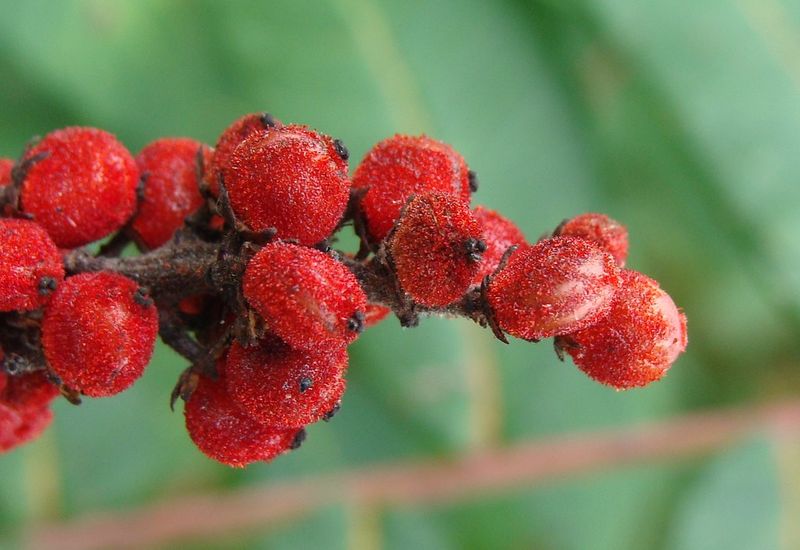
Sumac berries, with their striking red hue, are a visual treat in the wild. These berries are not just ornamental; they bring a tangy, citrus-like flavor perfect for culinary uses.
Crush the berries to make a refreshing sumac lemonade or use them as a seasoning to add zest to various dishes.
With their high vitamin C content, sumac berries offer not only taste but also health benefits, making them a valuable find in the wild.
4. Dandelion
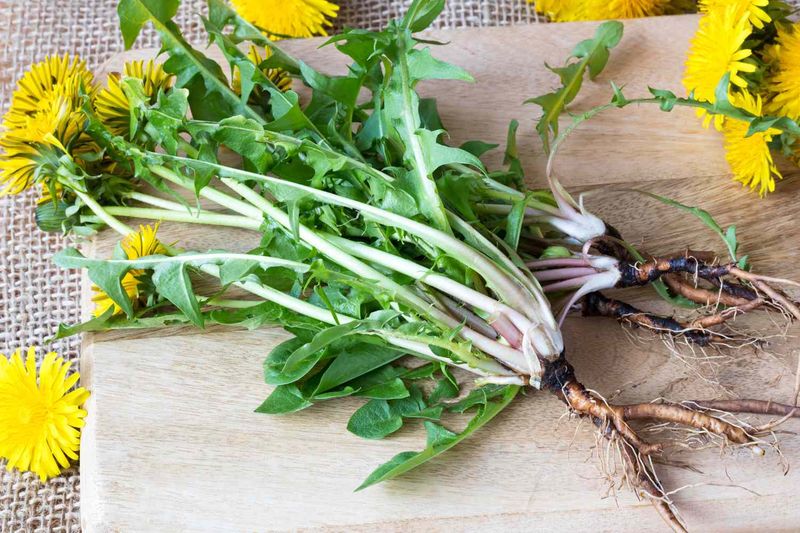
Dandelions are more than just pesky weeds; they’re a culinary treasure. The young leaves add a bitter, nutrient-rich zing to salads. In summer, the bright yellow flowers can be made into a sweet syrup or even fermented into dandelion wine.
The roots, when roasted, make a caffeine-free coffee substitute. As the saying goes, one person’s weed is another’s feast. Their availability throughout the year makes them an easily accessible wild food. Just be sure to harvest from areas free from pesticides or pollutants to savor their true, untainted flavor.
5. Chickweed
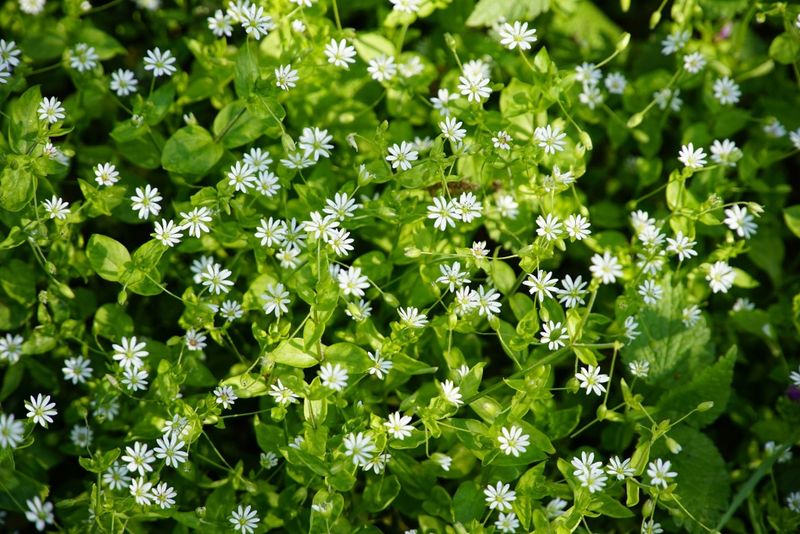
Chickweed might just be the underdog of the edible plant world. With its mild, slightly earthy flavor, it can complement salads and sandwiches beautifully. Rich in vitamins and minerals, it offers a nutritional boost.
Historically, it’s been used in traditional medicine to soothe skin irritations. Its tender leaves are best harvested in spring and early summer when they are freshest. Chickweed’s unassuming appearance hides its potential as a versatile kitchen ingredient, making it a delightful addition to your foraging adventures.
6. Wood Sorrel
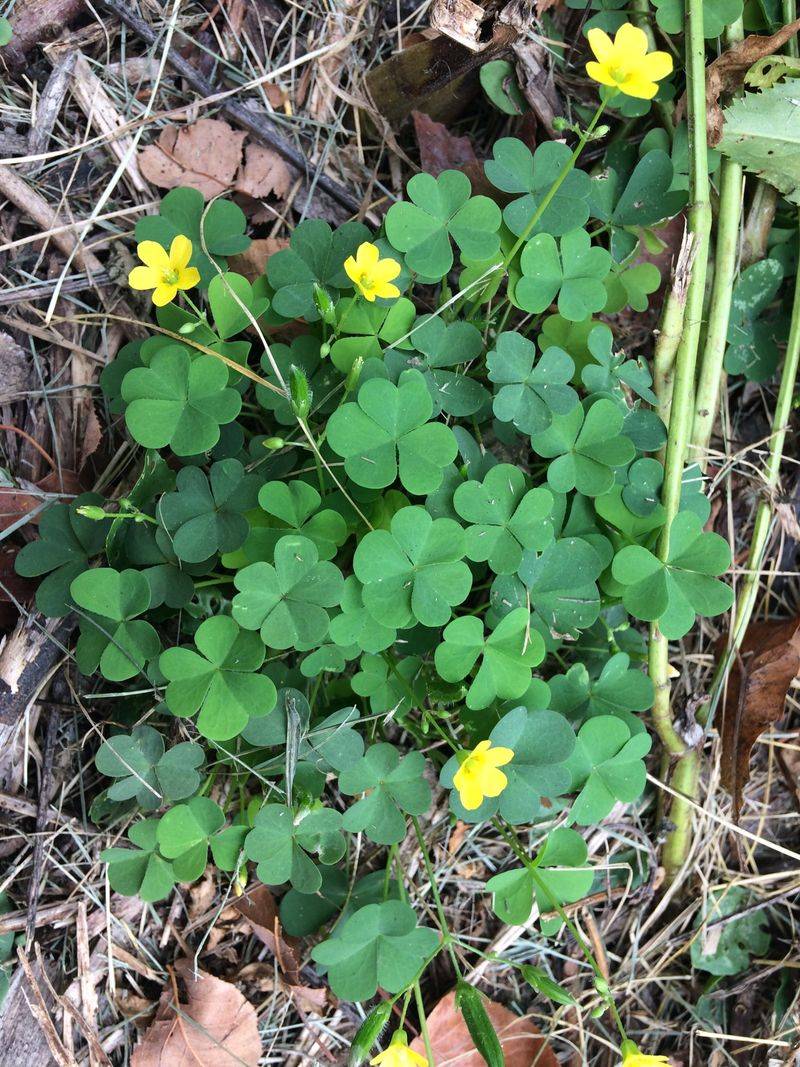
Wood sorrel, with its bright, lemony flavor, is a refreshing find in the wild. Its leaves, which resemble clover, add a citrusy zest to salads and sauces. Children often enjoy its tangy taste straight from the plant.
Used historically in herbal remedies, it’s known for its cooling properties. The plant thrives in shady areas, often found in woods and gardens. Its cheerful yellow flowers add a pop of color and flavor, turning a simple dish into something special. Enjoy wood sorrel with a sense of discovery and delight.
7. Nettle
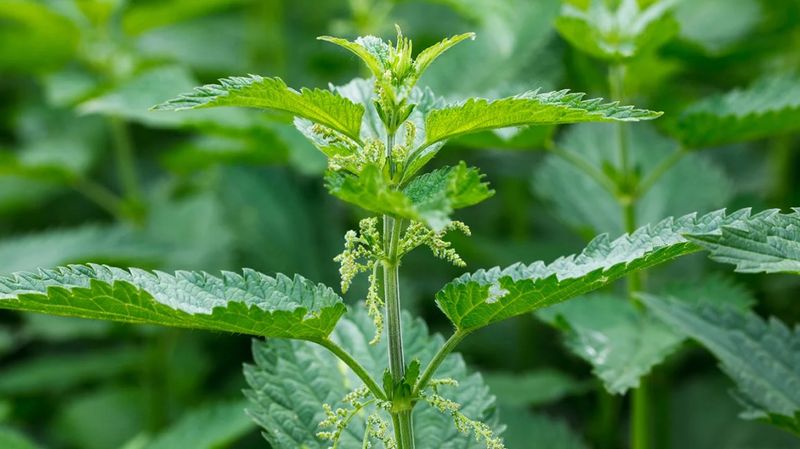
Nettles may be infamous for their sting, but they are a powerhouse of nutrients. Once cooked, the sting is neutralized, revealing a spinach-like taste. They are rich in iron, calcium, and vitamins A and C.
These versatile greens can be used in soups, teas, and pestos, providing a healthful punch. Harvest young leaves in spring with gloves to avoid their sting. Historically, nettles have been used for centuries in traditional medicine. Their adaptability and nutritional profile make them a forager’s delight.
8. Purslane
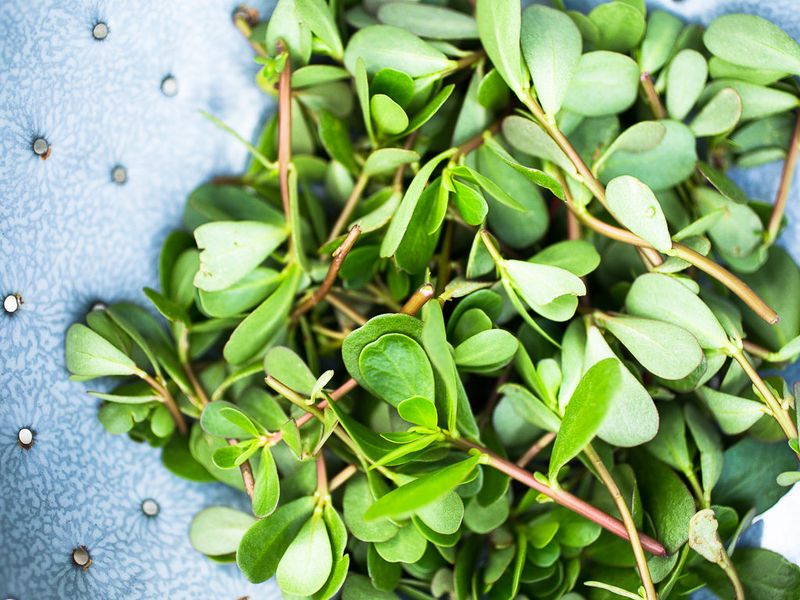
Purslane might just be the juiciest green you’ll encounter. Its succulent leaves are both crisp and lemony, offering a refreshing crunch to salads. Packed with omega-3 fatty acids, it’s a nutritional powerhouse.
It’s often found in gardens and sidewalks, growing where least expected. Known since ancient times, it was once a staple in Roman cuisine. Purslane’s unique blend of flavors and health benefits make it a wild plant worth discovering. Its resilience and ability to thrive in various conditions add to its allure.
9. Lamb’s Quarters
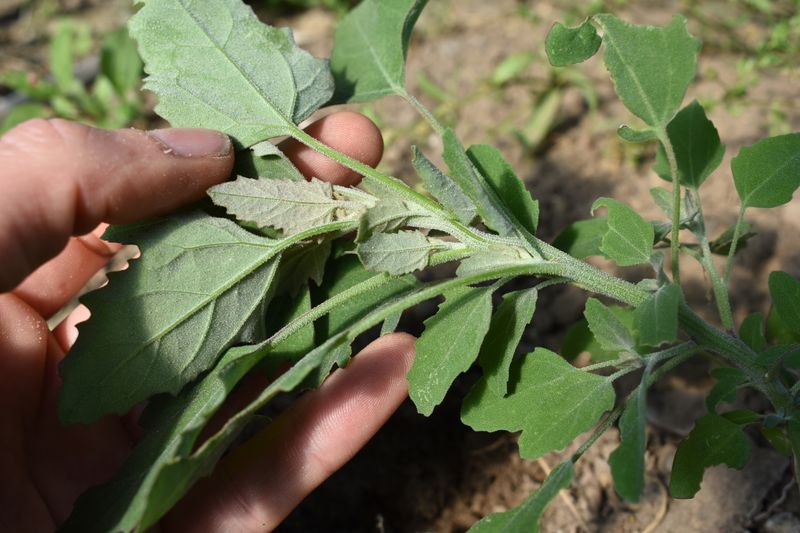
Lamb’s quarters, often considered a weed, is a hidden gem for foragers. Its leaves, when cooked, taste remarkably like spinach, making it perfect for sautés and soups. Rich in vitamins and minerals, it was a staple for native populations.
Harvest before the plant flowers for the best flavor. Its adaptability allows it to grow in various environments, often thriving in disturbed soils. Those looking for a nutritious, wild alternative to store-bought greens will find lamb’s quarters a welcome addition to their meals.
10. Cattail
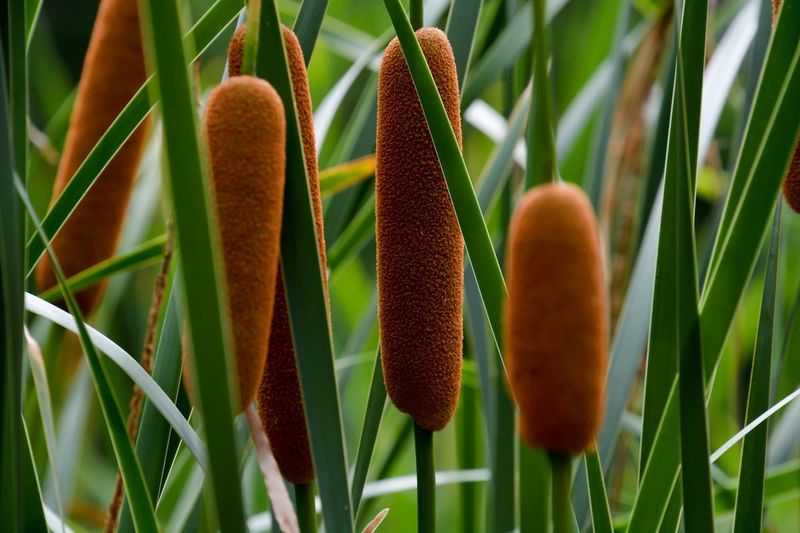
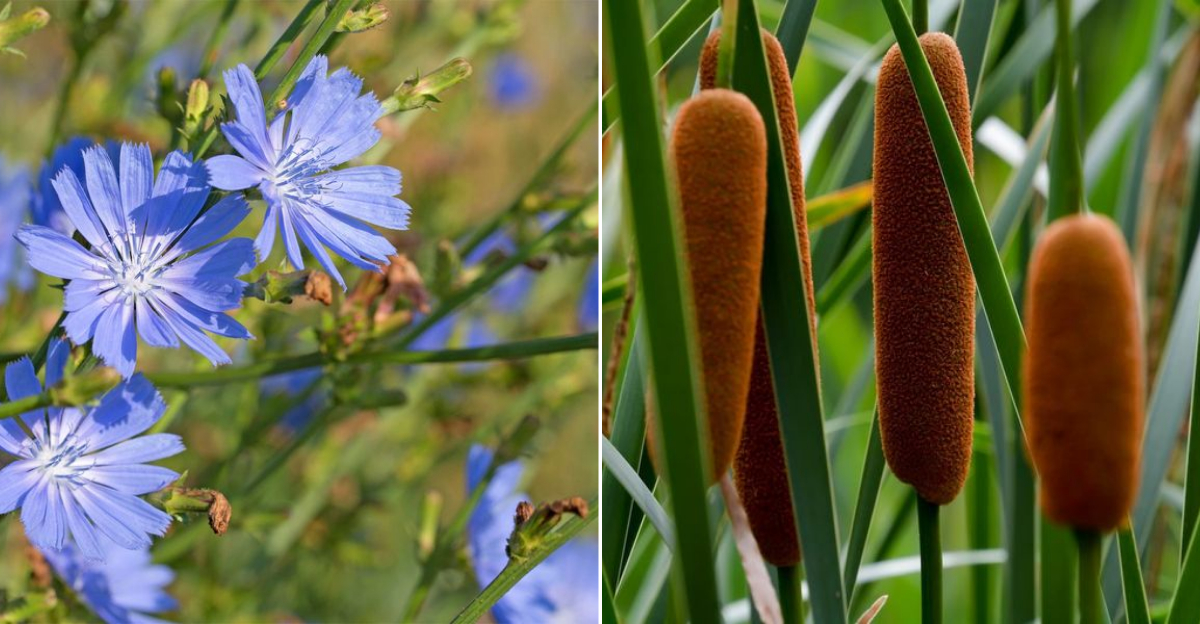
Cattails are the supermarket of the wild. Almost every part of the plant is edible, from the roots to the flower heads. The young shoots, sometimes called “Cossack asparagus,” are tender and taste similar to cucumbers.
In summer, the pollen can be used as a flour substitute. Found in wetlands, cattails are a versatile resource for the adventurous forager. Their ability to grow in diverse aquatic environments makes them a reliable source of sustenance. They symbolize nature’s abundance and adaptability.
11. Shepherd’s Purse
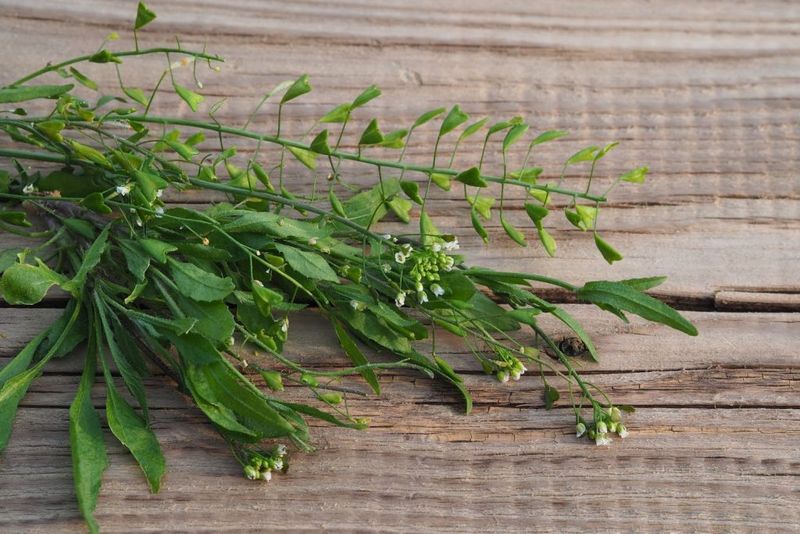
Shepherd’s purse, named for its purse-like seed pods, is a common sight in meadows and roadsides. Its peppery leaves make a spicy addition to salads and soups. Known for its medicinal properties, it has been used to treat wounds and manage bleeding.
Best harvested in spring, its young leaves offer the most delicate flavor. Despite its unassuming appearance, shepherd’s purse holds a wealth of culinary and medicinal uses. Its resilience in various habitats ensures a steady supply for those in the know.
12. Wild Garlic
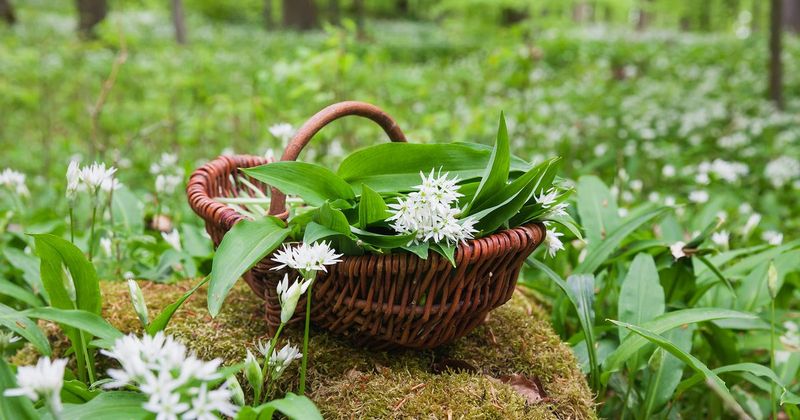
Wild garlic, with its unmistakable aroma, announces spring’s arrival. Its leaves, flowers, and bulbs are all edible and carry a subtle garlic flavor. Perfect for making pestos, soups, or as a seasoning. Found in woodlands, it grows in abundance, providing a natural bounty.
Known for its health benefits, it’s been used traditionally to aid digestion and heart health. The vibrant green leaves herald a new season, adding both flavor and nutrition to your culinary creations. It’s a gift from nature’s pantry.
13. Burdock
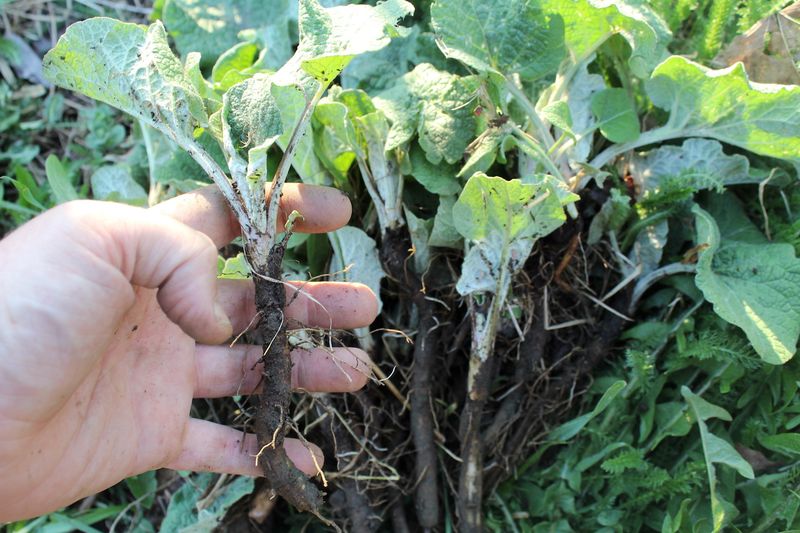
Burdock is a plant with deep historical roots in herbal medicine. Its long taproot, similar to a carrot, is edible and has an earthy flavor, often used in Japanese cuisine. The leaves and stalks can also be eaten, though they require preparation to remove bitterness.
Found in fields and along roadsides, burdock is a resilient plant. Known for its detoxifying properties, it’s often incorporated into teas and tinctures. Its robust nature and distinctive appearance make it an intriguing addition to any foraging adventure.
14. Plantain
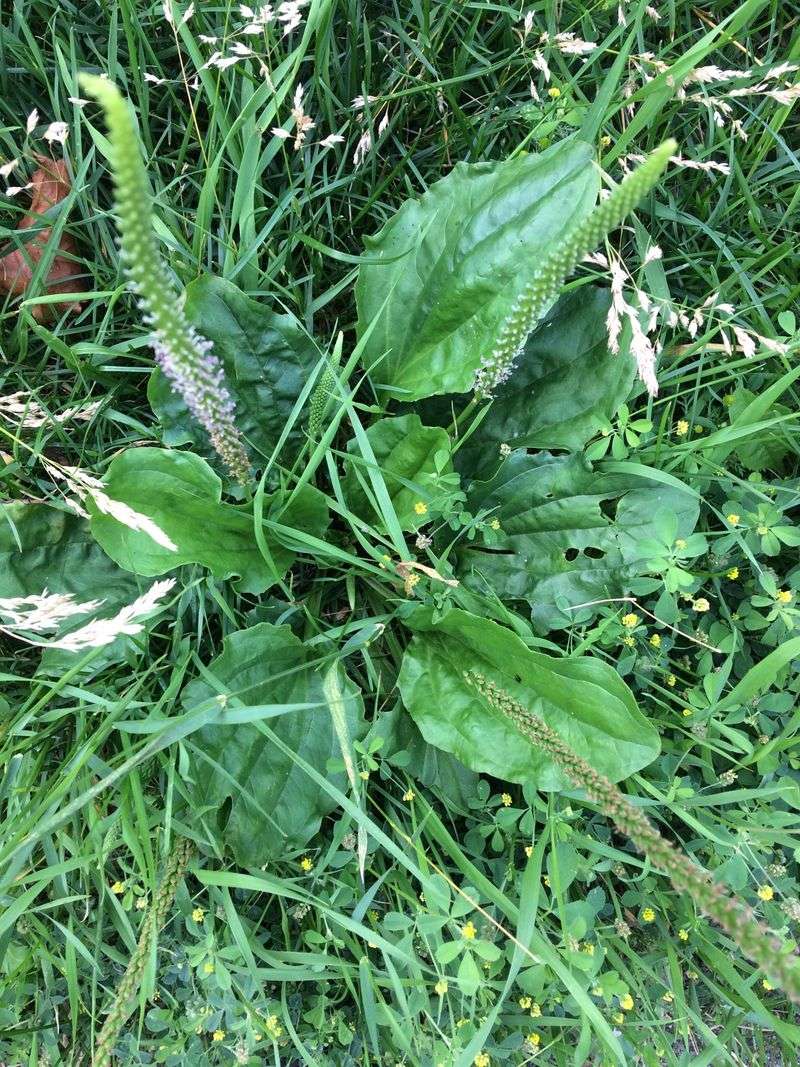
Plantain, not to be confused with the banana-like fruit, is a common lawn weed with impressive uses. Its young leaves are tender and add a slightly bitter note to salads. Rich in nutrients, it’s been used for centuries in herbal remedies to soothe skin and respiratory issues.
Easily identifiable by its broad leaves and central flower spike, it thrives in disturbed soils. Its resilience and versatility make it an accessible choice for urban foragers. Embrace its presence as a natural healer and culinary ally.
15. Wild Asparagus
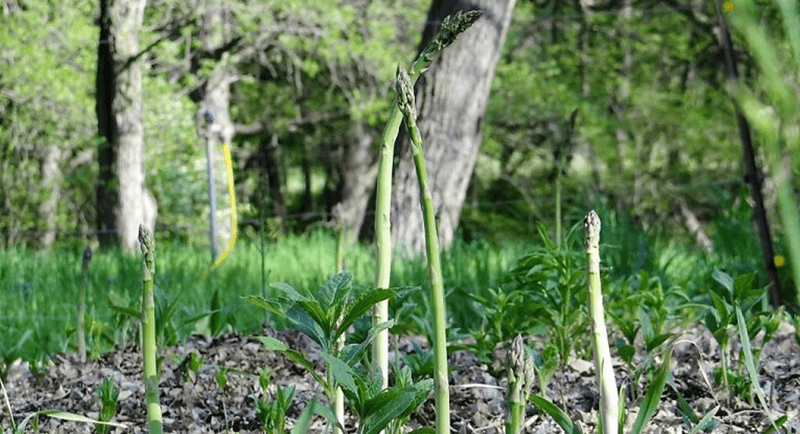
Wild asparagus is a springtime delight for foragers. Its slender, tender spears taste similar to cultivated asparagus but with a slightly more complex flavor. Often found near fields and hedgerows, it requires a keen eye to spot among other greenery.
Early harvest ensures the best flavor and texture. Known for its diuretic properties, it has been valued in various culinary traditions. Wild asparagus symbolizes the arrival of spring, offering a fresh, crisp addition to meals. Its availability is a seasonal treat worth seeking out.
16. Curly Dock
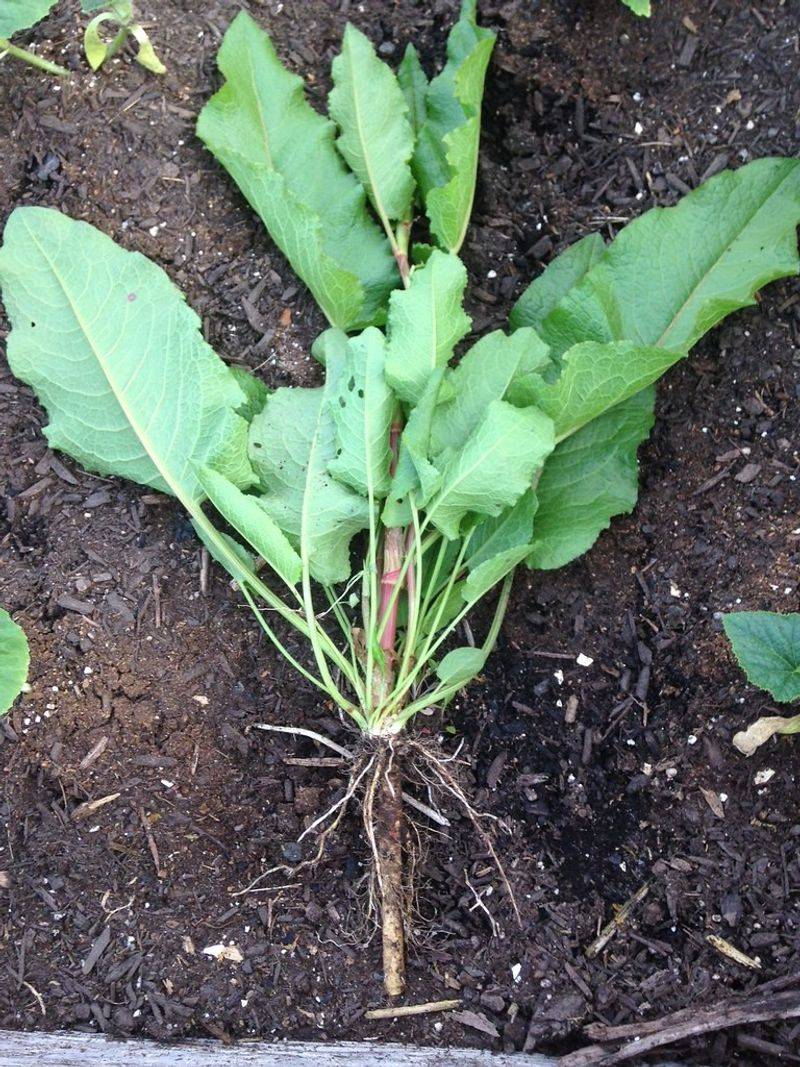
Curly dock is often dismissed as a weed, yet it offers surprising culinary uses. Its young leaves, when cooked, provide a tangy flavor akin to spinach. The seeds, once dried and ground, can be used as a grain substitute.
Curly dock thrives in a variety of environments, often found in meadows and roadsides. It’s been historically used for its medicinal benefits, including aiding digestion. Embracing curly dock as a food source is a step towards sustainable living. Its presence in the wild is both common and beneficial.
17. Wild Chicory
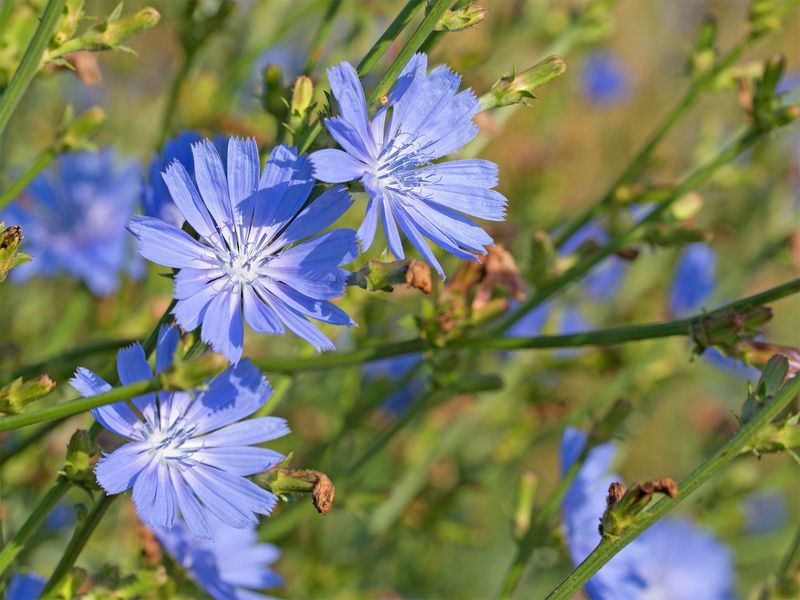
Wild chicory, with its striking blue flowers, is a versatile plant. Its leaves add a bitter bite to salads, while its roots, when roasted, serve as a coffee substitute. Found in fields and roadsides, it’s a resilient plant with a long history in culinary use.
Known for its liver-supportive properties, chicory has been valued in herbal medicine. Its presence in the wild offers both beauty and utility, turning overlooked landscapes into a source of nourishment. Chicory’s bold flavor and adaptability make it a forager’s favorite.
18. Wild Mint
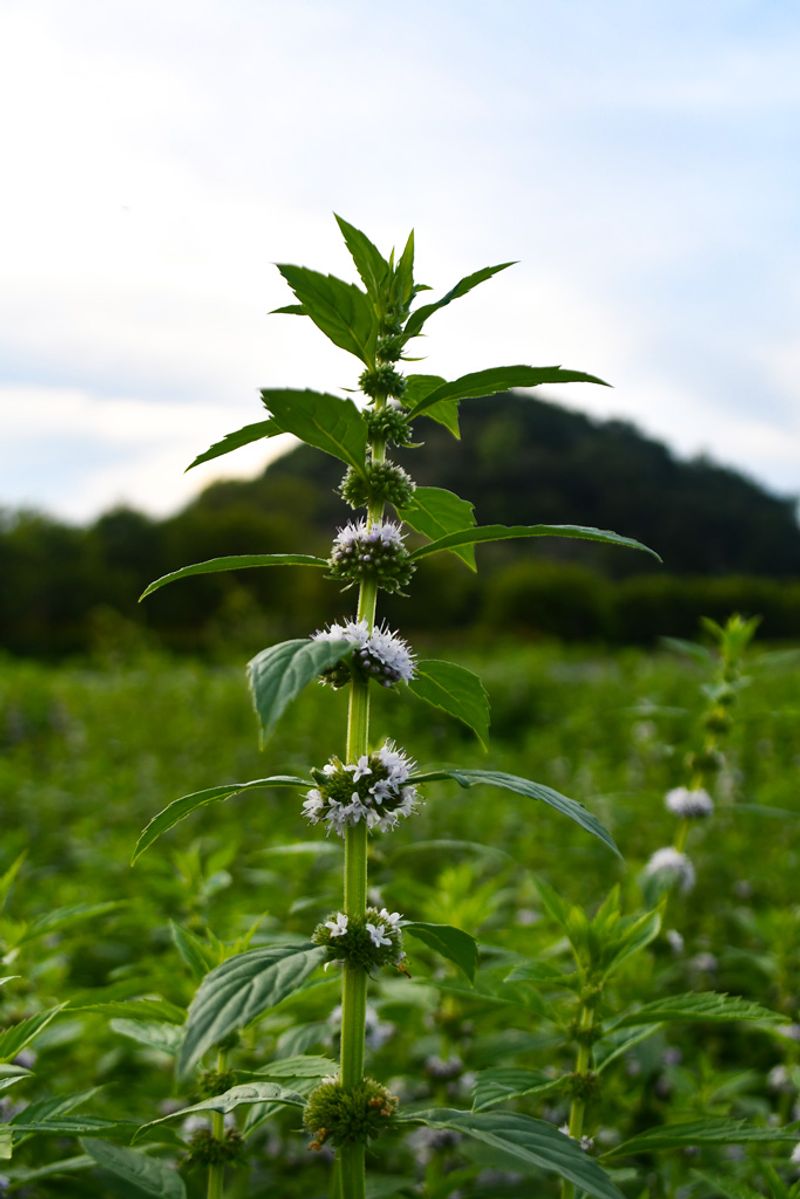
Wild mint is a fragrant delight found in various habitats. Its leaves offer a refreshing, cooling flavor, perfect for teas, desserts, and salads. Known for its calming effects, mint has been used since ancient times to aid digestion and relieve headaches.
Easily identifiable by its characteristic minty aroma, it’s a versatile plant for culinary and medicinal use. Found near water sources, it thrives in moist soils. Wild mint’s invigorating scent and flavor make it a cherished find for foragers seeking natural remedies and flavors.
19. Yarrow
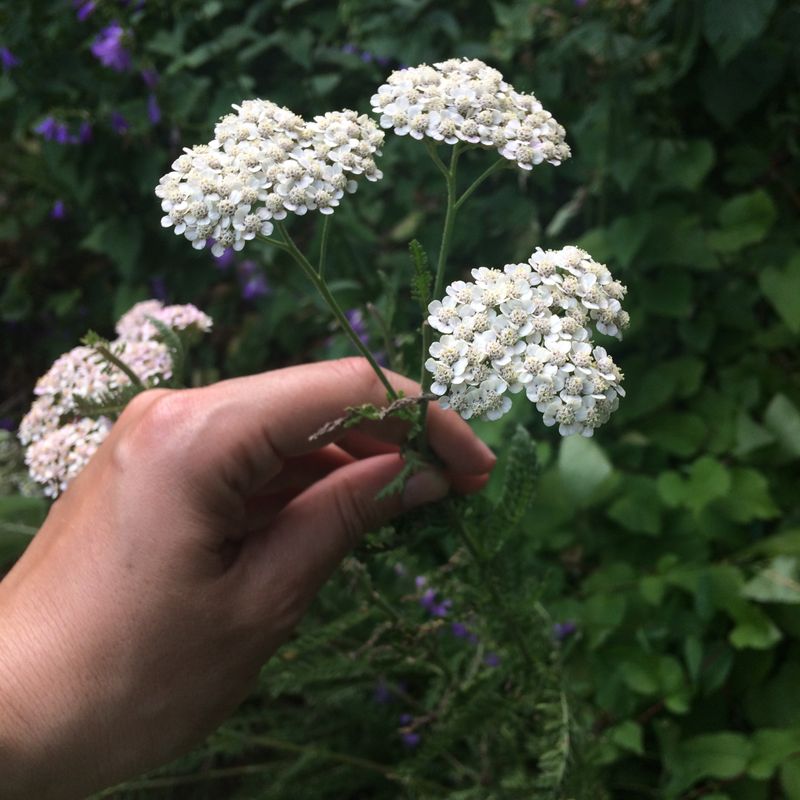
Yarrow is a plant steeped in history and legend. Its feathery leaves and clusters of white flowers are not just beautiful; they are edible too. The leaves add a peppery flavor to dishes and can be brewed into tea. Known for its medicinal properties, yarrow has been used to stop bleeding and aid digestion.
Often found in meadows and grasslands, its presence is both common and beneficial. Yarrow’s dual role as a food and medicine highlights nature’s multifaceted offerings. It’s a testament to the wisdom of traditional herbal practices.
20. Fiddlehead Ferns
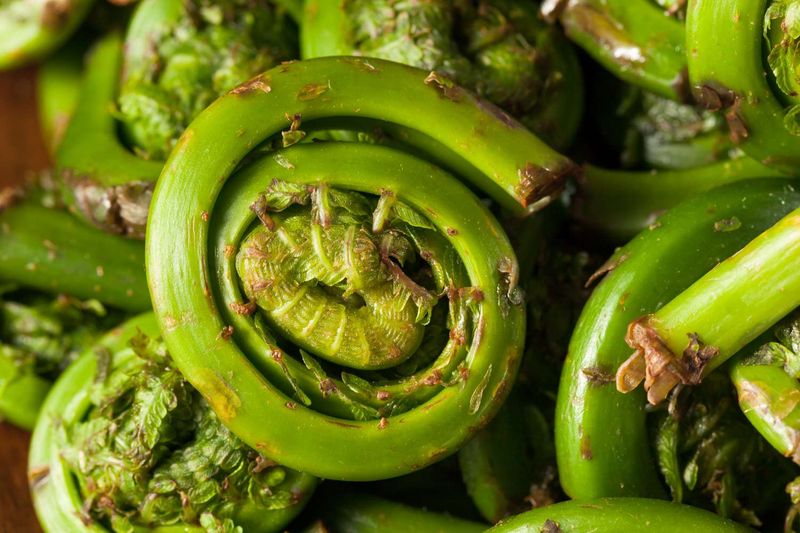
Fiddlehead ferns are a spring delicacy, offering a taste reminiscent of asparagus. The young, curled fronds are harvested before they unfurl, providing a tender and nutritious addition to meals. Rich in antioxidants, they have been a staple in various cultures for centuries.
Found in moist, wooded areas, they symbolize the renewal of spring. Proper preparation is key, as they should be cooked before consumption to remove any bitterness. Fiddleheads bring a touch of wild elegance to the table, offering a seasonal flavor that’s both unique and delightful.
21. Wintercress
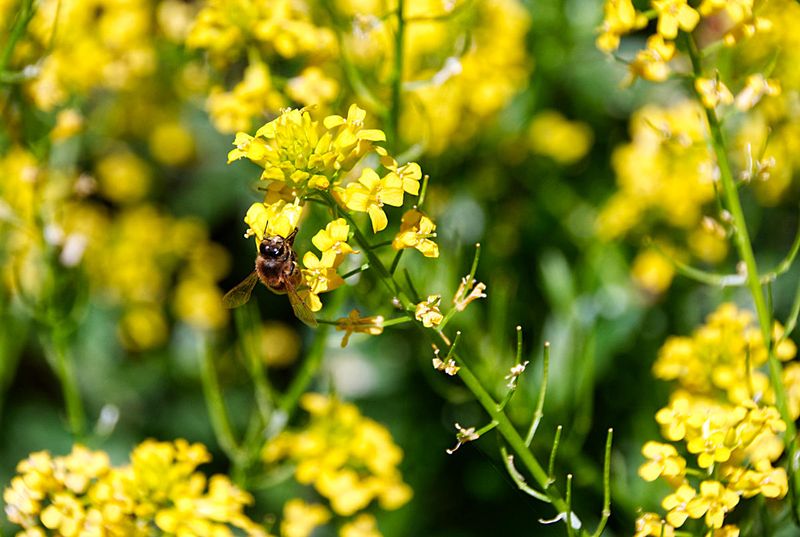
Wintercress is a vibrant plant that adds a peppery zest to springtime dishes. Its leaves are best harvested before the plant flowers, offering a crisp, spicy flavor. Found near water sources, wintercress thrives in moist soils, making it a reliable find for foragers.
Known for its high vitamin C content, it’s been used historically to prevent scurvy. Its bright yellow flowers are a cheerful sign of its presence, adding both color and nutrition to meals. Wintercress is a lively addition to any wild plant collection, celebrating nature’s bounty.
22. Rose Hips
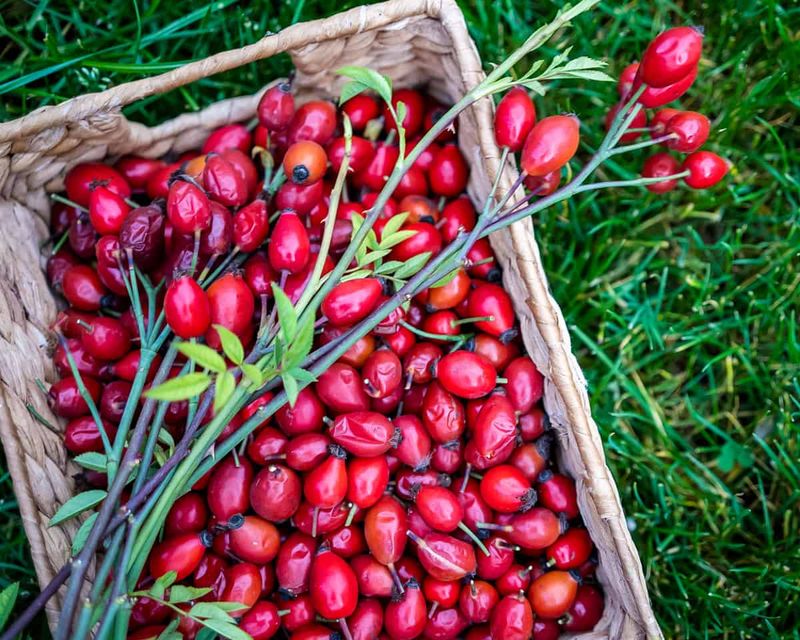
Rose hips are the vivid fruit of the wild rose plant, offering a tart, citrusy flavor. Rich in vitamin C, they can be made into teas, jams, and syrups. Found in hedgerows and fields, rose hips are a symbol of autumn’s abundance.
Their vibrant color stands out against the drab fall landscape, offering both beauty and nutrition. Historically, they’ve been used to boost immunity and support skin health. Rose hips’ tangy taste and health benefits make them a prized find for those seeking natural remedies and flavors.
23. Milk Thistle
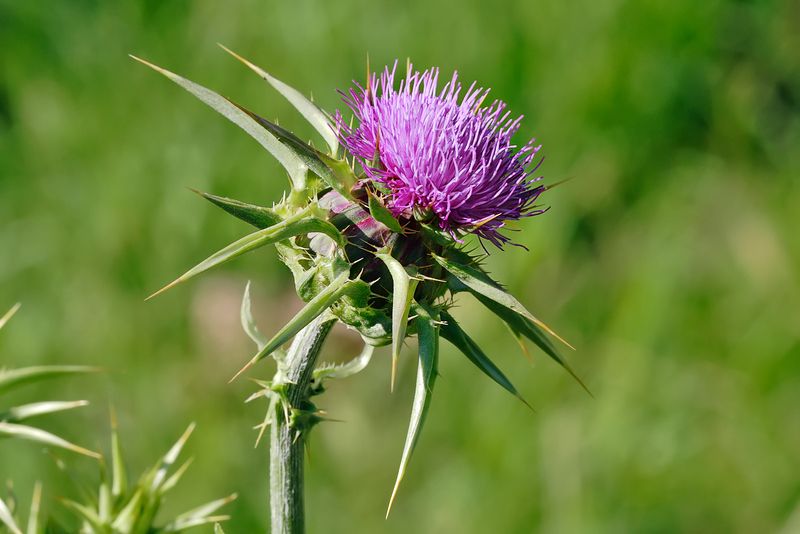
Milk thistle is a plant with a storied past in herbal medicine. Its seeds and leaves are edible, offering a slightly bitter flavor. Known for its liver-supporting properties, it’s often used in detox teas and supplements.
Found in fields and along roadsides, milk thistle is resilient and adaptable. Its striking purple flowers and spiny leaves make it easily recognizable. Embracing milk thistle as a food source is a nod to its historical uses and natural benefits. It’s a testament to the power of wild plants in supporting health and wellbeing.