 Complete Gardening
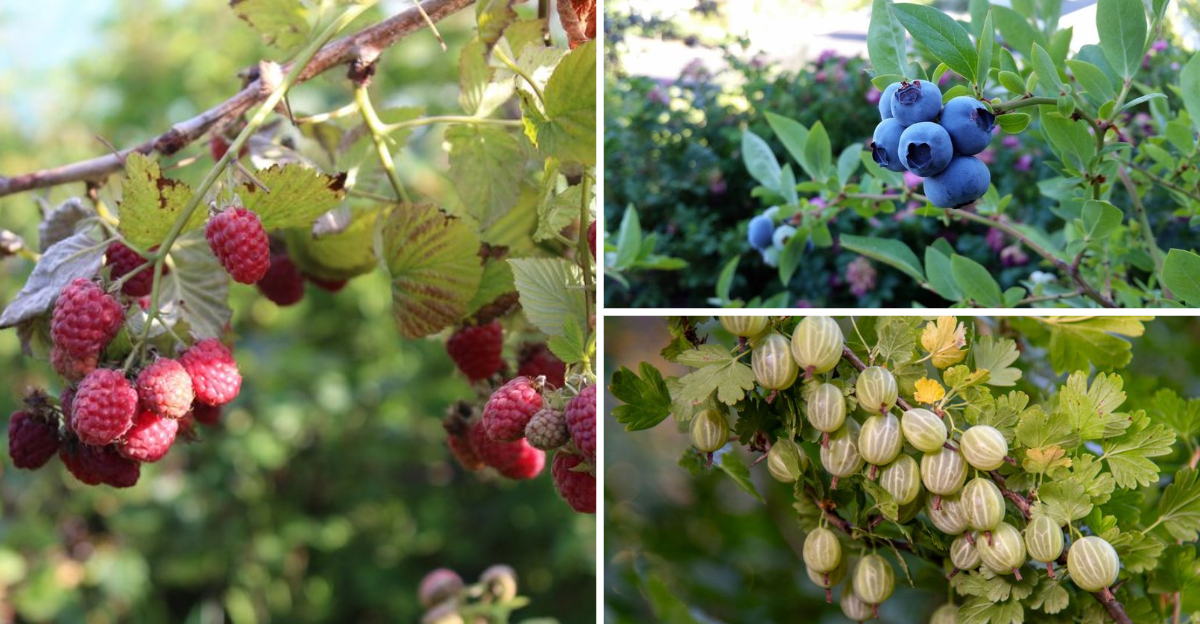
Growing your own fruit can seem like a daunting task, but there are numerous varieties that make the process simpler than you might expect. Whether you have a sprawling garden or just a small backyard, these fruits are both delightful and accessible to cultivate. With the right conditions and care, you can enjoy fresh, homegrown produce with minimal effort. Let’s explore 24 fruits that prove gardening doesn’t have to be complicated.
1. Strawberries
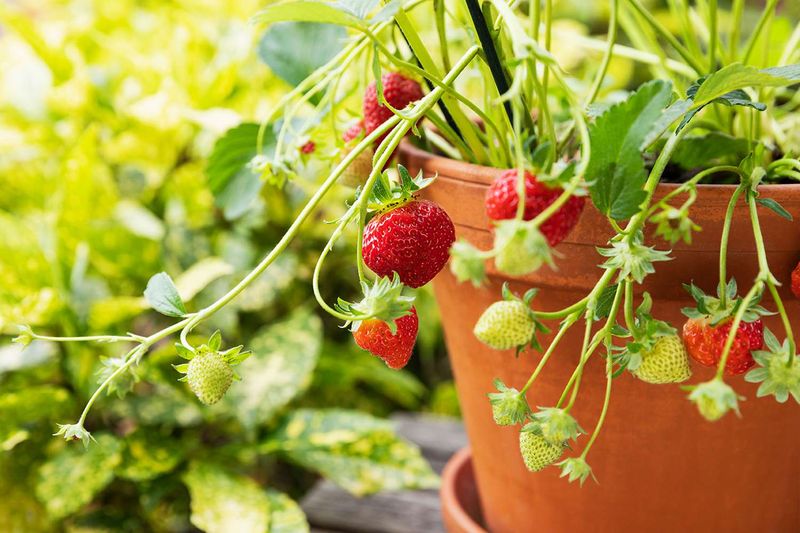
Strawberries, the quintessential summer treat, are surprisingly easy to grow. These sweet, juicy berries thrive in well-drained soil and can flourish even in small spaces. Begin with a sunny spot that receives at least six hours of light each day.
No need for sprawling gardens; strawberries can be planted in pots or hanging baskets. Their resilience makes them a favorite among both novice and experienced gardeners.
Did you know? Strawberries are the only fruit with seeds on the outside. They offer a delightful burst of flavor, making them a rewarding choice for any gardener.
2. Blueberries
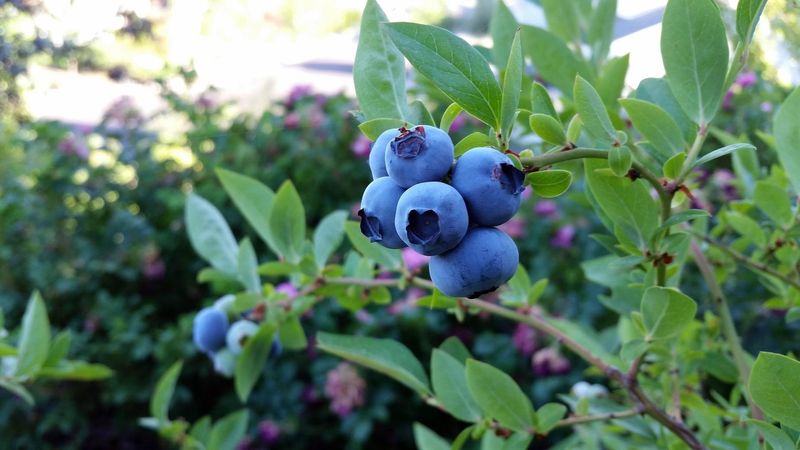
Blueberries are a beloved addition to any garden. With their vibrant blue hue and sweet-tart flavor, they captivate both the eyes and taste buds. Choose a sunny location with acidic soil for optimal growth.
Container gardening works well for blueberries, making them accessible even for those with limited space. Consistent watering and mulching help maintain their health.
Fun fact: Blueberries are native to North America and were once called “star berries” by Indigenous peoples because of the star-shaped blossom at the fruit’s end.
3. Raspberries
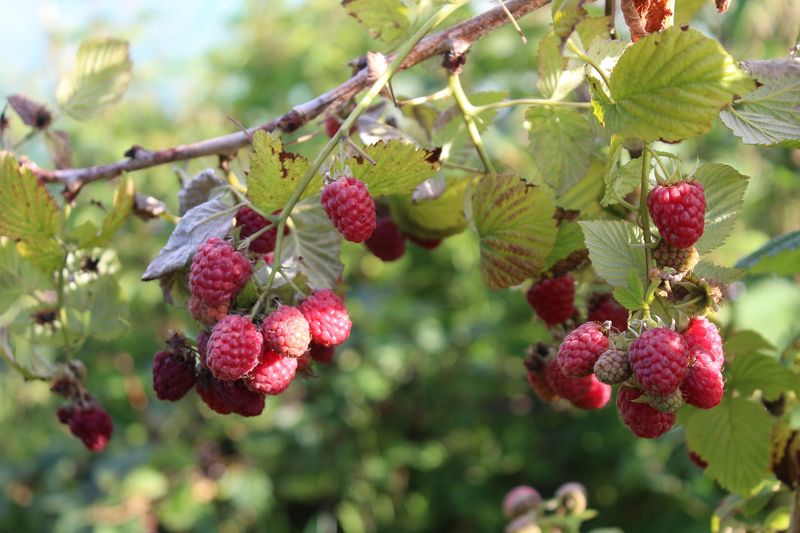
Raspberries, with their vibrant color and rich flavor, are a gardener’s delight. These perennial plants require minimal attention, thriving in well-drained soil with full sun exposure.
They can be trained to grow along fences or trellises, adding a charming touch to any garden. Regular pruning ensures a bountiful harvest year after year.
Origin tidbit: Raspberries were cultivated in Europe as early as the 4th century and continue to be a cherished fruit across the globe.
4. Blackberries
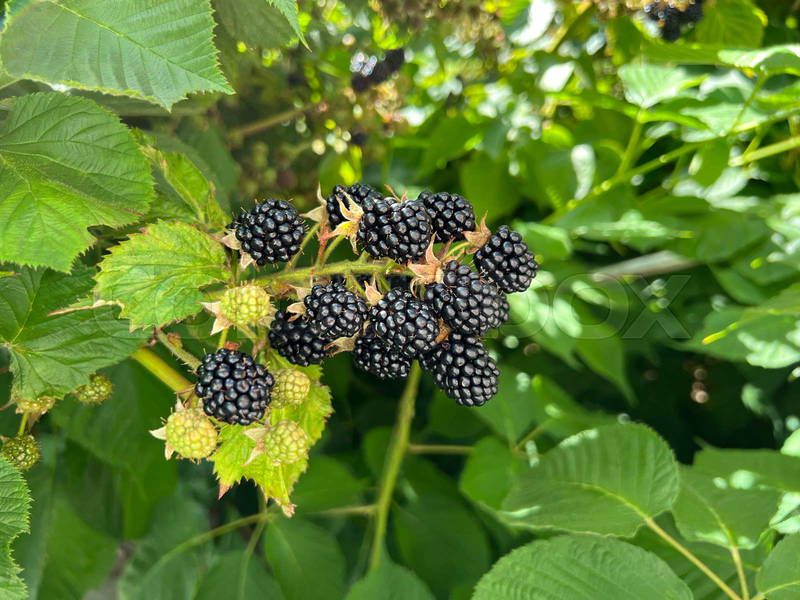
Blackberries are a hardy fruit that can be grown with ease in a variety of climates. These dark, juicy berries flourish in full sun and tolerate a range of soil types.
Their vigorous growth can turn a simple garden into a lush landscape. Trellising keeps them manageable while enhancing fruit production.
Did you know? Blackberries are not truly berries at all; they are an aggregate fruit, made up of tiny drupelets. Their robust nature makes them a perfect choice for beginner gardeners.
5. Gooseberries
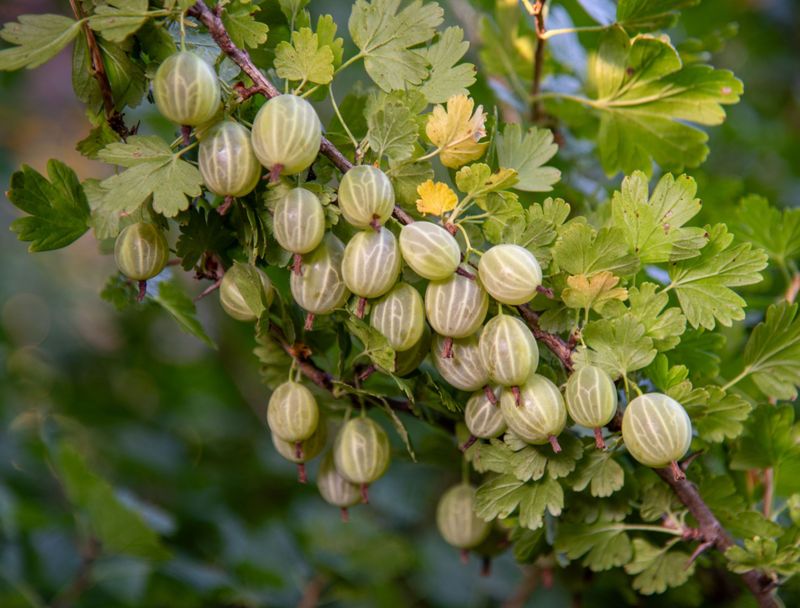
Gooseberries are a lesser-known gem, offering a unique tart flavor that’s easy to cultivate. These resilient plants thrive in cooler climates, preferring well-drained soil and partial shade.
They require little maintenance, aside from regular pruning to remove dead wood. Gooseberries can be enjoyed fresh or transformed into delightful jams and desserts.
Historical note: Gooseberries were banned in the United States in the early 1900s due to a disease called white pine blister rust, but they have since made a triumphant return to gardens.
6. Currants
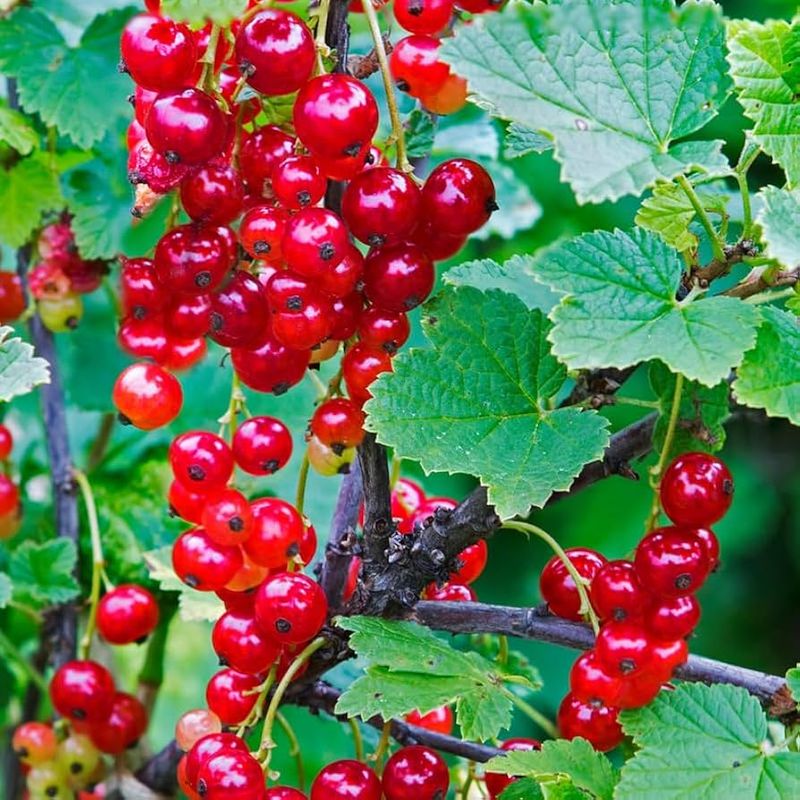
Currants, whether red, black, or white, are a versatile fruit that adapts well to various garden settings. These small berries are packed with flavor and nutritional benefits.
Plant them in well-drained soil with access to morning sun, and watch them flourish. Currants are often used in jellies and sauces, adding a tangy twist to culinary creations.
Quirky fact: In some European countries, currants symbolize prosperity and good fortune, making them a charming addition to any garden.
7. Figs
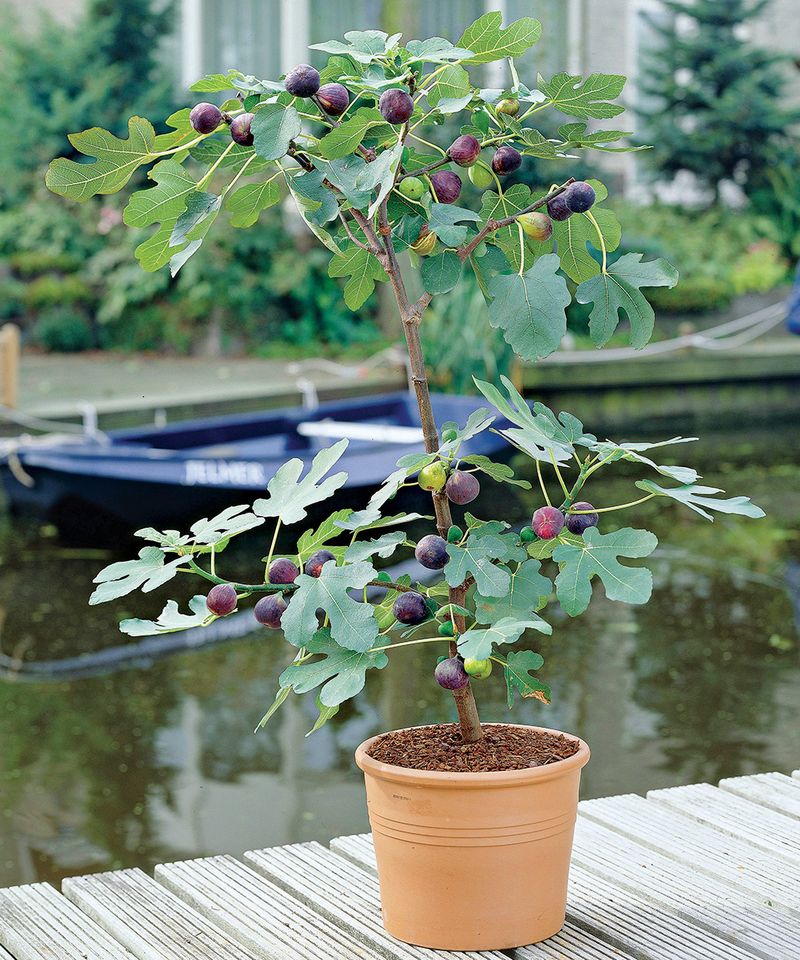
Figs offer a taste of the Mediterranean with their luscious sweetness and soft texture. These trees thrive in warm, sunny climates and tolerate poor soil conditions.
They can be grown in large pots or directly in the ground, making them adaptable to various garden sizes. Figs are self-pollinating, simplifying the cultivation process.
Did you know? Fig trees have been cultivated for thousands of years and were one of the first plants domesticated by humans, symbolizing abundance and fertility.
8. Apples
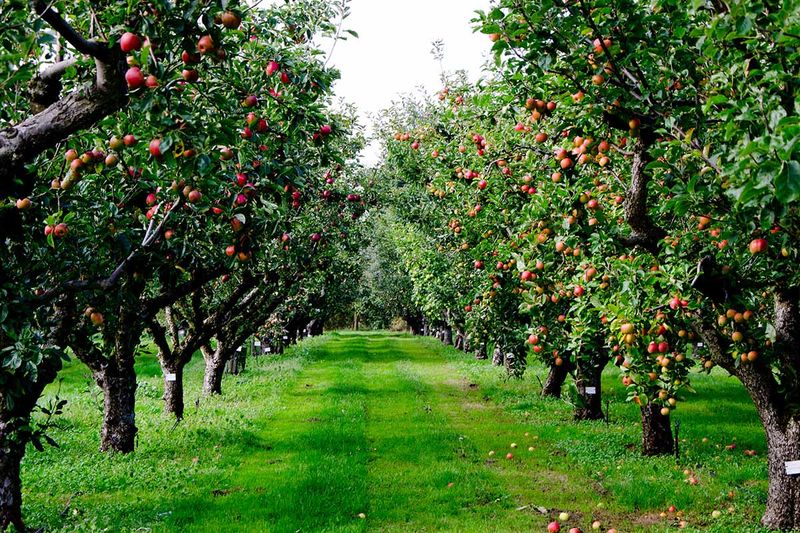
Apples are a classic fruit, loved for their crisp texture and sweet taste. They thrive in temperate climates, requiring well-drained soil and a sunny location.
Dwarf varieties are perfect for smaller gardens, while standard trees can produce abundant harvests in larger spaces. Regular pruning and pest control ensure healthy growth.
Historical tidbit: Apples have been cultivated for over 4,000 years and are associated with various myths and legends, including the infamous tale of Isaac Newton and the falling apple.
9. Pears
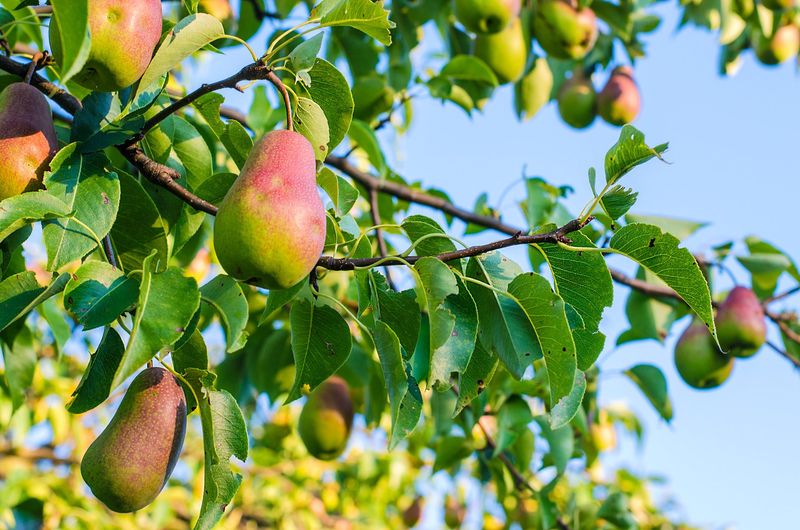
Pears are a delightful fruit, known for their sweet, buttery flavor. These trees thrive in well-drained soil and require full sun to produce the best fruit.
They are low-maintenance, with some varieties being self-pollinating. Regular watering during dry spells keeps them healthy and productive.
Did you know? Pears are one of the world’s oldest cultivated fruits, with evidence of their growth dating back to ancient China. Their versatility makes them a valuable addition to any garden.
10. Cherries
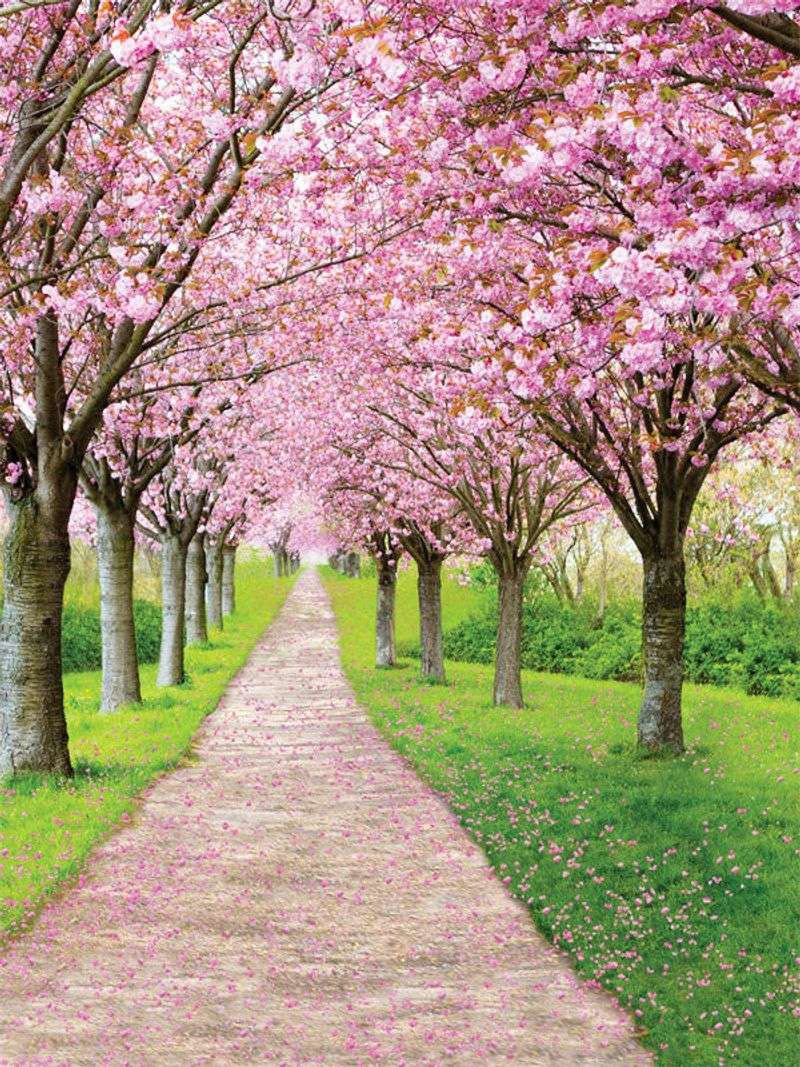
Cherries, with their vibrant color and sweet-tart flavor, are a joyful addition to any garden. They require well-drained soil and full sun to flourish, producing luscious fruits.
Dwarf varieties are available for smaller spaces, making cherry trees accessible to urban gardeners. Pruning and pest management are essential for a successful harvest.
Fun fact: Cherries have a rich history, dating back to ancient Greek and Roman times, and are often associated with love and romance.
11. Plums
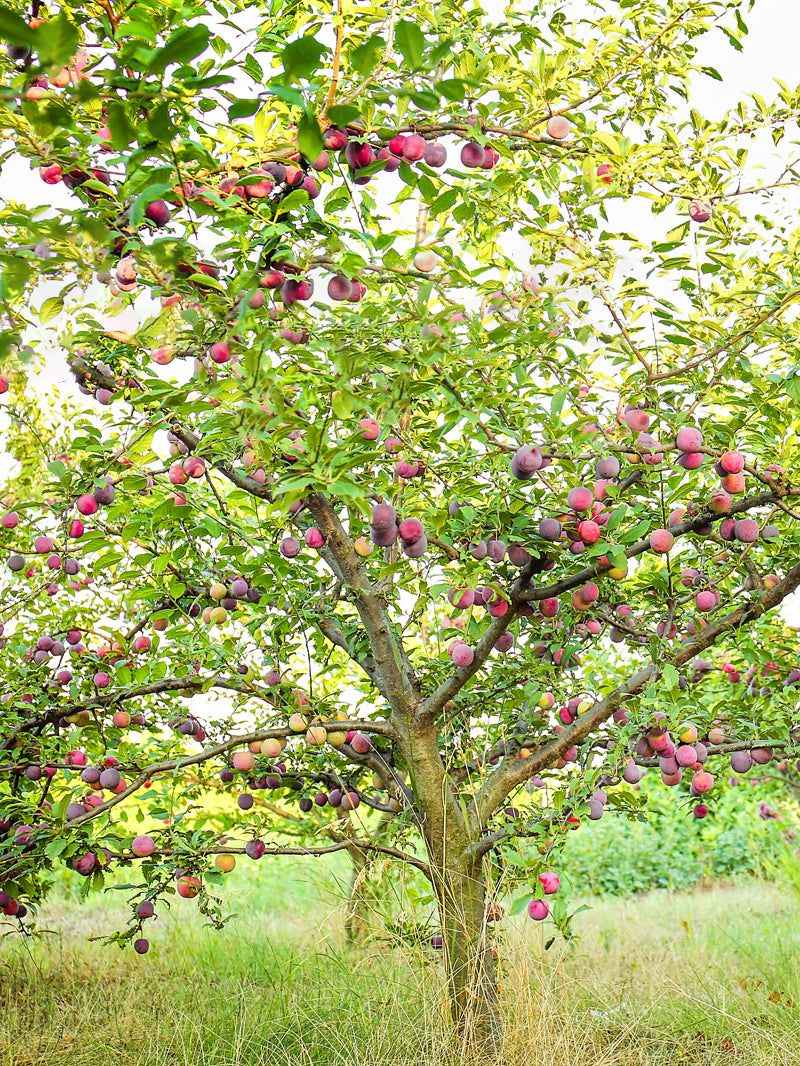
Plums are a versatile fruit, cherished for their juicy sweetness and vibrant color. These trees adapt well to various soil types, provided they receive ample sunlight.
They can be grown as standard trees or trained against a wall for a decorative touch. Regular watering and fertilization promote healthy growth and fruit production.
Interesting tidbit: Plums are one of the first fruits domesticated by humans, with evidence of their cultivation dating back to ancient times. Their adaptability makes them a garden favorite.
12. Peaches
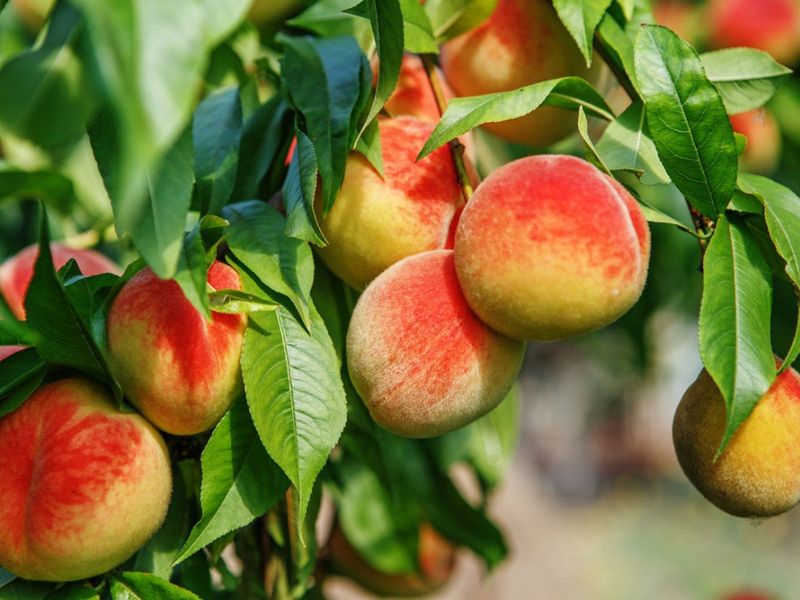
Peaches are synonymous with summer, offering a juicy burst of flavor that’s hard to resist. These trees thrive in well-drained soil and require full sun for optimal fruiting.
Dwarf varieties are suitable for smaller gardens, while standard trees provide an abundant harvest. Regular pruning enhances fruit quality and yield.
Did you know? Peaches originated in China and were considered a symbol of immortality in Chinese culture. Their sweet aroma and taste make them a beloved garden choice.
13. Apricots
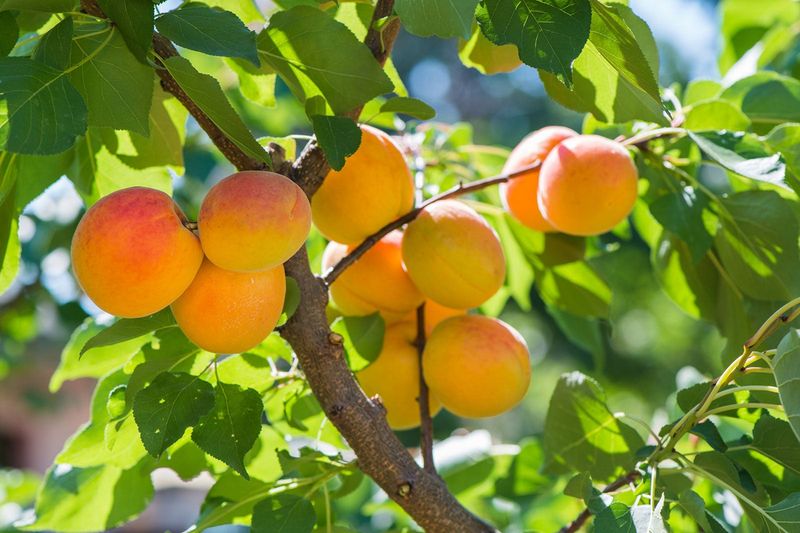
Apricots, with their delicate sweetness and velvety texture, bring a hint of the Mediterranean to any garden. These trees prefer well-drained soil and full sun, flourishing in warm climates.
They can be grown as free-standing trees or trained against a wall, making them versatile for various garden designs. Regular watering and mulching maintain their vigor.
Fun fact: Apricots have been cultivated since ancient times, with their origins traced back to China and Central Asia. Their rich history adds charm to their cultivation.
14. Grapes
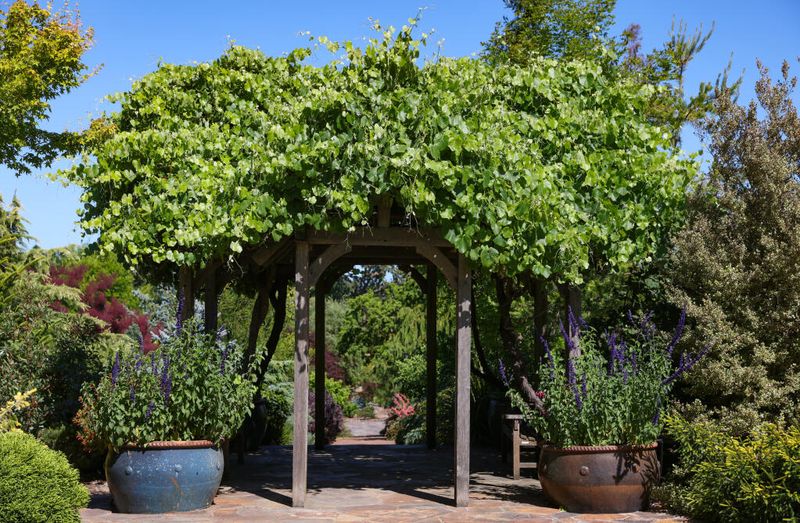
Grapes are a rewarding fruit to grow, offering a sweet, refreshing taste that’s perfect for summer. These vines thrive in sunny locations with well-drained soil, climbing over arbors and trellises.
Regular pruning and pest management ensure healthy growth and bountiful harvests. Grapes can be used in making wine, jellies, or enjoyed fresh.
Did you know? Grapes have been cultivated for thousands of years, with evidence of winemaking dating back to ancient civilizations. Their enduring appeal makes them a garden staple.
15. Kiwi
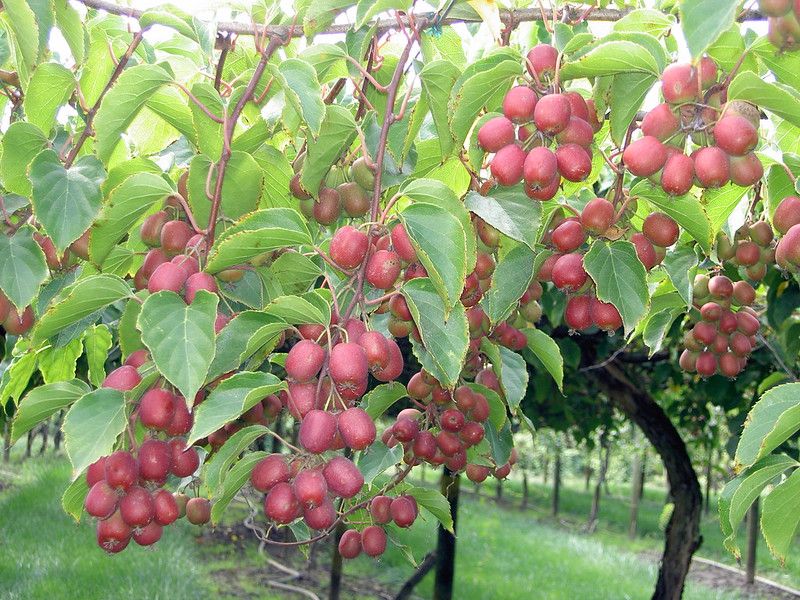
Kiwi fruits bring an exotic touch to home gardens with their tangy sweetness and attractive appearance. These vines require sturdy support, thriving in sunny spots with well-drained soil.
While they need patience as they mature over several years, the payoff is worth it with abundant fruit production. Proper pruning enhances growth and fruit quality.
Fun fact: Kiwi plants are native to China and were once known as “Chinese gooseberries.” Their unique flavor and appearance make them a standout choice for adventurous gardeners.
16. Pomegranates
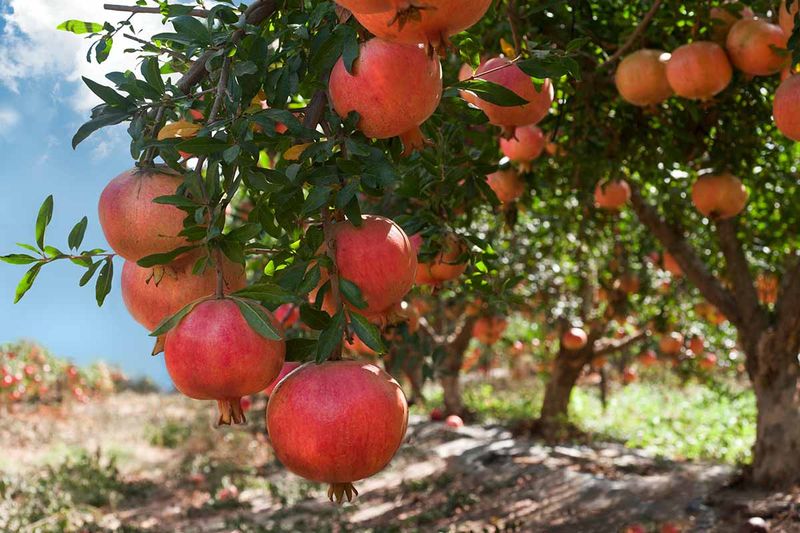
Pomegranates are valued for their jewel-like seeds and tart sweetness. These trees thrive in warm, dry climates with well-drained soil, making them ideal for Mediterranean-style gardens.
They are relatively low-maintenance, requiring occasional pruning and watering during dry spells. Pomegranates symbolize prosperity and fertility in many cultures.
Did you know? Pomegranates have been cultivated since ancient times and are often associated with myths and legends, adding a mystical touch to their appeal.
17. Quinces
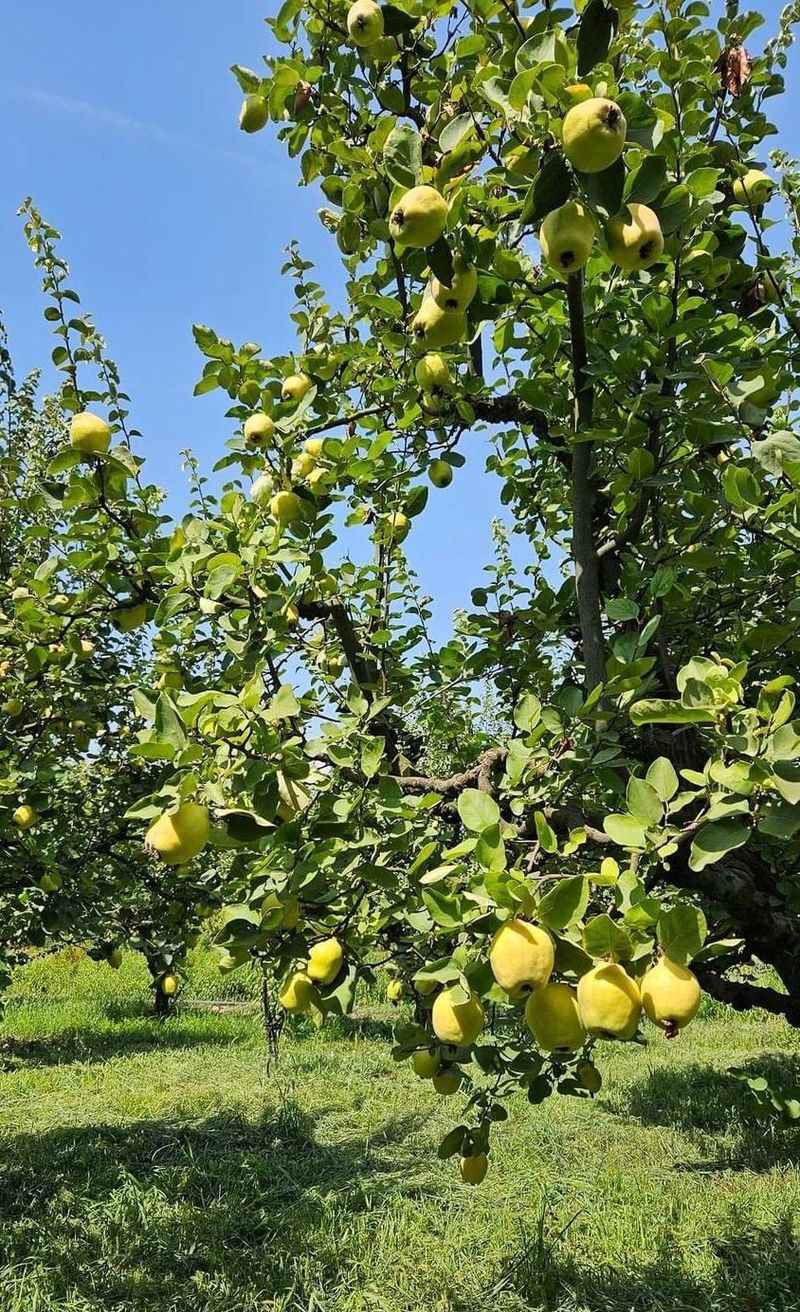
Quinces offer a unique blend of tartness and fragrance, perfect for culinary enthusiasts. These trees are hardy and adapt well to various soil types, thriving in full sun.
Quinces add a touch of history to gardens, with their aromatic fruits used in jellies and preserves. Regular pruning and fertilization enhance their productivity.
Historical note: Quinces have been cultivated for over 4,000 years, often mentioned in ancient texts and associated with love and fertility. Their storied past adds to their charm.
18. Pawpaws
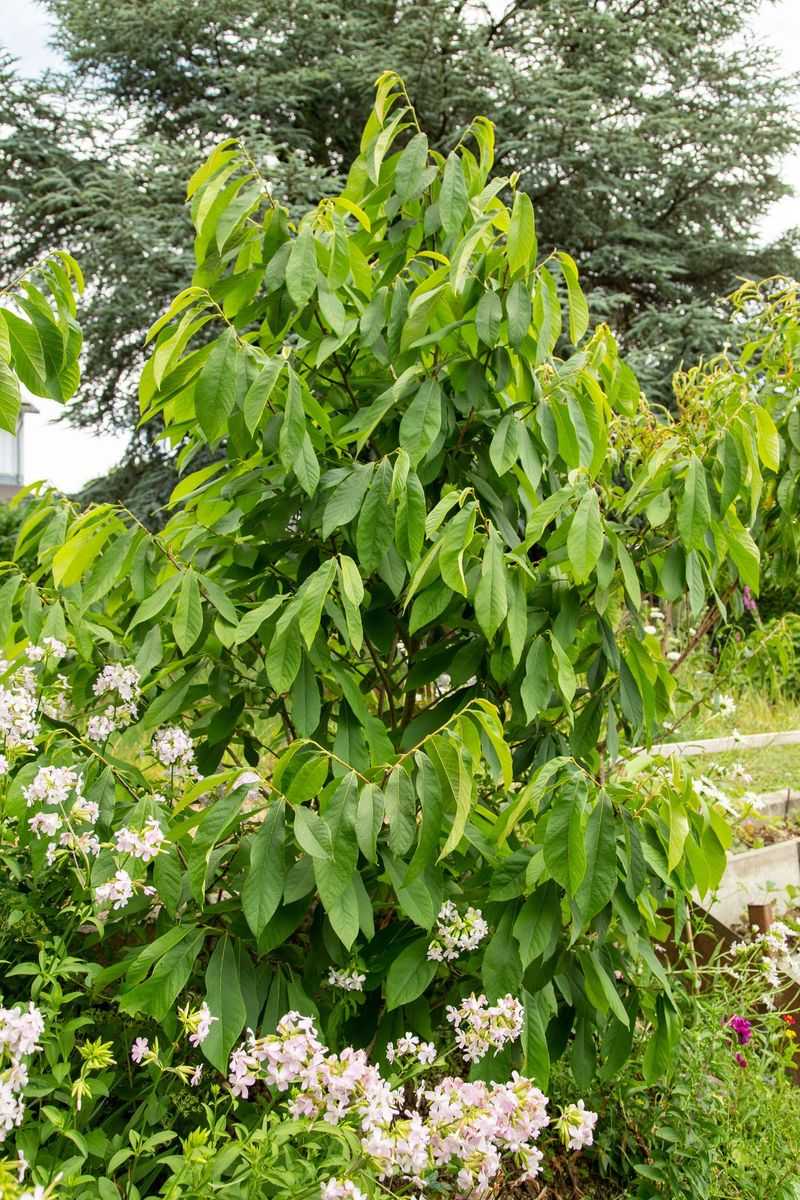
Pawpaws are a hidden gem, offering a tropical taste right in your backyard. These trees prefer shady spots with well-drained soil, adapting well to various climates.
Their custard-like fruit is reminiscent of bananas and mangoes, providing a unique culinary experience. Pawpaws are pollinated by flies and beetles, adding an interesting ecological aspect.
Fun fact: Pawpaws are native to North America and were a favorite fruit of historical figures such as George Washington and Thomas Jefferson. Their distinctive taste makes them a notable choice.
19. Passion Fruit
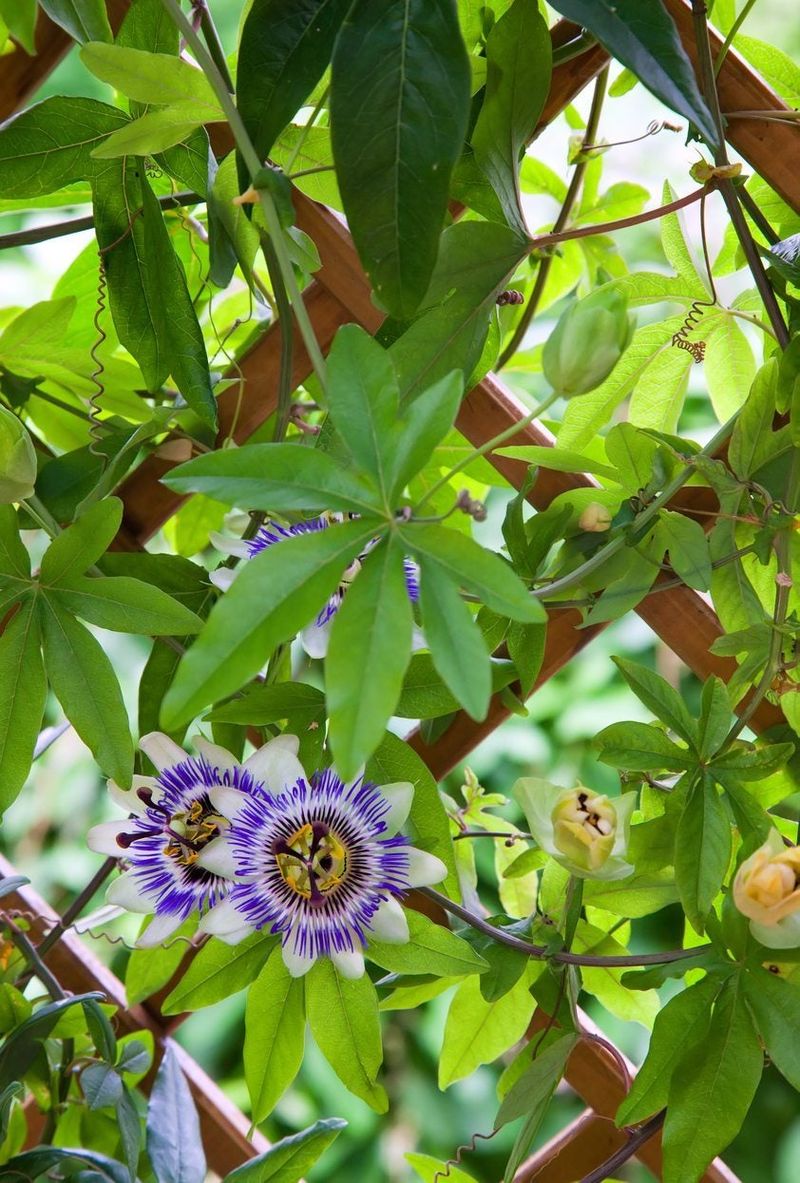
Passion fruits offer an exotic flavor that’s both sweet and tangy. These vigorous vines thrive in warm climates, needing well-drained soil and plenty of sunlight.
They require support structures like trellises, adding a lush, tropical feel to gardens. Passion fruits are often used in drinks and desserts, delighting taste buds with their unique taste.
Did you know? Passion fruits are native to South America and are associated with the Passion of Christ, due to the flower’s symbolic appearance. Their captivating allure makes them a garden favorite.
20. Mulberries
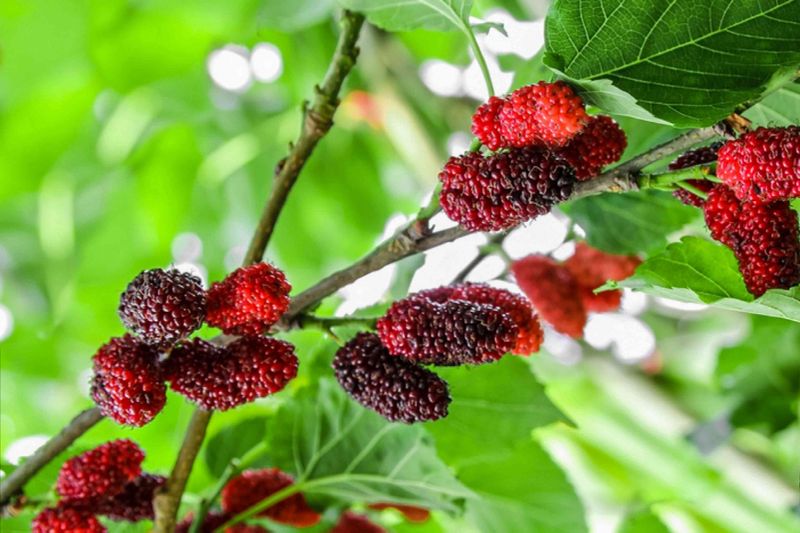
Mulberries are a lesser-known fruit, offering a sweet and juicy treat. These trees are highly adaptable, growing well in various soil types and climates.
Their fruits can be enjoyed fresh or used in jams and pies. Mulberries symbolize abundance and have been cultivated since ancient times.
Fun fact: Mulberry trees were historically used in the silk industry, as silkworms feed exclusively on their leaves. This connection adds a layer of intrigue to their cultivation.
21. Elderberries
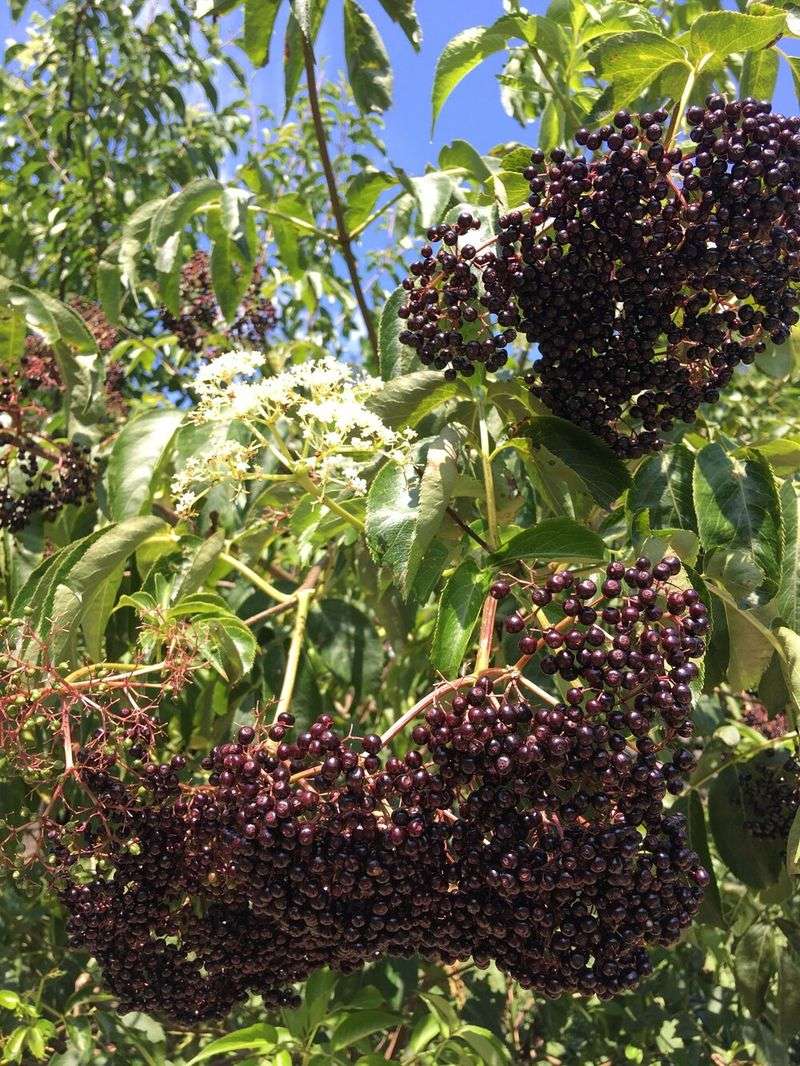
Elderberries are a versatile fruit, known for their immune-boosting properties. These shrubs thrive in well-drained soil and full sun to partial shade, adapting to various garden environments.
Their small, dark berries are often used in syrups and wines, offering both culinary and medicinal benefits. Elderberries have a rich history in folklore and traditional medicine.
Did you know? Elderberry bushes were once believed to ward off evil spirits, adding a mystical touch to their presence in gardens. Their multifunctionality makes them a valuable addition.
22. Persimmons
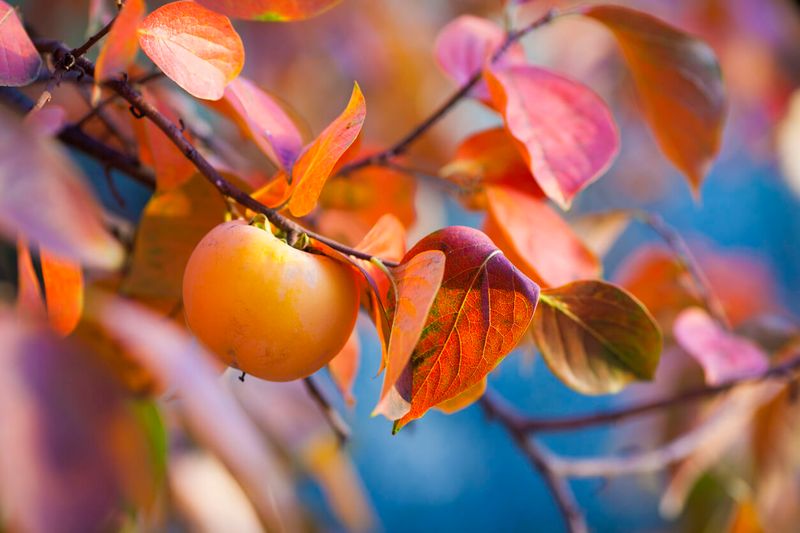
Persimmons bring a splash of color and sweetness to gardens with their vibrant orange fruits. These trees prefer full sun and well-drained soil, thriving in temperate climates.
Their fruits can be eaten fresh or used in puddings and baked goods. Persimmons have a cultural significance in many Asian countries, symbolizing happiness and longevity.
Fun fact: There are two main types of persimmons – astringent and non-astringent, each offering a unique taste and texture. Their versatility and appeal make them a garden favorite.
23. Nectarines
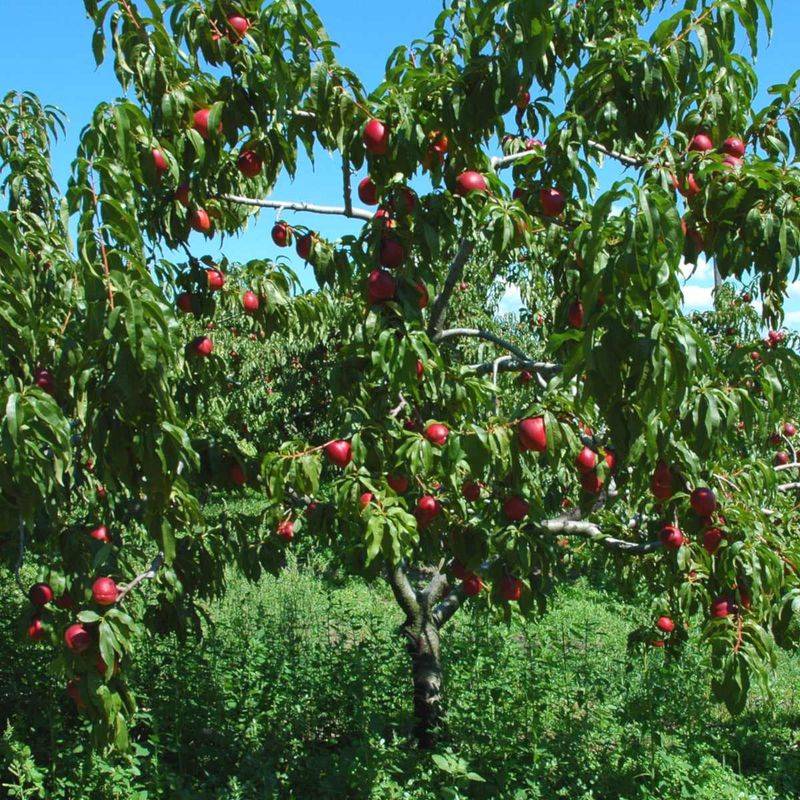
Nectarines, often mistaken for peaches, offer a sweet and juicy alternative with their smooth skin. These trees thrive in well-drained soil and require full sun to produce the best fruit.
Dwarf varieties are suitable for smaller spaces, making nectarines accessible to various gardeners. Pruning and pest control are essential for healthy growth.
Did you know? Nectarines are actually a type of peach, distinguished by a genetic mutation that gives them their unique smooth skin. Their connection to peaches adds a layer of intrigue to their cultivation.
24. Pineapple Guava
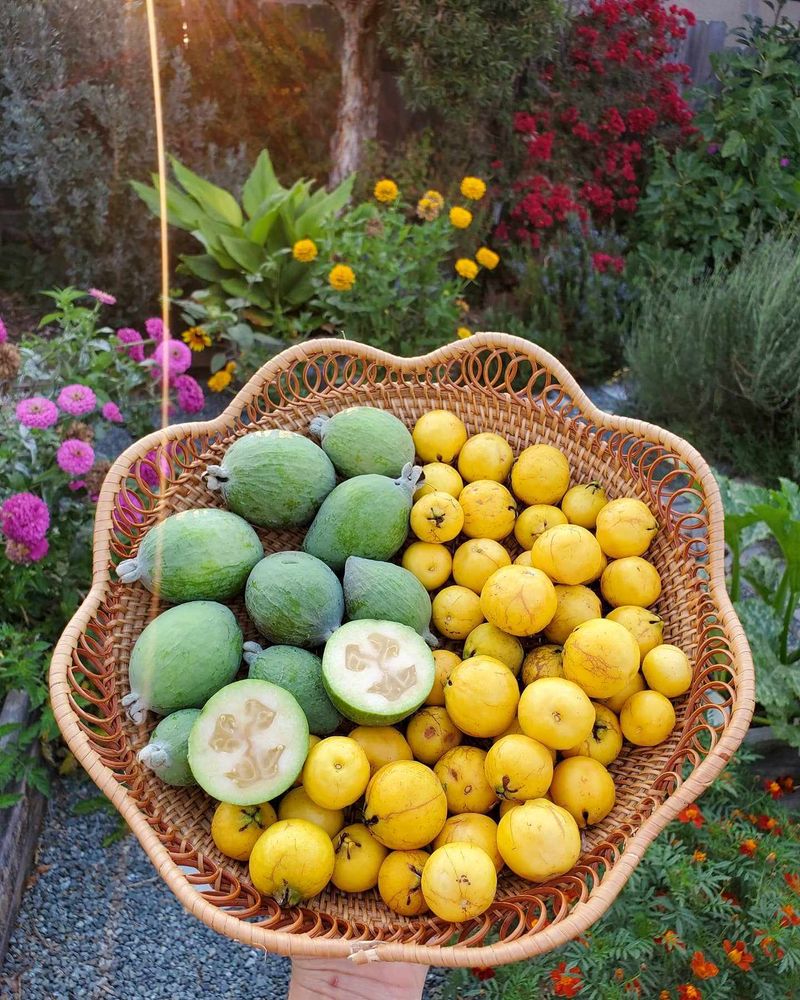
The pineapple guava, also known as feijoa, is a hidden gem in the world of easy-to-grow fruits. This evergreen shrub brings an exotic flair to any garden. The fruit’s sweet, tropical flavor is reminiscent of both pineapple and mint, creating a unique taste sensation.
Not only is it delicious, but its ornamental flowers are a visual delight. These robust plants thrive in a variety of soils and climates, making them a versatile choice for gardeners.
Did you know? Pineapple guava can tolerate drought conditions once established, reducing the need for constant watering.