 Complete Gardening
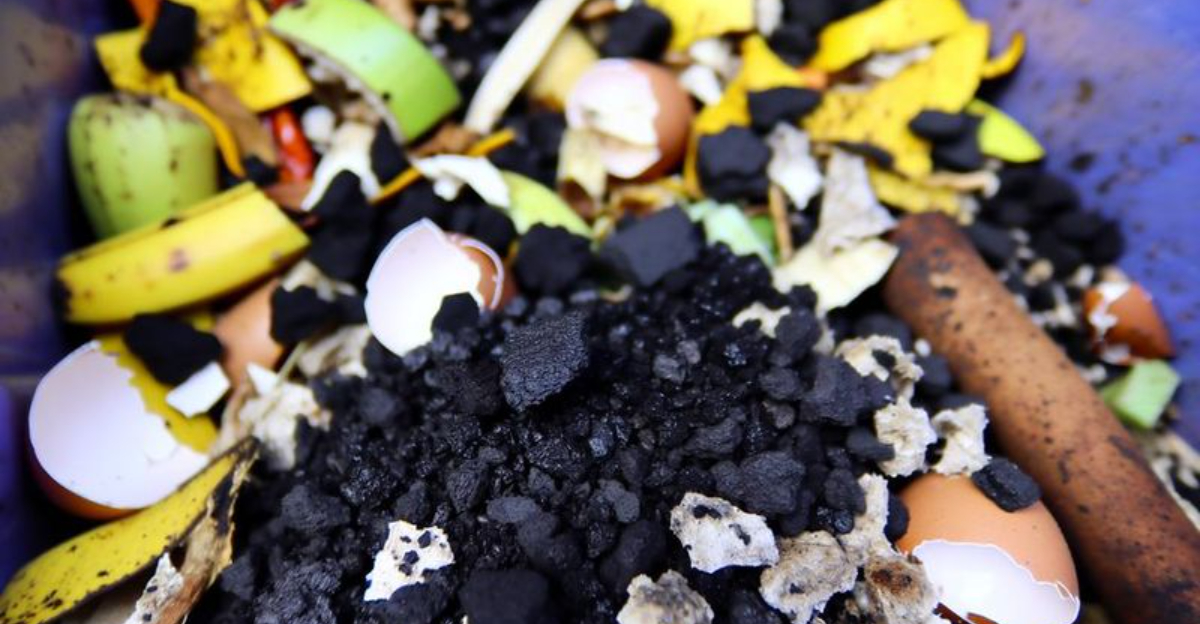
Composting is a wonderful way to recycle organic waste and enrich your garden soil. However, not everything can be tossed into the compost bin. Some items can disrupt the composting process, attract pests, or even harm your plants.
It’s essential to know what should be kept out to maintain a healthy compost pile. Here are 25 things you should never throw in your compost bin to ensure your composting efforts are successful and sustainable.
1. Meat Scraps
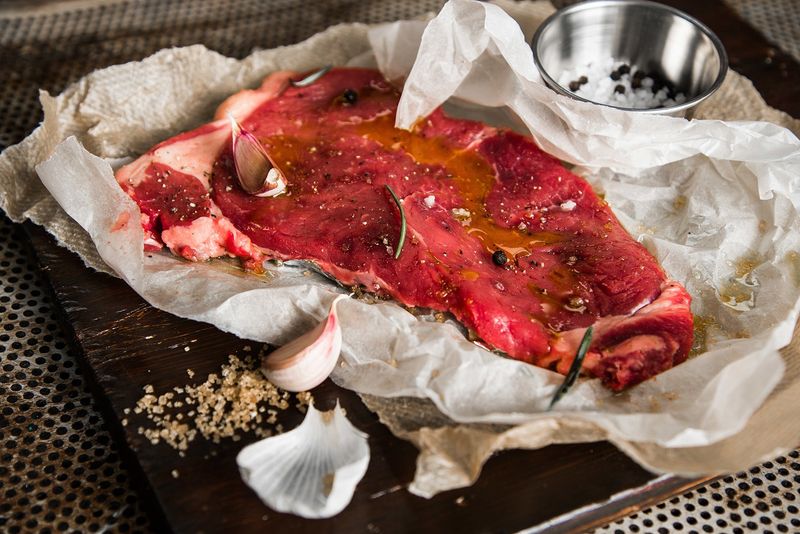
Imagine the aroma of a fresh barbecue luring every stray cat and raccoon in the neighborhood. That’s what happens when meat scraps find their way into your compost bin. Meat, whether cooked or raw, can attract unwanted pests and create a foul odor as it breaks down.
As the oils and fats decompose, they can create an unbalanced compost heap that struggles to turn into rich, crumbly soil. Stick to plant-based materials to keep your compost healthy and thriving. Remember, a pest-free compost is a happy compost!
2. Dairy Products
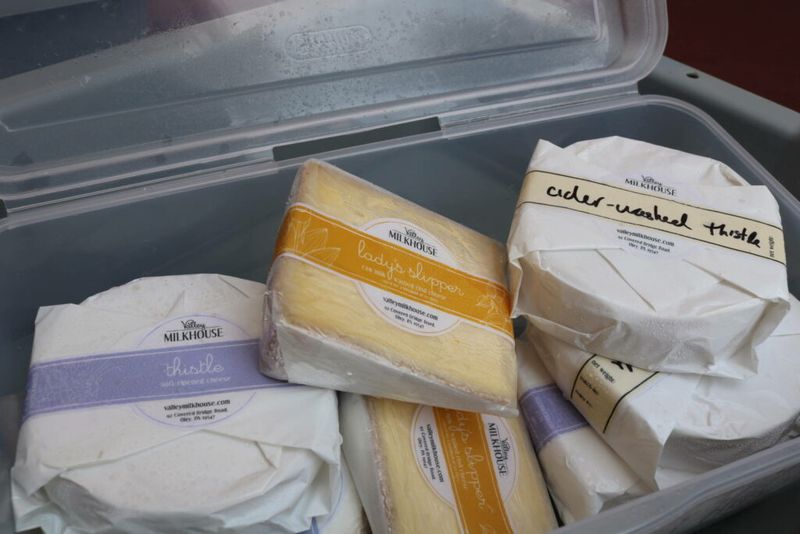
The creamy texture of dairy products may be a delight in your morning coffee, but they are a nightmare for your compost pile. Items like cheese, butter, and milk can spoil quickly and develop a rancid smell.
This spoilage makes your compost bin a beacon for insects and rodents. Besides, the fats in dairy can cause an imbalance, preventing proper decomposition.
Keep your compost pile odor-free and efficient by avoiding dairy. Instead, recycle or repurpose these items before considering the trash bin.
3. Greasy Foods
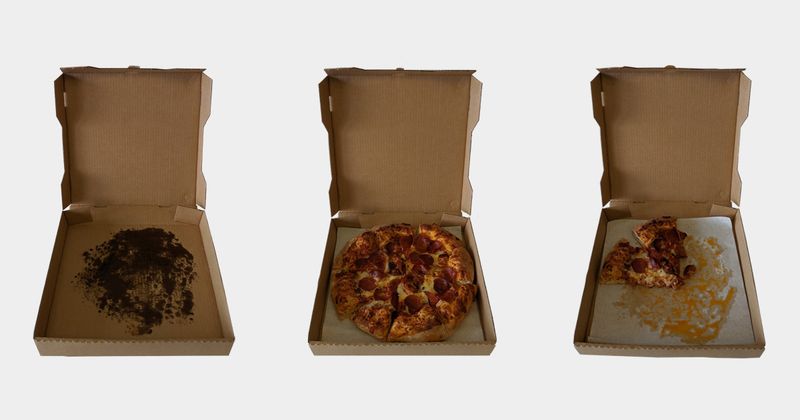
Who can resist a slice of greasy pizza? Unfortunately, your compost bin isn’t as forgiving. Greasy foods, laden with oils and fats, disrupt the composting microorganisms that break down organic material.
This disruption can lead to a sluggish composting process and a less nutrient-rich end product. Plus, the grease can attract pests, making your compost heap a less than desirable place to nurture your garden’s future food. Stick to grease-free waste for a balanced compost pile.
4. Pet Waste
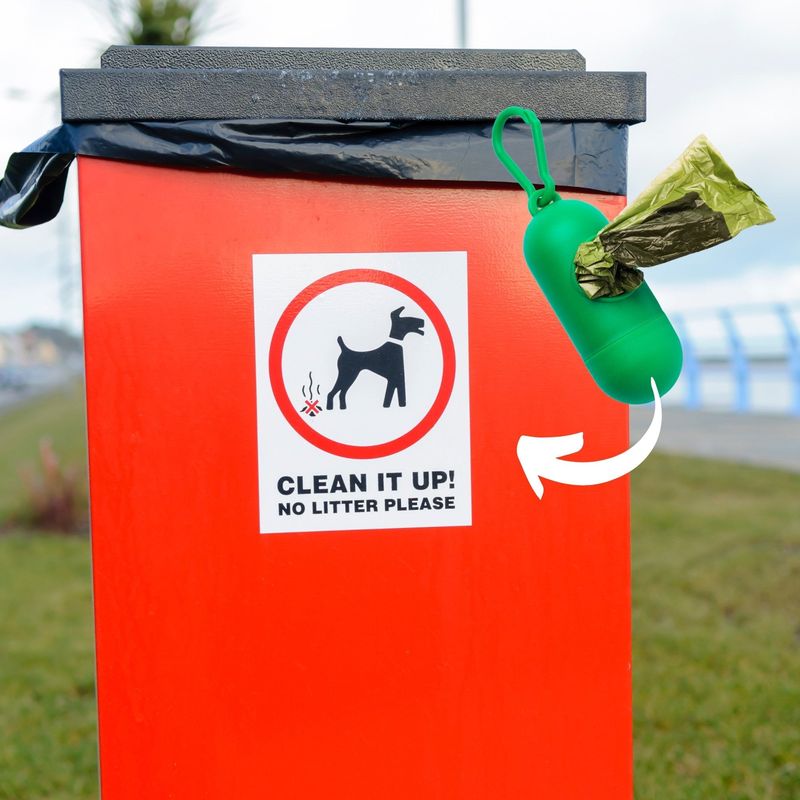
Fido’s droppings may seem like natural waste, but they’re a composting taboo. Pet waste, including from cats and dogs, can harbor harmful pathogens that aren’t eliminated in the composting process.
This poses health risks, especially if the compost is used on edible plants. Moreover, pet waste can create an unpleasant odor, transforming your compost bin into a smelly mess.
For safety and hygiene, dispose of pet waste through proper channels, and keep your compost free from potential contaminants.
5. Coal Ash
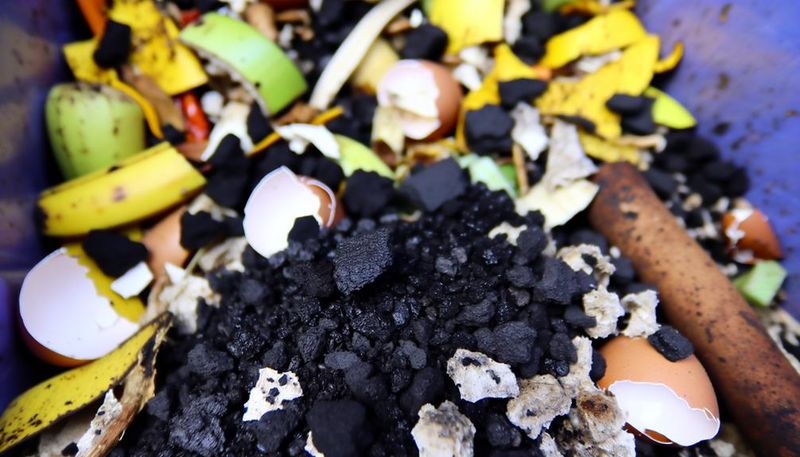
While a cozy fire warms your home, the leftover coal ash creates more harm than good in a compost bin. Unlike wood ash, coal ash contains sulfur and iron, which can be toxic to plants.
These elements may alter the pH balance of your compost, affecting its ability to sustain plant growth. Moreover, coal ash can spread heavy metals, making your compost unsuitable for garden use. Instead, look for ways to safely dispose of or repurpose coal ash, steering clear of the compost bin.
6. Diseased Plants
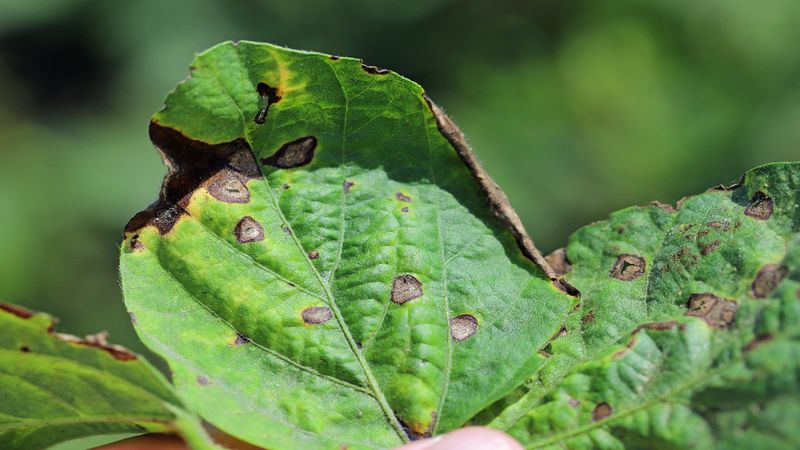
Adding diseased plants to your compost pile is like inviting a flu to a healthy household. The pathogens responsible for plant diseases can survive the composting process and infect future plants.
To protect your garden, it’s crucial to identify and dispose of diseased foliage properly. Clean up your garden waste and ensure your compost remains a disease-free zone. By doing so, you’ll nurture a thriving garden without the risk of recurring plant ailments.
7. Weeds with Seeds
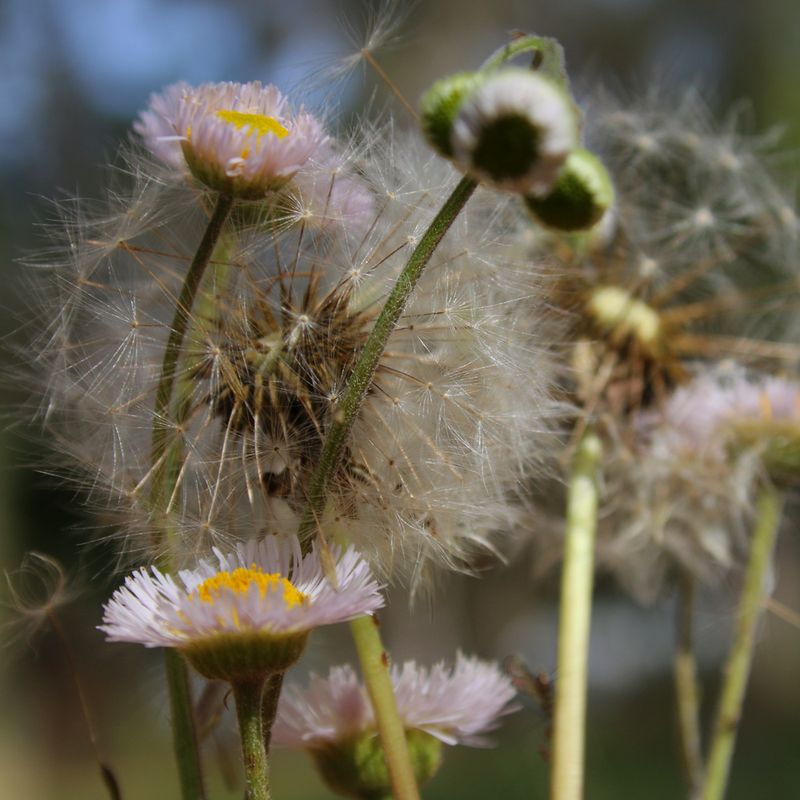
Ever seen a dandelion bloom across an entire lawn? Adding weeds with seeds to your compost is like planting unwanted guests in your future garden beds. These seeds can survive the composting process, only to sprout when you least expect them.
Keeping them out of your compost prevents the spread of these pesky intruders. Instead, opt for young, seedless weeds or thermal composting methods to kill any seeds. This keeps your compost and future garden weed-free.
8. Bread and Pastries
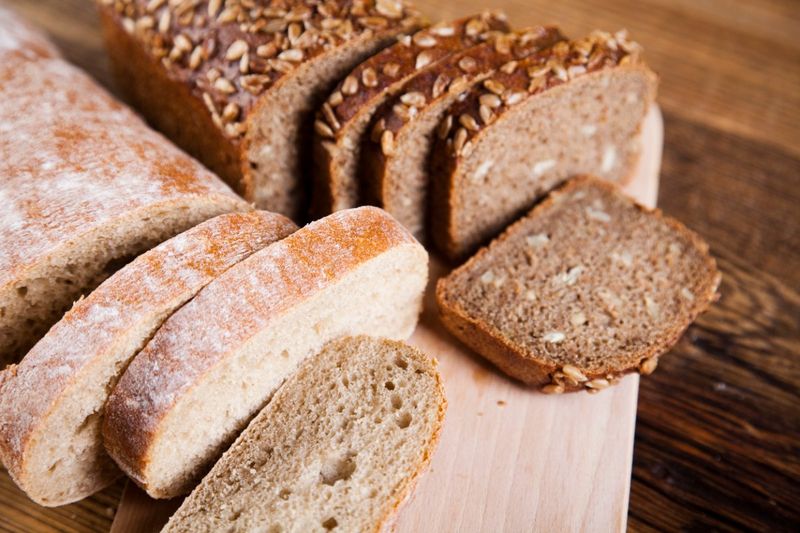
The scent of freshly baked bread might be comforting, but in a compost bin, it’s a feast for pests. Bread and pastries break down quickly, often attracting unwanted visitors like rodents and insects.
Their rapid decomposition can also lead to a soggy compost pile, which is not ideal for aeration and balanced breakdown. Rather than tossing them into the compost, consider alternatives like feeding them to birds or using them in creative recipes.
9. Onions and Garlic
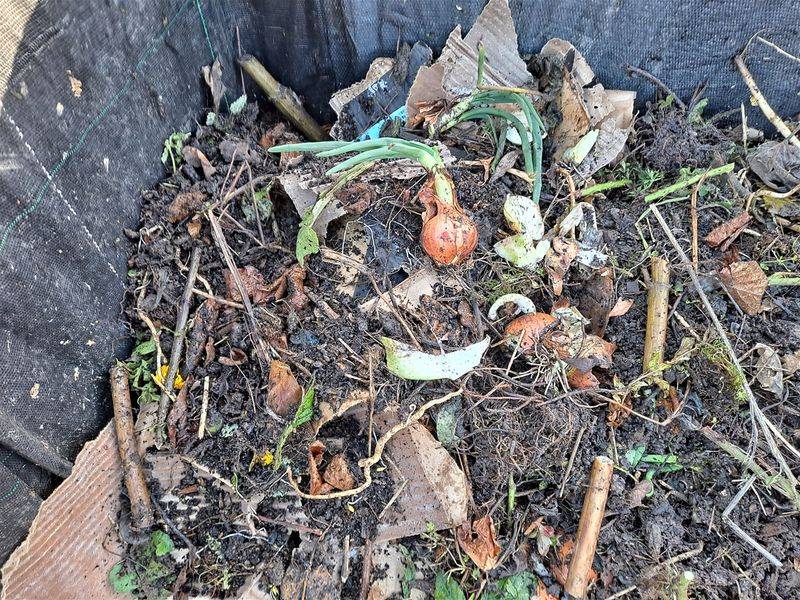
As you chop onions and garlic for a delicious meal, the sharp aroma fills the air. However, their pungent nature is unwelcome in a compost bin. These items can inhibit beneficial microbe activity, slowing down the composting process.
Additionally, their strong scent can attract pests to your bin. Keep your compost thriving by adding less aromatic materials. If you need to dispose of onions or garlic, consider using them in other ways, such as natural pest deterrents in your garden.
10. Citrus Peels
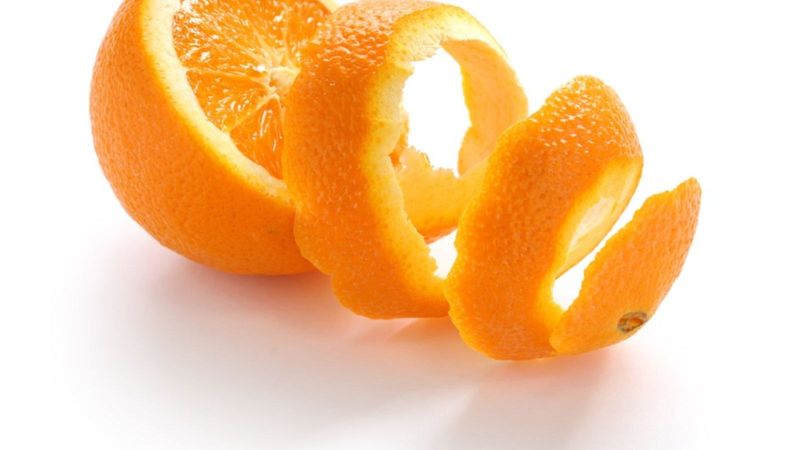
Citrus peels add zest to your kitchen but can sour your compost bin. Their high acidity can disrupt the balance of beneficial bacteria, slowing down the decomposition process.
Moreover, citrus oils can repel worms and other helpful organisms that aid in composting. To keep the compost pile thriving, it’s best to use citrus peels sparingly or find alternative uses like natural cleaning solutions. Doing so ensures your compost remains a harmonious environment for decomposition.
11. Synthetic Materials
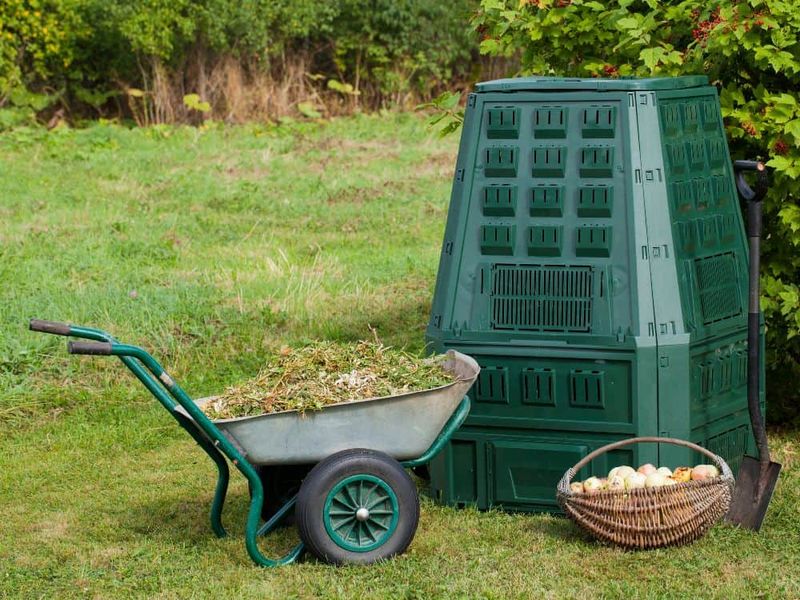
In a world dominated by synthetic materials, it’s essential to keep them out of the compost bin. Plastics, polyester, and other synthetics don’t break down naturally and can contaminate your compost.
These materials hinder the decomposition process and can leach harmful chemicals into the soil. To maintain a pure and effective compost, always opt for natural, organic materials. Recycle synthetic items where possible and ensure your compost remains a green, eco-friendly space.
12. Treated Wood
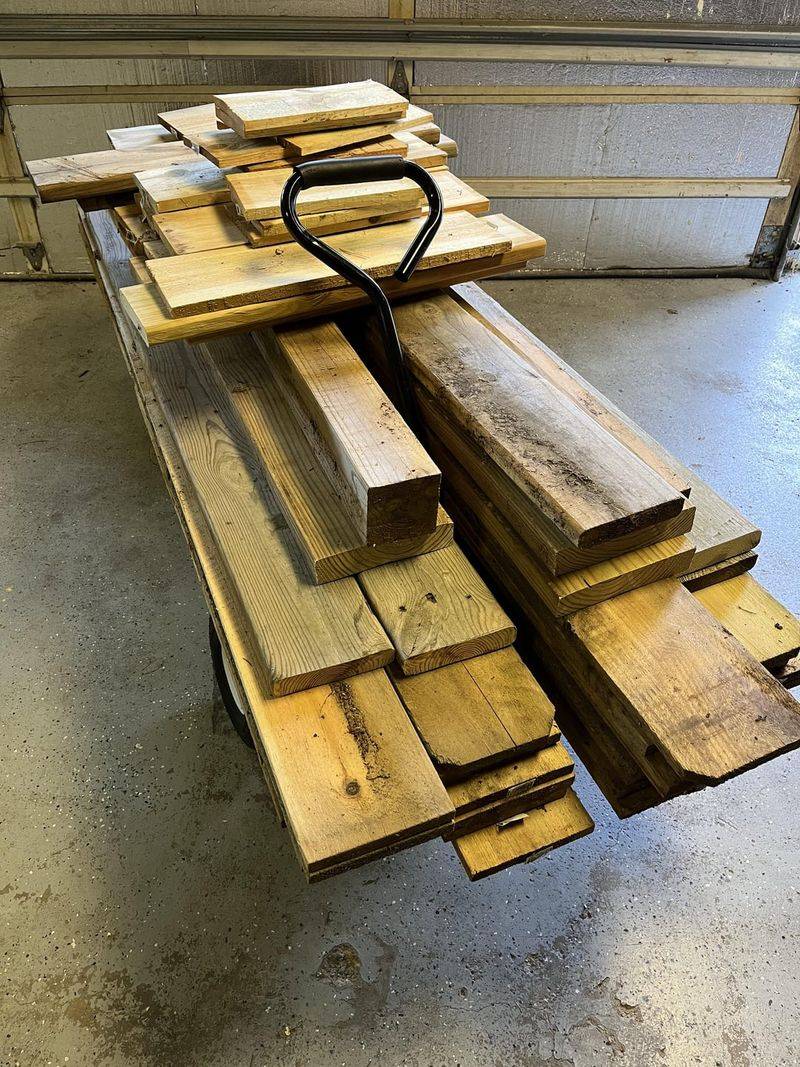
Treated wood often finds a place in gardens but should never find a place in compost bins. Chemicals used in pressure-treated wood can leach into the compost, contaminating the soil.
These chemicals can be harmful to plants and potentially hazardous to human health if the compost is used for growing food. For a safe composting practice, only add untreated, natural wood. Dispose of treated wood through appropriate recycling or disposal services.
13. Colored Paper
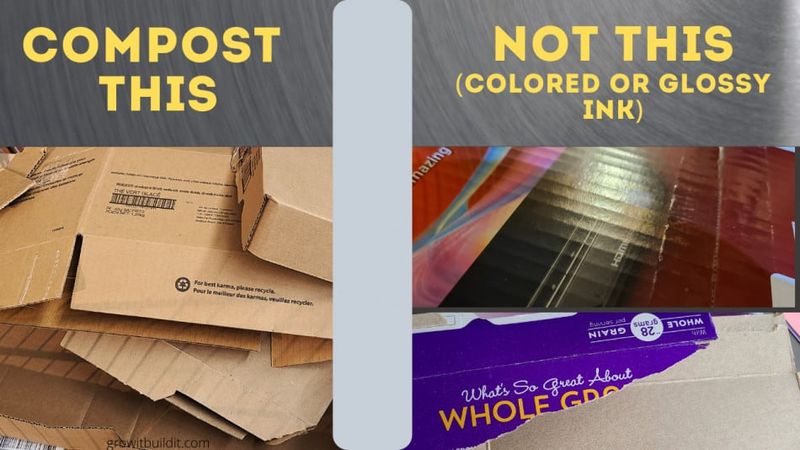
The vibrant hues of colored paper might catch your eye, but they are unwelcome in a compost pile. Ink and dyes can introduce toxins into your compost, affecting its quality and safety.
These substances may hinder the composting process and end up in your garden soil. Instead, opt for plain, uncolored paper, or recycle colored paper through appropriate channels. This ensures your compost remains free from chemical contaminants, resulting in healthier soil.
14. Toxic Plants
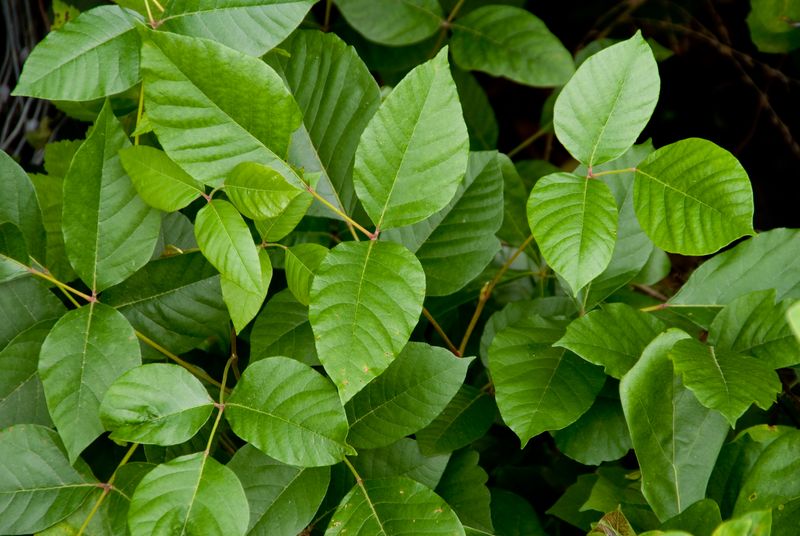
Not all plants are suitable for composting. Toxic plants, such as poison ivy or oleander, can retain their harmful properties even as they decompose.
Composting these plants can introduce toxins that could harm beneficial organisms and contaminate your garden soil. Proper disposal of toxic plants is crucial to avoid these risks. By keeping them out of your compost, you preserve the health and safety of your garden and its inhabitants.
15. Human Waste
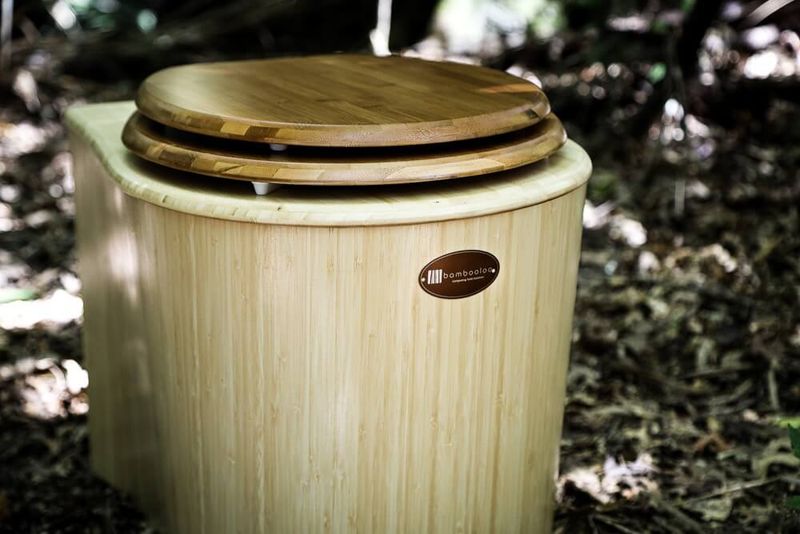
Although composting toilets exist, standard human waste should never be added to a garden compost bin. Human waste can contain harmful pathogens and pharmaceuticals that aren’t broken down during the composting process.
This presents health risks, particularly if the compost is intended for food crops. For safety and health compliance, human waste must be treated through specialized systems. Always maintain hygiene standards and dispose of waste through proper, regulated facilities, keeping your compost bin strictly for garden-friendly materials.
16. Seafood
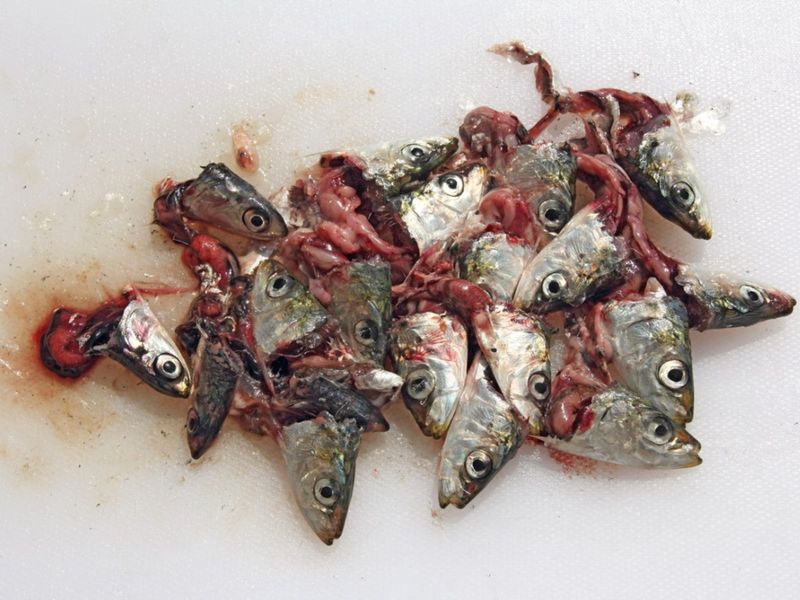
The ocean’s bounty can bring the scent of the sea to your home, but it’s best left out of the compost bin. Seafood, like fish and shellfish, can create an overpowering odor as it decomposes, attracting pests like rodents and flies.
The salt content in seafood can also disrupt the balance of nutrients in your compost. To keep your compost bin fresh and pest-free, dispose of seafood waste through appropriate channels. This ensures your compost remains a thriving, odor-free environment.
17. Glossy Magazines
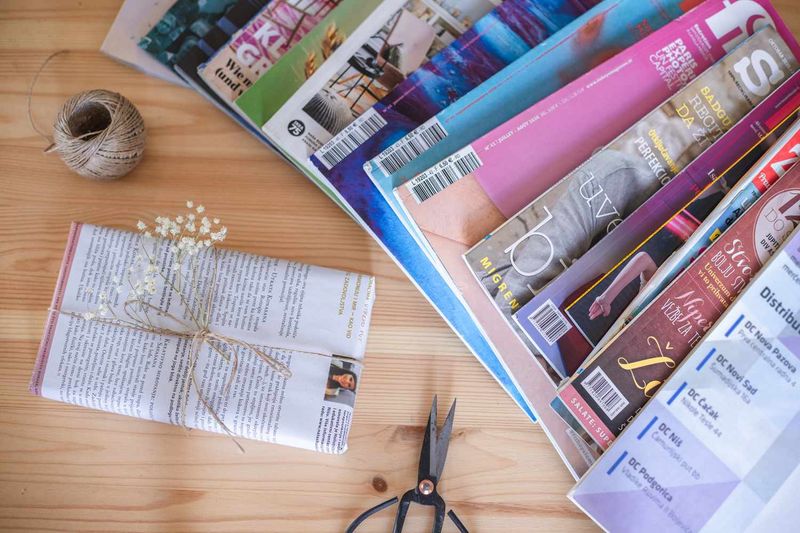
Glossy magazines might be a great read, but they’re not great for composting. The glossy finish is due to the clay and other chemicals used in printing, which don’t decompose easily.
These substances can introduce toxins and prevent proper composting. Instead, recycle glossy magazines through appropriate paper recycling programs, ensuring your compost remains pure and effective for organic matter. By doing so, you contribute to environmental sustainability in a meaningful way.
18. Bones
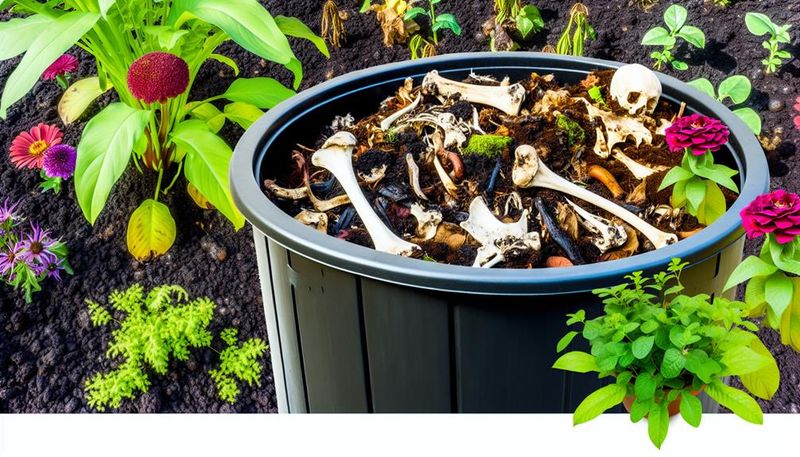
The leftover bones from a delicious roast might seem natural, but they’re problematic for composting. Bones take a long time to decompose and can attract pests with their lingering scent.
Their slow breakdown process hinders efficient composting, making them an unsuitable addition to the bin. Instead, consider repurposing bones in homemade broths or dispose of them through regular waste channels. Keeping bones out of your compost ensures a smoother and more effective decomposition process.
19. Large Branches
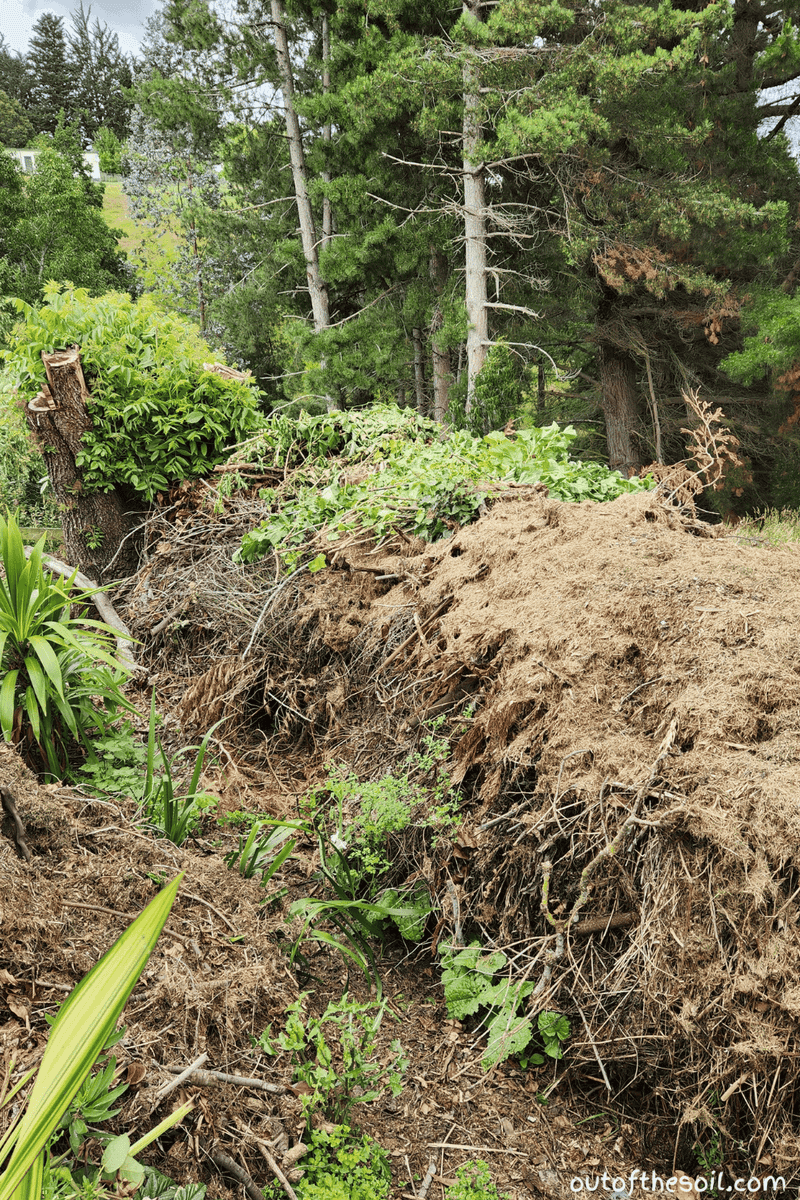
While wood is a natural material, large branches don’t fit well in a compost bin. Their size and density make them slow to break down, disrupting the balance of your compost pile.
For effective composting, larger branches should be chipped or shredded into smaller pieces before adding them to the bin. This ensures they decompose at a rate that complements other organic materials, leading to a more efficient composting process. By managing the size of your compost materials, you help maintain a balanced and thriving compost pile.
20. Produce Stickers
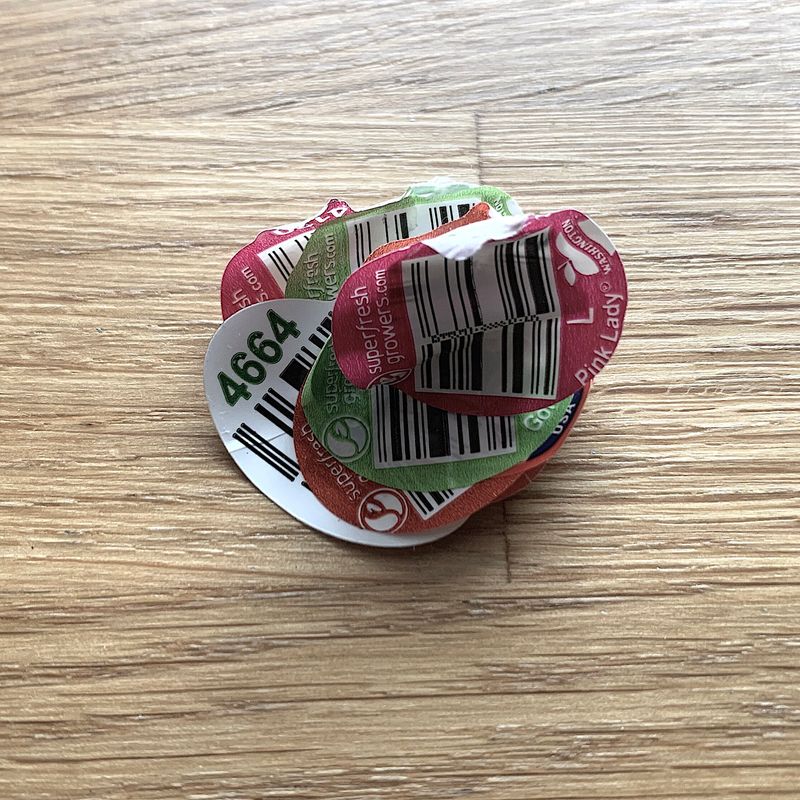
Those tiny stickers on fruits and vegetables may seem harmless, but they’re a nuisance in a compost bin. Made of plastic or vinyl, they don’t decompose, leading to contamination of your compost.
These stickers can end up in your garden soil, causing environmental harm. Before composting any produce, always remove these stickers and dispose of them in the trash. This small step ensures your compost remains pure and environmentally friendly, supporting a healthier garden ecosystem.
21. Biodegradable Plastics
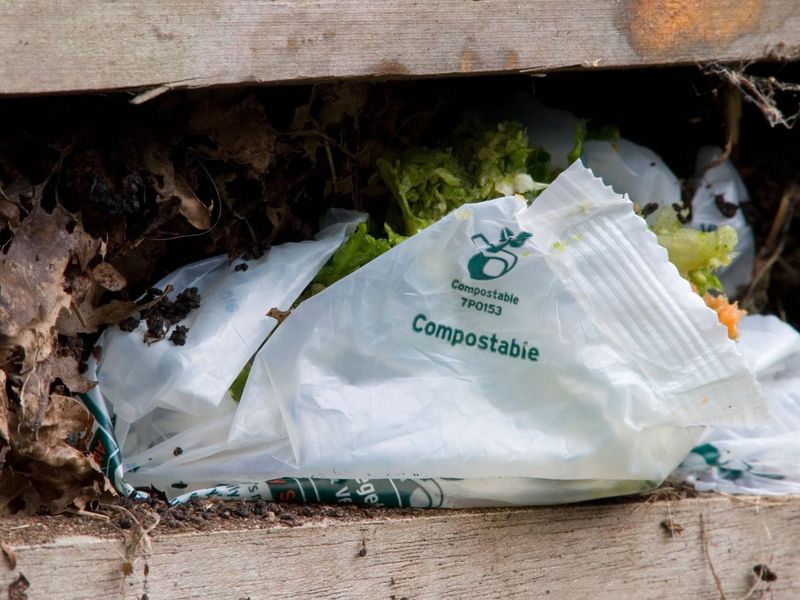
Biodegradable plastics might sound eco-friendly, but they’re complex when it comes to compost bins. These materials require specific industrial conditions to break down effectively, which most home compost piles can’t provide.
Adding them to your compost can lead to incomplete decomposition, leaving residues that contaminate the final product. To manage biodegradable plastics properly, use industrial composting facilities whenever possible. Keeping them out of home compost bins ensures a clean, efficient composting process.
22. Eggshells
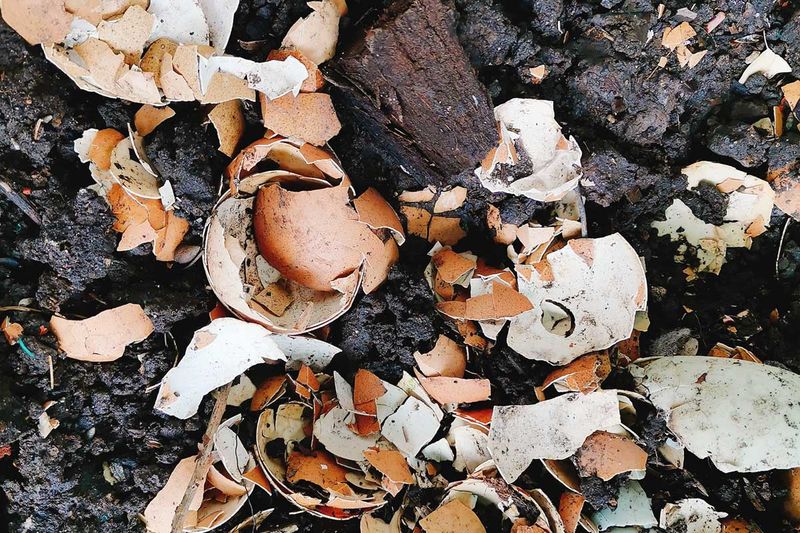
Eggshells, while organic, aren’t ideal for composting without proper preparation. Their tough surface can take a long time to break down unless crushed into small pieces before being added to the bin.
If left whole, they can disrupt the decomposition process, leaving traces in your finished compost. Crushing eggshells not only aids in faster breakdown but also adds valuable calcium to your compost. By preparing eggshells appropriately, you enhance the efficiency and nutrient content of your compost.
23. Junk Mail
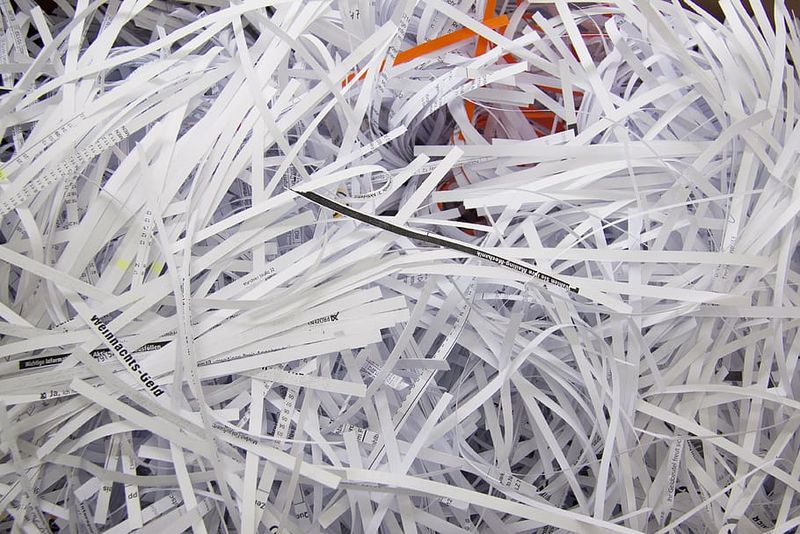
Junk mail is often printed on low-quality paper and can contain inks and adhesives that aren’t ideal for composting. These materials can introduce unwanted chemicals into your compost pile.
To avoid contamination, it’s best to recycle junk mail through appropriate paper recycling channels. This ensures your compost remains rich and toxin-free, supporting a more sustainable and eco-friendly gardening practice. By managing your junk mail responsibly, you help keep your compost and environment clean.
24. Walnut Shells
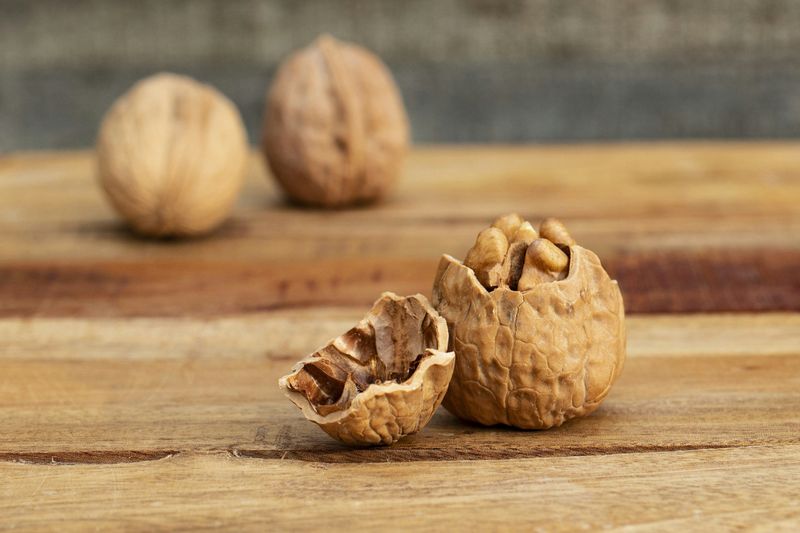
Walnut shells have a reputation for being tough nuts to crack, literally and figuratively. They contain compounds that can inhibit plant growth, making them unwelcome in a compost bin.
Their hard, woody texture also takes a long time to decompose. By keeping walnut shells out of your compost, you protect your garden from potential growth inhibitors and ensure a smoother composting process. Instead, explore other disposal options that keep your compost balanced and beneficial for your plants.