 Complete Gardening
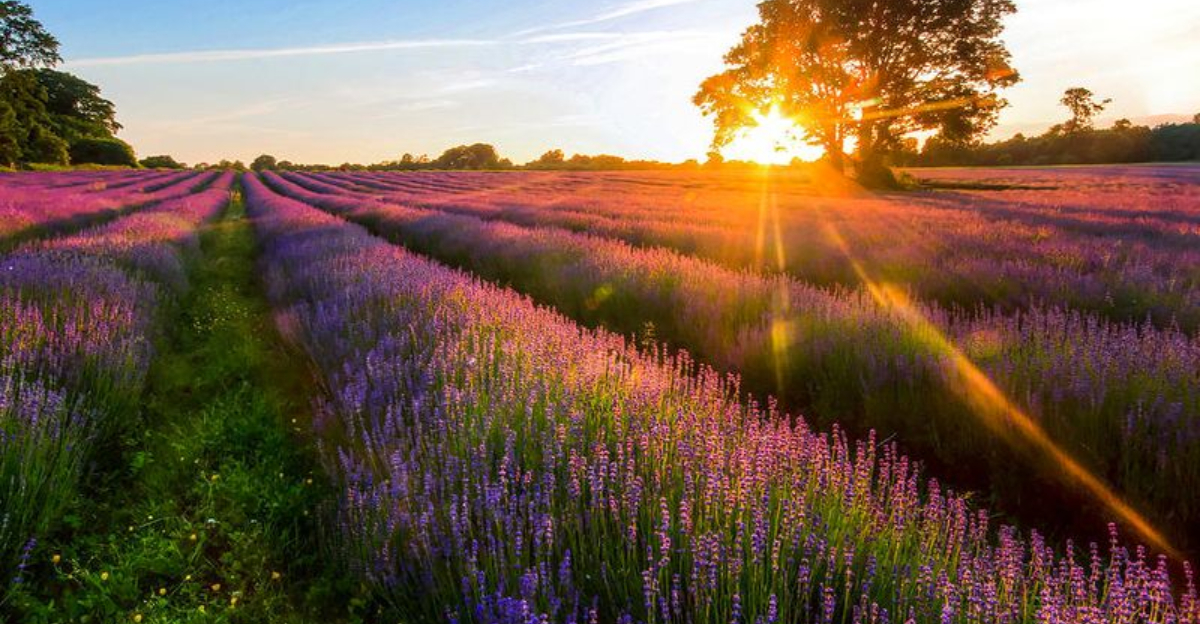
Perennial flowers are the unsung heroes of gardens, providing consistent beauty year after year. These resilient blooms not only promise a vibrant garden from spring to fall but also offer delightful surprises with year-round color. By choosing the right combination, you can create a symphony of colors that evolve with the seasons. This guide presents 24 standout perennials, plus extra picks to keep your garden lively, no matter the season.
1. Black-eyed Susan
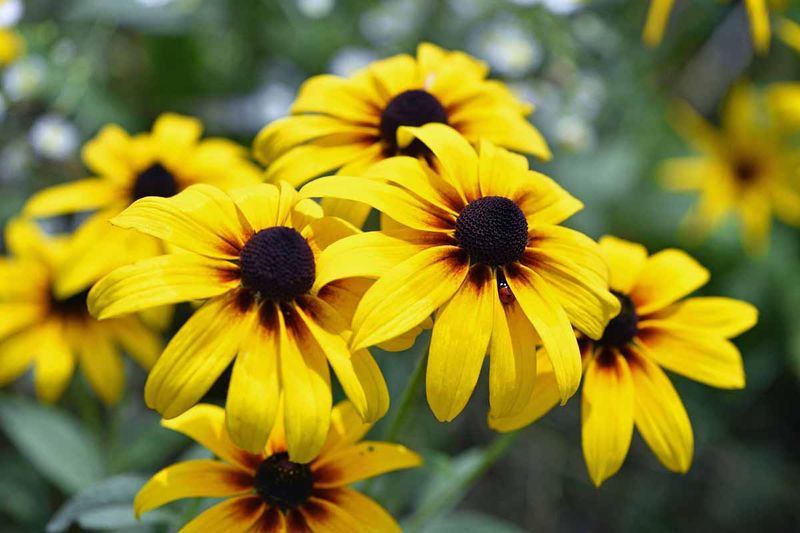
Known for its cheerful, daisy-like appearance, the Black-eyed Susan is a staple for any garden seeking a burst of color. Its golden petals surround a dark brown center, creating a striking contrast. These hardy flowers bloom from mid-summer to early fall, attracting butterflies and bees. With their low maintenance needs, they thrive in a range of soil types, requiring minimal care.
What makes them unique is their adaptability and resilience, managing to flourish even in challenging conditions. Plant them in clusters for a dramatic effect, and enjoy their vibrant presence season after season.
2. Coneflower
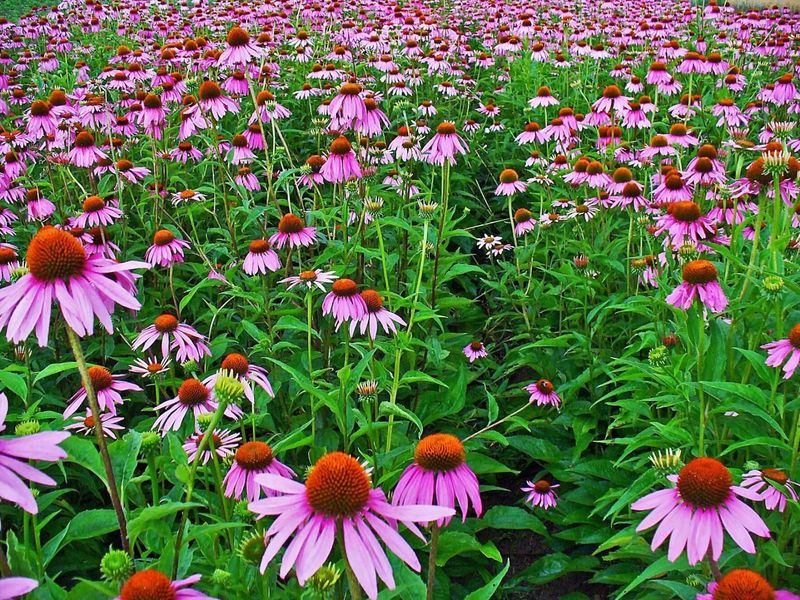
Prized for its bold, vibrant petals, the coneflower stands tall in gardens, adding height and texture. Its purple petals droop gracefully, surrounding a spiky center. Apart from its beauty, it’s a gardener’s favorite due to its drought tolerance and long blooming period from summer to early fall.
Beneficial to pollinators, these flowers are often visited by bees and butterflies, playing a crucial role in the ecosystem. Whether in a formal garden or a wildflower meadow, coneflowers offer color and charm, making them indispensable in perennial landscapes.
3. Daylily
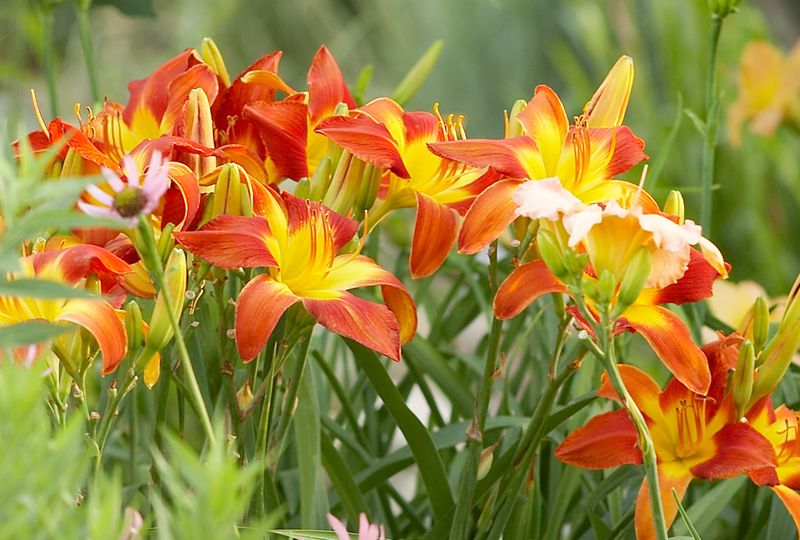
The daylily is a garden marvel known for its wide range of colors and forgiving nature. Blooming in mid-summer, each flower lasts just a day, but fear not—new blooms continuously emerge for weeks. Their trumpet-shaped flowers stand out, especially when planted in large groups.
Daylilies are resilient, tolerating various soil conditions, and they require minimal attention once established. They add a pop of color to borders and pathways, making them a versatile choice for gardeners looking to fill spaces with effortless beauty.
4. Lavender
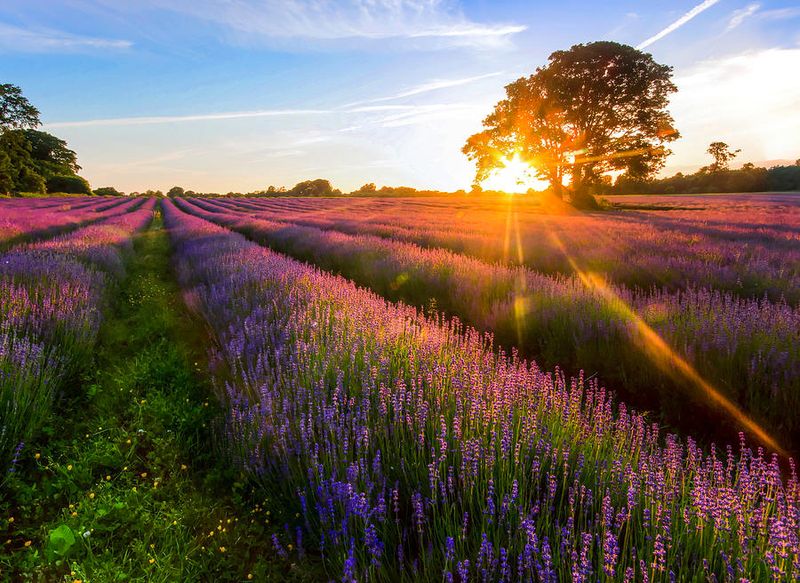
Synonymous with tranquility, lavender is cherished for its aromatic foliage and delicate purple flowers. Blooming in late spring, it continues to offer color and fragrance through summer. Lavender thrives in well-drained soil and sunny locations, making it perfect for rock gardens or borders.
The scent not only calms but also attracts pollinators, creating a lively garden atmosphere. Beyond beauty, lavender is used in culinary and medicinal applications, adding to its appeal. With its silvery leaves and vibrant blooms, lavender is a must-have for those seeking elegance and charm.
5. Peony
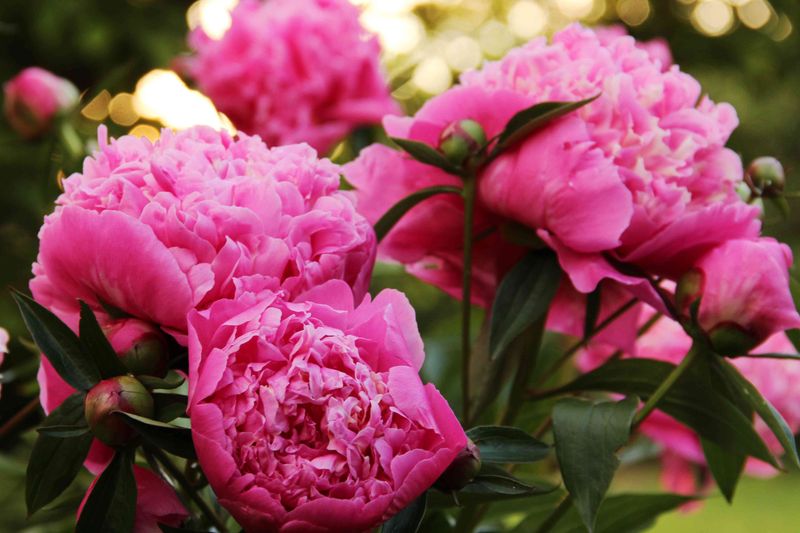
Peonies are the epitome of garden elegance, with their lush, fragrant blooms that captivate every spring. Their large, ruffled flowers range from soft pinks to vibrant reds. Despite their delicate appearance, peonies are surprisingly robust, thriving in sunny spots with well-drained soil.
These perennial favorites are not just about beauty; they symbolize romance and prosperity. As a bonus, peonies have a long lifespan, offering decades of floral delight. Perfect for bouquets, their blooms bring an element of luxury and nostalgia to any garden setting.
6. Hosta
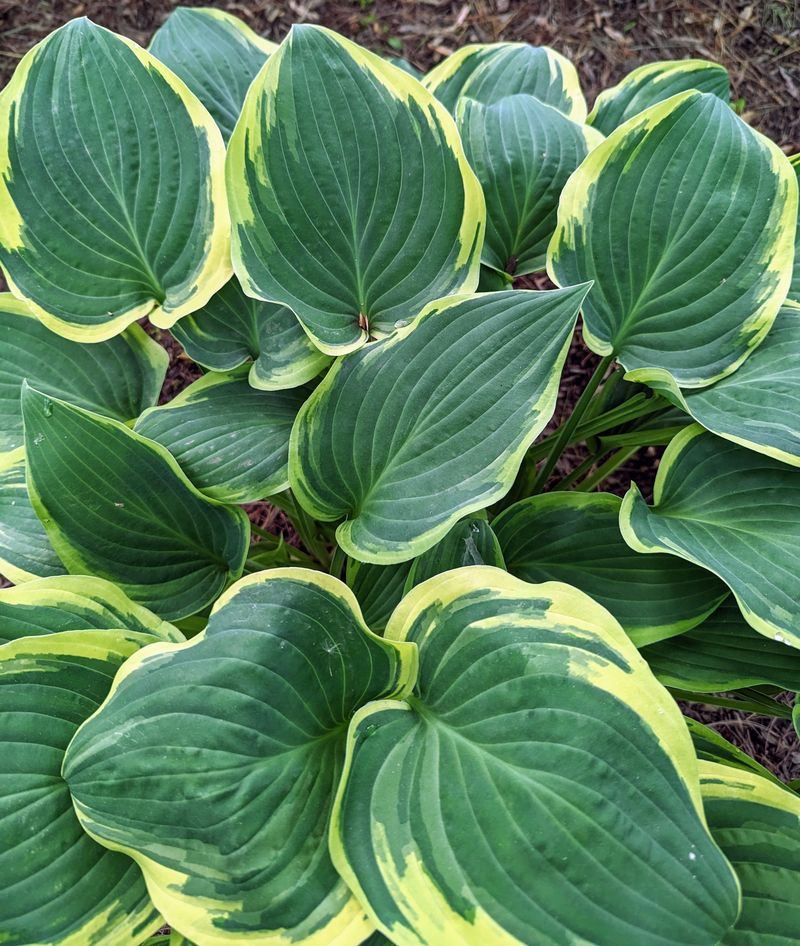
Hostas are beloved for their lush foliage rather than flowers, transforming shaded garden areas into verdant retreats. Available in various sizes and leaf colors, from deep green to blue and variegated patterns, they add texture and depth. While their flowers are modest, their leaves offer visual interest throughout the growing season.
Ideal for edging and borders, hostas thrive in rich soil and shaded spots. Not just a pretty plant, they’re also deer-resistant, making them practical for many gardeners. Hostas bring tranquility and elegance to any garden.
7. Bee Balm
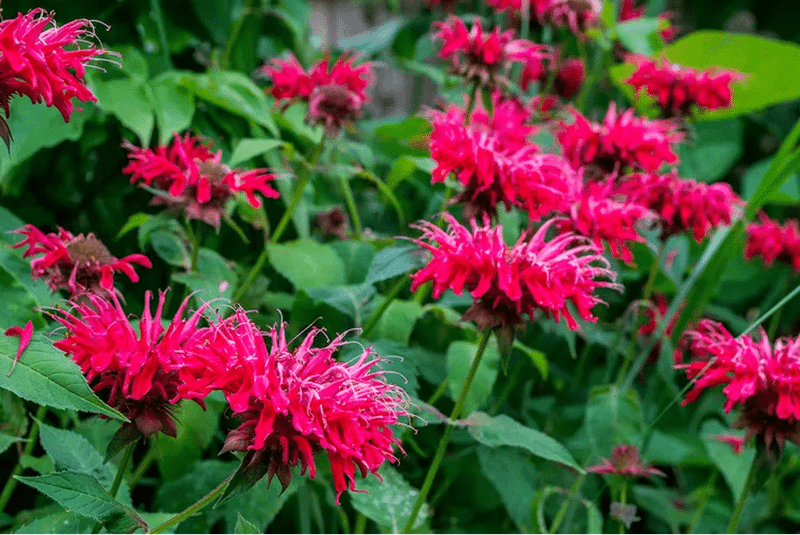
With its unique, spiky blooms, bee balm is a showstopper in any garden. These flowers, blooming in midsummer, come in shades of red, pink, and purple, drawing hummingbirds, bees, and butterflies. Bee balm thrives in sunny locations and prefers moist, well-drained soil.
Aside from their beauty, bee balms have medicinal properties and are used in teas and herbal remedies. They add a wild, carefree feel to gardens, making them a favorite for naturalistic designs. Their vibrant colors and aromatic leaves ensure they never go unnoticed.
8. Shasta Daisy
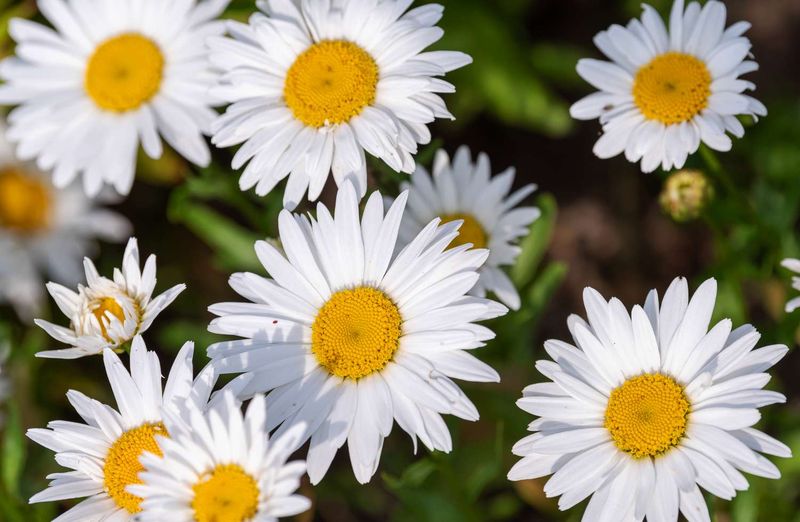
Shasta daisies bring a touch of classic beauty to gardens with their white petals and sunny yellow centers. Blooming from early summer through fall, they are a staple in perennial borders and cottage gardens. These daisies are easy to care for, thriving in well-drained soil and full sunlight.
Their cheerful appearance and ability to attract pollinators make them a garden favorite. Whether planted in groups or mixed with other perennials, Shasta daisies provide a timeless appeal, embodying the spirit of summer with their enduring blooms.
9. Salvia
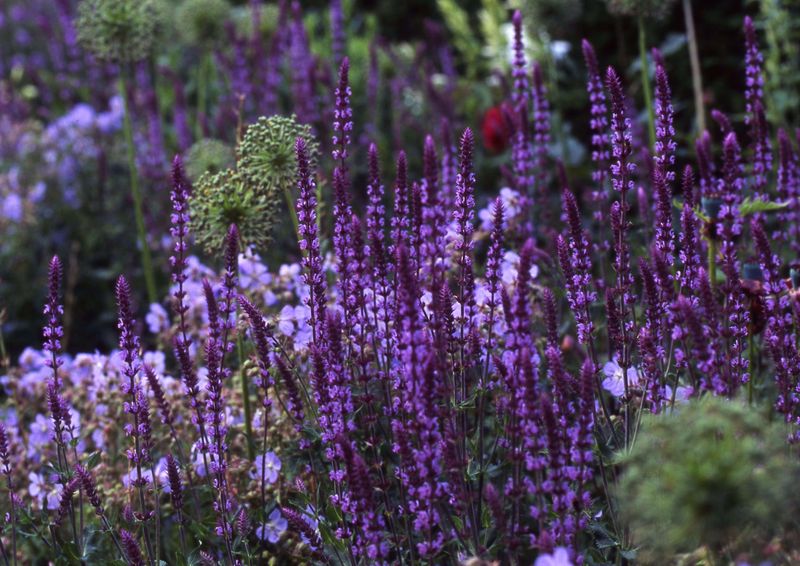
Salvia, with its tall spikes of vibrant flowers, adds vertical interest and color to gardens. Blooming from late spring to early fall, these flowers come in shades of purple, blue, and red. Loved by pollinators, salvia is a magnet for bees and butterflies, making it a lively addition to any space.
Drought-tolerant and easy to grow, salvia thrives in sunny spots with well-drained soil. Its aromatic foliage adds another layer of interest, making it a favorite for sensory gardens. Salvia’s bold presence is sure to enliven any garden setting.
10. Astilbe
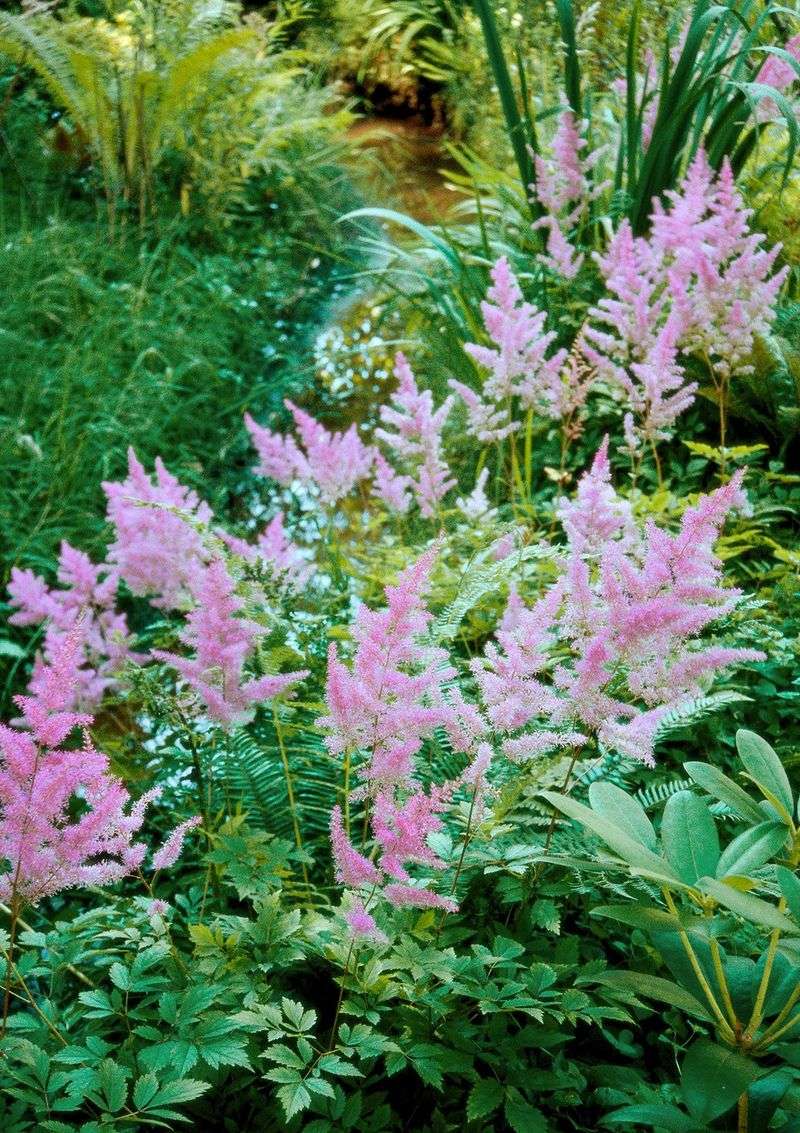
Astilbe is perfect for adding texture and color to shaded garden areas with its plume-like flowers and fern-like foliage. Blooming in early summer, astilbe comes in a palette of pinks, reds, and whites. These flowers thrive in moist, well-drained soil, making them ideal for woodland gardens.
Astilbe’s feathery blooms sway gently in the breeze, creating a soft, romantic atmosphere. While they prefer shade, they can tolerate some sun with adequate moisture. Astilbe adds elegance and movement, enhancing the beauty of any shaded garden.
11. Coreopsis
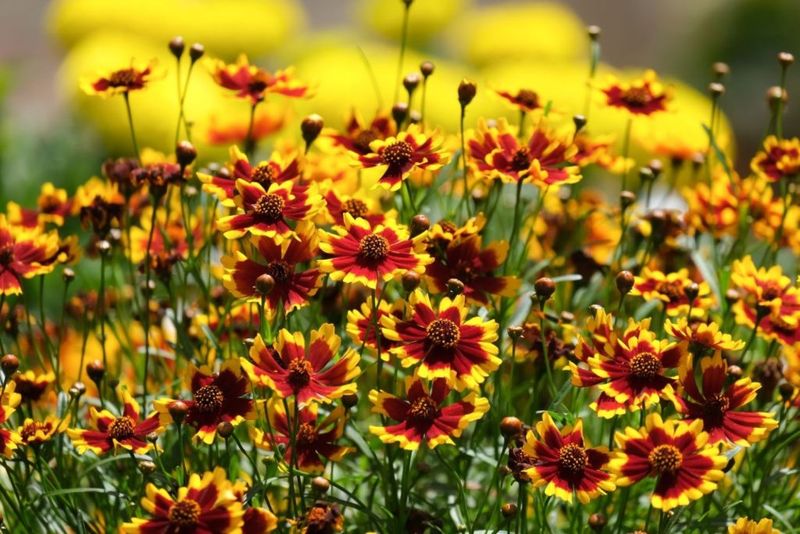
Coreopsis, often called tickseed, brings sunshine to gardens with its bright, daisy-like flowers. Blooming from late spring to late summer, these flowers are treasured for their long blooming season and resilience. Coreopsis prefers full sun and well-drained soil, making them ideal for borders and rock gardens.
Their cheerful blooms attract butterflies, adding life and movement to gardens. Low-maintenance and drought-tolerant, coreopsis is a reliable choice for gardeners seeking vibrant, lasting color. Their sunny disposition ensures they stand out in any garden setting.
12. Bleeding Heart
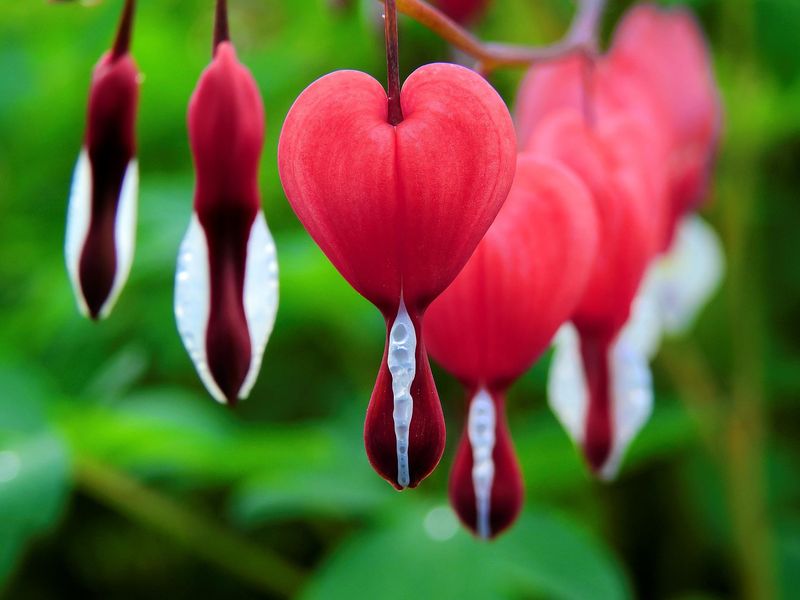
The bleeding heart captivates with its heart-shaped blooms, adding an element of romance to gardens. These flowers, ranging in shades of pink and white, appear in early spring, hanging gracefully from arching stems. Preferring shaded areas and moist soil, they bring life to woodland gardens.
Their unique shape and soft colors make bleeding hearts a favorite among gardeners looking for a touch of whimsy. Though the foliage dies back after blooming, their early-season beauty makes them a cherished part of any garden’s tapestry.
13. Hibiscus
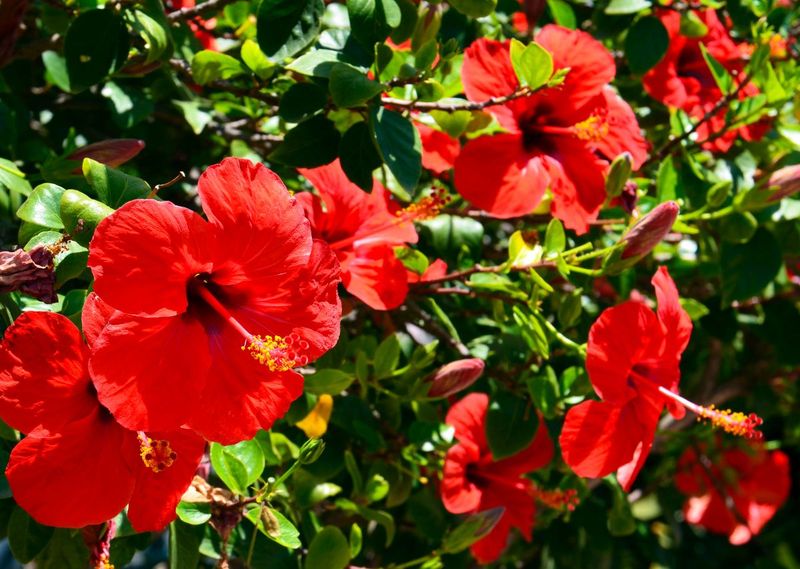
Hibiscus is a tropical delight, known for its large, trumpet-shaped flowers that come in a rainbow of colors. Blooming from midsummer to fall, these flowers make a bold statement in gardens. Hibiscus thrives in well-drained soil and sunny locations, bringing an exotic feel to temperate gardens.
Apart from their beauty, hibiscus flowers are used in teas and culinary dishes, adding a flavorful twist. Their dramatic blooms and lush foliage ensure they are a focal point wherever planted, creating a paradise-like atmosphere.
14. Russian Sage
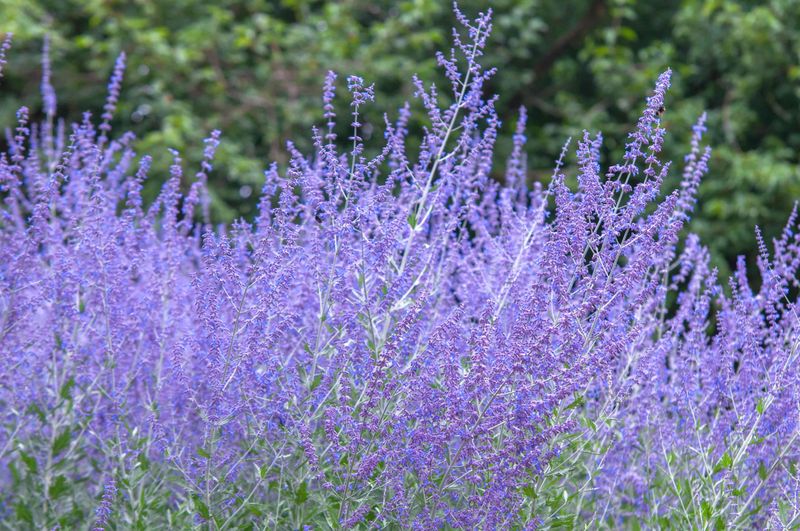
Russian sage is a gardener’s favorite for its silvery foliage and tall, wispy spikes of lavender-blue flowers. Blooming from mid-summer to fall, it adds a touch of elegance and movement to gardens. It’s drought-tolerant and thrives in sunny, well-drained locations.
The subtle lavender scent and delicate colors make Russian sage a serene choice for gardens. Its airy structure creates a soft, flowing look, perfect for borders and mixed plantings. Russian sage’s beauty and resilience make it a staple for low-maintenance landscapes.
15. Yarrow
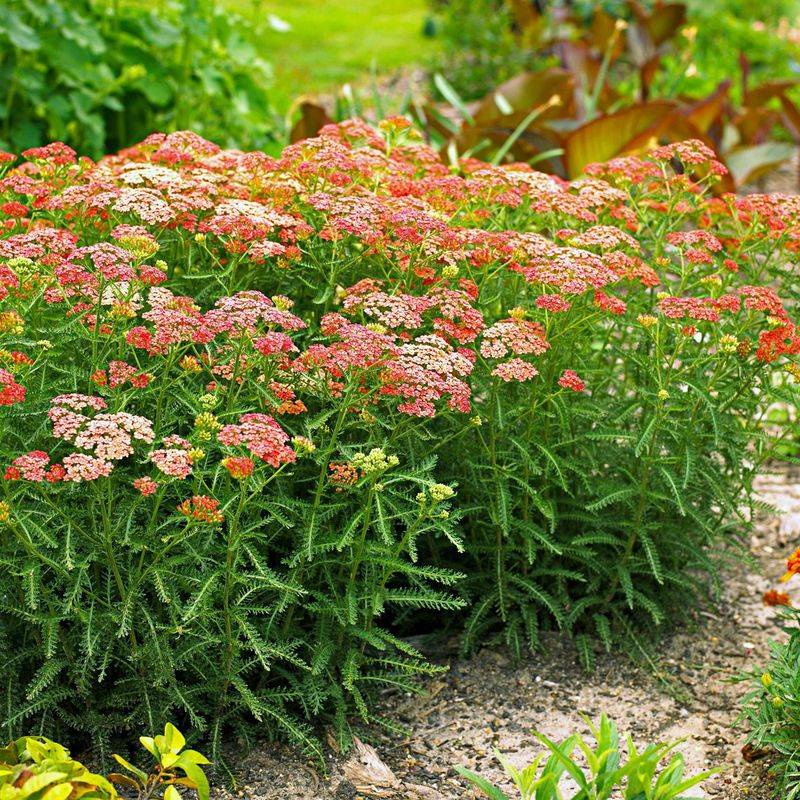
Yarrow, with its clusters of flat-topped flowers and feathery foliage, is a versatile perennial. Blooming from late spring through summer, yarrow comes in a variety of colors including yellow, white, and pink. It thrives in sunny, well-drained areas and is remarkably drought-tolerant.
Not only are they visually appealing, but yarrow flowers are also used in traditional medicine for their healing properties. Their ability to attract beneficial insects makes them a valuable addition to any garden, providing both beauty and ecological benefits.
16. Japanese Anemone
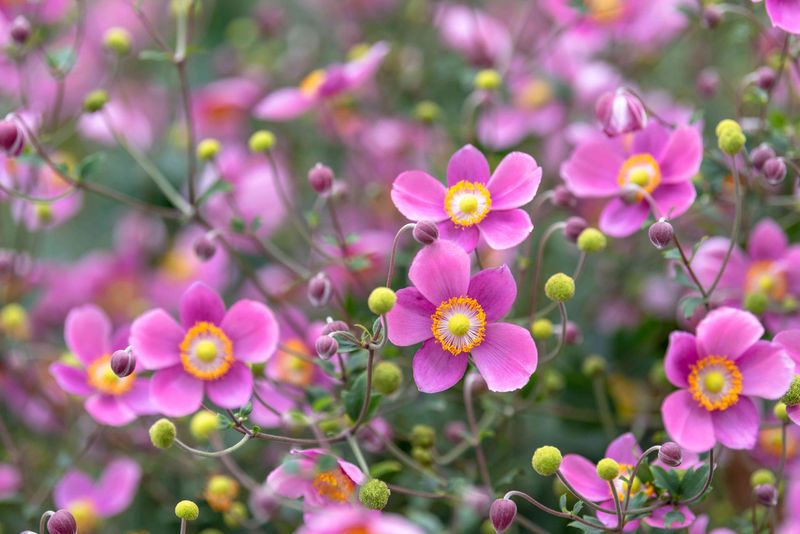
Japanese anemones are a late-season delight, offering blooms from late summer into fall. Their delicate flowers, with hues of pink and white, add a touch of elegance and grace. These flowers prefer partial shade and rich, well-drained soil, making them ideal for woodland and cottage gardens.
The light and airy blossoms dance in the breeze, providing a soft contrast to bolder plants. Japanese anemones are perfect for extending the garden’s colorful display into the cooler months, adding a serene beauty to any landscape.
17. Sedum
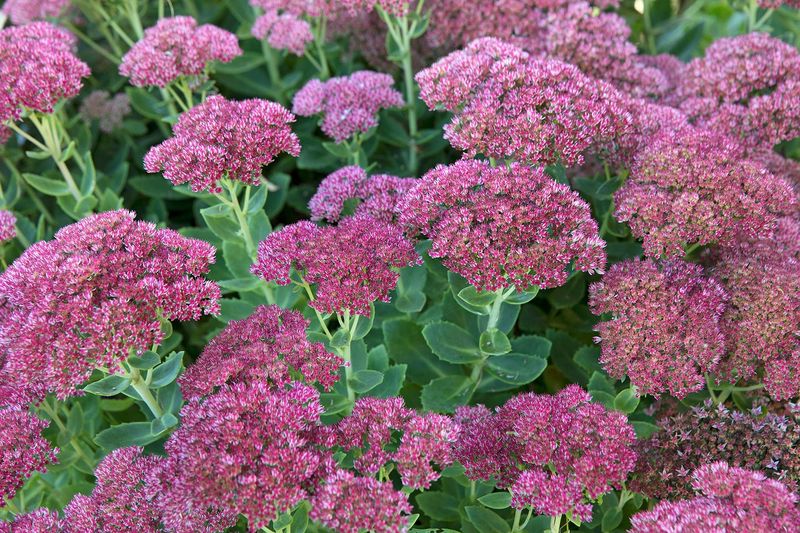
Sedum, also known as stonecrop, is a succulent perennial prized for its fleshy leaves and star-shaped flowers. Blooming in late summer and fall, sedum offers a palette of pink, red, and yellow hues. Ideal for rock gardens and borders, they thrive in sunny, well-drained locations.
Their drought resistance and low-maintenance nature make them a gardener’s dream. Sedum adds texture and color, creating visual interest even in the leanest of garden spaces. Their long-lasting blooms and robust growth make them an asset to any garden design.
18. Foxglove
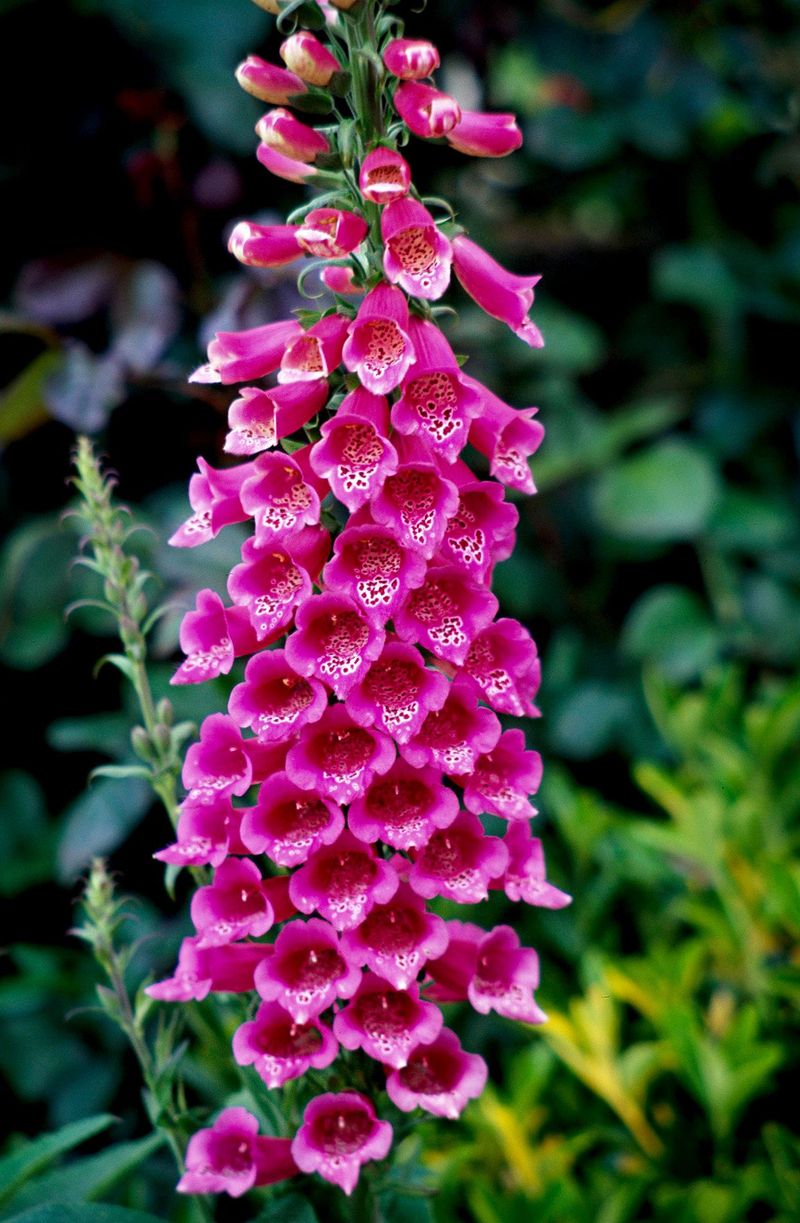
Foxglove is known for its tall spikes adorned with bell-shaped flowers that add height and drama to gardens. Blooming in early summer, these flowers vary in shades from purple to pink, with speckled throats. Foxglove thrives in partial shade and well-drained soil, making it suitable for woodland gardens.
Their striking appearance and historical use in medicine add intrigue and allure. While they are beautiful, it’s important to note that all parts of the plant are toxic if ingested. Foxglove’s enchanting presence is unmatched, bringing an element of mystery and elegance.
19. Delphinium
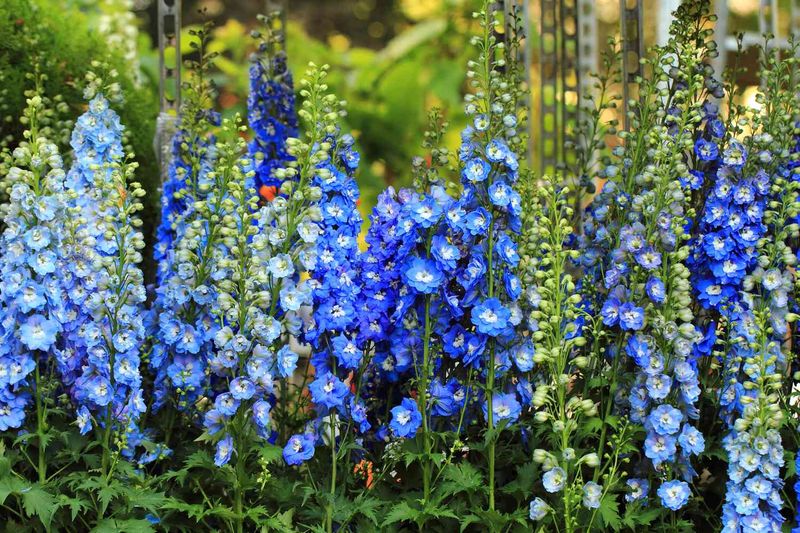
Delphiniums are the quintessential cottage garden flower, known for their towering spikes of vibrant blooms. They range in colors from blue to purple and pink, offering a vertical accent to any garden. Blooming in early summer, they prefer full sun and rich, well-drained soil.
Their striking beauty makes them a favorite for cut flower arrangements and garden focal points. While delphiniums require some care, their dramatic presence and color payoff are well worth the effort. They bring a touch of classic elegance and splendor to garden spaces.
20. Phlox
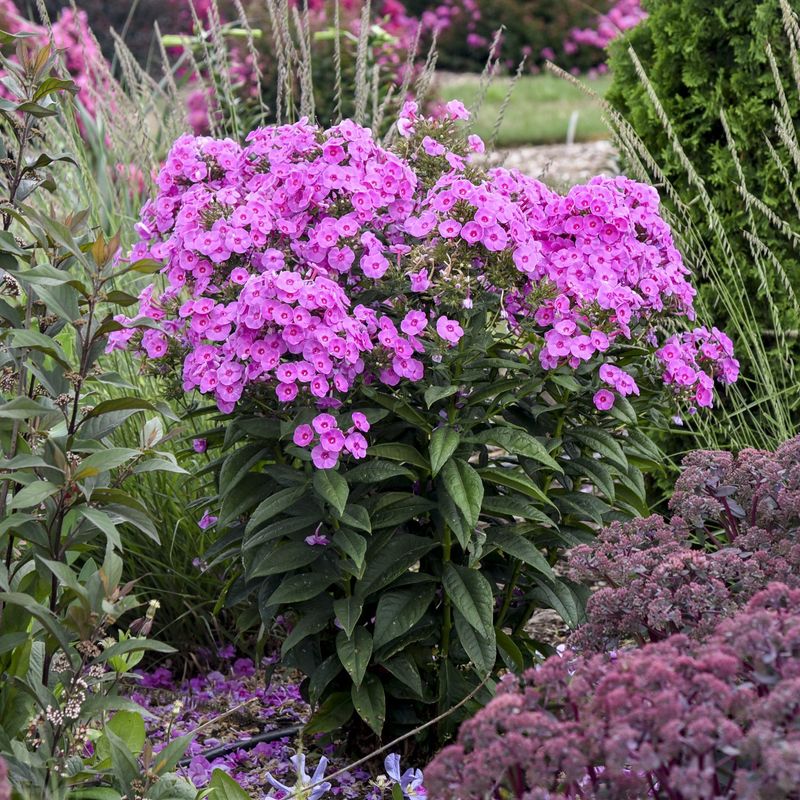
Phlox is cherished for its fragrant blooms and diverse color palette, ranging from white to deep pinks and purples. Blooming in summer, phlox adds softness and charm to borders and garden beds. They thrive in full sun and well-drained soil, attracting butterflies and hummingbirds.
These flowers are known for their sweet fragrance and ability to create a lush, colorful display. Phlox is perfect for cottage gardens, bringing a sense of nostalgia and warmth. Their ability to blend with other perennials makes them a versatile choice for any garden.
21. Hellebore
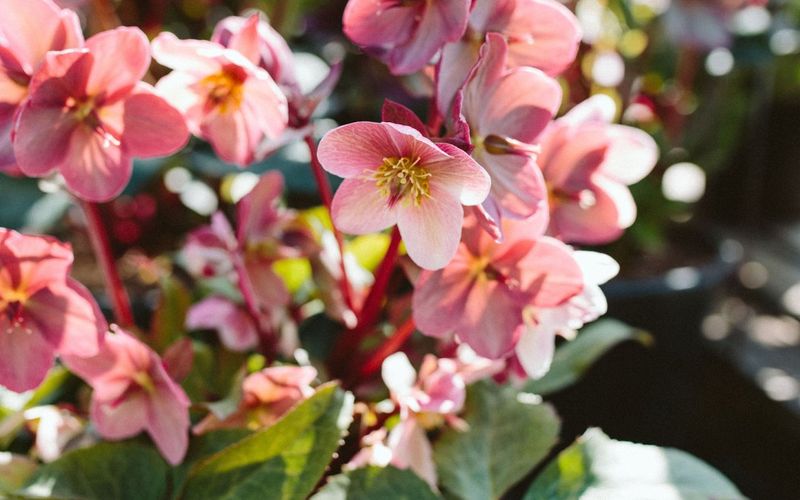
Hellebores, often called Lenten roses, are prized for their early blooms that herald the end of winter. Their flowers, available in white, pink, and purple, bloom from late winter to early spring, thriving in shady, well-drained areas.
These hardy blossoms add color when little else does, making them invaluable for extending the gardening season. With their nodding heads and evergreen foliage, hellebores offer year-round interest and a touch of elegance. Their resilience and unique timing make them a gardener’s treasure.
22. Gaillardia
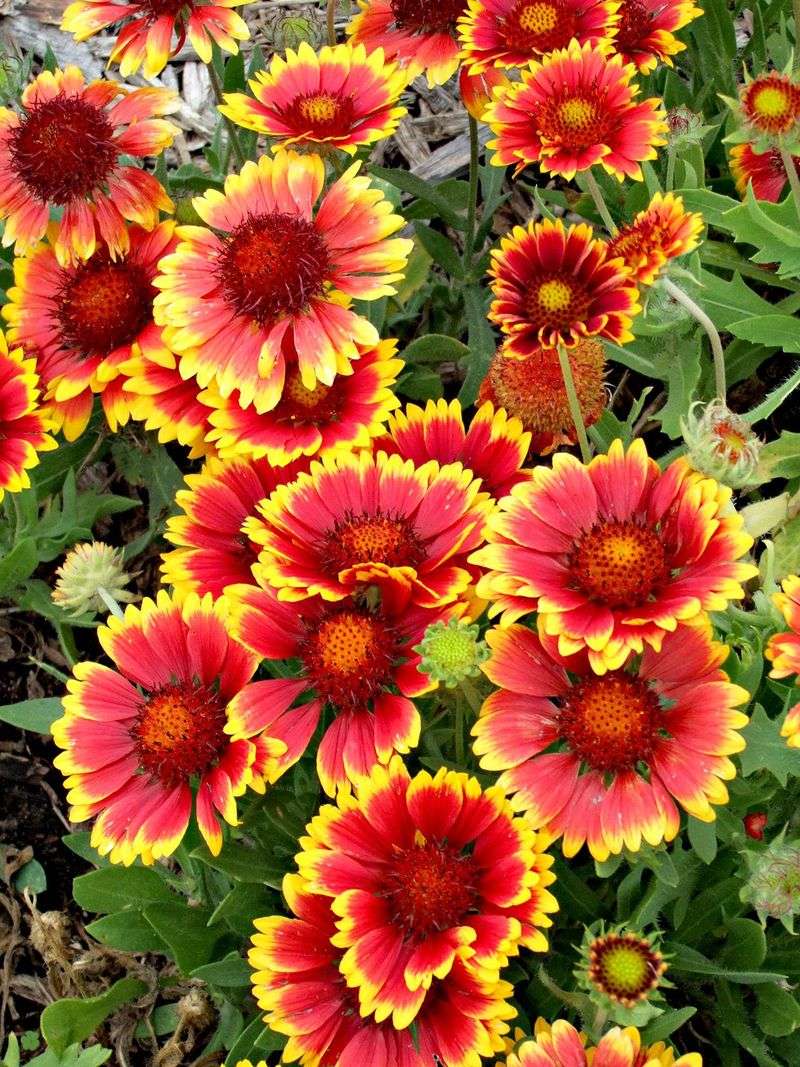
Gaillardia, commonly known as blanket flower, is a sun-loving perennial with vivid, daisy-like blooms. Blooming from early summer to fall, these flowers come in fiery shades of red, orange, and yellow. They thrive in well-drained soil and full sun, bringing a splash of color to gardens.
Their long blooming season and drought tolerance make them a favorite for low-maintenance landscapes. Gaillardia’s vibrant colors and carefree nature ensure they stand out, adding warmth and vitality to any garden setting, no matter the style.
23. Veronica
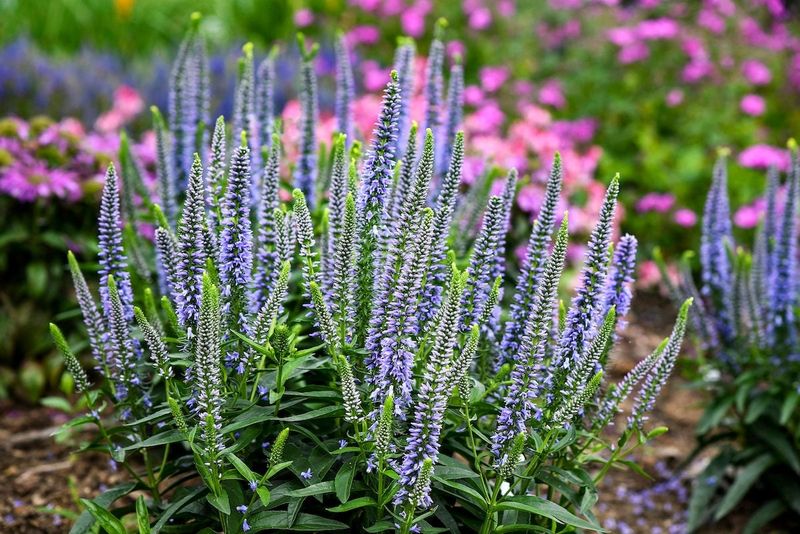
Veronica, or speedwell, is celebrated for its graceful spikes of flowers that bloom from early summer to fall. Available in shades of blue, purple, and white, veronica is a versatile addition to perennial gardens. These flowers thrive in sunny, well-drained locations, attracting pollinators.
Their vertical form adds structure and elegance, making them perfect for borders and mixed plantings. Veronica’s ability to blend seamlessly into garden designs ensures they complement a wide range of other perennials, adding charm and sophistication.
24. Aster
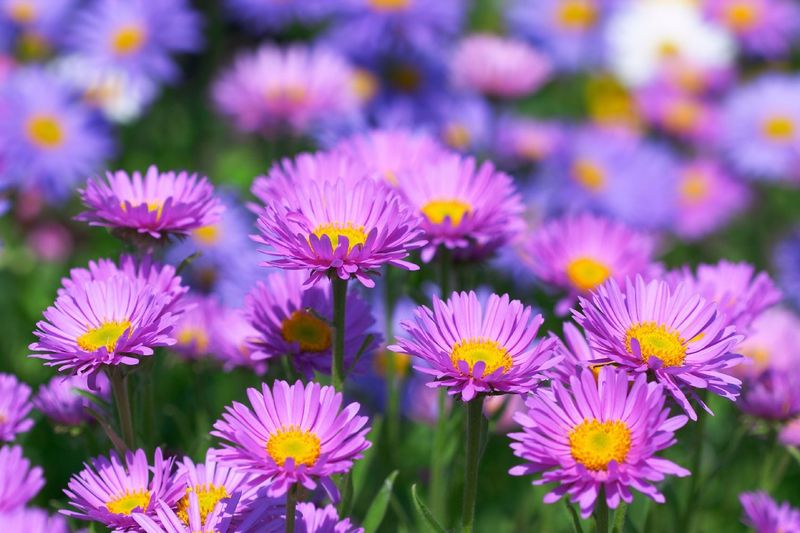
Asters are the quintessential fall bloomers, bringing an abundance of color to gardens just as summer fades. Their star-shaped flowers, in shades of purple, pink, and white, attract butterflies and pollinators. Asters thrive in well-drained soil and sunny locations, extending the garden’s beauty into autumn.
Their ability to bridge the seasons makes asters invaluable for maintaining interest throughout the year. Whether in a border or as part of a meadow, asters add vibrancy and life, ensuring gardens remain lively and engaging long past summer.
25. Chrysanthemum
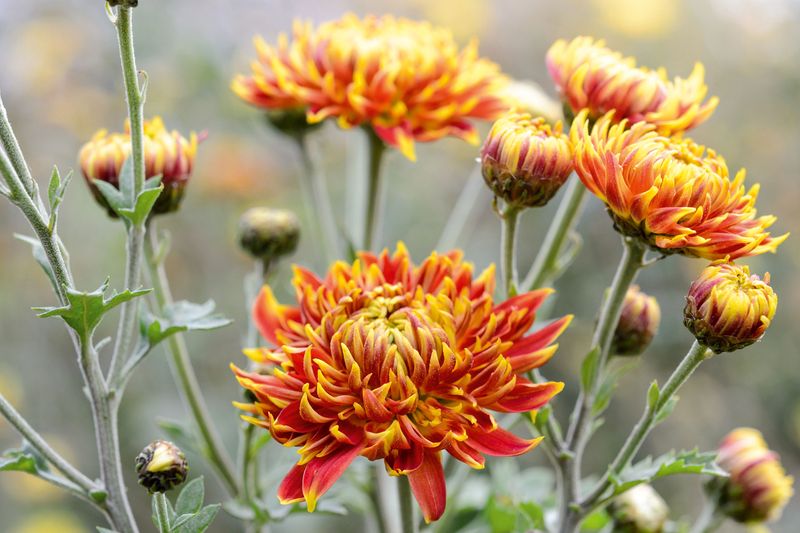
Chrysanthemums, or mums, are beloved for their vibrant display in late fall, when most other flowers have faded. Their blooms come in a kaleidoscope of colors, including yellow, pink, red, and white. Mums prefer full sun and well-drained soil, making them ideal for borders and containers.
Apart from their beauty, chrysanthemums are associated with various cultural traditions and festivals, adding depth to their appeal. Their late-season blooms ensure gardens remain colorful and lively, offering a final burst of vibrancy before winter sets in.
26. Camellia
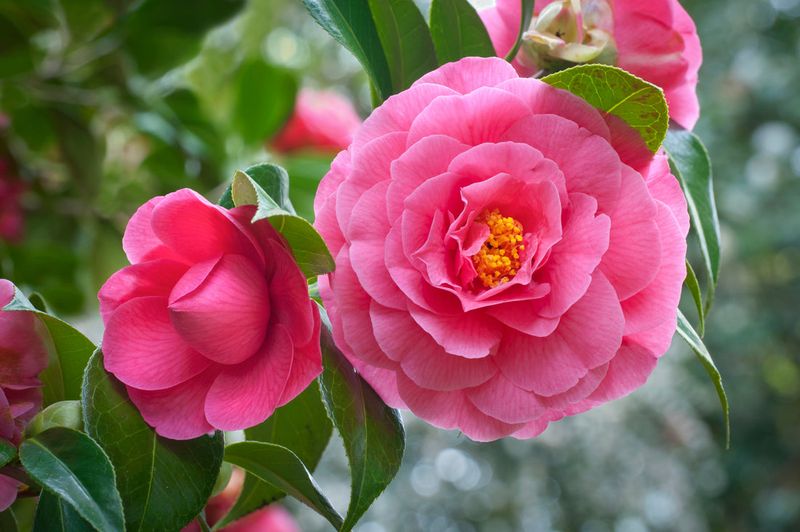
Camellias are winter bloomers that bring elegance and color when few other plants do. Their rose-like flowers, available in shades of pink, red, and white, bloom from late fall to early spring. Camellias thrive in partial shade and well-drained, acidic soil.
Their glossy, evergreen foliage and long blooming period make them a staple for winter gardens. Camellias add a touch of sophistication, bridging the gap between seasons and ensuring gardens remain vibrant year-round. Their timeless beauty and enduring blooms make them a gardener’s favorite.