 Complete Gardening
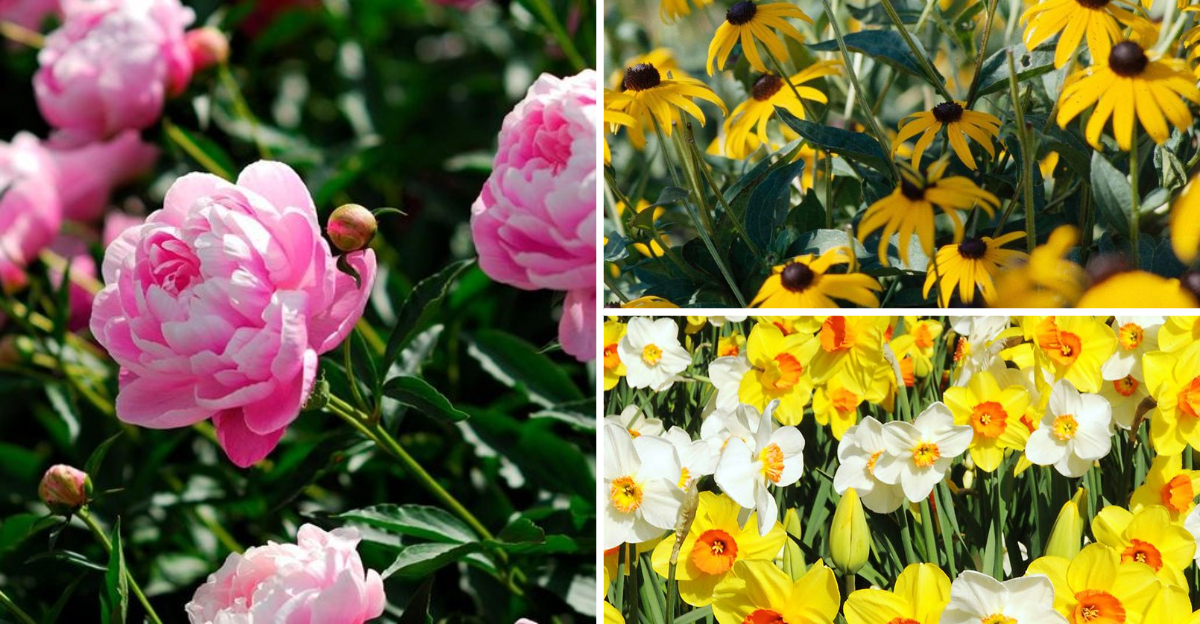
Perennial flowers are a gardener’s delight, offering bloom after bloom year after year. They are the backbone of any garden, providing consistent color and texture throughout the seasons. Whether you’re a seasoned gardener or a novice, these perennial flowers will ensure your garden is a vibrant tapestry of hues, transforming your outdoor space into a haven of beauty. From sunny yellows to deep purples, these flowers are not only beautiful but also hardy and easy to care for. Here’s a curated list of 24 perennial flowers that will pop up every blooming season.
1. Lavender
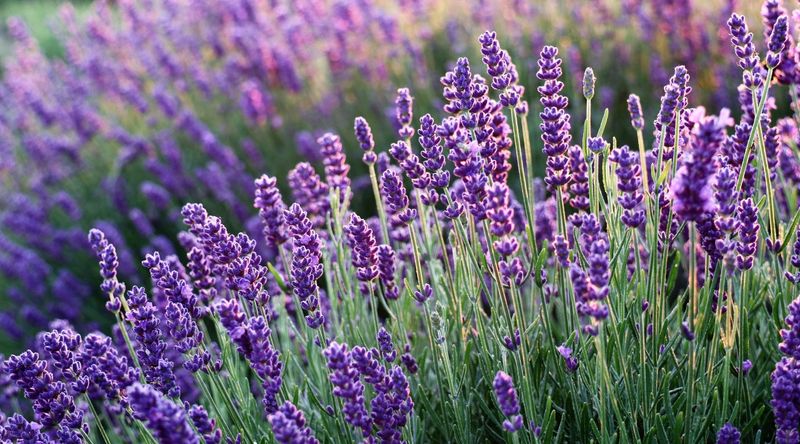
Lavender, with its calming scent, brings serenity. Its purple spikes stand tall, swaying gently in the breeze. This plant thrives in sunny spots, making it ideal for garden borders or containers on a patio. Known for its aromatic qualities, lavender is often used in sachets or oils. The plant’s silver-green foliage adds a cool tone to garden palettes. Its historical use as a remedy highlights its enduring appeal. Lavender attracts pollinators, ensuring your garden is buzzing with life. Its resilience in drought conditions makes it a practical, as well as beautiful, choice.
2. Coneflower
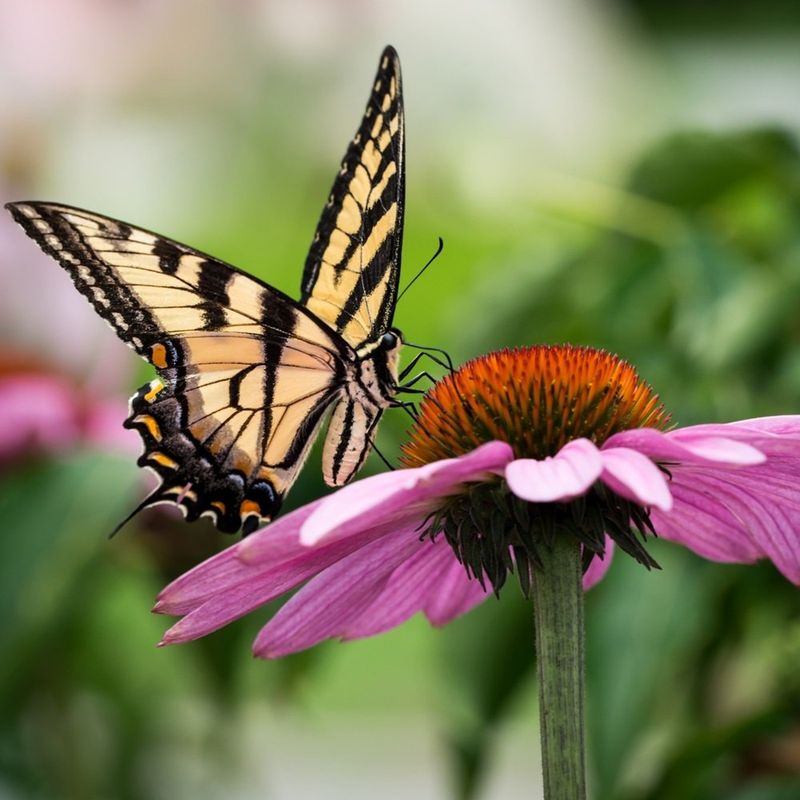
Echinacea, commonly known as coneflower, is a beacon for butterflies. Its daisy-like petals and prominent cone center add architectural interest. Coneflowers are adaptable, thriving in various climates. They’re perfect for adding height to flower beds. These flowers are not just ornamental; they have medicinal properties too. Native to North America, they have a rich tradition in herbal remedies. Coneflowers are drought-resistant, making them a smart choice for sustainable gardens. Their long blooming season ensures your garden remains vibrant well into the late summer months.
3. Peony
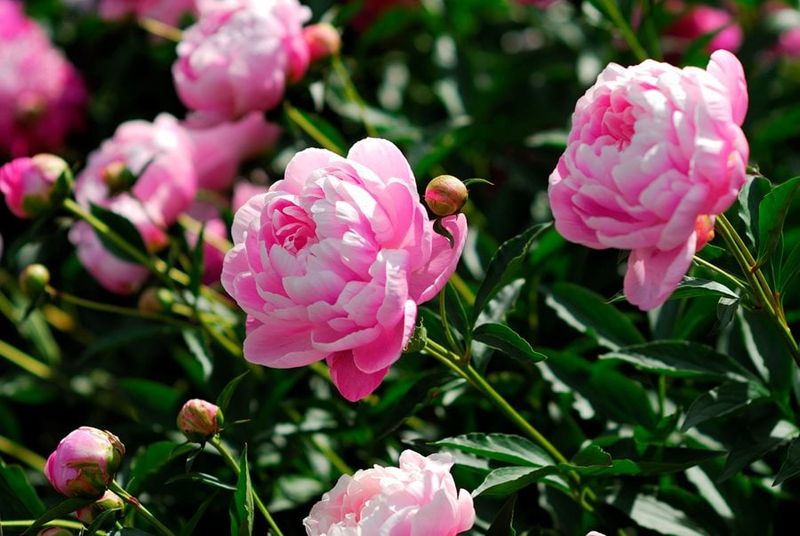
Peonies are the stars of the garden, with their large, lush blooms. Their history dates back to ancient China, celebrated in art and recordings. Peonies come in a variety of colors, from soft pinks to deep reds. The fragrance is sweet and intoxicating, often used in perfumes. These flowers thrive in well-drained soil, preferring full sun. Peonies are long-lived, sometimes blooming for over a century if undisturbed. Their beauty is unparalleled, making them a favorite for wedding bouquets. As cut flowers, peonies grace any home with elegance and charm.
4. Daylily
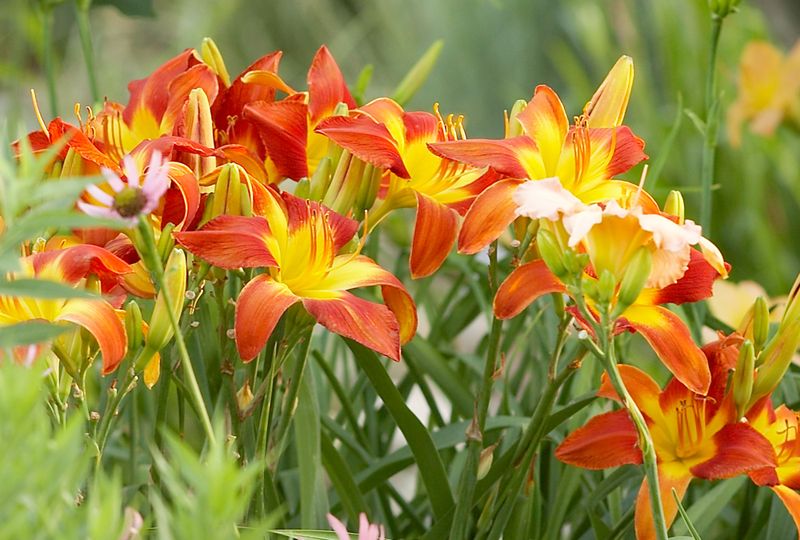
Daylilies are a gardener’s dream, offering low maintenance with high rewards. Their trumpet-shaped flowers bloom in a dazzling array of colors. Each bloom lasts just a day, earning its name, but each plant produces multiple buds. Daylilies thrive in various conditions, from full sun to partial shade. They are perfect for mass plantings, creating a sea of color. These hardy perennials are resistant to pests and diseases. Daylilies are also versatile in arrangements, adding a splash of color to bouquets. Their adaptability makes them indispensable in any garden setting.
5. Hosta
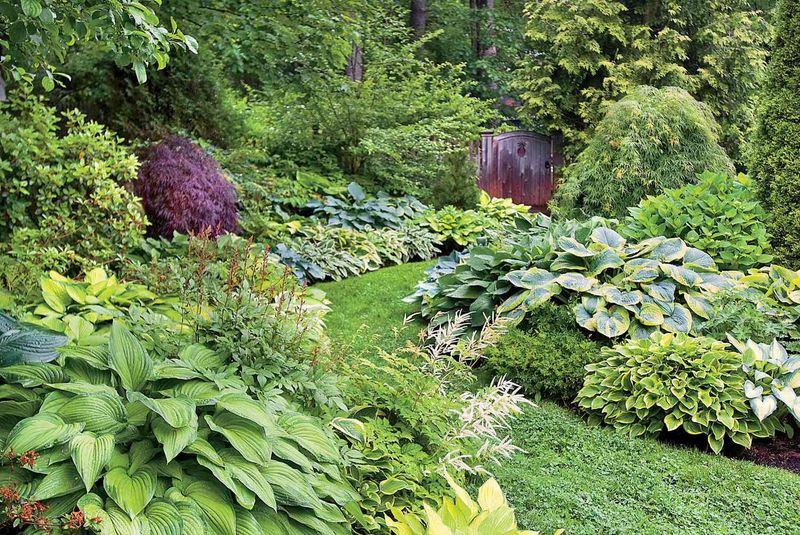
Hostas are the unsung heroes of shaded gardens, with their lush foliage. Varieties range from deep blue-greens to vibrant yellows. They add texture and color where other plants might struggle. Hostas are beloved for their low maintenance and adaptability. Their flowers, though understated, are often fragrant, adding an extra layer of appeal. These plants thrive in rich, well-drained soil, preferring more shade. Hostas are excellent for edging pathways or filling in under trees. Their resilience and beauty make them a staple in landscape design.
6. Black-eyed Susan
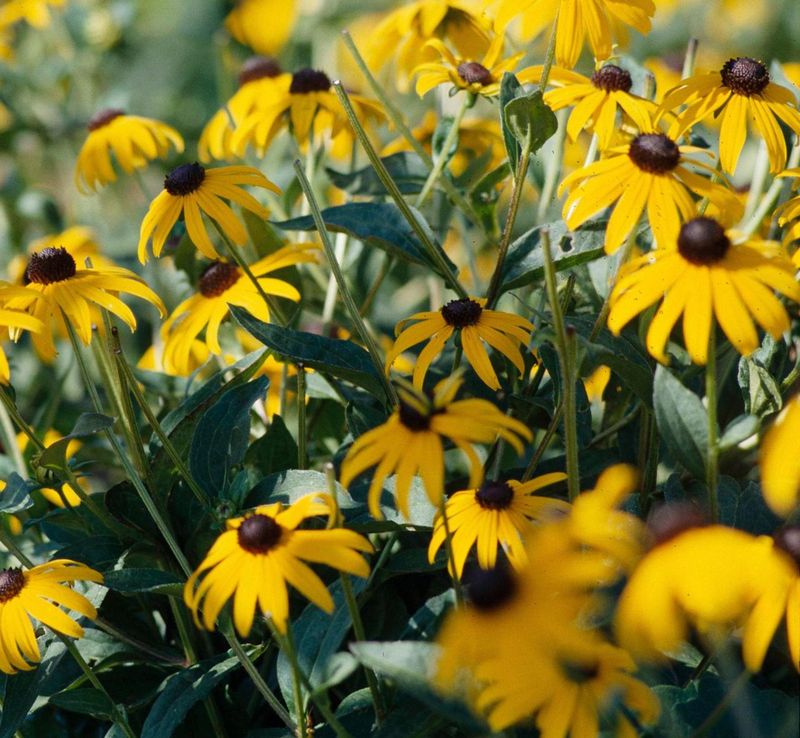
Black-eyed Susans are a symbol of late summer beauty. Their bright yellow petals and dark centers create a striking contrast. These flowers are easy to grow, thriving in full sun and well-drained soil. They’re excellent for naturalizing areas, attracting bees and butterflies. Black-eyed Susans are native to North America, often found in meadows. Their vibrant appearance makes them ideal for brightening up any garden. These perennials are drought tolerant, requiring minimal care once established. Their cheerful blooms are a welcoming sight in any landscape.
7. Daffodil
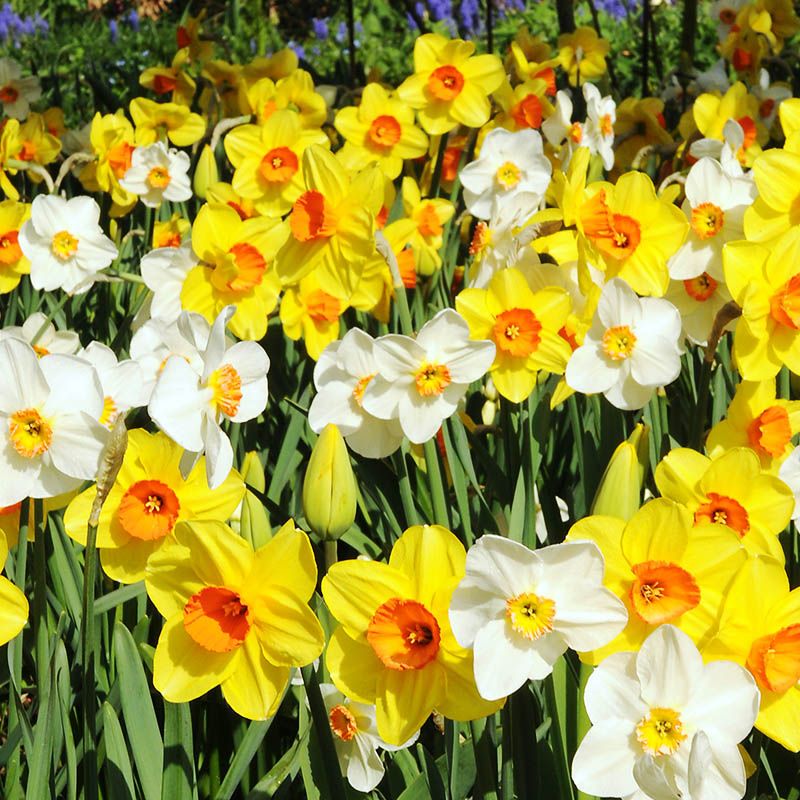
Daffodils herald the arrival of spring with their sunny blooms. Their trumpet-shaped flowers come in shades of yellow, white, and orange. Daffodils are easy to grow, thriving in both garden beds and pots. They’re deer-resistant, making them perfect for naturalized settings. These bulbs are also excellent for cutting, brightening homes with their cheerful presence. Daffodils symbolize renewal and hope, often used in cultural and religious ceremonies. Their ability to multiply over time ensures a growing display year after year. They’re a cornerstone of springtime gardens.
8. Iris
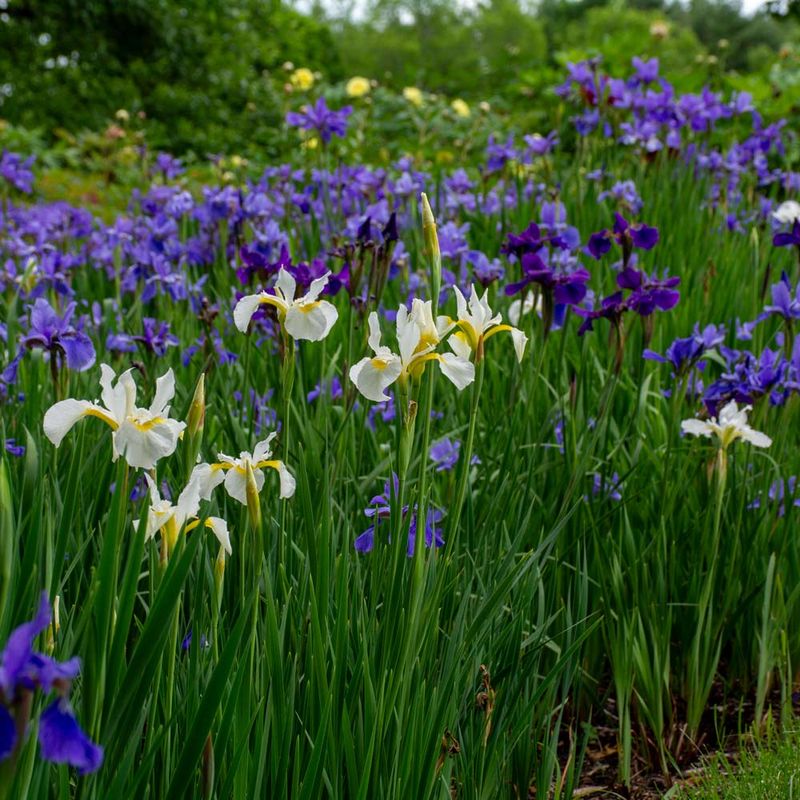
Irises bring elegance and grace to any garden. Their flowers showcase intricate patterns and a rainbow of colors. From royal purples to sunny yellows, irises offer visual interest. These hardy perennials are versatile, thriving in various conditions. Irises are often associated with royalty, adding a touch of sophistication. They prefer sunny spots and well-drained soil, making them easy to care for. Irises are also deer resistant, ensuring their beauty remains untouched. Their unique flower structure adds architectural interest to garden designs.
9. Lupine
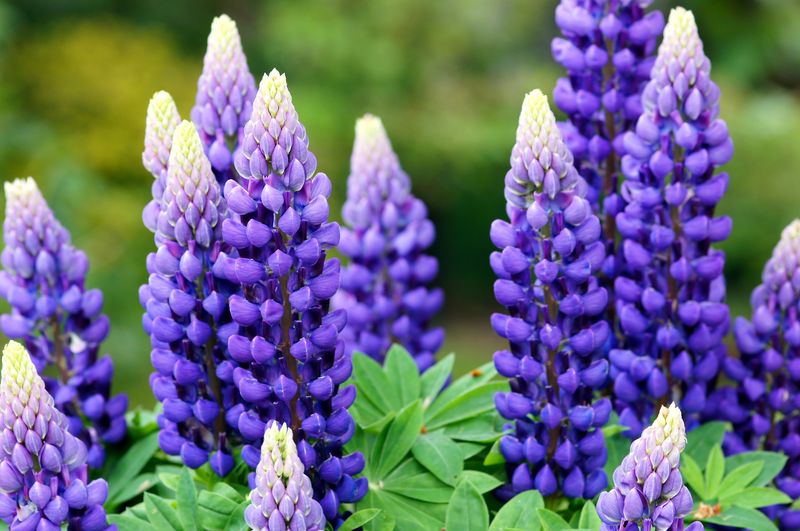
Lupines are a burst of color in late spring. Their tall spikes are adorned with pea-like flowers in various hues. From blues to pinks, lupines add drama to flower beds. These perennials are beneficial, fixing nitrogen in the soil. Lupines thrive in full sun, preferring sandy, well-drained soil. They’re a favorite in wildflower meadows, attracting bees and butterflies. Lupines have historical significance, named after the Roman word for wolf. Their striking appearance and ecological benefits make them a worthy addition to any garden.
10. Bleeding Heart
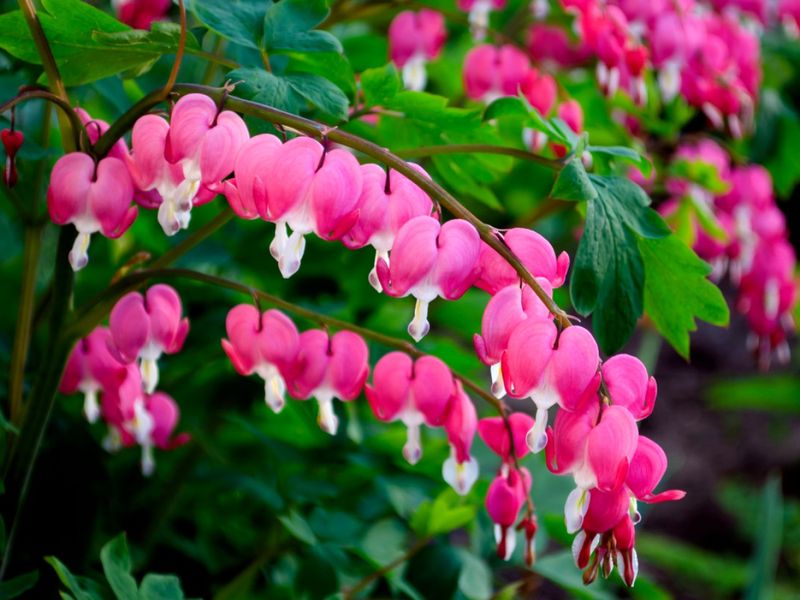
Bleeding hearts are the romantics of the garden world. Their heart-shaped flowers dangle gracefully from arching stems. These perennials prefer shady spots, adding color where others might not flourish. Bleeding hearts are a symbol of undying love and passion. Their delicate appearance belies their hardy nature. They thrive in moist, well-drained soil, blooming in early spring. Bleeding hearts are non-aggressive, coexisting peacefully with other shade-loving plants. Their unique flower form makes them a conversation starter in any garden setting.
11. Phlox
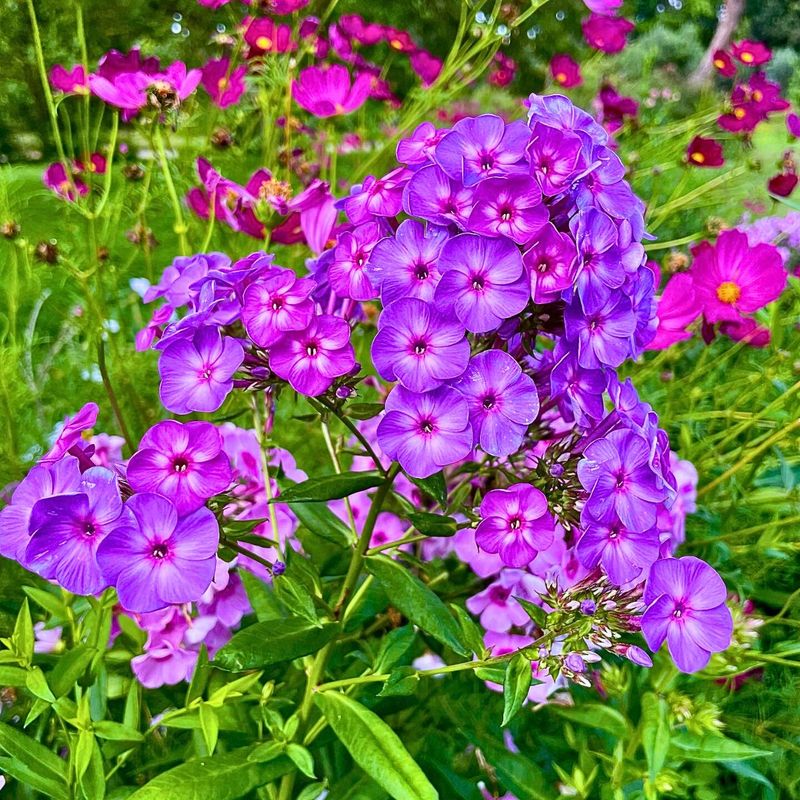
Phlox brings a carpet of color to gardens in mid-summer. Available in a spectrum of colors, from pinks to purples, they create a vibrant display. Phlox is known for its sweet fragrance, attracting butterflies and hummingbirds. These perennials thrive in sunny borders or as ground covers. Phlox prefers rich, well-drained soil, flourishing with minimal care. Its ability to spread adds value to garden landscapes. Phlox is also resistant to mildew and other common garden diseases. Its cheerful blooms bring joy and life to any outdoor space.
12. Salvia
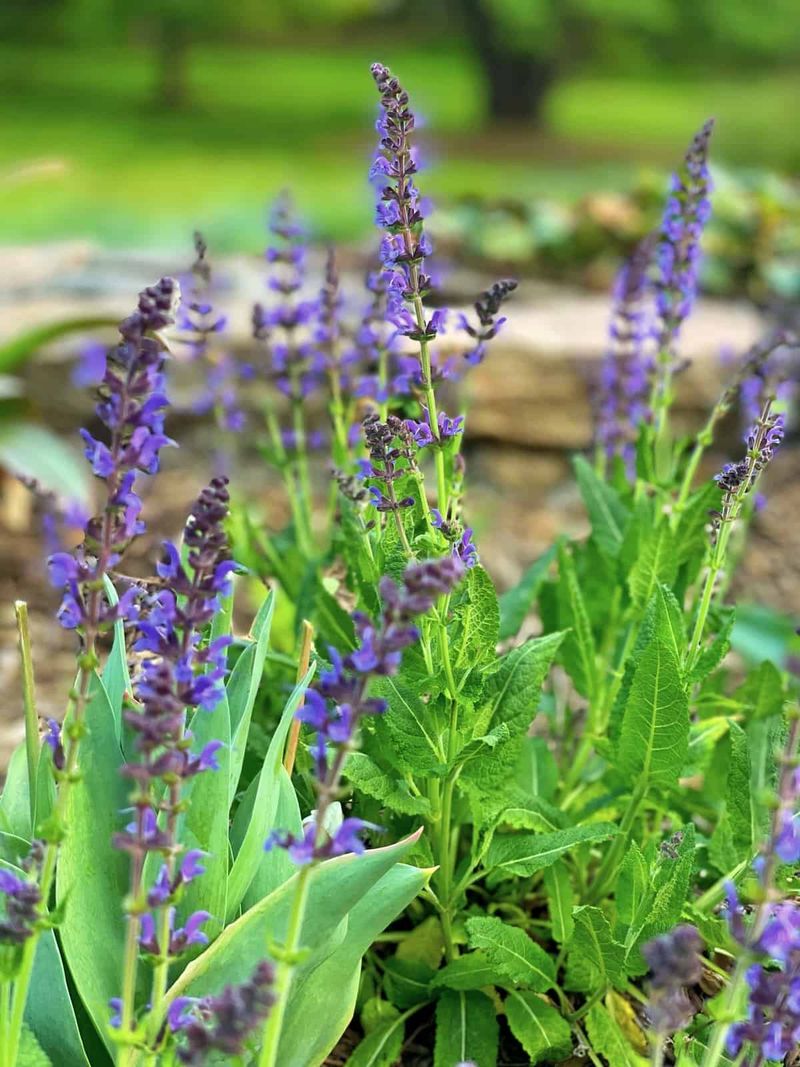
Salvia is a staple in pollinator gardens, with its spiky blooms. These perennials come in various colors, though blue and purple are most common. Salvia’s aromatic leaves add sensory appeal. It’s drought-tolerant, making it ideal for eco-friendly gardens. Salvia thrives in full sun, adding vertical interest to flower beds. Its long blooming season ensures color throughout summer. Salvia is deer resistant, maintaining its beauty even in challenging conditions. This plant’s versatility and resilience make it a garden favorite, attracting bees and hummingbirds alike.
13. Yarrow
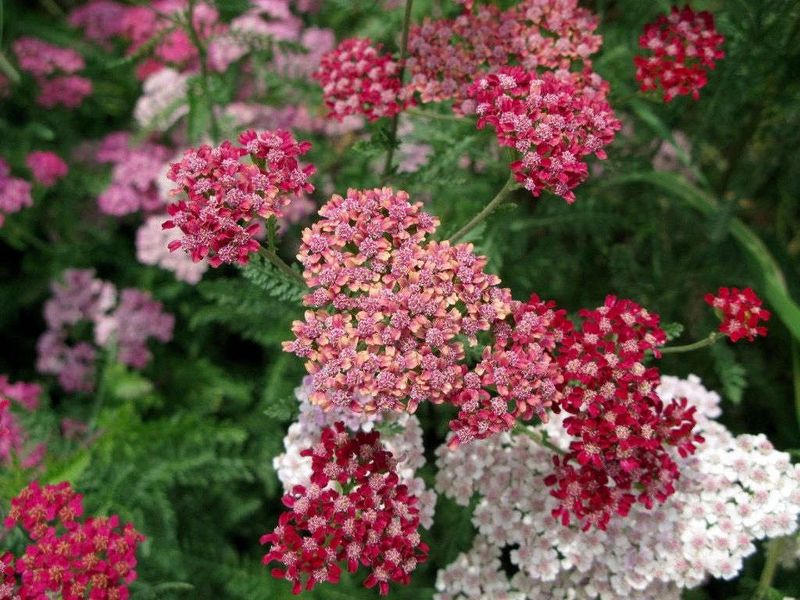
Yarrow is a hardy perennial known for its feathery foliage and clusters of flowers. Its blooms range from yellow to pink, creating a vibrant tapestry of color. Yarrow is drought-resistant, thriving in poor soil conditions. It’s beneficial to other plants, improving soil quality. Yarrow’s flowers attract pollinators, enhancing garden ecosystems. Its medicinal properties have been valued for centuries, used in various remedies. This plant’s resilience and beauty make it a versatile choice for gardens. Yarrow’s long-lasting blooms are perfect for dried arrangements.
14. Coreopsis
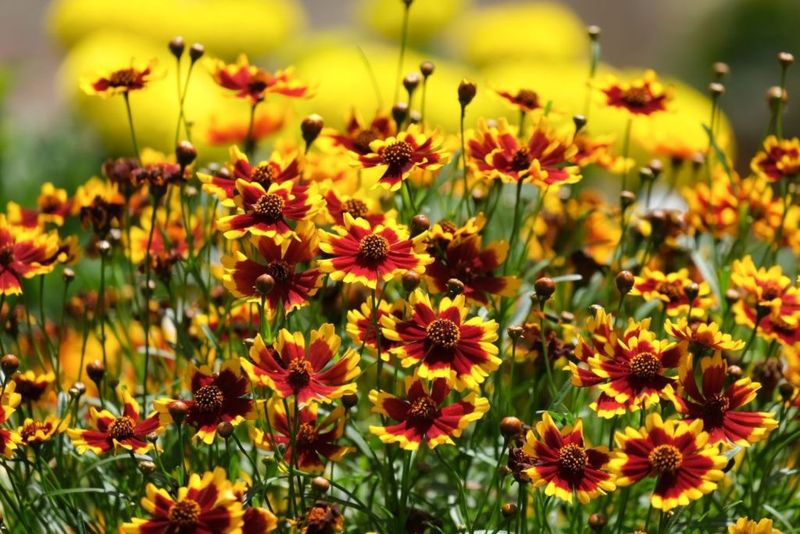
Coreopsis, with its sunny disposition, brightens any garden. Its daisy-like flowers come in shades of yellow and gold. Coreopsis thrives in full sun and well-drained soil, requiring minimal care. It’s perfect for borders and rock gardens, adding a splash of color. Coreopsis is drought-tolerant, making it a practical choice for sustainable gardens. The plant’s long blooming season provides continuous color. Coreopsis is also a favorite among butterflies, enhancing garden biodiversity. Its cheery appearance and resilience are a delight for gardeners and wildlife alike.
15. Hellebore
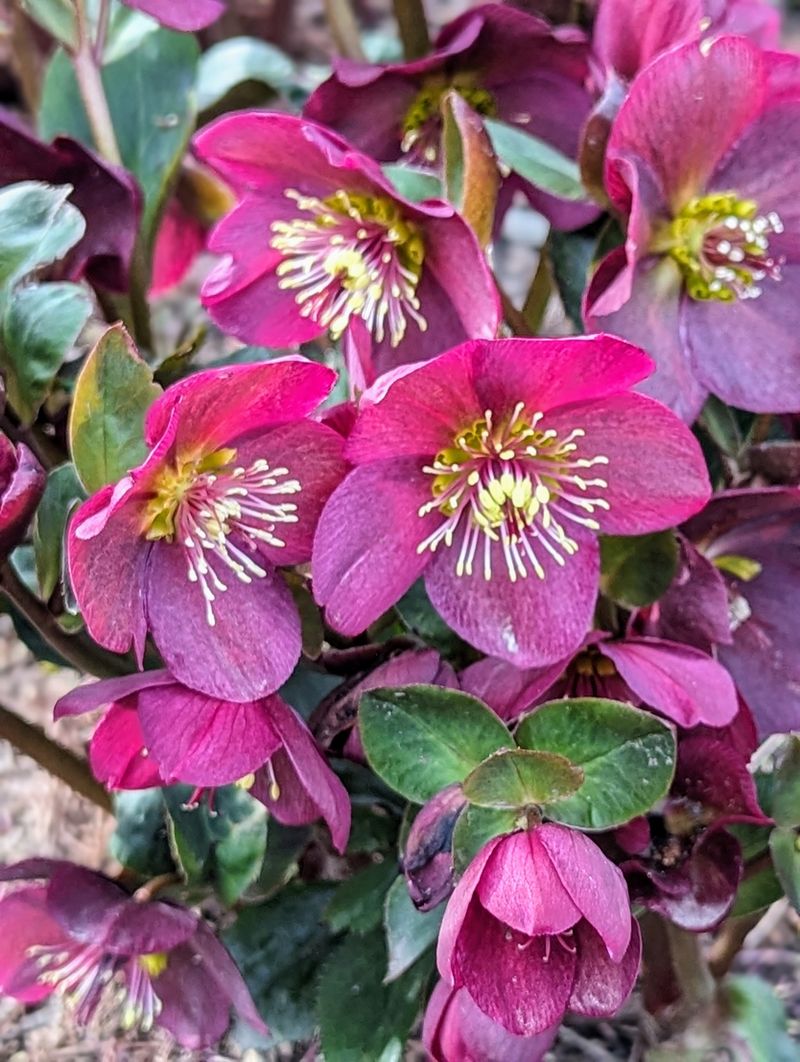
Hellebores, often called Lenten roses, bloom when most plants lie dormant. Their nodding flowers range from white to deep purple, adding intrigue. Hellebores thrive in shady spots, bringing color to otherwise dull areas. They prefer rich, well-drained soil, flourishing with little maintenance. Hellebores are deer resistant, ensuring their blooms remain intact. Their evergreen foliage adds year-round interest to gardens. Hellebores have a long history, revered in ancient times for their purported magical properties. Their early blooms are a welcome sight after winter’s chill.
16. Bee Balm
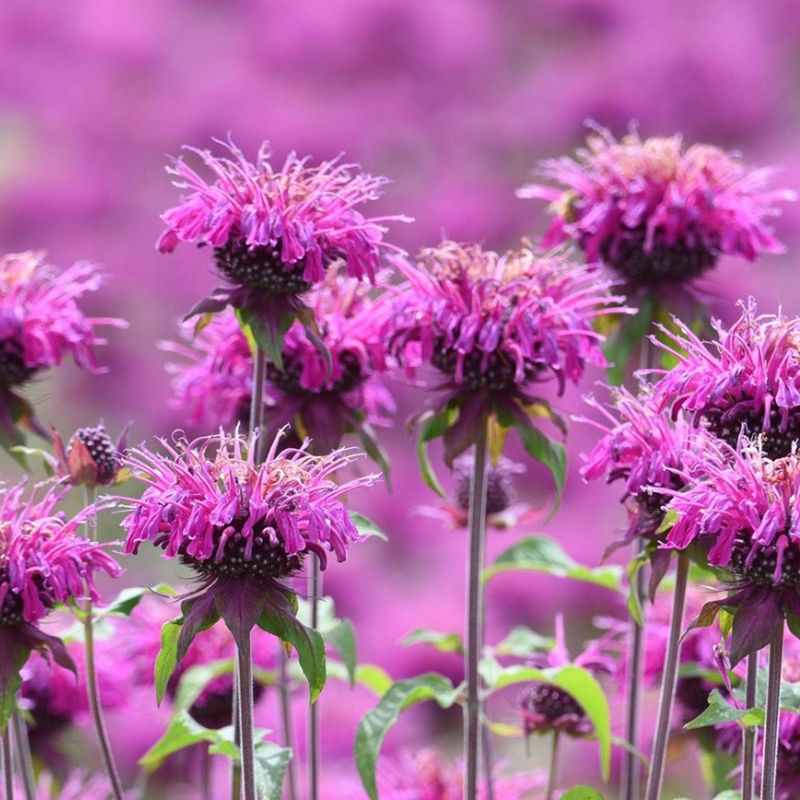
Bee balm is a pollinator magnet, with its vibrant blooms drawing bees and butterflies. These perennials come in shades of red, pink, and purple. Bee balm thrives in sun-drenched gardens, preferring rich, moist soil. Its aromatic leaves can be used in teas and potpourris. Bee balm’s long blooming season provides color from midsummer to fall. It’s also resistant to deer and rabbits, maintaining its allure. This plant’s ability to attract beneficial insects enhances garden health. Bee balm’s fiery blooms are a standout feature in any garden landscape.
17. Astilbe
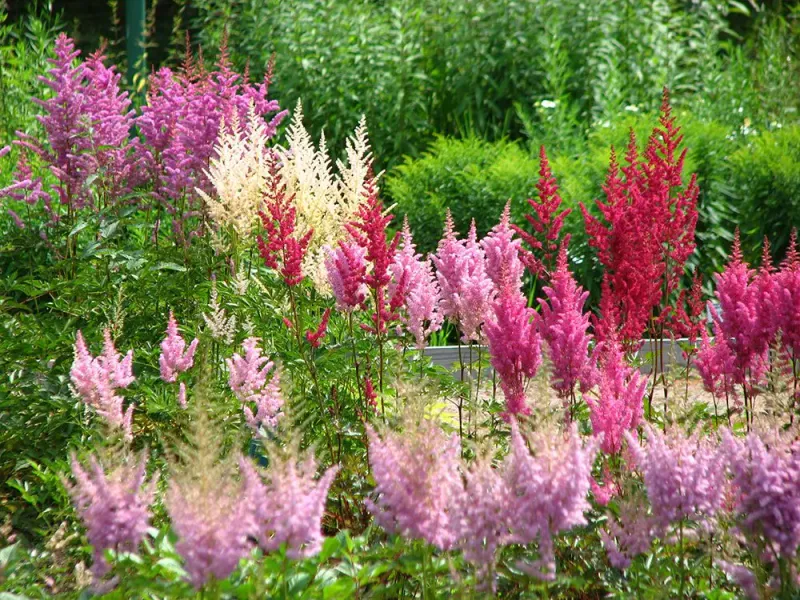
Astilbe adds a touch of elegance with its feathery plumes. These perennials thrive in shaded gardens, bringing soft, pastel colors to dim areas. Astilbe prefers moist, well-drained soil, flourishing with minimal care. Its flowers range from white to deep red, adding variety. Astilbe’s foliage is equally attractive, offering texture and color. This plant is resistant to deer, ensuring its beauty remains. Astilbe’s long-lasting blooms are perfect for cutting, adding grace to arrangements. Its delicate appearance belies its robust nature, making it a garden favorite.
18. Sedum
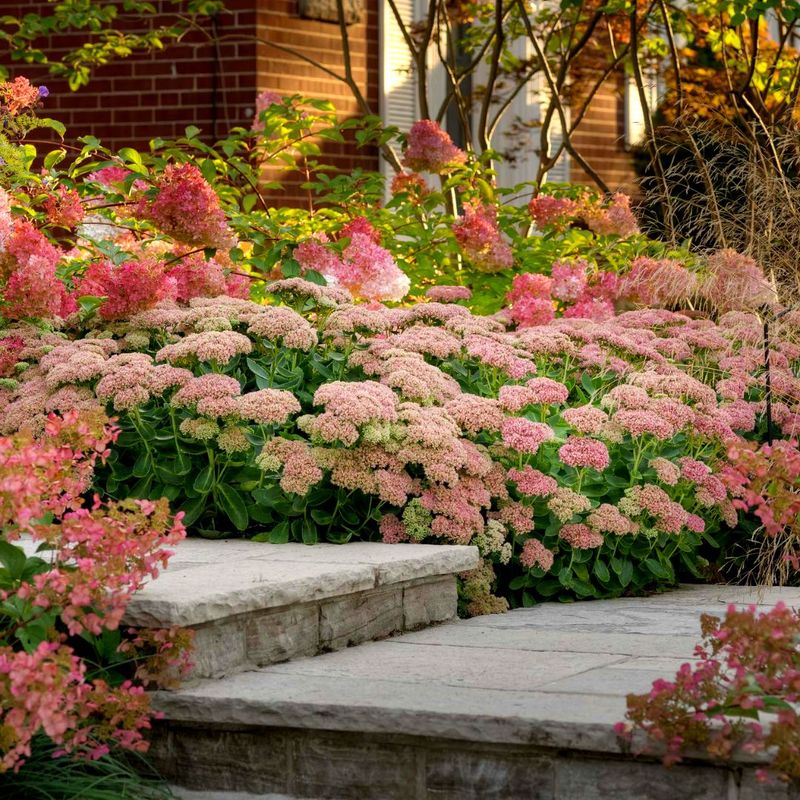
Sedum, often called stonecrop, is a succulent with star-shaped blooms. Its flowers come in shades of pink and white, adding whimsy to gardens. Sedum thrives in poor soil and harsh conditions, making it low maintenance. It’s perfect for rock gardens and containers, adding texture. Sedum attracts pollinators, supporting garden ecosystems. Its fleshy leaves store water, ensuring survival in droughts. Sedum’s unique appearance adds interest to any landscape. This plant’s resilience and charm make it a popular choice for gardeners seeking beauty and functionality.
19. Anemone
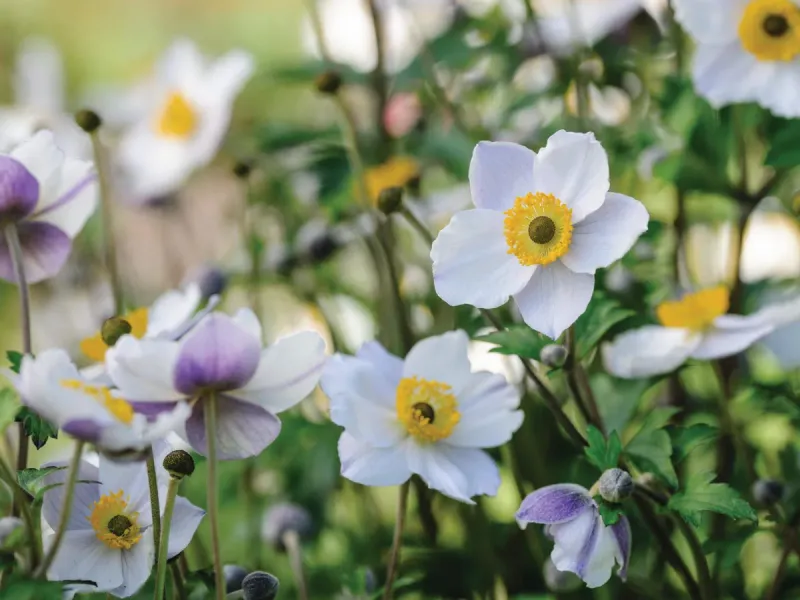
Anemones bring grace and movement to gardens with their wind-swept blooms. Their flowers range from white to deep pink, creating a serene display. Anemones thrive in partial shade, preferring well-drained soil. These perennials are known for their long blooming season, offering color from spring to fall. Anemones are deer-resistant, ensuring their delicate blooms remain. Their name, derived from the Greek for “wind,” reflects their ethereal nature. Anemones are perfect for woodland gardens, adding elegance and charm. Their timeless beauty is a treasure for any gardener.
20. Veronica
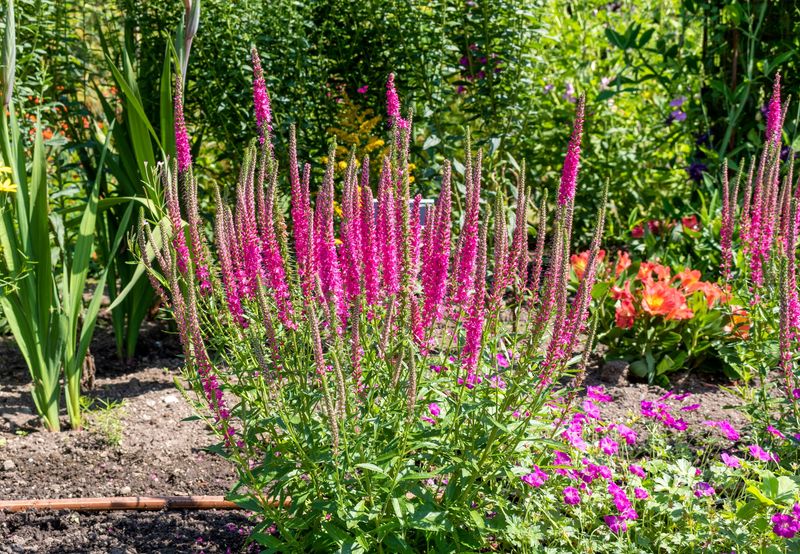
Veronica, with its slender spikes, adds vertical interest to gardens. These perennials come in shades of blue, pink, and white. Veronica thrives in sunny spots, preferring well-drained soil. Its long blooming season ensures color from early summer to fall. Veronica is resistant to deer and pests, maintaining its beauty effortlessly. This plant attracts bees and butterflies, enhancing garden biodiversity. Veronica’s graceful appearance and resilience make it a garden staple. Its flowers are perfect for cutting, adding elegance to floral arrangements.
21. Shasta Daisy
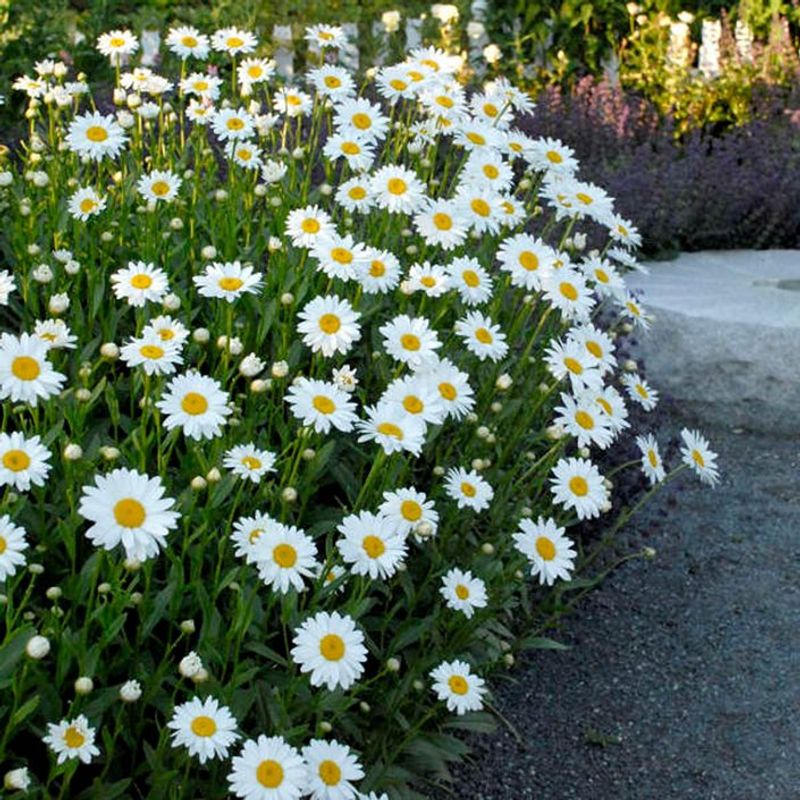
Shasta daisies bring classic charm with their white petals and sunny centers. These perennials are easy to grow, thriving in full sun and well-drained soil. Shasta daisies are perfect for borders and cottage gardens, adding timeless beauty. Their long blooming season provides color from summer to fall. Shasta daisies are deer-resistant, ensuring their pristine blooms remain. These flowers attract pollinators, supporting garden health. Shasta daisies’ cheerful appearance and low maintenance make them a favorite among home gardeners. Their simplicity is a testament to enduring garden elegance.
22. Heuchera
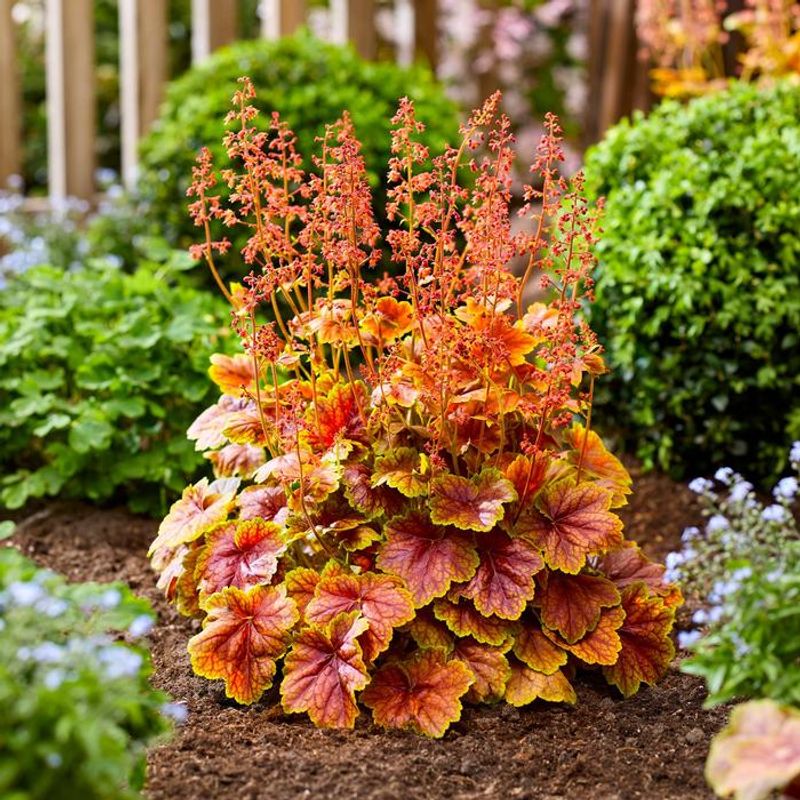
Heuchera, also known as coral bells, offers vibrant foliage in shades of purple, green, and bronze. These perennials thrive in shaded gardens, adding color and texture. Heuchera’s delicate flowers, though small, add charm and grace. This plant prefers moist, well-drained soil, flourishing with little care. Heuchera is resistant to deer, ensuring its beauty remains intact. Its foliage provides year-round interest, enhancing garden design. Heuchera’s adaptability and resilience make it a versatile choice for gardeners. Its unique appearance is a delightful addition to any landscape.
23. Geranium
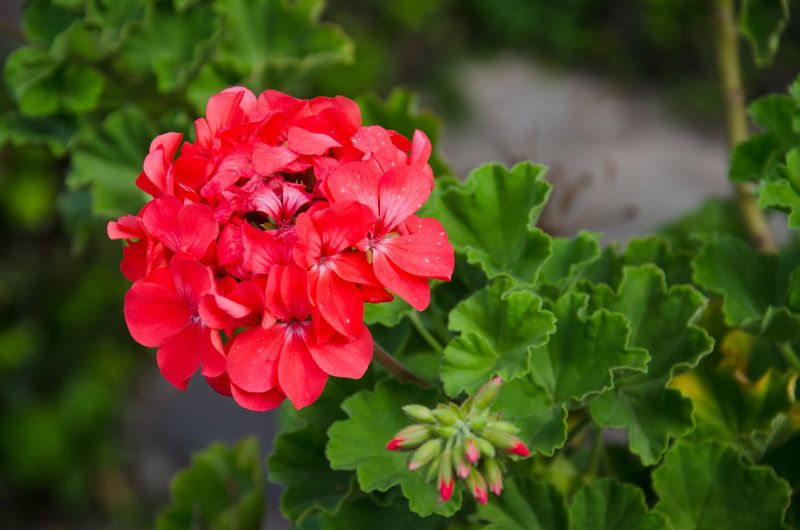
Geraniums are a staple in gardens, with their vibrant blooms and pleasant scent. These perennials come in a variety of colors, from reds to pinks. Geraniums thrive in full sun, preferring well-drained soil. They’re perfect for borders and containers, adding color and fragrance. Geraniums’ long blooming season ensures continuous beauty. These plants are deer-resistant, maintaining their allure in challenging conditions. Geraniums attract butterflies, enhancing garden biodiversity. Their cheerful blooms and delightful aroma make them a favorite among gardeners. Geraniums’ hardiness and charm are a testament to their enduring appeal.
24. Foxglove
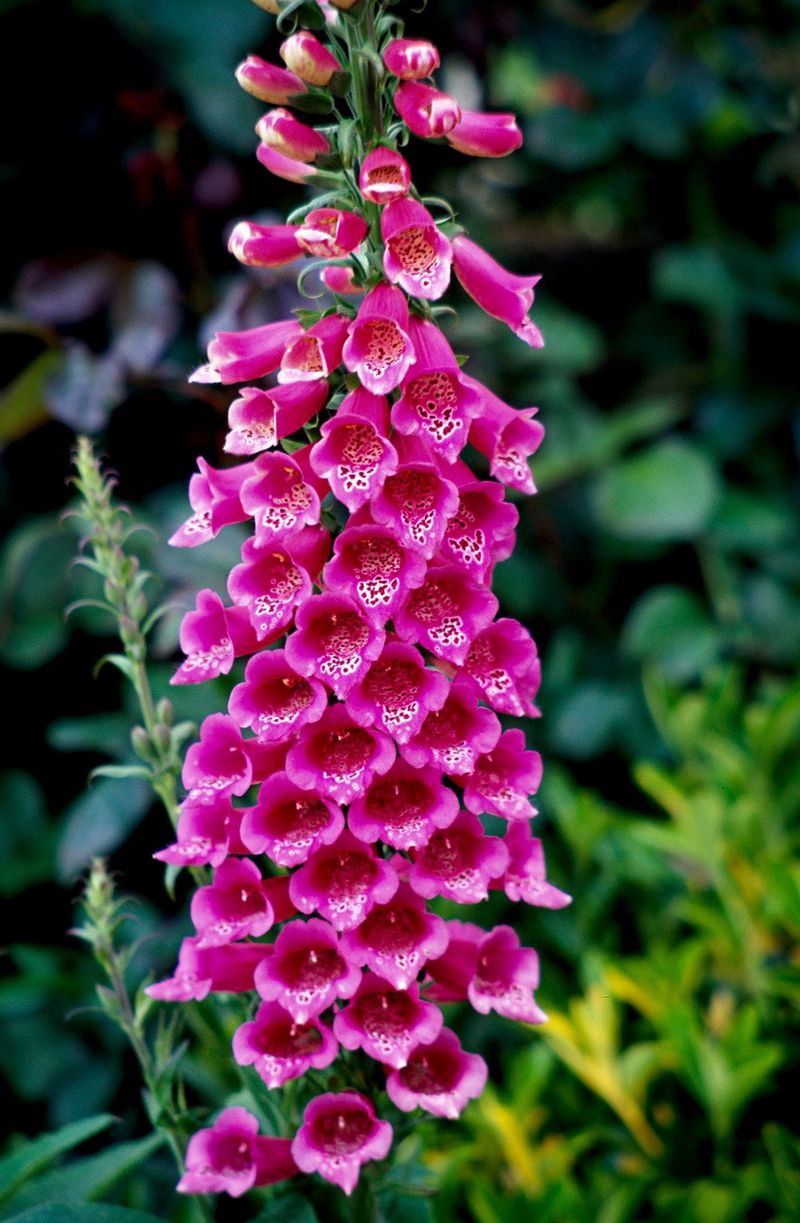
Foxgloves bring vertical elegance with their towering spikes of bell-shaped flowers. These perennials thrive in partial shade, preferring well-drained soil. Foxgloves’ blooms range from purple to white, adding drama to gardens. They’re perfect for cottage gardens, providing old-world charm. Foxgloves are deer-resistant, ensuring their beauty remains intact. These flowers attract pollinators, supporting garden ecosystems. Foxgloves have a rich history in folklore and medicine, adding intrigue. Their striking appearance and historical significance make them a captivating choice for any garden.