 Complete Gardening
Growing vegetables can be both rewarding and challenging, especially when it comes to companion planting. Certain plants have natural affinities, while others can inhibit each other’s growth. In this guide, we’ll explore 24 vegetable pairs that should never be planted together and suggest ideal companions for each. By understanding these relationships, you can optimize your garden’s yield and create a harmonious ecosystem. Let’s dive into the world of companion planting and learn how to make the most of your vegetable garden.
1. Tomatoes and Cucumbers
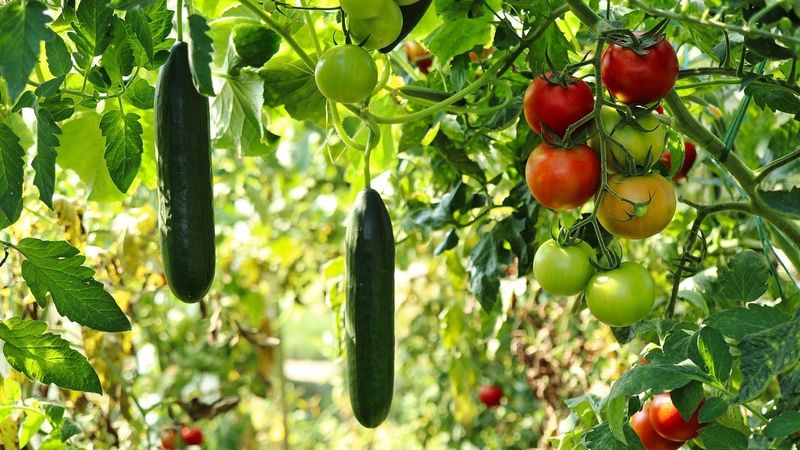
Tomatoes and cucumbers, though staples of a summer salad, are not the best garden neighbors. Tomatoes need a lot of nutrients and can overshadow cucumbers, leading to poor growth. Additionally, both are prone to similar pests and diseases, which can spread more easily when planted together.
Instead, try planting tomatoes with basil. It’s said that basil can improve tomato growth and flavor, making them an ideal duo. Cucumbers, on the other hand, thrive alongside beans, which can provide the nitrogen they need to flourish.
A fun fact: Tomatoes and basil are not just great on a plate but in the garden too.
2. Carrots and Dill
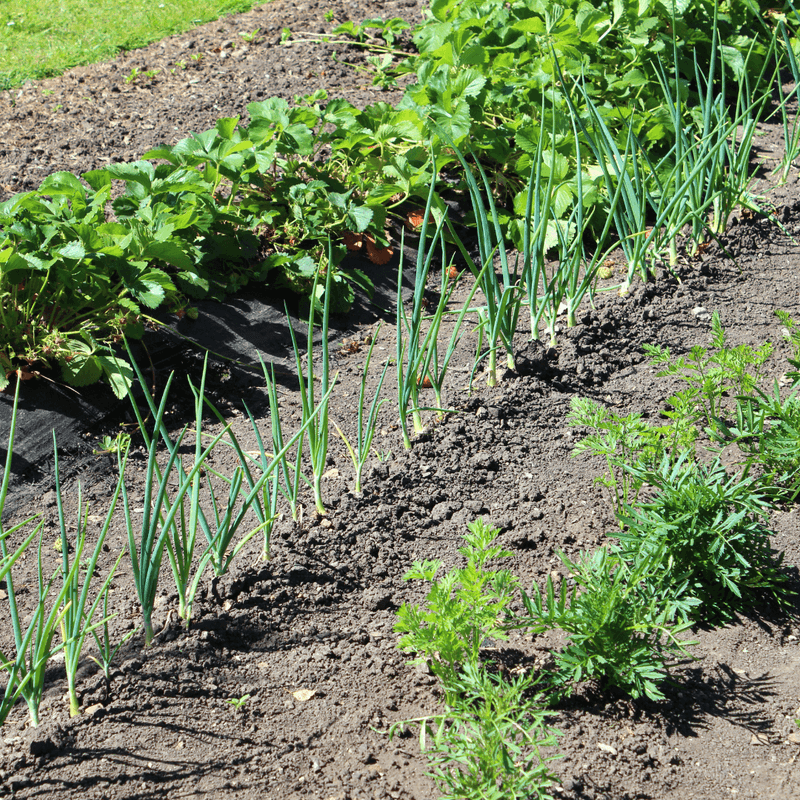
Carrots and dill may seem like a match made in culinary heaven, but in the garden, they’re far from perfect partners. Dill can stunt carrot growth by overwhelming their delicate roots and competing for nutrients.
Carrots thrive when paired with onions. Onions can deter pests like carrot flies, making them a protective ally. Dill finds a better companion in cabbage, where it can help deter pests such as cabbage loopers.
Did you know? Dill was used by ancient Egyptians as a symbol of wealth and prosperity.
3. Onions and Beans
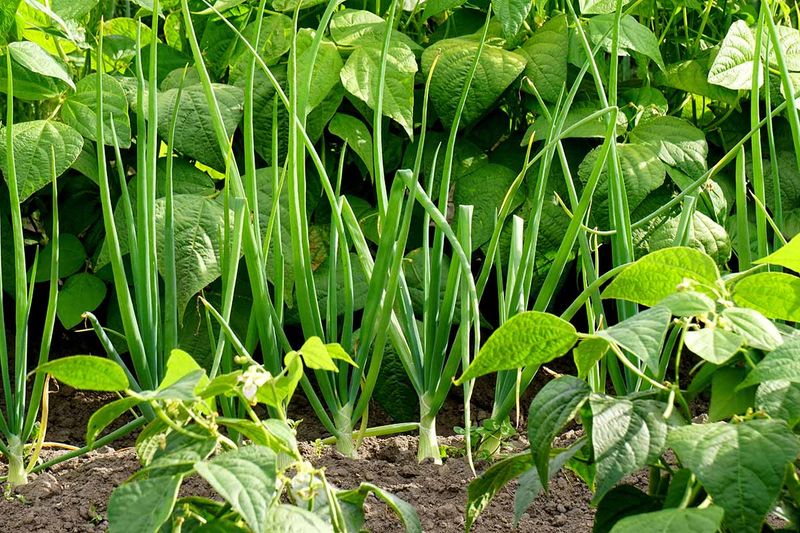
Onions and beans are not the best of friends in the vegetable patch. Onions secrete a natural compound that can inhibit the growth of beans, stunting their development.
For beans, corn makes a great companion. The tall stalks provide support for climbing beans, creating a beneficial symbiosis. Onions, on the other hand, grow well next to beets, where they won’t disrupt each other’s growth patterns.
Quirky fact: Beans have been a staple in human diets for thousands of years, dating back to ancient civilizations.
4. Potatoes and Tomatoes
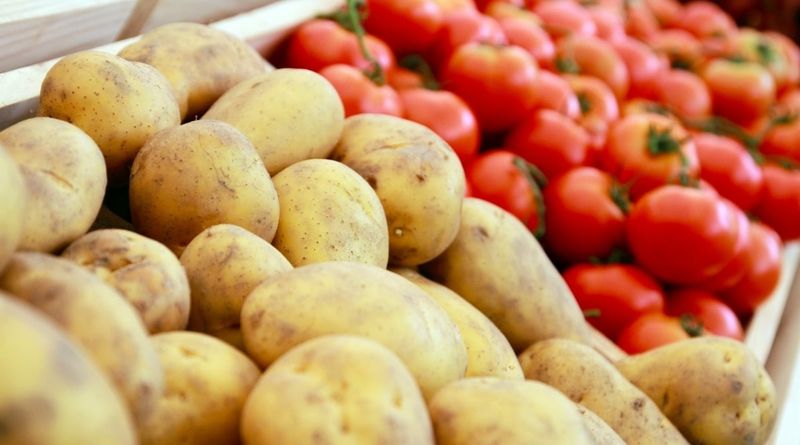
Though both belong to the nightshade family, potatoes and tomatoes should not be planted together. They compete for nutrients and are susceptible to similar blights and diseases, which can devastate your garden.
Instead, pair potatoes with beans, which can provide the nitrogen potatoes crave. Tomatoes find a better match in carrots, which can help aerate the soil for improved growth.
Fun fact: Potatoes and tomatoes have an interesting history, both originating in the Andes of South America.
5. Peppers and Fennel
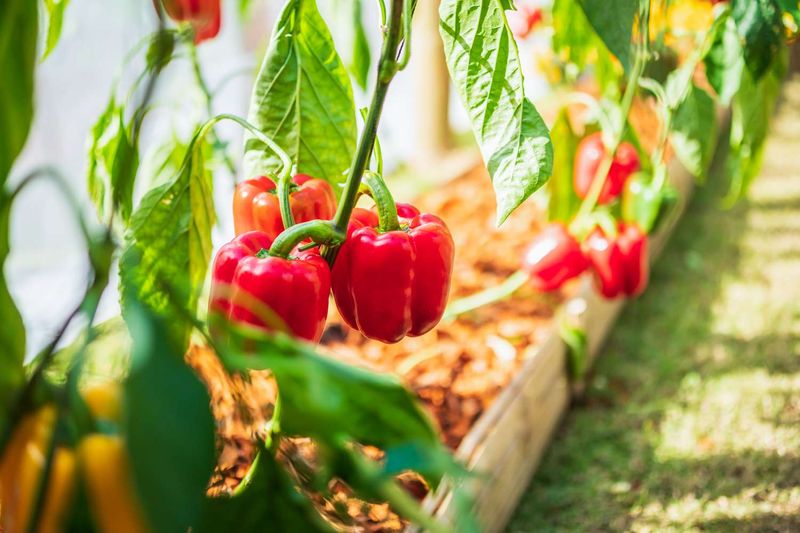
Peppers and fennel are not ideal companions. Fennel releases compounds that can hinder the growth of pepper plants, causing them to struggle in your garden.
Instead, try planting peppers alongside basil, which can improve their flavor and deter certain pests. Fennel, meanwhile, finds a friend in dill, where they both thrive without competition.
Interesting tidbit: Fennel is known for its licorice-like flavor and was used by the Greeks as a symbol of courage.
6. Cabbage and Strawberries
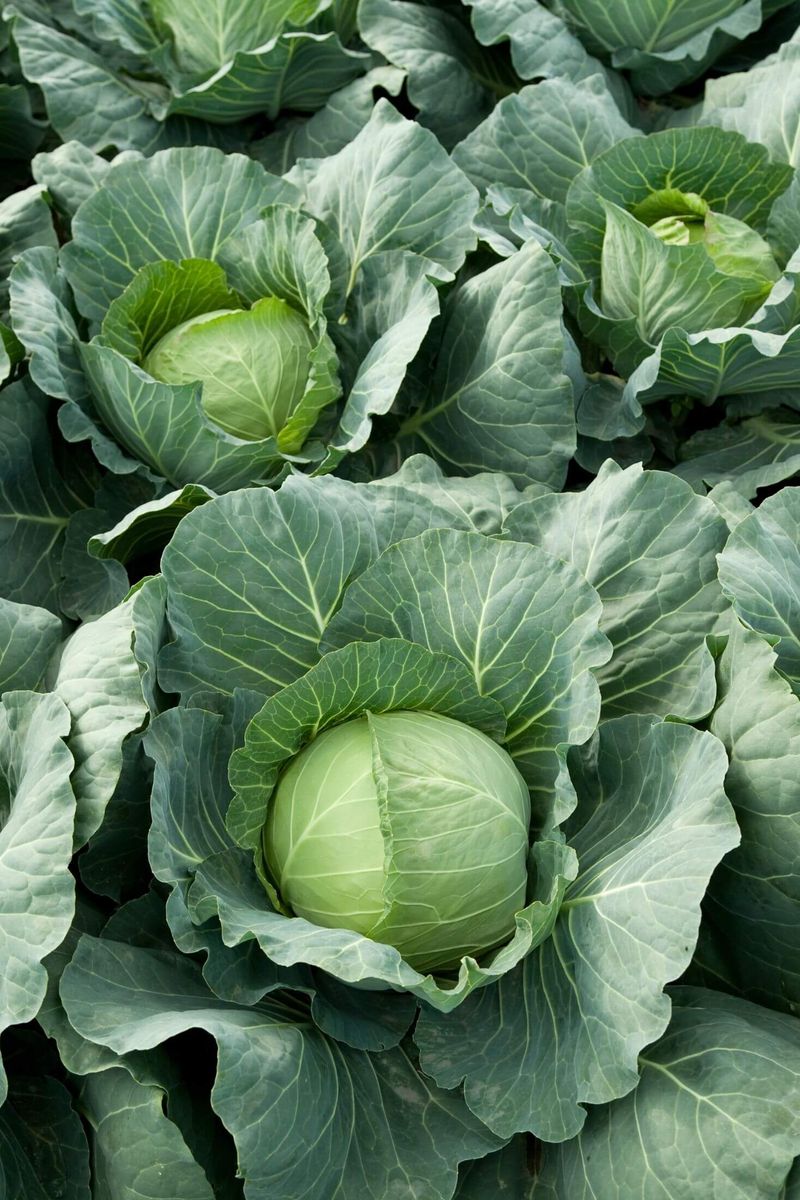
Cabbage and strawberries might make for a delicious meal, but in the garden, they are not compatible. Cabbage can overwhelm strawberries, competing for nutrients and space.
Try pairing cabbage with dill instead, which can deter pests and enhance growth. Strawberries do well with spinach, which doesn’t compete for resources and can even help shade the soil.
Did you know? Strawberries are ancient fruits, having been enjoyed by humans for thousands of years.
7. Radishes and Hyssop
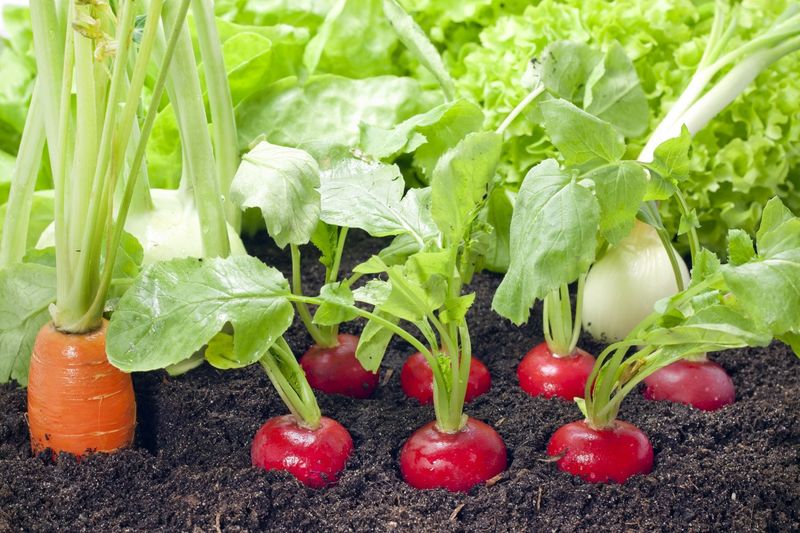
Radishes and hyssop tend to clash in the garden. Hyssop can be aggressive, overshadowing radishes and hindering their growth.
Radishes grow well with carrots, where they can help break up the soil and prevent pests. Hyssop, on its own, finds companionship with grapes, providing ground cover and deterring pests.
Interesting fact: Hyssop has been used medicinally for centuries, known for its aromatic and therapeutic qualities.
8. Spinach and Potatoes
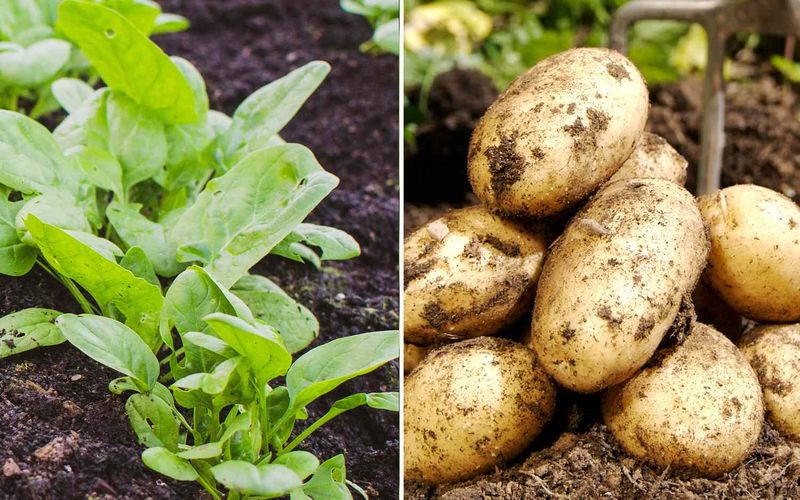
Spinach and potatoes, while both nutritious, don’t make the best planting companions. Potatoes’ sprawling nature can choke out spinach, hampering its growth.
Spinach thrives when planted with strawberries, where they can mutually benefit by shading the soil. Potatoes pair well with horseradish, which can help deter pests and diseases.
Trivia: Spinach was originally cultivated in ancient Persia and has been loved for its nutritional benefits ever since.
9. Celery and Parsley
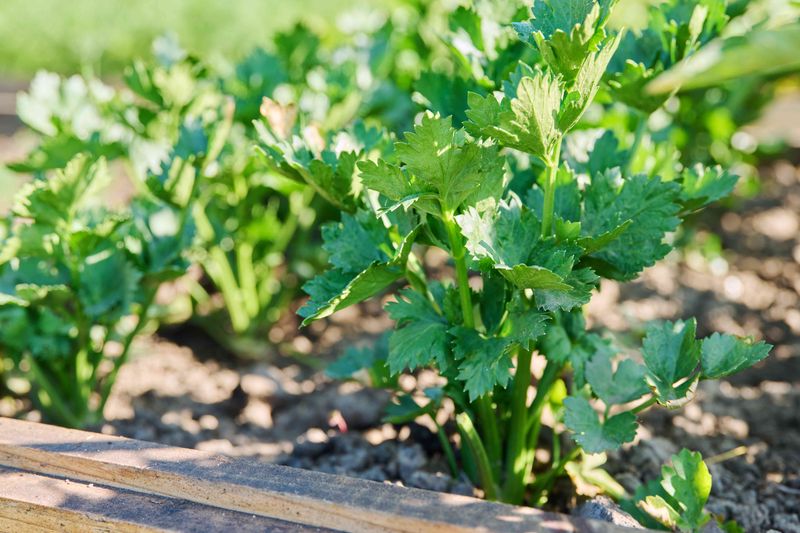
Celery and parsley, though both leafy and green, are not compatible companions. They vie for similar nutrients and space, leaving both undernourished.
Celery grows well with leeks, which can keep away pests while sharing the space harmoniously. Parsley pairs beautifully with tomatoes, where it enhances growth and deters unwanted insects.
Did you know? Parsley was highly regarded by the ancient Greeks, who used it both as a garnish and in ceremonial wreaths.
10. Lettuce and Broccoli
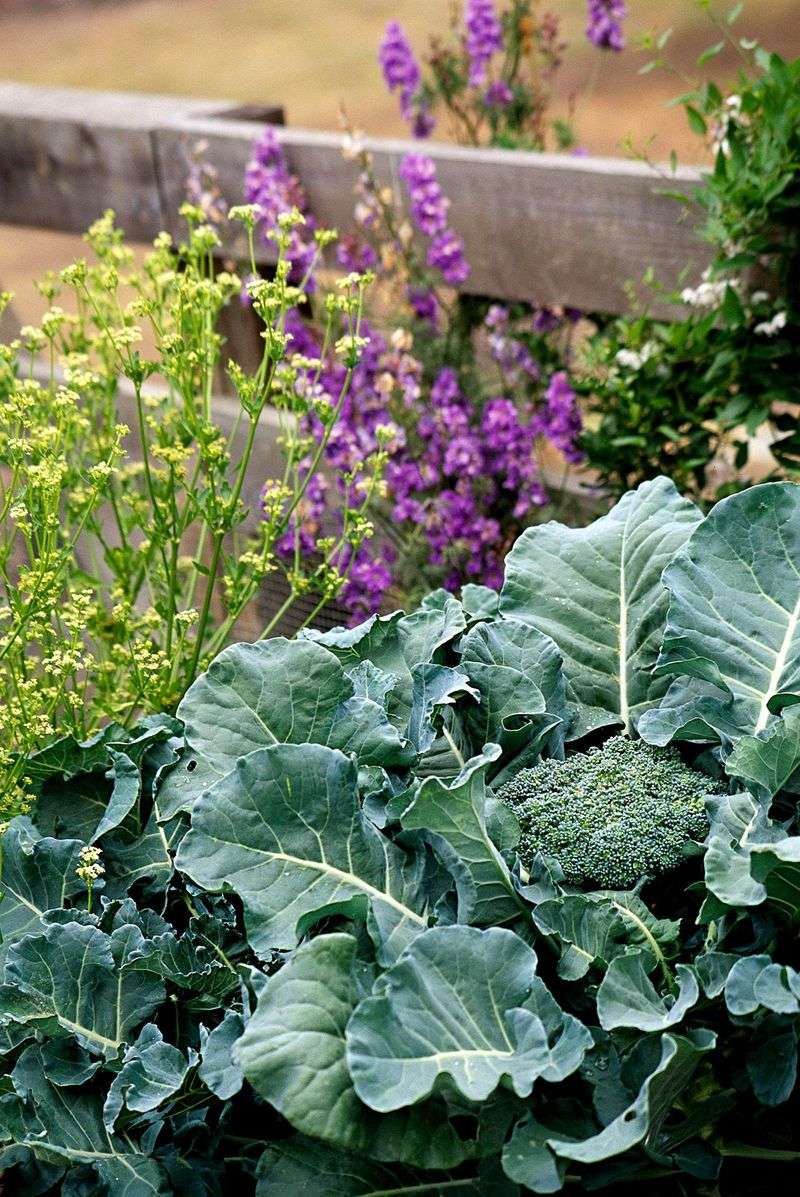
Lettuce and broccoli may share a salad bowl, but not a garden bed. Broccoli’s large leaves can overshadow lettuce, depriving it of sunlight and nutrients.
Lettuce benefits from being planted near radishes, which can help prevent pests while not competing for resources. Broccoli finds a better companion in dill, which can deter cabbage worms and enhance growth.
Fun fact: Broccoli has been cultivated since Roman times and is known for its high nutritional value.
11. Corn and Tomatoes
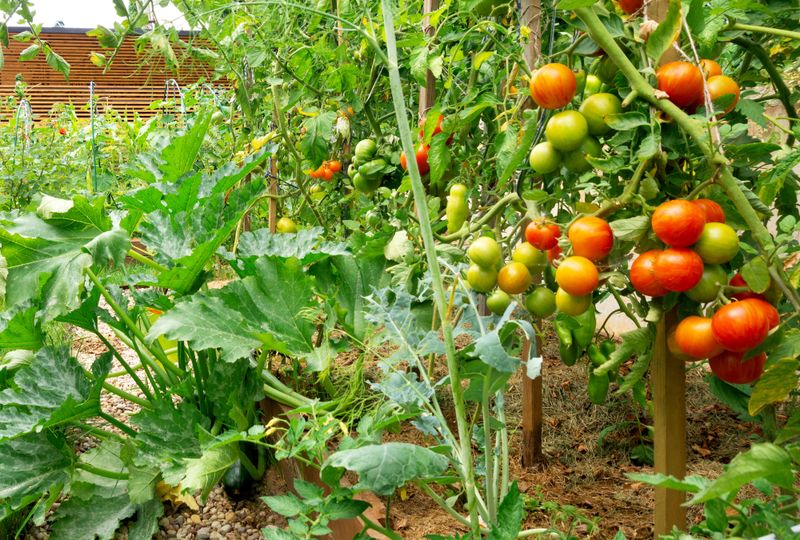
Corn and tomatoes are a classic summer duo in the kitchen, but not in the garden. Both are heavy feeders, competing for the same nutrients and space.
Corn grows well with beans, which can fix nitrogen into the soil. Tomatoes flourish alongside basil, which enhances their flavor and deters pests.
Did you know? Corn was first domesticated by indigenous peoples in southern Mexico around 10,000 years ago.
12. Cucumbers and Sage
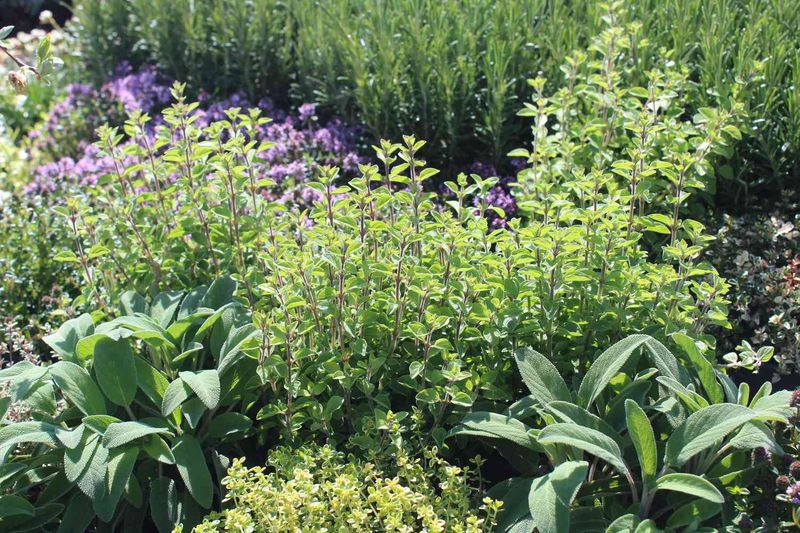
Cucumbers and sage are wonderful in their own right, but not together. Sage can stunt the growth of cucumber vines, leading to a less bountiful harvest.
Cucumbers thrive next to sunflowers, which can provide support and protection. Sage pairs well with rosemary, where it can enjoy a symbiotic relationship.
Fun fact: Sage is known for its medicinal properties and was used in ancient Roman rituals.
13. Peas and Garlic
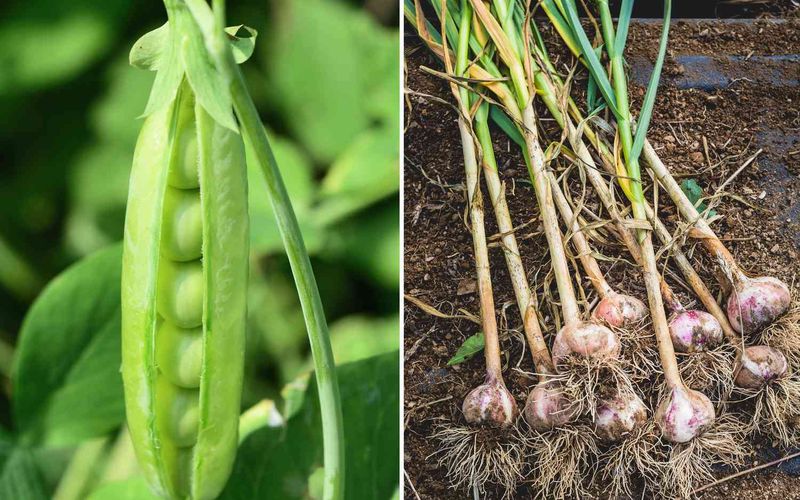
Peas and garlic, while flavorful together, don’t mix well in the soil. Garlic can inhibit the growth of pea plants, stunting their development.
Peas grow best with carrots, where they can benefit from shared soil aeration. Garlic finds an ideal partner in roses, deterring pests and enhancing growth.
Interesting tidbit: Garlic has been used for thousands of years as a culinary spice and medicinal remedy.
14. Beets and Pole Beans
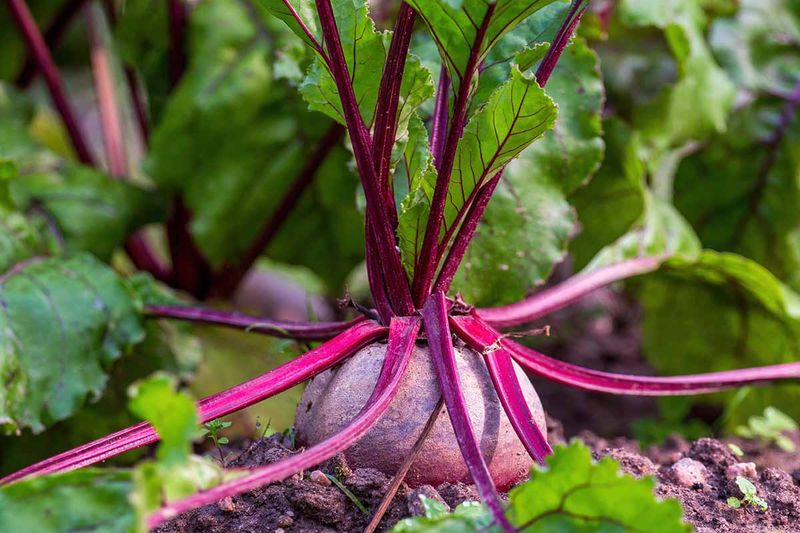
Beets and pole beans may sound compatible, but they are not. Pole beans can overshadow beets, preventing them from receiving adequate sunlight.
Beets do well with onions, which can help deter pests and enhance growth. Pole beans find a friend in corn, utilizing the stalks for climbing support.
Did you know? Beets were initially cultivated for their leaves rather than their roots in ancient times.
15. Basil and Rue
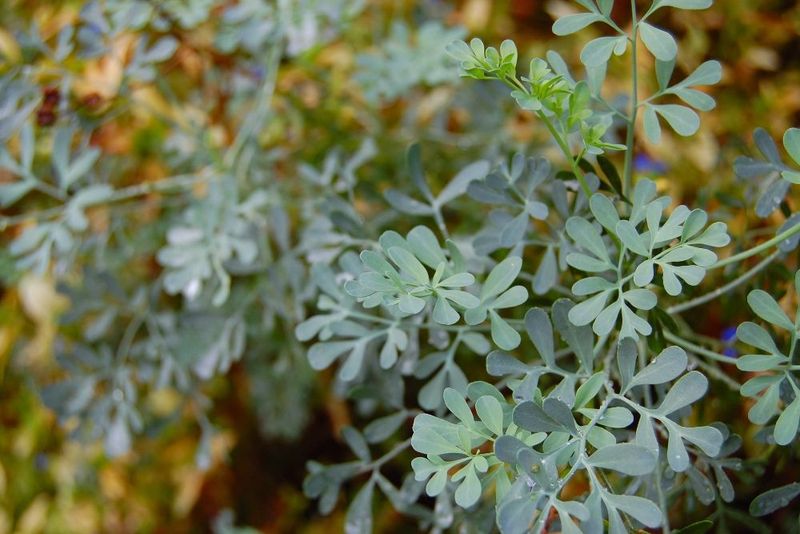
Basil and rue should not share garden space. Rue can inhibit basil’s growth, leading to lackluster herbs come harvest time.
Basil flourishes when planted with tomatoes, enhancing both flavor and growth. Rue finds a compatible partner in roses, deterring pests and thriving without competition.
Fun fact: Rue has been used historically in Roman and Greek cultures for its medicinal properties.
16. Pumpkins and Potatoes
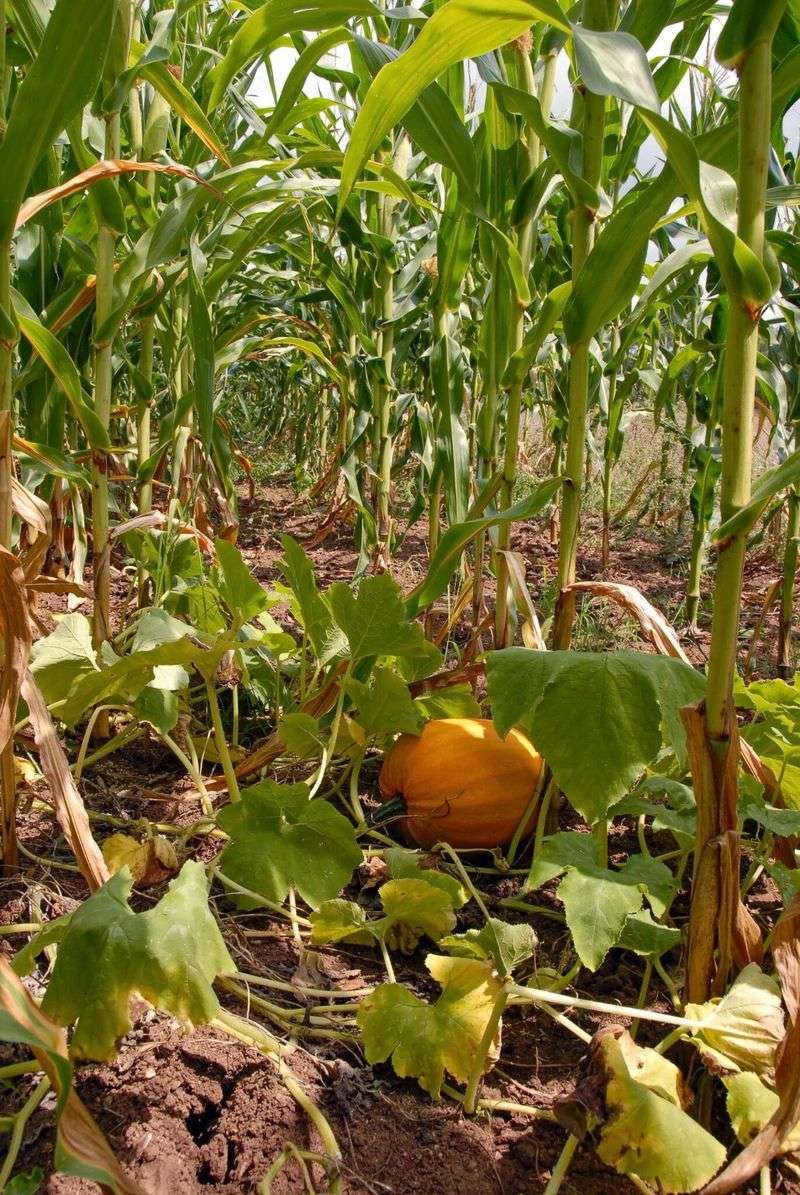
Pumpkins and potatoes are not ideal companions. Both have sprawling growth habits, leading to competition for space and nutrients.
Pumpkins grow well with corn, using the stalks for support and benefiting from the shade. Potatoes pair nicely with beans, which can fix nitrogen in the soil.
Interesting bit: Pumpkins were first cultivated in Central America over 7,500 years ago!
17. Eggplants and Fennel
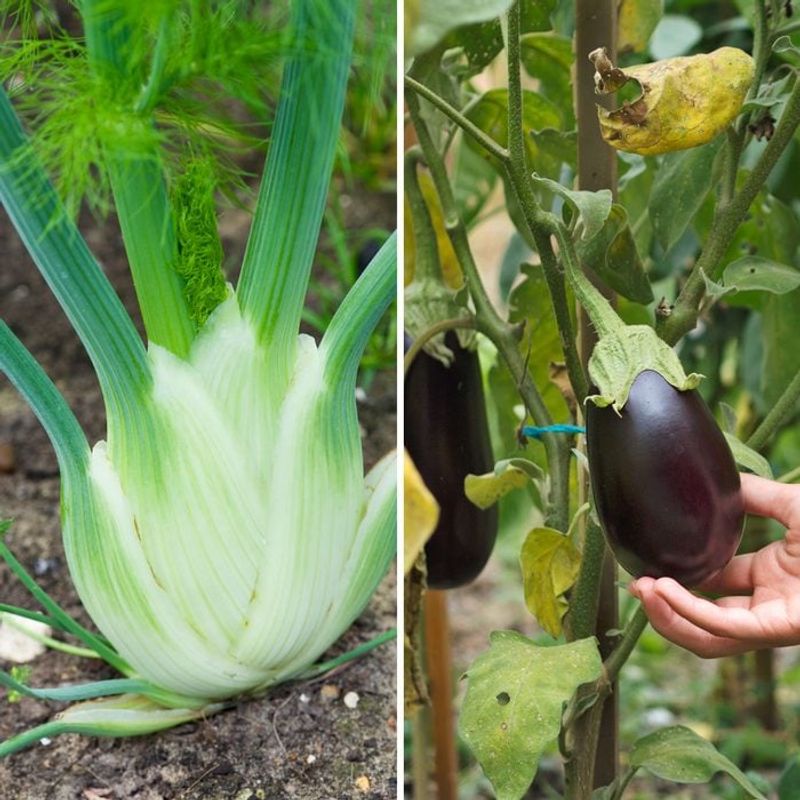
Eggplants and fennel are not friends in the garden. Fennel can inhibit the growth of eggplants, leading to poor yields.
Eggplants thrive when planted with beans, as beans fix nitrogen in the soil. Fennel does well alone but can also partner with dill, attracting beneficial insects.
Fascinating fact: Eggplants were originally domesticated in India, where they continue to be a culinary staple.
18. Chives and Peppers
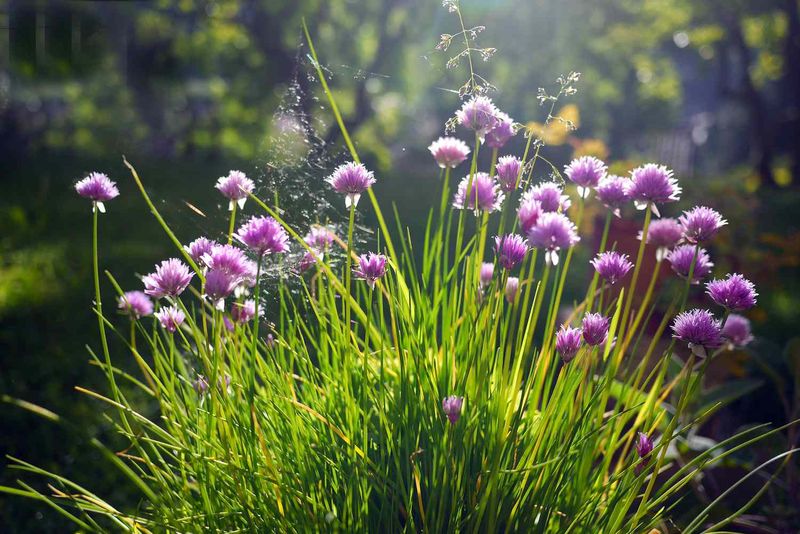
Chives and peppers, though delightful in dishes, are not compatible in the garden. The aromatic nature of chives can stunt pepper growth.
Peppers grow well with basil, which can enhance growth and deter pests. Chives are best planted with carrots, offering protection against certain pests.
Trivia: Chives have been cultivated for over 5,000 years and are among the oldest herbs used by humans.
19. Melons and Potatoes
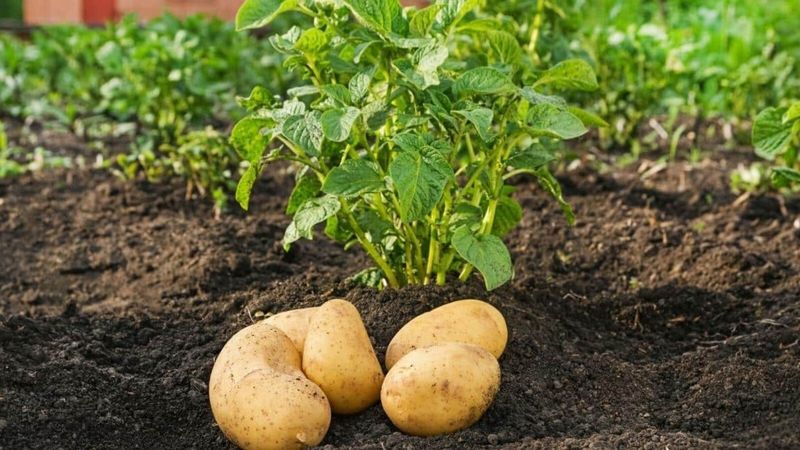
Melons and potatoes should not share garden space. Both are aggressive growers, competing for nutrients and space.
Melons thrive when planted with corn, using the tall stalks for shade and protection. Potatoes find a friend in beans, benefiting from their nitrogen-fixing abilities.
Did you know? Melons are part of the gourd family and were first cultivated in Africa over 4,000 years ago.
20. Garlic and Beans
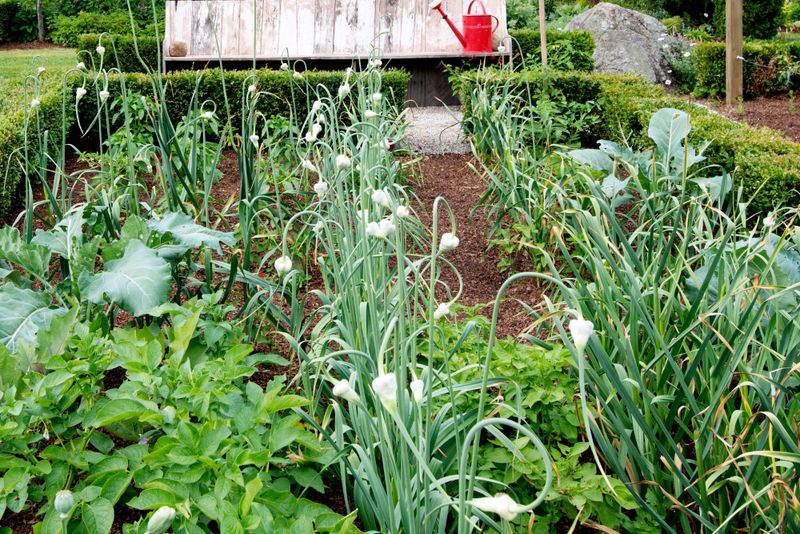
Garlic and beans are not ideal companions. Garlic can inhibit bean growth due to its natural compounds that affect root development.
Garlic grows well with roses, where it can deter pests and enhance growth. Beans thrive alongside corn, benefiting from the support and nitrogen fixation.
Fun fact: Garlic has been revered for its medicinal properties throughout history, from ancient Egypt to modern times.
21. Asparagus and Onions
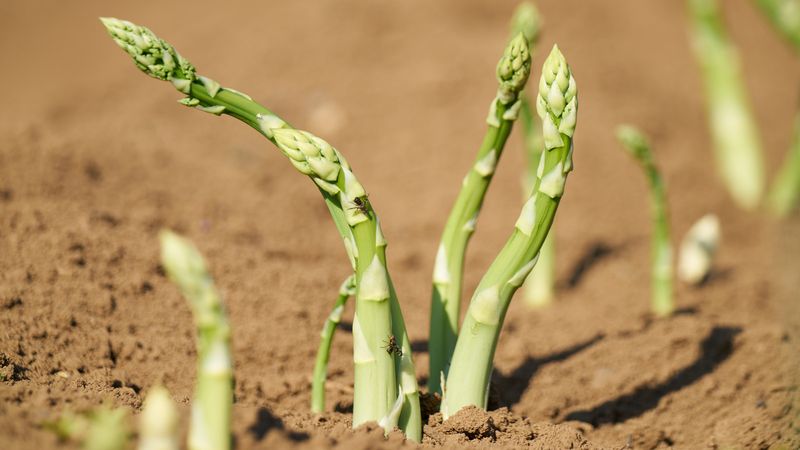
Asparagus and onions don’t make good neighbors. Onions can inhibit the growth of asparagus due to their strong root systems.
Asparagus thrives when paired with tomatoes, which can enhance each other’s growth. Onions find a friend in carrots, providing mutual pest protection.
Interesting detail: Asparagus has been cultivated for over 2,000 years and was known to ancient Egyptians and Greeks.
22. Cabbage and Grapes
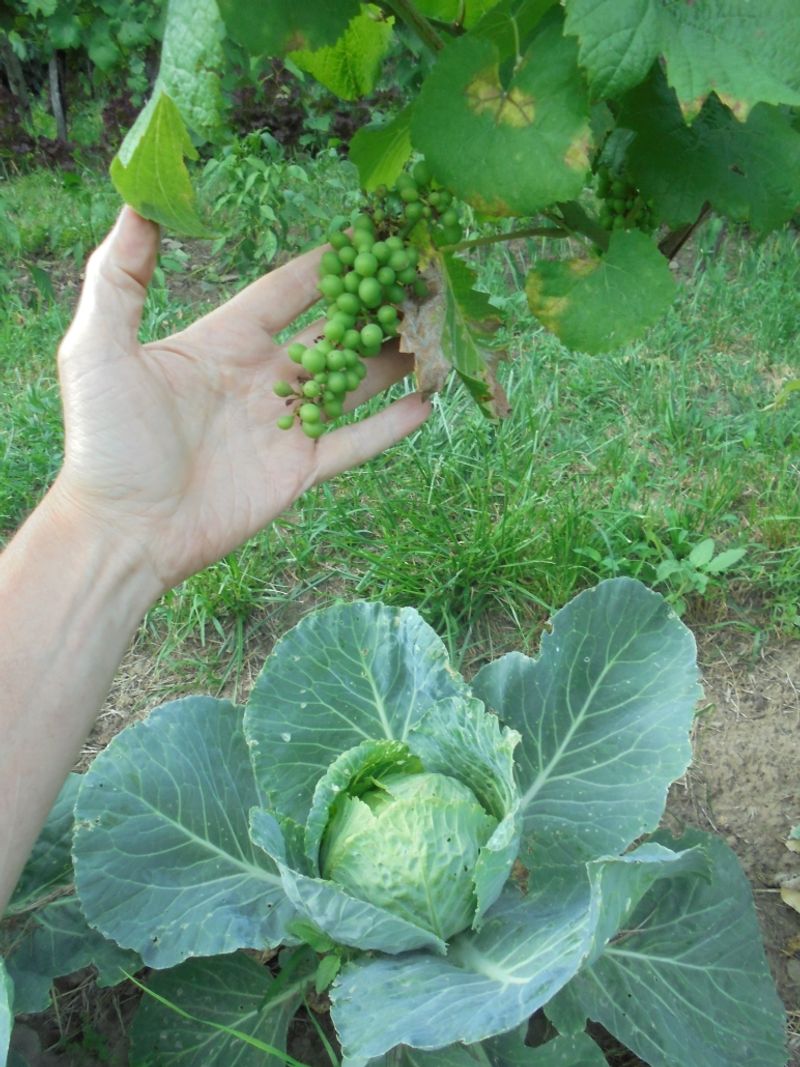
Cabbage and grapes shouldn’t be planted together. Cabbage can overshadow grapevines, leading to reduced growth and fruit production.
Cabbage pairs well with dill, which deters pests and enhances growth. Grapes thrive alongside hyssop, benefiting from pest protection and ground cover.
Did you know? Grapes have been cultivated for wine production as far back as 6000 BC in the Middle East.
23. Broccoli and Peppers
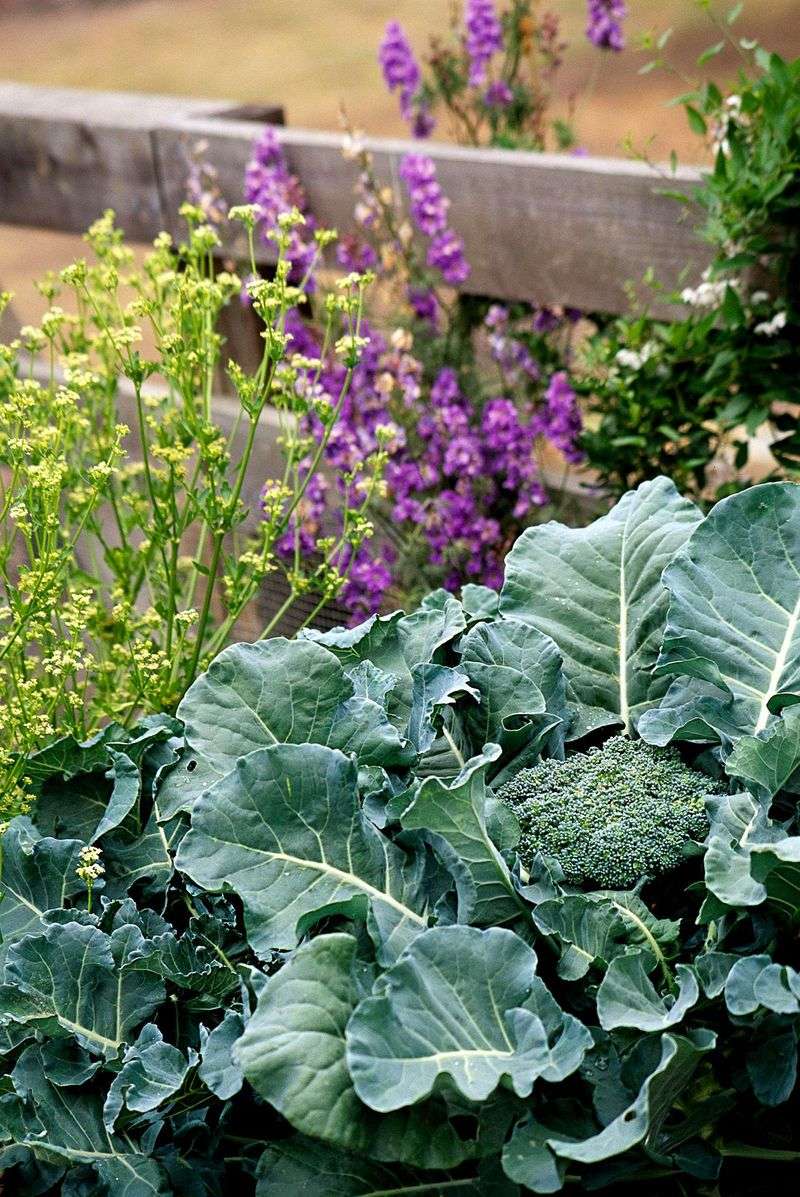
Broccoli and peppers are not ideal companions. Broccoli’s large leaves can overshadow pepper plants, affecting their growth.
Broccoli grows well with dill, which can deter pests and enhance growth. Peppers thrive when planted with basil, benefiting from improved flavor and pest deterrence.
Fun fact: Broccoli is a nutritional powerhouse, rich in vitamins C and K, and has been cultivated since Roman times.
24. Zucchini and Potatoes
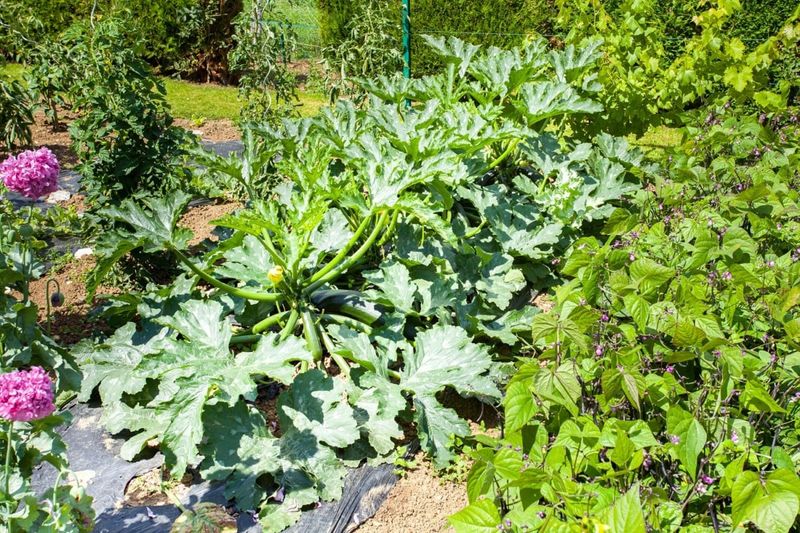
Zucchini and potatoes are not compatible. Both have aggressive growth habits, leading to competition for space and nutrients.
Zucchini pairs well with nasturtiums, which can deter pests and enhance growth. Potatoes find a friend in beans, benefiting from nitrogen fixation in the soil.
Interesting tidbit: Zucchini is a type of summer squash, originally cultivated in the Americas.
25. Lettuce and Parsley
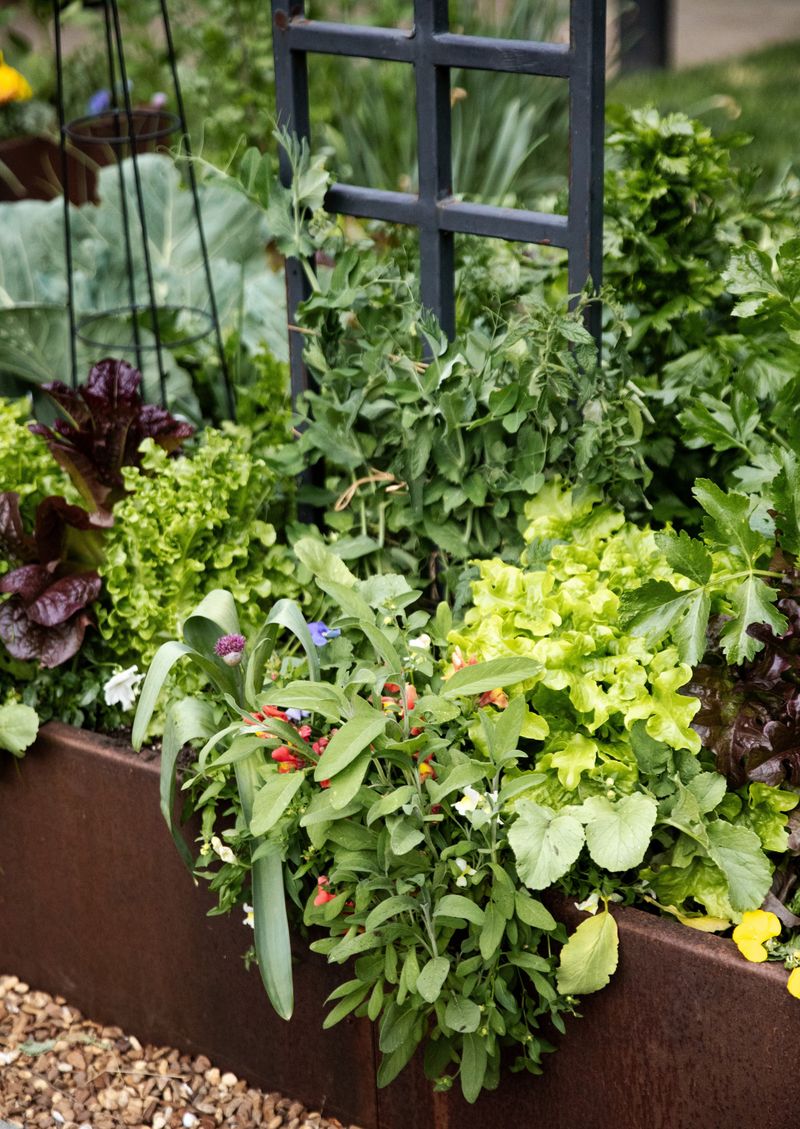
Lettuce and parsley are not suitable garden partners. Parsley’s robust growth can overshadow delicate lettuce leaves, limiting their access to sunlight.
Lettuce thrives when planted with radishes, which help deter pests and share space well. Parsley pairs beautifully with tomatoes, enhancing growth and deterring insects.
Did you know? Parsley was used by the ancient Greeks both as a culinary herb and in ceremonial wreaths.
26. Radishes and Asparagus
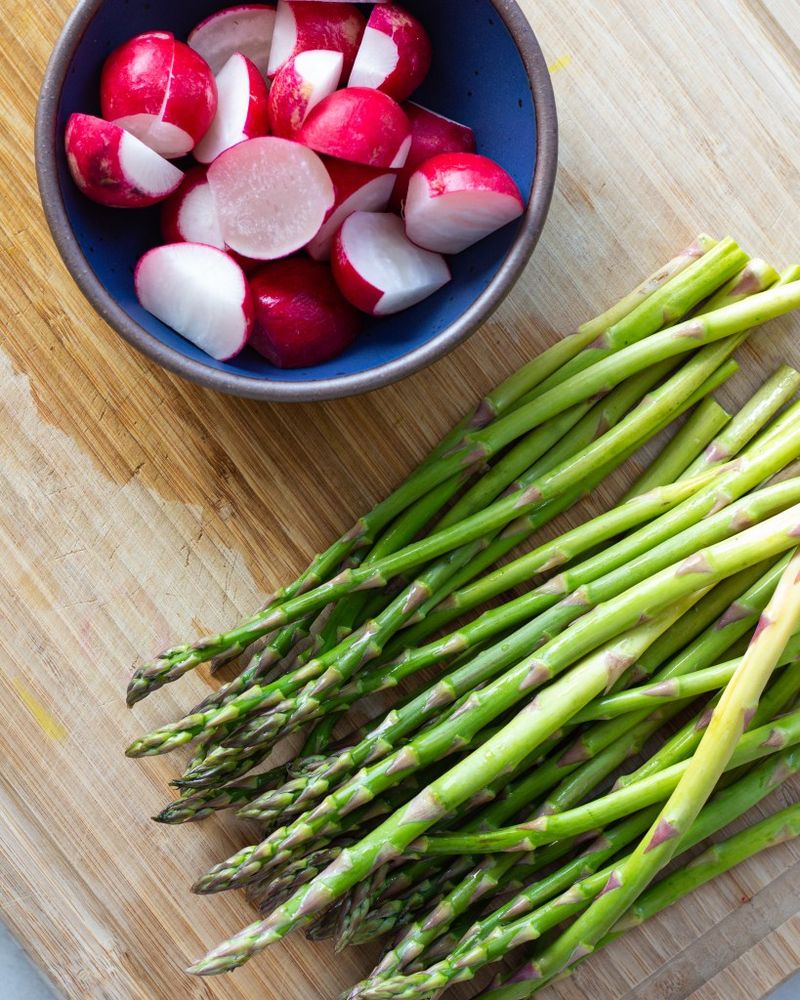
Radishes and asparagus are not the best companions. Radishes can disrupt asparagus roots, hindering their growth.
Radishes grow well with carrots, helping to break up the soil and deter pests. Asparagus thrives when planted with tomatoes, where they enhance each other’s growth.
Fun fact: Asparagus has been cultivated for over 2,000 years and was cherished by ancient civilizations for its unique flavor.
27. Artichokes and Beans
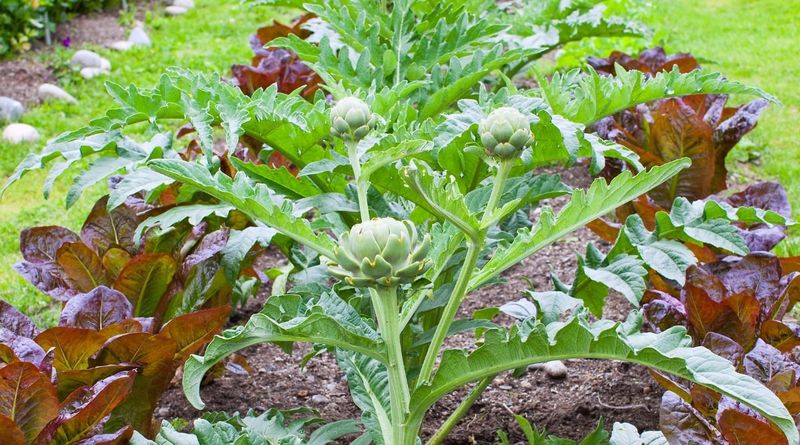
Artichokes and beans are not compatible garden partners. Artichokes’ expansive growth can overshadow beans, limiting their sunlight and nutrients.
Artichokes thrive when planted with sunflowers, which provide support and shade. Beans find a friend in corn, benefiting from support and nitrogen fixation.
Interesting tidbit: Artichokes were cultivated by ancient Romans and Greeks, valued both for food and medicine.
28. Kale and Strawberries
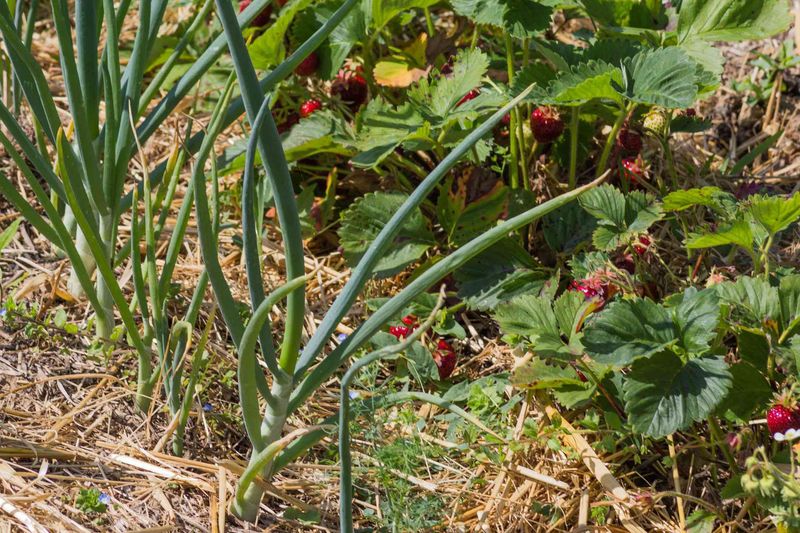
Kale and strawberries should not share garden space. Kale’s large leaves can overshadow strawberries, affecting their growth.
Kale thrives when planted with onions, which deter pests and enhance growth. Strawberries do well with spinach, which doesn’t compete for resources and helps shade the soil.
Did you know? Kale has been cultivated for over 2,000 years and was popular in ancient Rome and Greece.
29. Cauliflower and Tomatoes
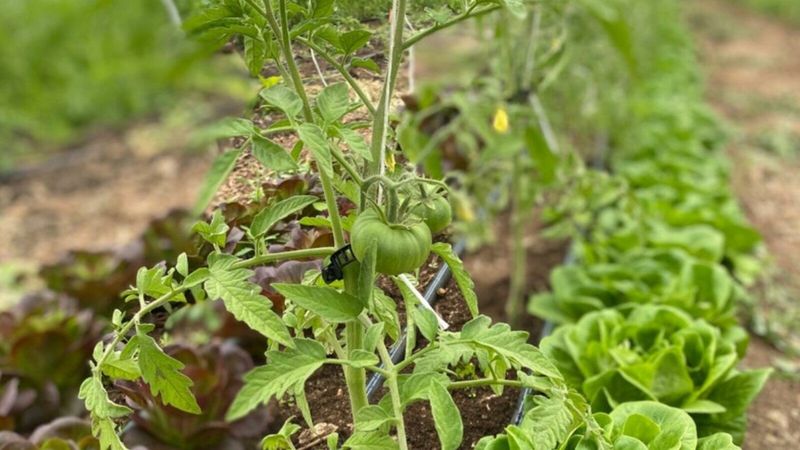
Cauliflower and tomatoes may be friends on a plate, but not in the garden. Cauliflower can overshadow tomatoes, affecting their growth and yield.
Cauliflower pairs well with dill, which deters pests and enhances growth. Tomatoes thrive alongside basil, which enhances their flavor and deters insects.
Fun fact: Cauliflower has been cultivated since the Middle Ages and is known for its versatile culinary uses.
30. Parsnips and Carrots
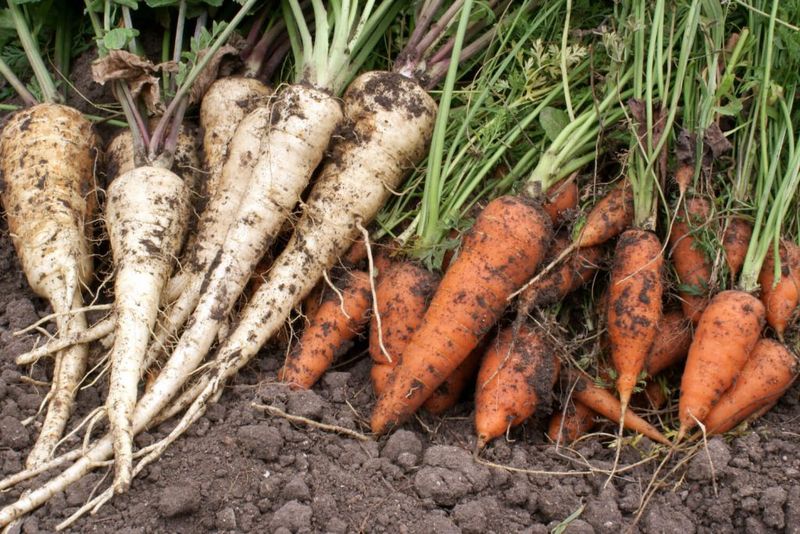
Parsnips and carrots are not ideal garden companions. Both compete for similar nutrients and space, affecting each other’s growth.
Parsnips grow well with garlic, which deters pests and enhances growth. Carrots thrive alongside onions, benefiting from mutual pest protection.
Did you know? Parsnips were a staple food in ancient Europe before the introduction of the potato.
31. Turnips and Potatoes
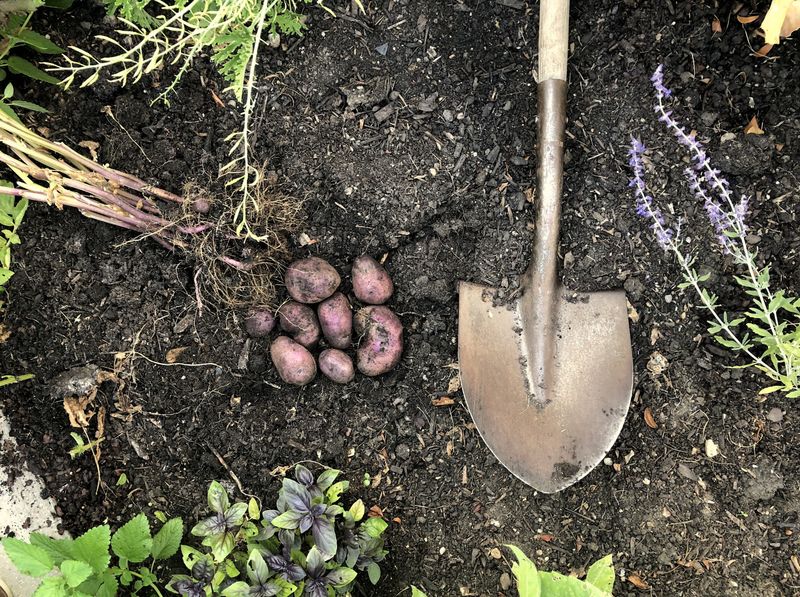
Turnips and potatoes are not compatible. Both compete for space and nutrients, inhibiting each other’s growth.
Turnips pair well with peas, which can fix nitrogen in the soil. Potatoes do best with beans, benefiting from nitrogen fixation as well.
Interesting fact: Turnips have been cultivated for thousands of years and were a staple in ancient Roman diets.
32. Brussels Sprouts and Strawberries
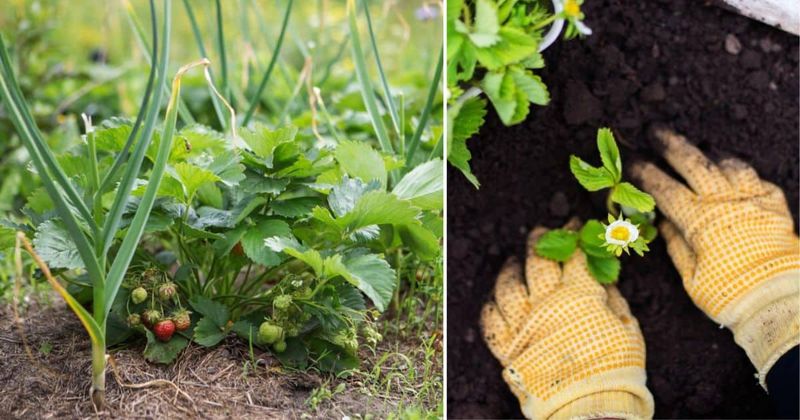
Brussels sprouts and strawberries shouldn’t be planted together. Brussels sprouts’ large leaves can overshadow strawberries, affecting their growth.
Brussels sprouts thrive when planted with dill, which deters pests and enhances growth. Strawberries do well with spinach, benefiting from shared soil and shade.
Did you know? Brussels sprouts were cultivated in Belgium as early as the 13th century!
33. Leeks and Beans
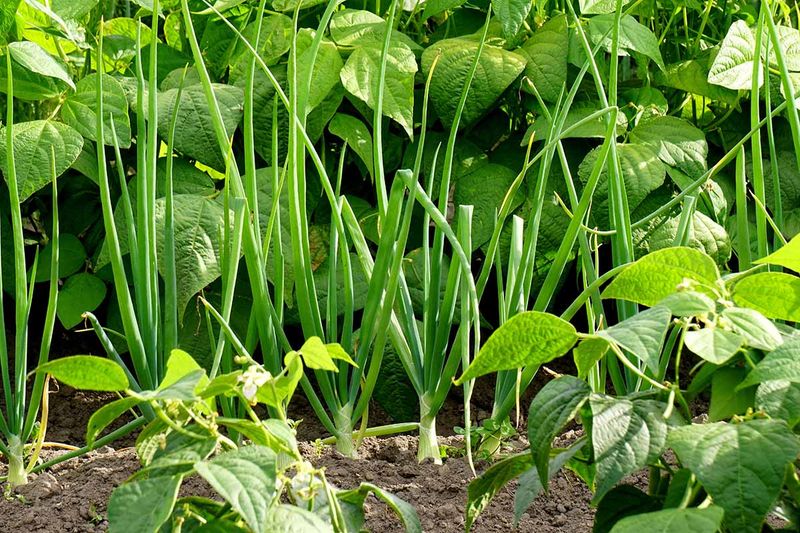
Leeks and beans are not ideal companions. Leeks can inhibit the growth of beans, leading to underwhelming yields.
Leeks grow well with carrots, which can help deter pests and enhance growth. Beans thrive alongside corn, benefiting from support and nitrogen fixation.
Fun fact: Leeks were a favorite of the ancient Egyptians, who believed they offered strength and vitality.
34. Kohlrabi and Tomatoes
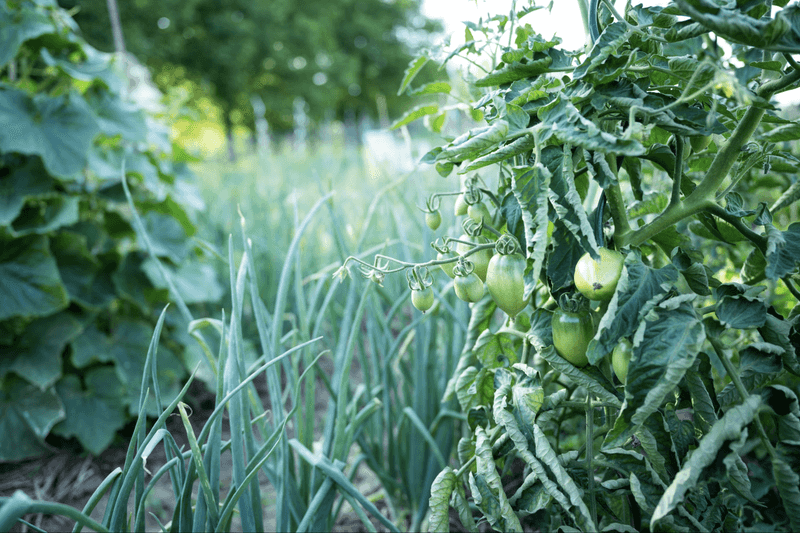
Kohlrabi and tomatoes don’t make good garden companions. Both compete for nutrients, affecting each other’s growth.
Kohlrabi thrives when planted with onions, which deter pests and enhance growth. Tomatoes do well with basil, benefiting from improved flavor and pest deterrence.
Did you know? Kohlrabi is a member of the cabbage family and was first cultivated in Europe in the 16th century.
35. Parsley and Mint
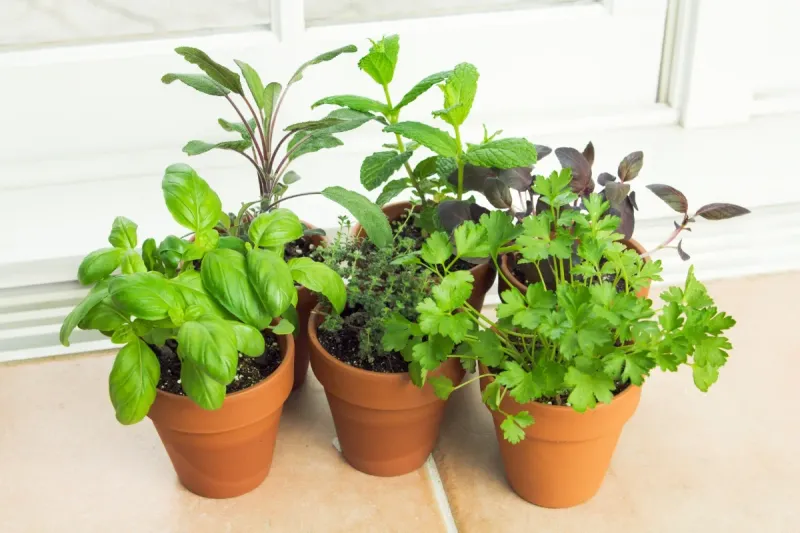
Parsley and mint should not share garden space. Mint’s aggressive growth can outcompete parsley, stunting its development.
Parsley grows well with tomatoes, enhancing growth and deterring insects. Mint pairs beautifully with cabbage, offering pest protection and thriving without competition.
Interesting tidbit: Mint has been used for thousands of years for its refreshing flavor and medicinal properties.
36. Beets and Beans
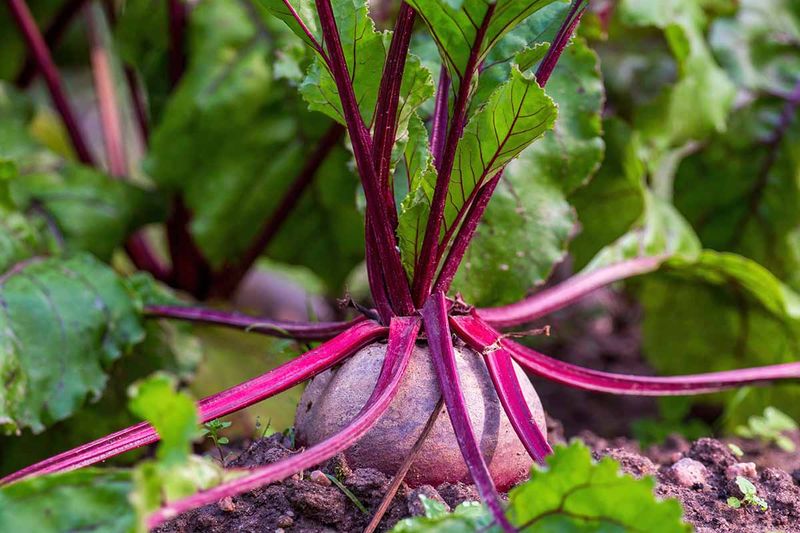
Beets and beans are not ideal garden partners. Beans can overshadow beets, affecting their growth and yield.
Beets thrive when planted with onions, which deter pests and enhance growth. Beans do well with corn, benefiting from support and nitrogen fixation.
Did you know? Beets were originally cultivated for their leaves in ancient times, and their roots became popular later on.
37. Chard and Potatoes
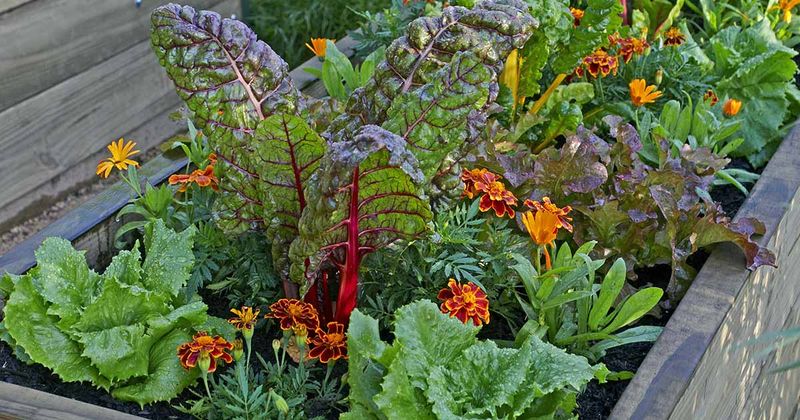
Chard and potatoes are not compatible. Both are heavy feeders, competing for nutrients and space in the garden.
Chard pairs well with beans, benefiting from nitrogen fixation and shared growth space. Potatoes thrive with horseradish, which can help deter pests and diseases.
Fun fact: Chard is a nutrient-rich leafy green that has been cultivated since ancient Greek times.
38. Fennel and Cilantro
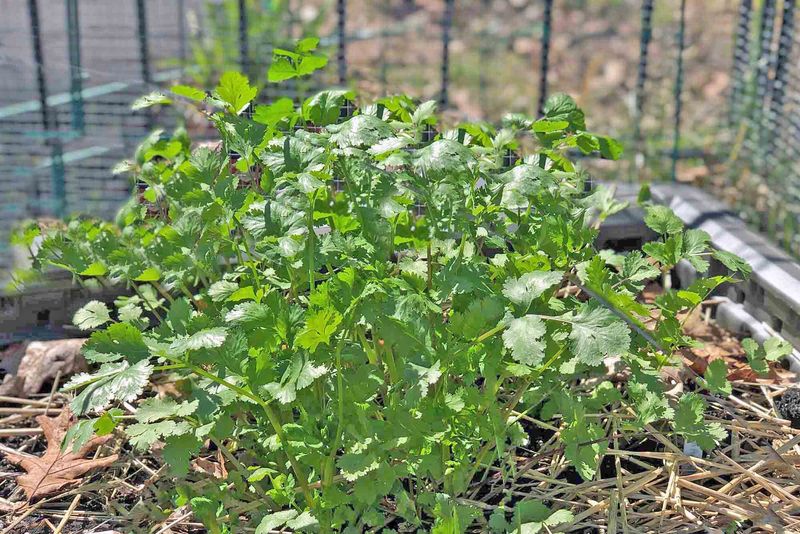
Fennel and cilantro don’t mix well in the garden. Fennel’s strong growth can overshadow cilantro, affecting its yield.
Fennel thrives on its own but also pairs well with dill, attracting beneficial insects. Cilantro does best with carrots, benefiting from shared soil and pest deterrence.
Did you know? Cilantro has been used in cooking and medicine for over 5,000 years, dating back to ancient Egypt.
39. Okra and Tomatoes
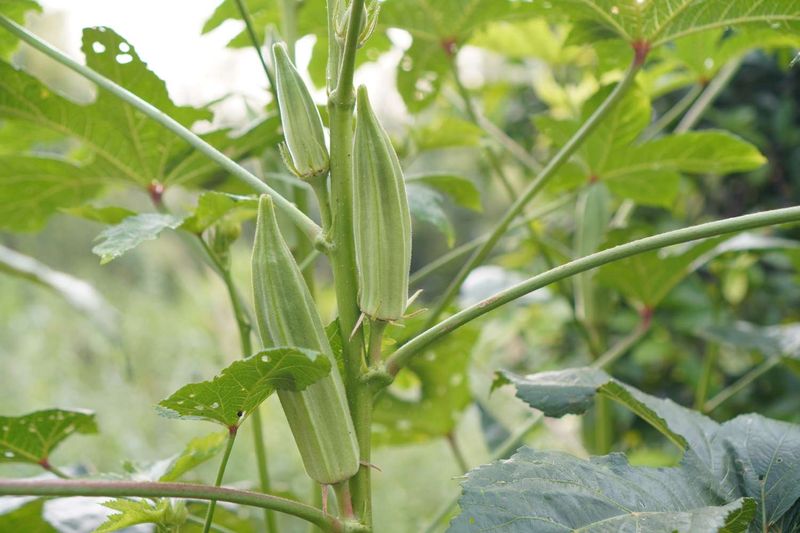
Okra and tomatoes are not compatible. Both compete for nutrients and can overshadow each other, affecting growth.
Okra grows best with peppers, which don’t compete for space and nutrients. Tomatoes thrive alongside basil, enhancing flavor and deterring pests.
Interesting detail: Okra is known for its edible green pods and originated in Africa, where it has been cultivated for centuries.
40. Radicchio and Fennel
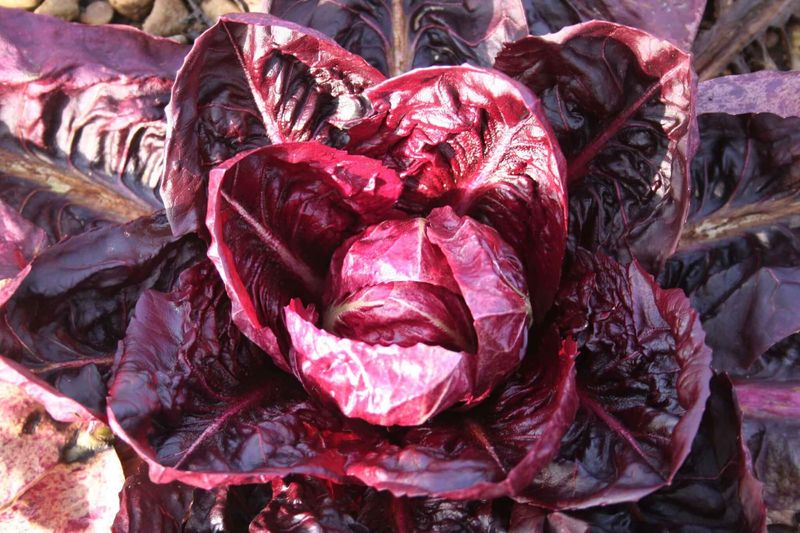
Radicchio and fennel should not be planted together. Fennel’s aggressive growth can hinder radicchio, affecting its quality.
Radicchio grows well with carrots, which share space amicably and deter pests. Fennel thrives alone or with dill, attracting beneficial insects.
Fun fact: Radicchio is a type of chicory and has been cultivated in Italy since the 15th century, prized for its vibrant color and flavor.
41. Garlic and Cabbage
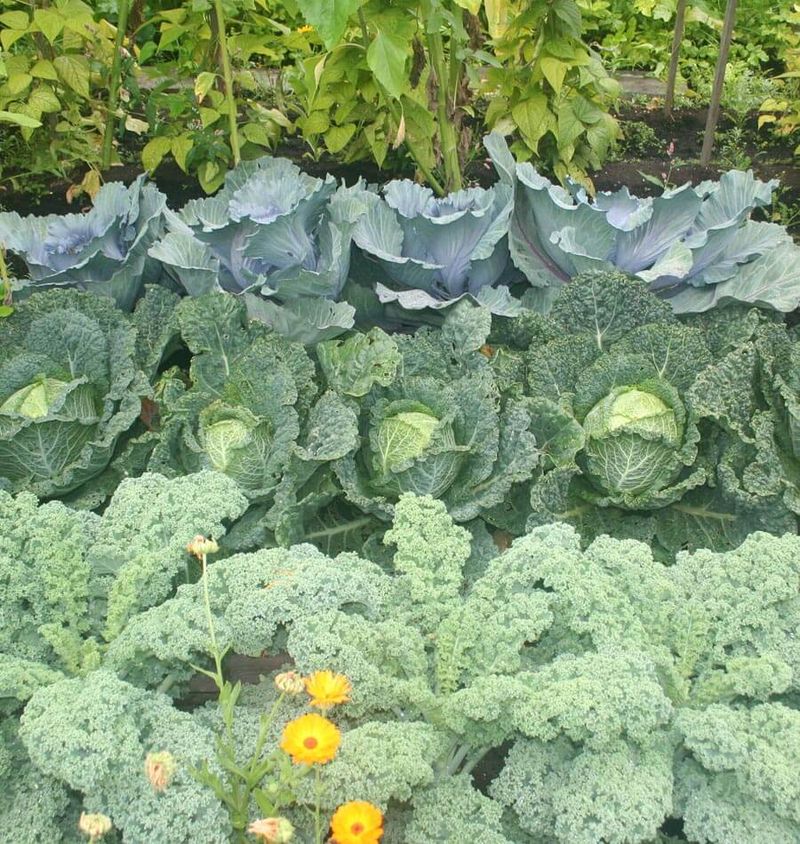
Garlic, with its potent aroma, can repel many pests, making it a robust garden defender. However, when planted near cabbage, it can hinder the growth of this leafy vegetable. Cabbage requires ample nutrients and space to flourish, which garlic may compete for.
Instead, consider pairing cabbage with dill, which can encourage beneficial insects. Dill’s feathery fronds attract wasps and other predators that protect cabbage from pests. This partnership not only helps combat garden nuisances but also enriches the soil, providing a win-win solution for your vegetable patch.
42. Carrots and Parsnips
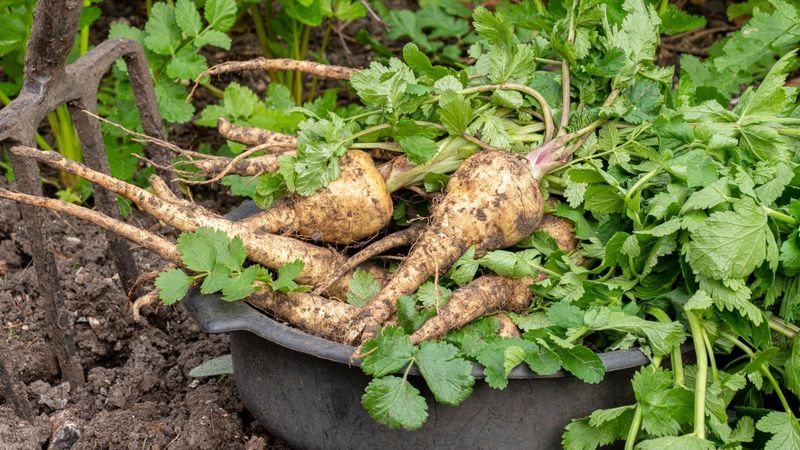
Both carrots and parsnips belong to the Apiaceae family and can suffer when grown together due to competition for nutrients. Their similar root structures can also lead to tangled growth beneath the soil.
For a better match, plant carrots with peas. Peas help fix nitrogen in the soil, enhancing growth for nutrient-loving carrots. This symbiotic relationship promotes healthier plants and a more productive harvest, letting you enjoy bountiful, sweet carrots. Additionally, peas offer a vertical element in your garden design, optimizing space usage.
43. Onions and Peas
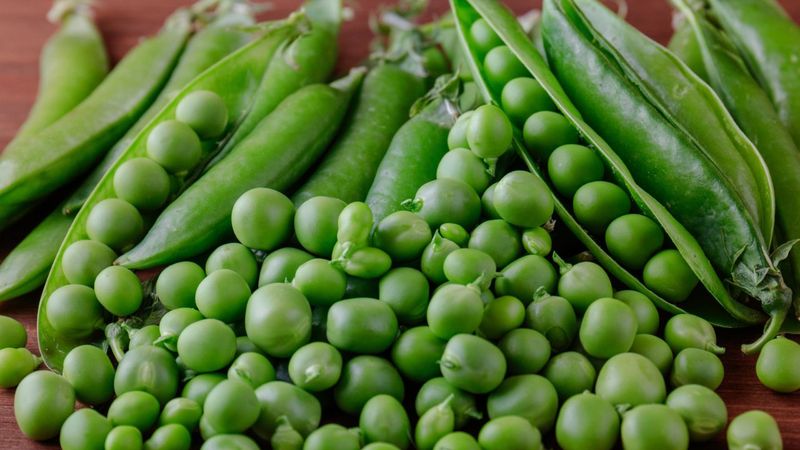
As much as onions excel at repelling pests, they don’t play well with peas. Onions release a chemical that can inhibit the growth of peas, leading to disappointing yields. Peas benefit from open, rich environments, which onions’ secretions can disrupt.
Instead, try partnering peas with radishes. Radishes mature quickly, providing shade and helping retain soil moisture for the peas. This combination enriches the soil structure and supports a more abundant pea harvest, while radishes thrive without competition, offering a swift, nutritive addition to salads.
44. Leeks and Beans
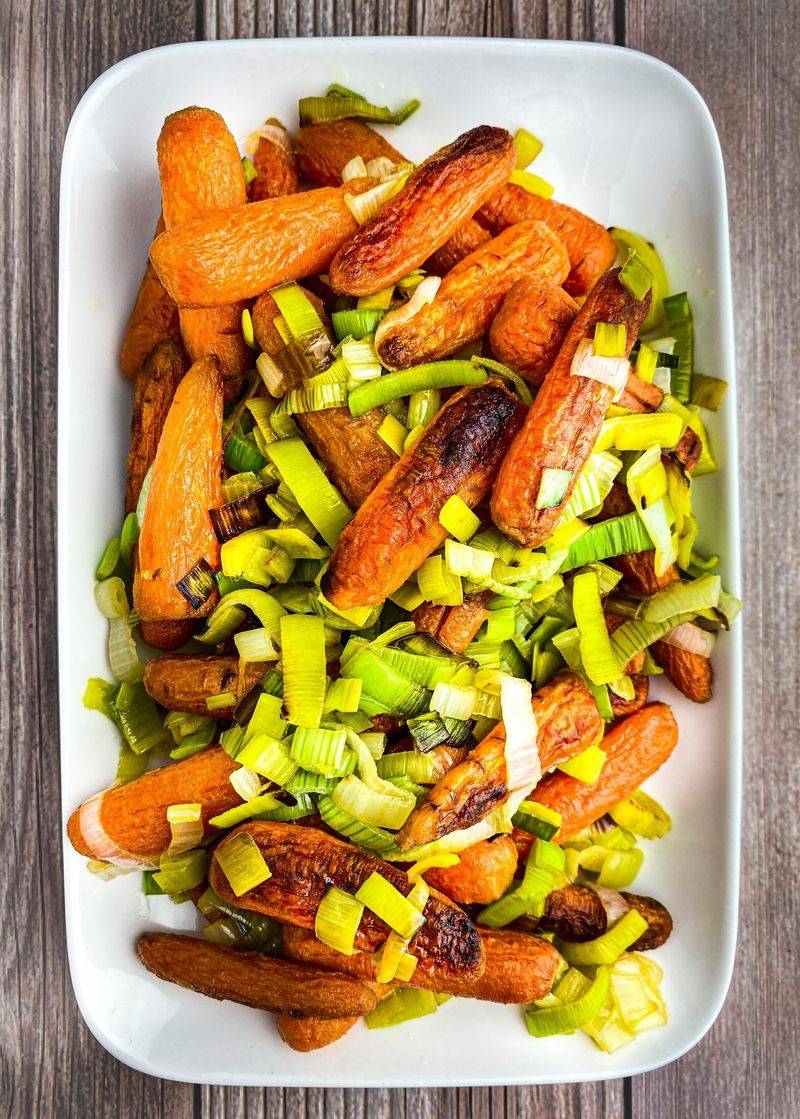
Leeks, with their slender stature, seem innocuous, yet they can stunt the growth of beans. Beans require ample sunlight and nutrients, which leeks can overshadow by their rapid nutrient uptake.
A more harmonious pairing is leeks and carrots. Carrots can benefit from the pest-repelling properties of leeks. Simultaneously, their root systems occupy different soil levels, minimizing competition. This cooperative planting leads to a healthier, more balanced garden, ensuring both vegetables reach their full potential, offering flavorful rewards come harvest time.
45. Beets and Tomatoes
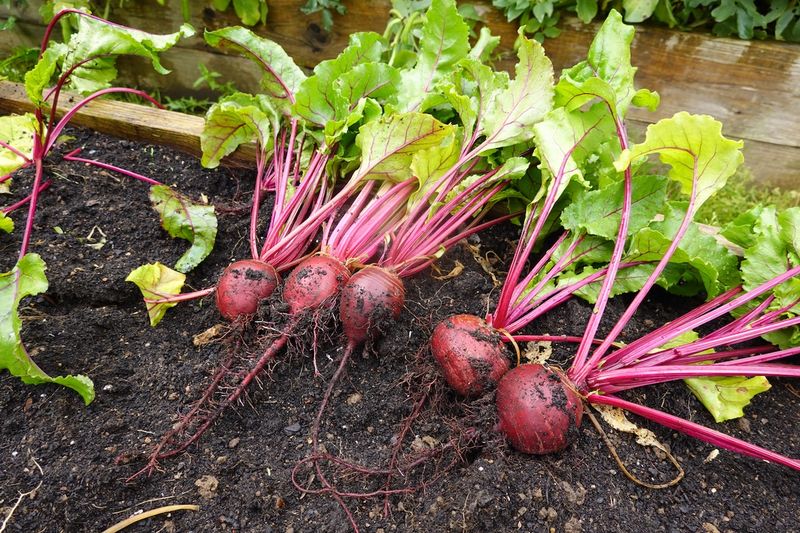
Beets and tomatoes might seem like a garden dream team, but they can clash underground. Beets’ extensive root systems can obstruct the roots of tomatoes, limiting their access to nutrients and water.
Instead, team tomatoes with basil. This classic culinary combo also works wonders in the garden. Basil helps repel pests, and its compact growth doesn’t compete with tomato roots. This pairing enhances the flavor profile of both plants, while promoting vigorous growth, ensuring a bountiful and delicious harvest for your kitchen.
46. Sunflowers and Potatoes
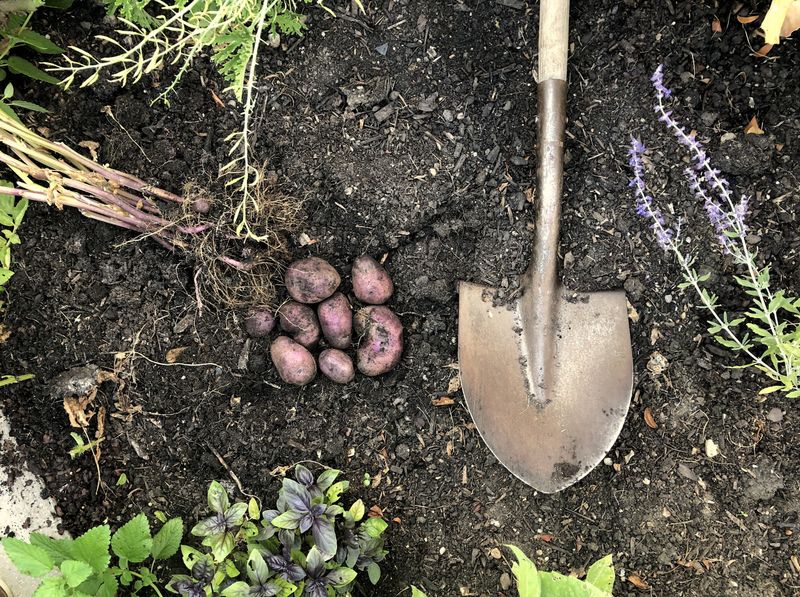
Sunflowers, towering and radiant, can overshadow potatoes both physically and nutritionally. The allelopathic properties of sunflowers can inhibit potato growth, leaving them undernourished and underdeveloped.
Consider pairing potatoes with beans instead. Beans provide nitrogen fixation that potatoes can use, promoting lush, healthy foliage. This cooperative interaction nurtures your garden, leading to a more fruitful potato harvest. The different heights of these plants also maximize light exposure, ensuring neither plant is compromised.
47. Chard and Lettuce
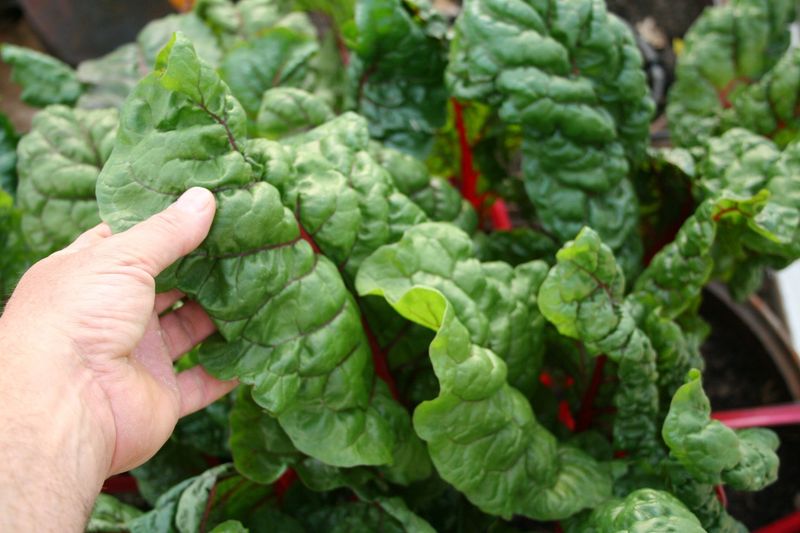
Chard and lettuce together can lead to a battle for space and resources. Chard’s expansive leaves can overshadow lettuce, depriving it of sunlight, which is crucial for its growth.
A better pairing for lettuce is carrots. Carrots grow beneath the soil and won’t compete for light, allowing lettuce to thrive. This pairing optimizes garden space, with carrots benefiting from the shade provided by taller lettuce leaves. The combination ensures both vegetables grow to their full potential, offering a fresh, crisp harvest.
48. Fennel and Cilantro
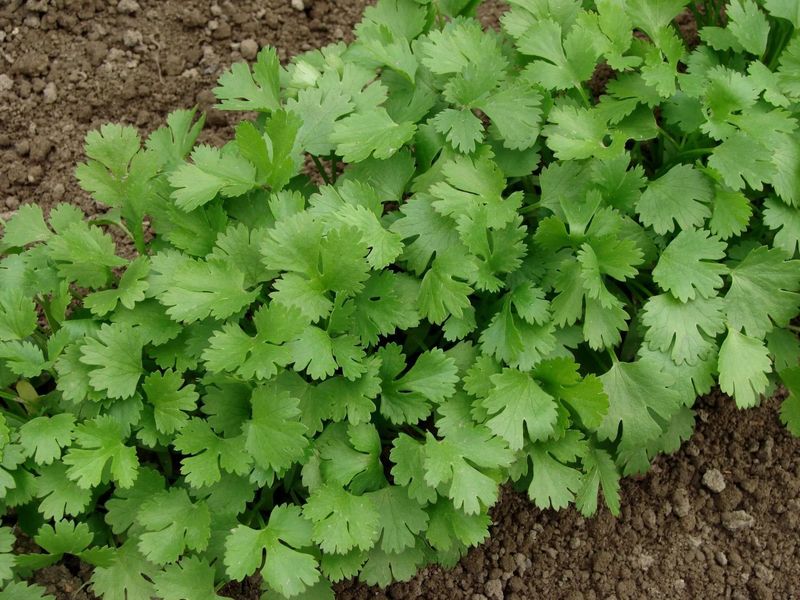
Fennel, with its aromatic fronds, can be too dominant for cilantro, often stunting its growth through allelopathic chemicals. This can lead to poor cilantro yields and reduced flavor.
Instead, combine cilantro with spinach. Spinach’s rapid growth provides ground cover, helping to retain soil moisture for cilantro. This duo enhances garden biodiversity and supports strong, flavorful cilantro, while spinach matures quickly, making room for successive plantings. Together, they form a robust, mutually beneficial garden duo.