 Complete Gardening
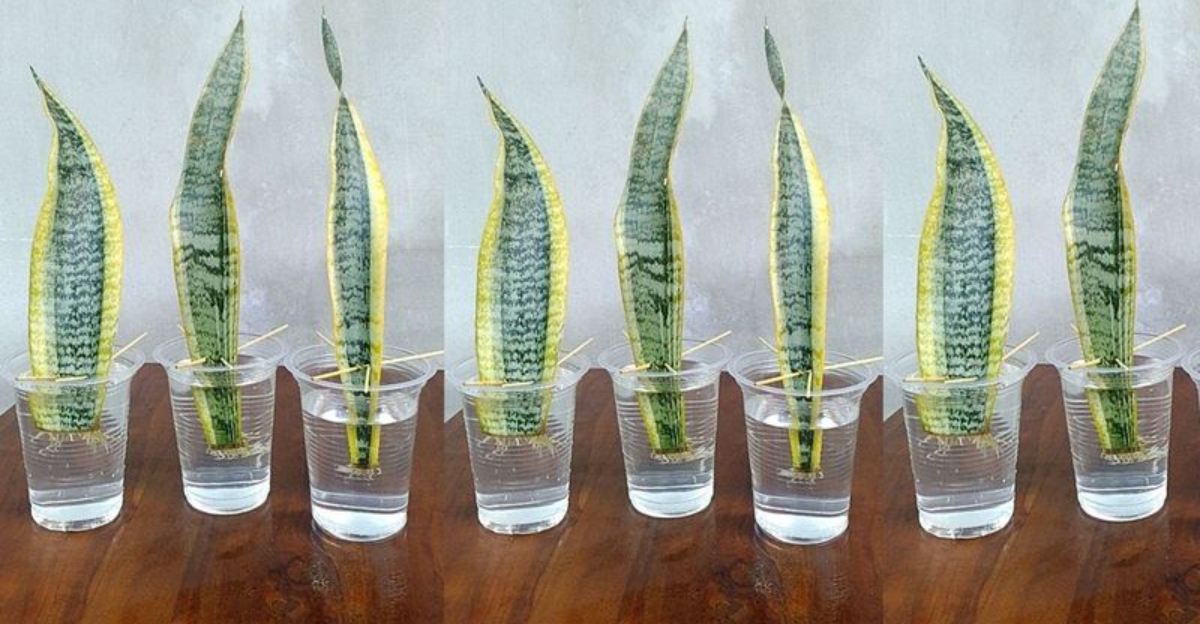
Exploring the world of plant propagation is both fascinating and rewarding. With just a few simple techniques, you can cultivate a vibrant garden from mere cuttings.
This guide unveils 25 remarkable plants that flourish when propagated from cuttings, making it easy for anyone to expand their green spaces.
1. Pothos (Epipremnum aureum)
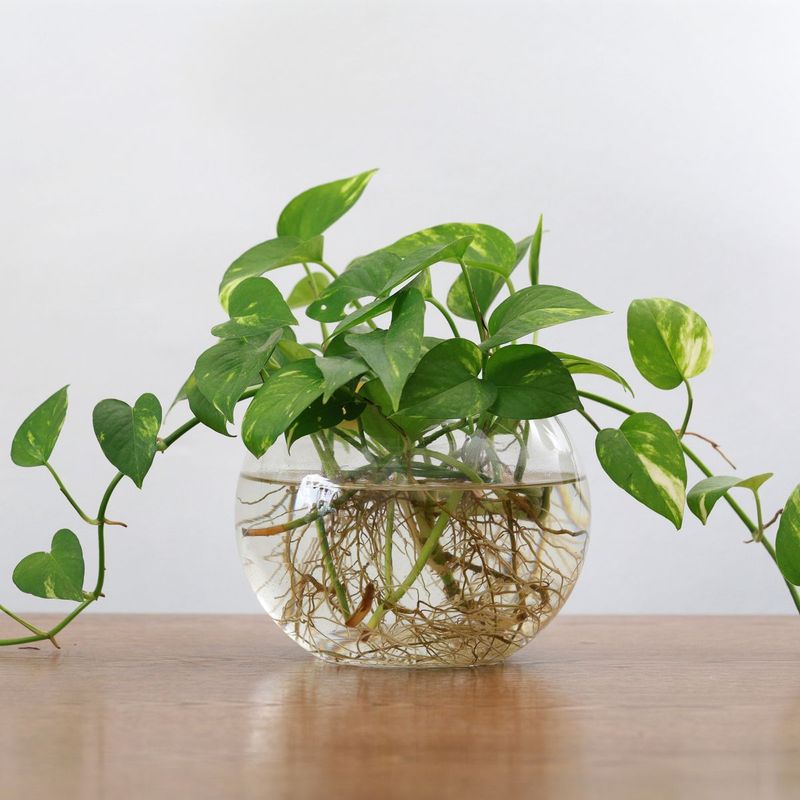
Pothos, known for its lush trailing vines and variegated leaves, is a favorite among indoor gardeners. Its ability to root quickly from stem cuttings makes it an ideal choice for beginners.
Simply snip a section of the vine, ensuring it includes at least one node, and place it in water or damp soil. In no time, you’ll observe roots emerging, eager to anchor into their new environment.
As they grow, Pothos plants can thrive in various lighting conditions, from low light corners to bright indirect light, providing a versatile option for any space. Enjoy its effortless beauty!
2. Heartleaf Philodendron
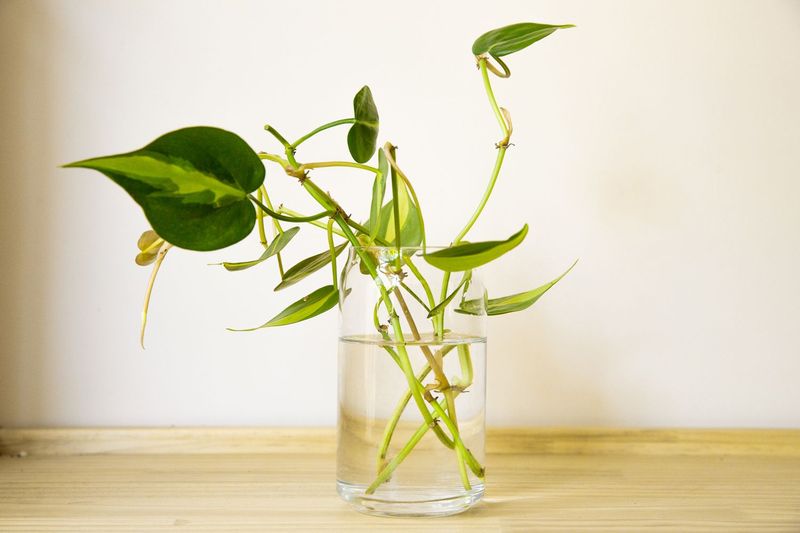
The Heartleaf Philodendron is cherished for its heart-shaped, glossy leaves that effortlessly bring a touch of nature indoors. To propagate, cut a stem below a node and place it in water or potting mix.
Within weeks, roots begin forming, showcasing the plant’s resilient nature. This plant is adaptable to varied light conditions, although it flourishes in indirect sunlight.
As it grows, it can be trained to climb or left to trail, making it a versatile addition to home décor. Its low-maintenance requirements make it perfect for anyone seeking green elegance.
3. English Ivy (Hedera helix)

English Ivy is a classic vine that adds timeless charm to any setting, whether indoors or out. Propagating this plant from cuttings is straightforward: slice a piece of vine, ensuring it has at least one leaf and a node.
Place the cutting in water or soil, and watch as it eagerly establishes roots. English Ivy thrives in medium to bright light conditions and appreciates a humid environment.
Its ability to cover walls and trellises with ease makes it ideal for those looking to enhance their space with lush, green growth.
4. Spider Plant (Chlorophytum comosum)
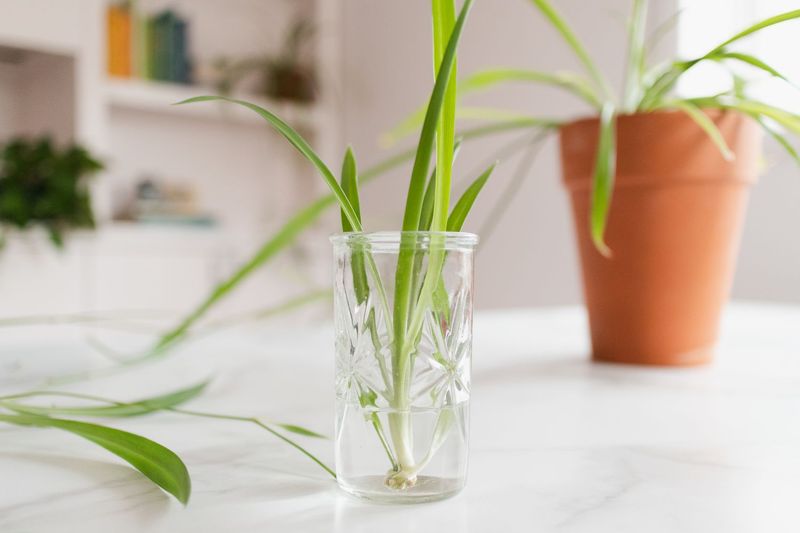
The Spider Plant is beloved for its arching leaves and propensity to produce baby “spiderettes,” offering natural propagation opportunities. To grow new plants, simply detach a spiderette and place it in water or soil.
These plants thrive in indirect light and require minimal care, making them an excellent choice for busy gardeners. With their air-purifying qualities, Spider Plants can enhance indoor air quality while adding a touch of greenery to any room.
Their unique appearance and easy propagation make them a popular choice for plant enthusiasts.
5. Coleus
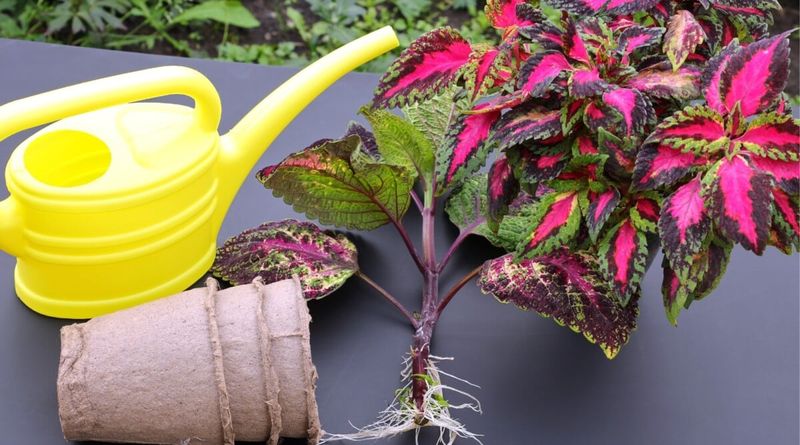
Coleus is celebrated for its striking foliage, available in a vivid palette of colors. This plant is incredibly easy to propagate from stem cuttings. Simply cut a section of the stem, remove lower leaves, and place it in moist soil or water.
New roots will soon appear, ready to support the plant’s growth. Coleus thrives in partial shade to bright indirect light, with regular watering.
Its ability to brighten gardens and containers with colorful displays makes it a favorite among gardeners seeking to add visual interest to their spaces.
6. Jade Plant (Crassula ovata)
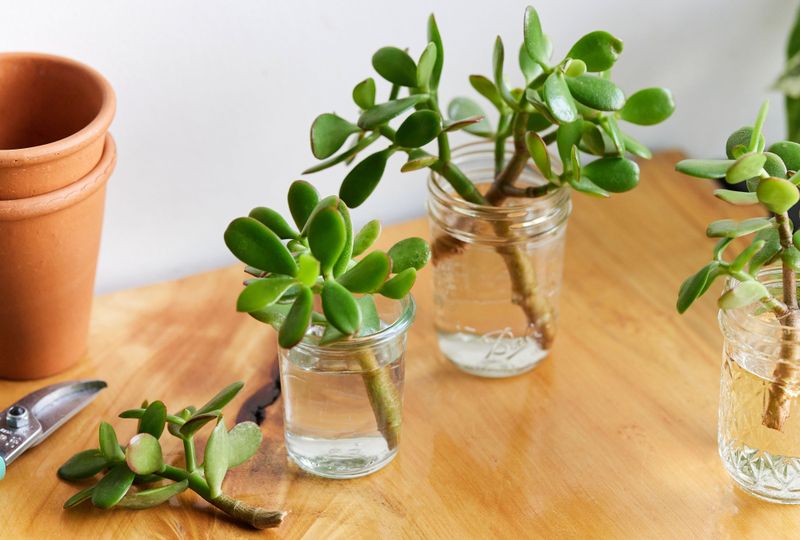
The Jade Plant, with its fleshy leaves and tree-like growth, is a staple in succulent collections. It’s remarkably easy to propagate from a single leaf or stem cutting. Allow the cut end to dry before placing it in well-draining soil.
In a few weeks, roots will develop, anchoring the plant as it begins its journey upward. Jade Plants appreciate bright sunlight and infrequent watering, making them ideal for busy individuals.
Their robust nature and attractive foliage bring both beauty and a sense of tranquility to any environment.
7. Geranium (Pelargonium)
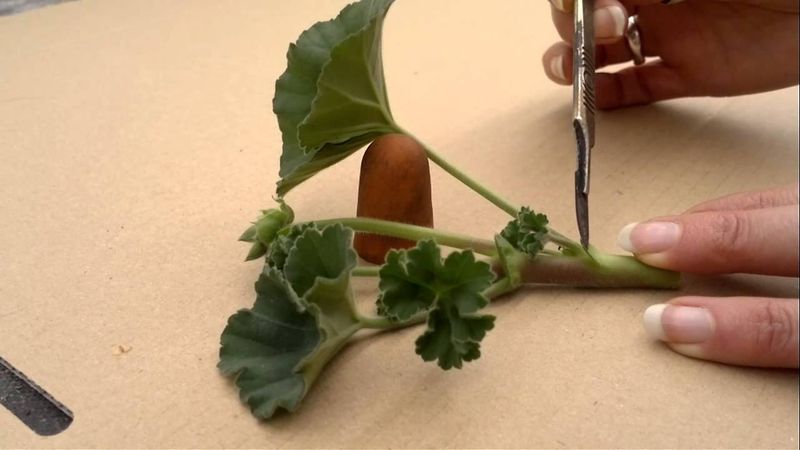
Geraniums, known for their vibrant blooms and pleasant fragrance, are a gardener’s delight. To propagate, take a stem cutting just below a node and place it in moist soil. These plants root rapidly, rewarding you with colorful flowers in just a few months.
Geraniums thrive in sunny locations and well-draining soil, making them perfect for garden beds and containers. Their cheerful blooms and ease of care make them a popular choice for adding a splash of color to patios and balconies.
8. African Violet (Saintpaulia)
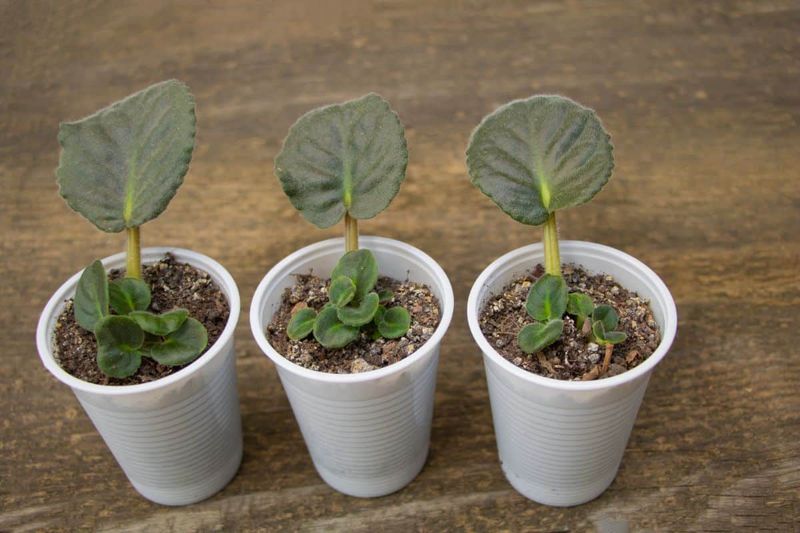
African Violets are admired for their soft, velvety leaves and vibrant blooms. Propagating them from leaf cuttings is a simple and rewarding process. Cut a healthy leaf with a short stem and place it in a potting mix designed for African Violets.
Keep the soil lightly moist, and soon you’ll notice new plantlets emerging at the base of the leaf. These charming plants prefer bright, indirect light and a humid environment.
With proper care, African Violets can bloom year-round, providing continuous beauty and a sense of accomplishment.
9. Fuchsia
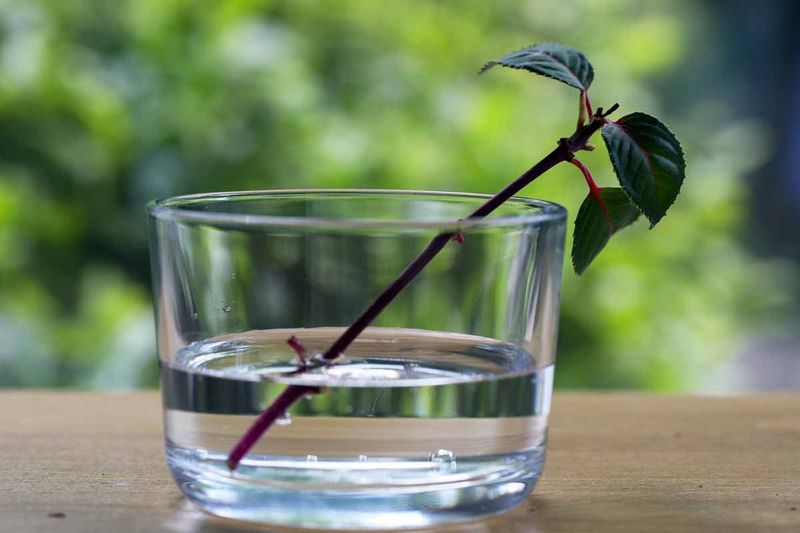
Fuchsias are renowned for their enchanting, pendulous blooms, which can transform any space into a floral haven. Propagation from softwood cuttings is easy: simply snip a non-flowering stem and place it in moist soil or water.
Roots will form rapidly, allowing the plant to establish quickly. Fuchsias thrive in shaded areas with high humidity, making them perfect for hanging baskets and shaded garden spots. Their vibrant flowers attract hummingbirds and add a touch of whimsy to outdoor spaces.
10. Rosemary
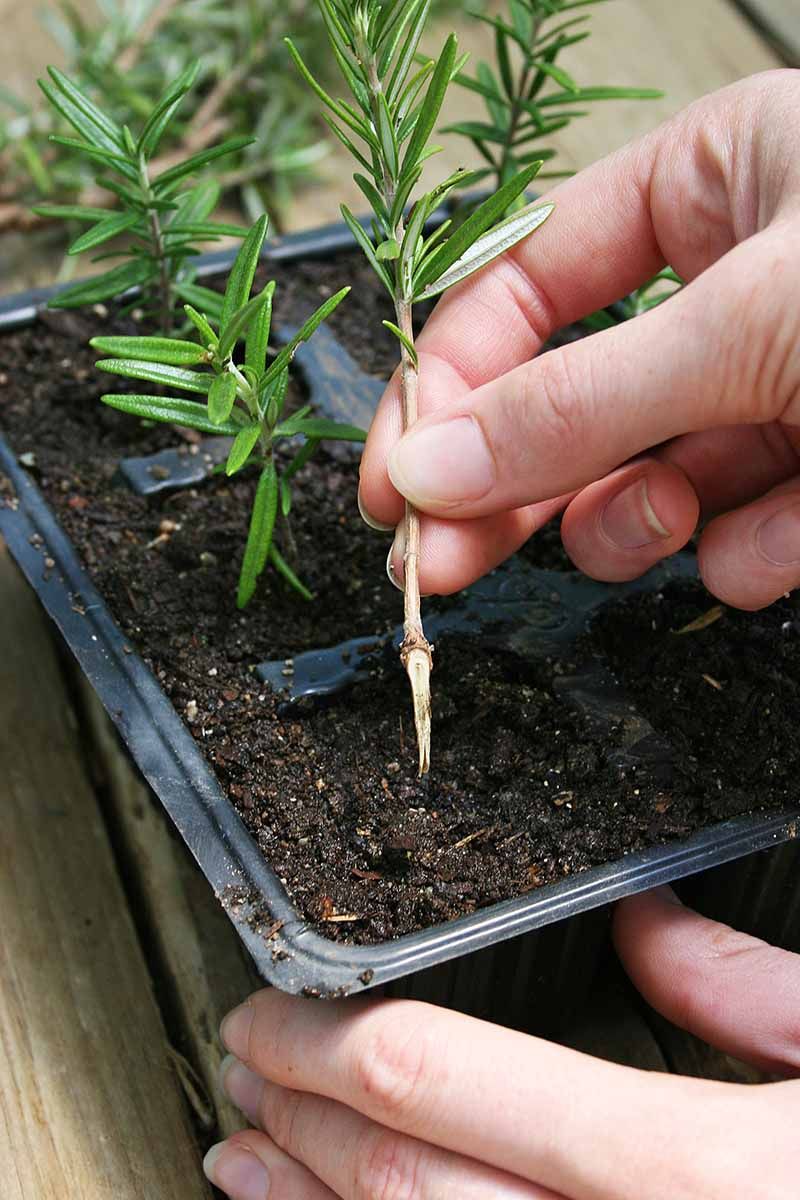
Rosemary, with its aromatic leaves, is a staple in both culinary and ornamental gardens. To propagate, take a cutting of a young shoot and remove leaves from the bottom half before planting in well-drained soil.
The cutting will root in a few weeks, ready to enhance your garden or kitchen with its fresh scent.
Rosemary thrives in full sunlight and requires little water, making it an ideal herb for sunny spots. Its culinary uses and fragrant presence make it a versatile addition to any garden.
11. Lavender
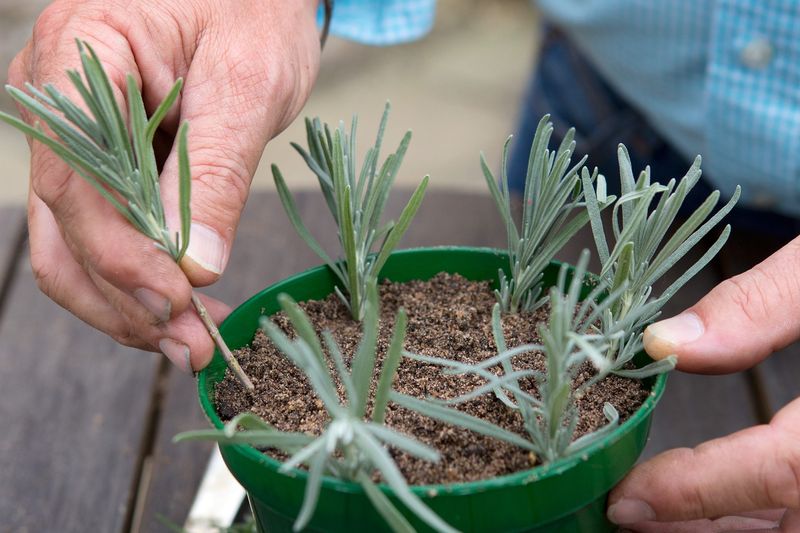
Lavender is adored for its soothing fragrance and striking purple blooms. To propagate, take a softwood cutting and plant it in sandy soil, ensuring good drainage. Roots will develop swiftly, allowing the plant to flourish.
Lavender prefers full sun and minimal watering, thriving in Mediterranean-like climates. Its aromatic flowers are perfect for creating calming sachets or essential oils, and they attract pollinators, bringing life to gardens.
Lavender’s beauty and versatility make it a cherished plant for both indoor and outdoor settings.
12. Basil
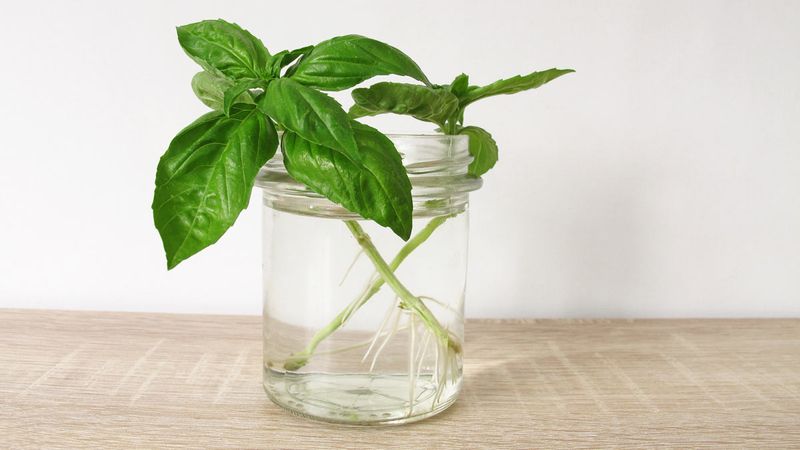
Basil is a beloved culinary herb, known for its fragrant leaves that enhance many dishes. To propagate, cut a stem with several leaves and place it in water or soil.
Roots will quickly develop, ready to provide a continuous supply of fresh basil for your culinary creations.
Basil thrives in full sunlight and requires regular watering, making it a delightful addition to kitchen gardens and windowsills. Its rapid growth and delicious flavor make it indispensable for cooks and gardeners alike.
13. Mint
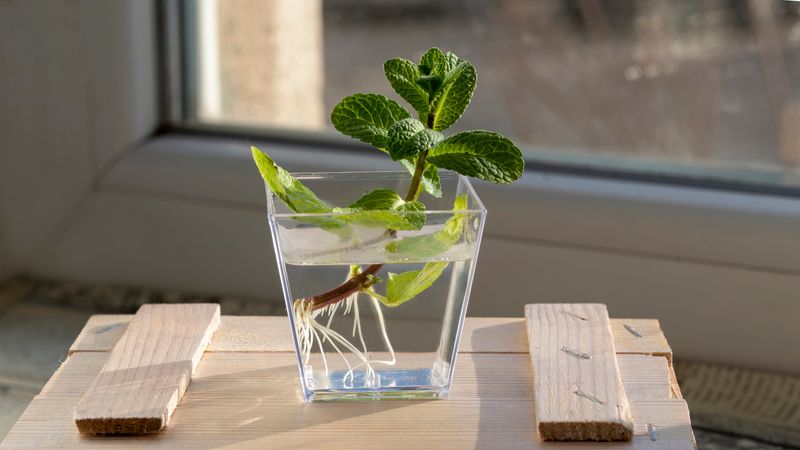
Mint is a vigorous herb, famous for its refreshing aroma and flavor. Propagation is straightforward: take a cutting, strip the lower leaves, and place it in water or soil. Roots will form rapidly, and in no time, you’ll have a thriving mint plant.
Mint prefers partial shade and consistent moisture, making it a robust addition to herb gardens.
Its ability to spread quickly means it can take over if not contained, so consider growing it in pots. Mint’s versatility in culinary and medicinal uses makes it an essential herb for any gardener.
14. Thyme
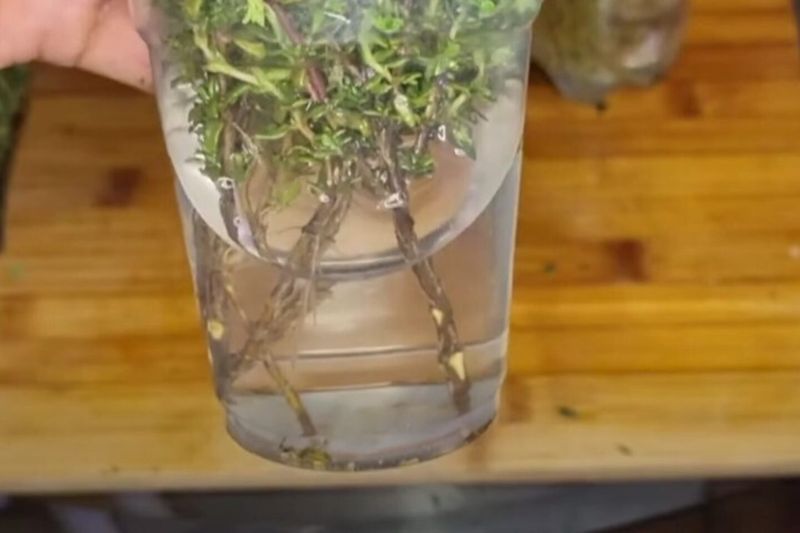
Thyme, with its small, fragrant leaves, is an essential herb in culinary gardens. To propagate, take a stem cutting and remove the lower leaves before planting it in well-drained soil.
Roots will develop quickly, allowing the plant to flourish and provide a steady supply of flavorful leaves. Thyme thrives in full sun and requires minimal watering, making it ideal for rock gardens and borders.
Its hardy nature and culinary versatility make it a staple in herb gardens, enhancing dishes with its distinct flavor.
15. Oregano
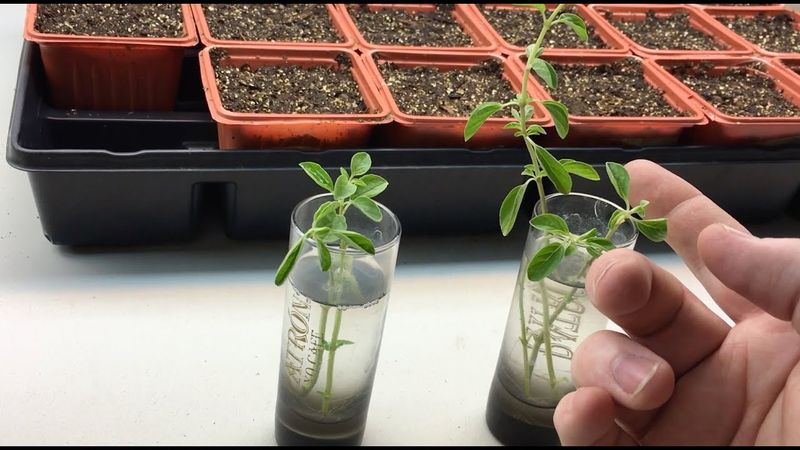
Oregano is a robust herb known for its bold flavor and ease of growth. To propagate, take a cutting and remove the lower leaves before planting it in well-drained soil or water. Roots will form within weeks, providing a continuous supply of aromatic leaves.
Oregano thrives in full sunlight and requires minimal maintenance, making it perfect for herb gardens and pots.
Its culinary uses span various cuisines, and its hardy growth ensures a bountiful harvest. Oregano is a must-have for gardeners seeking flavor and resilience.
16. Hoya (Wax Plant)

Hoyas, known for their waxy leaves and star-shaped flowers, bring a unique charm to indoor gardens. To propagate, take a stem cutting with a few leaves and place it in water or soil. Roots will develop, preparing the plant for new growth.
Hoyas thrive in bright, indirect light and warm, humid conditions, making them ideal for indoor hanging baskets.
Their intriguing appearance and low maintenance requirements make them a favorite among those looking to add a touch of exotic beauty to their spaces.
17. String of Hearts (Ceropegia woodii)
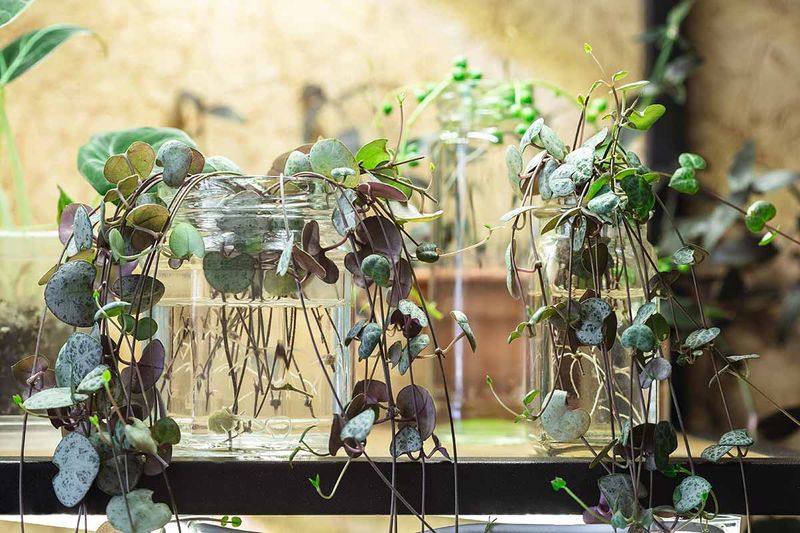
The String of Hearts is a charming trailing plant with delicate, heart-shaped leaves that captivate any observer. To propagate, cut a segment of the vine with a few leaves and place it in soil or water.
Roots will sprout quickly, anchoring the plant as it cascades beautifully. This plant thrives in bright, indirect light and requires minimal watering, making it perfect for sunny windowsills.
Its enchanting appearance and easy care make it a delightful addition to any home, adding grace and elegance.
18. Kalanchoe blossfeldiana
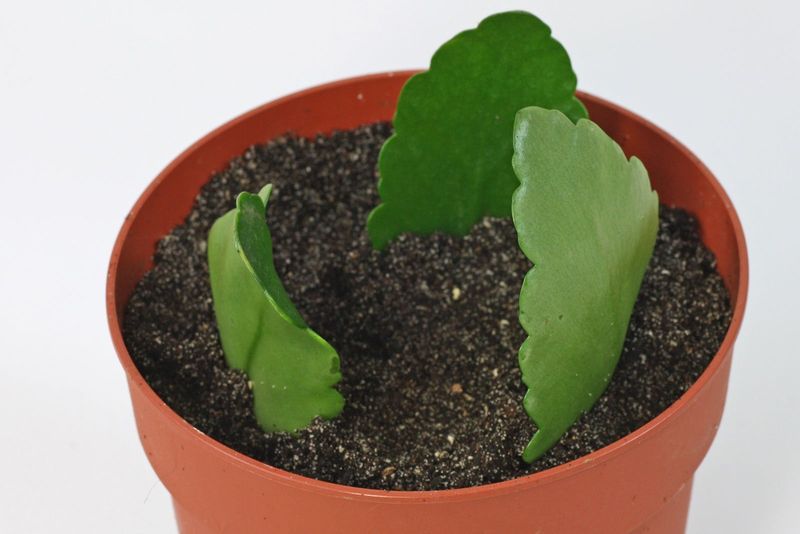
Kalanchoe blossfeldiana is prized for its long-lasting, colorful blooms that brighten any room. Propagation is simple: take a leaf or stem cutting and allow it to dry before planting in well-drained soil. Roots will develop, supporting the plant’s vibrant growth.
Kalanchoes prefer bright, indirect light and infrequent watering, thriving in indoor settings.
Their cheerful flowers and ease of care make them a popular choice for those seeking to add a burst of color to their décor. Kalanchoe’s resilience and beauty offer lasting enjoyment.
19. Wandering Jew (Tradescantia)
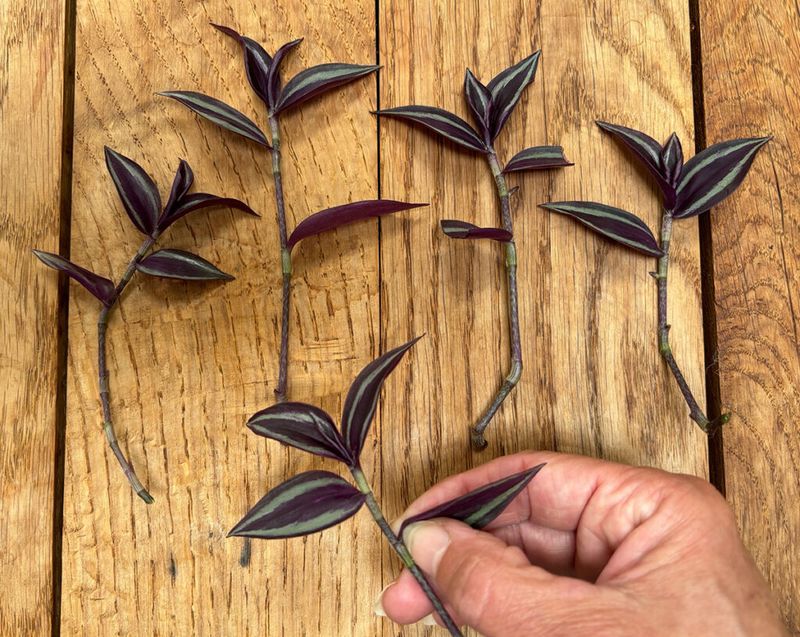
The Wandering Jew is loved for its striking purple and green striped leaves that bring a splash of color to any area. To propagate, cut a stem and place it in water or soil, where roots will form rapidly.
This plant thrives in bright, indirect light and requires regular watering to maintain its vivid hues. Its trailing growth habit makes it perfect for hanging baskets and shelves.
The Wandering Jew’s vibrant appearance and quick growth make it a favorite for those looking to add a lively touch to their home.
20. Snake Plant (Sansevieria)
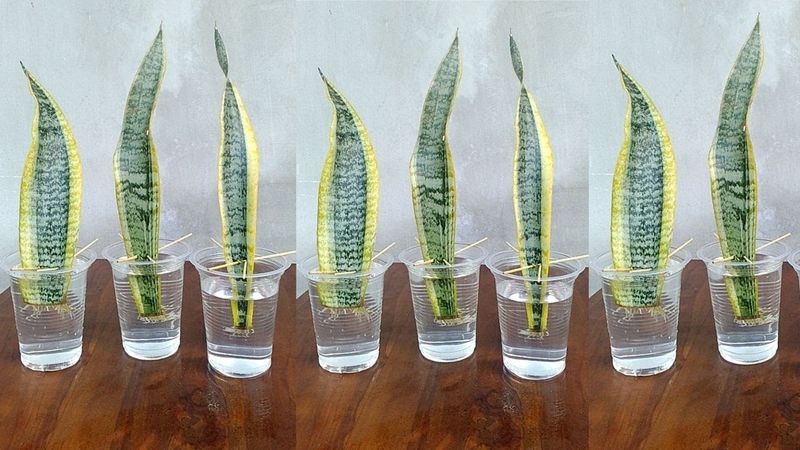
Snake Plants, with their tall, upright leaves, are known for their architectural beauty. While commonly propagated by division, they can also grow from leaf cuttings. Cut a leaf into sections, let them dry, and plant in well-draining soil.
Roots will form, allowing the plant to thrive in low to bright light conditions. Snake Plants require minimal watering, making them ideal for busy individuals.
Their air-purifying qualities and striking appearance make them a valuable addition to homes and offices, providing both style and health benefits.
21. Fittonia (Nerve Plant)
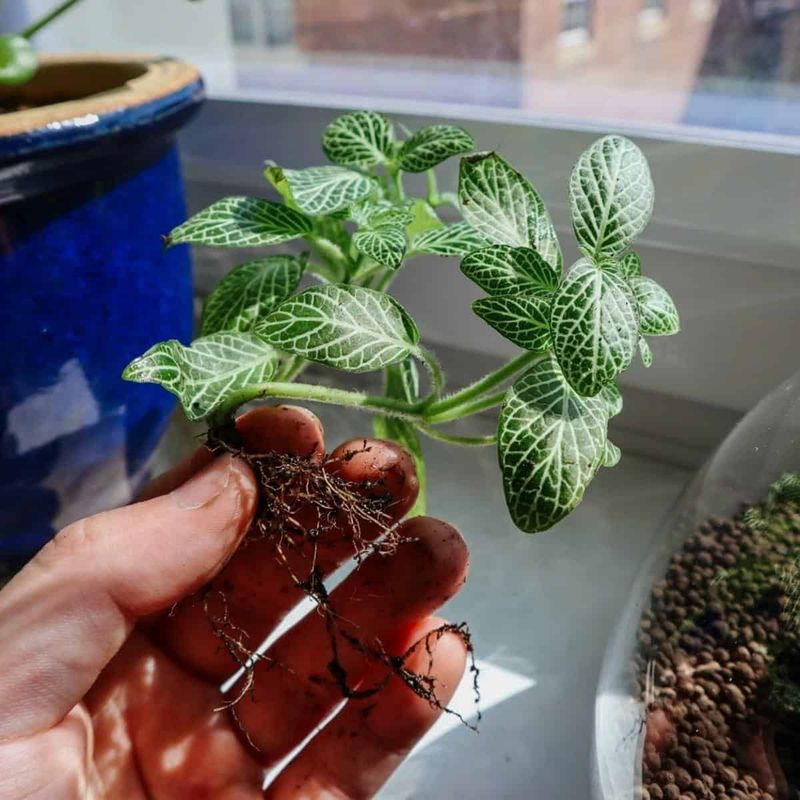
The Fittonia, or Nerve Plant, is admired for its vibrant veined foliage, which adds a unique touch to any plant collection. To propagate, take a stem cutting with a few leaves and place it in moist soil.
Roots will develop, and soon you’ll have a thriving new plant. Fittonias prefer low to medium light and high humidity, making them ideal for terrariums and humid indoor spaces.
Their captivating leaves and easy care requirements make them a favorite for those seeking to add a splash of color and texture.
22. Ficus Benjamina (Weeping Fig)
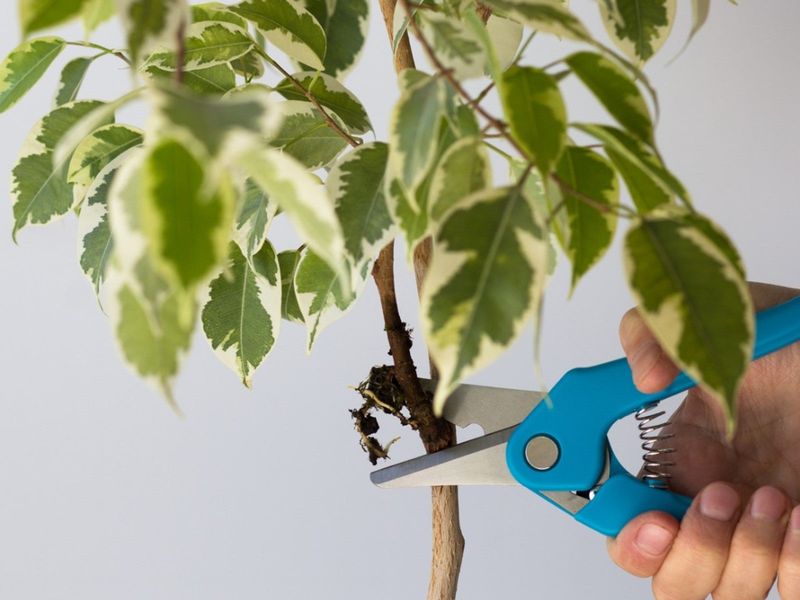
Ficus Benjamina, or Weeping Fig, is a popular indoor tree with elegant, glossy leaves. To propagate, take a cutting from a healthy branch and place it in water or soil. The cutting will root, growing into a graceful tree with proper care.
Weeping Figs prefer bright, indirect light and consistent watering, flourishing indoors. Their sophisticated appearance and air-purifying abilities make them a stylish addition to homes and offices, adding a touch of nature and elegance.
23. Poinsettia
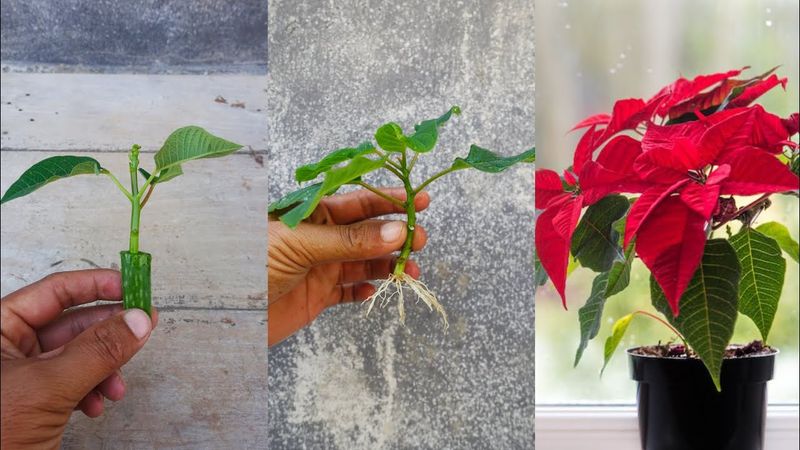
Poinsettias are famous for their bright red bracts and lush green leaves, often associated with holiday decor. To propagate, take a cutting from a healthy stem and plant it in moist soil.
Root growth will soon follow, allowing the plant to develop and showcase its vibrant colors. Poinsettias thrive in bright, indirect light and require regular watering to maintain their healthy appearance.
Beyond the holiday season, they can be enjoyed year-round, offering a splash of color and cheer to any space.
24. Chrysanthemum
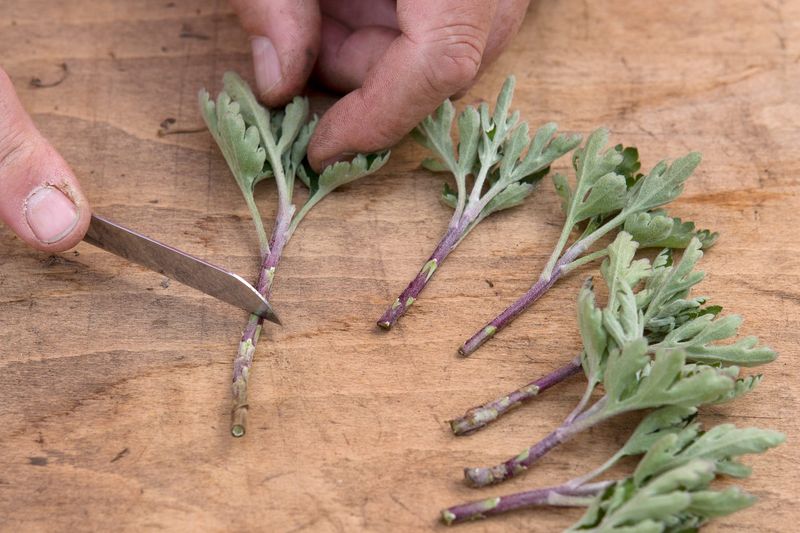
Chrysanthemums, or mums, are cherished for their stunning blooms that brighten gardens and homes. To propagate, take a stem cutting and plant it in moist soil. Roots will develop quickly, leading to a flourishing plant that produces vibrant flowers.
Chrysanthemums prefer full sun and well-draining soil, making them perfect for garden beds and pots. Their dazzling array of colors and ease of care make them a favorite for gardeners seeking to embellish their spaces with beauty and charm.
25. Echeveria
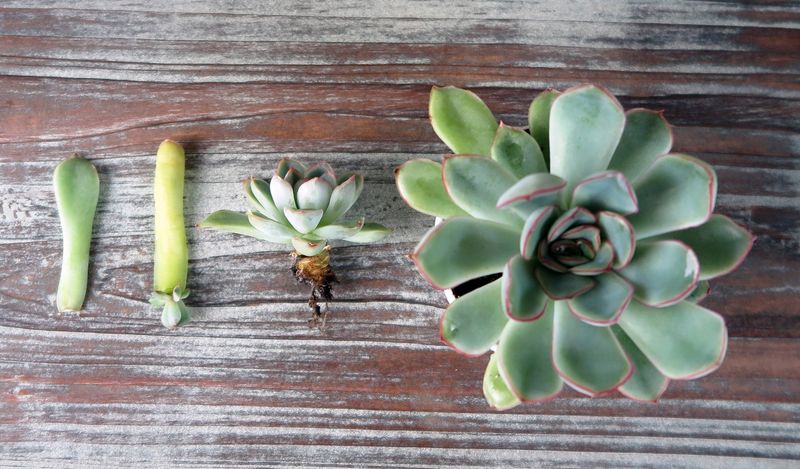
Echeveria is a favorite succulent, known for its rosette-shaped leaves and stunning colors. To propagate, remove a leaf or take a stem cutting, allowing it to dry before planting in well-draining soil.
Roots will form, and the plant will begin to grow, showcasing its unique beauty. Echeverias thrive in bright, indirect light and require minimal watering, making them perfect for sunny windowsills and succulent gardens.
Their striking appearance and low maintenance needs make them a beloved addition to any plant collection, offering elegance and simplicity.