 Complete Gardening
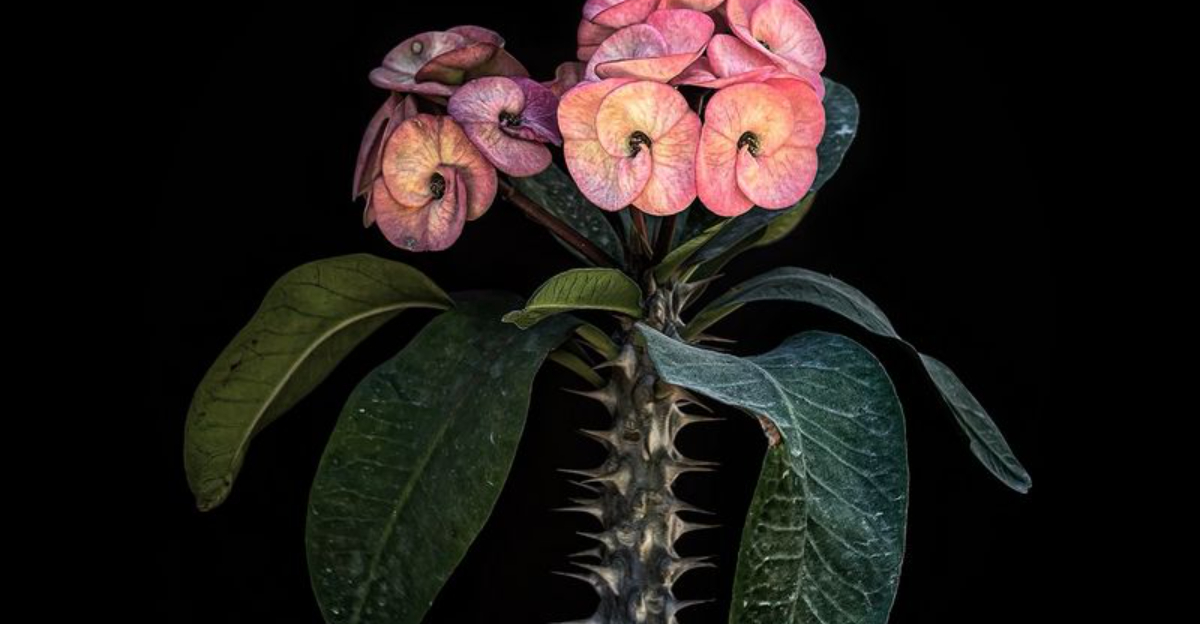
Plants add beauty and serenity to any space, but some come with an unexpected olfactory twist. This article explores 25 stunning plants that, despite their visual appeal, emit notorious odors.
These scents range from musky to downright offensive, making these plants a regrettable choice for those sensitive to smells.
Whether it’s the skunky aroma of Crown Imperial or the unsettling scent of Devil’s Tongue, each plant offers a unique challenge for gardeners. Discover which plants to avoid if fragrance is a priority for your home and garden.
1. Crown Imperial (Fritillaria imperialis)
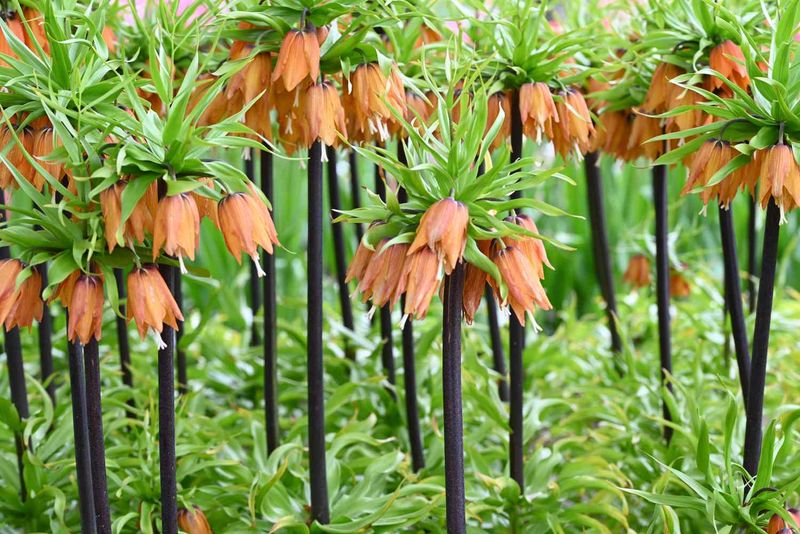
Crown Imperial, with its majestic blooms, might seem like a regal choice for the garden. However, its musky, skunky odor is anything but royal and can be off-putting. This plant’s scent is meant to ward off animals, but it often deters humans instead. The striking flowers, hanging in clusters, draw the eye, but their smell pushes noses away. A plant of contradictions, its beauty is only skin deep. Beware if you have a sensitive nose!
2. Snake Plant (Sansevieria trifasciata)

The Snake Plant, a common houseplant, is usually odorless, making it a popular choice for bedrooms. Yet, when overwatered, its roots betray a scent reminiscent of rotting garlic. This surprising aroma can catch plant owners off guard, turning a beloved plant into an unwelcome guest. Its resilience and air-purifying qualities are overshadowed by this olfactory betrayal. Keep it dry to avoid disappointment and maintain its reputation as a low-maintenance favorite.
3. Stapelia (Carrion Flower)
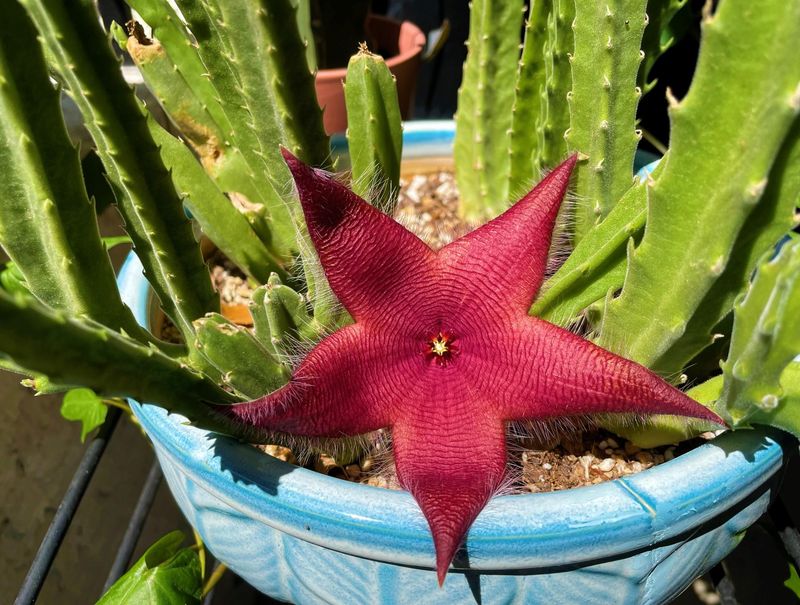
Stapelia, known as the Carrion Flower, captivates with its exotic, star-shaped blossoms. Yet, these beauties come with an odor reminiscent of rotting meat, designed to attract pollinators like flies. This plant’s unusual scent is a survival tactic but can be a deal-breaker for plant enthusiasts. Its unique appearance might intrigue, but its smell often repels. For those who can tolerate the aroma, it remains a fascinating addition to any collection.
4. Easter Lily (Lilium longiflorum)
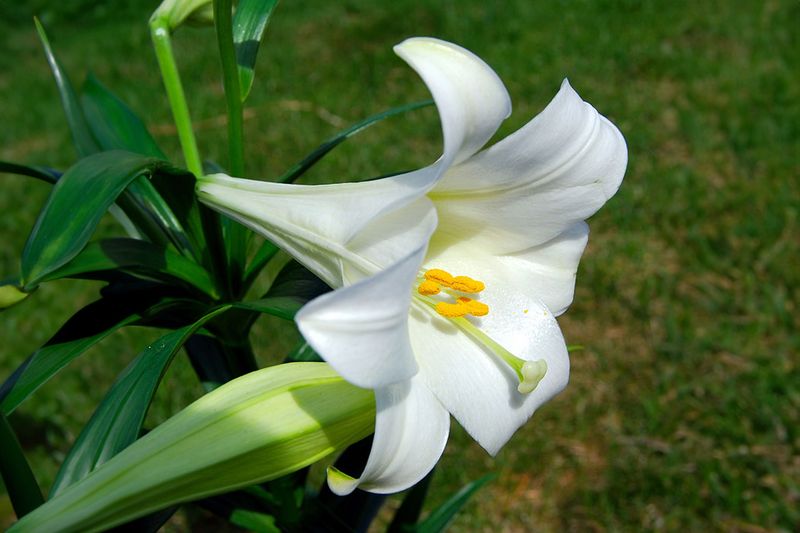
Easter Lily, with its pure white petals, is a symbol of peace and renewal. Some find its fragrance sweet, while others deem it overpowering and headache-inducing. In closed spaces, this lily’s scent can become cloying, leading to discomfort. Its beauty is undeniable, yet its fragrance divides opinions. For those sensitive to strong smells, this plant may not bring the serenity it visually promises.
5. Rafflesia arnoldii
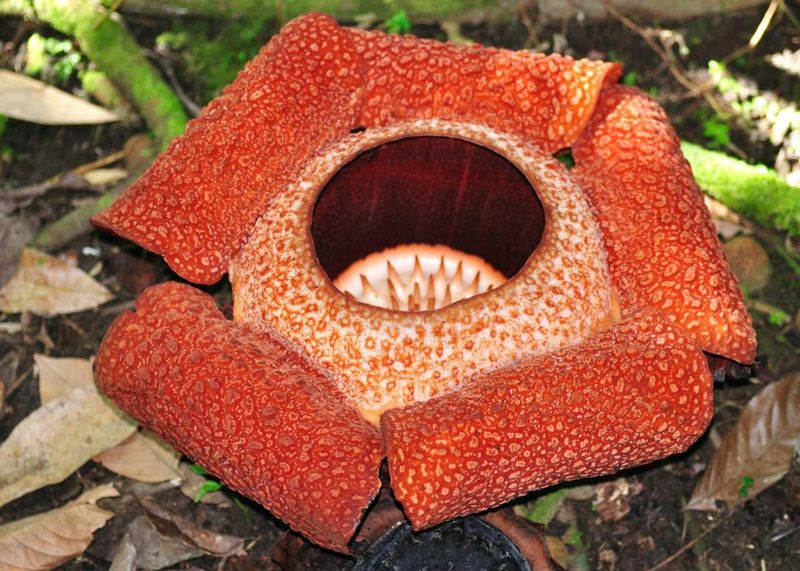
Rafflesia arnoldii boasts the world’s largest bloom, a sight to behold in the tropical rainforest. Its imposing petals, however, emit a scent akin to decomposing flesh, earning it the nickname “corpse flower.” This smell, while attracting pollinators, can deter human admirers. Its allure lies in its size and rarity, not its fragrance. This plant challenges the notion that bigger is always better in the floral world.
6. Calla Lily (Zantedeschia aethiopica)
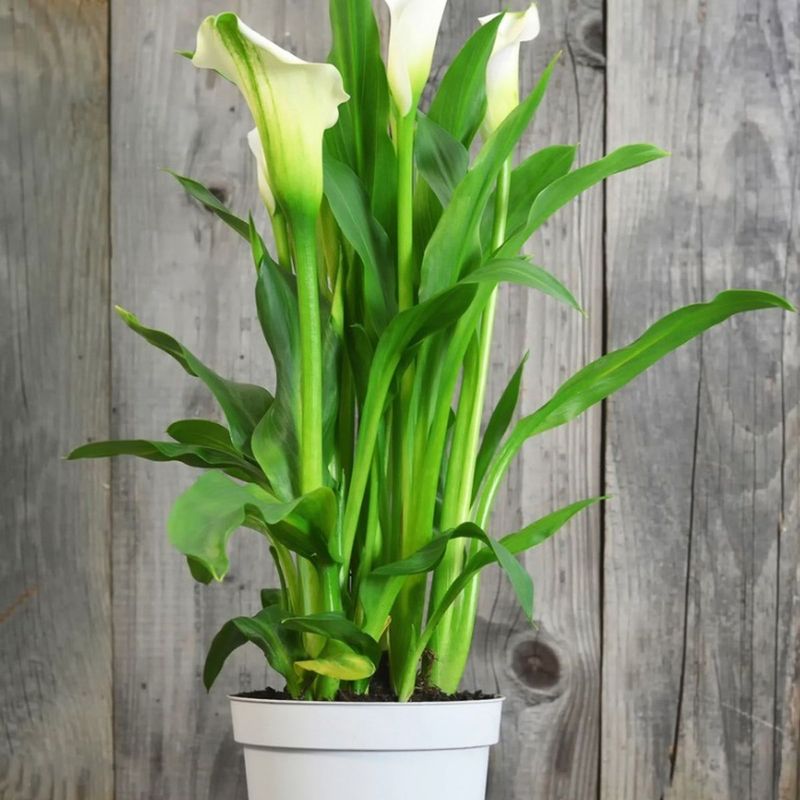
Calla Lily, often celebrated for its graceful blooms, can develop an unexpected musty odor in overly moist conditions. This shift in scent, from fresh to moldy, surprises many plant lovers. While visually stunning, the plant’s need for balanced watering becomes clear. Its charm lies in its appearance, yet maintaining its environment is key to avoiding the unwanted aroma. A reminder that beauty sometimes requires careful attention.
7. Paperwhite Narcissus (Narcissus papyraceus)
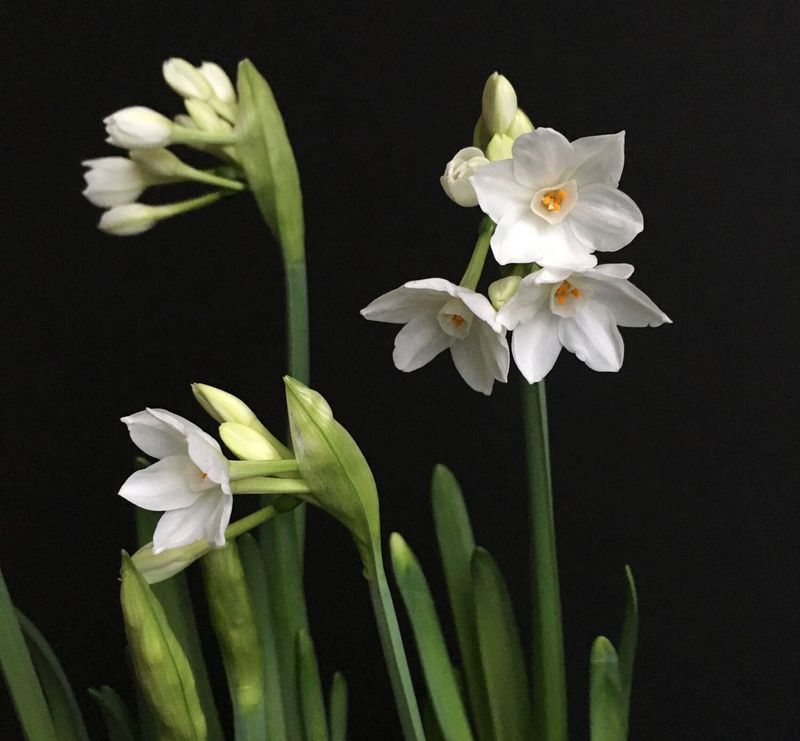
Paperwhite Narcissus, with its delicate white flowers, is often used to freshen indoor spaces during winter. However, this plant’s scent, often compared to an animal-like musk, can be overwhelming indoors. Its fragrance is divisive, loved by some and loathed by others. The elegant blooms promise freshness, yet their scent tells a different story. Ideal for those who appreciate bold aromas, but not for everyone.
8. Devil’s Tongue (Amorphophallus konjac)
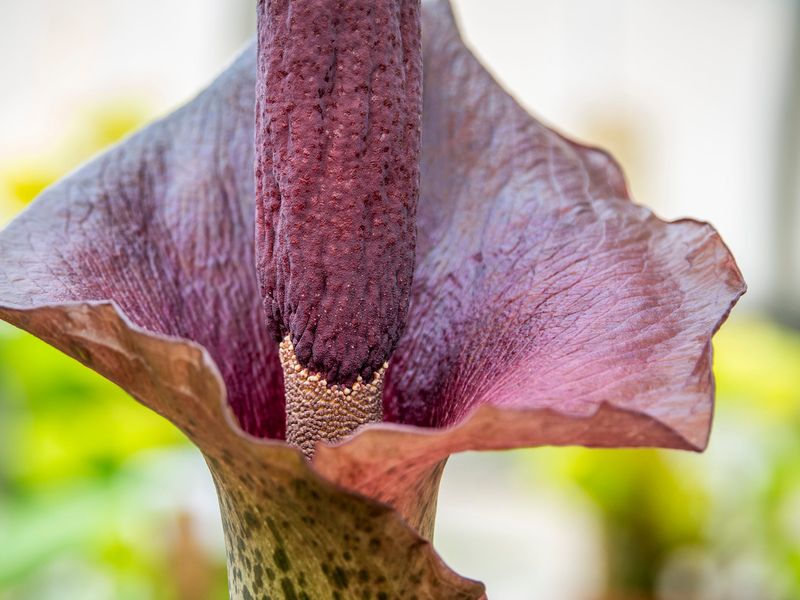
Devil’s Tongue, or Amorphophallus konjac, is infamous for its corpse-like stench. This plant’s dramatic bloom and towering spadix are visually striking but come with an odor reminiscent of rot. Its smell is a natural strategy to attract pollinators but can be overwhelming for plant owners. The plant’s exotic appearance is alluring, yet its scent is a powerful deterrent. A bold choice for the adventurous gardener.
9. Skunk Cabbage (Symplocarpus foetidus)
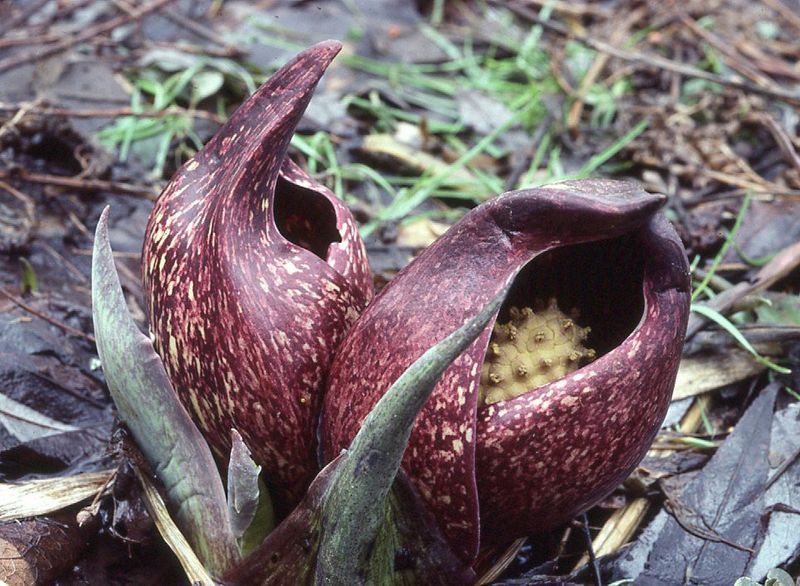
Skunk Cabbage, true to its name, emits a powerful odor akin to decaying fish and garbage. This scent, designed to attract insect pollinators, is not for the faint-hearted. Its bright green leaves and unique flowers make it a curious addition to wetland gardens. Despite its smell, the plant plays a vital ecological role. For those who appreciate its role in nature, the scent is a small price to pay.
10. Dracaena (especially Dracaena fragrans)
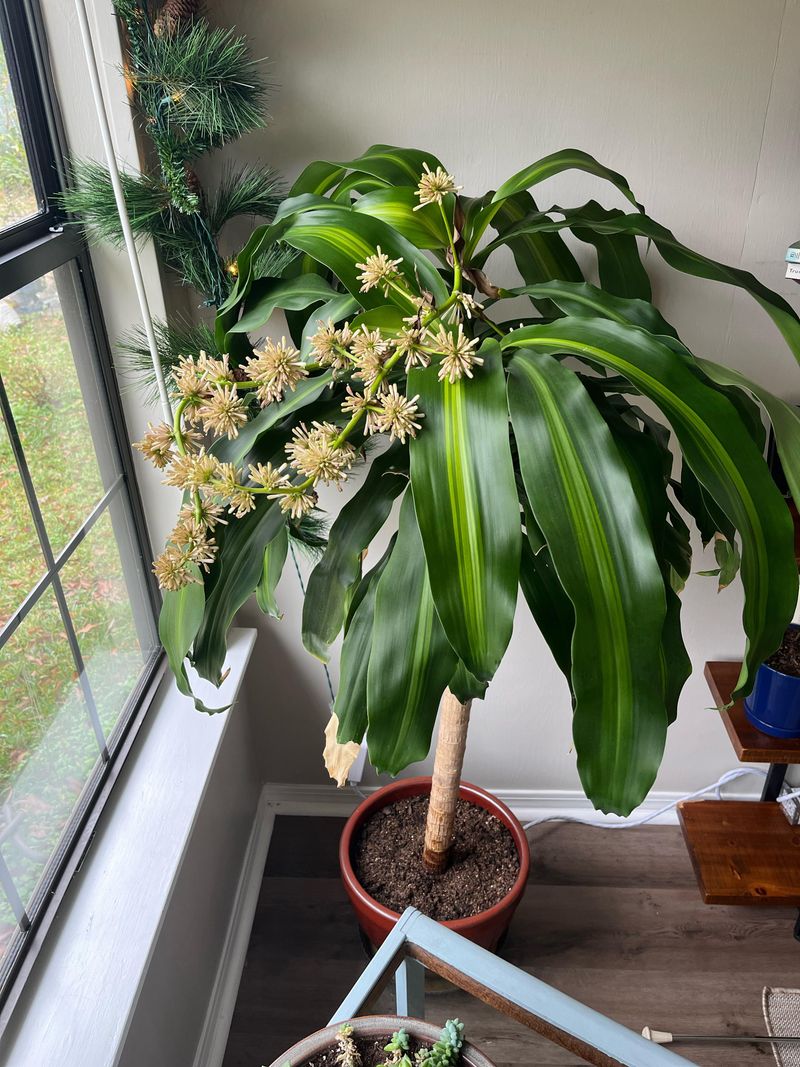
Dracaena, particularly the fragrans variety, ironically carries a scent some liken to old toothpaste. While its tall, lush leaves add elegance to any room, the fragrance can be unexpected. This plant’s air-purifying qualities are often highlighted, yet its scent can surprise the unsuspecting owner. A balance between aesthetic appeal and olfactory tolerance is key when selecting this plant. Its beauty is undeniable, but so is its unique aroma.
11. Chrysanthemum
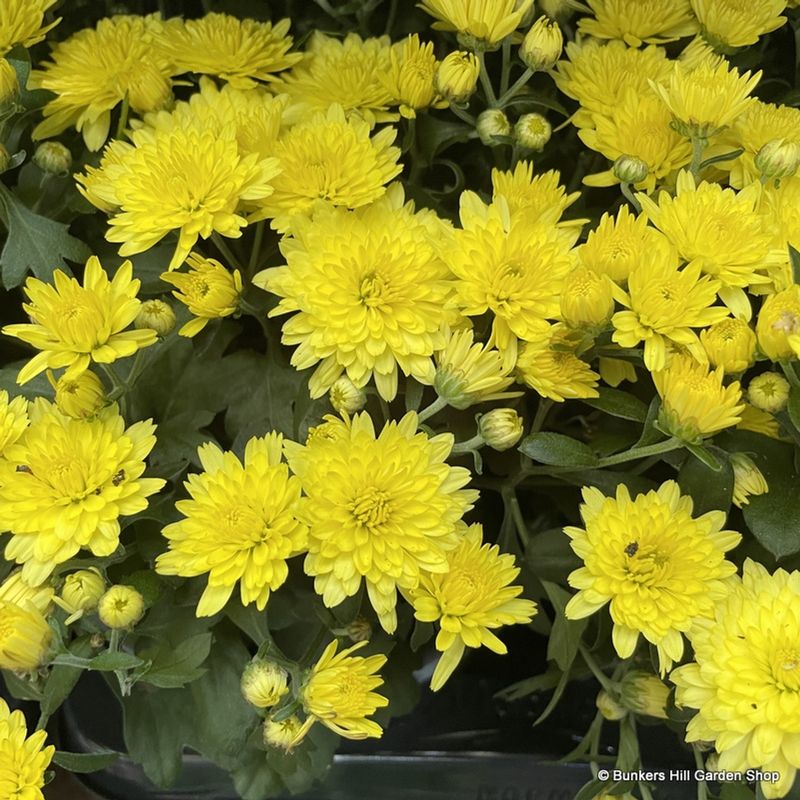
Chrysanthemums, with their vibrant blooms, are a garden staple. Yet, as they wilt indoors, they can release a faint sour scent that lingers. This olfactory surprise contrasts sharply with their visual charm. These flowers symbolize cheer and optimism, but their end-of-life aroma tells a different tale. For some, this scent is a small inconvenience for the joy they bring. Yet, others might find the fragrance dampens their floral enthusiasm.
12. Ornamental Onion (Allium spp.)
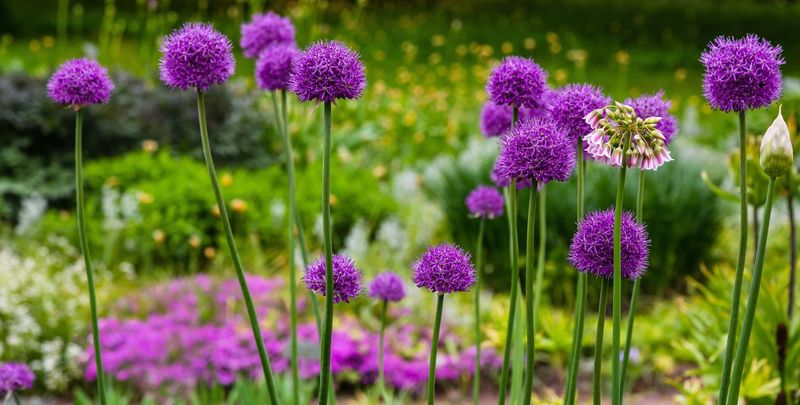
Ornamental Onions, or Alliums, captivate with their spherical blooms and striking presence. However, their scent is reminiscent of onions and garlic, which isn’t always welcome in indoor spaces. While they add architectural interest to gardens, their aroma can clash with indoor aesthetics. These plants are a testament to the idea that not all beauty is sweet-smelling. For lovers of distinctive scents, they provide a unique olfactory experience.
13. Hoya carnosa (Wax Plant)
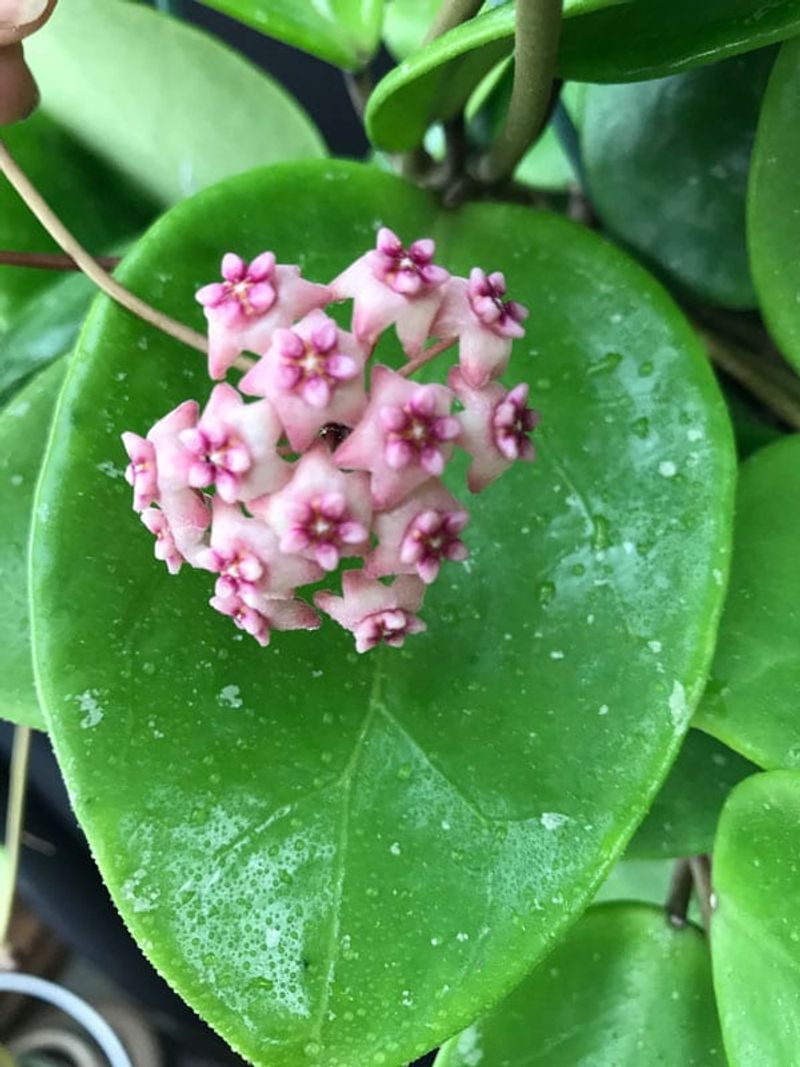
Hoya carnosa, known as Wax Plant, charms with its star-like blooms and trailing vines. Yet, its sweet scent can become overwhelmingly cloying in confined spaces, turning delightful into oppressive. This plant’s glossy leaves and delicate flowers captivate the eye, but its fragrance demands moderation. For those seeking a statement piece, it offers intrigue. However, ventilation is crucial to enjoy its full potential without discomfort.
14. Goat’s Beard (Aruncus dioicus)
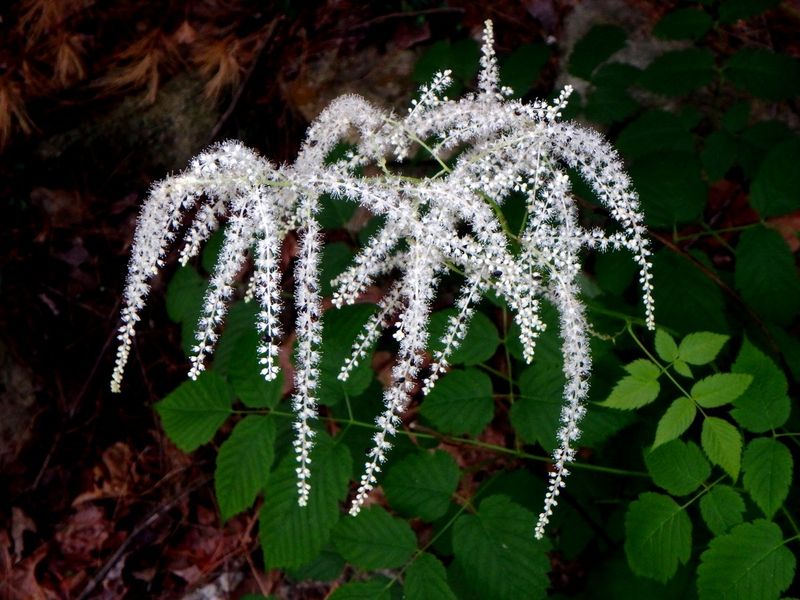
Goat’s Beard, with its feathery white plumes, adds a soft touch to gardens. Yet, in humid conditions, it can emit an odor reminiscent of wet dog, surprising many gardeners. This unexpected scent contrasts with its gentle appearance, offering a lesson in horticultural surprises. Despite this, it remains a beloved choice for shaded areas. A plant that thrives in woodland settings, it offers beauty with a touch of the unexpected.
15. Taro (Colocasia esculenta)
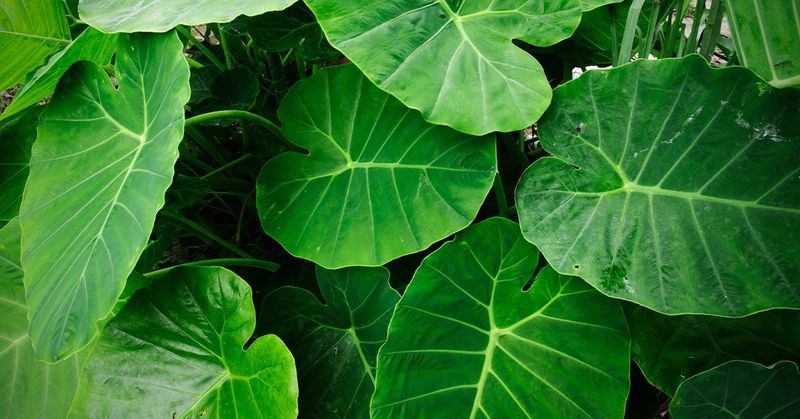
Taro, known for its large, striking leaves, can develop a swampy, sour smell in overly wet conditions. This unexpected aroma is a reminder of the plant’s need for careful moisture management. Its tropical appeal makes it a standout in gardens, yet its scent can be a lesson in balance. For those who master its care, Taro offers lush greenery and a touch of the exotic. A plant that rewards those who understand its needs.
16. Elephant Foot Yam (Amorphophallus paeoniifolius)
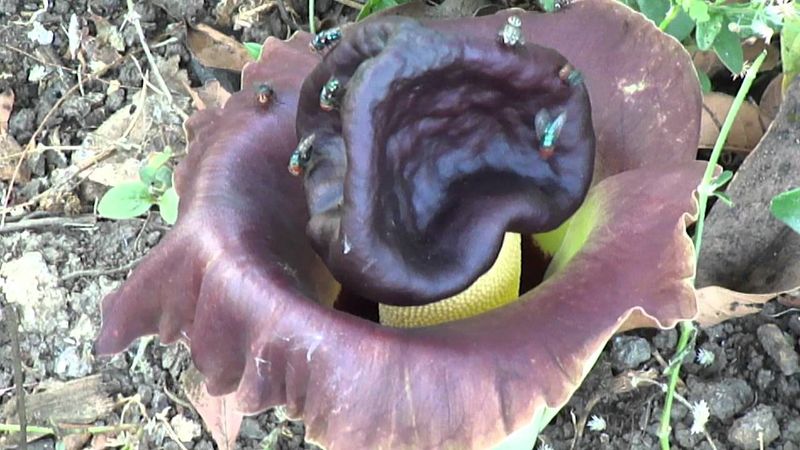
Elephant Foot Yam, related to the notorious corpse flower, shares a similarly foul smell during bloom. This plant’s large, unusual flower emits an odor akin to sewage, deterring all but the bravest admirers. Its striking appearance draws attention, but its scent quickly disperses it. For those with a penchant for the peculiar, it offers a horticultural challenge. A plant that fascinates and repels in equal measure.
17. Milkweed (Asclepias spp.)
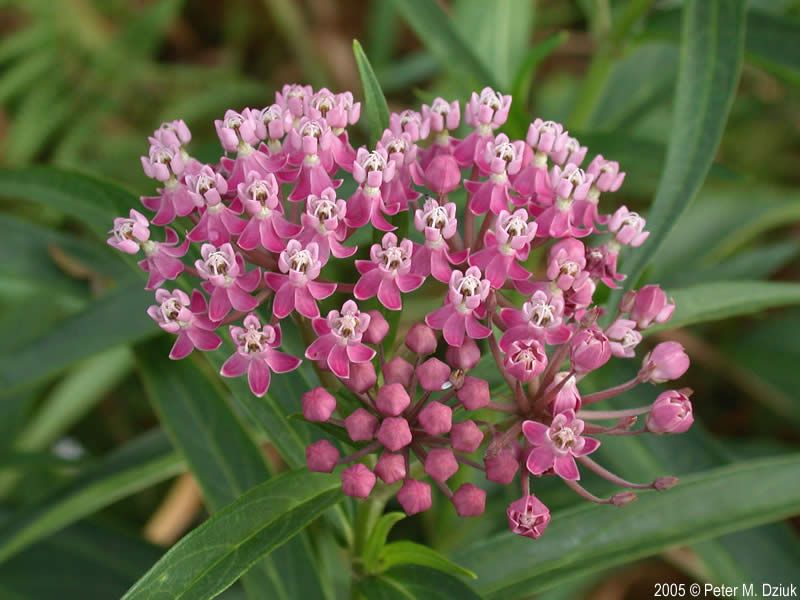
Milkweed, essential for monarch butterflies, produces a milky sap with a surprising scent. Indoors, this aroma can become overpowering, contrasting with the plant’s role in supporting pollinators. While its ecological importance is undisputed, its fragrance might deter indoor cultivation. For those who can tolerate its scent, Milkweed offers a vital connection to nature and a visual feast. A plant that supports life, even if it challenges the nose.
18. African Marigold (Tagetes erecta)
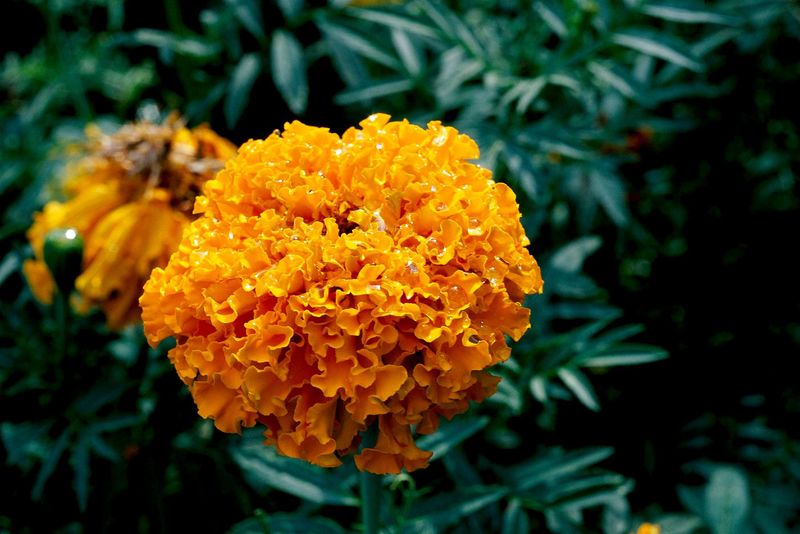
African Marigold, with its vivid blooms, is a garden favorite. Yet, indoors, its fragrance can become intensely spicy and acrid, surprising many plant owners. This scent, while bearable outdoors, can overwhelm confined spaces. Marigolds are celebrated for their pest-repelling properties, but their fragrance is a double-edged sword. For those who appreciate bold colors and scents, they remain a vibrant choice. A plant that commands attention and respect.
19. Jade Plant (Crassula ovata)
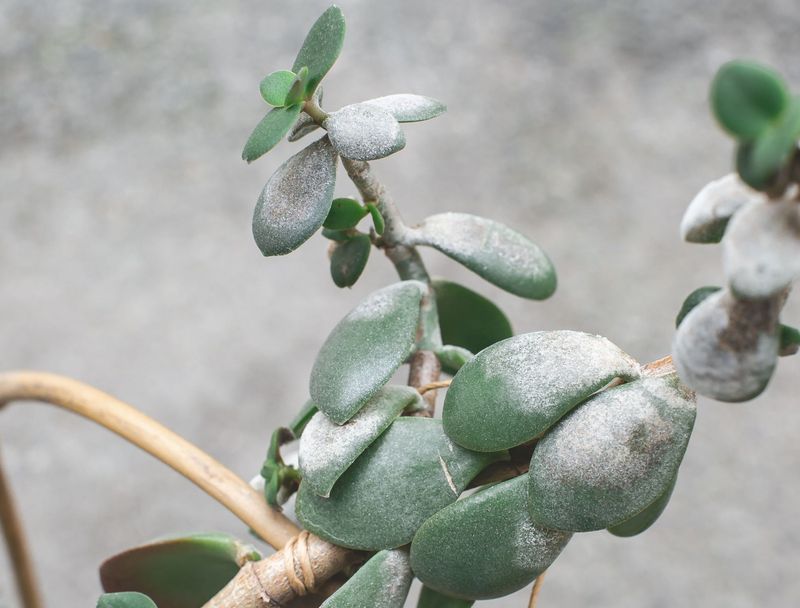
The Jade Plant, a symbol of prosperity, can develop a mildewy, earthy odor in high humidity or poor drainage. This unexpected scent contrasts with its reputation as a resilient houseplant. Known for its longevity and ease of care, the Jade Plant rewards attentive owners with its enduring charm. Proper care ensures its beauty shines without the accompanying scent. A plant of balance, offering both visual and olfactory lessons.
20. Dead Horse Arum (Helicodiceros muscivorus)
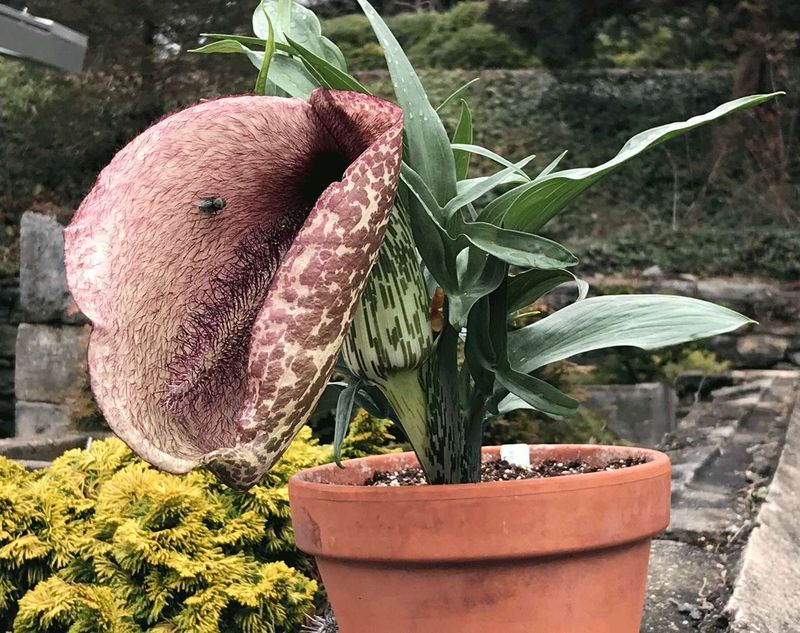
Dead Horse Arum, aptly named, emits a scent likened to a dead horse. This unique aroma attracts specific pollinators, making it a botanical curiosity. Its dark, dramatic bloom is visually arresting, yet its scent often deters close inspection. For those intrigued by nature’s oddities, it offers a rare glimpse into the world of plant adaptation. A plant for the bold, not the faint-hearted.
21. Peace Lily (Spathiphyllum)
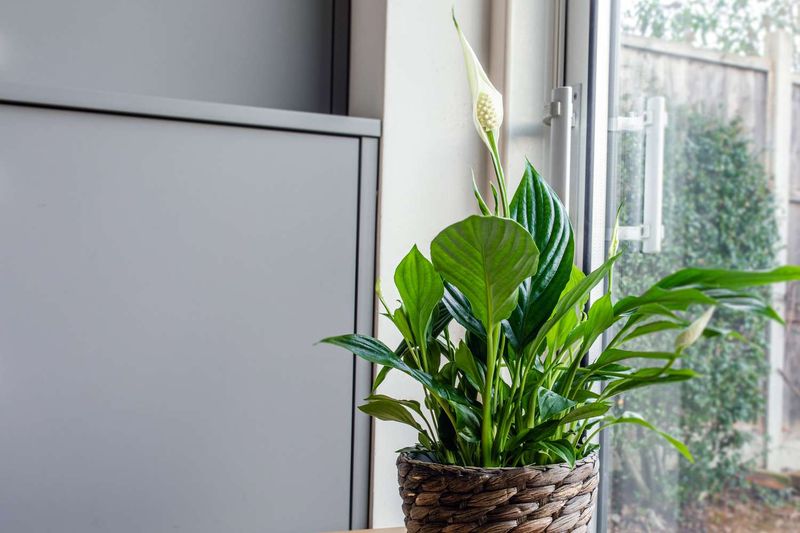
Peace Lily, known for its air-purifying qualities, usually offers a subtle scent. However, in warm, stagnant air, it can turn stale and slightly sour. This plant’s elegant appearance is often praised, yet its scent can be a surprise for the unprepared. Careful placement in well-ventilated areas ensures its beauty remains unblemished by its aroma. A plant that asks for nothing but space to thrive.
22. Bromeliads (some species)
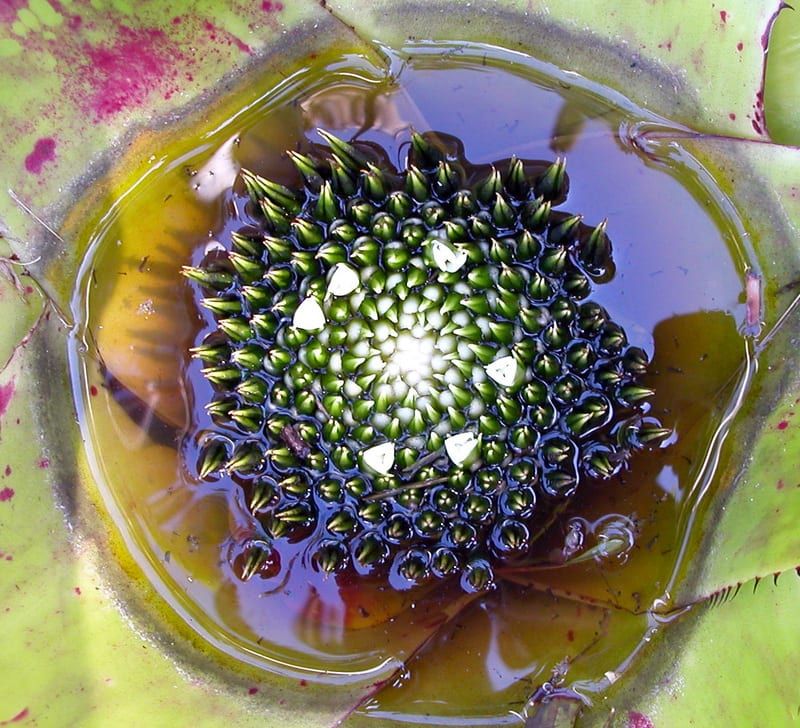
Bromeliads, with their vibrant foliage, are a tropical delight indoors. Yet, water trapped in their rosettes can stagnate, producing a swampy odor. This unexpected scent challenges the plant’s visual appeal, reminding owners of its unique care needs. Despite this, Bromeliads offer a splash of the exotic, provided their environment is managed. A plant that combines beauty with a hint of adventure.
23. Crown-of-Thorns (Euphorbia milii)
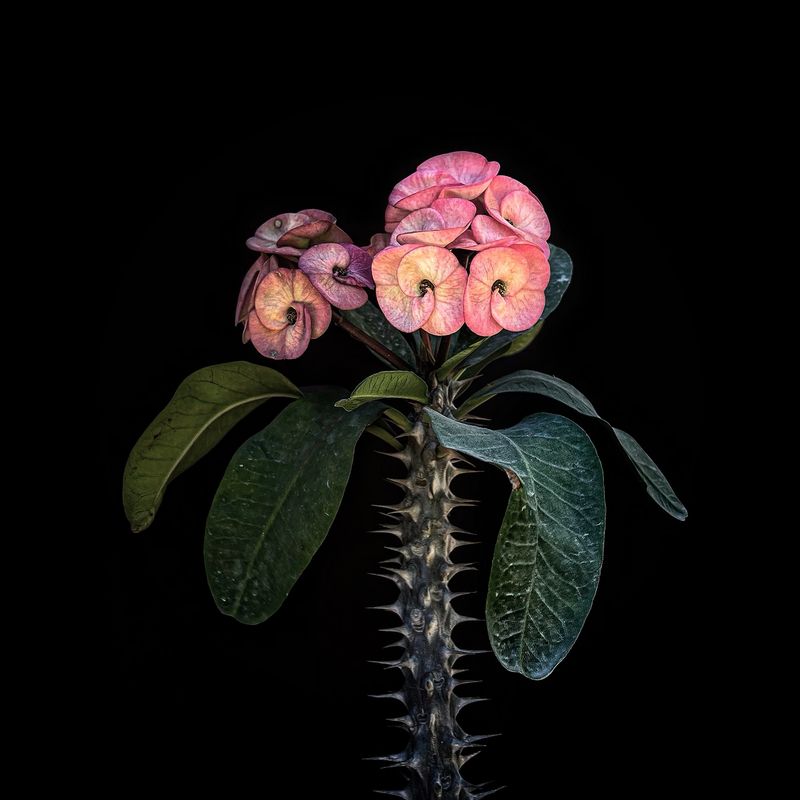
Crown-of-Thorns, named for its thorny appearance, releases a milky sap with an odd, rubbery chemical smell when cut. This fragrance is a surprise, given its otherwise decorative appeal. Its bright blooms add color, but its scent warns of its defensive nature. A plant that balances beauty with a touch of caution, it offers a reminder of nature’s duality. For those who appreciate complexity, it holds endless fascination.
24. Ferns (when overwatered)
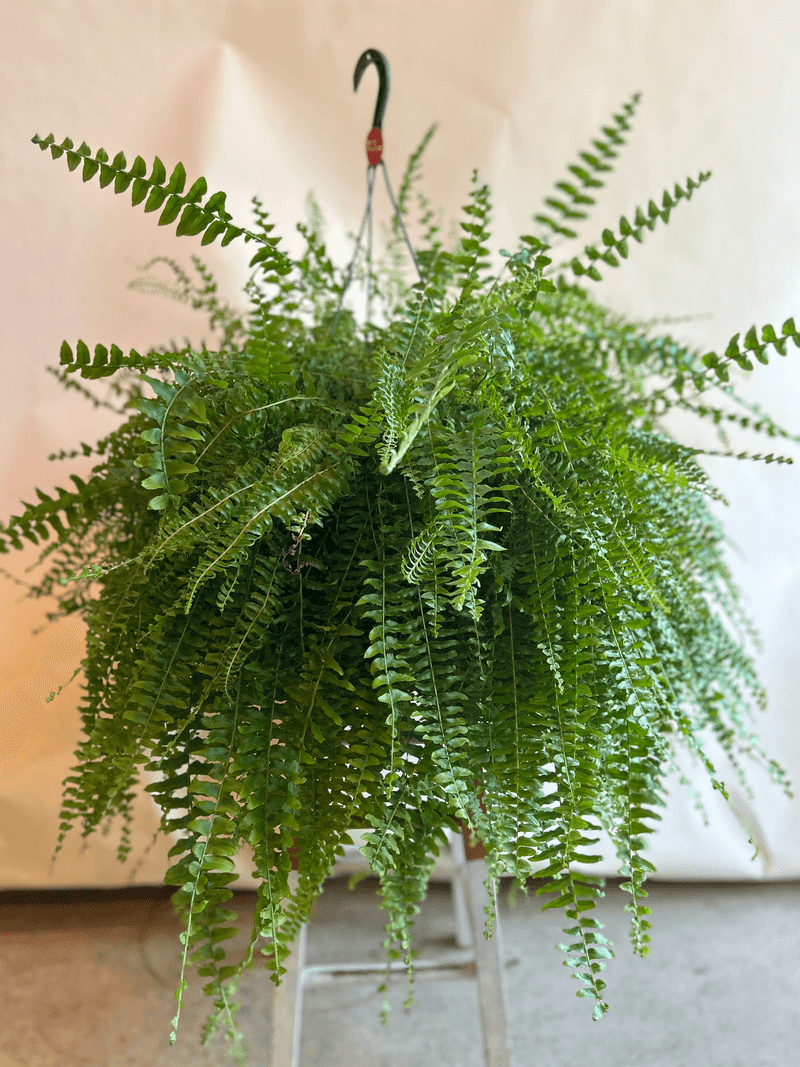
Ferns, beloved for their lush greenery, can emit a musty, basement-like odor when overwatered. This scent, while unexpected, highlights the importance of proper care. Known for their elegance and ability to thrive in low light, ferns offer peace and tranquility. Their scent is a gentle reminder of their natural habitat and needs. A plant that rewards attentiveness with its serene beauty and subtle lessons.
25. ZZ Plant (Zamioculcas zamiifolia)
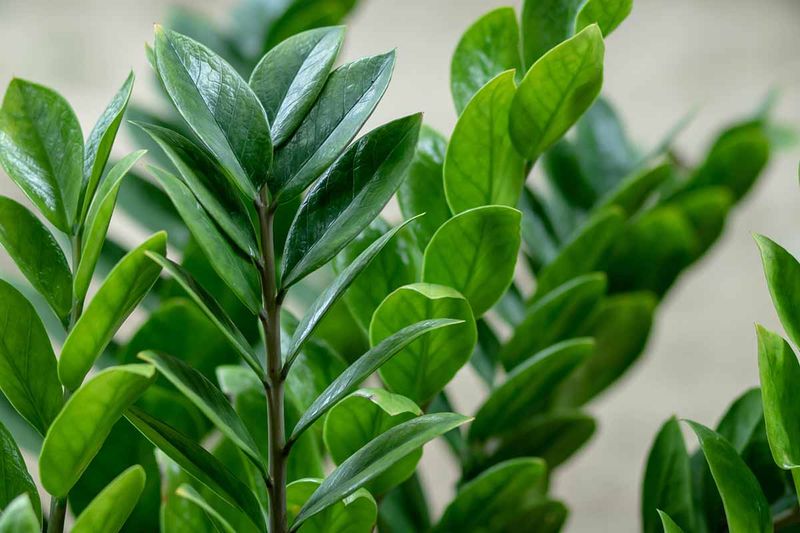
The ZZ Plant, known for its resilience, generally remains odor-free. Yet, in poor drainage or root rot conditions, it can develop a foul, sulfuric odor. This olfactory surprise contrasts with its reputation as an easy-care plant. With proper care, the ZZ Plant offers enduring beauty without olfactory offenses. A plant symbolizing strength and adaptability, it serves as a reminder of the balance between nature and nurture.