 Complete Gardening
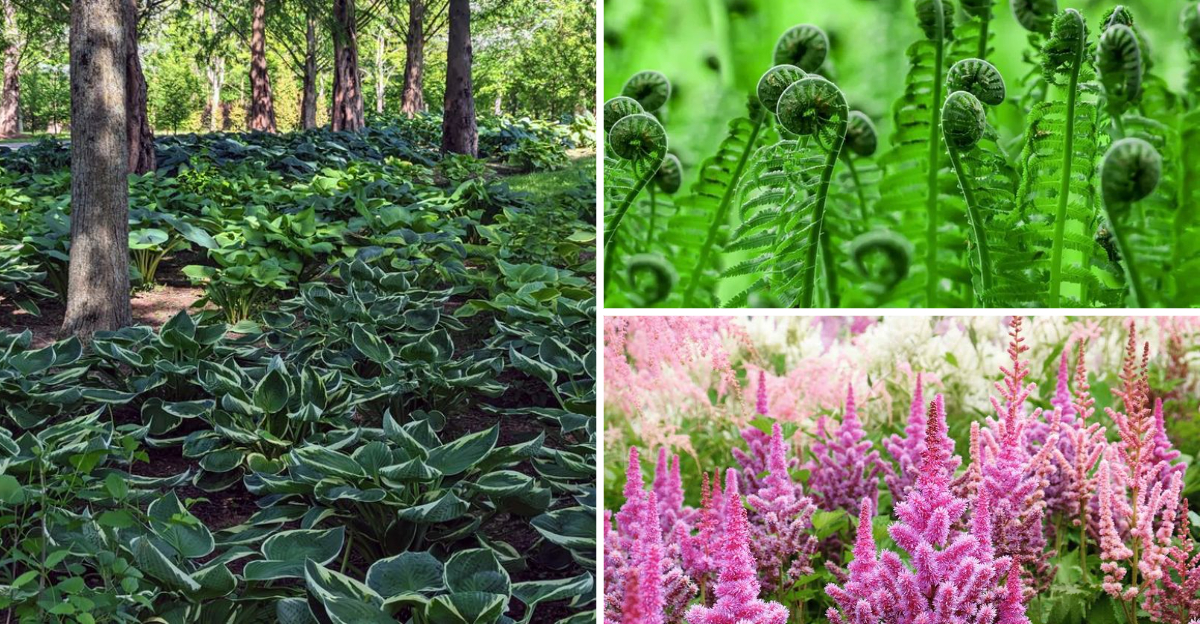
Gardening enthusiasts often face the challenge of finding the right plants for shady spots. While sunlight is essential for most plants, certain species thrive in shaded areas, transforming these often overlooked garden corners into lush green paradises. From ferns to flowers, these plants not only adapt to low-light conditions but also add beauty and diversity to any garden. Discover the top 25 plants perfect for those shady spots in your garden, each with its own unique charm and characteristics.
1. Hosta
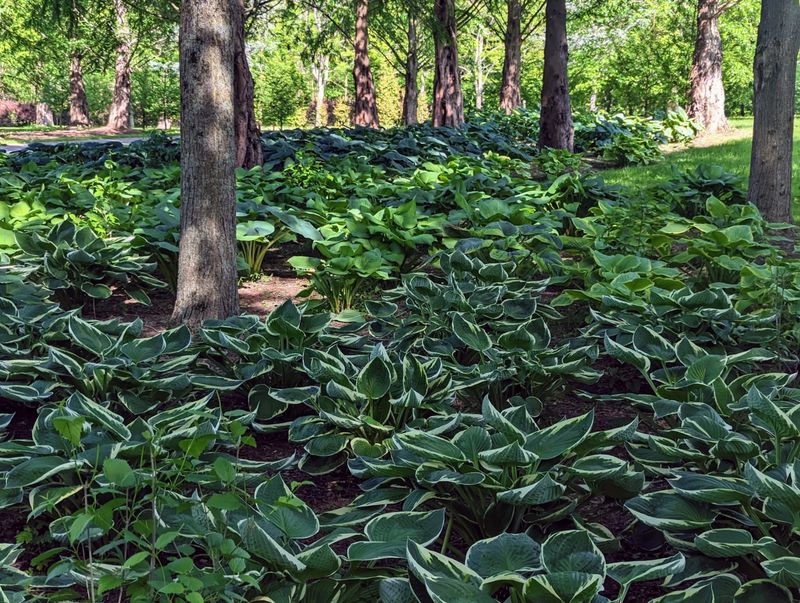
Hostas, with their broad, variegated leaves, are perfect for shady spots. They bring a rich texture to any garden. Known for their resilience, these plants thrive where others struggle. Hostas come in various shades of green, blue, and even gold. Their ability to adapt makes them a gardener’s favorite. Not only do they provide visual interest, but they also help suppress weeds, making garden maintenance easier. Did you know? Hostas are sometimes referred to as “plantain lilies,” a nod to their lily-like flowers.
2. Fern
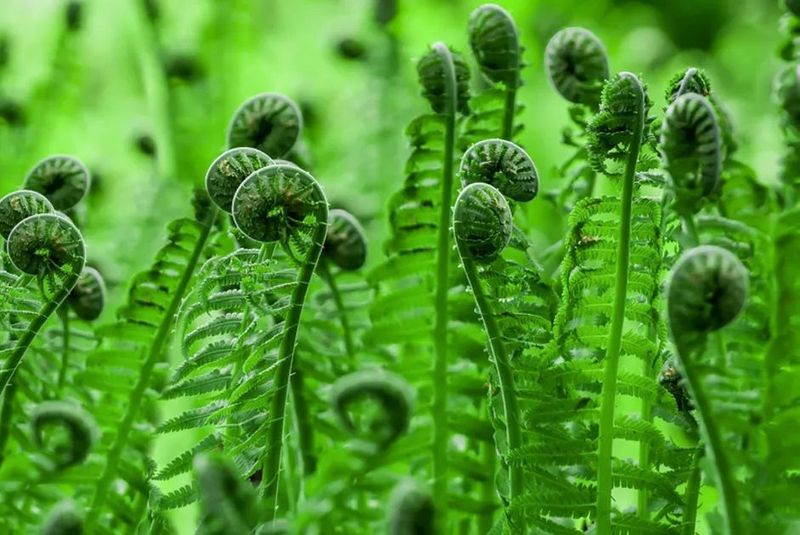
Ferns evoke a sense of ancient mystery, with their delicate fronds unfurling in shaded woodland areas. These plants have existed for millions of years, adapting to low-light environments with ease. Their lush, green foliage adds a touch of elegance to any garden. Ferns are particularly valued for their low maintenance needs. As they don’t require direct sunlight, they thrive under tree canopies or in shaded corners. Fun fact: Ferns reproduce via spores, not seeds, a unique trait among garden plants.
3. Astilbe
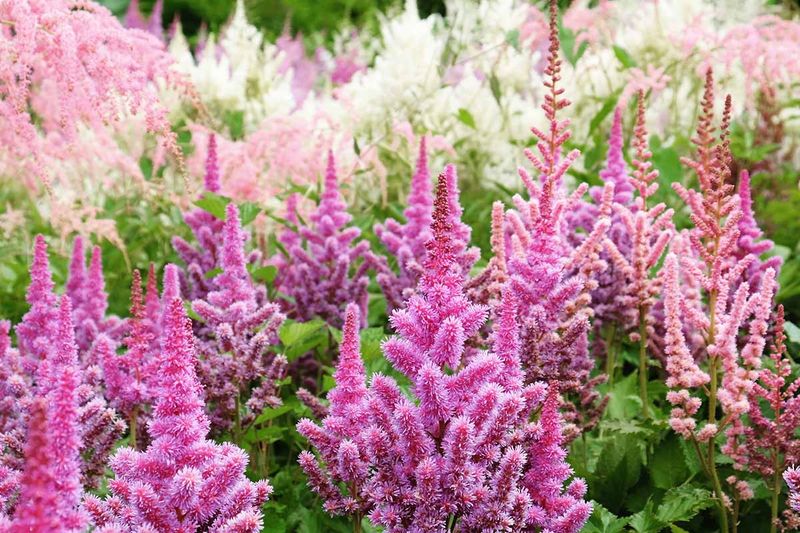
Astilbes are known for their striking plumes of colorful flowers, which brighten up any shaded garden area. These hardy perennials are celebrated for their ability to thrive in low-light conditions. Available in shades of pink, red, and white, astilbes add a splash of color where it’s most needed. Their feathery blooms are not only eye-catching but also attract pollinators. With proper care, astilbes can become a focal point in shaded gardens. Did you know? Astilbe is sometimes called “false spirea” due to its plume-like flowers.
4. Heuchera
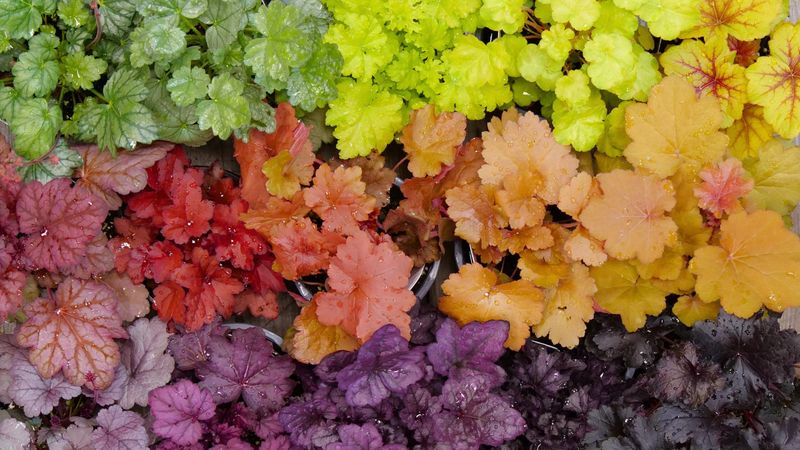
Heucheras, also known as coral bells, are renowned for their vibrant foliage, which ranges from burgundy to lime green. These hardy perennials are perfect for adding color to shady garden beds. Their attractive leaves and delicate flowers make them a popular choice for gardeners. Heucheras are not only visually appealing but also drought-resistant, making them low-maintenance. Fun fact: The name “coral bells” comes from the plant’s tiny, bell-shaped flowers that bloom in late spring.
5. Lungwort
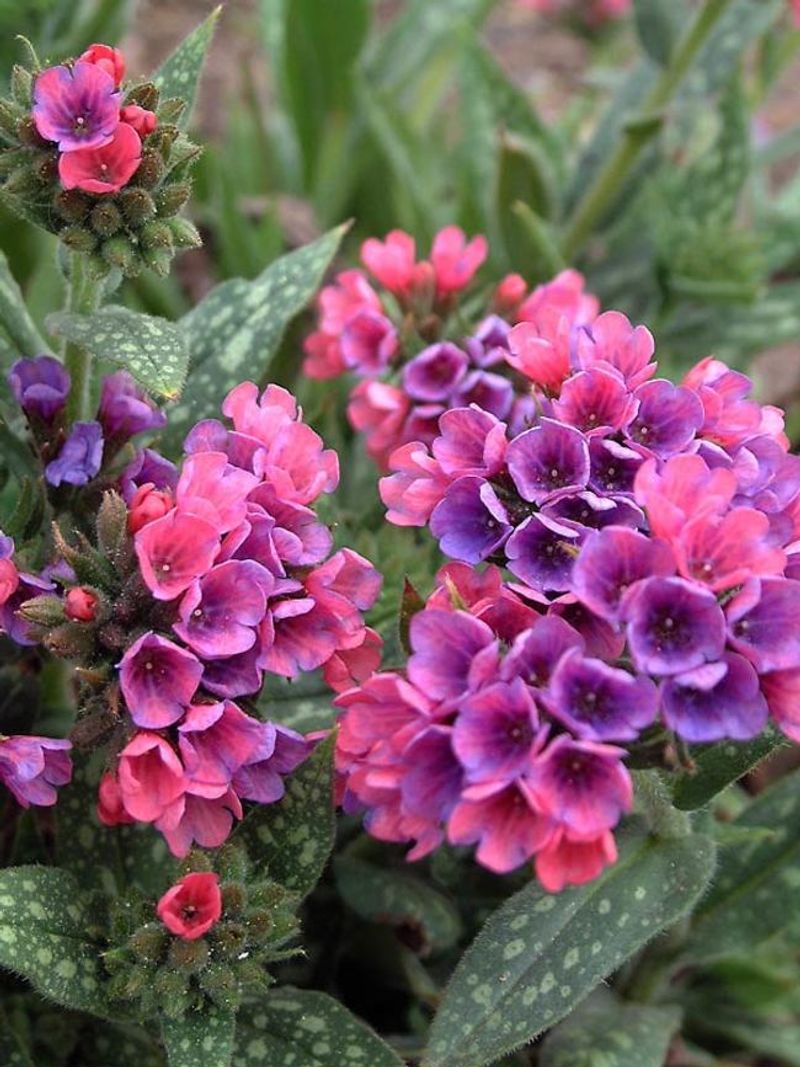
Lungworts, with their spotted leaves and charming flowers, bring a whimsical touch to shaded areas. These plants thrive in cool, moist environments, making them ideal for under tree canopies. Lungworts are not only decorative but also provide ground cover, reducing weed growth. Their unique leaf markings and colorful blooms are a gardener’s delight. Did you know? The name “lungwort” derives from its historical use in treating respiratory ailments, though it’s not used in modern medicine.
6. Bleeding Heart
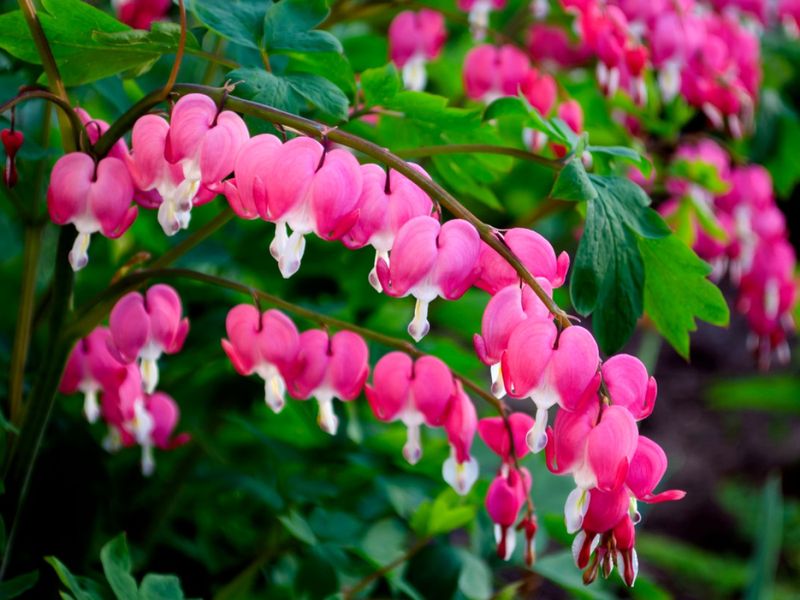
Bleeding hearts are instantly recognizable by their delicate, heart-shaped flowers that hang gracefully from arching stems. These perennials thrive in shaded areas, adding a romantic flair to gardens. Their soft pink blooms and fern-like foliage create a tranquil atmosphere. Bleeding hearts prefer cool, moist soil, making them perfect for woodland gardens. Fun fact: The plant’s name is inspired by the shape of its flowers, which resemble a “bleeding” heart.
7. Toad Lily
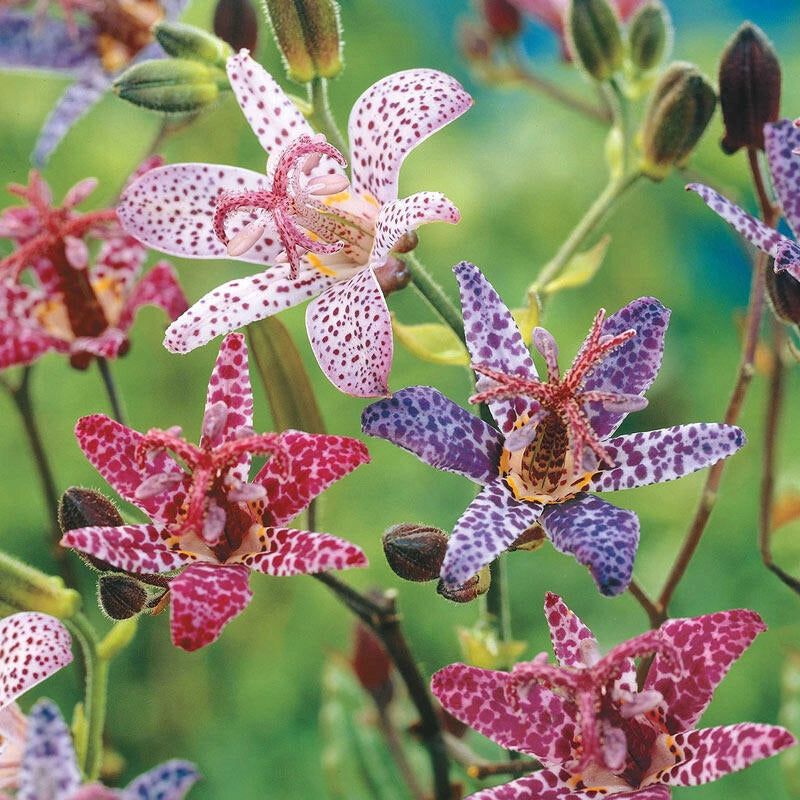
Toad lilies are known for their exotic, orchid-like flowers that bloom in late summer to fall. These shade-loving plants are perfect for adding interest to damp, shaded areas. Their unique, spotted blooms and arching stems make them a standout choice for gardeners. Toad lilies thrive in humus-rich, moist soil, making them ideal for woodland settings. Did you know? The name “toad lily” is a nod to the plant’s spotted appearance, reminiscent of a toad’s skin.
8. Foxglove
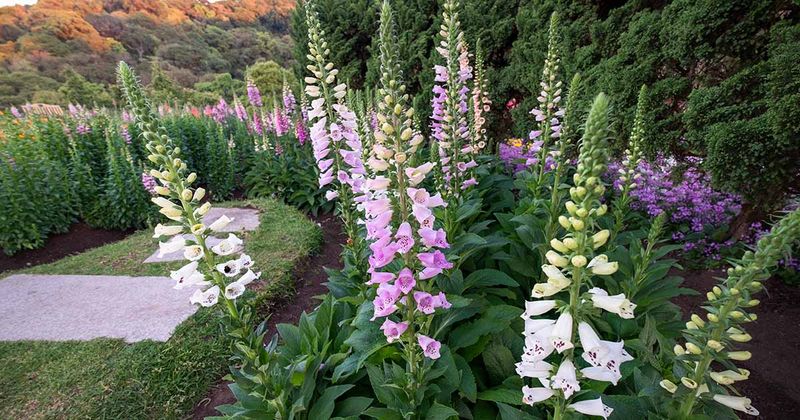
Foxgloves are striking plants known for their tall spikes of tubular flowers. These biennials thrive in partial shade, making them ideal for woodland gardens. Their vibrant blooms attract pollinators, adding life to shaded areas. Foxgloves prefer rich, well-drained soil and can reach impressive heights, becoming a focal point in any garden. Fun fact: Despite their beauty, foxgloves are toxic if ingested, so handle with care.
9. Brunnera
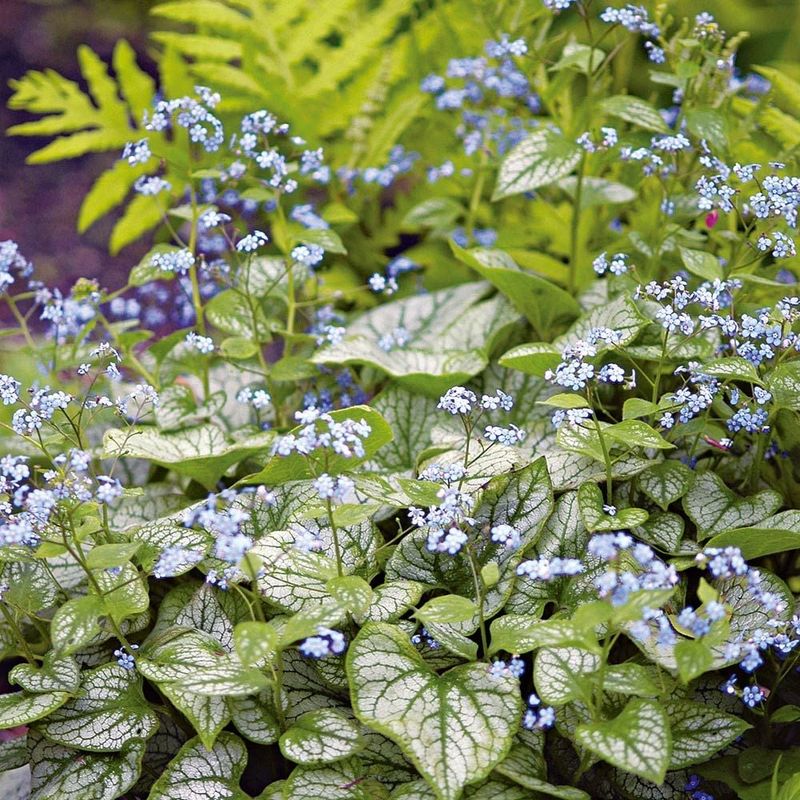
Brunnera, often called “Siberian bugloss,” is cherished for its heart-shaped, silver leaves and clusters of blue flowers. This perennial thrives in shaded gardens, adding elegance with its delicate blossoms. Brunnera prefers moist, well-drained soil and requires minimal maintenance. The plant’s striking foliage provides year-round interest, even after the flowers fade. Did you know? Brunnera is related to the forget-me-not and shares its charming, dainty flowers.
10. Japanese Forest Grass
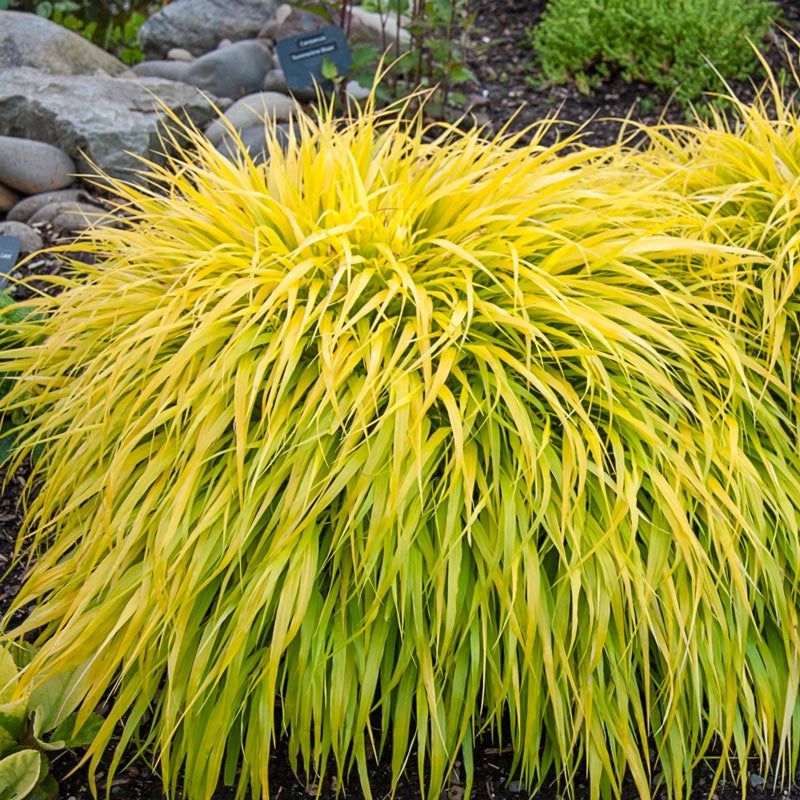
Japanese forest grass, with its graceful, arching blades, brings a sense of movement to shady garden spots. This ornamental grass is perfect for adding texture and color to low-light areas. Its golden-yellow foliage brightens up even the darkest corners. Easy to care for, Japanese forest grass thrives in well-drained soil and adds a touch of elegance to any garden. Fun fact: This grass is native to the shaded forests of Japan, where it grows abundantly.
11. Solomon’s Seal
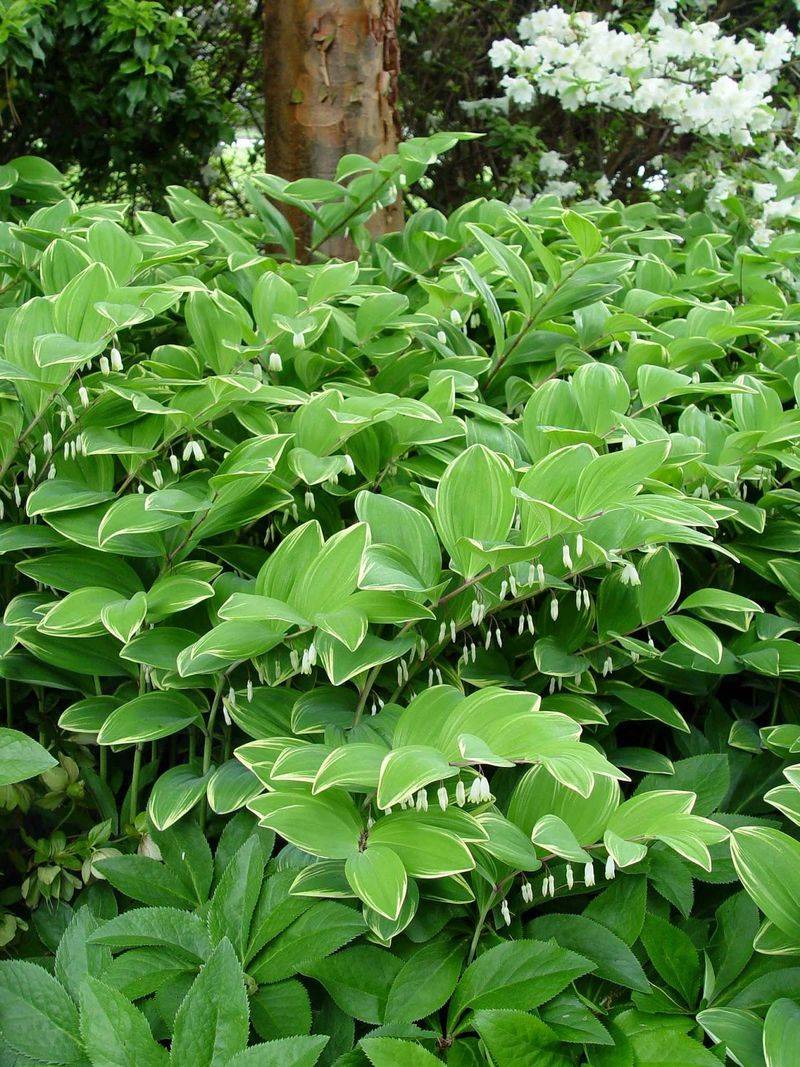
Solomon’s seal is a captivating plant with arching stems and dangling white flowers. This perennial thrives in cool, shaded areas, adding a touch of grace to gardens. Its unique structure and foliage make it a standout choice for gardeners. Solomon’s seal prefers moist, humus-rich soil and requires little maintenance. Did you know? The plant’s name comes from the seal-like scars found on its rhizomes, resembling the ancient seal of King Solomon.
12. Lily of the Valley
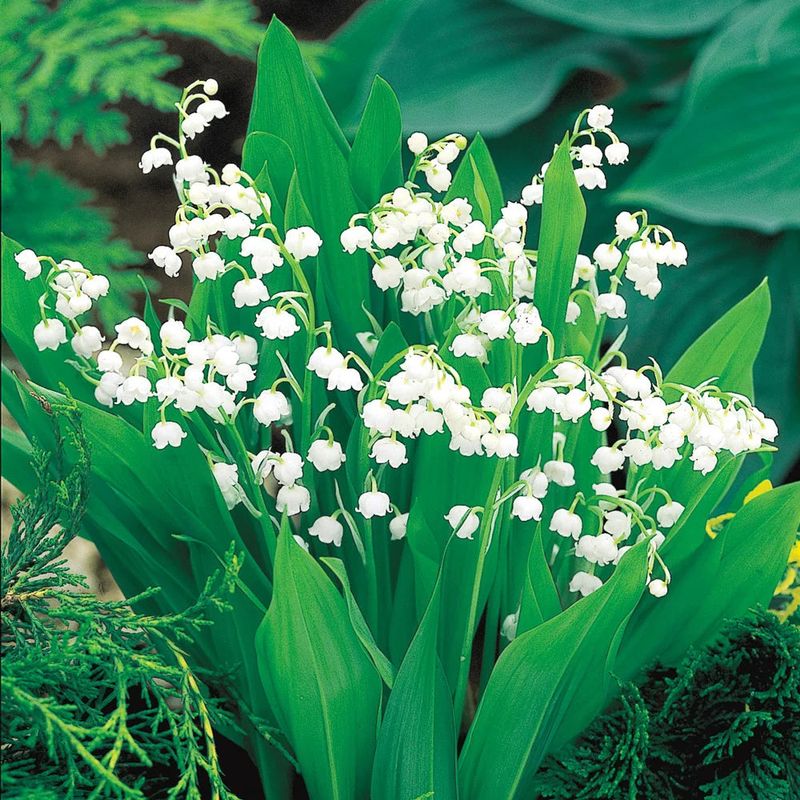
Lily of the valley, with its fragrant, bell-shaped flowers, is a classic choice for shaded gardens. This perennial prefers cool, moist soil and thrives in low-light conditions. Its charming blooms and lush foliage create a serene atmosphere. Lily of the valley is not only beautiful but also resilient, spreading to form a dense ground cover. Fun fact: The plant is traditionally associated with happiness and is often used in bridal bouquets.
13. Epimedium
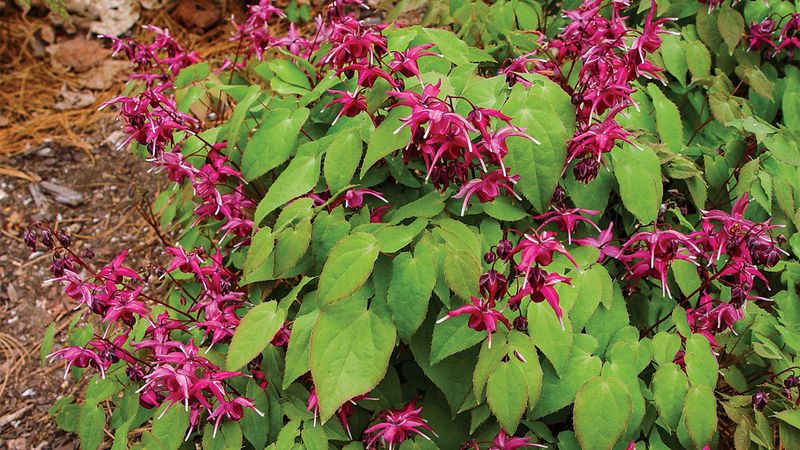
Epimediums, also known as barrenworts, are prized for their vibrant foliage and delicate flowers. These shade-loving perennials thrive in woodland areas, adding color and texture. Epimediums are low-maintenance, drought-tolerant, and perfect for ground cover. Their heart-shaped leaves and dainty blossoms make them a favorite among gardeners. Did you know? Epimediums are sometimes called “bishop’s hat” due to the shape of their flowers, which resemble a bishop’s mitre.
14. Columbine
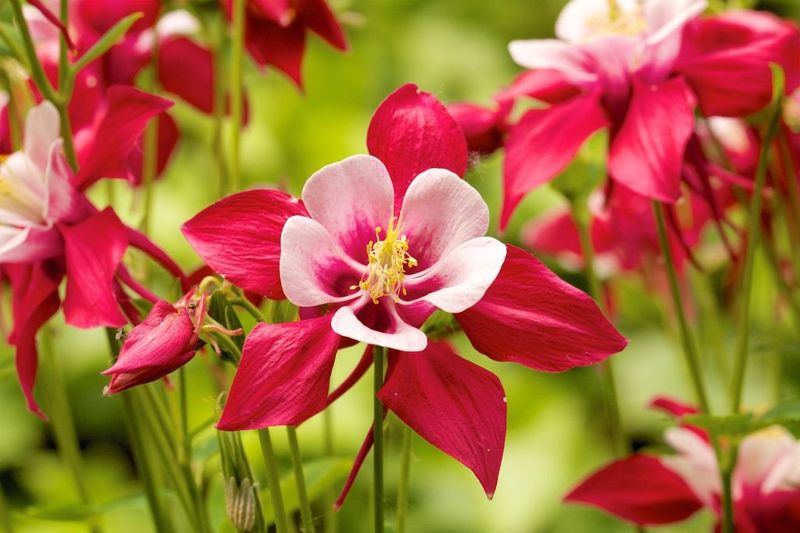
Columbines are celebrated for their delicate, spurred flowers that come in a range of colors. These perennials thrive in partial shade, adding a whimsical touch to gardens. Columbines prefer well-drained soil and attract pollinators with their unique blooms. Their ability to self-seed makes them a reliable choice for continuous garden color. Fun fact: Columbine flowers are often associated with both love and folly in folklore, due to their intricate, heart-shaped petals.
15. Pulmonaria
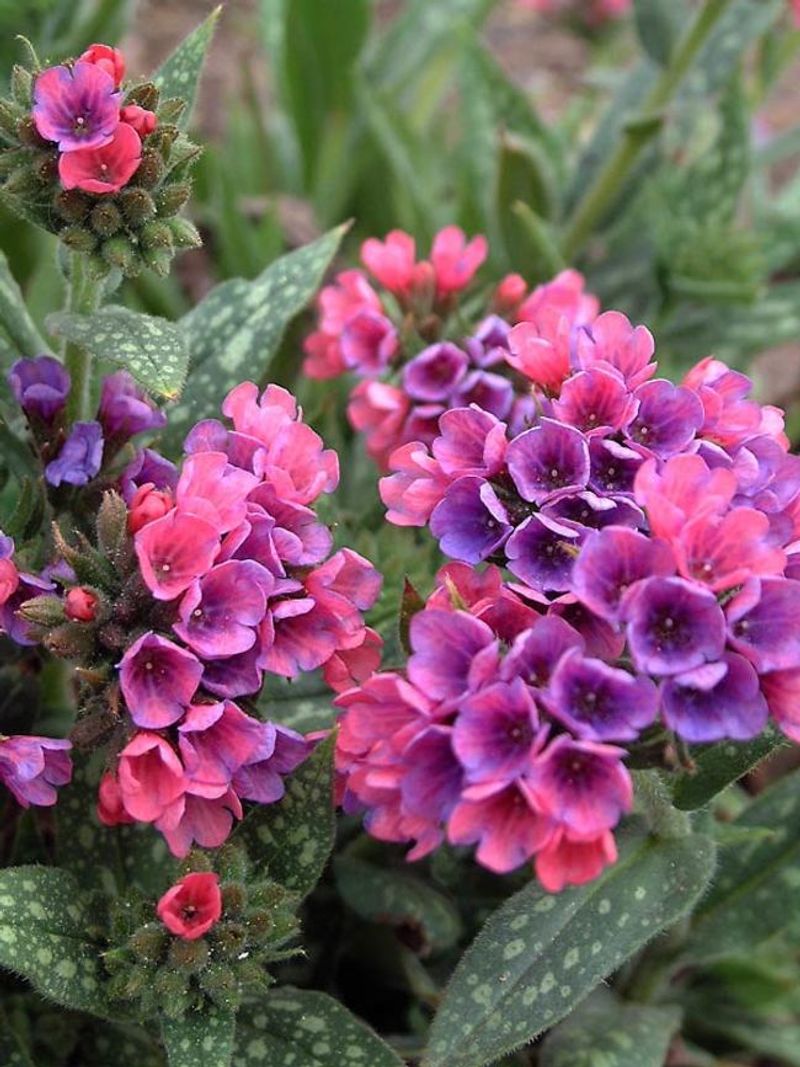
Pulmonarias, with their spotted leaves and tubular flowers, bring a playful touch to shaded garden areas. These perennials thrive in moist, well-drained soil and prefer low-light conditions. Pulmonarias are valued for their early spring blooms, which provide a burst of color after winter. Their foliage remains attractive throughout the growing season, making them a versatile garden choice. Did you know? The plant’s name, “pulmonaria,” refers to its historical use in treating lung ailments.
16. Anemone
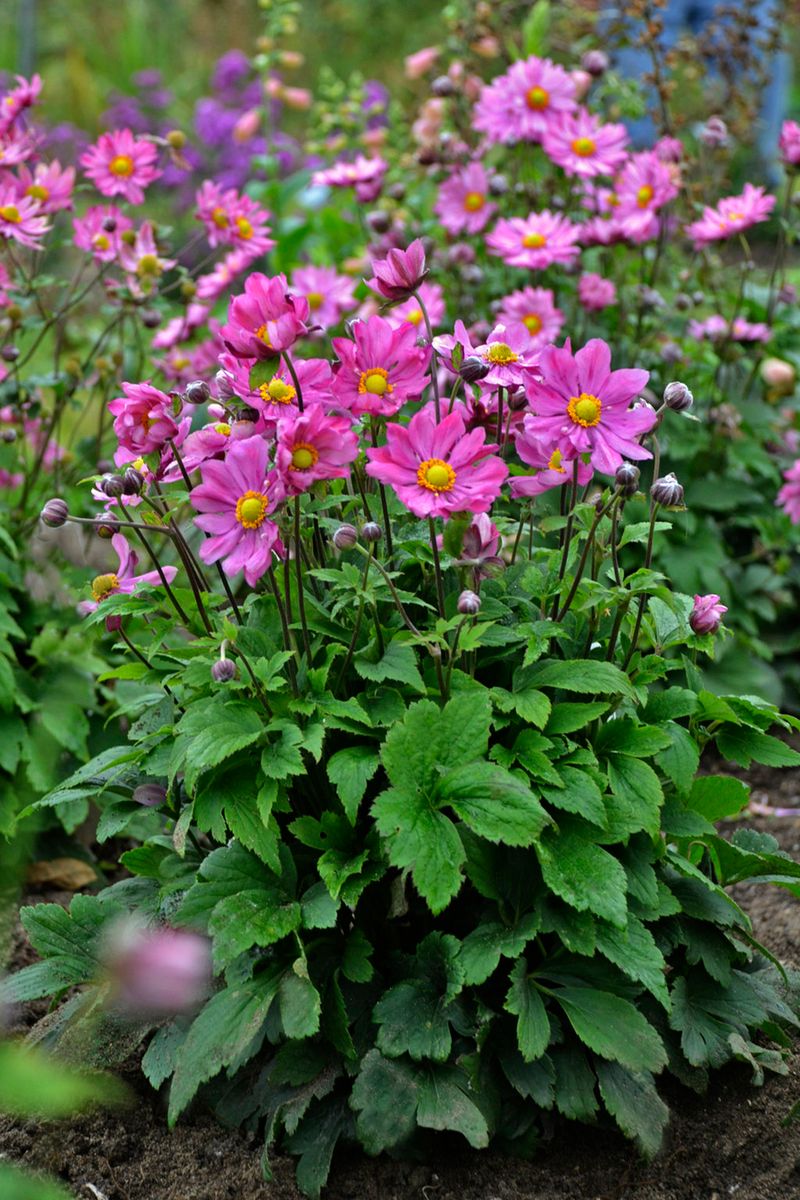
Anemones, also known as windflowers, are cherished for their delicate, cup-shaped blooms. These perennials thrive in partial to full shade, adding elegance to gardens. Anemones prefer moist, well-drained soil and bloom in spring or fall, depending on the variety. Their charming flowers and lush foliage create a harmonious garden atmosphere. Fun fact: The name “anemone” comes from the Greek word for wind, as the flowers are said to sway gracefully in the breeze.
17. Tiarella
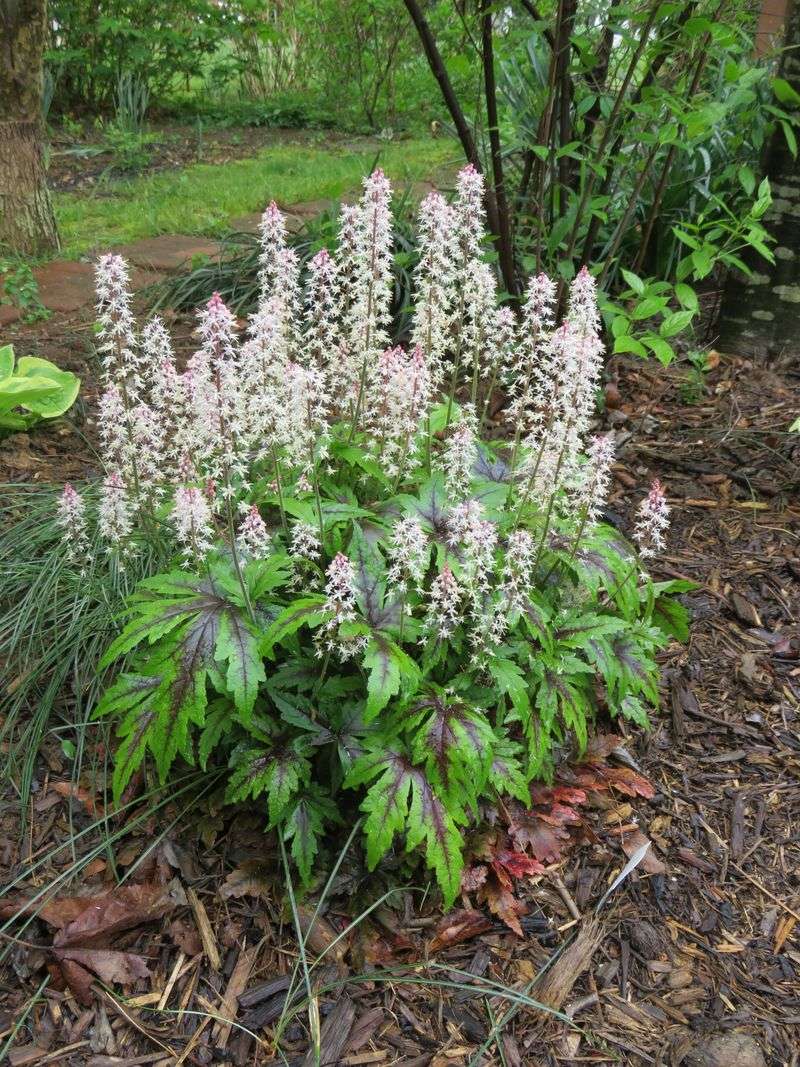
Tiarellas, also known as foamflowers, are prized for their star-shaped blooms and deeply lobed leaves. These shade-loving perennials thrive in woodland areas, adding texture and charm. Tiarellas prefer moist, well-drained soil and are easy to care for. Their delicate flowers and attractive foliage make them a favorite among gardeners. Did you know? Tiarellas are closely related to heucheras and are often hybridized to create new varieties with unique foliage patterns.
18. Hellebore
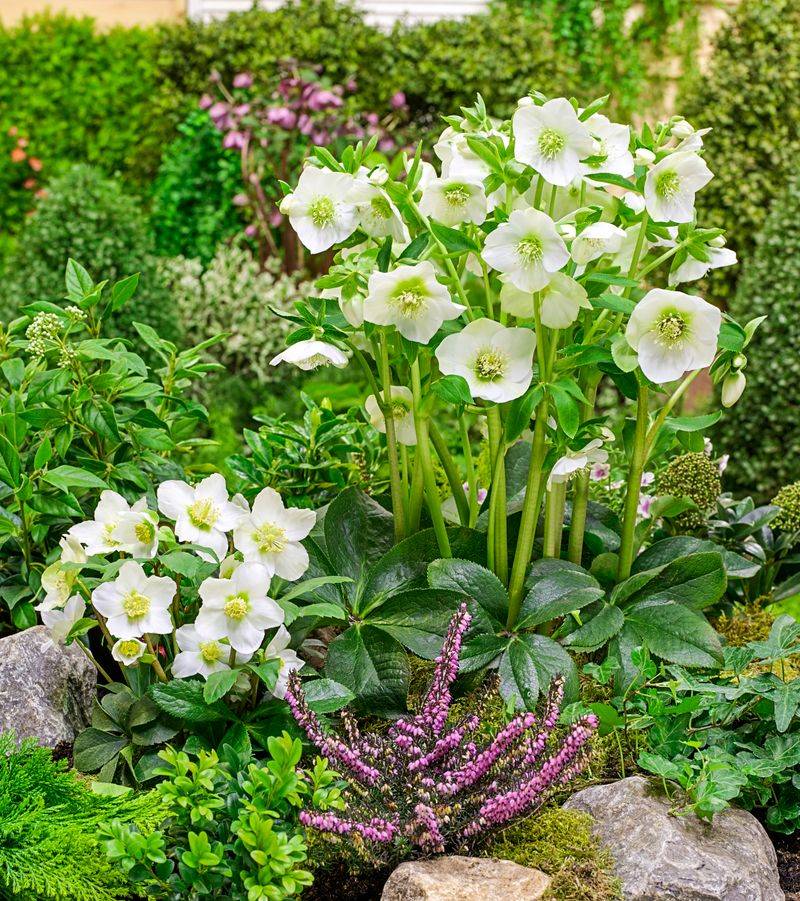
Hellebores, with their nodding blooms and leathery leaves, are beloved for their early spring flowers. These perennials thrive in shaded areas, providing color when few other plants bloom. Hellebores prefer rich, well-drained soil and are known for their resilience. Their unique flowers and evergreen foliage make them a valuable addition to any garden. Fun fact: Hellebores are sometimes called “Lenten roses” because they bloom around the Christian season of Lent.
19. Foamflower
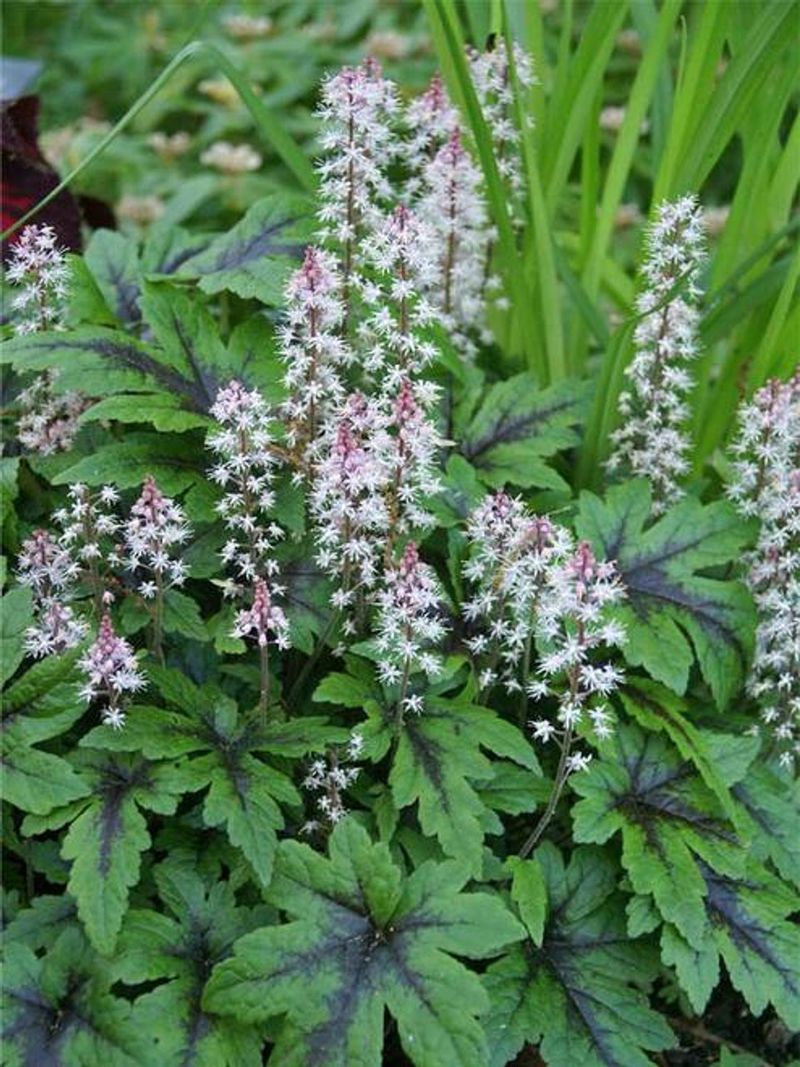
Foamflowers, or Tiarellas, enchant gardeners with their airy, white blooms and heart-shaped leaves. These perennials thrive in shady woodland settings, adding a gentle grace to gardens. Foamflowers prefer moist, well-drained soil and are easy to care for, making them a popular choice for ground cover. Their delicate flowers create a frothy appearance, hence the name. Did you know? Foamflowers are closely related to coral bells, and their foliage can vary from simple green to striking patterns.
20. Ajuga
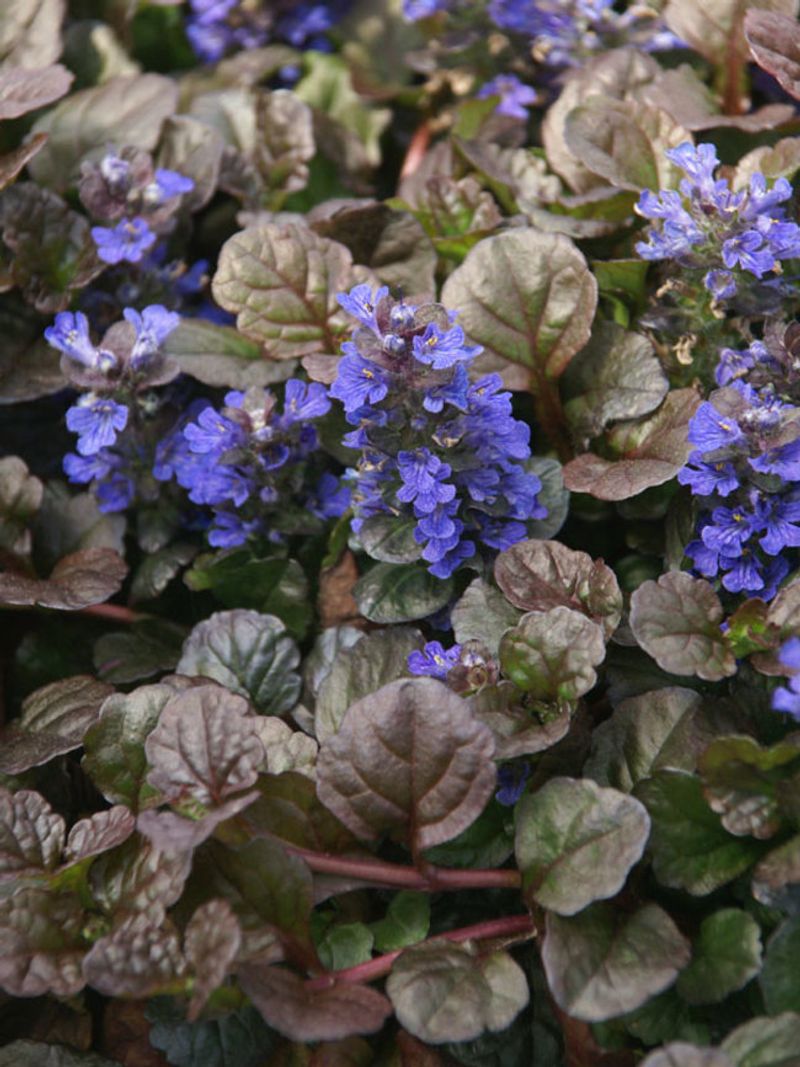
Ajugas, also known as bugleweeds, are versatile ground covers with dense flower spikes. These shade-tolerant perennials thrive in various garden conditions. Ajugas prefer well-drained soil and are known for their rapid growth, quickly covering ground with glossy leaves and vibrant blooms. Their resilience makes them ideal for filling shaded areas with color and texture. Fun fact: Ajuga is often used to stabilize soil on slopes due to its spreading nature and root network.
21. Trillium
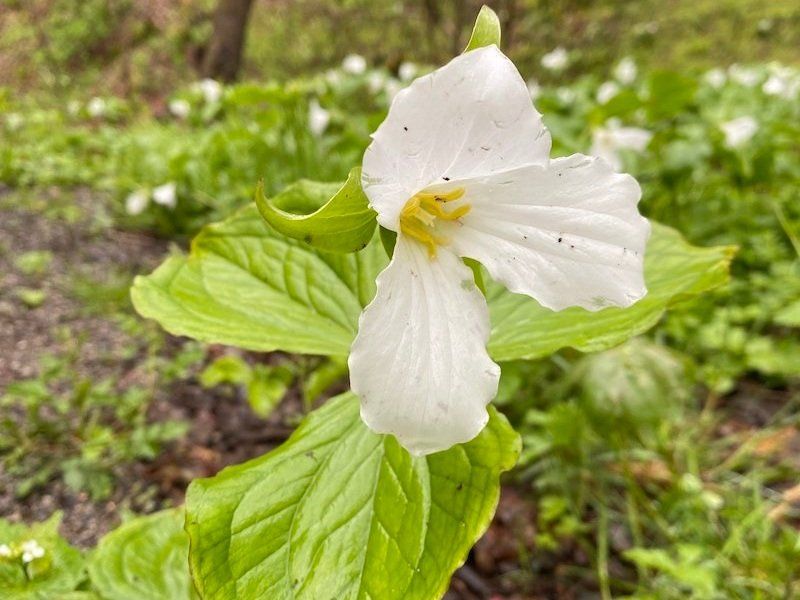
Trilliums, with their distinctive three-petaled flowers, are a woodland gem. These perennials thrive in shaded areas, adding simplicity and elegance to gardens. Trilliums prefer rich, moist soil and are known for their slow growth, rewarding patient gardeners with their beauty. Their unique flower structure makes them a captivating addition to any shady spot. Did you know? Trilliums are often called “wake-robins” because they bloom early in spring, signaling the return of warmer weather.
22. Goat’s Beard
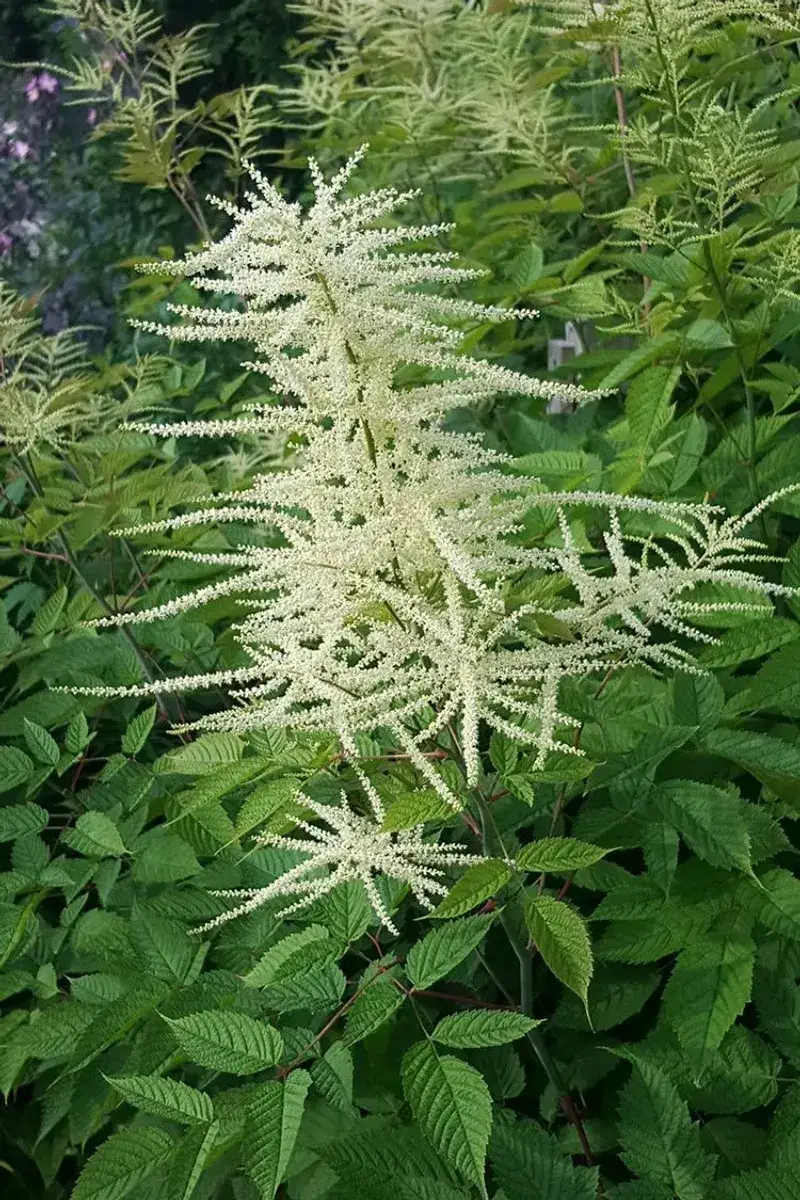
Goat’s beard is a striking plant with tall, feathery plumes of white flowers. These perennials thrive in shaded areas, adding drama to gardens with their height and texture. Goat’s beard prefers moist, well-drained soil and requires minimal care, making it a favorite among gardeners. Its impressive blooms attract pollinators, enhancing garden biodiversity. Fun fact: The plant’s name comes from the fluffy appearance of its flower spikes, which resemble a goat’s beard.
23. Bergenia
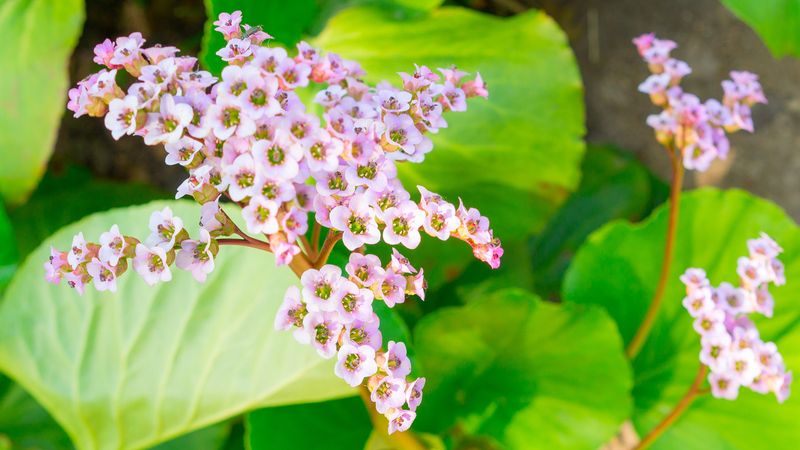
Bergenias, also known as “pigsqueak,” are bold perennials with large, glossy leaves and clusters of pink flowers. They thrive in shaded garden beds, adding structure and color. Bergenias prefer well-drained soil and are valued for their hardiness. Their broad leaves provide year-round interest, even when flowers are not in bloom. Did you know? The nickname “pigsqueak” comes from the squeaky sound the leaves make when rubbed together.
24. Liriope
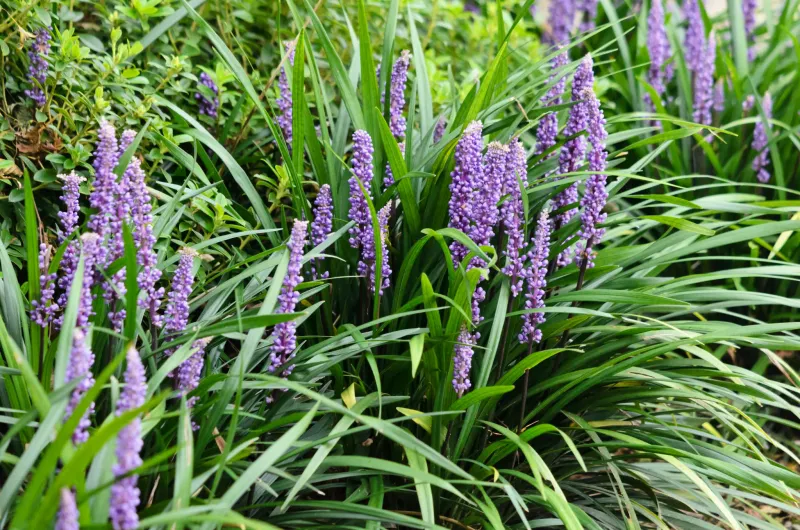
Liriopes, often called “lilyturf,” are versatile perennials with grass-like leaves and spikes of tiny purple flowers. These plants thrive in shaded areas, providing texture and color to gardens. Liriopes prefer moist, well-drained soil and are known for their resilience, tolerating a range of conditions. Their unique appearance makes them popular for borders and ground cover. Fun fact: Liriope is named after a nymph in Greek mythology, adding a touch of enchantment to its allure.
25. Japanese Painted Fern
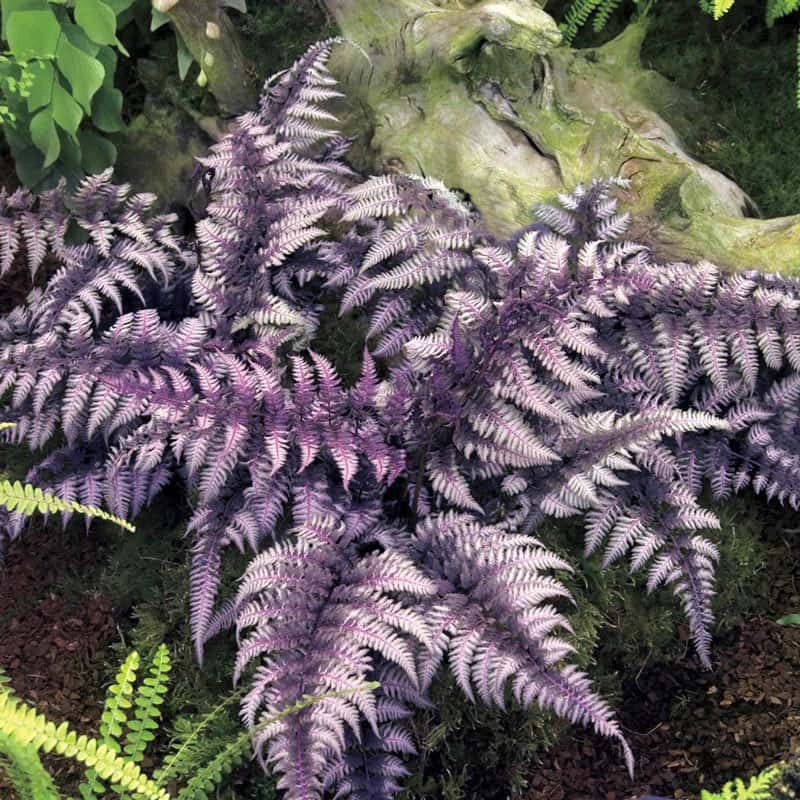
A masterpiece of foliage, the Japanese Painted Fern offers a splash of color to shady gardens. Its silvery-green fronds, highlighted by deep purple-red veins, create a striking visual contrast. Perfect for adding a touch of elegance, this fern thrives in moist, well-drained soil. While it prefers part to full shade, its unique coloration makes it a standout feature in any garden.
Interestingly, the Japanese Painted Fern’s hardiness extends to various climates, making it a versatile choice for gardeners. Its graceful arching fronds sway gently with the breeze, offering a serene sense of movement and tranquility.