 Complete Gardening
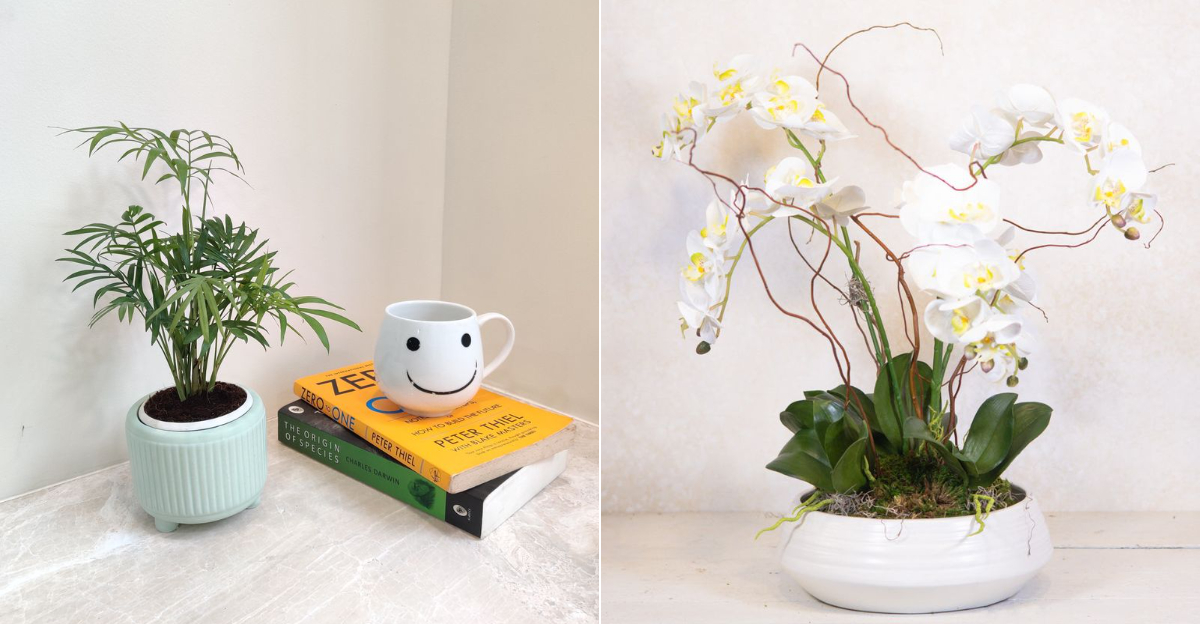
In the quest for improving focus and creating a vibrant learning environment, incorporating plants into the classroom has proven beneficial. Not only do these green companions purify the air, but they also bring an element of nature indoors, aiding in stress reduction and concentration. Here’s a curated list of 25 teacher-approved plants that promise to enhance student focus while being easy to care for in a classroom setting.
1. Snake Plant (Sansevieria)
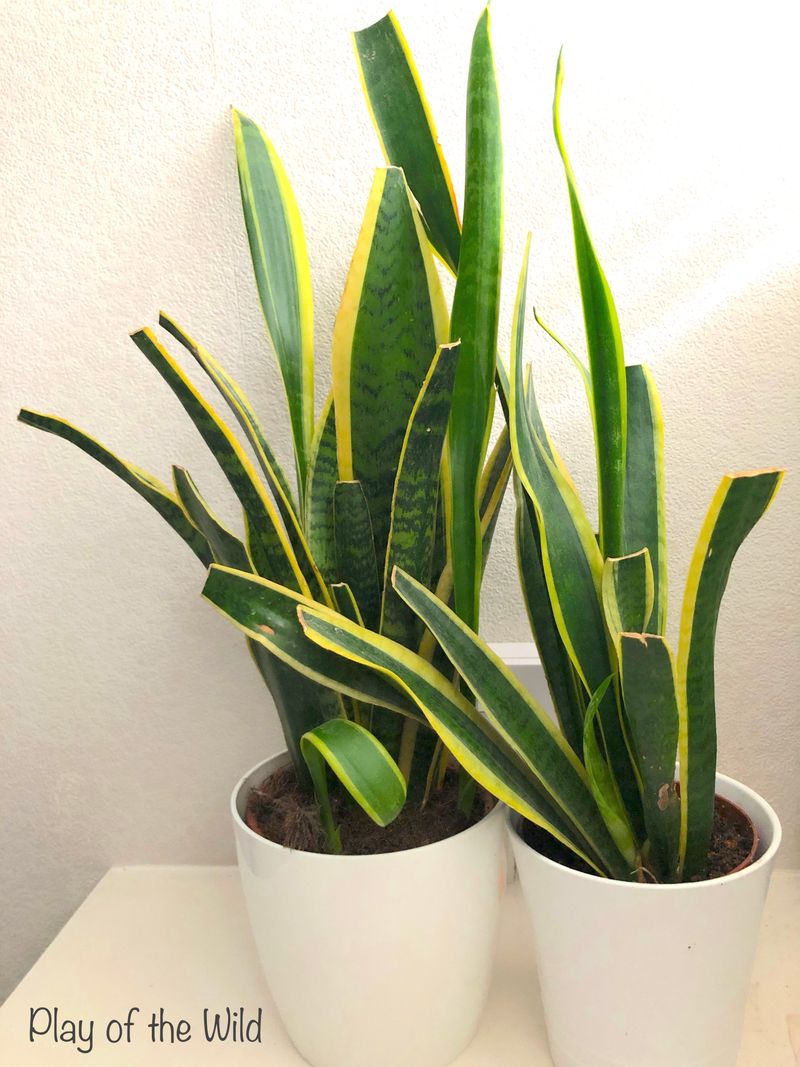
Renowned for its resilience, the Snake Plant, or Sansevieria, is a favorite among classrooms where natural light is scarce. Its ability to thrive in low-light conditions makes it nearly indestructible, while its striking vertical leaves add a touch of modern elegance. Known as a natural air purifier, it helps remove toxins, offering cleaner air for students. Whether forgotten over a weekend or facing a dim corner, this plant stands strong, making it an ideal choice for busy teachers. Its robust nature and minimalist appeal cater to both aesthetic and practical needs.
2. Spider Plant (Chlorophytum comosum)
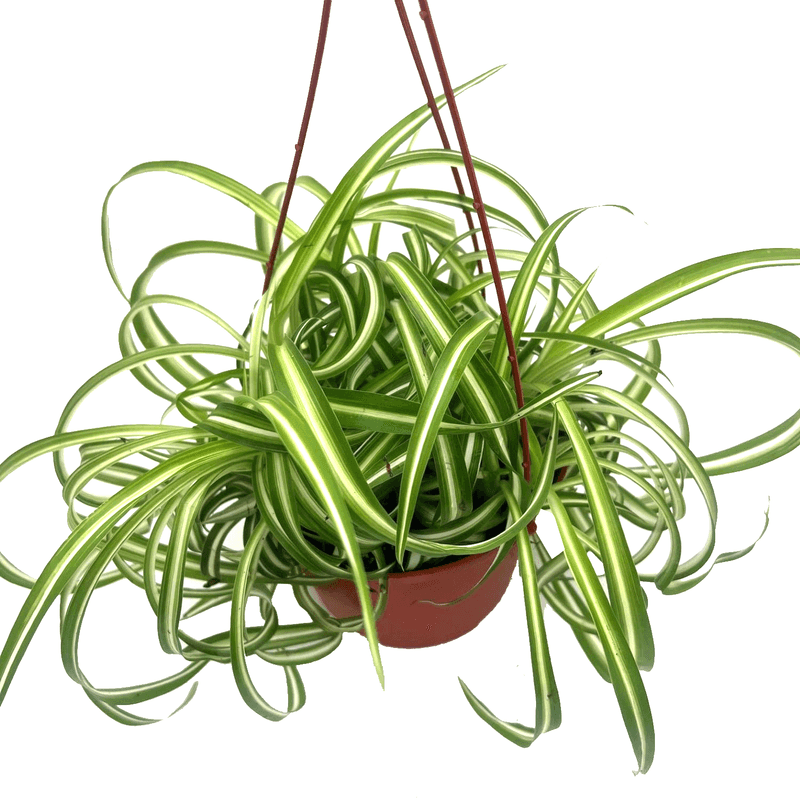
The Spider Plant, or Chlorophytum comosum, brings lively energy with its cascading green and white striped leaves. Known for its ability to remove formaldehyde from the air, it ensures a healthier environment for young learners. This plant is safe around curious children, making it an excellent addition to educational spaces. Whether it’s adorning a shelf or hanging from a corner, the Spider Plant thrives with minimal care. Its cheerful appearance and air-purifying qualities make it a delightful companion for any classroom.
3. Peace Lily (Spathiphyllum)
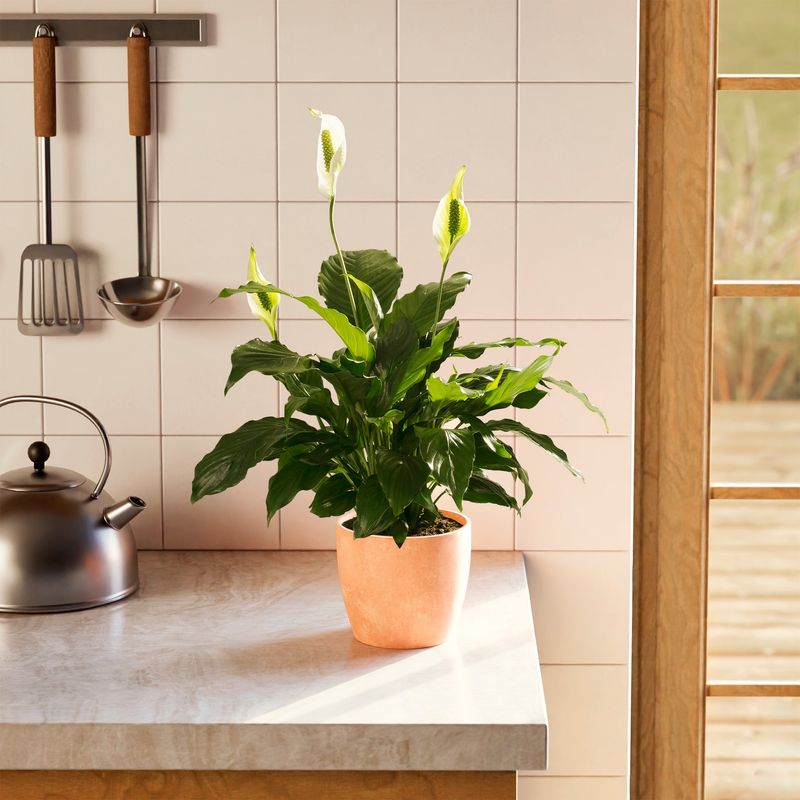
Not just a plant, but an elegant statement piece, the Peace Lily blooms indoors, filtering out ammonia and benzene. With its glossy leaves and serene white flowers, it brings tranquility to any classroom setting. Its air-cleansing properties contribute to a breathable atmosphere, enhancing focus and well-being. Even with occasional neglect, this plant’s forgiving nature ensures it remains a steadfast fixture in learning environments. The Peace Lily’s presence is soothing, offering both beauty and functionality to educational spaces.
4. Boston Fern (Nephrolepis exaltata)
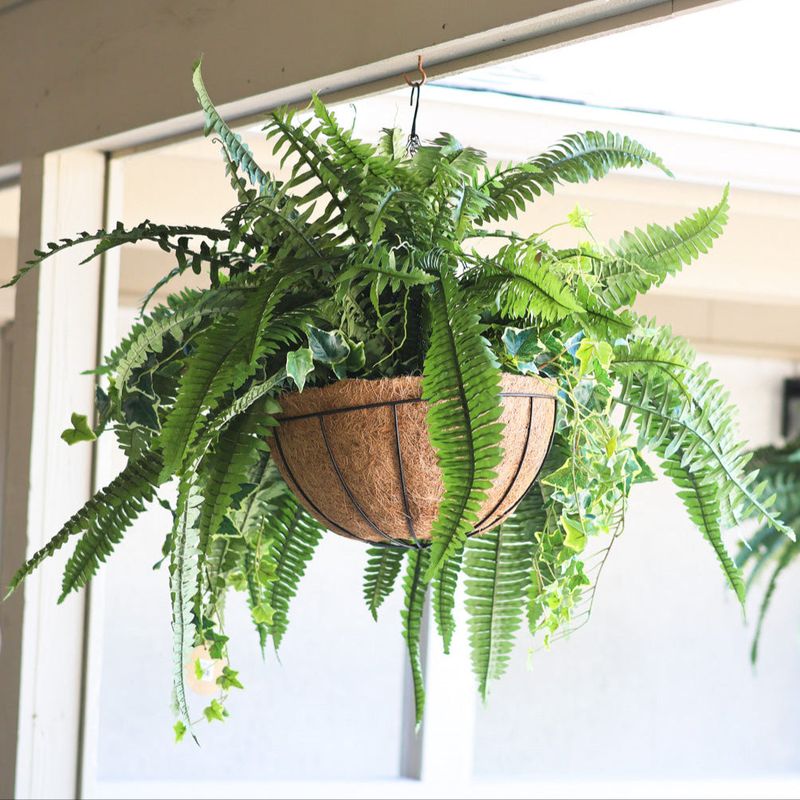
Ideal for humid classrooms, the Boston Fern is a classic choice with its lush, feathery fronds. Its ability to thrive in moisture-rich environments makes it perfect for spaces that might see more humidity than others. This plant excels at filtering formaldehyde and other toxins, contributing to cleaner air. Its vibrant greenery not only adds a refreshing aesthetic but also aids in providing a calming atmosphere. A Boston Fern in a classroom is not just decoration; it’s an active participant in creating a healthier learning space.
5. Bamboo Palm (Chamaedorea seifrizii)
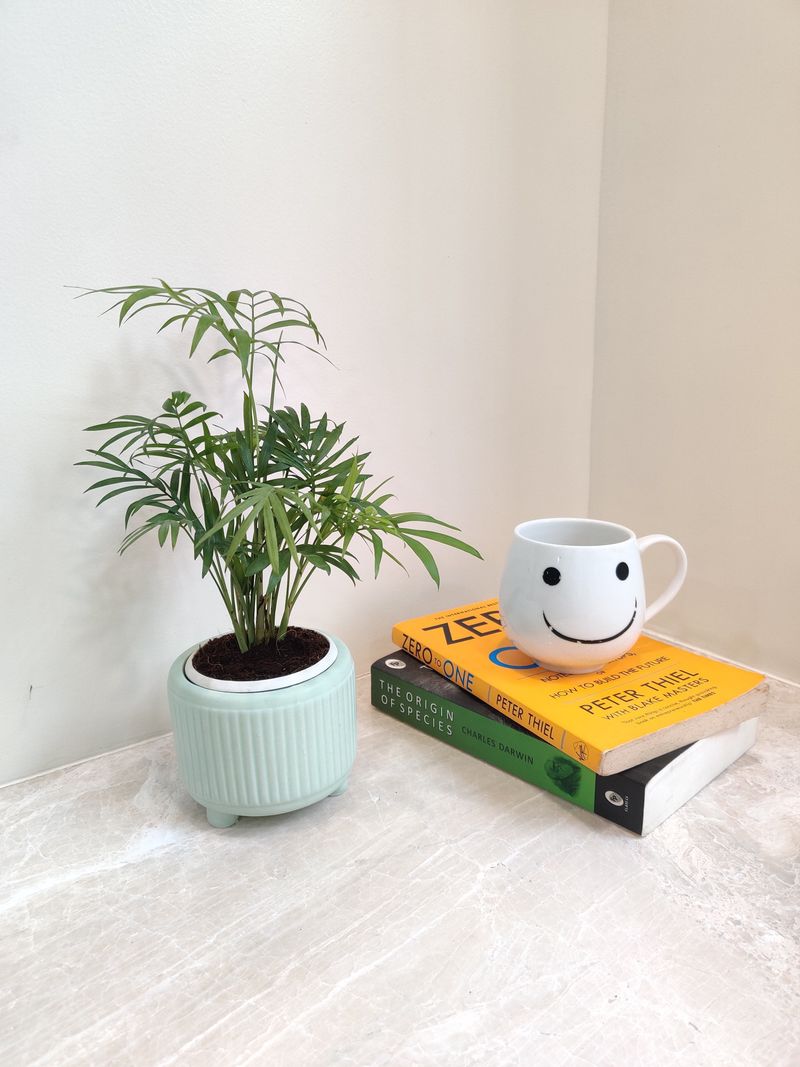
Tall and tropical, the Bamboo Palm stands out with its slender stems and rich foliage. It’s not just a visual delight but also a powerful air purifier, removing airborne chemicals for a fresher classroom. Its presence is reminiscent of tropical jungles, bringing an exotic flair to educational spaces. Despite its grandeur, the Bamboo Palm is easy to care for, thriving in both low light and bright conditions. For classrooms aiming to combine aesthetics with health benefits, this plant is a perfect choice.
6. ZZ Plant (Zamioculcas zamiifolia)
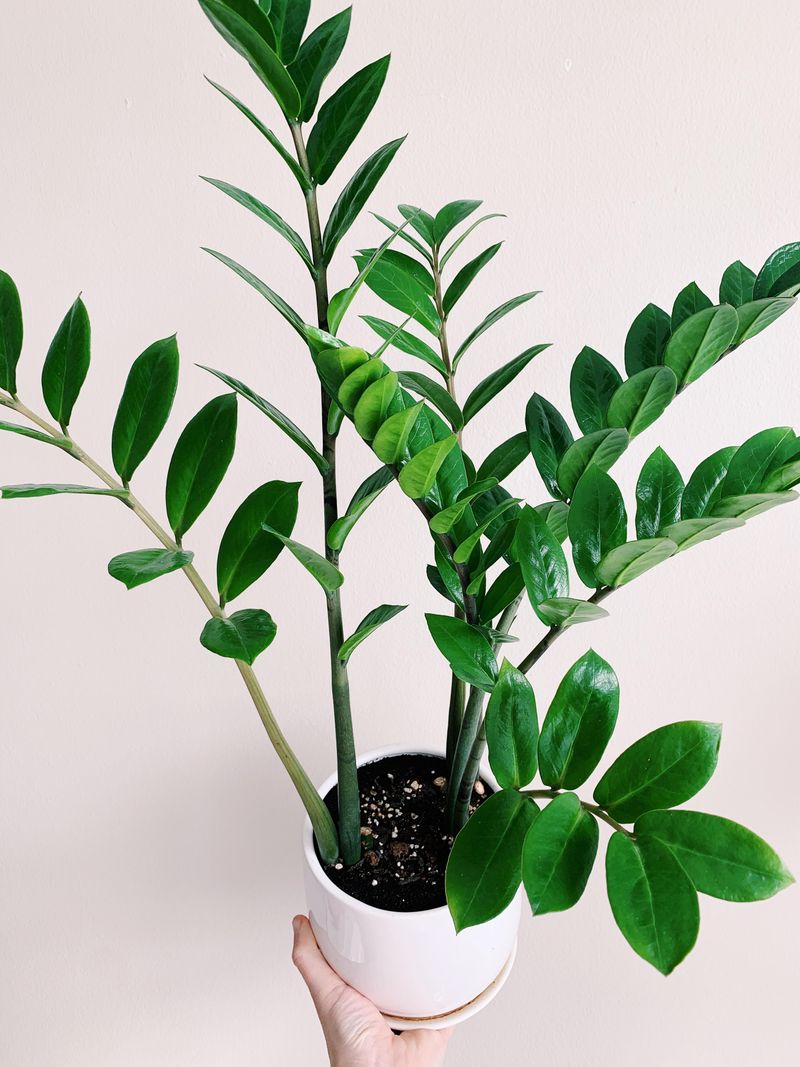
The ZZ Plant, known for its glossy leaves and resilience, thrives in conditions where other plants might falter. Its adaptability to low-light settings makes it ideal for windowless classrooms or dim corners. This plant requires minimal attention, flourishing even with neglect, which is perfect for teachers swamped with tasks. Its distinctive appearance adds a modern touch to any educational space. The ZZ Plant not only enhances the classroom’s aesthetic appeal but also promotes a sense of calm and focus among students.
7. Pothos (Epipremnum aureum)
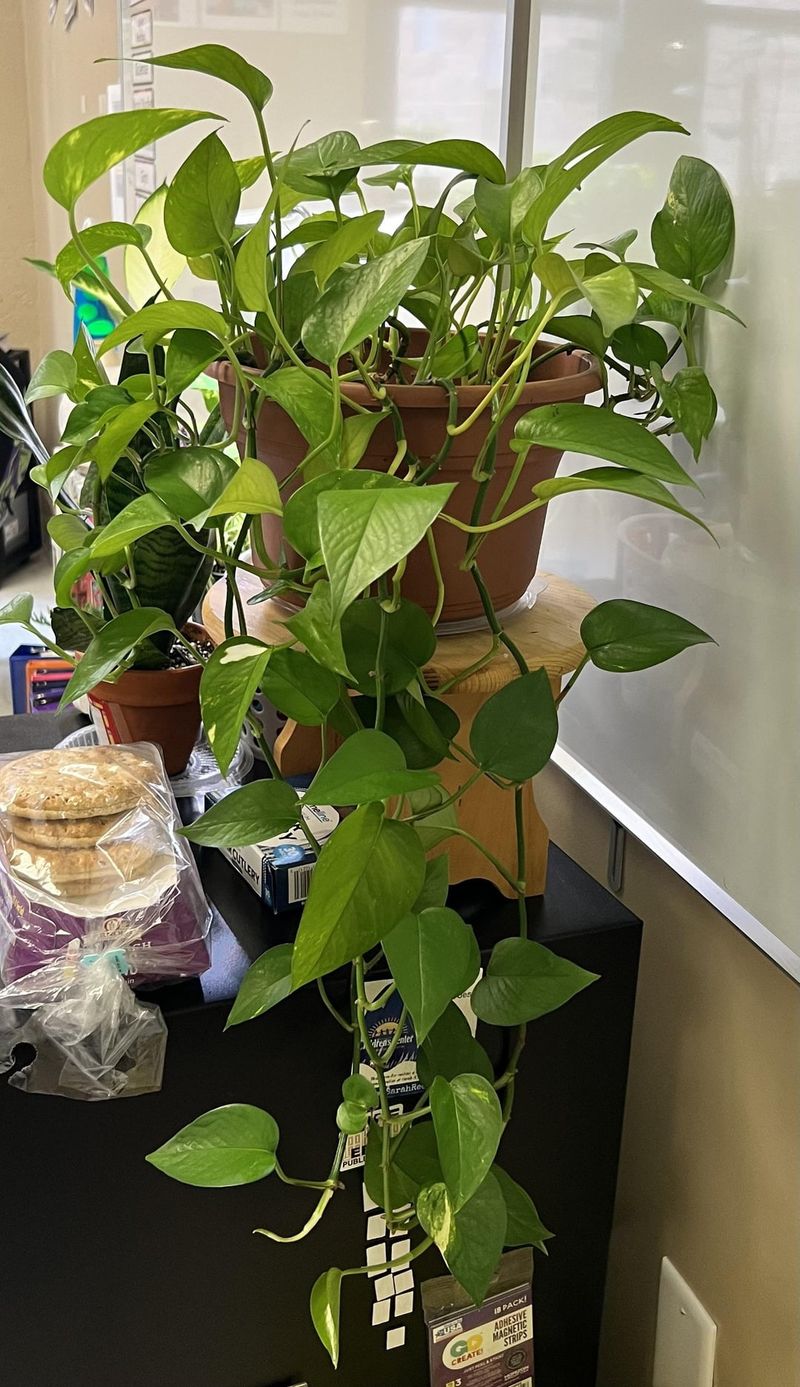
A classroom favorite, the Pothos is admired for its long, trailing vines and vibrant leaves. Known for its easy propagation, this plant can thrive with minimal care, making it suitable for busy educational environments. Whether placed on a shelf or allowed to cascade from hanging baskets, its presence uplifts the room. The Pothos is not just a visual treat; it’s also efficient in improving indoor air quality. Its ability to thrive under various conditions makes it an indispensable part of any classroom’s decor.
8. Cast Iron Plant (Aspidistra elatior)
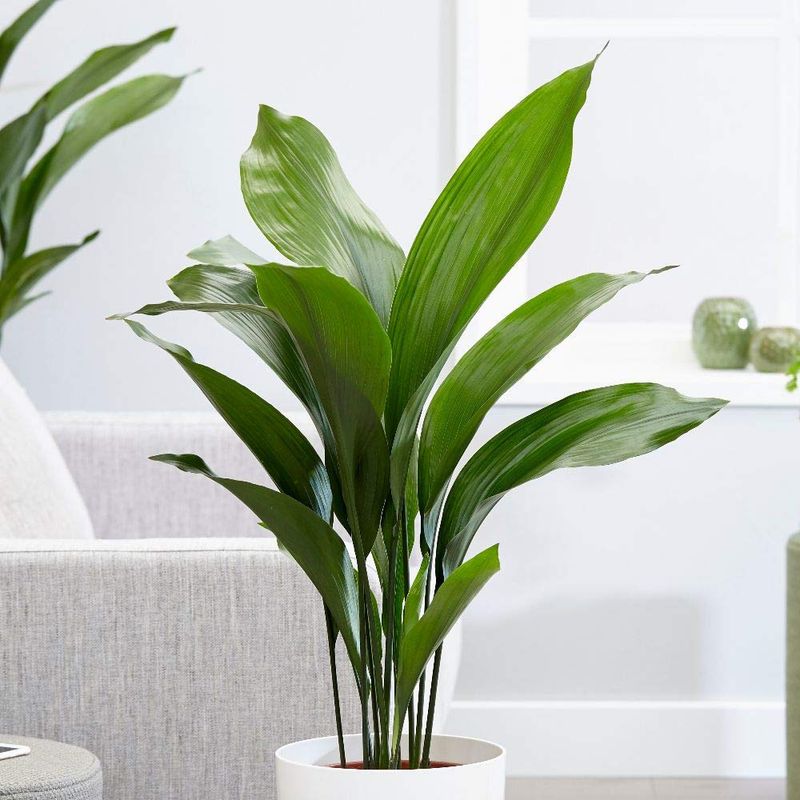
True to its name, the Cast Iron Plant is as tough as they come, enduring dim corners and irregular watering with ease. Its broad, dark green leaves provide a lush backdrop in any classroom setting. This plant’s hardy nature makes it particularly attractive for educators looking for low-maintenance greenery. It adds depth and a touch of nature, enhancing the learning environment. The Cast Iron Plant is ideal for teachers who desire a robust plant that requires little attention yet delivers significant aesthetic impact.
9. Parlor Palm (Chamaedorea elegans)
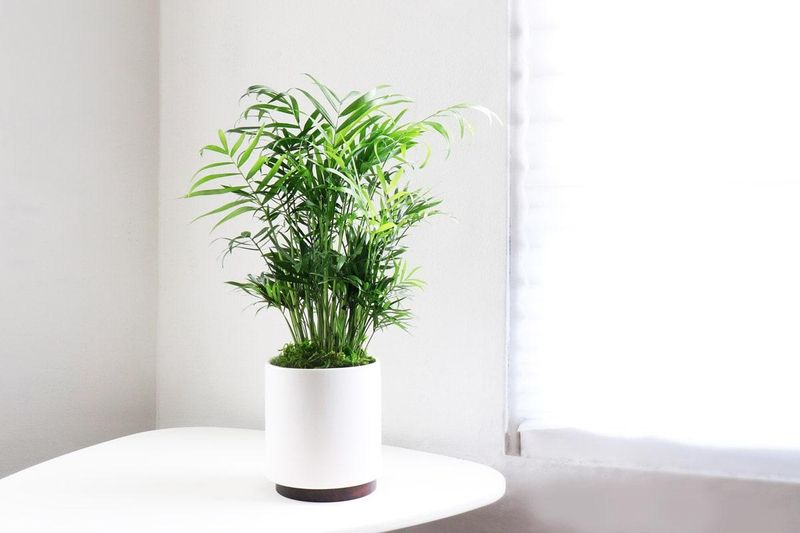
With its petite stature and feathery fronds, the Parlor Palm is a charming addition to any classroom desk. It’s low-maintenance, thriving in low-light conditions and able to endure occasional neglect. This plant exudes a sense of tranquility and elegance, bringing a touch of the tropics indoors. Its ability to adapt to various lighting conditions makes it versatile for different classroom environments. The Parlor Palm is more than just decoration; it’s a green ally that enhances the overall atmosphere of learning spaces.
10. Peperomia (Peperomia spp.)
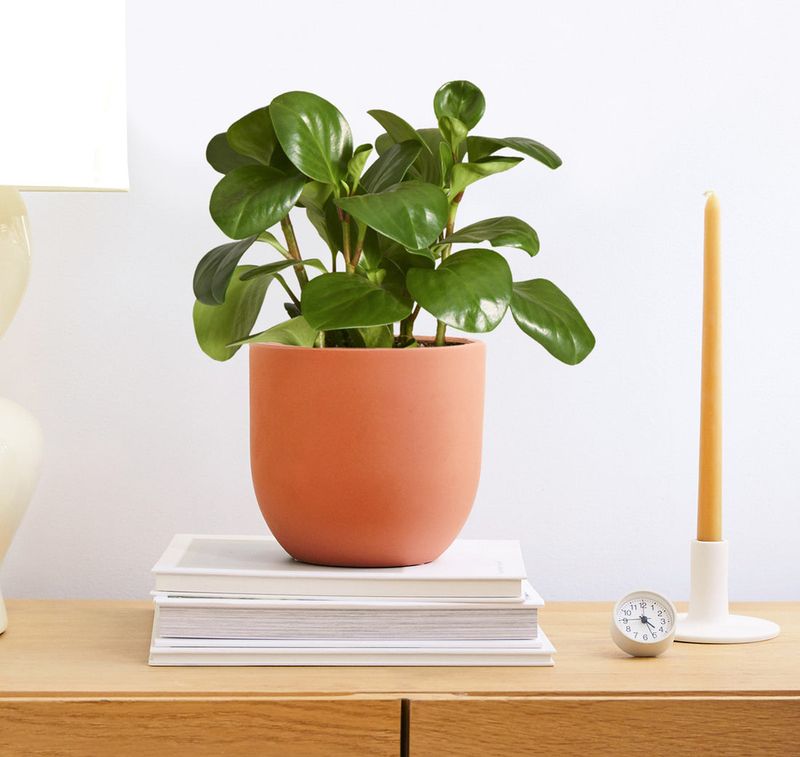
Compact and colorful, Peperomia offers a unique charm with its diverse foliage patterns and shades. This resilient plant fits well in small spaces, making it a favorite for window sills and desks. Its vibrant leaves not only beautify the classroom but also captivate curious young minds. Peperomia is low-maintenance, requiring minimal watering and care, which suits the fast-paced educational environment. This plant adds a splash of color and life, encouraging a more engaging and dynamic learning atmosphere for students.
11. Aloe Vera
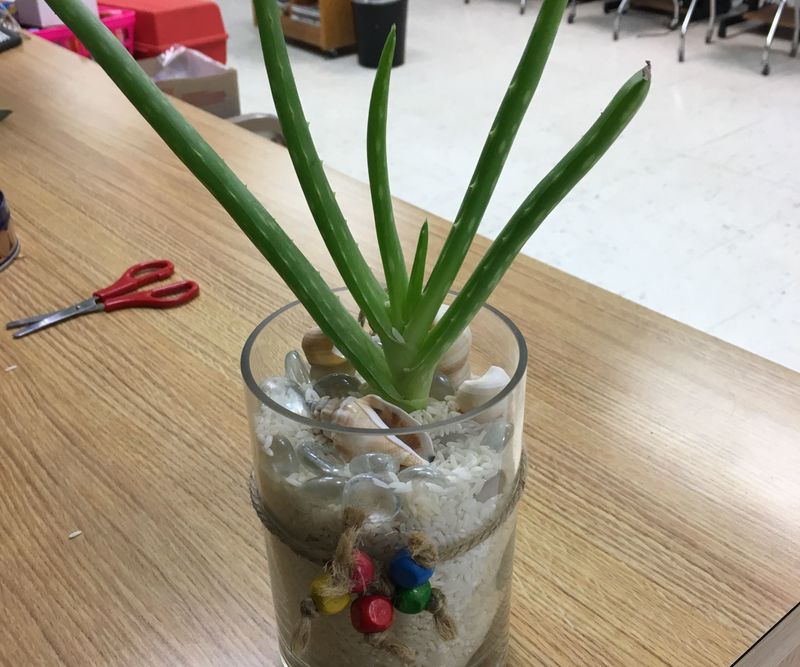
With its thick, succulent leaves, Aloe Vera brings both aesthetic appeal and practical uses to the classroom. Known for its soothing gel used in treating minor burns, it’s a living first-aid kit. This plant thrives in sunlight, making it perfect for bright windowsills. Aloe Vera requires minimal watering, ideal for teachers who might forget to tend to their plants regularly. Its presence adds a touch of greenery and utility, serving as a reminder of nature’s healing properties in educational settings.
12. Jade Plant (Crassula ovata)
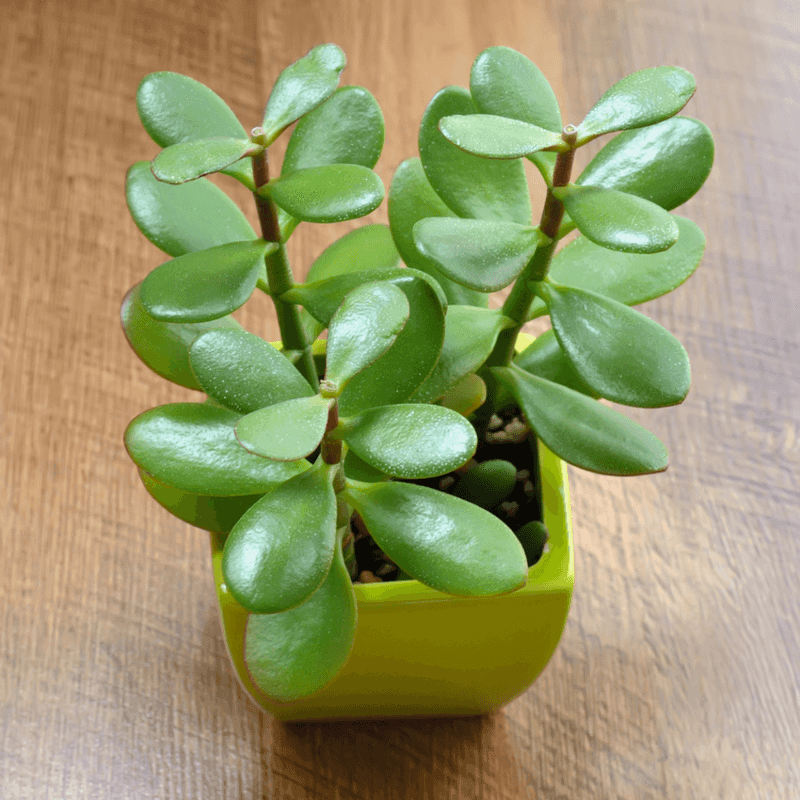
The Jade Plant, with its thick, round leaves, exudes a sense of calm and prosperity. Often associated with good luck, its slow-growing nature makes it a staple for classrooms that appreciate longevity. This succulent requires little water, thriving in sunny spots. Its compact size fits well on shelves or desks, adding a touch of greenery. The Jade Plant’s ability to store water in its leaves makes it an excellent choice for educators who might not have time for regular plant care, ensuring it remains vibrant year-round.
13. Haworthia (Haworthia spp.)
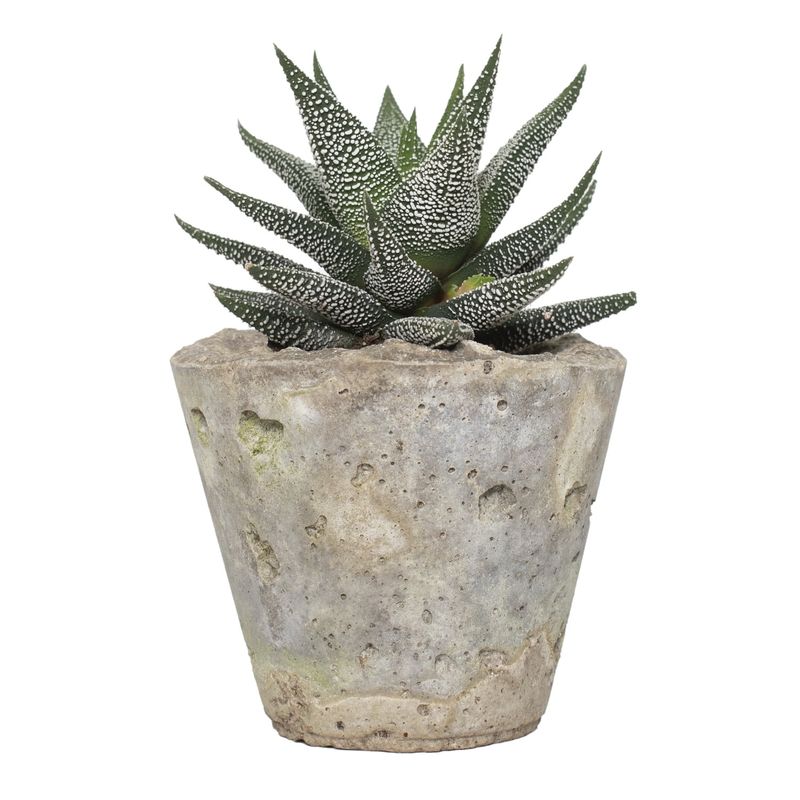
Often mistaken as a miniature aloe, the Haworthia stands out with its compact, rosette shape and textured leaves. Its small size and minimal care requirements make it perfect for classroom settings. This succulent thrives on neglect, needing occasional watering, ideal for busy teachers. Its unique appearance adds a quirky element to educational spaces, sparking curiosity and interest among students. The Haworthia’s resilience and striking look make it a delightful addition to any classroom, where it can flourish with minimal oversight.
14. Air Plants (Tillandsia)
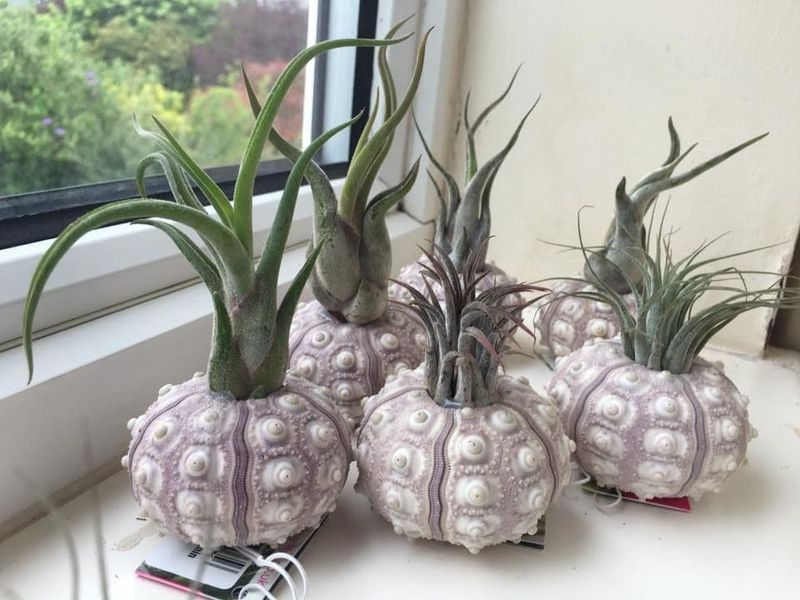
Air Plants, or Tillandsia, are unique for their ability to grow without soil, making them a fascinating choice for classrooms. These plants can be displayed creatively on walls or in glass containers, requiring only occasional misting. Their unusual growth habit inspires curiosity and wonder among students. Air Plants thrive in bright, indirect light and adapt well to indoor environments. Their low-maintenance nature and intriguing appearance make them a perfect fit for educational settings, where they add a touch of nature’s whimsy and innovation.
15. Lucky Bamboo (Dracaena sanderiana)
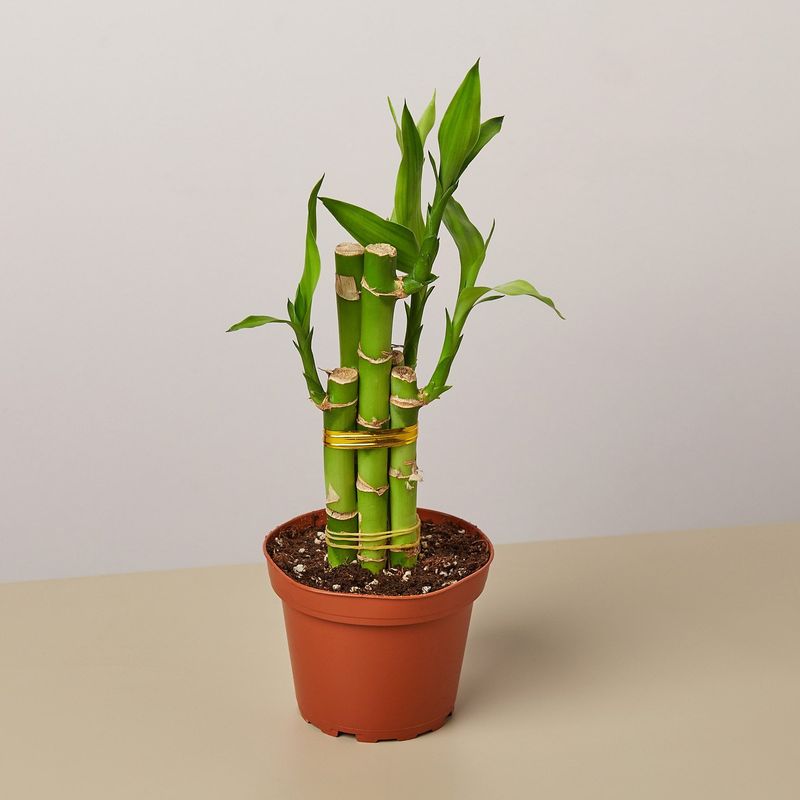
Symbolizing good fortune and resilience, Lucky Bamboo grows hydroponically, adding a touch of elegance to any classroom. Its tall, graceful stalks and vibrant leaves create a serene atmosphere, making it ideal for desks or shelves. This plant is highly adaptable, thriving in both low-light and bright conditions. With minimal care required, it’s perfect for educators seeking a low-maintenance yet visually appealing addition to their space. The Lucky Bamboo not only enhances decor but also promotes a sense of positive energy and focus.
16. African Violet (Saintpaulia)
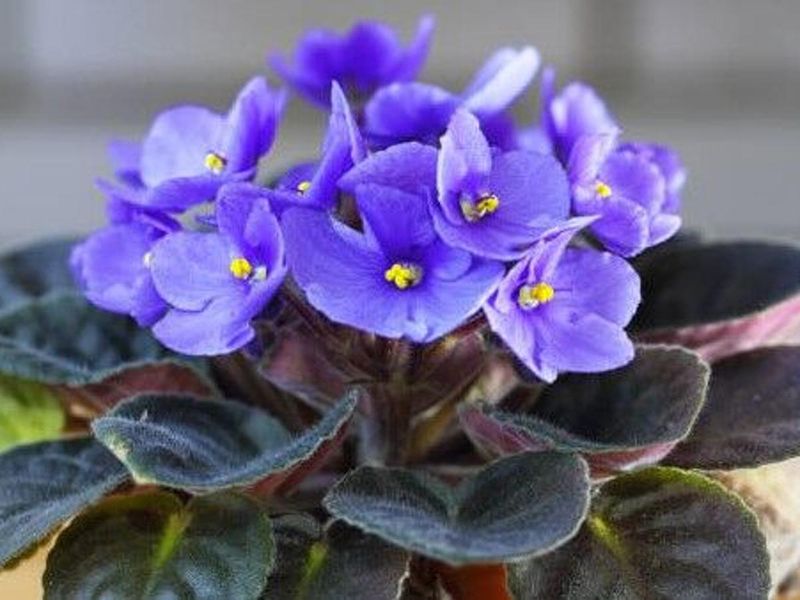
The African Violet, with its lush purple blooms, adds a vibrant touch to classroom windowsills. Known for its ability to flower year-round, it brightens up any educational environment. This plant requires moderate care, thriving in indirect sunlight and slightly moist soil. Its fuzzy leaves and delicate flowers captivate students, fostering a love for nature. The African Violet’s cheerful presence and continuous blooming make it a charming addition to classrooms, where it enhances the atmosphere with color and life.
17. Orchid (Phalaenopsis)
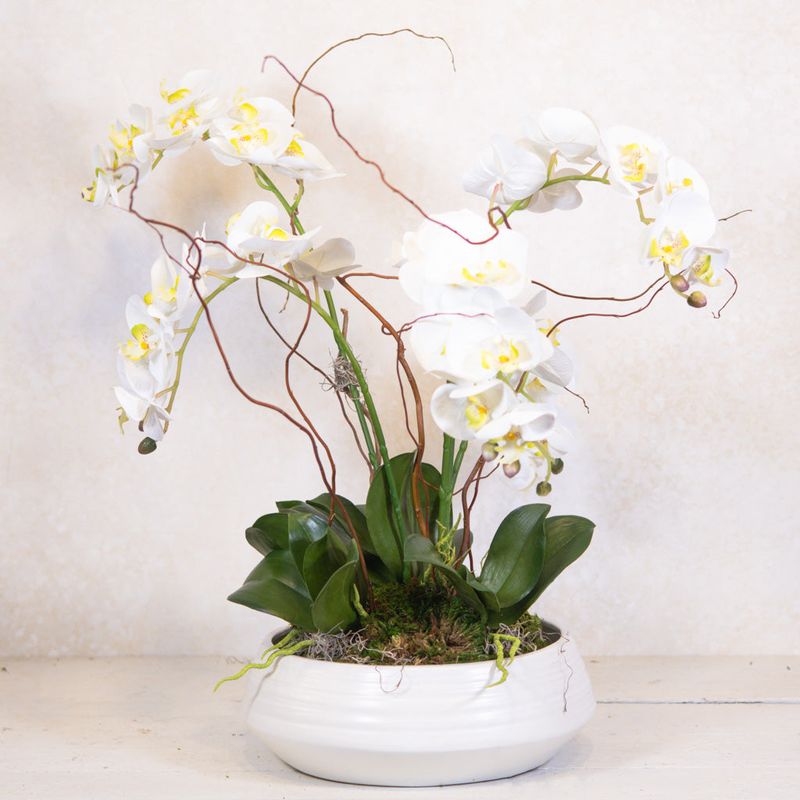
Elegant yet surprisingly hardy, the Orchid brings a touch of sophistication to classroom settings. Its long stems and colorful petals create a visually captivating display. Orchids prefer indirect light and can adapt to various environments, making them suitable for educational spaces. Their blooming cycles offer a unique opportunity for students to observe nature’s rhythms. With proper care, Orchids can flourish, providing both beauty and a learning experience. This plant’s elegance and resilience make it a standout choice for enhancing classroom decor.
18. Kalanchoe
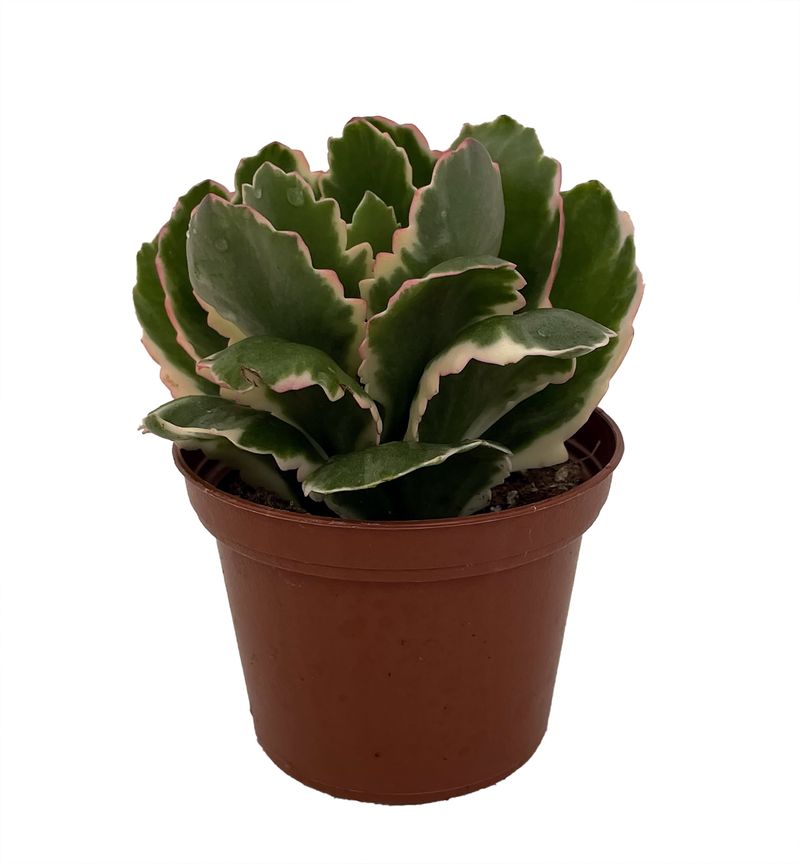
Known for its cheerful blooms, Kalanchoe brings a splash of color to classroom windowsills. Its vibrant flowers in red and orange hues create a lively atmosphere, enhancing student moods. This succulent is drought-tolerant, thriving in sunlight and requiring minimal watering. Its hardy nature makes it a perfect choice for busy teachers. The Kalanchoe’s ability to bloom for extended periods provides a long-lasting display of color and beauty, contributing to a positive and engaging educational environment for students.
19. Begonia (Begonia spp.)
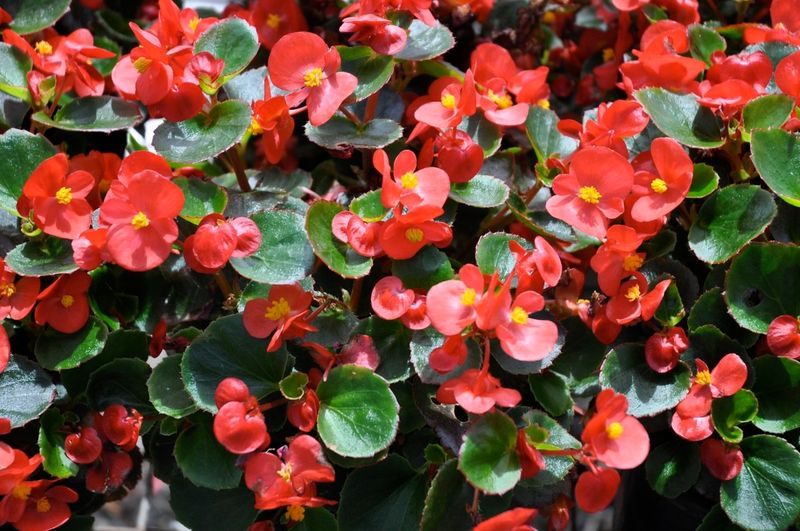
Begonias, with their colorful leaves and delicate flowers, bring a dynamic aesthetic to classrooms. Known for their varied patterns and hues, they brighten up educational spaces. These plants thrive in indirect light and require moderate watering, making them suitable for classroom care. Their vibrant appearance not only beautifies the environment but also stimulates student interest and engagement. The versatility and visual appeal of Begonias make them an excellent choice for teachers seeking to enrich their classroom decor with natural beauty.
20. Gerbera Daisy
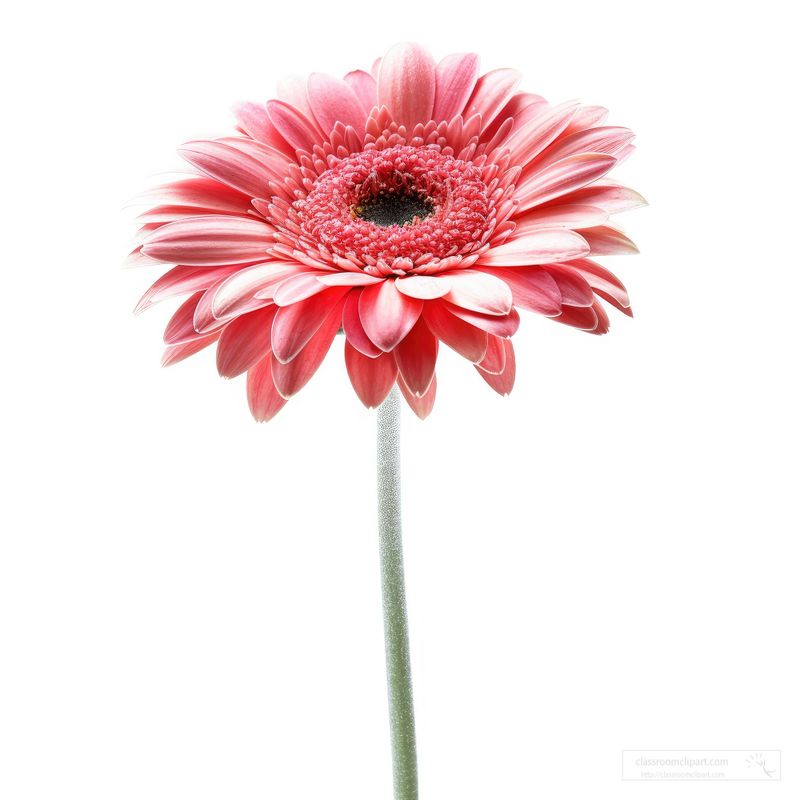
With its large, bright blooms, the Gerbera Daisy is a delightful addition to any classroom. Known for its love of sunlight, it thrives on sunny windowsills where its vibrant colors can be fully appreciated. This plant’s cheerful flowers not only brighten the room but also uplift student spirits. Requiring regular watering and care, the Gerbera Daisy rewards with continuous blooming. Its striking presence and positive energy make it a favorite among educators looking to create a lively and inspiring learning environment.
21. Venus Flytrap (Dionaea muscipula)
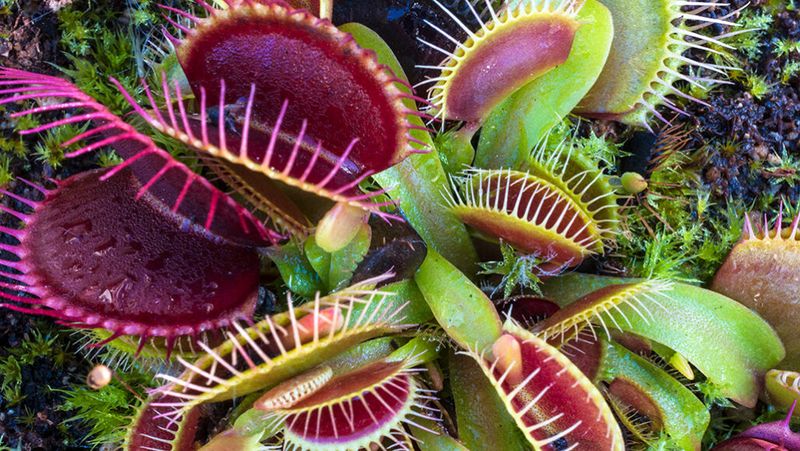
Fascinating and interactive, the Venus Flytrap captivates students with its carnivorous nature. This plant, with its hinged leaves that snap shut on prey, offers a unique opportunity for observational learning. Thriving in bright light and moist environments, it requires specific care but rewards with engaging behavior. The Venus Flytrap not only serves as an educational tool but also adds a touch of intrigue to the classroom. Its presence encourages curiosity and exploration, making it a valuable addition to science-friendly learning spaces.
22. Sensitive Plant (Mimosa pudica)
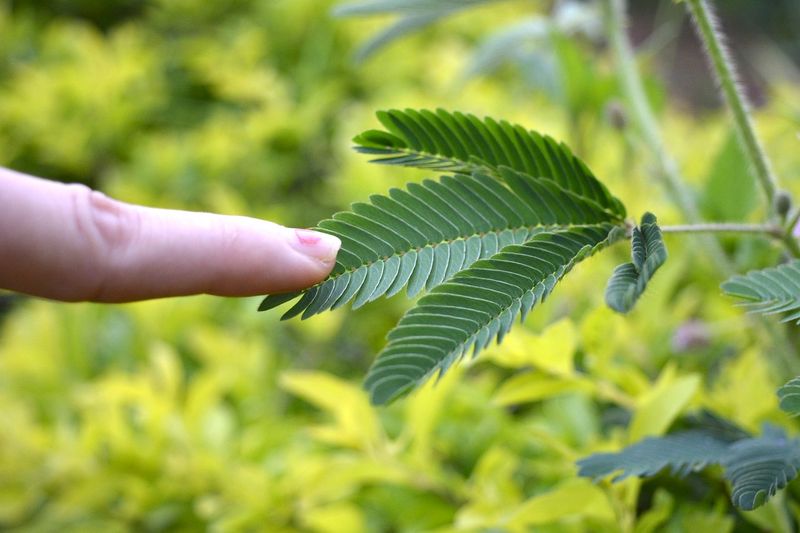
The Sensitive Plant, known for its dramatic leaf folding, is a hit among students. When touched, its leaves close up, providing a live demonstration of plant responsiveness. This interactive feature makes it a perfect addition to science lessons. It thrives in bright, indirect light and requires regular watering. The Sensitive Plant’s unique behavior fosters curiosity and engagement, making it a delightful educational tool. Its presence in the classroom not only adds greenery but also sparks interest in plant biology and environmental awareness.
23. Coleus (Plectranthus scutellarioides)
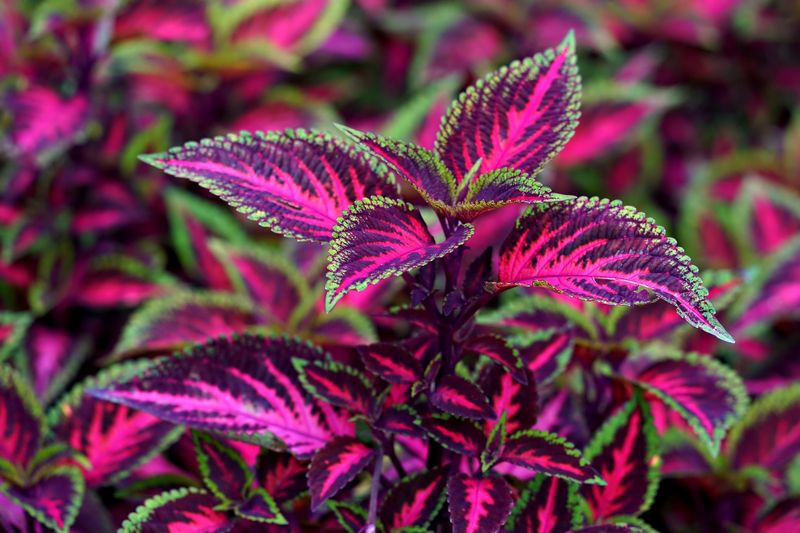
Known for its vibrant and variegated foliage, Coleus provides a striking visual element to classroom settings. Its fast-growing nature makes it an excellent choice for lessons on plant growth and biology. Thriving in indirect sunlight, this plant requires moderate watering and care. Its dynamic leaf patterns engage students, making it a popular choice for enhancing educational spaces. The Coleus not only beautifies the classroom but also serves as a tool for teaching about plant diversity and adaptation.
24. Wheatgrass
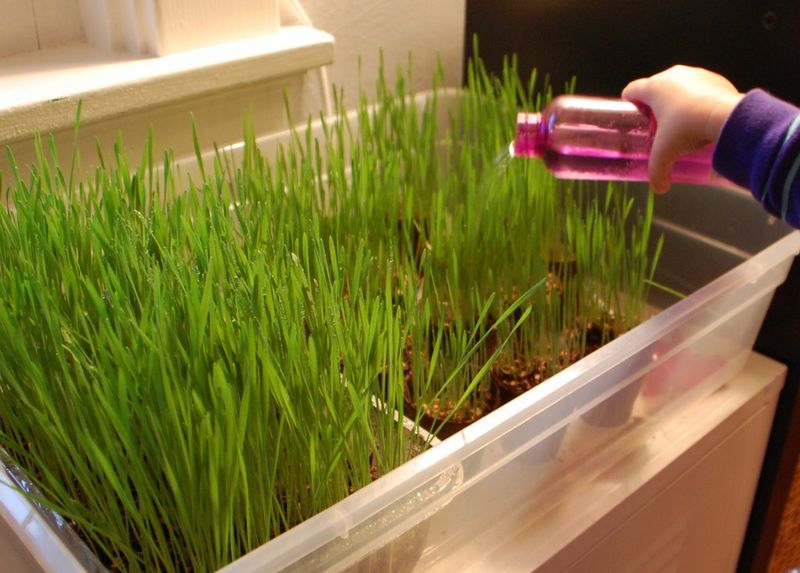
Wheatgrass, with its rapid growth, offers an excellent opportunity for classroom experiments and observations. Its fresh green blades contribute to a lively atmosphere, while its quick development captivates students’ attention. Ideal for lessons on plant biology and life cycles, Wheatgrass is easy to cultivate and maintain. This plant thrives with regular watering and adequate sunlight. Its presence in the classroom not only adds greenery but also provides a hands-on learning experience, fostering a deeper understanding of plant growth among students.
25. Sunflower (Helianthus)
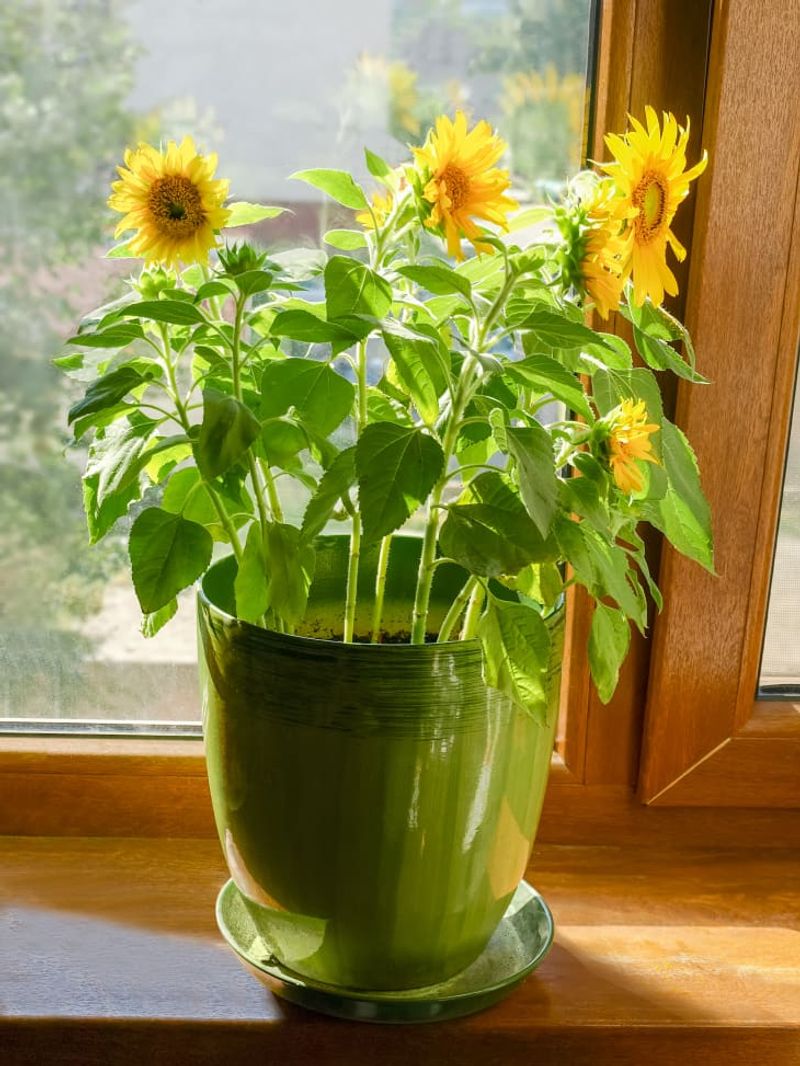
Sunflowers, with their towering stems and bright blooms, are ideal for teaching growth and biology. Starting from seeds, these plants offer students the chance to track daily progress, fostering a sense of responsibility and wonder. They thrive in bright sunlight, requiring regular watering to reach their full potential. Sunflowers not only beautify the classroom but also serve as a practical learning tool. Their growth journey provides valuable lessons in patience and nurture, making them an inspiring addition to educational settings.