 Complete Gardening
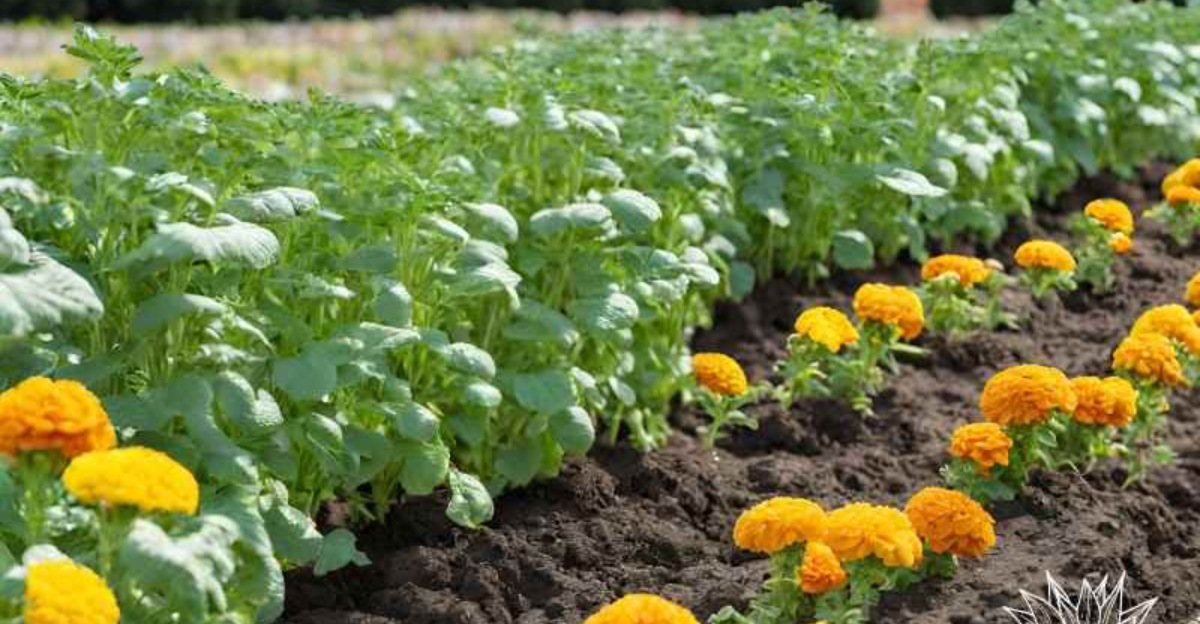
Discover the art of companion planting, a time-honored practice that combines different plant species to enhance growth, repel pests, and improve flavor. This technique not only promotes healthier crops but also optimizes garden space and creates a balanced ecosystem. Whether you’re an experienced gardener or a novice, these 25 secrets will transform your gardening journey.
1. Tomatoes + Basil
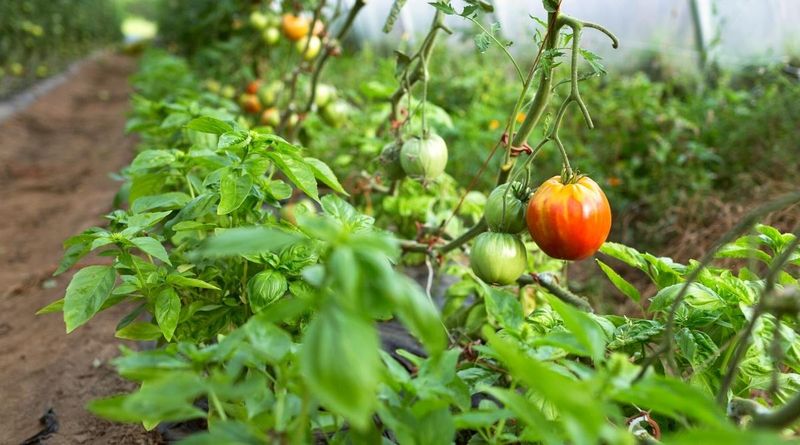
Basil not only enhances the flavor of tomatoes but also acts as a natural repellent against thrips, whiteflies, and mosquitoes. This aromatic herb creates a pest-free zone that allows tomatoes to thrive.
Basil’s strong fragrance confuses and deters unwanted insects, ensuring the tomatoes remain untouched. Its presence in the garden is like having a protective shield, safeguarding the juicy fruits from common pests. Grow these two together and enjoy the bounty of flavorful tomatoes and healthy, thriving plants.
2. Carrots + Onions
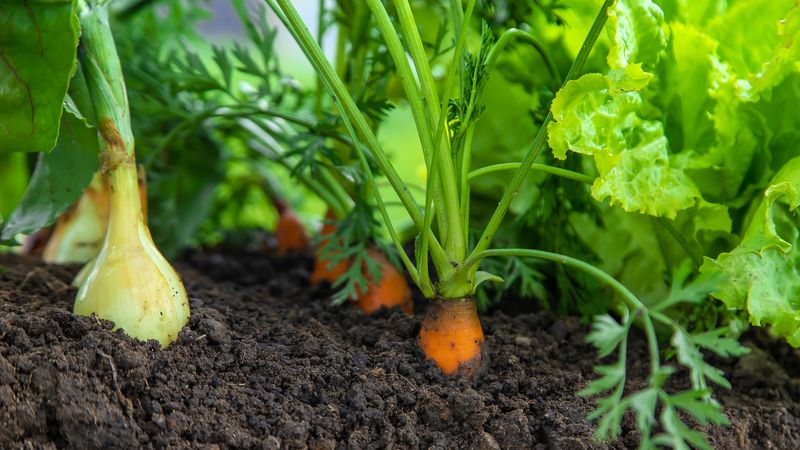
In the world of companion planting, carrots and onions are the dynamic duo known for their mutual pest protection. Onions emit a pungent scent that repels carrot flies, while carrots deter onion flies, creating a harmonious balance in the garden.
This partnership ensures that both crops can grow without the constant threat of destructive insects. By planting them together, gardeners can enjoy healthier carrots and onions, free from pest damage. Their symbiotic relationship is a testament to the power of nature’s design.
3. Corn + Beans + Squash (The “Three Sisters”)
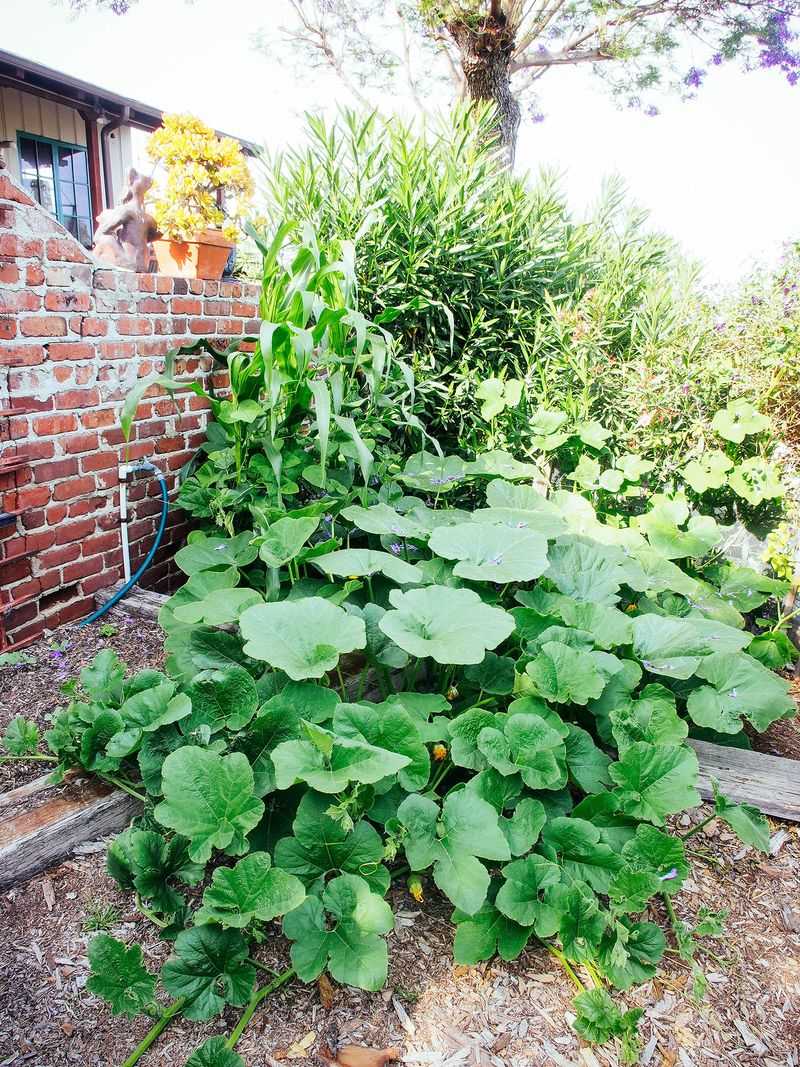
The ancient Native American technique of planting corn, beans, and squash together is a masterpiece of agricultural knowledge. Corn provides a natural pole for beans to climb, while beans fix nitrogen in the soil, nourishing the corn. Squash, with its broad leaves, shades the soil, conserving moisture.
This trio, known as the “Three Sisters,” works in harmony to support each other’s growth and improve soil fertility. This self-sustaining system is an example of nature’s wisdom, where each plant plays a crucial role in the success of the others. Together, they create a balanced and productive garden ecosystem.
4. Cucumbers + Nasturtiums
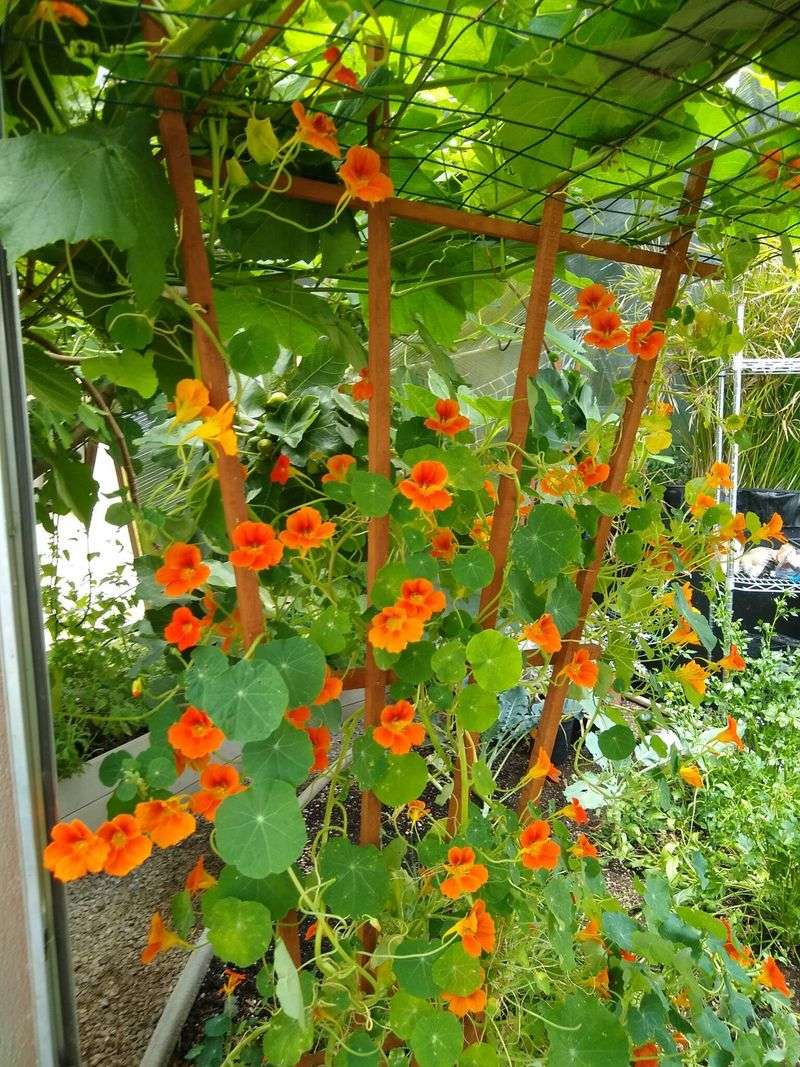
Cucumbers and nasturtiums are the perfect garden companions, each complementing the other’s strengths. Nasturtiums are not only visually appealing with their bright blooms but also serve as a natural pest repellent, keeping cucumber beetles at bay.
These flowers attract beneficial pollinators, ensuring better fruit set for the cucumbers. Their presence in the garden also adds a splash of color, making the planting area vibrant and lively. Together, they form a visually stunning and functionally beneficial partnership.
5. Lettuce + Chives or Garlic
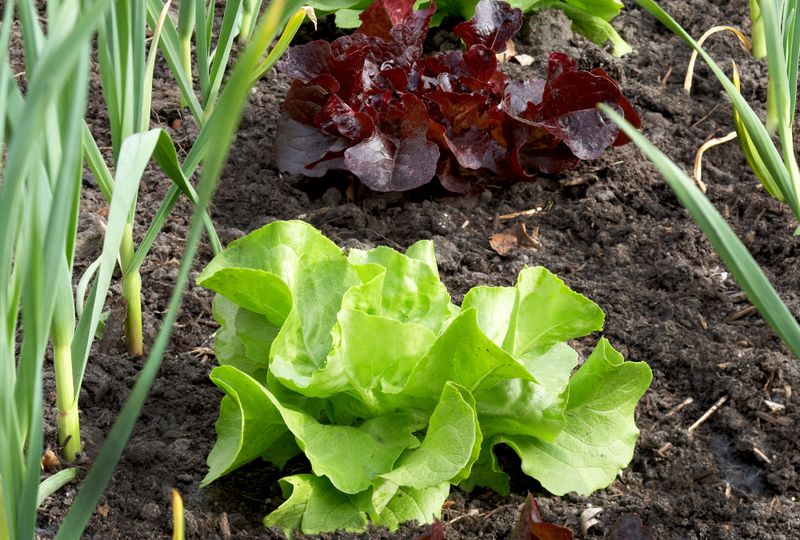
Lettuce, with its tender leaves, often falls prey to aphids and slugs. Enter chives and garlic, the unsung heroes of the garden, whose strong scents act as natural deterrents to these pests.
Planting chives or garlic near lettuce creates a fragrant barrier that keeps harmful insects away. This aromatic protection allows lettuce to grow lush and healthy, free from common pest threats. Together, these plants form a natural alliance that benefits the garden’s overall health.
6. Potatoes + Marigolds
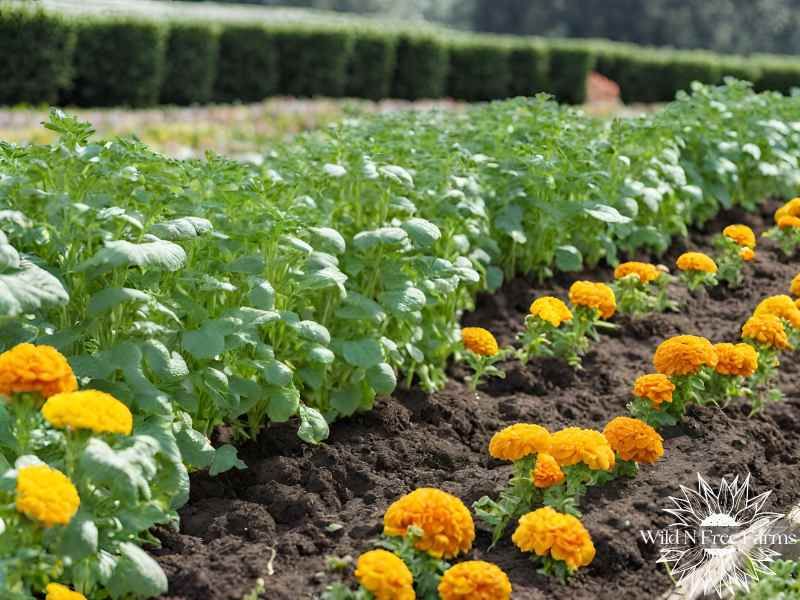
Potatoes and marigolds make an effective pair, particularly when it comes to battling nematodes and Colorado potato beetles. Marigolds, with their vivid blooms, are more than just a pretty face; they release chemicals that repel nematodes and deter pests.
Planting marigolds around potatoes creates a protective shield, ensuring that the tubers develop without pest interference. This simple yet powerful combination allows gardeners to harvest healthy, pest-free potatoes while enjoying the beauty of marigolds in full bloom.
7. Strawberries + Borage
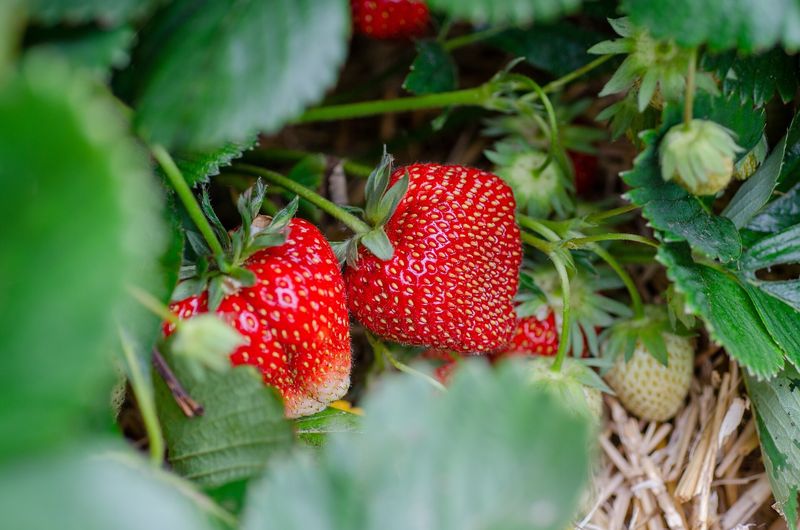
Strawberries and borage are a match made in gardening heaven. Borage, with its star-shaped blue flowers, has a unique ability to enhance strawberry growth while deterring worms that often target the sweet fruits.
This plant not only boosts strawberry health but also attracts beneficial insects, creating a thriving ecosystem. Growing strawberries with borage is like giving them a natural growth boost, resulting in a bountiful and healthy harvest that’s free from common pest issues.
8. Cabbage + Dill
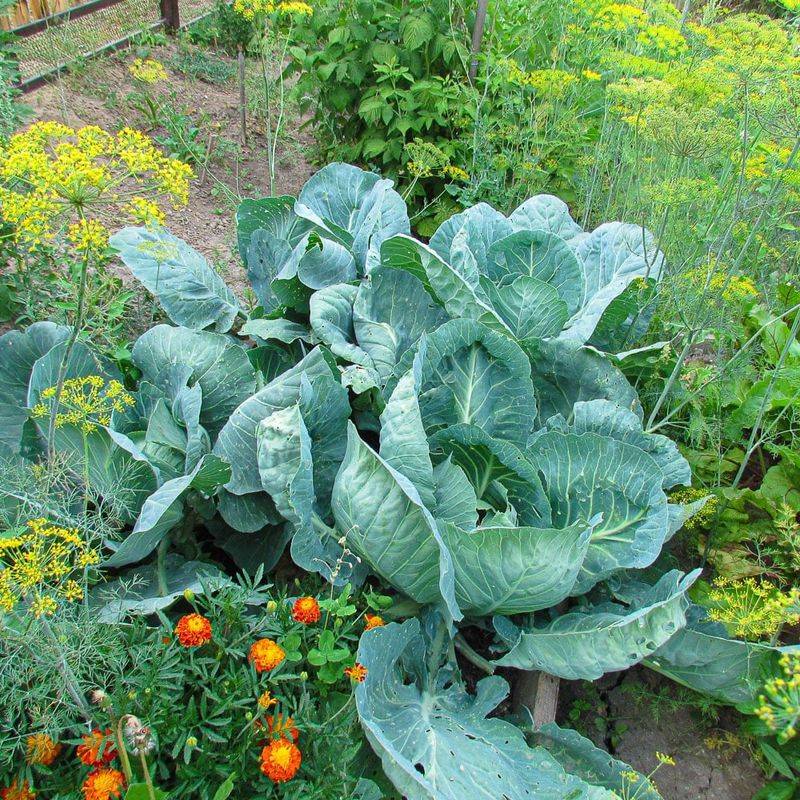
In the battle against cabbage pests, dill is an invaluable ally. This herb attracts beneficial wasps that prey on caterpillars and other insects that threaten cabbage health.
Planting dill near cabbage not only offers protection but also adds an aromatic touch to the garden. The presence of dill ensures that cabbage can grow robustly, free from the clutches of damaging pests. Together, they form a strategic partnership in the garden’s natural pest control arsenal.
9. Peppers + Spinach
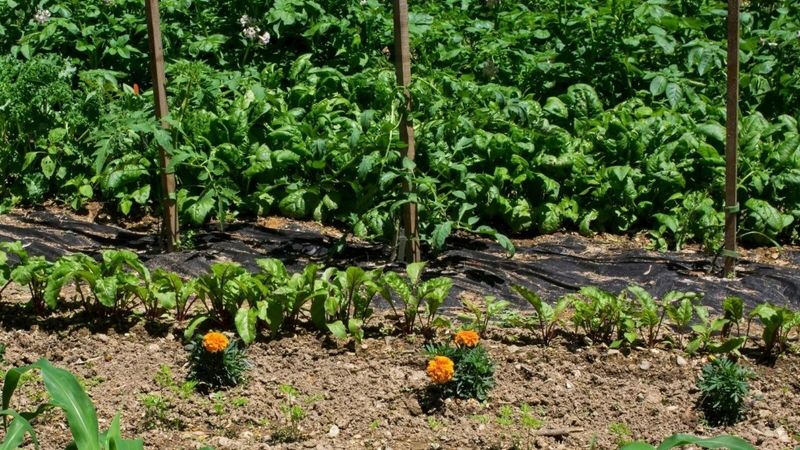
Peppers and spinach create a dynamic duo in the garden, with spinach serving as a natural mulch for pepper plants. The leafy greens of spinach shade the soil, keeping it cool and moist, which is vital for the healthy growth of peppers.
This living mulch not only conserves soil moisture but also suppresses weeds, allowing peppers to thrive in optimal conditions. By planting these two together, gardeners can ensure a fruitful pepper harvest and a well-maintained garden bed.
10. Radishes + Spinach or Lettuce
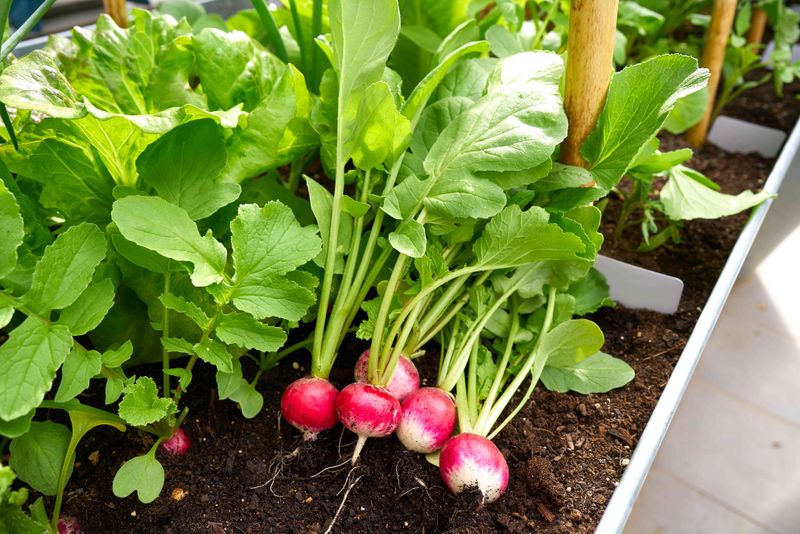
Radishes play a clever role in the garden, acting as decoys for flea beetles that often target spinach and lettuce. By luring these pests away, radishes protect the leafy greens, allowing them to flourish unharmed.
This strategy of pest management ensures that gardeners can harvest healthy spinach and lettuce without resorting to chemical interventions. The combination of these plants showcases an intelligent approach to natural pest control in the garden.
11. Eggplant + Green Beans
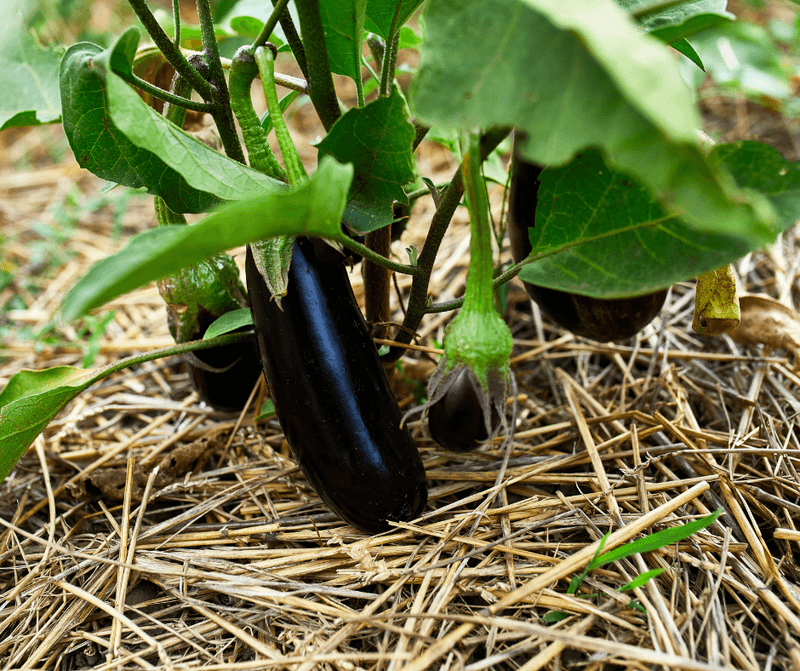
Eggplants and green beans form a protective alliance in the garden. Green beans, with their pest-resistant nature, repel Colorado potato beetles that also attack eggplants.
This natural defense mechanism allows eggplants to grow without the threat of these common garden pests. Their partnership creates a resilient environment where both plants can thrive and produce abundant harvests. Together, they exemplify the strength of collaborative growth.
12. Broccoli + Calendula
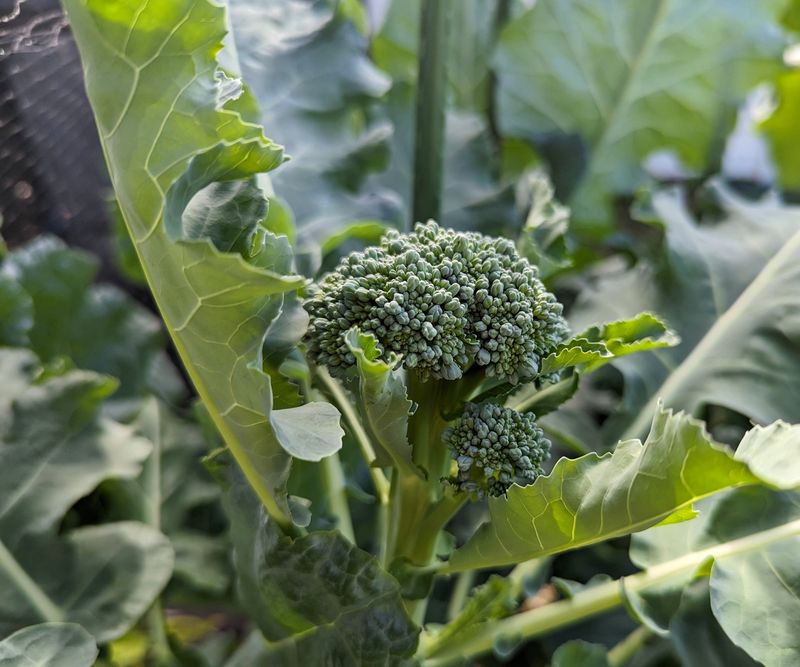
Broccoli and calendula make a colorful and effective team in the garden. Calendula, with its vibrant blooms, deters aphids while attracting pollinators that assist in broccoli’s growth.
This dual-purpose plant serves as both a protector and enhancer, creating a flourishing environment for broccoli. Growing these two together ensures a robust broccoli crop and a visually appealing garden space. Their synergy highlights the beauty and functionality of companion planting.
13. Zucchini + Peppermint
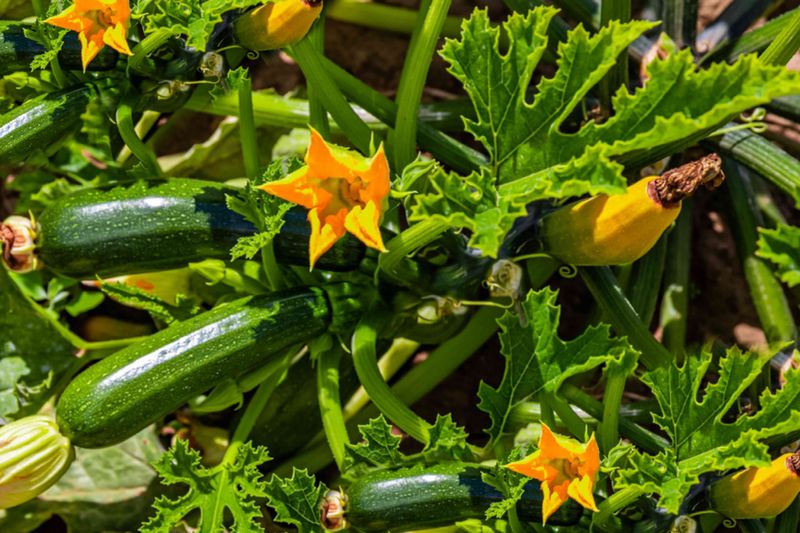
Zucchini and peppermint form a fragrant and functional alliance in the garden. Peppermint, with its refreshing aroma, effectively repels squash bugs that often plague zucchini plants.
Containing peppermint in pots prevents its invasive spread while ensuring its protective benefits are maximized. Together, they create a pest-free zone, allowing zucchini to grow healthily and fruitfully. This partnership is a testament to the power of scent in natural pest control.
14. Blueberries + Thyme
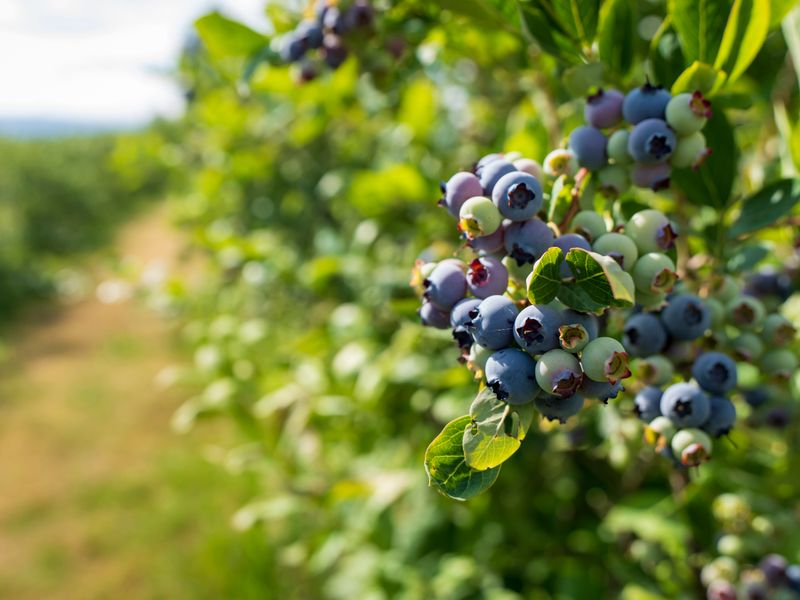
Blueberries and thyme are a delightful pairing in the garden. Thyme, known for its aromatic leaves, deters fruit flies and enhances the flavor profile of blueberries.
Planting thyme around blueberry bushes creates a protective aromatic barrier, ensuring a healthy and flavorful berry harvest. This combination exemplifies how herbs can enhance both the growth and taste of fruiting plants.
15. Grapes + Hyssop
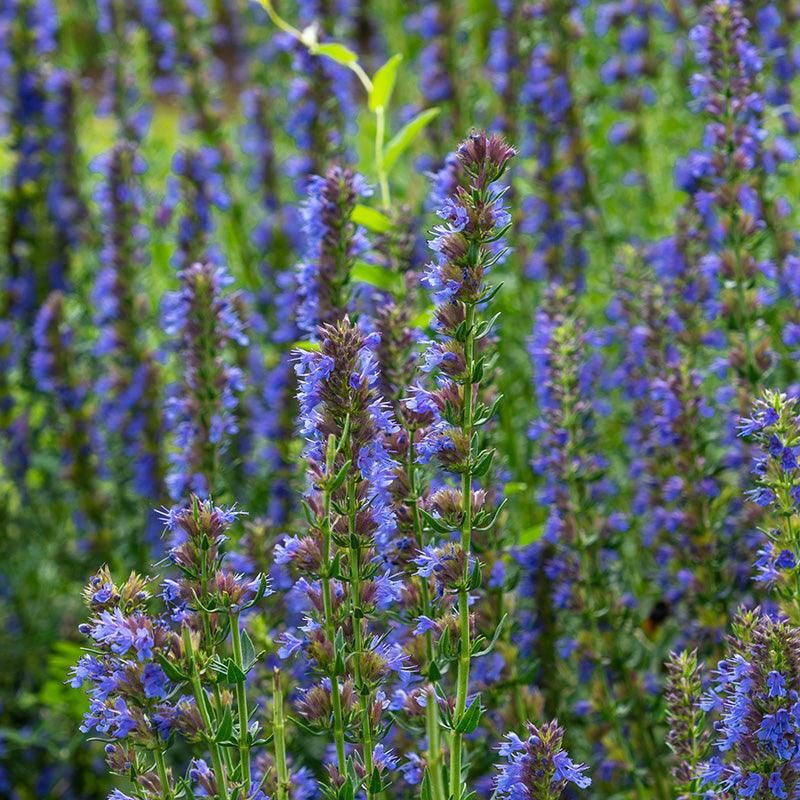
Grapes and hyssop form a formidable duo in the vineyard. Hyssop, with its tall flowering stalks, attracts pollinators and repels grapevine moths, ensuring the health and productivity of grapevines.
This fragrant herb enhances the vineyard’s ecosystem, allowing grapes to ripen without pest interference. Together, they illustrate the benefits of integrating herbs into fruit production for enhanced growth and protection.
16. Asparagus + Parsley
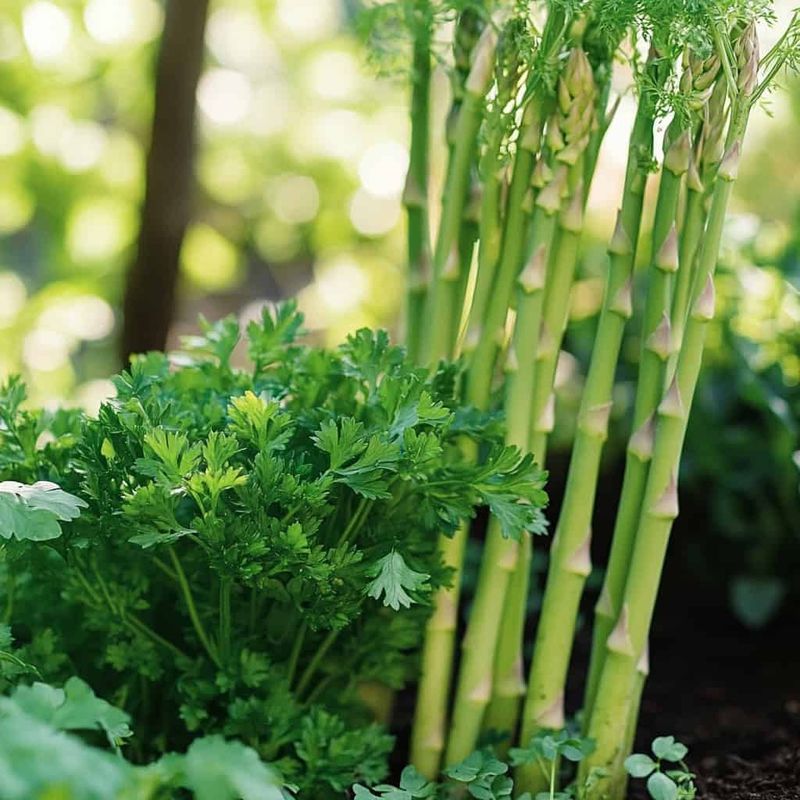
Asparagus and parsley share a symbiotic relationship in the garden. Parsley attracts beneficial insects that prey on asparagus beetles, providing natural pest control.
This partnership ensures that asparagus can grow tall and strong, free from beetle damage. Planting them together showcases the effectiveness of using herbs to support vegetable crops and maintain a balanced garden ecosystem.
17. Beets + Garlic
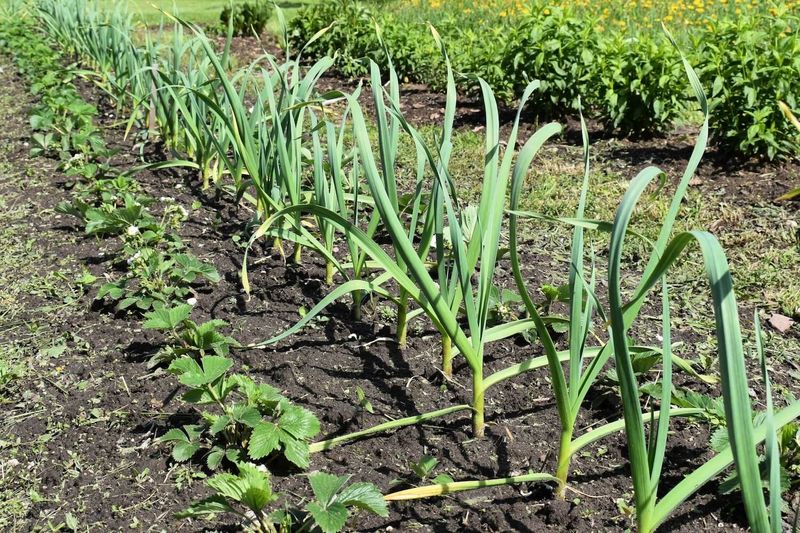
Beets and garlic make a potent combination in the fight against fungal diseases. Garlic’s antifungal properties help protect beets from common soil-borne issues.
Planting garlic near beets creates a protective zone that enhances the health and yield of the beet crop. This combination underscores the value of using aromatic plants to naturally combat plant diseases and promote vigorous growth.
18. Kale + Cilantro
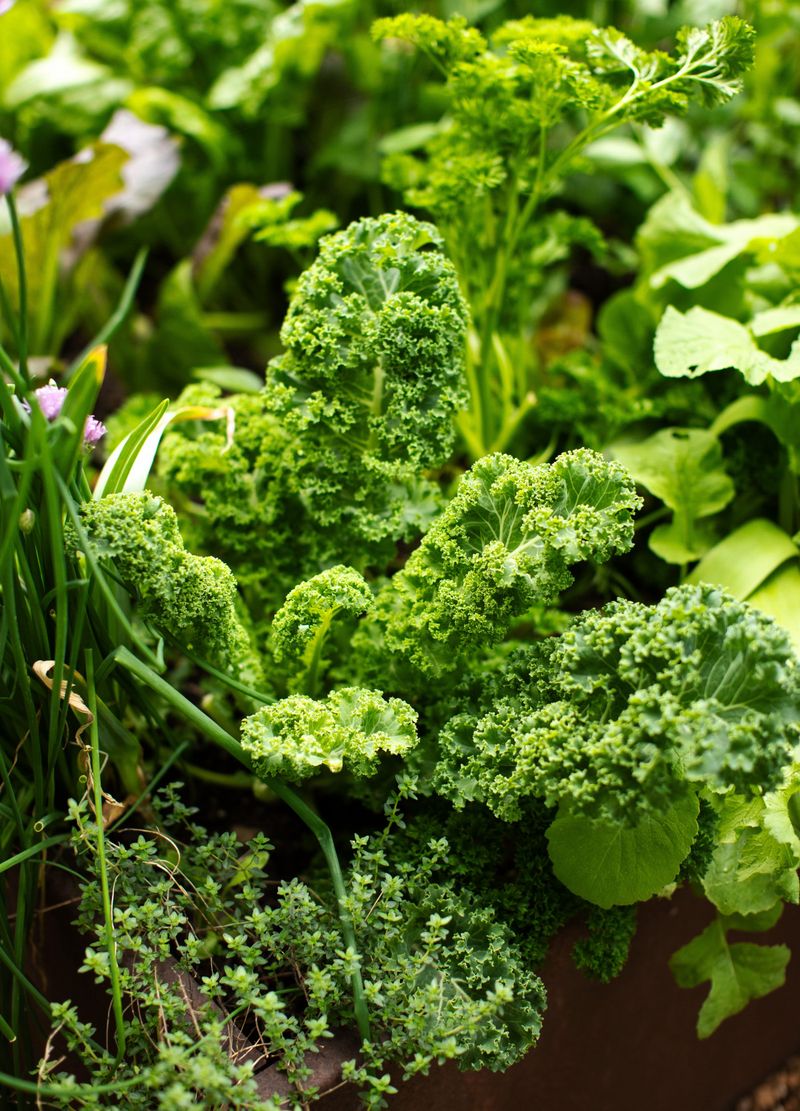
Kale and cilantro are a dynamic pair in the garden. Cilantro, with its feathery leaves, repels aphids and attracts predatory insects that protect kale from pest damage.
This combination allows kale to flourish without the constant battle against aphid infestations. Their partnership is a prime example of how thoughtful planting can enhance the health and productivity of vegetable crops.
19. Peas + Mint
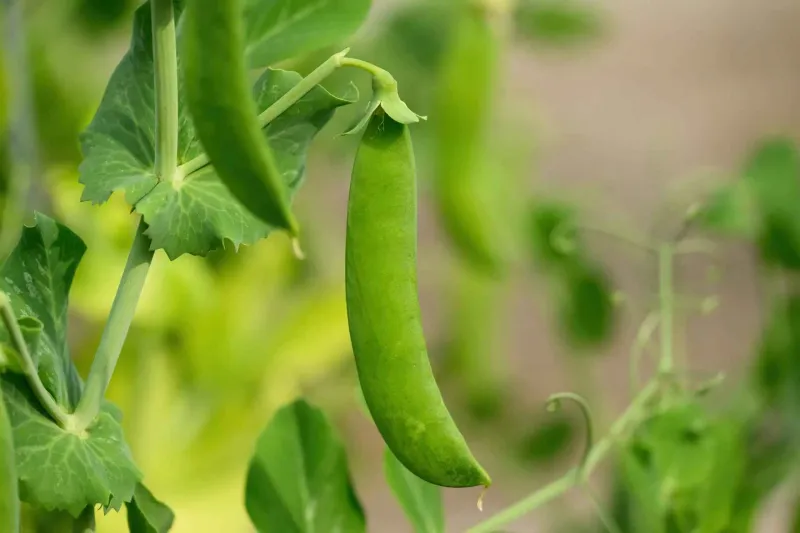
Peas and mint form a protective partnership in the garden. Mint, when contained in pots, deters pea moths with its strong aromatic presence.
This strategic planting method ensures that pea plants can grow undisturbed, leading to a more abundant harvest. Together, they offer a natural solution to common pest problems, enhancing the overall garden’s health.
20. Sunflowers + Cucumbers
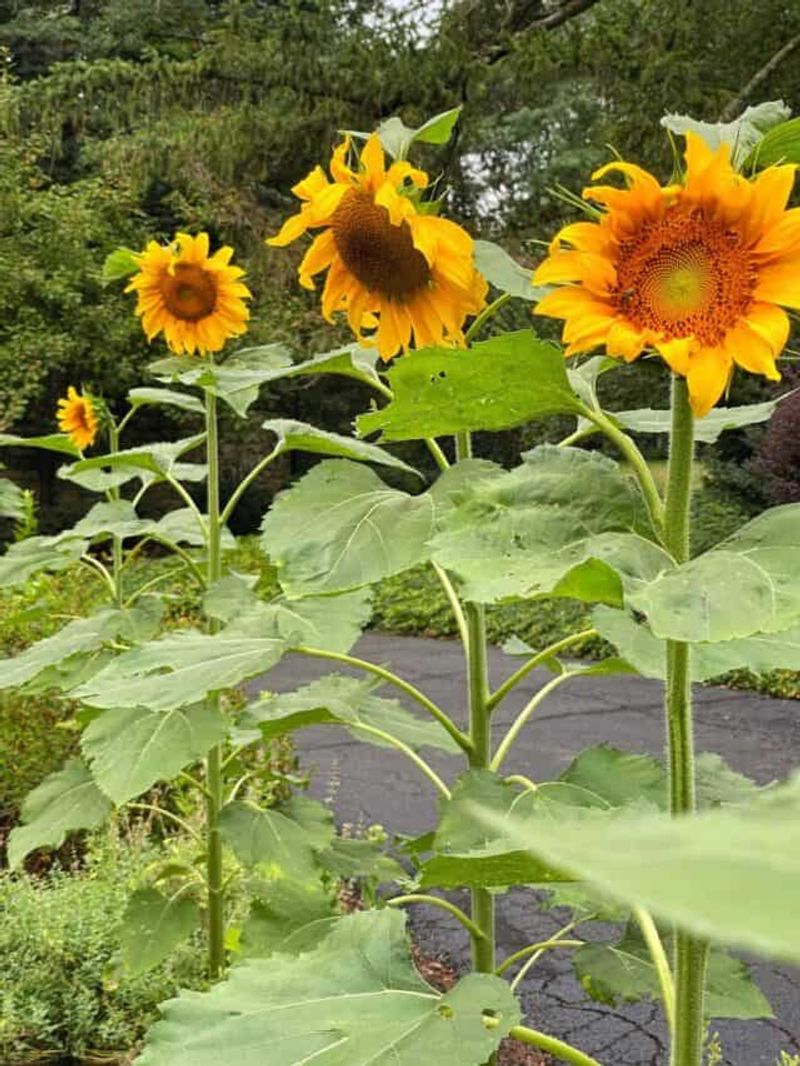
Sunflowers and cucumbers create a striking visual and functional pairing in the garden. Sunflowers, with their towering presence, provide much-needed shade that reduces heat stress on cucumbers.
This shading effect allows cucumbers to thrive, even in warmer climates, leading to a more productive and resilient garden. Their combination highlights how larger plants can support and enhance the growth of smaller, more delicate crops.
21. Raspberries + Tansy
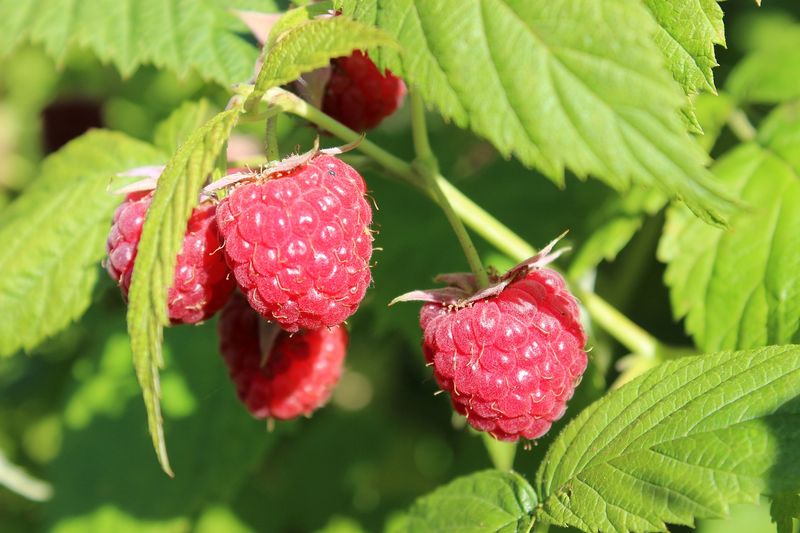
Raspberries and tansy are a robust pairing in the fight against pests. Tansy, with its bright yellow flowers, repels Japanese beetles and ants, which can damage raspberry plants.
Planting tansy around raspberries creates a natural protective barrier that ensures a healthy and bountiful harvest. This combination is a testament to the power of using flowering plants to enhance garden pest control.
22. Melons + Oregano
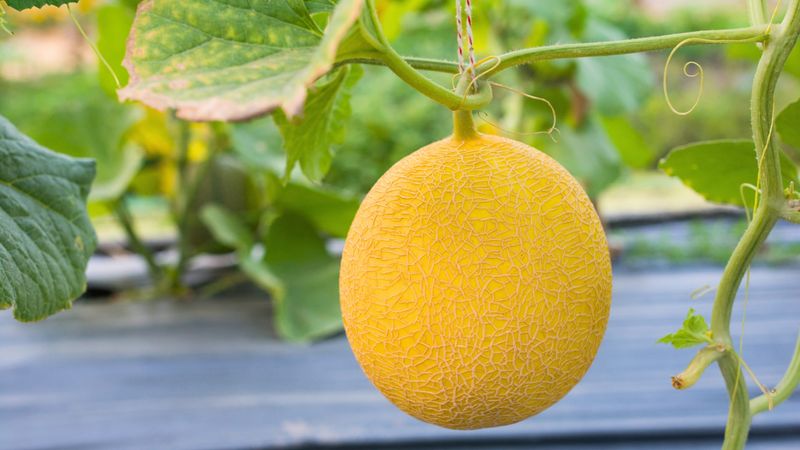
Melons and oregano form a flavorful and protective partnership in the garden. Oregano, known for its aromatic leaves, deters cucumber beetles and enhances the sweetness of melons.
This combination creates a lush and fragrant garden space where melons can grow free of pest interference. Together, they demonstrate how herbs can contribute to both the flavor and health of fruiting plants.
23. Cauliflower + Celery
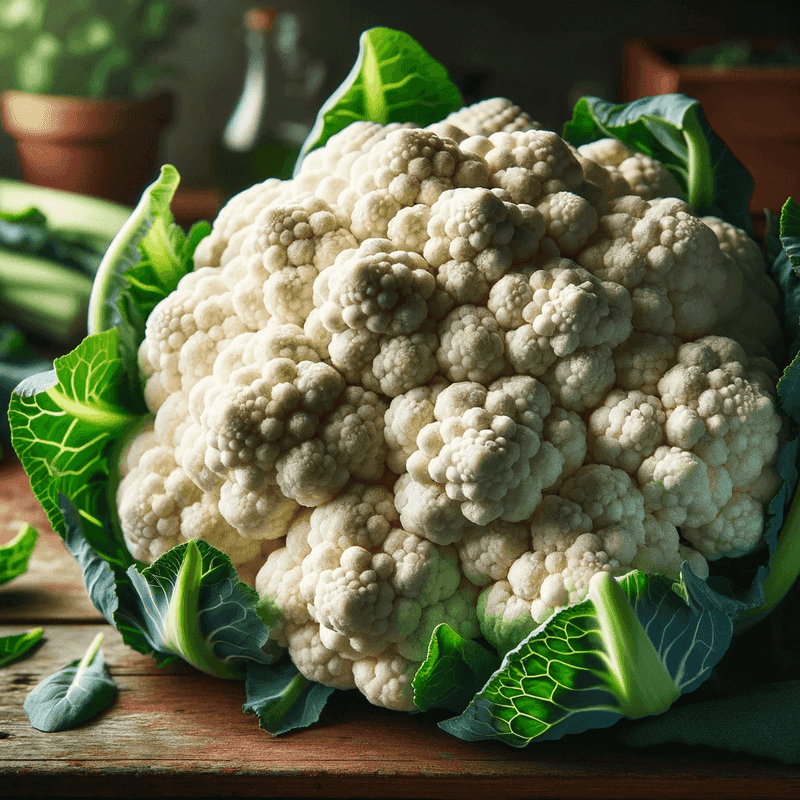
Cauliflower and celery are a strategic pairing in the garden. Celery, with its aromatic presence, repels cabbage worms that often target cauliflower heads.
This natural defense allows cauliflower to develop fully without pest damage, resulting in a robust harvest. Their partnership showcases the effectiveness of using aromatic plants in pest management strategies.
24. Sweet Potatoes + Alyssum
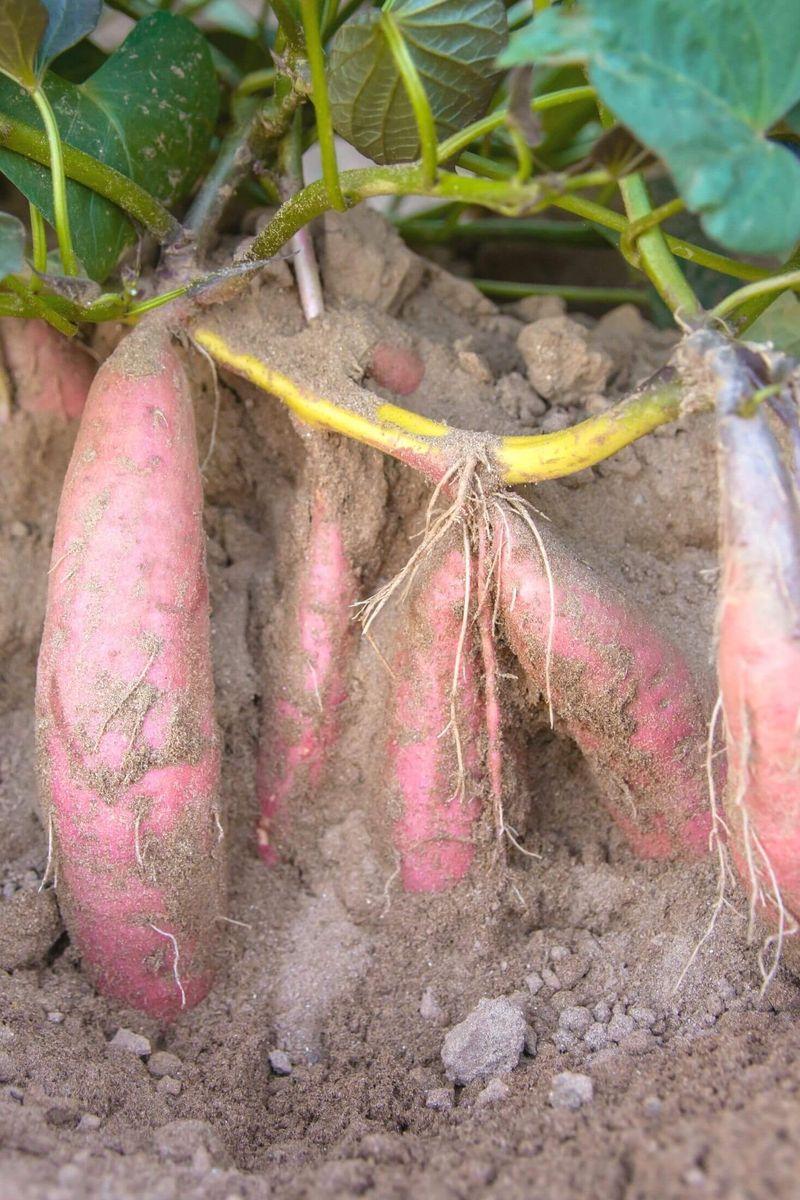
Sweet potatoes and alyssum form a beneficial alliance in the garden. Alyssum, with its delicate blooms, attracts hoverflies that prey on pests targeting sweet potatoes.
This combination ensures a healthier sweet potato crop by naturally managing pest populations. Their partnership highlights the value of using flowering plants to support vegetable growth and health.
25. Fruit Trees + Chives
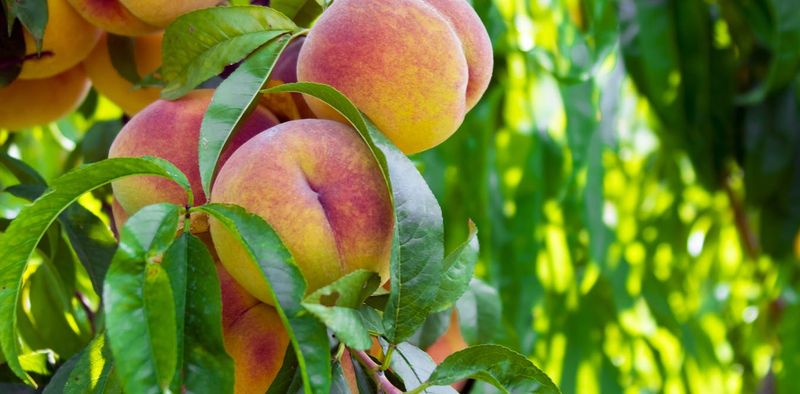
Fruit trees and chives create an effective team in the orchard. Chives, with their strong scent, deter borers and fungal diseases that threaten fruit trees.
Planting chives around fruit trees forms a natural protective ring, enhancing tree health and productivity. This combination illustrates the benefits of integrating herbs into orchard management for improved disease resistance.