 Complete Gardening
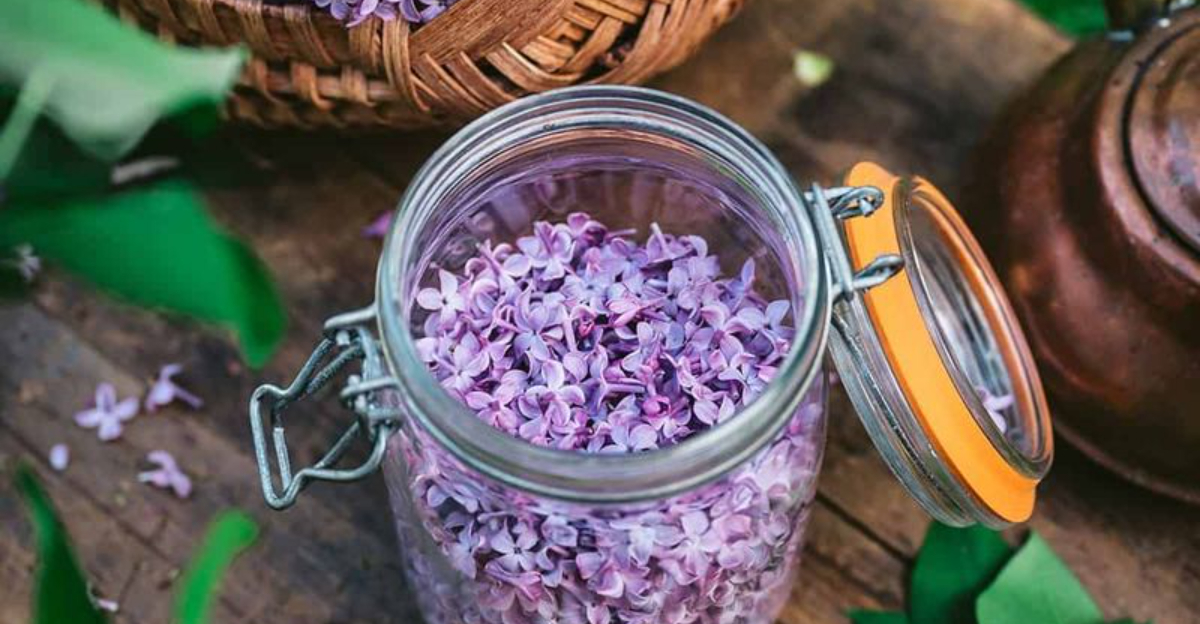
Explore the vibrant world of edible flowers that you can easily grow in containers. These delightful blooms offer a burst of color and flavor, enhancing your culinary creations in unexpected ways. From peppery nasturtiums to sweet violets, learn how each flower can transform your dishes while sprucing up your garden.
1. Nasturtium (Tropaeolum majus)
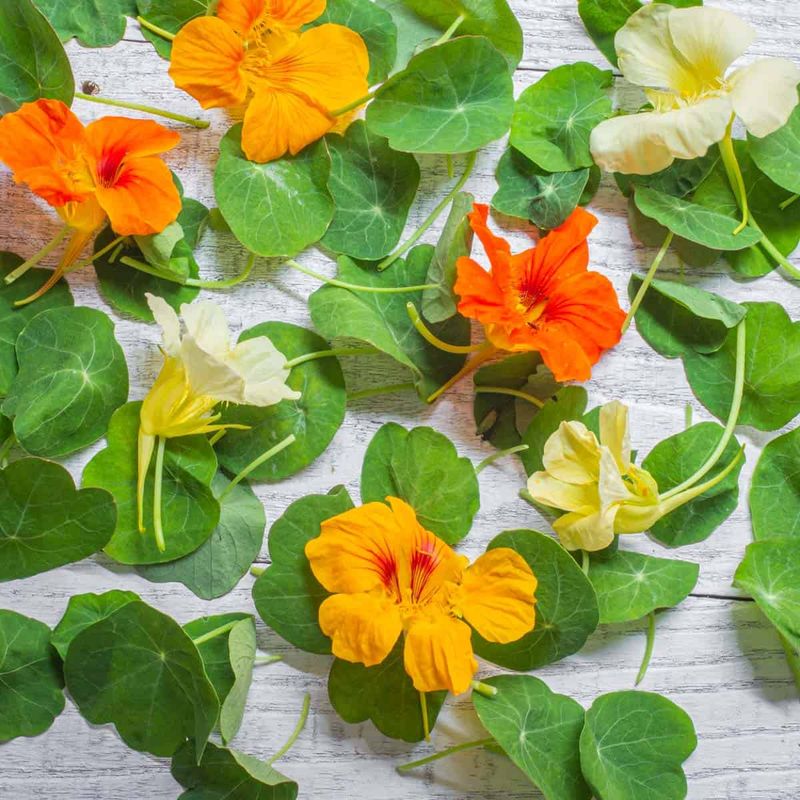
Nasturtiums are like the rebels of the flower world, bringing a peppery punch reminiscent of arugula. Their bright blooms and round leaves are more than just eye candy. Toss them in salads for an unexpected kick, or transform them into gourmet delights by stuffing them with cheese. Their versatility is astounding. Did you know? Nasturtiums were once used by sailors to ward off scurvy, thanks to their high vitamin C content. Whether you’re a culinary adventurer or a gardening novice, this flower is a surefire way to spice up your green space.
2. Calendula (Calendula officinalis)
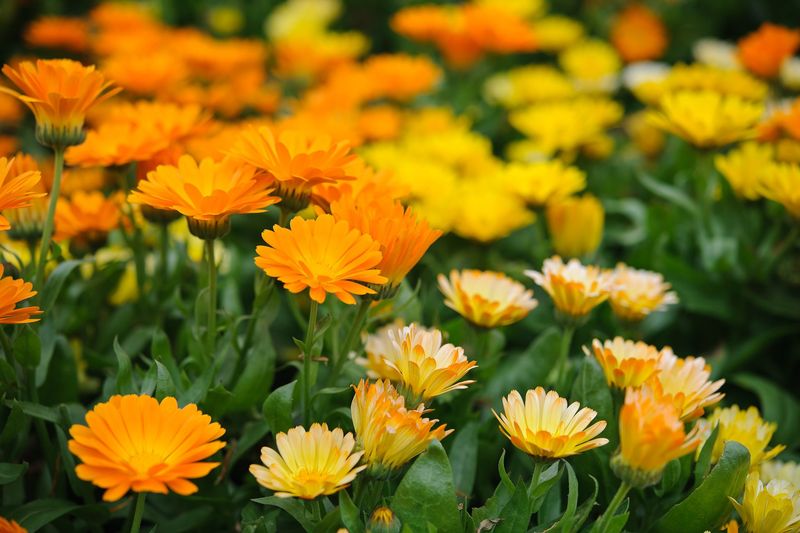
Calendula, often dubbed the ‘poor man’s saffron,’ offers a slightly tangy, saffron-like flavor that enhances any dish. Sprinkle its petals into rice or soup, and watch your dishes come alive with color and taste. Historically, calendula was used to dye fabrics due to its vivid hues. This flower isn’t just a feast for the eyes; it’s also a boon for the kitchen. Its easy cultivation in containers means that even urban gardeners can enjoy its delights. With calendula, your culinary endeavors can bloom brightly, literally and figuratively.
3. Viola / Pansy (Viola spp.)
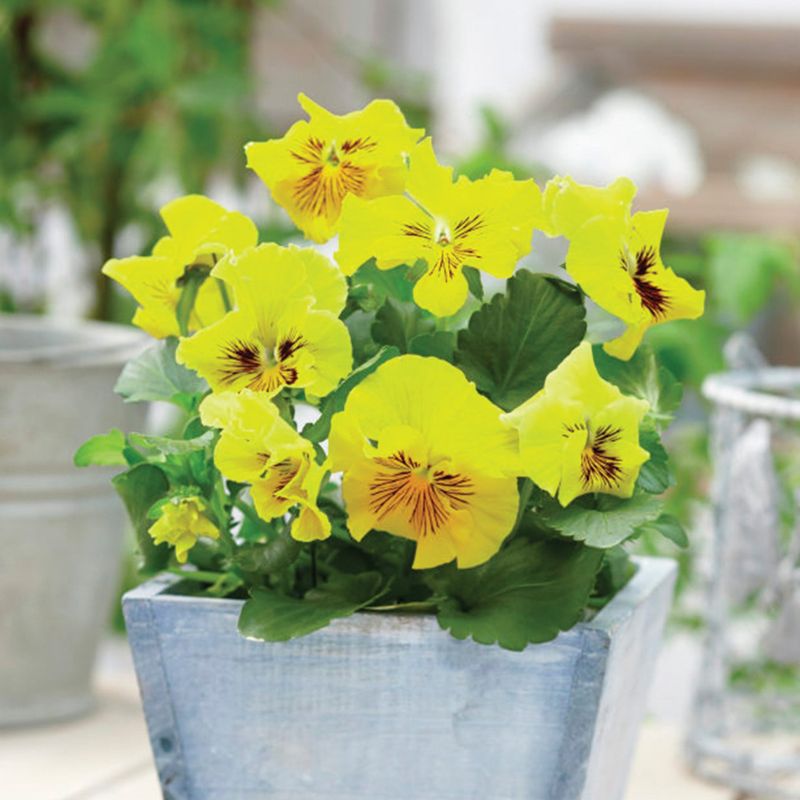
With their gentle colors and mild, slightly sweet flavor, violas are the gentle souls of the floral world. Perfect for decorating cakes or tossing in salads, these delicate blooms add a touch of elegance to any dish. In Victorian times, candied violas were a luxurious treat, symbolizing love and admiration. Growing violas in containers is as easy as pie, making them accessible to anyone with a windowsill. Their charming presence and versatile uses make them a beloved addition to both gardens and kitchens, leaving a lasting impression.
4. Borage (Borago officinalis)
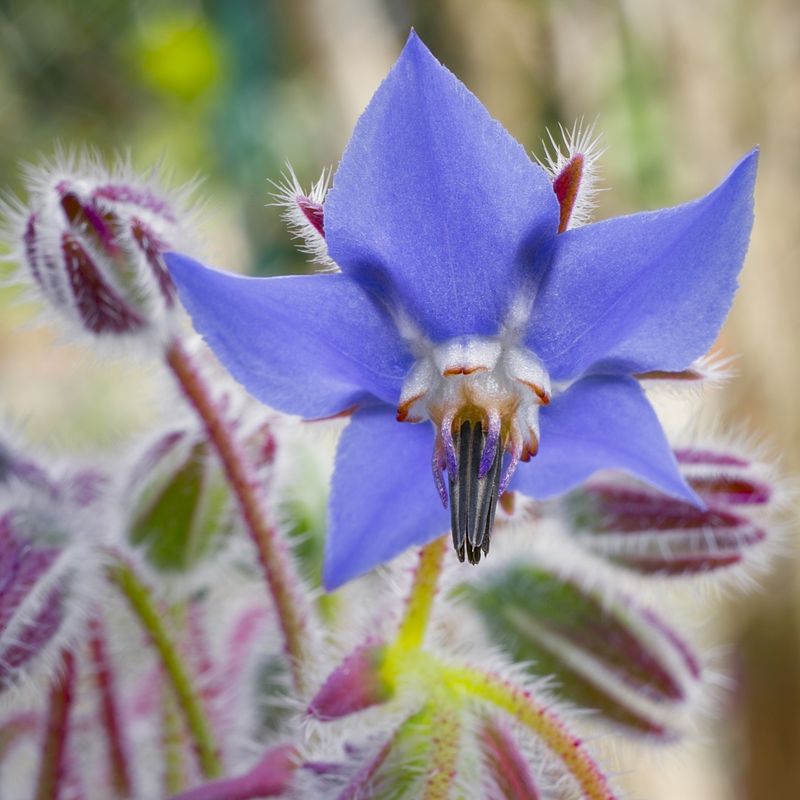
Borage is a flower that surprises with a cucumber-like taste, bringing a fresh twist to your culinary repertoire. Imagine sipping a cool drink with borage flowers floating on top, or adding them to salads for an unexpected crunch. Historically, borage was believed to bring courage and comfort, often used in teas and tonics. For those looking to grow something unusual yet delightful, borage is a wonderful choice. Its star-shaped blooms not only captivate the eye but also tantalize the taste buds, offering a taste of history and nature.
5. Chamomile (Matricaria chamomilla)
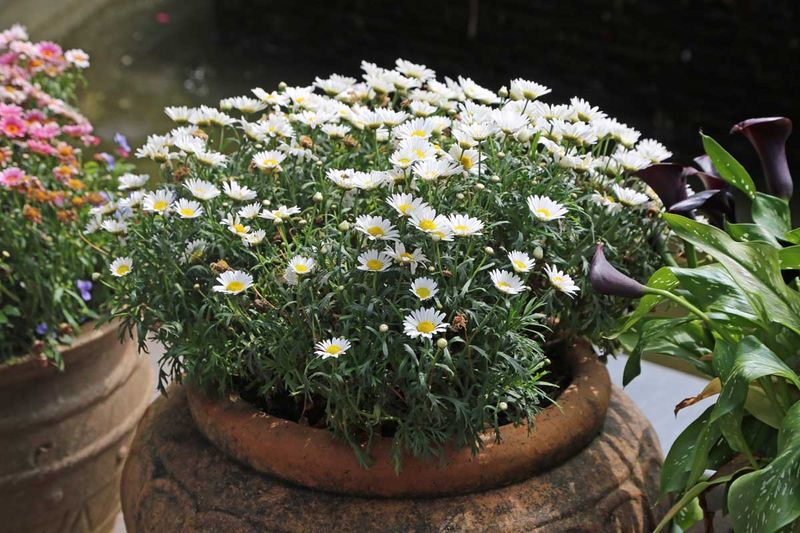
Chamomile, with its sweet, apple-like flavor, is the epitome of comfort in the floral world. Known for its soothing properties, a warm cup of chamomile tea is like a gentle hug at the end of a long day. Besides tea, chamomile can be infused in honey or used in desserts for a subtle sweetness. The ancient Egyptians revered it as a sacred herb, believing it could cure the common cold. Growing chamomile in containers is a breeze, ensuring that tranquility is always within reach, right by your kitchen window.
6. Lavender (Lavandula spp.)
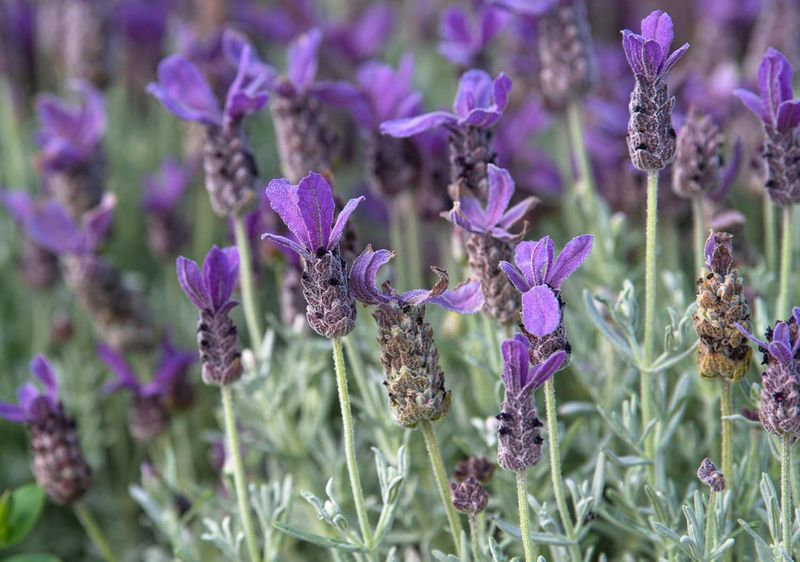
Lavender is a flower that speaks the language of calm and delight. Its floral, slightly sweet flavor makes it a favorite in shortbread cookies, syrups, and refreshing lemonades. Known for its calming scent, lavender was once used in Roman baths for its therapeutic properties. A lavender plant in a container not only beautifies your space but also infuses your culinary creations with a touch of elegance. Its captivating aroma and versatile uses make it a beloved choice for both gardeners and chefs alike.
7. Rose (Rosa spp.)
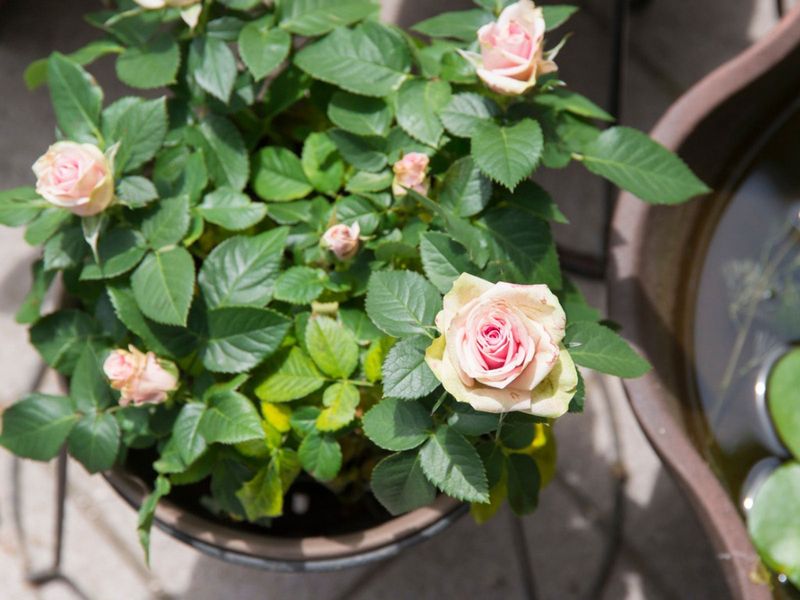
Roses aren’t just for romance; their delicate, perfumed flavor brings a touch of luxury to your kitchen. Use rose petals to craft exquisite jams and syrups, or as rosewater in desserts from the Middle East. Historically, roses have symbolized love and passion, often used in ancient ceremonies. Growing roses in containers allows even the most space-constrained gardeners to indulge in their beauty. The allure of roses extends beyond their visual charm, offering flavors and fragrances that elevate any culinary experience.
8. Chive Blossoms (Allium schoenoprasum)
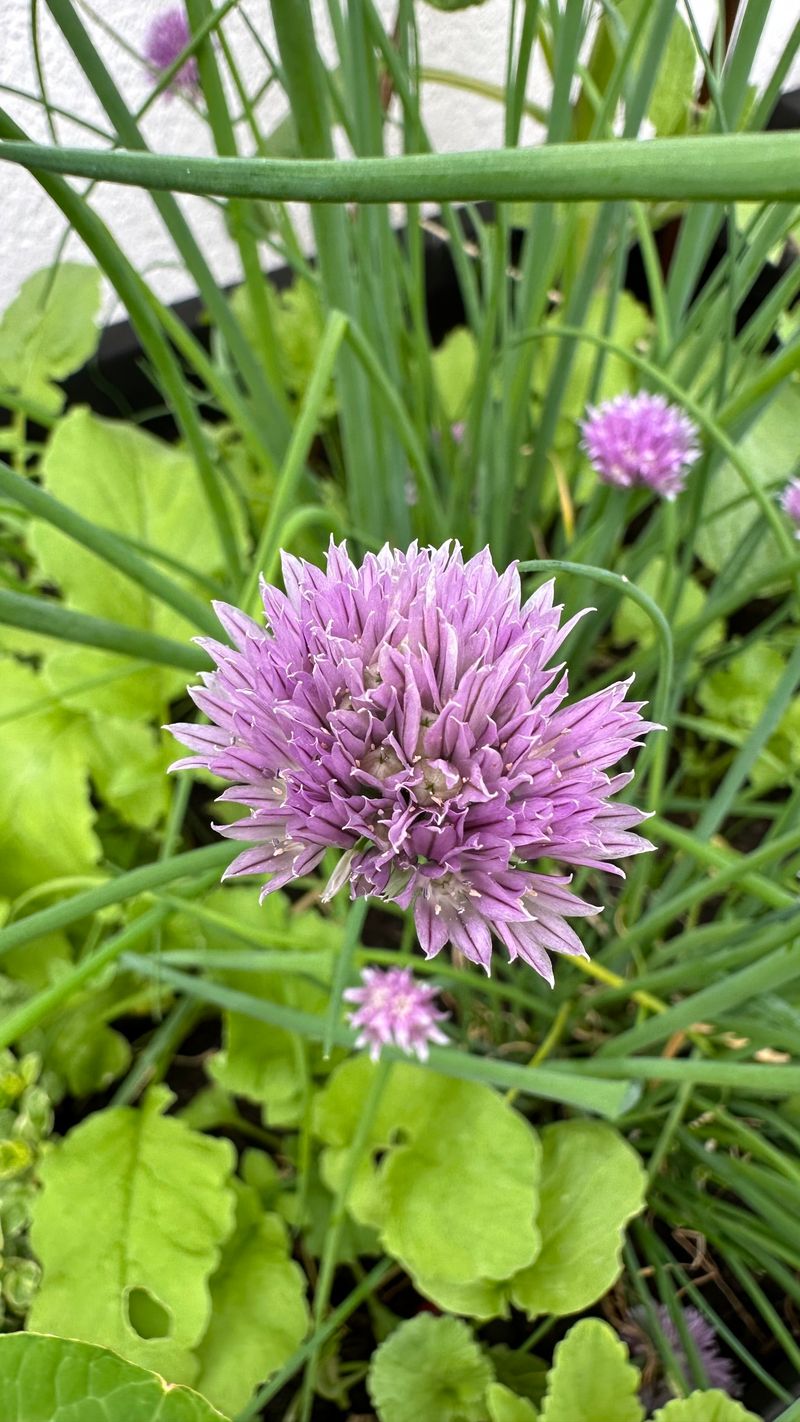
Chive blossoms are like nature’s confetti, adding a mild onion flavor to salads and garnishes. Their beautiful purple blooms can also be infused in vinegars for a gourmet touch. In ancient times, chives were used as a symbol of courage and strength, believed to ward off evil spirits. Growing chives in containers is a simple task, perfect for adding a touch of whimsy to both your garden and kitchen. Their vibrant blossoms and flavorful uses make them a delightful addition to any culinary adventure.
9. Dianthus / Carnation (Dianthus spp.)
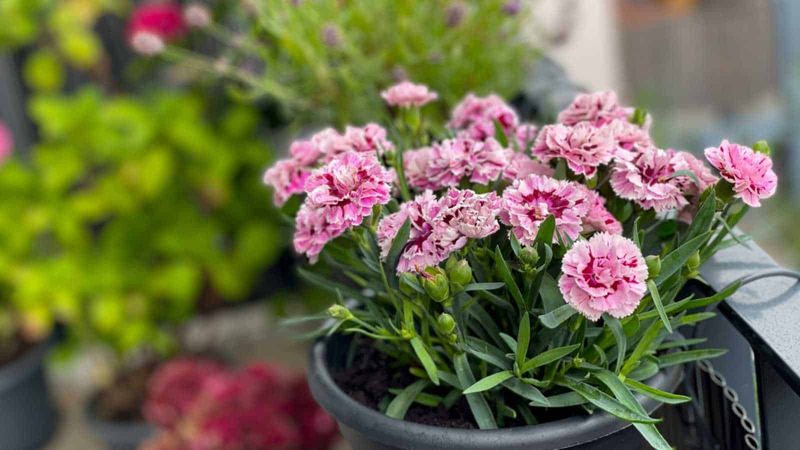
Dianthus, with its clove-like, spicy flavor, adds a unique twist to culinary creations. Whether used in wine flavorings or sprinkled on desserts, its petals bring an unexpected zest. In ancient Greece, dianthus was considered a divine flower, often used in garlands. Growing dianthus in containers offers a touch of elegance and spice to your home, making it accessible to anyone with a love for beauty and flavor. Its rich history and vibrant blooms make it a cherished addition to any garden or kitchen.
10. Hibiscus (Hibiscus sabdariffa)
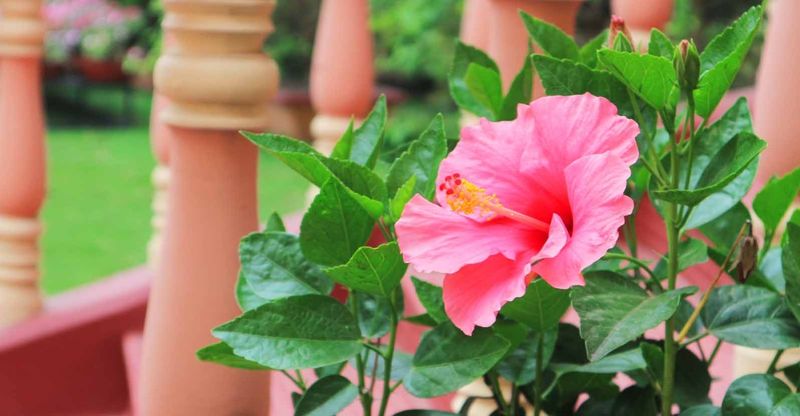
Hibiscus is not only a feast for the eyes but also offers a tart, cranberry-like flavor that enlivens teas, jams, and syrups. Known for its vivid red flowers, hibiscus tea is a popular refreshment in many cultures, known as ‘agua de Jamaica’ in Mexico. Its bright blooms and refreshing taste make hibiscus a favorite for container gardening. Embrace the tropical allure of hibiscus and let its bold flavor and striking appearance transform your culinary creations and garden space alike.
11. Bee Balm (Monarda didyma)
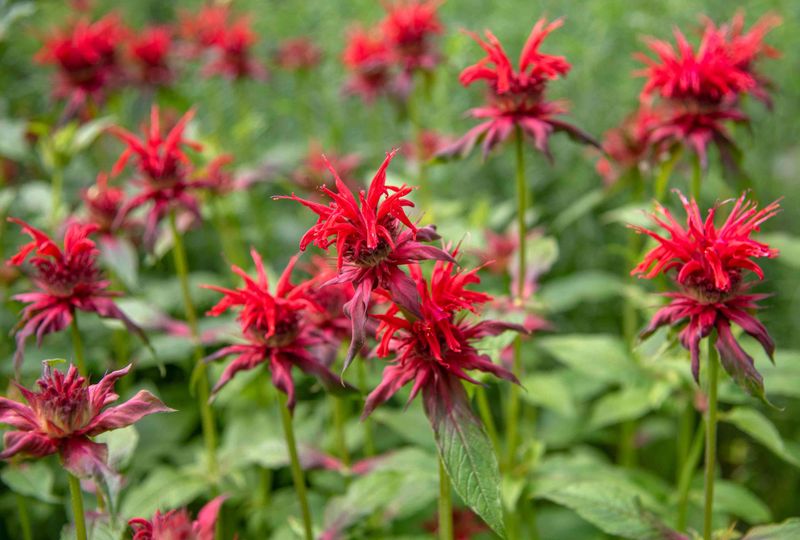
Bee balm, with its minty, citrusy flavor, dances through teas and fruit salads with ease. Often attracting pollinators, its vibrant red flowers bring life to any garden. Historically, bee balm was used by Native Americans for its medicinal properties, believed to soothe colds and fevers. Growing bee balm in containers brightens both your garden and culinary endeavors, offering a burst of color and flavor. Its historical significance and lively blooms make it a unique and cherished addition to any home.
12. Squash Blossoms (Cucurbita spp.)
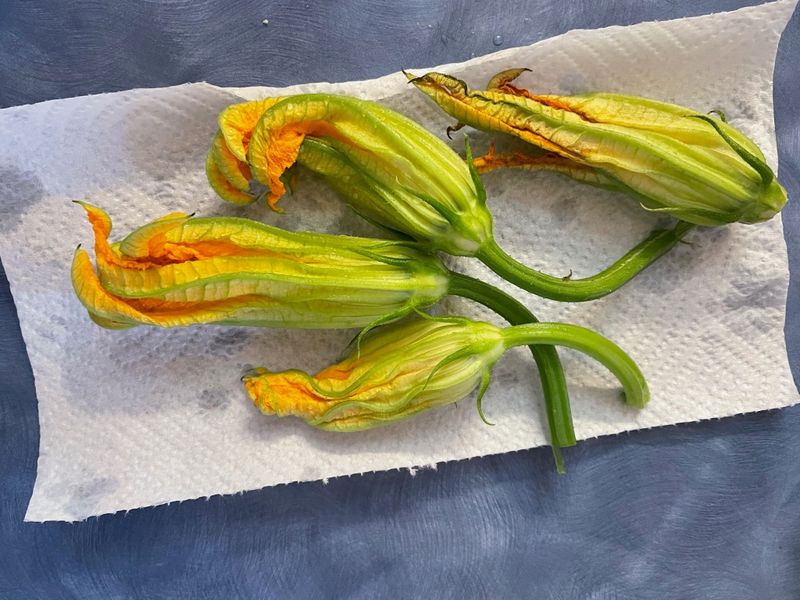
Squash blossoms, with their mild, zucchini-like flavor, are a gourmet delight when stuffed with cheese and fried. In Mexican cuisine, they are considered a delicacy, bringing joy to many tables. Grow them in containers and watch them flourish, offering a taste of traditional cuisines right at home. Their large, vibrant blooms not only captivate the eye but also tantalize the palate. Squash blossoms are a testament to the beauty of simplicity, making them a lovely addition to any garden and kitchen.
13. Marigold (Tagetes spp.)
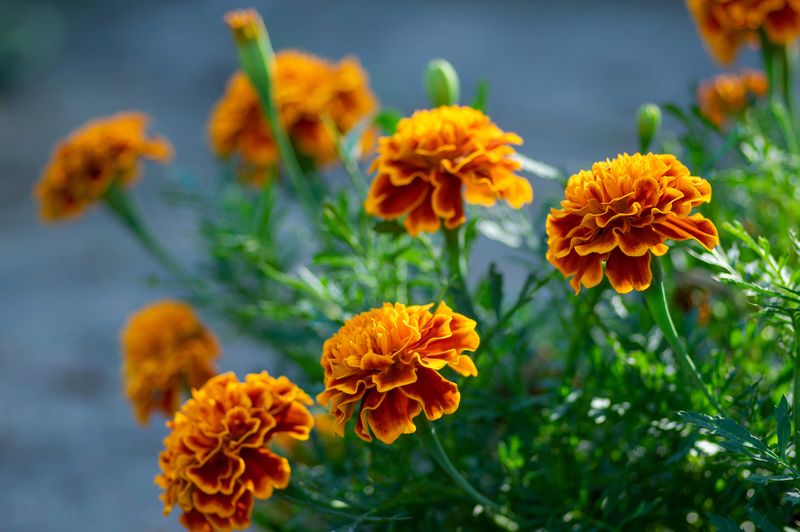
Marigolds bring a citrusy, slightly bitter flavor to rice dishes, soups, and herbal teas, offering a taste of sunshine. Historically, marigolds were used in ceremonies for their vibrant color and symbolic meanings. Growing marigolds in containers is a breeze, allowing even urban gardeners to enjoy their golden blooms. Their cheerful presence and culinary versatility make marigolds a delightful addition to any home. Embrace their brightness and let marigolds bring a touch of warmth and flavor to your garden and kitchen.
14. Dandelion (Taraxacum officinale)
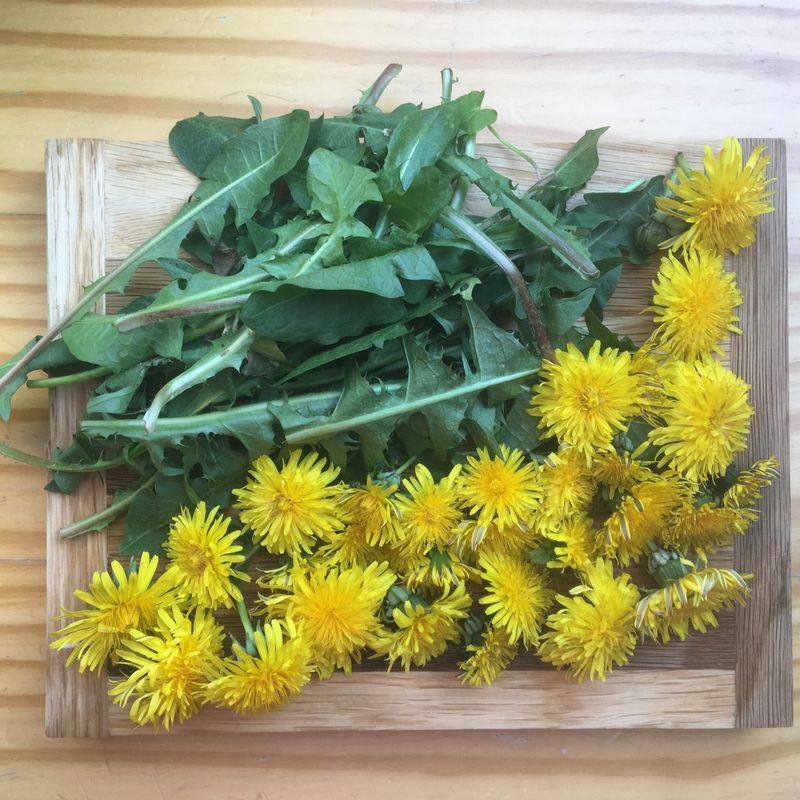
Dandelions, often misunderstood, offer a honey-like flavor when young and a bitter taste as they mature. Their versatility shines in wines, salads, and fritters. Once revered for their medicinal properties, dandelions were believed to purify blood and aid digestion. Container-grown dandelions provide a sustainable way to enjoy their benefits and beauty. Their cheerful yellow blooms and rich history make dandelions a unique addition to any culinary and gardening endeavor, transforming the ordinary into the extraordinary.
15. Johnny Jump-Up (Viola tricolor)
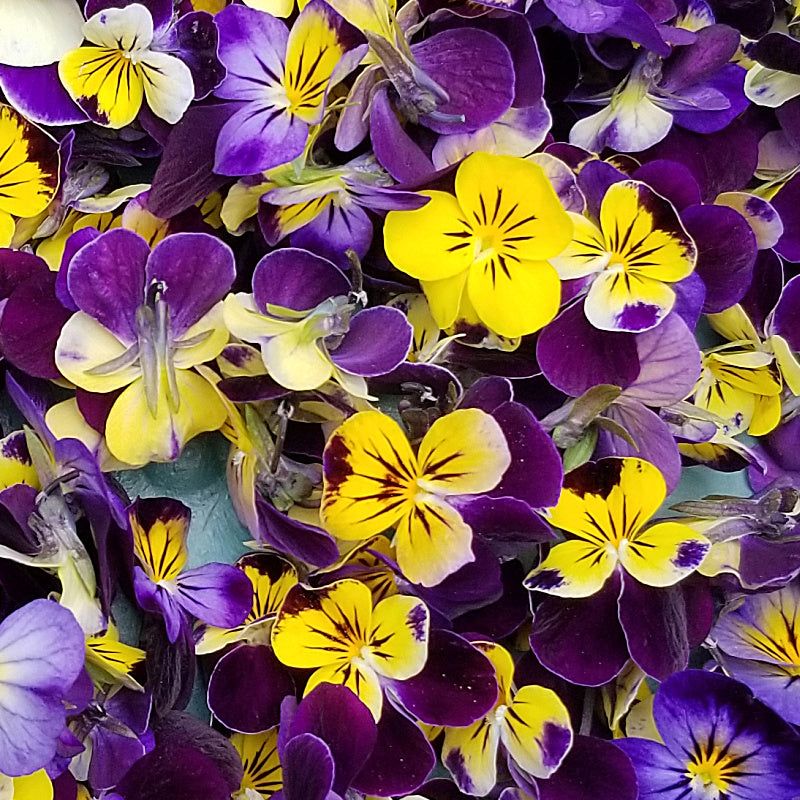
Johnny Jump-Ups, with their mild wintergreen flavor, are the playful cousins of the viola family. Perfect for dessert toppings, salads, and cocktails, they add a whimsical touch to any dish. In folk tales, these flowers were believed to bring happiness and good luck. Their playful nature makes them a joy to grow in containers, bringing a splash of color and flavor to urban gardens. Johnny Jump-Ups are the epitome of charm and cheer, making them a delightful choice for any culinary and gardening adventure.
16. Anise Hyssop (Agastache foeniculum)
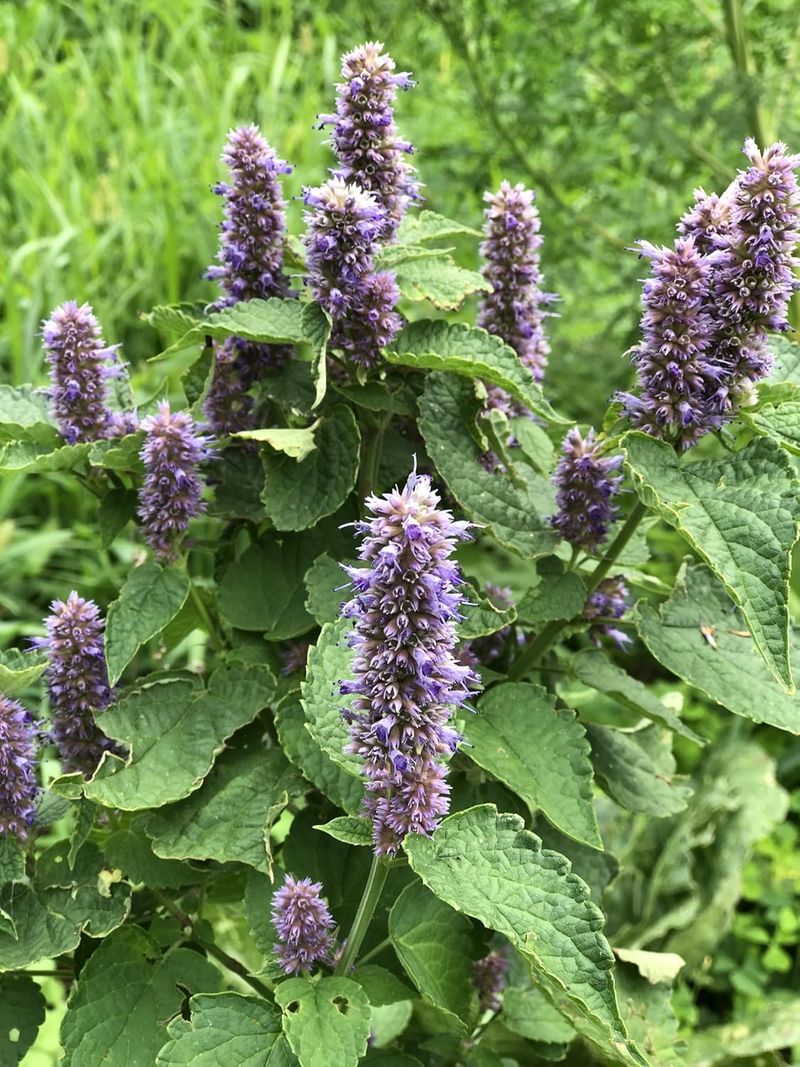
Anise Hyssop, with its licorice-like flavor, offers a delightful twist to teas and desserts. Its lavender spikes not only attract bees but also add a touch of elegance to any garden. Historically, anise hyssop was cherished for its medicinal properties, believed to soothe colds and aid digestion. Growing anise hyssop in containers allows you to enjoy its beauty and benefits up close. Its unique flavor and historical significance make it a cherished addition to both gardens and kitchens, offering a taste of tradition and nature.
17. Daylily (Hemerocallis spp.)
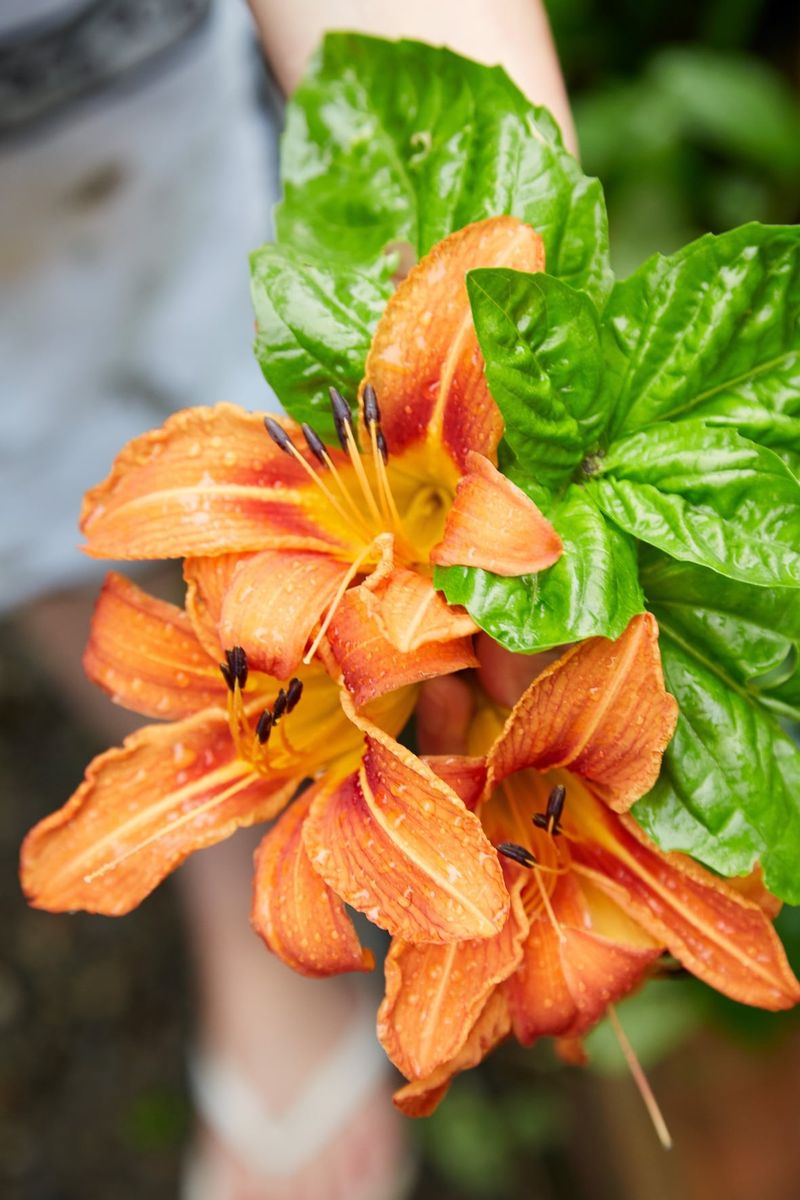
Daylilies, with their sweet, vegetal flavor, bring a taste of the garden to your plate. Often used in stir-fries and soups, their blooms are both nutritious and delicious. In ancient China, daylilies symbolized forgetfulness and were thought to bring comfort during times of sorrow. Growing daylilies in containers offers a touch of exotic beauty to any space, making them an enchanting addition to your culinary adventures. Their vibrant blooms and rich history make daylilies a unique and flavorful choice for any gardener.
18. Elderflower (Sambucus nigra)
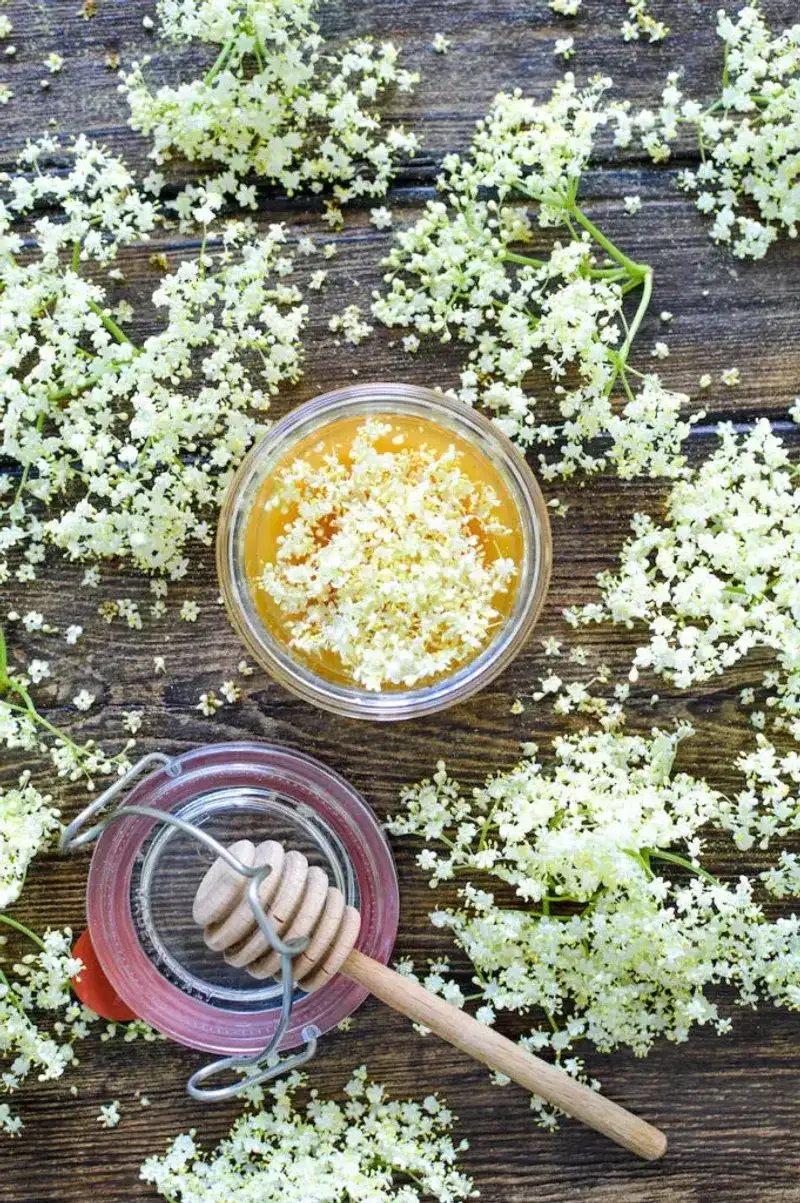
Elderflowers, with their floral, honeyed flavor, bring a touch of elegance to cordials and syrups. Known for their delicate blooms, elderflowers have been used in traditional remedies for centuries. In folklore, elderflowers were believed to be magical, offering protection against evil spirits. Growing elderflowers in containers allows you to enjoy their beauty and benefits up close. Their enchanting blooms and historical significance make elderflowers a cherished addition to both gardens and kitchens, offering a taste of magic and tradition.
19. Fennel Flowers (Foeniculum vulgare)
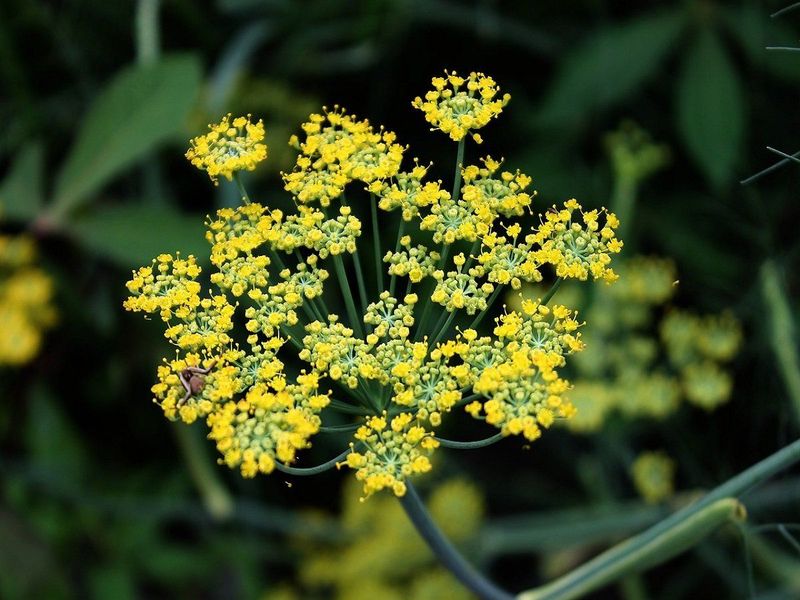
Fennel flowers, with their sweet anise flavor, bring a touch of elegance to fish dishes, salads, and breads. Their bright yellow umbels are not only visually stunning but also offer a unique taste. Historically, fennel was revered for its medicinal properties, believed to improve eyesight and digestion. Growing fennel flowers in containers allows you to enjoy their distinctive flavor and beauty. Their vibrant blooms and culinary versatility make fennel flowers a delightful addition to any garden and kitchen, offering a taste of tradition and nature.
20. Lilac (Syringa vulgaris)
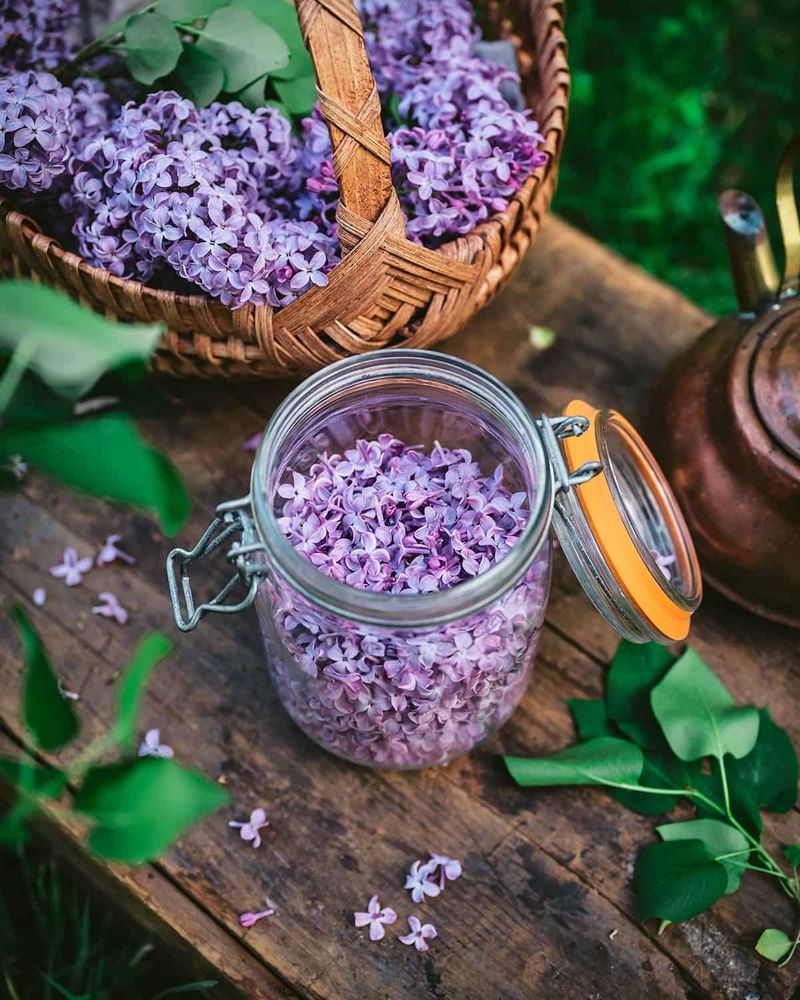
Lilacs, with their perfumed, slightly bitter flavor, bring a touch of nostalgia to baked goods and syrups. Their fragrant blooms have been cherished for centuries, often associated with spring and renewal. In folklore, lilacs were believed to ward off evil spirits and bring protection. Growing lilacs in containers allows you to enjoy their beauty and fragrance up close. Their enchanting blooms and historical significance make lilacs a cherished addition to both gardens and kitchens, offering a taste of tradition and beauty.
21. Pineapple Sage (Salvia elegans)
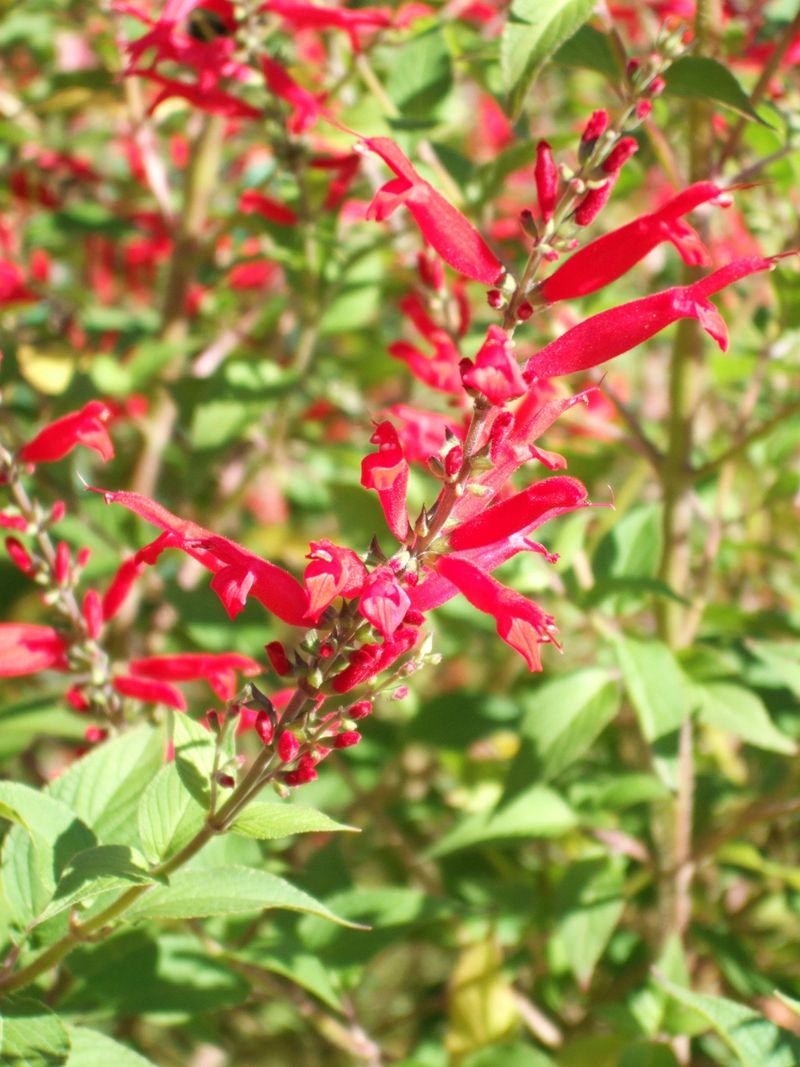
Pineapple sage, with its fruity, herbal flavor, adds a tropical twist to cocktails, fruit salads, and desserts. Known for its bright red flowers, pineapple sage is a feast for the eyes and the palate. Historically, it was used by the Aztecs for its medicinal properties, believed to enhance memory and well-being. Growing pineapple sage in containers allows you to enjoy its vibrant beauty and benefits. Its unique flavor and colorful blooms make pineapple sage a delightful addition to both gardens and kitchens, offering a taste of history and nature.
22. Violets (Viola odorata)
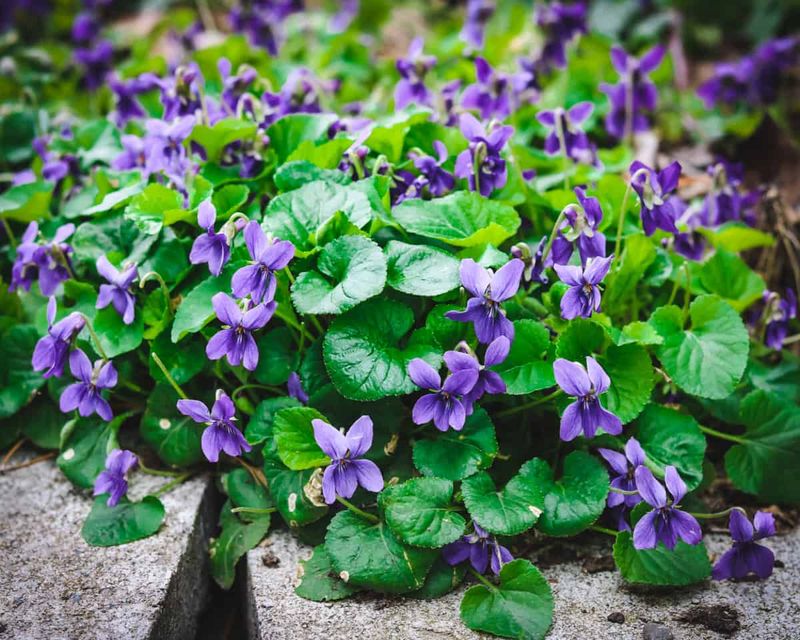
Violets, with their sweet, floral flavor, bring a touch of elegance to candied treats, salads, and syrups. Known for their enchanting blooms, violets have been cherished for centuries for their beauty and fragrance. In Victorian times, violets symbolized modesty and humility, often used in love potions. Growing violets in containers allows you to enjoy their delicate beauty and benefits up close. Their charming blooms and historical significance make violets a cherished addition to both gardens and kitchens, offering a taste of tradition and romance.
23. Cornflower (Centaurea cyanus)
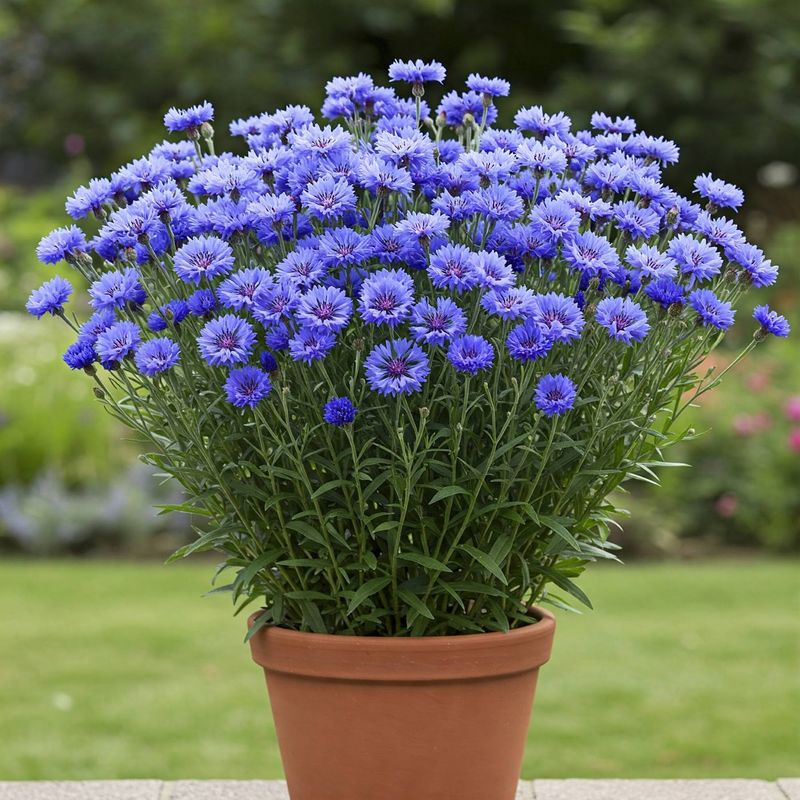
Cornflowers, with their mild, slightly spicy flavor, bring a touch of charm to tea blends, garnishes, and baked goods. Known for their striking blue petals, cornflowers have been cherished for their beauty and versatility. In folklore, cornflowers were believed to bring luck and protection. Growing cornflowers in containers allows you to enjoy their vibrant beauty and benefits up close. Their enchanting blooms and culinary uses make cornflowers a delightful addition to both gardens and kitchens, offering a taste of tradition and whimsy.
24. Sunflower Petals (Helianthus annuus)
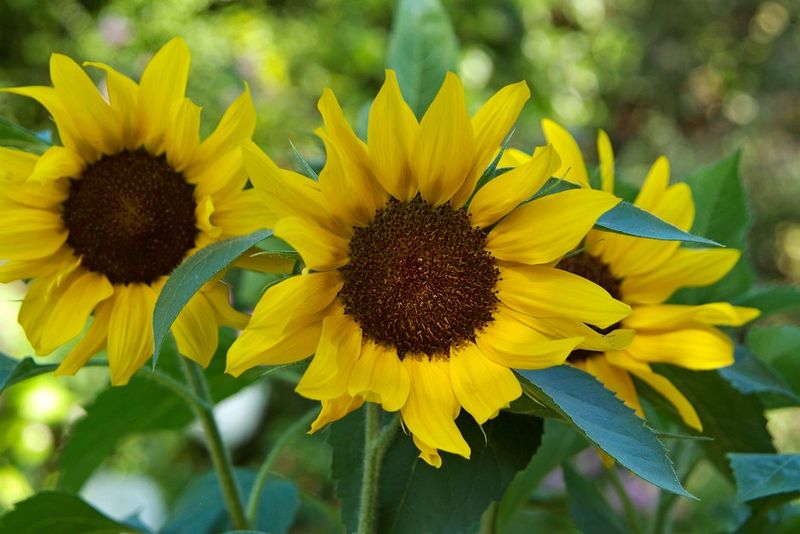
Sunflower petals, with their slightly nutty flavor, add a sunny touch to salads, stir-fries, and garnishes. Known for their towering stems and vibrant petals, sunflowers have been cherished for their beauty and utility. Historically, sunflowers were used by Native Americans for their oil and seeds, believed to bring health and prosperity. Growing sunflowers in containers allows you to enjoy their radiant beauty and benefits. Their cheerful blooms and culinary uses make sunflower petals a delightful addition to both gardens and kitchens, offering a taste of history and sunshine.
25. Angelica (Angelica archangelica)
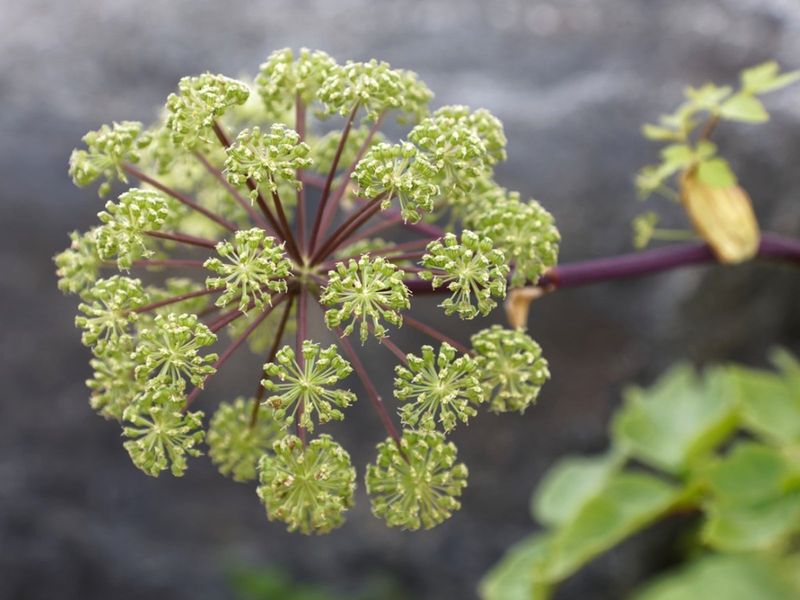
Angelica, with its herbal, celery-like flavor, adds a unique twist to cakes and liqueurs. Known for its towering stems and delicate umbels, angelica has been cherished for its beauty and flavor. Historically, angelica was used in medieval times for its medicinal properties, believed to ward off plagues and evil spirits. Growing angelica in containers allows you to enjoy its beauty and benefits up close. Its unique flavor and historical significance make angelica a delightful addition to both gardens and kitchens, offering a taste of tradition and elegance.