 Complete Gardening
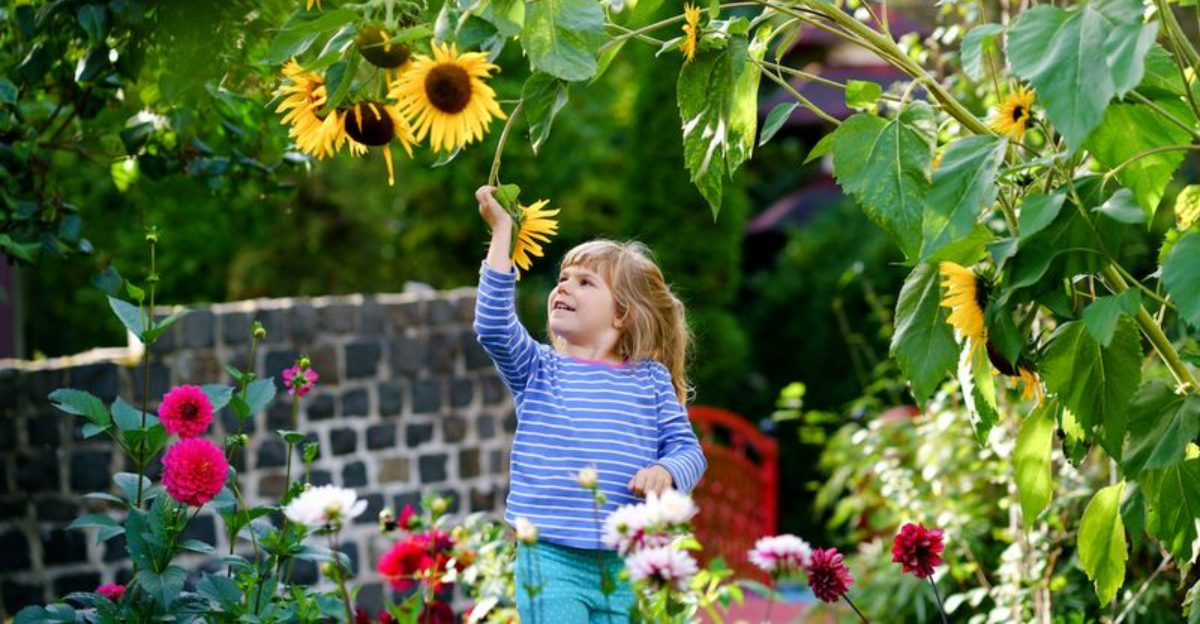
Summer’s winding down, but there’s still plenty of time for your kids to experience the magic of growing their own plants! Fast-growing seeds are perfect for young gardeners who want to see quick results and stay excited about their green projects.
Many of these amazing plants can sprout and flourish in just a few weeks, giving your children the satisfaction of watching their hard work bloom before fall arrives.
1. Radishes
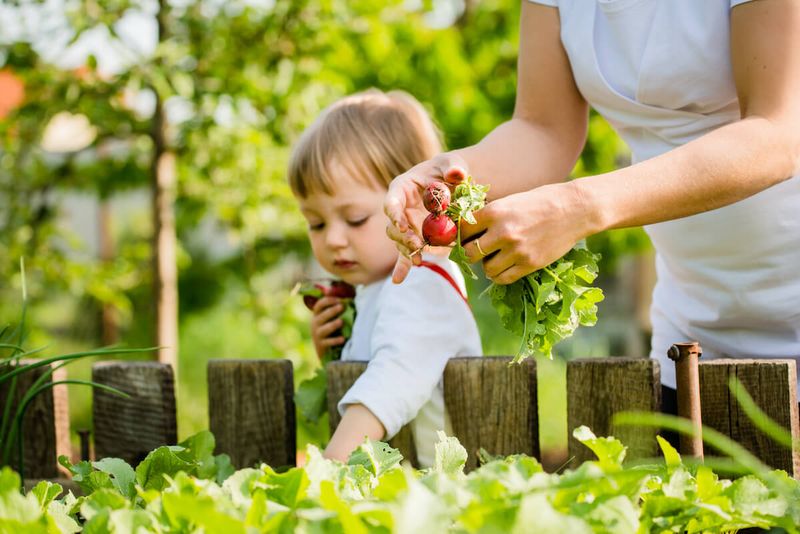
Ready to harvest in just 25 days, radishes are the speed demons of the vegetable world! Kids love watching these colorful roots pop up from the soil like buried treasure.
Plant them directly in the ground or containers, spacing seeds about an inch apart. The crisp, peppery taste might surprise young gardeners who are used to milder vegetables.
Red, purple, and white varieties add rainbow colors to any garden patch.
2. Lettuce
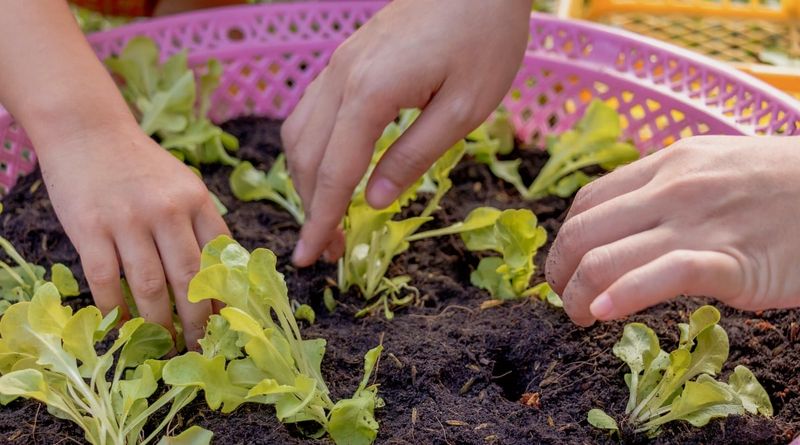
Crispy lettuce leaves can be ready for salad bowls in just 30 days from planting! This leafy green thrives in cooler late-summer weather, making it perfect for end-of-season gardening.
Scatter seeds thinly across prepared soil and watch tiny green shoots emerge within a week. Kids can harvest outer leaves while letting the center continue growing.
Buttercrunch and romaine varieties offer different textures and flavors to explore.
3. Sunflowers
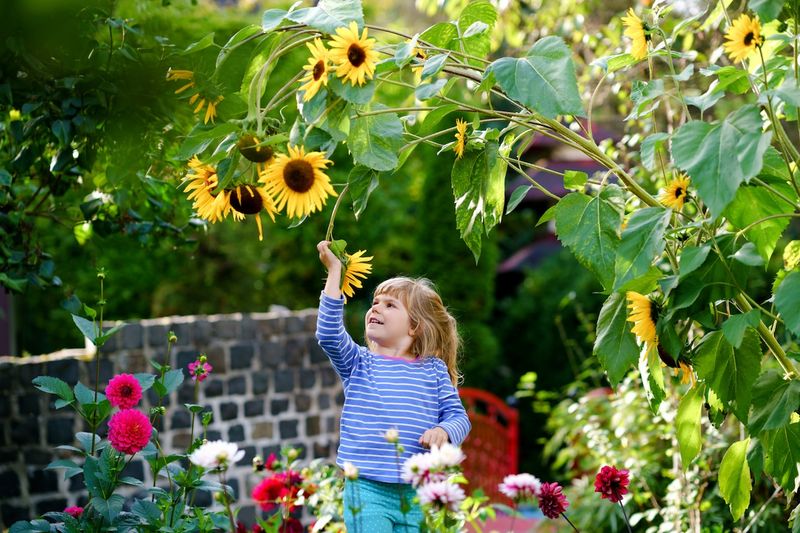
These cheerful giants can shoot up several feet in just six weeks, creating natural skyscrapers in your backyard! Kids feel amazed watching sunflower stalks stretch taller than themselves.
Plant large seeds about two inches deep in sunny spots with rich soil. The massive yellow blooms follow the sun across the sky each day.
Dwarf varieties work well for smaller spaces while still providing that wow factor children love.
4. Beans
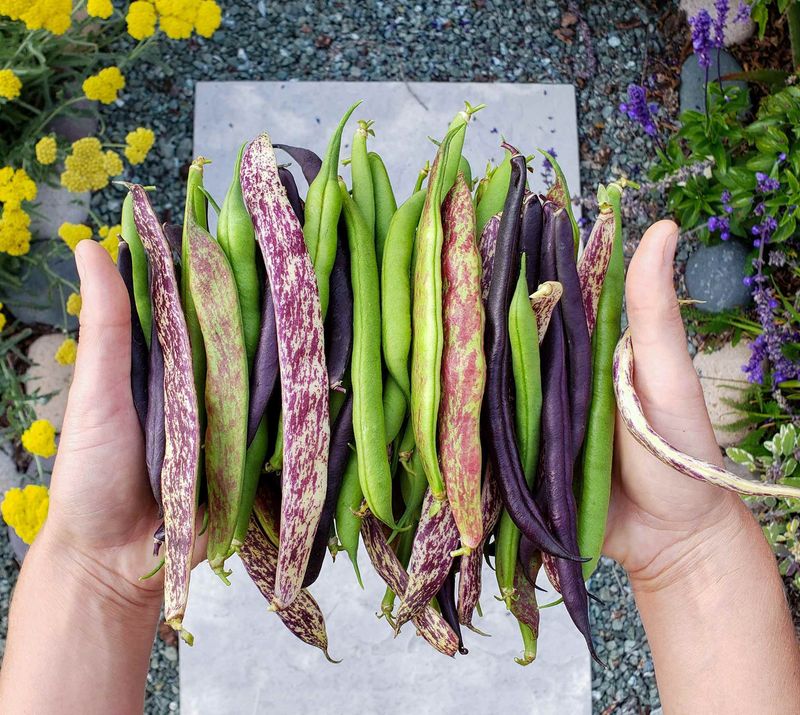
Bush beans produce pods in about 50 days, while pole beans climb skyward like natural jungle gyms! Children enjoy picking fresh beans straight from the vine for dinner.
Push seeds one inch into warm soil after the last frost danger passes. Green, yellow, and purple varieties create a colorful harvest experience.
Pole beans need support structures, giving kids a fun building project alongside their gardening adventure.
5. Zinnias
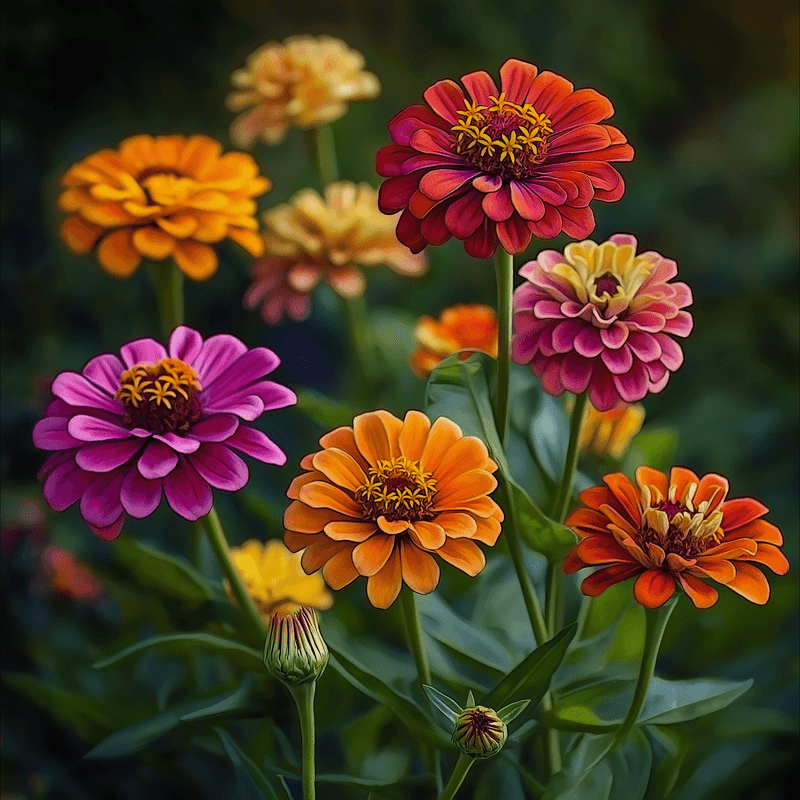
Bursting with rainbow colors, zinnias bloom continuously from summer through fall frost! These sturdy flowers handle heat, drought, and beginner gardening mistakes with remarkable resilience.
Sprinkle seeds directly where you want flowers to grow, covering lightly with soil. Blooms appear in just 60 days, attracting butterflies and hummingbirds to your garden.
Cut flowers last beautifully in vases, letting kids create bouquets for family and friends.
6. Peas
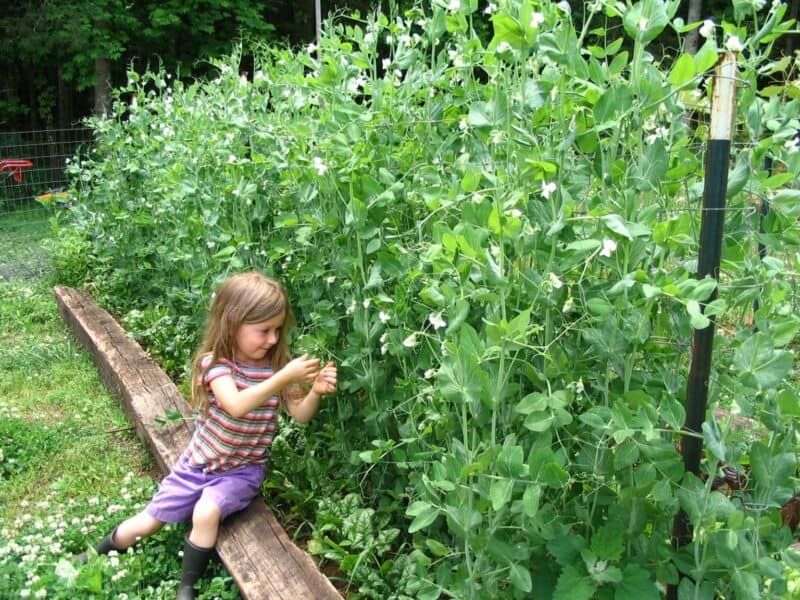
Sweet peas love cool weather and can handle light frosts, making them ideal for late-summer planting! Kids often eat more peas straight from the pod than make it to the kitchen.
Soak seeds overnight before planting to speed up germination time. Climbing varieties need trellises or fences for support as they grow upward.
Snow peas and sugar snap varieties have edible pods that add crunch to stir-fries and salads.
7. Marigolds
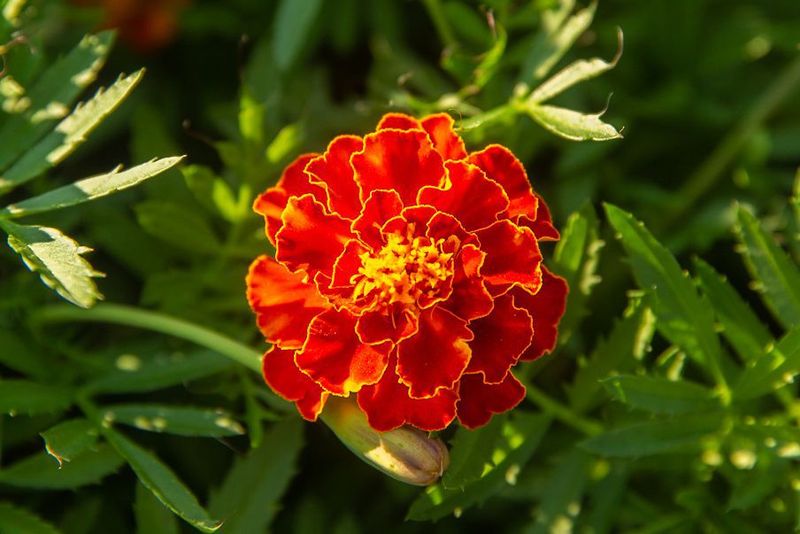
Tough as nails and bright as sunshine, marigolds bloom reliably until hard frost arrives! These flowers actually help protect vegetable plants by repelling harmful insects naturally.
Direct sow seeds in any decent soil and watch them flourish with minimal care. Orange, yellow, and red blooms create cheerful garden borders that kids can design themselves.
French and African varieties offer different sizes and flower shapes for creative garden planning.
8. Spinach
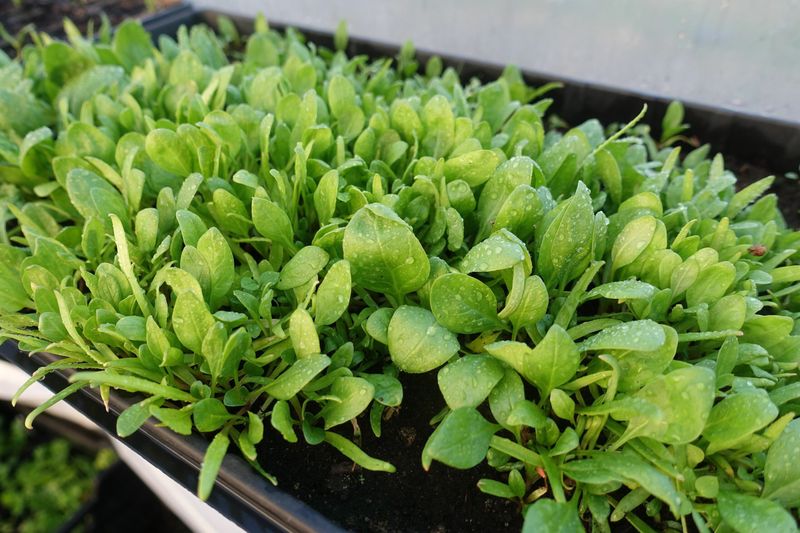
This superfood green grows quickly in cooler temperatures, perfect for fall harvests! Baby spinach leaves taste much milder than store-bought versions, converting even picky eaters.
Scatter seeds thinly and cover with a light layer of soil for best results. Harvest outer leaves when they reach snack size, allowing centers to keep producing.
Smooth and crinkled leaf varieties add interesting textures to homegrown salad mixes that kids create themselves.
9. Nasturtiums
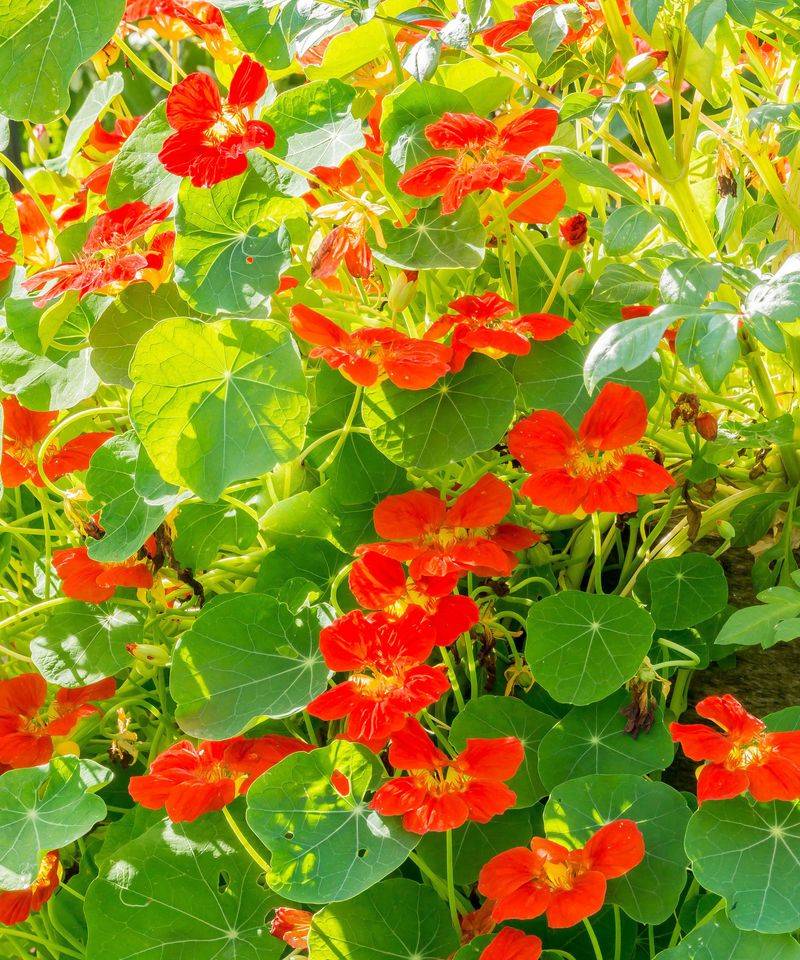
Both flowers and leaves are completely edible, adding peppery flavor to salads and sandwiches! These climbing beauties produce vibrant orange, yellow, and red blooms that cascade beautifully.
Plant large seeds directly in poor soil – they actually prefer less fertile conditions. Blooms appear in just 35 days and continue until frost arrives.
Trailing varieties work wonderfully in hanging baskets or spilling over garden edges for dramatic effects.
10. Carrots
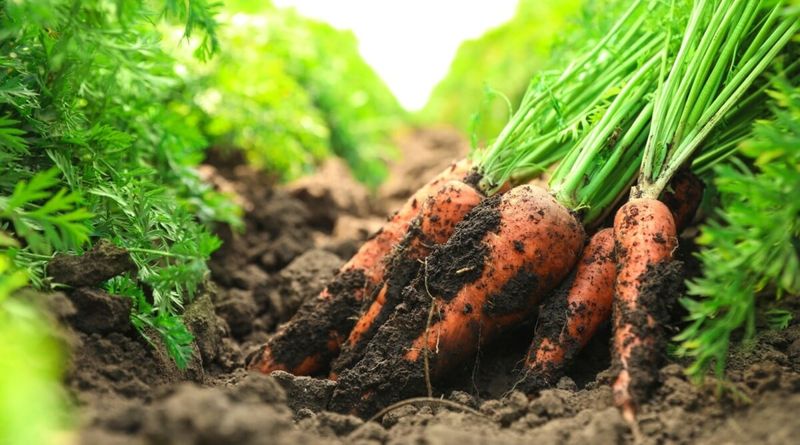
Baby carrots can be ready to munch in just 50 days when planted in loose, sandy soil! Kids love pulling up these orange treasures to discover different shapes and sizes.
Tiny seeds need consistent moisture to germinate properly in prepared garden beds. Thin seedlings to prevent overcrowding and allow proper root development.
Purple, white, and yellow varieties create rainbow harvests that make healthy snacking more exciting for young gardeners.
11. Cosmos
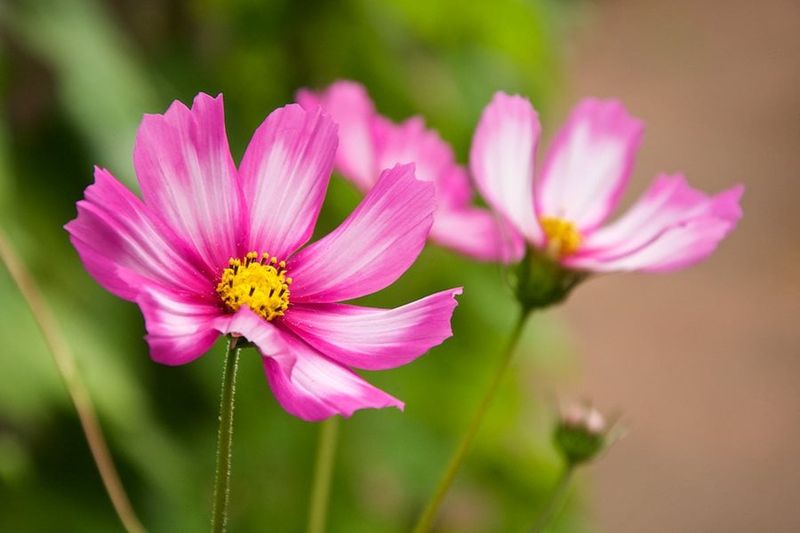
Delicate petals and feathery foliage create cottage garden charm that blooms until frost! These flowers thrive in poor soil and actually produce more blooms when not pampered.
Scatter seeds directly in sunny locations and barely cover with soil. Pink, white, and orange varieties attract beneficial insects while providing cut flowers.
Tall varieties may need staking in windy areas, giving kids another hands-on gardening skill to master.
12. Arugula
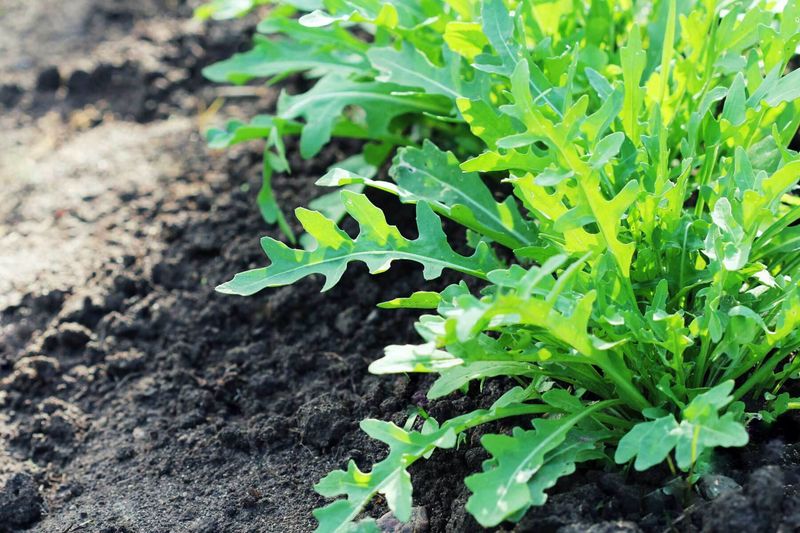
This peppery green adds grown-up flavor to sandwiches and salads in just 21 days! Kids often surprise themselves by enjoying the spicy bite of fresh arugula leaves.
Broadcast seeds thinly across prepared soil and keep consistently moist during germination. Cool weather actually improves the flavor and prevents bolting to seed.
Harvest baby leaves for milder taste or let them mature for stronger flavor adventures.
13. Morning Glories
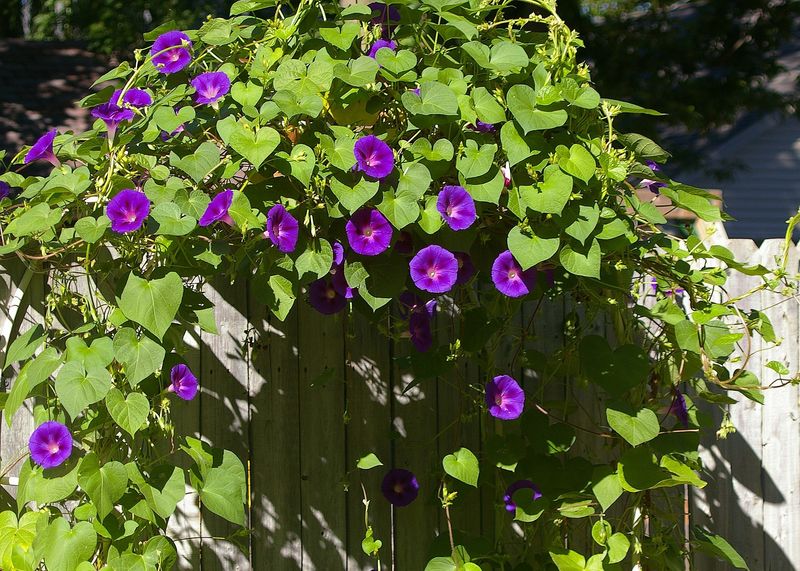
Heart-shaped leaves and trumpet flowers create living curtains that open with sunrise each day! These vigorous climbers can cover fences, trellises, or poles in just weeks.
Soak hard seeds overnight and plant near sturdy support structures for climbing. Purple, blue, pink, and white blooms provide natural privacy screens.
Flowers close in afternoon heat, teaching kids about plant behavior and daily rhythms in nature.
14. Bok Choy
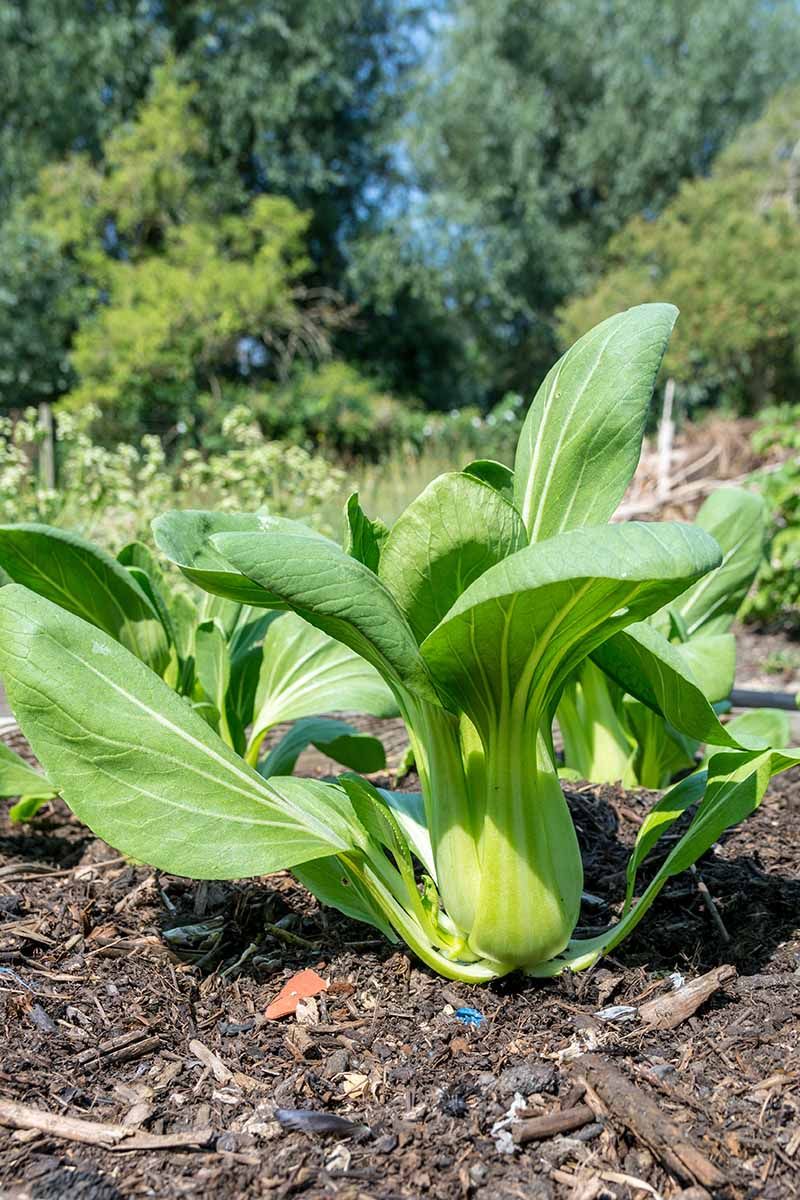
Crunchy stems and tender leaves create Asian-inspired harvests in just 45 days! This cool-weather crop handles light frosts better than many other vegetables.
Plant seeds in rich, well-drained soil and thin seedlings to prevent overcrowding. Baby bok choy varieties stay compact while full-size versions create impressive harvests.
Stir-fries and soups become more exciting when kids contribute their own homegrown Asian greens to family meals.
15. Sweet Alyssum
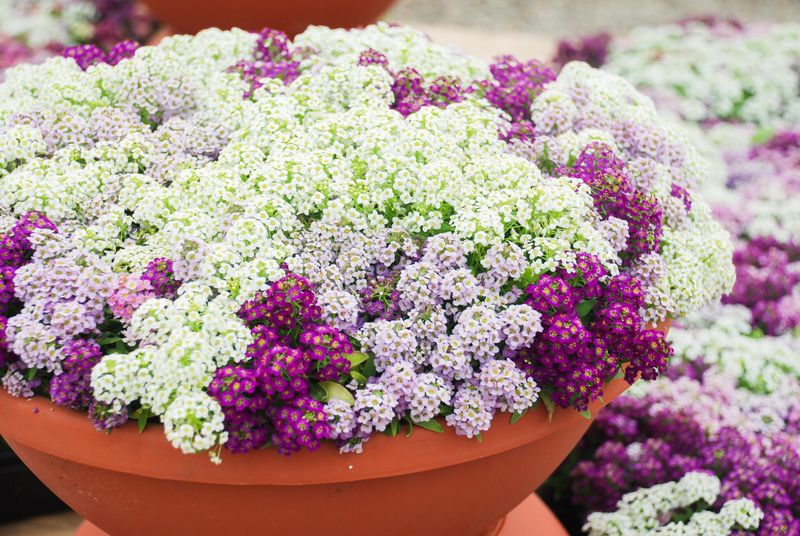
Tiny flowers create fragrant carpets that smell like honey throughout the garden! These low-growing annuals self-seed readily, providing flowers for years to come.
Sprinkle minute seeds on soil surface and barely cover for best germination results. White, pink, and purple varieties bloom continuously in cool weather.
Perfect for edging pathways or filling gaps between larger plants in children’s garden designs and layouts.
16. Cilantro
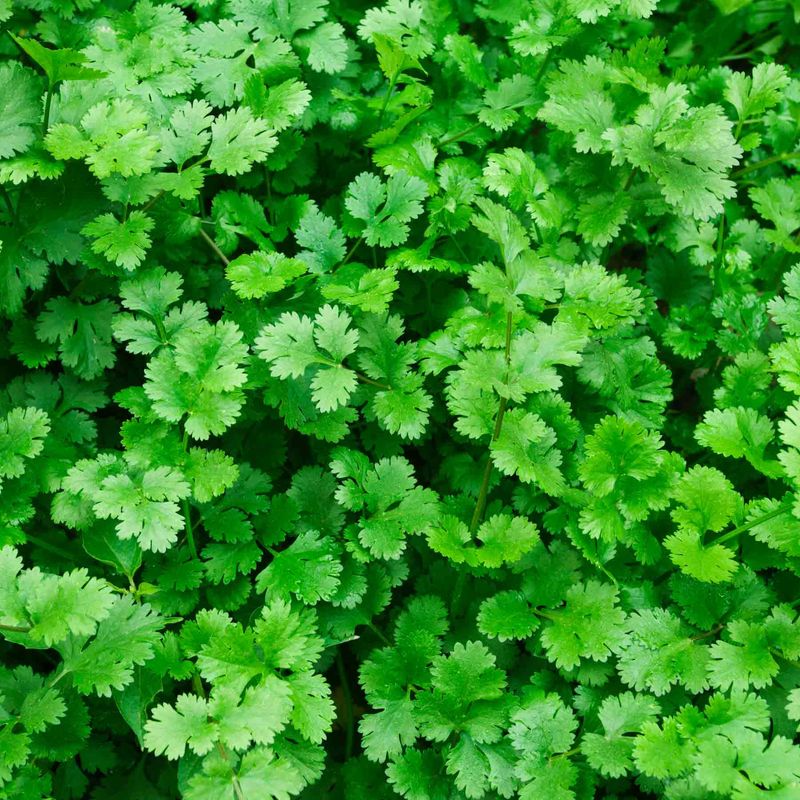
Fresh herbs make cooking adventures more exciting when kids grow their own supply! Cilantro leaves are ready to harvest in just 30 days from planting.
Scatter seeds in cool, partially shaded areas and keep soil consistently moist. Succession planting every two weeks ensures continuous harvests.
Some people taste soap when eating cilantro due to genetics – a fun science lesson about taste preferences and biology!
17. Four O’Clocks
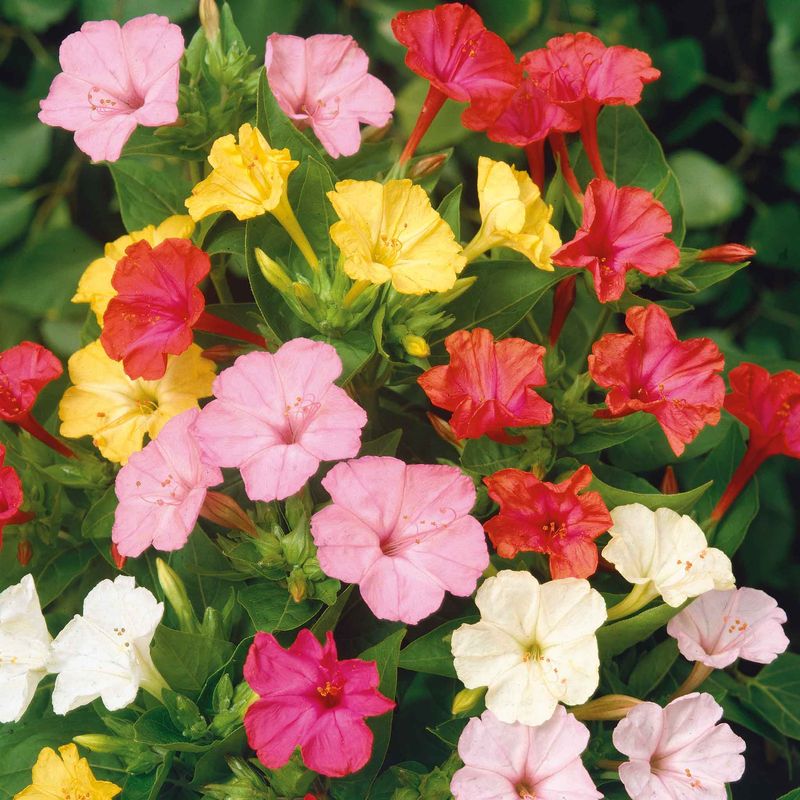
Trumpet-shaped flowers open late each afternoon, creating magical evening garden shows! Kids love checking the exact time when colorful blooms begin opening daily.
Large seeds are easy for small hands to plant in sunny garden locations. Pink, yellow, white, and striped varieties create afternoon rainbow displays.
Plants form bushy mounds that work well as temporary hedges or background plants in flower borders.
18. Kale
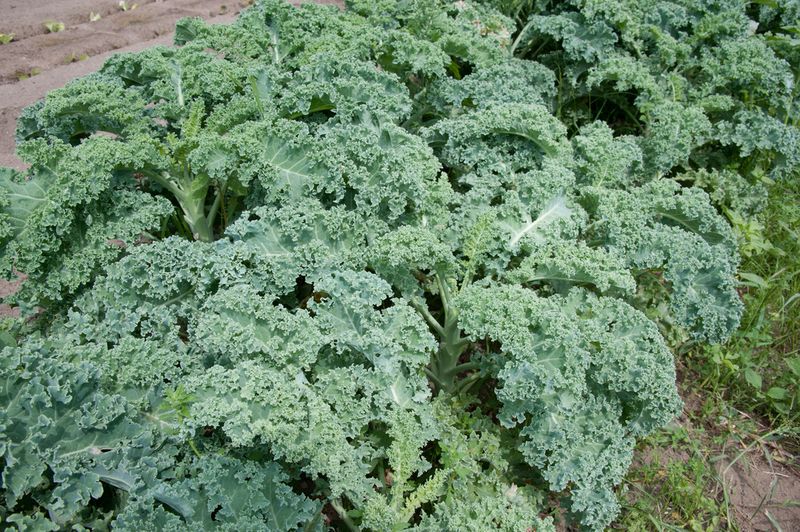
Dinosaur kale and curly varieties create dramatic foliage that handles frost like champions! These nutritious greens actually taste sweeter after experiencing cool temperatures.
Plant seeds directly in garden beds and thin seedlings for proper spacing. Baby leaves work perfectly in smoothies while mature leaves handle cooking applications.
Purple and green varieties add color contrast to vegetable gardens that kids design and maintain themselves.
19. Celosia
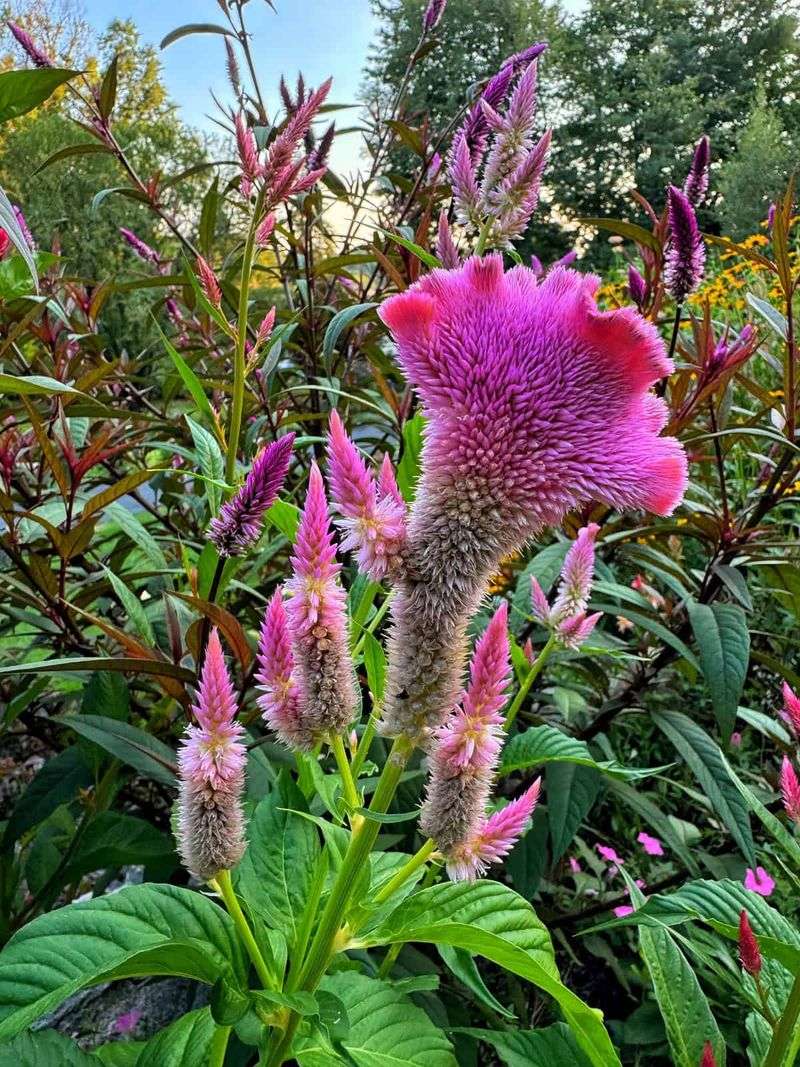
Brain-shaped cockscomb varieties and feathery plumes create unusual textures that fascinate young gardeners! These heat-loving flowers bloom continuously until hard frost arrives.
Start seeds indoors or direct sow in warm soil for best results. Red, orange, yellow, and pink varieties provide bold color statements.
Flowers dry beautifully for craft projects, giving kids materials for autumn decorating and creative indoor activities.
20. Swiss Chard
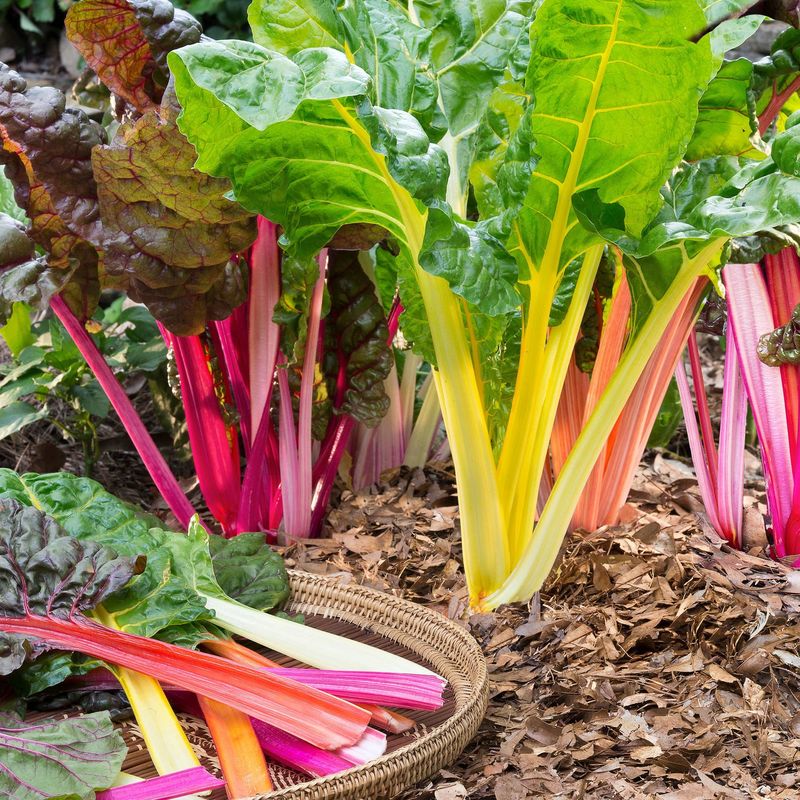
Rainbow-colored stems turn vegetable gardens into art installations that produce food too! Red, yellow, orange, and white stems create edible landscape features.
Large seeds germinate easily in rich, well-drained soil with consistent moisture. Both stems and leaves are completely edible with mild, pleasant flavors.
Cut-and-come-again harvesting means kids can pick outer leaves while centers continue producing fresh growth all season long.
21. Calendula
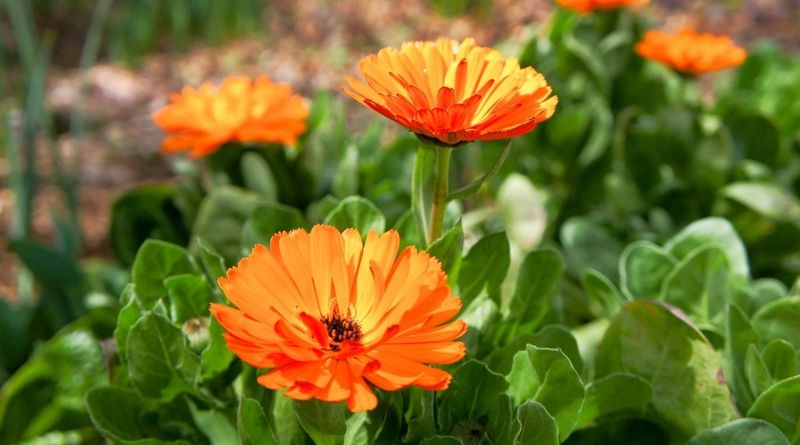
Bright orange and yellow petals are completely edible, adding color to salads and desserts! These cheerful flowers bloom reliably in cool weather conditions.
Direct sow seeds in prepared garden beds and deadhead spent blooms for continuous flowering. Flowers close at night and open with morning sunshine.
Petals have mild, slightly peppery flavor that kids can experiment with in kitchen cooking and baking projects.
22. Turnips
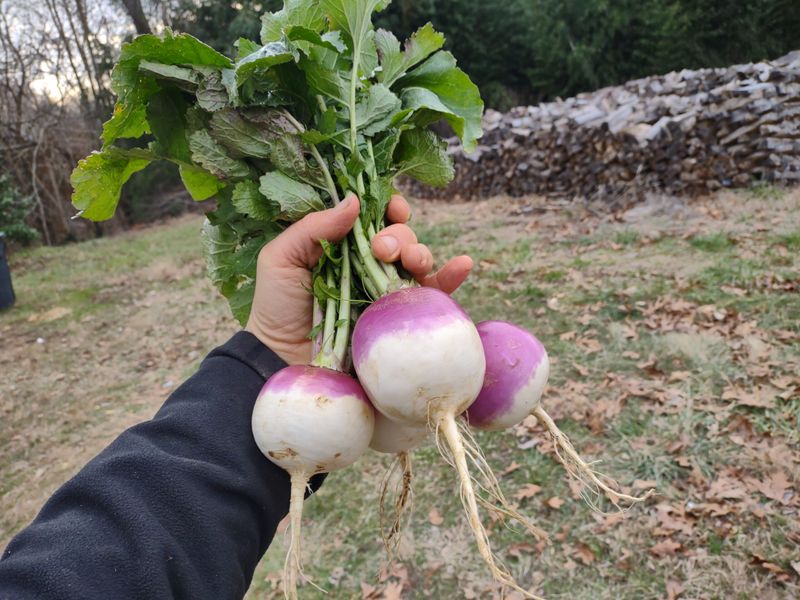
Purple-topped roots develop quickly in cool weather, ready for harvest in just 35 days! Both roots and leafy greens provide double harvests from single plantings.
Plant seeds directly in loose, fertile soil and thin seedlings appropriately. Small, tender turnips taste much milder than large, mature ones.
Kids often prefer raw turnip slices over cooked versions, discovering new textures and flavors through garden-to-table experiences.
23. Portulaca
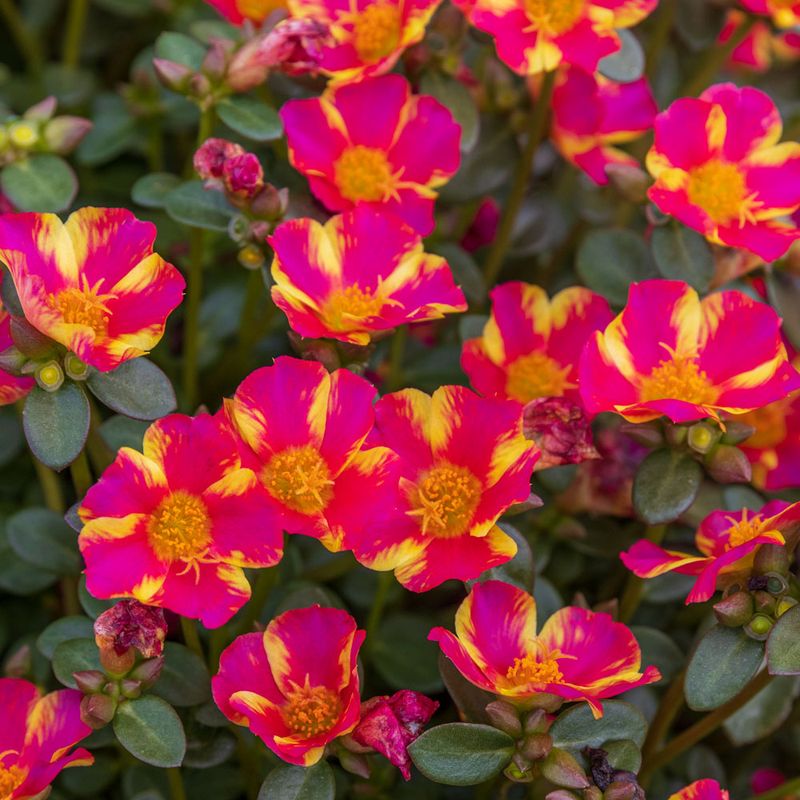
Succulent leaves and bright flowers thrive in hot, dry conditions where other plants struggle! These low-maintenance beauties open flowers only in bright sunshine.
Tiny seeds need light to germinate, so barely cover when planting in sandy soil. Pink, orange, yellow, and red blooms create colorful ground cover.
Flowers close on cloudy days and in late afternoon, teaching kids about plant responses to environmental conditions.
24. Mizuna
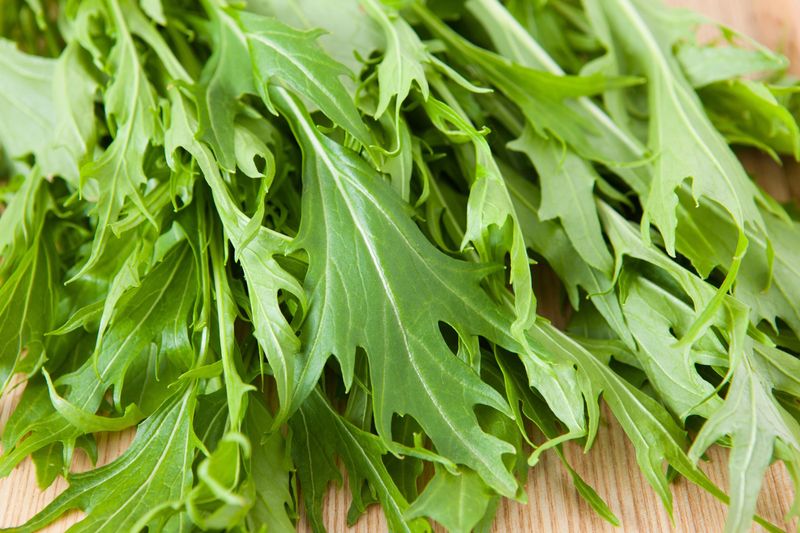
Feathery Japanese greens add interesting textures to salad bowls in just 21 days! This mild mustard green handles cool weather beautifully for fall harvests.
Broadcast seeds thinly and harvest baby leaves for continuous production throughout the season. Cut-and-come-again harvesting extends the productive period significantly.
Spicy flavor becomes milder when leaves are harvested young, perfect for introducing kids to international vegetables and cuisines.
25. Amaranth
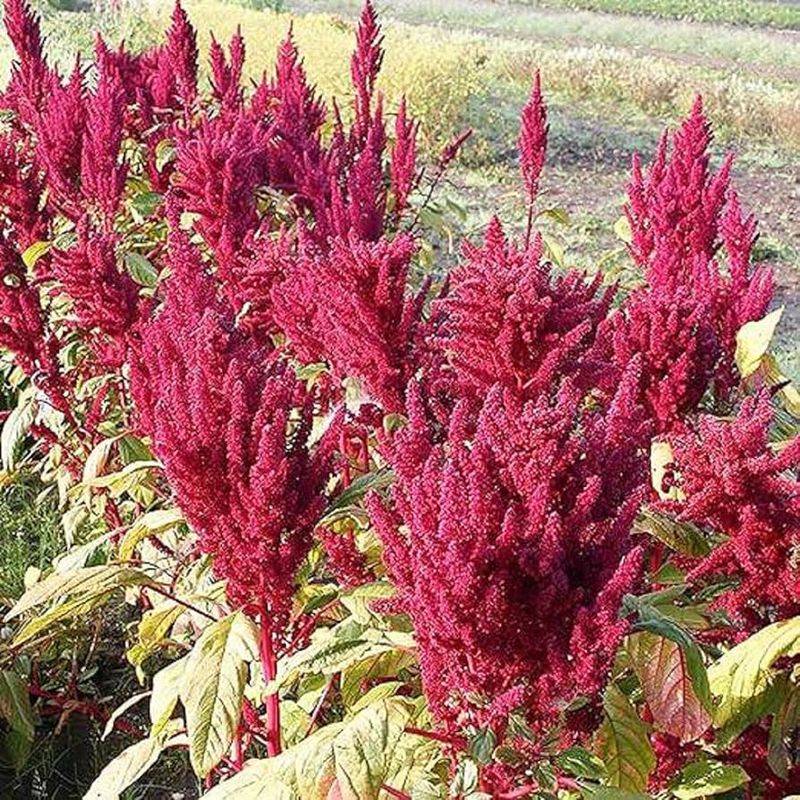
Dramatic red and purple foliage creates stunning backdrops while producing nutritious grain crops! These tall plants can reach impressive heights in just weeks.
Plant seeds in warm soil and provide support for tall varieties in windy locations. Both leaves and seeds are edible with high protein content.
Ancient grain varieties connect kids to historical farming practices while creating beautiful ornamental garden features and educational opportunities.