 Complete Gardening
Exploring the vibrant world of sun-loving flowers, this article delves into 25 different species that flourish with ample sunlight. These flowers not only bring color and life to gardens but also thrive in conditions where the sun shines brightest. Whether you’re a seasoned gardener or a novice, understanding these sun-loving plants will enhance your gardening knowledge and skills.
1. Sunflower
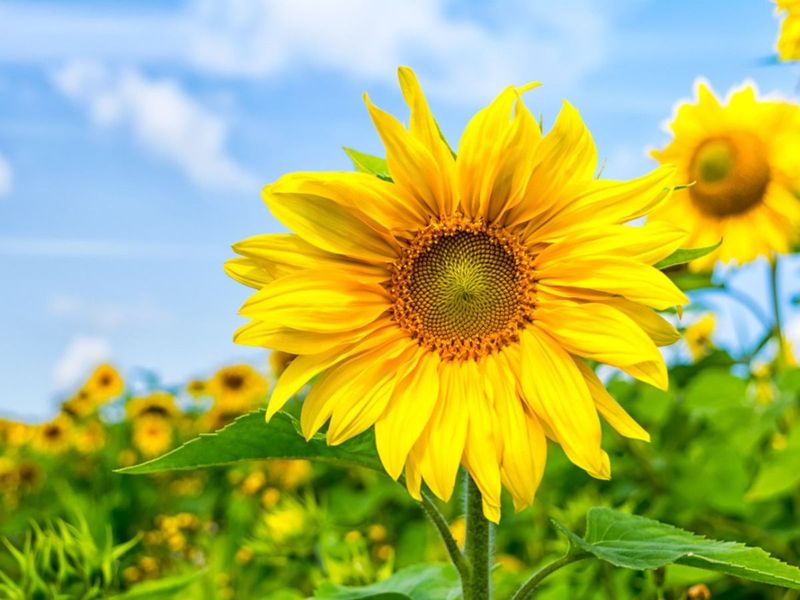
Sunflowers, with their towering stems and bright yellow petals, are the epitome of sun-loving flowers. Originating from North America, they symbolize adoration and loyalty. Sunflowers thrive in full sun, often turning their heads to follow the sun’s path across the sky.
Their large blooms attract pollinators, making them a favorite in gardens and farms alike. Historically, they have been cultivated for their seeds and oil, providing nutritional benefits.
Fun fact: Vincent van Gogh immortalized sunflowers in his famous paintings, showcasing their timeless beauty and artistic appeal.
2. Lavender
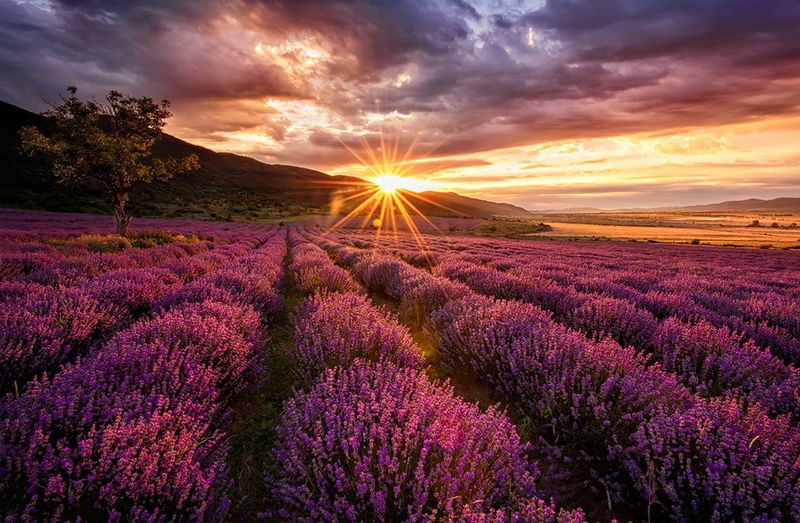
Lavender, known for its soothing fragrance, thrives in sunny environments. Its purple spikes and silvery green leaves create a picturesque scene in any garden. Originating from the Mediterranean, lavender has been cherished for its essential oils, often used in aromatherapy and skincare.
These resilient plants prefer well-drained soil and can withstand drought, making them ideal for sunny spots.
Did you know? Lavender has been used for centuries in traditional medicine to promote relaxation and alleviate stress, proving its timeless appeal.
3. Marigold
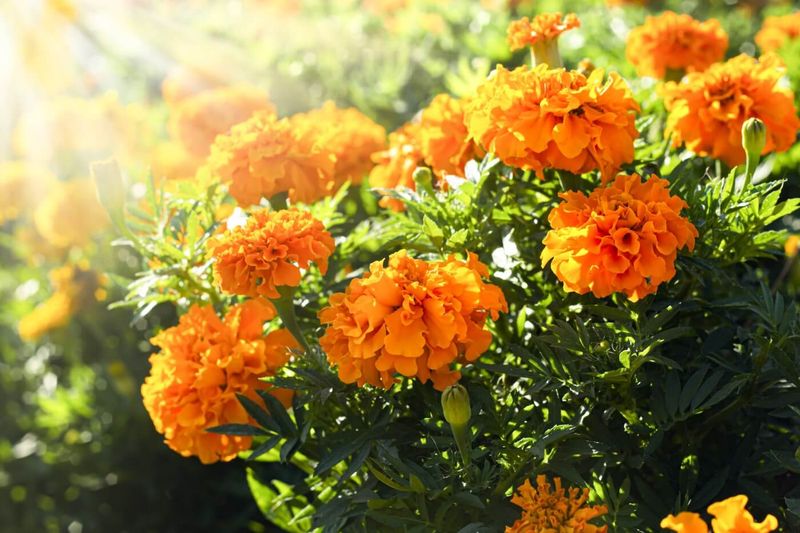
Marigolds bring a burst of color to any garden, flourishing under the sun’s warm embrace. Their vibrant orange and yellow petals are not just visually appealing but also serve as natural insect repellents.
Originating from Mexico, marigolds have cultural significance in various traditions, often used in festivities and ceremonies.
They are easy to grow and maintain, requiring minimal care while providing maximum beauty. Marigolds have been used in companion planting to deter garden pests, showcasing their practical benefits.
4. Zinnia
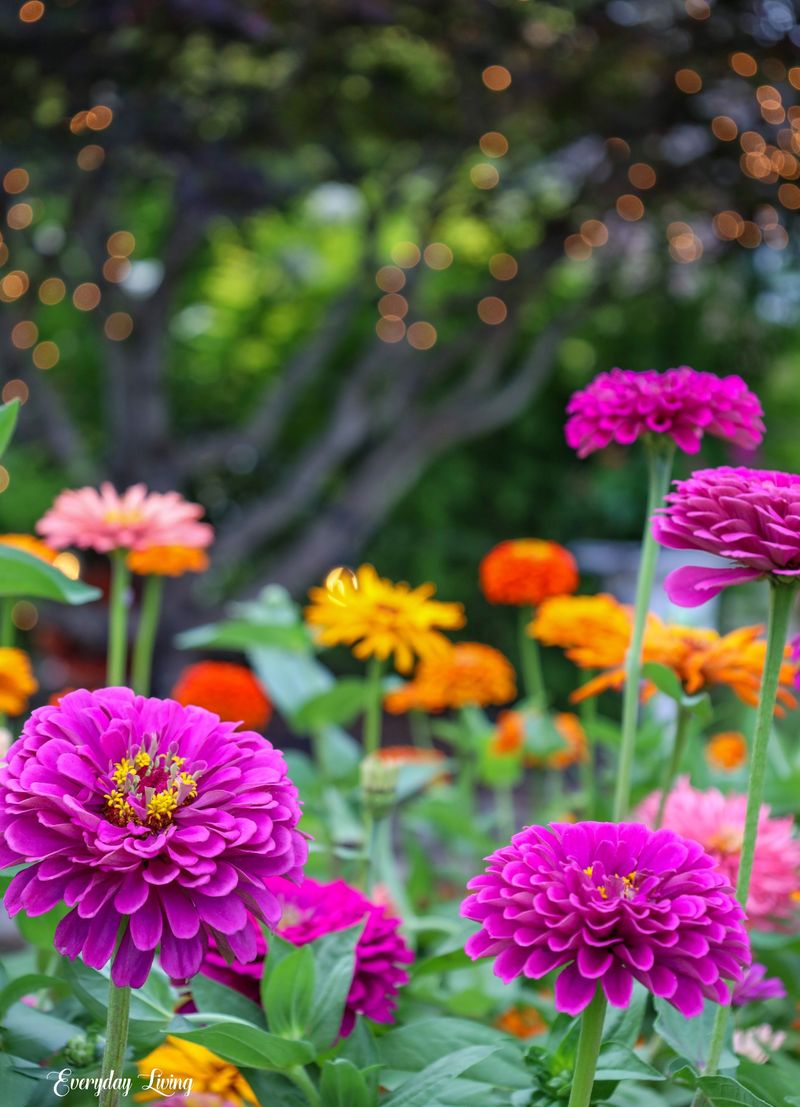
Zinnias are the champions of sun-loving flowers, thriving in hot and dry conditions. Their bold, bright blooms come in a variety of colors, including pink, red, orange, and yellow.
These flowers are native to Mexico and are known for their long-lasting blooms, making them a favorite for cut flower arrangements.
Easy to grow, zinnias attract butterflies and bees, enhancing the biodiversity of your garden. A quirky aspect: zinnias were the first flowers grown in space, showcasing their adaptability and resilience.
5. Geranium
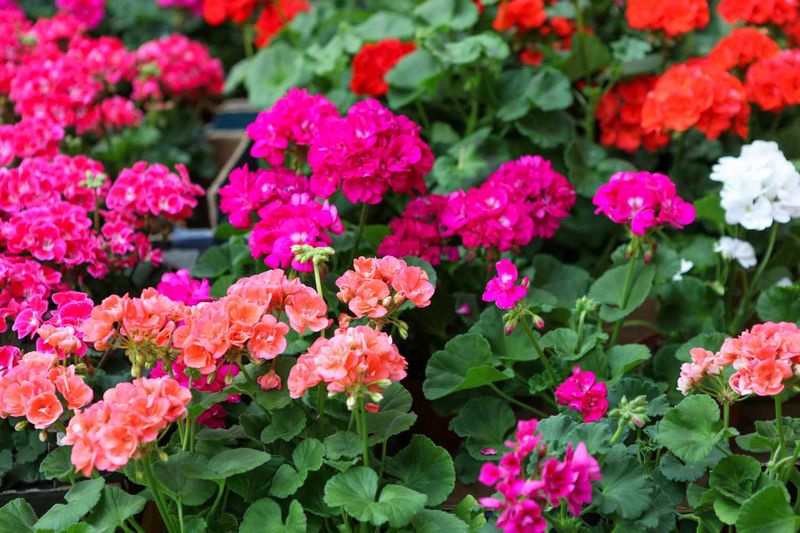
Geraniums, with their cheerful blooms and aromatic leaves, are a staple in sunny gardens. They come in various colors, including red, pink, and white, adding a splash of color to any space.
These versatile plants are drought-tolerant and thrive in containers, making them perfect for balconies and patios.
Geraniums have a rich history, used in herbal remedies and perfumery. Their ability to adapt to different environments makes them a popular choice among gardeners worldwide.
6. Daylily
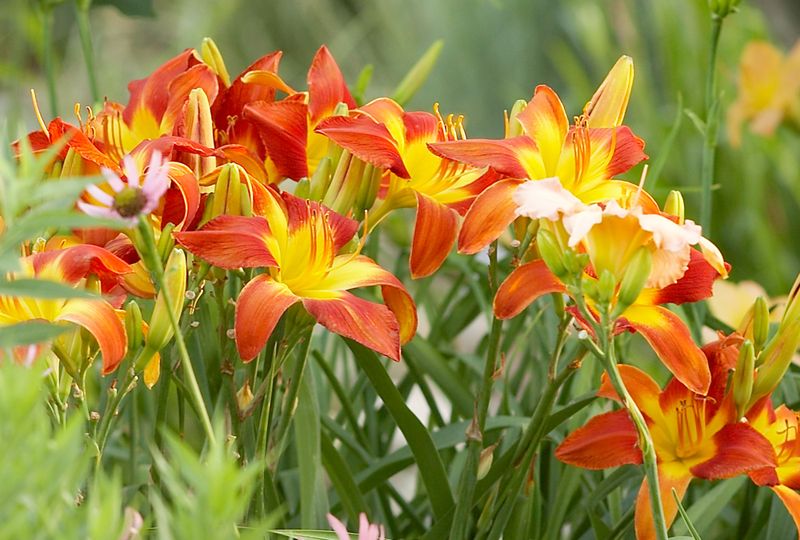
Daylilies are resilient perennials known for their trumpet-shaped blooms. Each flower lasts just one day, but the plant continuously produces new blooms throughout the season.
Daylilies come in various colors, including yellow, orange, and red, adding vibrant hues to gardens. They thrive in full sun and well-drained soil, making them a reliable choice for sunny spots.
Fun fact: In some cultures, daylily flowers are used in culinary dishes, adding a unique flavor to traditional recipes.
7. Coreopsis
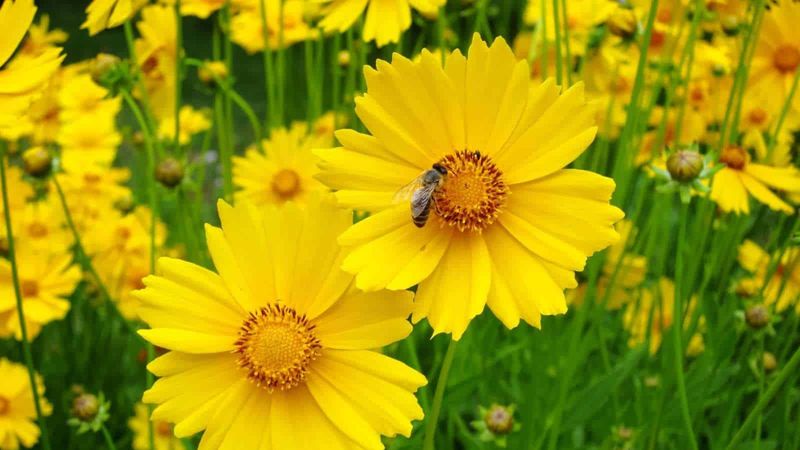
Coreopsis, often called “tickseed,” is a sun-loving plant that brings cheer with its bright yellow blooms. These flowers are native to North and South America and are known for their long-lasting beauty.
They thrive in poor soil and harsh sun, making them ideal for challenging garden spots. Coreopsis flowers attract butterflies, adding life and movement to the garden.
Did you know? Coreopsis was designated the state wildflower of Florida, symbolizing the region’s rich biodiversity.
8. Salvia
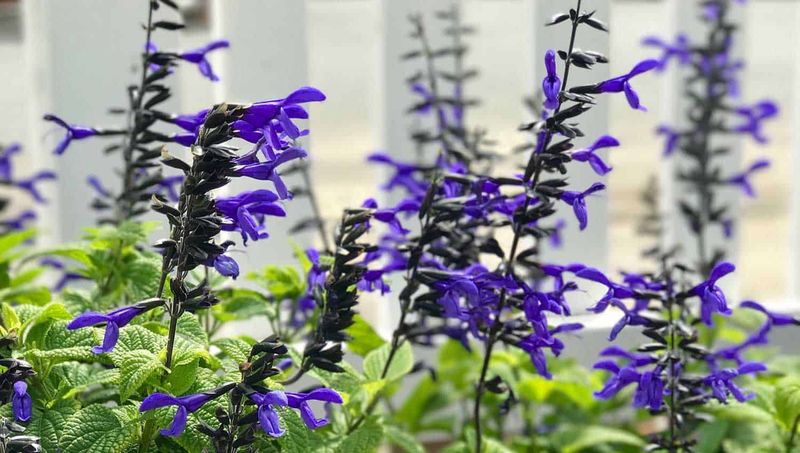
Salvia, with its tall spiky blooms, is a magnet for pollinators, especially bees and hummingbirds. These flowers thrive in sunny conditions and are known for their vibrant blue and purple hues.
Native to the Americas, salvia is easy to grow and drought-tolerant, making it a popular choice for water-wise gardens.
Salvia has been used historically in herbal medicine, prized for its potential health benefits. Its vivid colors and aromatic leaves make it a garden favorite.
9. Blanket Flower
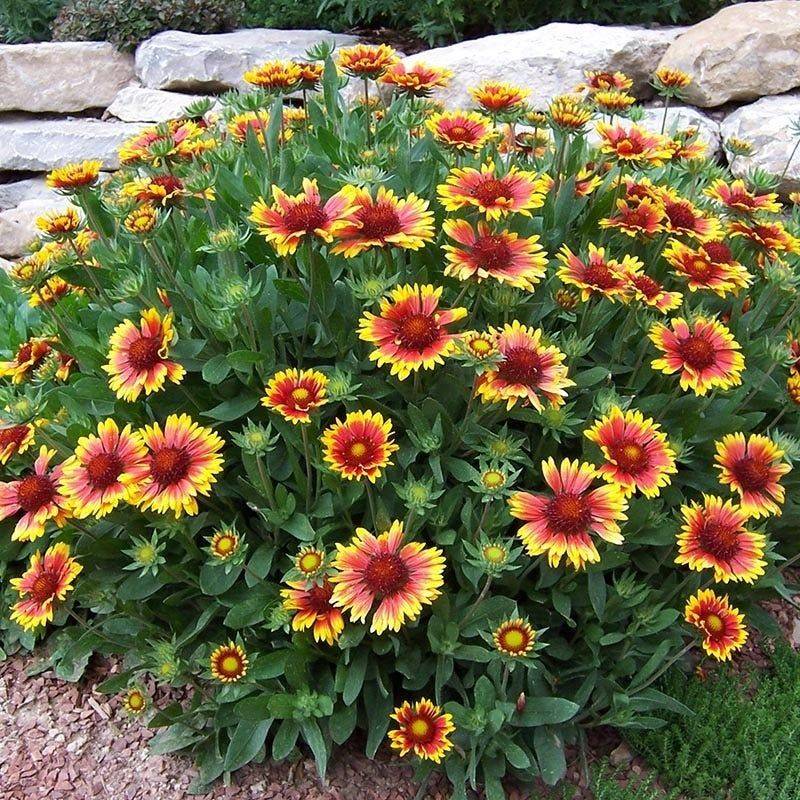
Blanket flowers, or Gaillardia, bring warmth to any garden with their fiery red and orange petals. These sun-loving perennials are native to North and South America and are known for their long blooming season.
They prefer well-drained soil and thrive in full sun, making them a reliable choice for sunny borders.
Interestingly, blanket flowers are named for their resemblance to the vibrant patterns of Native American blankets, adding a cultural touch to their beauty.
10. Black-eyed Susan
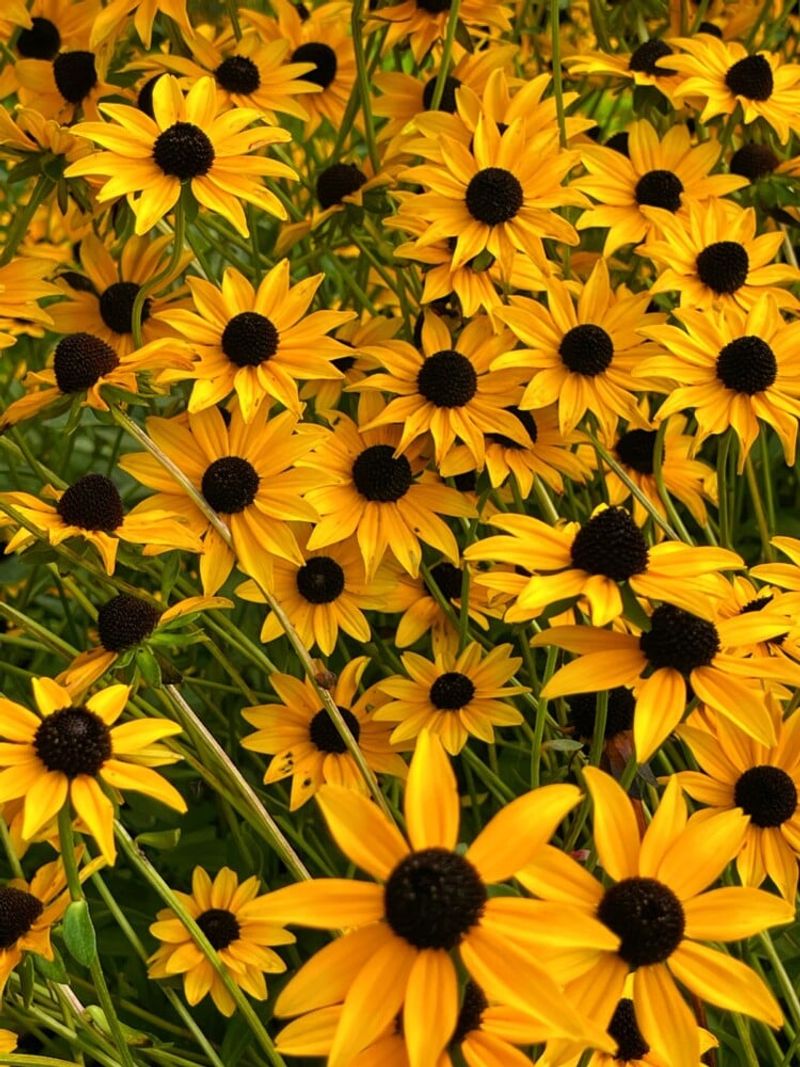
Black-eyed Susans are iconic wildflowers, easily recognized by their yellow petals and dark brown centers. These hardy perennials thrive in full sun and well-drained soil.
Native to North America, they are often seen in meadows and along roadsides, adding a touch of wild beauty.
Black-eyed Susans attract butterflies and bees, making them an excellent choice for pollinator gardens. Fun fact: They are sometimes called “gloriosa daisies,” a name that reflects their glorious appearance.
11. Cosmos
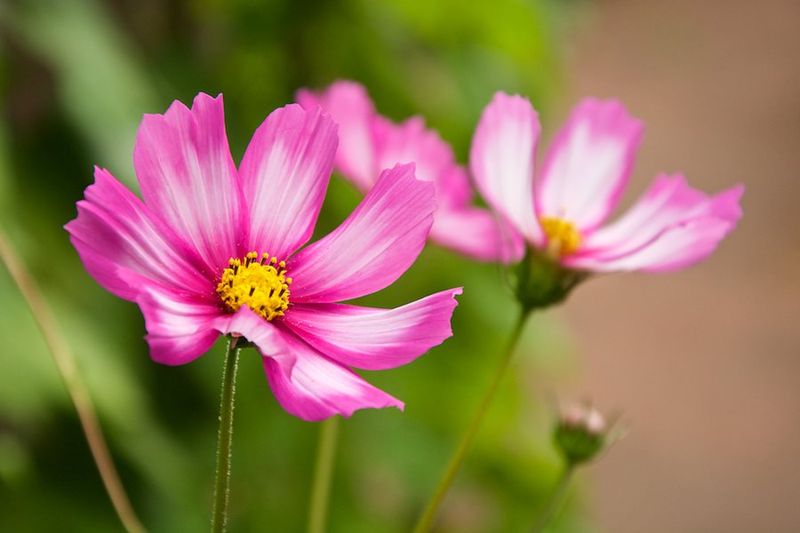
Cosmos flowers, with their delicate petals and feathery foliage, bloom abundantly in sunny gardens. These dainty beauties come in shades of pink, white, and orange, adding elegance and charm.
Cosmos are native to Mexico and are known for their ease of growth, thriving in poor soil and full sun.
They attract butterflies, making them a favorite in pollinator gardens. A fun tidbit: The word “cosmos” comes from the Greek word for “harmony,” reflecting the plant’s balanced and symmetrical form.
12. Petunia
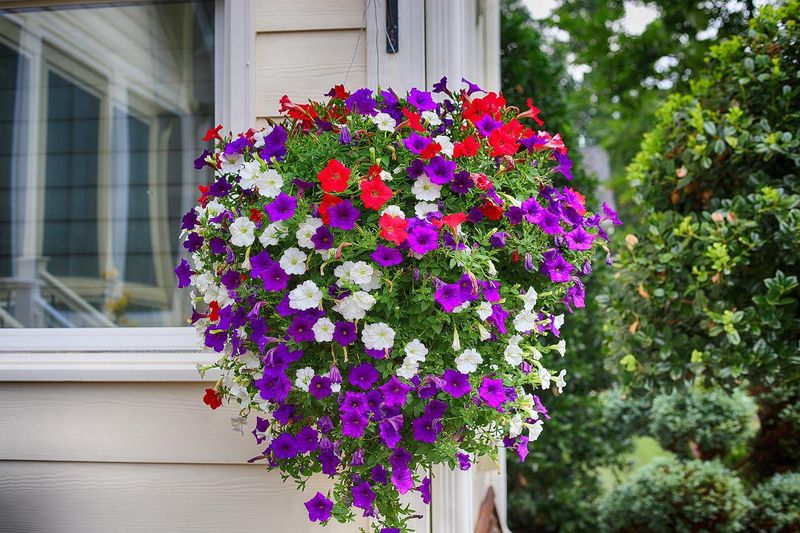
Petunias are beloved for their vibrant colors and versatility. These sun-loving flowers bloom profusely in containers, hanging baskets, and garden beds.
Petunias come in a wide range of colors, from pinks to purples to whites, offering endless design possibilities. They thrive in full sun and require regular watering to maintain their lush appearance.
Originating from South America, petunias have been cultivated since the 19th century, valued for their continuous blooms and sweet fragrance.
13. Coneflower
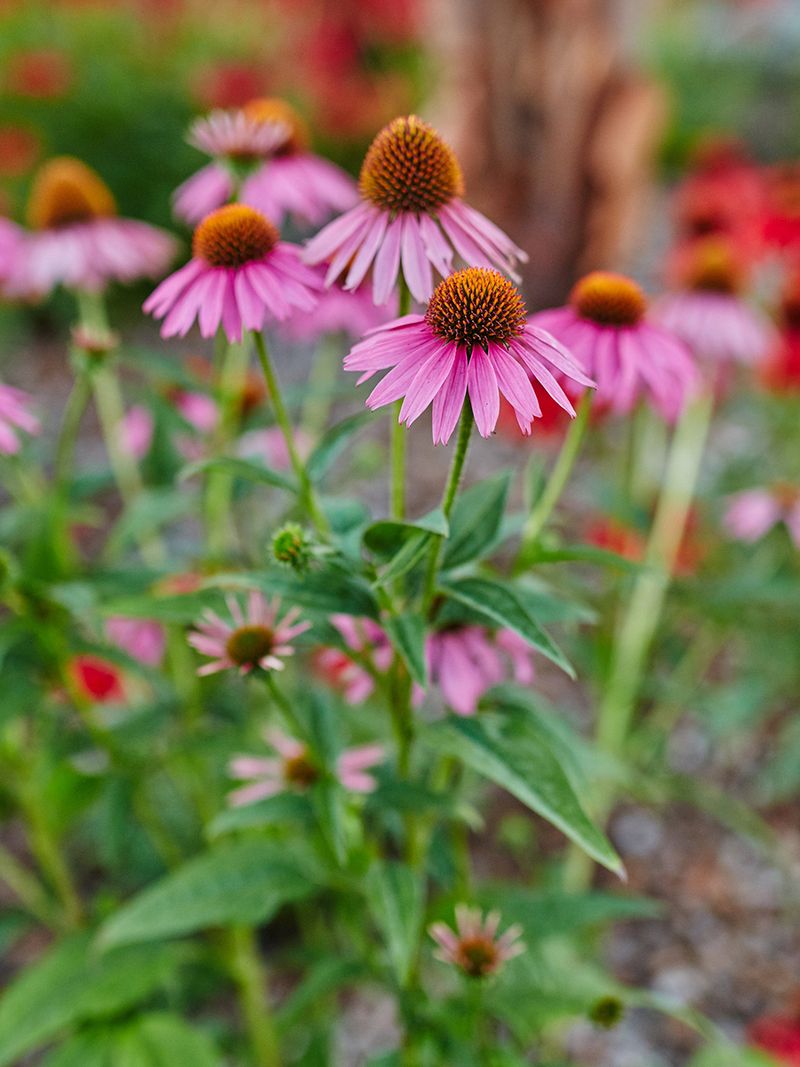
Coneflowers, or Echinacea, are hardy perennials known for their distinctive pink petals and prominent cones. These sun-loving plants are native to North America and thrive in well-drained soil.
Coneflowers are popular in herbal remedies, believed to boost the immune system. They attract butterflies and bees, enhancing the ecological value of gardens.
Fun fact: Coneflowers are drought-tolerant, making them a sustainable choice for water-wise gardening.
14. Yarrow
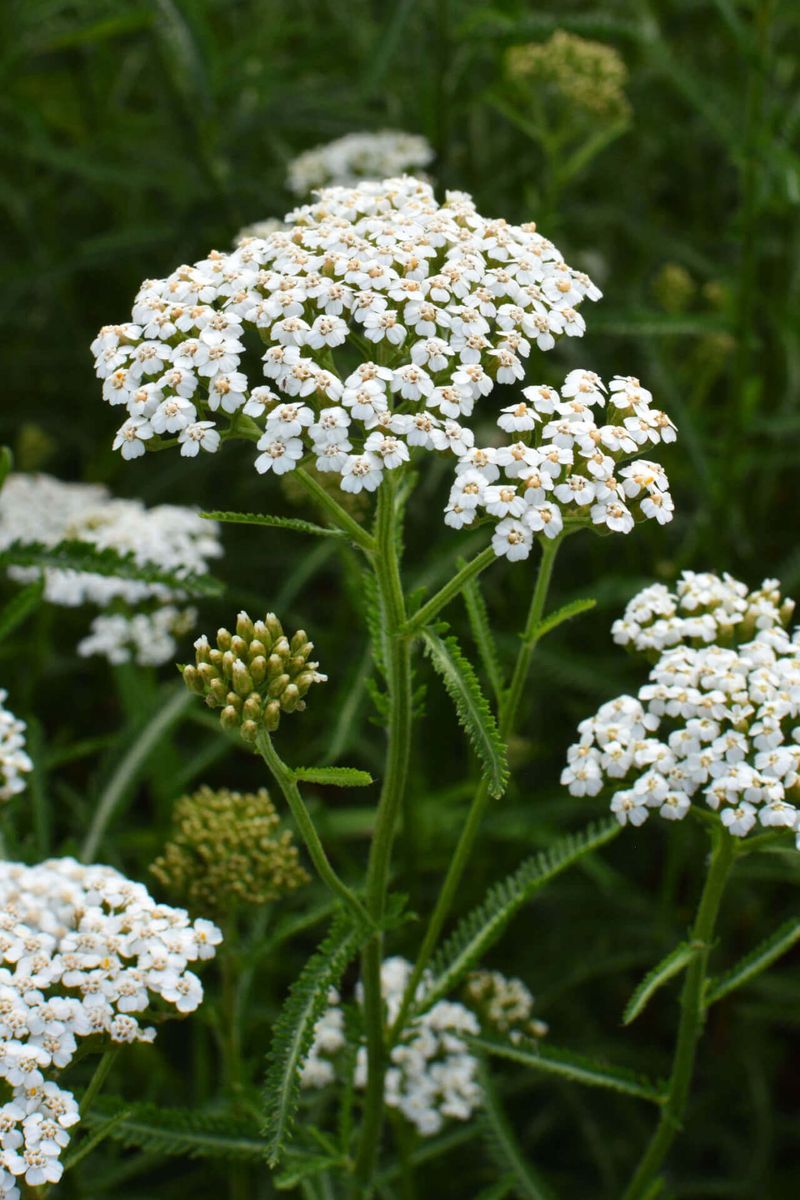
Yarrow is a resilient perennial that thrives in sunny conditions. With its small yellow or white blooms and feathery leaves, yarrow adds texture to gardens.
Native to Europe and Asia, yarrow has been used in traditional medicine for its healing properties. It is drought-tolerant and can thrive in poor soil, making it ideal for xeriscaping.
Did you know? Yarrow is often used in permaculture for its ability to improve soil quality, benefiting neighboring plants.
15. Shasta Daisy
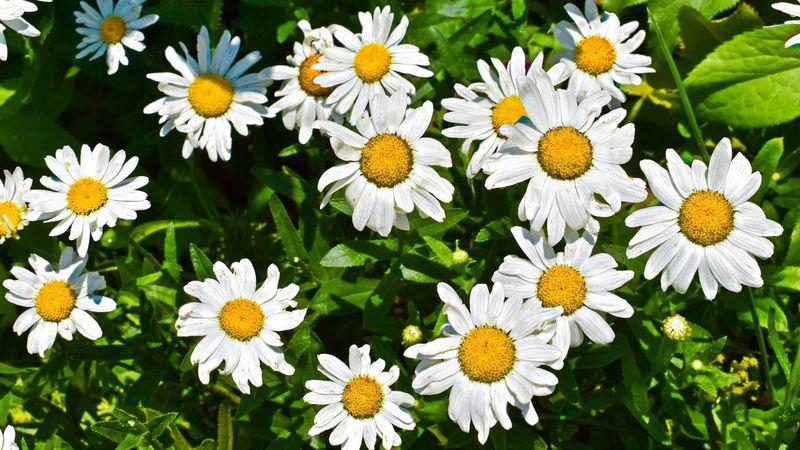
Shasta daisies are classic garden favorites, known for their white petals and sunny yellow centers. These perennials thrive in full sun and well-drained soil, making them a reliable choice for sunny borders.
Originating from a hybrid developed by Luther Burbank, Shasta daisies are valued for their long blooming season and low maintenance requirements.
They attract butterflies and make excellent cut flowers, adding charm to any bouquet.
Fun fact: The Shasta daisy is named after Mount Shasta in California, reflecting its beauty and grandeur.
16. Verbena
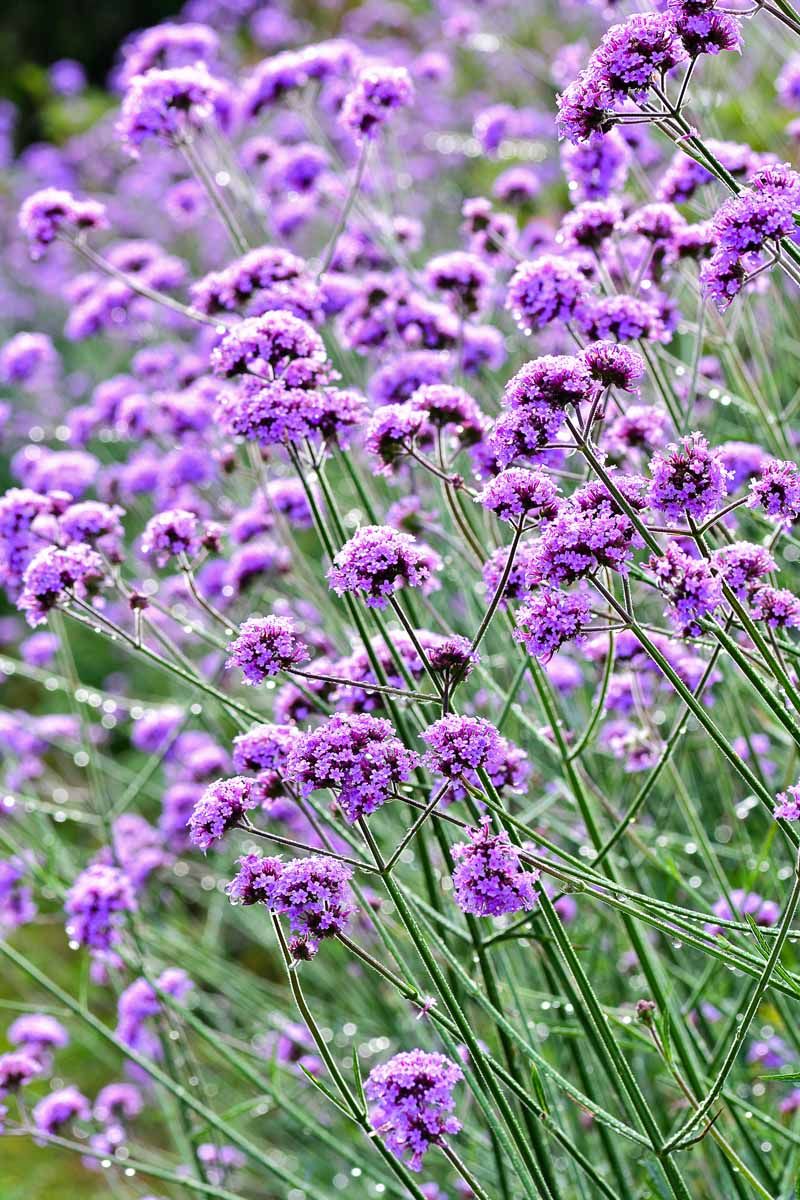
Verbena is a sun-loving annual that blooms profusely throughout the summer. With clusters of small purple and pink flowers, verbena adds a splash of color to gardens and containers.
These flowers are drought-tolerant and prefer well-drained soil, making them easy to care for. Verbena attracts butterflies, enhancing the garden’s ecological diversity.
Historically, verbena has been associated with healing and protection, believed to bring good fortune. Its vibrant colors and adaptability make it a popular choice for sunny landscapes.
17. Gazania
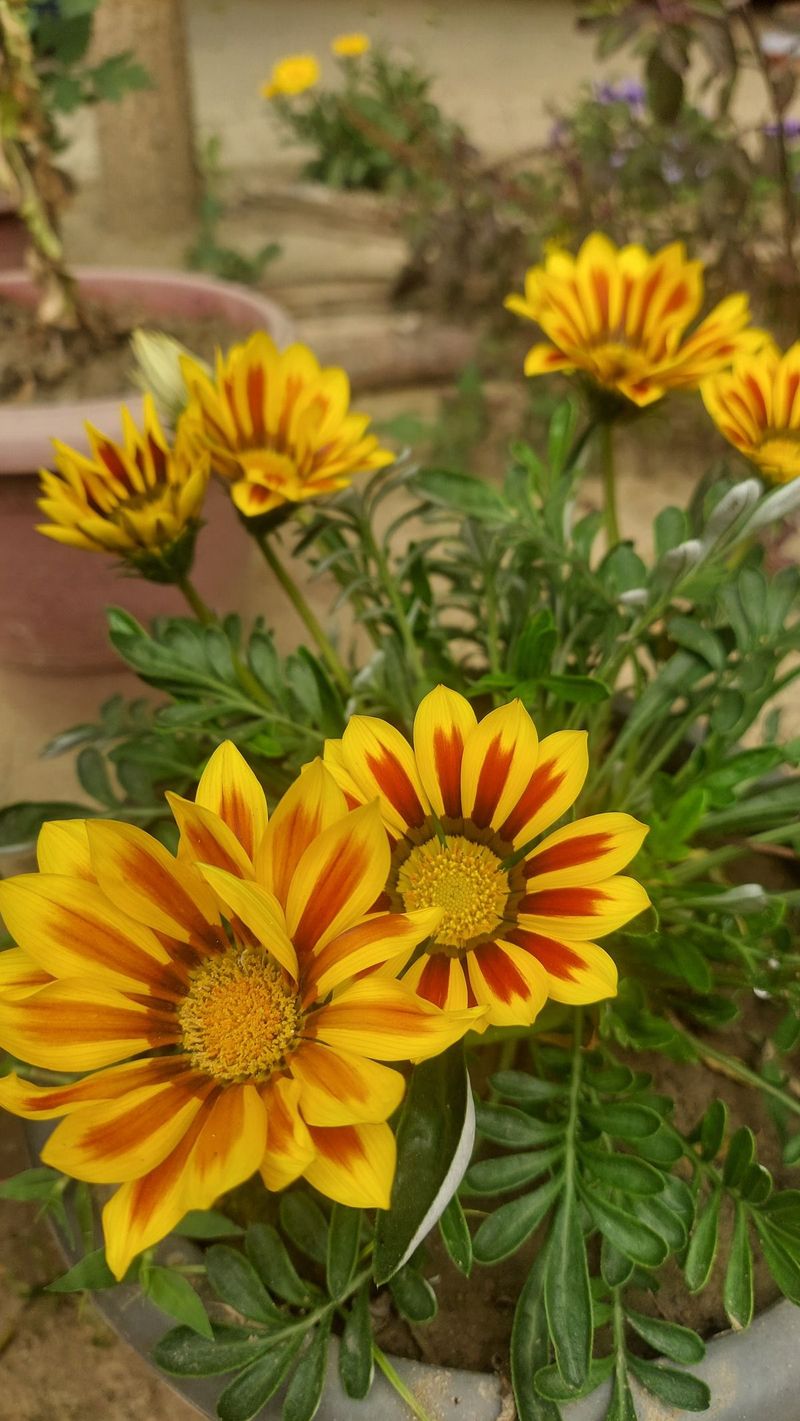
Gazania, also known as the “treasure flower,” is a sun-loving perennial with striking blooms. These flowers feature vibrant orange and yellow petals, often with dark centers.
Native to South Africa, gazanias thrive in full sun and sandy soil, making them ideal for coastal gardens. They are drought-tolerant and provide spectacular color with minimal care.
Did you know? Gazania flowers close at night and reopen with the morning sun, adding a dynamic element to the garden.
18. Portulaca
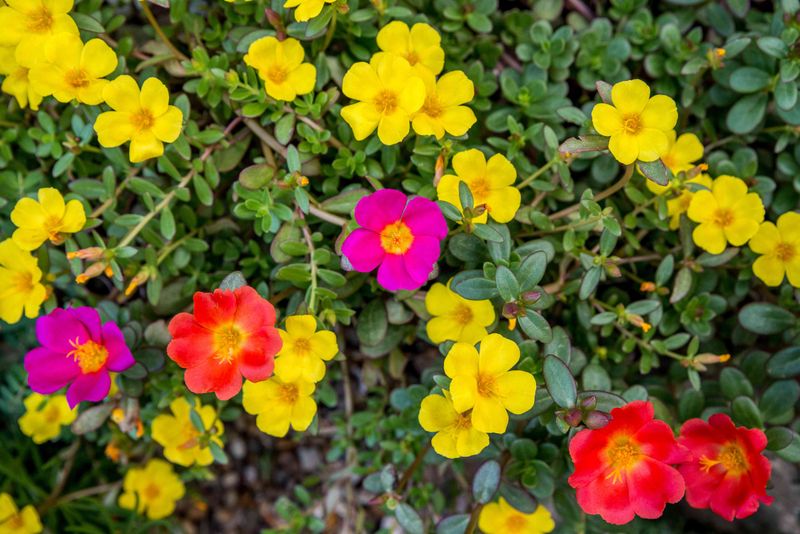
Portulaca, or moss rose, is a sun-loving succulent with vibrant blooms. These low-growing plants are perfect for rock gardens and borders, offering a rainbow of colors including pink, orange, and yellow.
Portulaca thrives in full sun and well-drained soil, requiring little water to flourish.
Interestingly, the flowers open in the morning and close by evening, adding a rhythmic charm to the garden. Portulaca’s resilience and beauty make it a favorite for sun-drenched landscapes.
19. Bee Balm
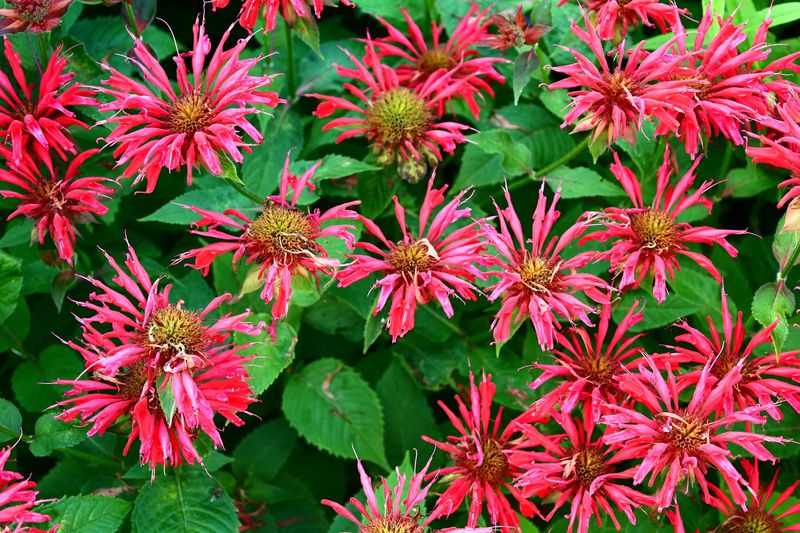
Bee balm, or Monarda, is a vibrant perennial that attracts pollinators with its red tubular flowers. These sun-loving plants are native to North America and thrive in well-drained soil.
Bee balm is valued not only for its beauty but also for its aromatic leaves, which can be used in teas and potpourris.
Did you know? Bee balm was used by Native Americans for its medicinal properties, particularly in treating colds and flu. Its vibrant blooms and historical significance make it a garden favorite.
20. Lantana
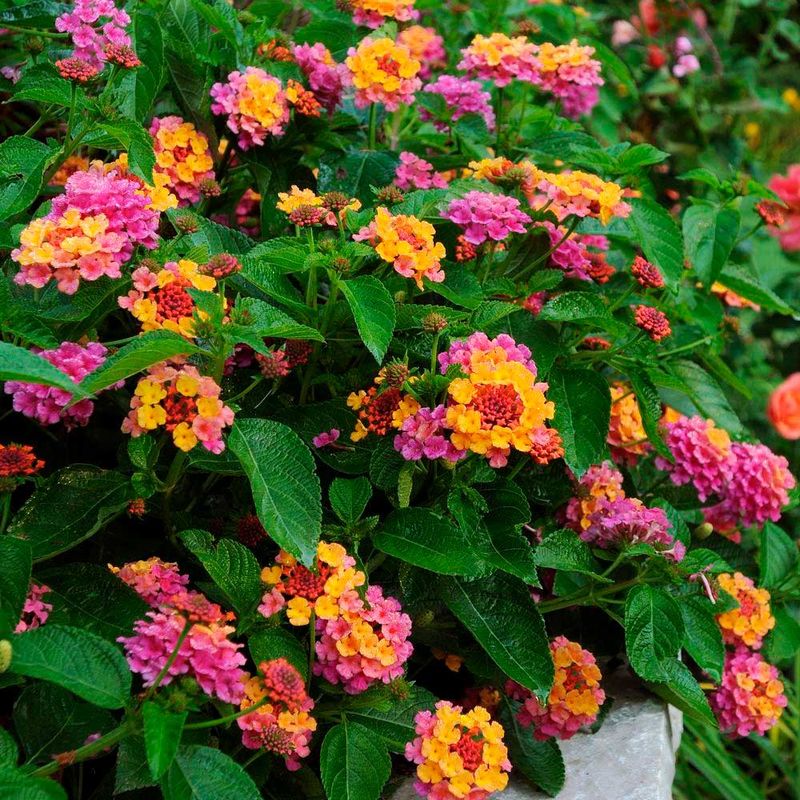
Lantana is known for its clusters of multicolored flowers, ranging from pink and orange to yellow and red. These sun-loving shrubs are native to the tropical regions of the Americas and Africa.
Lantana thrives in full sun and well-drained soil, making it a popular choice for sunny gardens. It is drought-tolerant and attracts butterflies, enhancing the garden’s ecological value.
Fun fact: Lantana’s strong scent deters insects, adding a practical benefit to its beauty.
21. Russian Sage
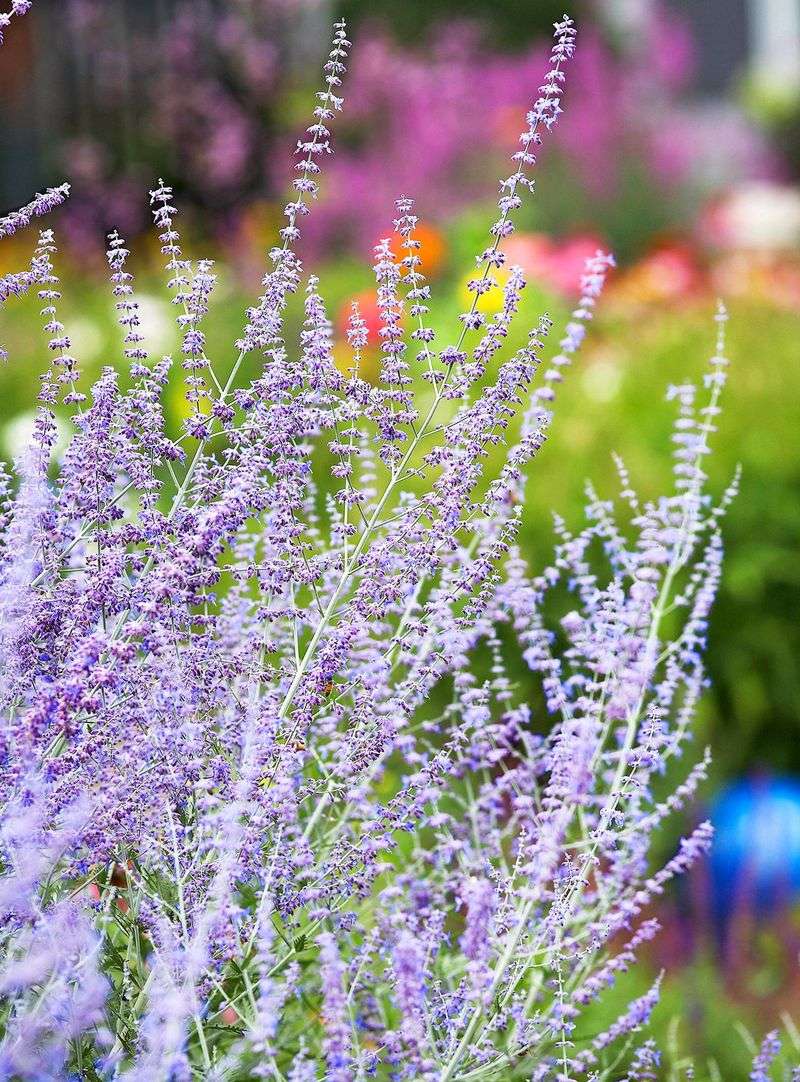
Russian sage is a hardy perennial known for its silvery leaves and lavender-blue flowers. These sun-loving plants thrive in well-drained soil and are drought-tolerant, making them ideal for low-maintenance gardens.
Russian sage adds a touch of elegance with its airy, open form and aromatic foliage.
Historically, it has been used in traditional medicine for its potential health benefits. Its resilience and beauty make Russian sage a favorite for sunny landscapes.
22. Snapdragon
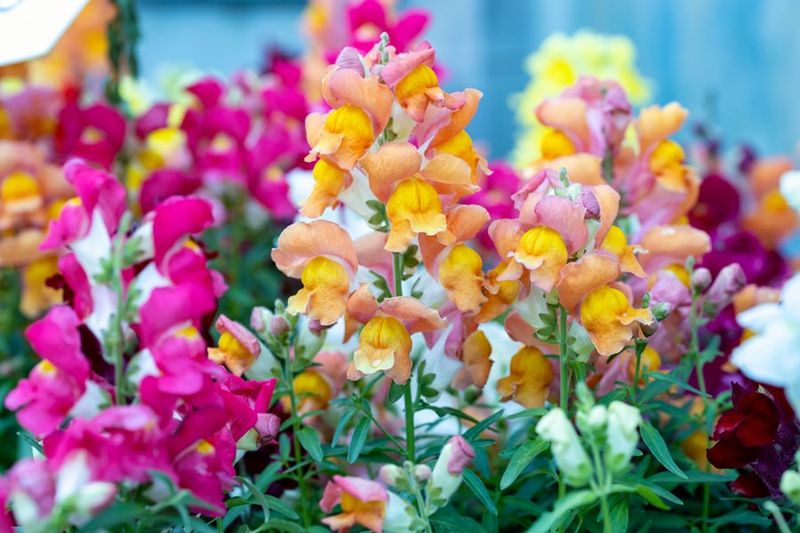
Snapdragons are beloved for their unique blooms that resemble a dragon’s mouth. These sun-loving flowers come in a variety of colors, adding whimsical charm to gardens.
Snapdragons are native to the Mediterranean region and prefer well-drained soil and full sun.
They attract pollinators, including bees and hummingbirds, enhancing the ecological diversity of your garden. A fun detail: The flowers make a popping sound when squeezed, entertaining gardeners of all ages.
23. Rosemary
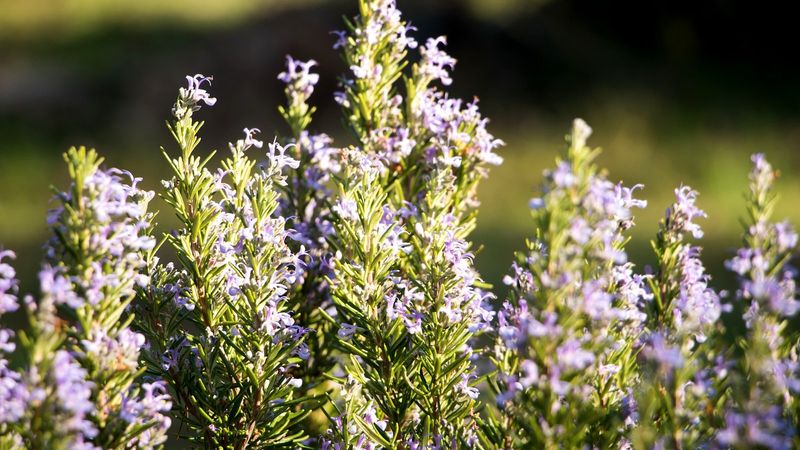
Rosemary is a sun-loving herb that doubles as an ornamental plant. With its fragrant green leaves and small purple flowers, rosemary adds beauty and aroma to gardens.
This Mediterranean native thrives in full sun and well-drained soil, making it a versatile addition to herb gardens.
Rosemary is cherished for its culinary uses, enhancing the flavor of dishes worldwide. Fun fact: Rosemary symbolizes remembrance, and it is often used in weddings and funerals for its aromatic and symbolic properties.
24. Alyssum
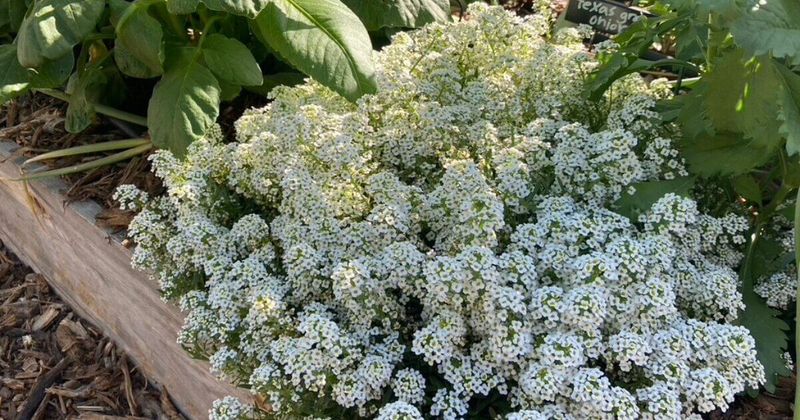
Alyssum, with its tiny white blooms, creates a fragrant carpet of flowers in sunny gardens. This annual is perfect for borders, rock gardens, and containers, adding elegance and aroma.
Alyssum thrives in full sun and well-drained soil, requiring minimal care to flourish. It attracts beneficial insects, enhancing the garden’s ecological balance.
Did you know? Alyssum has been traditionally used in herbal medicine for its potential soothing properties, complementing its visual appeal with functional benefits.
25. Heliotrope
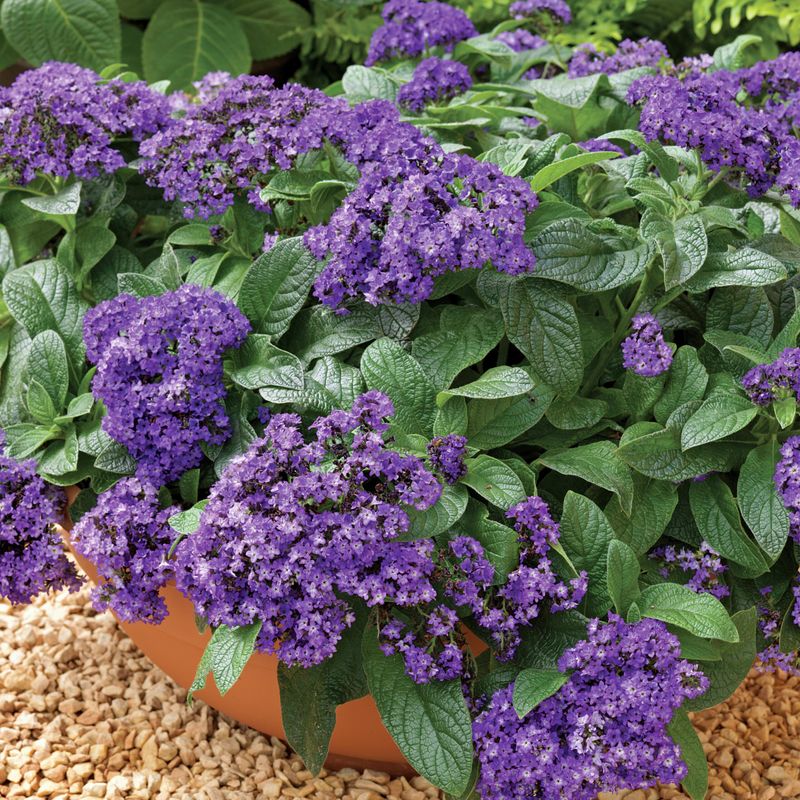
Heliotrope, known for its lush clusters of tiny purple blossoms, thrives in sunny environments. Often called the “cherry pie plant,” its alluring fragrance is reminiscent of vanilla and cherry. Gardeners treasure its vibrant hue and aromatic appeal. The heliotrope’s blooms attract butterflies, adding a lively touch to gardens. Its growth habit is compact, making it perfect for borders or containers. Interestingly, heliotropes are associated with eternal love and devotion. They symbolize a connection between the sun’s warmth and the enduring beauty of nature. This enchanting flower is a delightful addition to any sunlit garden.