 Complete Gardening
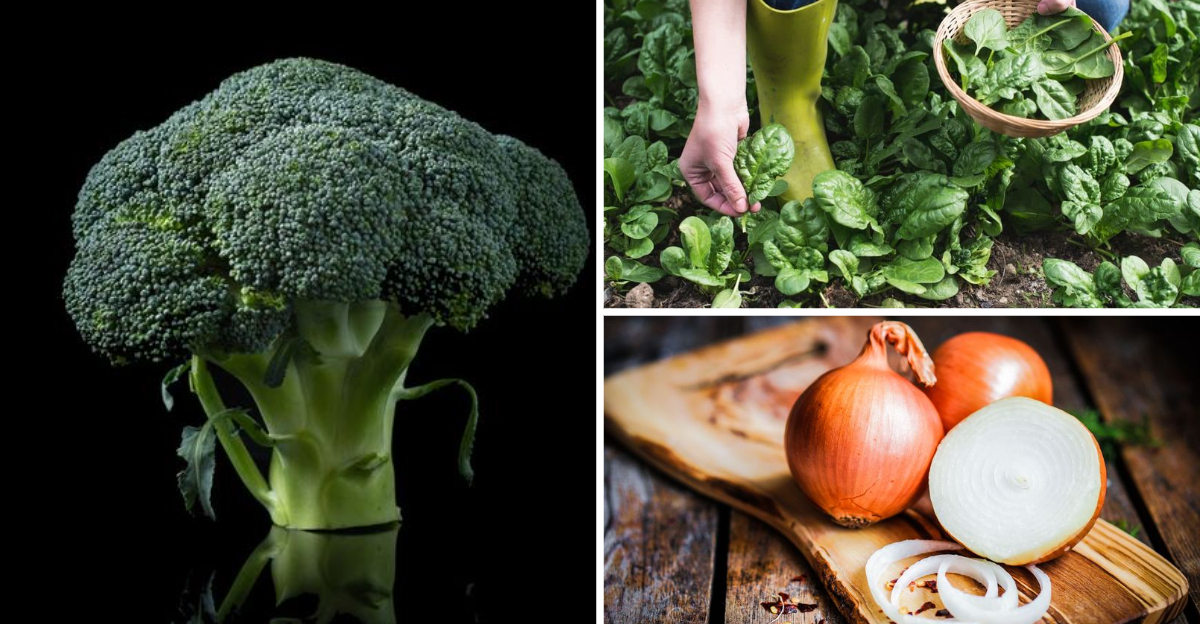
Discover which garden vegetables can significantly boost your immune system and which ones might not contribute much. This guide will help you choose the best veggies for a healthy, immune-boosting diet.
1. Spinach
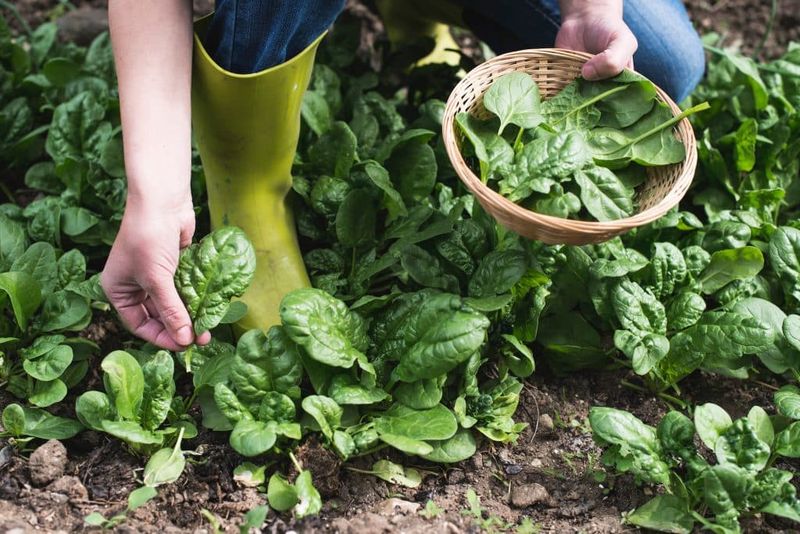
Spinach, with its deep green leaves, packs a punch of nutrients. Rich in vitamins C and E, it strengthens the immune system. Its mild flavor makes it versatile for salads and smoothies. Did you know spinach was a favorite of ancient Persians? This leafy green thrives in cool weather, offering a nutritious addition to any garden. Its high antioxidant content helps combat free radicals, keeping your cells strong. Incorporate spinach into your daily diet to harness its full potential. Its vibrant color and nutritional profile make it a valuable vegetable for health enthusiasts.
2. Kale
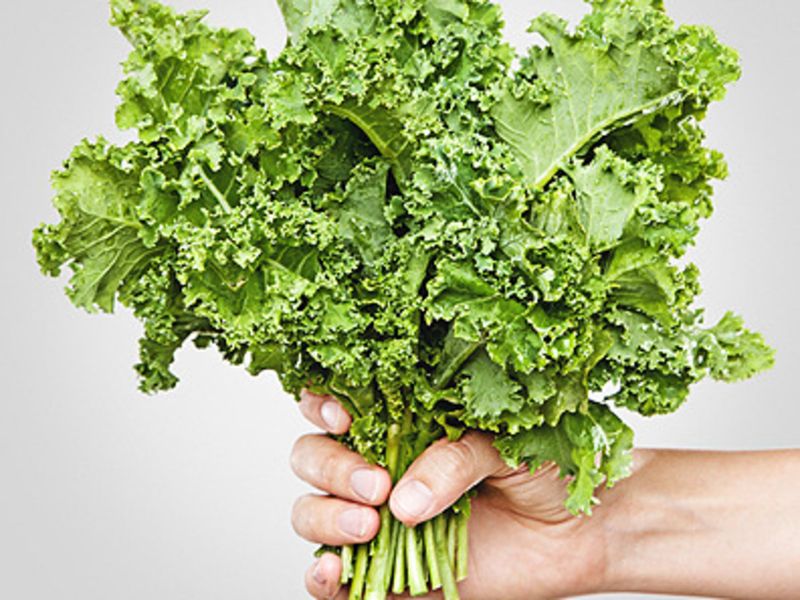
Kale is a powerhouse among leafy greens. Its curly leaves are packed with vitamin C, making it a top contender for immune support. This vegetable has a rich history, once a staple in ancient Greek diets. Its robust flavor and hearty texture make it ideal for soups and salads. Kale’s high antioxidant levels provide significant health benefits, supporting overall well-being. Its versatility in the kitchen makes it a favorite among chefs and home cooks alike. Add kale to your meals to enjoy its immune-boosting properties and enhance your health.
3. Broccoli
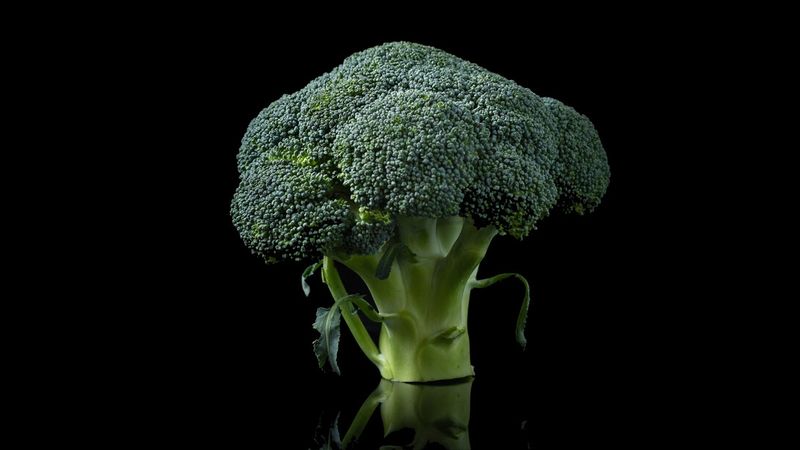
Broccoli, with its tree-like structure, is a nutrient-dense vegetable. It’s rich in vitamins C and K, crucial for immune function. This vibrant green veggie has been cultivated since Roman times, prized for its health benefits. Its crunchy texture and slightly bitter taste make it a unique addition to dishes. Broccoli’s high fiber content supports digestive health, while antioxidants aid in cell protection. Incorporate broccoli into your diet to strengthen your immune system and promote overall health. Its versatility in cooking allows for endless culinary possibilities.
4. Carrots
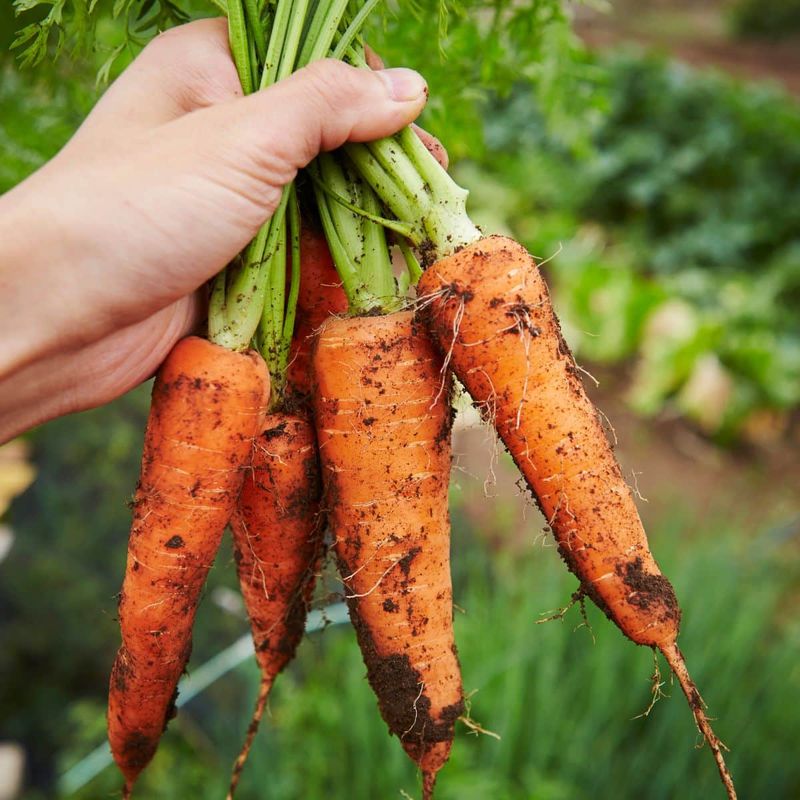
Carrots, with their bright orange hue, are iconic in the world of vegetables. They are rich in beta-carotene, which the body converts to vitamin A, essential for immune function. These root vegetables have a sweet, earthy flavor, making them a favorite snack. Carrots have been cultivated for thousands of years, originally grown for their aromatic leaves. Their crunchy texture and vibrant color make them appealing to both children and adults. Incorporate carrots into your diet to enhance your immune system and enjoy their sweet, nutritious goodness.
5. Red Bell Peppers

Red bell peppers, with their bold color and crisp texture, are a rich source of vitamin C. They offer twice the vitamin C content of oranges, supporting a robust immune system. Originally from Central and South America, these peppers add a sweet, tangy flavor to dishes. Their bright hue and juicy crunch make them a delightful addition to any meal. Incorporate red bell peppers into your diet for an extra boost of nutrients. Their versatility in cooking and raw consumption makes them a staple in many cuisines worldwide.
6. Garlic
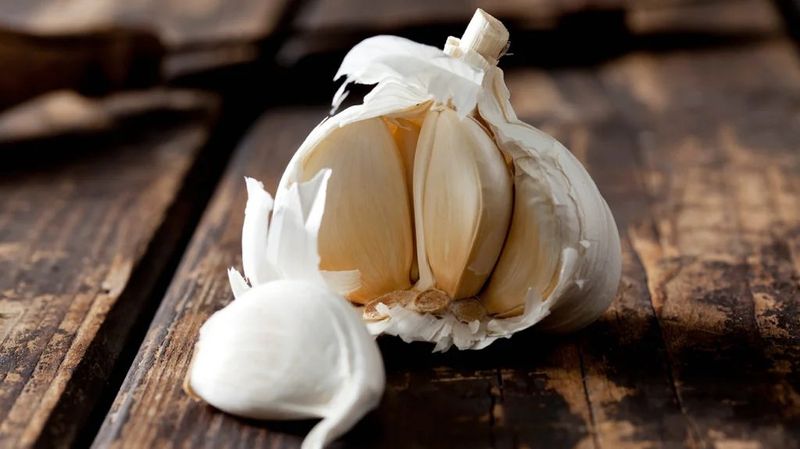
Garlic, with its pungent aroma, is known for its medicinal properties. It’s rich in compounds like allicin, which enhance immune function. This powerful bulb has been used for centuries in various cultures for its health benefits. Its unique flavor adds depth to dishes, from sauces to stews. Garlic’s antibacterial and antiviral properties make it a natural remedy for colds and infections. Incorporate garlic into your meals to boost your immune system and enjoy its bold taste. Its versatility in cooking makes it a beloved ingredient worldwide.
7. Onions
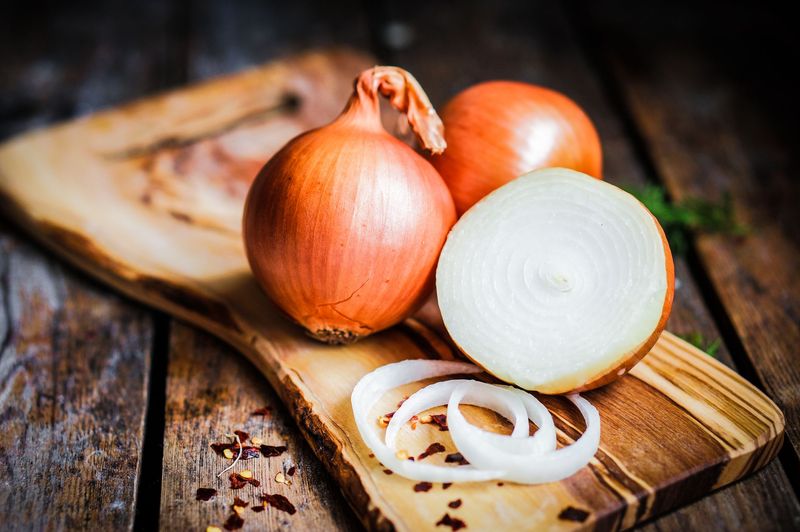
Onions, with their pungent layers, are a staple in kitchens worldwide. They are rich in antioxidants, which support a healthy immune system. This humble vegetable has been cultivated for over 5,000 years, known for its medicinal properties. Onions add depth and flavor to dishes, from soups to stir-fries. Their sulfur compounds, like quercetin, provide anti-inflammatory benefits. Incorporate onions into your diet to enjoy their health-promoting qualities and enhance your immune function. Their versatility in cooking makes them an indispensable ingredient in many cuisines.
8. Sweet Potatoes
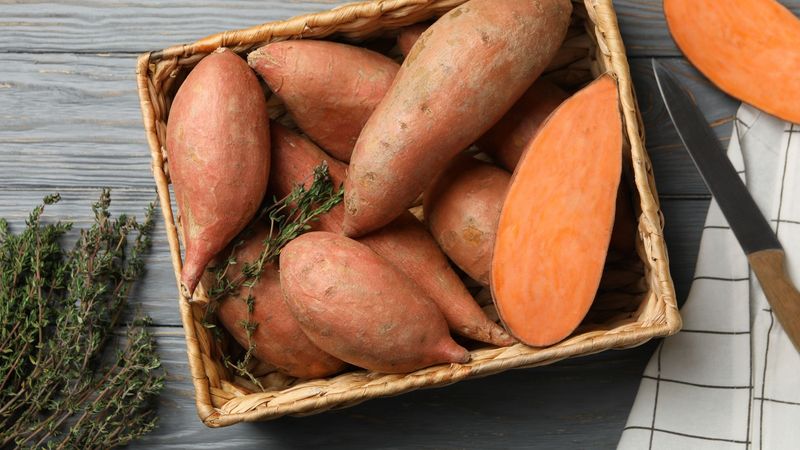
Sweet potatoes, with their vibrant orange flesh, are a nutritional powerhouse. Rich in beta-carotene, they support immune health by converting to vitamin A in the body. These starchy root vegetables have a sweet, earthy flavor, making them a favorite in many dishes. Originating from Central and South America, sweet potatoes have been cultivated for thousands of years. Their high fiber content aids digestion, while antioxidants protect cells from damage. Incorporate sweet potatoes into your diet to enjoy their immune-boosting benefits and delicious taste.
9. Ginger
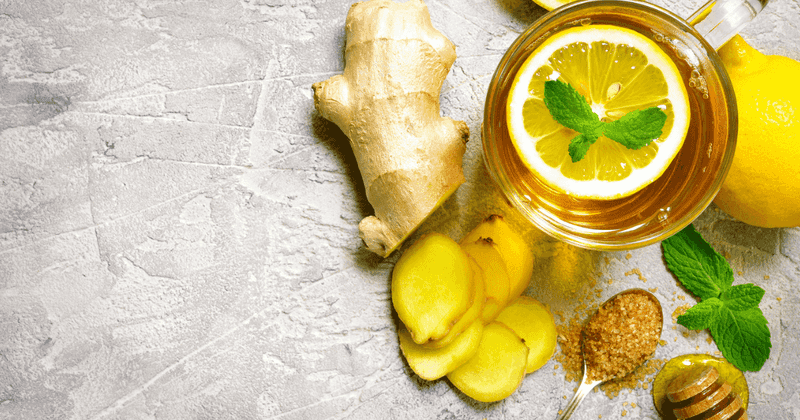
Ginger, with its spicy, warming flavor, is revered for its medicinal qualities. Rich in compounds like gingerol, it aids in boosting the immune system. This knobby root has been used in traditional medicine for centuries, prized for its anti-inflammatory properties. Its versatility in cooking ranges from teas to main dishes. Ginger’s warming sensation and bold taste add depth and character to recipes. Incorporate ginger into your meals to enhance immune function and enjoy its unique flavor. Its therapeutic benefits make it a staple in holistic health practices.
10. Turmeric
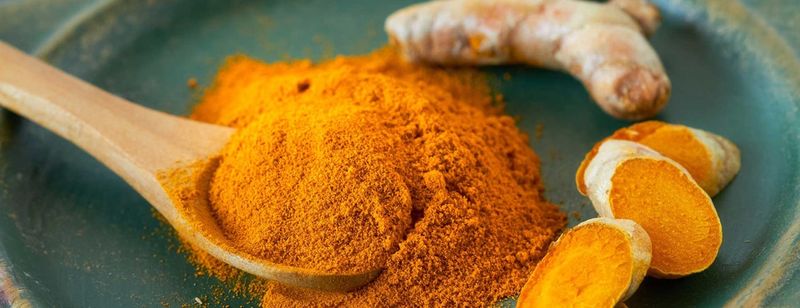
Turmeric, with its golden hue, is a potent anti-inflammatory. Rich in curcumin, it supports immune health by reducing inflammation. This ancient spice has been used in Ayurvedic medicine for thousands of years. Its earthy, slightly bitter taste adds depth to curries and soups. Turmeric’s vibrant color and health benefits make it a valuable addition to any diet. Incorporate turmeric into your meals for its immune-boosting properties and enjoy its rich flavor. Its versatility in cooking and health benefits have made it a staple in kitchens worldwide.
11. Beets
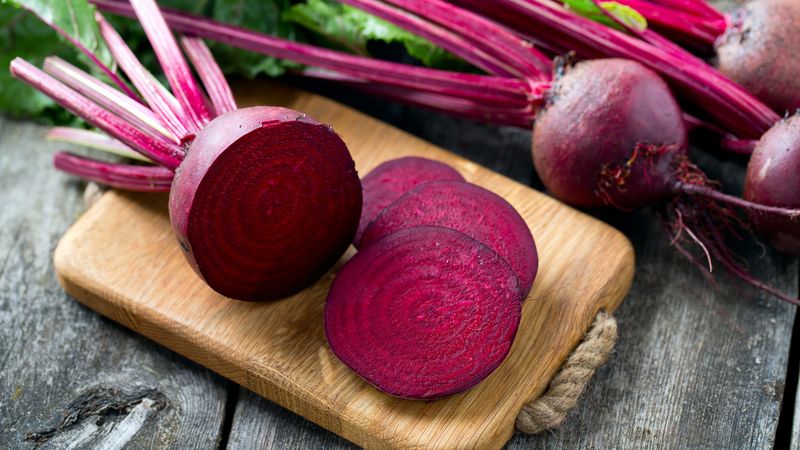
Beets, with their vibrant red color, are rich in nutrients that support immune health. High in vitamin C and essential minerals, they aid in cell repair and function. These root vegetables have been cultivated since ancient times, known for their earthy sweetness. Beets add a bold, distinct flavor to salads and juices. Their high fiber content aids digestion, while antioxidants offer protection against free radicals. Incorporate beets into your diet to enjoy their immune-boosting benefits and unique taste. Their vibrant color and nutritional profile make them a standout vegetable.
12. Brussels Sprouts
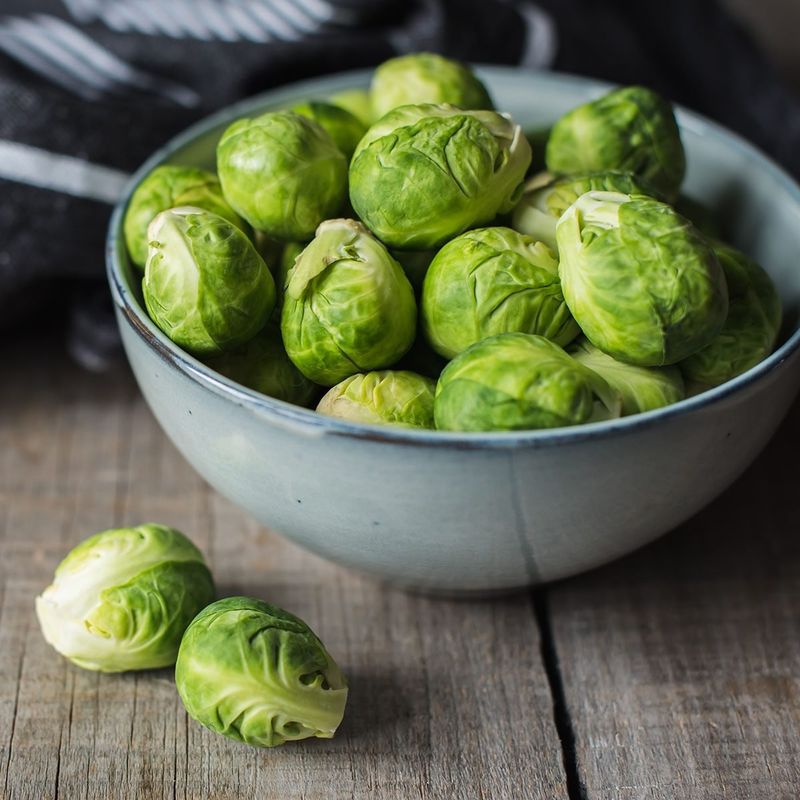
Brussels sprouts, tiny cabbage-like vegetables, are packed with nutrients. They are rich in vitamin C, a key player in immune function. These miniature greens have a slightly bitter taste, adding depth to roasted and sautéed dishes. Brussels sprouts have a long history, cultivated in Belgium since the 13th century. Their high fiber and antioxidant content provide significant health benefits. Incorporate Brussels sprouts into your meals to boost your immune system and enjoy their unique flavor. Their versatility in preparation makes them a favorite among vegetable enthusiasts.
13. Cabbage
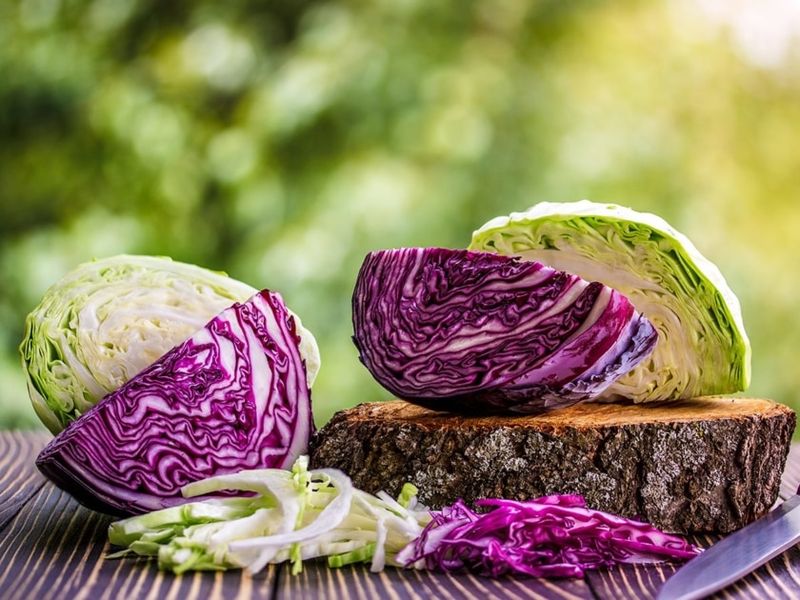
Cabbage, with its crisp, leafy texture, is a staple in many cuisines. Rich in vitamins C and K, it supports immune health and bone strength. This humble vegetable has been cultivated for thousands of years, known for its versatility. Cabbage adds a refreshing crunch to salads and slaws. Its high fiber content aids digestion, while antioxidants protect cells from damage. Incorporate cabbage into your diet to enjoy its immune-boosting benefits and crisp texture. Its adaptability in cooking makes it a beloved ingredient worldwide.
14. Cauliflower
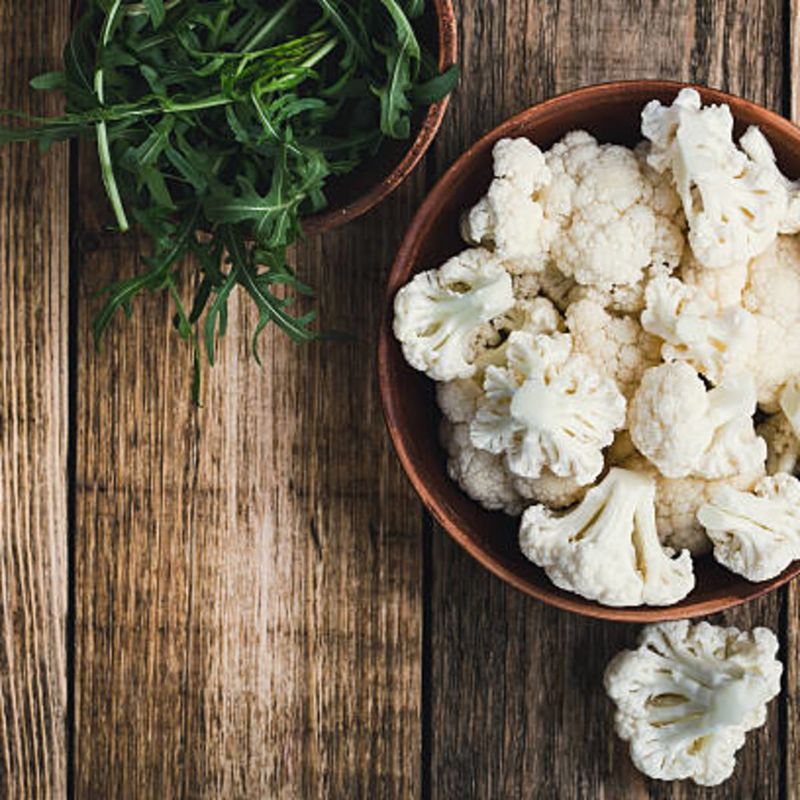
Cauliflower, with its unique texture, is a versatile vegetable. It’s rich in vitamin C, crucial for immune function. This cruciferous vegetable has been cultivated since ancient times, known for its health benefits. Its mild flavor allows it to blend seamlessly into various dishes, from soups to curries. Cauliflower’s high fiber content supports digestion, while antioxidants aid in cell protection. Incorporate cauliflower into your diet to enjoy its immune-boosting properties and culinary flexibility. Its potential to mimic other foods makes it a favorite for innovative cooking.
15. Cucumbers
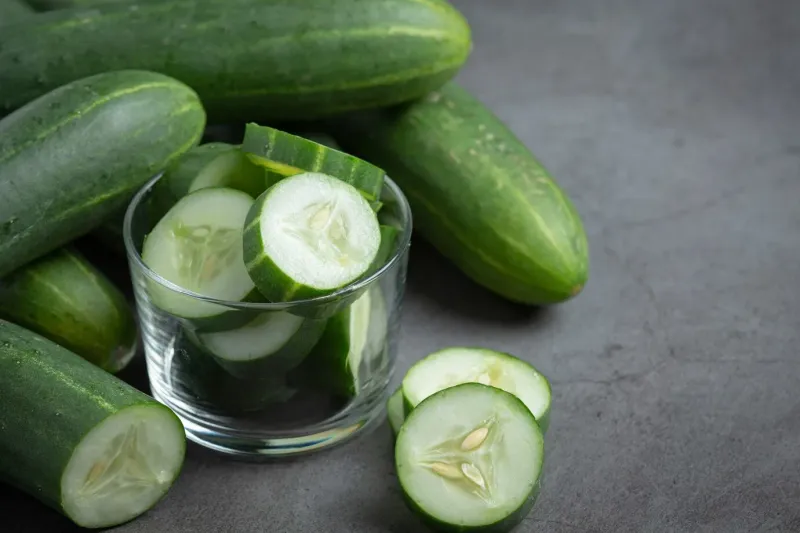
Cucumbers, with their refreshing crunch, are a hydrating vegetable. While not a major immune booster, they provide essential nutrients like vitamin K. These cool, green veggies have been cultivated for thousands of years, prized for their hydration properties. Cucumbers add a crisp texture to salads and sandwiches. Their high water content and mild flavor make them a cooling addition to meals. Incorporate cucumbers into your diet for their hydrating benefits and fresh taste. Although not a top immune booster, they offer essential nutrients for overall health.
16. Lettuce
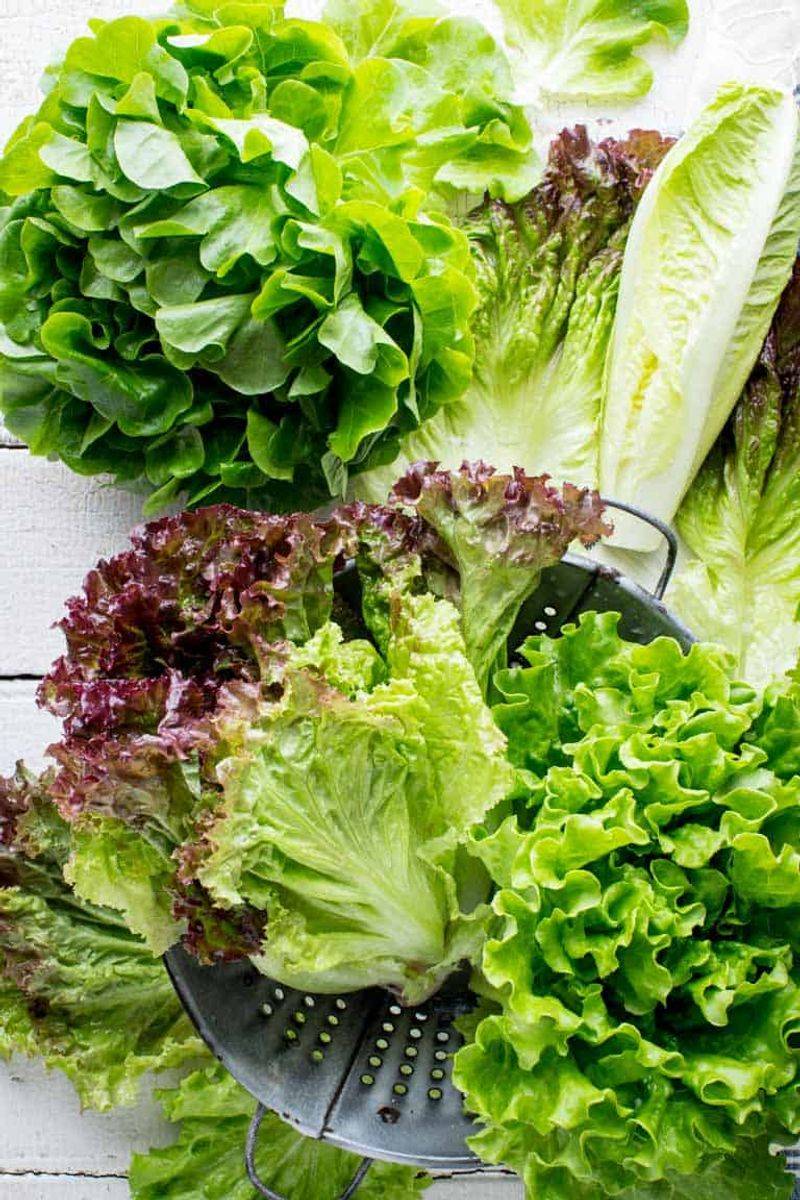
Lettuce, with its crisp leaves, is a staple in salads. While not a major immune booster, it provides essential nutrients like vitamins A and K. This leafy green has been cultivated since ancient Egypt, known for its refreshing qualities. Lettuce adds a mild, cool taste to dishes, perfect for summer meals. Its high water content and low calorie count make it a diet-friendly choice. Incorporate lettuce into your diet for a refreshing addition to meals. Though not the strongest immune booster, it offers vitamins essential for overall health.
17. Mushrooms
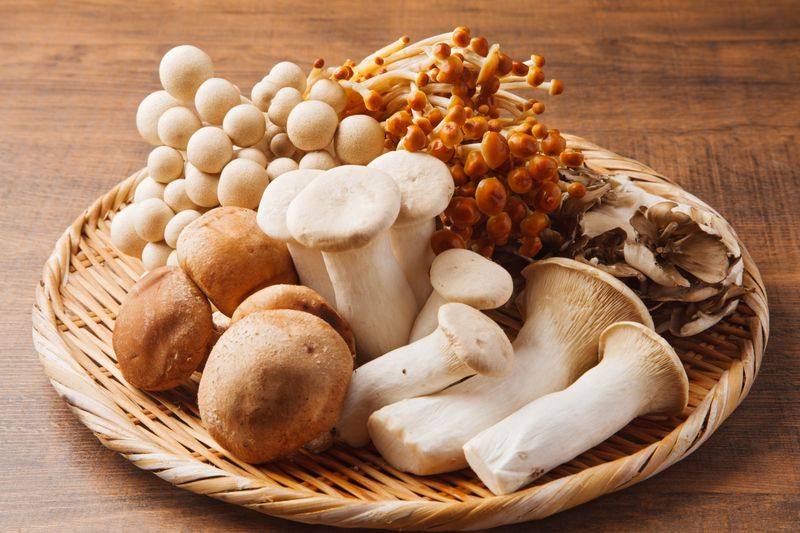
Mushrooms, with their earthy flavor, are unique in the vegetable world. Rich in selenium and B vitamins, they support immune function. These fungi have been used in traditional medicine for centuries, prized for their health benefits. Mushrooms add a savory, umami taste to dishes, from soups to sauces. Their high antioxidant content provides protection against free radicals. Incorporate mushrooms into your meals to boost your immune system and enjoy their distinctive flavor. Their adaptability in cooking and health benefits make them a favorite among chefs and home cooks alike.
18. Eggplant
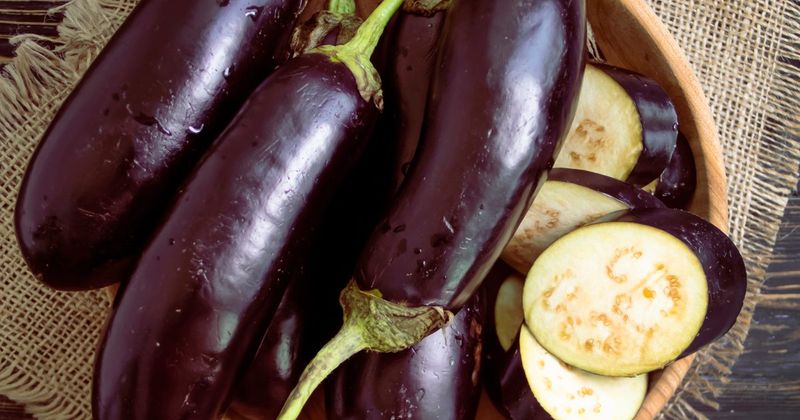
Eggplant, with its glossy purple skin, is a versatile vegetable. While not a major immune booster, it provides essential nutrients like fiber and antioxidants. This nightshade vegetable has been cultivated for centuries, known for its unique taste. Eggplant adds a creamy texture to dishes, from stews to grills. Its mild flavor allows it to absorb spices and flavors well. Incorporate eggplant into your diet for its unique texture and nutritional benefits. Though not the strongest immune booster, it offers dietary fiber and antioxidants for overall health.
19. Zucchini
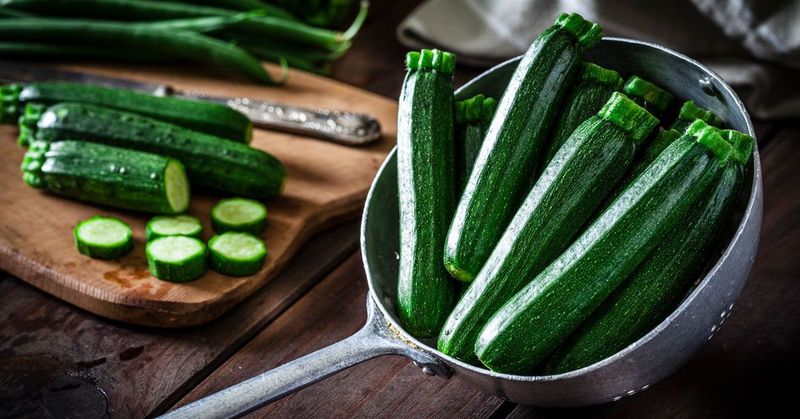
Zucchini, with its tender texture, is a summer squash that complements many dishes. While not a major immune booster, it provides essential nutrients like vitamin C. This versatile vegetable has been cultivated for centuries, valued for its mild flavor. Zucchini adds a light, fresh taste to meals, from sautés to breads. Its high water content and low calorie count make it a diet-friendly option. Incorporate zucchini into your diet for its hydrating benefits and culinary versatility. Though not the strongest immune booster, it offers essential vitamins for health.
20. Peas
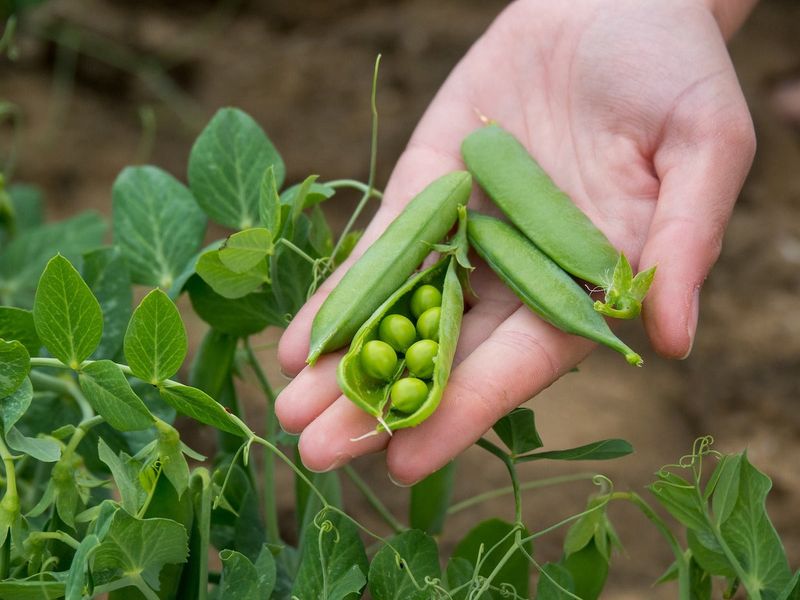
Peas, with their sweet, tender pods, are a delightful vegetable. While not a major immune booster, they provide essential nutrients like vitamins C and K. These legumes have been cultivated for thousands of years, known for their sweet flavor. Peas add a pop of color and nutrition to dishes, from soups to salads. Their high fiber content aids digestion, while vitamins support overall health. Incorporate peas into your diet for their sweet taste and nutritional benefits. Though not the strongest immune booster, they offer essential nutrients for wellness.
21. Radishes
Radishes, with their peppery bite, are a crunchy addition to salads. While not a major immune booster, they provide essential nutrients like vitamin C. These root vegetables have been cultivated since ancient Egypt, known for their spicy flavor. Radishes add a zesty kick to dishes, perfect for adding variety. Their high water content and low calorie count make them a refreshing choice. Incorporate radishes into your diet for their unique taste and nutritional benefits. Though not the strongest immune booster, they offer essential vitamins for health.
22. Turnips
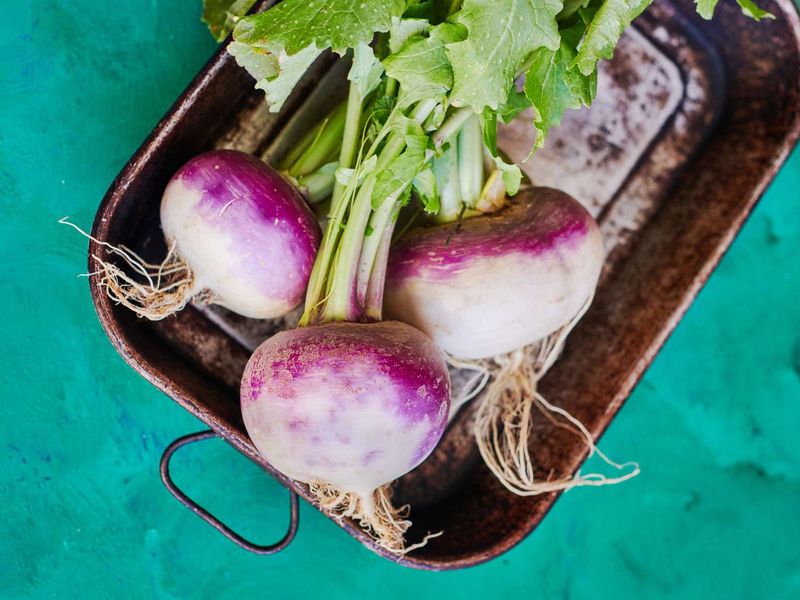
Turnips, with their earthy flavor, are a versatile root vegetable. While not a major immune booster, they provide essential nutrients like vitamin C. These vegetables have been cultivated for thousands of years, known for their hearty taste. Turnips add a robust flavor to dishes, from stews to roasts. Their high fiber content aids digestion, while antioxidants offer health benefits. Incorporate turnips into your diet for their unique flavor and nutritional benefits. Though not the strongest immune booster, they offer essential nutrients for overall wellness.
23. Celery
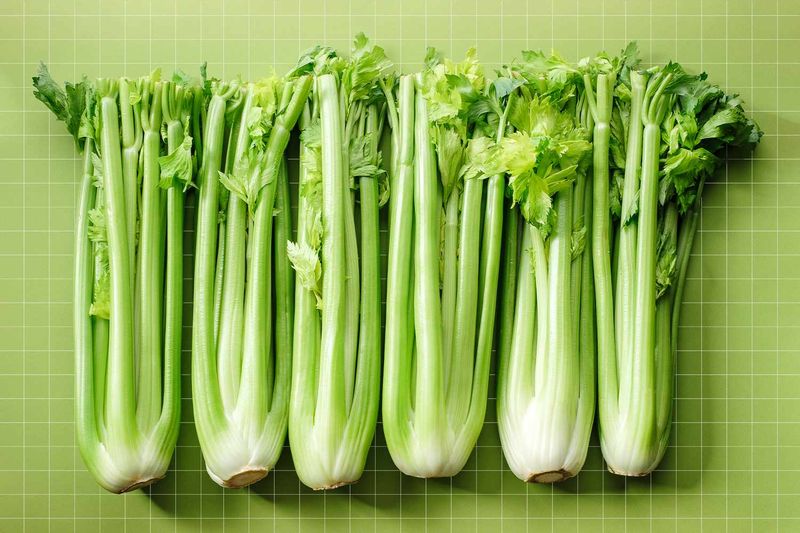
Celery, with its crisp texture, is a refreshing vegetable. While not a major immune booster, it provides essential nutrients like vitamin K. This stalky vegetable has been cultivated for thousands of years, known for its hydrating properties. Celery adds a crunchy texture to dishes, from salads to soups. Its high water content and low calorie count make it a diet-friendly option. Incorporate celery into your diet for its hydrating benefits and fresh taste. Though not the strongest immune booster, it offers essential vitamins for health.
24. Bok Choy
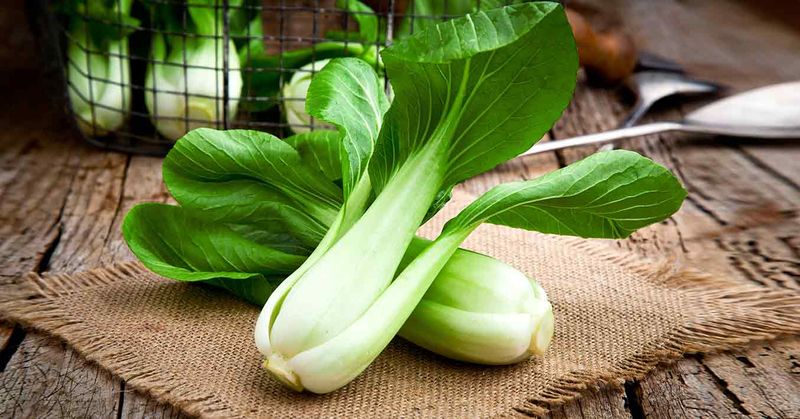
Bok choy, with its crisp leaves and stalks, is a staple in Asian cuisine. Rich in vitamins C and K, it supports immune health and bone strength. This leafy green has been cultivated for centuries, known for its refreshing taste. Bok choy adds a mild, sweet flavor to dishes, perfect for stir-fries and soups. Its high water content and low calorie count make it a diet-friendly choice. Incorporate bok choy into your diet for its immune-boosting benefits and culinary versatility. Its adaptability in cooking makes it a beloved ingredient worldwide.
25. Swiss Chard
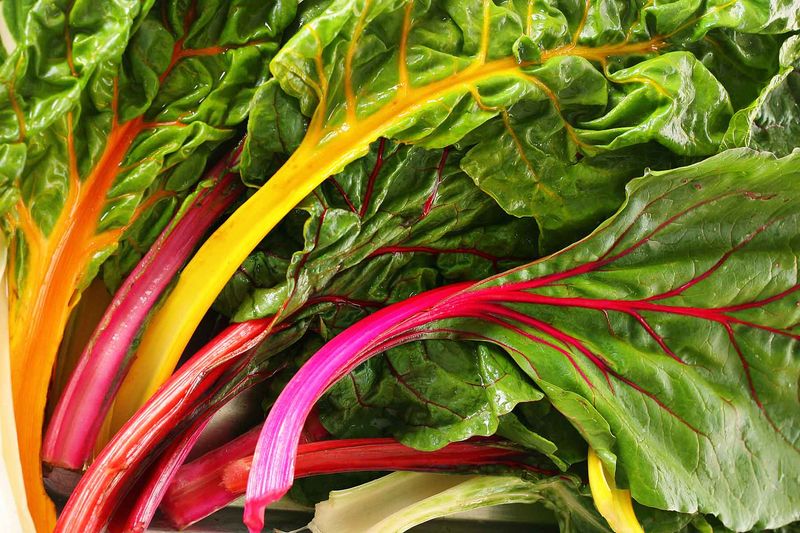
Swiss chard, with its vibrant stalks, is a nutrient-rich green. Rich in vitamins A and K, it supports immune and bone health. This leafy vegetable has been cultivated since ancient times, known for its colorful appearance. Swiss chard adds a mild, slightly bitter taste to dishes, from sautés to soups. Its high fiber content aids digestion, while antioxidants offer health benefits. Incorporate Swiss chard into your diet for its immune-boosting properties and vibrant color. Its versatility in cooking makes it a favorite among vegetable enthusiasts.
26. Asparagus
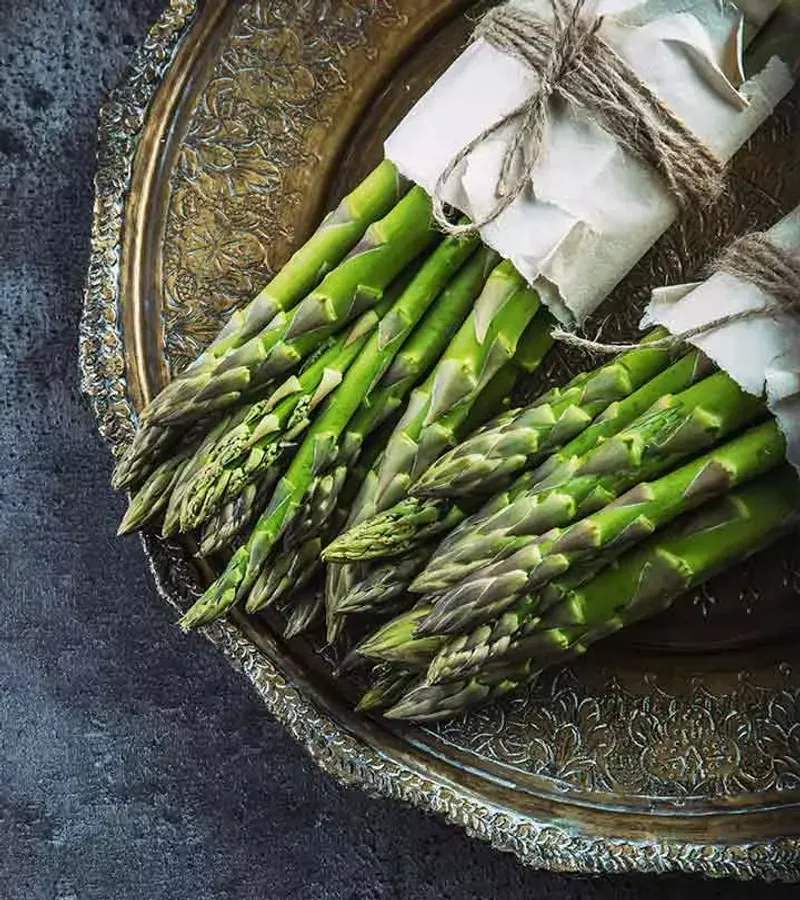
Asparagus, with its tender spears, is a seasonal favorite. Rich in vitamins A, C, and E, it supports immune health. This perennial vegetable has been cultivated for thousands of years, prized for its unique flavor. Asparagus adds a delicate, slightly sweet taste to dishes, from grills to salads. Its high fiber content aids digestion, while antioxidants offer protection against free radicals. Incorporate asparagus into your diet for its immune-boosting benefits and distinct taste. Its seasonal availability makes it a cherished addition to spring meals.
27. Artichokes
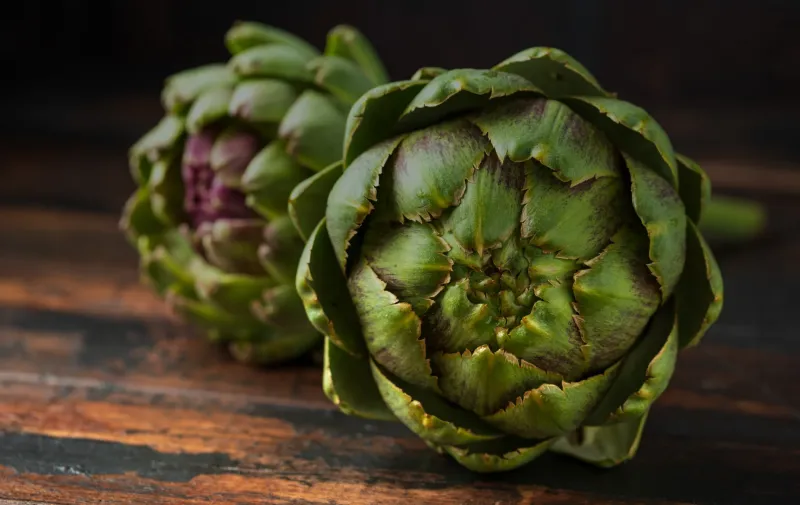
Artichokes, with their spiky leaves, are a unique vegetable. Rich in vitamin C and antioxidants, they support immune health. These thistle-like vegetables have been cultivated since ancient Greece, known for their hearty flavor. Artichokes add a rich, nutty taste to dishes, from dips to salads. Their high fiber content aids digestion, while antioxidants provide health benefits. Incorporate artichokes into your diet for their immune-boosting properties and distinctive taste. Their unique appearance and flavor make them a favorite among adventurous eaters.
28. Leeks
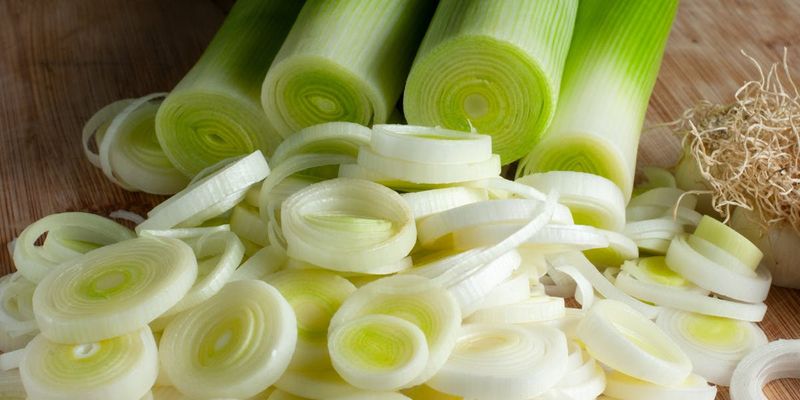
Leeks, with their subtle onion-like flavor, are a versatile vegetable. Rich in vitamins A, C, and K, they support immune health. These alliums have been cultivated for centuries, known for their mild taste. Leeks add a delicate, slightly sweet flavor to dishes, from soups to stews. Their high fiber content aids digestion, while antioxidants offer health benefits. Incorporate leeks into your diet for their unique taste and immune-boosting properties. Their mild flavor and versatility make them a beloved ingredient in many cuisines worldwide.
29. Fennel
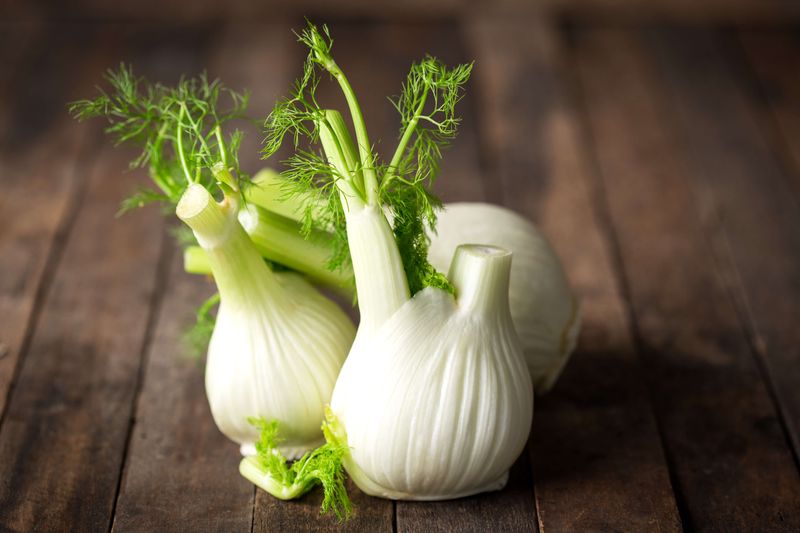
Fennel, with its sweet, licorice-like flavor, is a distinctive vegetable. Rich in vitamin C and antioxidants, it supports immune health. This aromatic plant has been cultivated since ancient times, known for its unique taste. Fennel adds a crisp, refreshing flavor to dishes, from salads to stews. Its high fiber content aids digestion, while antioxidants provide health benefits. Incorporate fennel into your diet for its immune-boosting properties and unique taste. Its aromatic quality and versatility make it a favorite among chefs and home cooks alike.
30. Radicchio
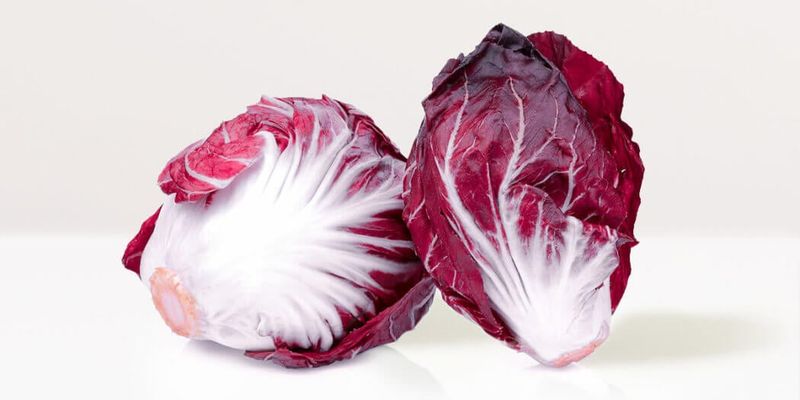
Radicchio, with its vibrant red leaves, is a bold, crunchy vegetable. While not a major immune booster, it provides essential nutrients like vitamin K. This leafy vegetable has been cultivated for centuries, known for its slightly bitter taste. Radicchio adds a pop of color and flavor to salads and pastas. Its high fiber content aids digestion, while vitamins support overall health. Incorporate radicchio into your diet for its unique taste and nutritional benefits. Though not the strongest immune booster, it offers essential nutrients for wellness.
31. Parsley
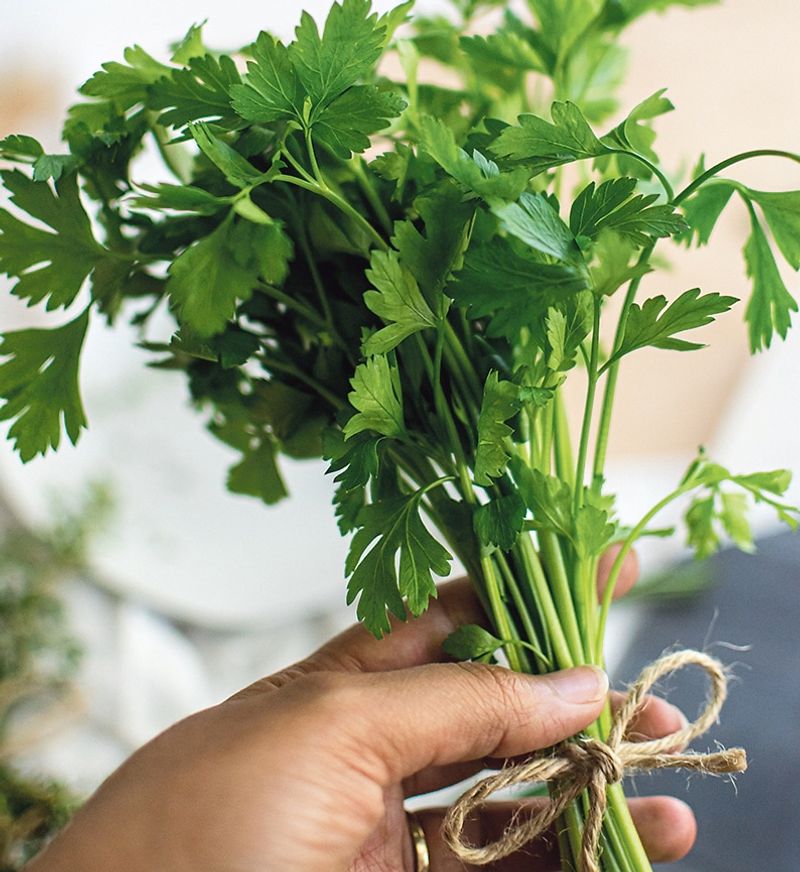
Parsley, with its bright green leaves, is more than just a garnish. Rich in vitamins A, C, and K, it supports immune health. This aromatic herb has been cultivated for centuries, known for its fresh taste. Parsley adds a burst of flavor to dishes, from soups to salads. Its high antioxidant content provides protection against free radicals. Incorporate parsley into your meals for its immune-boosting properties and vibrant flavor. Its versatility in cooking and health benefits make it a staple in many kitchens worldwide.
32. Pumpkin
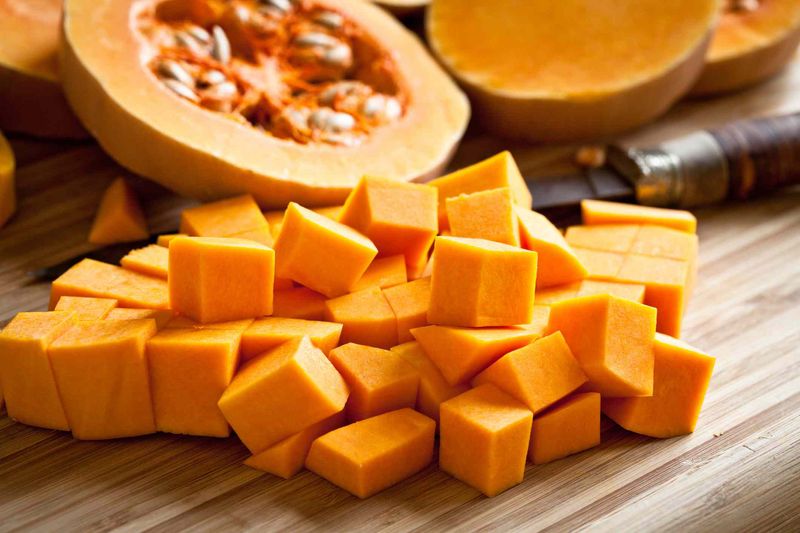
Pumpkin, with its rich orange flesh, is a fall favorite. Rich in beta-carotene, it supports immune health by converting to vitamin A in the body. This iconic squash has been cultivated for thousands of years, known for its sweet, earthy flavor. Pumpkin adds a creamy texture to dishes, from pies to soups. Its high fiber content aids digestion, while antioxidants offer protection against cell damage. Incorporate pumpkin into your diet for its immune-boosting benefits and delicious taste. Its vibrant color and versatility make it a cherished autumn ingredient.