 Complete Gardening
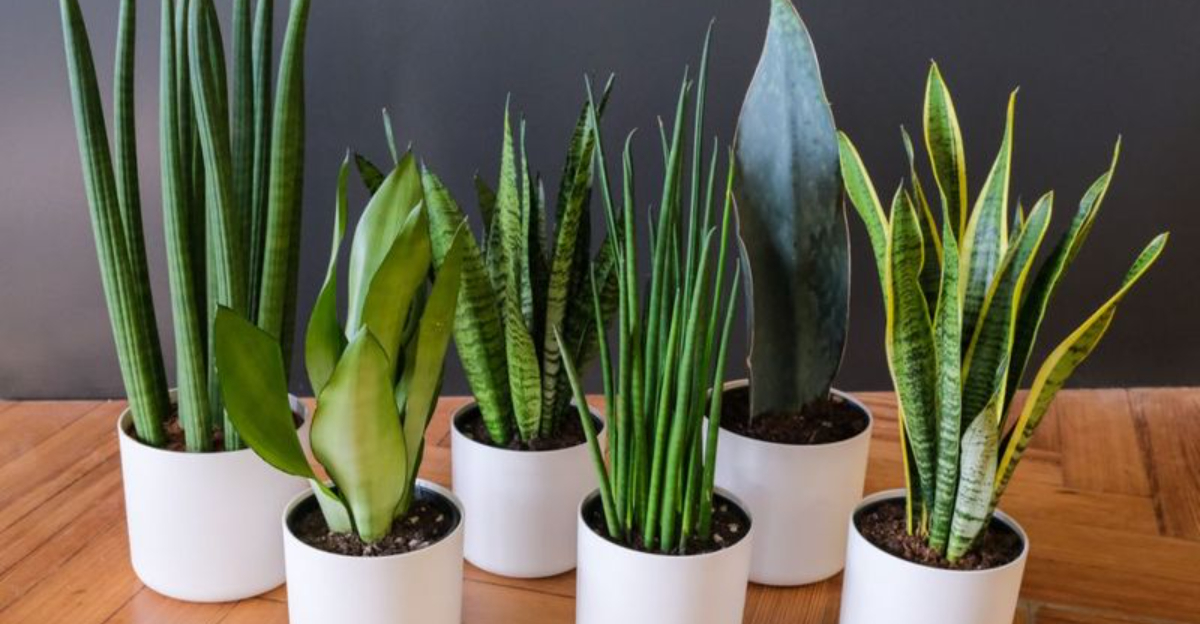
Houseplants can be a delightful addition to any indoor space, but some require extra attention to thrive. Regular repotting is essential for certain species to prevent root crowding and nutrient depletion. Here, we explore 25 houseplants that need frequent repotting to avoid decline and ensure vibrant growth.
1. Golden Pothos (Epipremnum aureum)
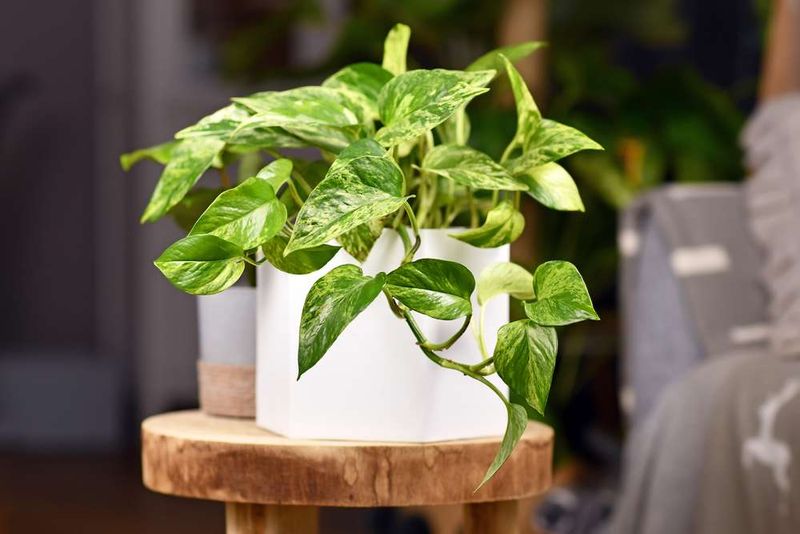
Golden Pothos, known for its trailing vines and vibrant leaves, quickly becomes root-bound. This vigorous plant thrives when its roots have room to expand. Within a year, the once nutrient-rich potting soil becomes depleted.
When this happens, the plant begins to starve, leading to yellowing leaves and stunted growth. Regular repotting into fresh soil ensures it maintains its lush appearance.
Considered a symbol of prosperity, the Golden Pothos not only enriches your home but also requires a bit of nurturing to keep its foliage healthy.
2. Monstera deliciosa
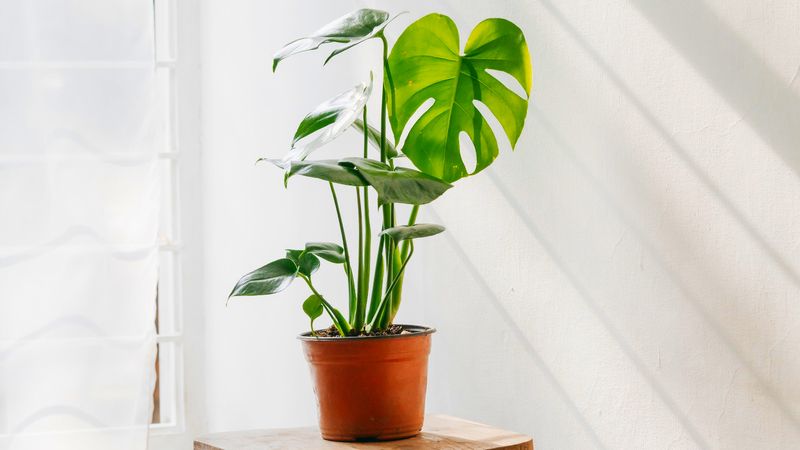
Monstera deliciosa, with its dramatic split leaves, often outgrows its pot due to its vigorous root system. As it expands, the soil becomes compacted, leading to yellowing and stunted leaves.
This tropical beauty needs repotting regularly to prevent nutrient loss and ensure its striking foliage maintains its grandeur.
Did you know? In its native habitat, this plant’s aerial roots help it climb trees, reaching sunlight more effectively.
3. Heartleaf Philodendron (Philodendron hederaceum)
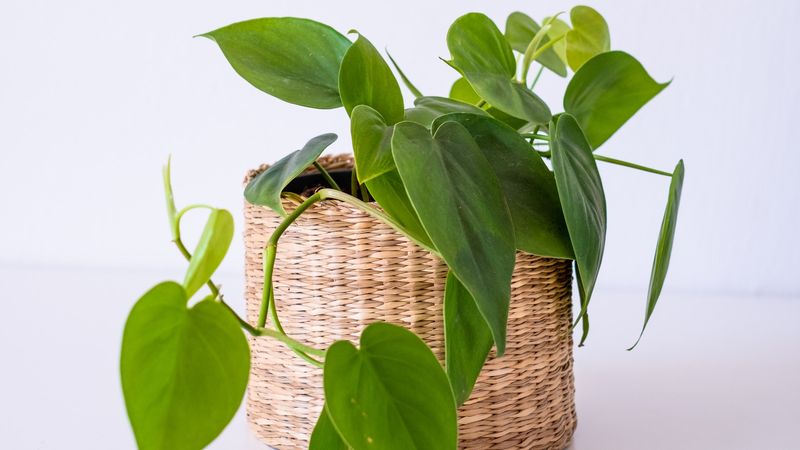
The Heartleaf Philodendron is a beloved houseplant known for its elegant, heart-shaped leaves. Its aggressive root system can quickly deplete the potting mix, leading to sudden wilting.
To prevent this, an annual refresh of the soil is vital, ensuring the plant receives adequate nutrients.
Its easy-care nature makes it perfect for beginners, but it still demands attention when it comes to repotting.
4. Fiddle-Leaf Fig (Ficus lyrata)
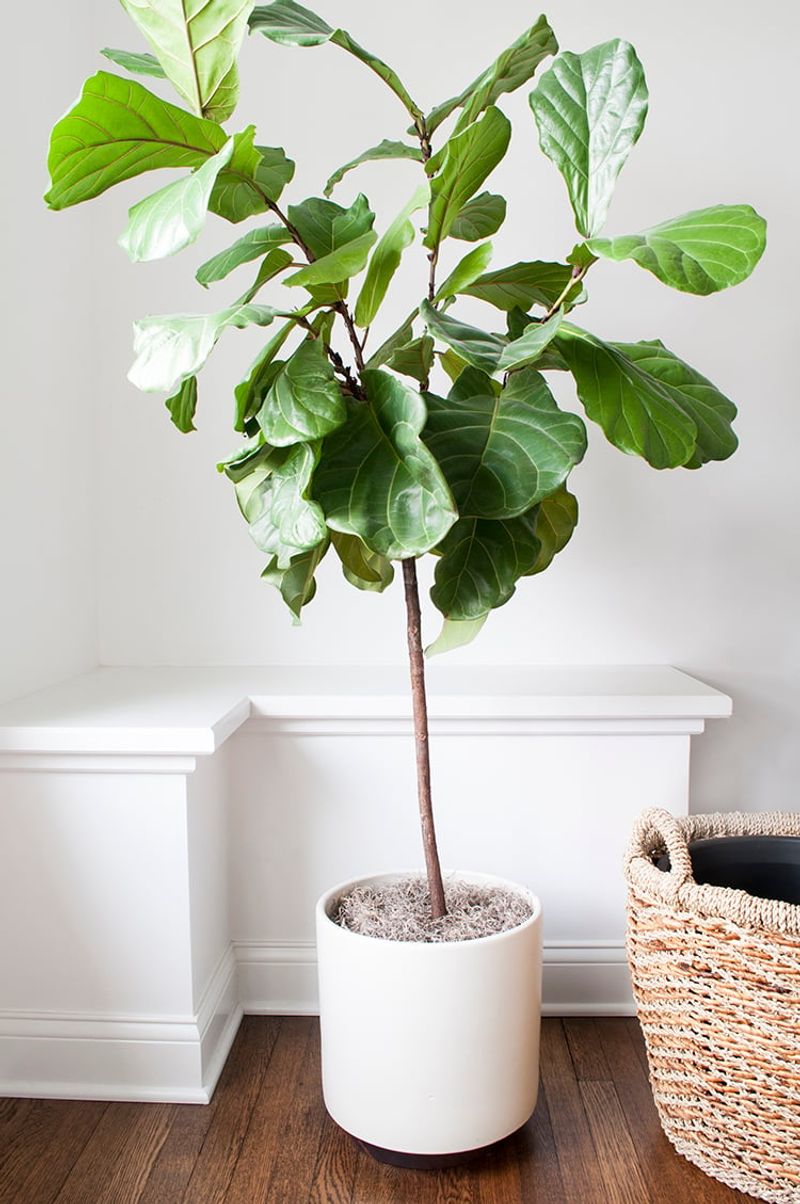
The Fiddle-Leaf Fig, adored for its large, glossy leaves, can become top-heavy as it grows. Its soil breaks down over time, leading to potential root rot if not addressed.
Repotting into a new, airy mix every 1–2 years is crucial. This ensures the plant remains healthy and continues to grace interiors with its impressive stature.
One fun fact: This plant can grow up to 10 feet indoors, making it a standout feature in any room.
5. Peace Lily (Spathiphyllum spp.)
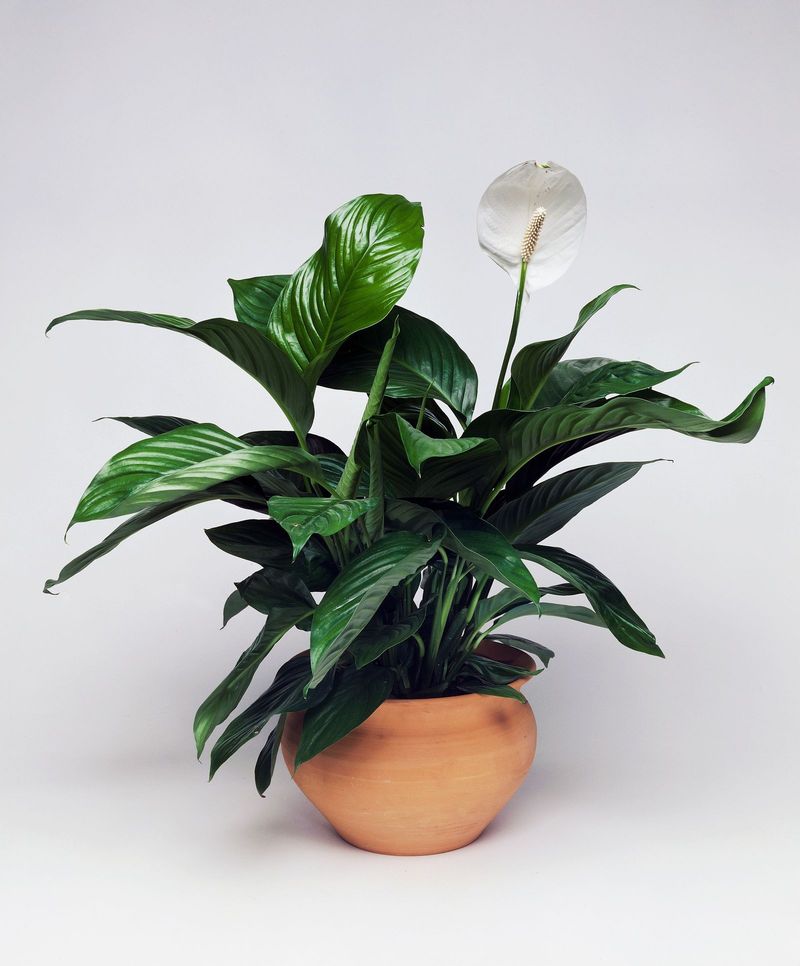
Peace Lilies are admired for their lush foliage and striking white blooms. However, their fast-growing roots and constant moisture needs can compact soil quickly.
This leads to brown leaf tips and eventual collapse if not repotted regularly. Ensuring the soil remains loose and nutrient-rich is key to maintaining its vibrant look.
Did you know? Peace Lilies are known to improve indoor air quality, making them both beautiful and beneficial.
6. Spider Plant (Chlorophytum comosum)
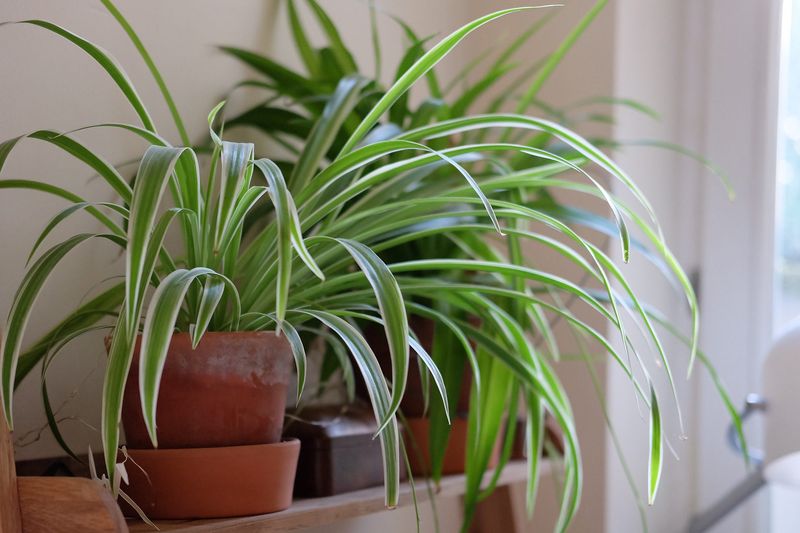
Spider Plants are famous for their arching leaves and baby plantlets. Over time, they produce dense root balls that can overcrowd their pots.
When this happens, the mother plant weakens, and the pups fail to thrive. Repotting ensures the plant remains robust and continues to propagate.
Known for their air-purifying qualities, Spider Plants are a great addition to any room, offering both beauty and function.
7. African Violet (Saintpaulia ionantha)
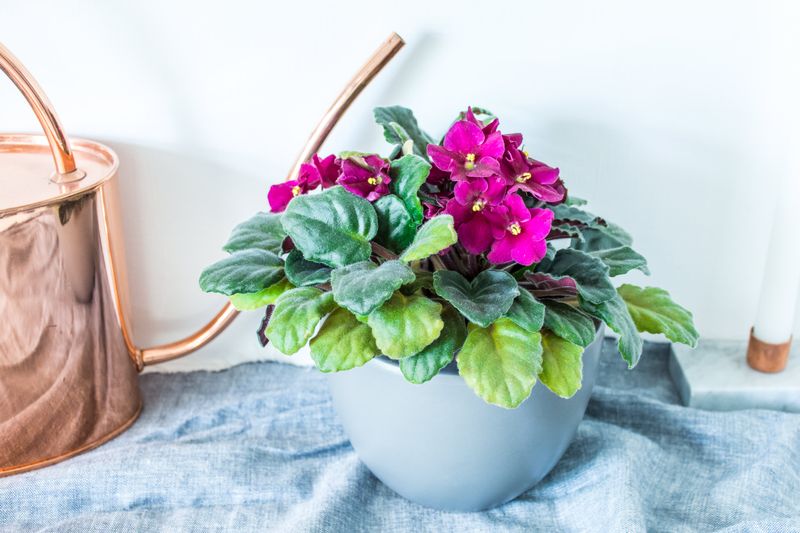
African Violets, with their velvety leaves and vibrant flowers, are a favorite among houseplant enthusiasts. However, their shallow roots exhaust nutrients in just 6–12 months.
Without repotting, flower drop and leaf yellowing are common issues. Refreshing the soil regularly ensures continued blooms and a healthy plant.
Interestingly, despite their name, African Violets are not true violets but belong to the Gesneriaceae family.
8. Rex Begonia (Begonia rex)
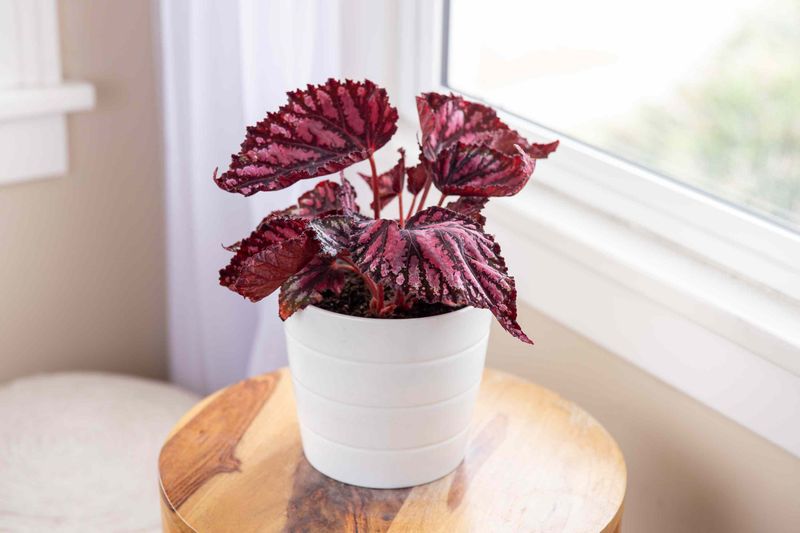
Rex Begonias captivate with their intricate, colorful foliage. Their shallow roots are delicate, requiring fresh, loose soil annually to prevent rot.
If left in a soggy, depleted mix, the plant risks losing its vibrant leaves. Regular repotting is essential for maintaining its unique beauty.
These begonias are not just visually stunning but also offer a touch of exotic charm to any indoor space.
9. Calathea spp.
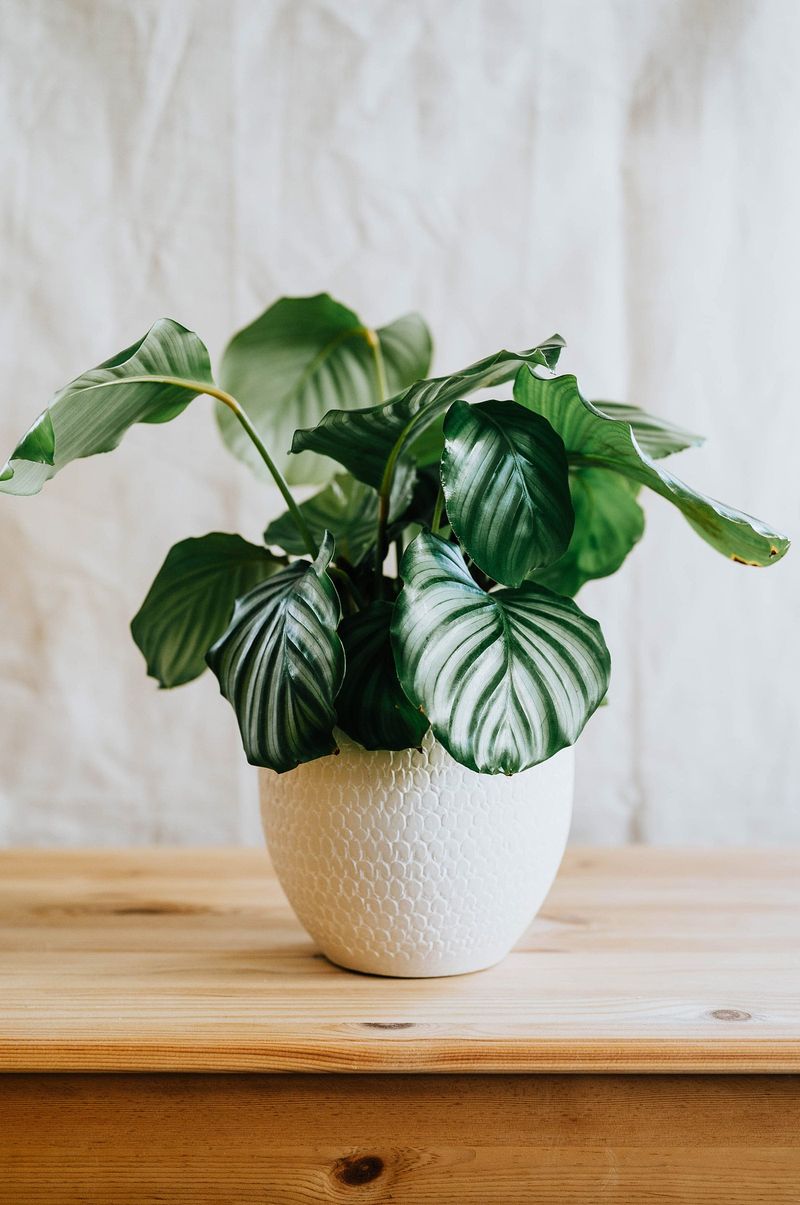
Calatheas are known for their moisture-loving nature and striking leaf patterns. However, their delicate roots struggle in compacted, nutrient-poor soil.
Without repotting, you’ll notice crispy, drooping leaves. To keep them vibrant, ensure they have fresh soil regularly.
These plants also showcase the fascinating phenomenon of nyctinasty, where their leaves close at night, providing dynamic visual interest.
10. Dracaena marginata
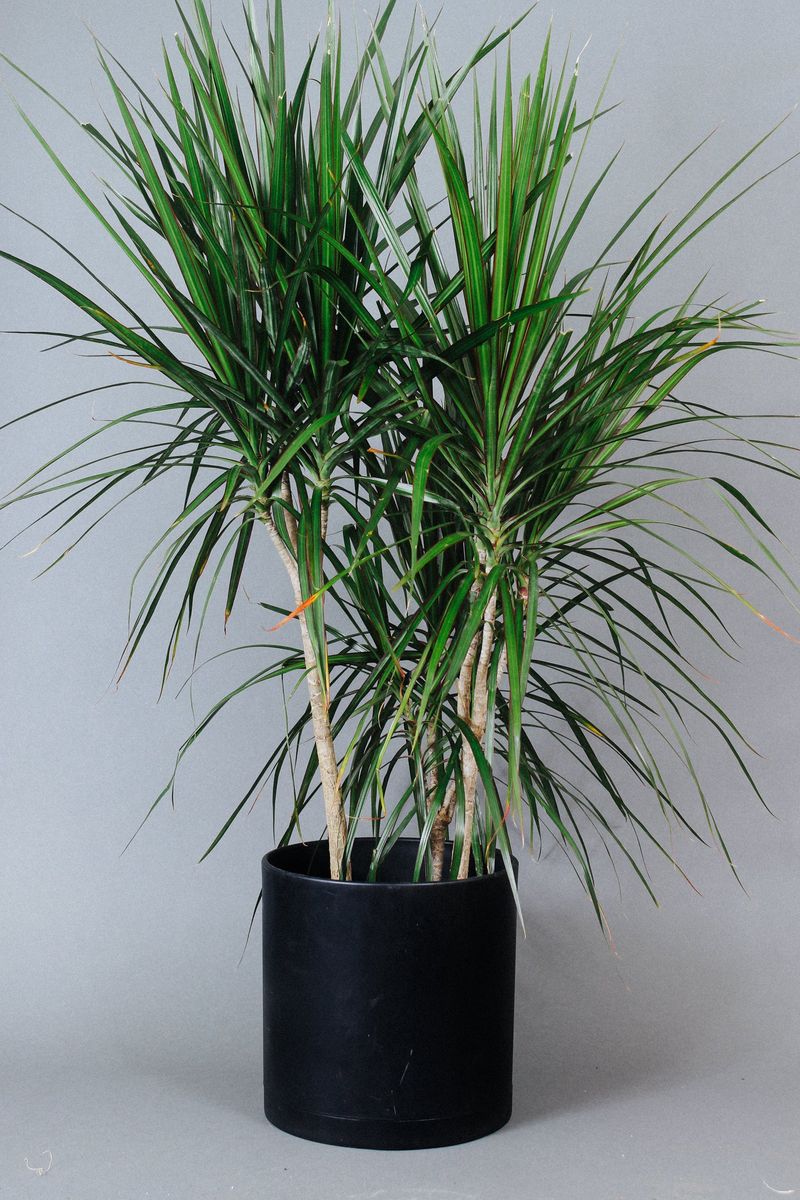
Dracaena marginata boasts slender, arching leaves that add a touch of elegance. Its roots, however, can outgrow small pots over time.
This results in yellowing canes and tip dieback if not addressed. Regular repotting is crucial to maintain its graceful appearance and health.
Known for being low-maintenance, Dracaenas are perfect for busy plant lovers but still appreciate occasional TLC during repotting.
11. Rubber Plant (Ficus elastica)
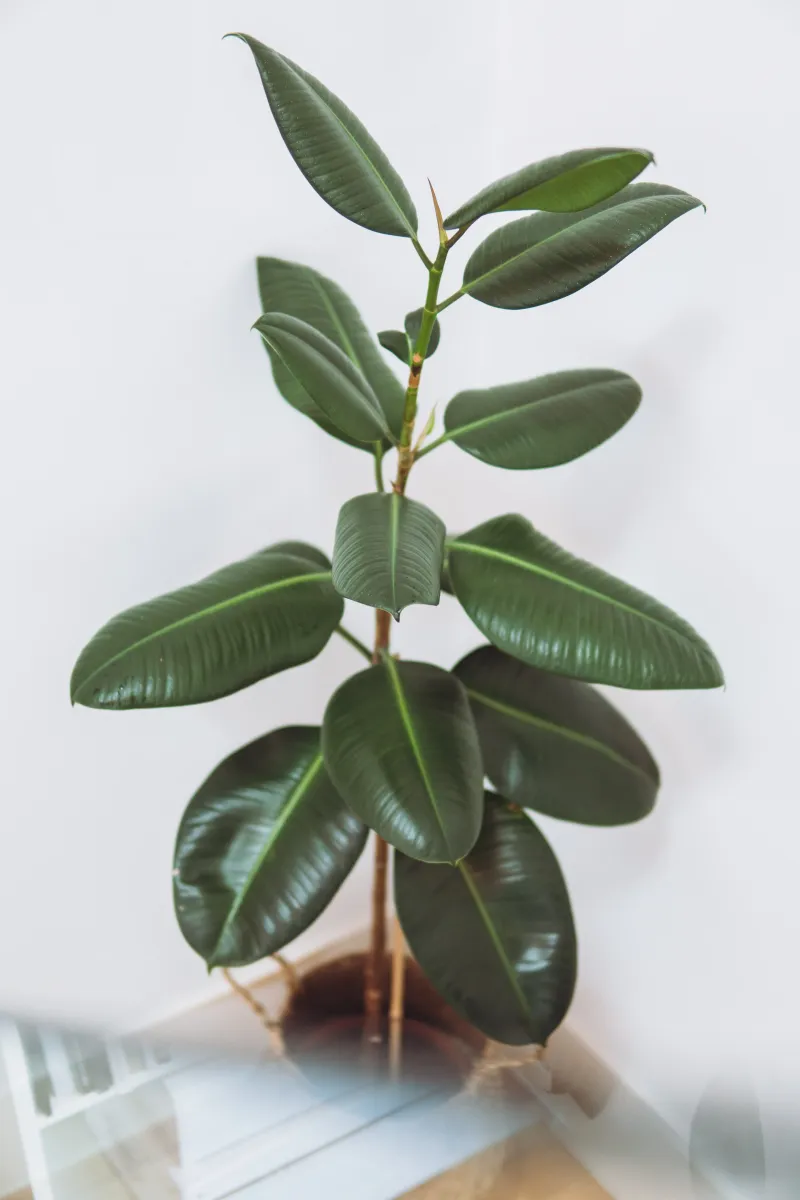
Rubber Plants are loved for their broad, glossy leaves. As they grow, their roots seek space, pushing out of pots and causing leaf drop.
Cramped conditions also slow growth, making regular repotting essential. This ensures the plant continues to thrive and beautify any space.
Fun fact: The sap of Rubber Plants is a natural source of latex, adding an intriguing aspect to their appeal.
12. Schefflera actinophylla
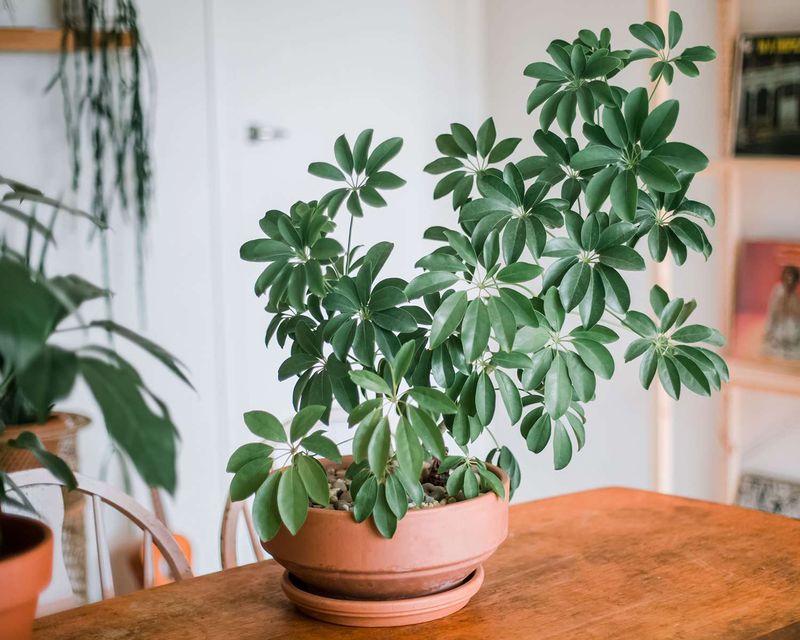
Schefflera, often called the Umbrella Plant, showcases rapid shoot and root growth. Within 12–18 months, it depletes soil nutrients, leading to brown leaf edges.
Branch dieback can occur if not repotted regularly. Keeping the soil fresh ensures it remains a lively and attractive addition to homes.
Interestingly, Scheffleras are known to produce a unique umbrella-like leaf pattern, enhancing their decorative appeal.
13. Ponytail Palm (Beaucarnea recurvata)
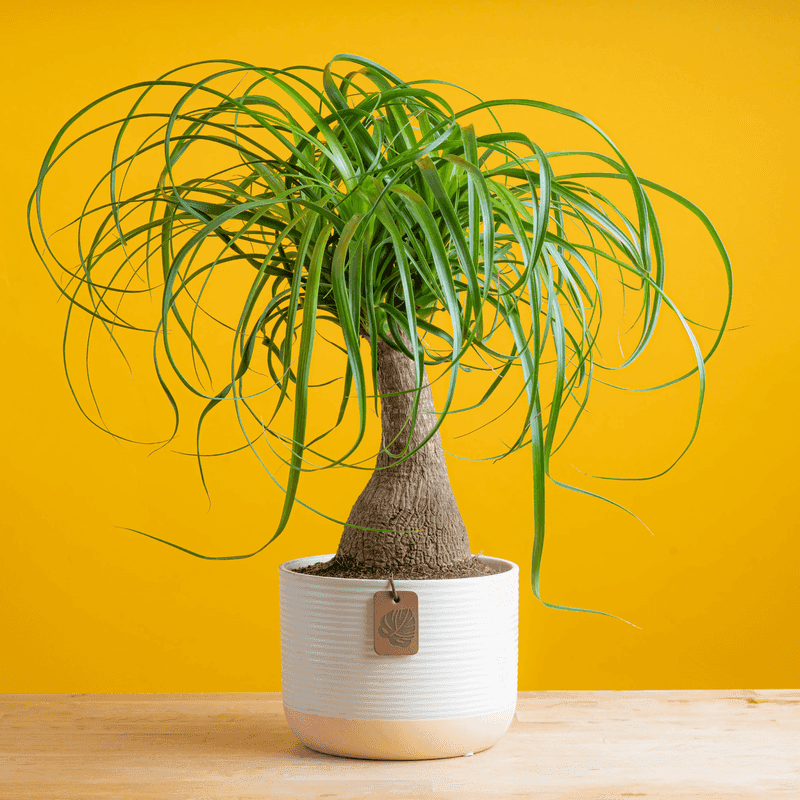
Ponytail Palms, with their bulbous trunk and cascading leaves, are surprisingly drought-tolerant. However, they outgrow snug pots in 1–2 years.
Without repotting, root constriction becomes a concern. Providing ample space helps maintain their distinct appearance and health.
Did you know? Despite the name, Ponytail Palms are not true palms but part of the Asparagaceae family.
14. Weeping Fig (Ficus benjamina)
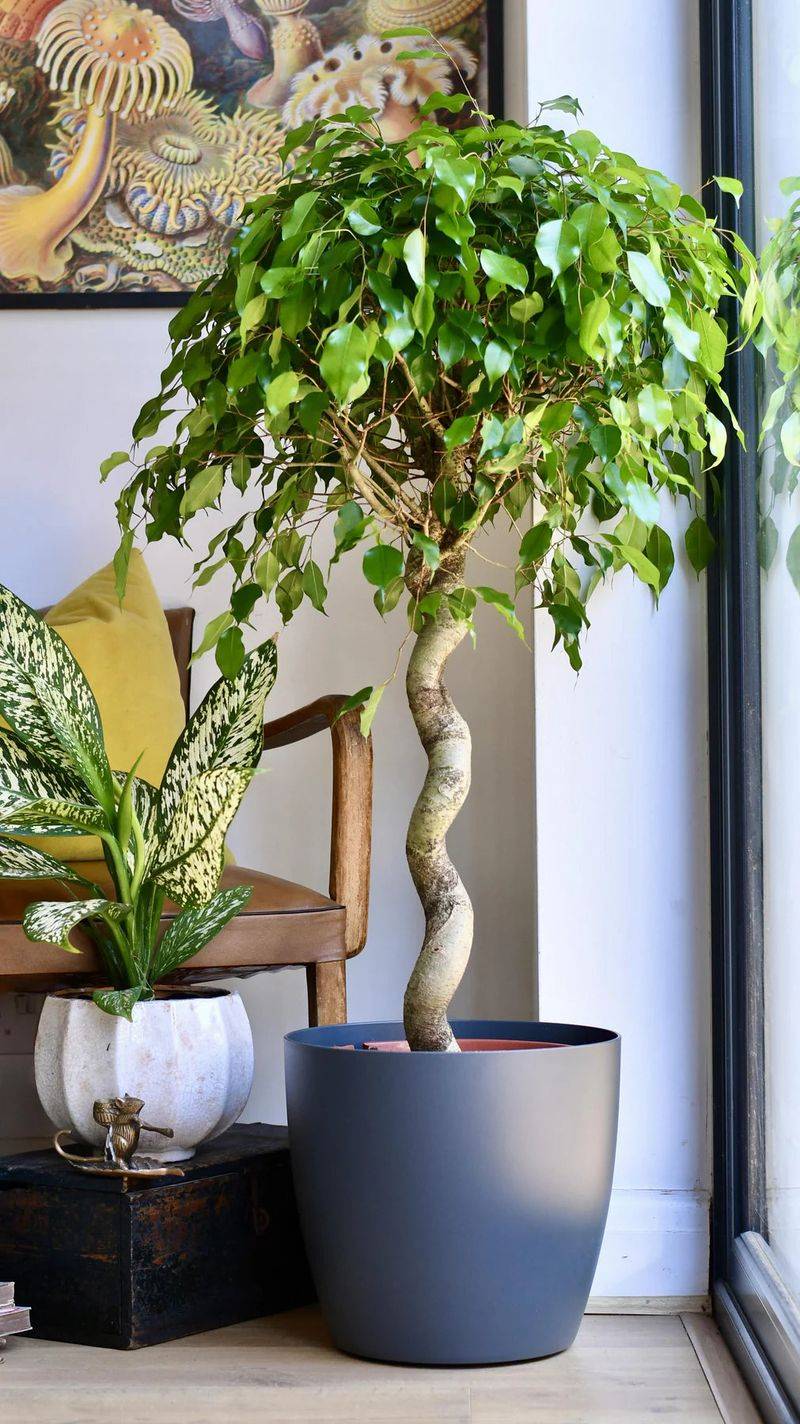
The Weeping Fig is cherished for its elegantly arching branches and glossy leaves. However, it’s sensitive to root crowding.
Bound roots lead to massive leaf drop and collapse if not repotted into fresh soil regularly. Ensuring space for roots is vital for its continued beauty.
Interestingly, Weeping Figs respond to environmental changes, making them a dynamic addition to any indoor garden.
15. Parlor Palm (Chamaedorea elegans)
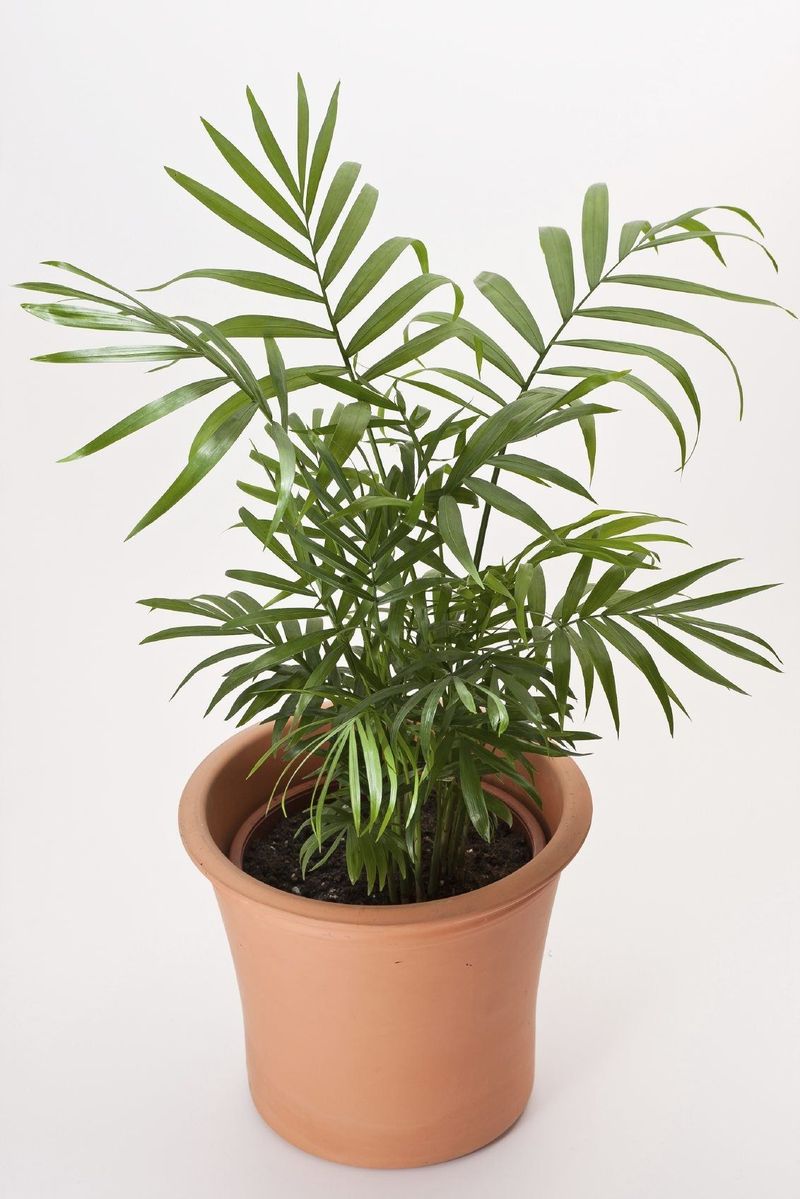
Parlor Palms are beloved for their feathery fronds and gentle elegance. Over 2–3 years, their dense roots deplete soil nutrients.
Brown frond tips and stunted new growth indicate the need for repotting. Refreshing the soil helps maintain its lush appearance.
These palms have a rich history as classic Victorian houseplants, adding a touch of nostalgia to any décor.
16. Chinese Evergreen (Aglaonema spp.)
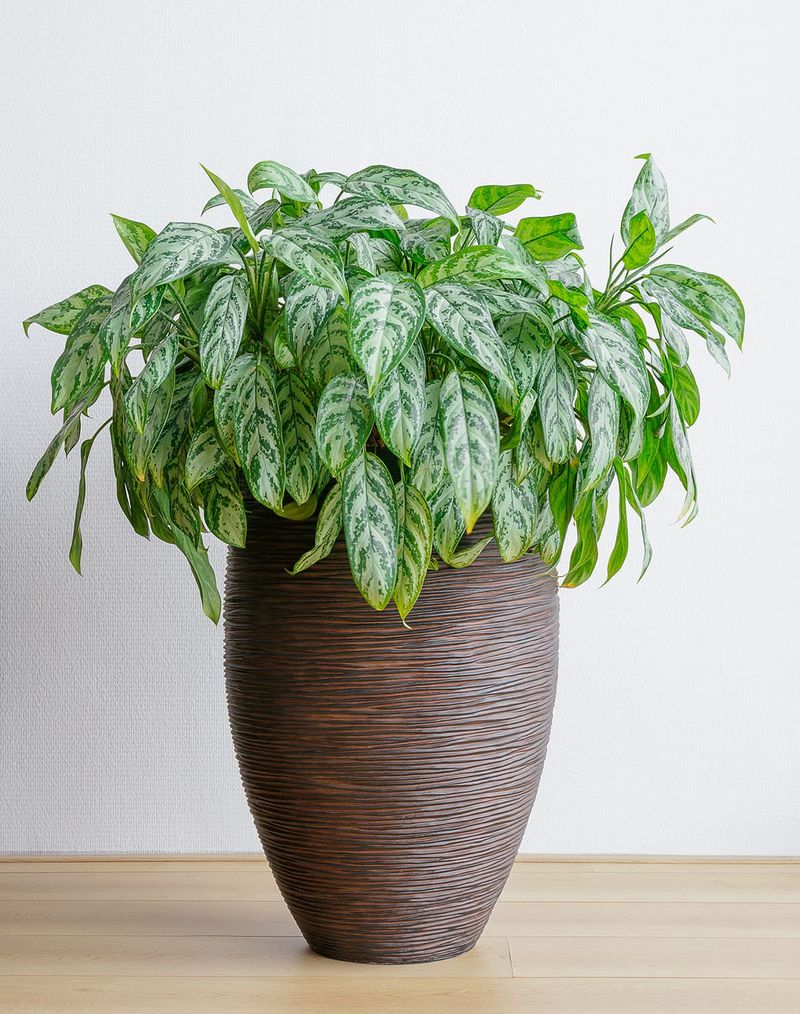
Chinese Evergreens thrive in low light, making them a versatile choice for indoor spaces. However, they require fresh soil every 12–18 months.
Without it, leaves yellow and drop due to nutrient starvation. Regular repotting ensures continued vitality and beauty.
These plants are not only attractive but also known for their air-purifying properties, enhancing indoor environments.
17. Snake Plant (Sansevieria trifasciata)
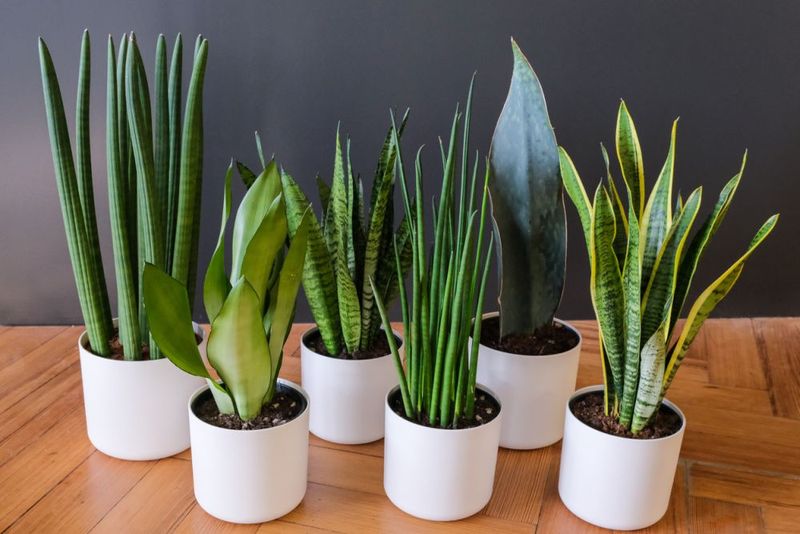
Snake Plants, with their upright, sword-like leaves, are known for their hardiness. Though slow-growing, they benefit from repotting every 2–3 years.
Old mix compacts, leading to root rot under poor drainage. Ensuring fresh soil keeps them healthy and strong.
These plants are also called “Mother-in-law’s Tongue,” adding a fun twist to their otherwise stoic nature.
18. Money Tree (Pachira aquatica)
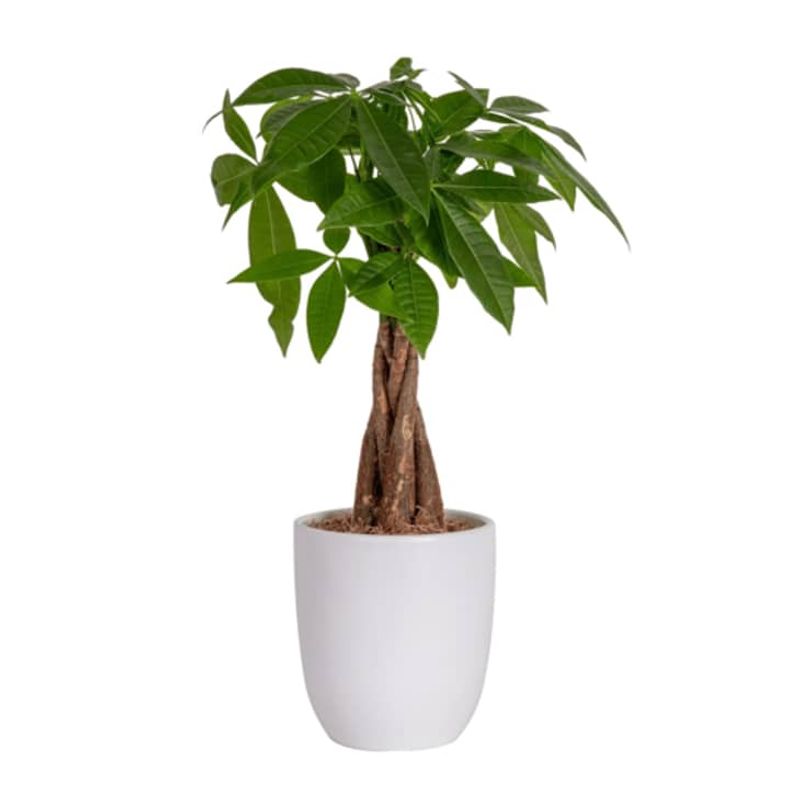
Money Trees, with their braided trunks, symbolize prosperity and good fortune. Within 1–2 years, they become pot-bound, leading to drooping stems.
Repotting is necessary to provide room for roots, preventing leaf loss and maintaining its lush appearance.
Legend has it that Money Trees bring luck, making them a popular gift and a charming addition to any home.
19. Bird’s Nest Fern (Asplenium nidus)
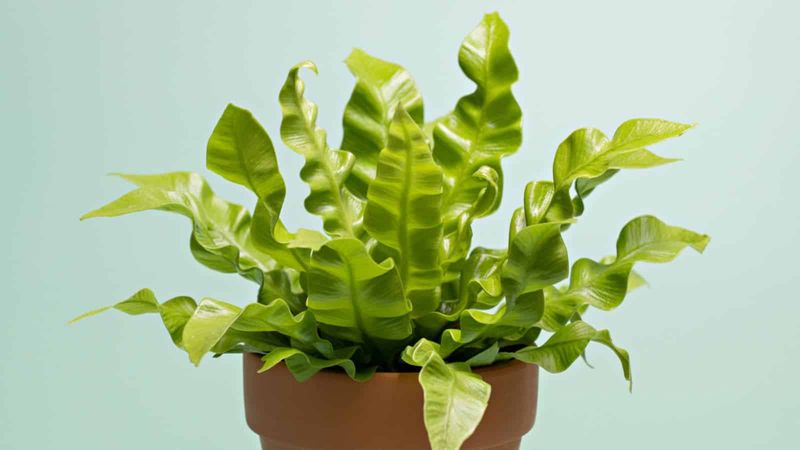
Bird’s Nest Ferns, with their wavy fronds, thrive in moisture-rich environments. However, their shallow roots can suffocate in old, compacted soil.
Without fresh soil, fronds brown and collapse. Regular repotting ensures their continued vibrant presence.
Known for their unique foliage, these ferns add a touch of the wild to indoor spaces, captivating plant lovers.
20. Boston Fern (Nephrolepis exaltata)
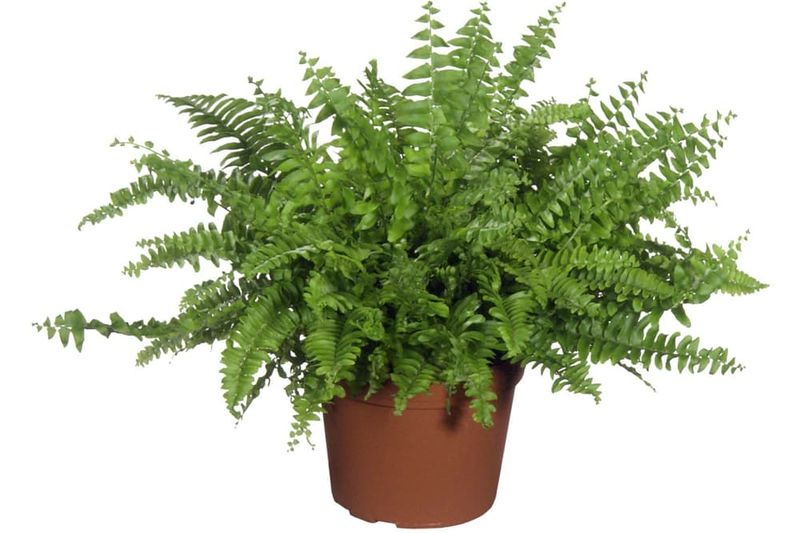
Boston Ferns are admired for their lush, arching fronds. Robust root systems fill baskets quickly, requiring annual division and repotting.
Without it, the fern weakens and dies back. Fresh soil helps maintain its lushness and vigor.
Often used in Victorian-style homes, Boston Ferns add elegance and a touch of history to contemporary spaces.
21. English Ivy (Hedera helix)
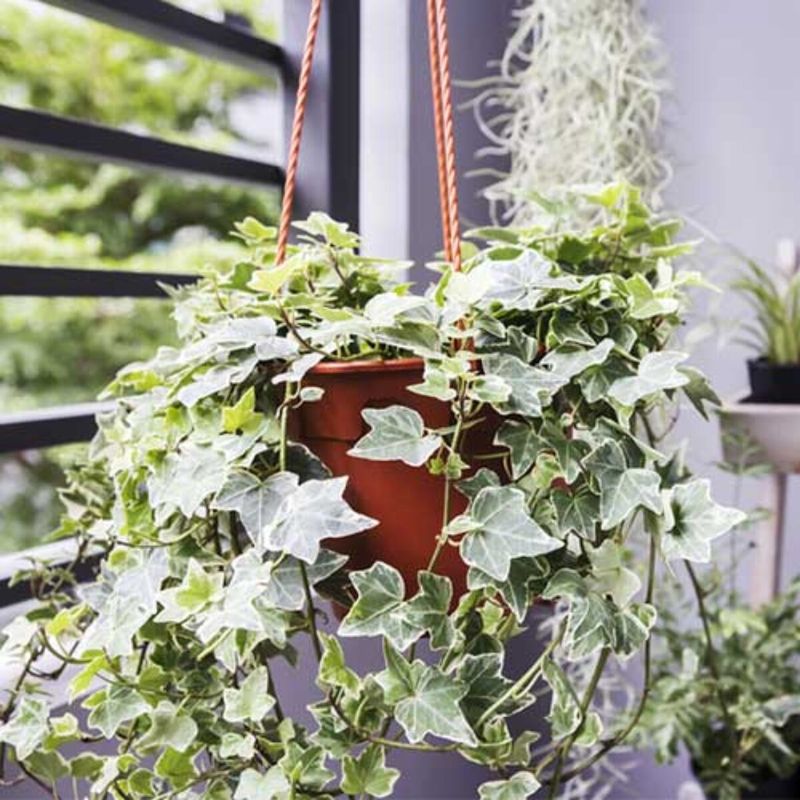
English Ivy, a vigorous climber, can quickly tangle its roots and deplete soil nutrients. Bound roots lead to yellow leaves and dieback.
Regular repotting helps maintain its lush growth and climbing prowess. Its versatility makes it a favorite for both indoor and outdoor decor.
Fun fact: English Ivy is often associated with English countryside homes, adding a rustic charm to modern interiors.
22. Pilea peperomioides
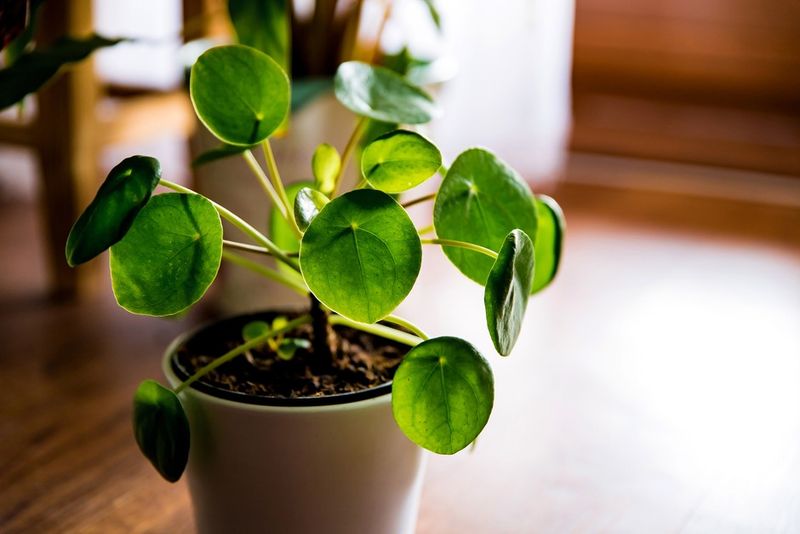
Pilea peperomioides, known for its round, coin-shaped leaves, has fast-growing roots that require fresh soil yearly.
Without it, leaves yellow and the central stem weakens. Regular repotting ensures it retains its whimsical charm.
Also known as the “Chinese Money Plant,” it’s celebrated for its unique shape and ease of propagation, making it a favorite among plant enthusiasts.
23. Tree Philodendron (Philodendron bipinnatifidum)
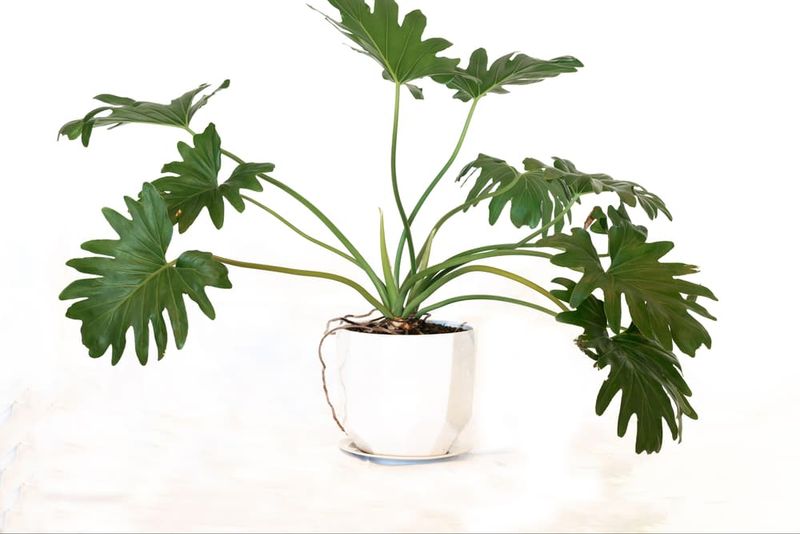
The Tree Philodendron is known for its large, deeply lobed leaves and rapid growth. Its roots quickly exhaust potting mix in under 2 years.
Stalled growth signals the need for repotting. Providing fresh soil supports its tropical allure and vigorous development.
Native to South America, this plant brings a slice of the jungle indoors, perfect for those seeking a bold statement piece.
24. Dieffenbachia (Dumb Cane)
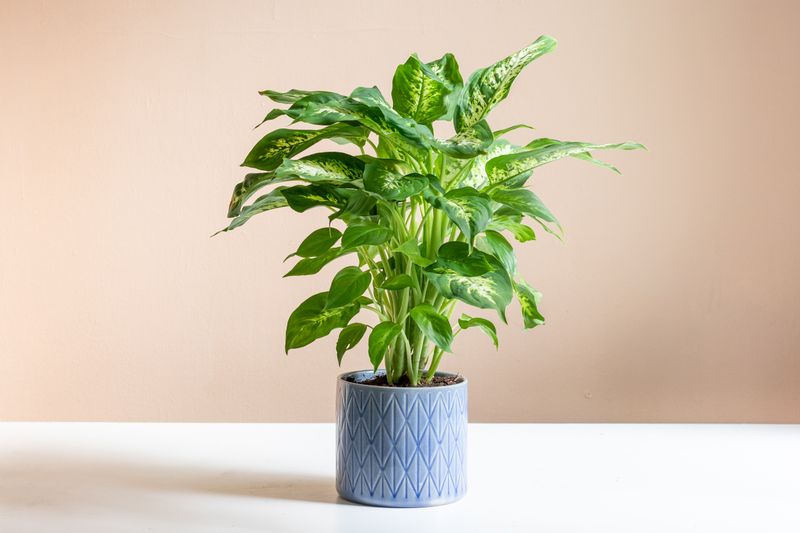
Dieffenbachias, or Dumb Canes, are admired for their broad, variegated leaves. However, they’re heavy feeders, depleting nutrients swiftly.
Bound roots can cause toxic sap buildup and leaf loss. Repotting ensures they maintain their striking appearance.
Caution: Handle with care, as the sap can be irritating to skin and eyes, but their beauty makes them a worthy addition to any collection.
25. Anthurium andraeanum
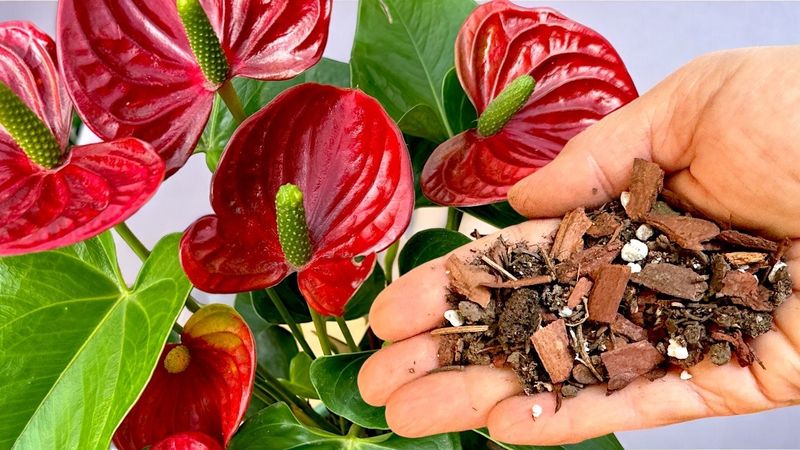
Anthurium andraeanum, known for its striking red spathes, thrives in airy, well-draining soil. Old, compacted mix leads to root rot and flower bud failure.
Annual repotting is essential to preserve its vibrant flowering. This stunning plant not only captivates with its beauty but also offers a tropical flair to interiors.
Originating from Central and South America, Anthuriums bring a touch of exotic elegance to any home.