 Complete Gardening
Explore the dangerous beauty lurking in your backyard. From seemingly innocent flowers to deadly shrubs, these plants pose serious risks. Awareness is key to ensuring safety and appreciation for nature’s duality. Discover 25 highly poisonous plants that may be hiding closer than you think.
1. Lily of the Valley (Convallaria majalis)
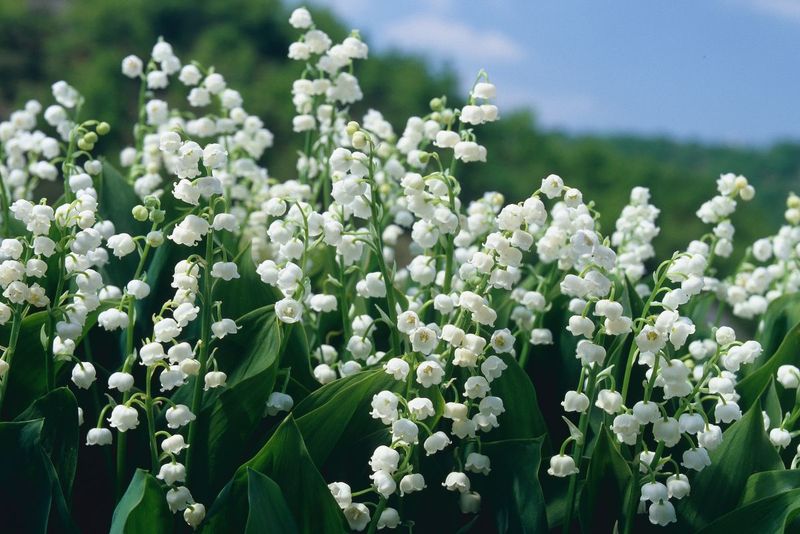
With their dainty white bells, Lily of the Valley seems innocent. However, ingesting even small amounts can cause serious heart disturbances. Known for its sweet fragrance, this plant contains cardiac glycosides.
These substances can lead to visual disturbances and disorientation. Traditionally used in perfumes and decorations, its beauty masks danger. Each part of this plant holds potential harm.
Gardeners appreciate its hardiness and ability to cover ground efficiently. Yet, safety requires caution and respect. Keep away from pets and curious children.
2. Foxglove (Digitalis purpurea)
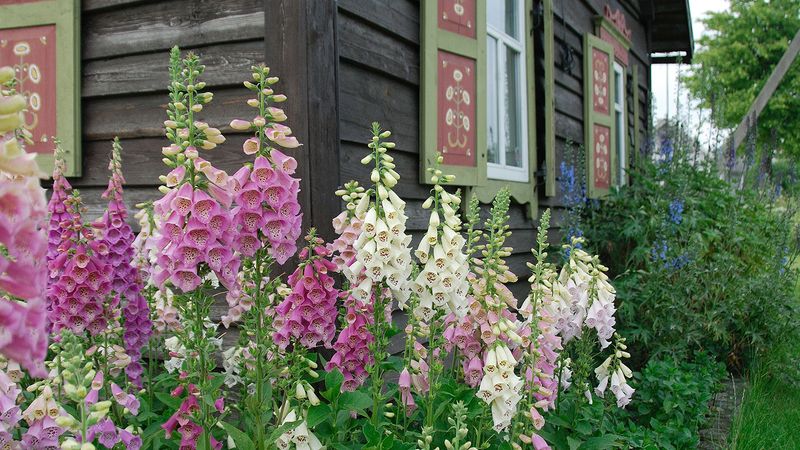
Towering in the garden with majestic spikes, Foxglove is as dangerous as it is beautiful. This plant contains digitalis, a compound used in heart medications, but lethal in the wrong dose.
Its history is rich, once believed to be the work of fairies. Despite its medicinal use, mishandling can result in fatality.
The leaves, flowers, and seeds all carry the toxin. Gardeners often admire its ability to attract bees, but caution is paramount. Protective gloves are recommended when handling this garden giant.
3. Hydrangea (Hydrangea macrophylla)
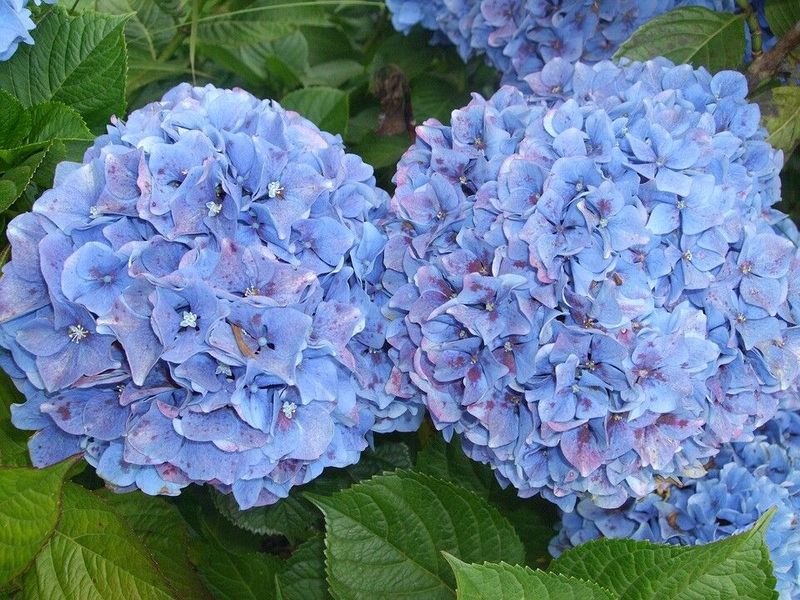
Hydrangeas are admired for their colorful clusters, yet their beauty conceals a hidden danger. The flowers contain hydragin, a cyanogenic glycoside, which can induce nausea and vomiting if ingested.
While popular in decorative arrangements, caution is advised when children or pets are nearby. Their varied color blooms, influenced by soil pH, add to their allure.
Despite their attractiveness, the potential health risk can’t be overlooked. If ingested, immediate medical care is crucial. Gardeners should educate on safe handling practices.
4. Daffodils (Narcissus spp.)
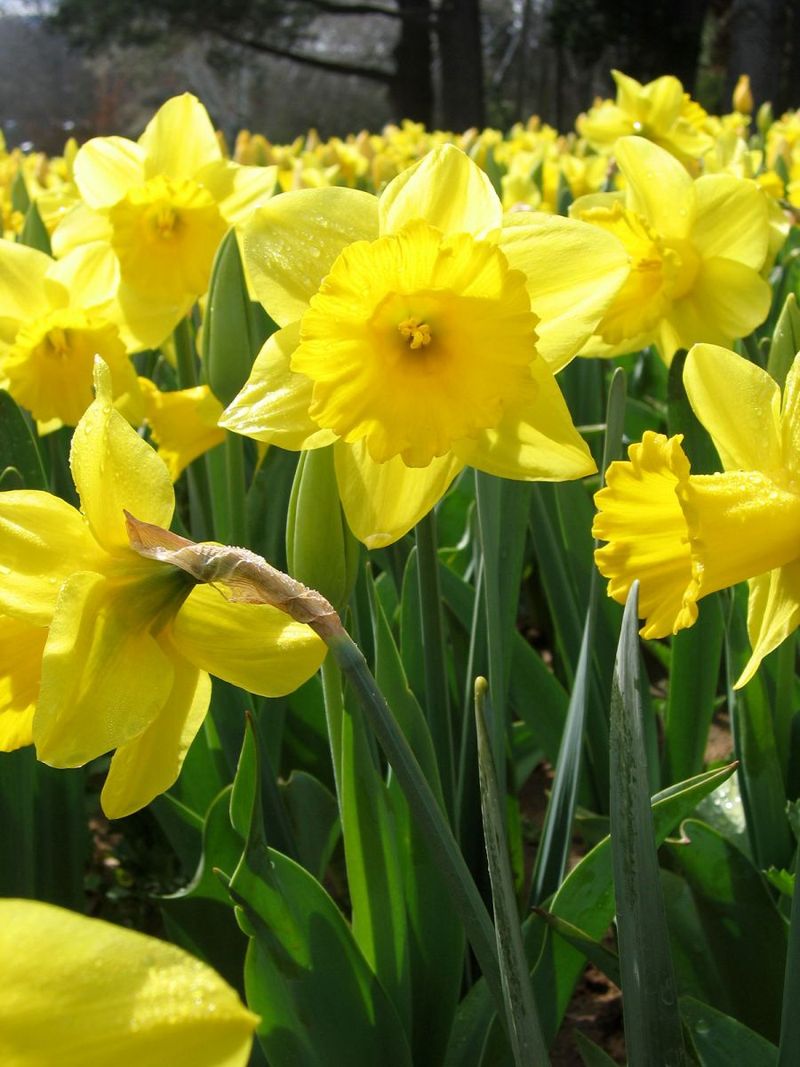
Spring heralds the arrival of daffodils, symbols of renewal. Yet, their cheerful appearance belies a toxic secret. The bulbs, if consumed, can cause convulsions and severe gastrointestinal distress.
Despite their toxic nature, they’re often planted for their early blooming beauty. Historically, daffodils have been used in folk medicine.
Proper identification and handling are essential. While they brighten gardens, awareness ensures safety. Always plant them out of reach from pets and curious toddlers.
5. Rhododendron/Azalea (Rhododendron spp.)
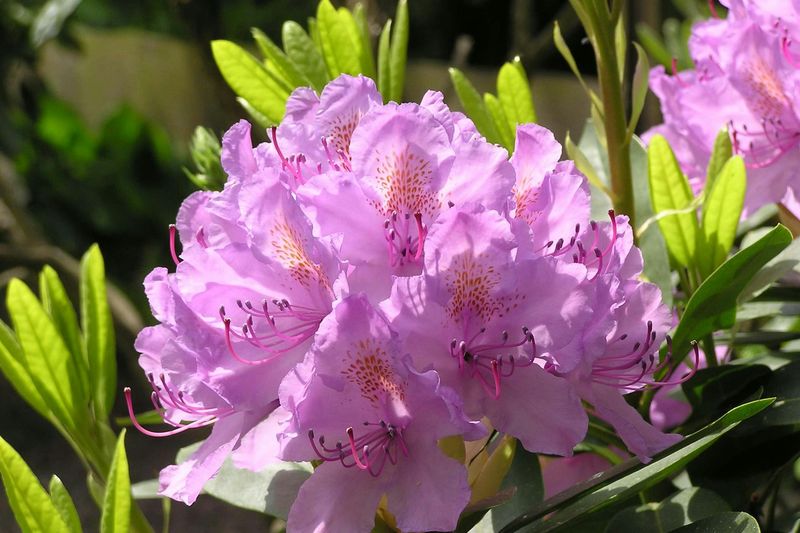
With vibrant blooms, Rhododendrons and Azaleas are garden favorites. However, these plants contain grayanotoxins which pose a severe risk. Consumption can lead to symptoms ranging from mild to fatal, including coma.
These shrubs thrive in acidic soils, often found in mountainous regions. Their beauty is enchanting but demands respect for their potent toxicity.
In folklore, they symbolize caution, reflecting their dual nature. Proper garden placement and handling precautions are vital to preventing accidental ingestion.
6. Oleander (Nerium oleander)
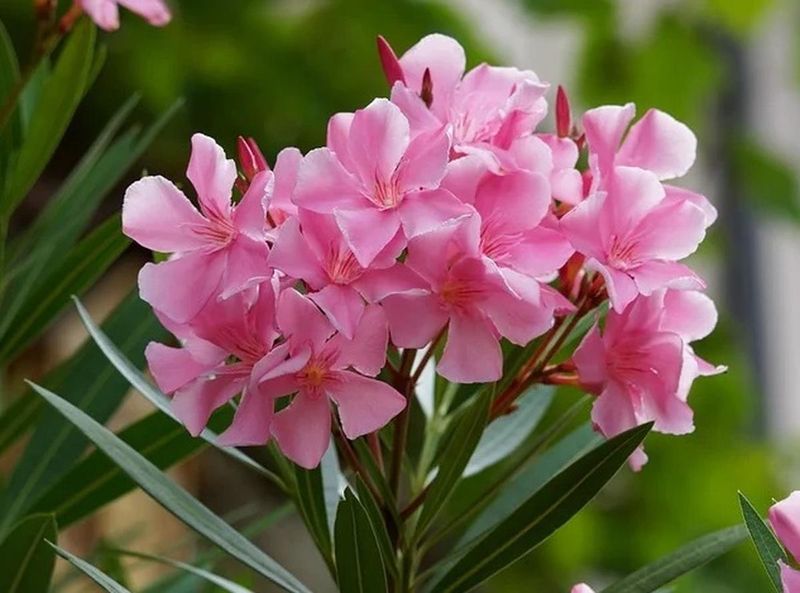
Oleander, a staple in Mediterranean landscapes, is shockingly dangerous. Just one leaf can be fatal if ingested by a child, affecting the heart severely. Its attractive flowers and evergreen leaves mask a deadly secret.
This hardy plant thrives in poor soil but requires careful handling. In history, it has been both revered and feared.
The entire plant is toxic, deterring many animals but attracting unsuspecting gardeners. Awareness and education are key, ensuring it remains a visual delight rather than a hidden threat.
7. Wisteria (Wisteria spp.)
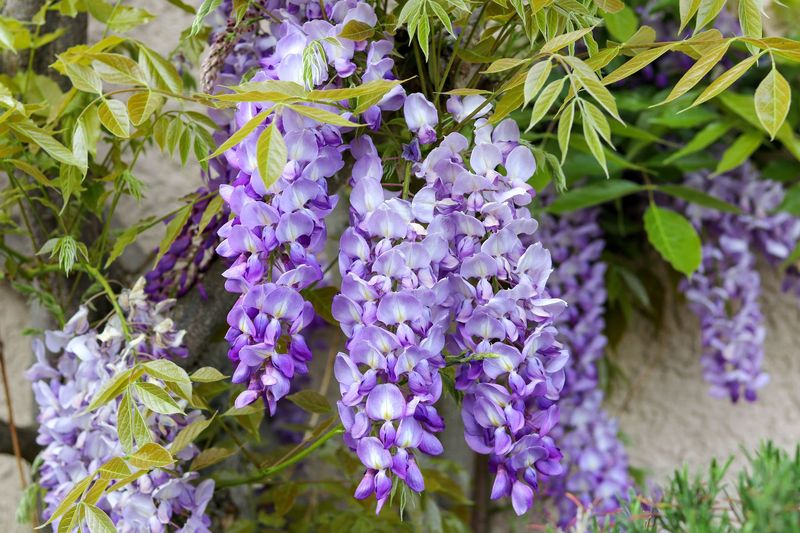
Wisteria’s cascading blooms are a sight to behold, yet its seeds and pods conceal a toxic punch. Ingesting these parts can lead to severe digestive issues, including nausea and cramps.
Despite its toxicity, wisteria is a popular choice for trellises and pergolas, providing stunning visual displays. In Japanese culture, it symbolizes love and longevity.
Gardeners must balance its beauty with caution, keeping children and pets at a safe distance. Proper education on identification is essential to prevent accidental ingestion.
8. Yew (Taxus spp.)
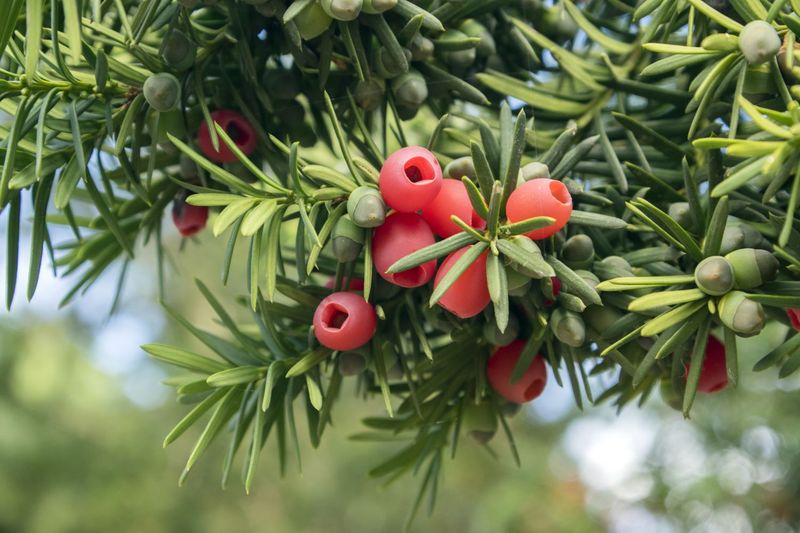
The Yew tree is steeped in history and mystery, known for its dark foliage and bright red berries. Despite its beauty, every part of the Yew, except the flesh of the berry, is highly toxic.
Consuming the seeds or leaves can lead to cardiac arrest in humans and animals alike. Throughout history, it has been associated with death and immortality.
Yew trees often adorn churchyards, symbolizing eternal life. While they serve as natural barriers, their toxicity demands respect and cautious handling.
9. Lantana (Lantana camara)
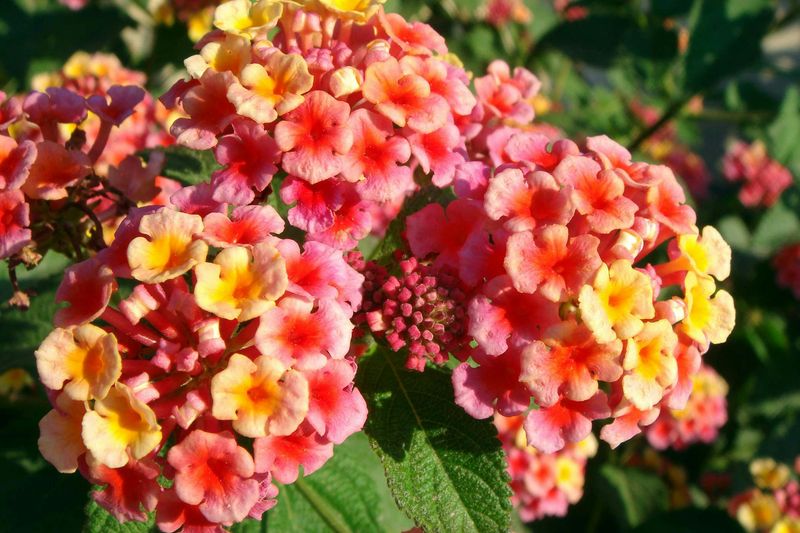
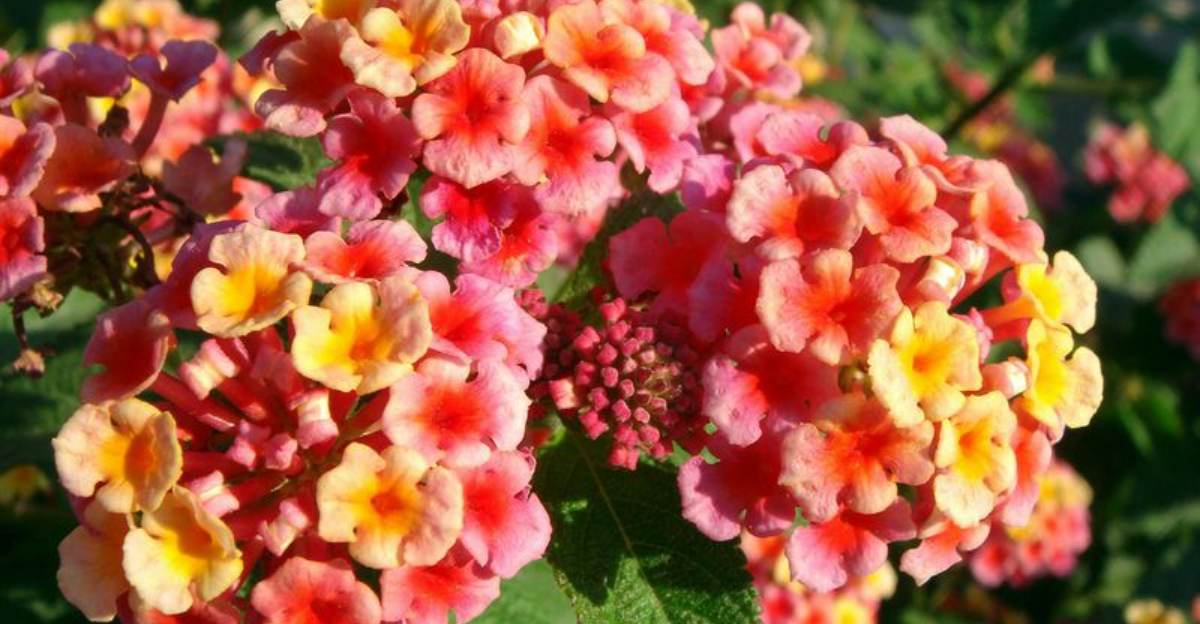
Lantana is adored for its vibrant, multicolored flowers that attract butterflies. Yet, its berries, when unripe, are toxic, leading to liver damage in pets and humans.
In tropical climates, lantana is used for ornamental purposes and sometimes natural fencing. Despite its allure, gardeners must be aware of its potential harm.
Education on proper plant identification can prevent accidental ingestion. While lantana adds color to gardens, its presence requires careful management.
10. Autumn Crocus (Colchicum autumnale)
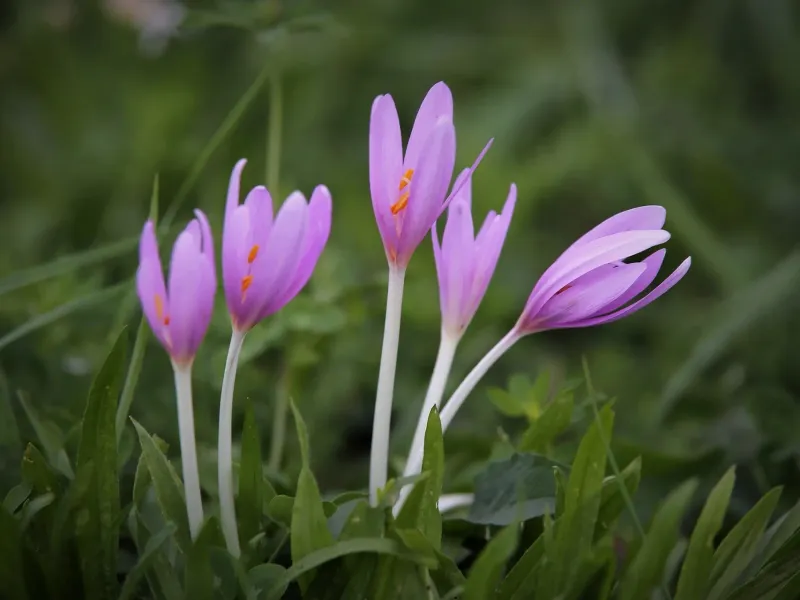
Autumn Crocus, with its delicate purple blossoms, is a fall garden staple. However, it harbors colchicine, a toxic alkaloid that can halt cell division.
This chemical is used in medical research, reflecting its potent nature. Ingesting the plant can lead to multi-organ failure.
Despite its deadly potential, it is cherished for providing late-season color in gardens. Proper handling, knowledge, and respect are vital when cultivating this plant.
11. Castor Bean (Ricinus communis)
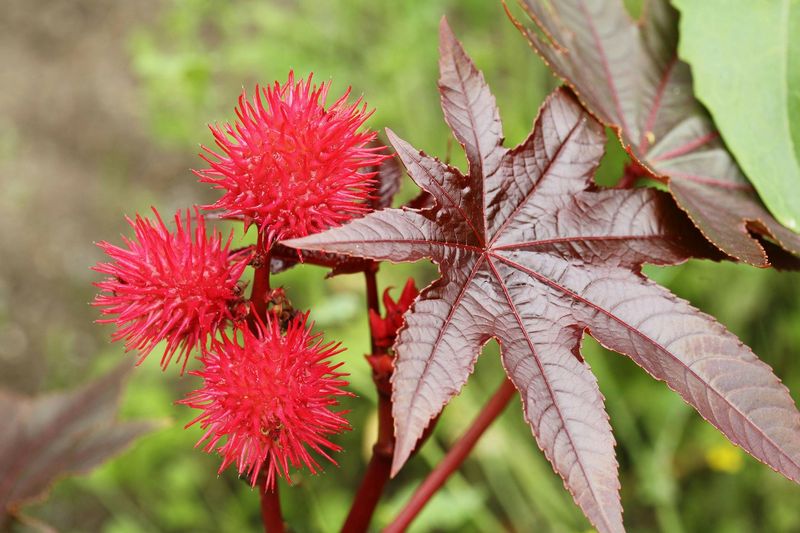
Castor Bean plants stand tall with lush leaves and intriguing seed pods. However, these seeds contain ricin, one of the most potent toxins known.
Historically, castor oil was derived from this plant, showcasing its dual nature. Ingesting even a few seeds can be fatal.
While the plant is often grown for ornamental purposes, its danger cannot be overstated. Awareness and prevention are crucial to ensure safety in environments where this plant is present.
12. Deadly Nightshade (Atropa belladonna)
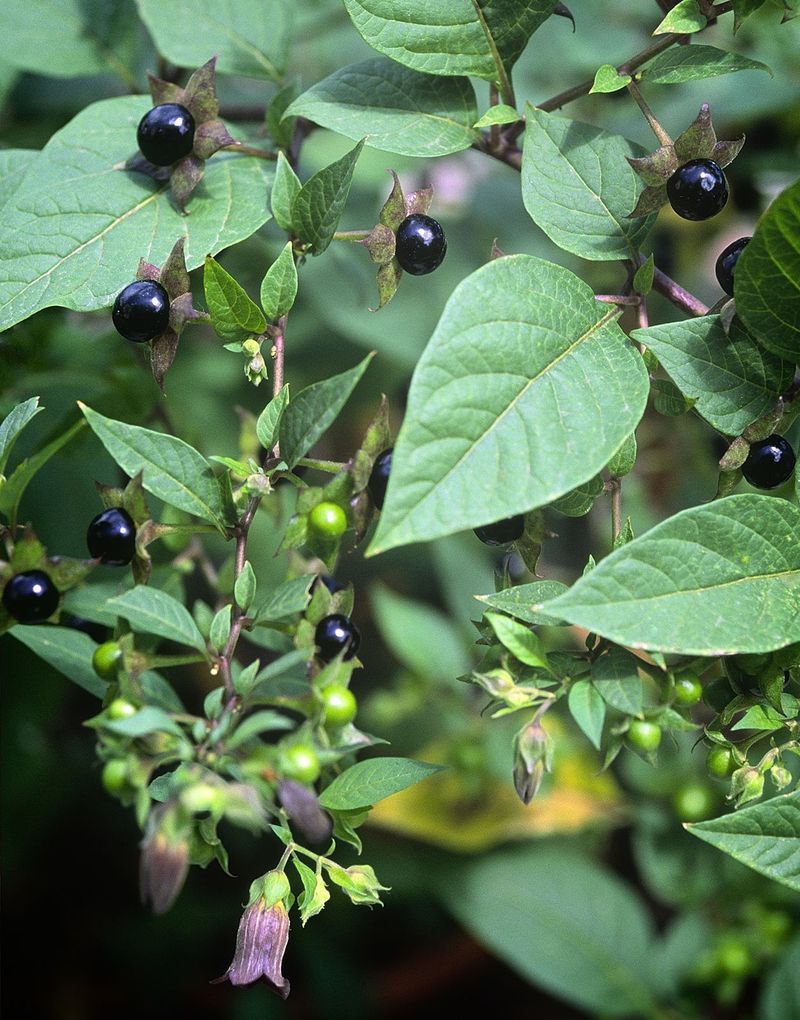
Deadly Nightshade, or Belladonna, hides its lethal nature behind dark purple flowers and shiny black berries. Just a handful of its berries can be fatal, especially to children.
Historically, it was used by women to dilate pupils for beauty, reflecting its dangerous allure. The entire plant is toxic, from root to berry.
Its ominous presence in folklore and history serves as a reminder of its potency. Proper education on plant identification can prevent tragic accidents.
13. Water Hemlock (Cicuta spp.)
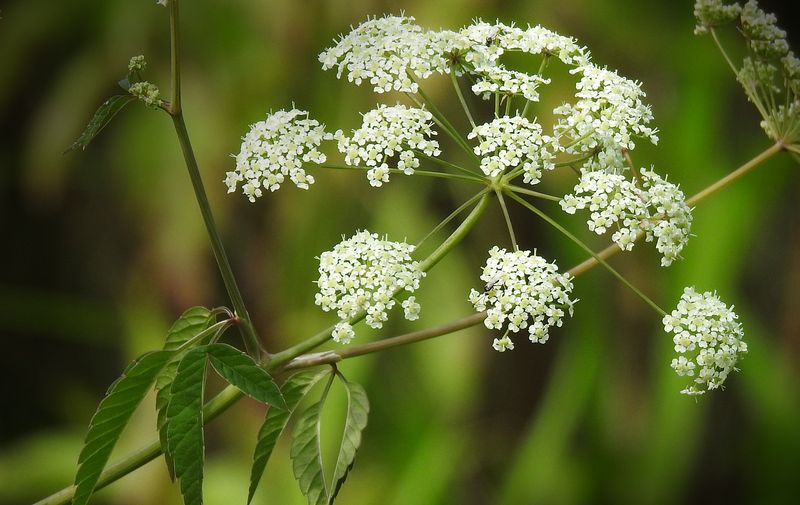
Water Hemlock, often mistaken for wild carrot, is one of North America’s most toxic plants. Its umbrella-like clusters of flowers hide deadly toxic compounds.
Ingesting even a small amount can result in seizures and death, making it highly feared. Traditionally found near wetlands, this plant is often misidentified.
Its historical presence in folk tales as a witch’s herb underscores its lethal reputation. Awareness and correct identification are essential for safety.
14. Monkshood (Aconitum spp.)
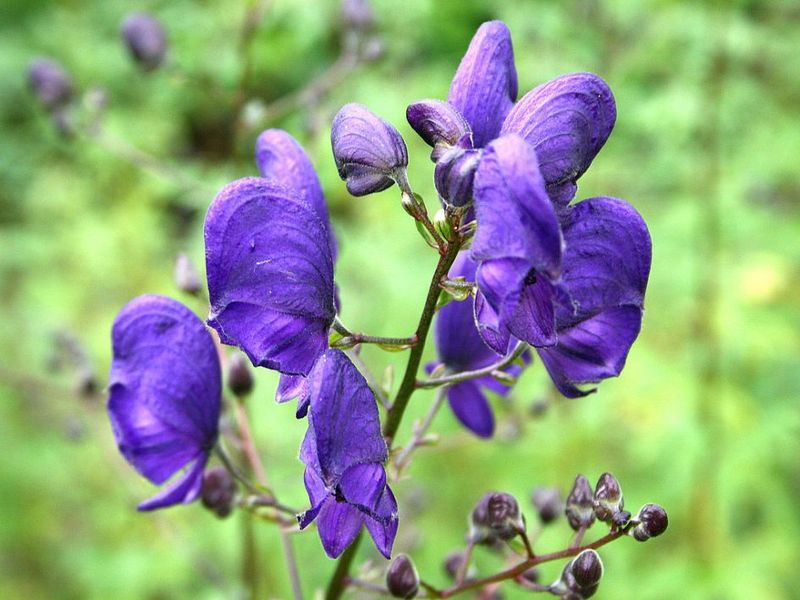
Monkshood, also known as wolfsbane, is notorious for its tall spikes of hooded blue blooms. This plant contains aconitine, a potent toxin that can lead to paralysis and death.
In medieval times, it was used to poison arrows, highlighting its lethal properties. Despite this, it remains a garden favorite for its striking appearance.
The entire plant is toxic, requiring careful handling and respect. Education on its risks is vital for gardeners choosing to cultivate it.
15. White Snakeroot (Ageratina altissima)
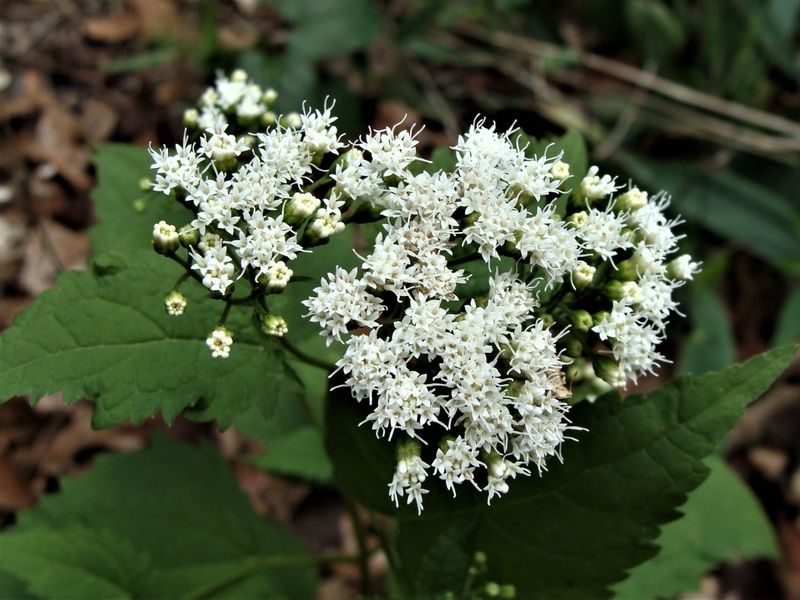
White Snakeroot gained historical notoriety for causing milk sickness, which claimed Abraham Lincoln’s mother. Its small white flowers hide a toxic secret, affecting livestock and humans.
The toxin tremetol remains potent in the plant and transferred through milk. Found in woodland areas, its innocuous appearance can be deceiving.
Proper pasture management and education can prevent accidental ingestion by animals. Despite its past, it serves as a reminder of nature’s hidden dangers.
16. Angel’s Trumpet (Brugmansia spp.)
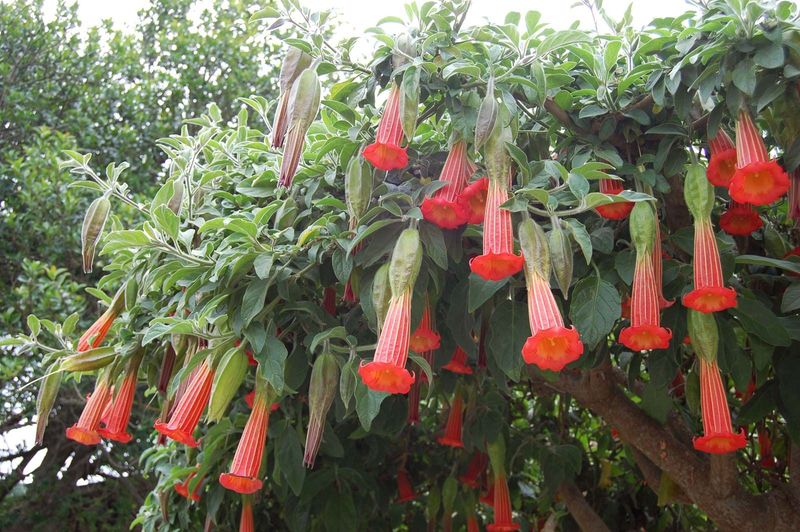
The hanging blooms of Angel’s Trumpet captivate with their elegance, yet they harbor scopolamine and atropine. Consuming parts of this plant can induce hallucinations, coma, or death.
Despite its risks, it’s often cultivated for its dramatic floral display. In South American folklore, it symbolizes danger and enchantment.
Gardeners must be vigilant, ensuring it remains a visual delight without posing risks to curious children or pets. Education on safe handling practices is vital.
17. Rosary Pea (Abrus precatorius)
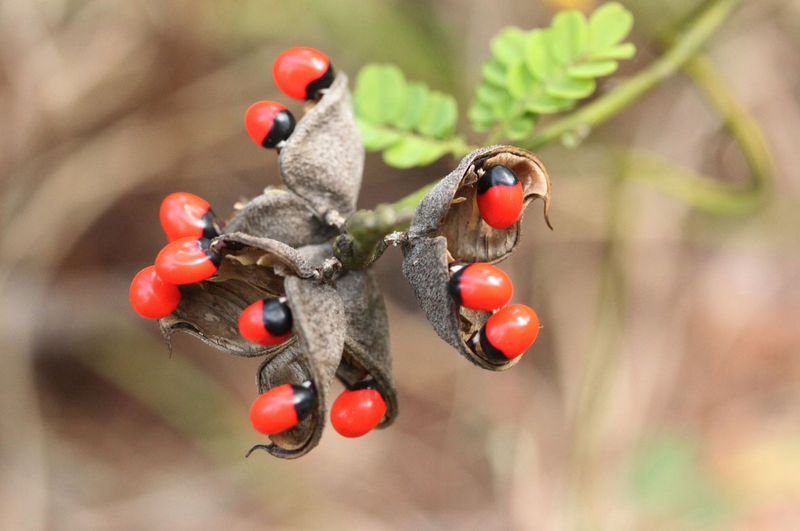
The Rosary Pea is known for its vibrant red seeds, often used in jewelry. However, these seeds contain abrin, a toxin even more deadly than ricin.
Handling the seeds without breaking them is generally safe, but ingestion can be fatal. Its presence in tropical regions contributes to its ornamental use.
Awareness and education on its risks are crucial, especially in homes with children. While its seeds are visually appealing, their danger cannot be underestimated.
18. Jimsonweed (Datura stramonium)
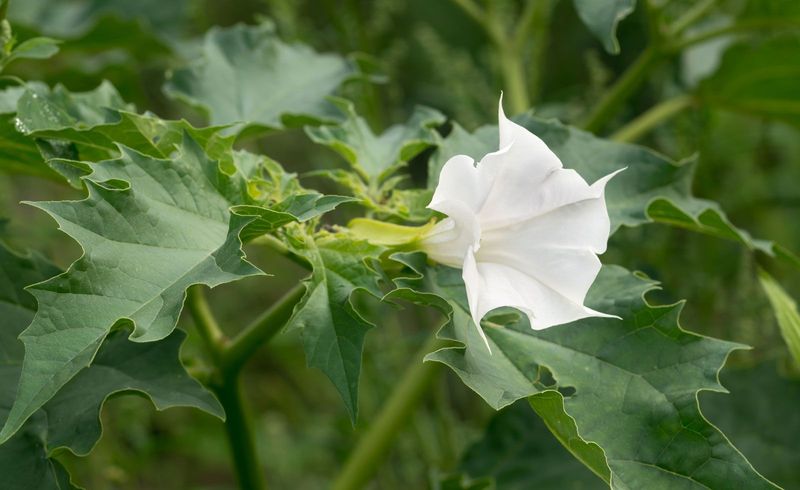
Jimsonweed, with its large white flowers and spiky seed pods, is notorious for its hallucinogenic properties. Ingesting parts of this plant can lead to delirium, hallucinations, and fatal overdose.
Historically, it was used in spiritual rituals, reflecting its mind-altering effects. Its toxic alkaloids are present throughout the plant.
Gardeners should ensure it’s not mistakenly cultivated as an ornamental plant. Education and proper identification are essential to prevent accidental ingestion.
19. Poison Hemlock (Conium maculatum)
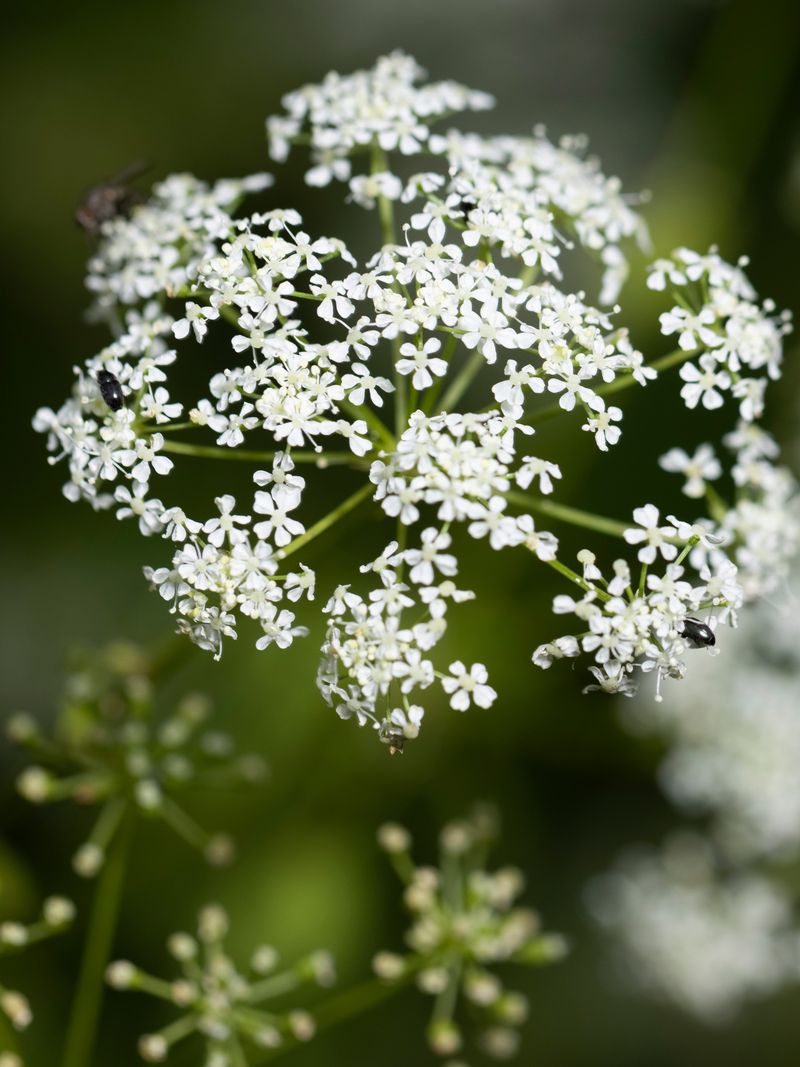
Poison Hemlock, with tall stems and delicate white flowers, is famously known as the plant that killed Socrates. Its resemblance to wild carrot makes it deceptively dangerous.
The alkaloids present can lead to respiratory failure if ingested. Historically, it was used for executions, highlighting its lethal nature.
Proper identification and education are vital for ensuring safety, especially in areas where this plant grows wild. Awareness can prevent tragic accidents.
20. Mandrake (Mandragora officinarum)
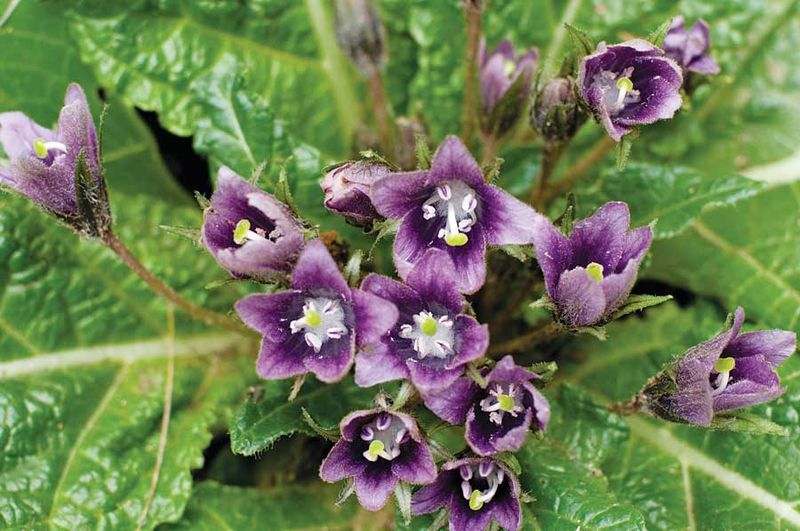
Mandrake, steeped in mythology, is famous for its root resembling a human figure. Its hallucinogenic and toxic properties have been feared and revered throughout history.
Used in ancient rituals, the plant was believed to scream when uprooted. Despite its mystical allure, ingestion can lead to severe illness or death.
Its presence in folklore continues to capture imaginations. Proper handling and education are essential to prevent accidental ingestion or misuse.
21. Poison Ivy/Oak/Sumac (Toxicodendron spp.)
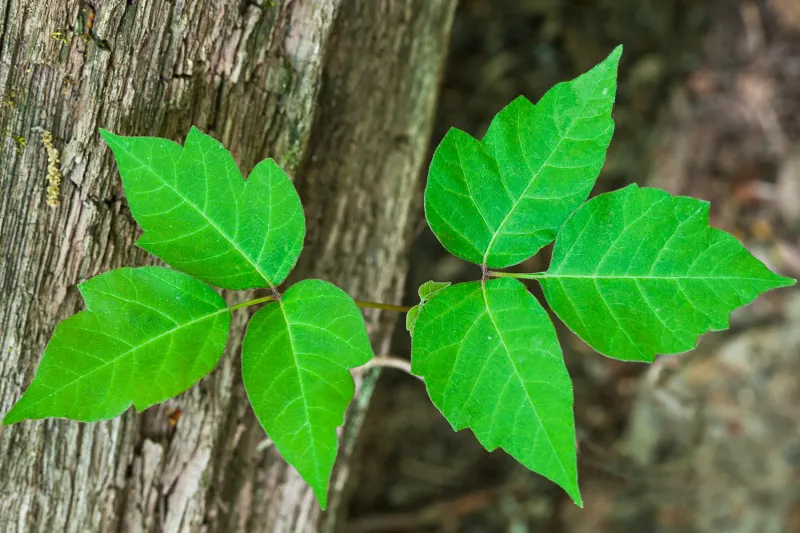
Though not deadly, Poison Ivy, Oak, and Sumac are notorious for causing severe skin reactions. Their urushiol oil leads to painful rashes upon contact.
Found in wooded areas and gardens, proper identification and avoidance are key to prevention. Historically, these plants have been used in traditional medicine despite their irritating properties.
For those venturing in nature, awareness is essential for avoiding these common irritants. Protective clothing and immediate washing can mitigate reactions.
22. Mistletoe (Viscum album)
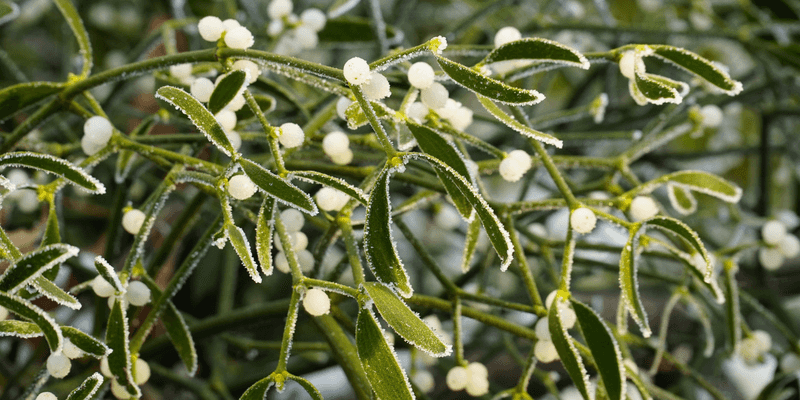
Mistletoe, often associated with holiday cheer, harbors a hidden danger. Its berries contain compounds that can cause heart collapse if ingested.
Despite its festive use, its toxicity requires careful handling. In ancient times, it was considered a symbol of peace and healing.
While it adorns doorways, keeping it out of reach of pets and children is crucial. Education on its risks ensures it remains a safe seasonal decoration.
23. Elderberry (Sambucus spp.)
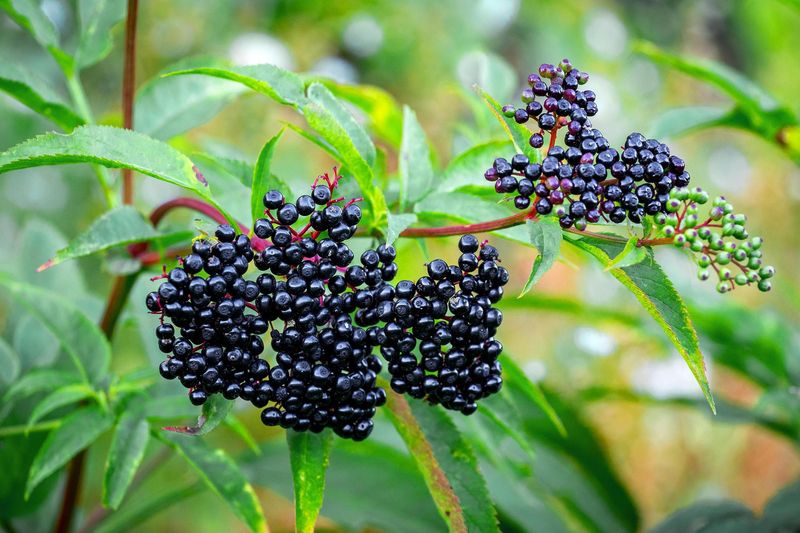
Elderberry is cherished for its dark berries, often used in jams and syrups. However, the raw berries, stems, and leaves contain cyanogenic glycosides, which can induce nausea.
Proper cooking neutralizes the toxins, making them safe for consumption. Historically, elderberry has been used in folk medicine and winemaking.
Awareness and proper preparation are key to enjoying this plant’s benefits while avoiding its risks. Education on safe handling practices is vital for home gardeners.
24. Rhubarb Leaves (Rheum rhabarbarum)
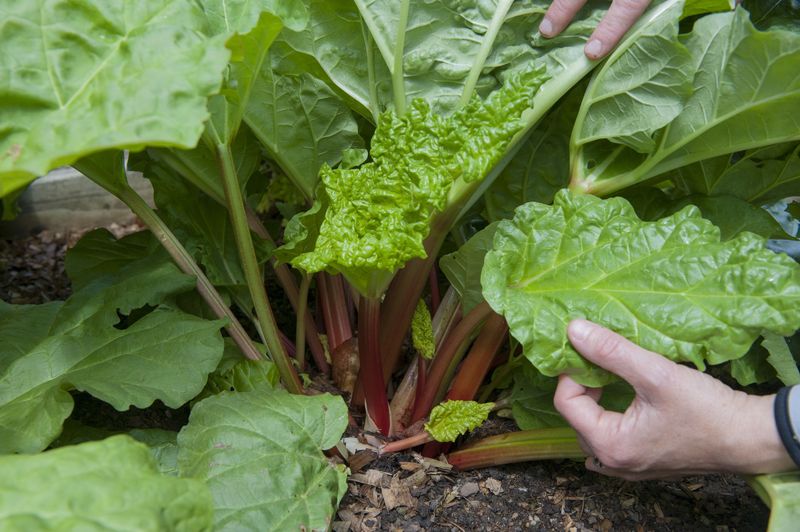
Rhubarb is known for its tangy stalks, often used in pies and desserts. However, the leaves contain oxalic acid, which can cause kidney failure if consumed in large quantities.
Despite their potential danger, rhubarb is a popular garden plant. In history, it has been used for medicinal purposes.
Proper harvesting and preparation ensure that only the safe parts are consumed. Education on distinguishing between the stalks and leaves is essential for gardeners and cooks alike.
25. Wild Parsnip (Pastinaca sativa)
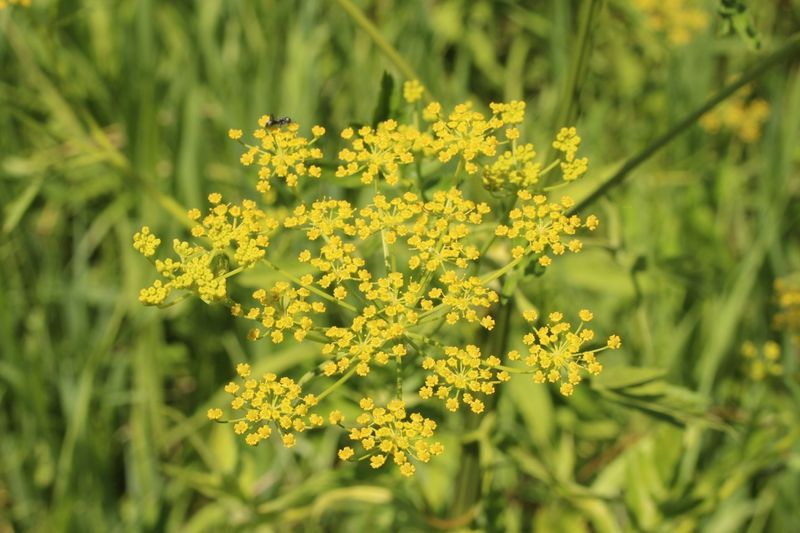
Wild Parsnip, with its tall stems and yellow flowers, poses a threat through its sap. Contact followed by sun exposure can cause severe burns and blisters.
Often mistaken for other plants, it’s important to recognize its features. Historically, its roots were consumed, but its top parts remain hazardous.
Proper identification and protective clothing can prevent painful reactions. Education and caution are key to safely navigating areas where this plant grows.