 Complete Gardening

Explore a collection of effective organic pest control methods to protect your garden without harmful chemicals. These techniques provide sustainable and eco-friendly solutions to keep pests at bay while nurturing your plants. From natural deterrents to biological controls, discover how to safeguard your garden with these 25 methods.
1. Neem Oil

Neem oil, extracted from the seeds of the neem tree, is a versatile pesticide used for centuries. Known for its potent properties, it disrupts the life cycle of pests without harming beneficial insects. Imagine your garden thriving, free from aphids and mites. Simply mix with water and spray on affected plants. This oil stands out because it acts as a repellent and growth inhibitor. Unlike chemical solutions, neem oil is biodegradable. Its subtle scent is reminiscent of garlic and sulfur. Remember, less is more; a little neem oil goes a long way in preserving garden health.
2. Diatomaceous Earth
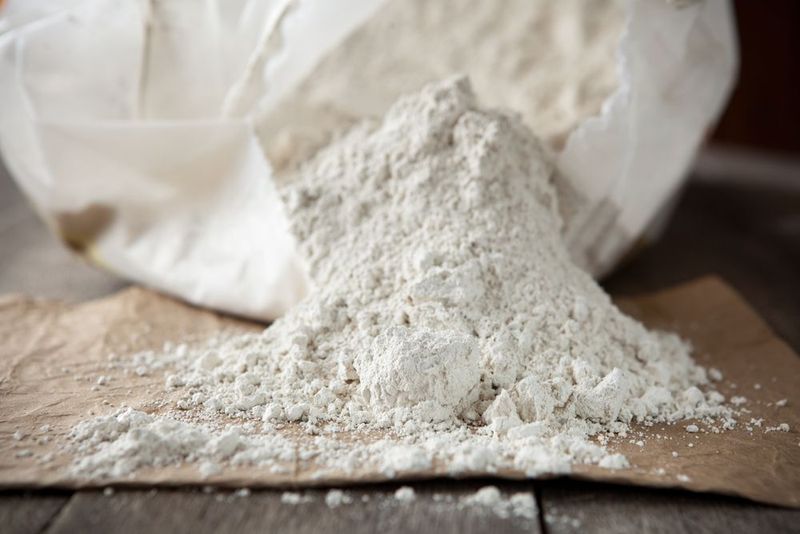
Diatomaceous Earth, a natural powder made from fossilized algae, is a game-changer for pest control. Its microscopic sharp edges cut through insect exoskeletons, dehydrating them. Spread this fine powder around plants and witness a dramatic reduction in ants, slugs, and beetles. Though lethal to pests, it’s harmless to humans and pets. Versatile and easy to apply, it promises results without toxic residues. Whether in the garden or indoors, Diatomaceous Earth remains a steadfast ally. It’s a testament to nature’s ability to protect itself, turning ancient algae into a modern pest deterrent.
3. Companion Planting
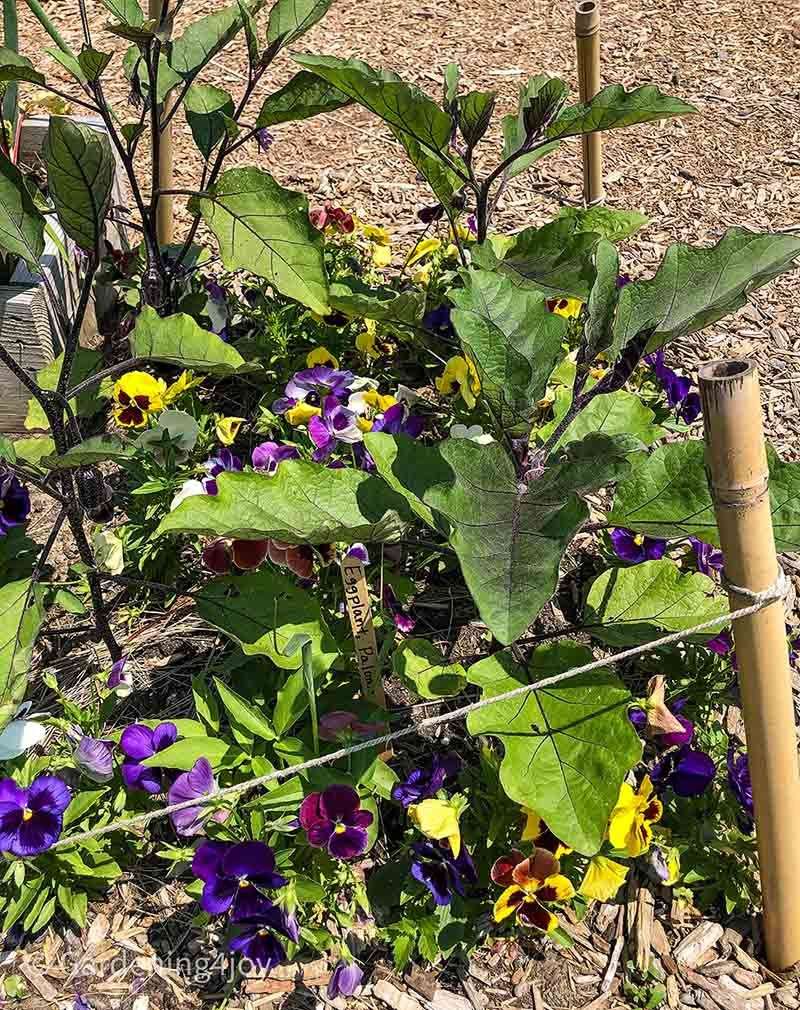
Companion planting is an age-old technique where certain plants support each other’s growth and repel pests. Marigolds, for instance, deter nematodes when planted with tomatoes. Basil enhances the flavor of tomatoes and keeps flies away. This symbiotic relationship enriches the soil, offering a natural defense mechanism. Beyond pest control, companion planting optimizes space and yields. Picture a garden buzzing with life, where plants collaborate for mutual benefit. It’s a dance of nature, where strategic plant pairings invite pollinators and ward off unwanted guests, creating a harmonious ecosystem.
4. Garlic Spray

Garlic spray is an aromatic deterrent for garden pests. Known for its pungent aroma, it acts as a natural barrier. Blend garlic cloves with water, let it steep, and spray on affected plants. This potent brew tackles aphids, caterpillars, and whiteflies with ease. While garlic’s scent may be strong, its impact is gentle on the environment. Ideal for organic gardeners, it leaves no harmful residues. As a bonus, it can enhance plant resilience. Garlic spray is a testament to how everyday kitchen ingredients can be powerful allies in garden care.
5. Coffee Grounds
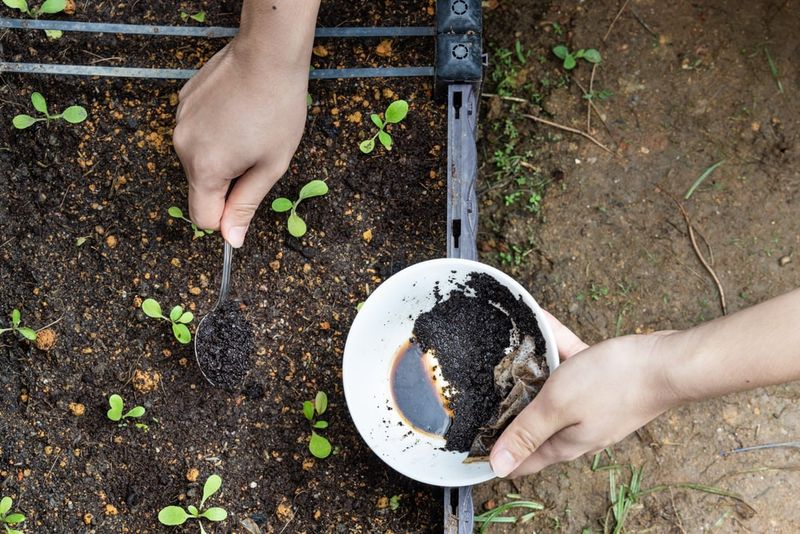
Coffee grounds, often discarded, hold the power to deter pests while enriching the soil. Their gritty texture repels slugs and ants, creating a barrier they avoid. Rich in nitrogen, they also benefit plant growth. Sprinkle them around the base of your plants and watch as they act as a natural pesticide. The aroma adds an extra layer of protection, confusing pests and keeping them at bay. Coffee grounds are a testament to sustainable gardening, turning waste into a valuable resource. Enjoy a pest-free garden while helping the environment.
6. Boric Acid
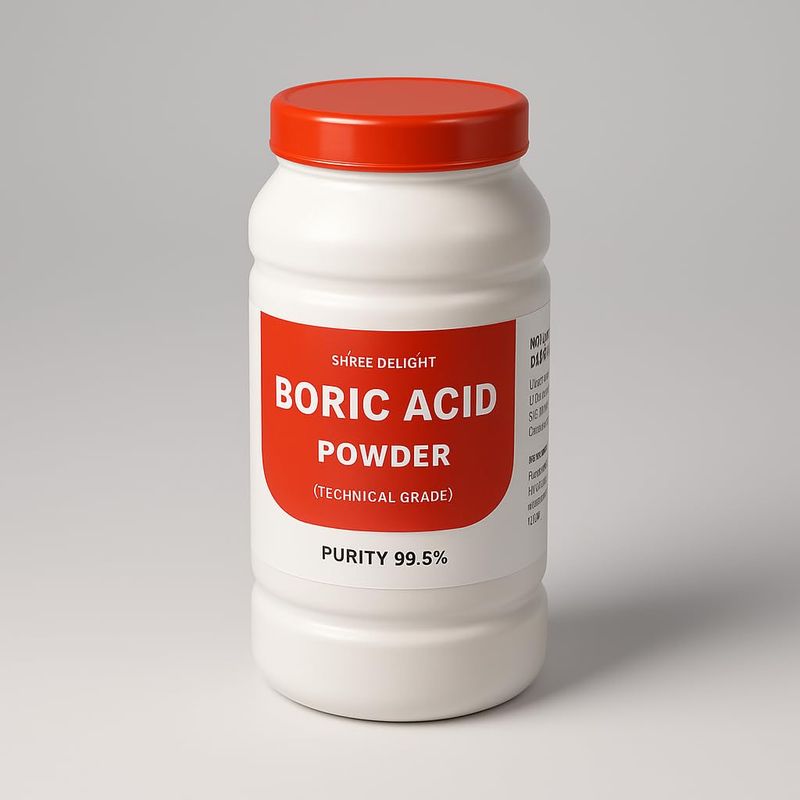
Boric acid, a naturally occurring compound, is a powerful tool in organic pest control. It’s particularly effective against ants and cockroaches. By absorbing into their systems, it disrupts their digestion, leading to their demise. Sprinkle it in cracks and corners, and let it work its magic. Safe for pets and humans when used properly, boric acid remains a trusted solution. Its success lies in its simplicity, offering a non-invasive way to manage pests. Affordable and accessible, it embodies the essence of practical, earth-friendly pest control.
7. Peppermint Oil
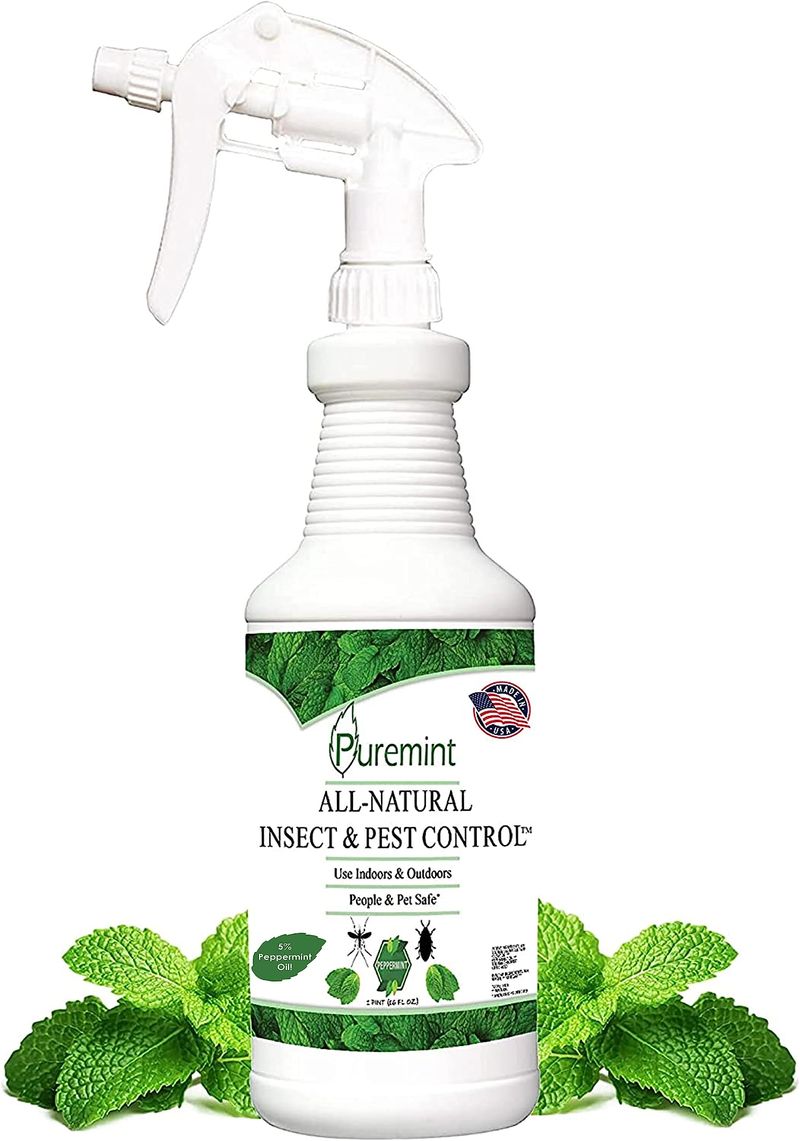
Peppermint oil, with its refreshing scent, is a natural pest repellent. Its strong aroma confuses pests like spiders and ants, disrupting their scent trails. Mix a few drops with water and spray around entry points to safeguard your home. The invigorating fragrance not only refreshes your space but also deters unwanted guests. As an added benefit, it can boost your mood and concentration. Peppermint oil exemplifies the art of using nature’s gifts for harmonious living. Keep pests at bay while enjoying an aromatic ambiance that uplifts your spirits.
8. Soap Spray
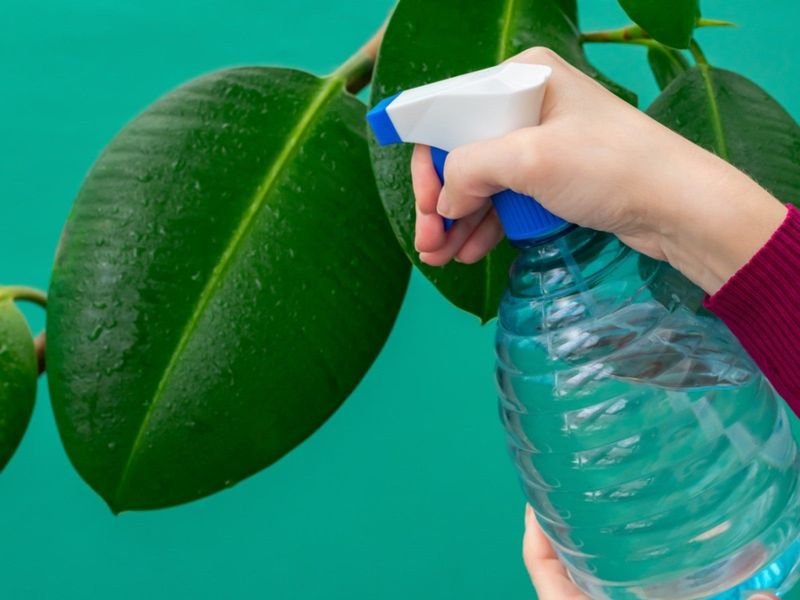
Soap spray is a straightforward solution to garden pest woes. Made from diluted liquid soap, it coats insects, disrupting their cell membranes and killing them. Effective against aphids, mites, and mealybugs, it offers quick relief. This method is gentle on plants and safe for beneficial insects when applied correctly. Its simplicity is its strength, providing an accessible option for gardeners of all levels. Soap spray embodies the DIY spirit, allowing you to combat pests with minimal ingredients. Enjoy healthier plants without chemical worries.
9. Ladybugs
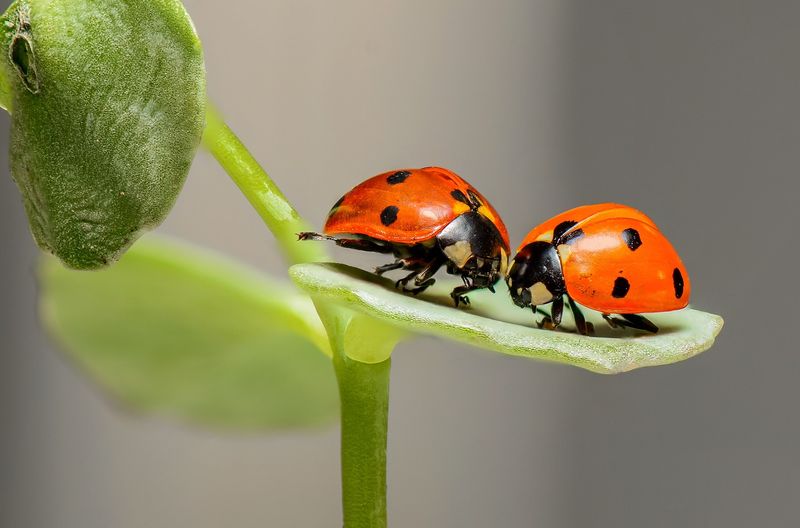
Ladybugs are nature’s charming pest controllers. These spotted insects devour aphids, scale insects, and mites with enthusiasm. Introduce them to your garden, and watch as they patrol plants, keeping pest populations in check. Beyond their appetite for pests, ladybugs signify a healthy ecosystem. They thrive in gardens rich in biodiversity, creating a balance that benefits all inhabitants. Their presence is a colorful reminder that sometimes, the simplest solutions are the most effective. Embrace the charm of ladybugs and enjoy a flourishing garden.
10. Cedar Wood
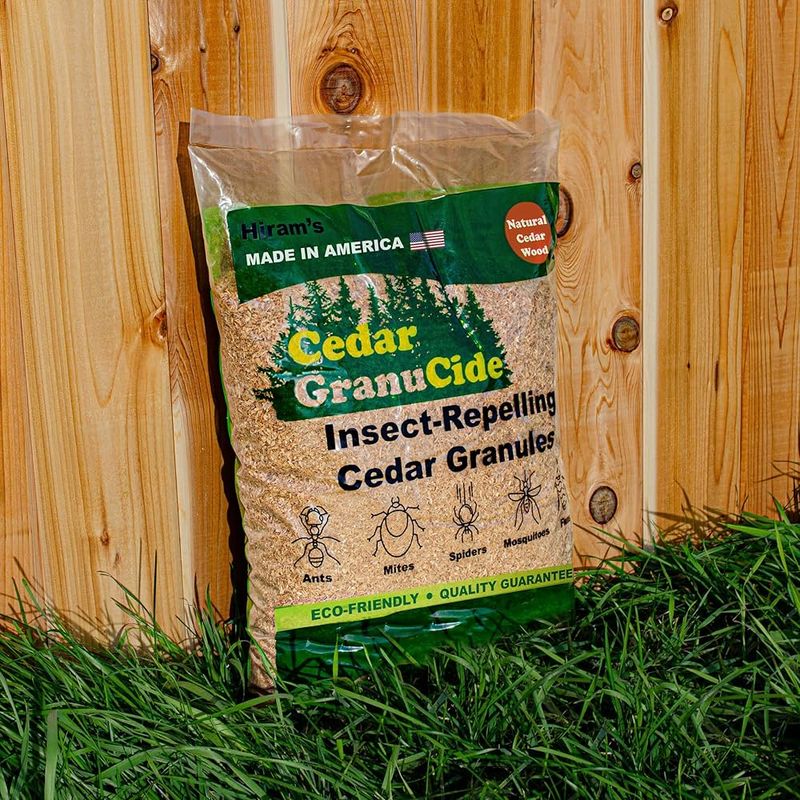
Cedar wood, with its distinctive aroma, is a natural pest deterrent. Its oils repel mosquitoes, moths, and ants, creating an inhospitable environment for these intruders. Use cedar chips in garden paths or cedar blocks in closets to harness its power. The wood’s warm, earthy scent adds a layer of comfort to spaces. As it naturally breaks down, it enriches the soil, making it a sustainable choice. Cedar wood stands as a testament to nature’s ability to offer protective solutions, blending form and function seamlessly.
11. Beneficial Nematodes
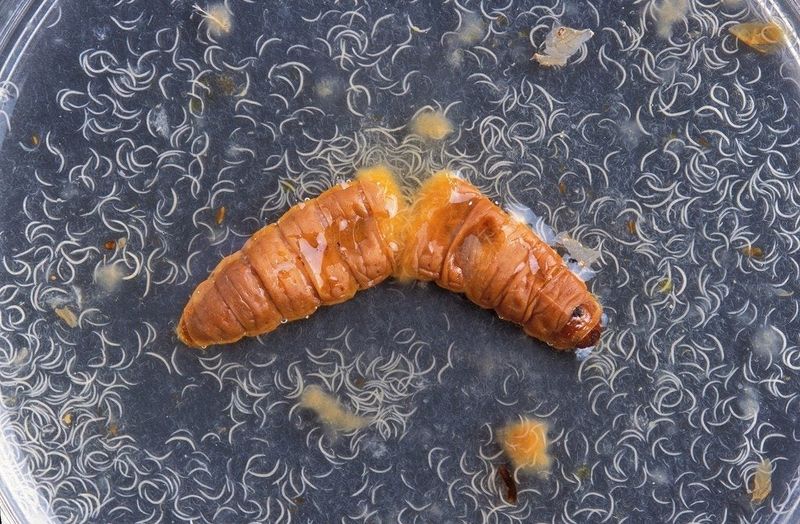
Beneficial nematodes are tiny, worm-like organisms that target soil-dwelling pests. They invade and destroy grubs, weevils, and more, making them invaluable allies. Apply them to moist soil and let them work their magic. These nematodes are harmless to humans, pets, and plants, focusing solely on pests. Their presence fosters healthier soil, promoting robust plant growth. As a natural solution, they exemplify sustainable pest management, where nature corrects its imbalances. Embrace the power of beneficial nematodes and witness a thriving, pest-free garden.
12. Pyrethrin
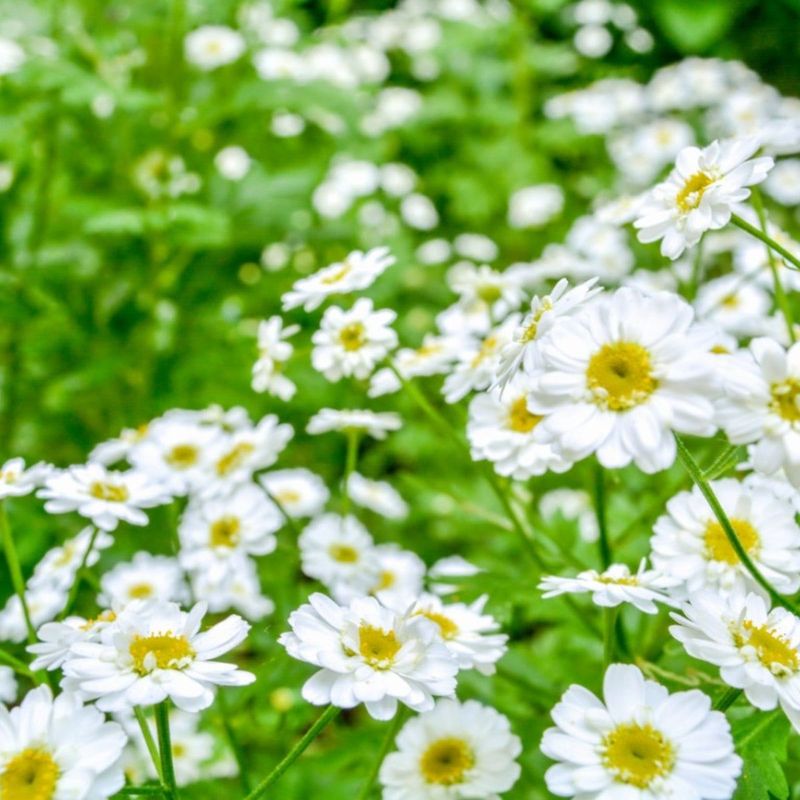
Pyrethrin, extracted from chrysanthemum flowers, is a powerful botanical insecticide. It targets a wide range of pests, including mosquitoes, fleas, and garden insects. Its rapid action paralyzes pests before they can cause harm. Despite its potency, pyrethrin breaks down quickly, minimizing environmental impact. It’s a testament to nature’s ability to offer potent yet biodegradable solutions. Use pyrethrin spray with care, focusing on affected areas. Let chrysanthemums inspire your garden’s pest control strategy, combining beauty with utility.
13. Essential Oils

Essential oils like lavender, eucalyptus, and tea tree are potent pest deterrents. Their strong scents disrupt pest behavior and deter them from settling. Mix a few drops with water and spray around the garden or home. These oils not only repel pests but also offer therapeutic benefits to humans. Enjoy a fragrant environment that promotes well-being while keeping insects at bay. Essential oils illustrate the intersection of health and natural pest control, showcasing how aromatic solutions can enhance both garden and personal space.
14. Floating Row Covers
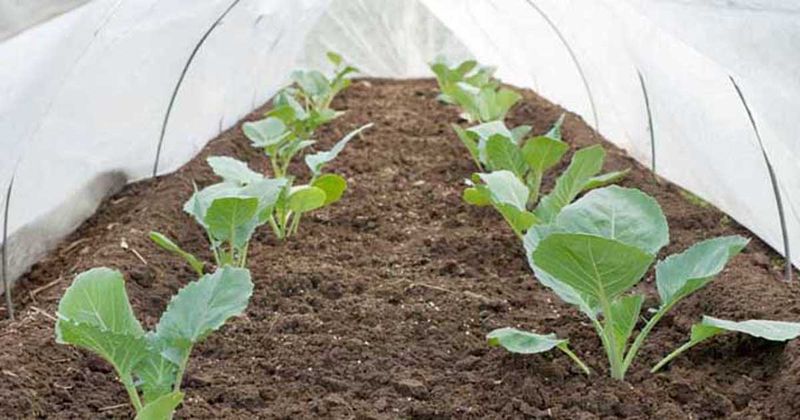
Floating row covers are a physical barrier against pests, allowing sunlight and moisture in while keeping intruders out. Lightweight and breathable, they protect crops from insects like cabbage worms and beetles. Simply drape them over plants and secure the edges. These covers are reusable and adaptable to various garden sizes. They offer peace of mind, shielding your harvest without chemicals. Floating row covers highlight the innovation in organic gardening, where simple materials create formidable defenses. Enjoy bountiful harvests protected by this gentle shield.
15. Beer Trap
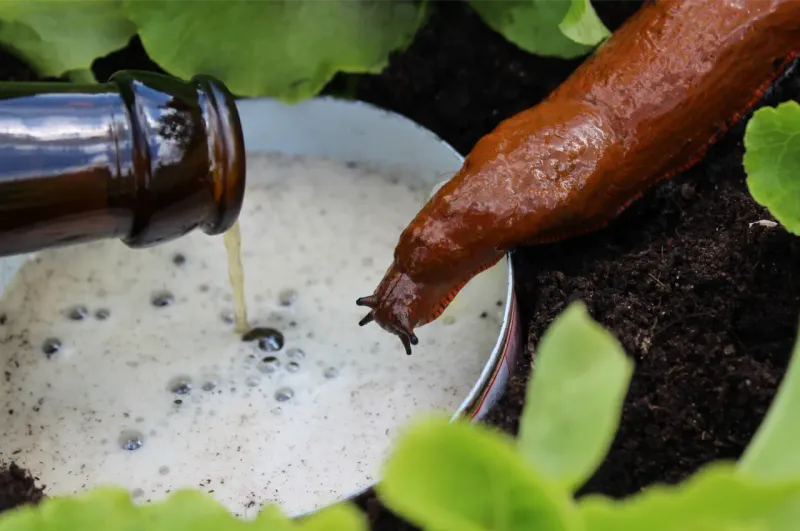
A beer trap is a surprisingly effective method for slug control. Fill a shallow dish with beer and bury it near affected plants. Slugs are attracted to the scent, fall in, and drown. This method capitalizes on their attraction to yeast. While simple, it’s a testament to creative problem-solving in pest management. Use stale beer to maximize results, and regularly refresh the traps. This eco-friendly approach ensures your garden remains slug-free without harmful chemicals. Let beer traps showcase ingenuity in keeping gardens vibrant and thriving.
16. Birdhouses
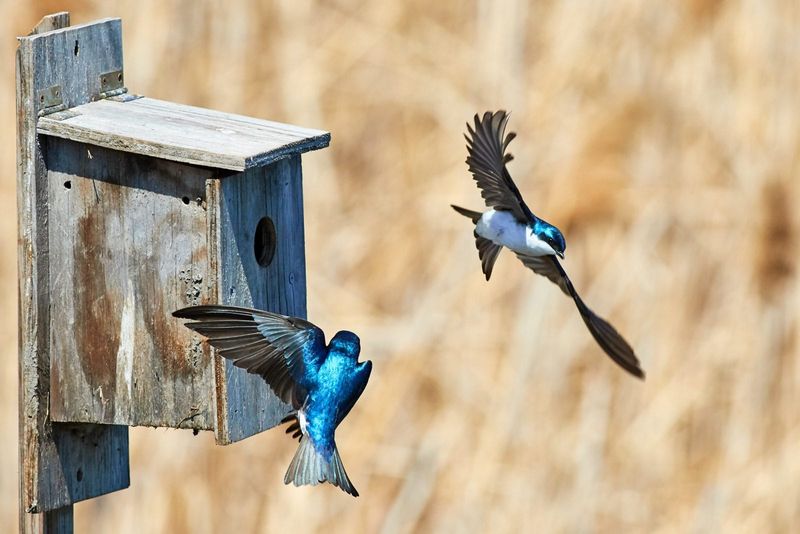
Birdhouses invite feathered allies into your garden, where they feast on insects like caterpillars and beetles. By providing shelter, you encourage birds to make your garden their home. This symbiotic relationship reduces pest populations naturally. Beyond their utility, birdhouses add charm and life to outdoor spaces. Choose designs that suit your garden’s aesthetic, and watch as birds contribute to its health. Embrace this harmonious approach, where nature’s predators work alongside you for a flourishing garden. Birdhouses exemplify the beauty of collaboration with nature.
17. Chili Pepper Spray
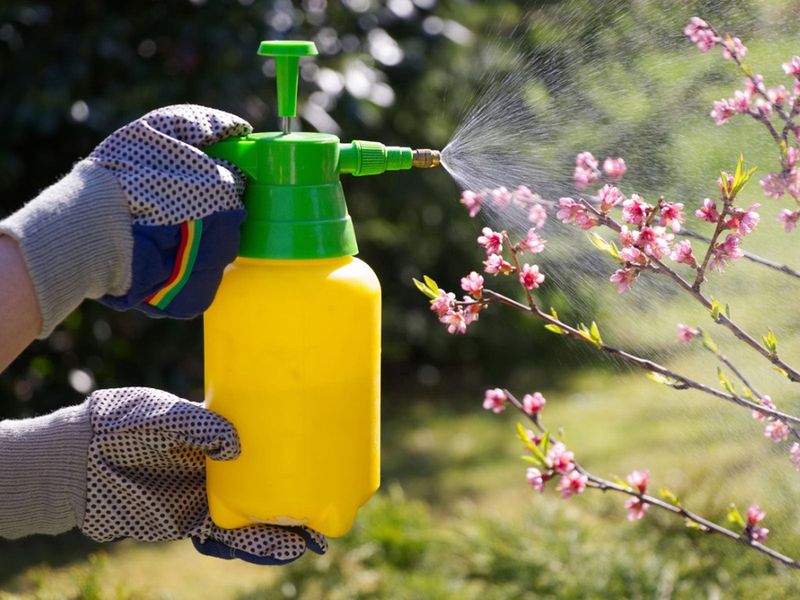
Chili pepper spray is a fiery deterrent for pests. Its spicy heat irritates insects, driving them away from plants. Blend fresh chili peppers with water, strain, and spray on affected areas. This solution is particularly effective against aphids and spider mites. While intense, it leaves no harmful residues on plants. Chili pepper spray showcases the power of spice in pest management, where culinary heat becomes a gardener’s friend. Use caution when applying, and enjoy the fiery protection that keeps unwanted visitors at bay.
18. Wood Ash
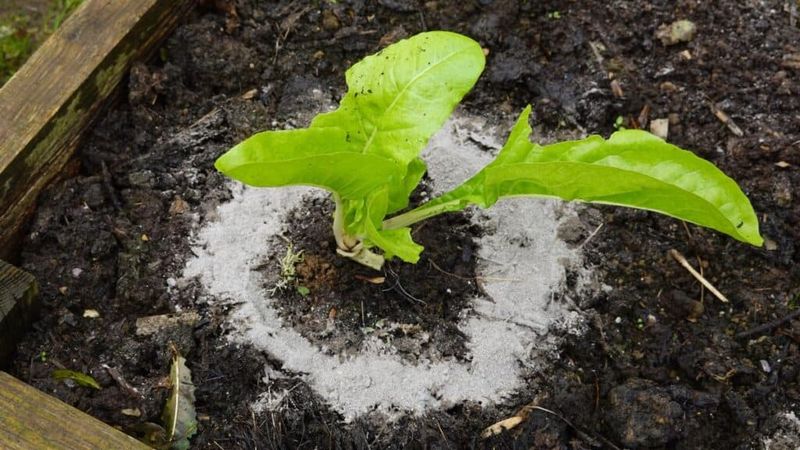
Wood ash, a byproduct of burning wood, offers dual benefits: pest control and soil enrichment. Its alkaline nature repels slugs and snails, creating a barrier they avoid. Sprinkle it around plant bases to deter these pests. Rich in potassium and lime, it also enhances soil fertility. Use wood ash sparingly to avoid over-alkalizing the soil. This method embodies sustainability, turning waste into a valuable resource. Experience the dual advantage of healthier plants and fewer pests with this time-honored technique.
19. Citrus Peel

Citrus peel, with its zesty aroma, repels pests like ants and mosquitoes. Scatter peel around garden beds or rub it on plant leaves. Its essential oils create a protective barrier, confusing pests. Beyond pest control, citrus peel adds nutrients to the soil as it decomposes. This method highlights the potential of everyday waste in gardening. Enjoy the refreshing scent and vibrant garden, knowing you’re using sustainable practices. Let citrus peel transform your garden into a pest-free and aromatic haven.
20. Onion and Garlic Barrier
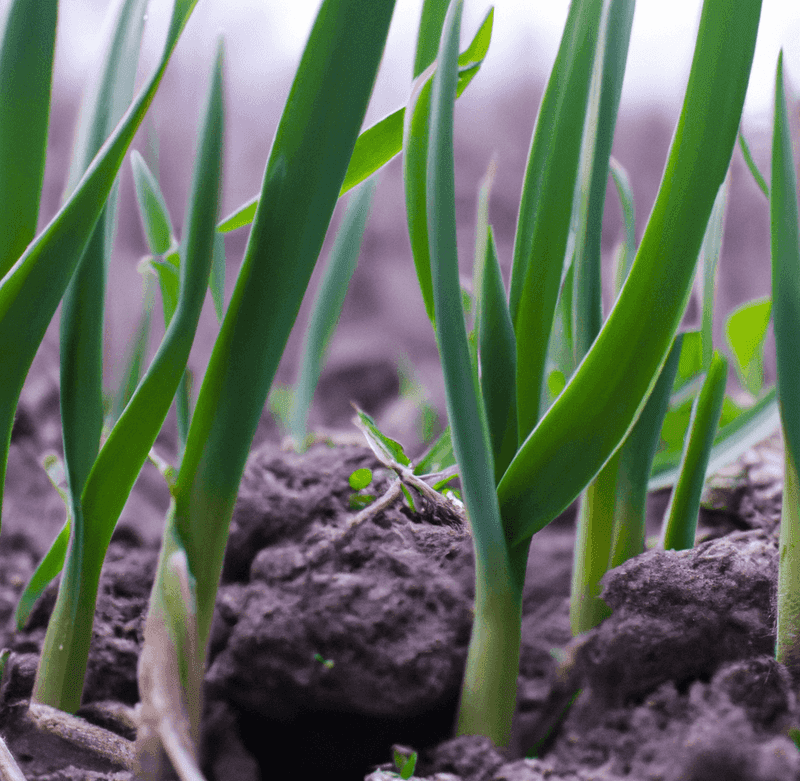
Onion and garlic, with their strong scents, act as natural barriers to pests. Plant them around garden borders to create a protective perimeter. Their sulfur compounds deter a variety of insects, including aphids and carrot flies. This method enriches garden diversity, supporting companion planting strategies. Enjoy a garden where aromatic defenses blend with plant beauty. Onion and garlic barriers demonstrate the art of using culinary staples for garden health. Let these humble plants guard your garden with their natural prowess.
21. Catnip Plant
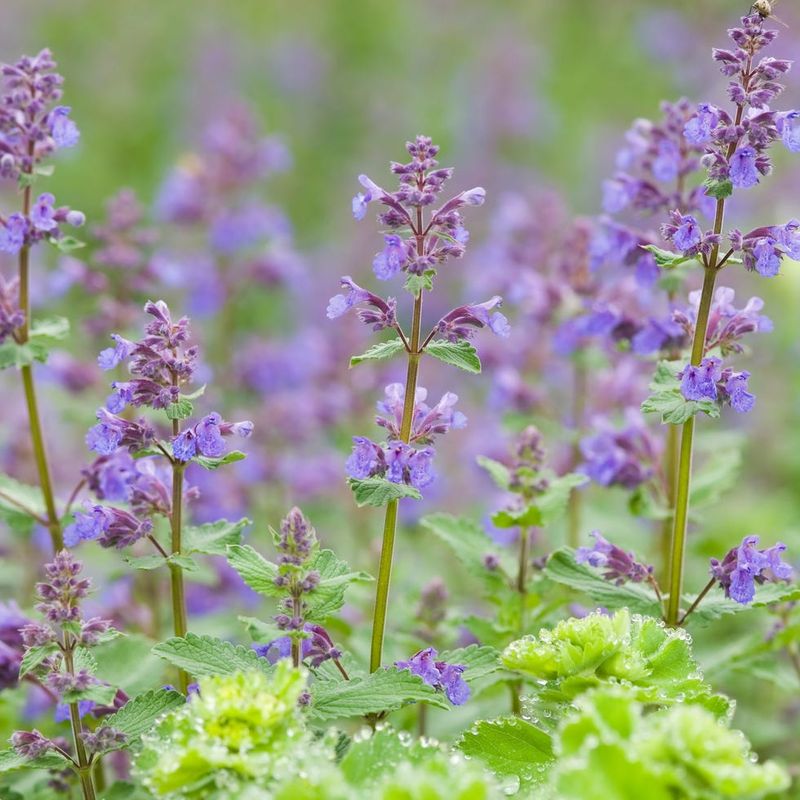
Catnip isn’t just for cats; it’s a potent pest repellent too. Its strong scent deters mosquitoes and flies, making it a valuable garden ally. Plant catnip near seating areas or around the garden to enjoy its protective benefits. Beyond its repellent properties, catnip attracts beneficial pollinators like bees. This dual function enhances garden health and biodiversity. Catnip exemplifies the versatility of plants, where pet entertainment meets pest control. Transform your garden into a thriving, insect-free oasis with this aromatic herb.
22. Milk Spray
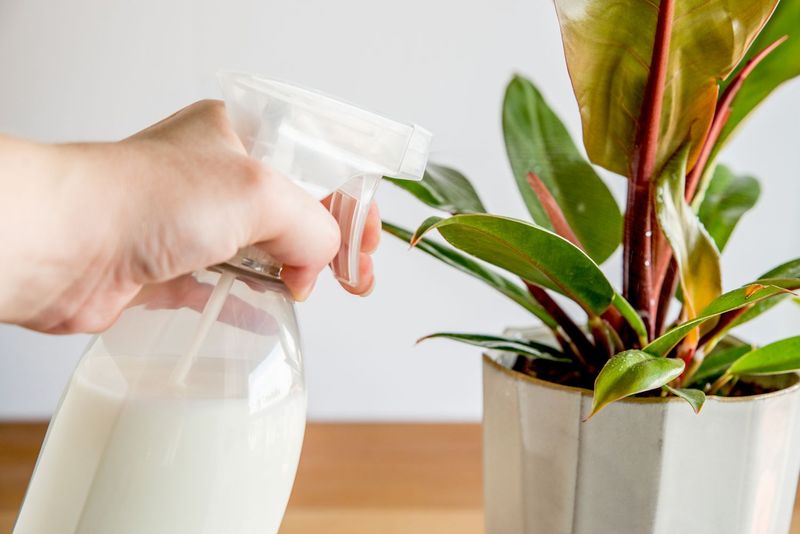
Milk spray is an unconventional yet effective solution for controlling powdery mildew, a common plant disease. Dilute milk with water and spray on affected plants. The enzymes and natural compounds in milk combat fungal growth. This method is gentle on plants and safe for the environment. Beyond its primary use, milk spray can also deter soft-bodied insects. Embrace this surprising tool in your gardening arsenal, where everyday items become powerful allies. Enjoy a garden where innovation meets nature’s wisdom for plant care.
23. Tansy Plant
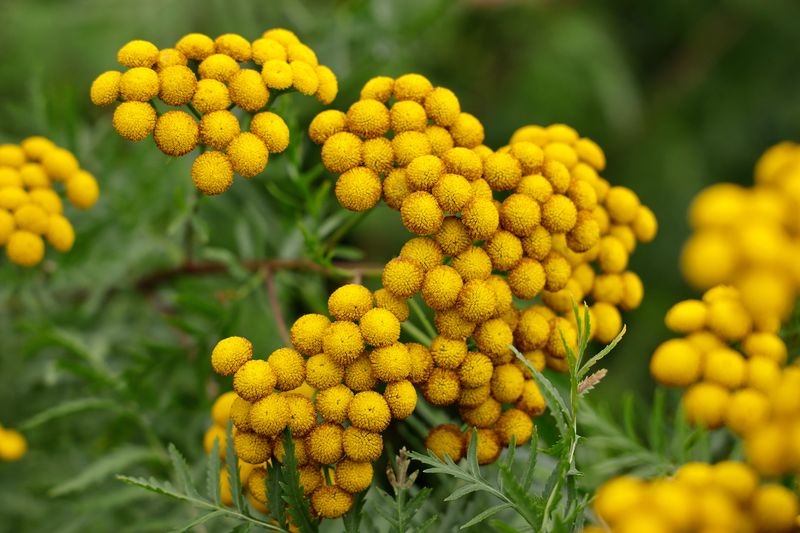
Tansy, with its vibrant yellow flowers, is a visual delight and pest deterrent. Its strong scent repels ants, mosquitoes, and flies, making it a useful addition to gardens. Plant tansy around doorways or garden borders to create a fragrant barrier. Beyond its pest-repelling qualities, tansy enriches the soil as it decomposes. It embodies the concept of using beauty for function, where ornamental plants contribute to garden health. Let tansy’s cheerful blooms and protective properties enhance your garden experience.
24. Eggshell Barrier
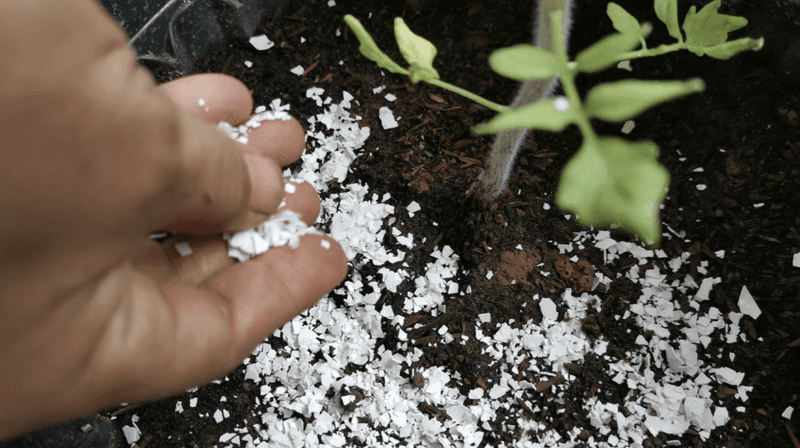
Eggshells, often discarded as kitchen waste, can serve as a natural pest deterrent. Crushed finely and scattered around plants, they create a sharp barrier that deters soft-bodied insects such as slugs and snails.
Their abrasive texture is not appreciated by these pests, keeping them away from vulnerable plant stems and roots.
Additionally, eggshells slowly decompose, enriching the soil with calcium.
This dual function makes them a sustainable choice for eco-conscious gardeners.
Did you know? Some gardeners even rinse and bake eggshells to enhance their protective qualities before use.
25. Banana Peel Fertilizer Trap
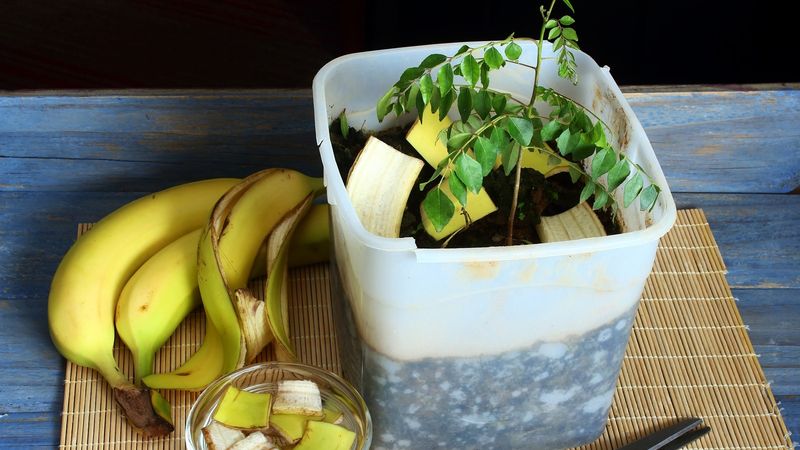
Banana peels, surprisingly, can be a gardener’s ally against pests. When buried near the base of plants, they slowly release nutrients like potassium, promoting plant health and resilience.
Their sweet smell also attracts beneficial insects that prey on common pests.
Moreover, banana peels can deter aphids and other destructive insects, protecting new growth.
As an added benefit, they break down into organic matter, improving soil quality.
An interesting tidbit: Victorian gardeners used banana peels to boost plant growth, highlighting their long-standing utility in organic gardening.